Lake Mead National Recreation Area
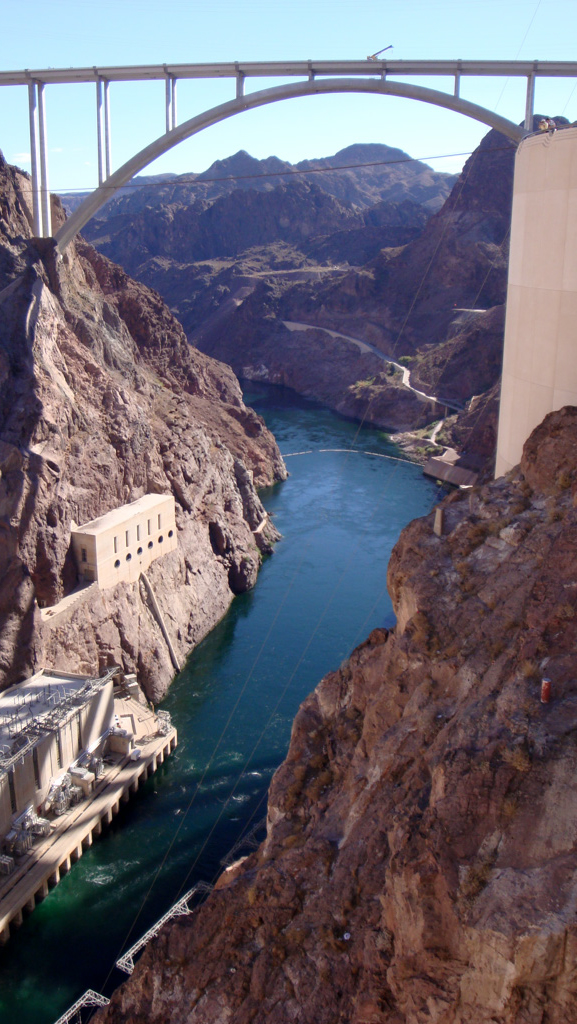
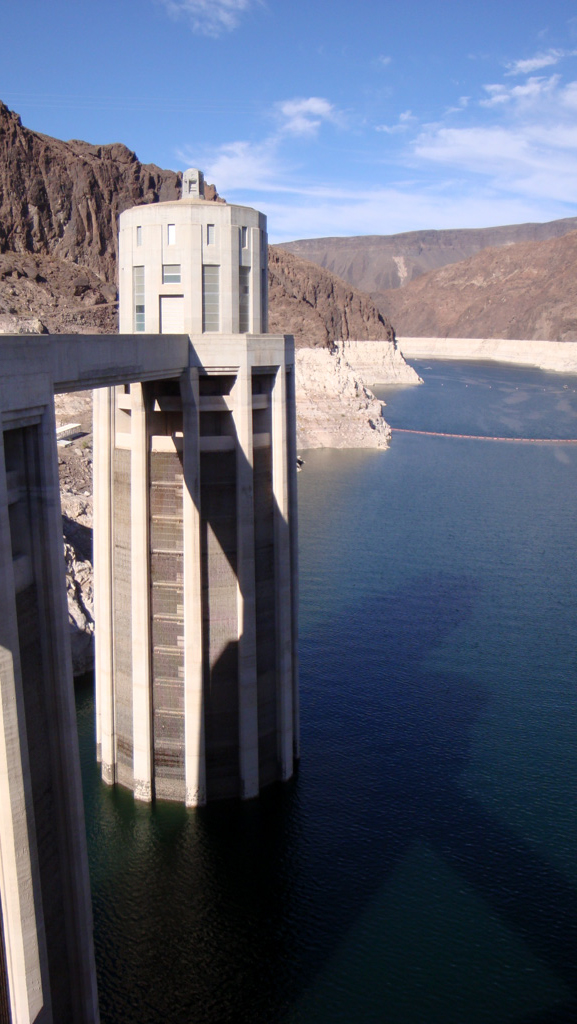
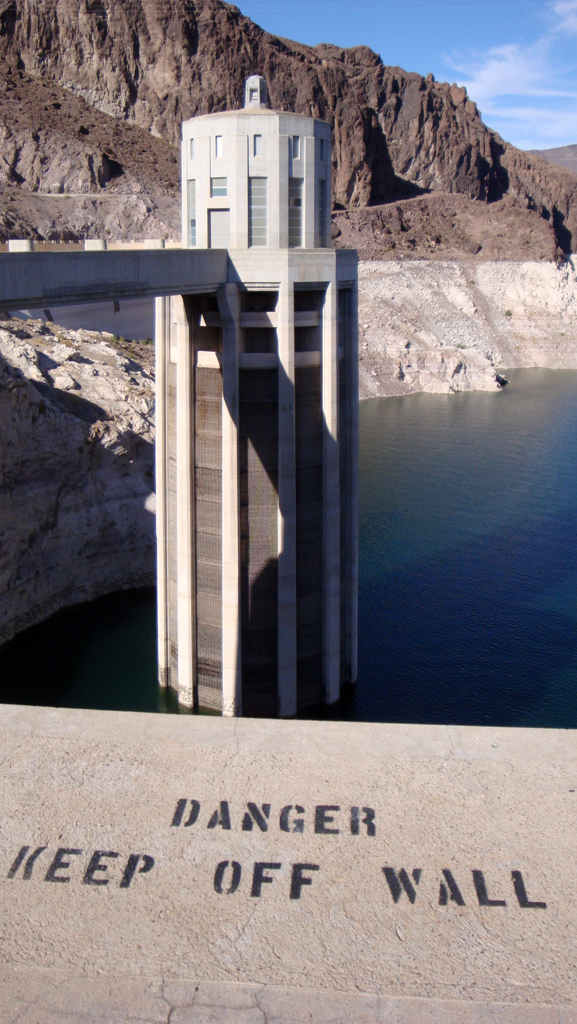
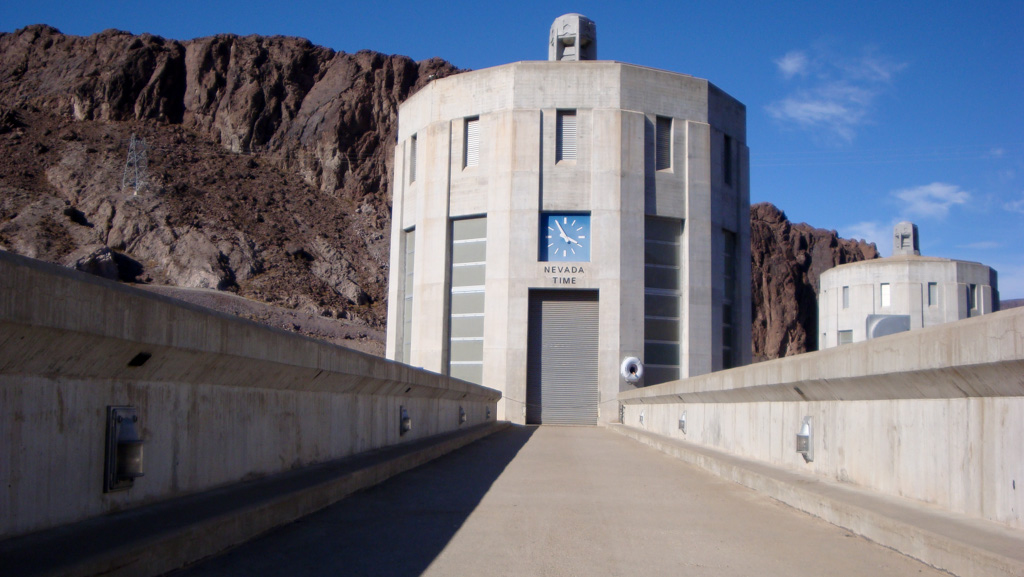
Lake Mead National Recreation Area is located along the Colorado River on the border of Nevada and Arizona, where desert mountain ranges surround one of the largest reservoirs in the United States. The lake was formed by the construction of Hoover Dam in 1935, a major engineering project that transformed the Colorado River into a managed water system supporting agriculture, urban growth, and hydroelectric power throughout the American Southwest. Today, the recreation area extends across more than 1.5 million acres of desert valleys, canyons, and shoreline environments shaped by tectonic uplift and erosion within the Basin and Range province.
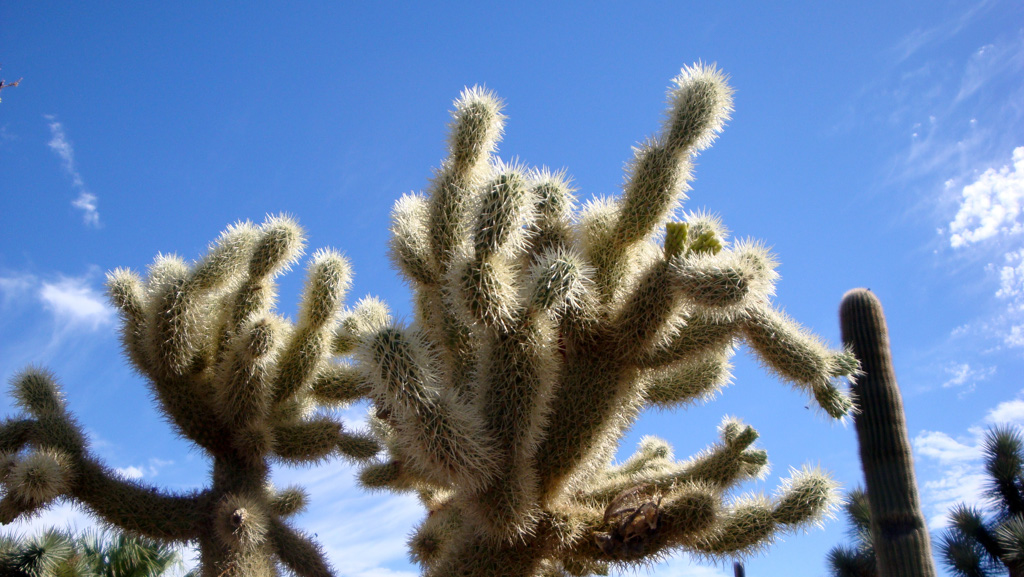
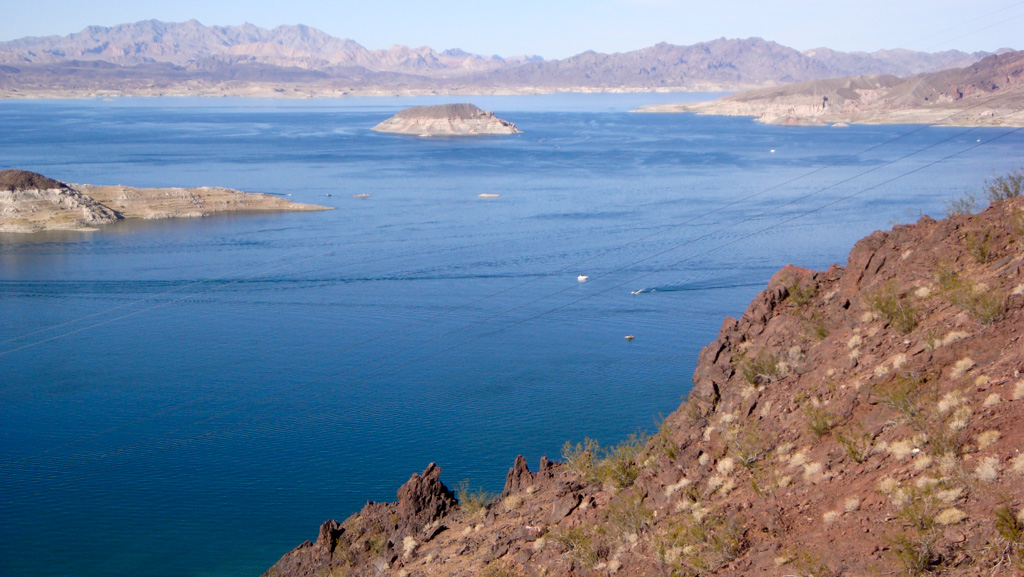
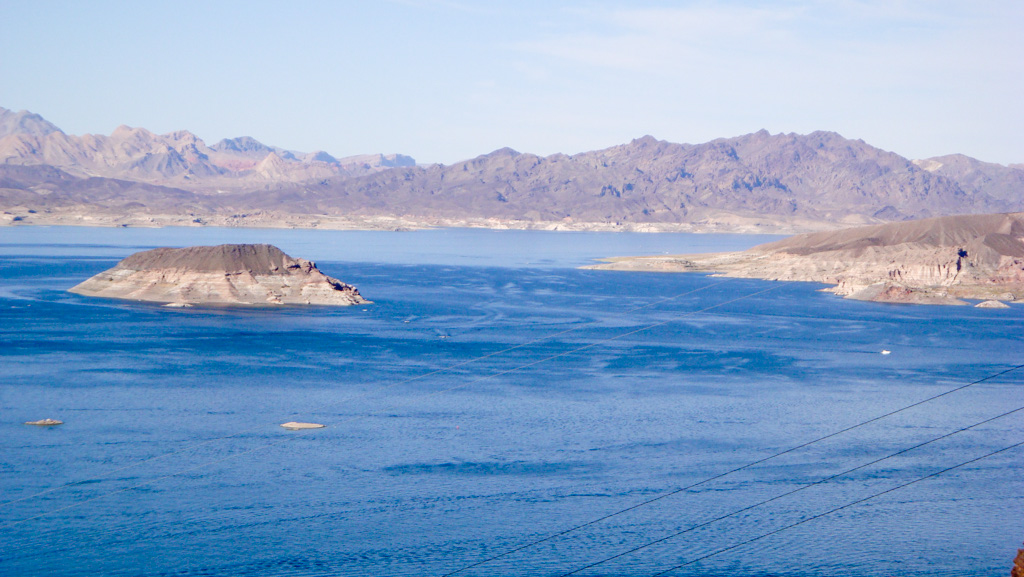
The reservoir and surrounding desert landscape illustrate the interaction between geology, climate, and water resources in an arid environment where surface water is limited. Lake Mead and nearby Lake Mohave provide habitat for fish, migratory birds, and desert wildlife adapted to extreme temperature variation characteristic of the Mojave Desert ecosystem. The Colorado River corridor has long served as an important natural pathway connecting interior western landscapes with the Gulf of California.
As the first designated National Recreation Area in the United States, Lake Mead represents an early example of balancing conservation and public access to large engineered landscapes. Scenic shorelines, desert mountains, and expansive open water illustrate the relationship between twentieth-century infrastructure projects and the evolving role of recreation in the National Park System.