Provincetown Winter
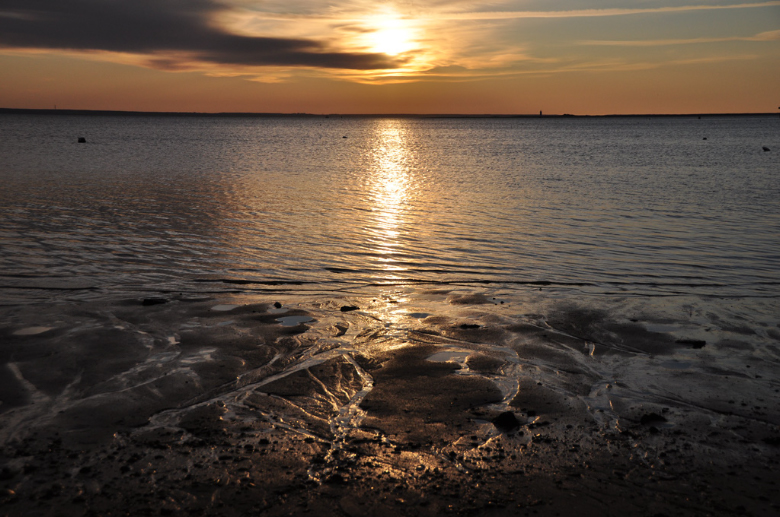
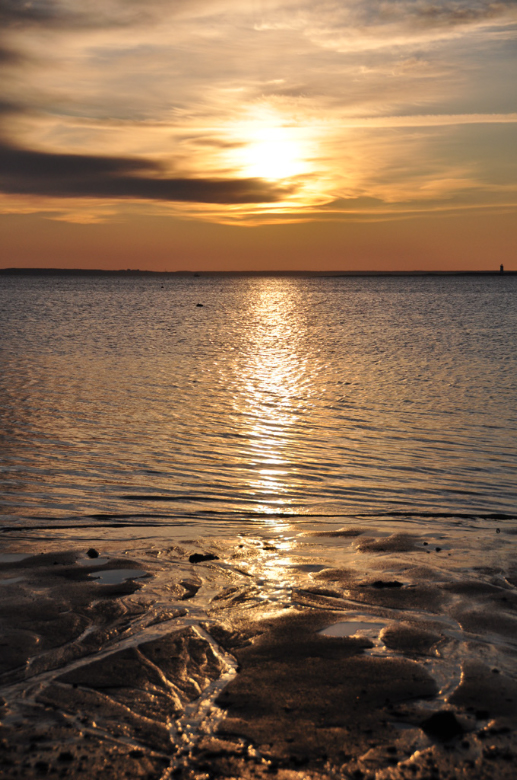
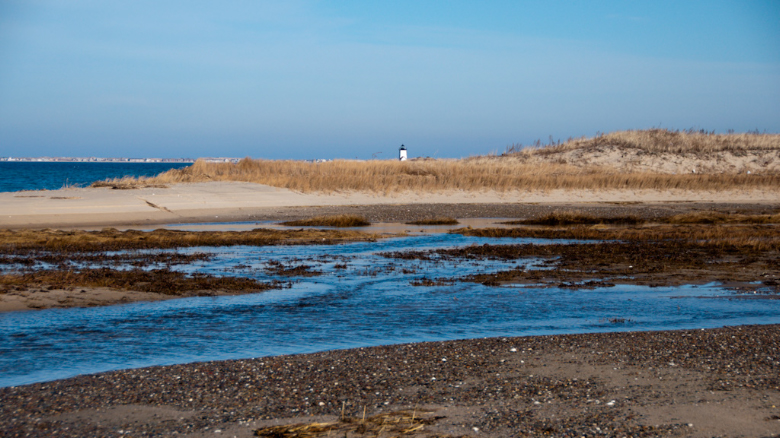
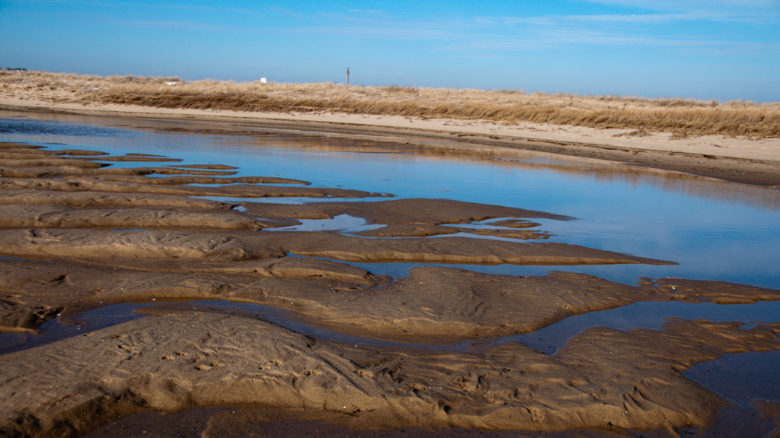
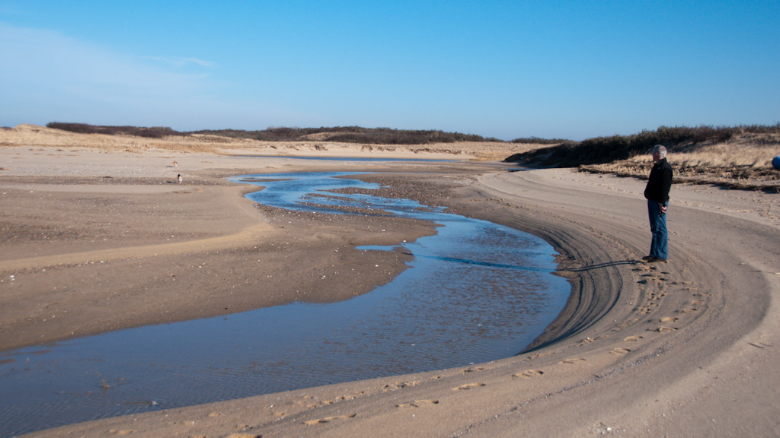
Winter in Provincetown reveals the environmental character of Cape Cod beyond the peak summer season, when coastal weather patterns shape a quieter landscape of dunes, shoreline, and historic structures. The outer Cape reflects the geological legacy of glacial deposition, where sandy soils and barrier formations create a dynamic environment influenced by wind and ocean currents. The surrounding waters of Cape Cod Bay and the Atlantic Ocean moderate winter temperatures while producing rapidly changing coastal conditions typical of maritime climates.
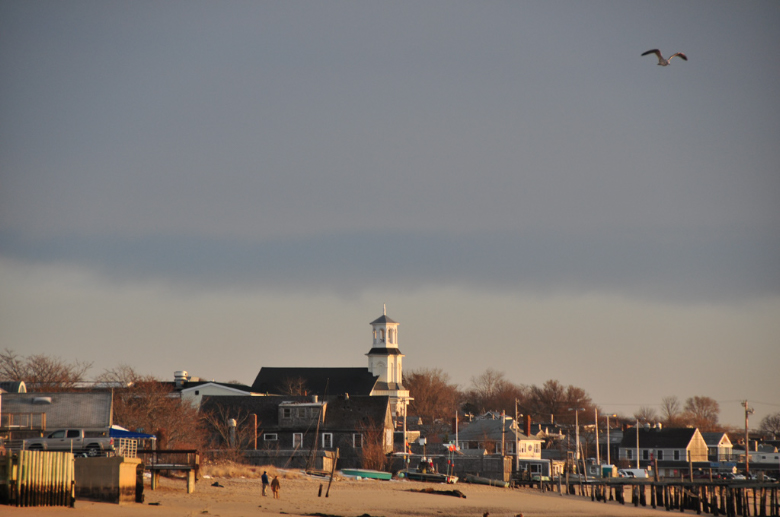
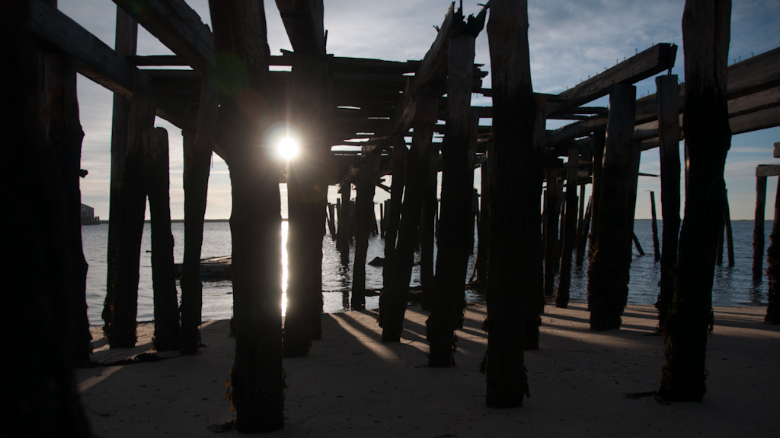
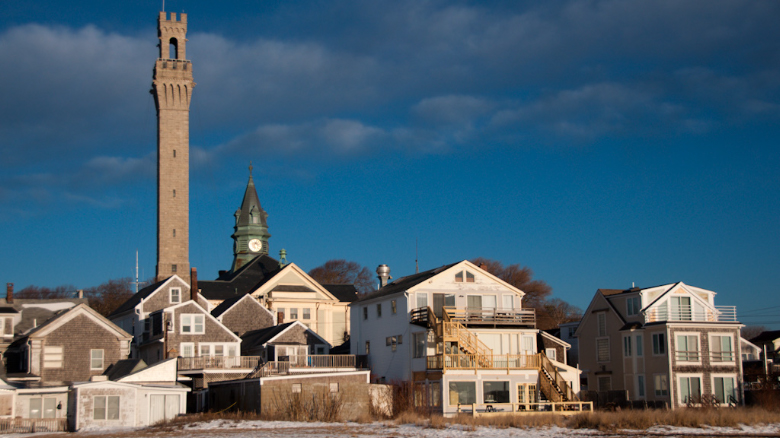
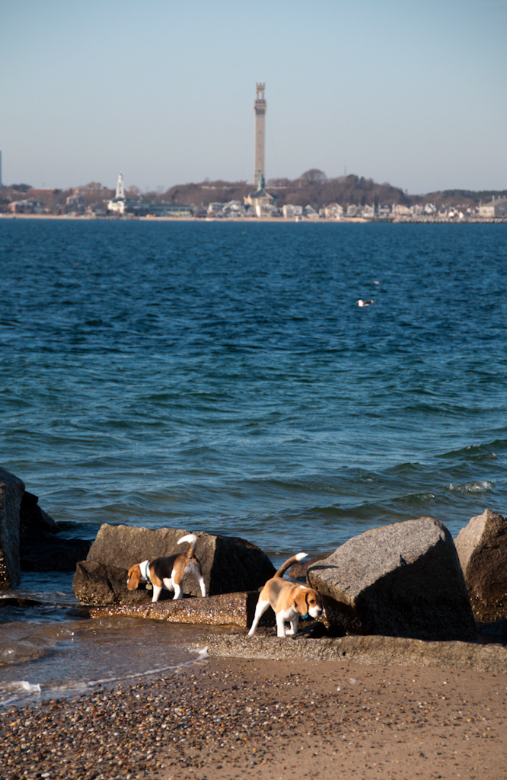
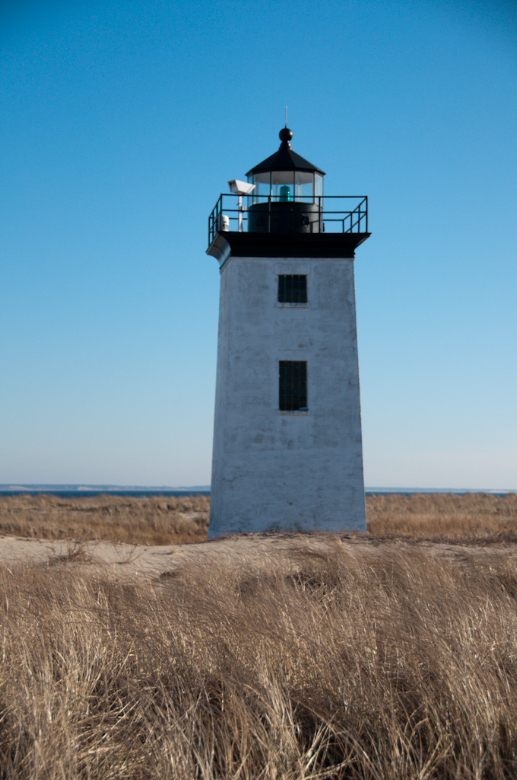
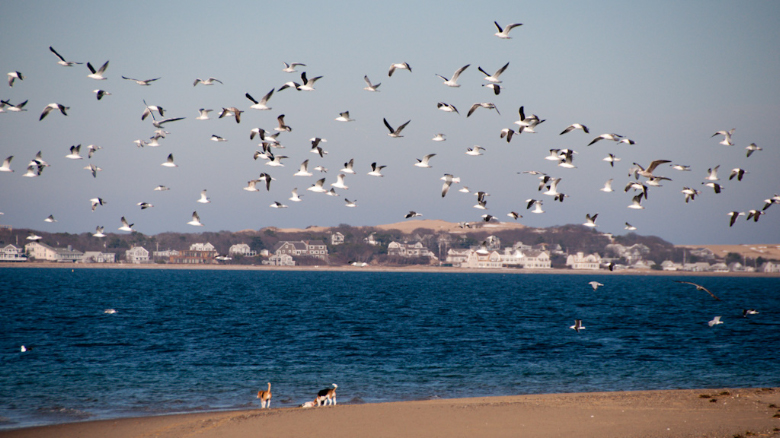
During winter months, the town’s streets and harborfront illustrate the relationship between seasonal climate and coastal settlement patterns. Reduced tourism allows the historic scale of the town to become more visible, highlighting the role of fishing heritage, artistic communities, and conservation landscapes associated with the Cape Cod National Seashore. Winter light often emphasizes the contrast between open sky, sand dunes, and weathered architectural materials characteristic of the outer Cape.
Provincetown in winter contributes to understanding how seasonal change influences both environmental perception and cultural rhythm in coastal New England. The quieter landscape illustrates continuity between natural processes and historic settlement patterns shaped by maritime geography. The winter environment reflects the broader ecological setting of Cape Cod within the North Atlantic coastal system.