Sequoia National Park
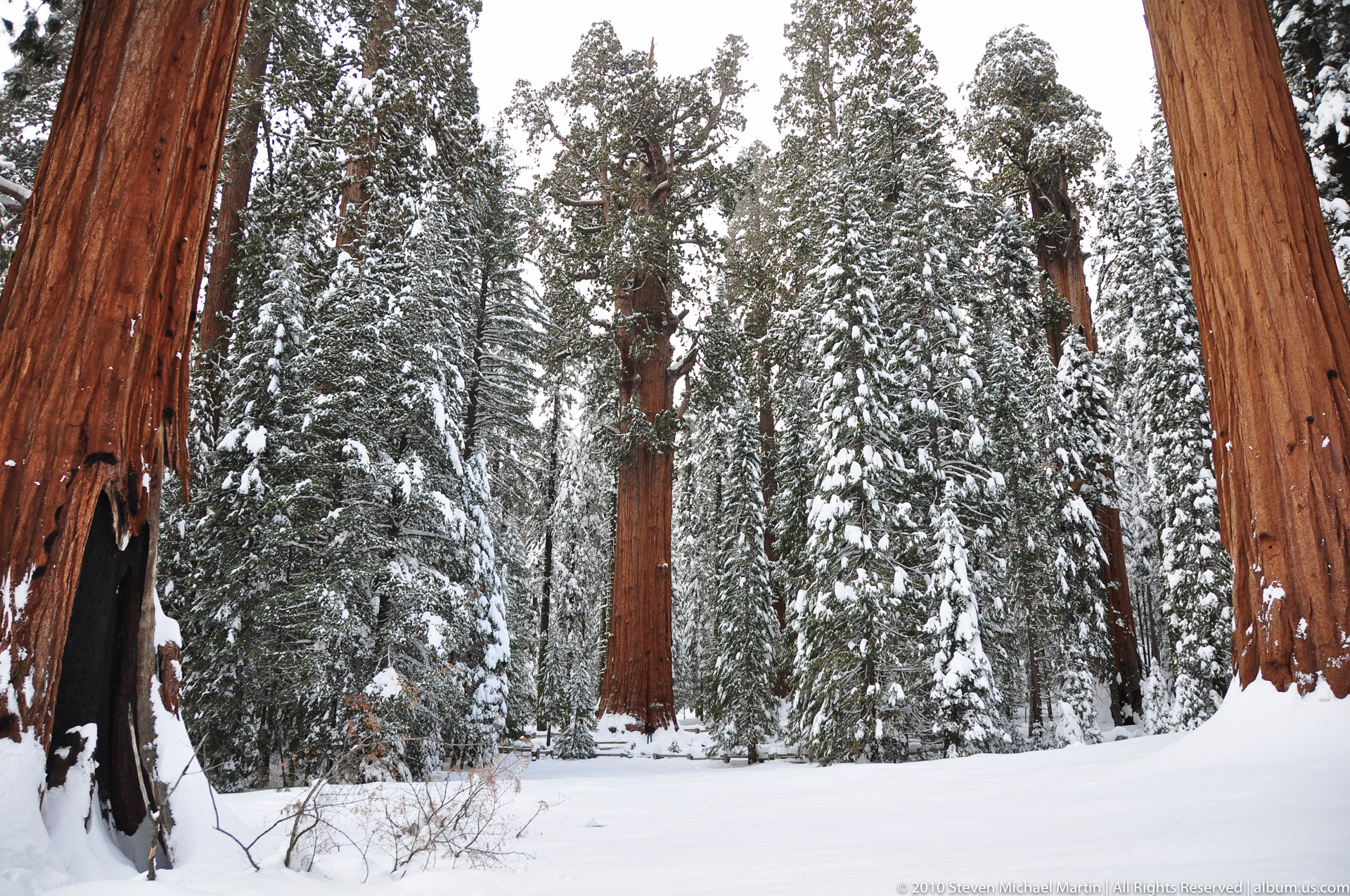
Sequoia National Park is located in California’s southern Sierra Nevada, where high elevation forests support giant sequoia trees among the largest living organisms on Earth. These forests grow in a narrow elevational range where snowpack, soil composition, and climate conditions support long-lived conifer ecosystems characteristic of the western United States.
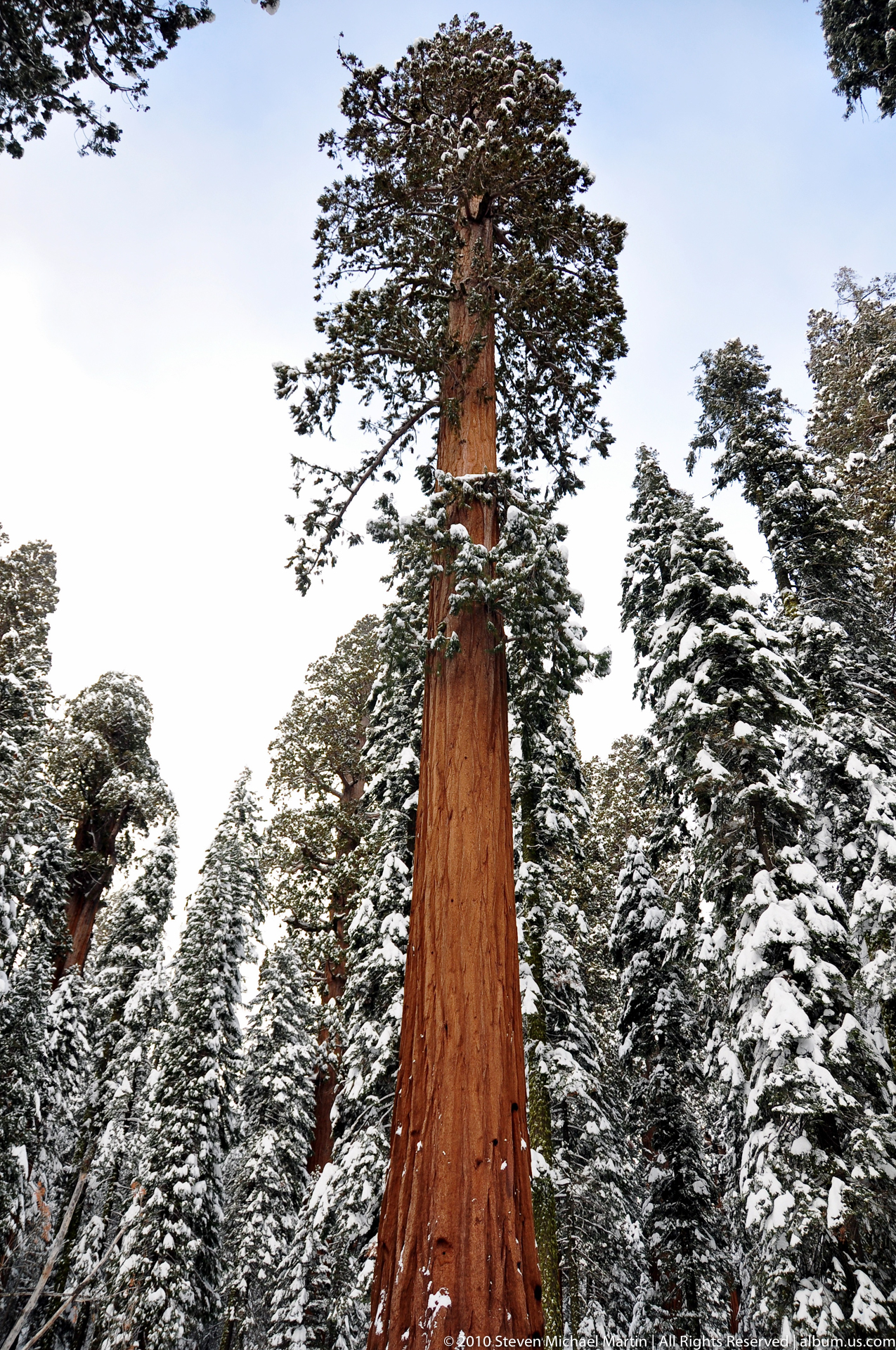
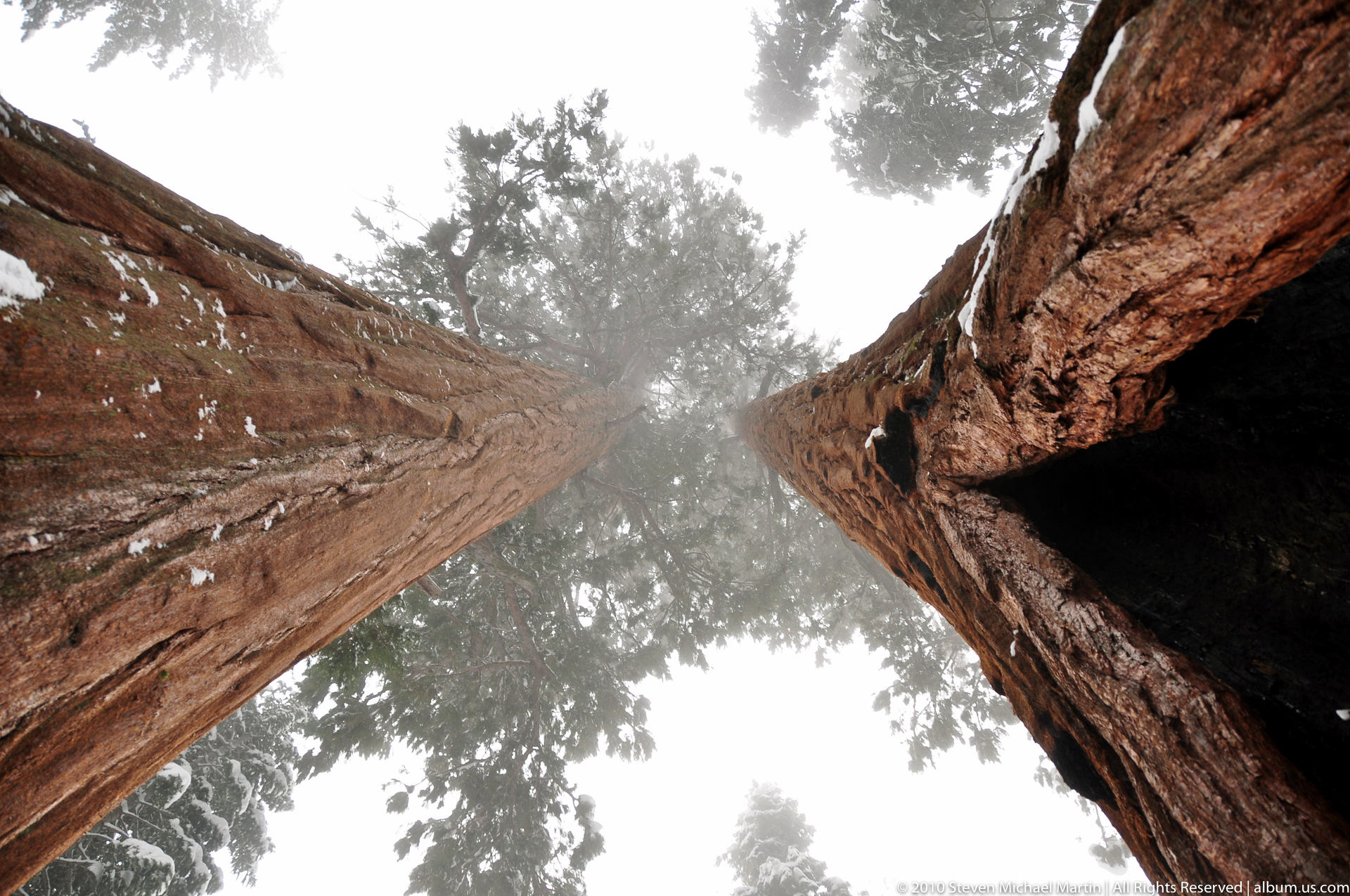
The park preserves mountainous terrain shaped by uplift and glaciation, including deep valleys, granite formations, and alpine landscapes. Giant sequoias may exceed 250 feet in height and live for more than 2,000 years, illustrating the long ecological continuity of Sierra Nevada forest environments.
Sequoia National Park represents one of the earliest protected landscapes in the United States, contributing to the preservation of old-growth forest ecosystems within the Sierra Nevada mountain range.












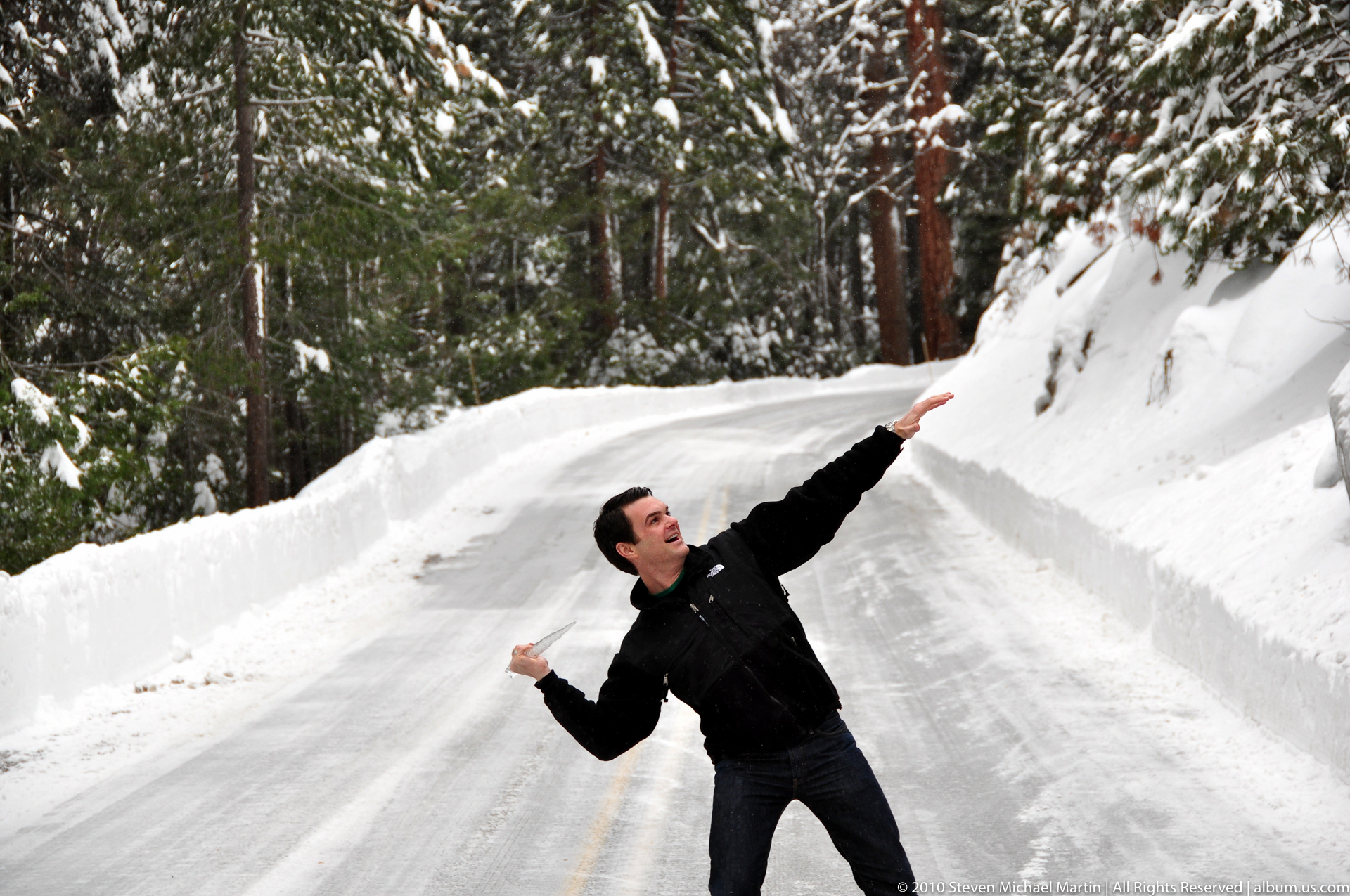


Sequoia National Park Field Guide
📍 Location
Sequoia National Park is located in California’s southern Sierra Nevada mountains, where high elevation forests support giant sequoia groves.
🌲 Landscape
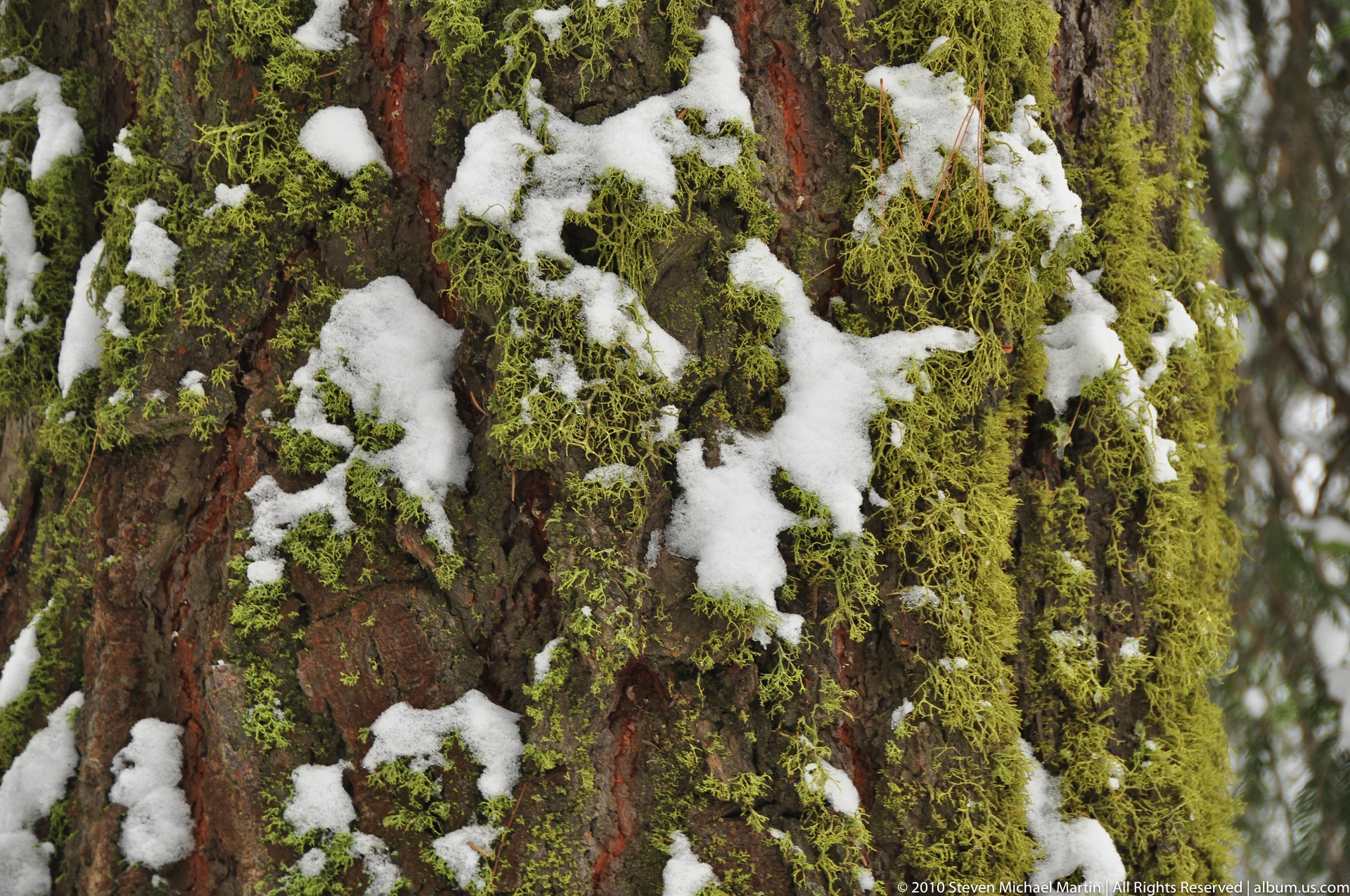
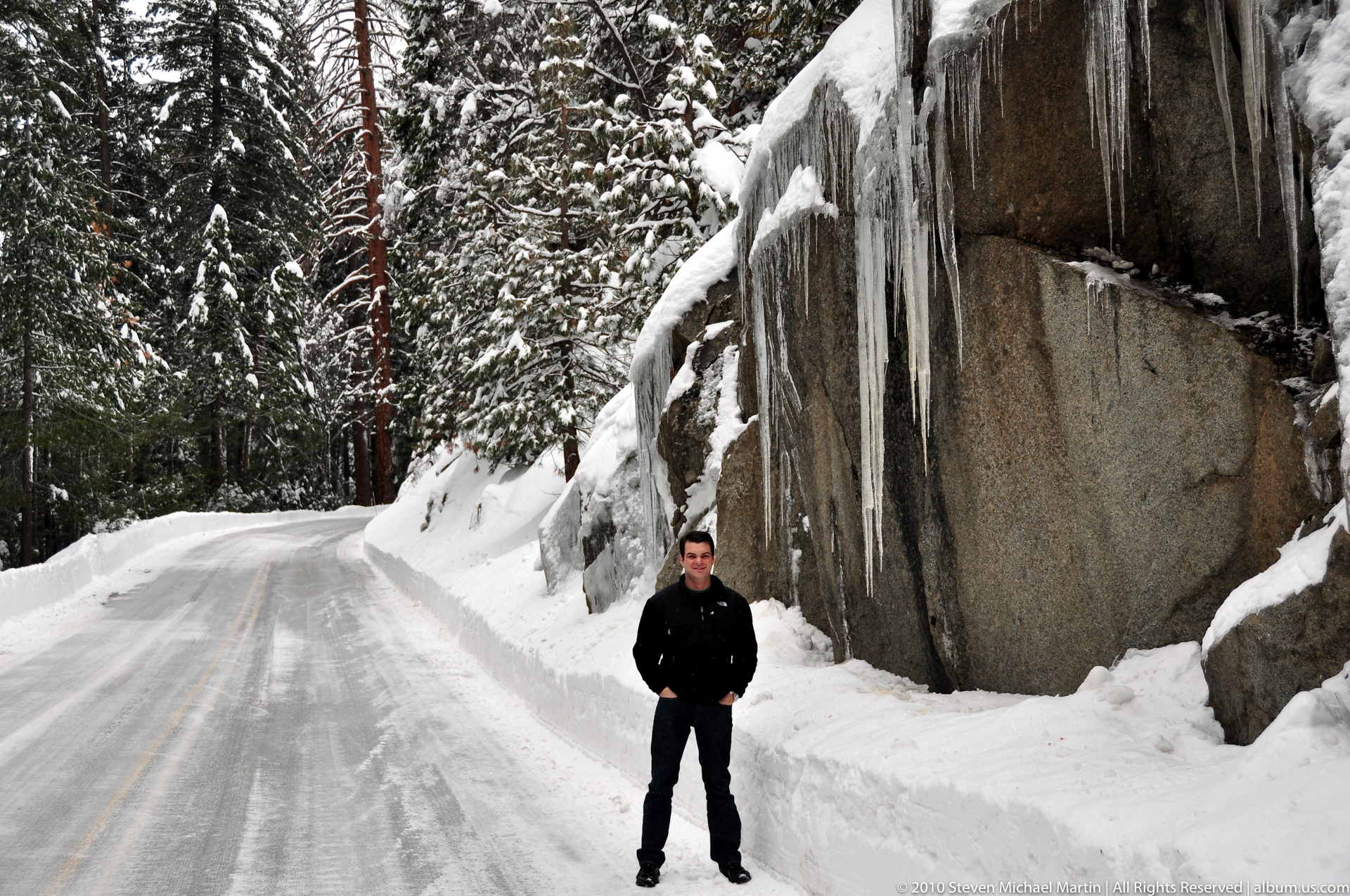
The park protects montane and alpine ecosystems shaped by tectonic uplift and glacial erosion. Giant sequoia trees grow in limited elevation zones where snowpack and soil conditions support long-lived conifer forests.
⭐ Highlights
- Giant sequoia groves among the largest trees on Earth
- High elevation Sierra Nevada landscapes
- Glacial valleys and granite formations
- Old-growth forest ecosystems
📷 Photography Notes
- Vertical compositions emphasize tree scale
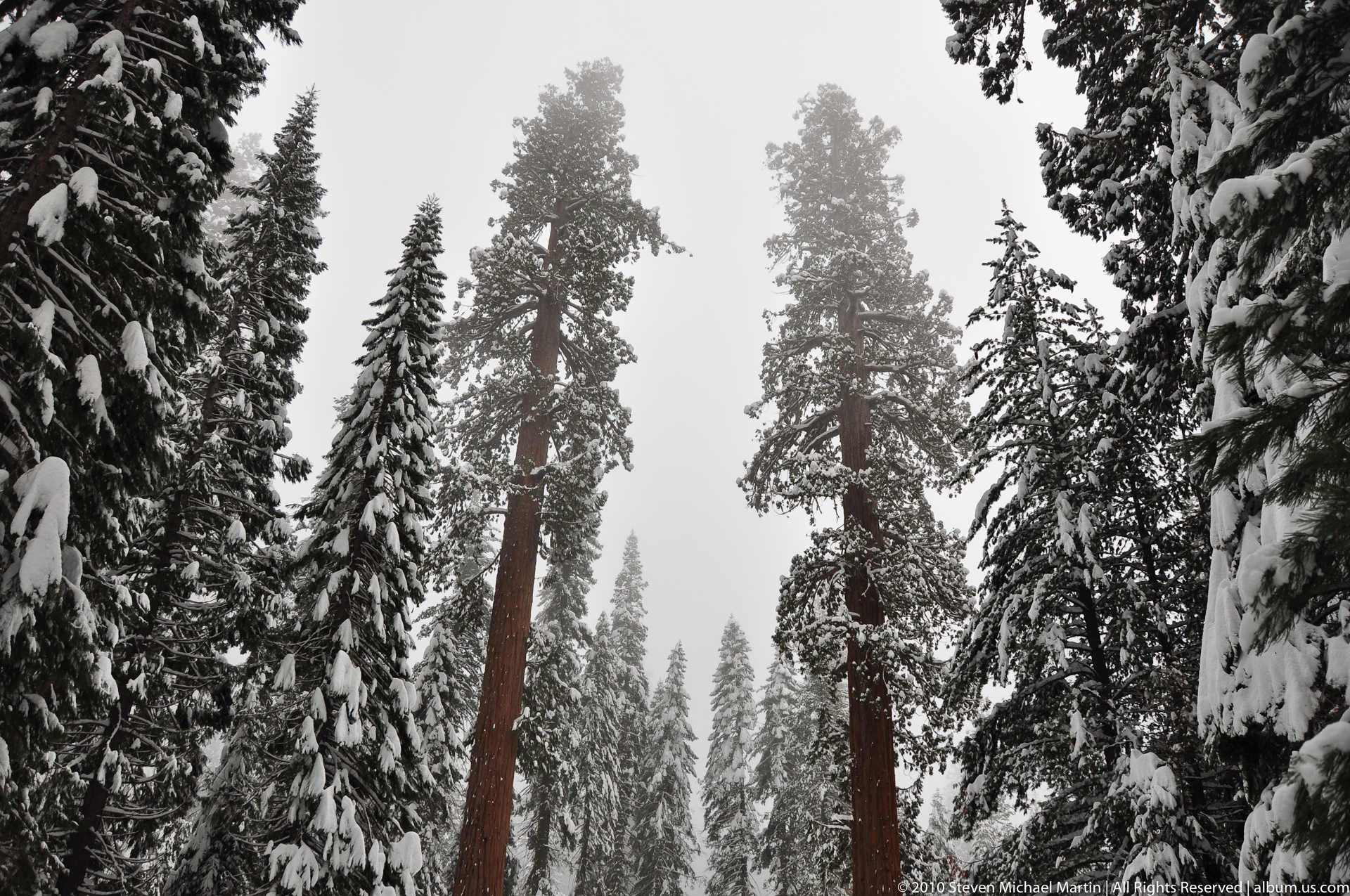
- Soft forest light reduces harsh contrast
- Wide-angle lenses capture grove density
- Morning light creates depth between tree trunks
- Forest floor textures enhance compositional layering
📚 Summary
Sequoia National Park preserves one of the most distinctive old-growth forest ecosystems in North America, illustrating the relationship between elevation, climate, and long-lived tree species.