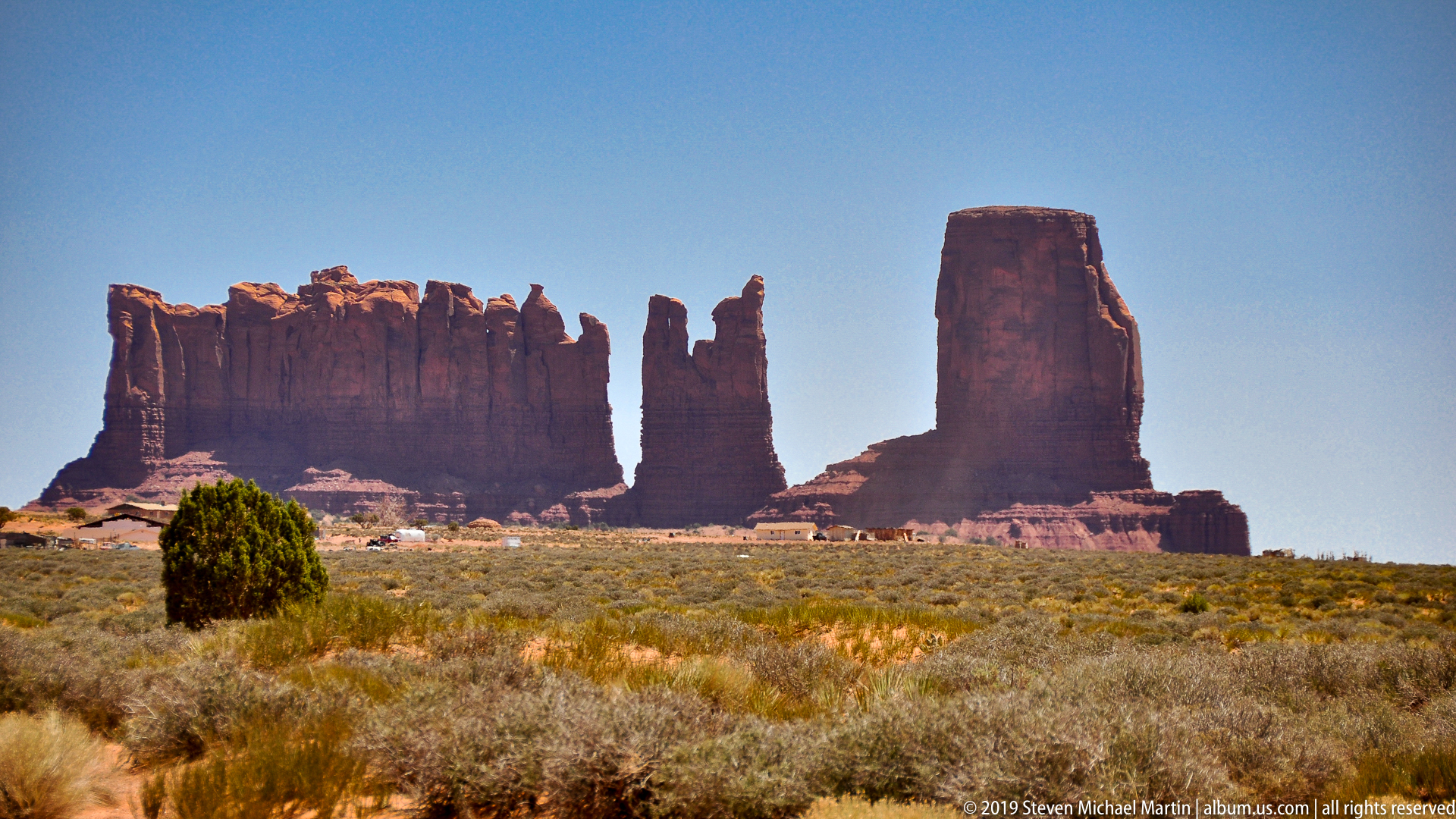
Monument Valley Monument Valley contains sandstone buttes and mesas formed through erosion of layered sedimentary rock across the Colorado Plateau. Wind and water gradually removed softer rock layers, leaving resistant formations rising above the surrounding desert plain. The distinctive shapes illustrate how erosion isolates rock masses over geological time. The landscape holds cultural significance for […]
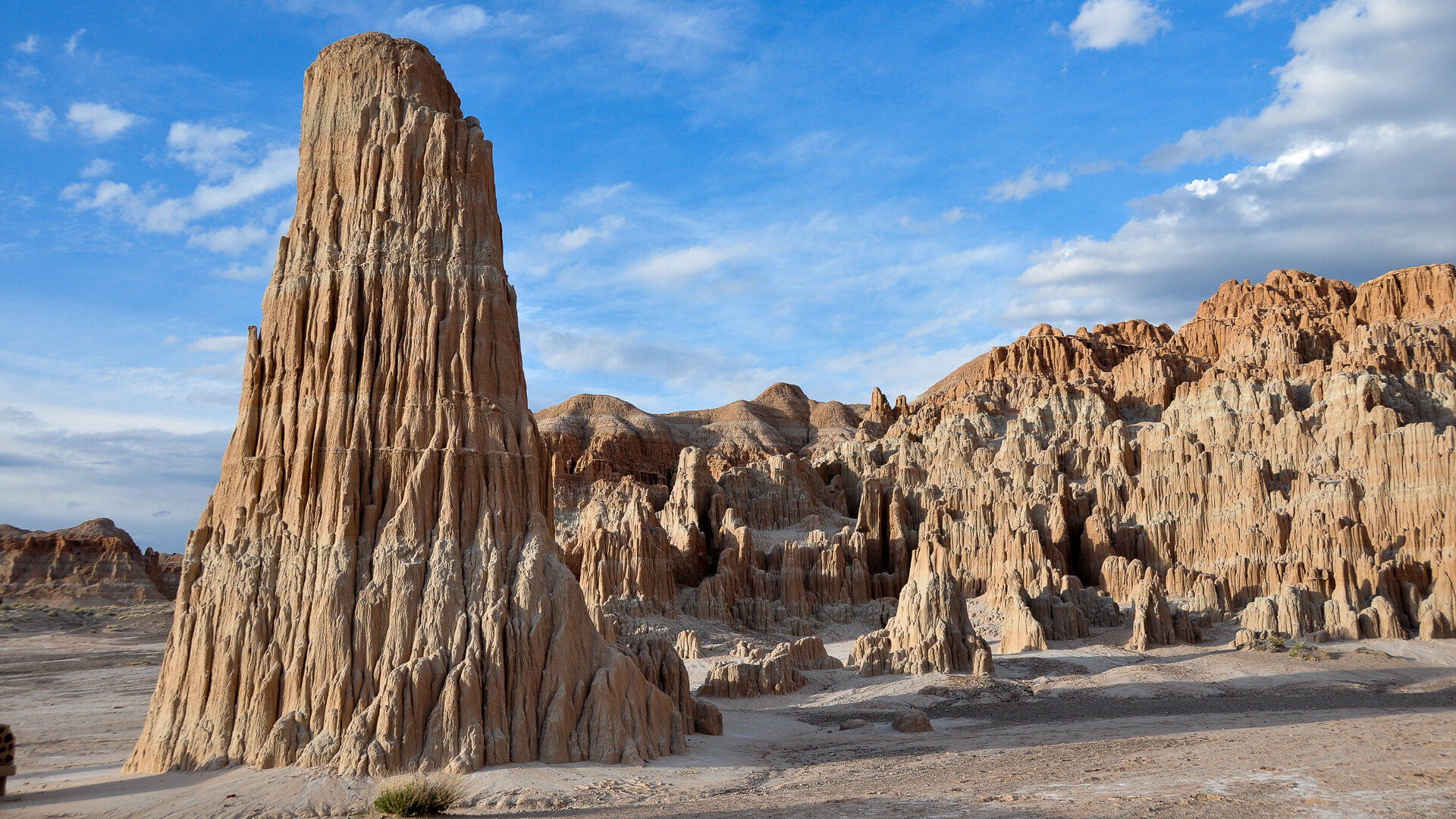
Cathedral Gorge State Park Cathedral Gorge preserves clay formations shaped by erosion within a basin environment where sediment accumulated millions of years ago. Over time, water carved narrow channels and steep ridges into the soft material, producing spire-like formations resembling architectural structures. The terrain demonstrates how erosion can sculpt dramatic shapes in relatively soft sedimentary […]
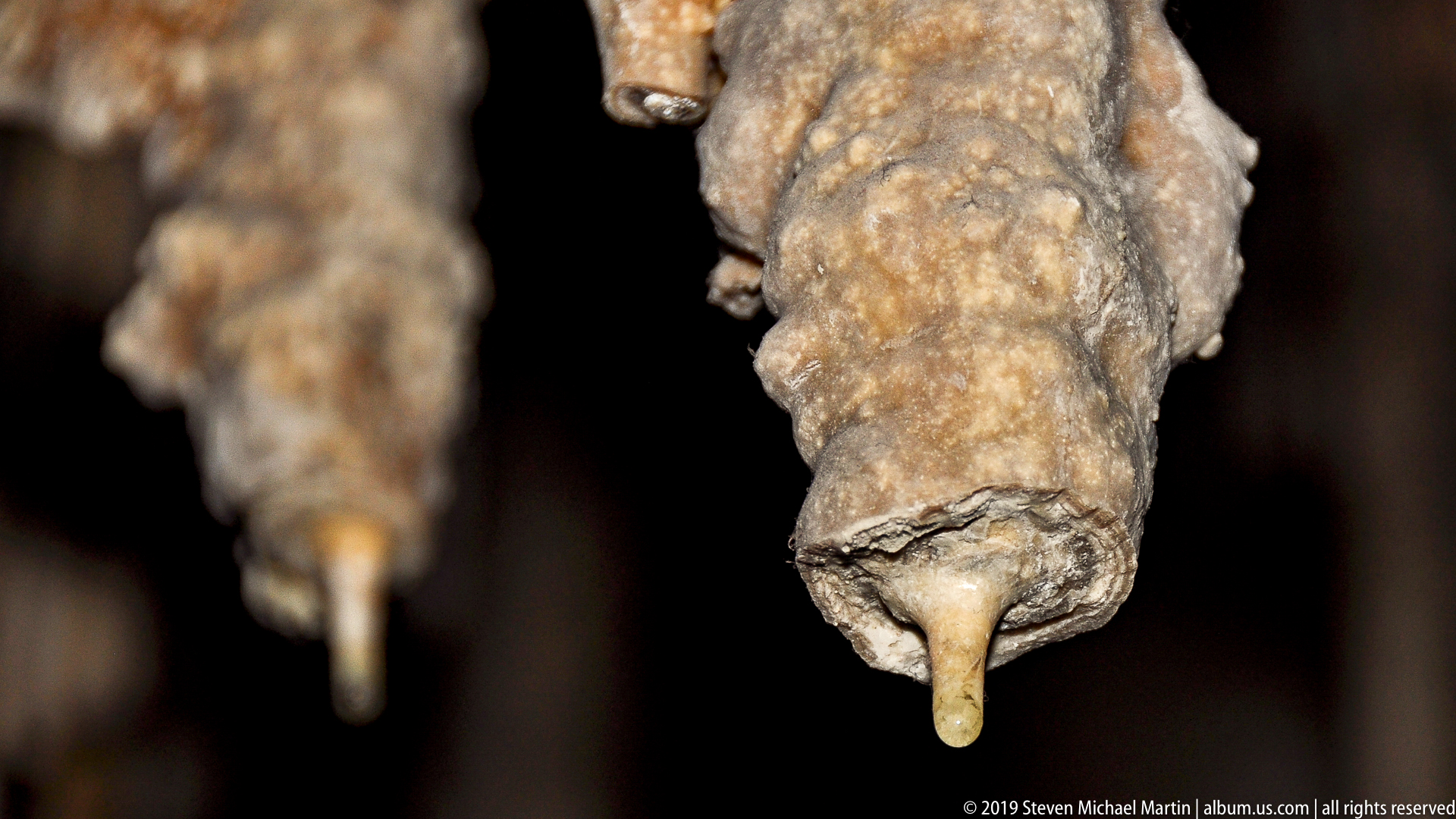
Lehman Caves National Monument Lehman Caves preserves a limestone cave system formed through the gradual dissolution of carbonate rock by slightly acidic groundwater. Over long periods of time, water widened fractures in the rock, creating chambers and passageways beneath the surface. Mineral-rich water dripping through the cave deposited calcite formations such as stalactites, stalagmites, and […]
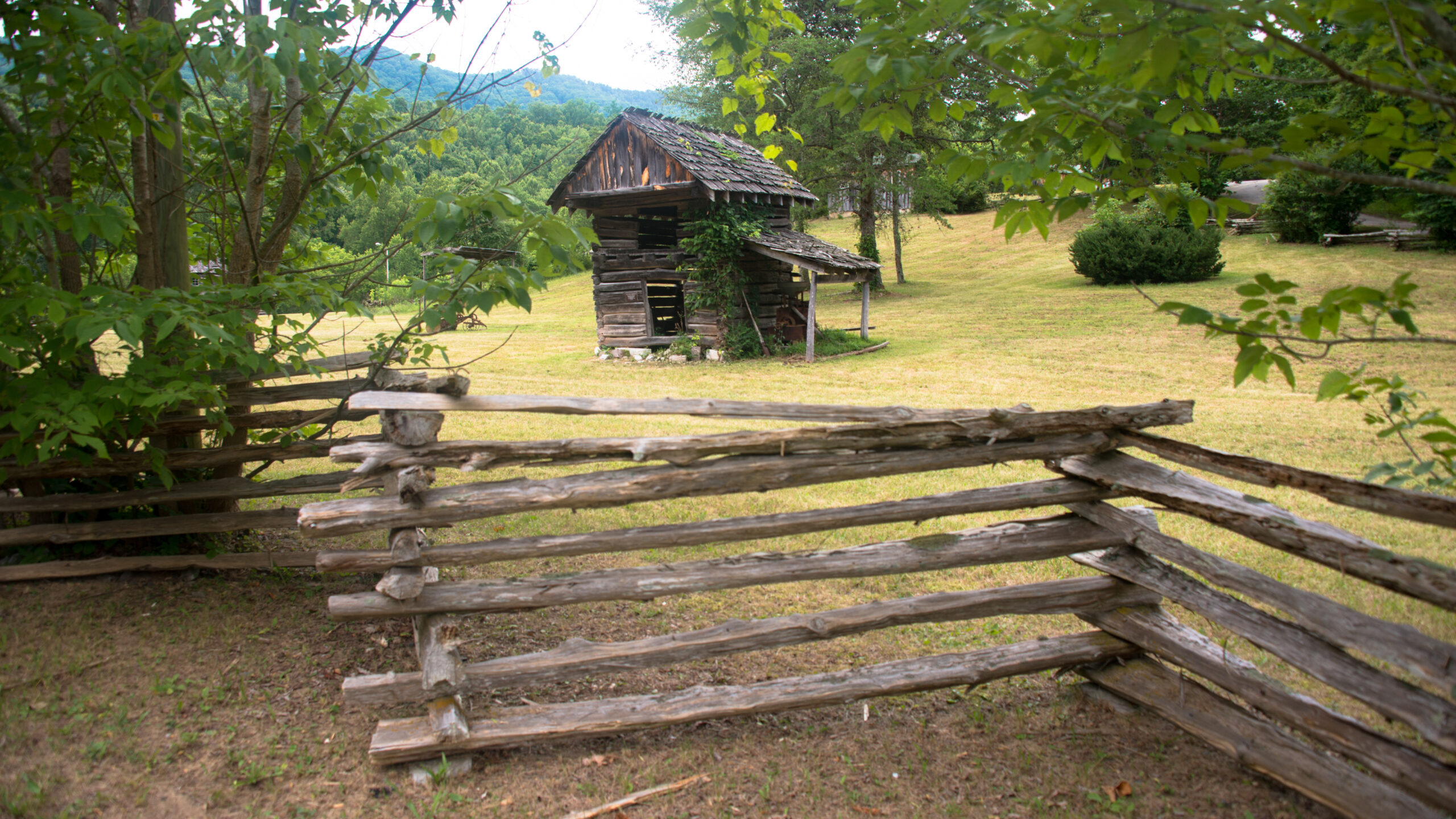
Great Smoky Mountains National Park Great Smoky Mountains National Park preserves a portion of the Appalachian Mountain range along the border of Tennessee and North Carolina, where forested ridges, deep valleys, and high elevation peaks form one of the most biologically diverse regions in North America. The mountains developed through long geological processes associated with […]
Biltmore House Biltmore House is located near Asheville in the Blue Ridge Mountains of western North Carolina, where forested ridges and river valleys form part of the southern Appalachian landscape. Constructed between 1889 and 1895 for George Washington Vanderbilt II, the estate reflects the influence of European architectural traditions adapted to an American mountain setting. […]