Saint Croix Island International Historic Site
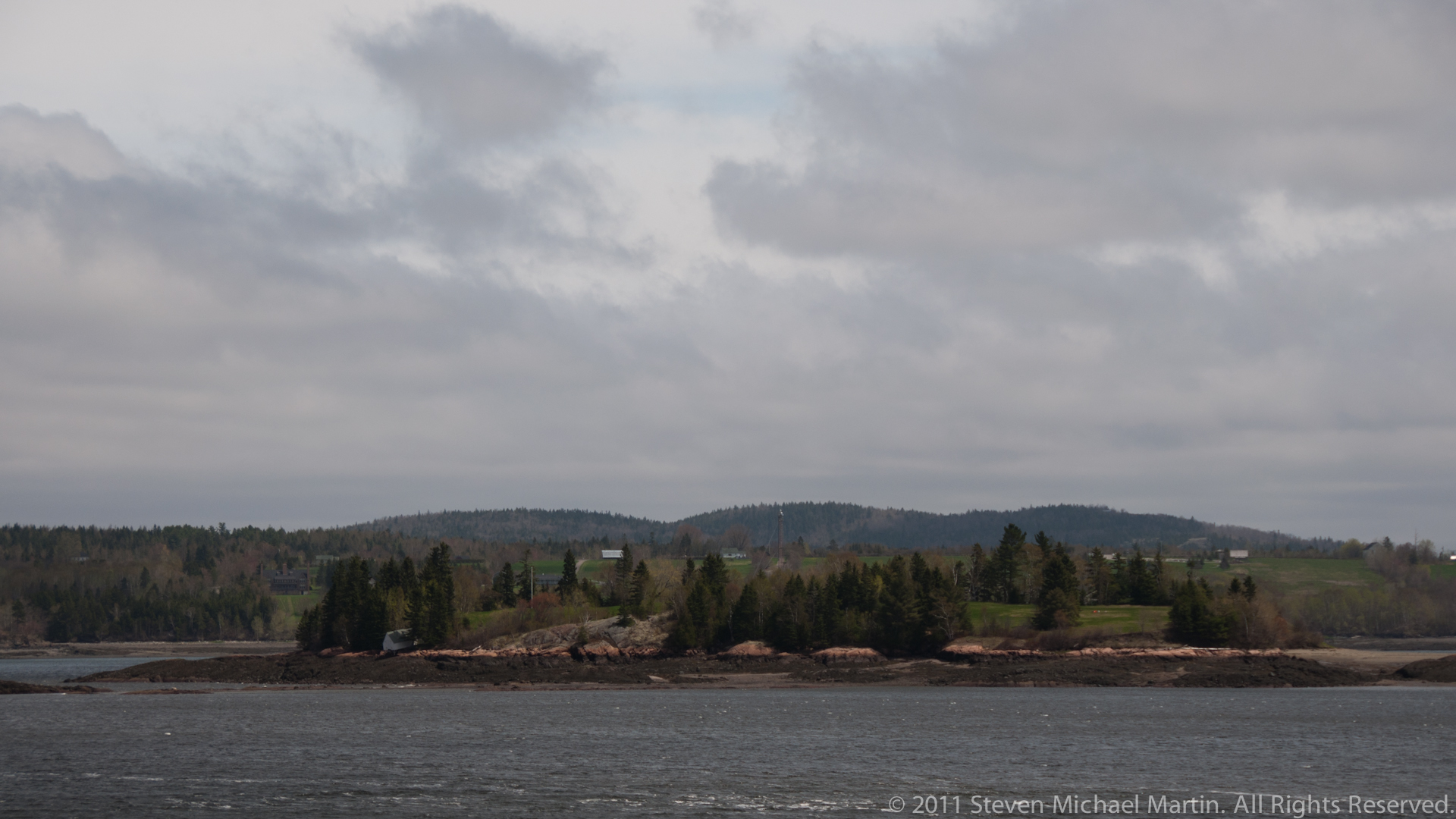
Saint Croix Island International Historic Site commemorates one of the earliest European settlements in northern North America, established in 1604 by French explorers including Pierre Dugua and Samuel Champlain. The island lies within the Saint Croix River, which today forms part of the boundary between the United States and Canada. The short-lived settlement preceded both Jamestown and Plymouth and marked the beginning of sustained French presence in the region known as Acadia.
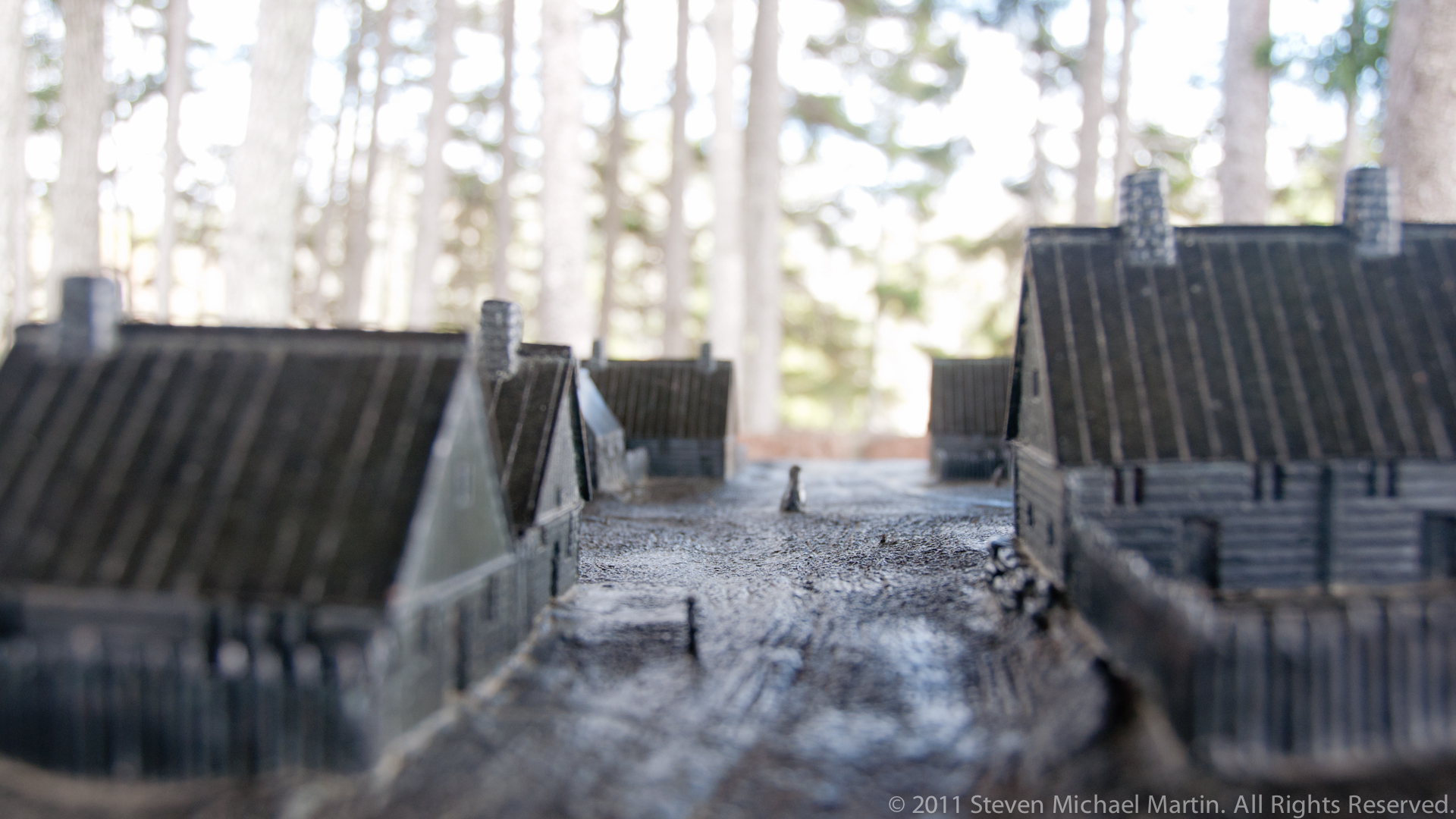
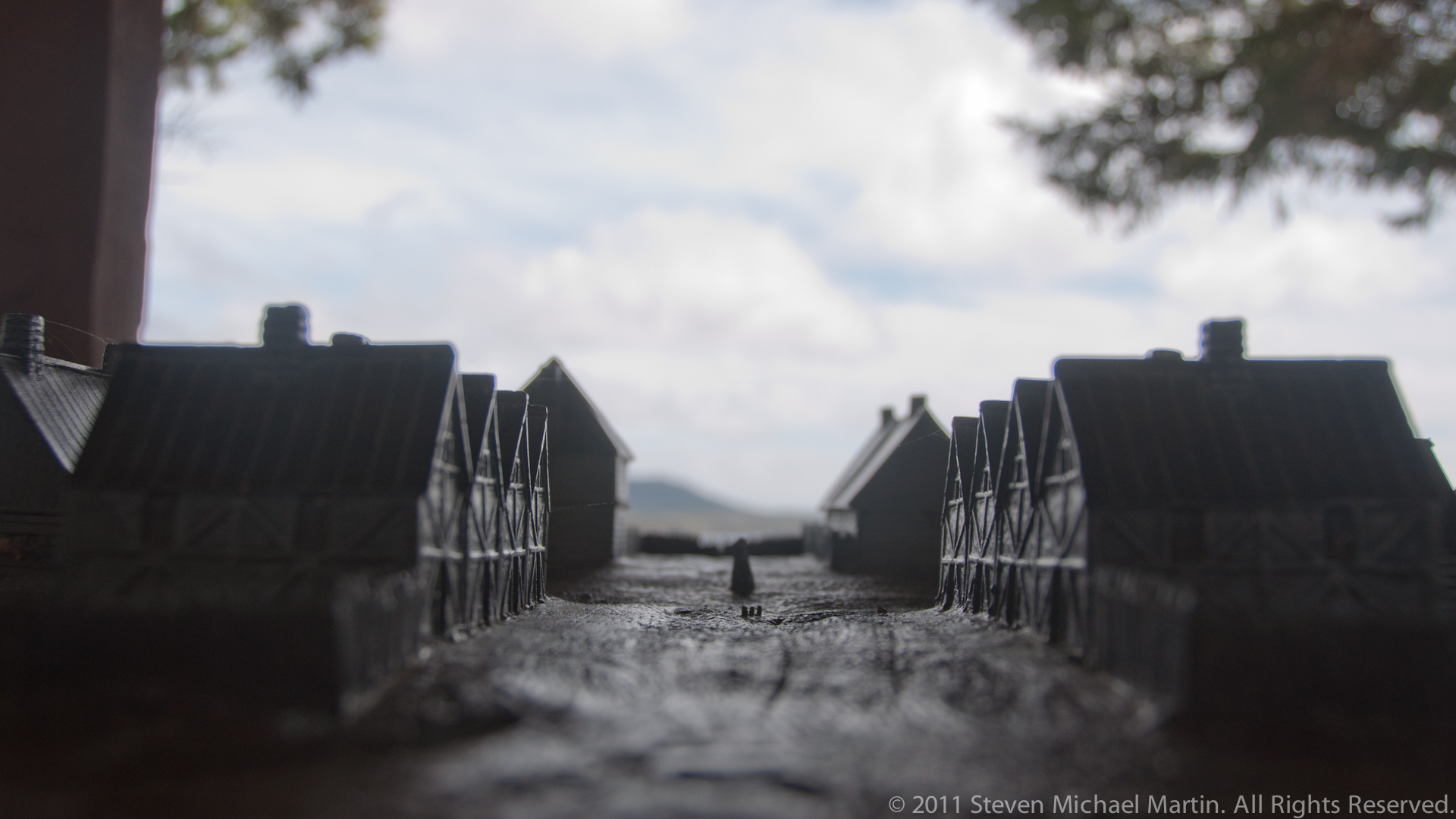
The settlement included dwellings, storehouses, and defensive structures constructed to support exploration and trade in the surrounding territory. Harsh winter conditions led to significant hardship, including illness and limited food supplies, prompting relocation of the colony to Port Royal in present-day Nova Scotia. Despite its brief occupation, the site played an important role in the early history of French exploration and the cultural development of northeastern North America.
Saint Croix Island contributes to understanding the early phases of European settlement in the region historically known as Acadia, which included portions of present-day Maine and eastern Canada. The site reflects the broader context of exploration, cultural exchange, and geographic adaptation that shaped early colonial history along the North Atlantic coast. Its preservation illustrates the shared heritage of the United States and Canada within the early history of New France.