Midtown Manhattan
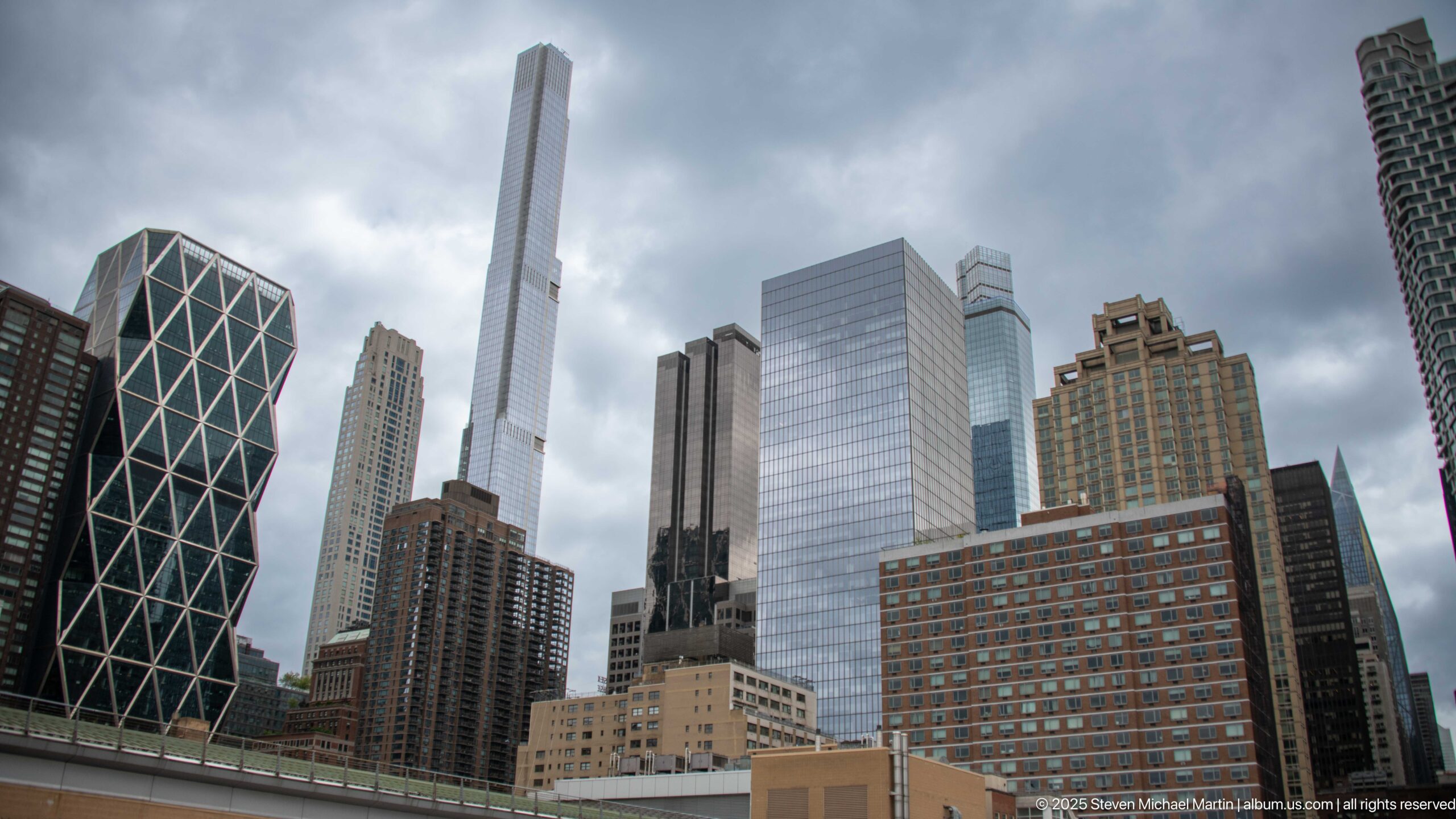
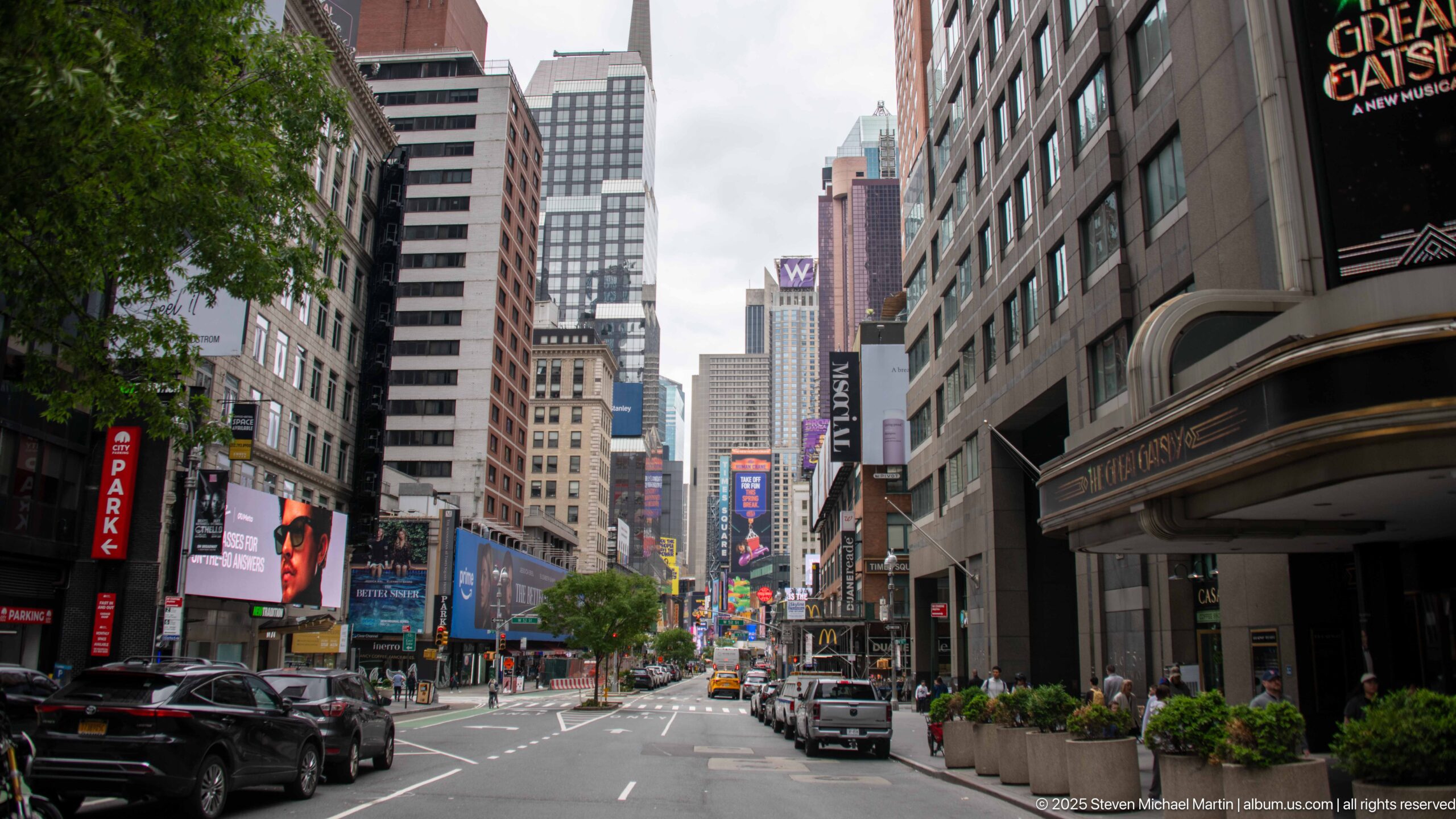
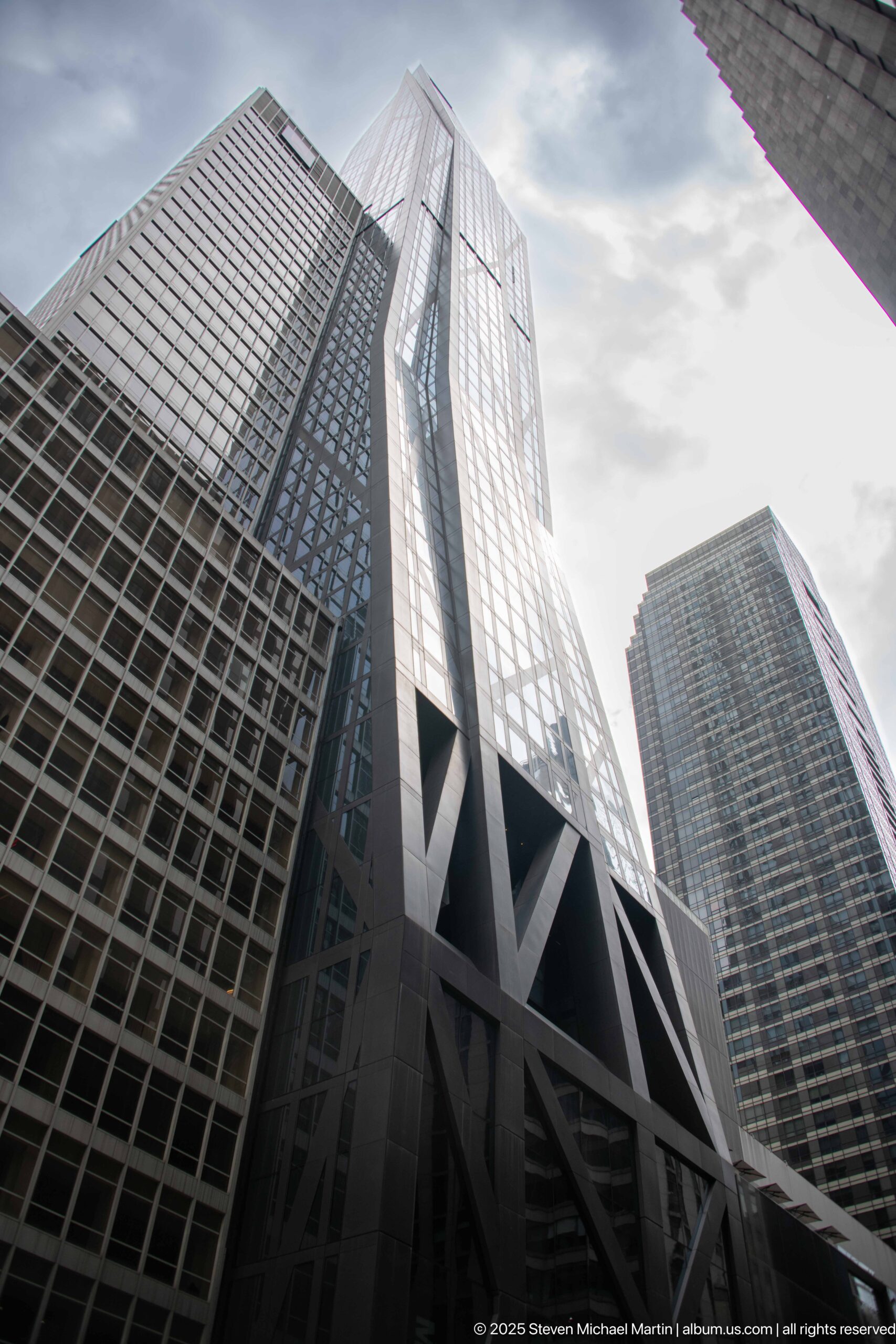
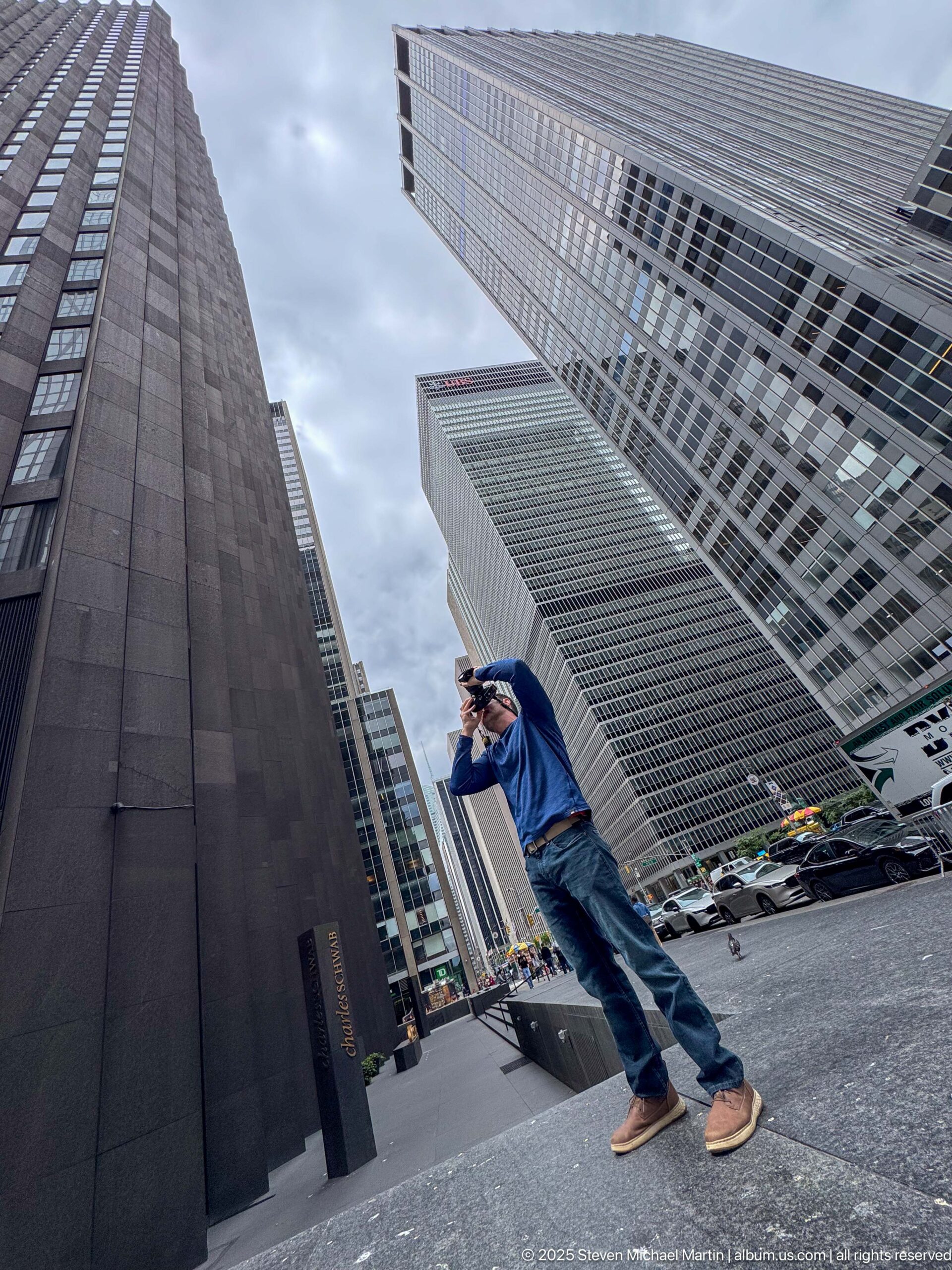
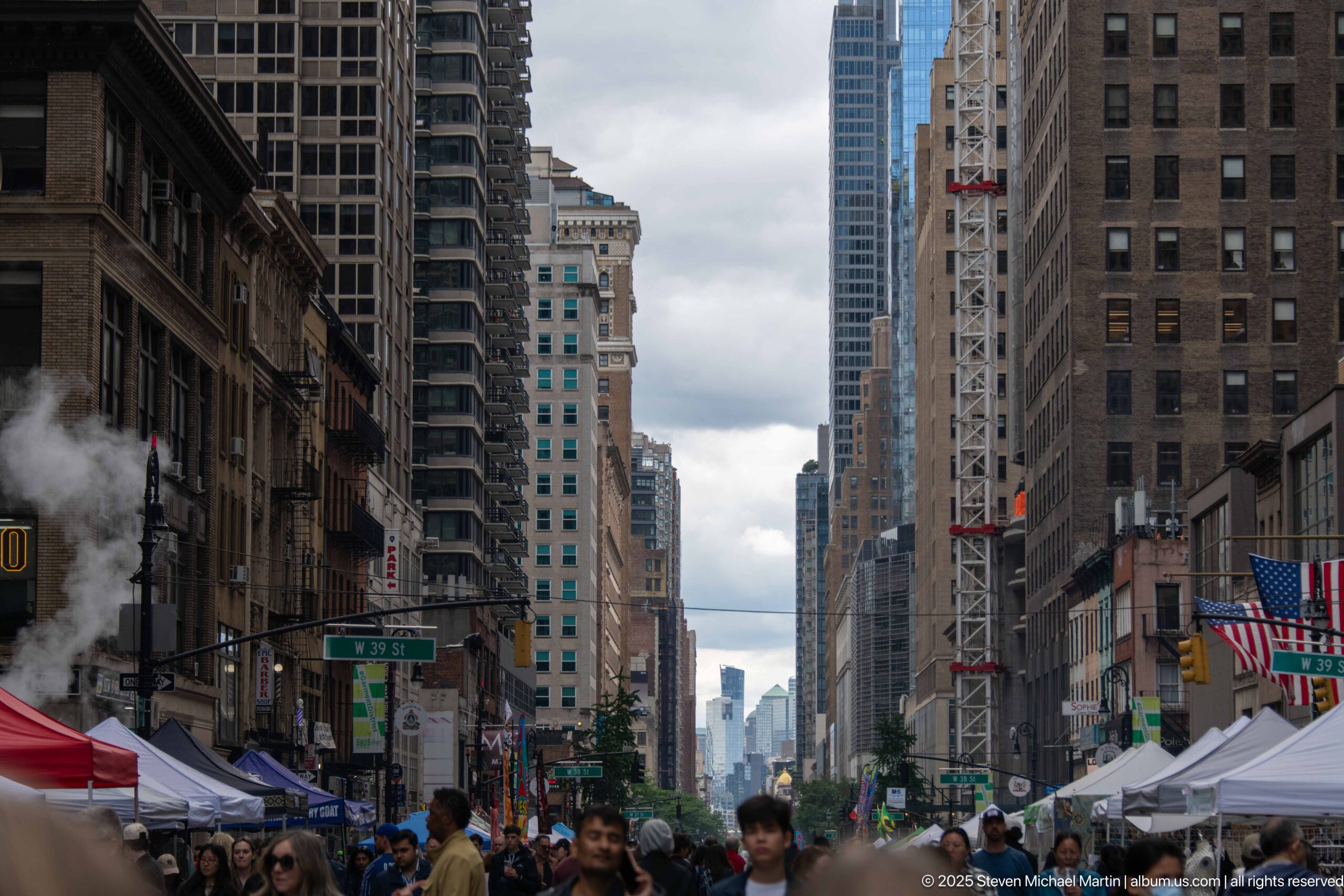
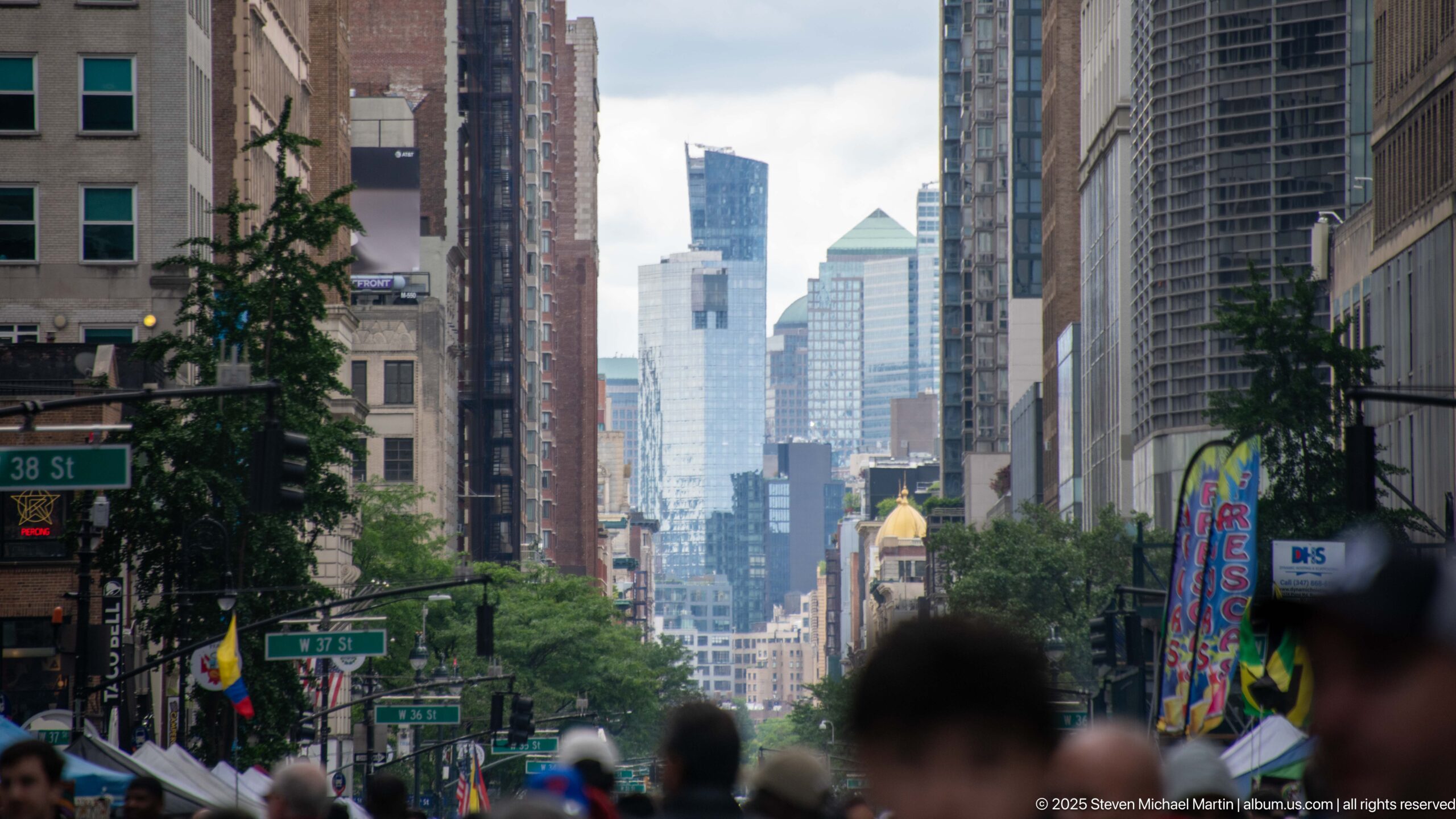
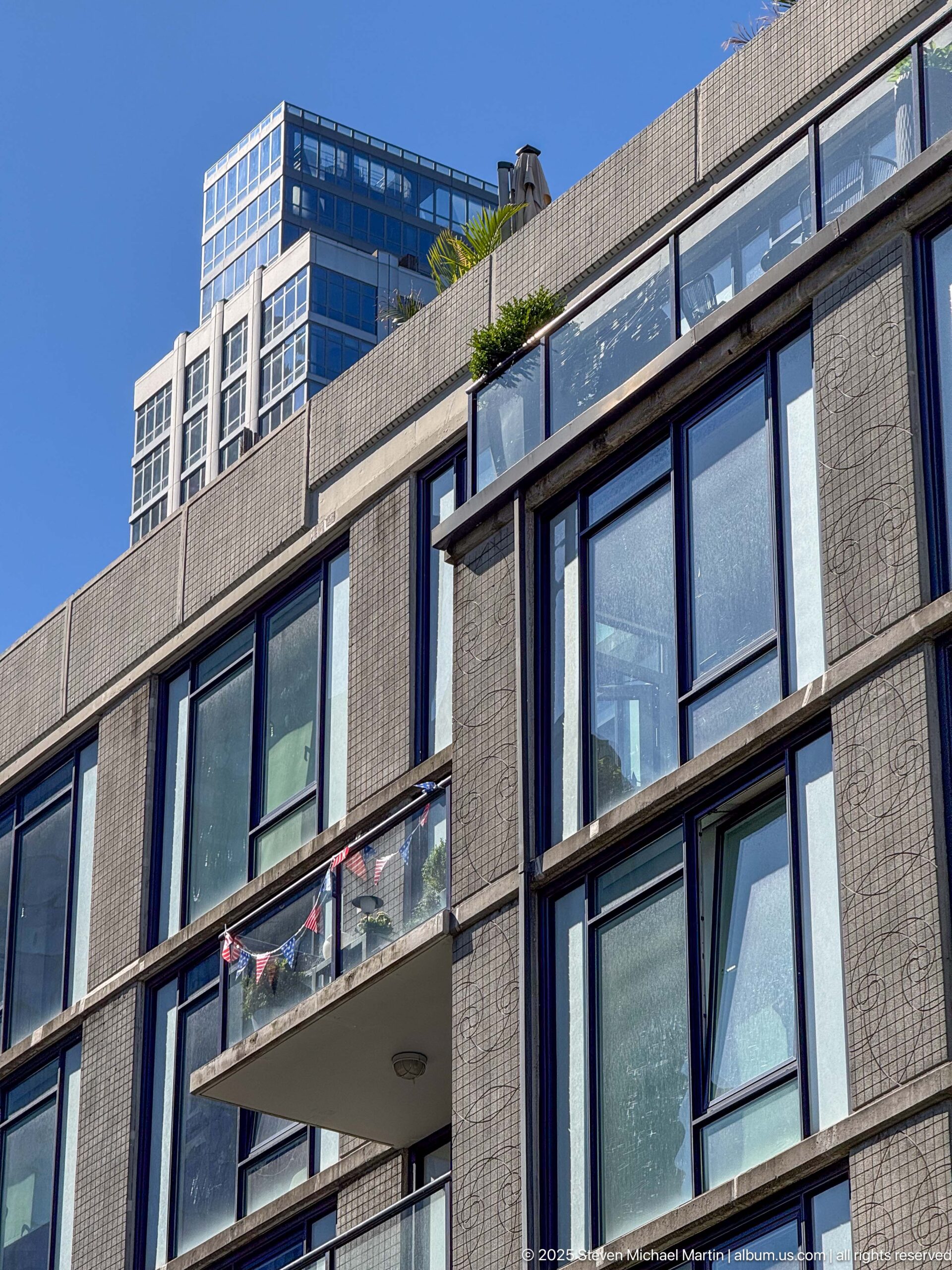
Midtown Manhattan represents one of the most concentrated urban landscapes in the world, where commerce, transportation, architecture, and cultural institutions converge within a relatively small geographic area. The district developed primarily during the nineteenth and early twentieth centuries as New York City expanded northward along the street grid established by the Commissioners’ Plan of 1811. What had once been farmland and country estates gradually transformed into a dense commercial district shaped by rail terminals, office towers, and civic institutions that reflected the rapid growth of the United States as an industrial and financial power.
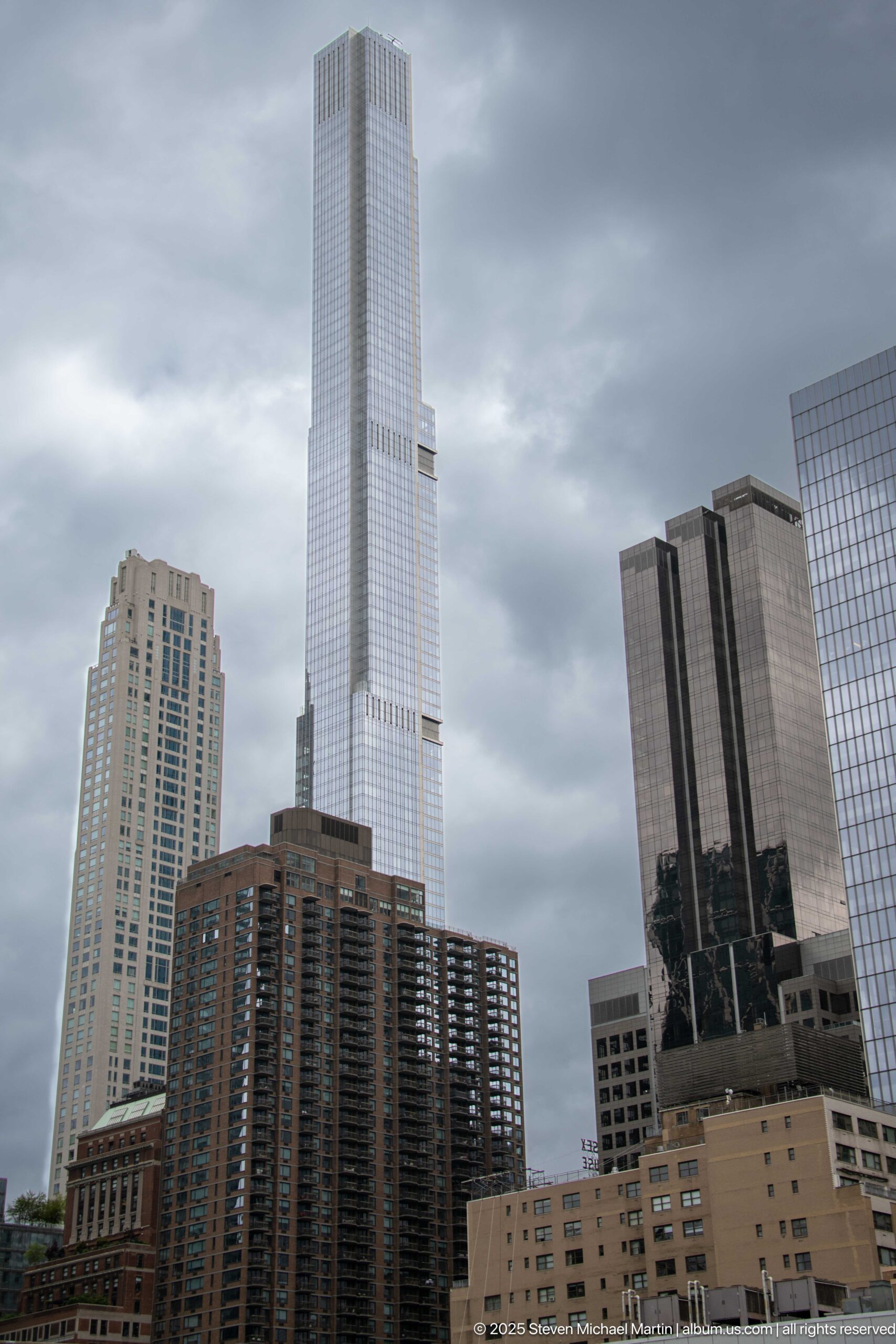
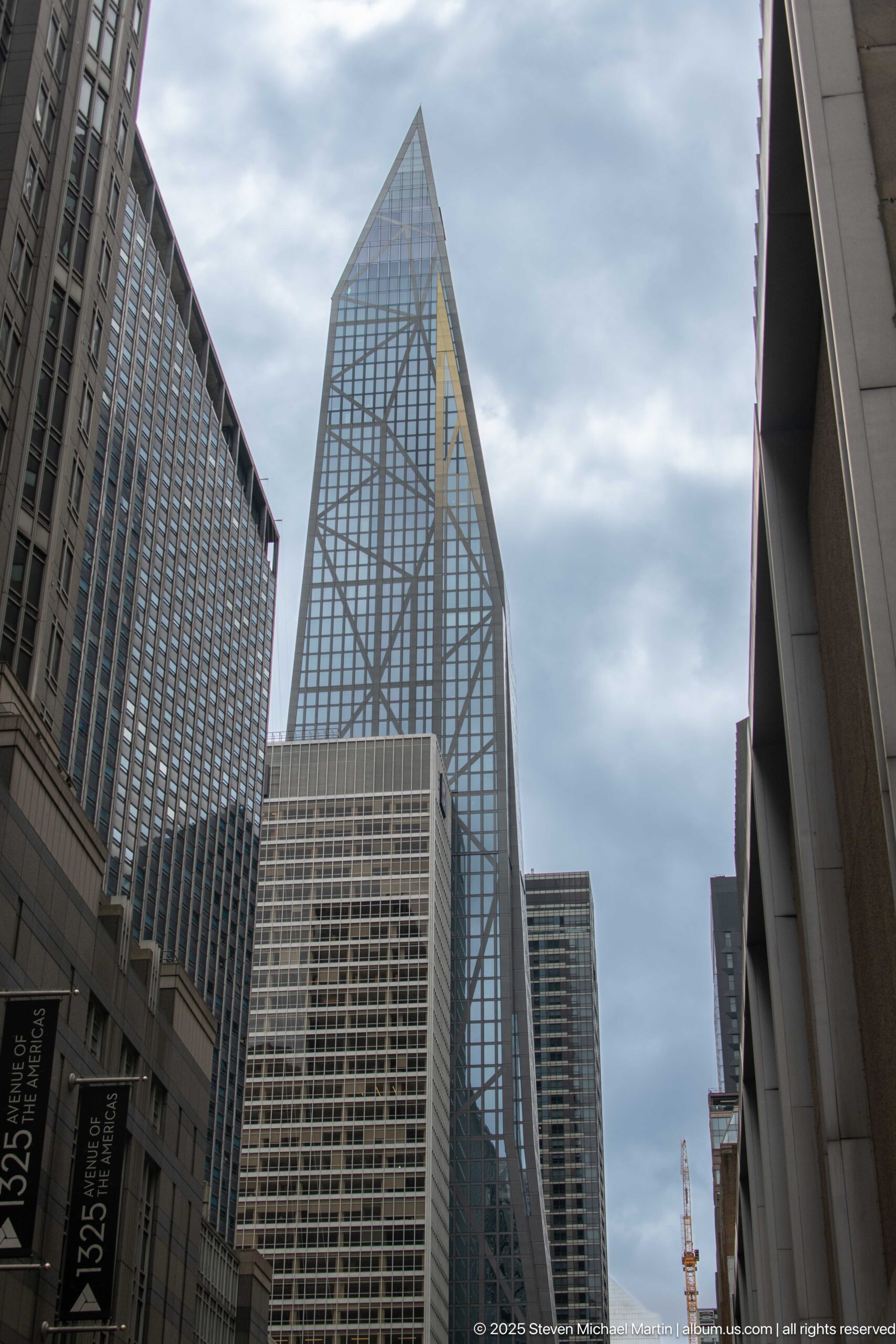
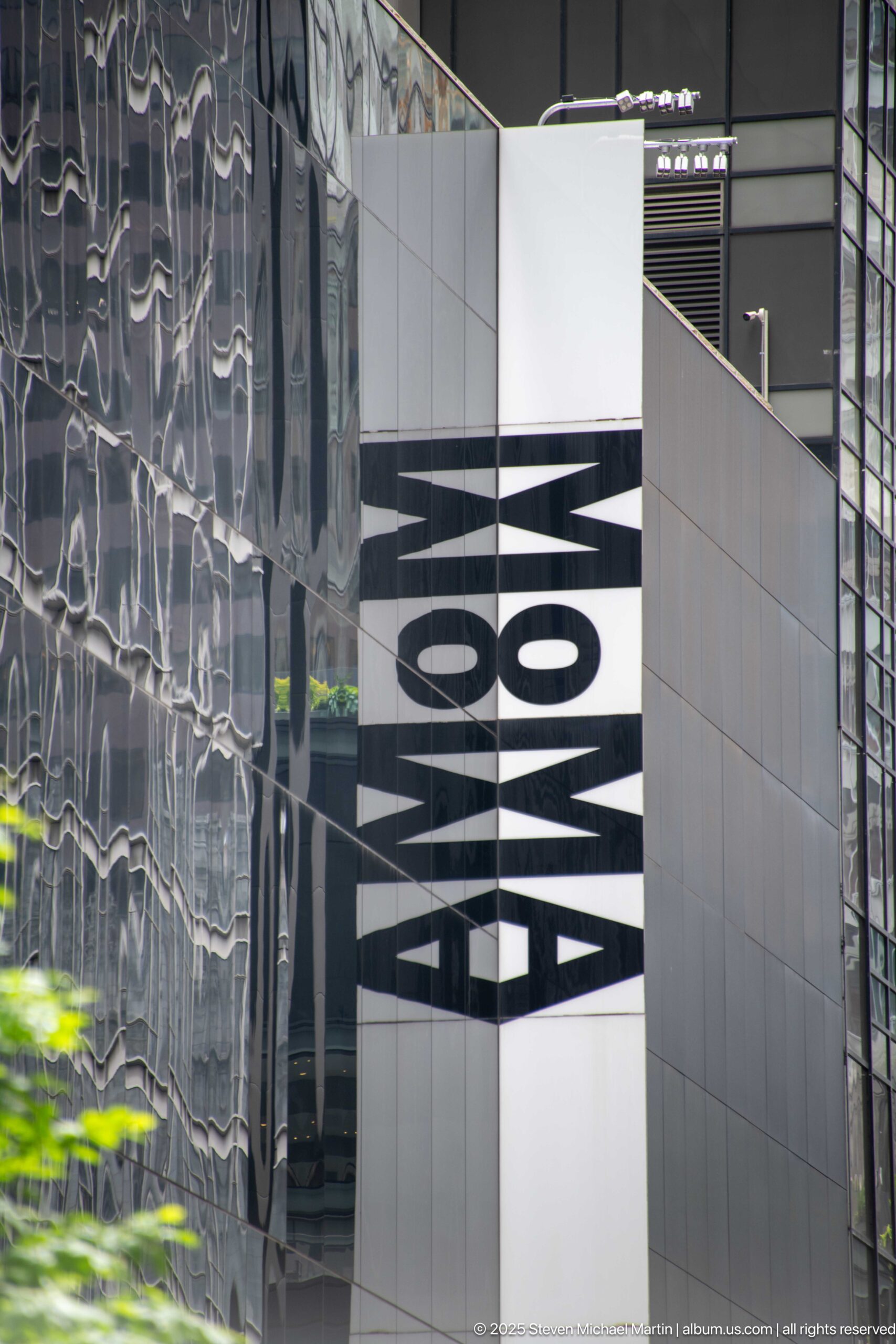
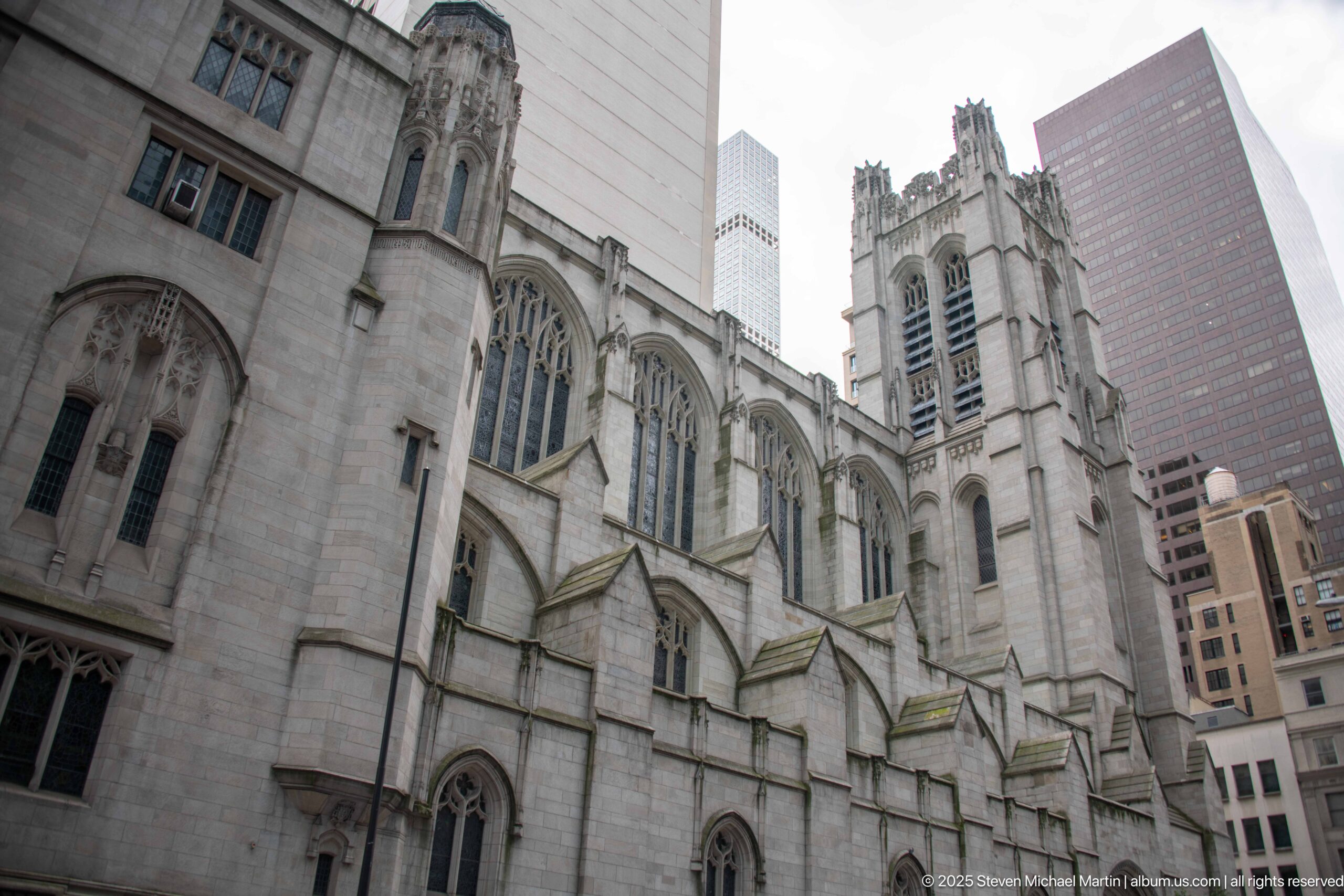
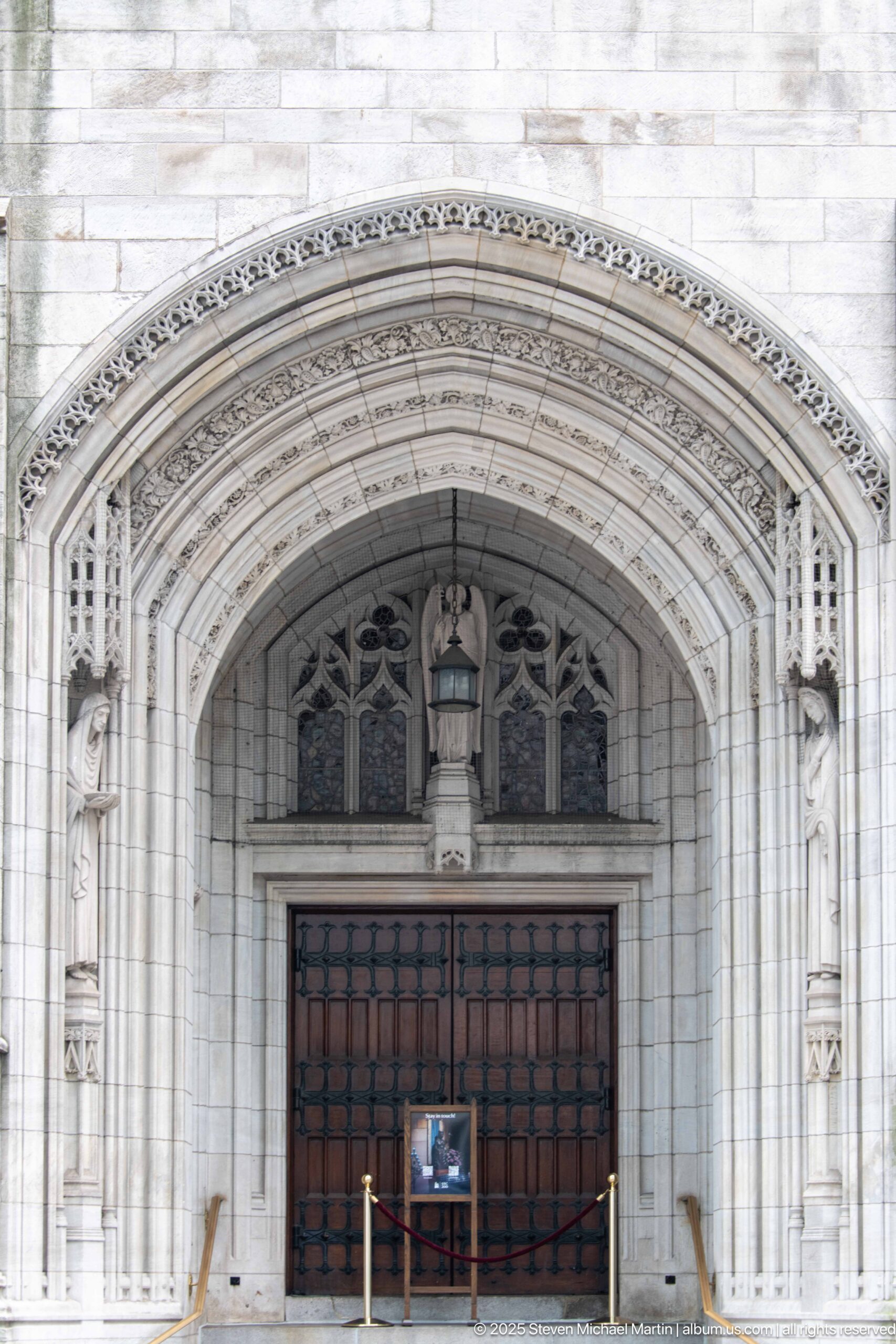
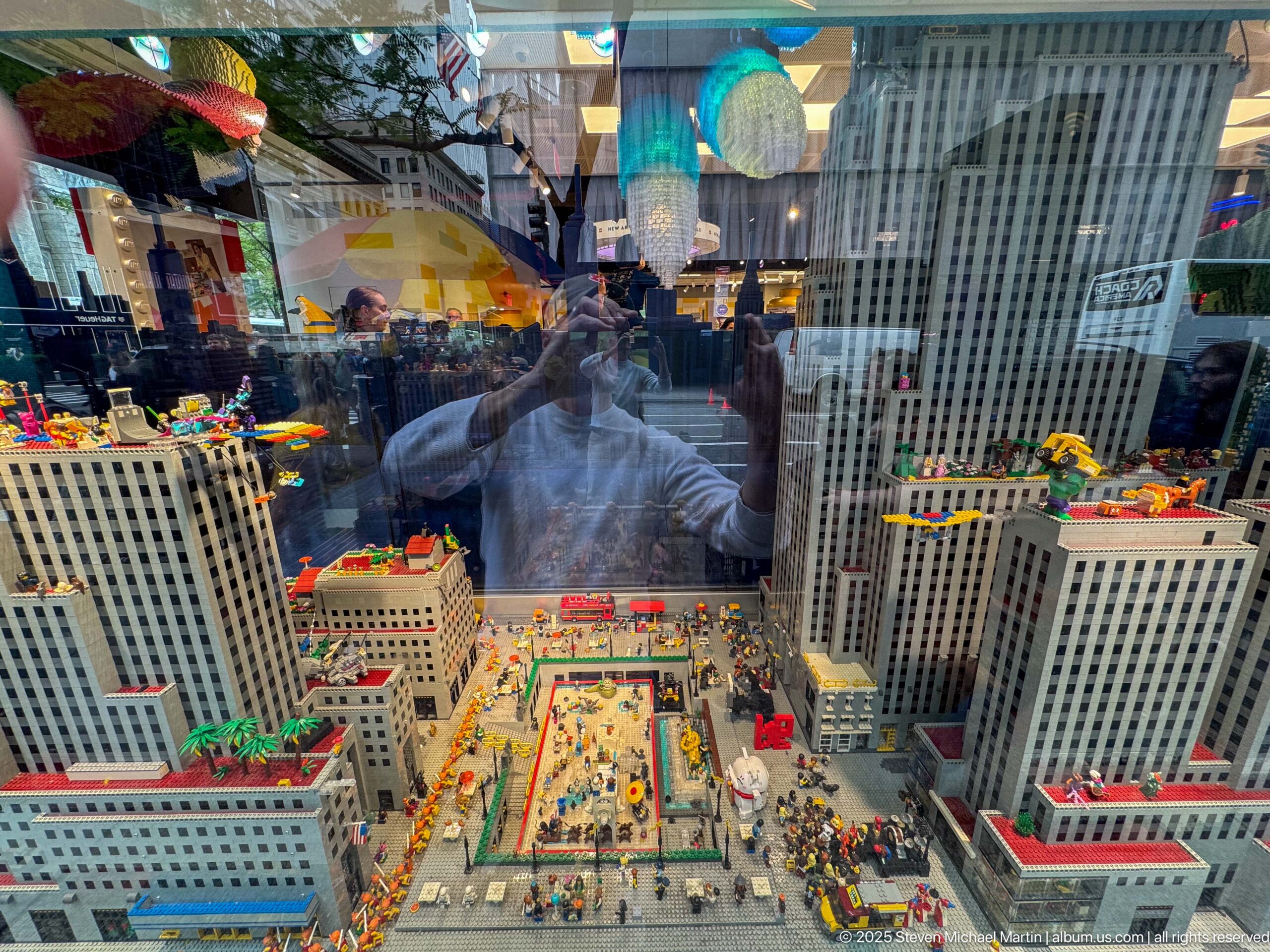
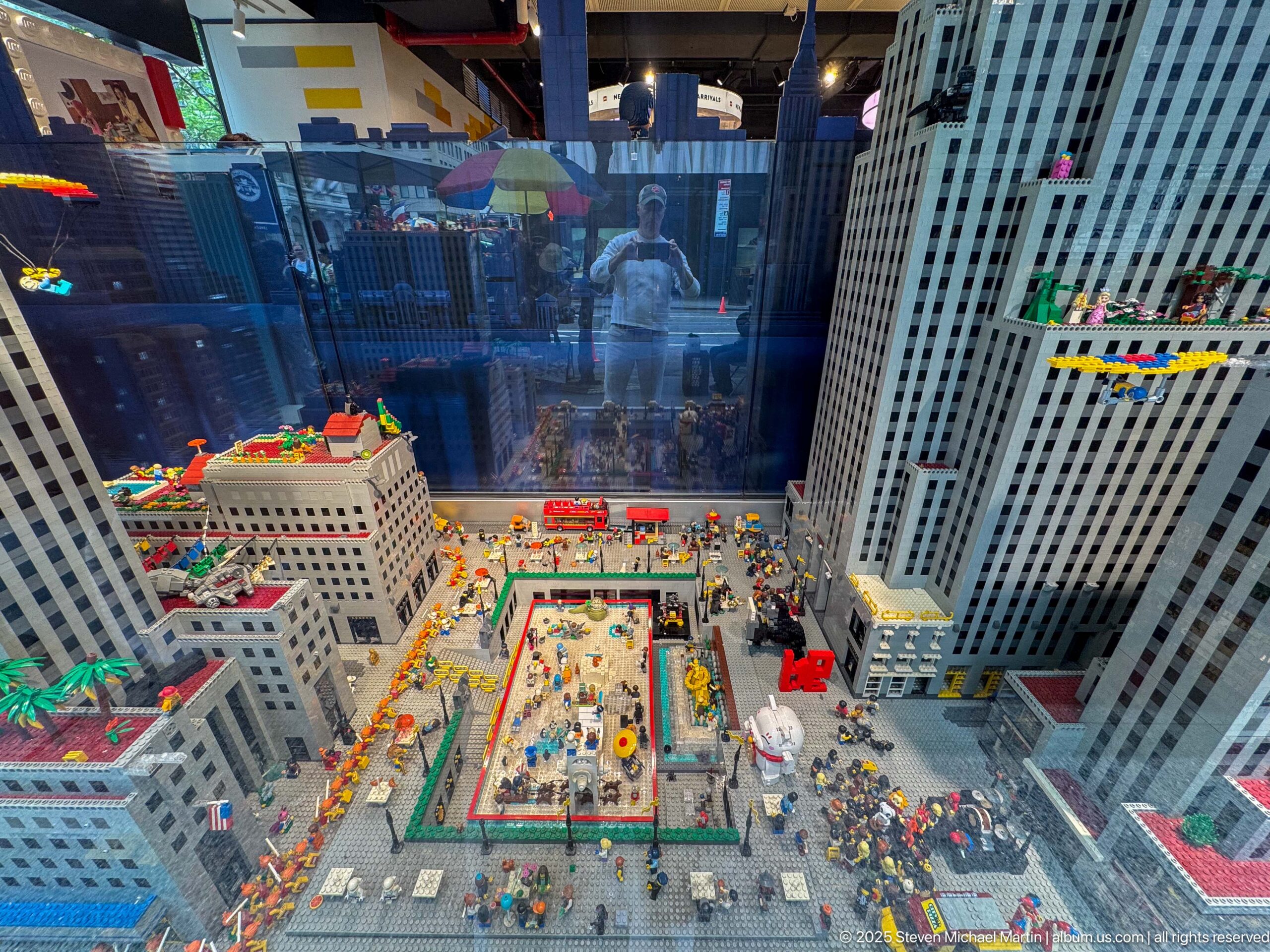
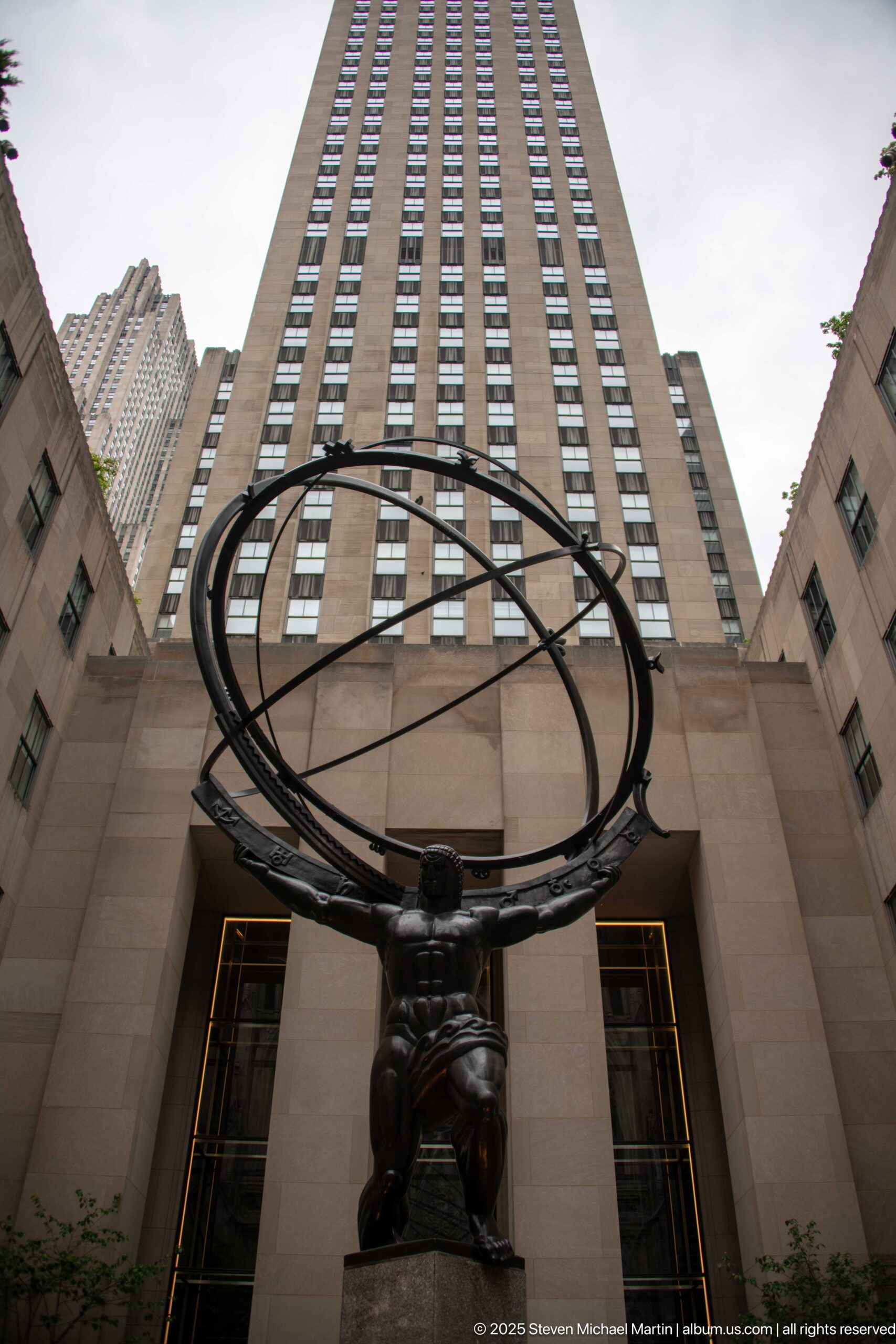
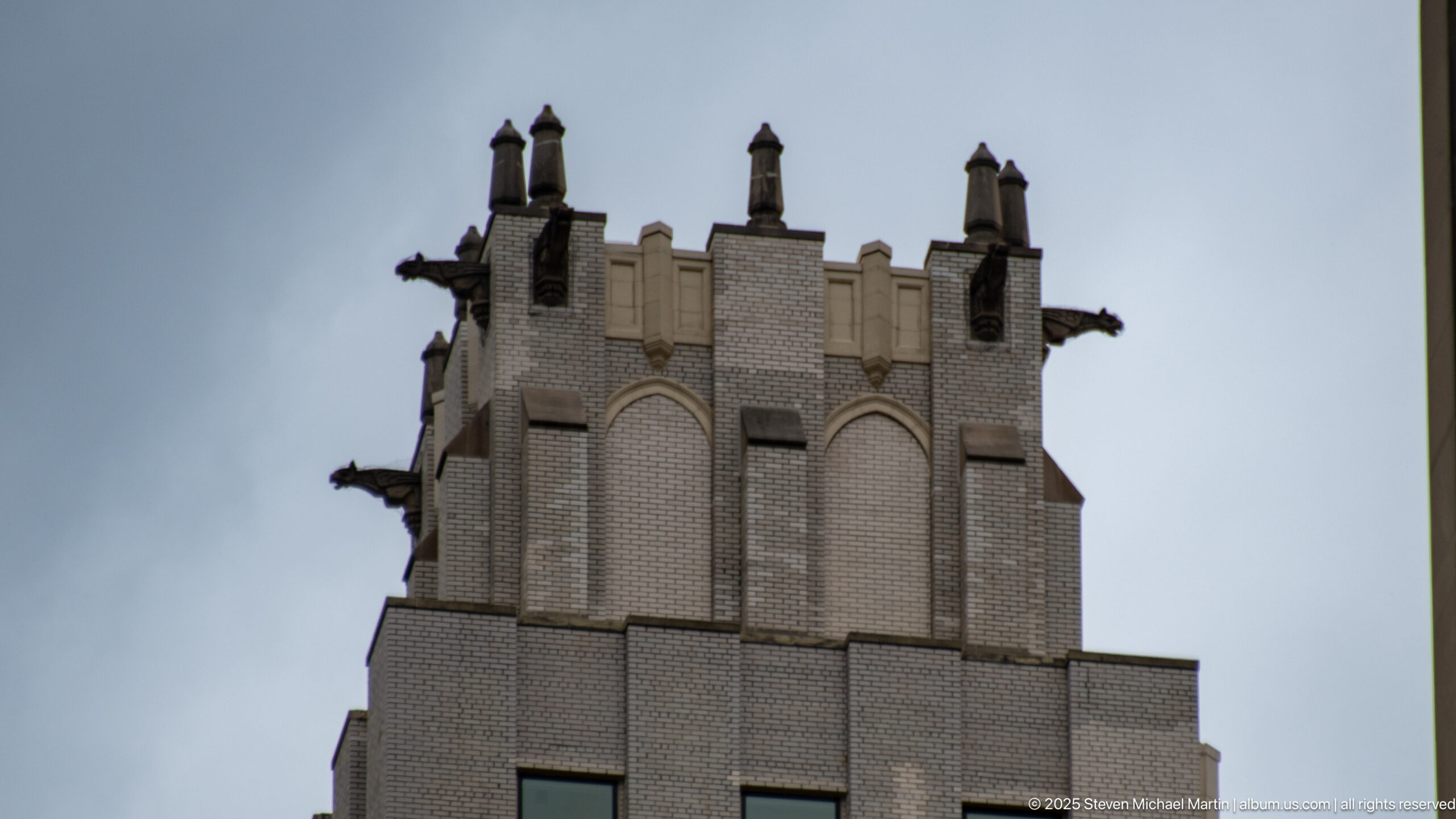
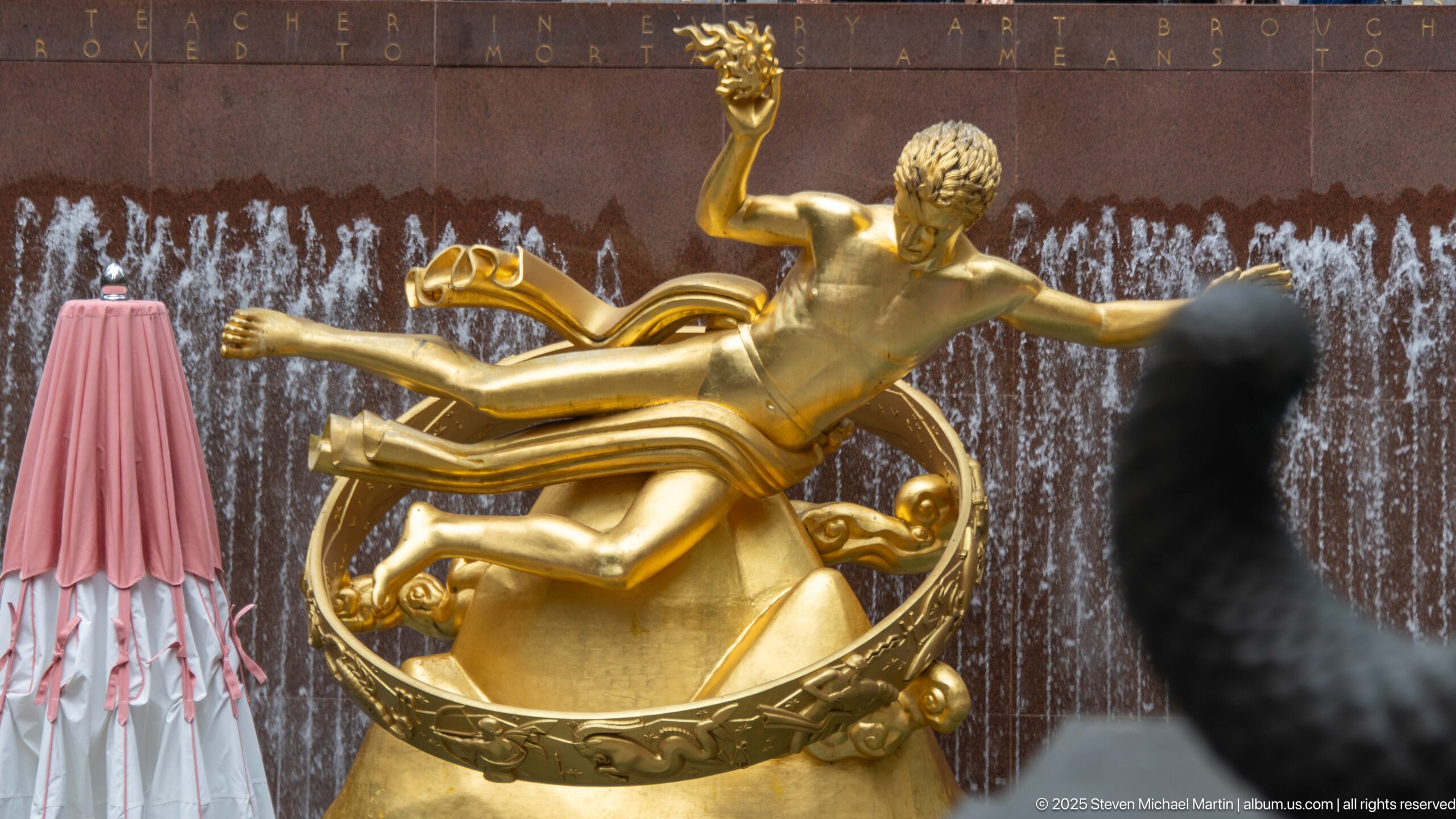
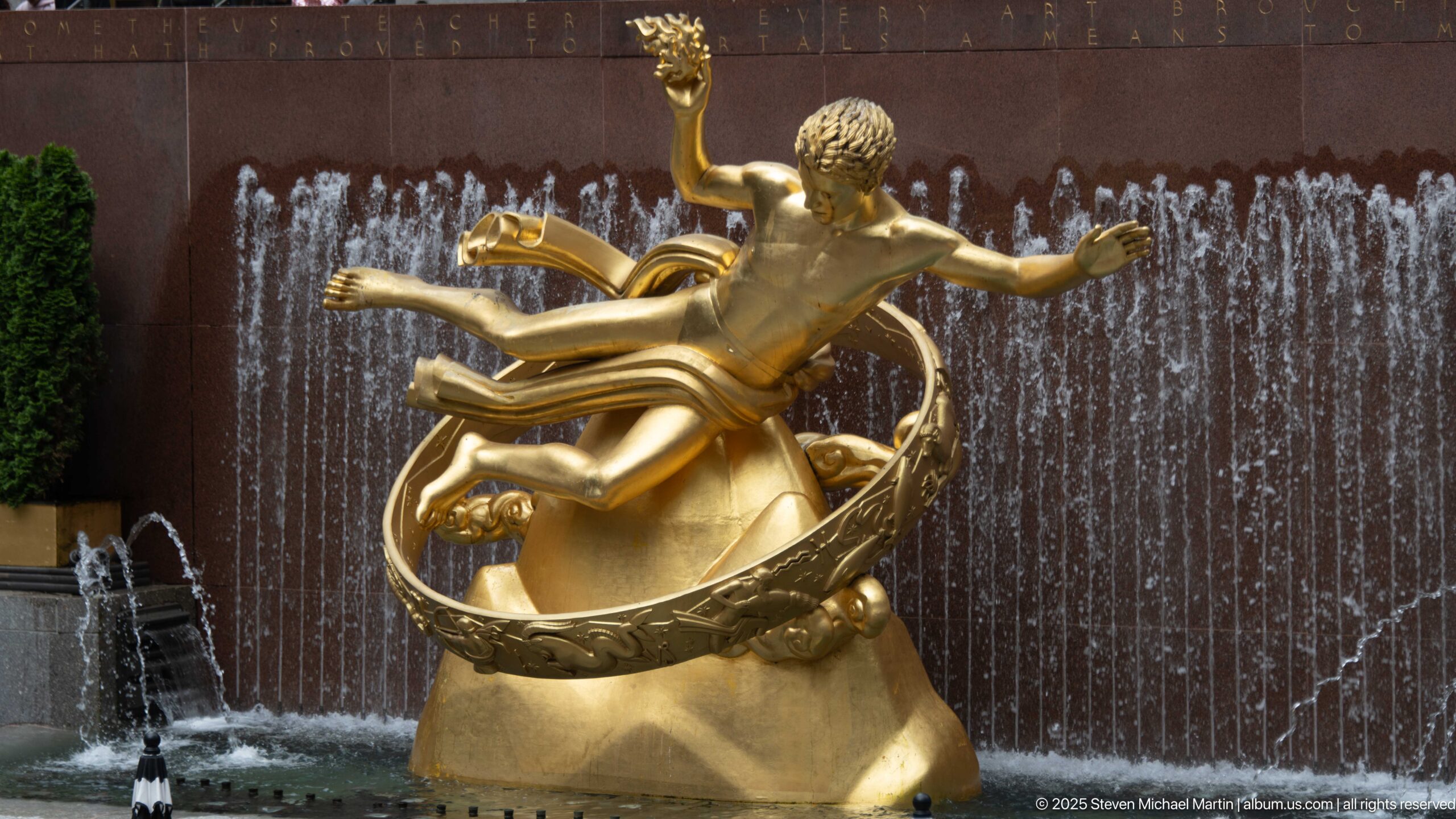
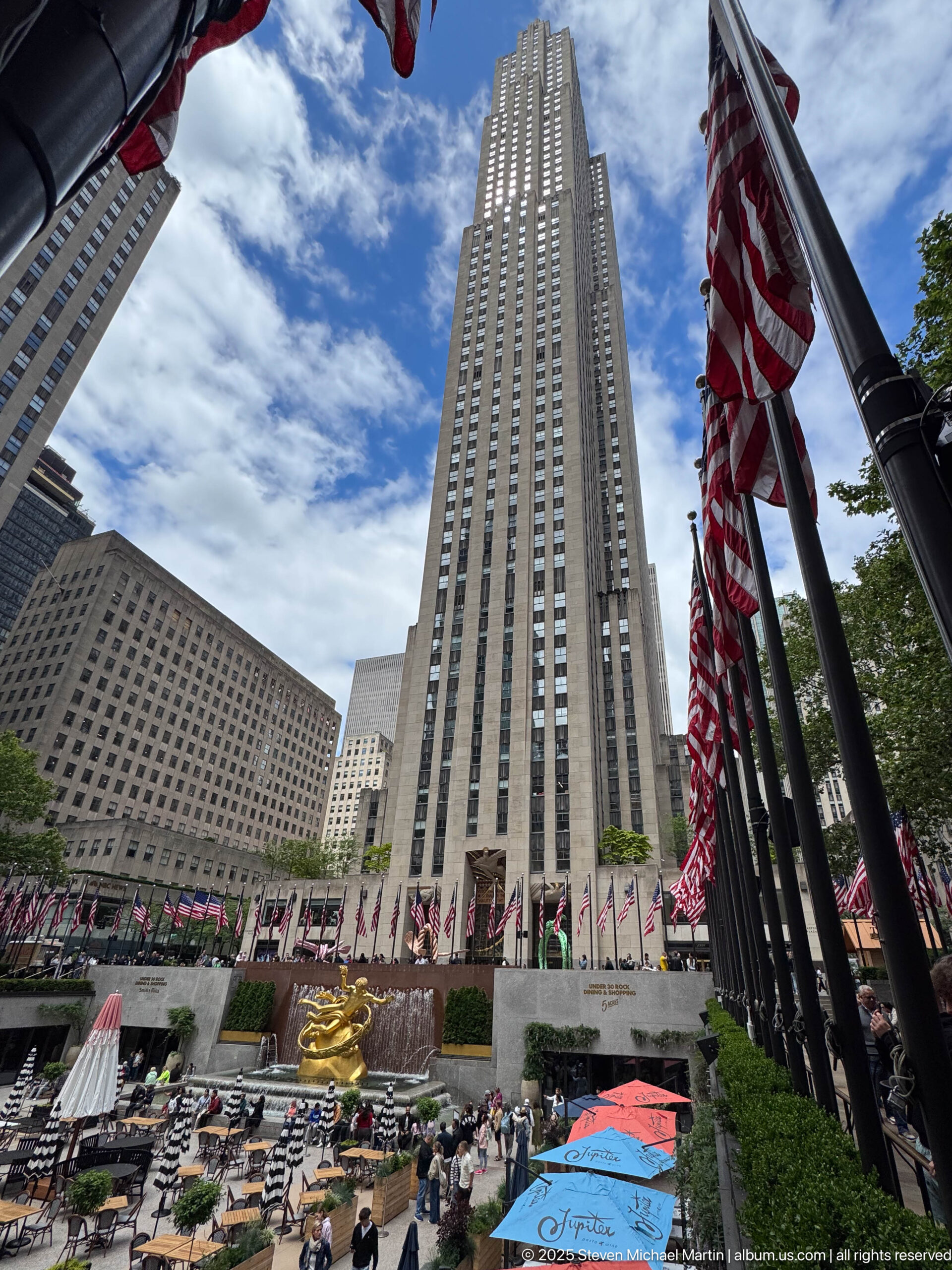
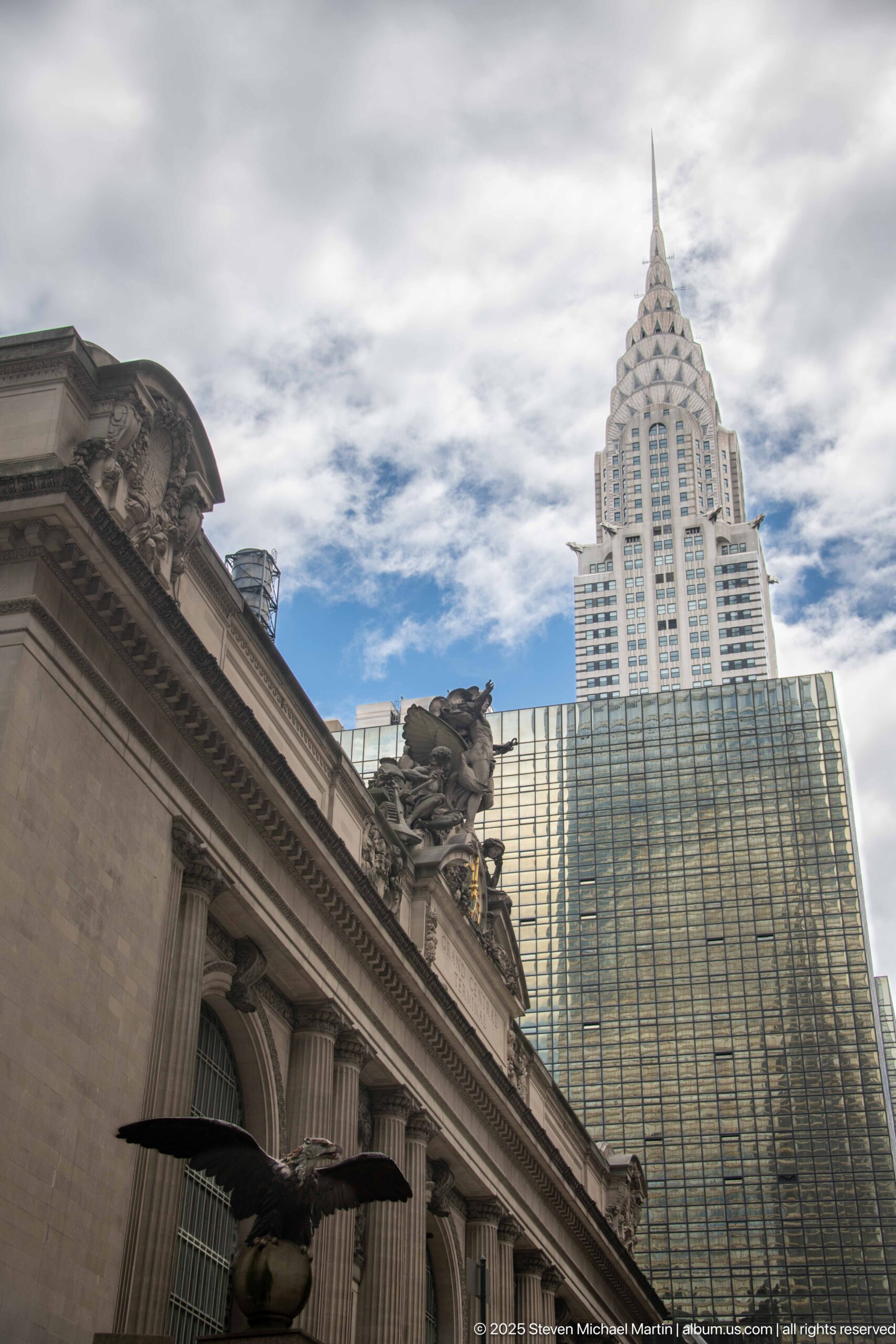
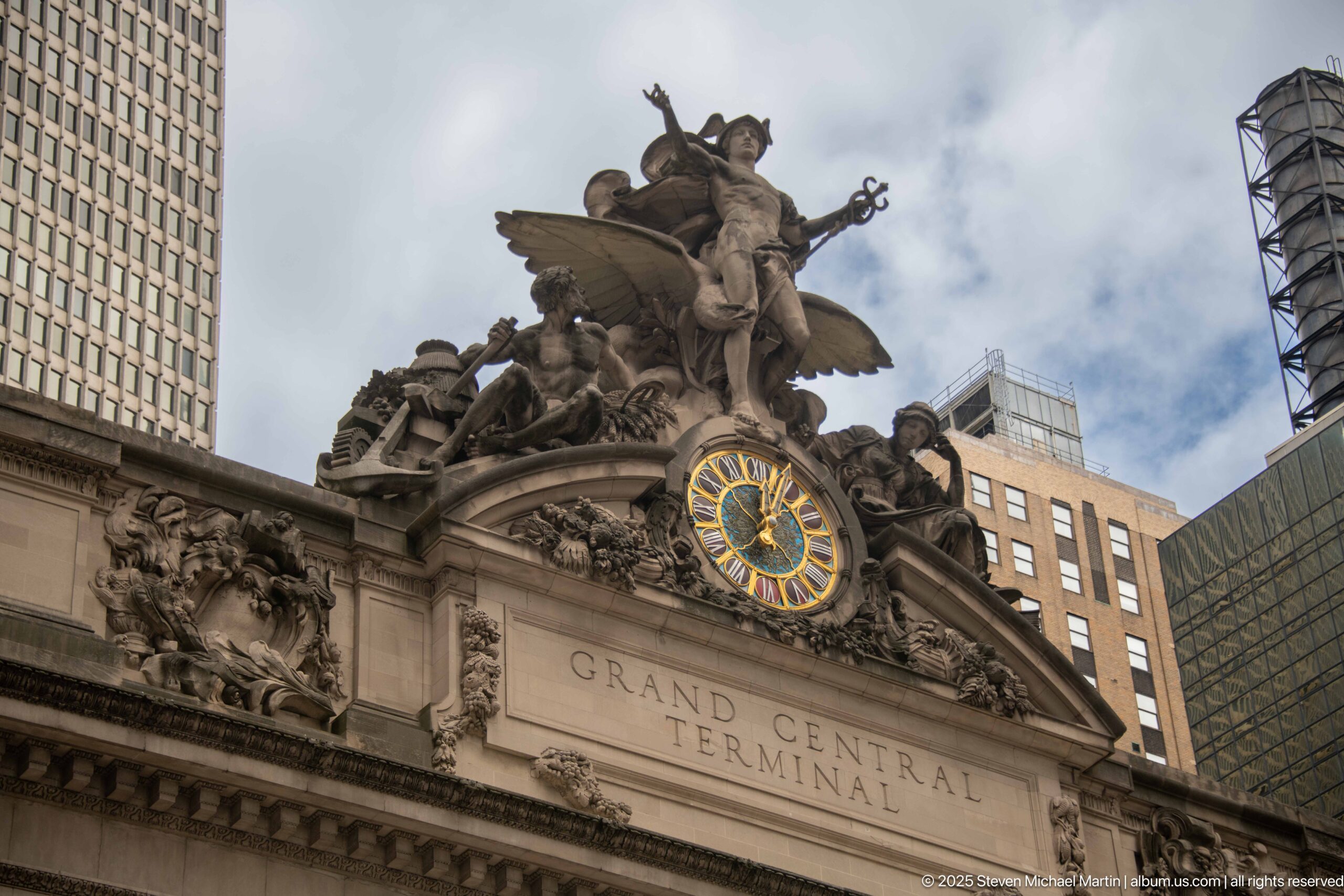
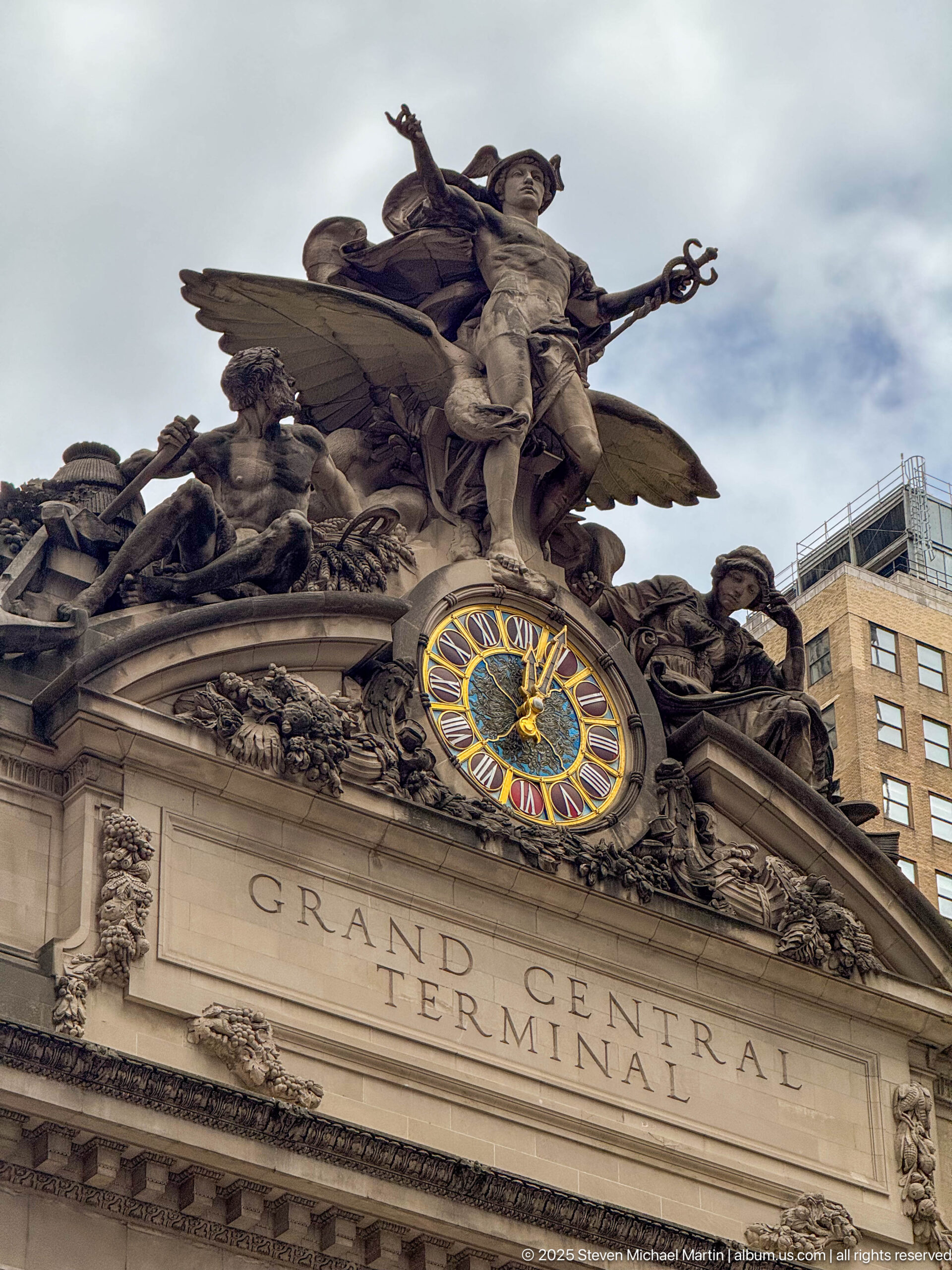
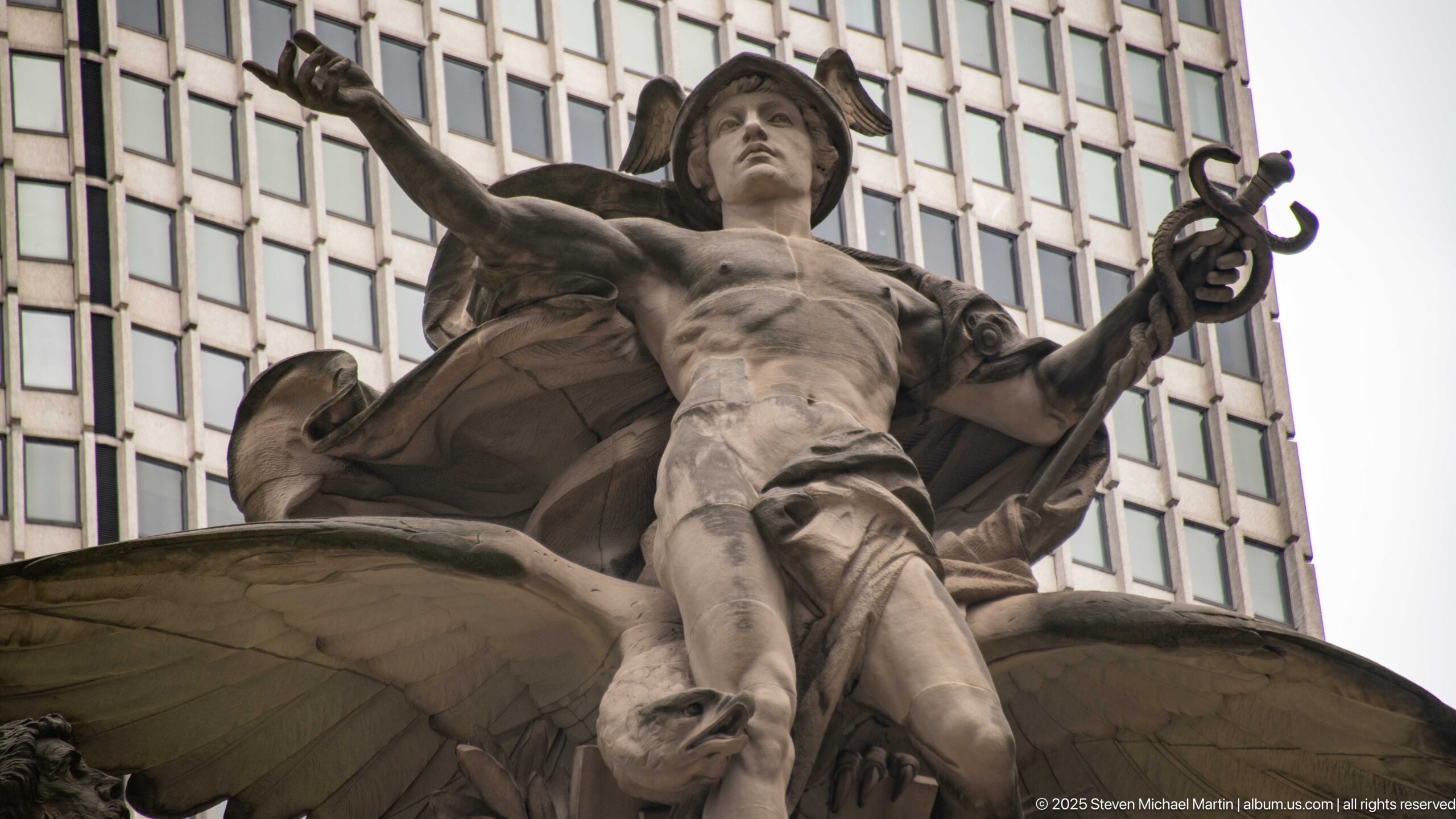
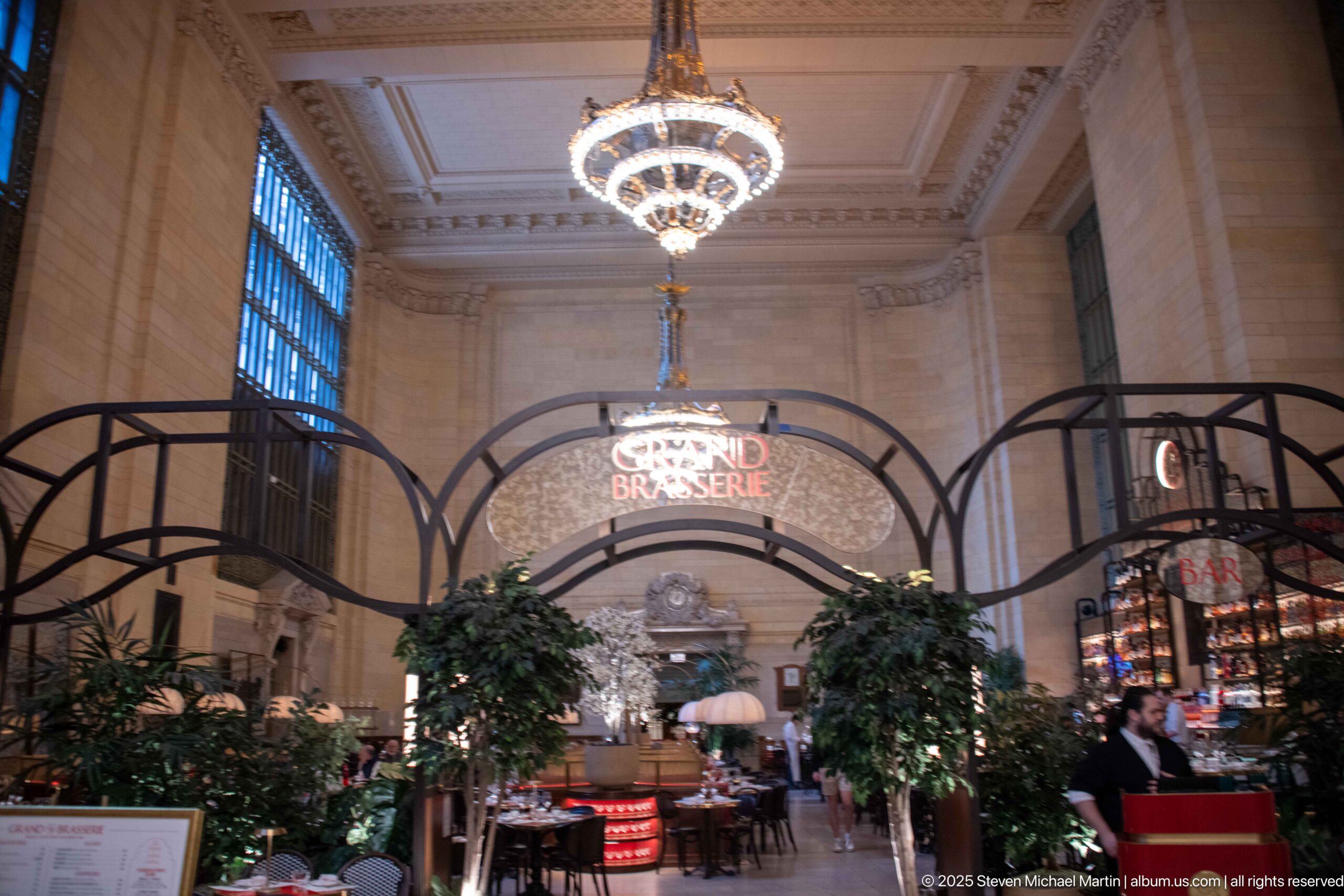
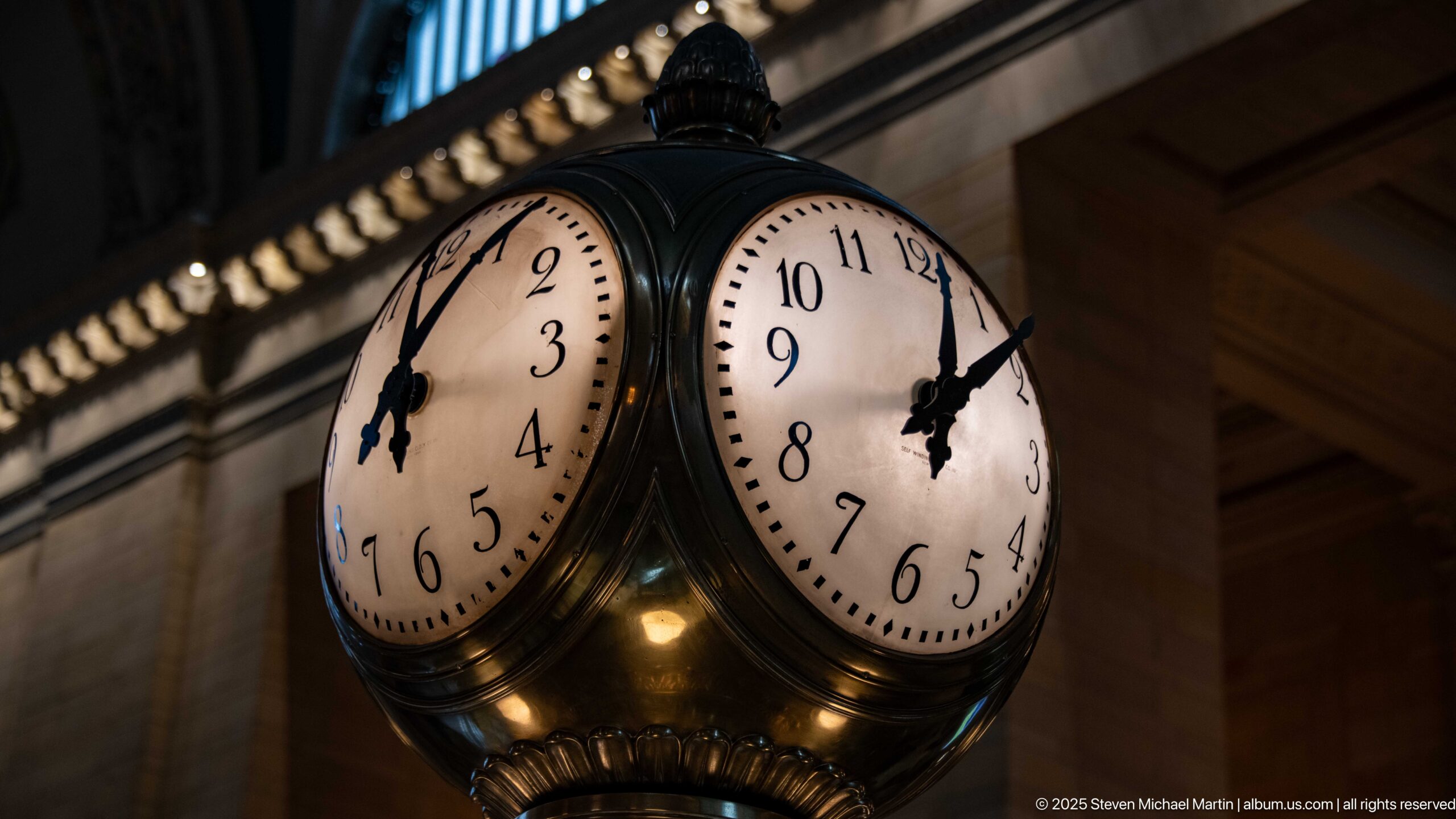
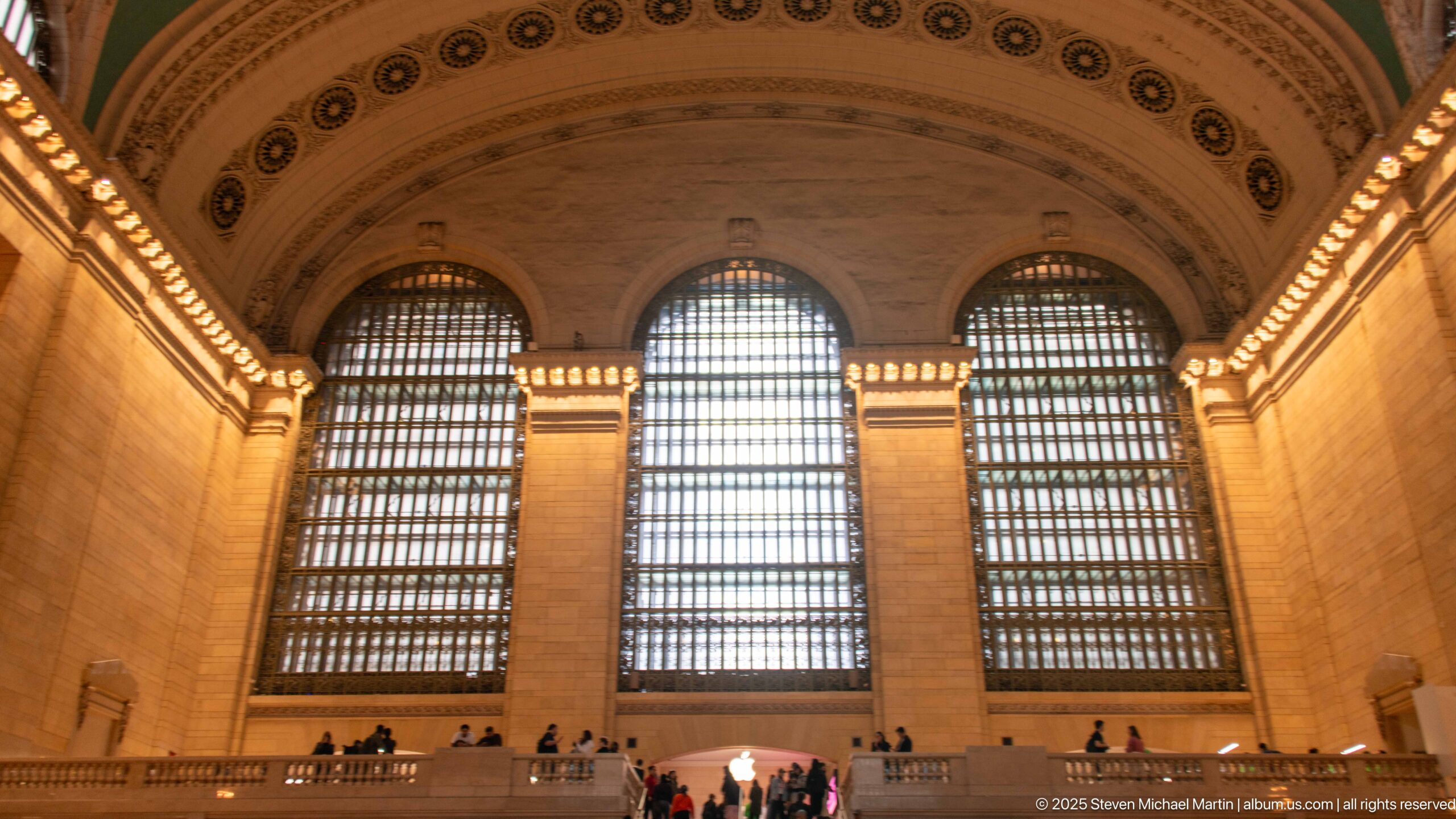
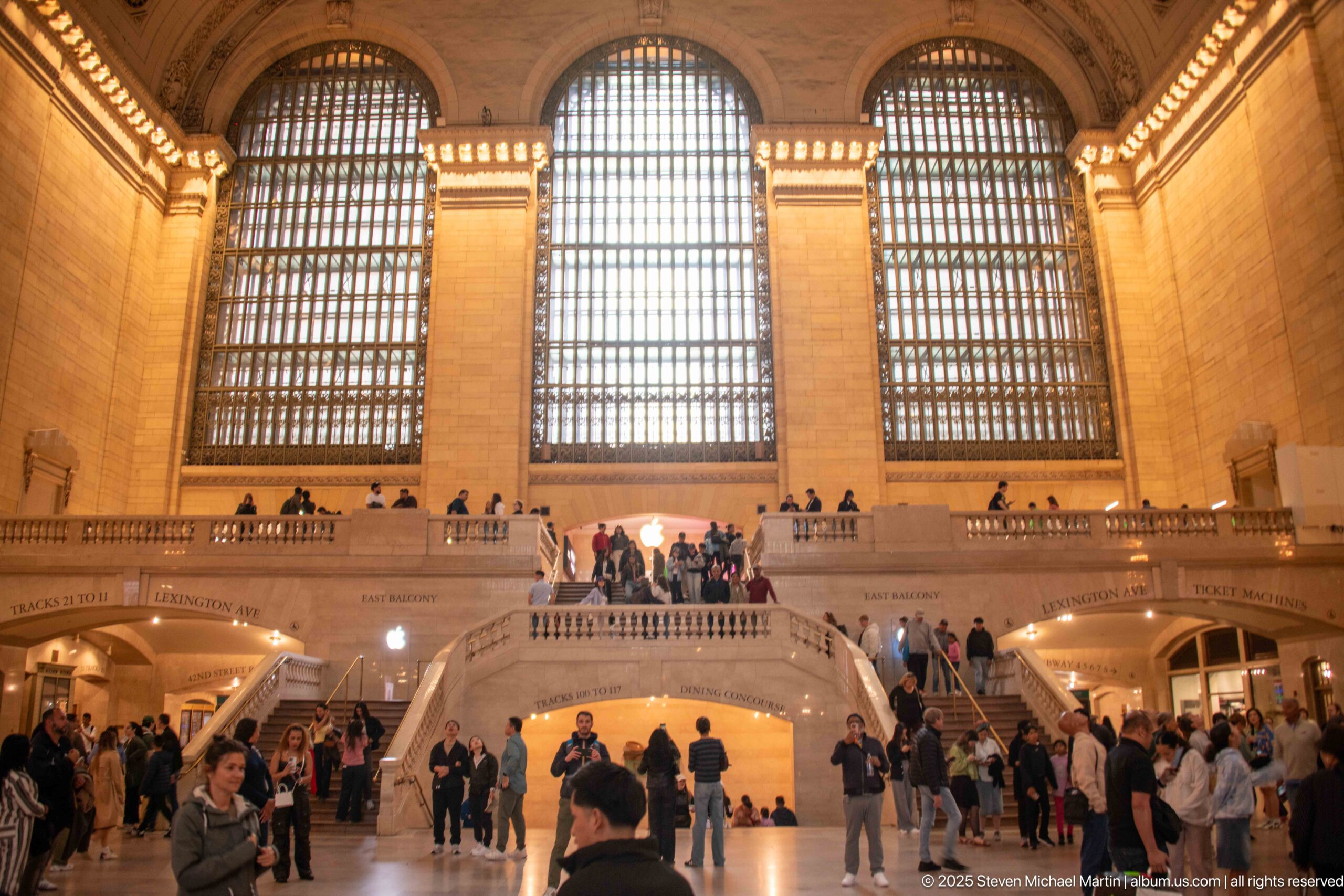
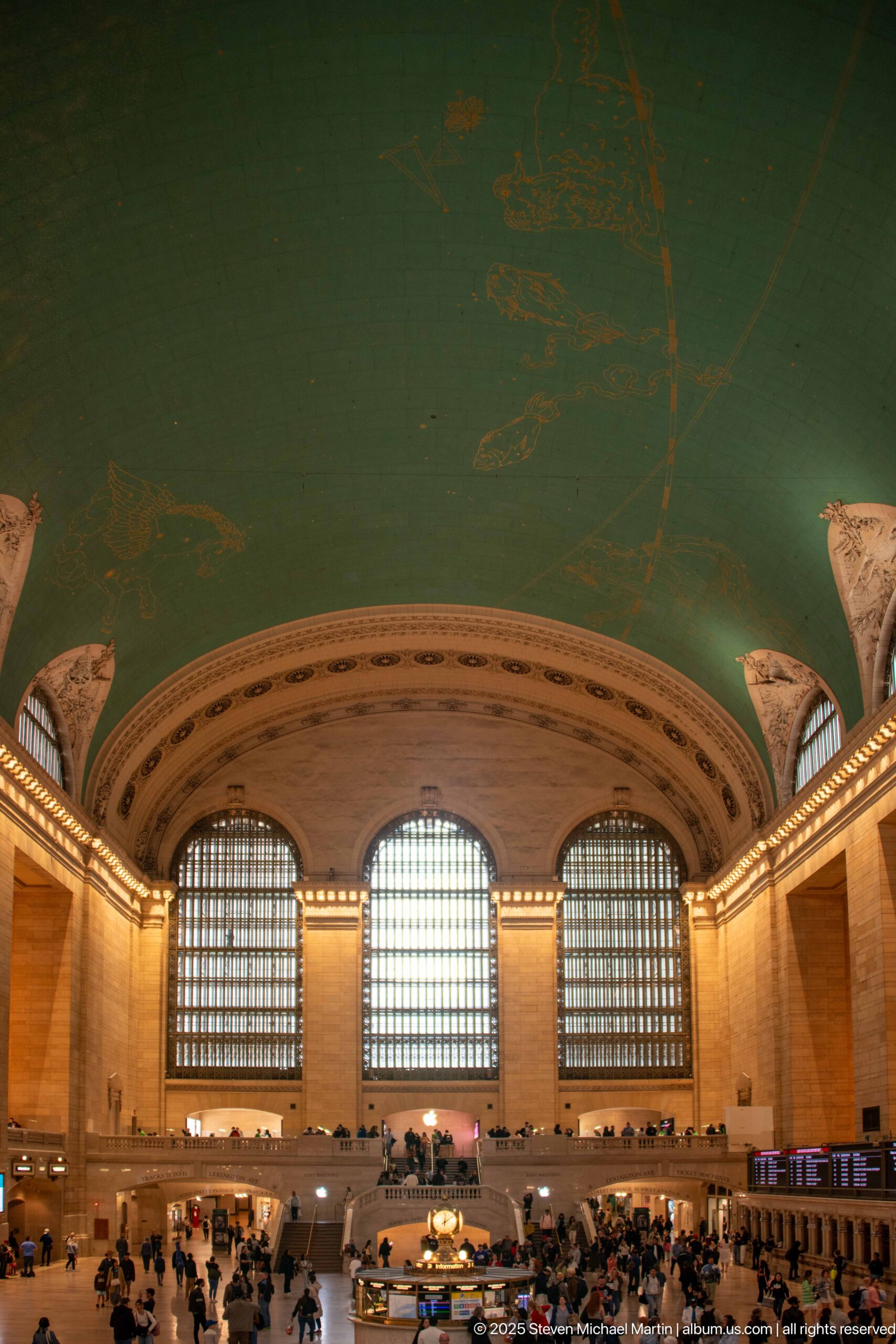
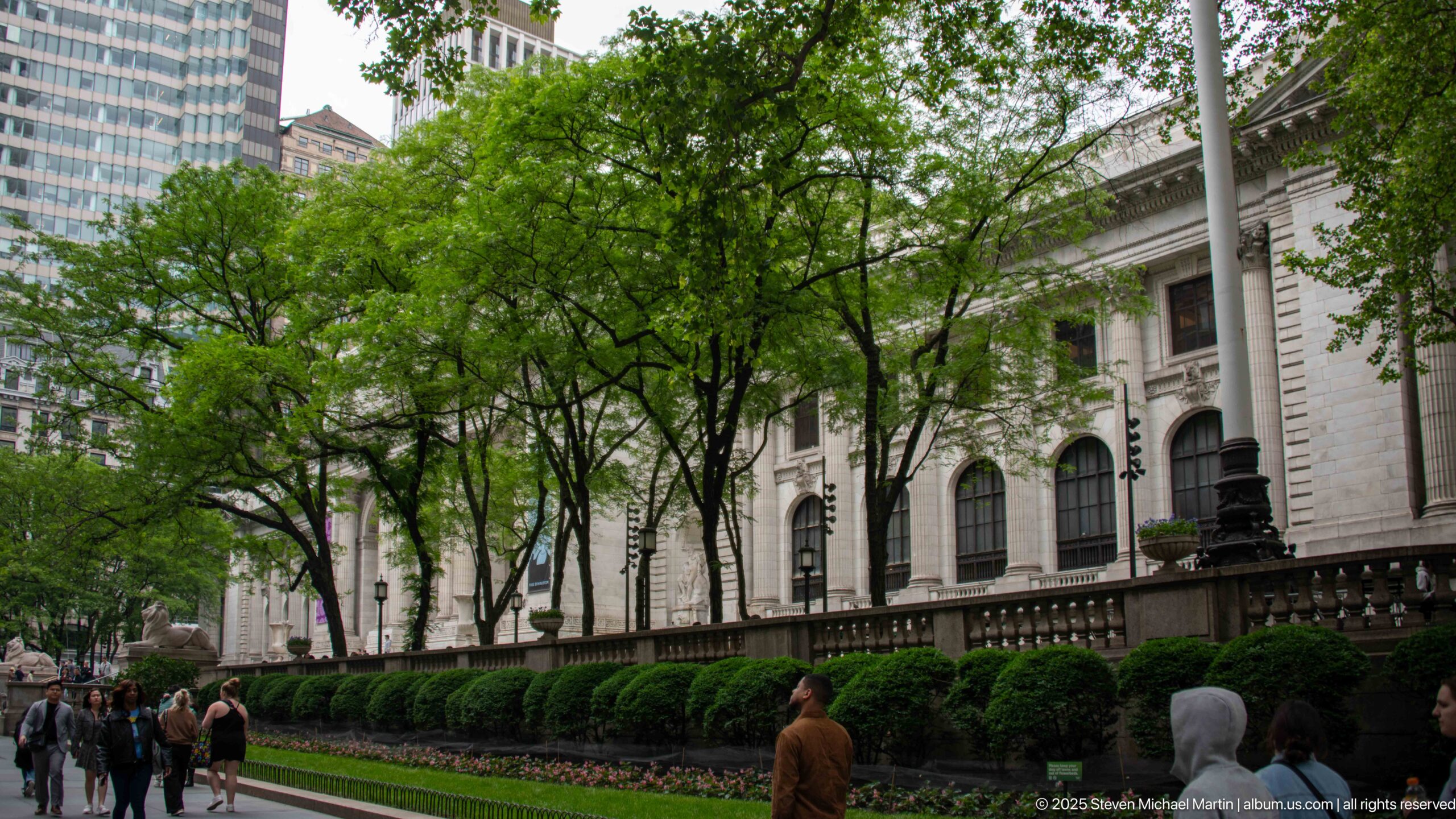
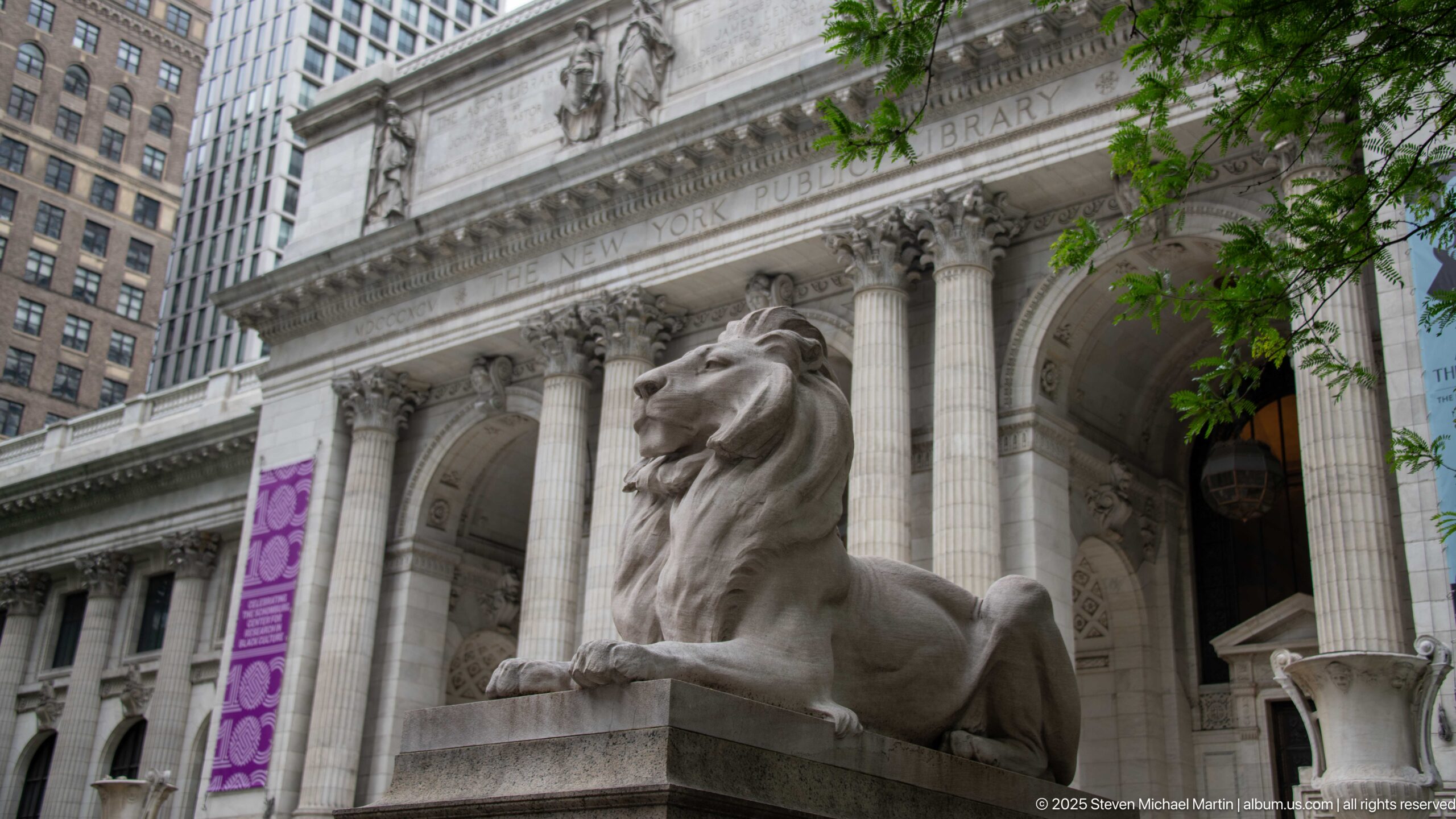
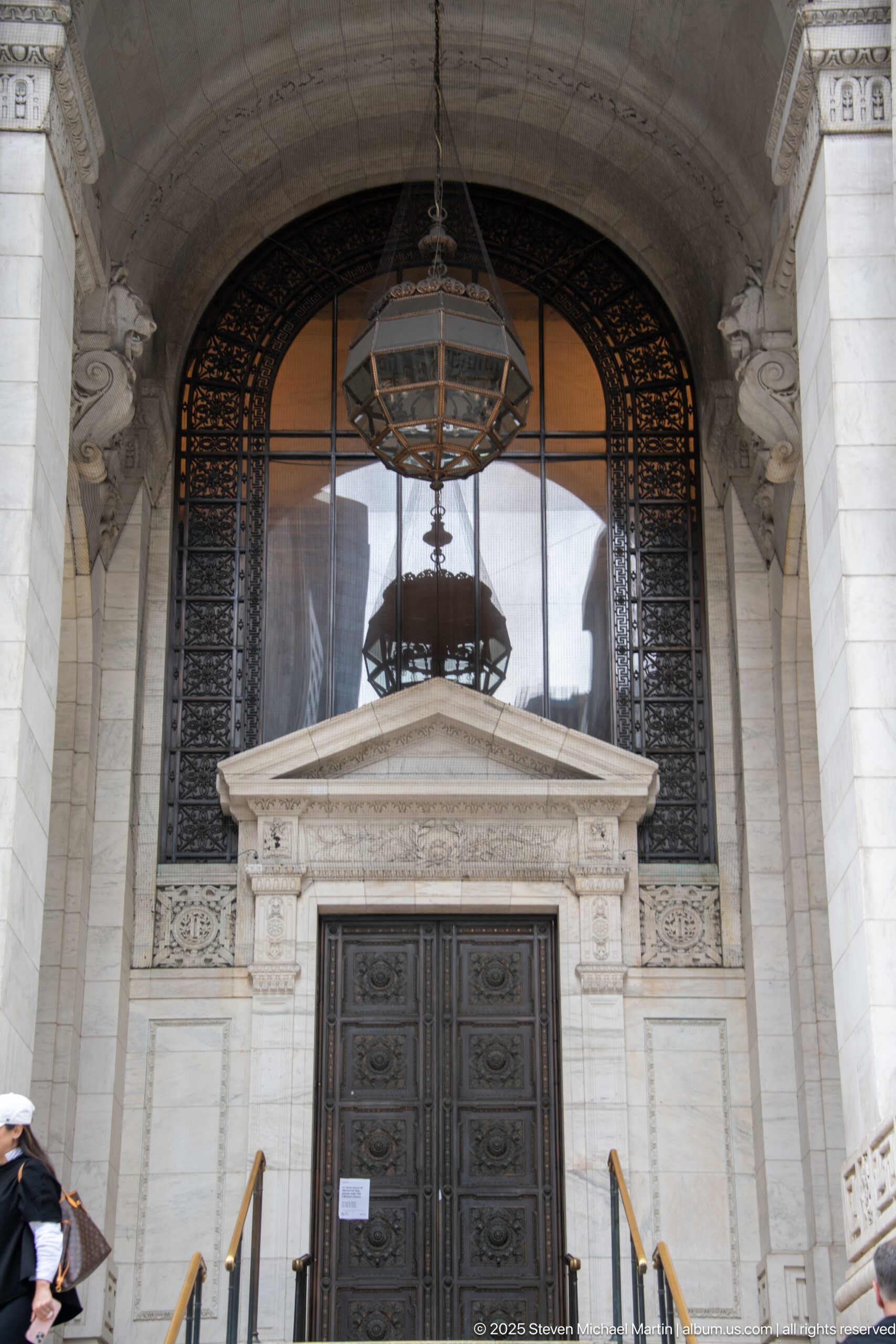
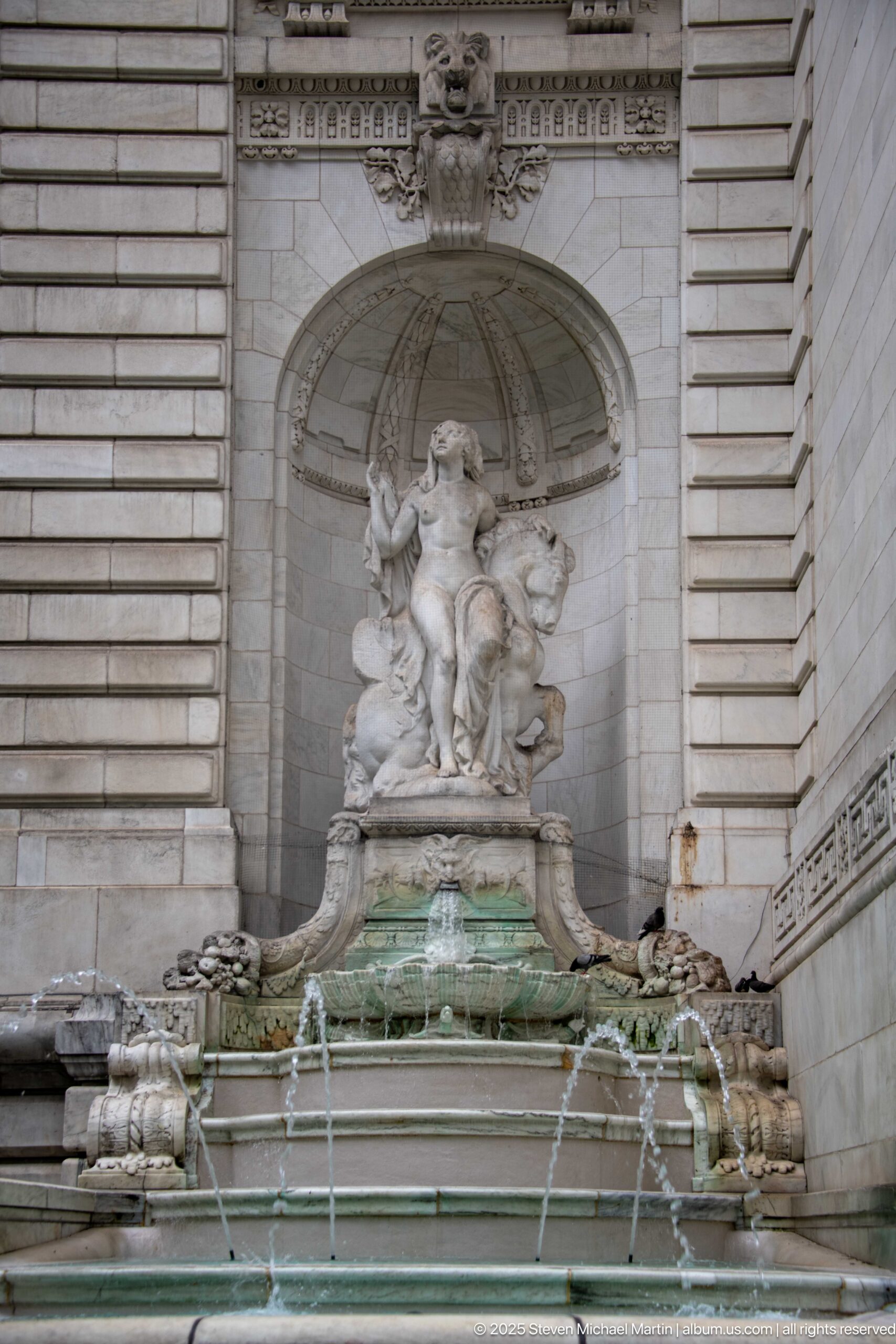
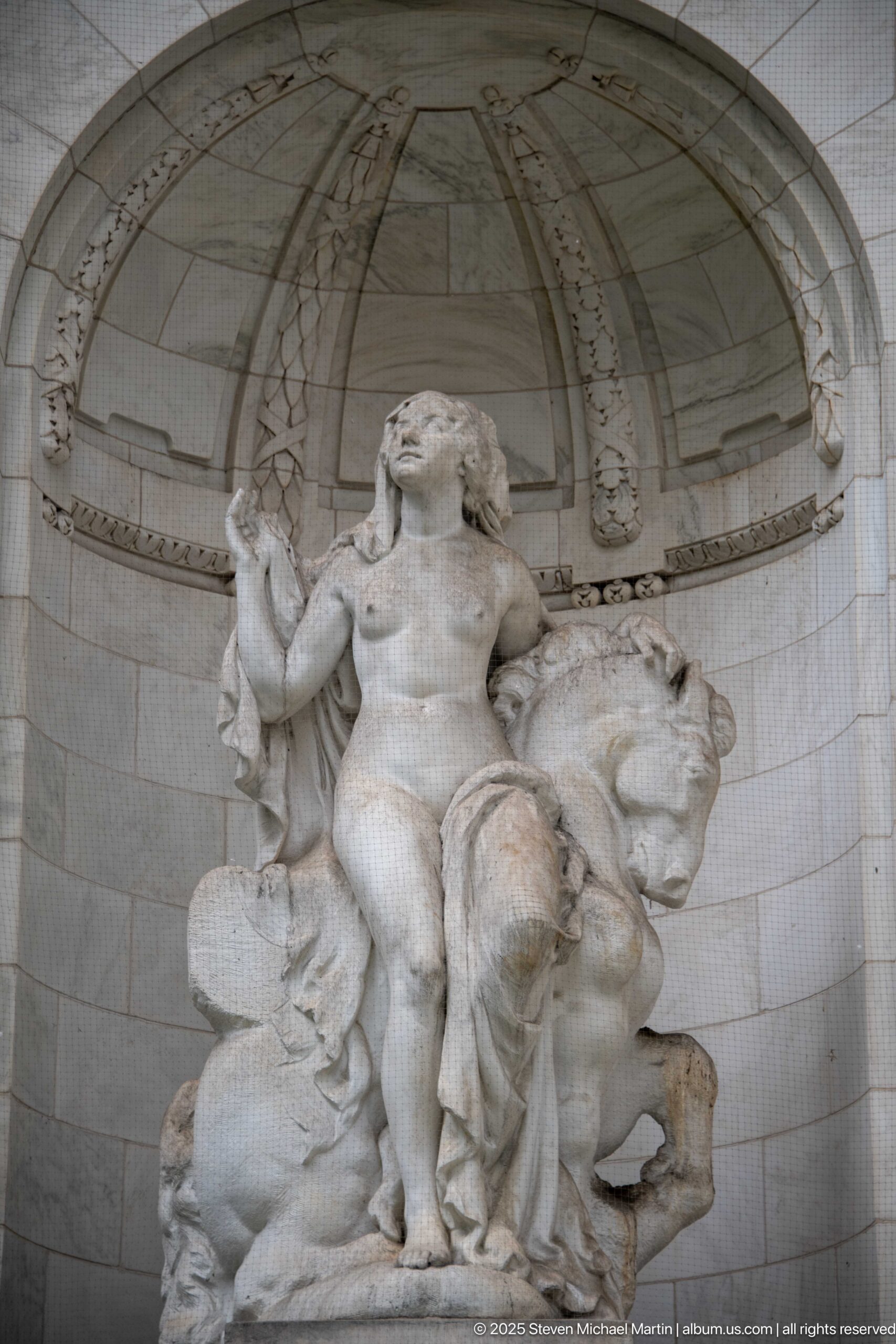
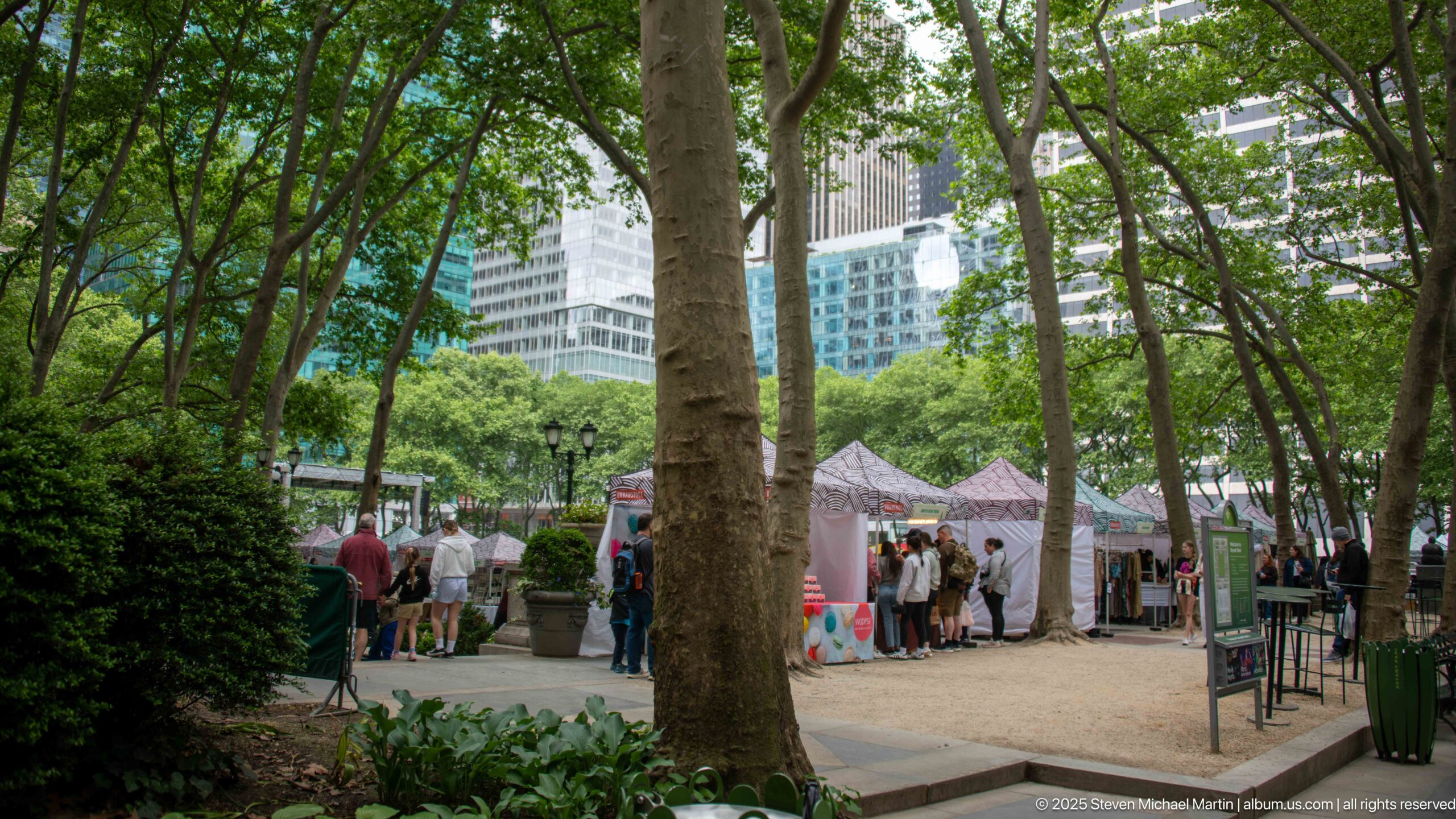
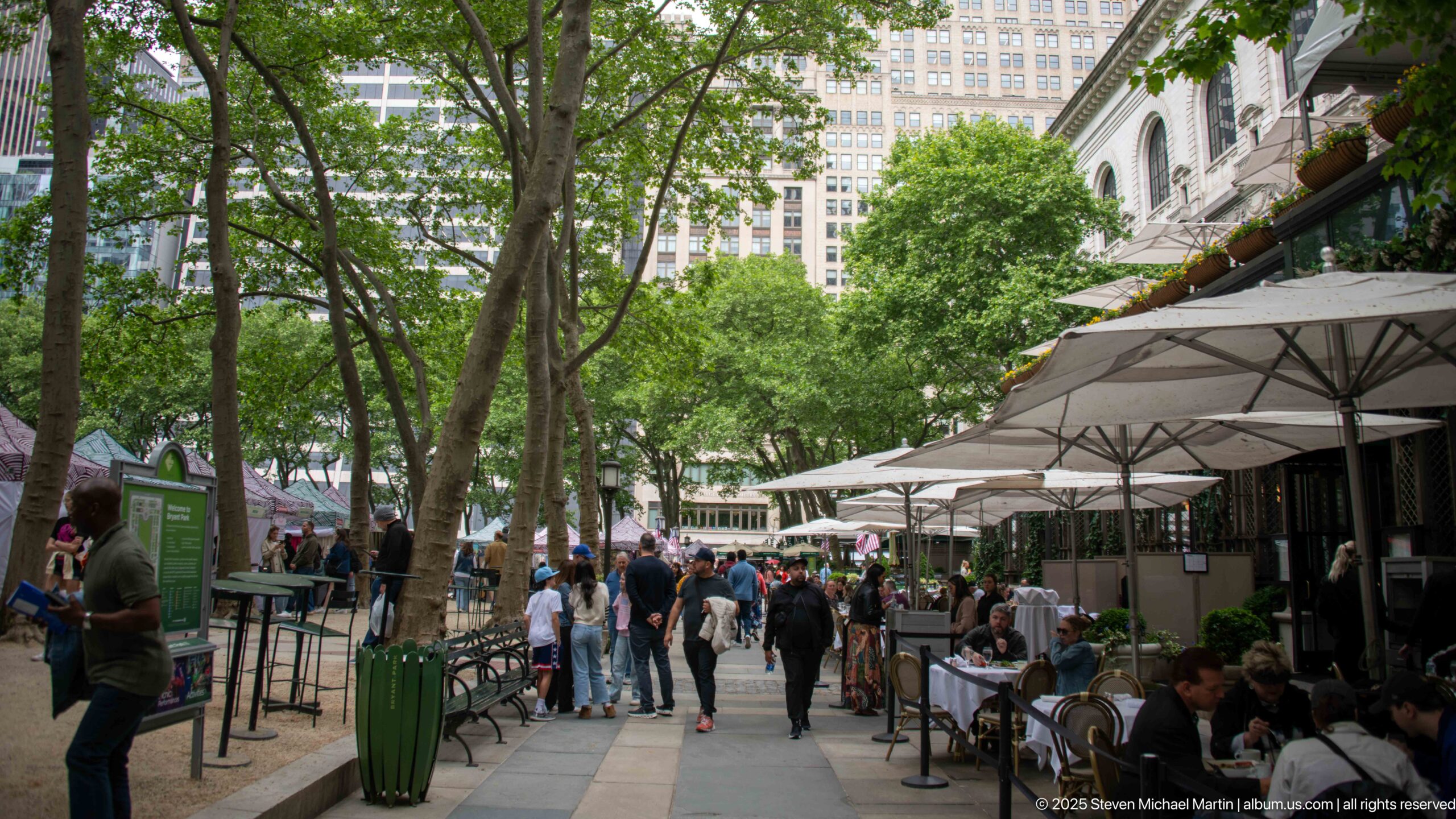
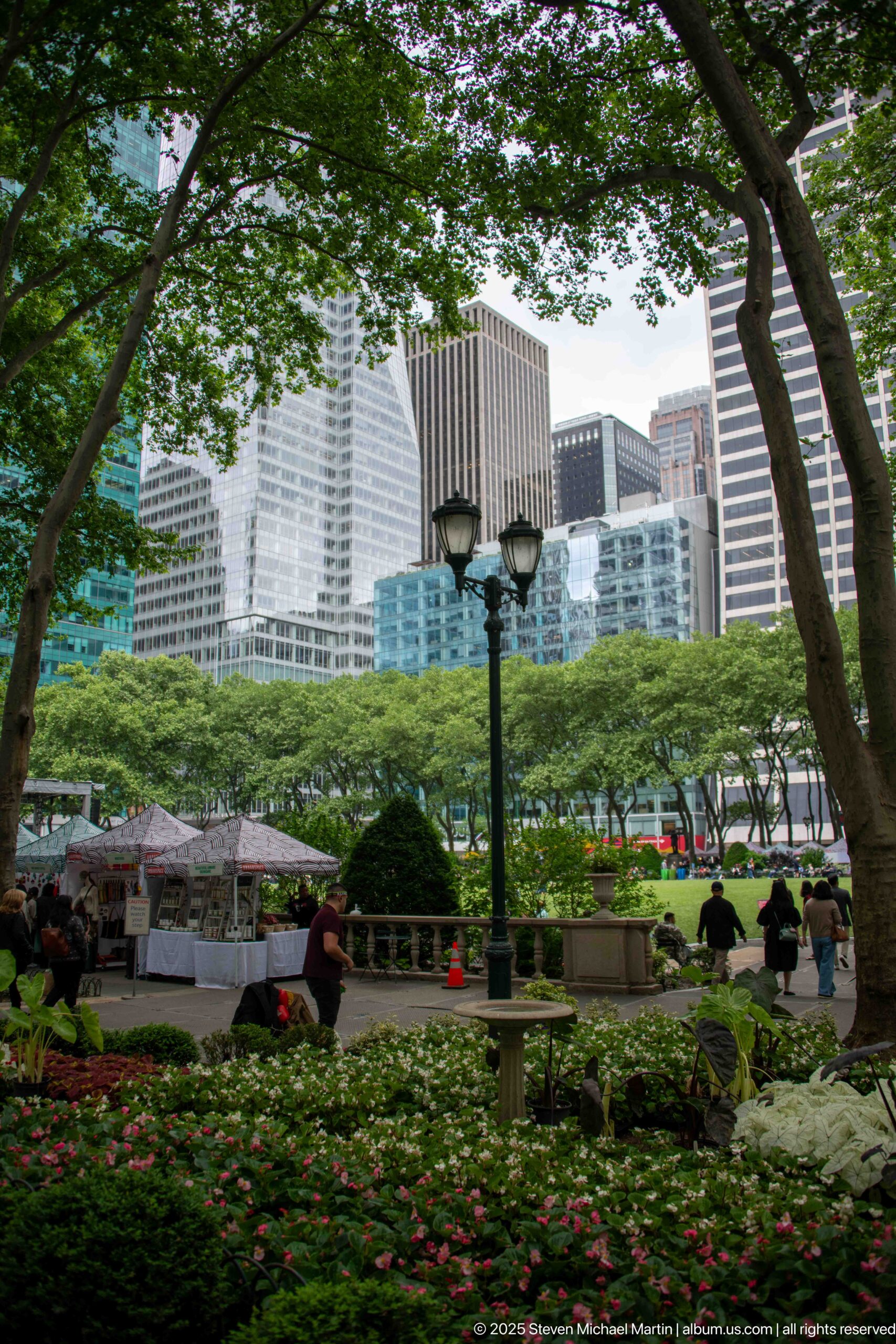
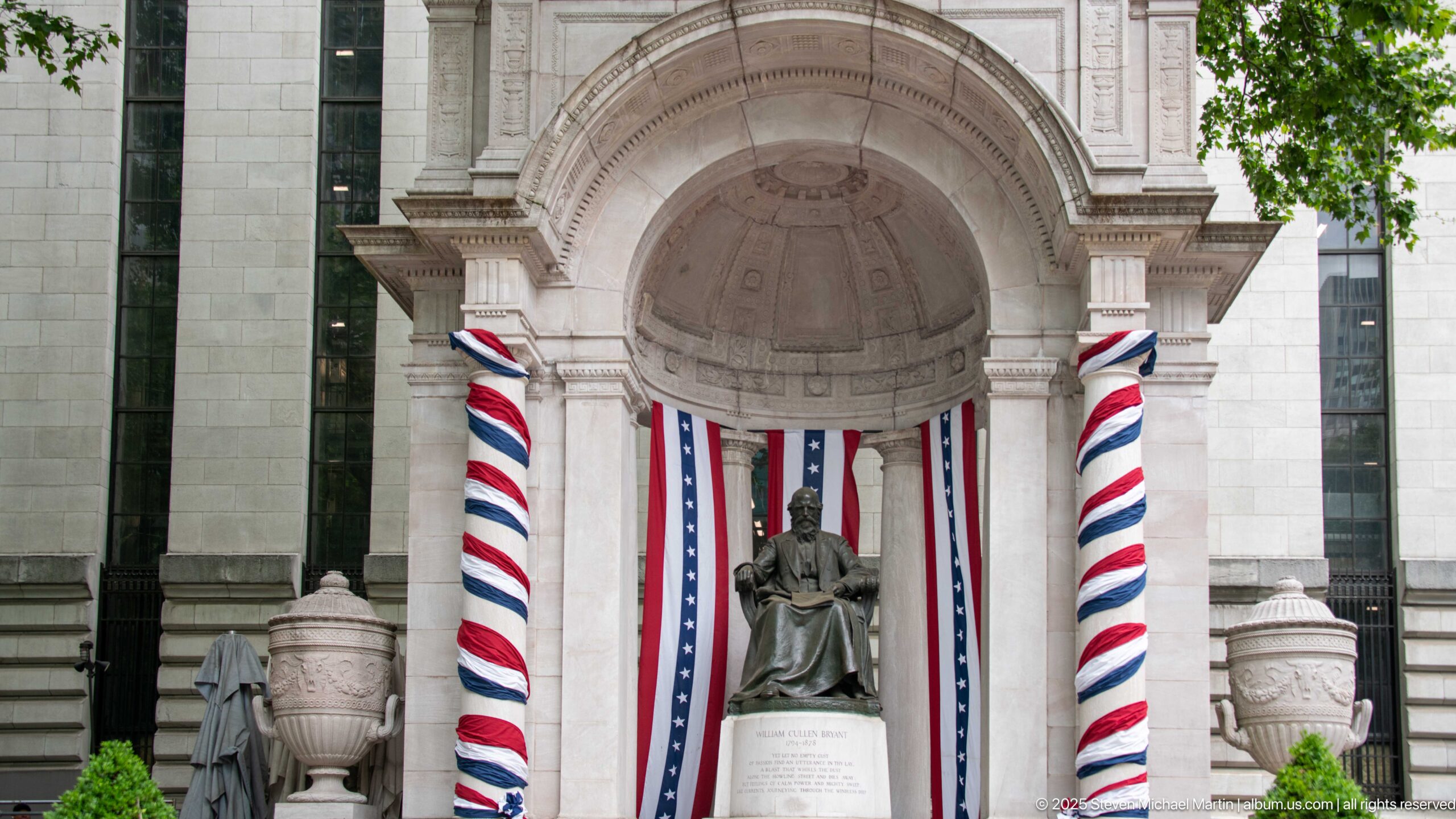
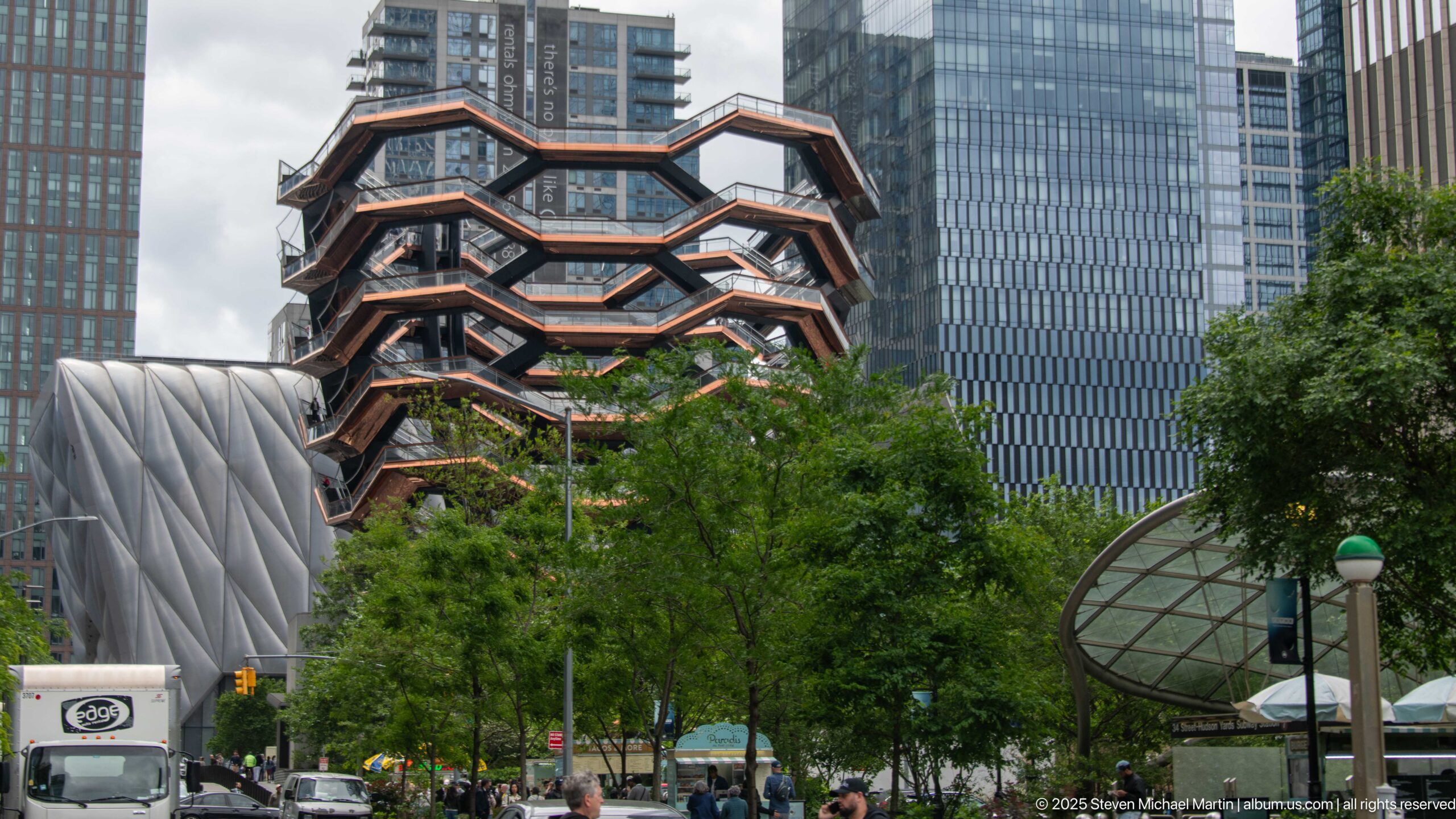
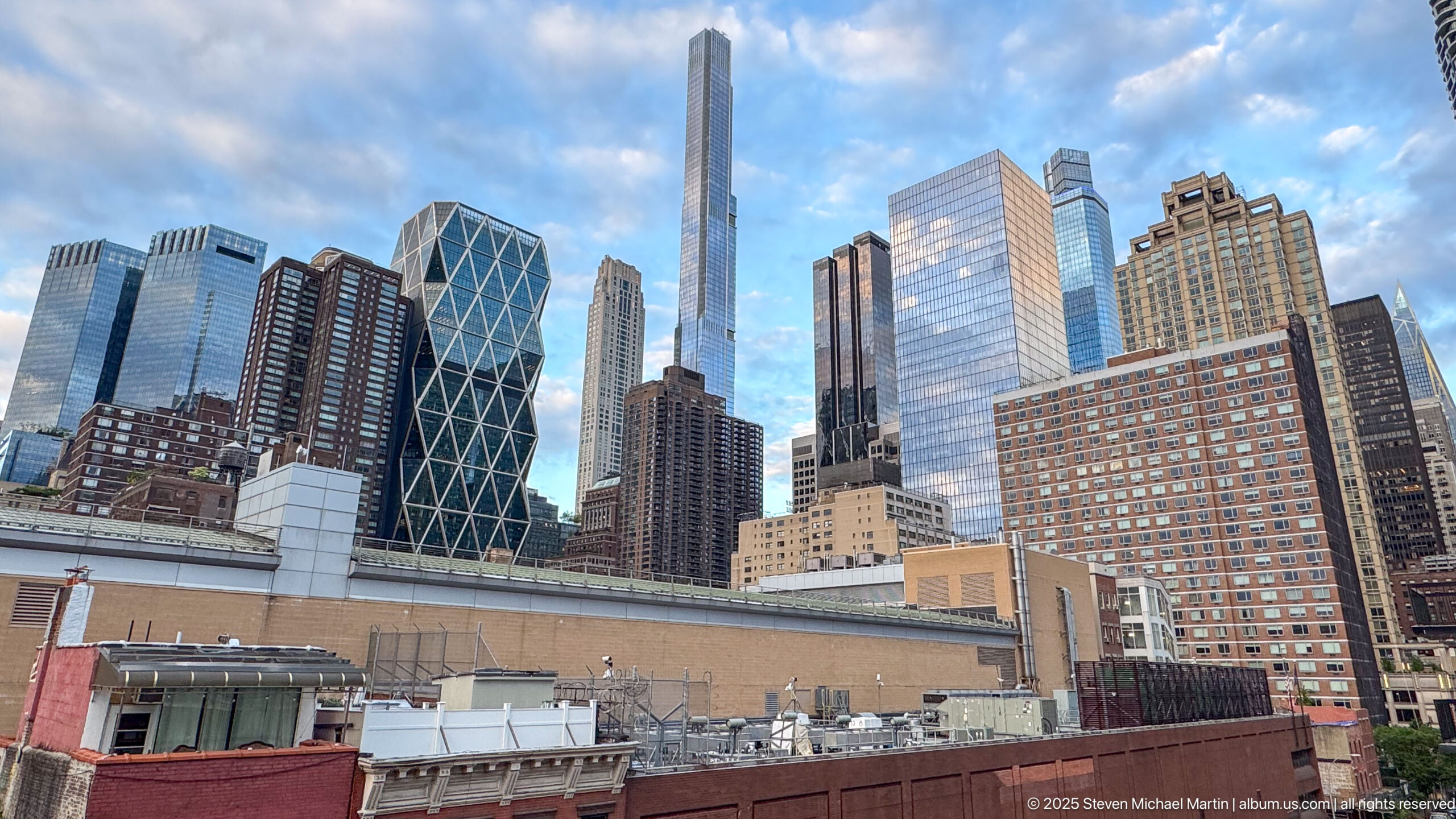
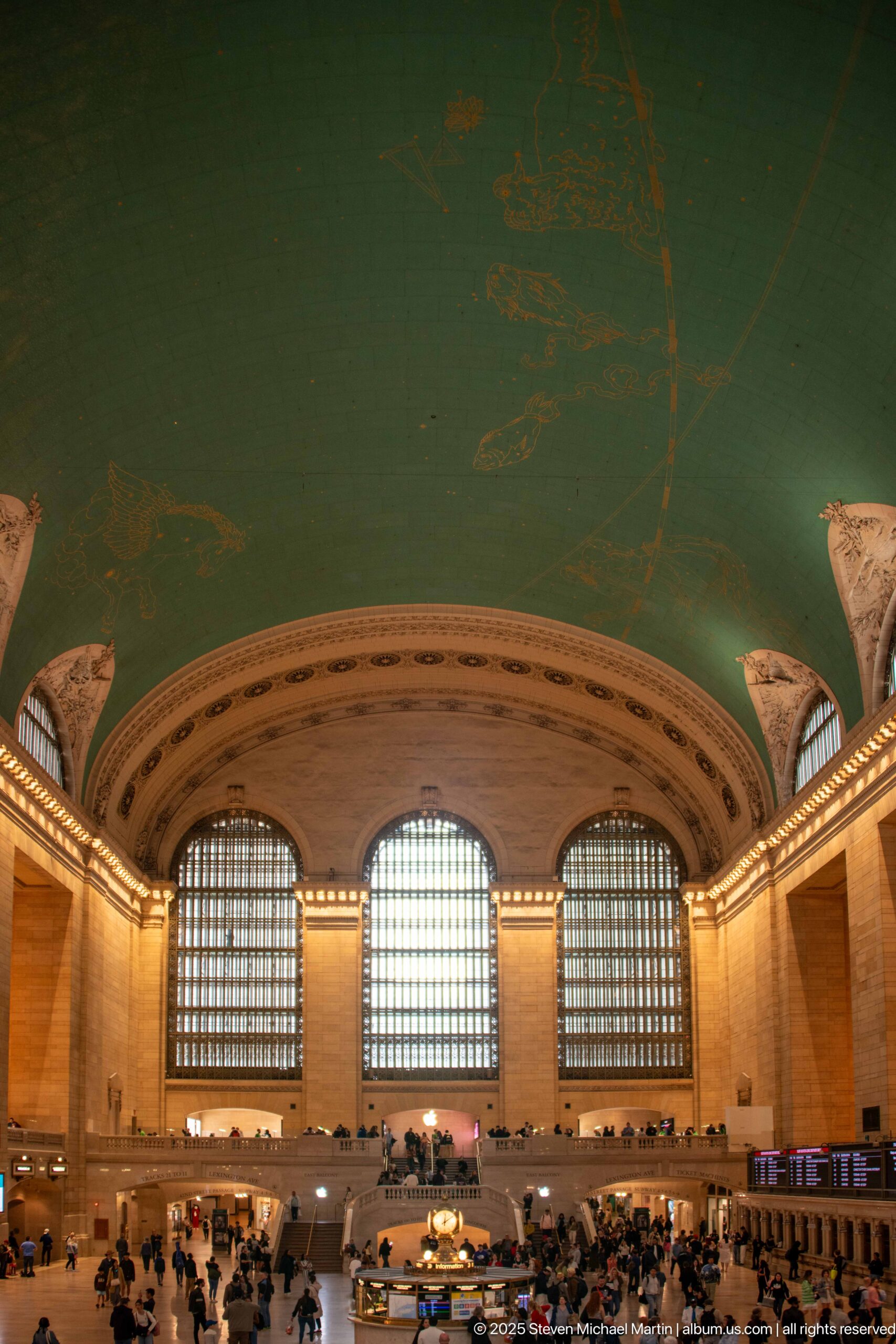
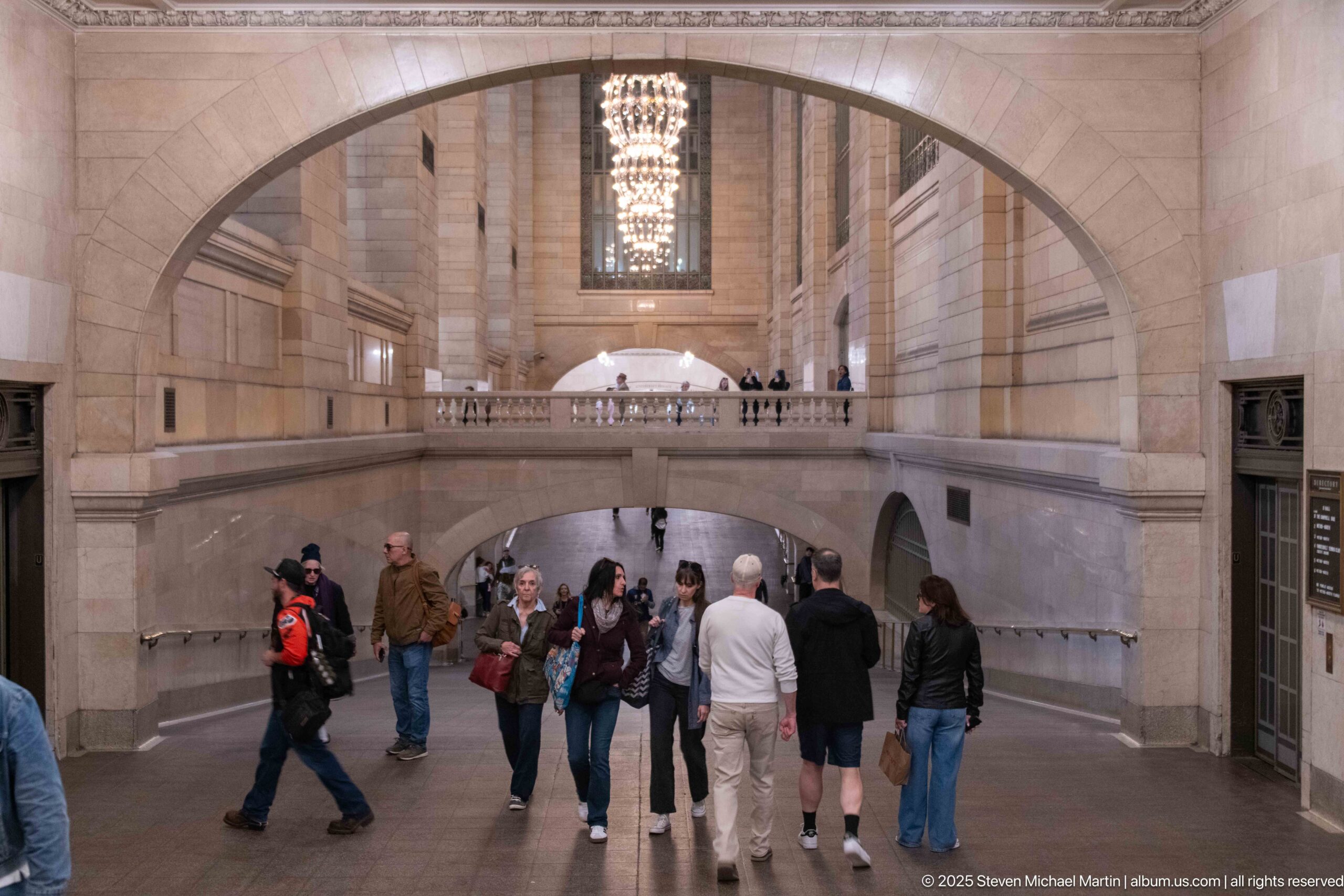
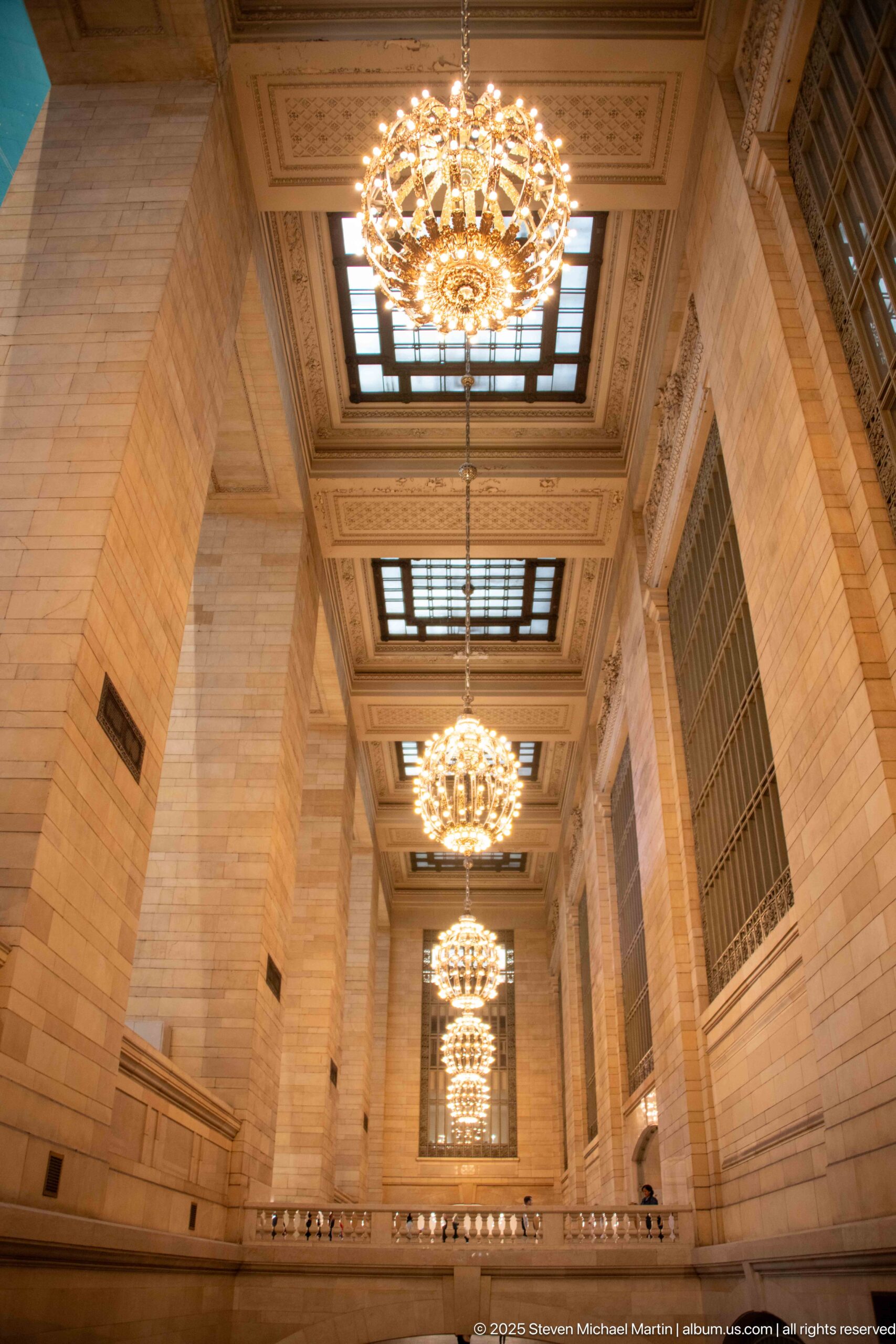
Landmarks including Grand Central Terminal, the New York Public Library, Rockefeller Center, St. Patrick’s Cathedral, Bryant Park, and Times Square illustrate the architectural and cultural development of the early twentieth century metropolis. Midtown’s skyline reflects advances in steel-frame construction and urban planning that allowed vertical growth in response to limited land availability on Manhattan Island. The district’s concentration of theaters, commercial offices, and transportation infrastructure helped establish New York as a global center of finance, media, and international exchange.
Midtown Manhattan contributes to understanding how urban density influences economic development and cultural identity. The district demonstrates how infrastructure, architecture, and public space combine to shape one of the most recognizable cityscapes in the world. Its continued evolution reflects the broader history of New York City as a center of global commerce and cultural production.