United States National Arboretum
The United States National Arboretum occupies more than 400 acres along the Anacostia River in northeastern Washington, DC, preserving cultivated landscapes dedicated to botanical research, conservation, and public education. Established in 1927, the arboretum reflects early twentieth-century efforts to study plant adaptation, landscape design, and agricultural resilience within the varied climatic conditions of the mid-Atlantic region. Its collections demonstrate the relationship between horticultural science and environmental stewardship, illustrating how plant species contribute to ecological stability, urban landscape design, and biodiversity preservation.
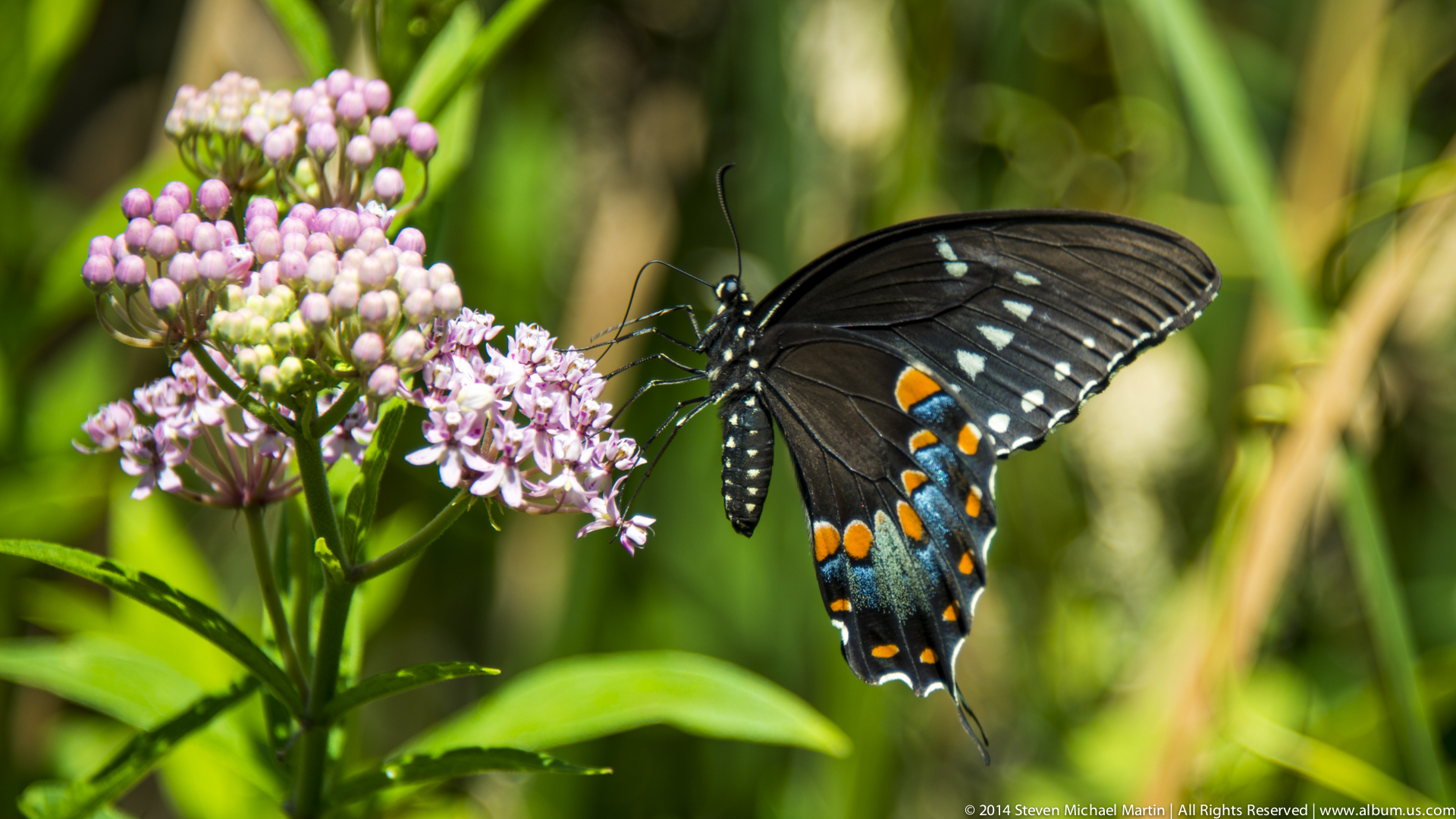
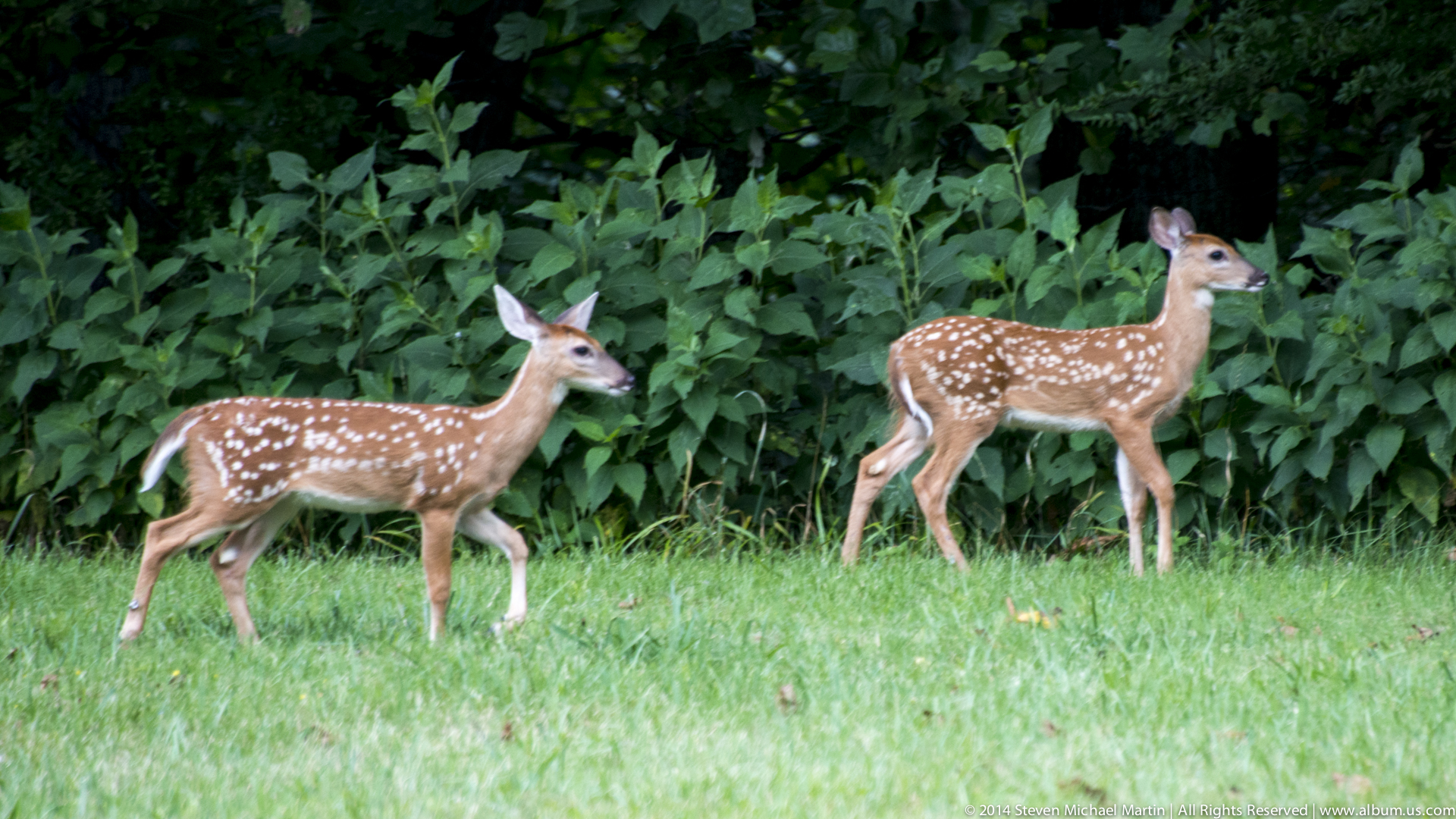
The arboretum’s formal gardens, tree collections, and research plots illustrate both aesthetic and scientific approaches to landscape management. Among its most recognizable features are the historic National Capitol Columns, originally part of the United States Capitol building and later relocated to form an architectural focal point within the landscape. Seasonal variation in flowering trees, including azaleas, dogwoods, and magnolias, demonstrates the diversity of temperate plant communities adapted to regional environmental conditions, while open meadow and woodland environments contribute to habitat continuity within the urban setting.
The United States National Arboretum contributes to understanding the relationship between scientific research and public landscape design within the federal capital. Its preserved collections illustrate the importance of plant diversity in supporting ecological resilience and sustainable urban environments. As both a research institution and public garden, the arboretum reflects the continuing role of botanical study in shaping environmental management practices across the United States.