
Grand Portage
Grand Portage was one of the most important transfer points along the voyageurs’ fur trade routes linking the interior of North America with Montreal and European markets. Located near the northwestern shore of Lake Superior, the site served as a critical meeting place where goods were transferred between larger freight canoes traveling from Montreal and smaller canoes navigating inland waterways. The eight-mile portage route allowed traders to bypass rugged shoreline conditions and continue deeper into the continental interior.
During the late 18th century, Grand Portage became a central hub for the North West Company, one of the dominant organizations in the fur trade economy. Seasonal gatherings brought together voyageurs, traders, and Indigenous partners who exchanged goods, negotiated agreements, and prepared for long journeys across interconnected lake and river systems. These encounters illustrate the collaborative relationships that shaped commerce and exploration across early Canada and the northern United States.
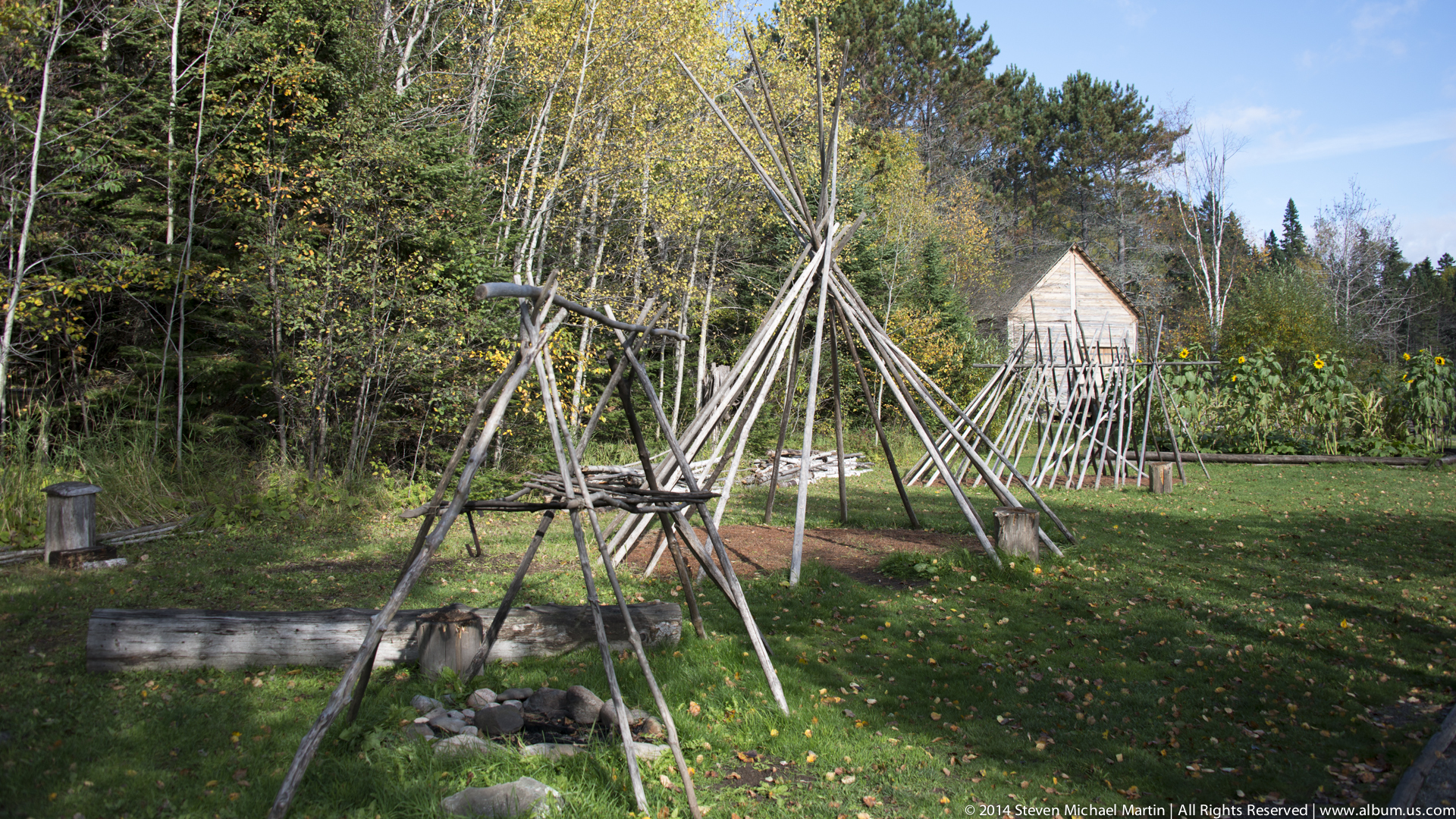
Today, Grand Portage National Monument preserves reconstructed trading posts, interpretive exhibits, and the historic portage trail itself. The site provides insight into the logistical complexity of long-distance trade networks and the physical endurance required of voyageurs who carried heavy cargo across difficult terrain in order to maintain economic connections across vast geographic distances.




National Monument Field Guide
Grand Portage National Monument preserves a critical transportation link used by Indigenous communities and later by French fur traders traveling between the Great Lakes and interior waterways of North America. The portage allowed travelers to bypass waterfalls and rapids along the Pigeon River, creating an essential connection between Lake Superior and inland trade networks.
🏛 Key Significance
- Historic fur trade route linking Great Lakes to interior rivers
- Traditional Indigenous transportation corridor
- Reconstructed trading post illustrating 18th century commerce
- Geographic connection between Lake Superior and continental waterways
- Important hub in early North American trade networks
📖 Interpretive Context
Grand Portage illustrates how geography shaped economic and cultural exchange across North America. Canoe routes connected distant regions through a network of rivers and lakes that formed the foundation of the fur trade economy. The portage itself required travelers to carry goods across land between navigable waterways, demonstrating how natural barriers influenced transportation systems and patterns of exploration.
📷 Photography Notes
- Capture shoreline views showing transition between water and land routes
- Wooden structures provide historic atmosphere
- Wide compositions illustrate scale of landscape
- Look for textures in forest and lake environments