National Park of American Samoa – Tutuila
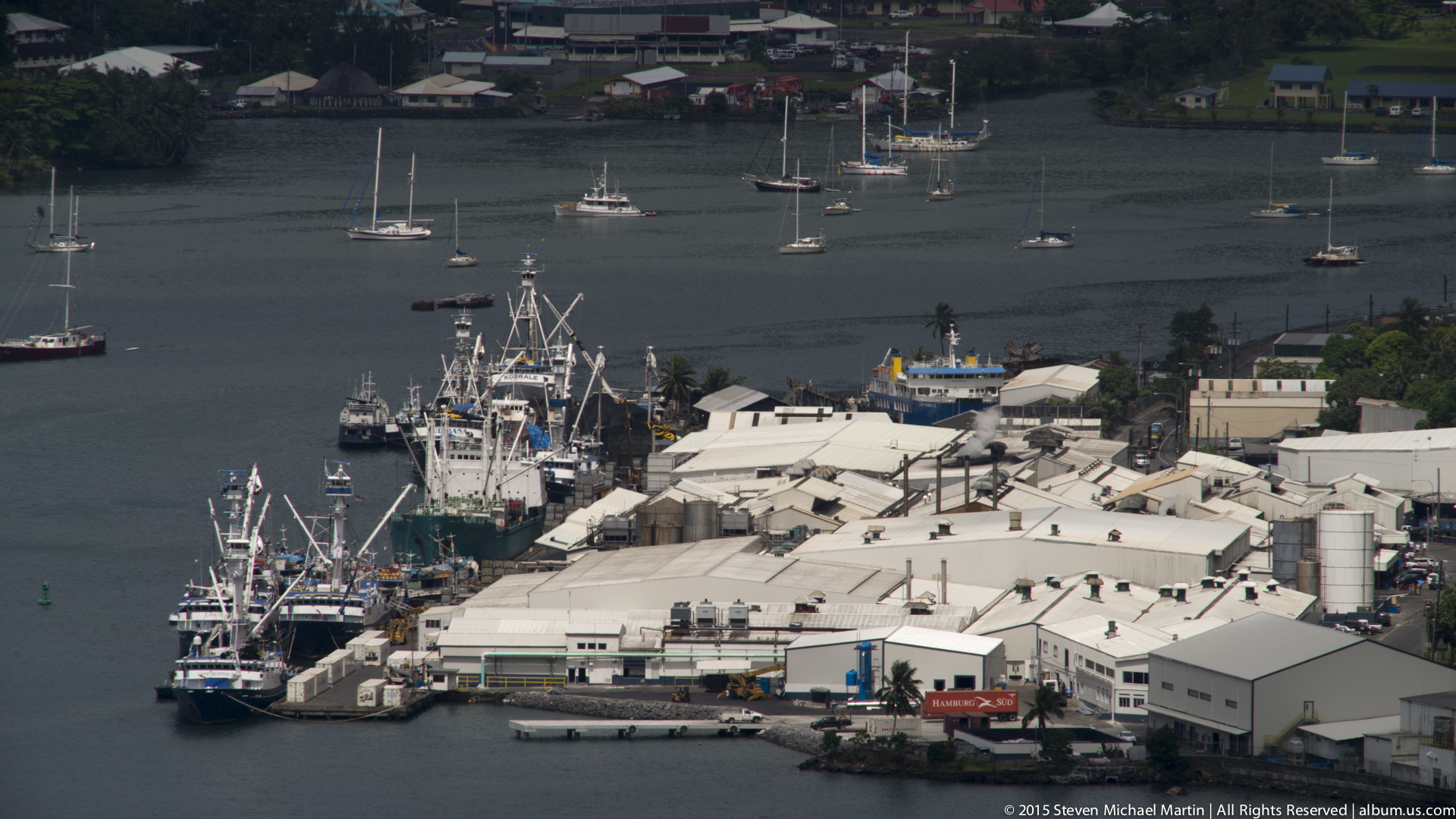
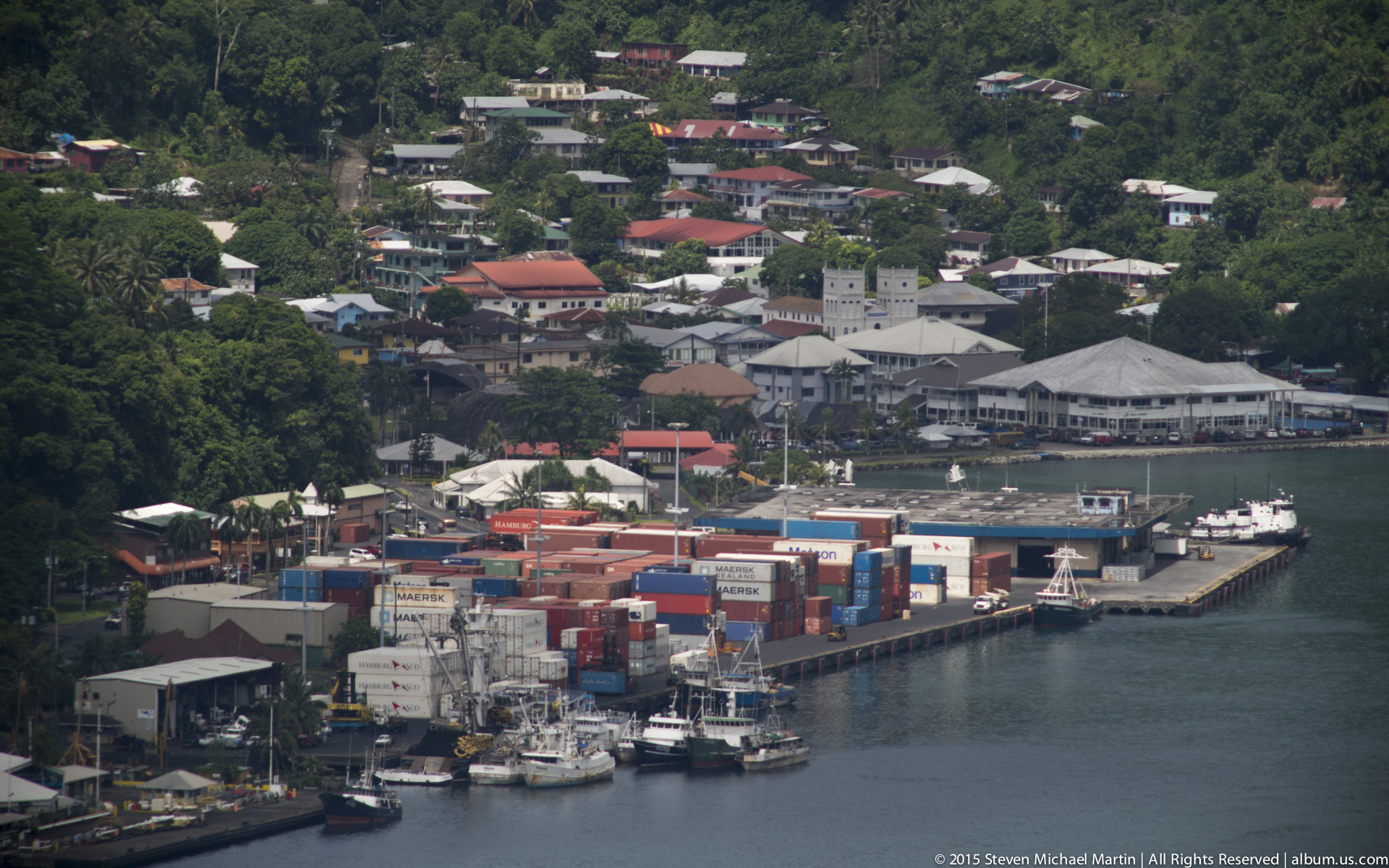
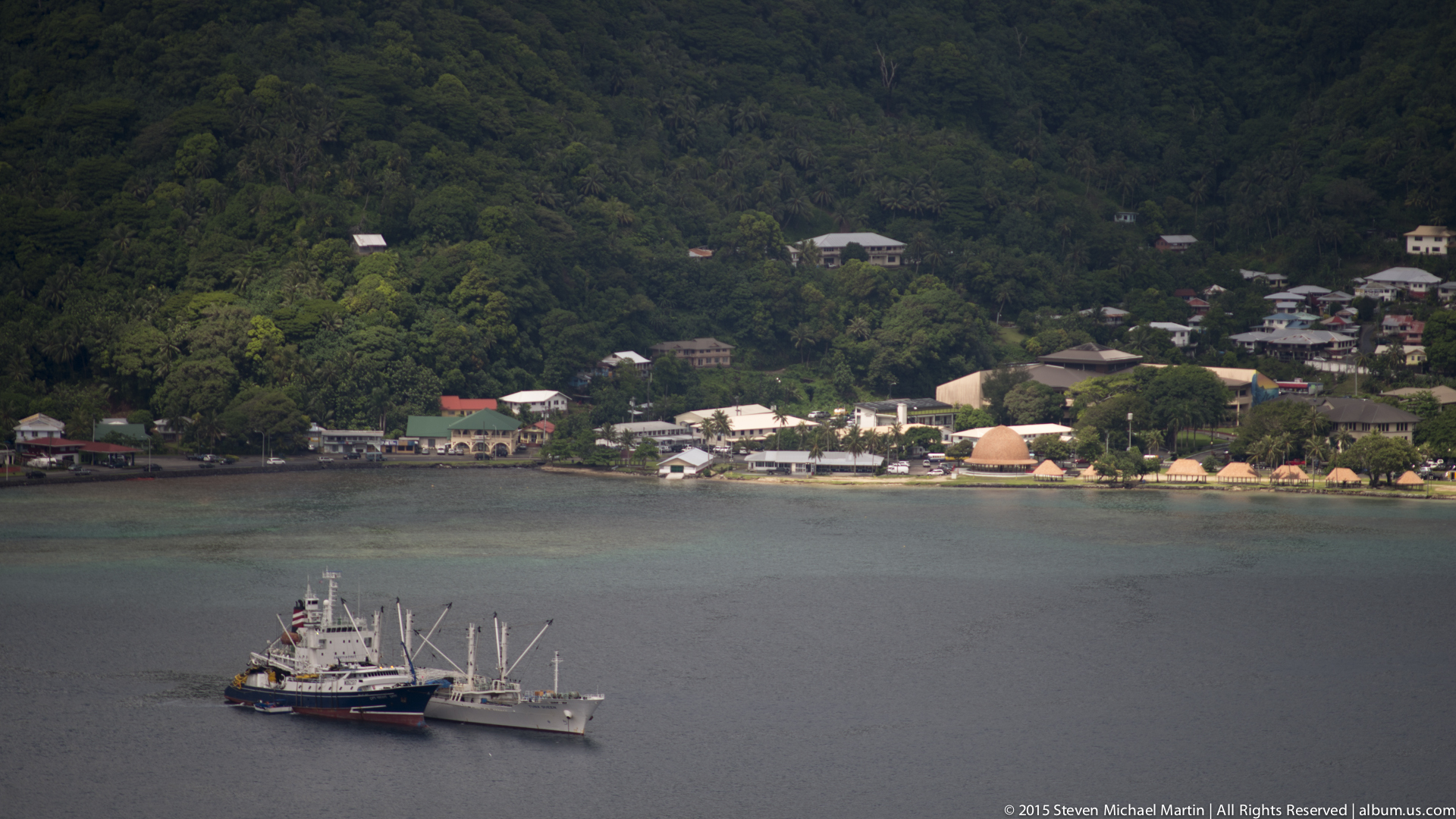
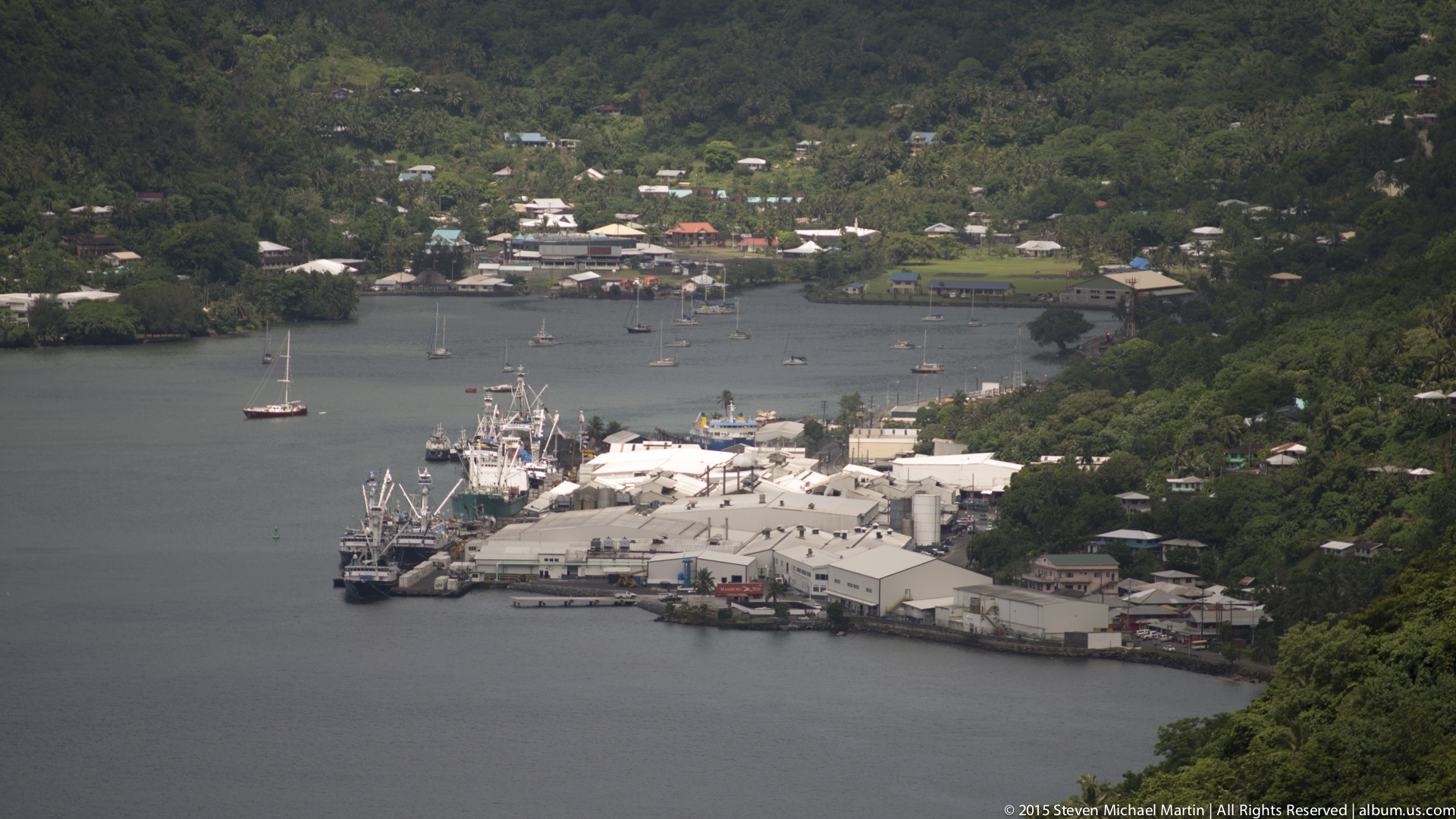
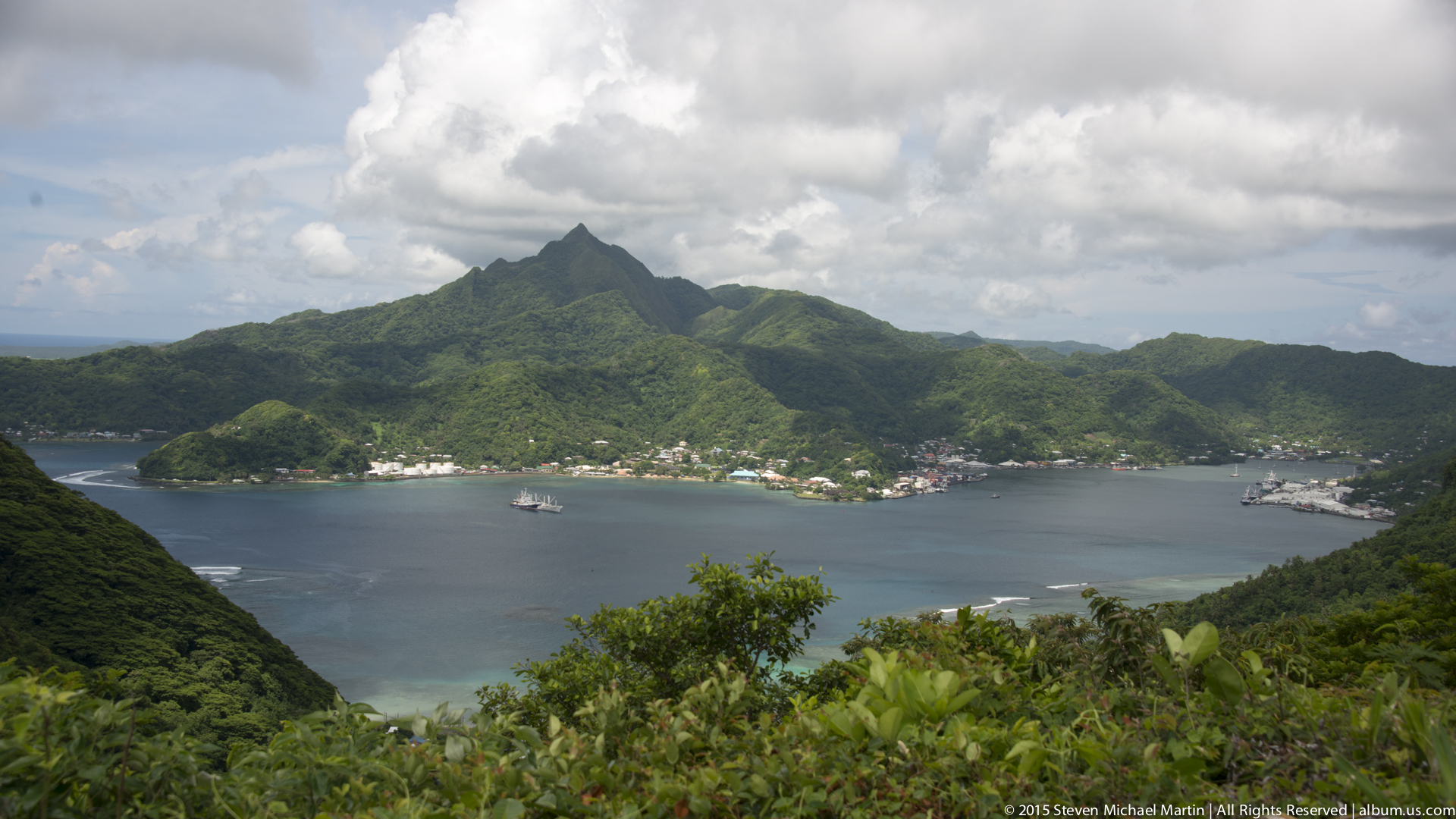
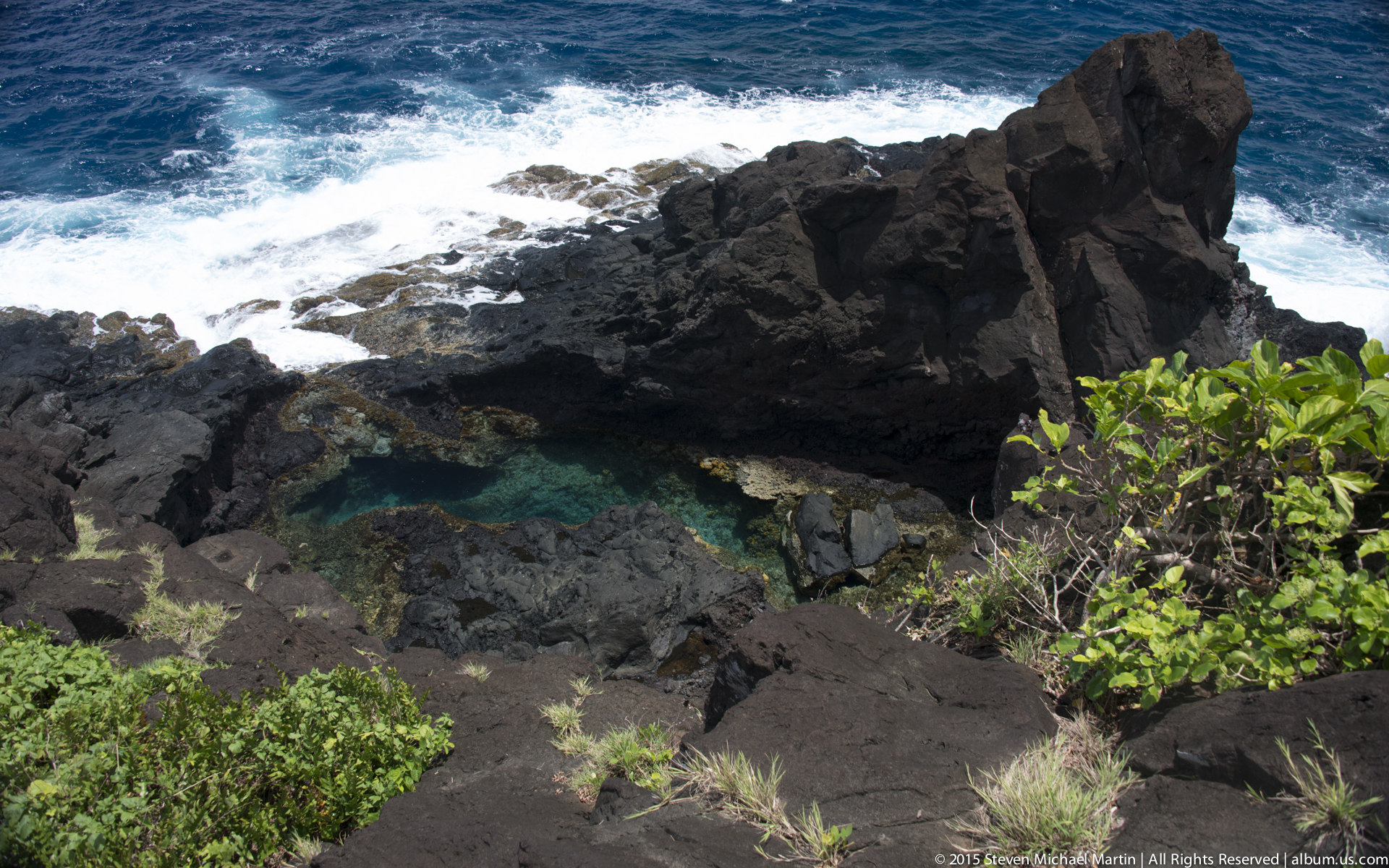
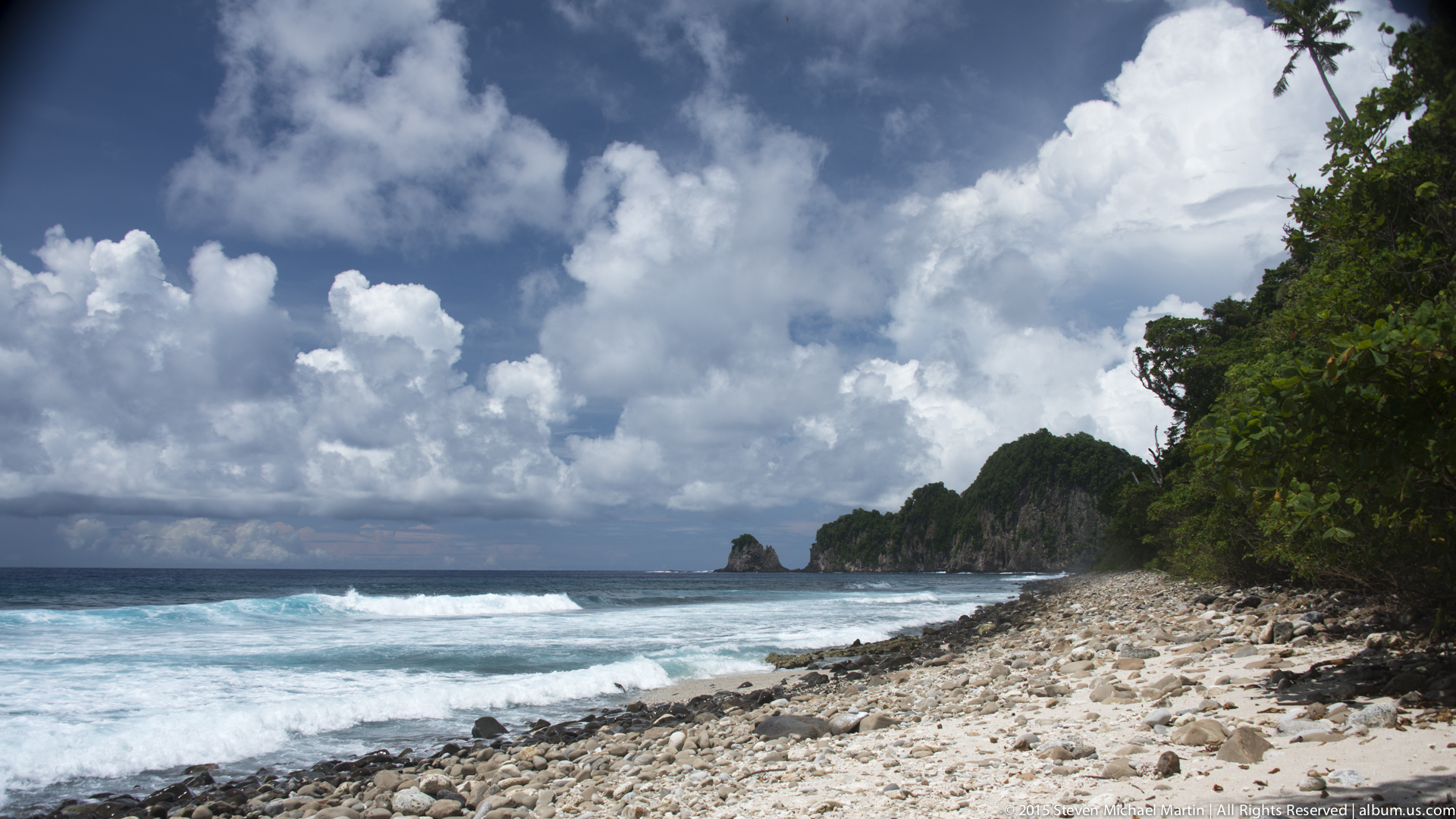
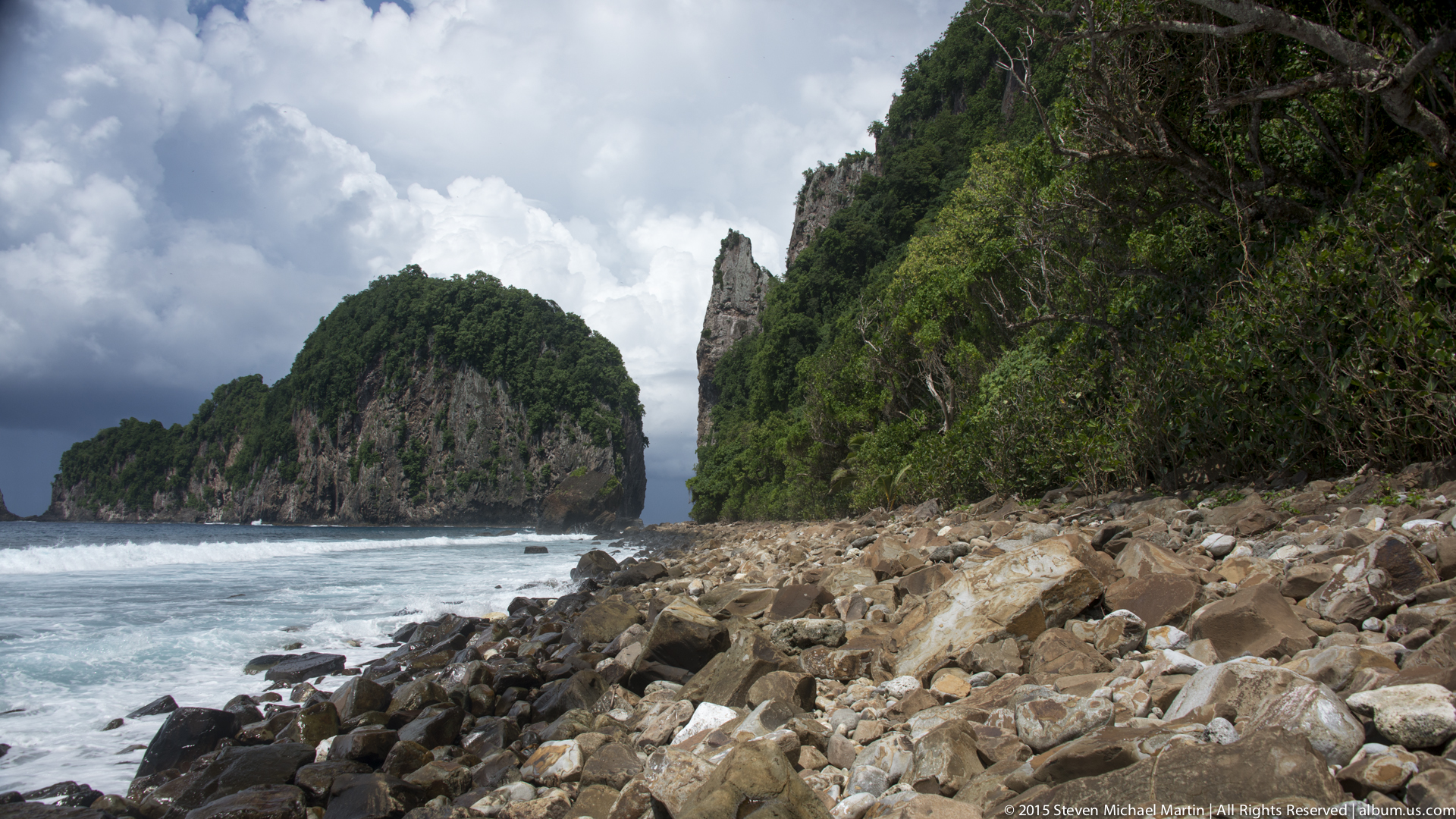
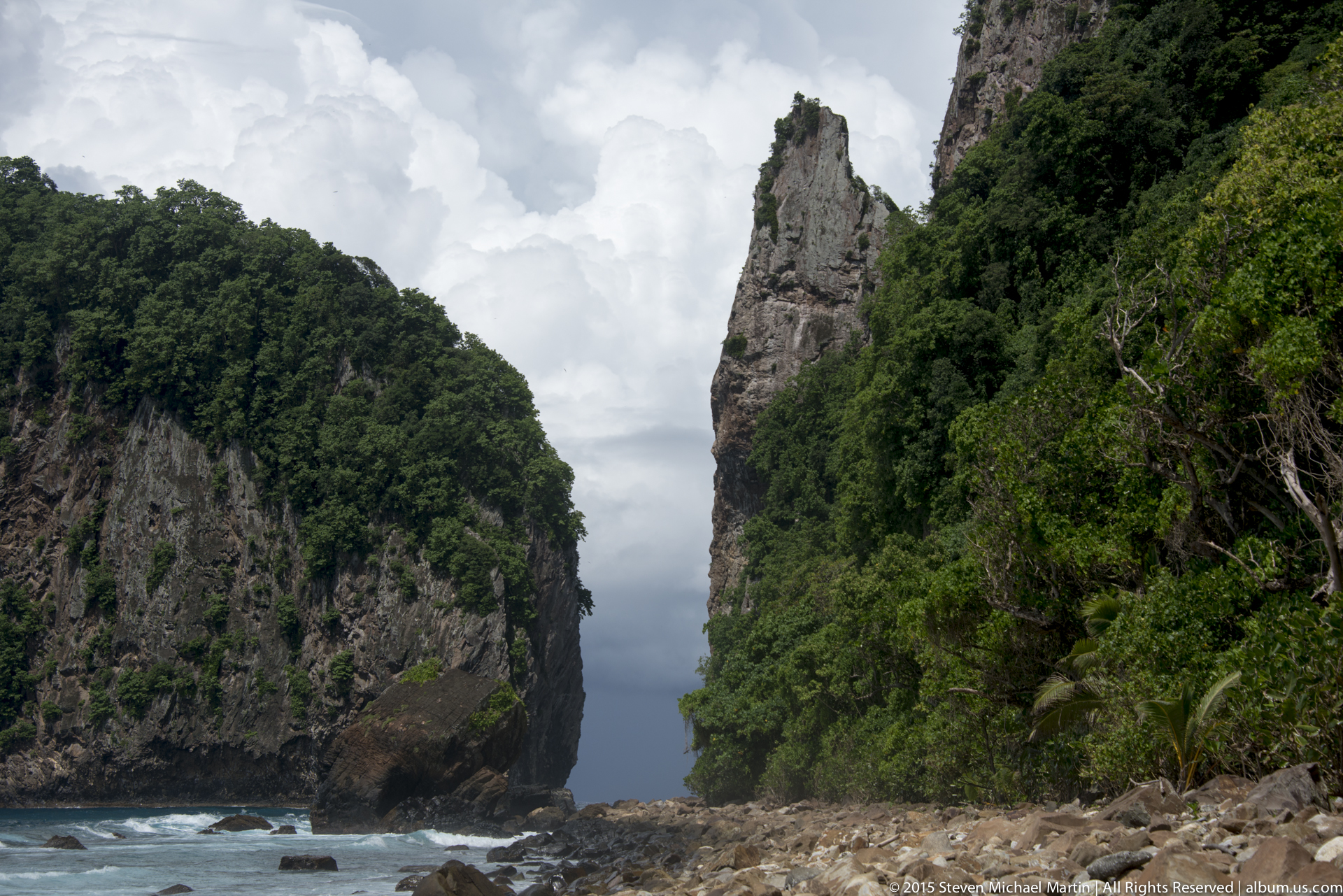
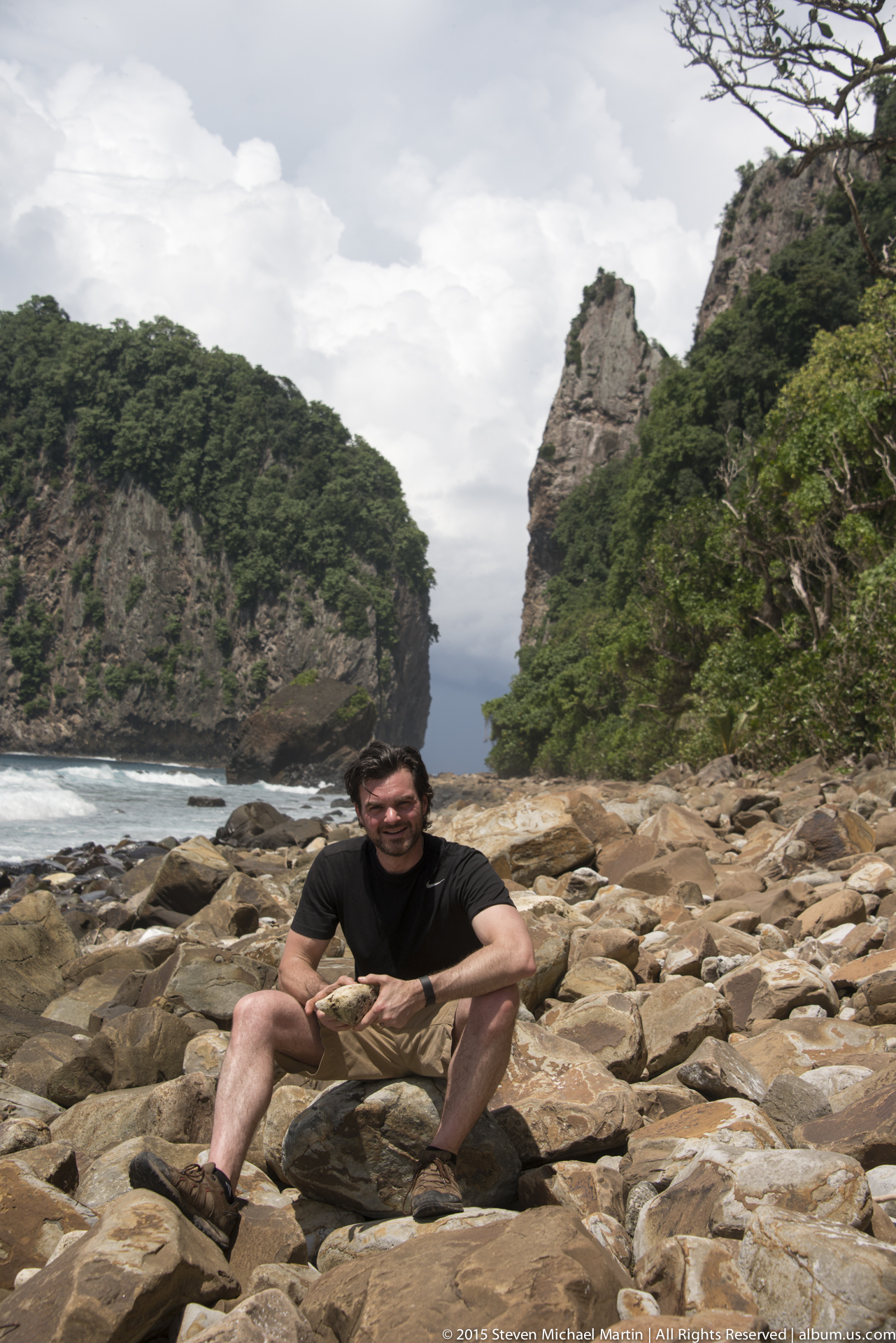
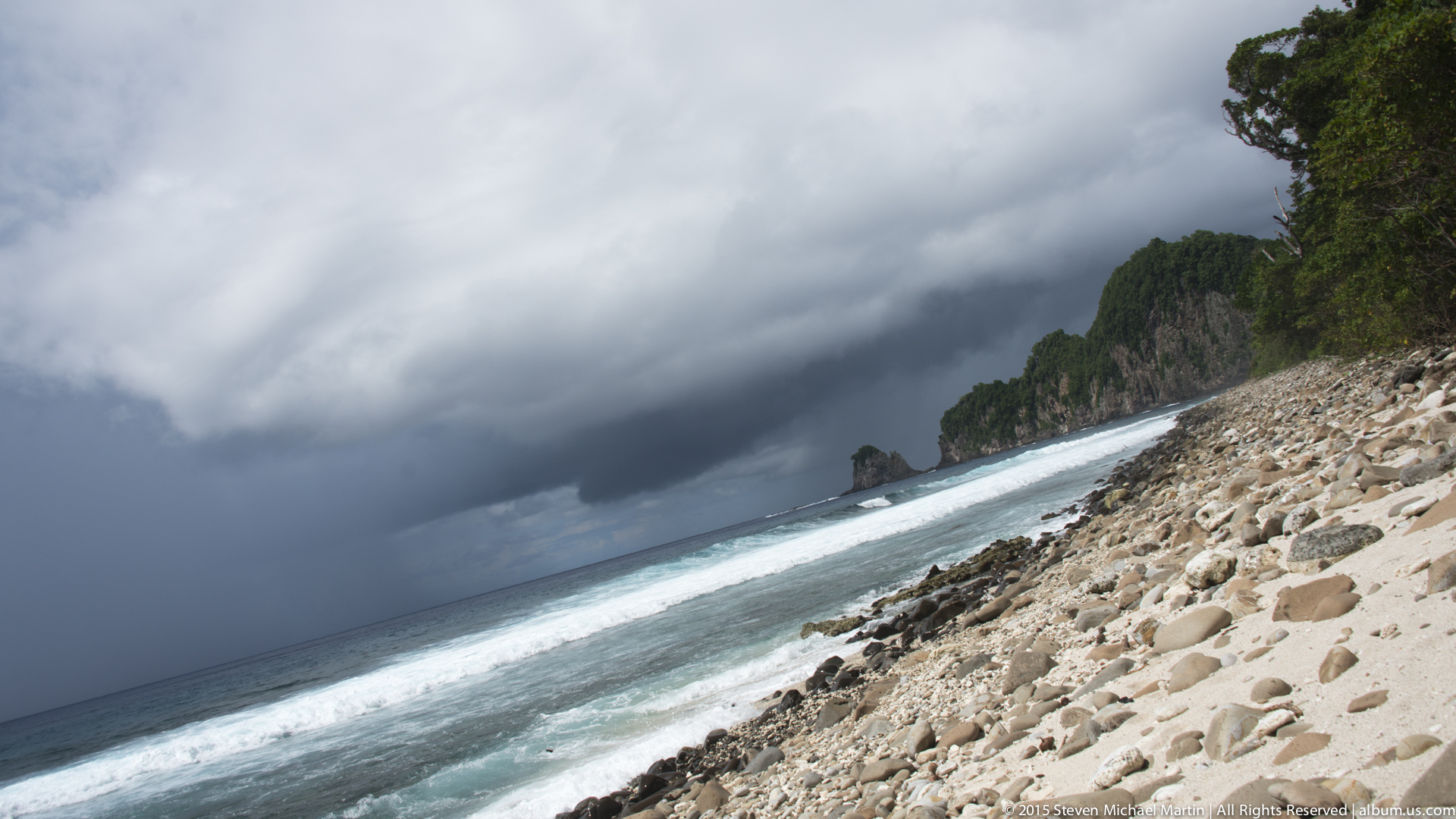
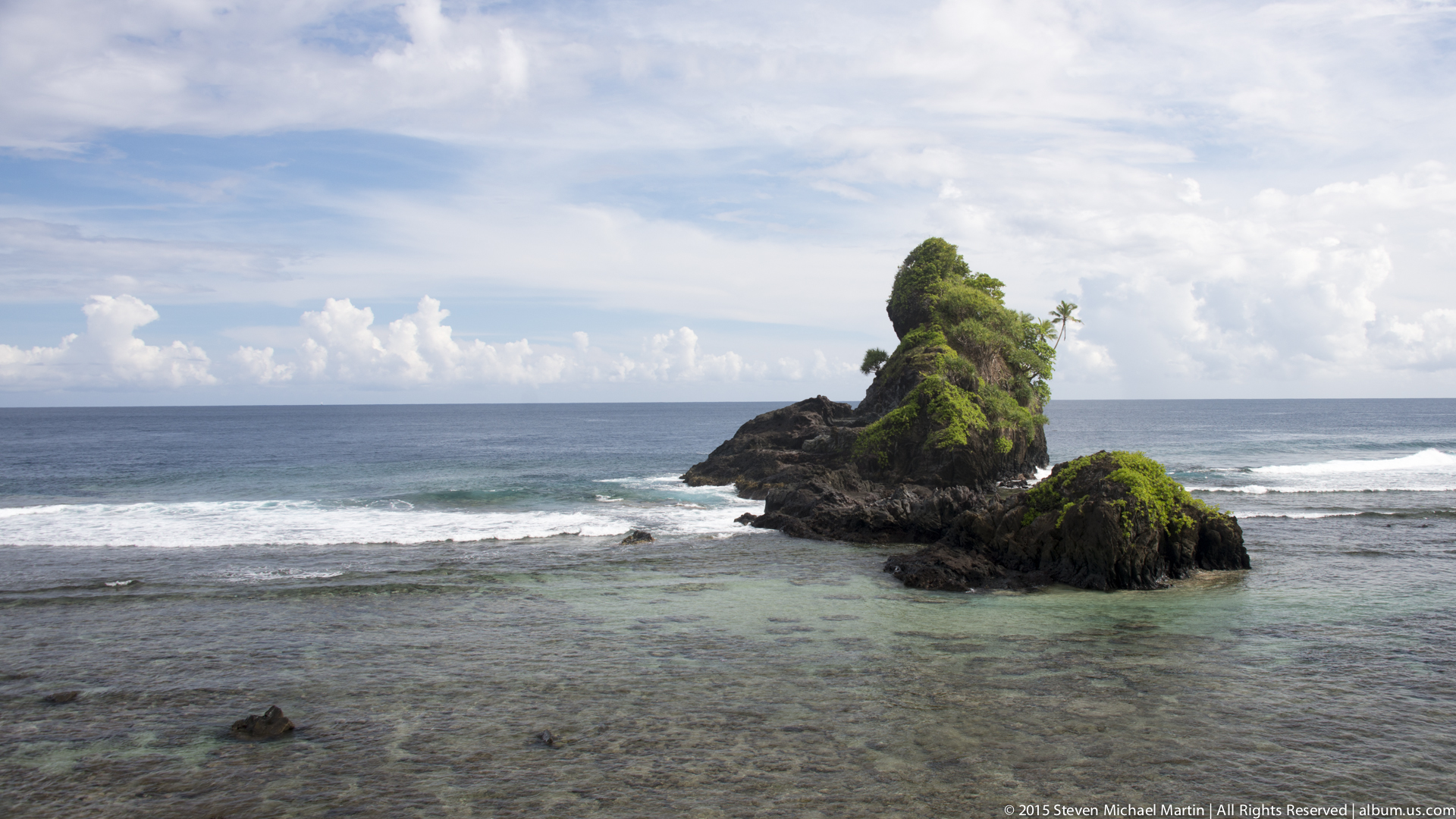
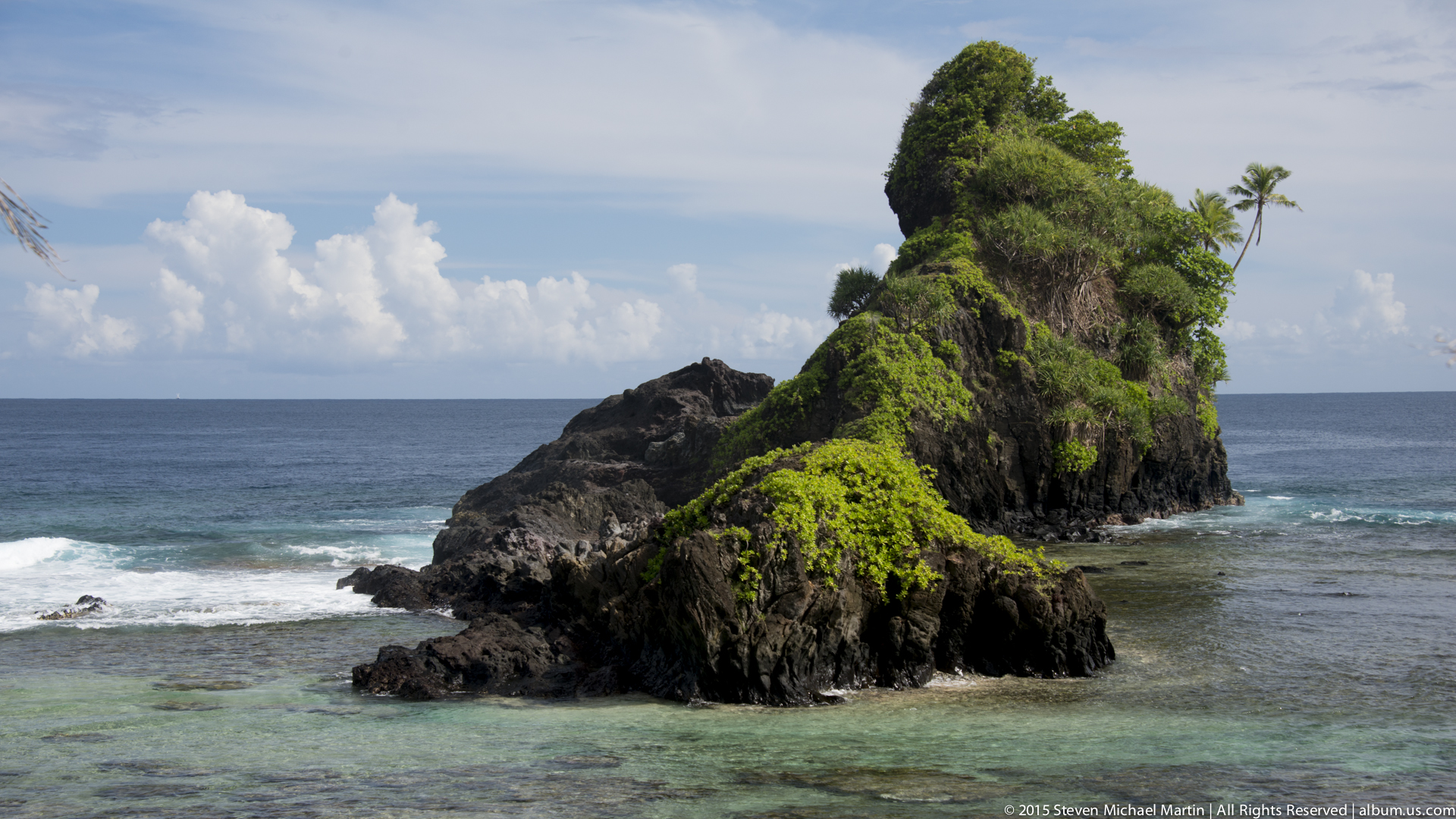
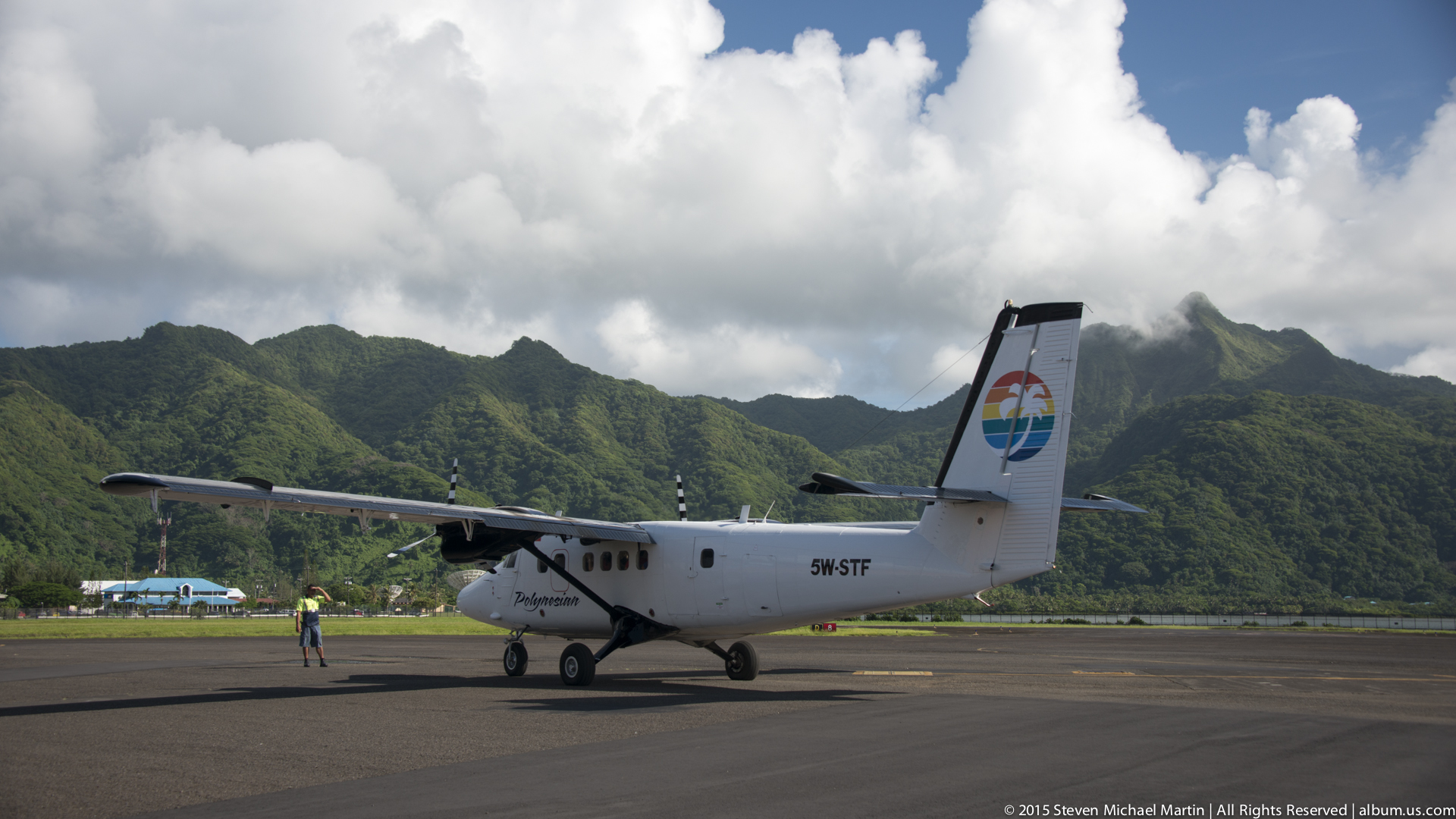
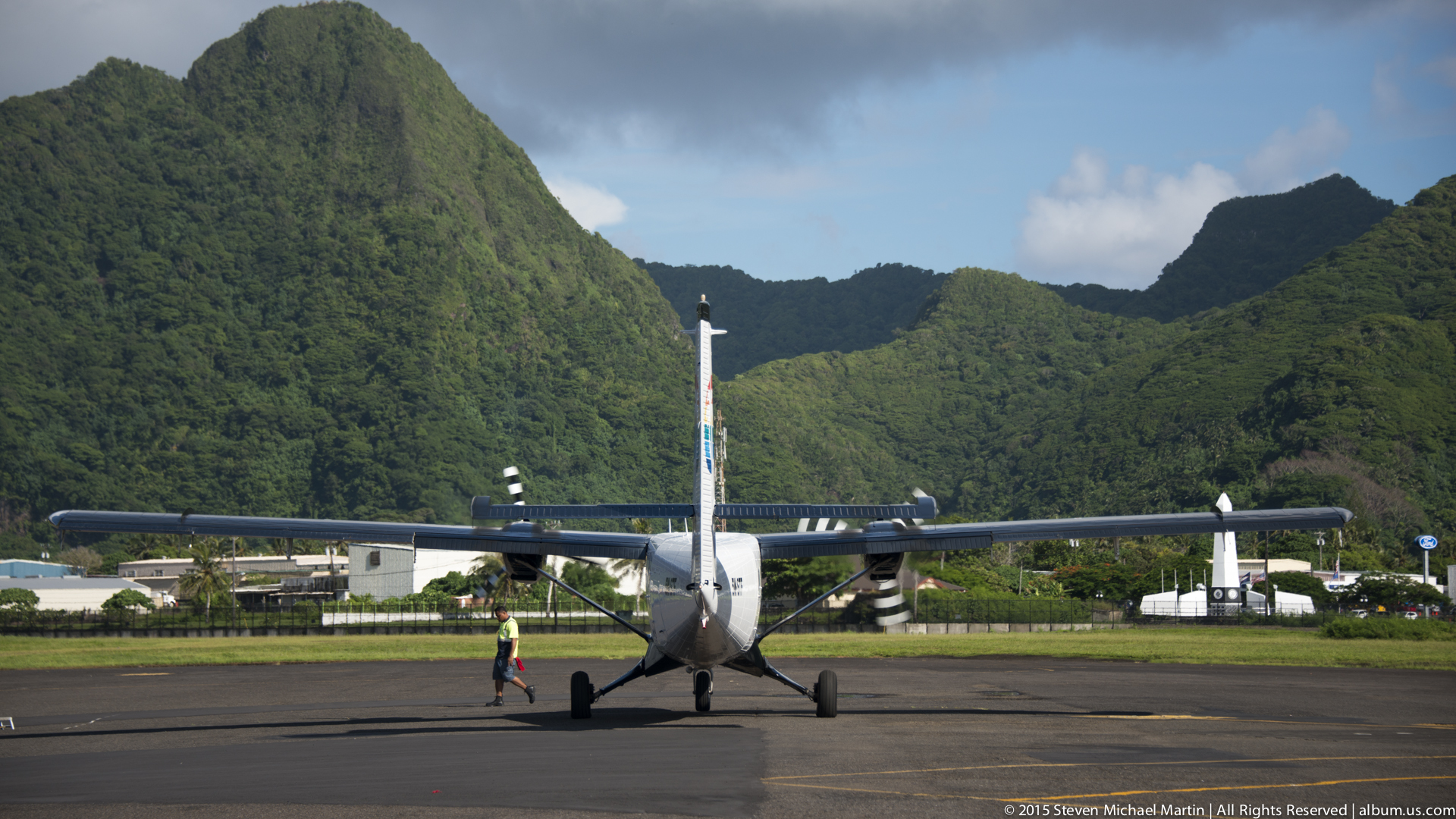
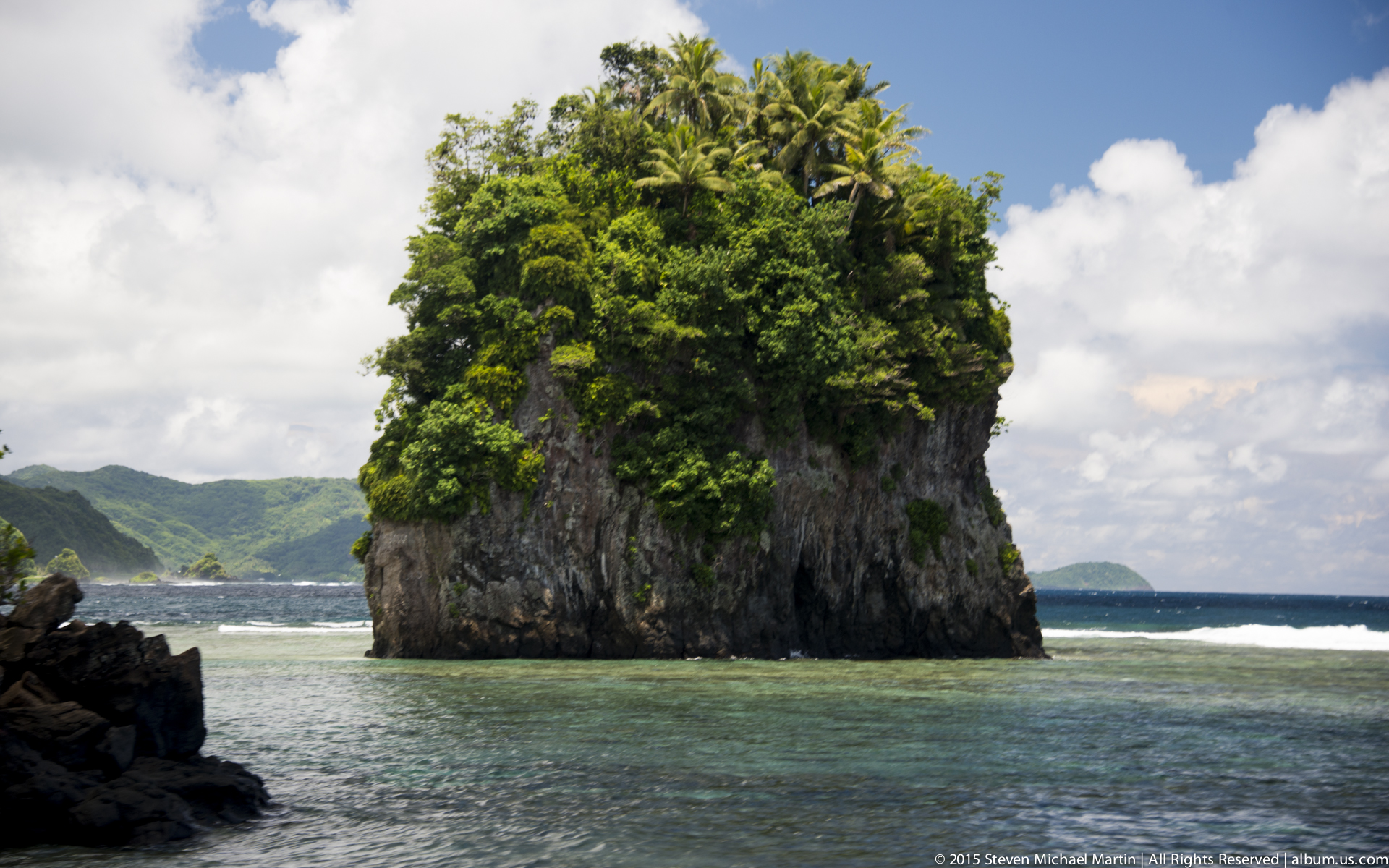
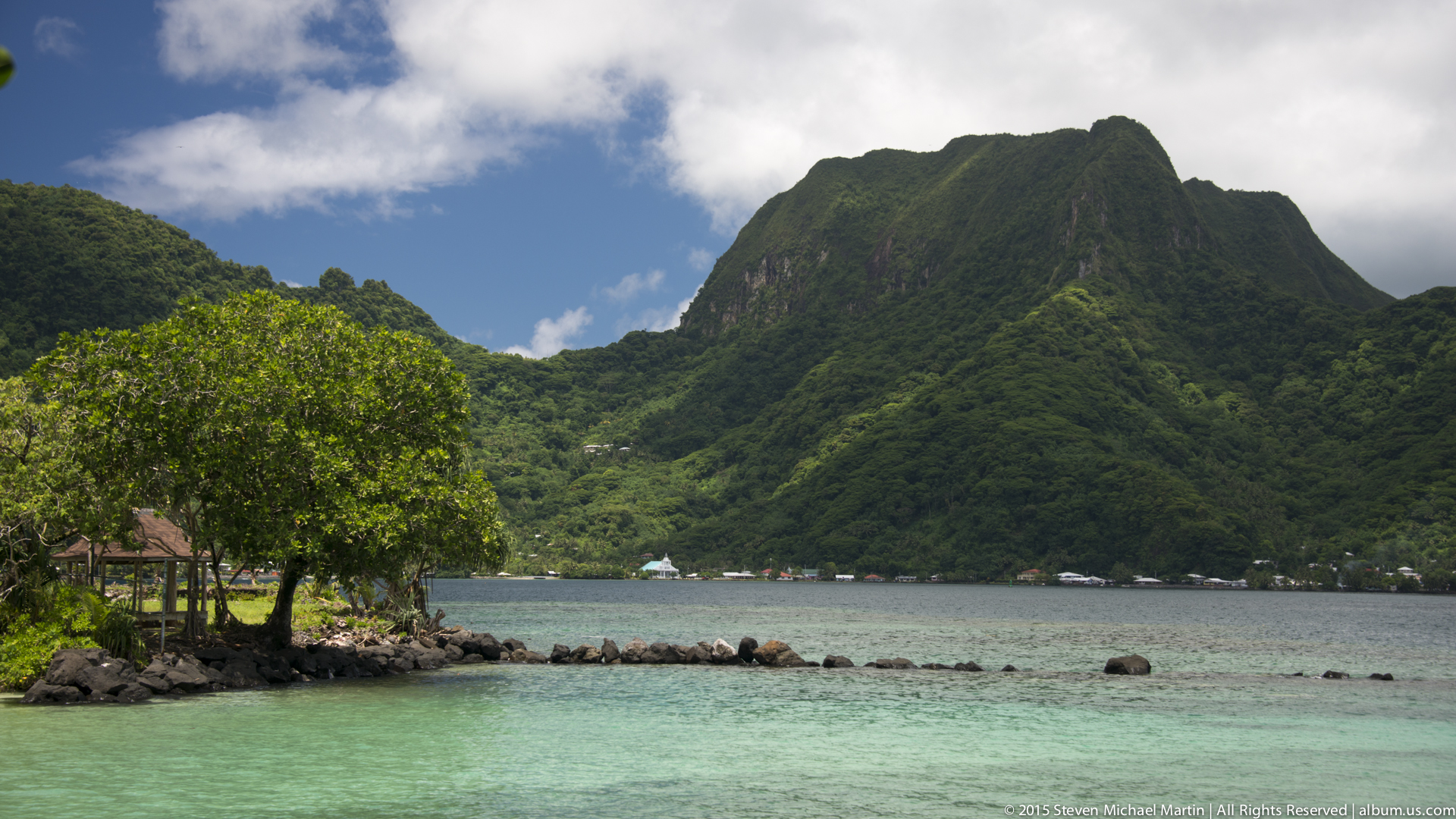
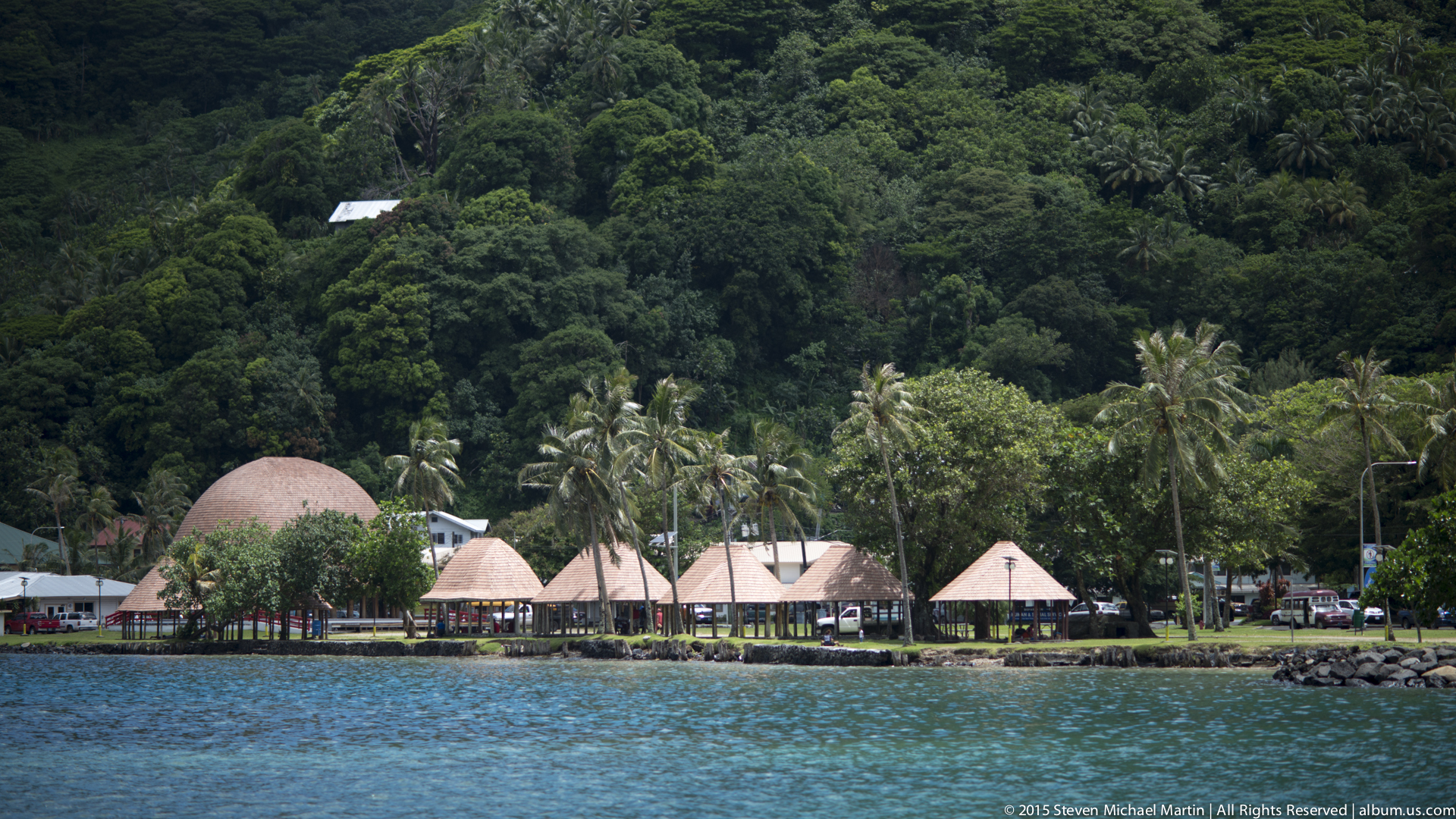
The Tutuila portion of the National Park of American Samoa preserves tropical island landscapes characterized by steep volcanic slopes, dense vegetation, and coastal environments shaped by the surrounding Pacific Ocean. The terrain reflects the geologic origins of the island, where mountain ridges descend toward shoreline habitats.
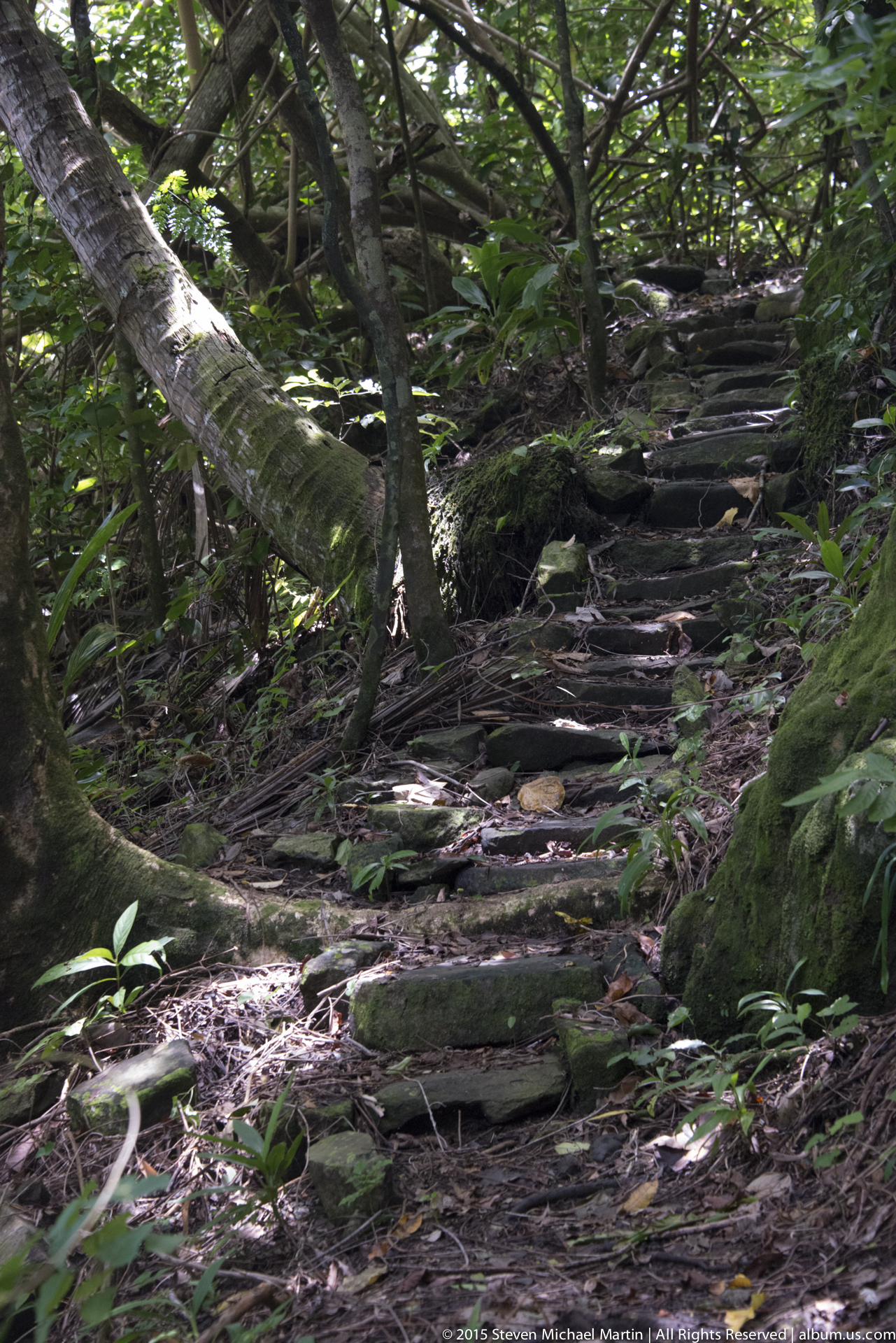
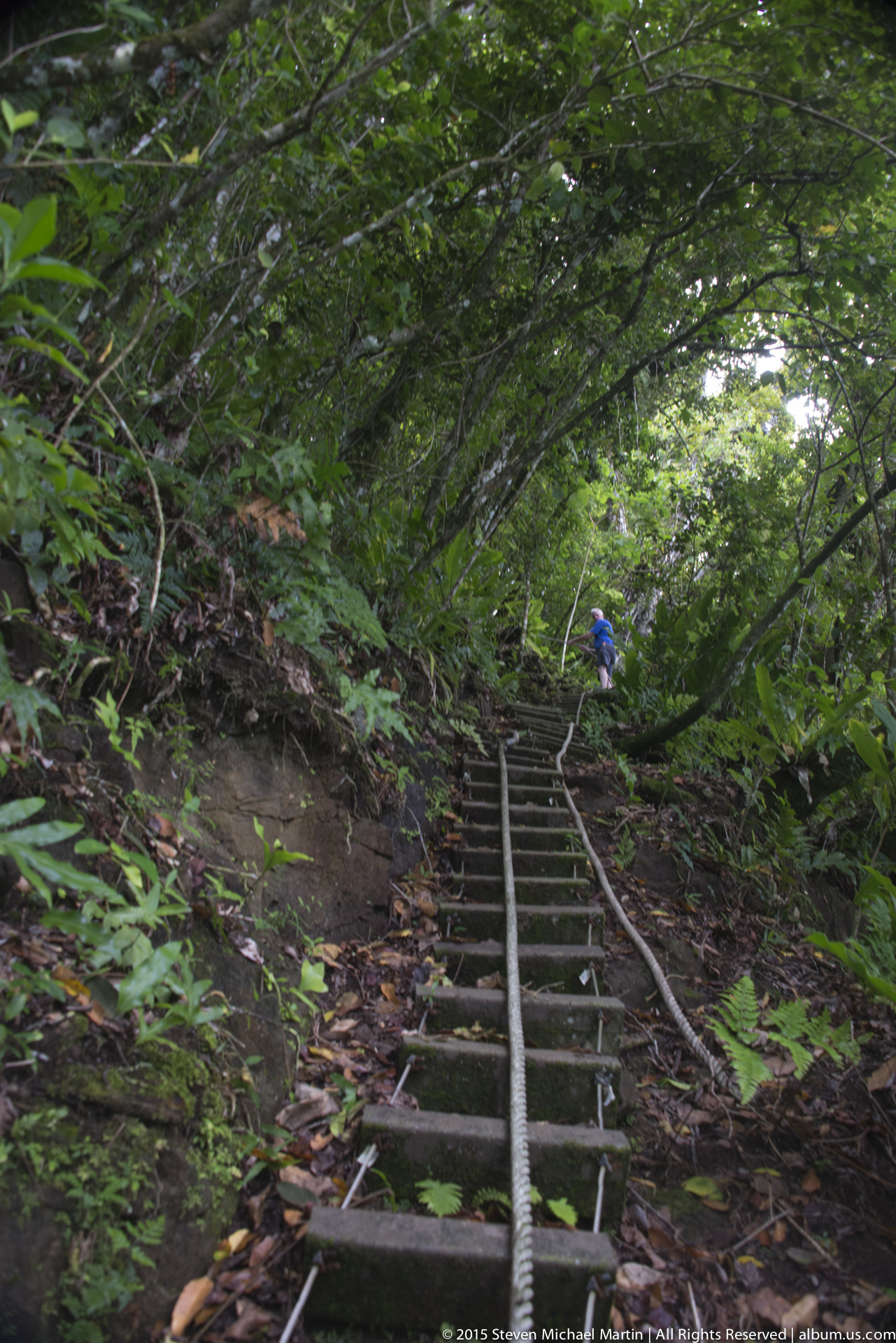
Tropical forest environments support a range of plant and animal life adapted to humid maritime conditions. The interaction between ocean, forest, and volcanic landforms contributes to the distinctive character of the island landscape.
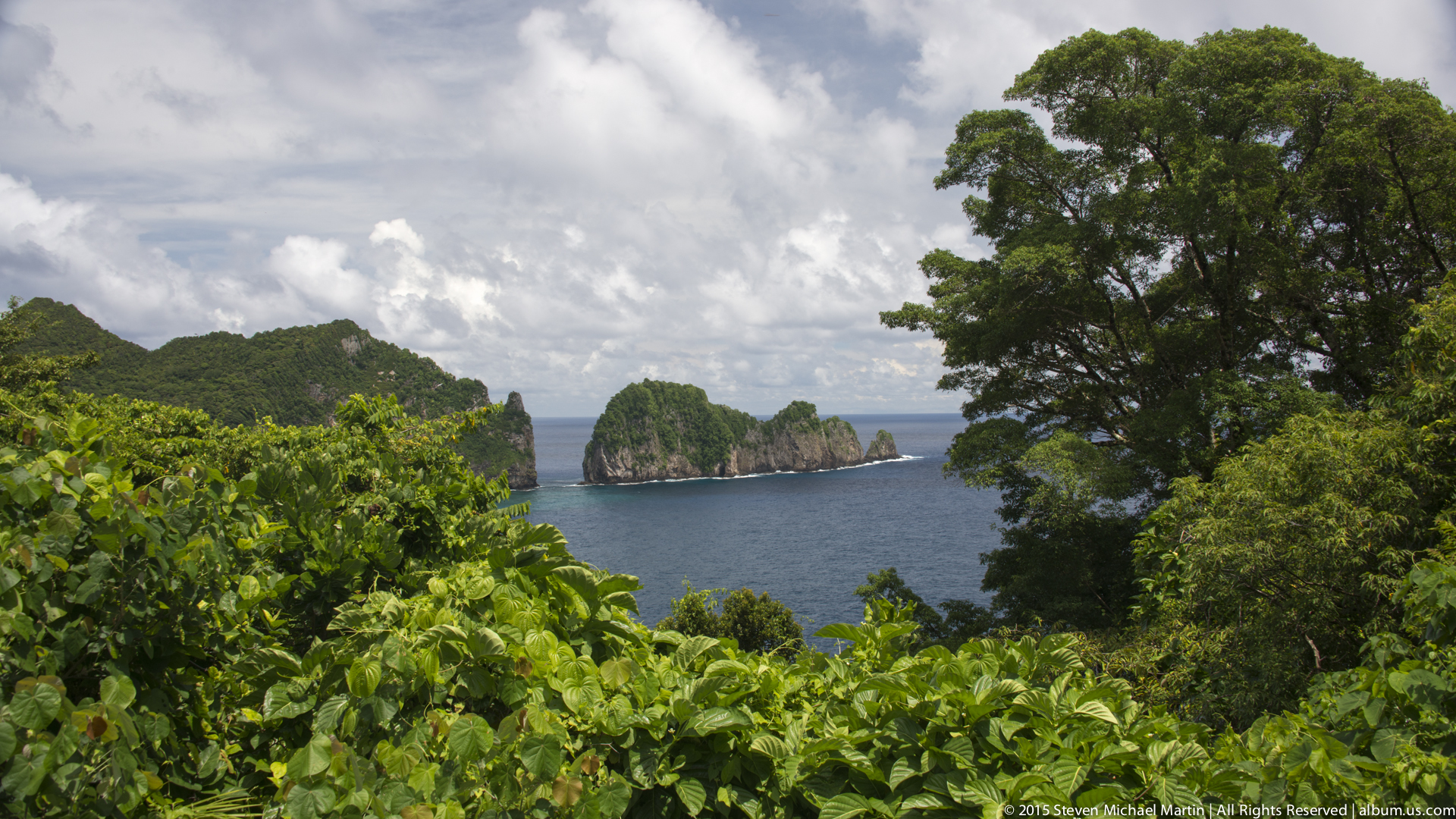
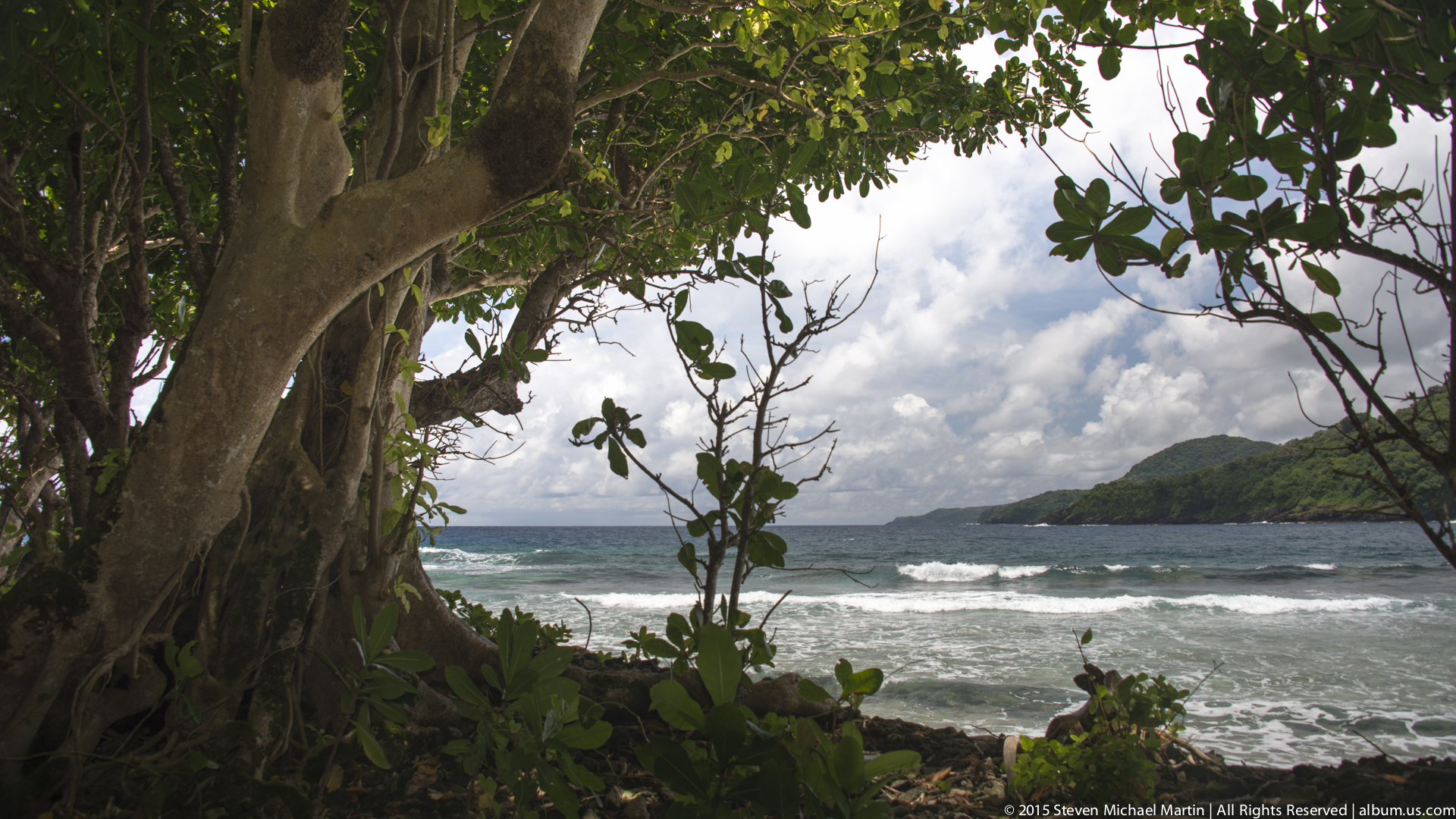
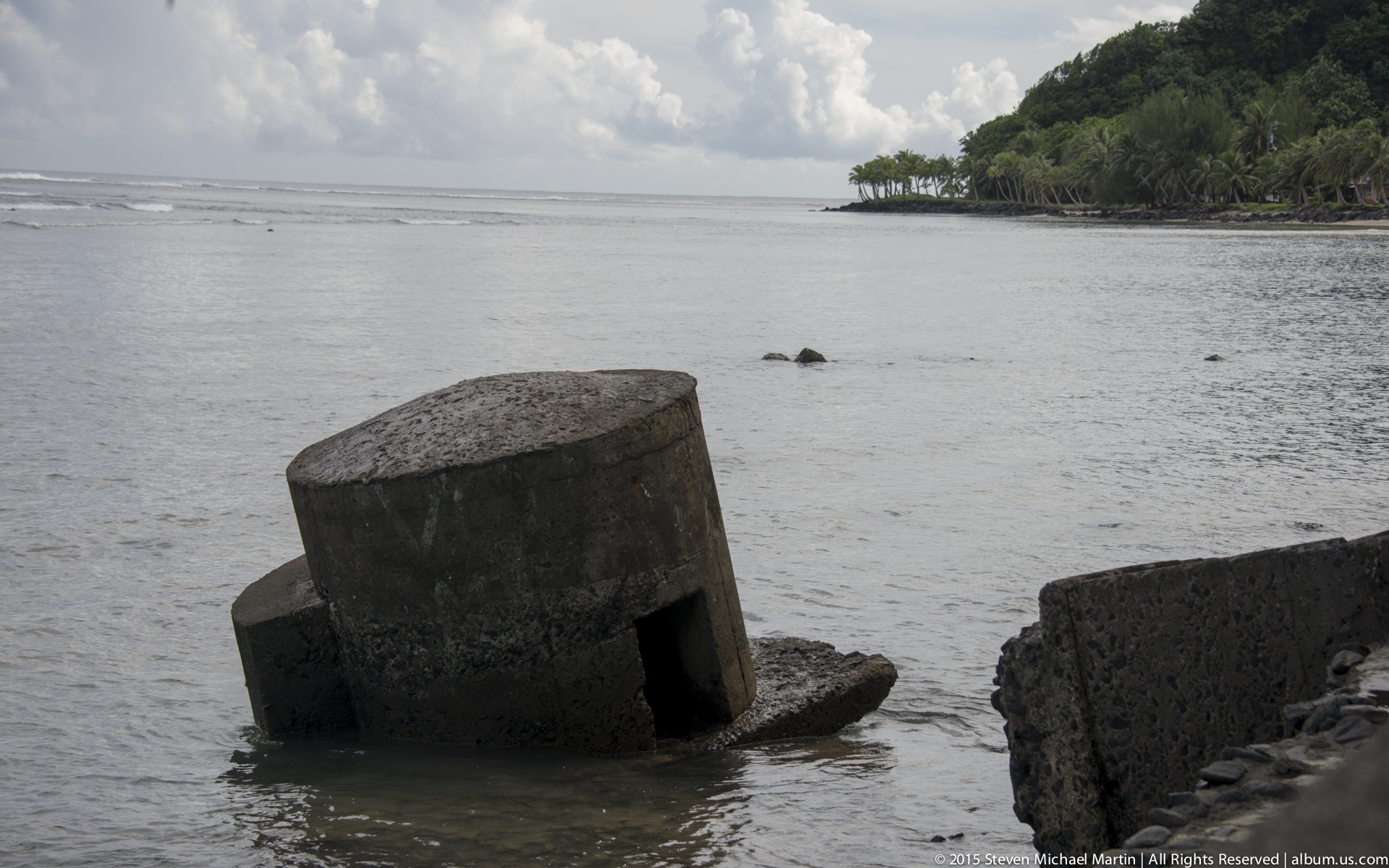
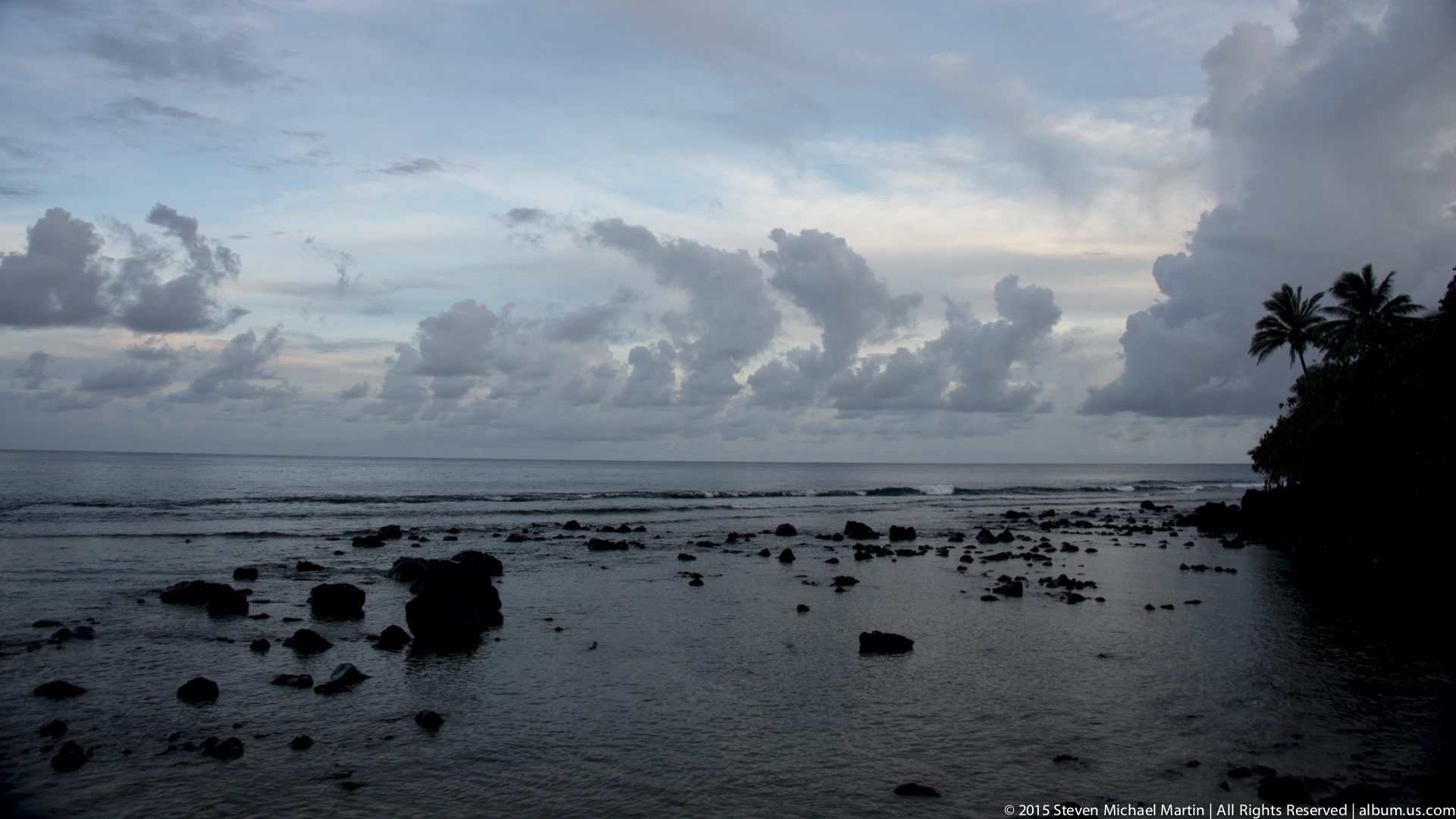
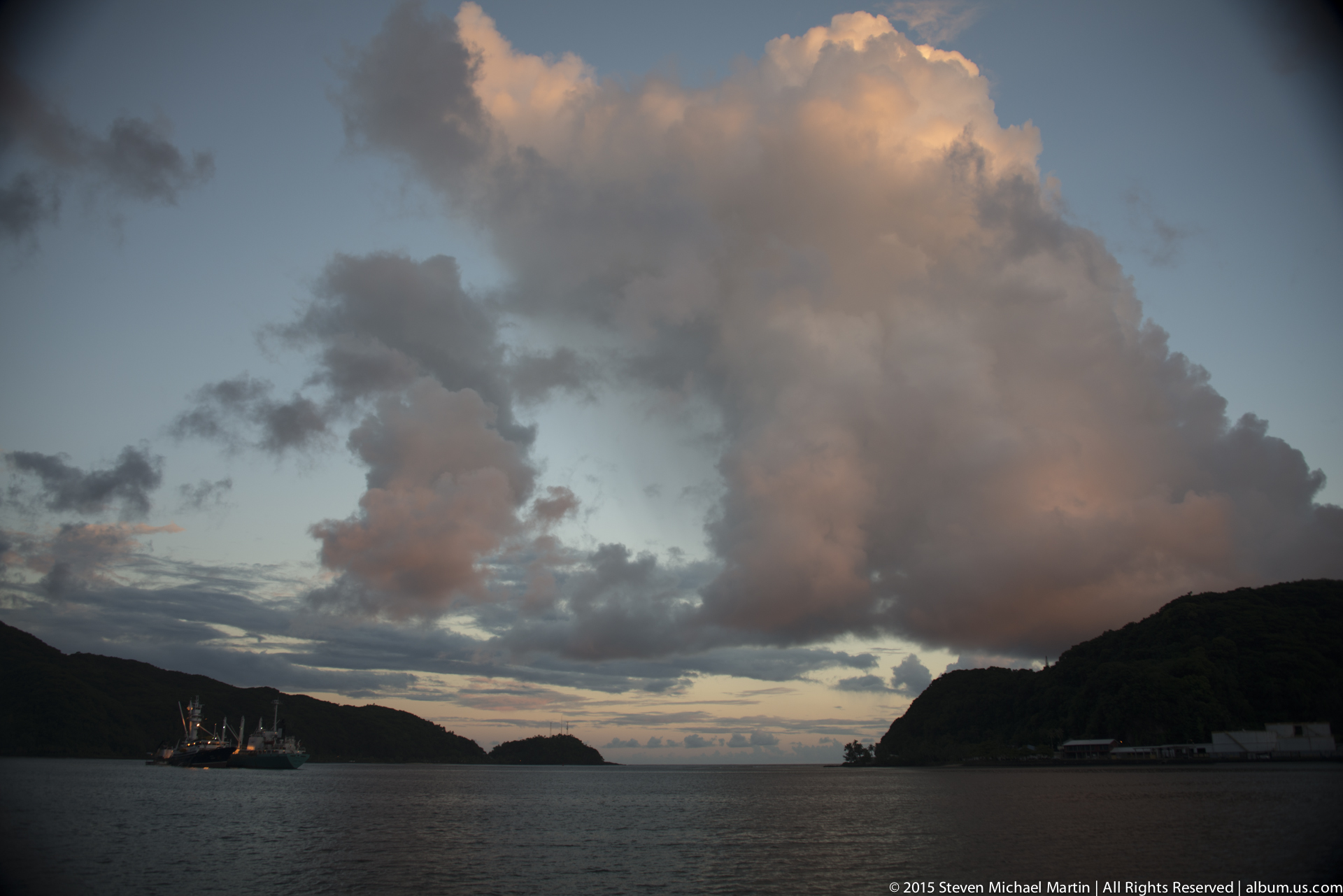
Views across coastal waters and forested ridgelines emphasize the remote setting of Tutuila within the South Pacific. The combination of lush vegetation, rugged terrain, and expansive ocean surroundings creates a landscape defined by both isolation and natural richness.
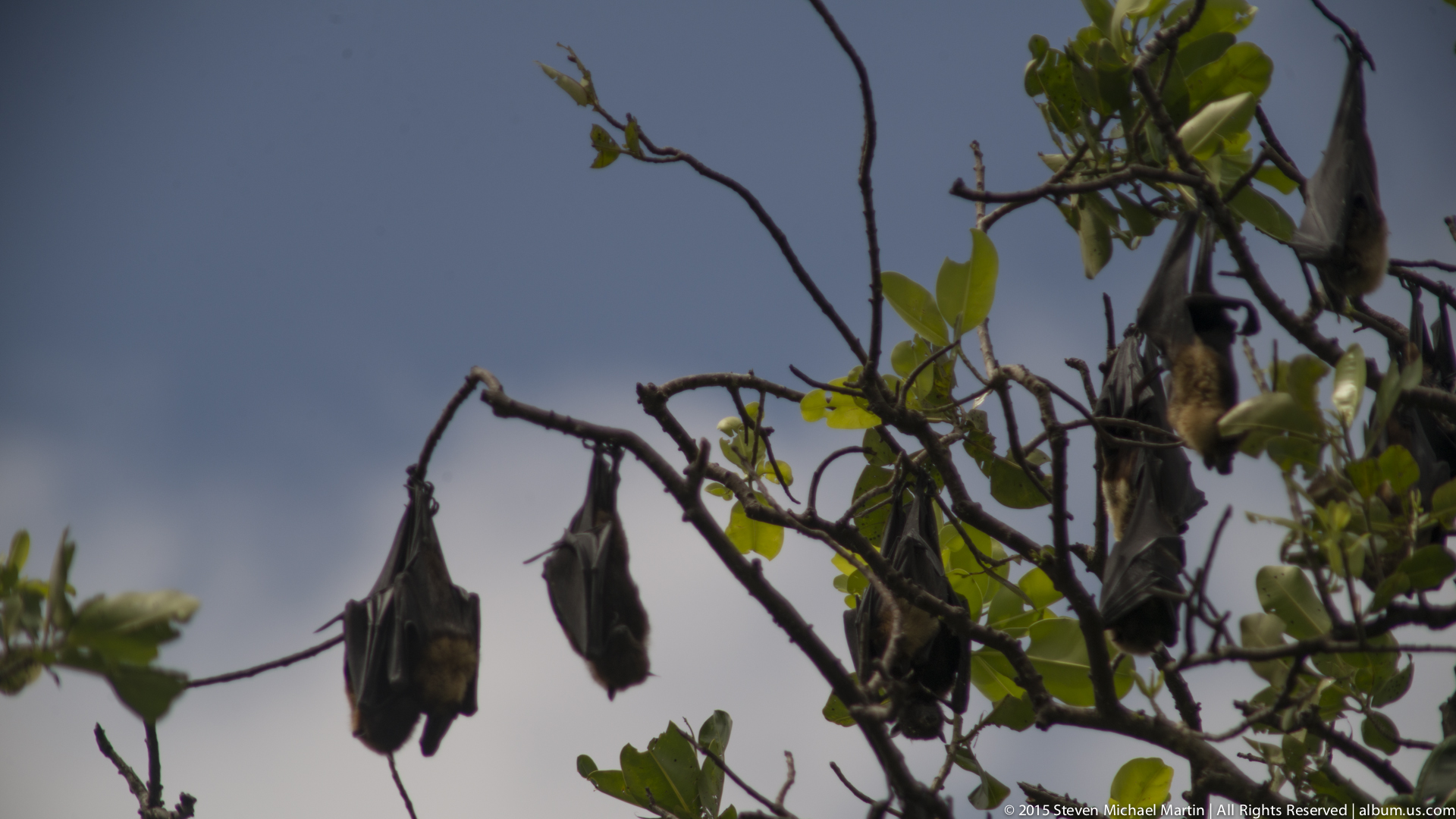
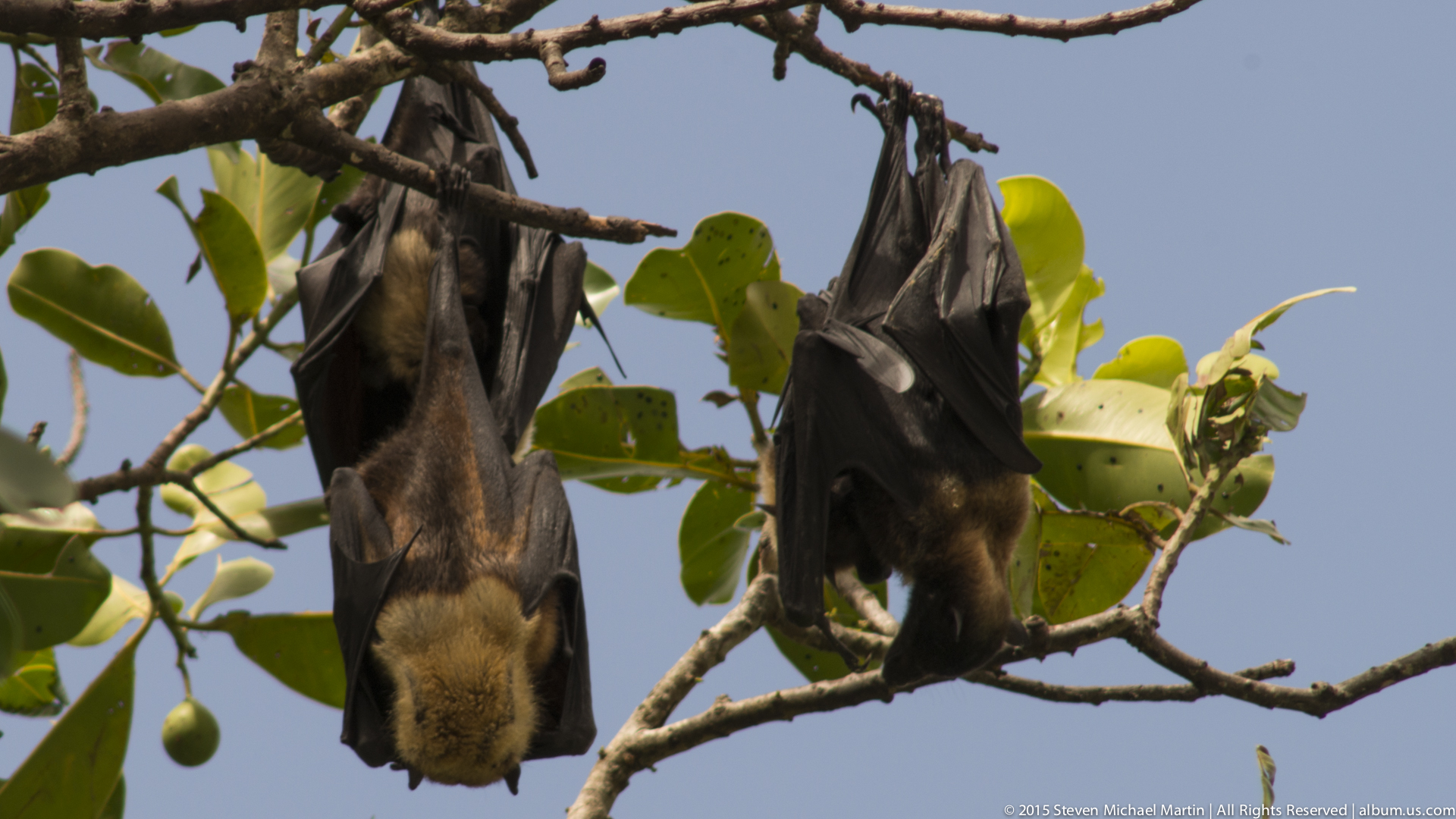
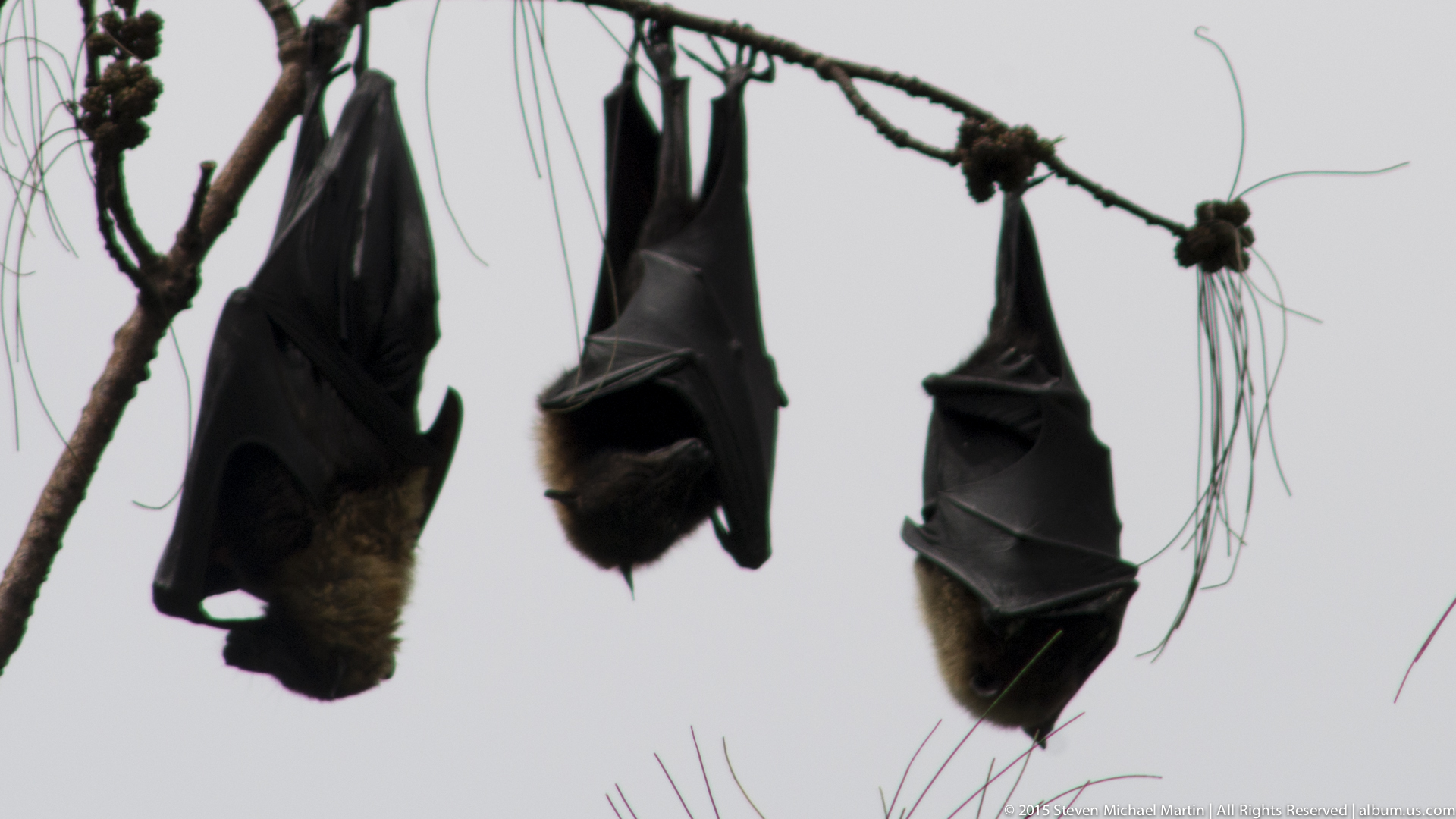
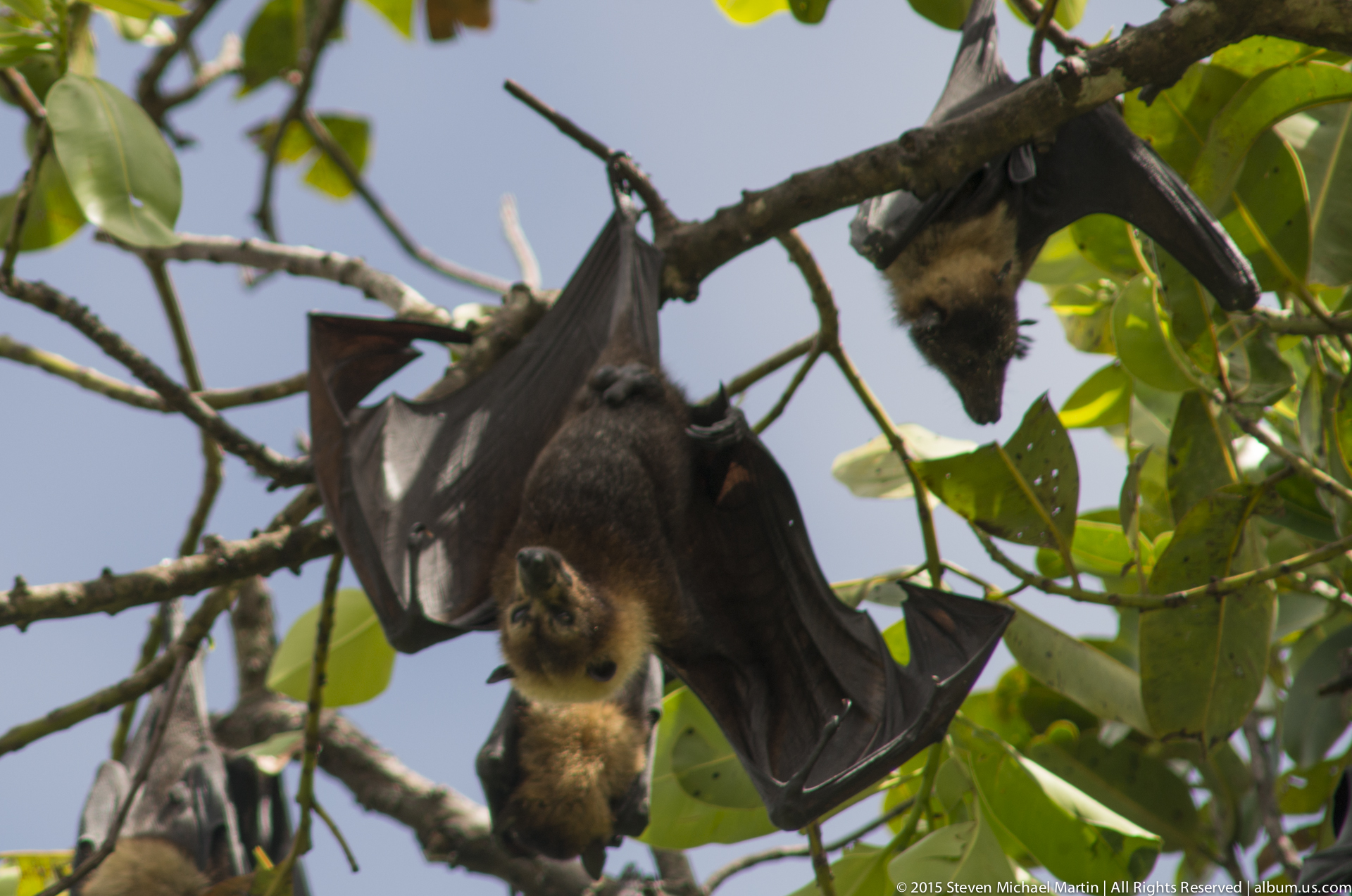
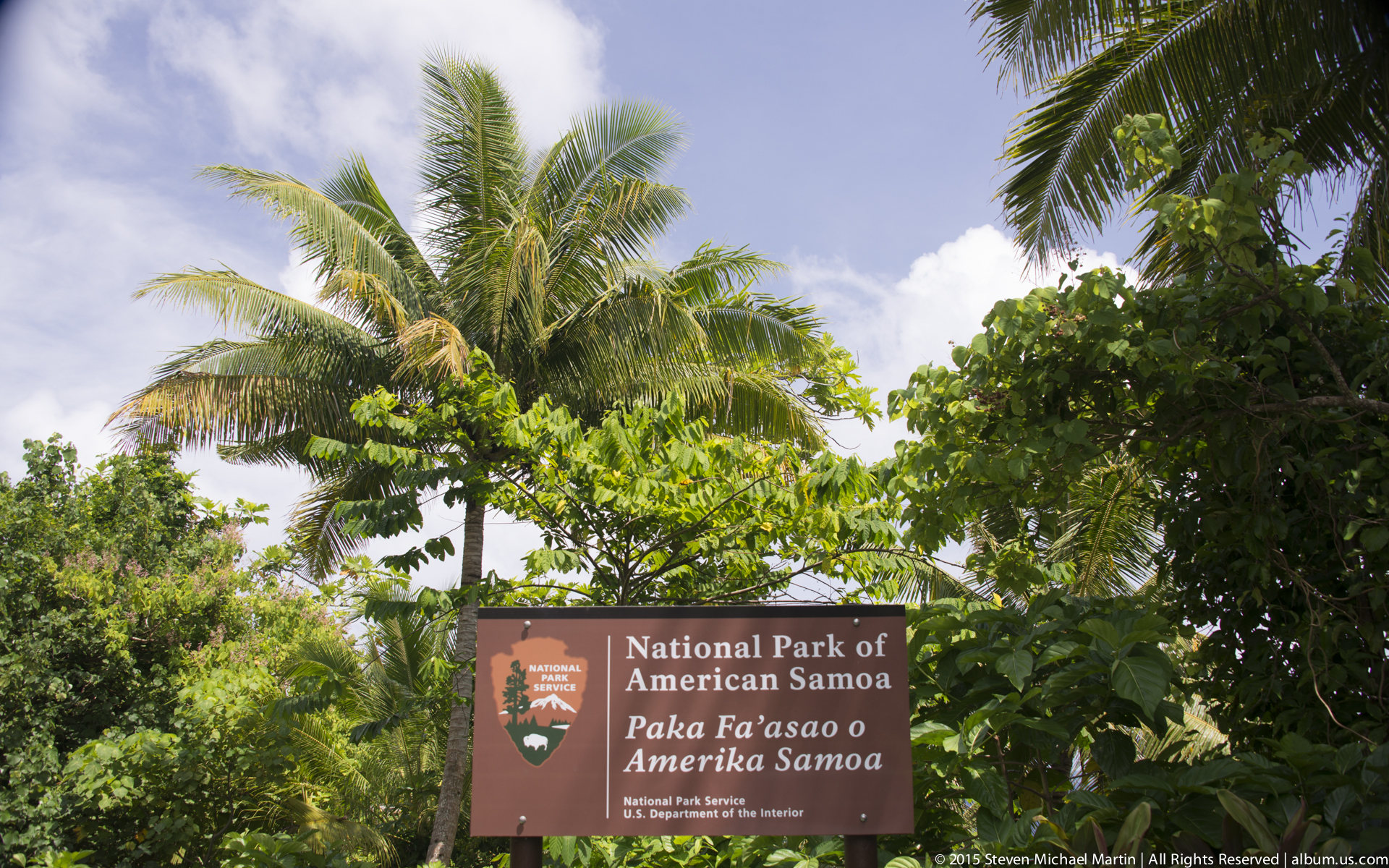
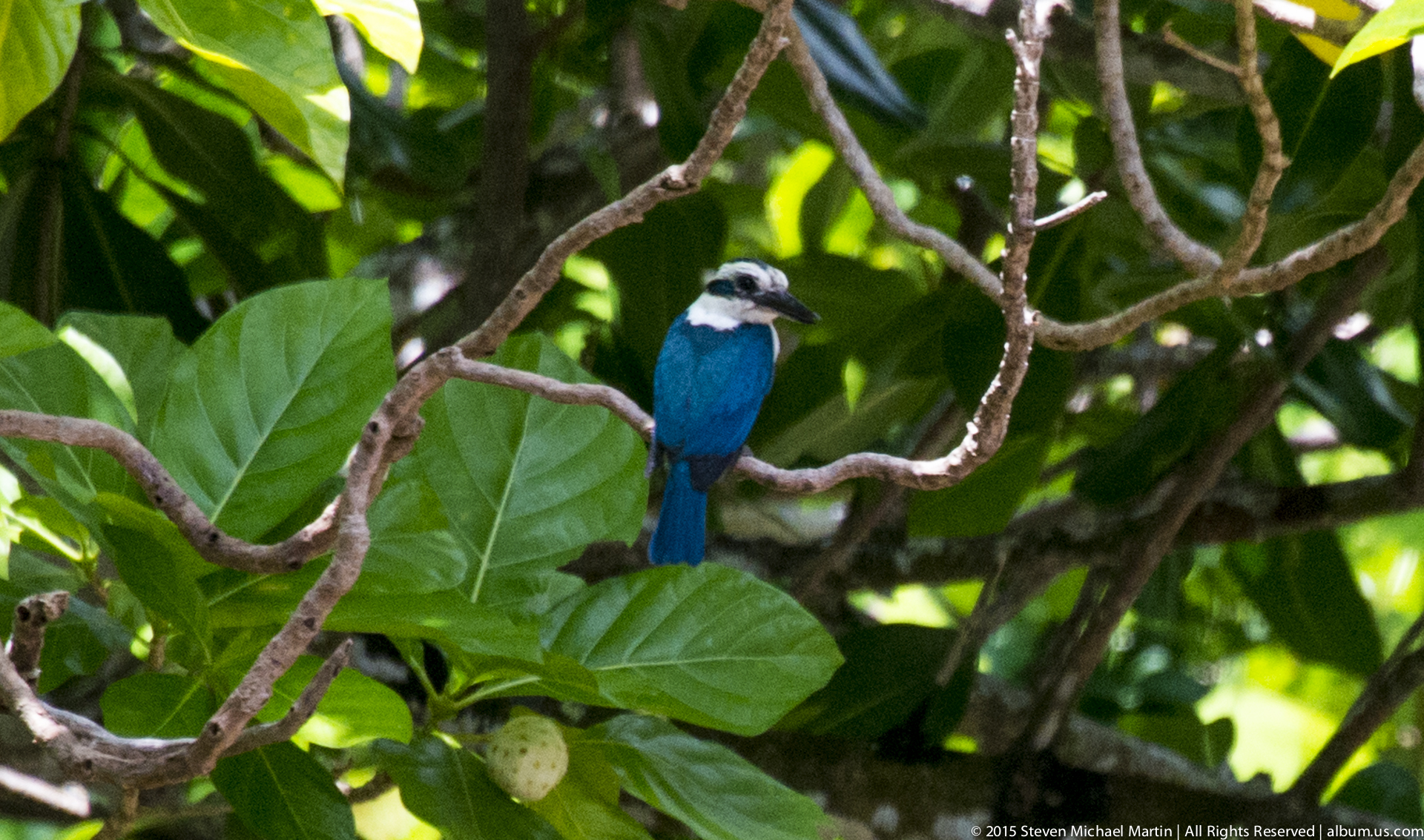
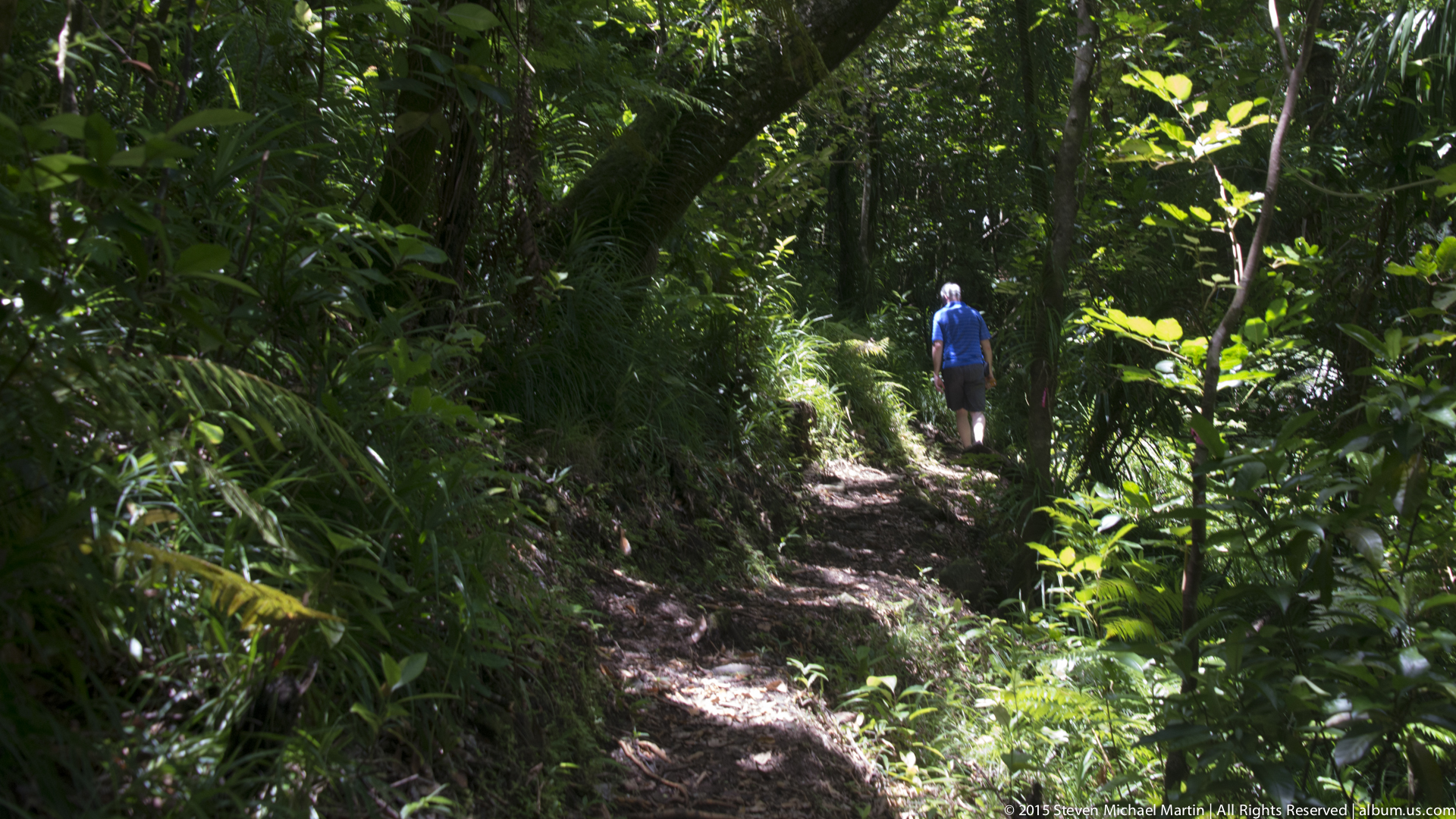
The National Park of American Samoa preserves one of the most remote and ecologically distinctive landscapes within the U.S. National Park system. Located in the tropical South Pacific, Tutuila Island combines steep volcanic mountains, dense rainforest, coral shoreline, and isolated coastal formations shaped by powerful ocean forces. The island ecosystem supports fruit bats, tropical birds, reptiles, and marine life, creating a diverse environment that reflects the unique biodiversity of Polynesia.















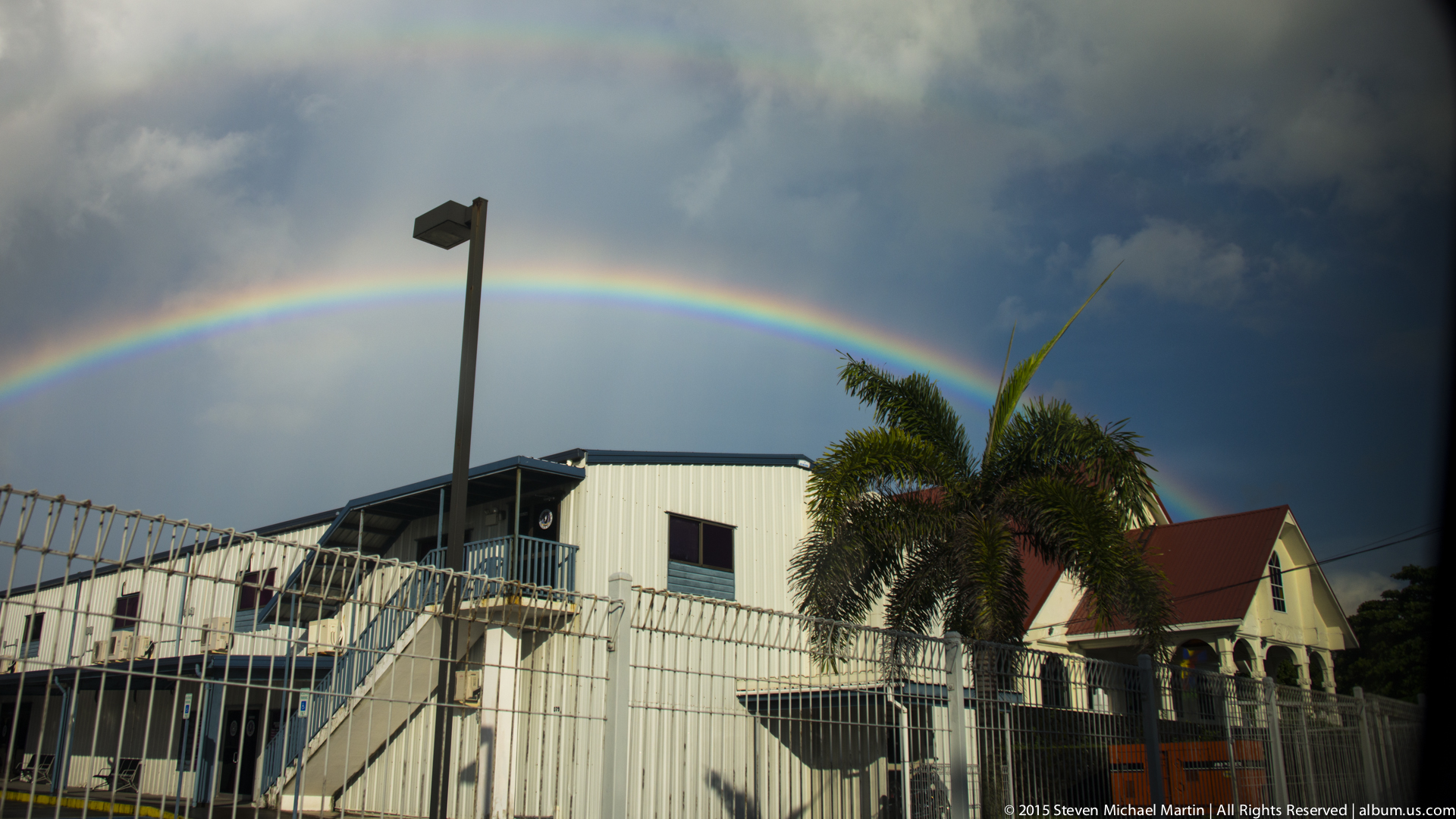
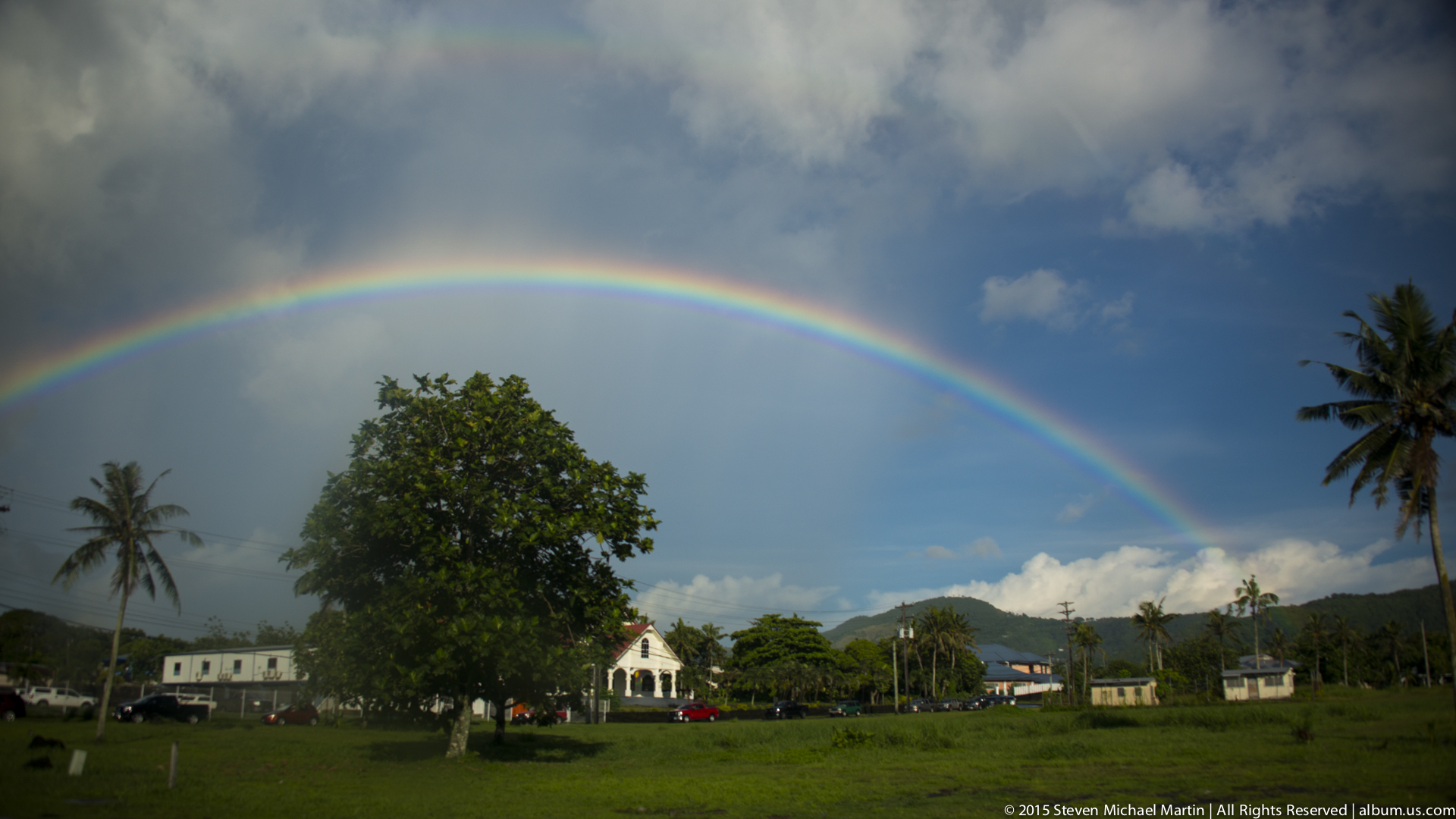
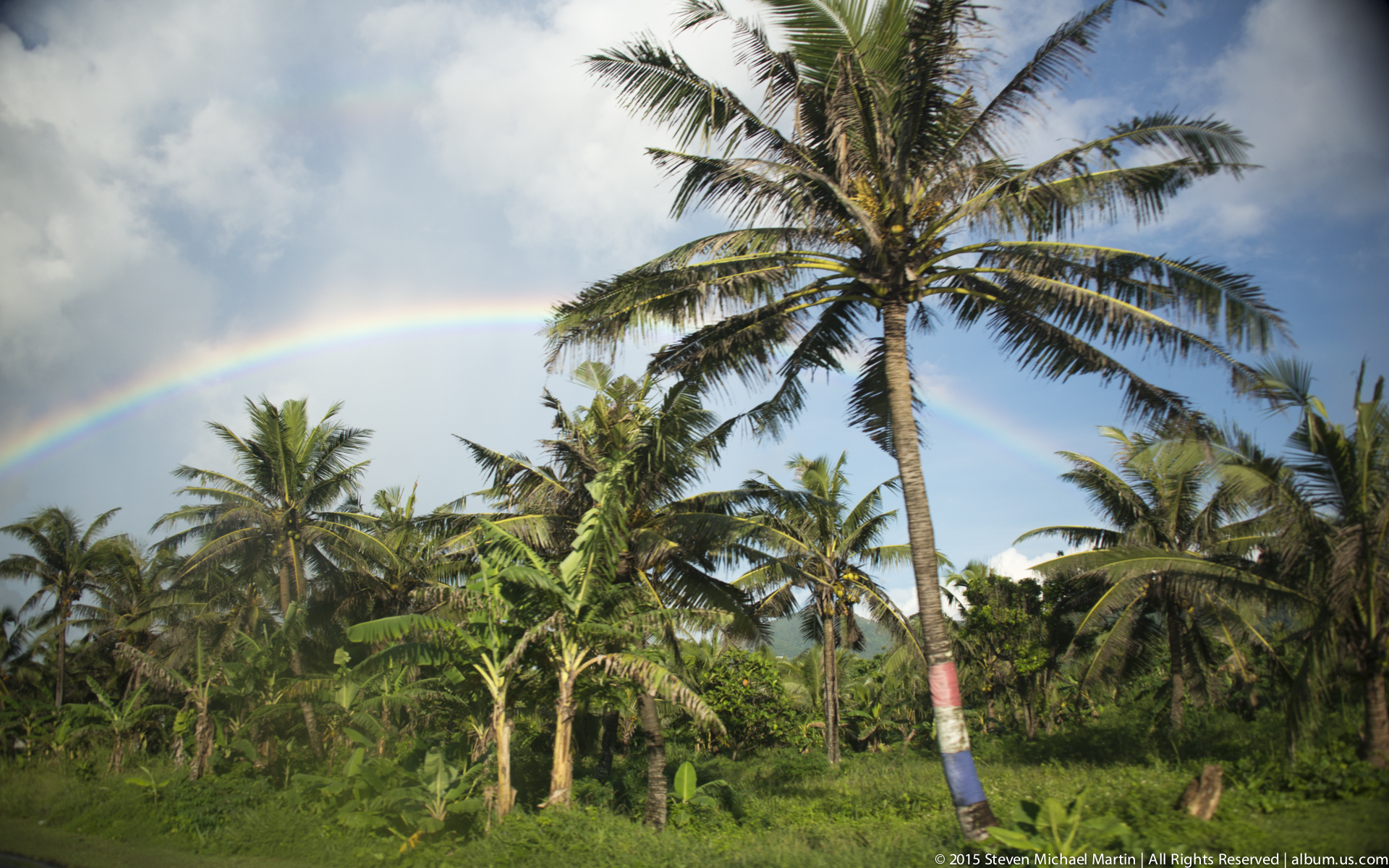
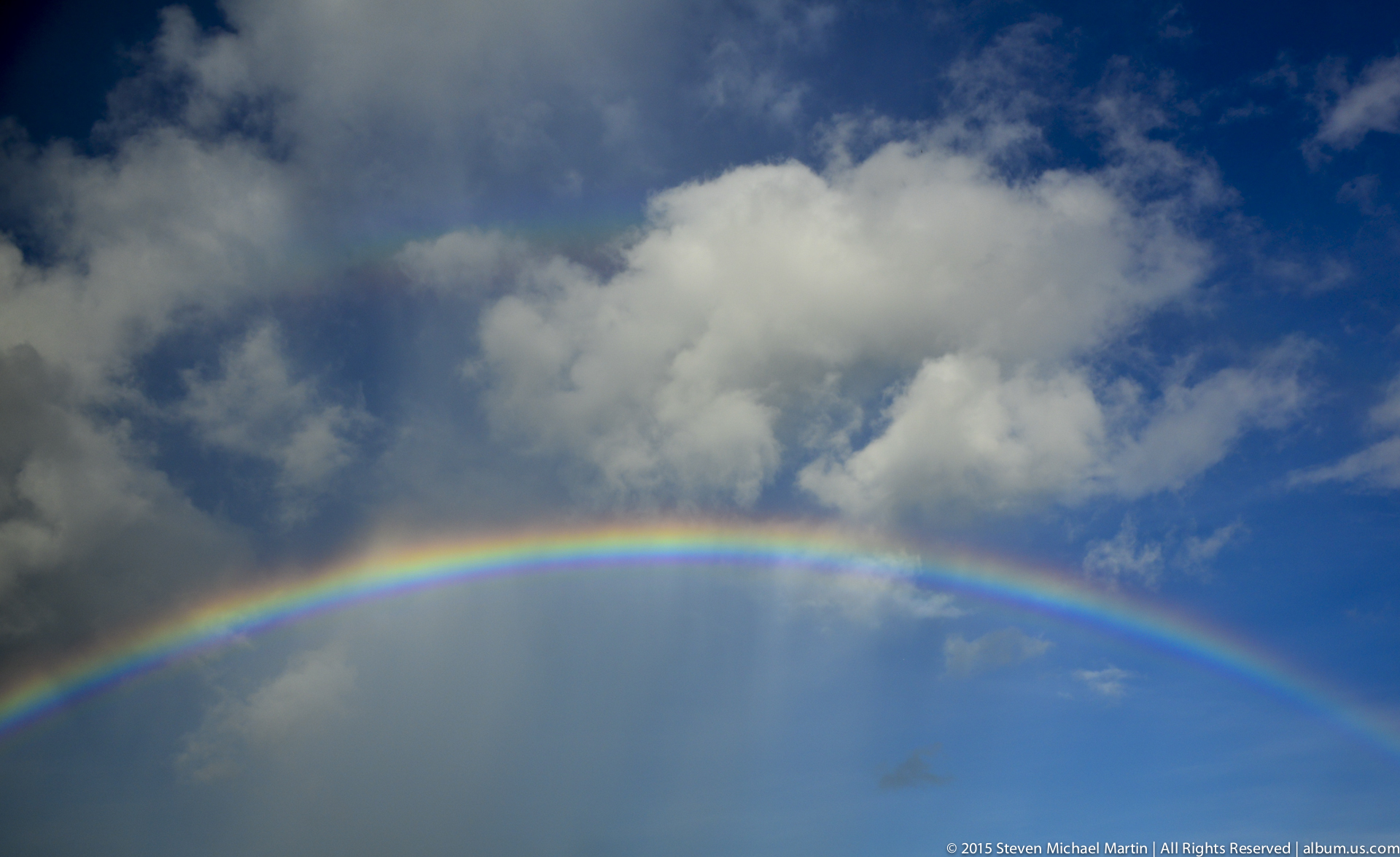


🧭 Field Guide
Landscape Type: Tropical volcanic island ecosystem
Primary Features: Rainforest, coastal cliffs, coral shoreline
Best Time to Visit: Stable weather periods for clearer coastal visibility
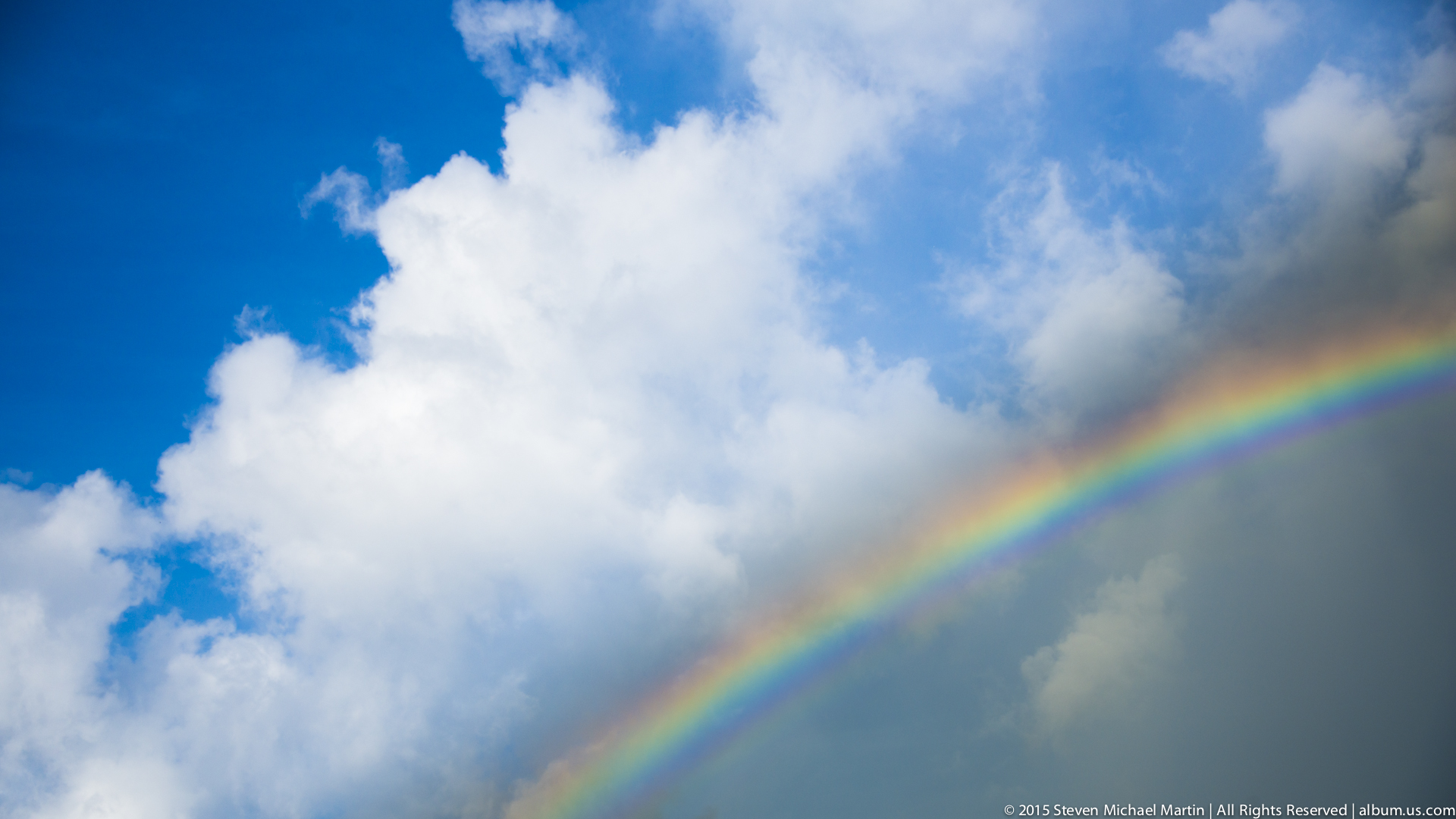
Conditions: Warm, humid climate with rapidly changing skies and ocean light
✨ Highlights
- Volcanic Island Topography – Steep mountains rising directly from the ocean create dramatic landscape contrast.
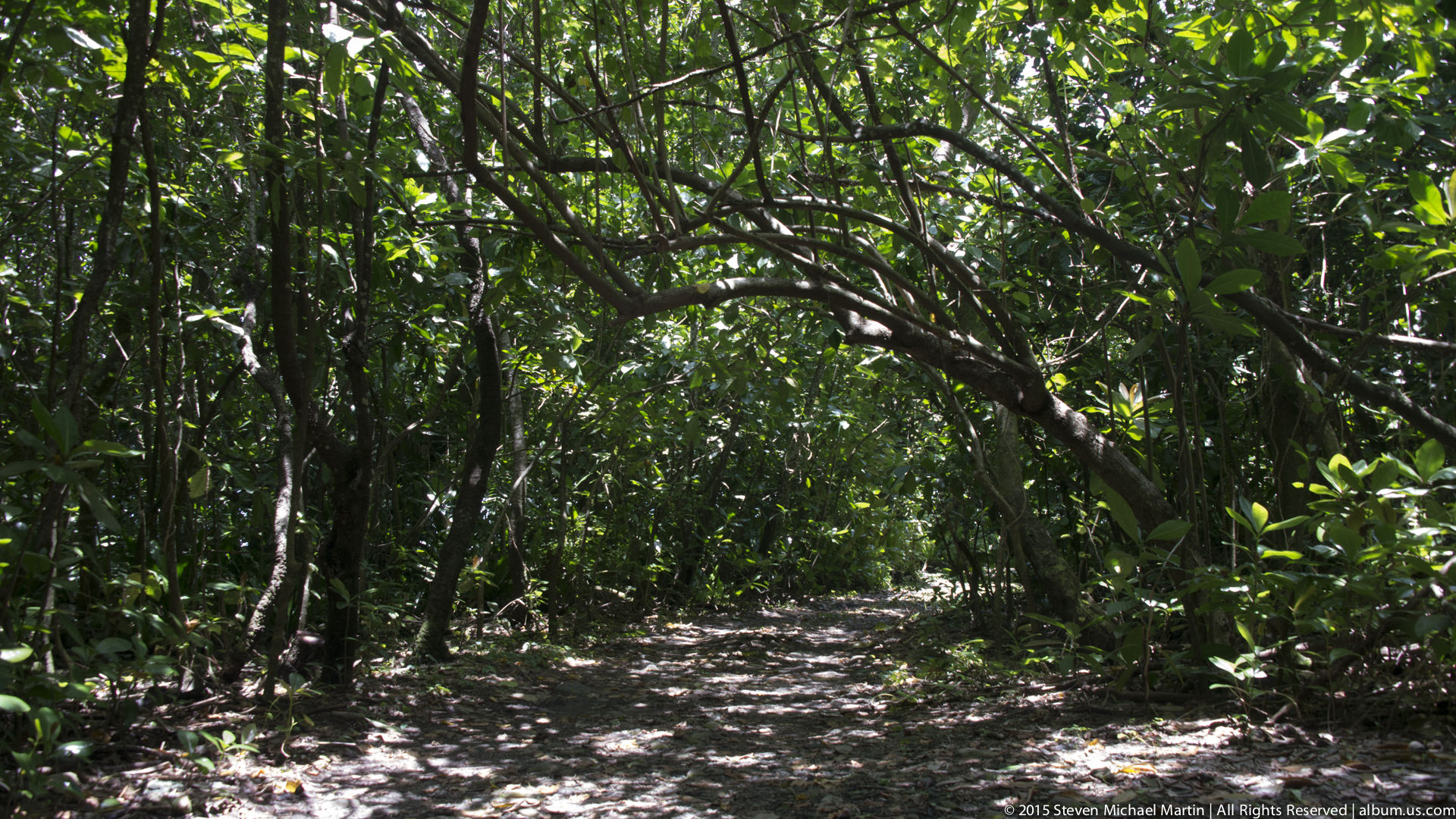
- Tropical Rainforest Vegetation – Dense canopy supports a wide range of plant and animal life.
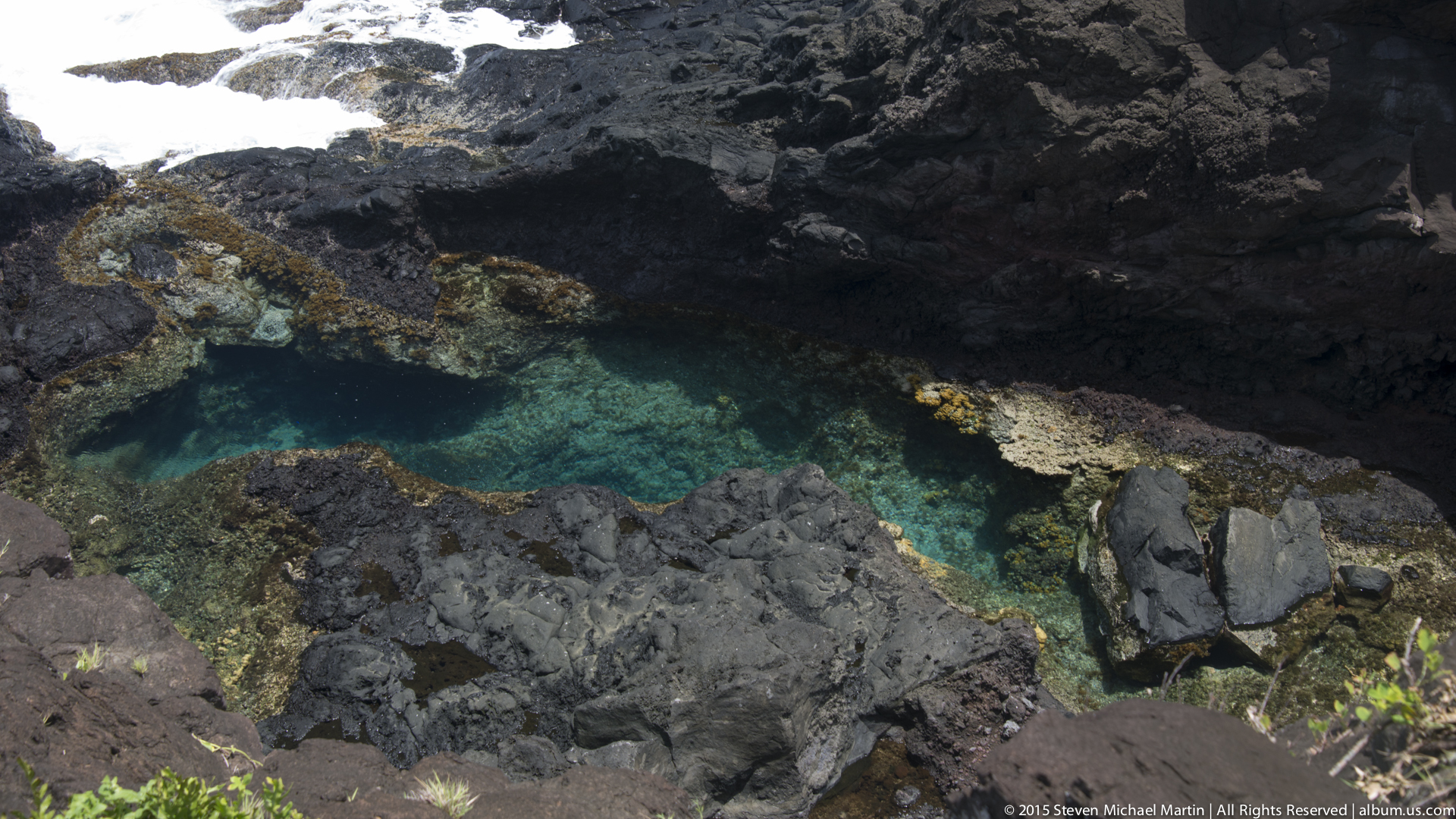
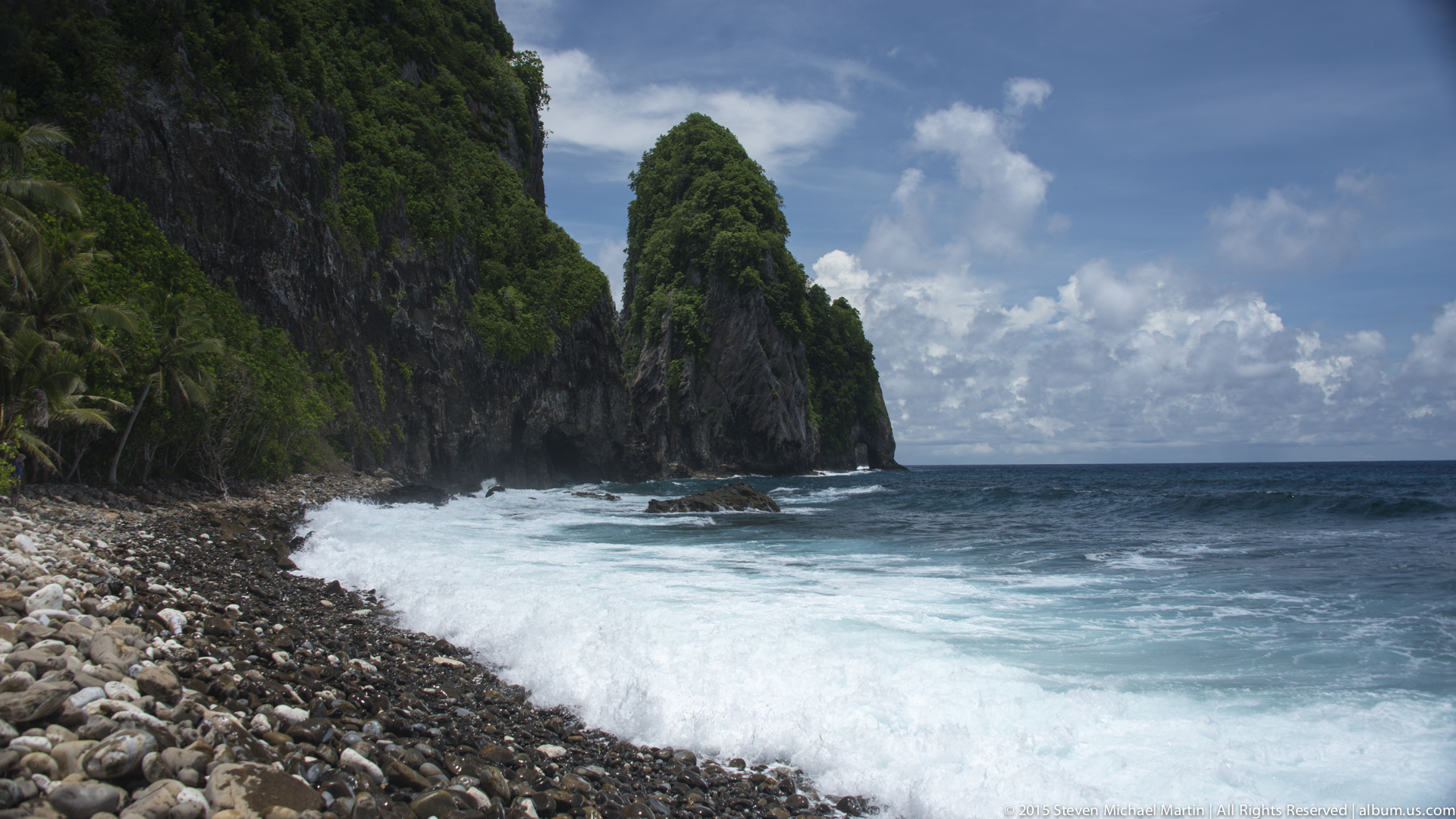
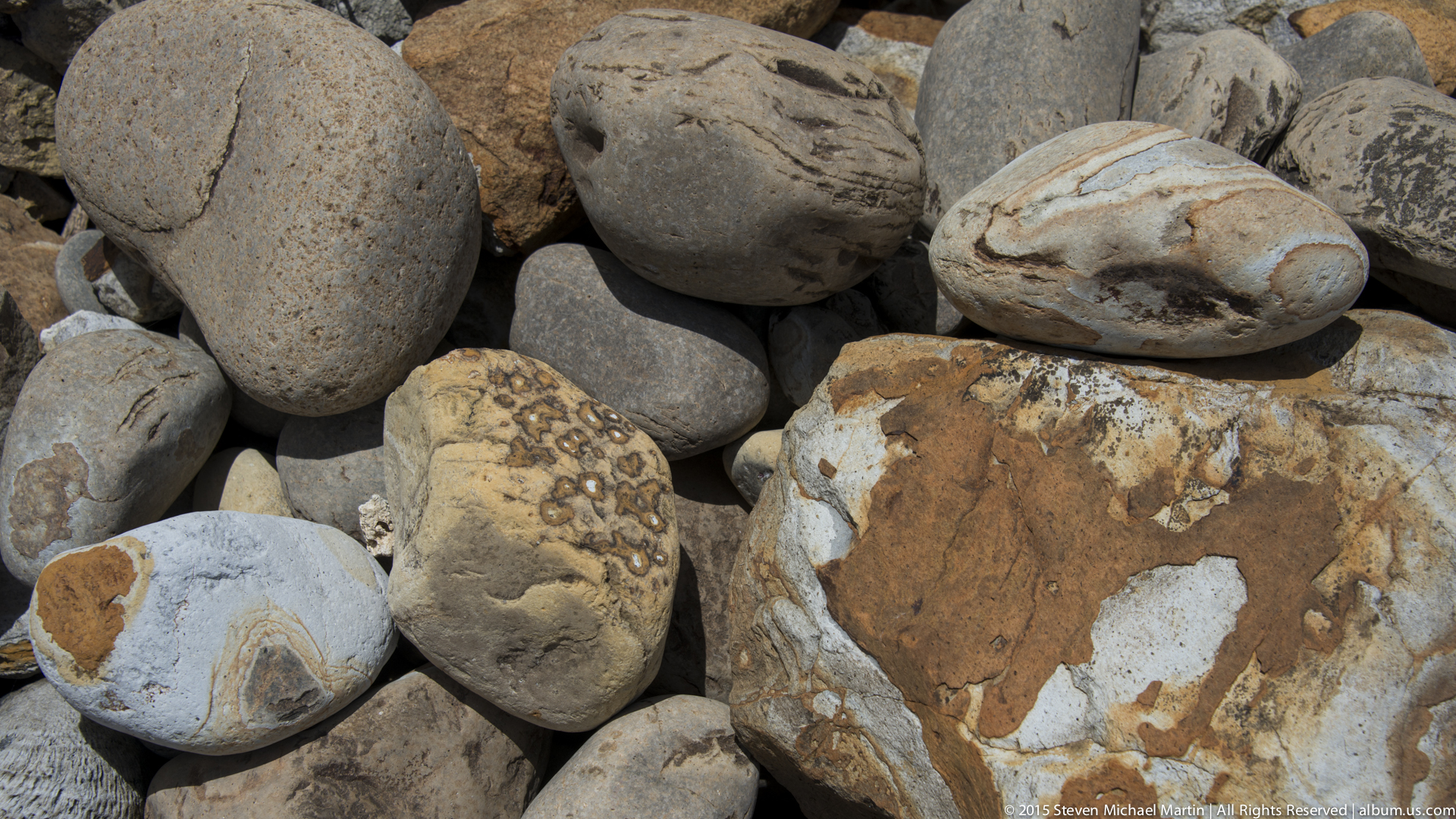
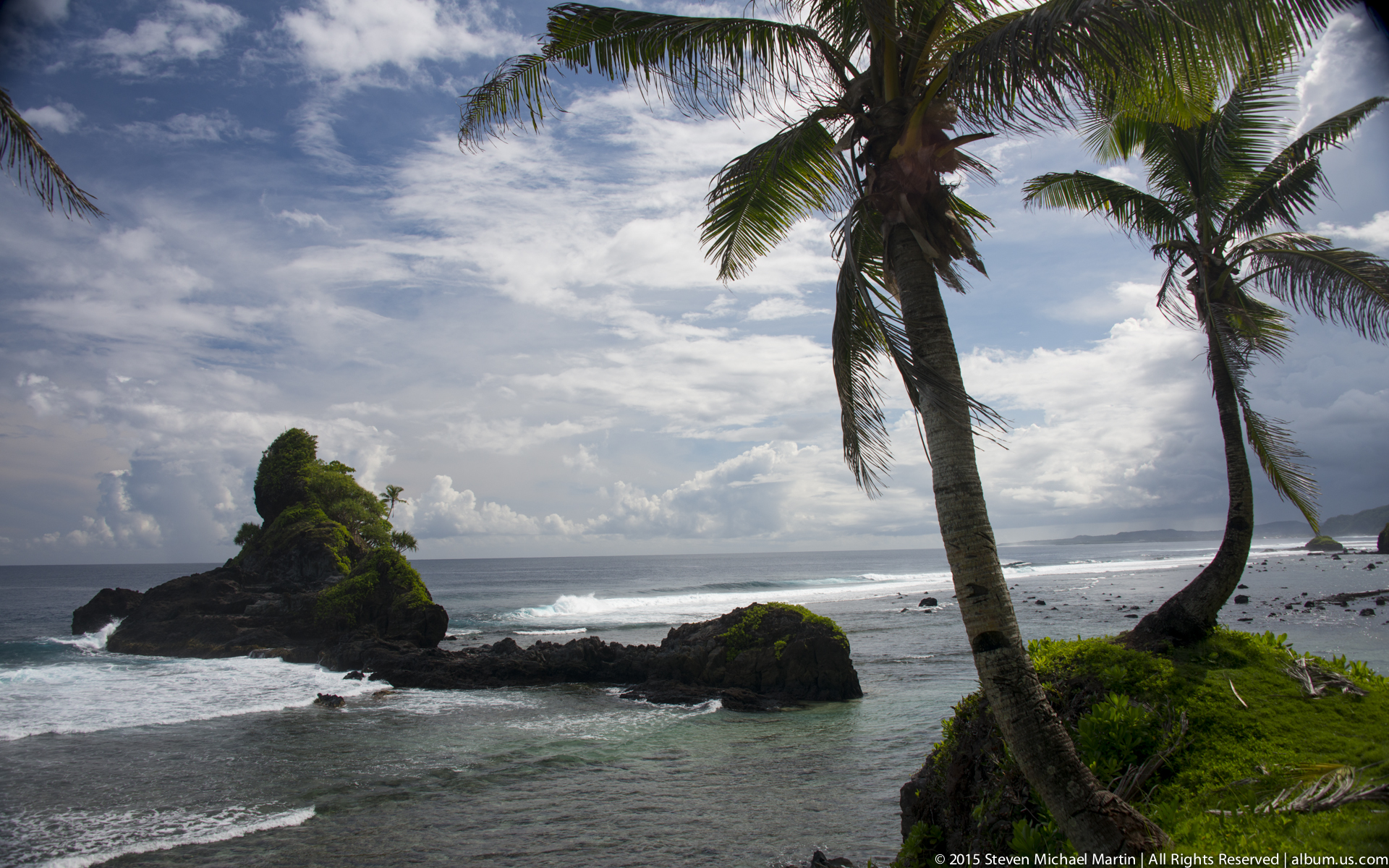
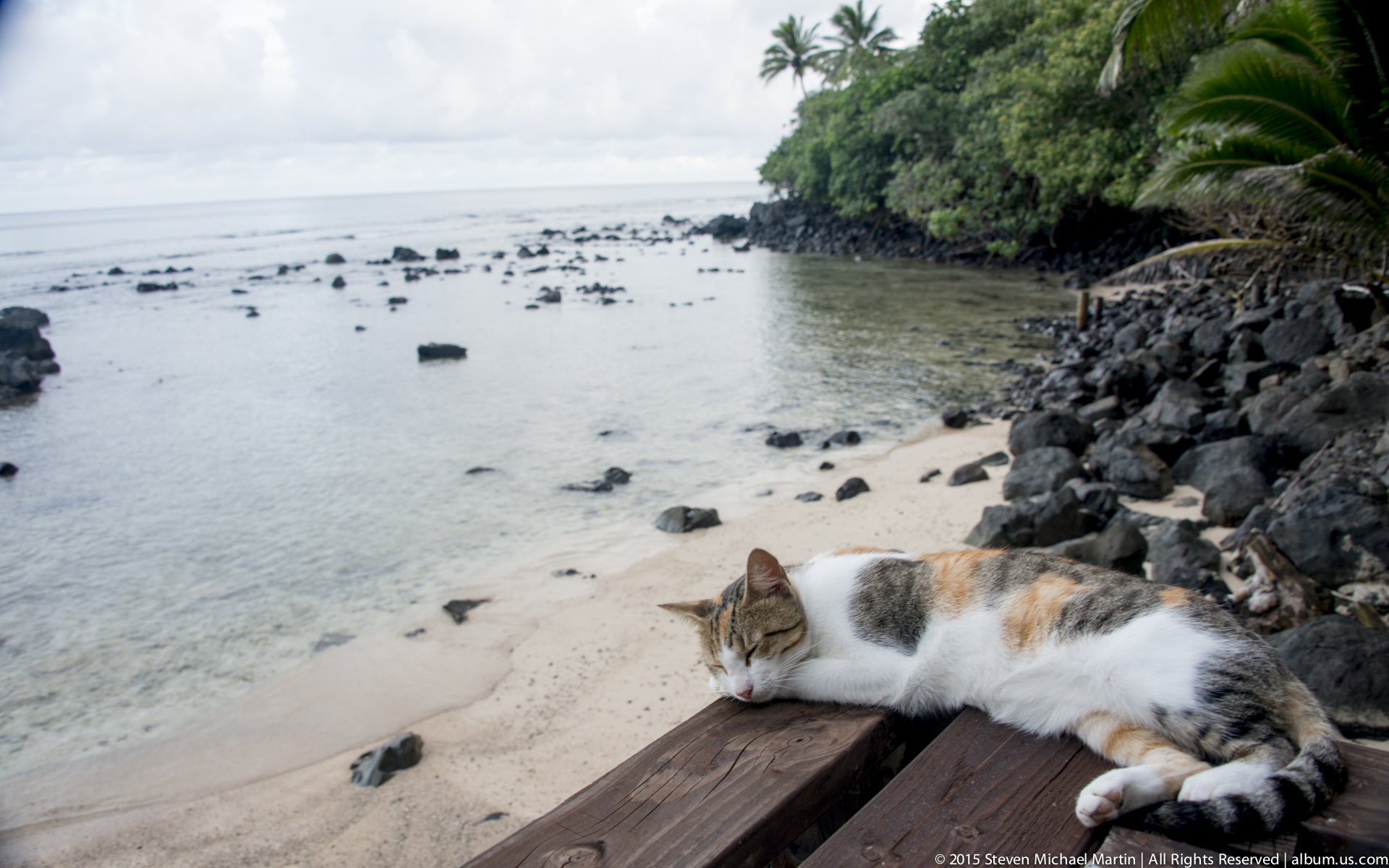
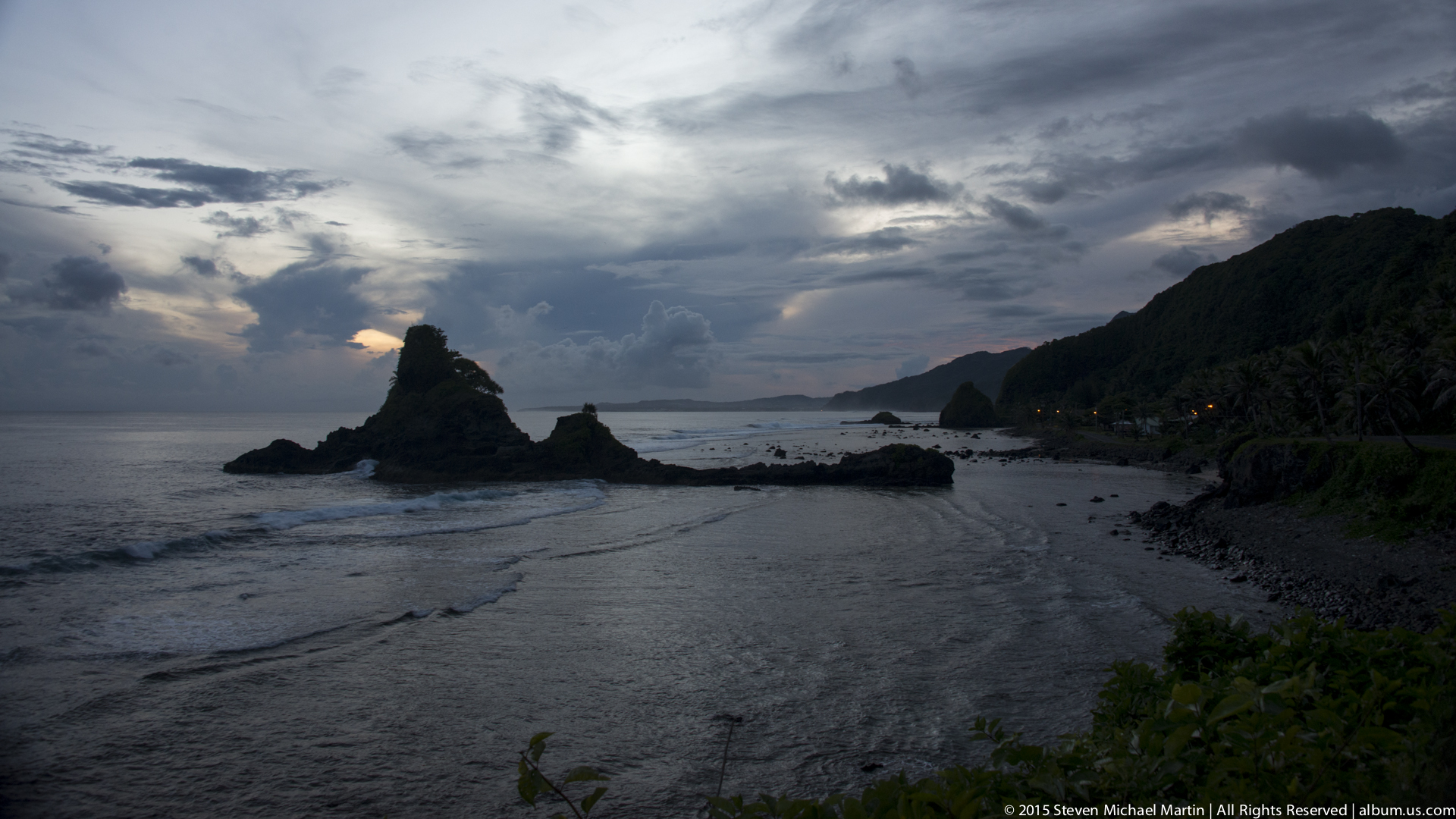
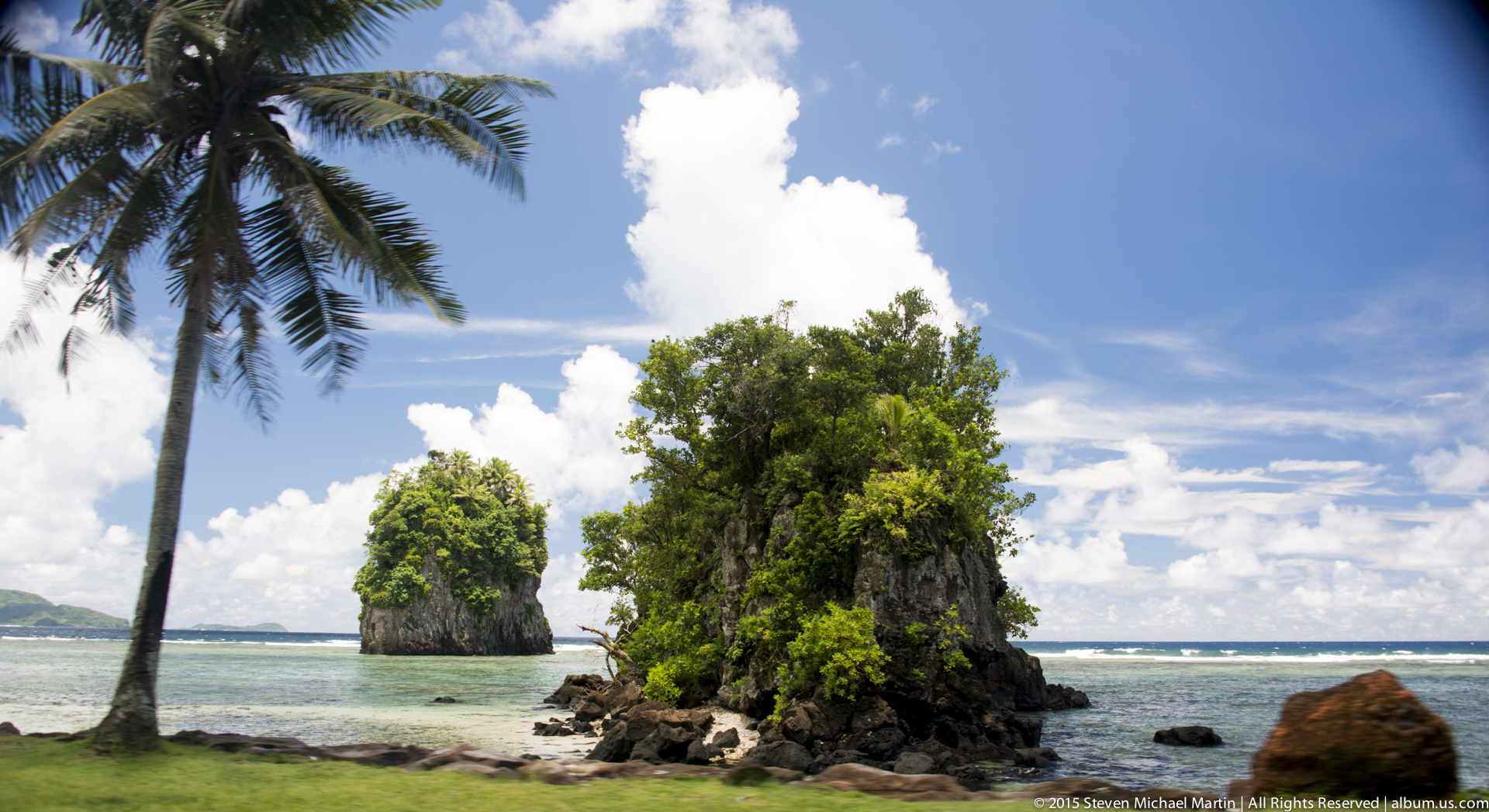
- Coastal Rock Formations – Wave-carved volcanic formations define the rugged shoreline.
- Isolated Pacific Setting – Remote geography preserves ecological integrity and natural scenery.
- Coral Reef Environment – Marine ecosystems surrounding the island support extensive biodiversity.
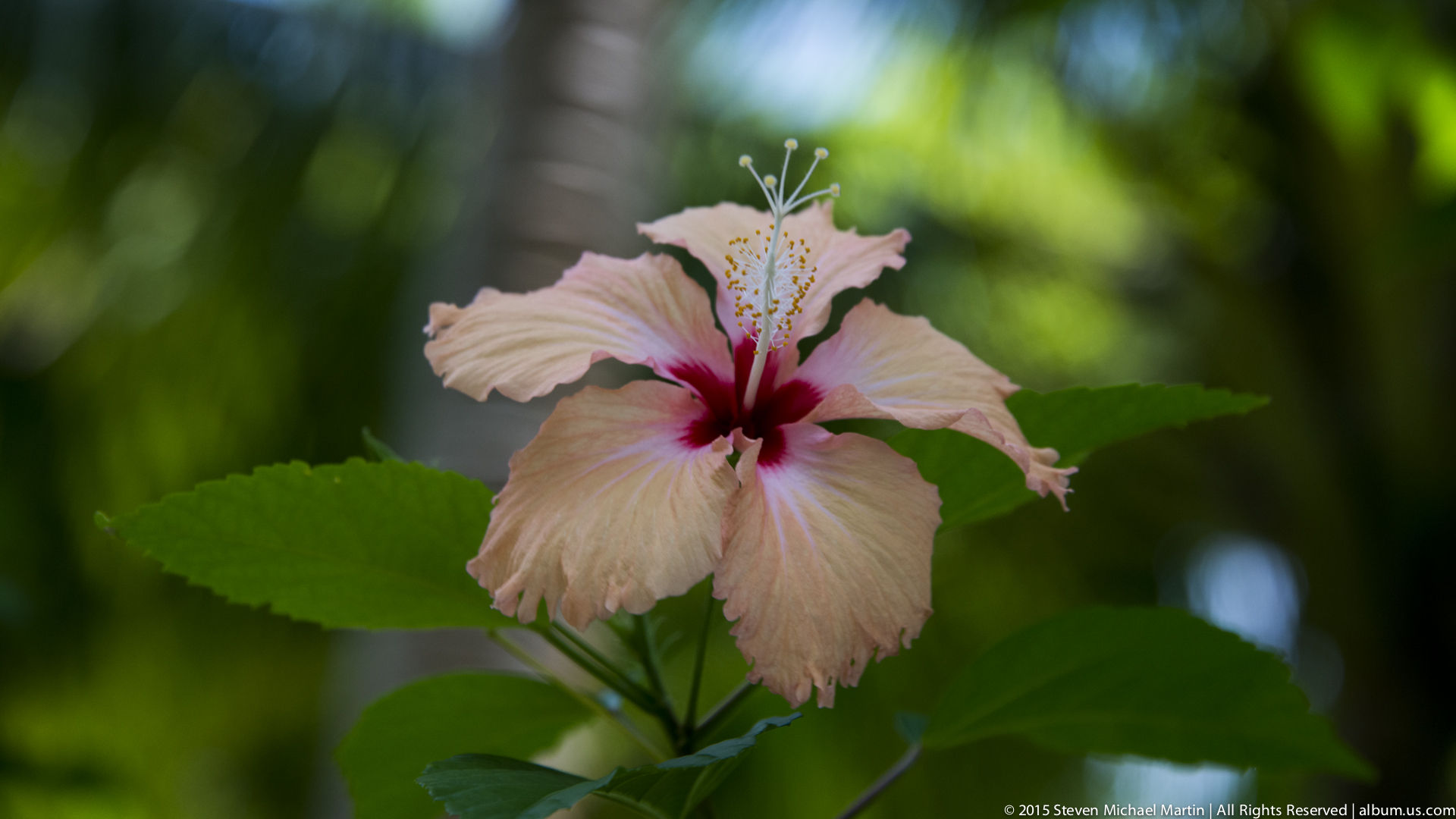
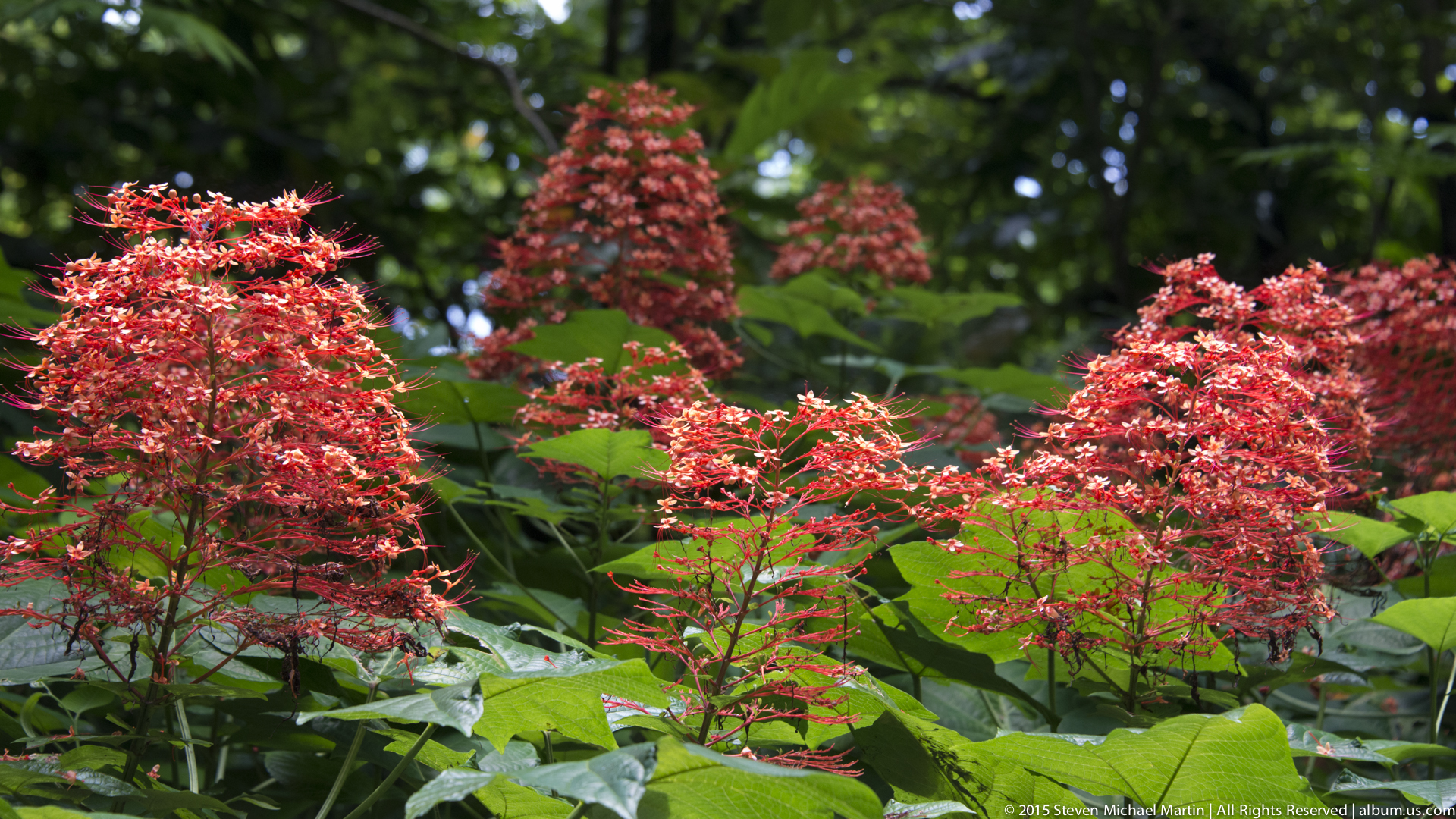
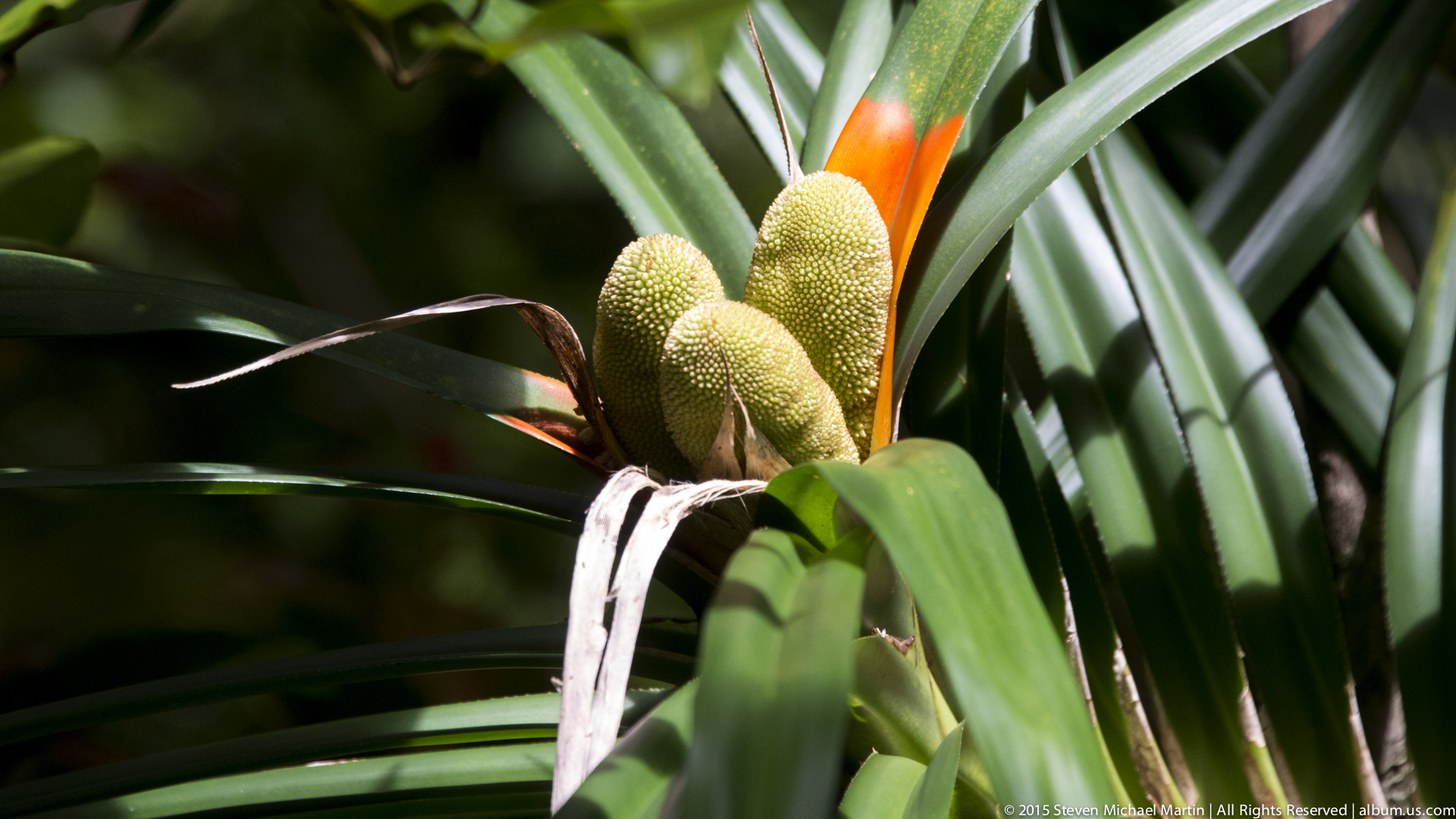
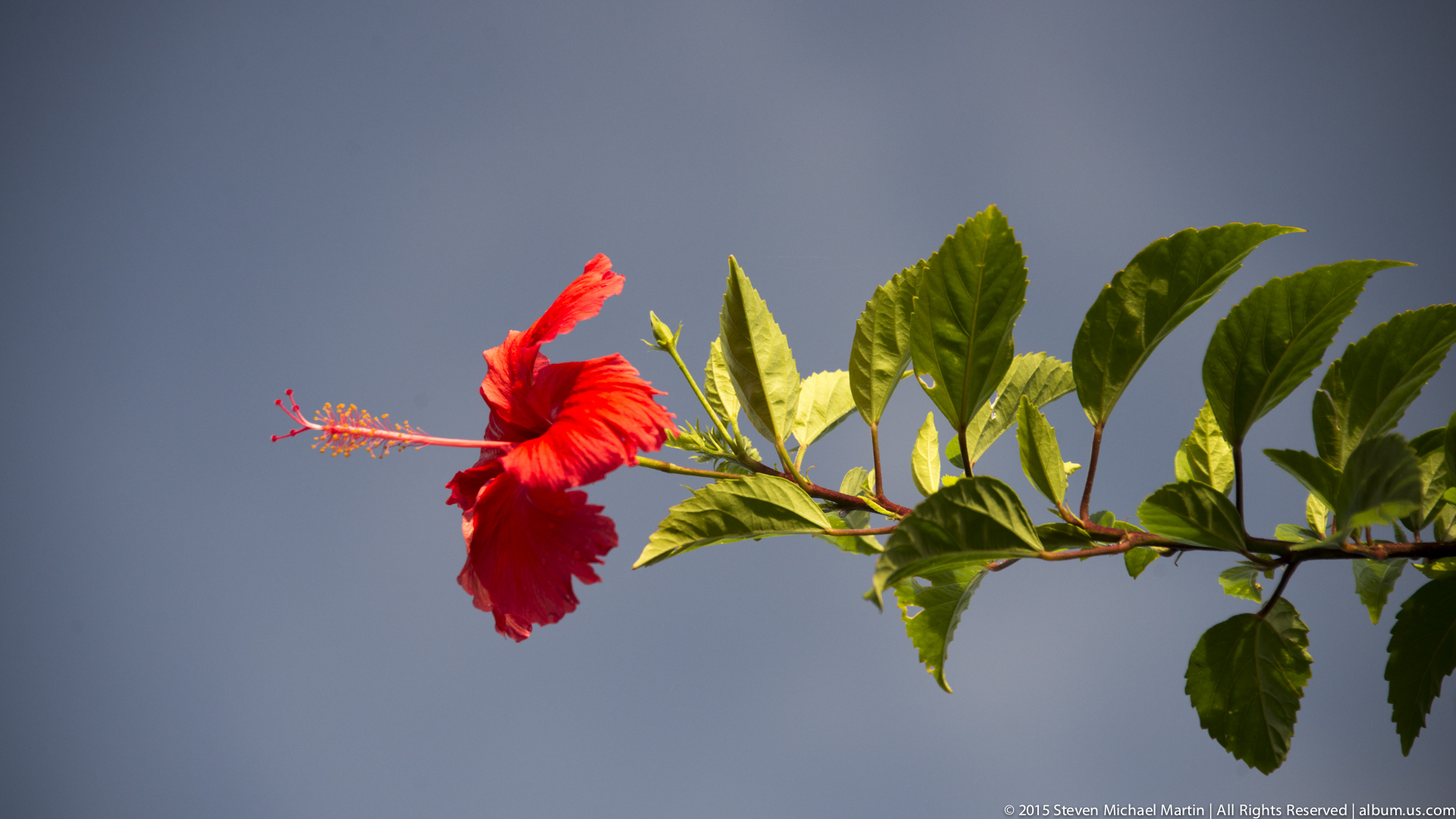
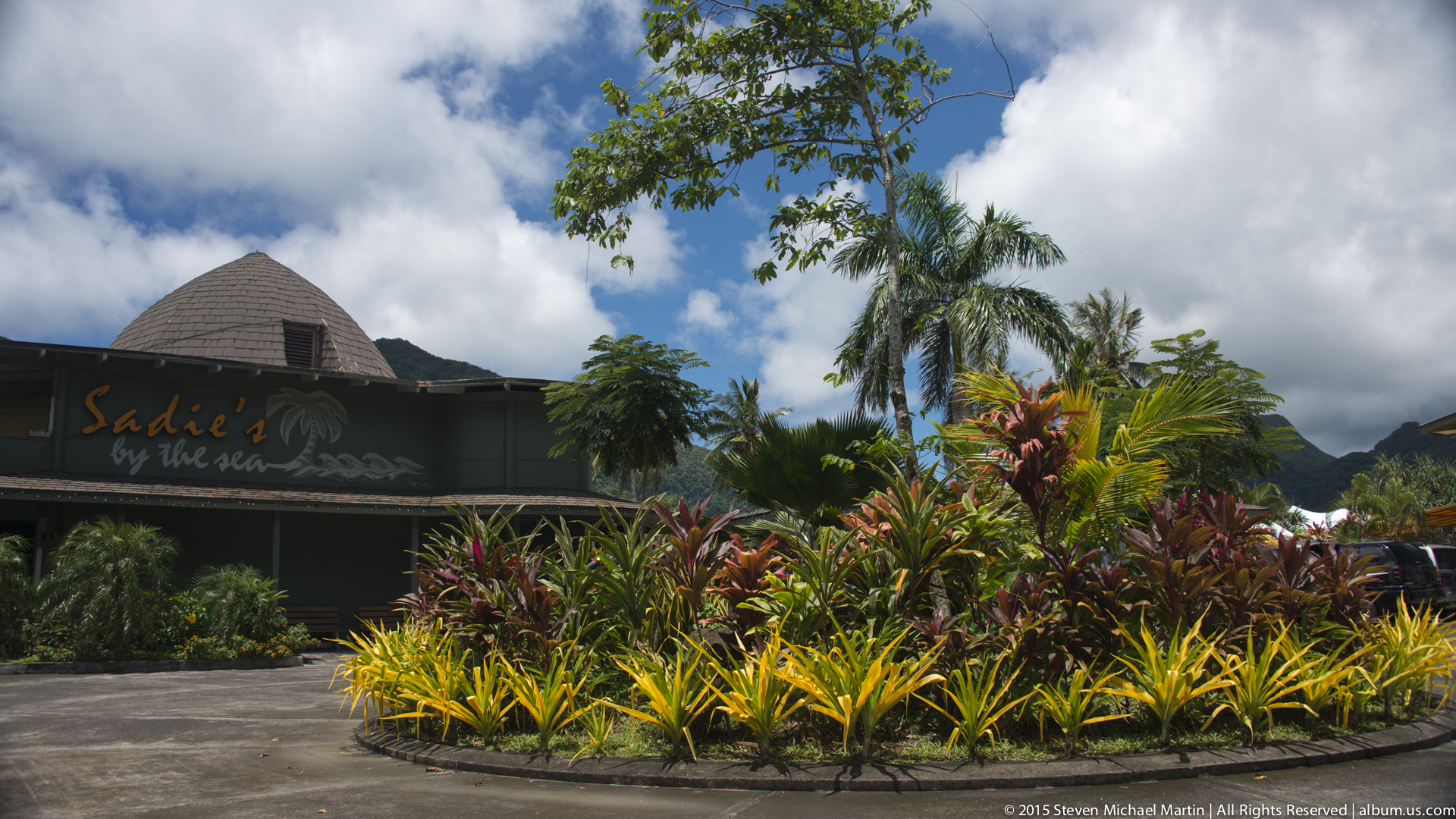
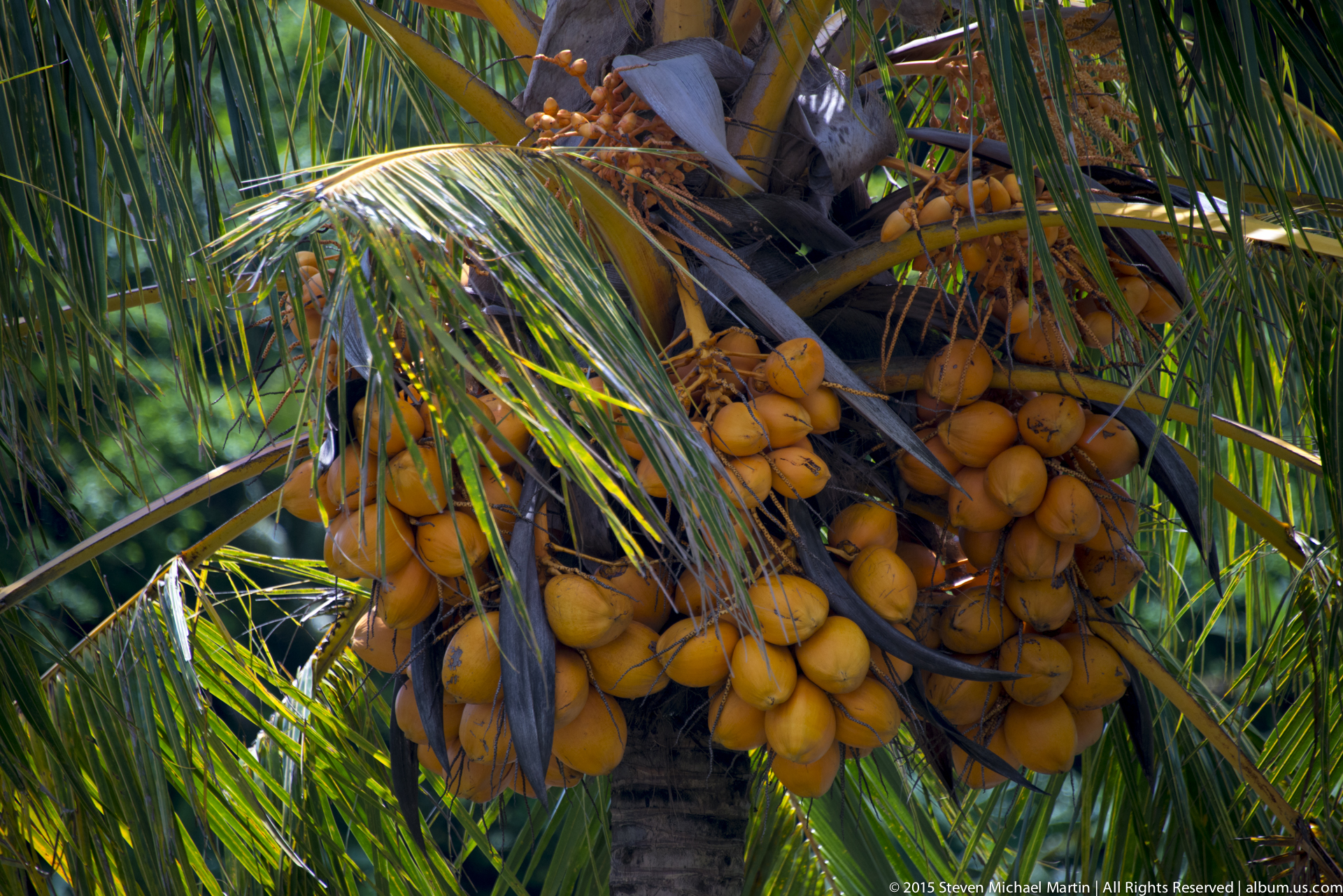
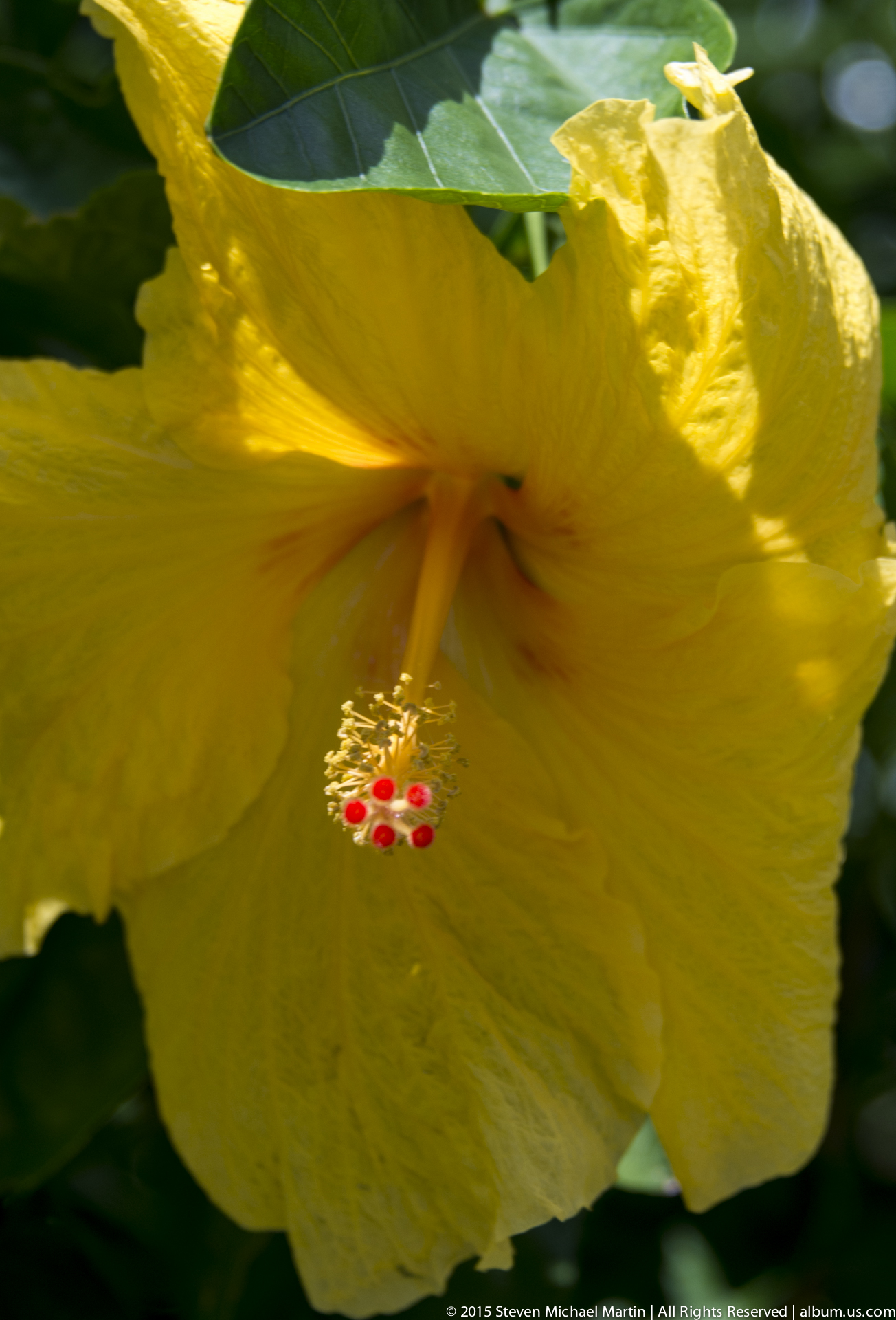
- Tropical Flora – Hibiscus, palms, and flowering plants contribute vibrant color throughout the landscape.
🦇 Notable Wildlife Encounters
- Samoan Flying Fox (Fruit Bat) – Large fruit bats observed roosting in coastal trees, often hanging in small colonies. These bats play a vital role in pollinating rainforest plants.
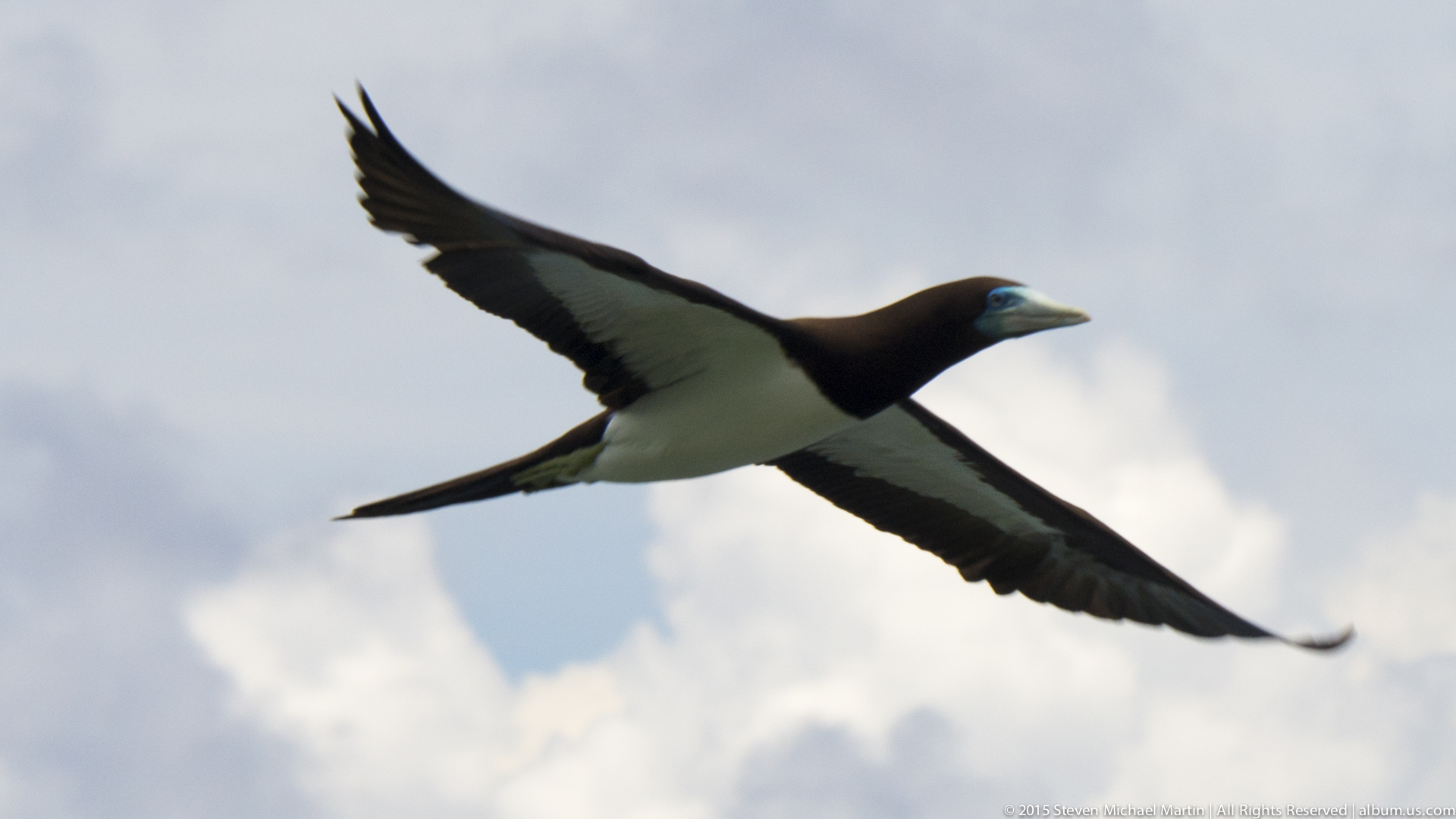
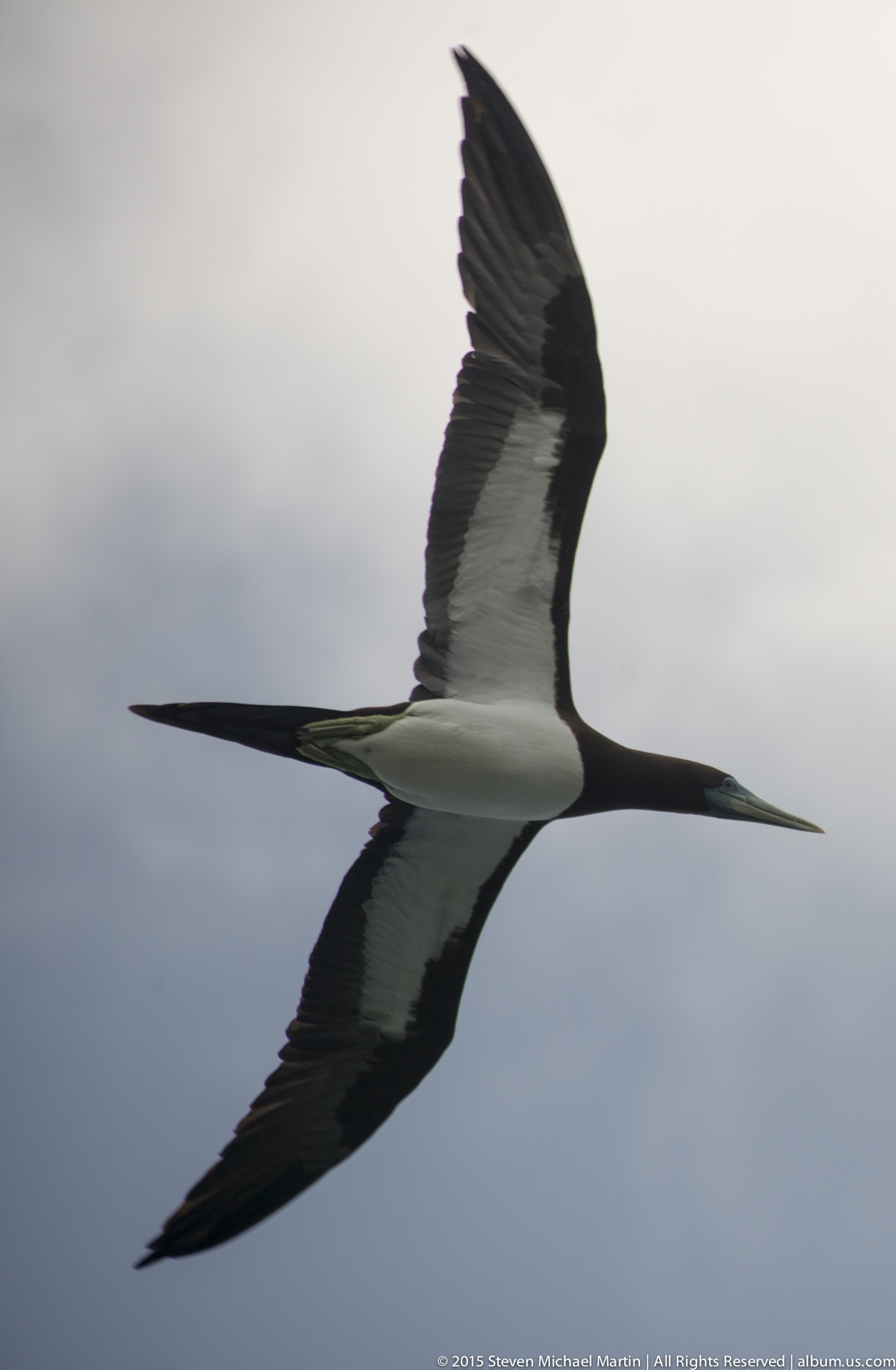
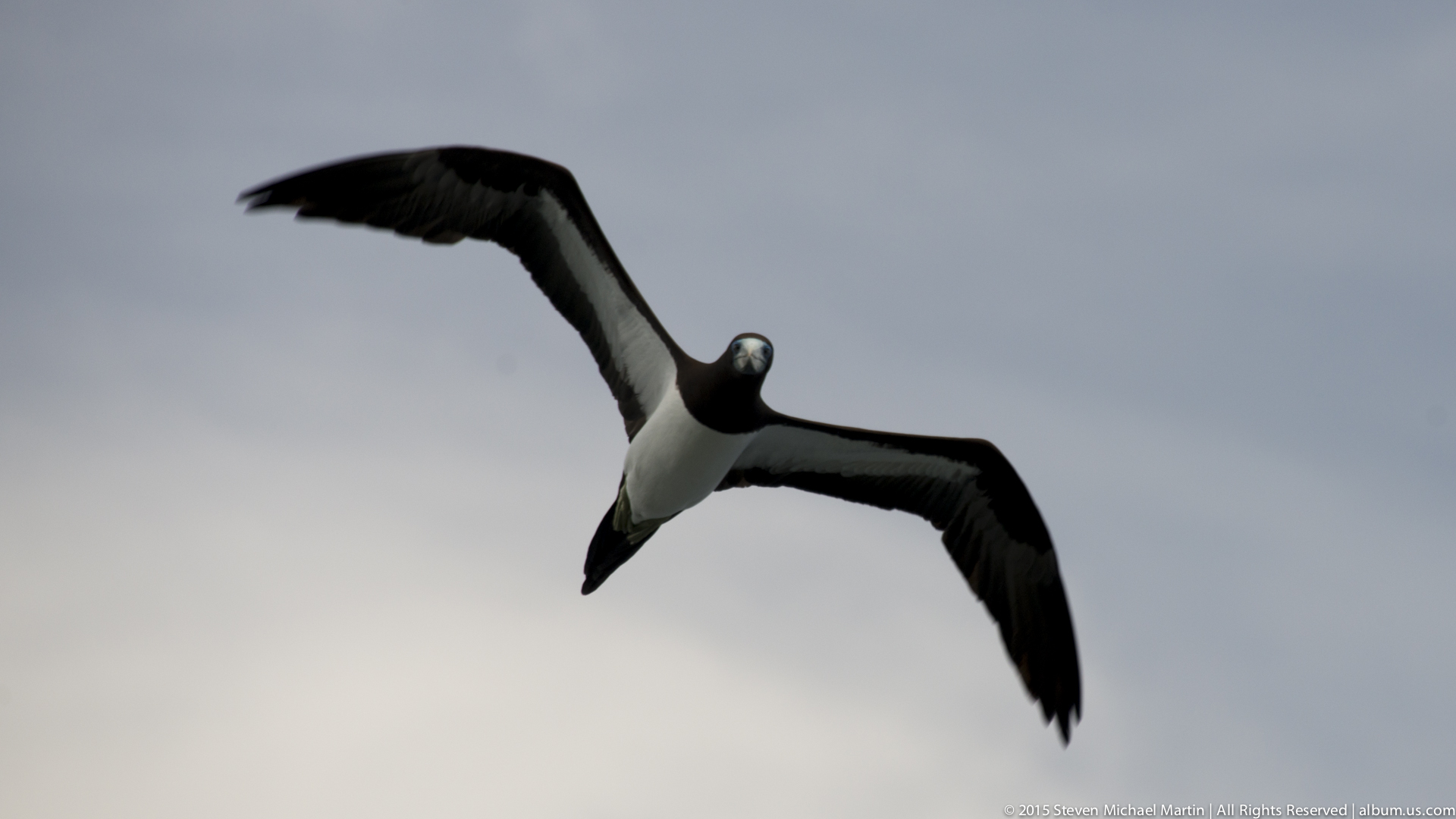
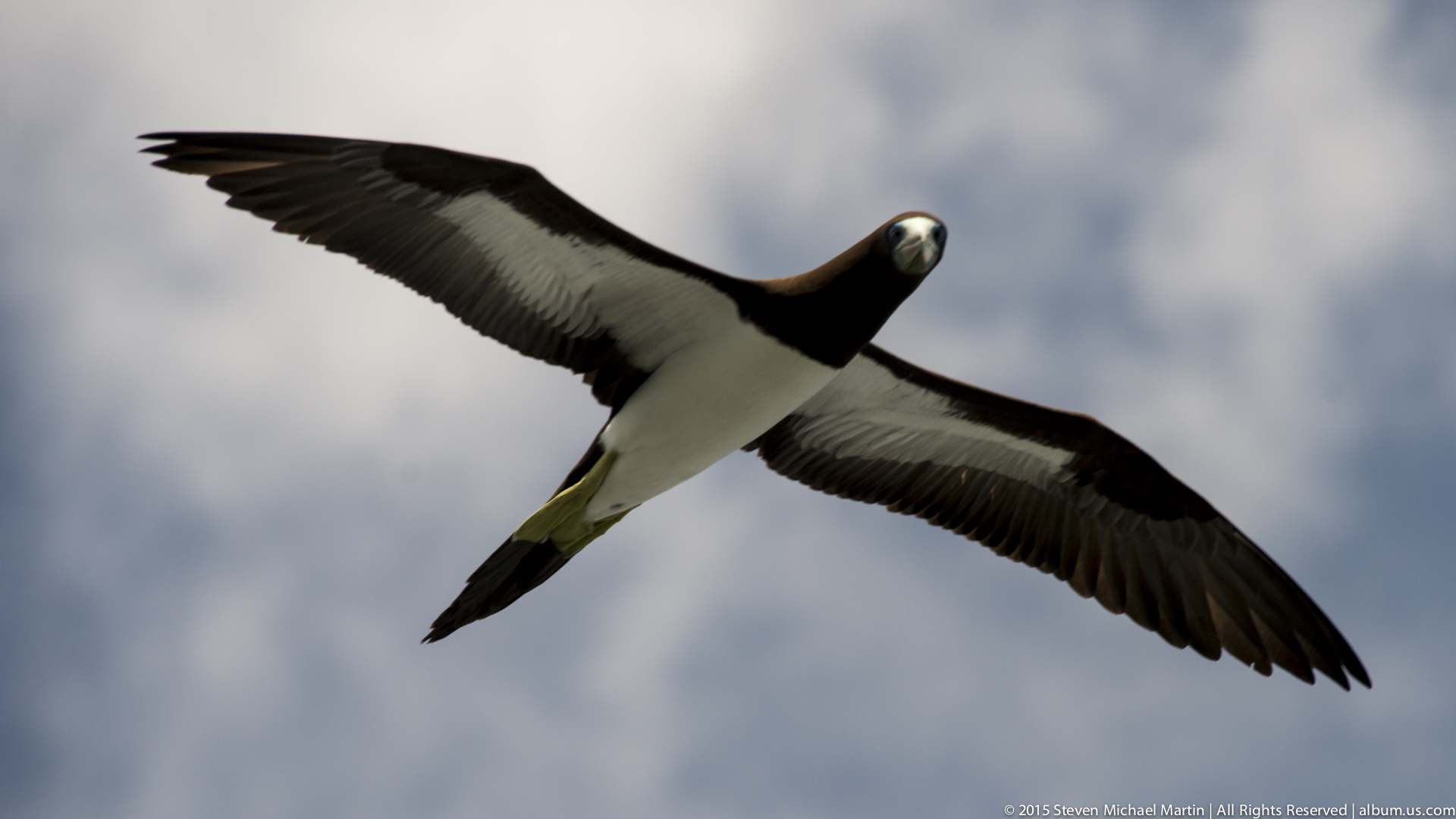
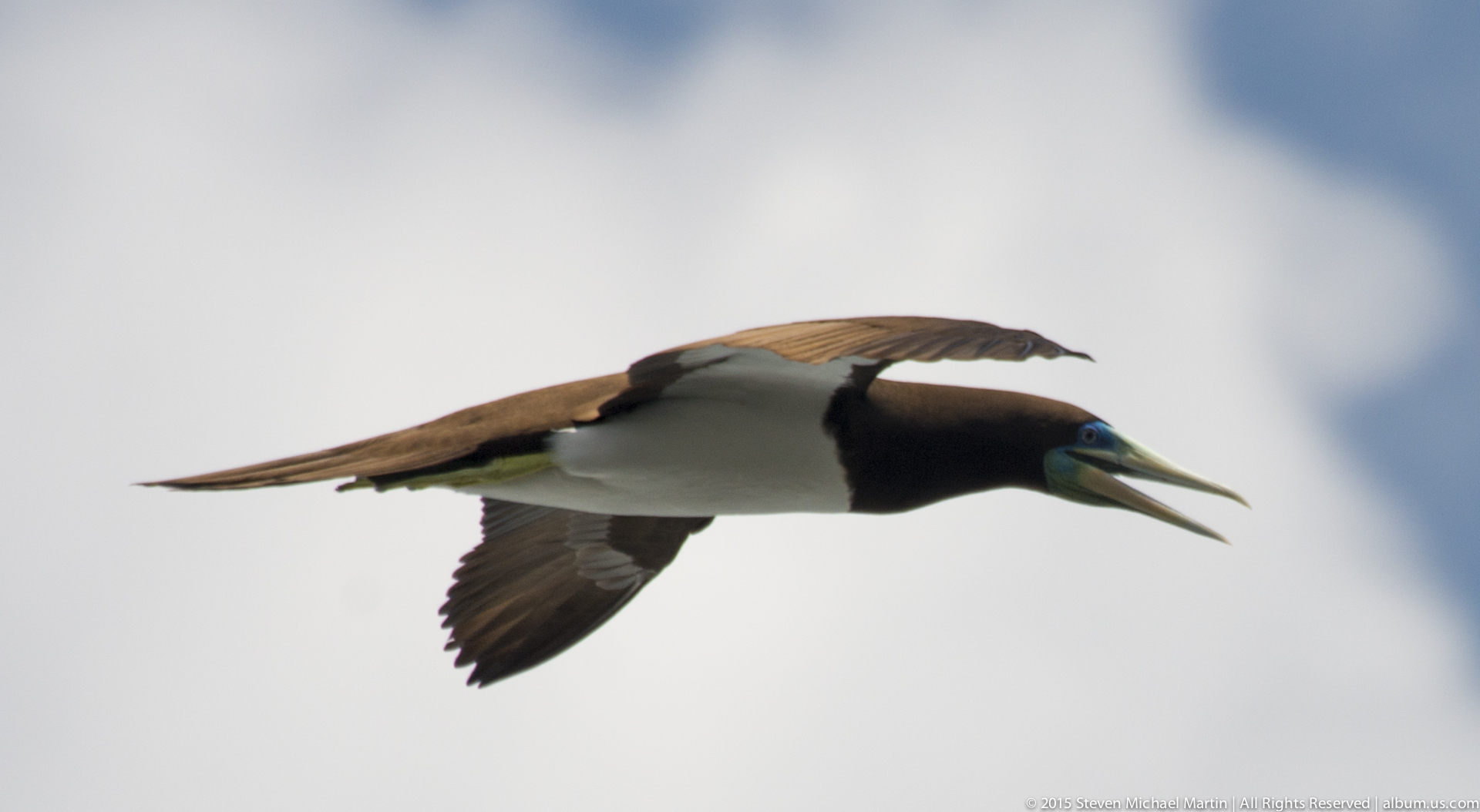
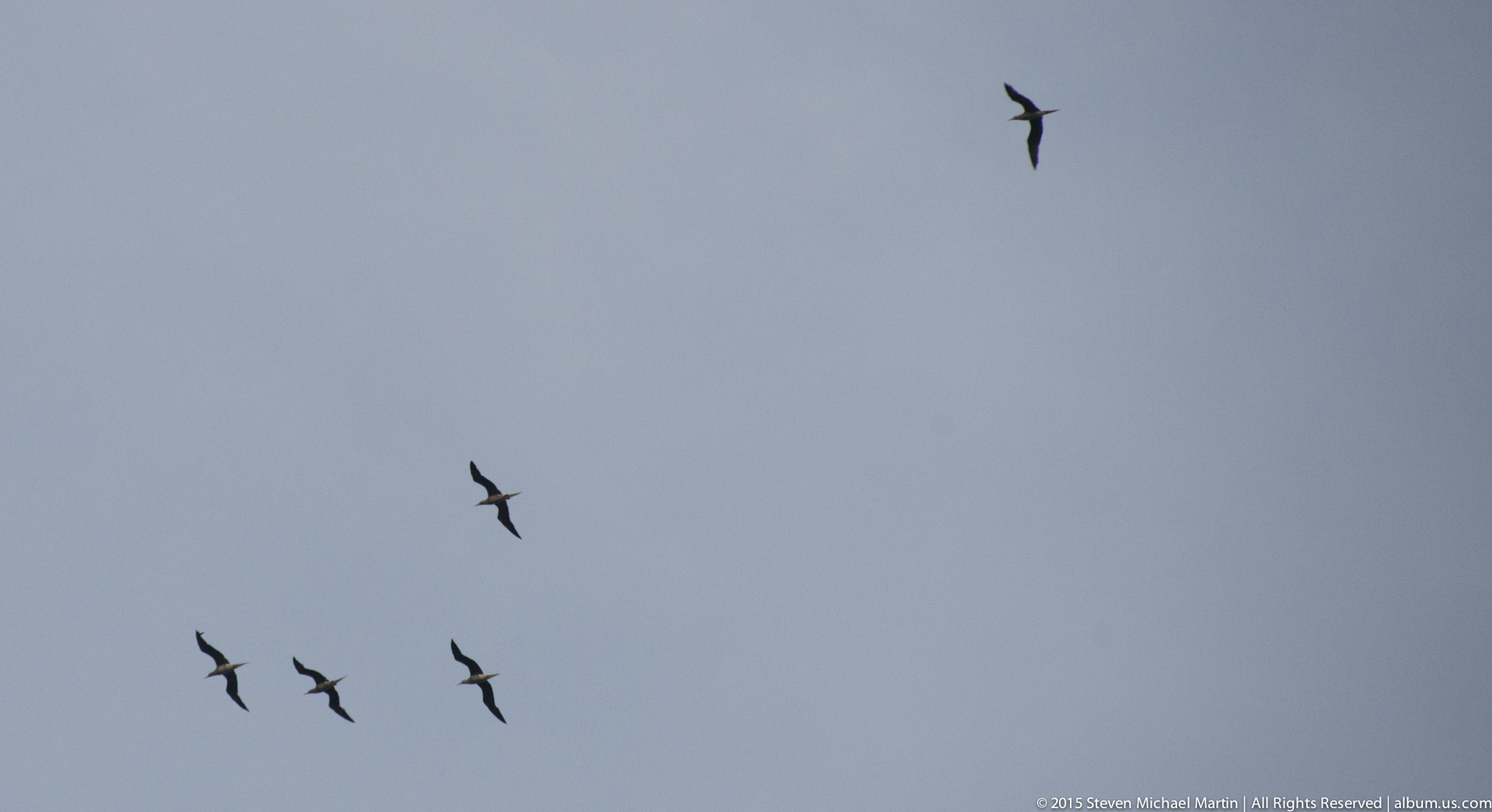
- Tropical Seabirds – Ocean birds frequently glide above the coastline, using thermal air currents along steep volcanic cliffs.
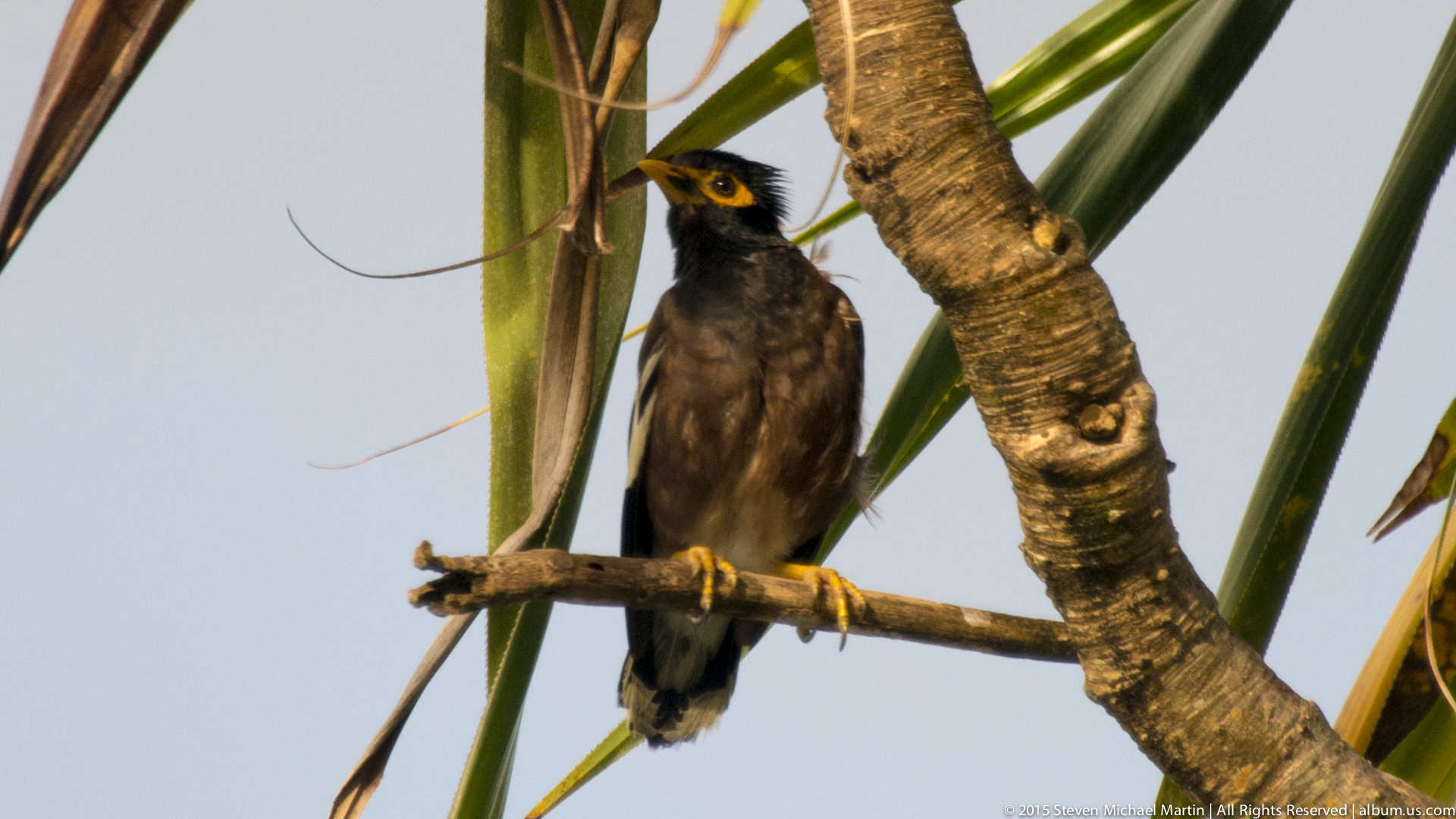
- Myna Bird – A commonly observed island bird often seen in open grass or near villages.
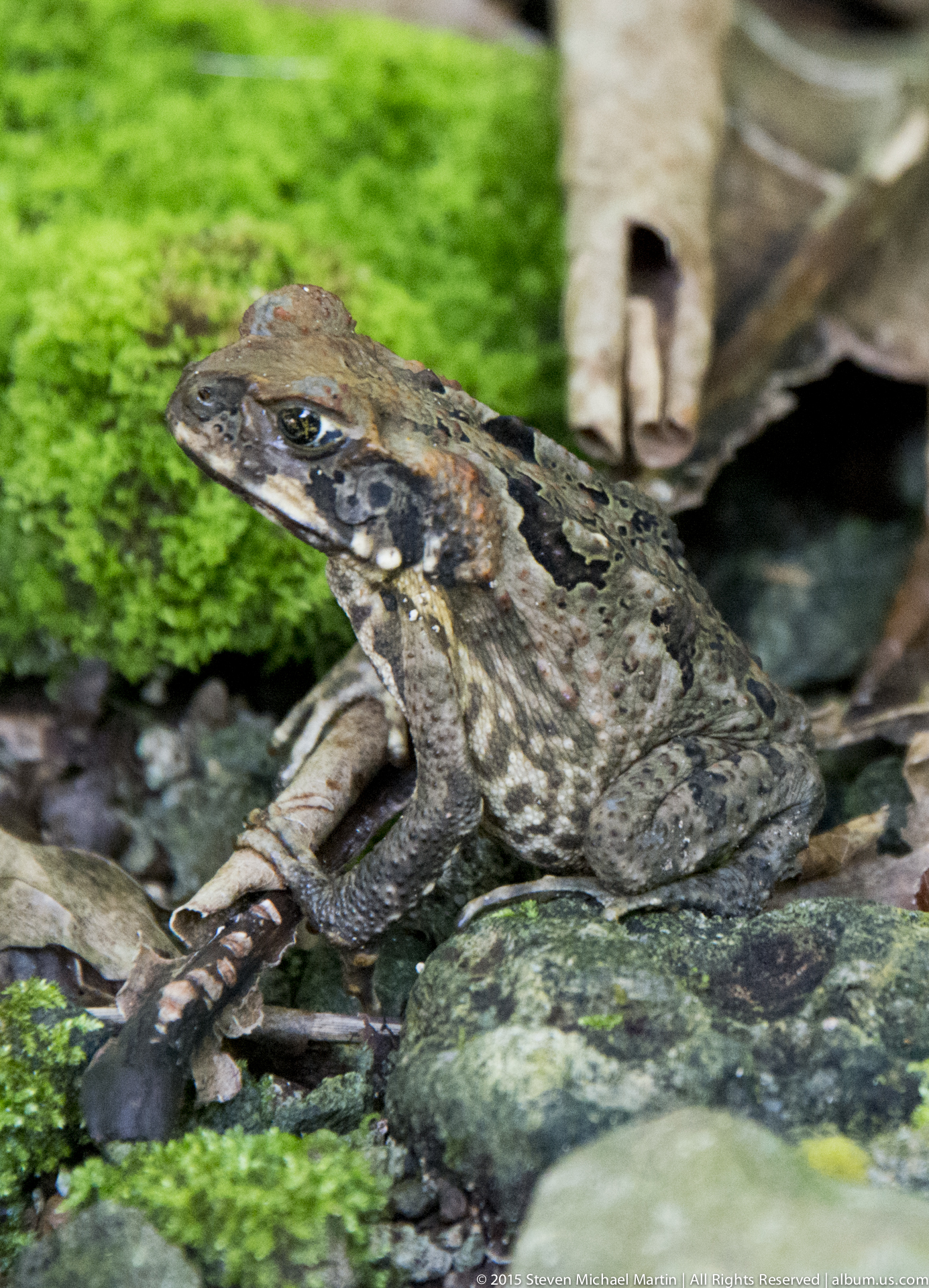
- Island Skinks and Lizards – Small reptiles occasionally visible on rocks or forest floor vegetation.
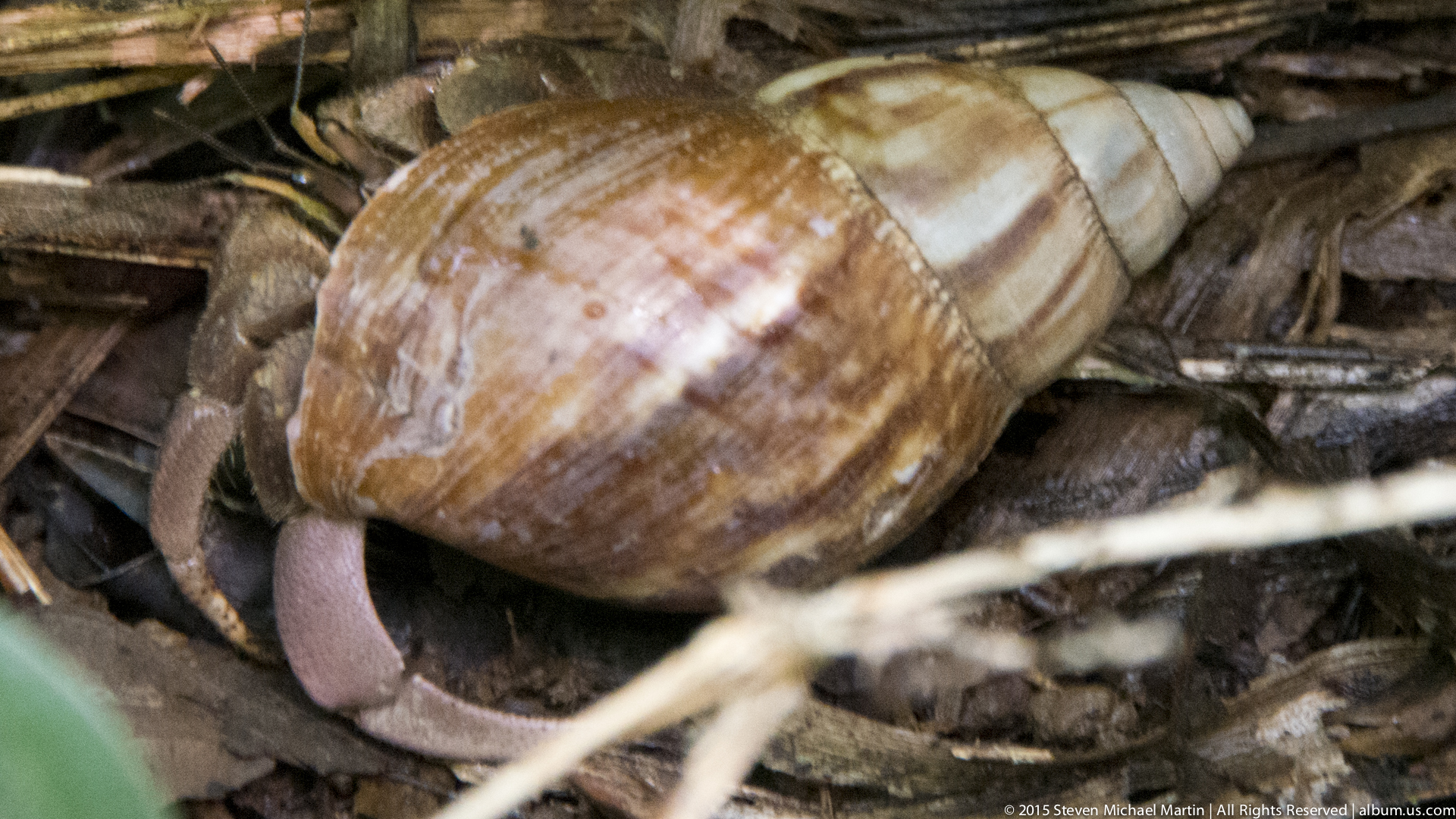
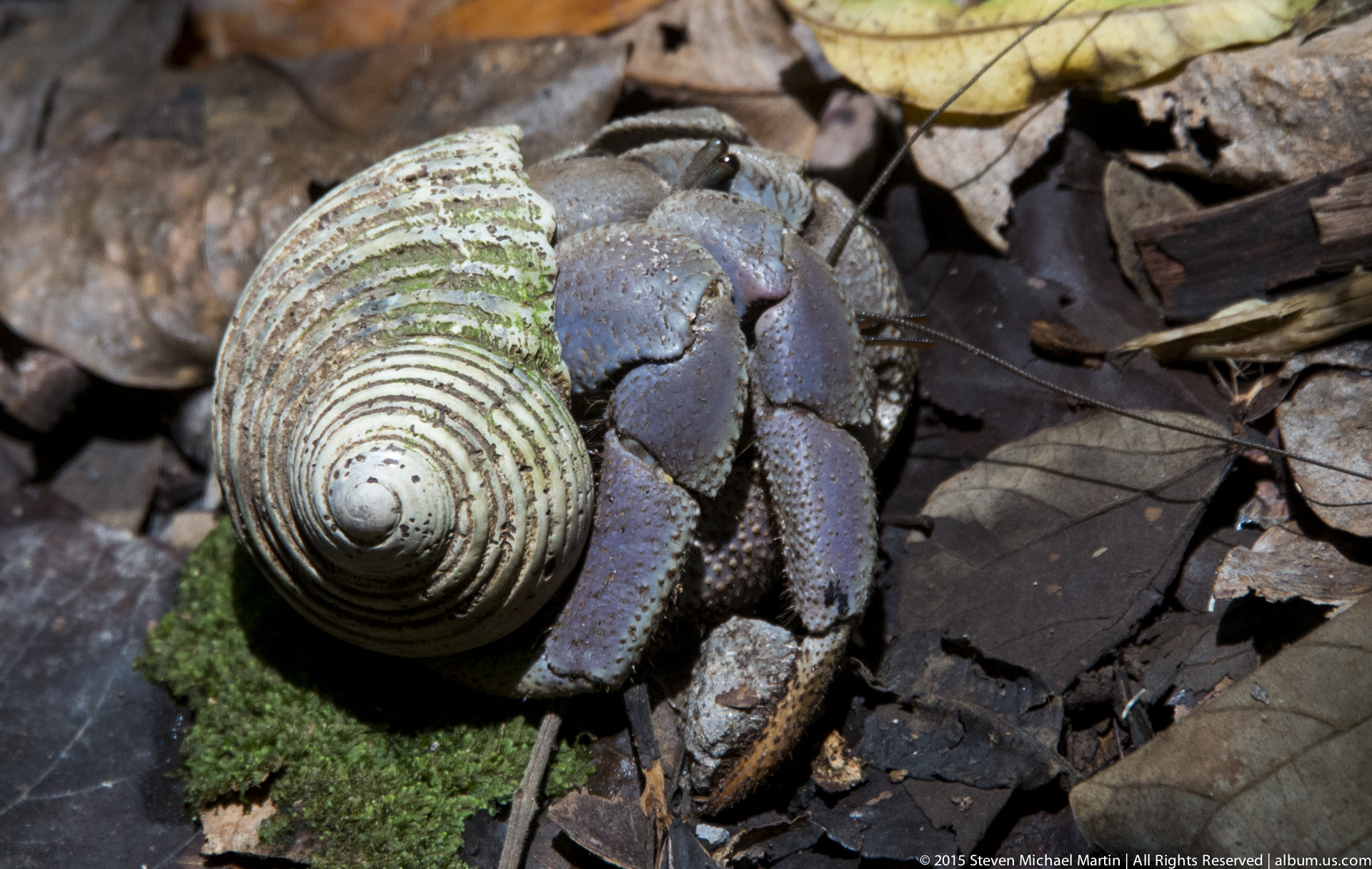
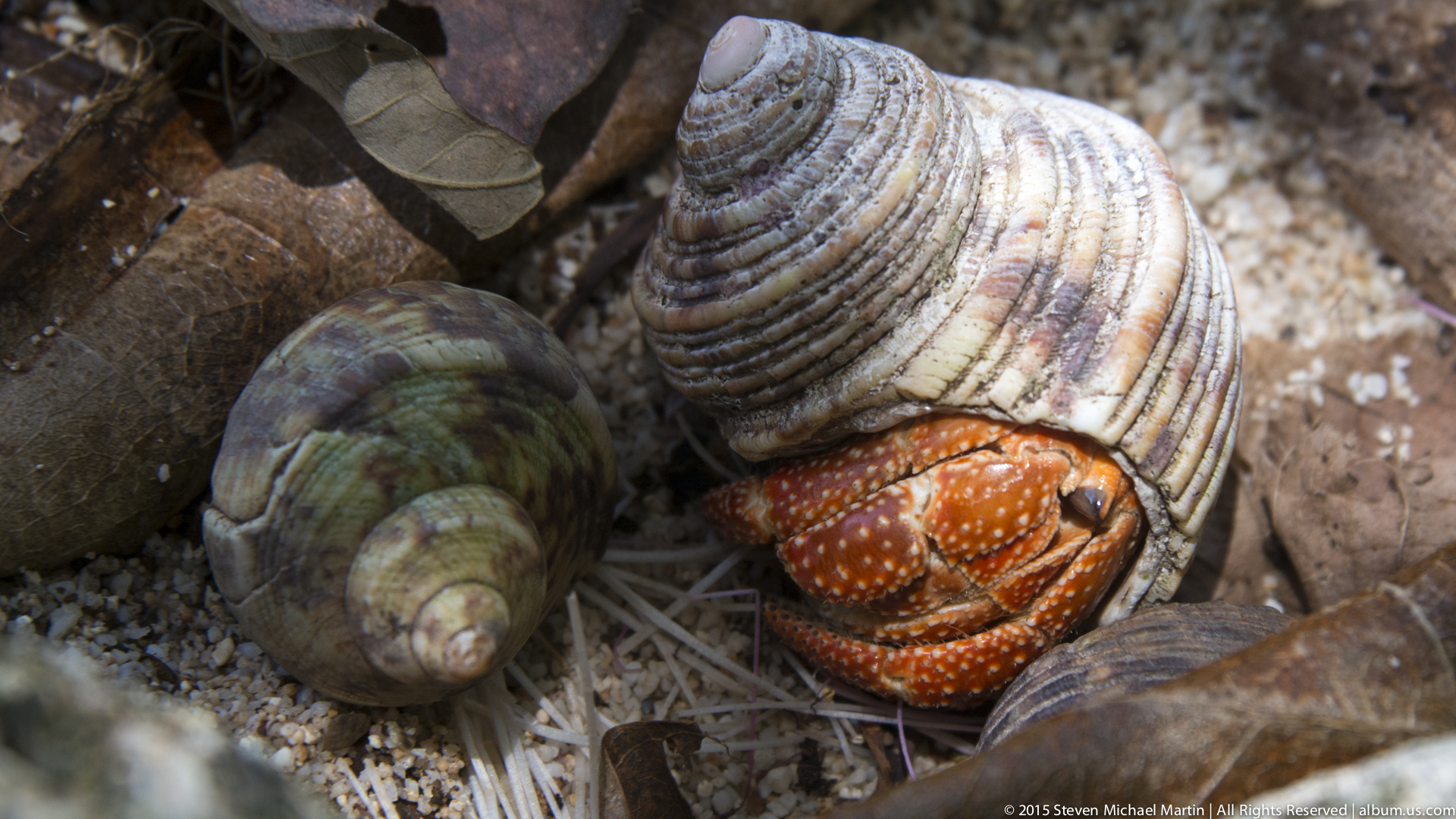
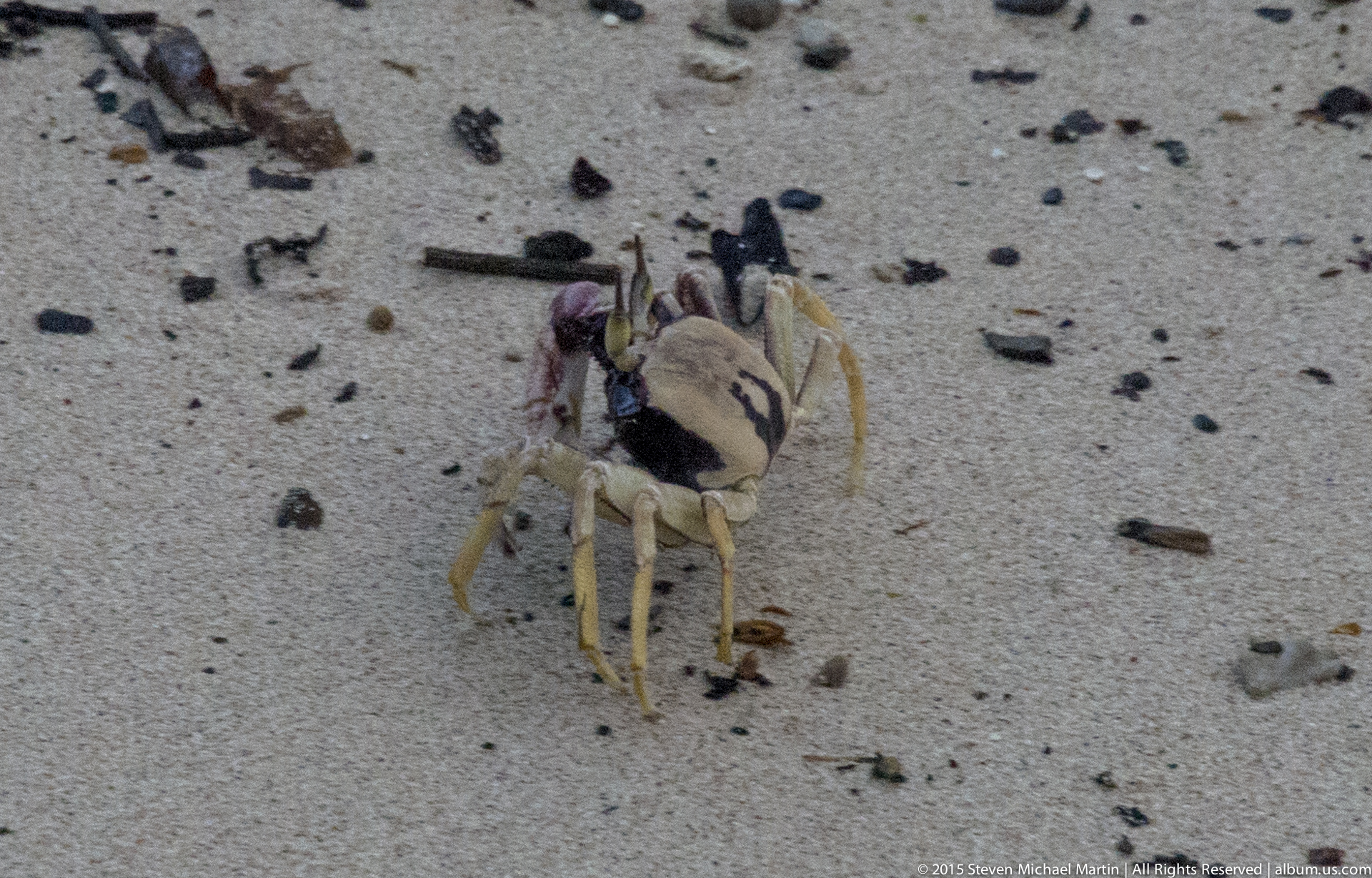
- Hermit Crabs – Coastal invertebrates using shells for protection, commonly found near tropical shorelines.
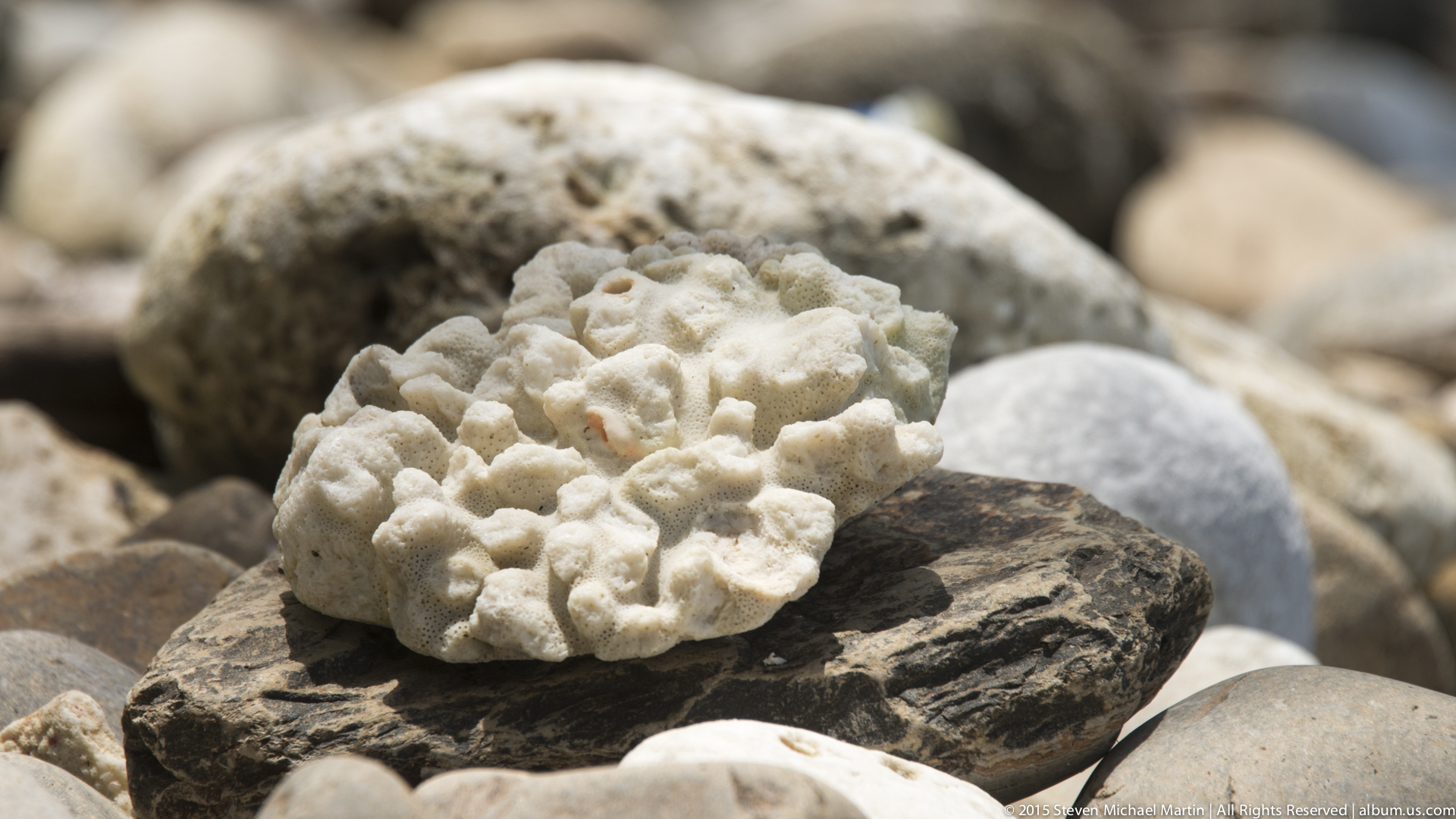
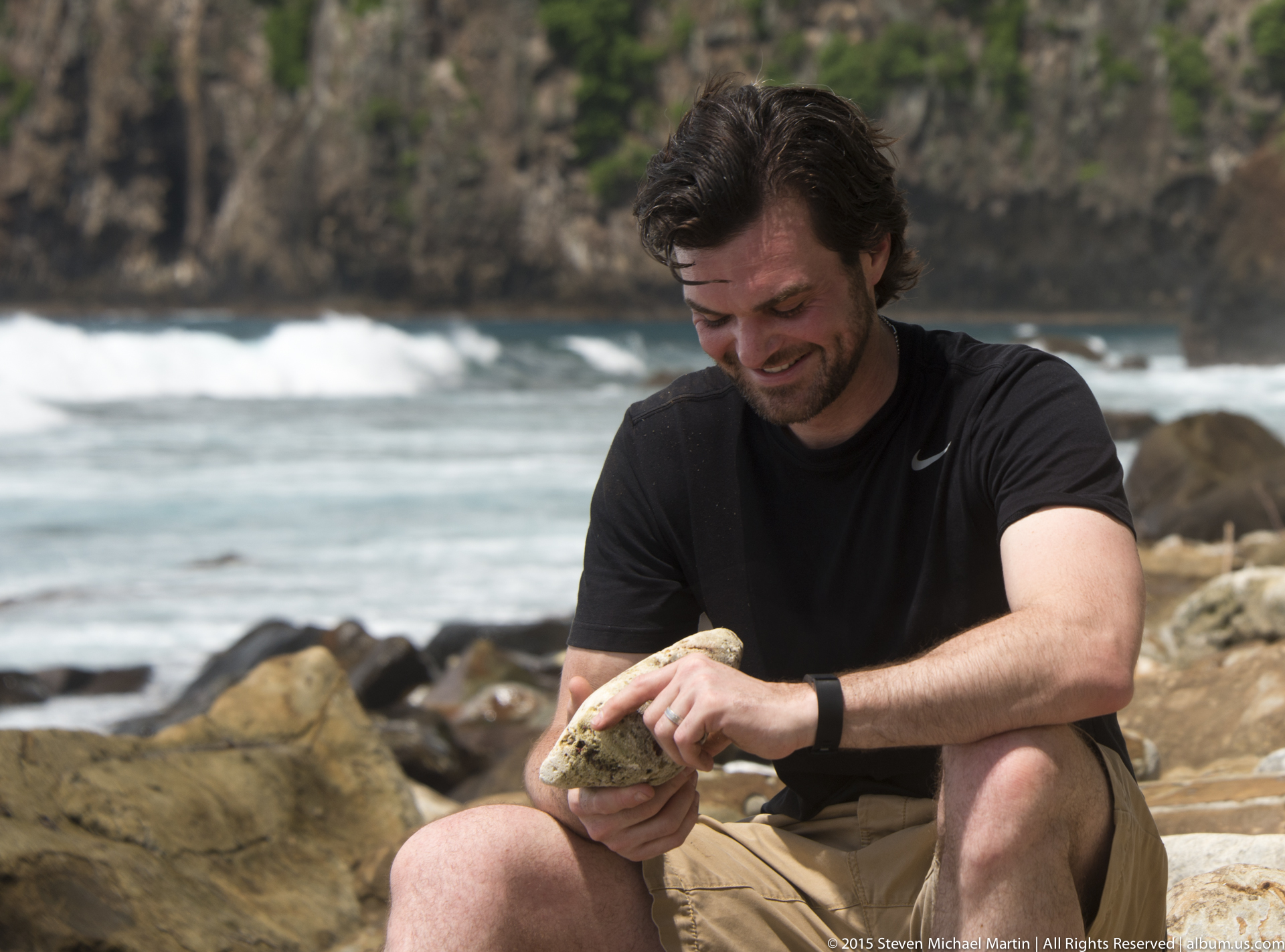
- Coral and Marine Fragments – Evidence of the surrounding reef ecosystem visible along beaches and tidal zones.
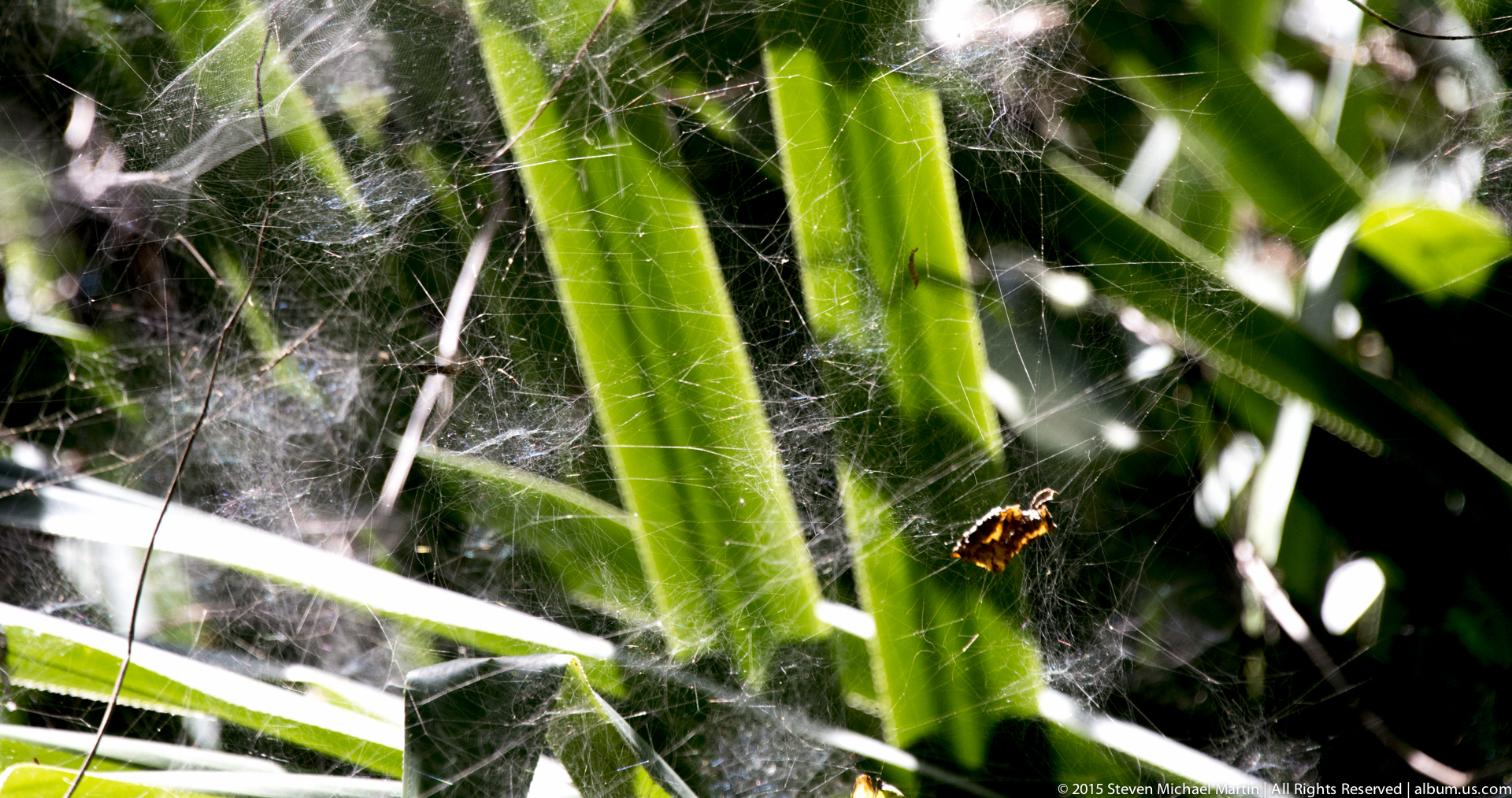
- Tropical Forest Invertebrates – Orb spiders and insects visible within dense rainforest vegetation.
📷 Photography Notes
- Bright tropical light can create strong contrast between vegetation and sky.
- Cloud movement often changes lighting conditions quickly.
- Wide compositions emphasize the relationship between mountain and ocean.
- Look for foreground vegetation to add depth to coastal views.
- Humidity can soften distant detail and influence color saturation.
- Early or late daylight hours may provide softer light across the landscape.