Harpers Ferry
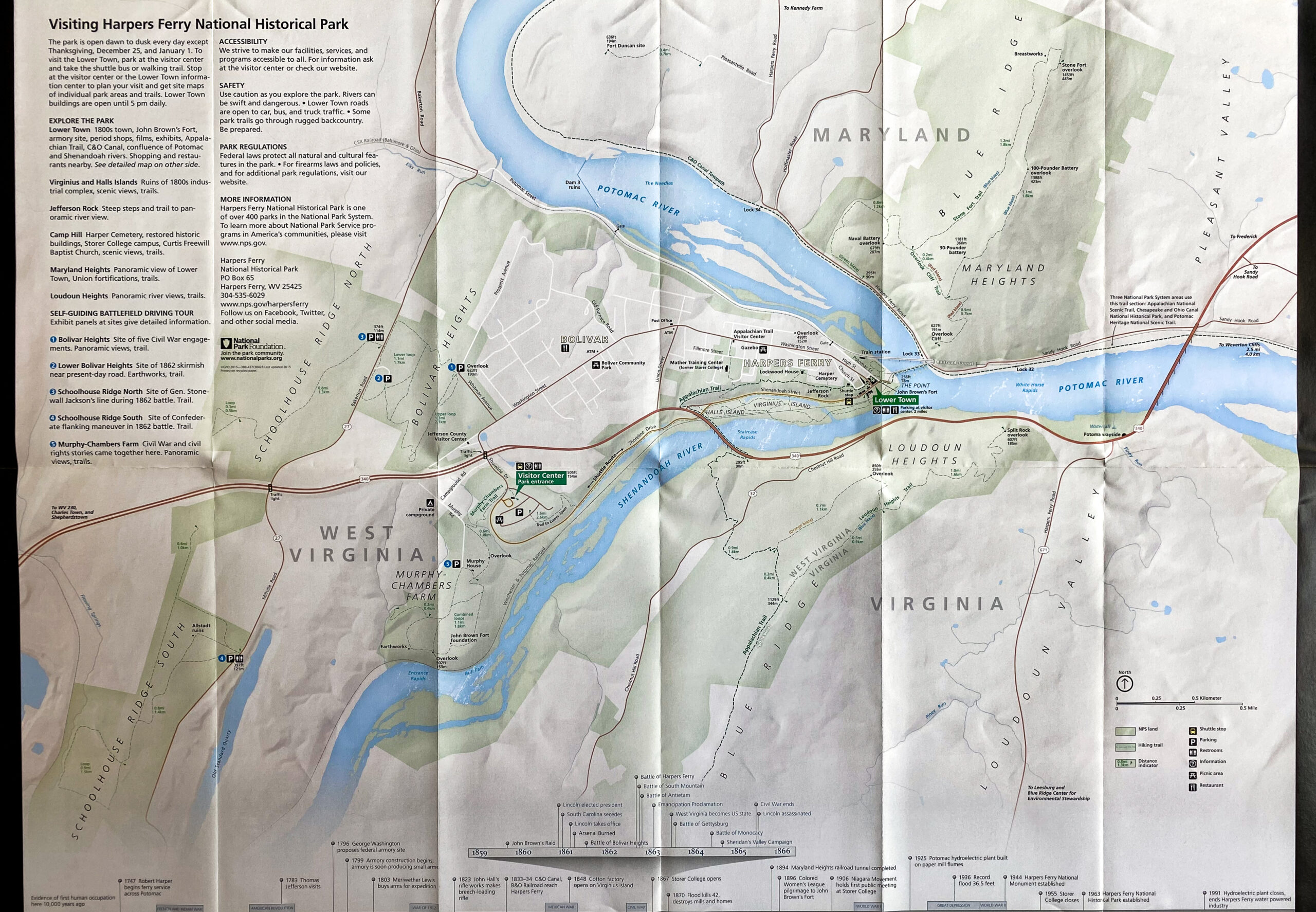
Harpers Ferry occupies a dramatic position at the confluence of the Potomac and Shenandoah Rivers, where steep ridges and narrow river corridors created both natural beauty and strategic importance. The town developed during the eighteenth century as a transportation and manufacturing center, benefiting from access to water routes that connected the interior of Virginia and the broader Appalachian region with eastern markets. Its setting at the intersection of major waterways made it a focal point for trade, industry, and movement across the mid-Atlantic landscape.
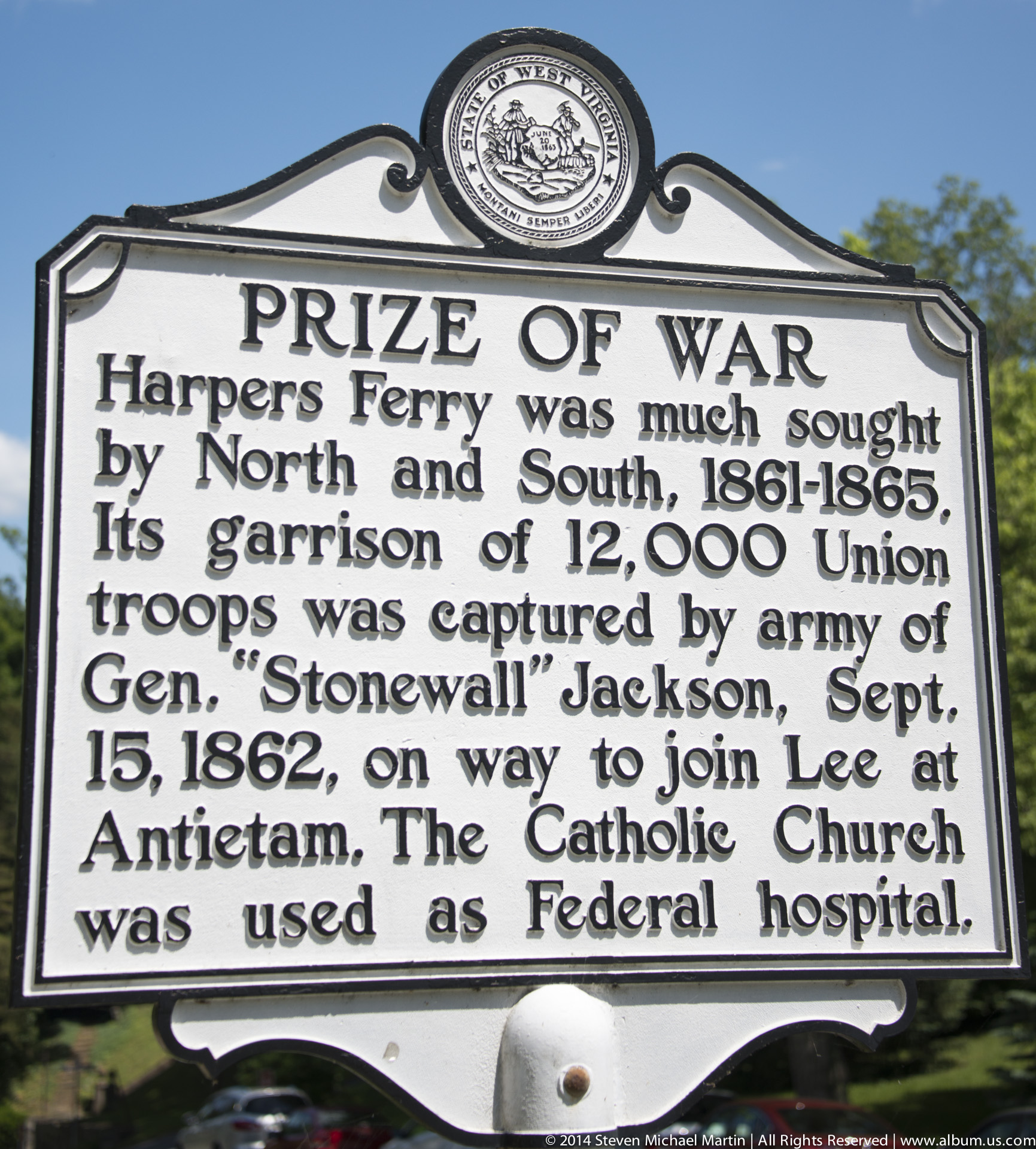
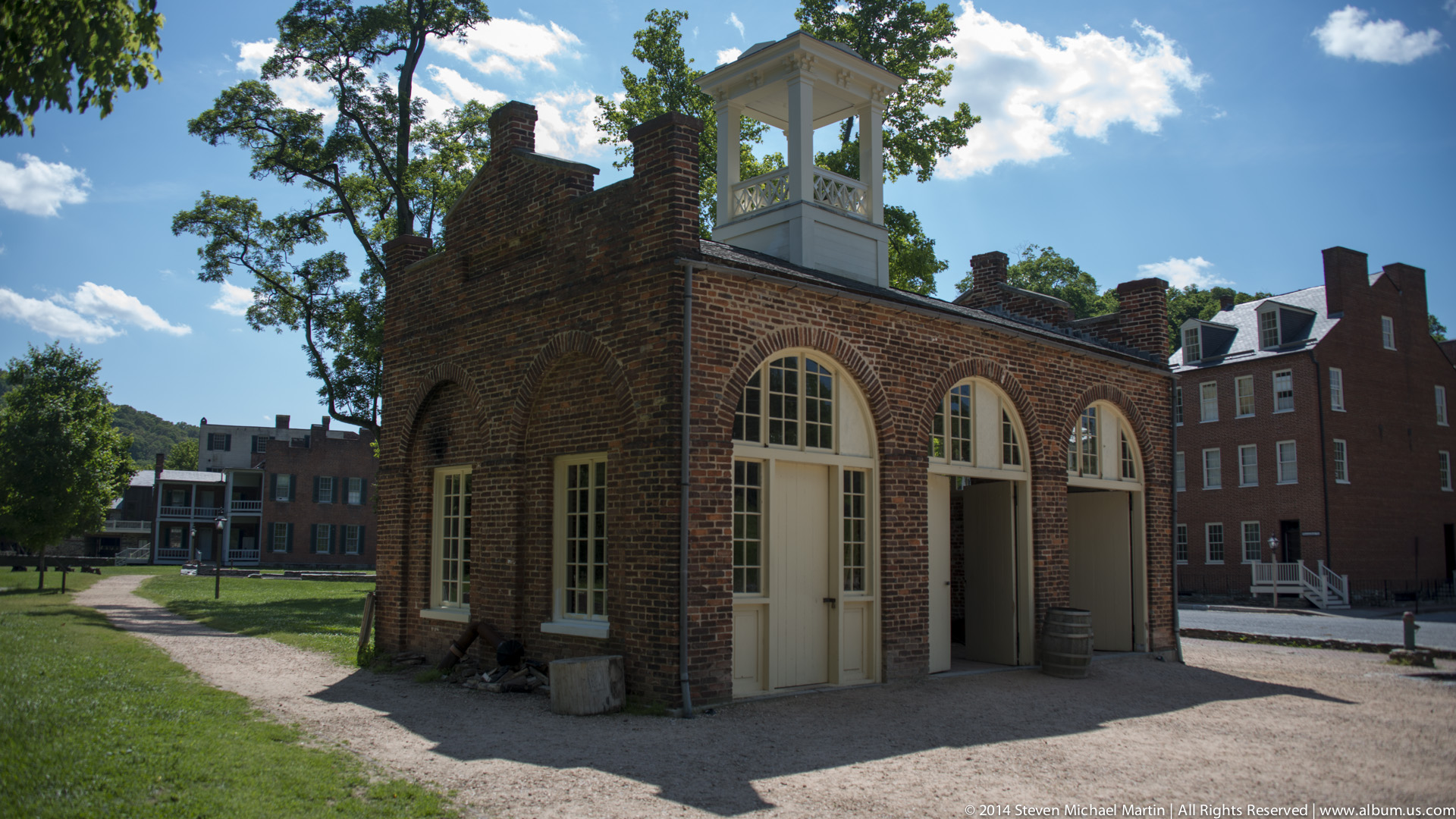
The town gained national significance in 1859 when abolitionist John Brown attempted to seize the federal armory located there, an event that intensified sectional tensions in the years immediately preceding the Civil War. During the war, the town’s strategic location resulted in repeated military occupation as Union and Confederate forces sought control of transportation routes through the mountains. Harpers Ferry later developed as a center for education and tourism, reflecting the continuing interest in its historic and scenic landscape.
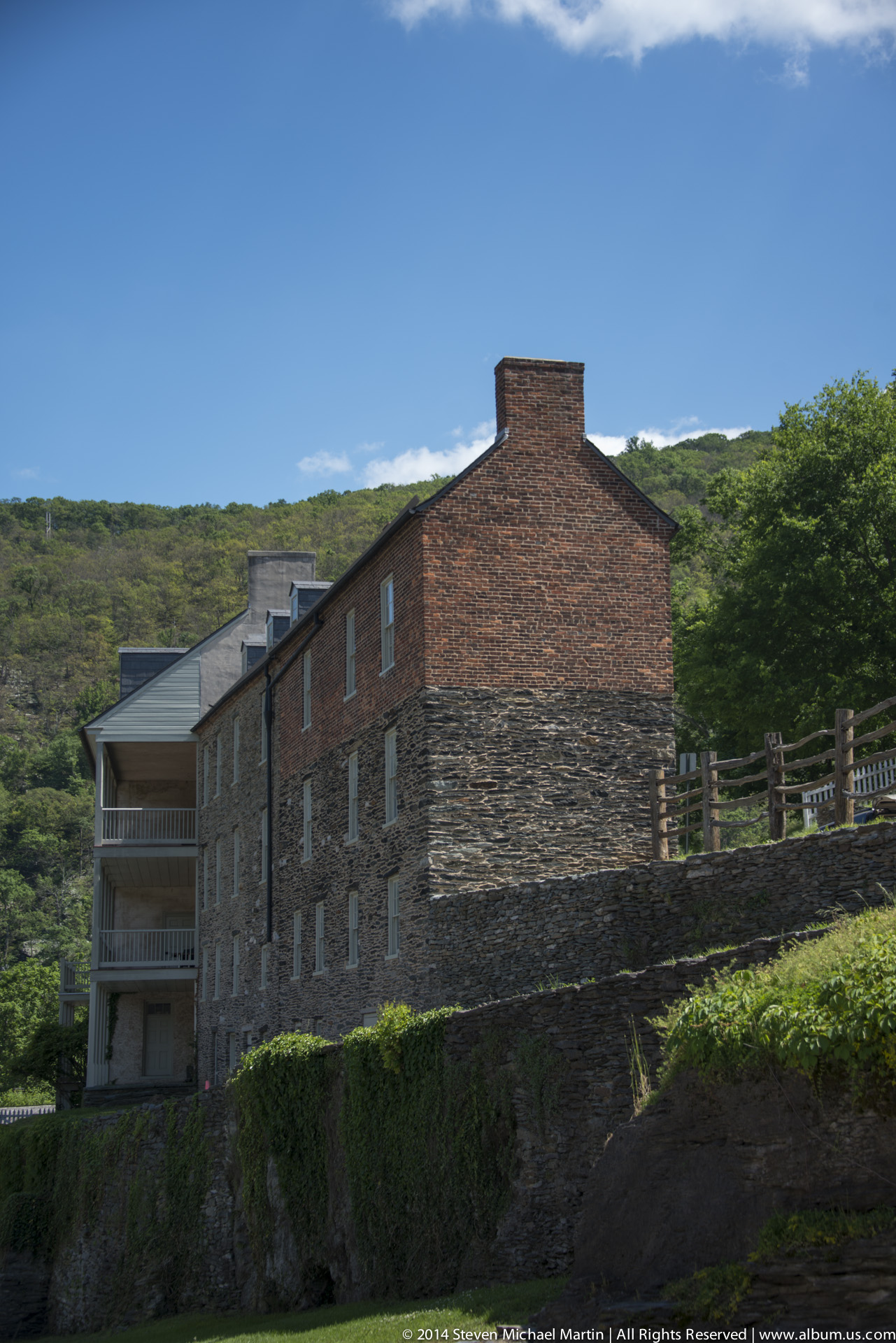
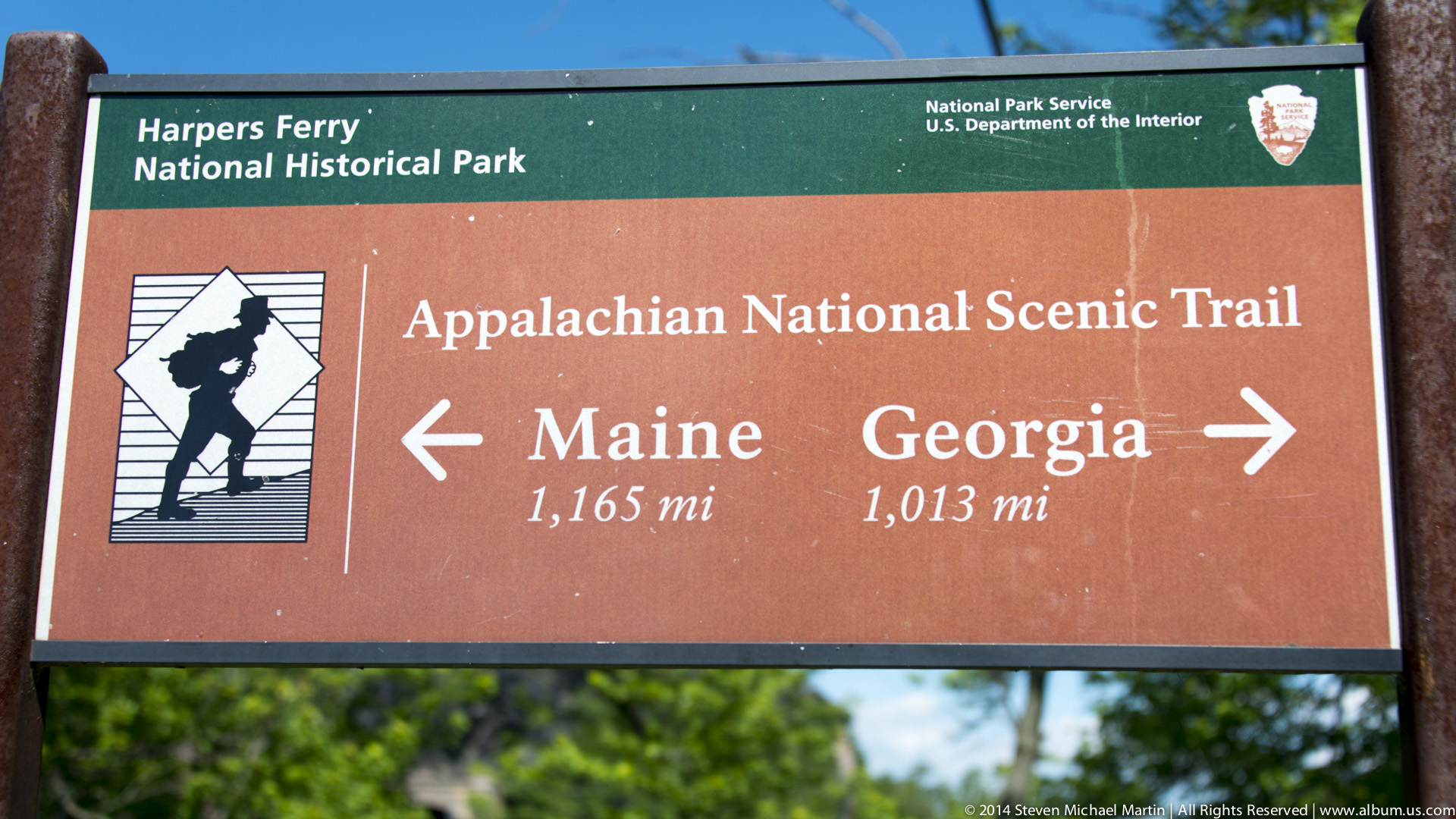
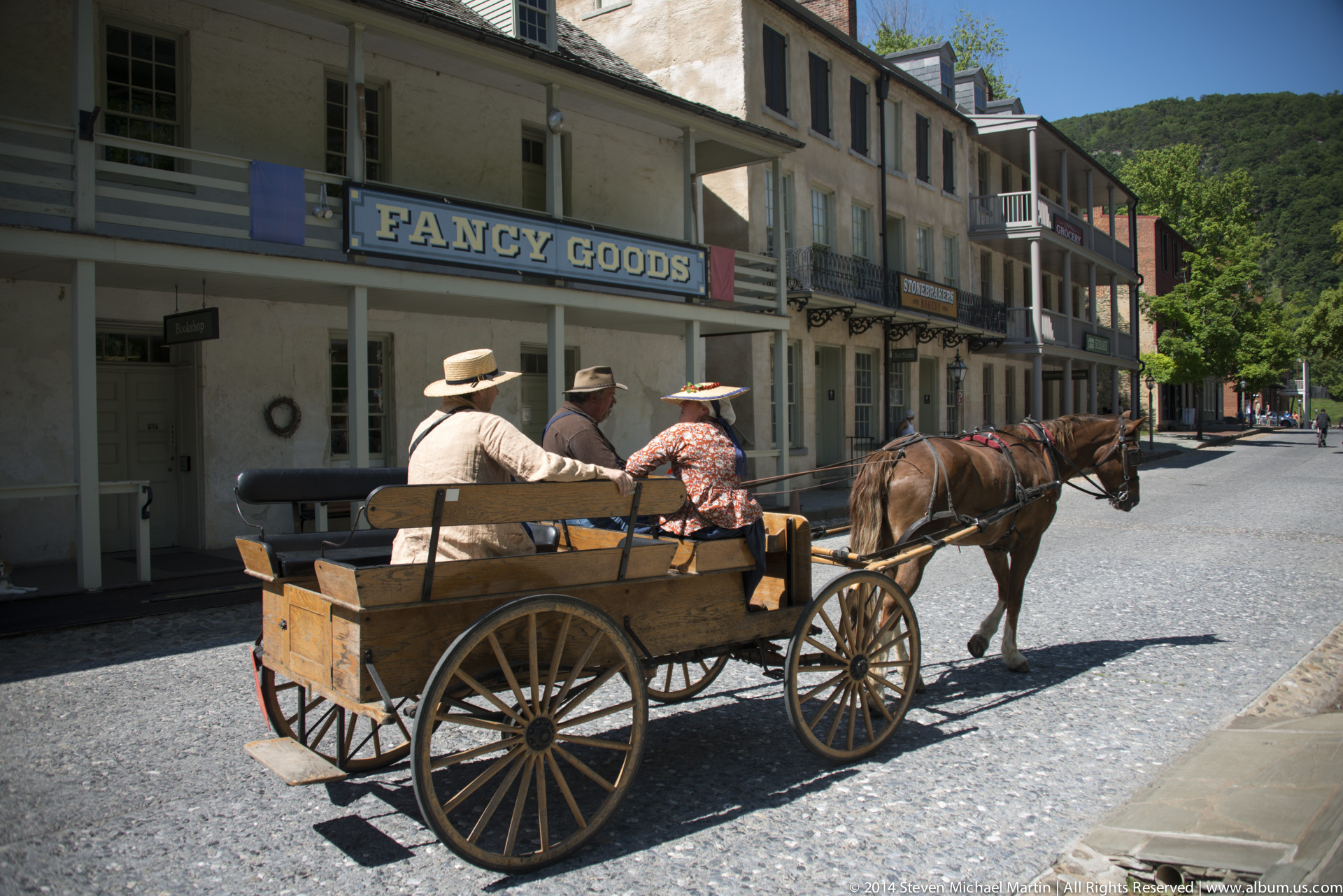
Harpers Ferry contributes to understanding how geography influenced both industrial development and political conflict in the nineteenth century. The preserved town illustrates the relationship between natural setting and historical events that shaped the course of the Civil War. Its location along the Appalachian Trail further connects the site to the broader environmental landscape of the eastern United States.