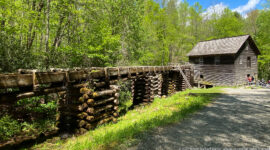
Keweenaw National Historical Park
Keweenaw National Historical Park preserves the history of copper mining that helped drive industrial growth in the United States during the nineteenth and early twentieth centuries. Located on Michigan’s Keweenaw Peninsula, the park reflects the technological innovation and labor required to extract copper from one of the richest deposits in North America. The region played a central role in supplying raw materials essential to electrical wiring, manufacturing, and infrastructure development.
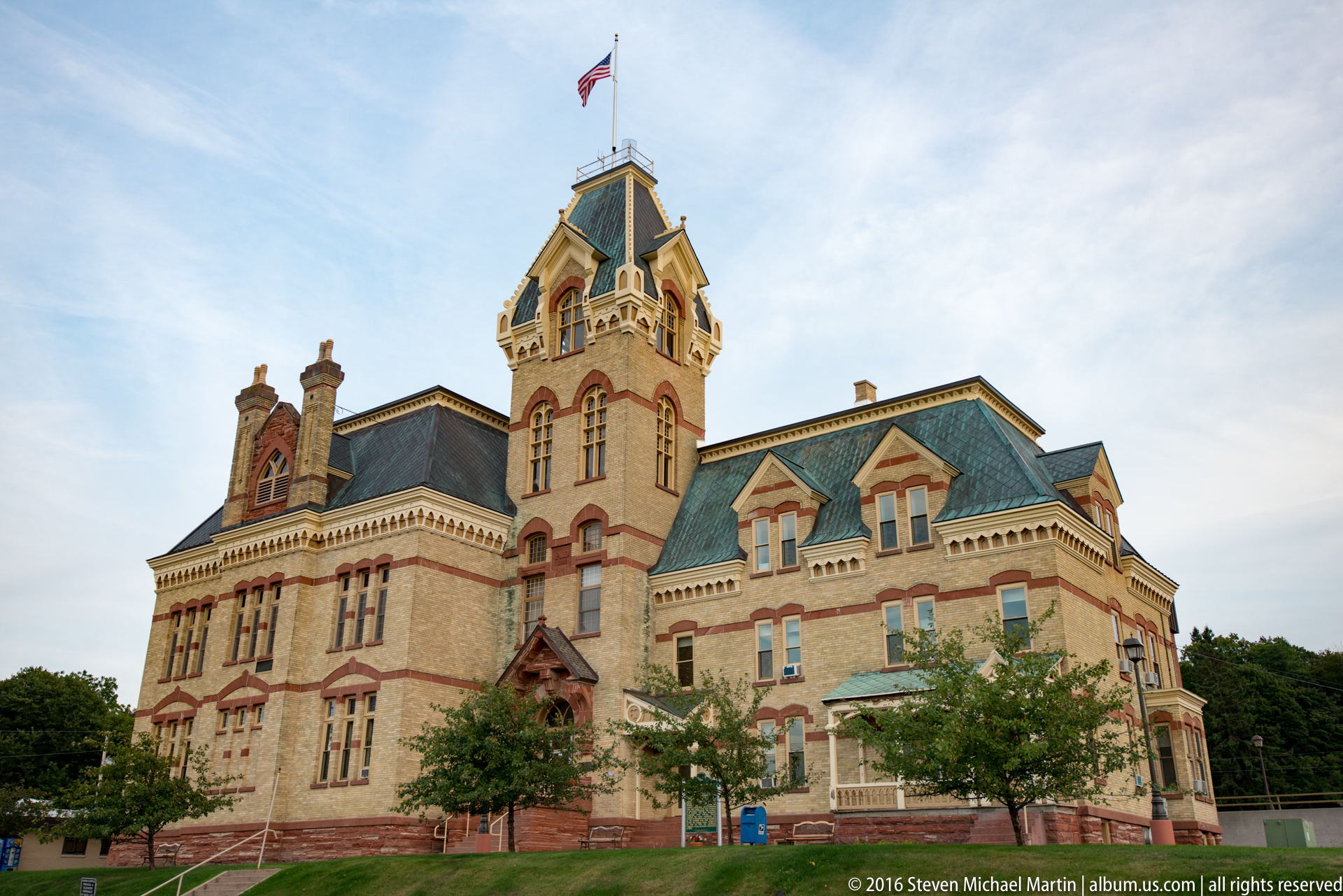
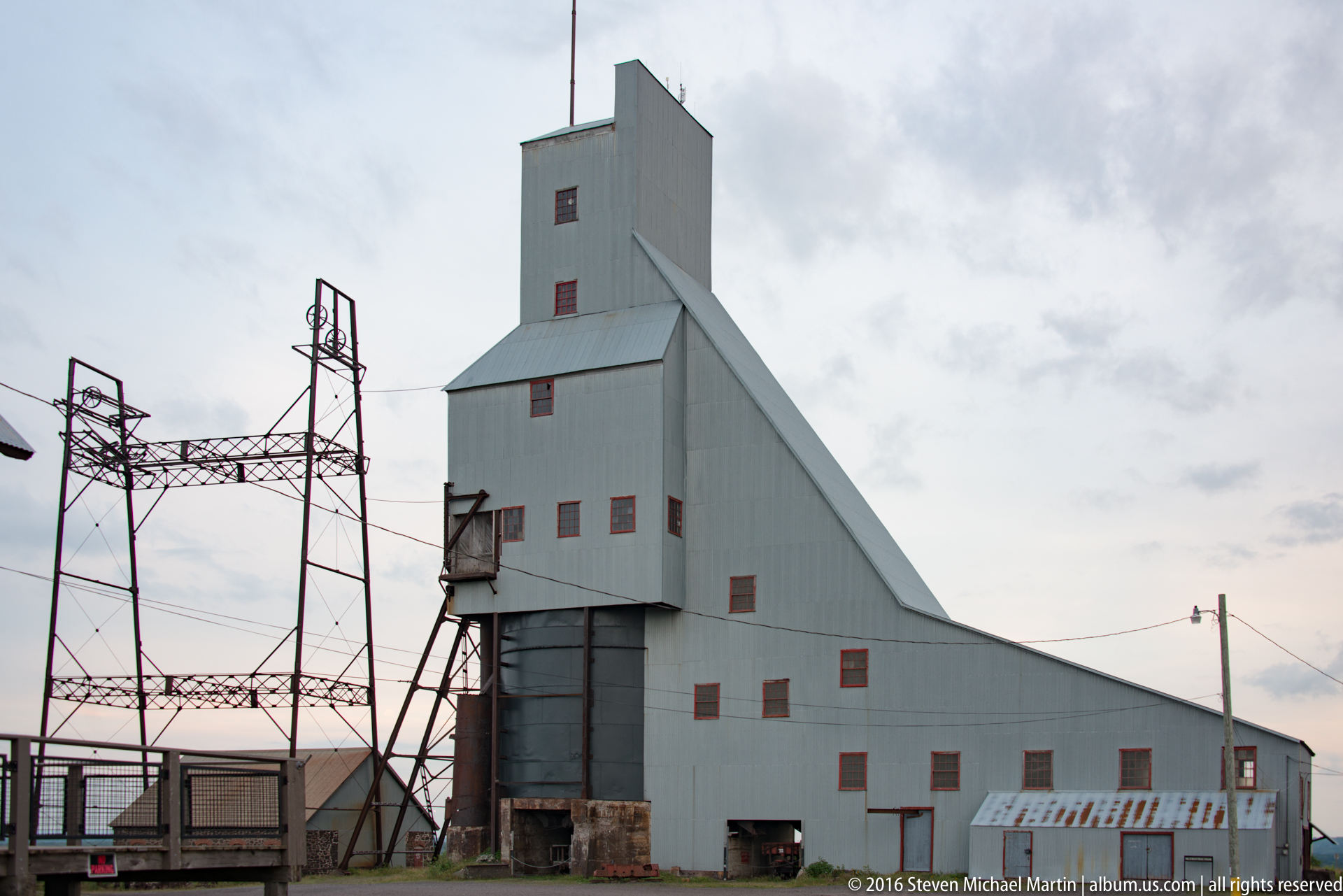
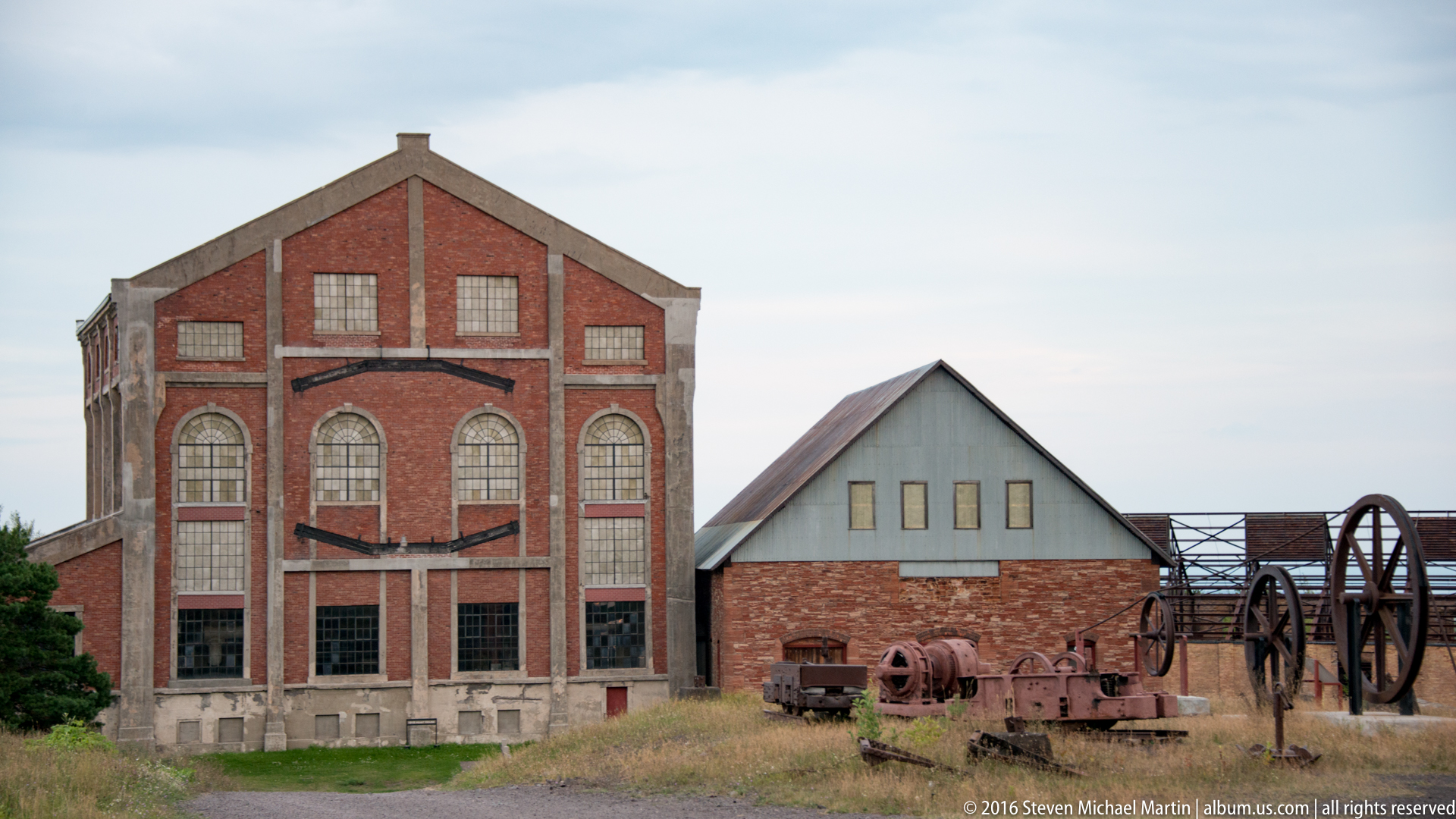
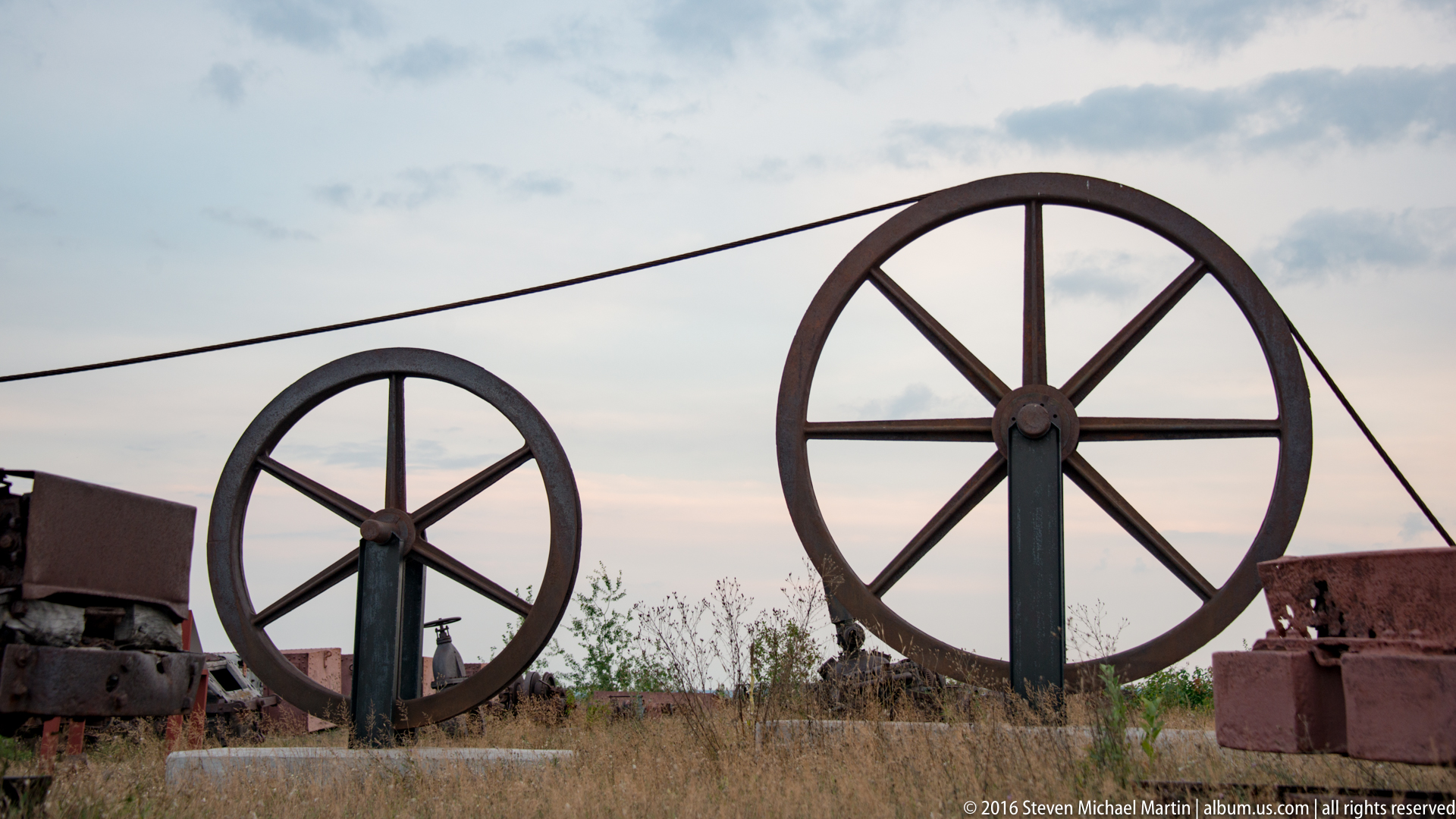
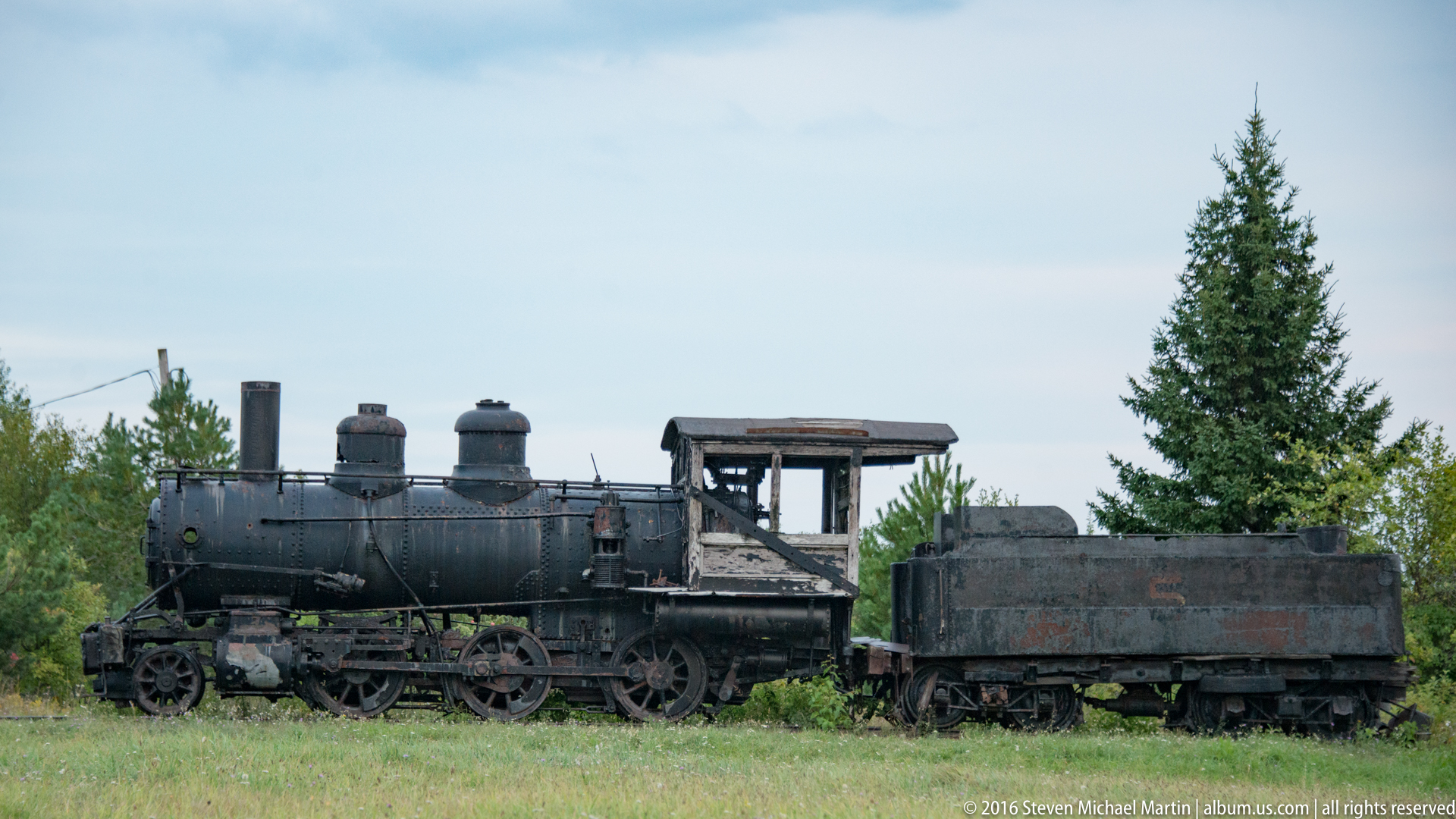
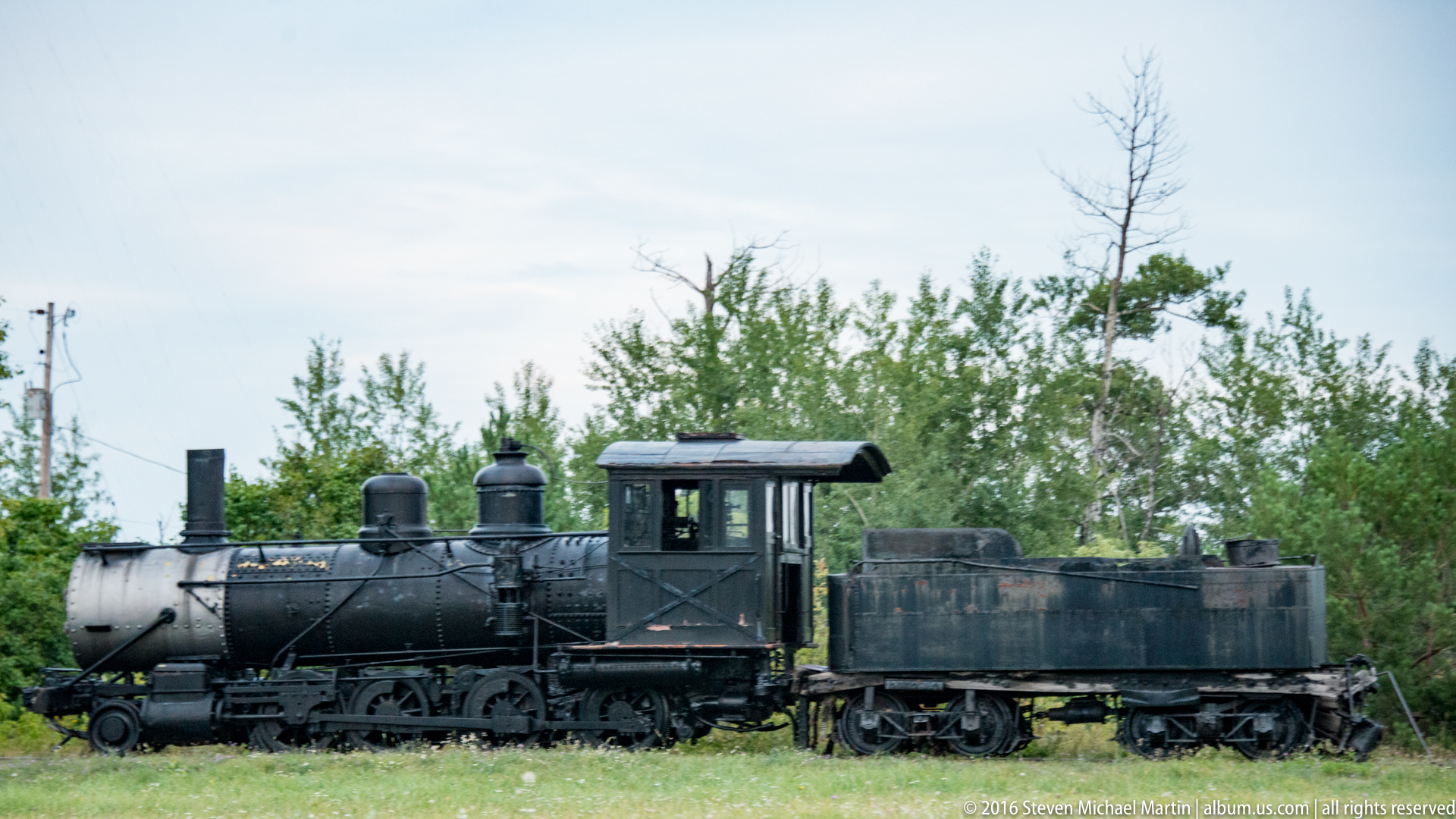
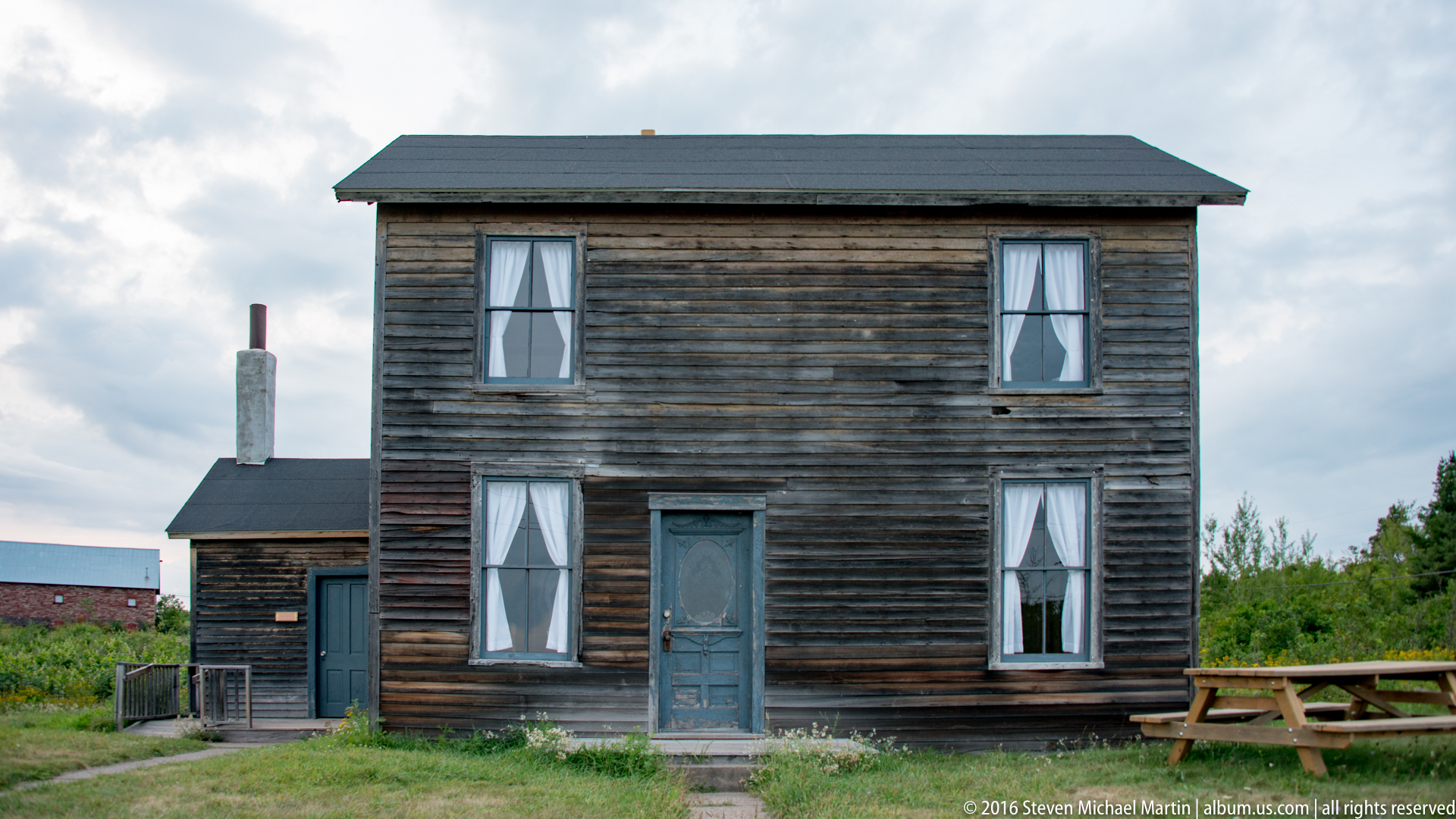
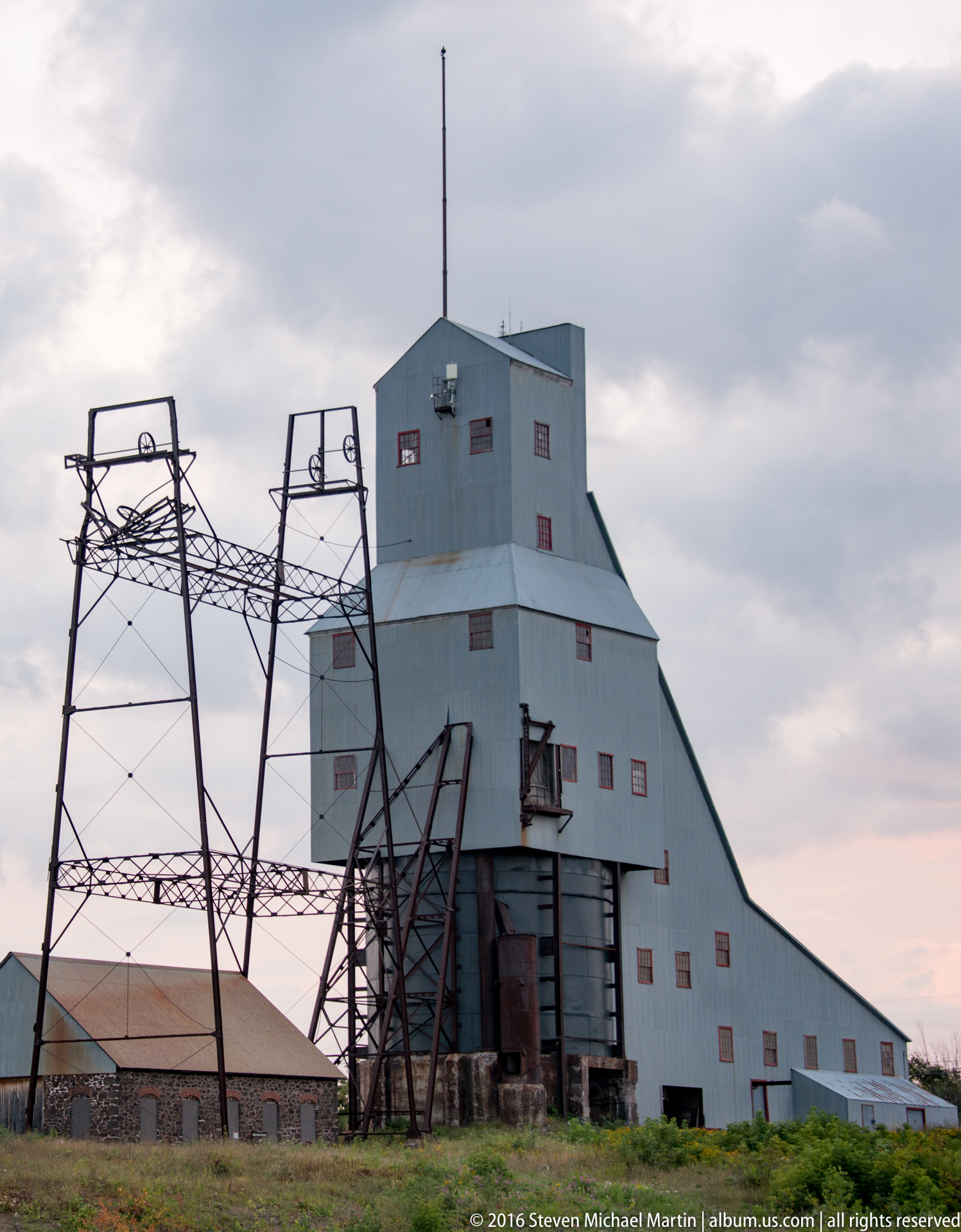
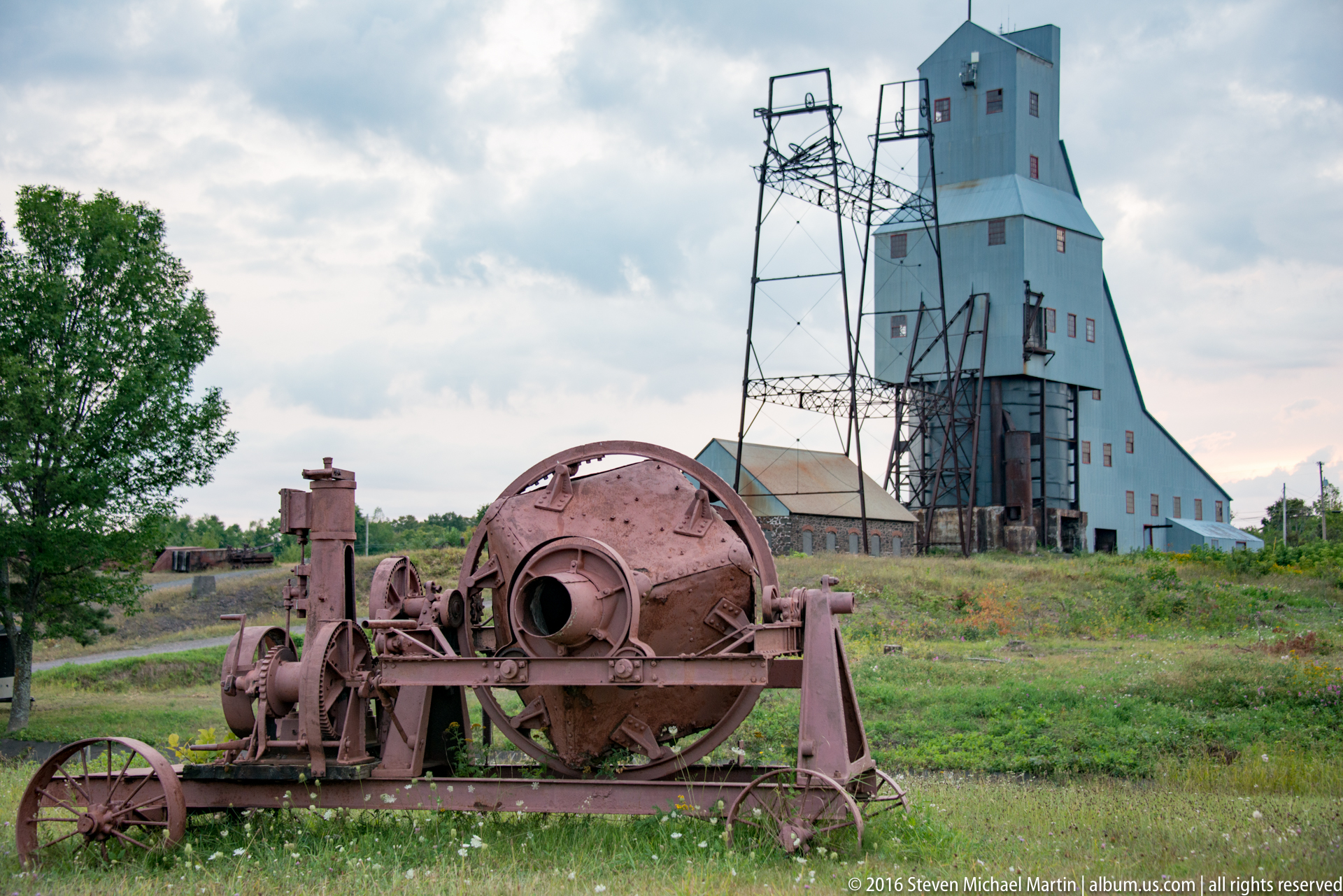
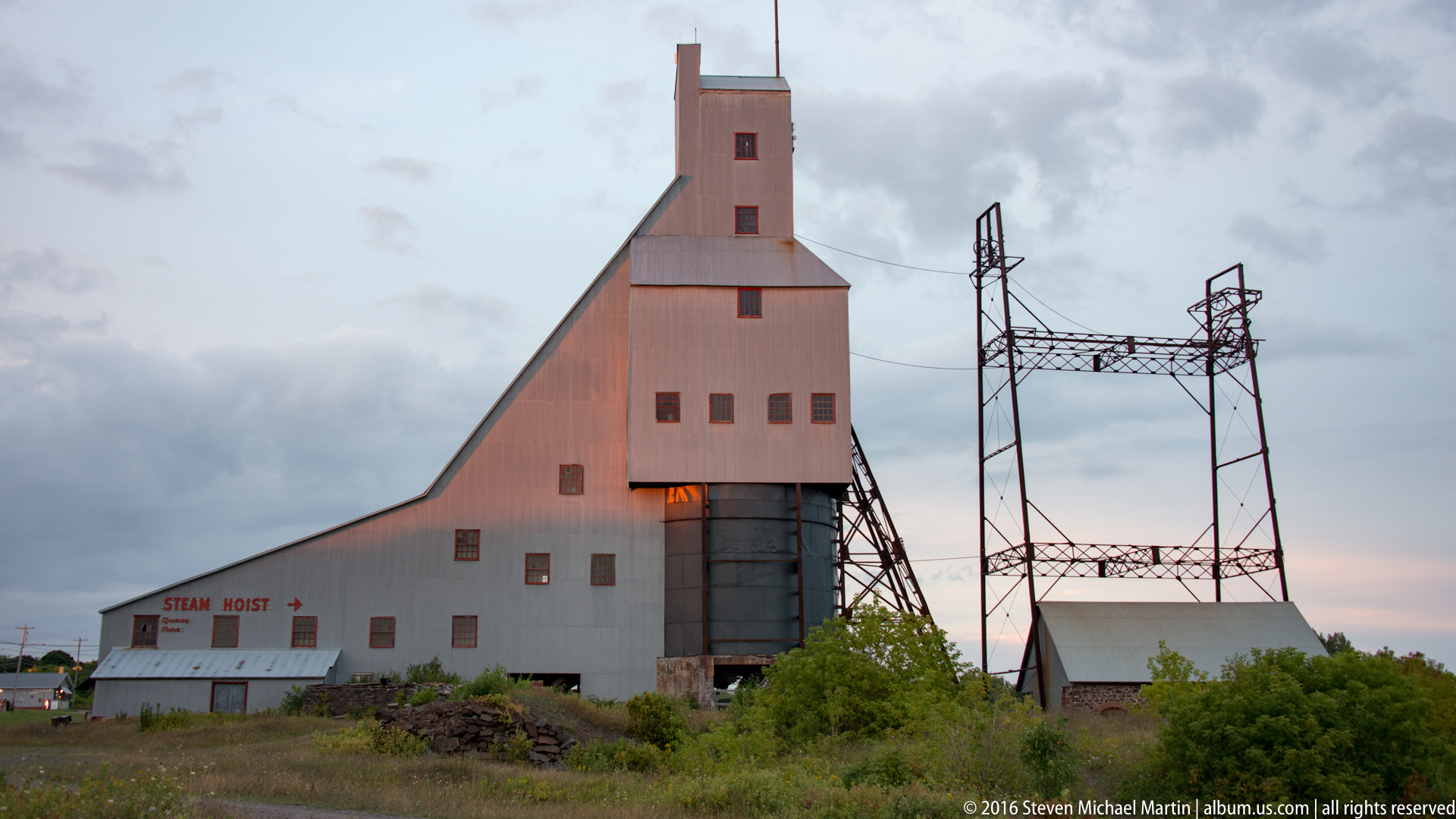
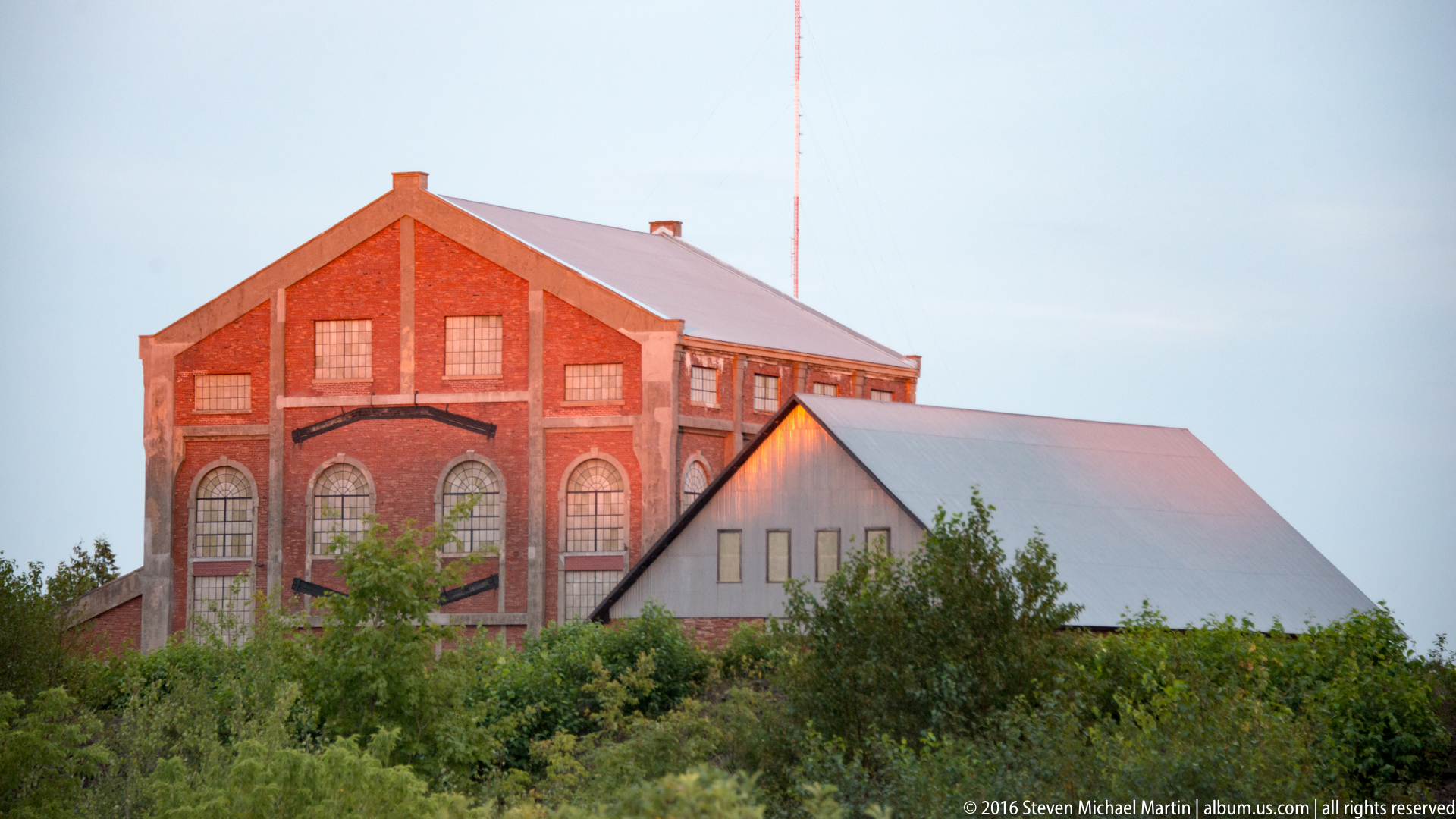
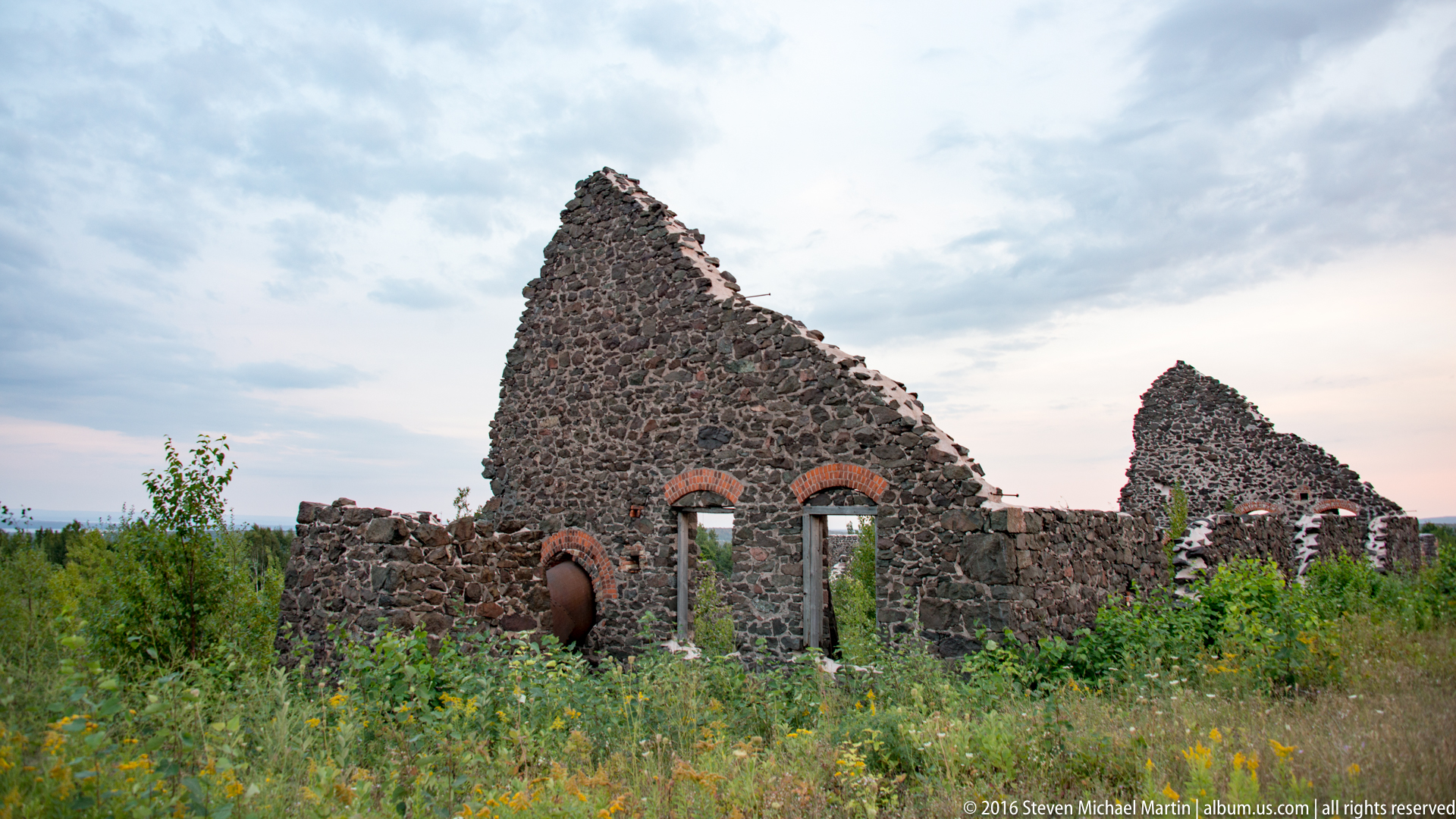
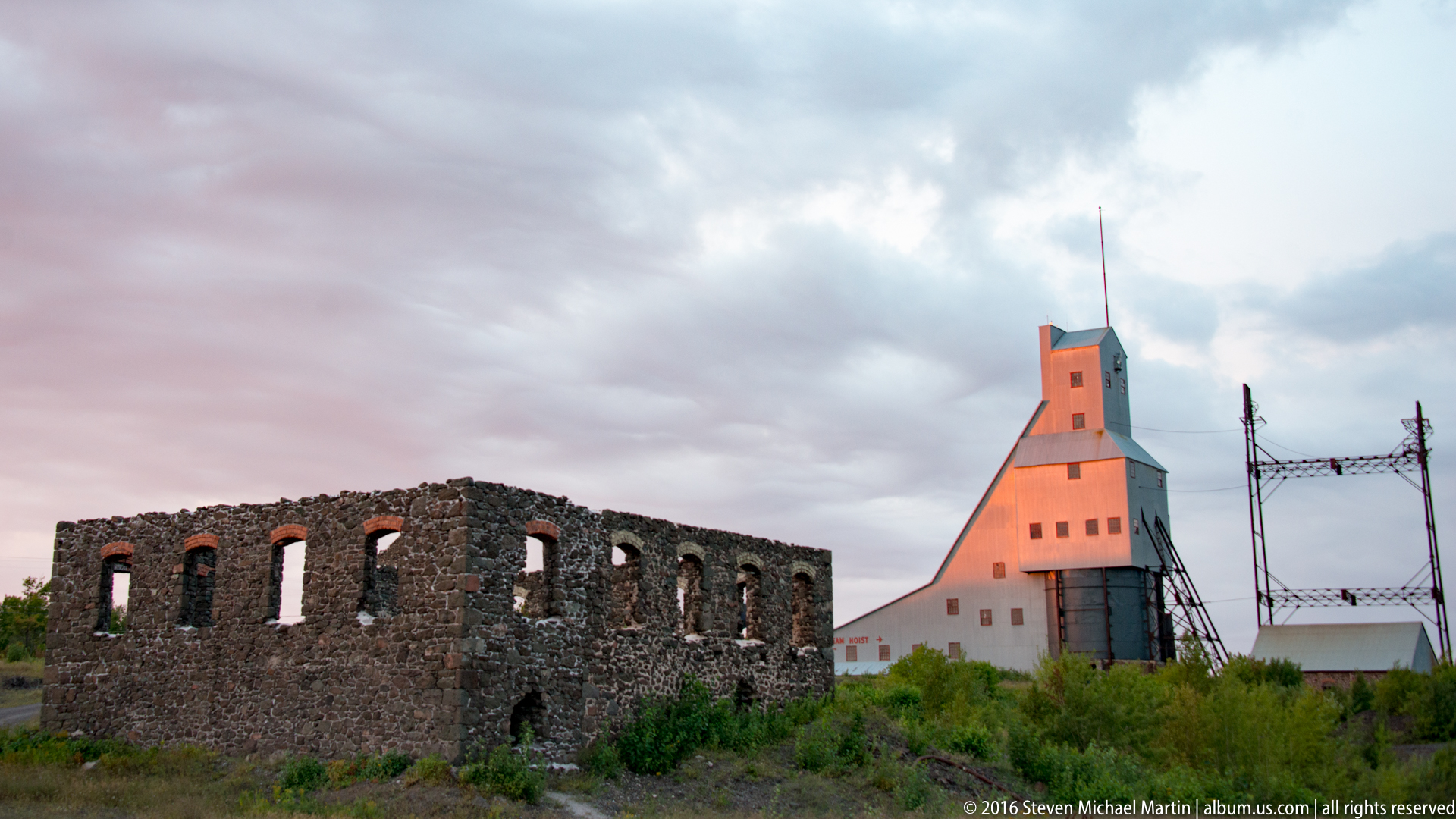
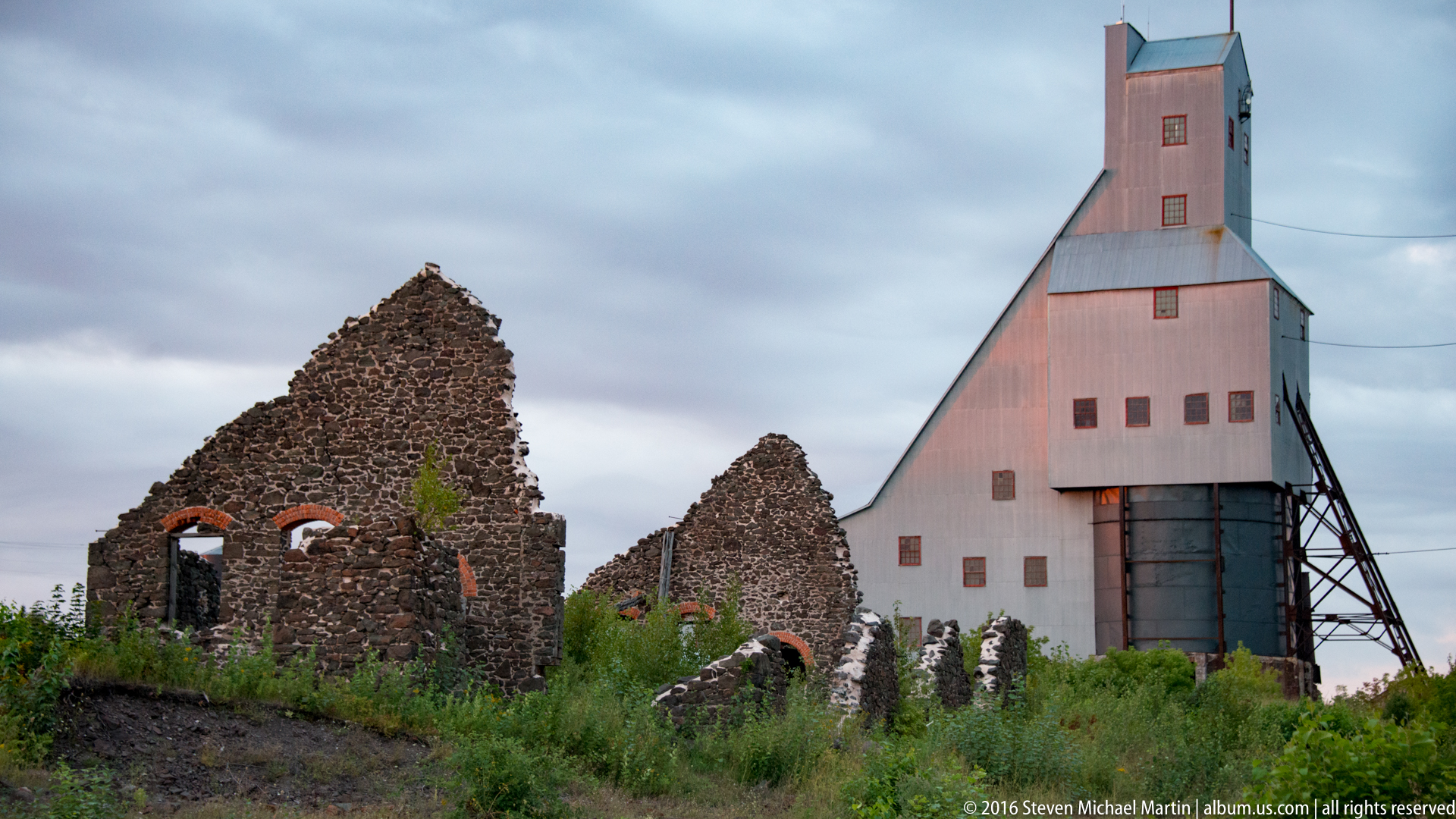
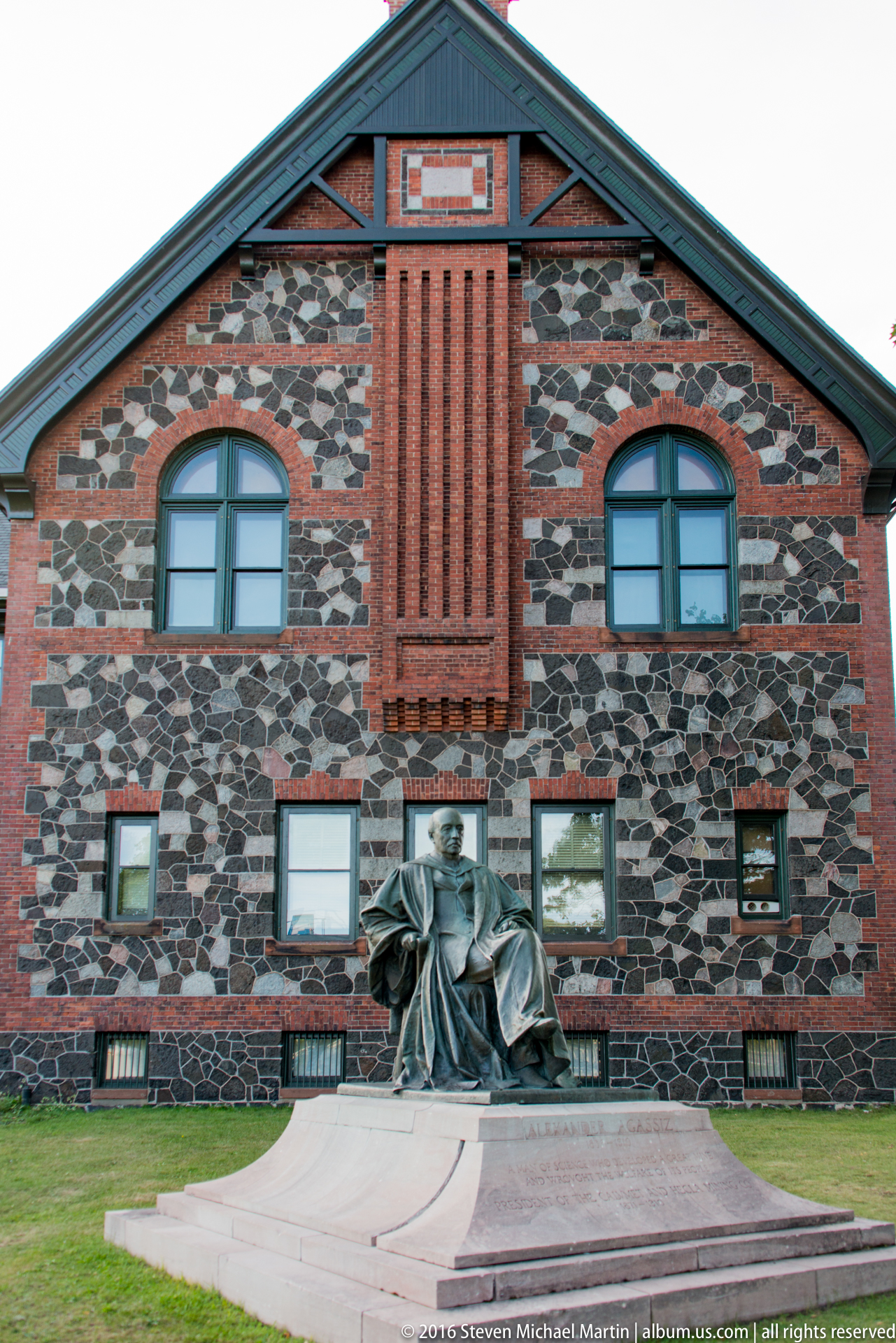
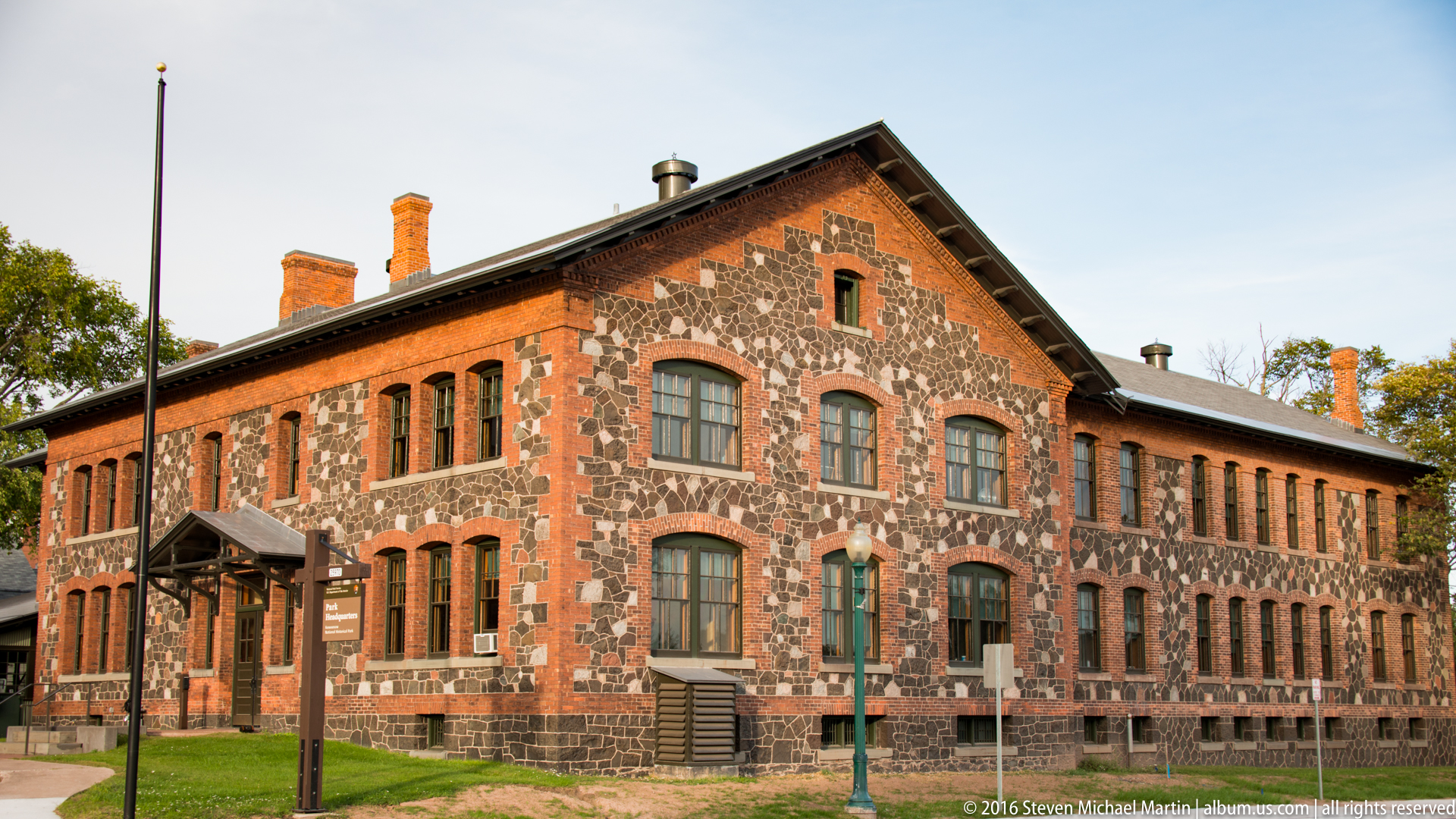
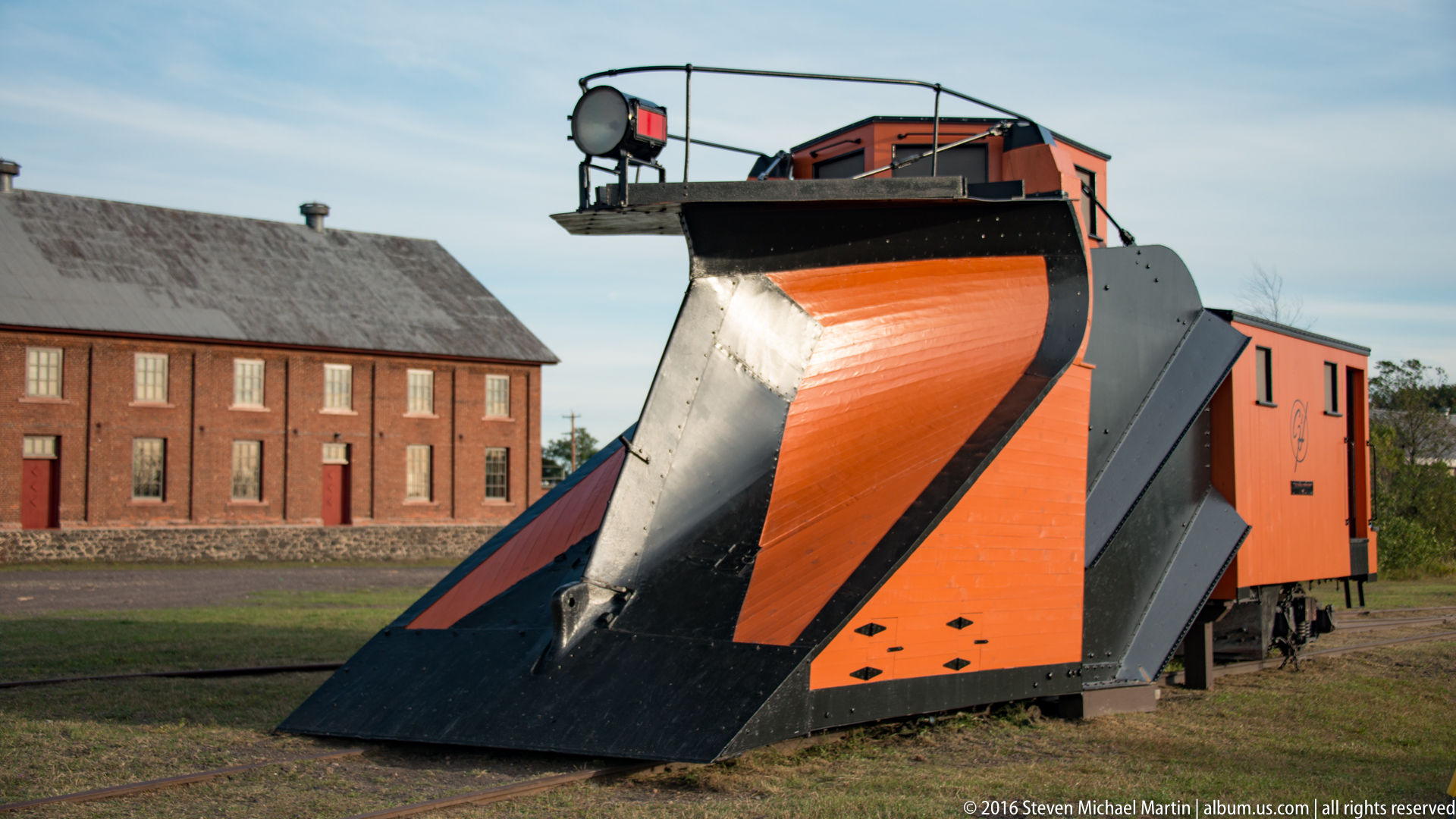
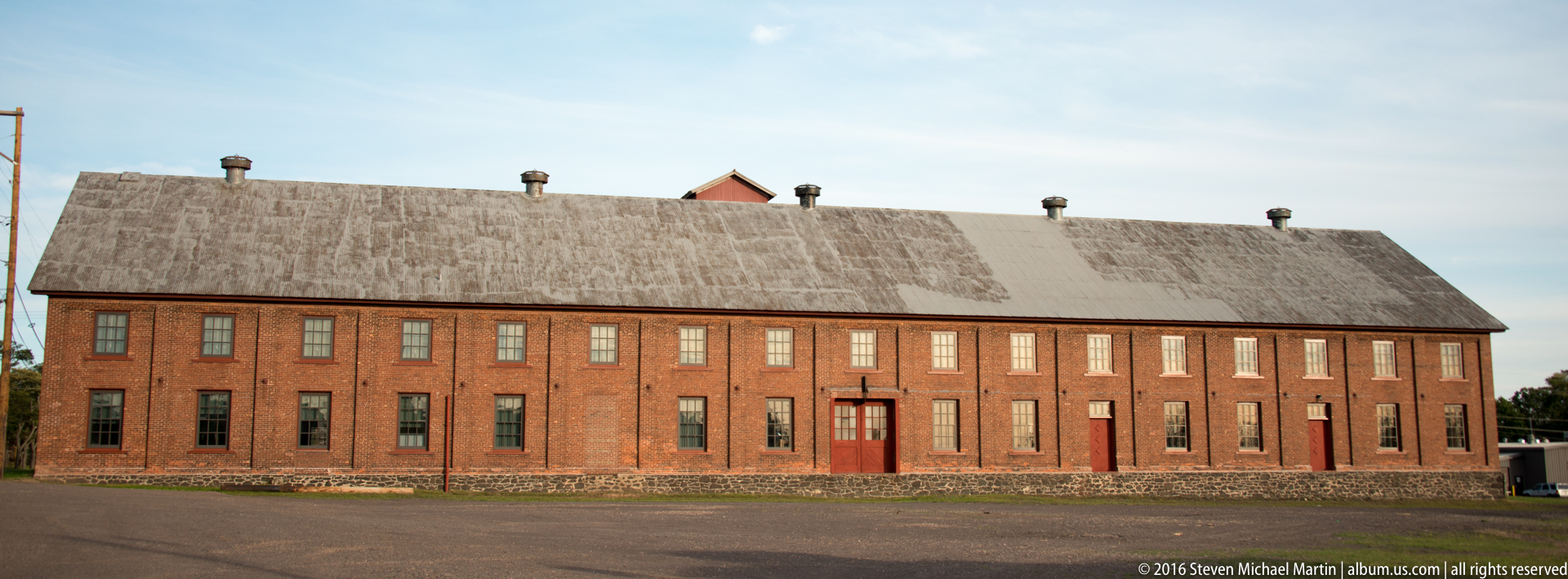
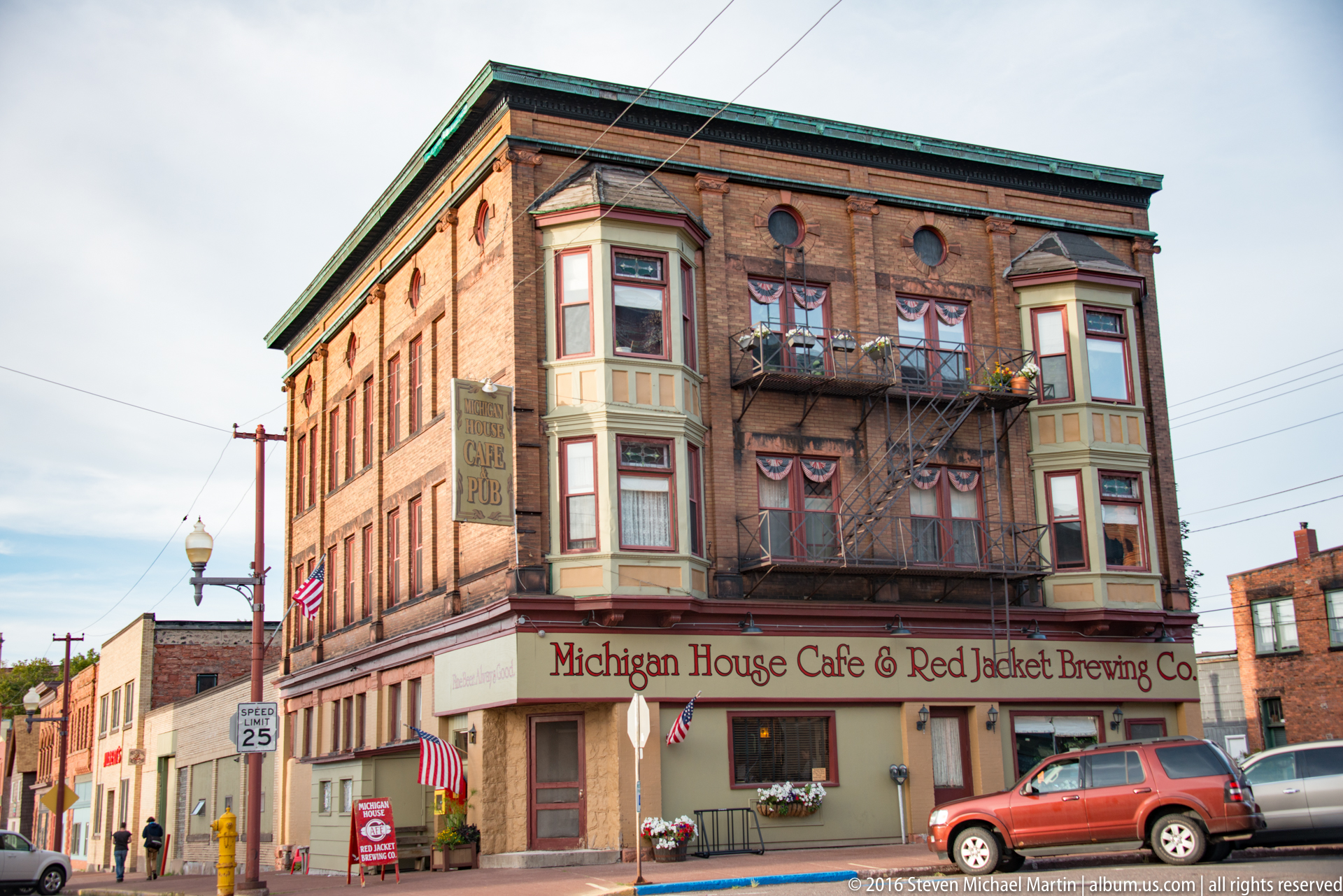
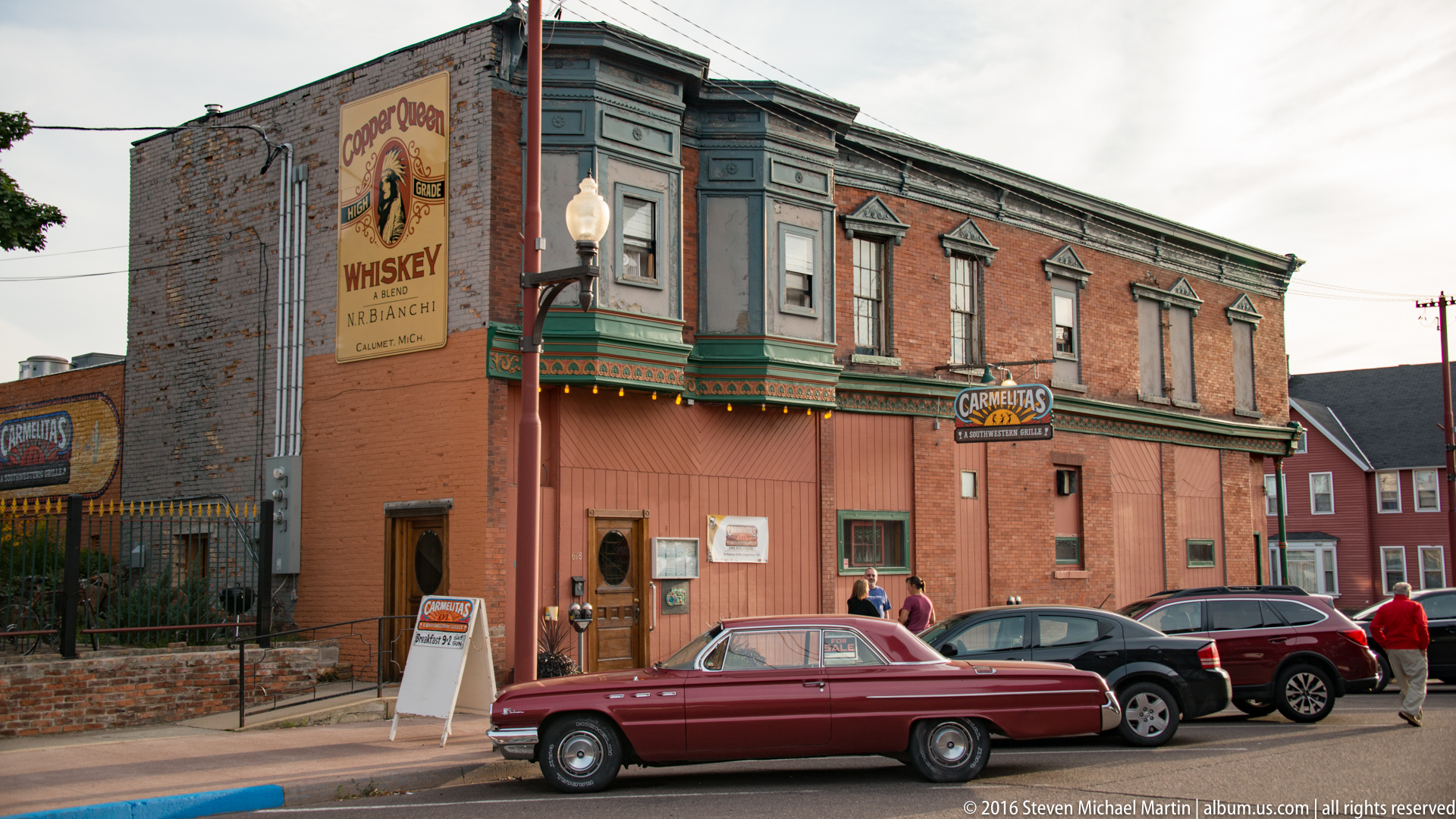
Historic structures, mining landscapes, and interpretive exhibits illustrate the evolution of industrial methods and the communities that developed around mining operations. Immigrant workers brought diverse cultural traditions that shaped the identity of towns throughout the peninsula. The preserved sites demonstrate both the opportunities and challenges associated with industrial expansion in remote environments.
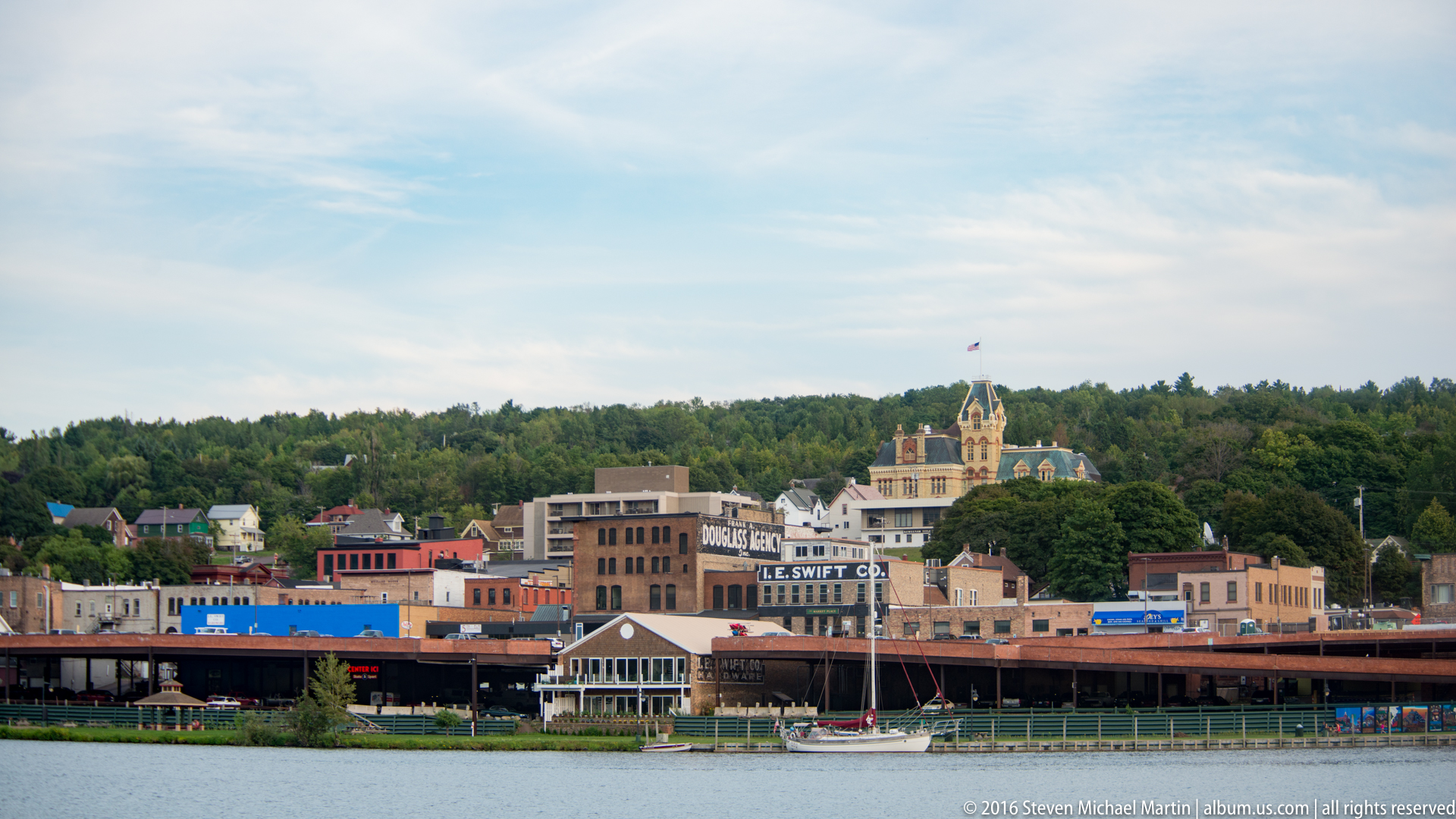
Visitors experience a combination of historic buildings, scenic shoreline views, and interpretive materials that connect industrial history with the natural landscape. The region’s relatively remote setting provides insight into the scale of operations required to support mining activity in a rugged environment shaped by Lake Superior.
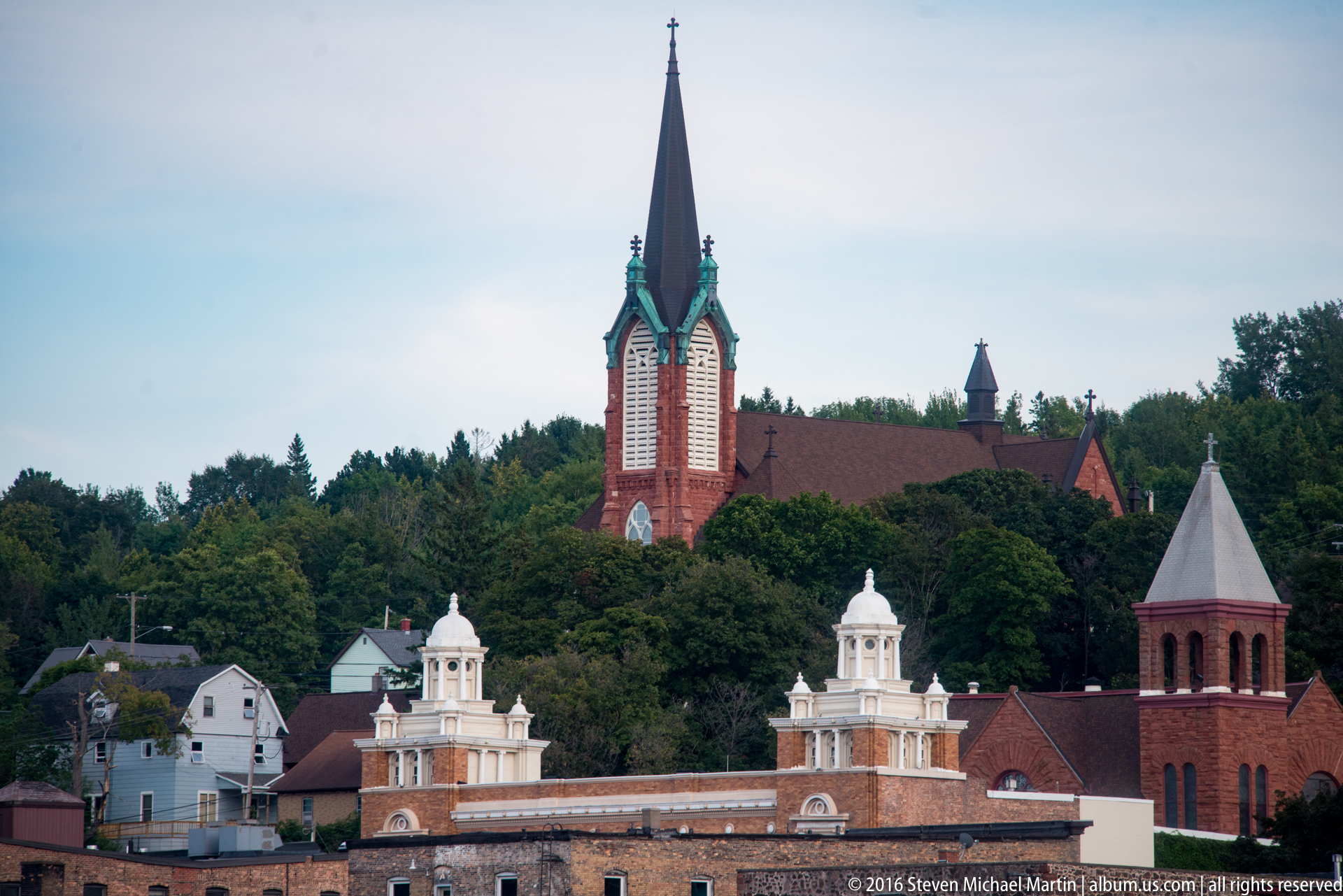
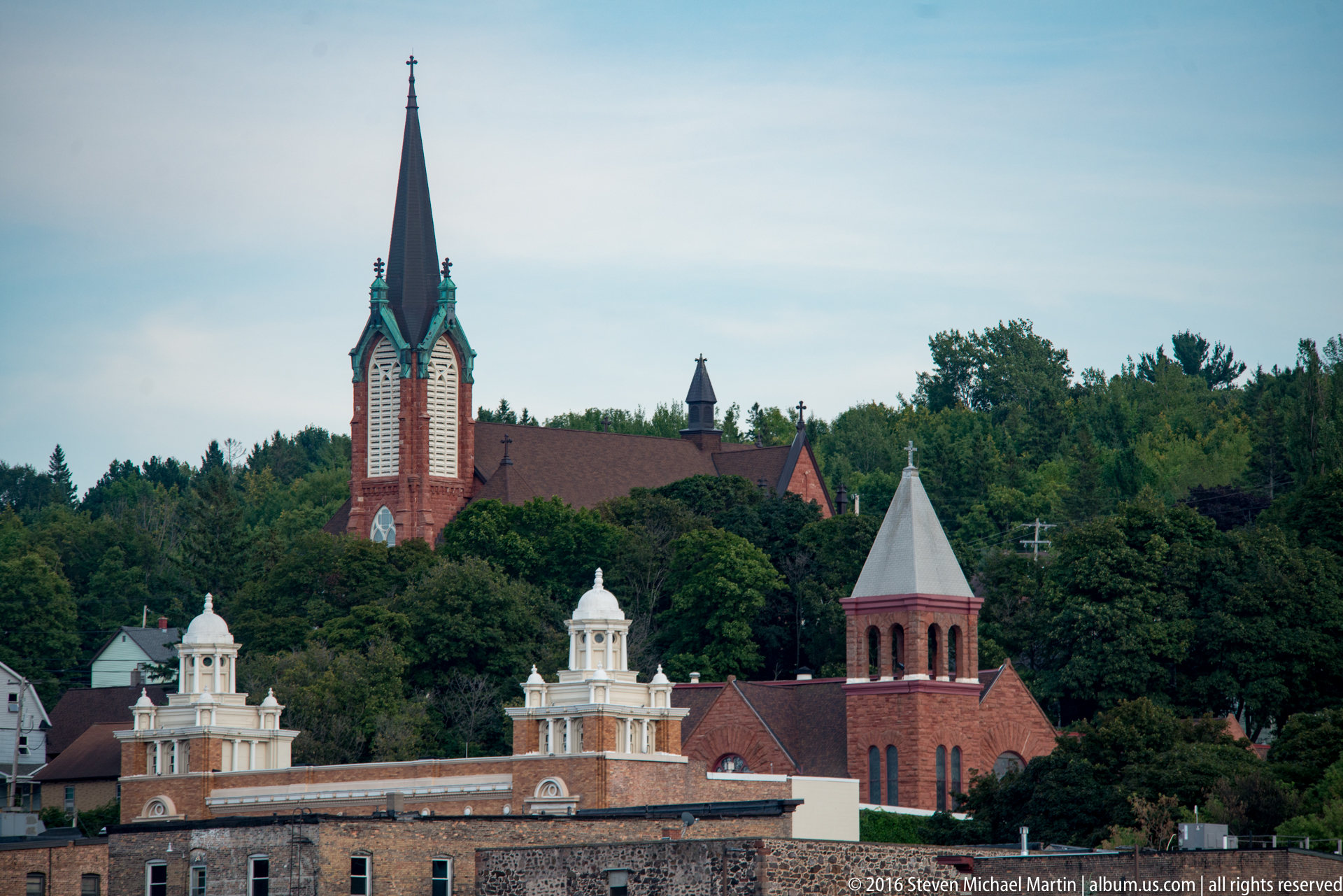
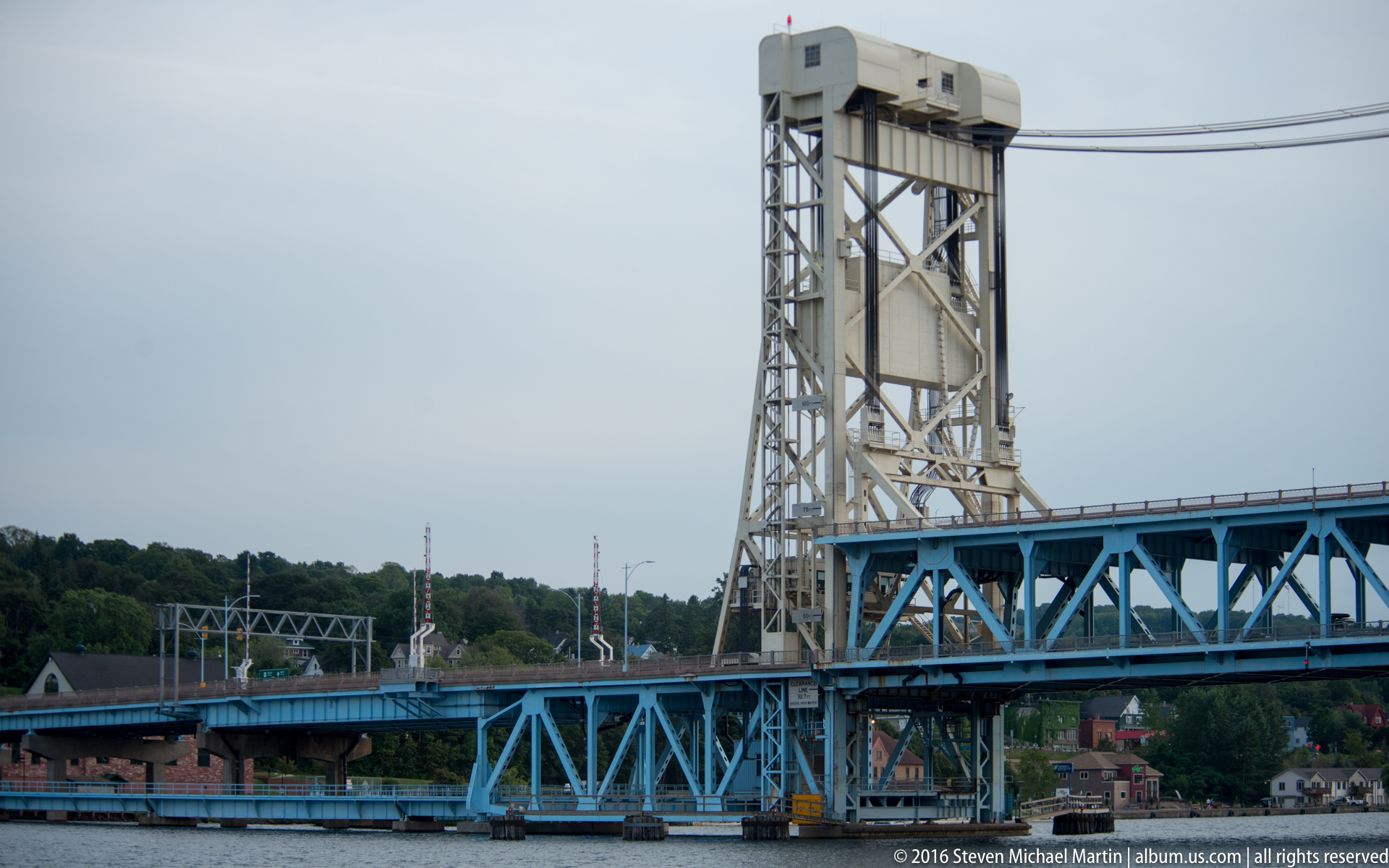
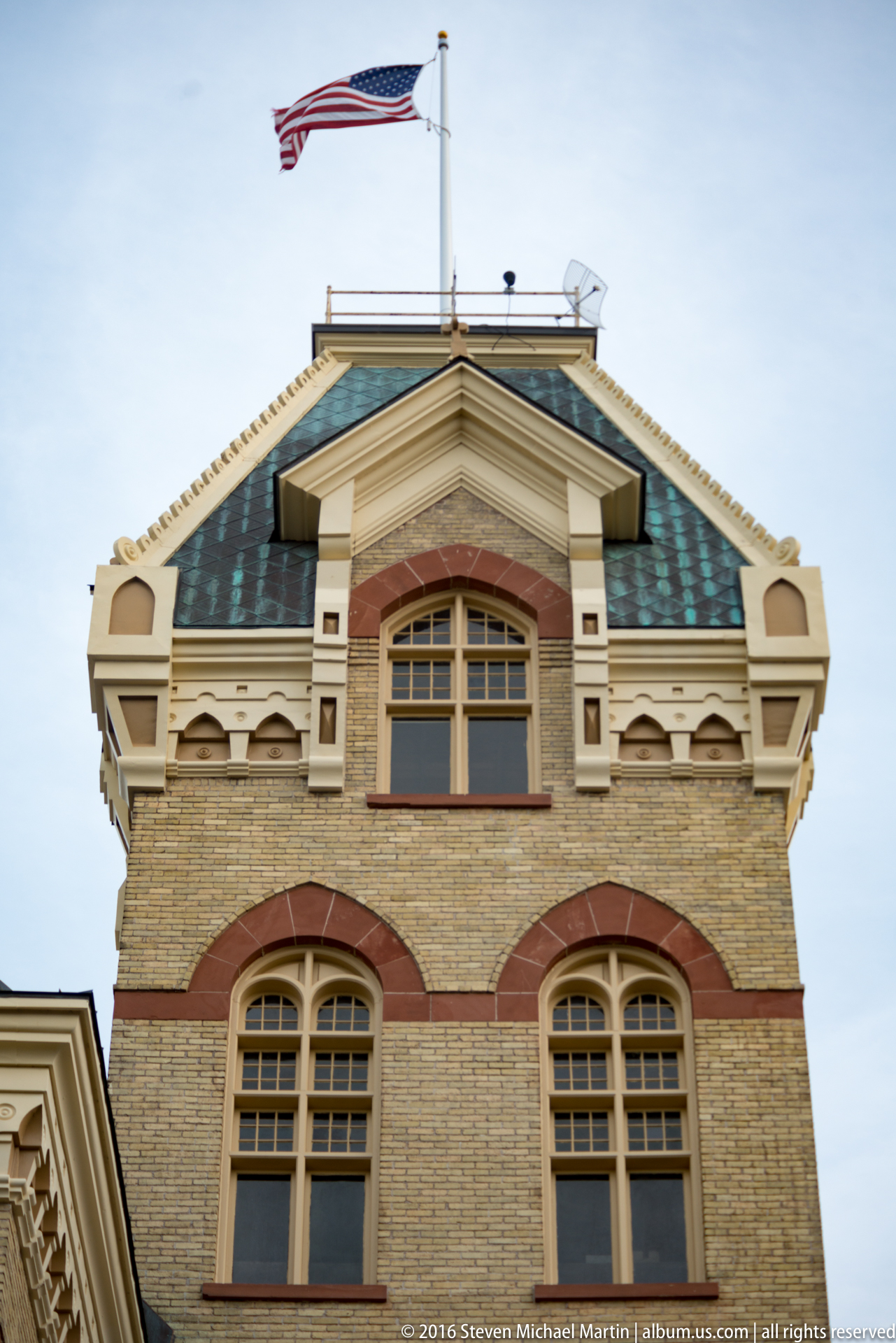






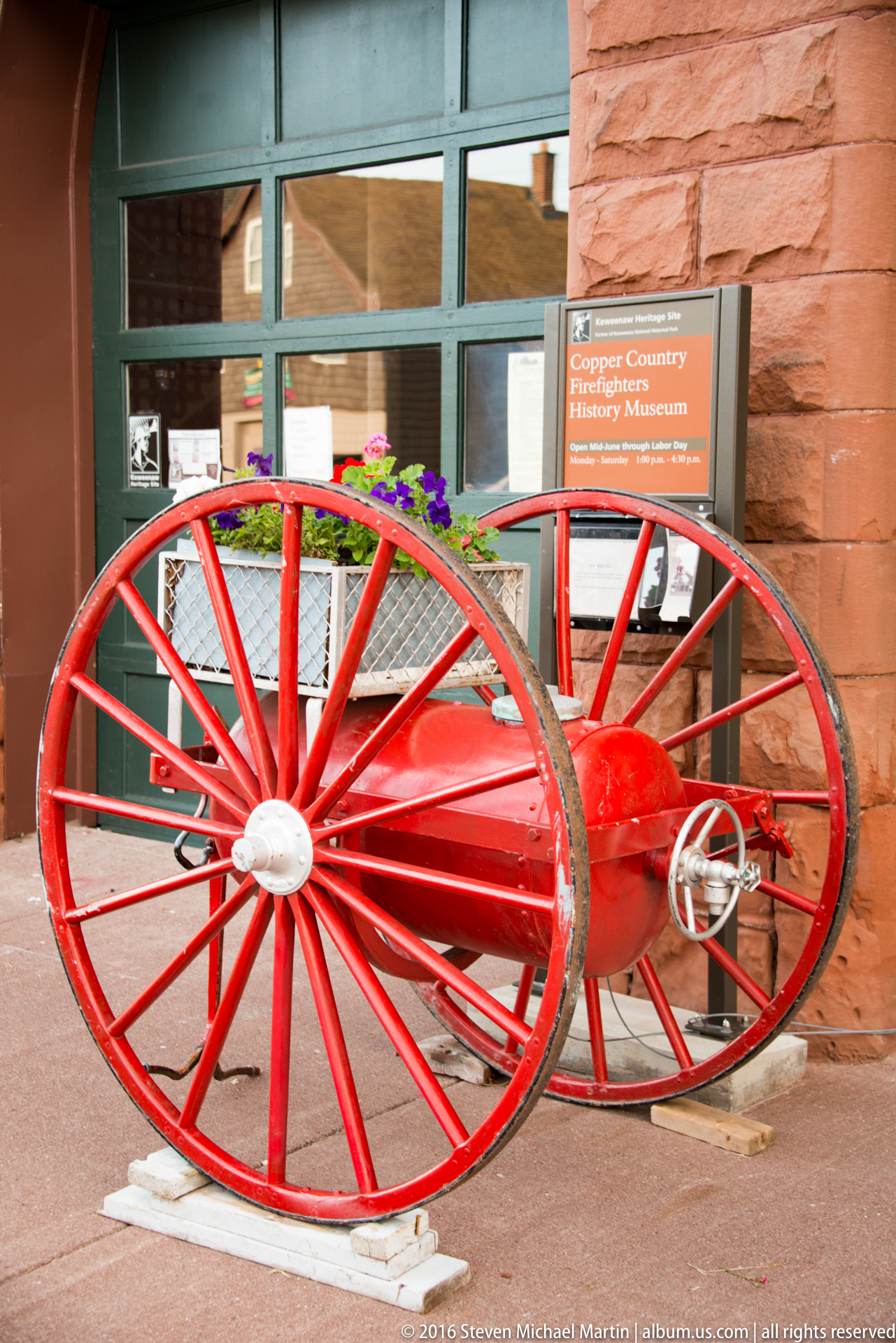
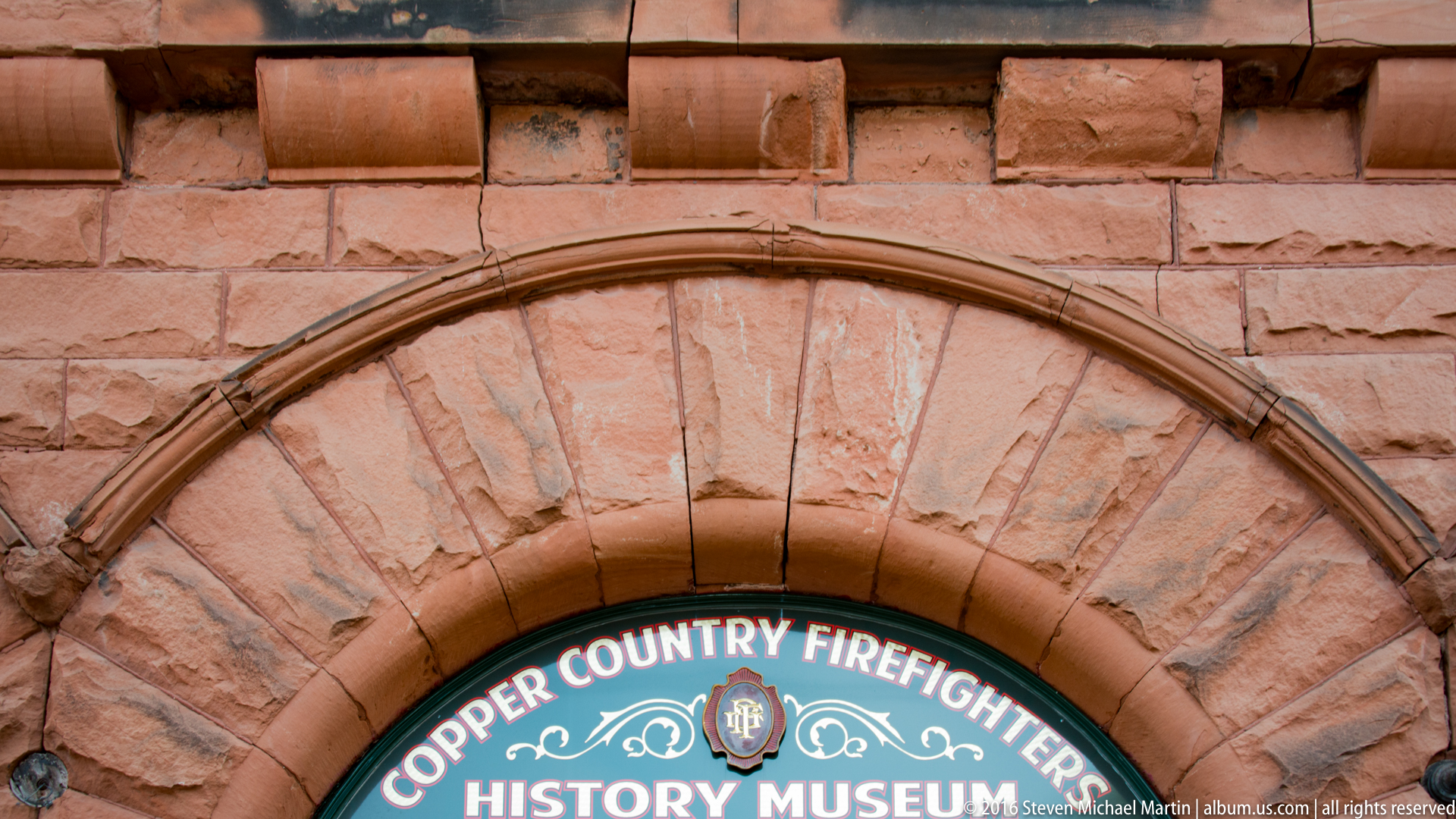
National Historical Park Field Guide
📍 Overview
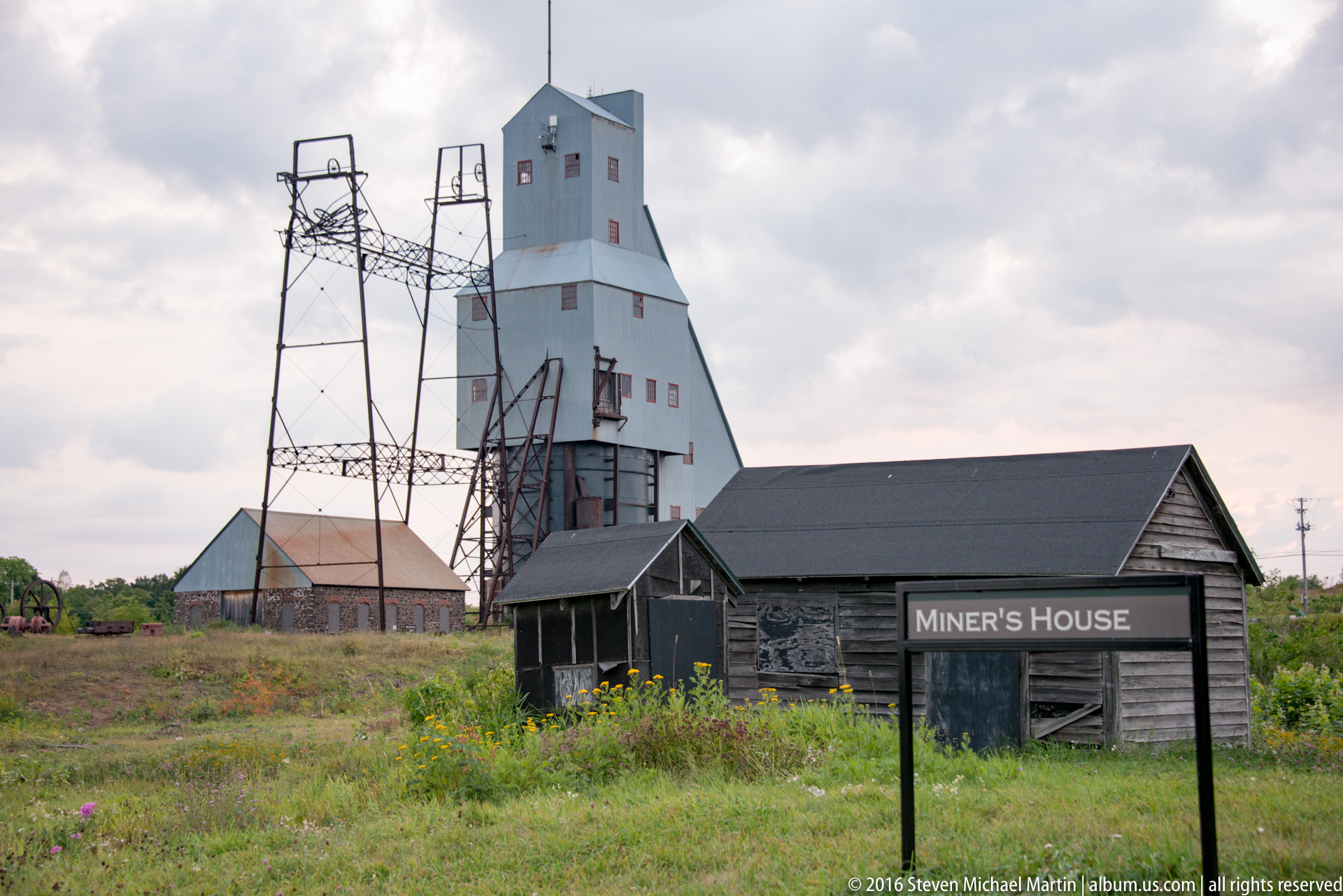
Keweenaw National Historical Park preserves the history of copper mining that contributed significantly to industrial development in the United States. The Keweenaw Peninsula contains some of the richest native copper deposits in North America, supporting mining communities that helped supply raw materials essential to electrical and manufacturing industries. The park reflects the relationship between natural resources and technological innovation.
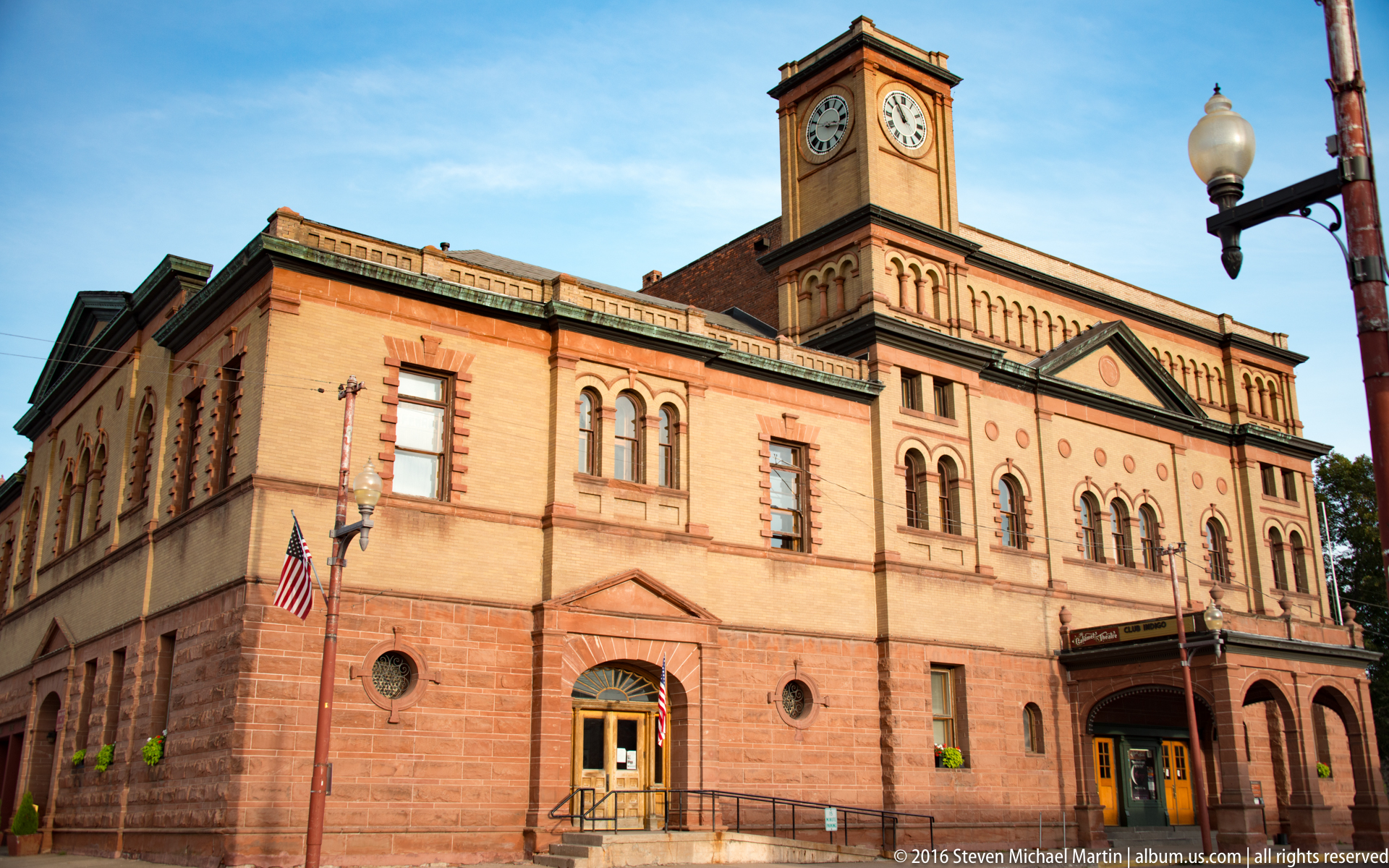
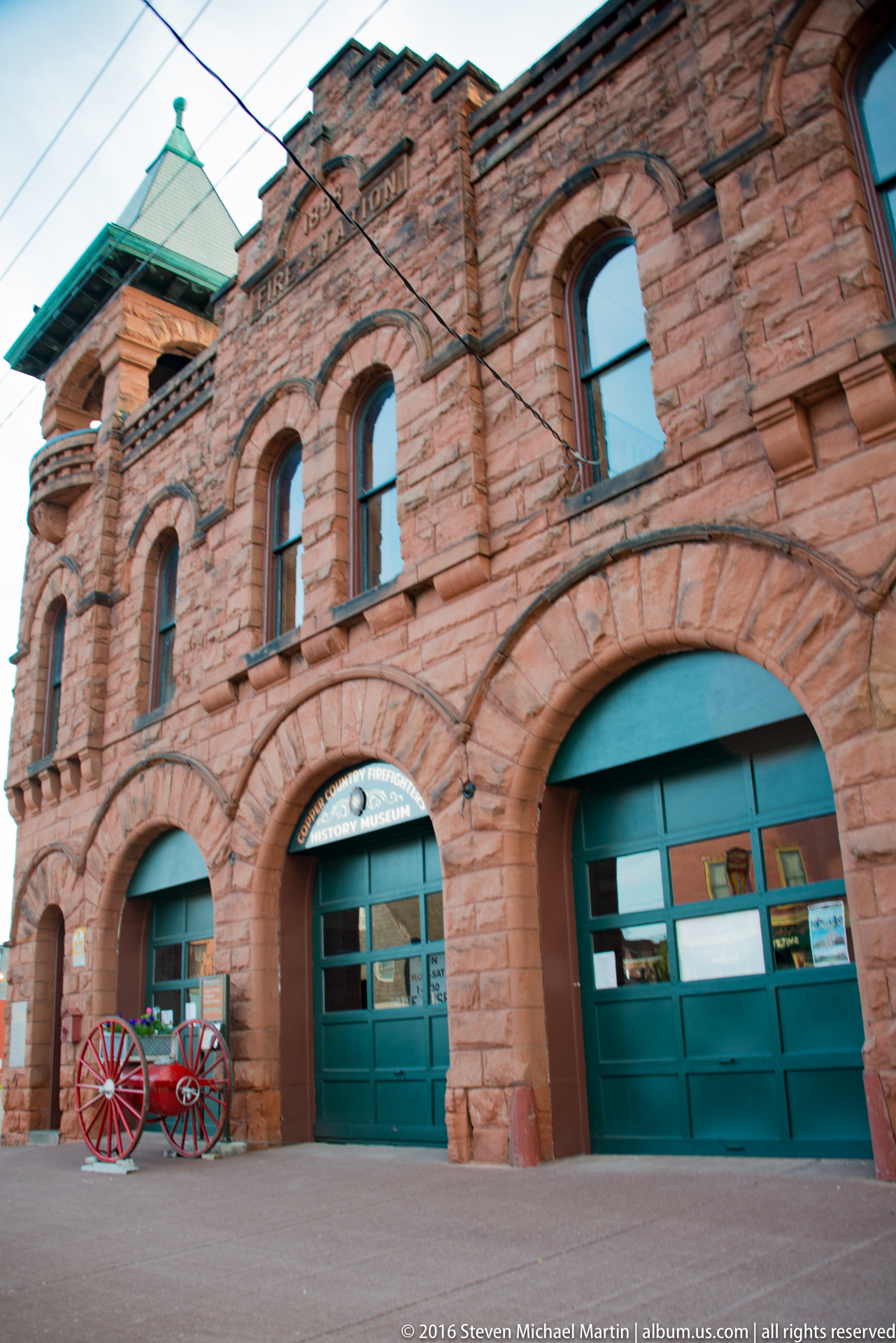
Historic mining structures, worker housing, and interpretive exhibits illustrate the evolution of industrial processes and the cultural traditions of immigrant communities who contributed to mining operations. The preserved landscape provides context for understanding the scale of infrastructure required to support resource extraction in a remote environment shaped by Lake Superior.
⭐ Highlights
- Historic copper mining landscapes
- Industrial heritage of the Keweenaw Peninsula
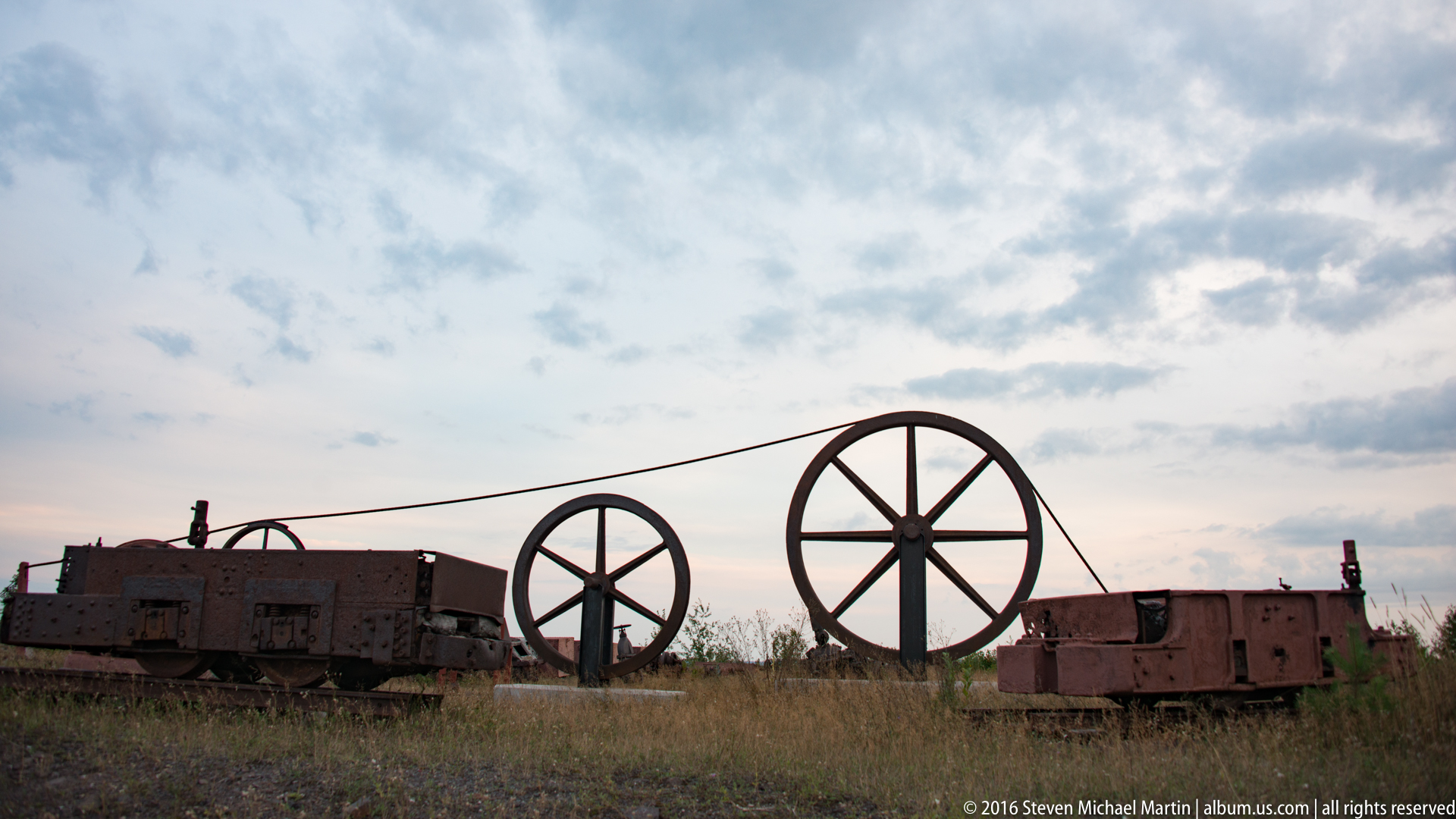
- Interpretive exhibits describing mining technology
- Connection between natural resources and industry
- Scenic setting along Lake Superior
🔎 Key Features
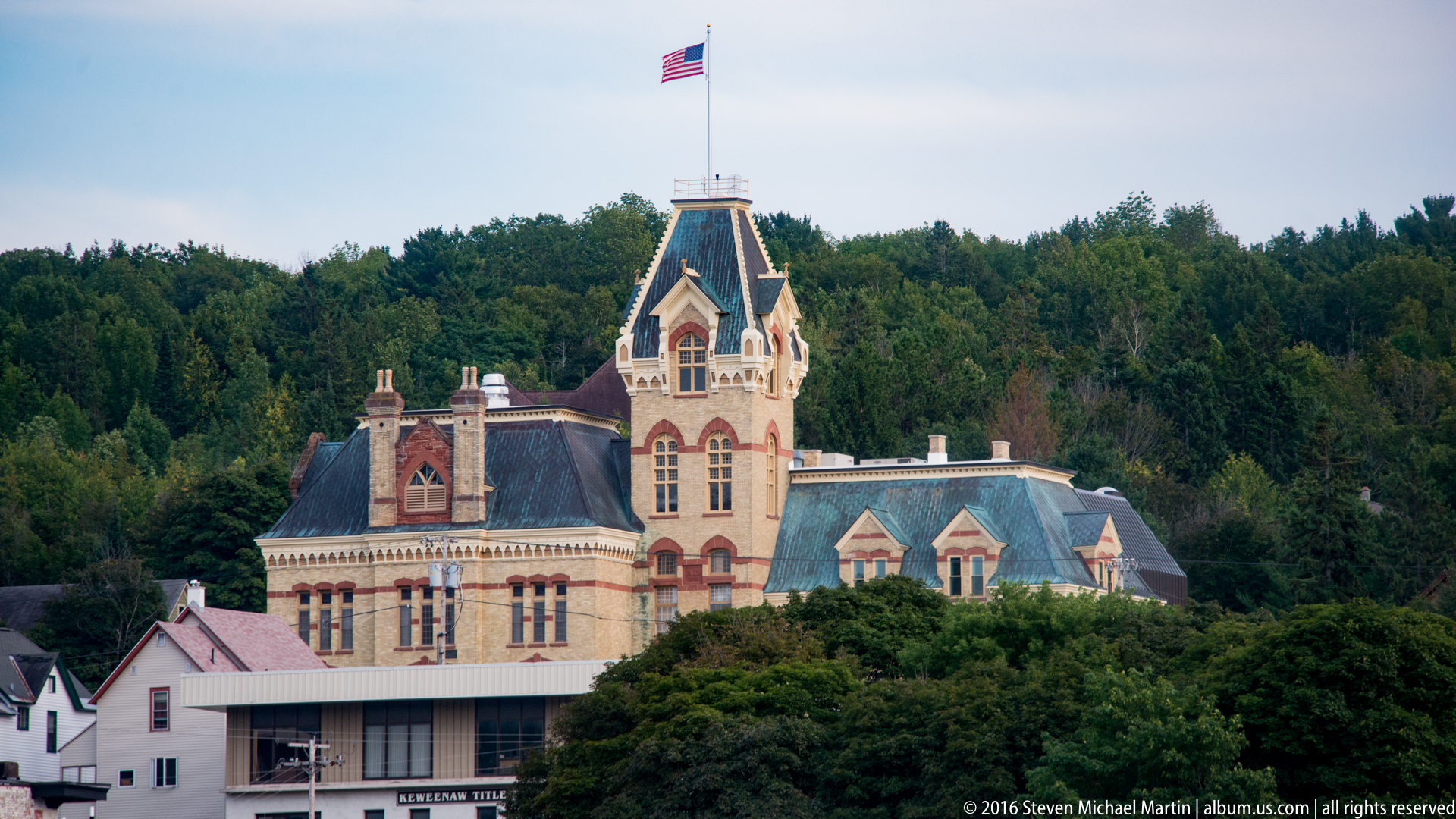
- Preserved mining structures and historic communities
- Interpretive materials explaining extraction methods
- Context for understanding industrial expansion
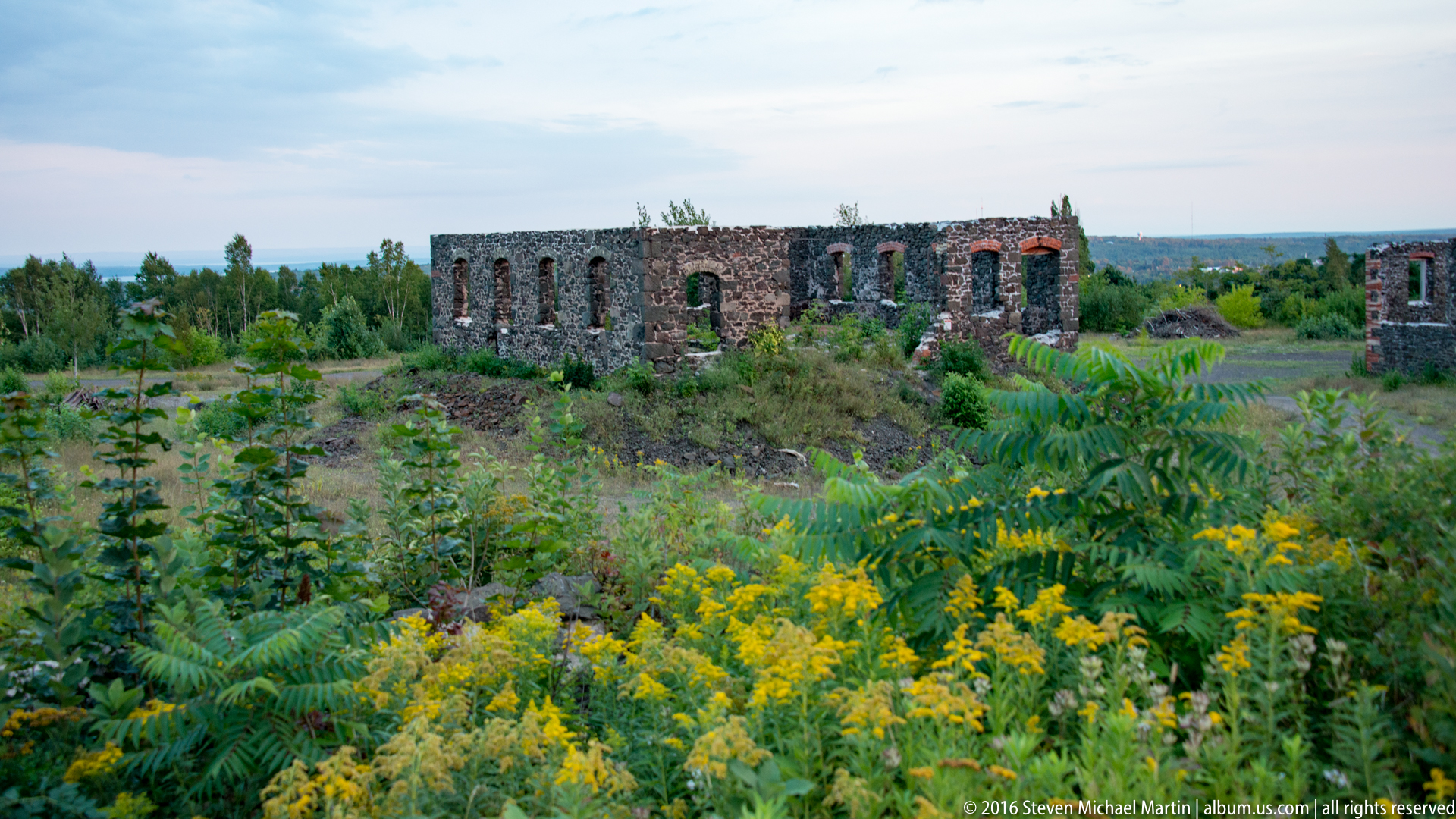
- Landscape shaped by mining activity
- Connections between geology and economic development
📷 Photography Notes
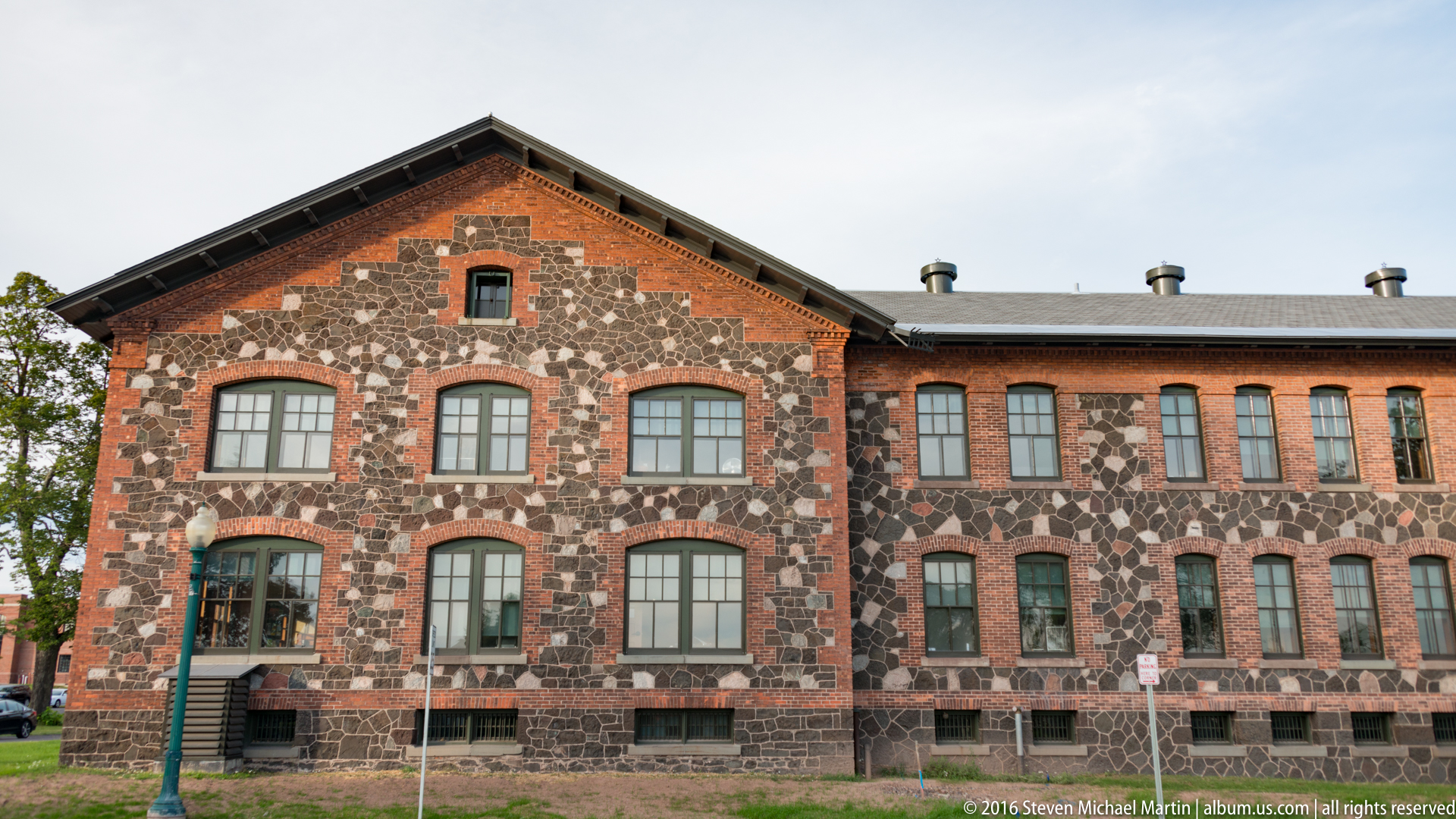
- Historic structures provide strong visual subjects
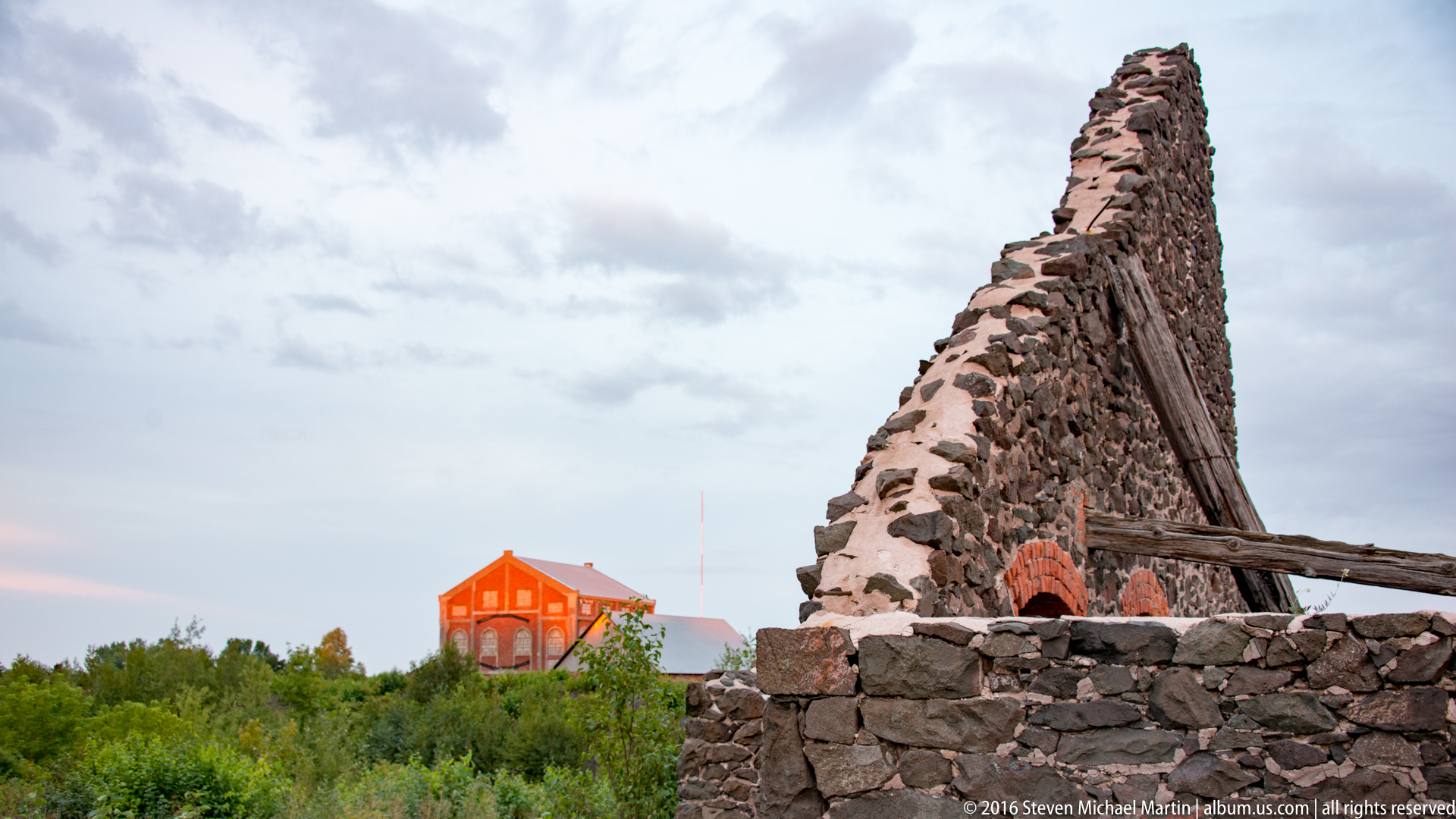
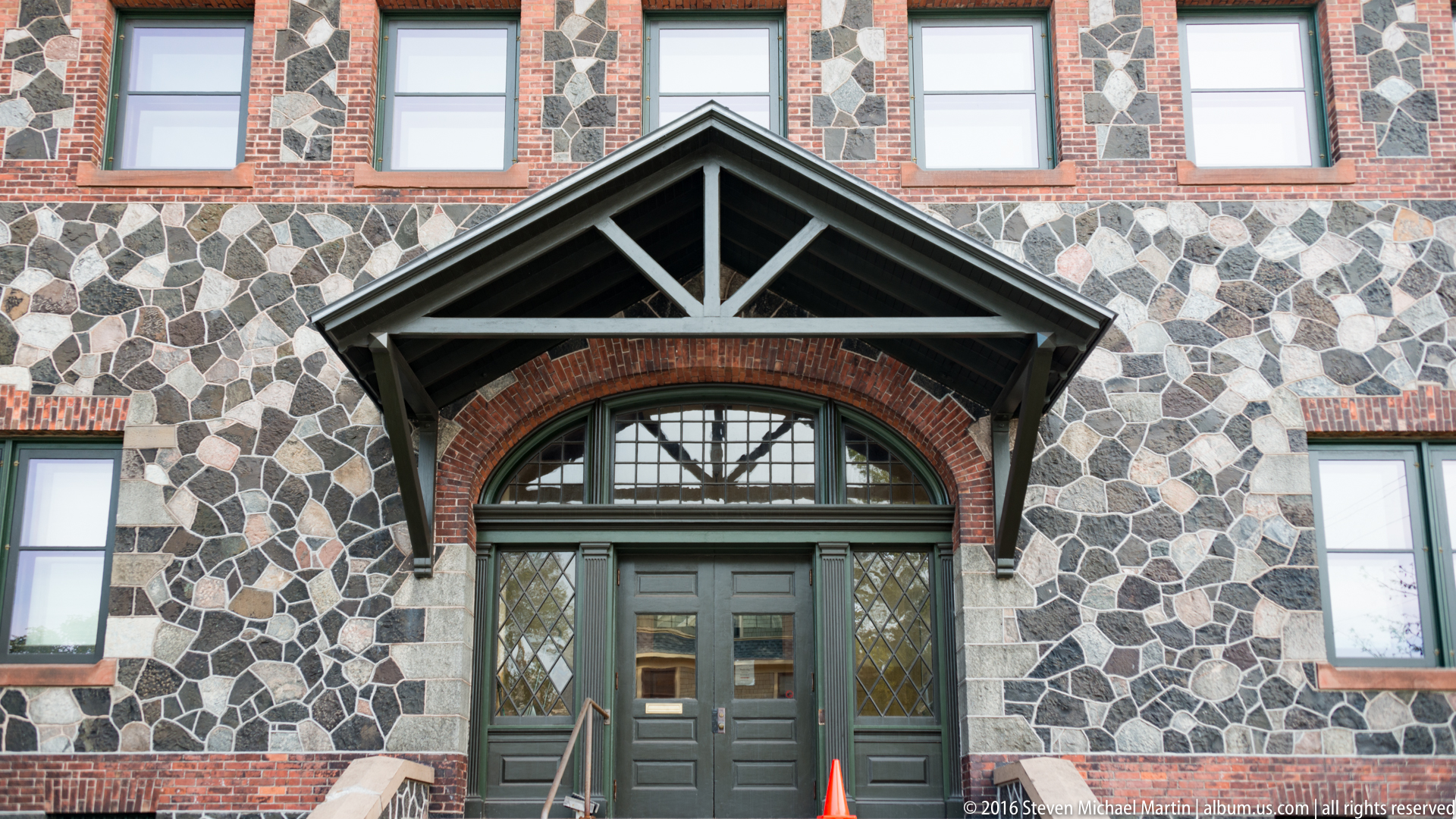
- Textures of stone and wood work well in angled light
- Wide framing helps show relationship to landscape
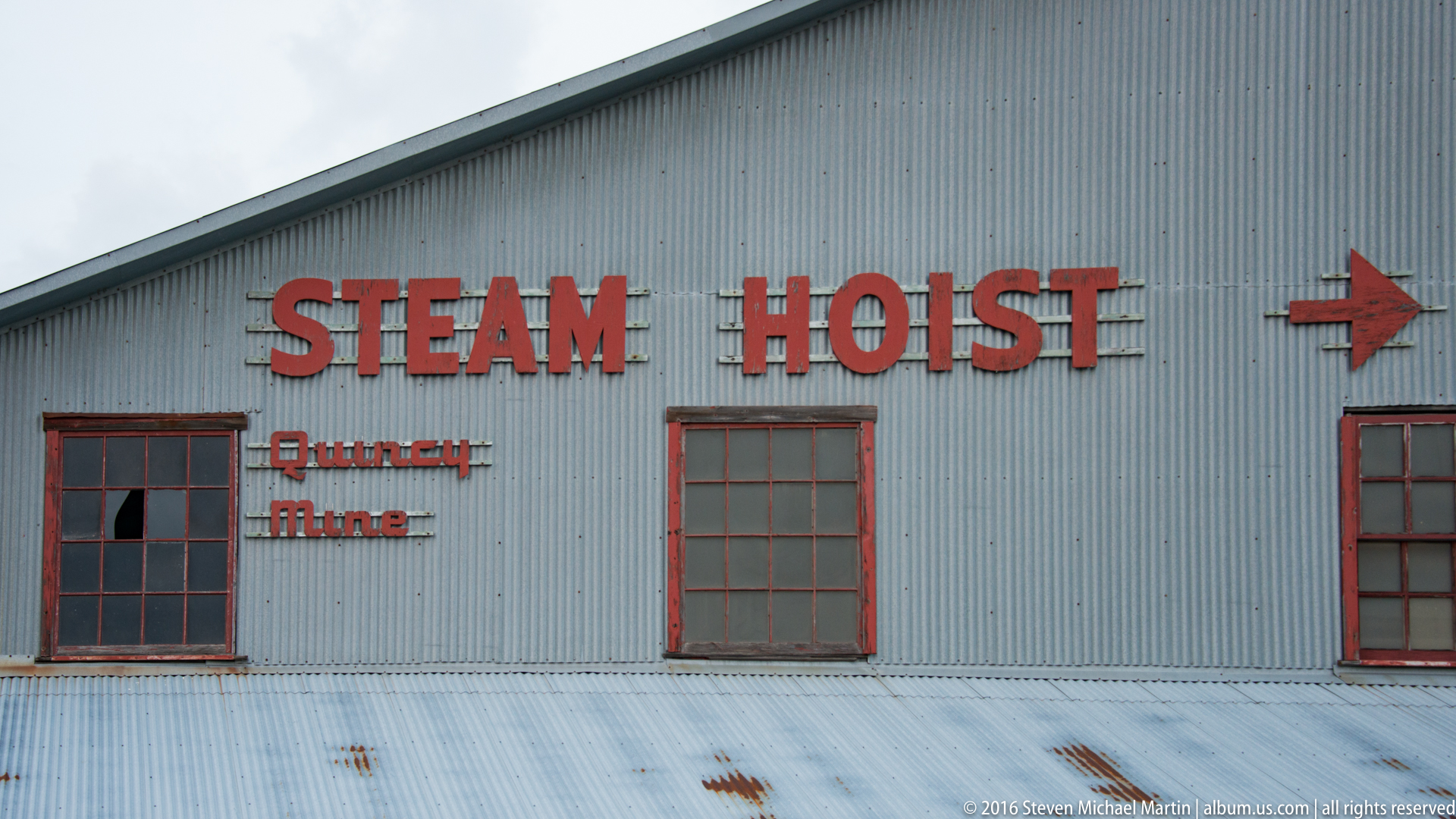
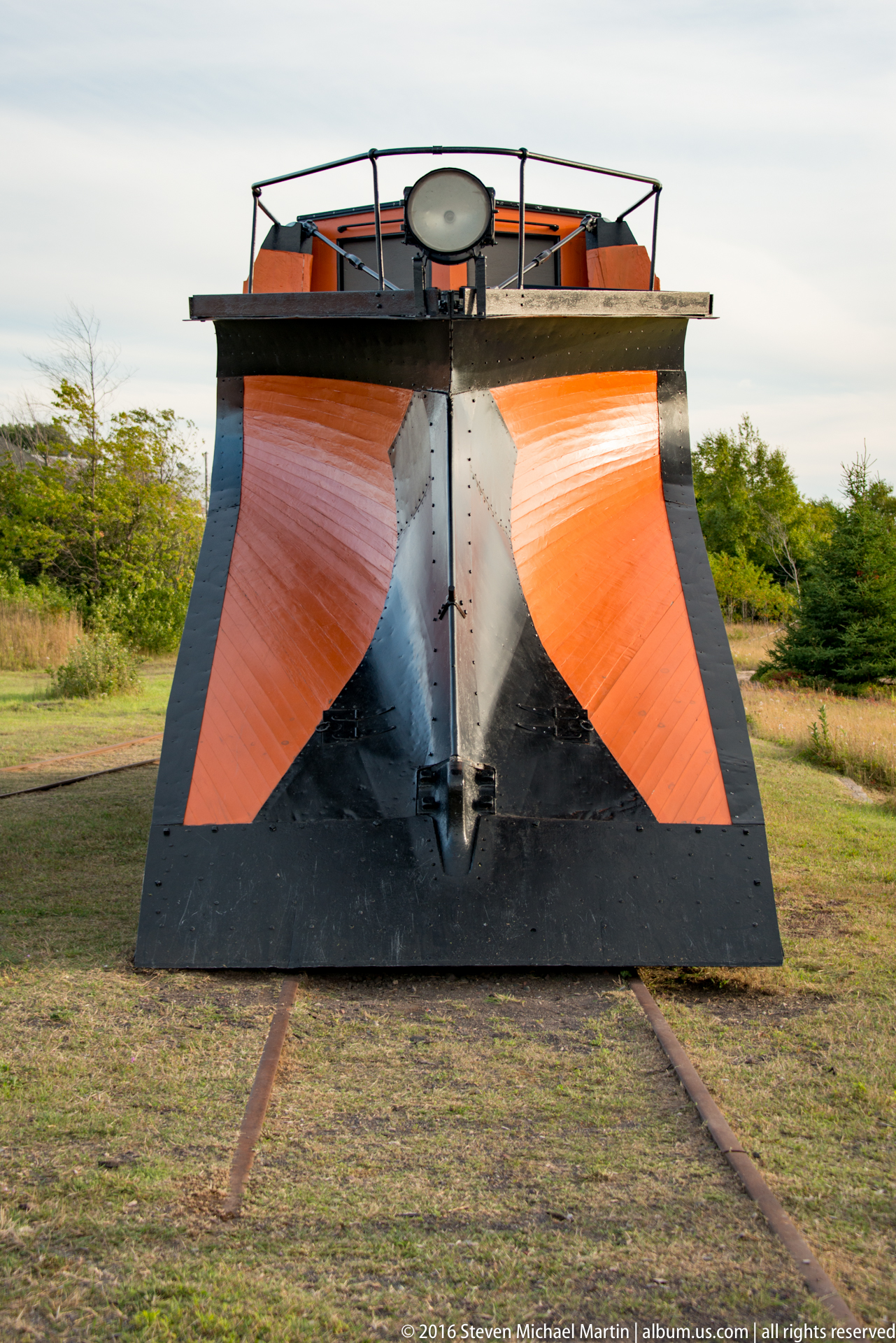
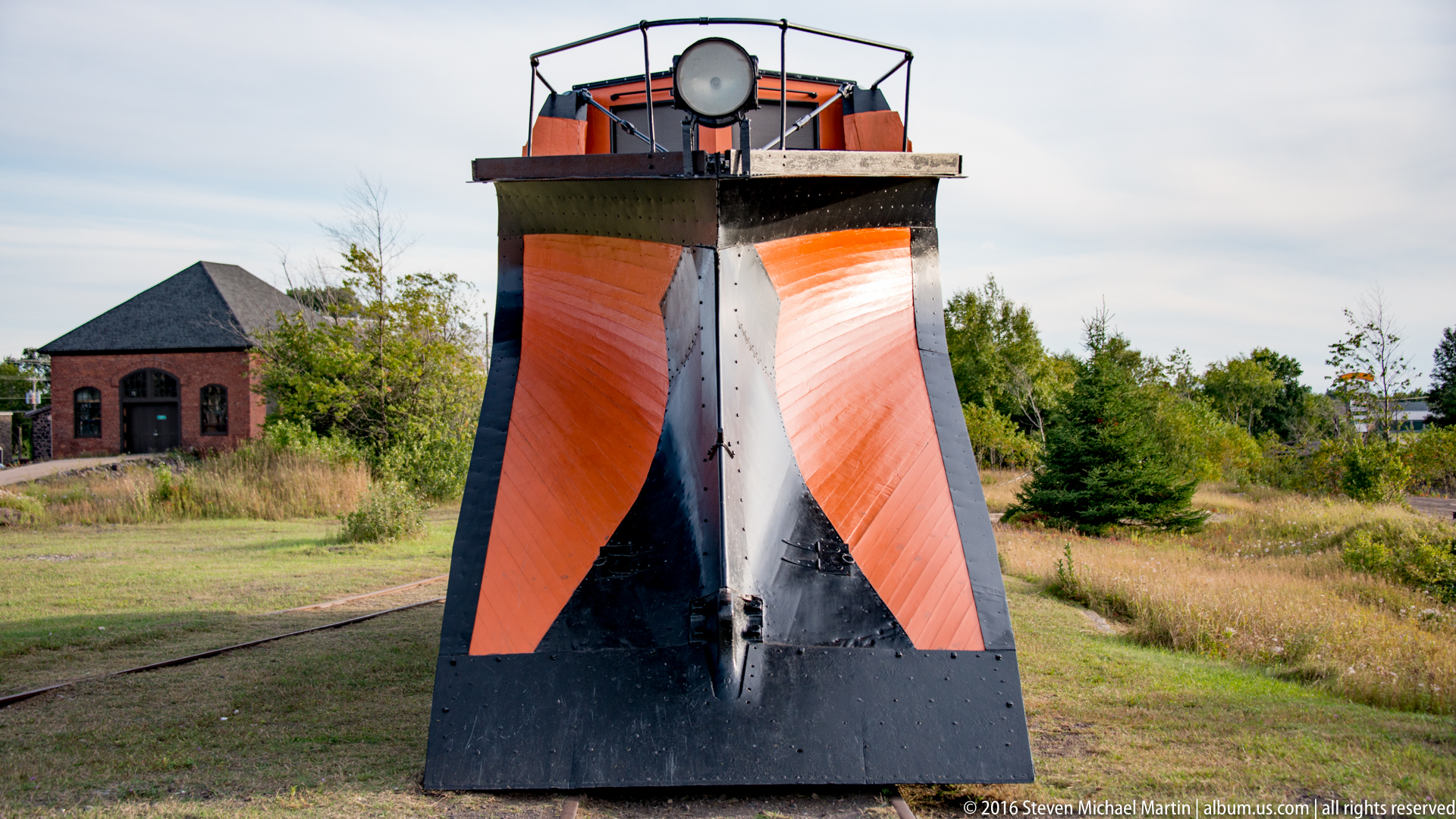
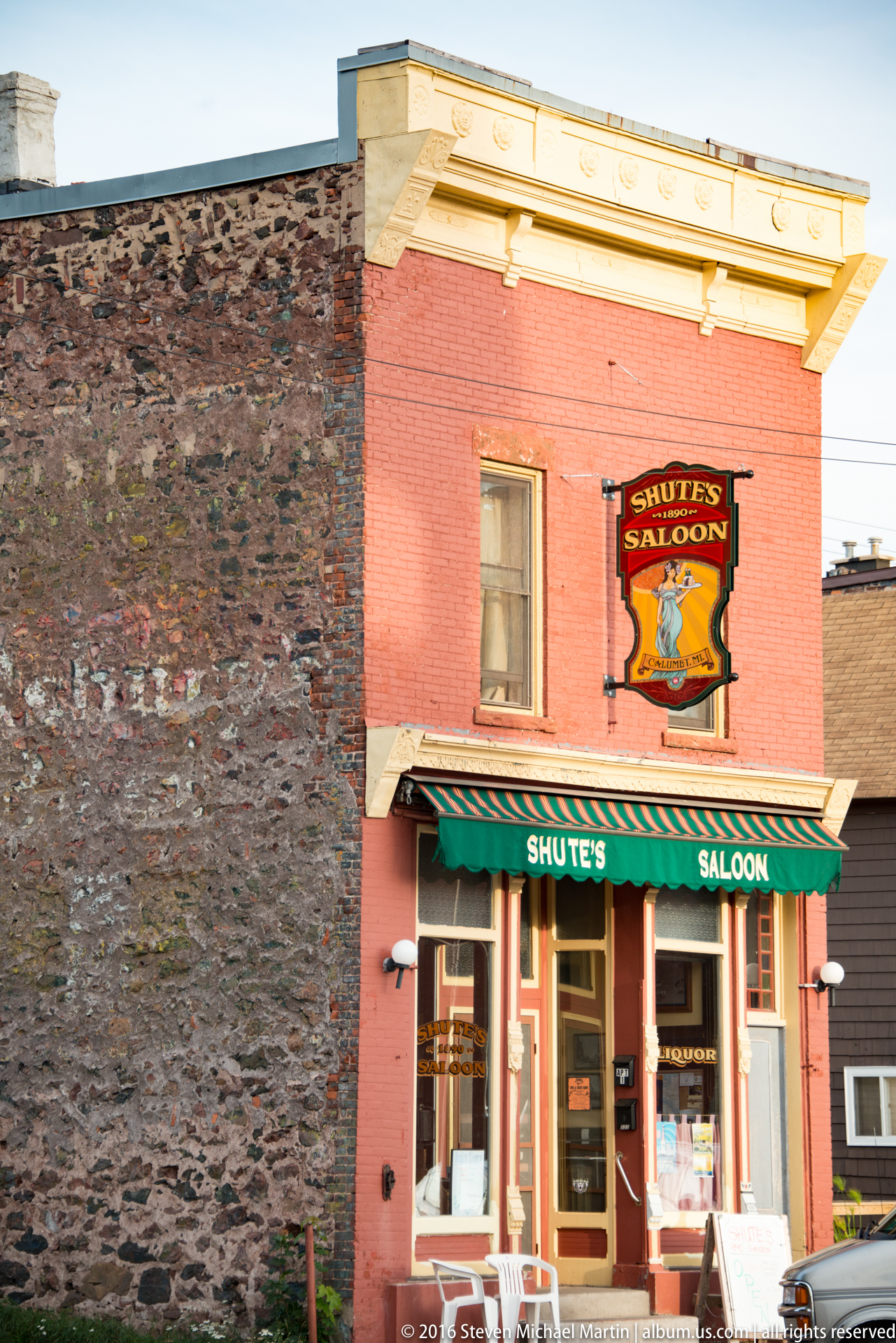
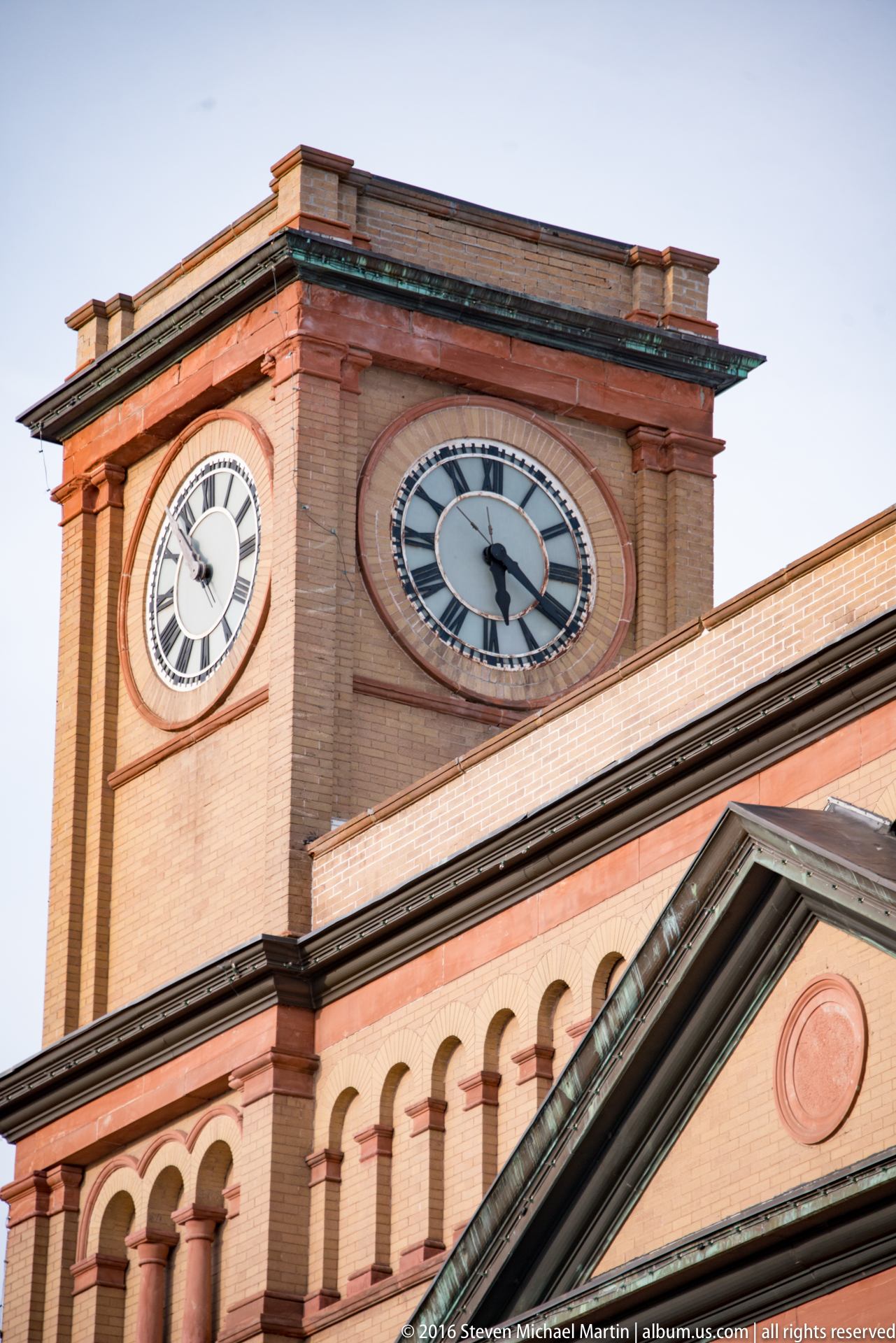
- Details often communicate industrial character
- Cloud patterns complement Lake Superior scenery
- Look for compositions connecting industry and nature