Chiricahua National Monument
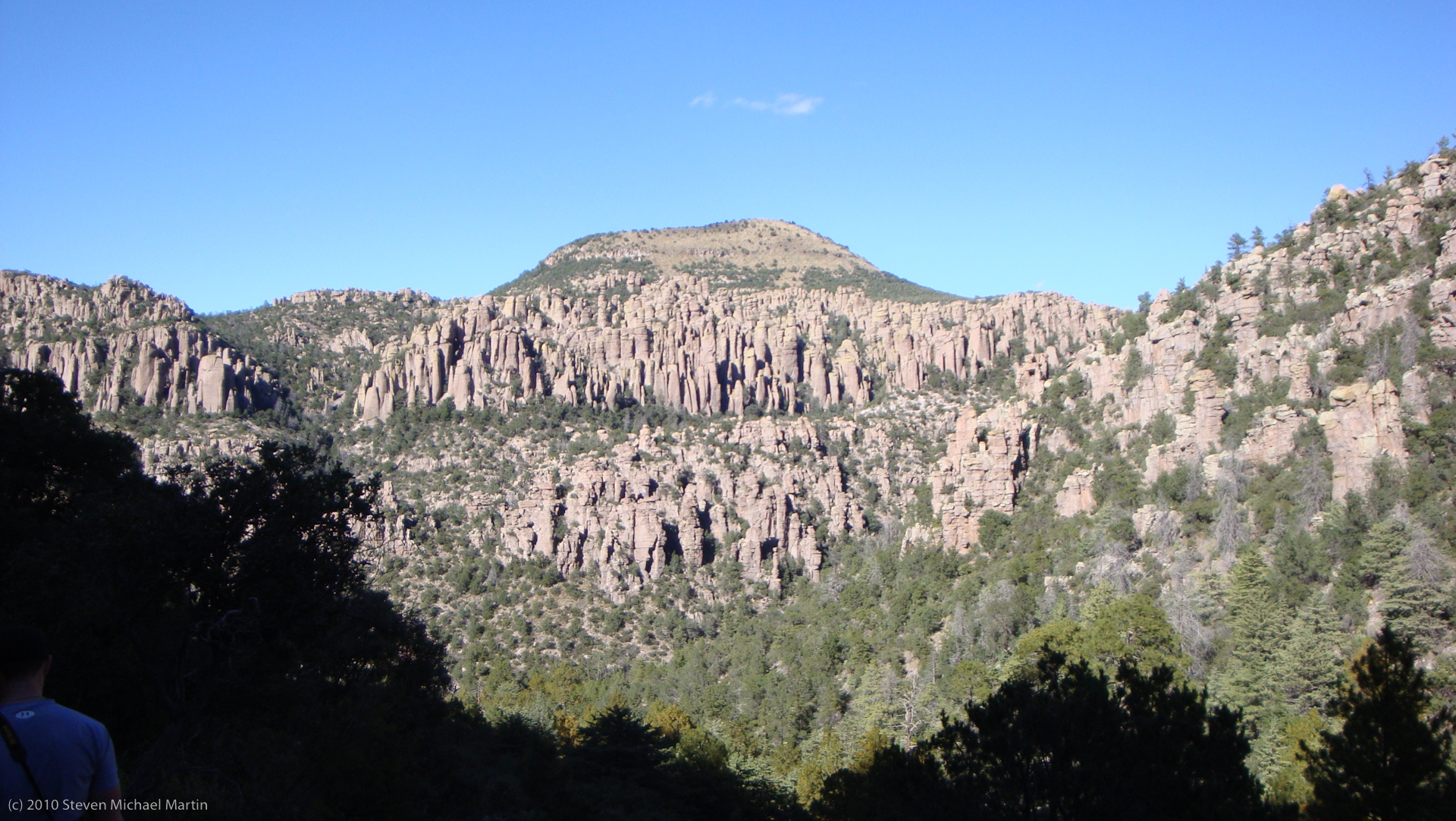
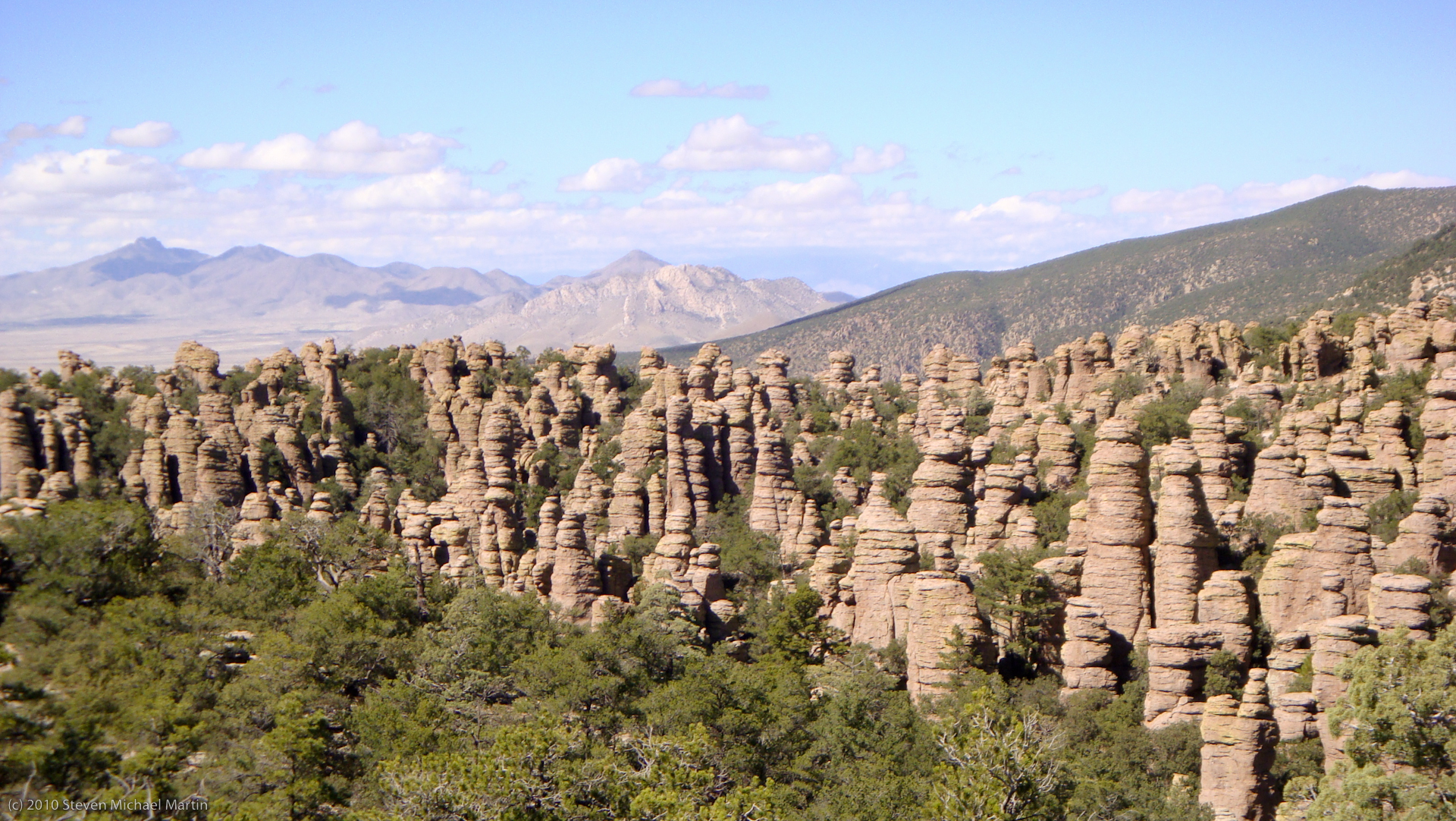
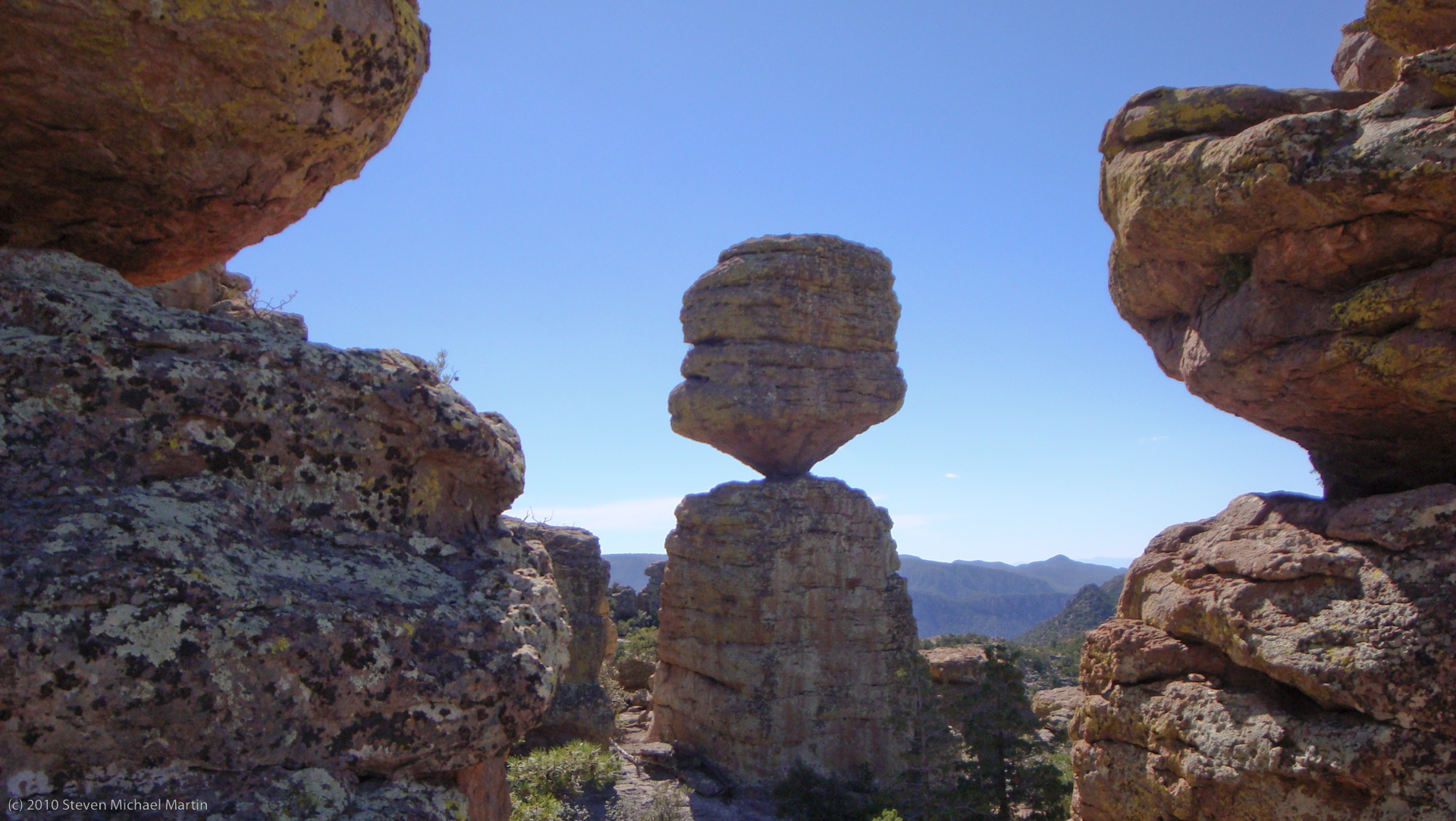
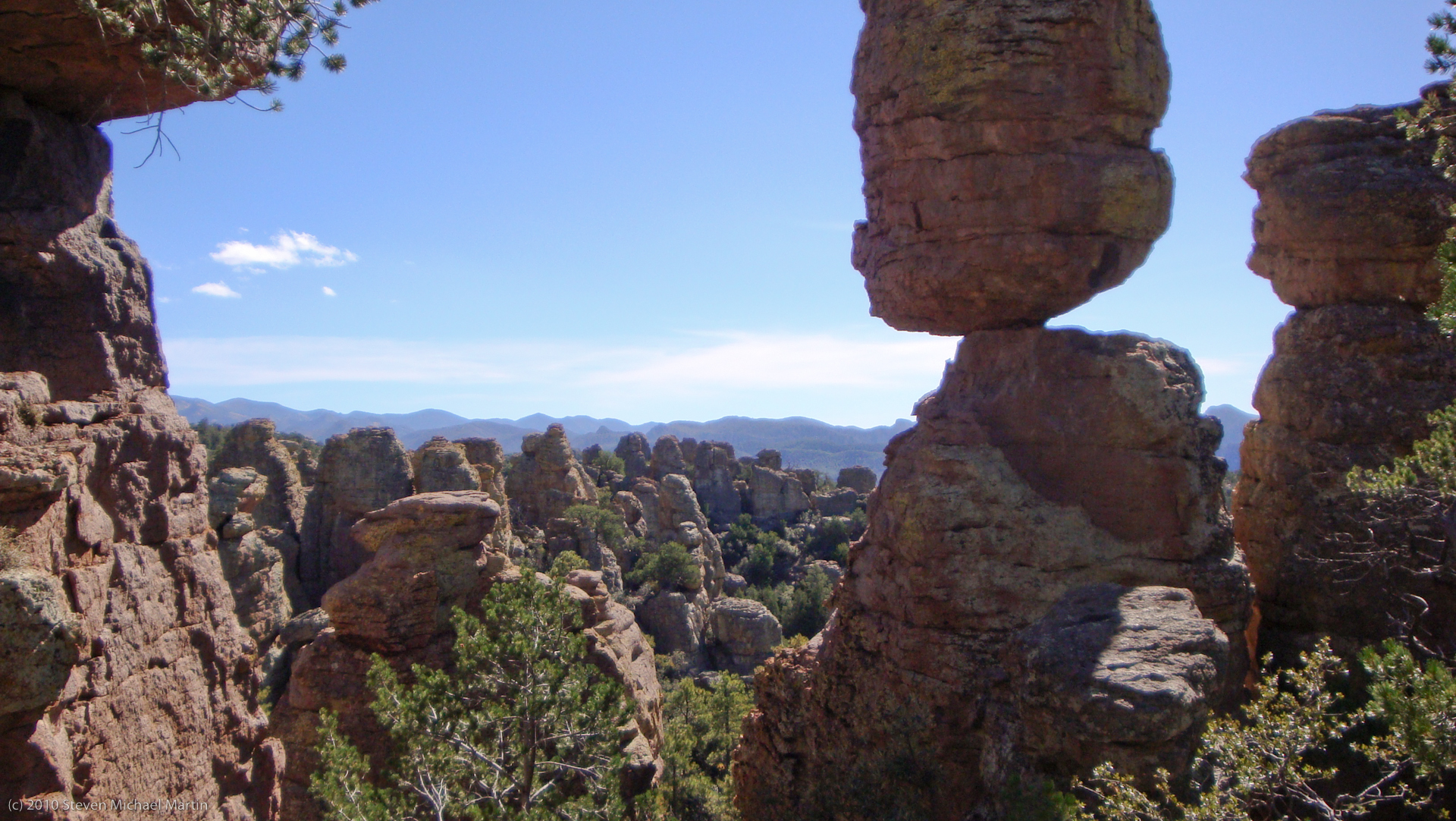
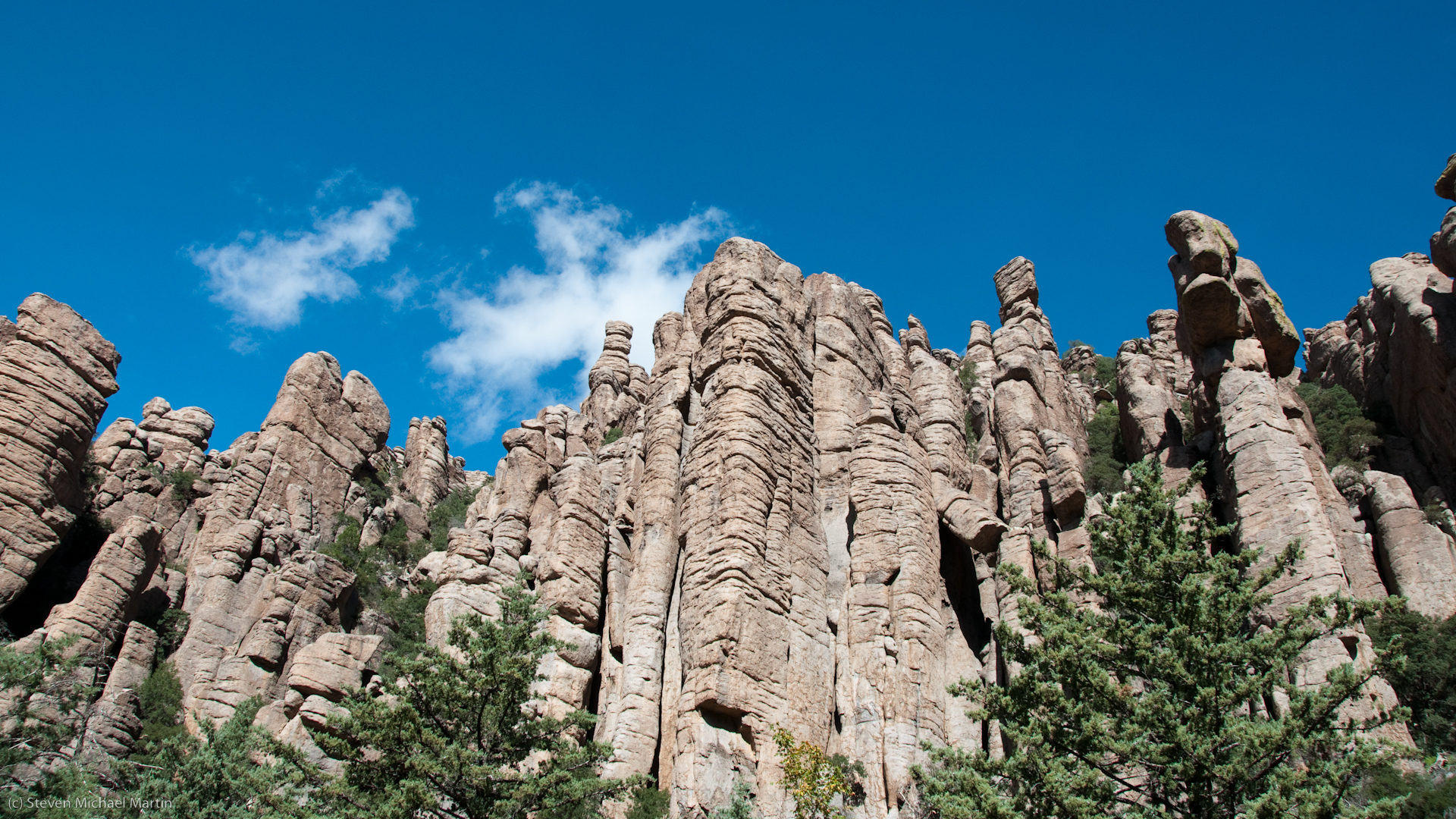
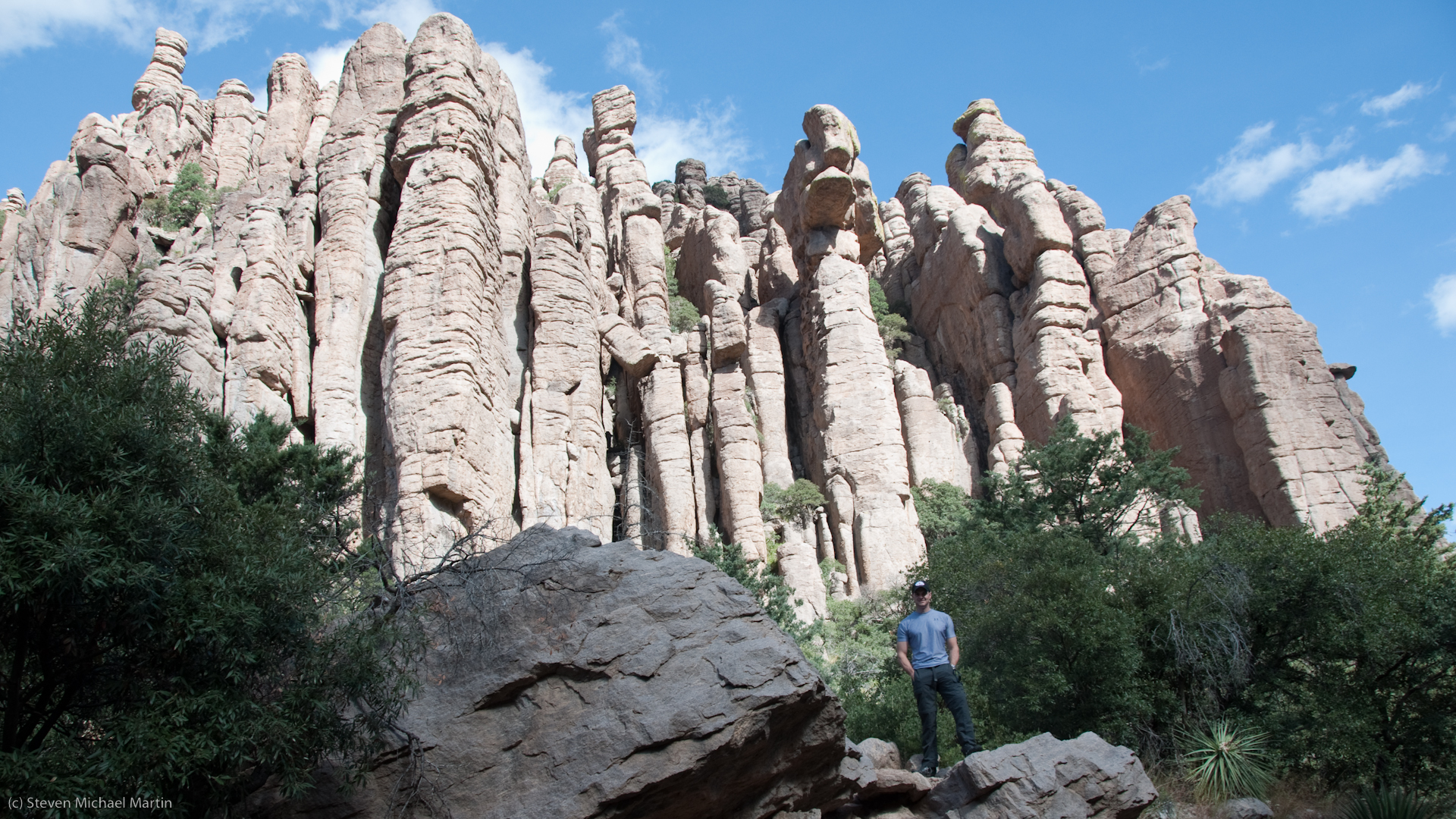
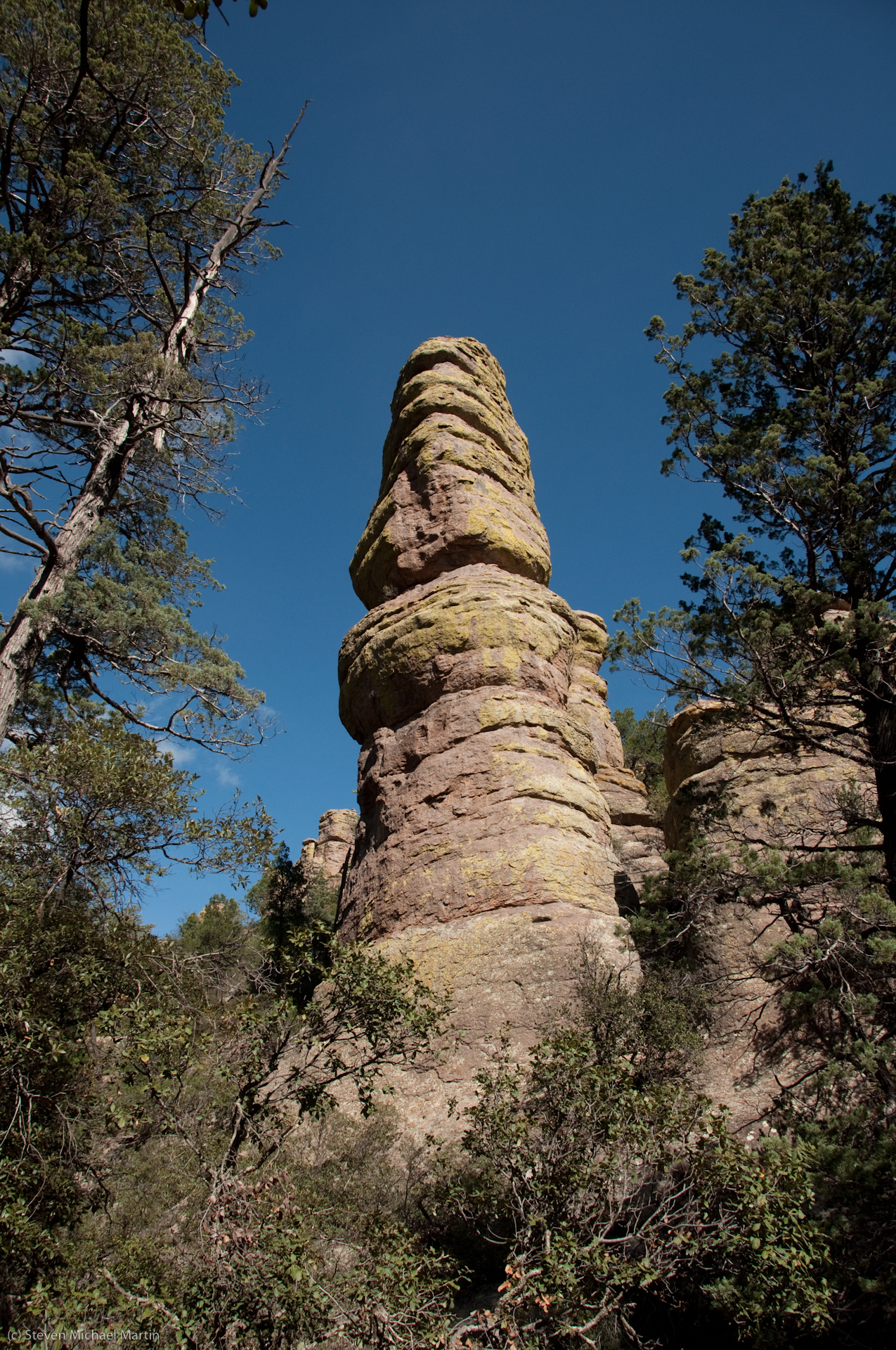
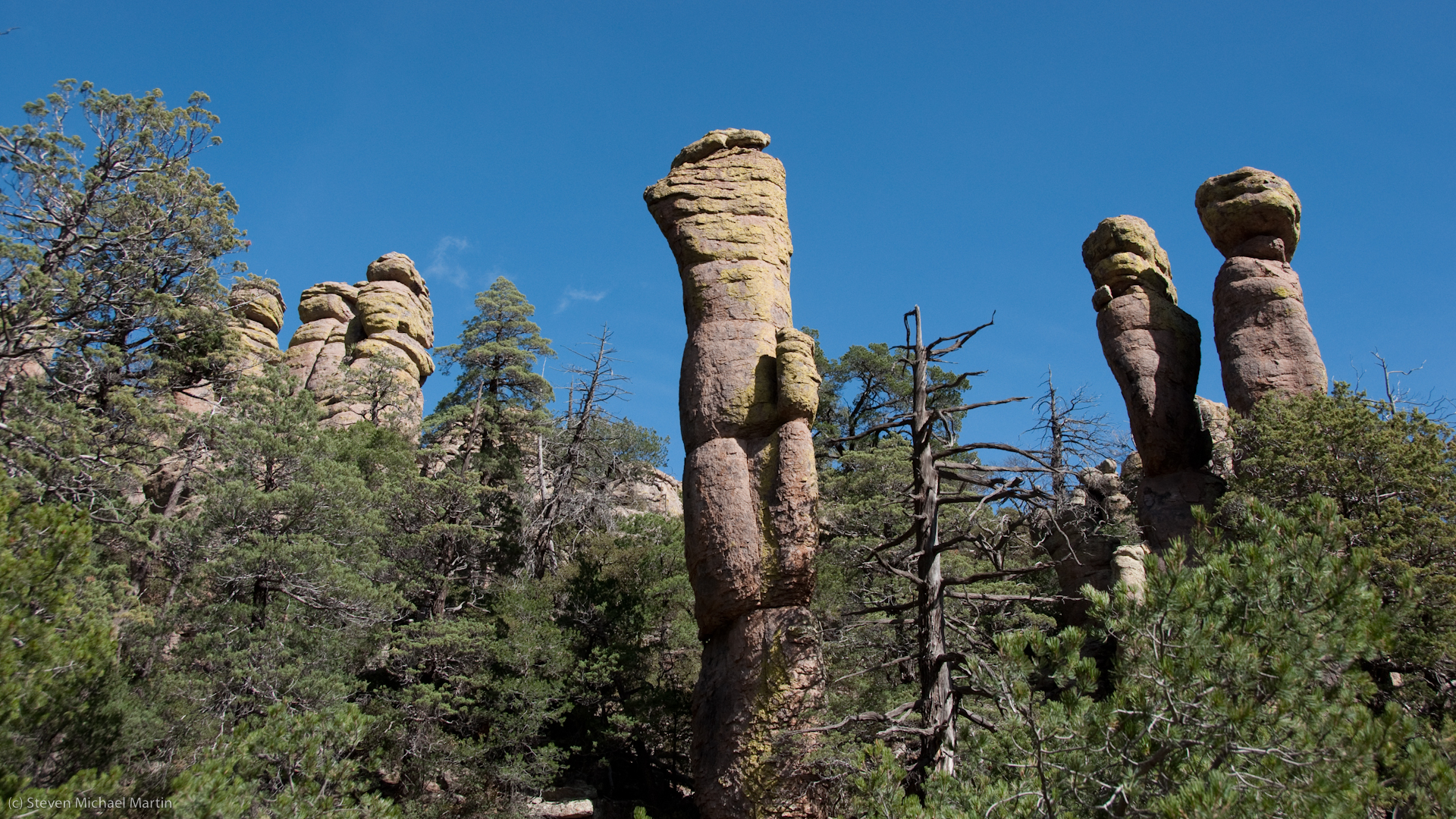
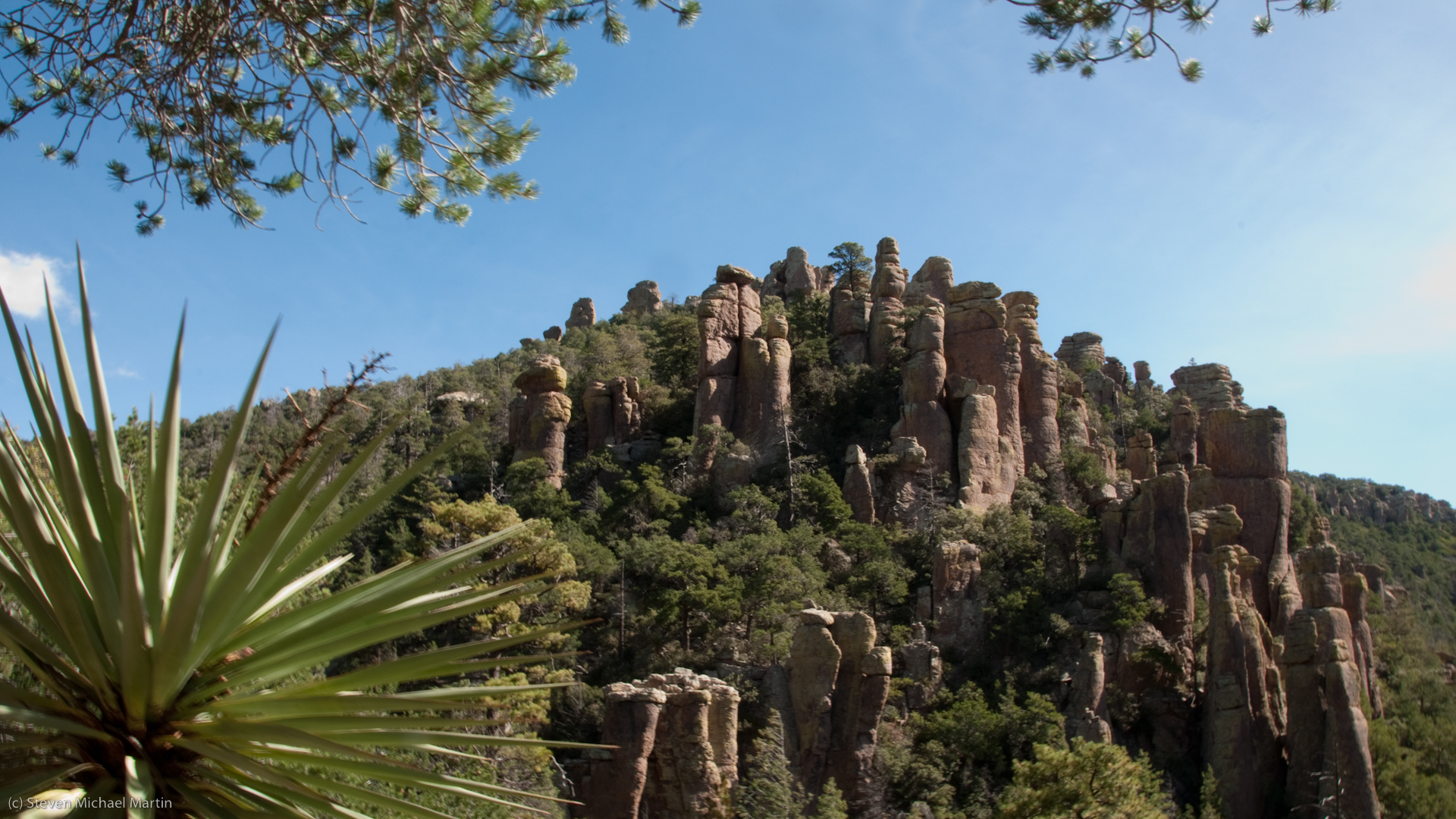
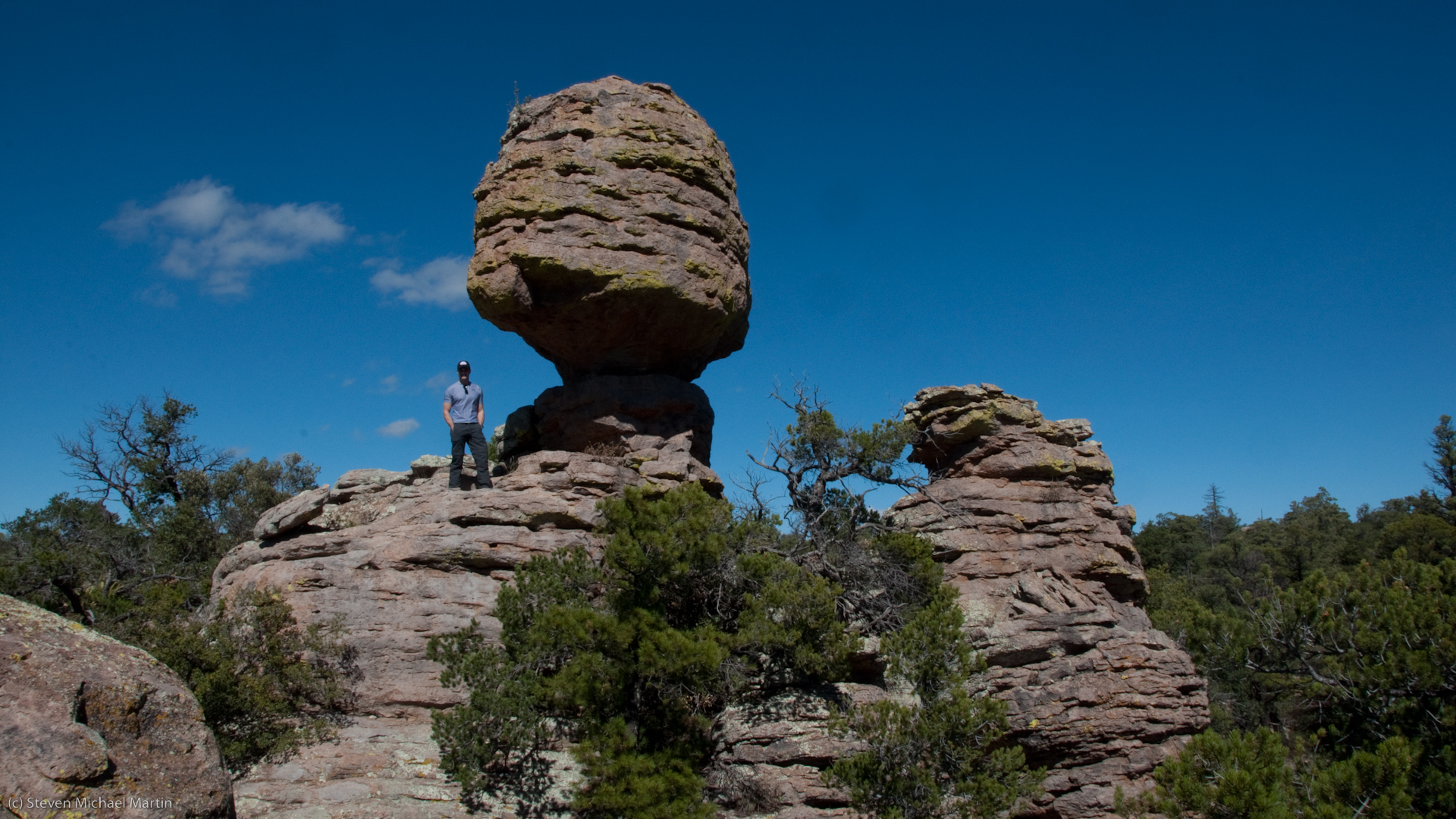
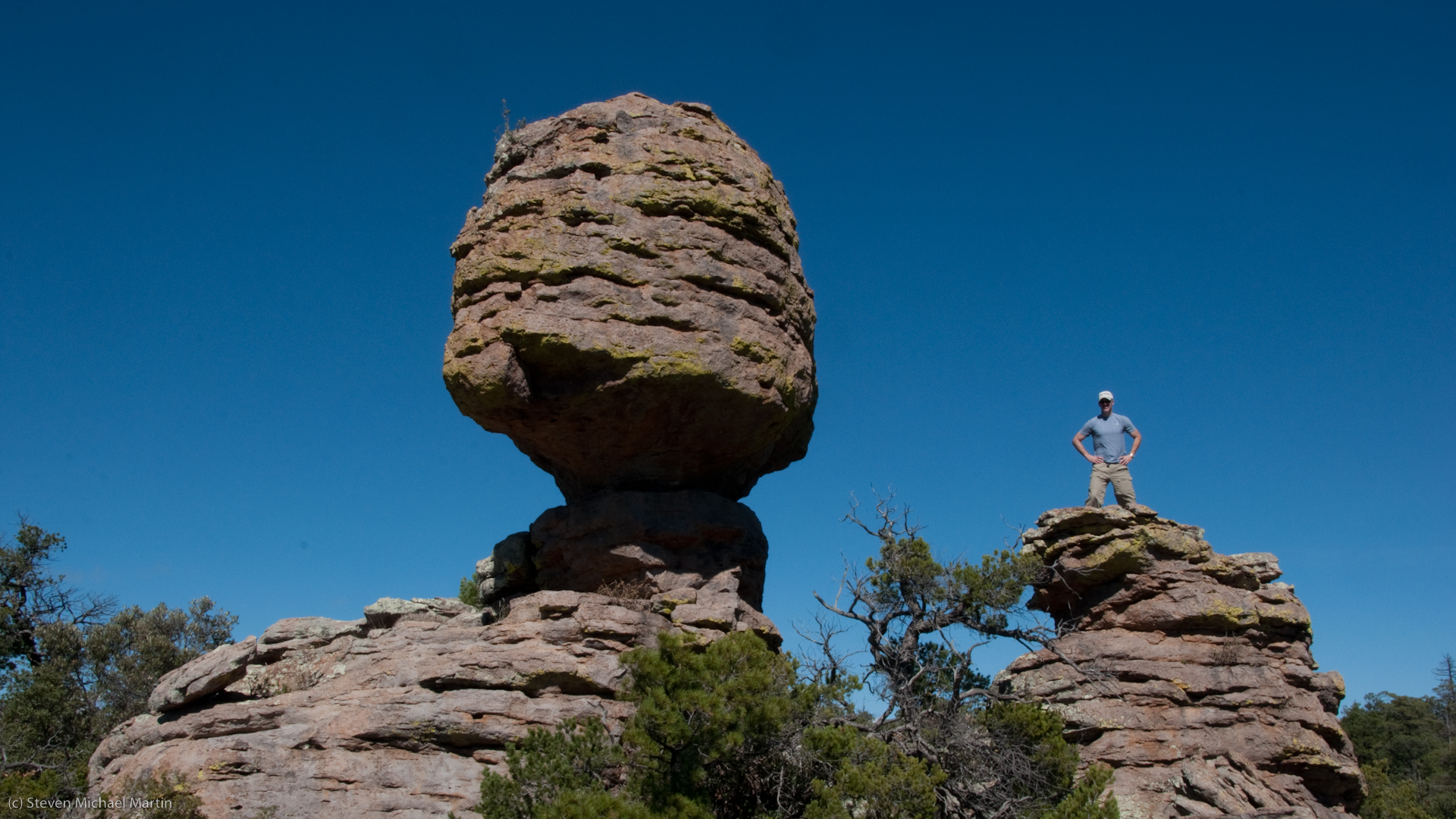
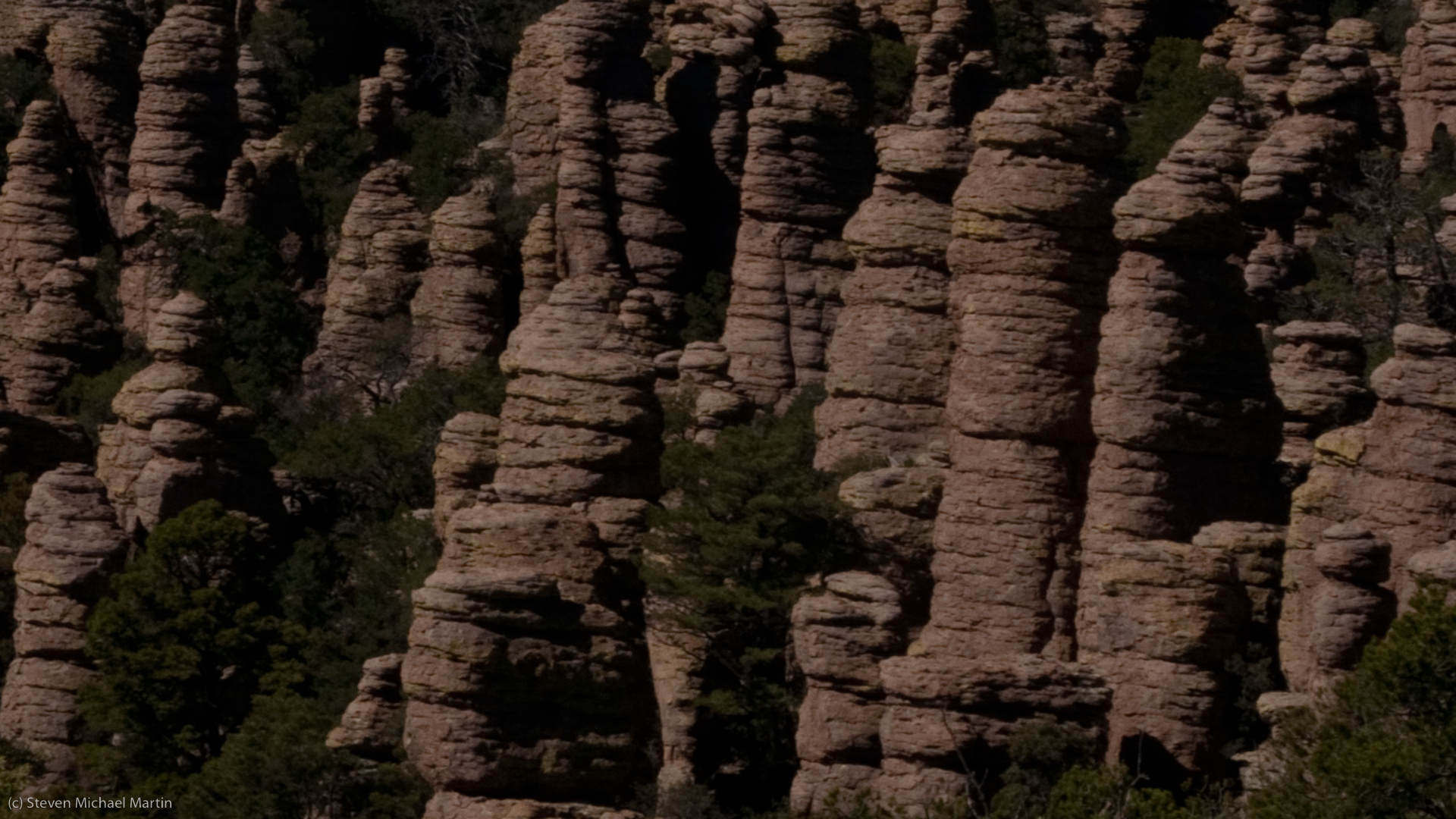
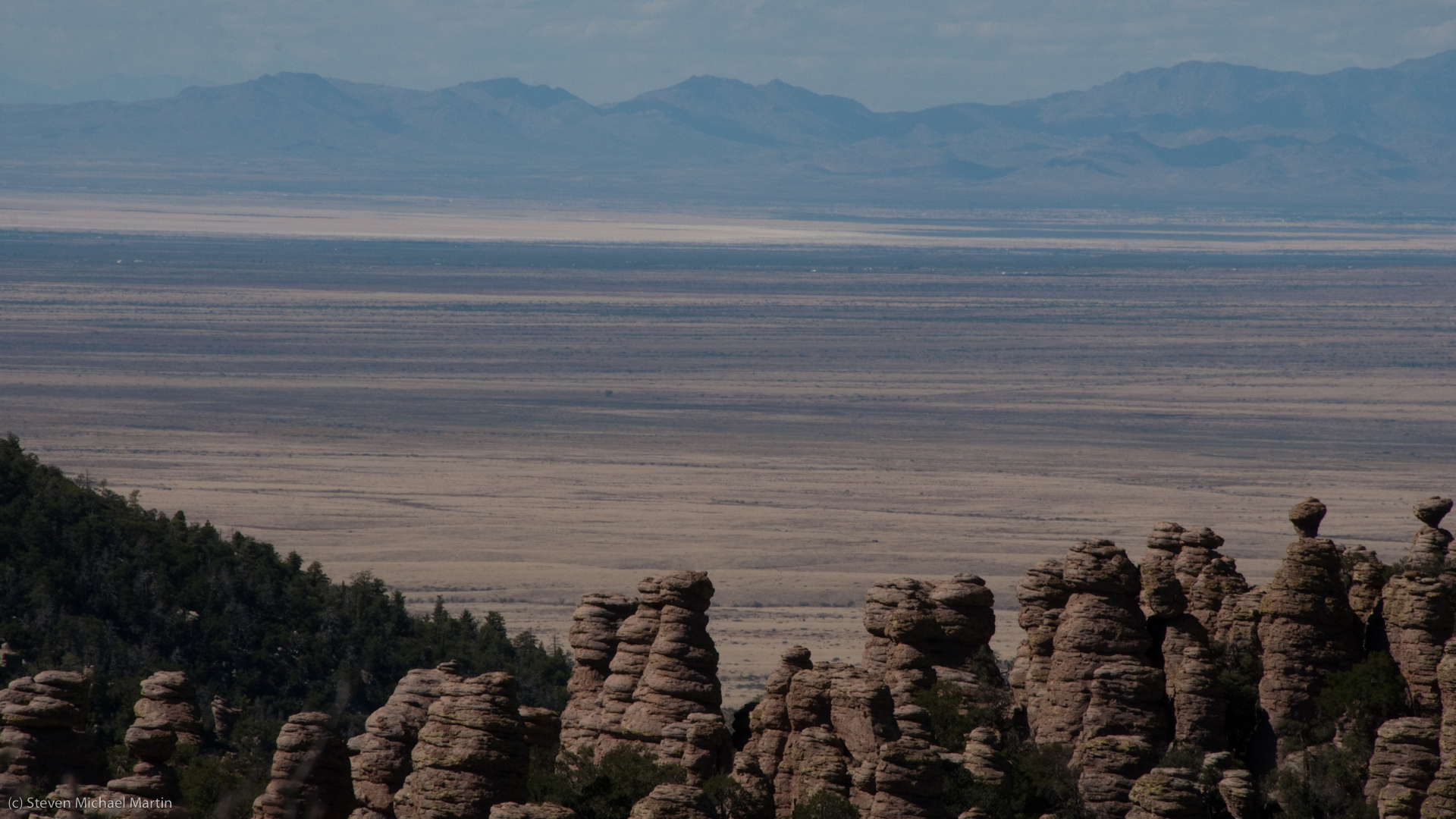
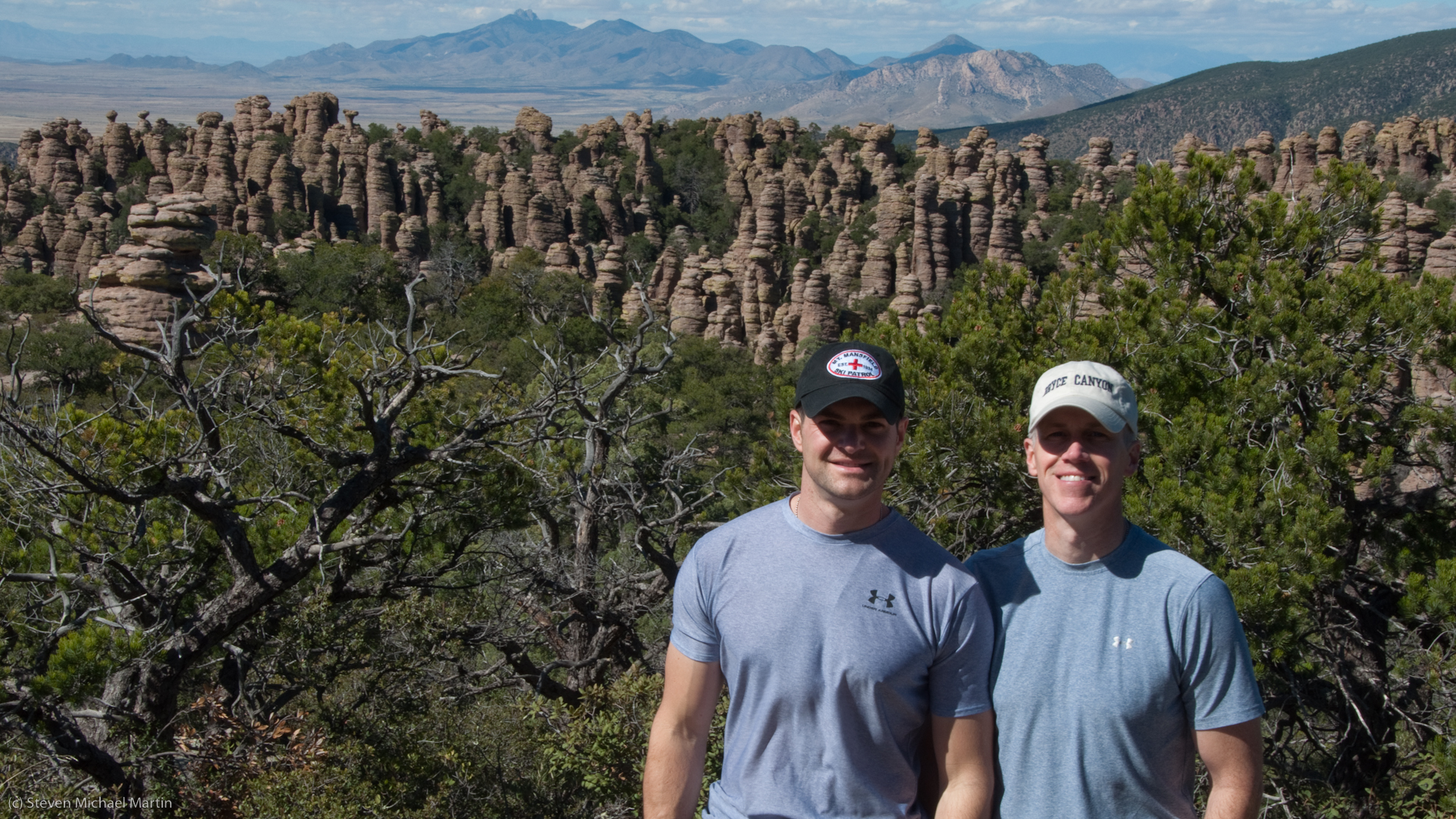
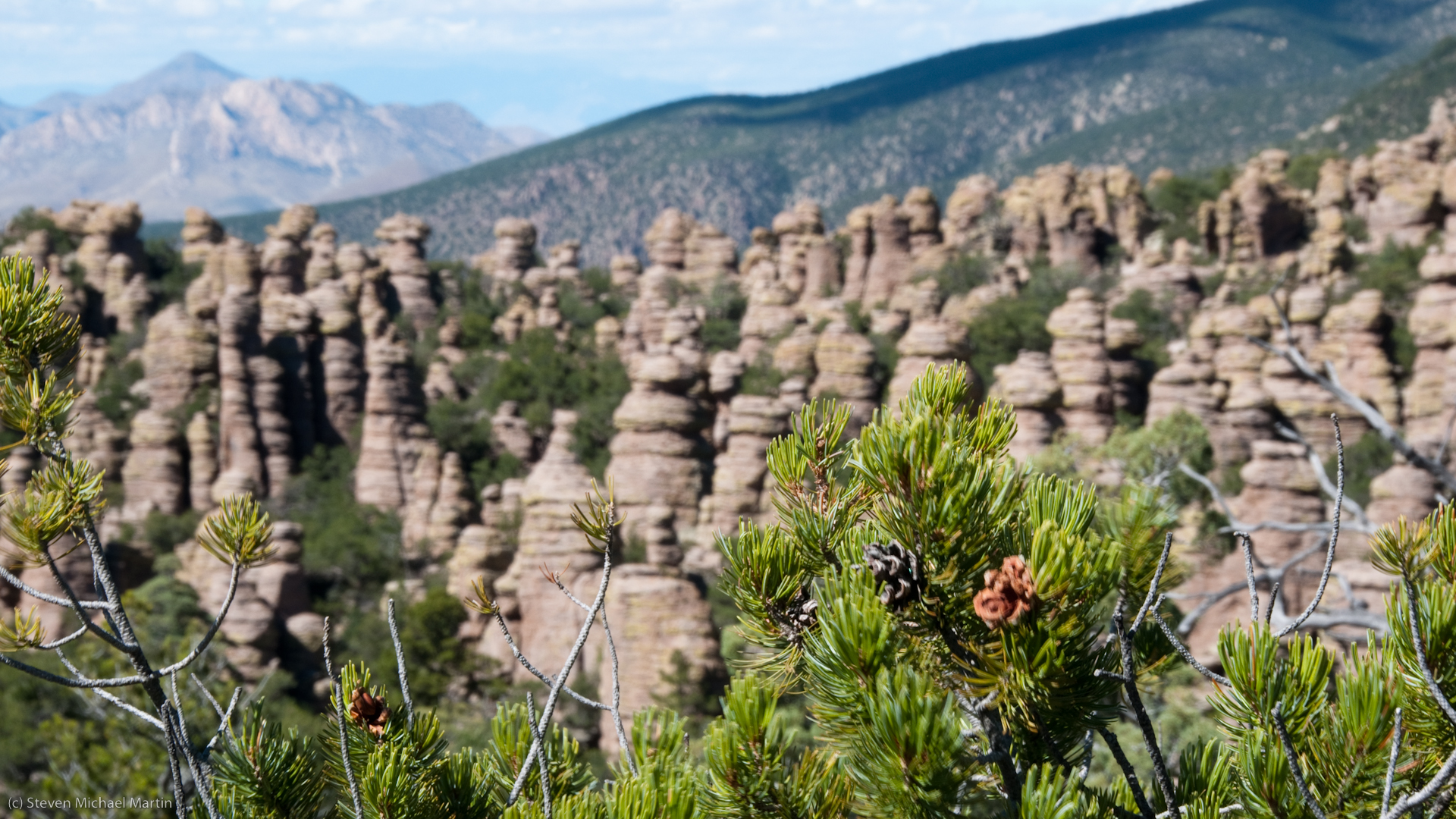
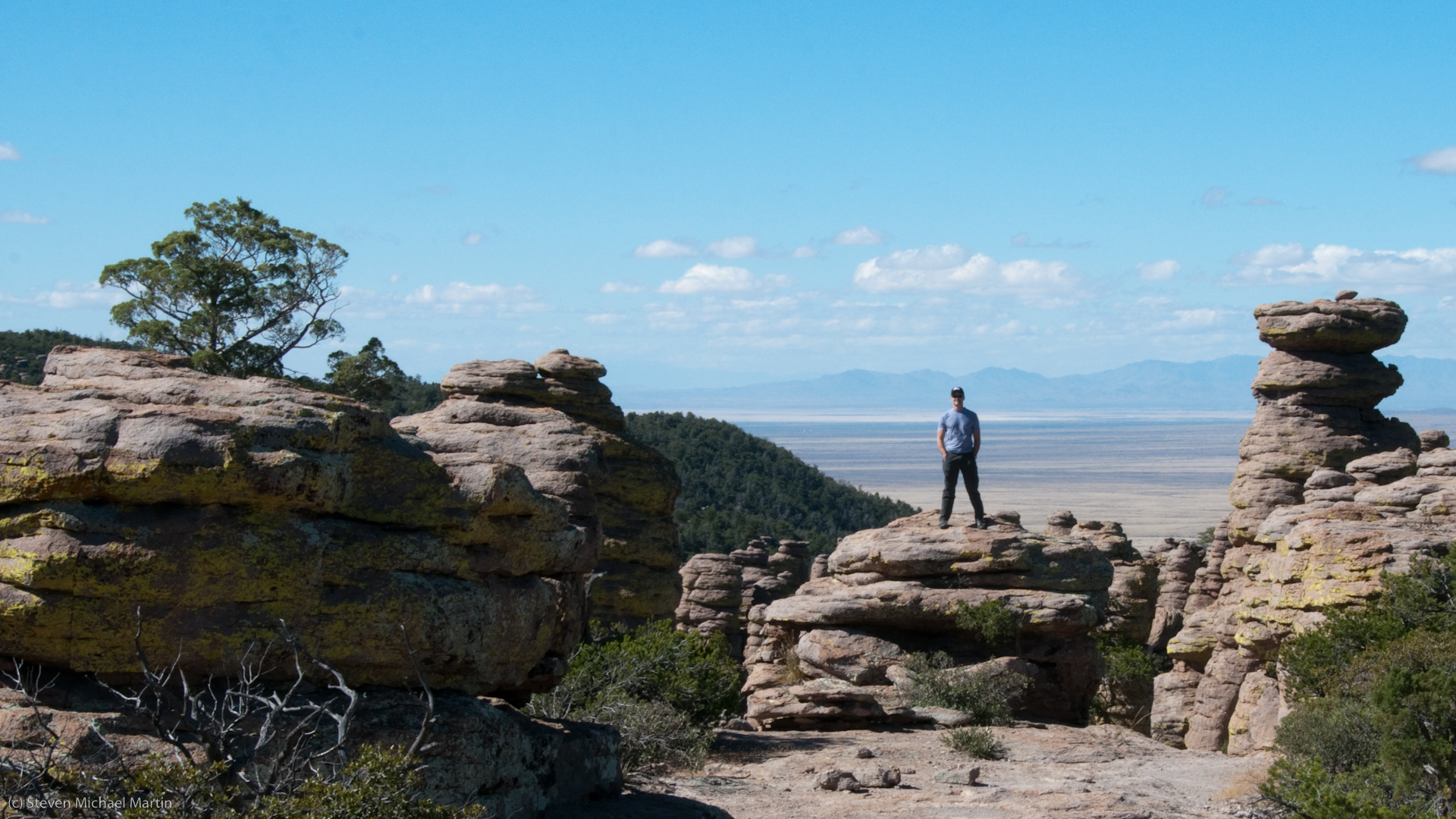
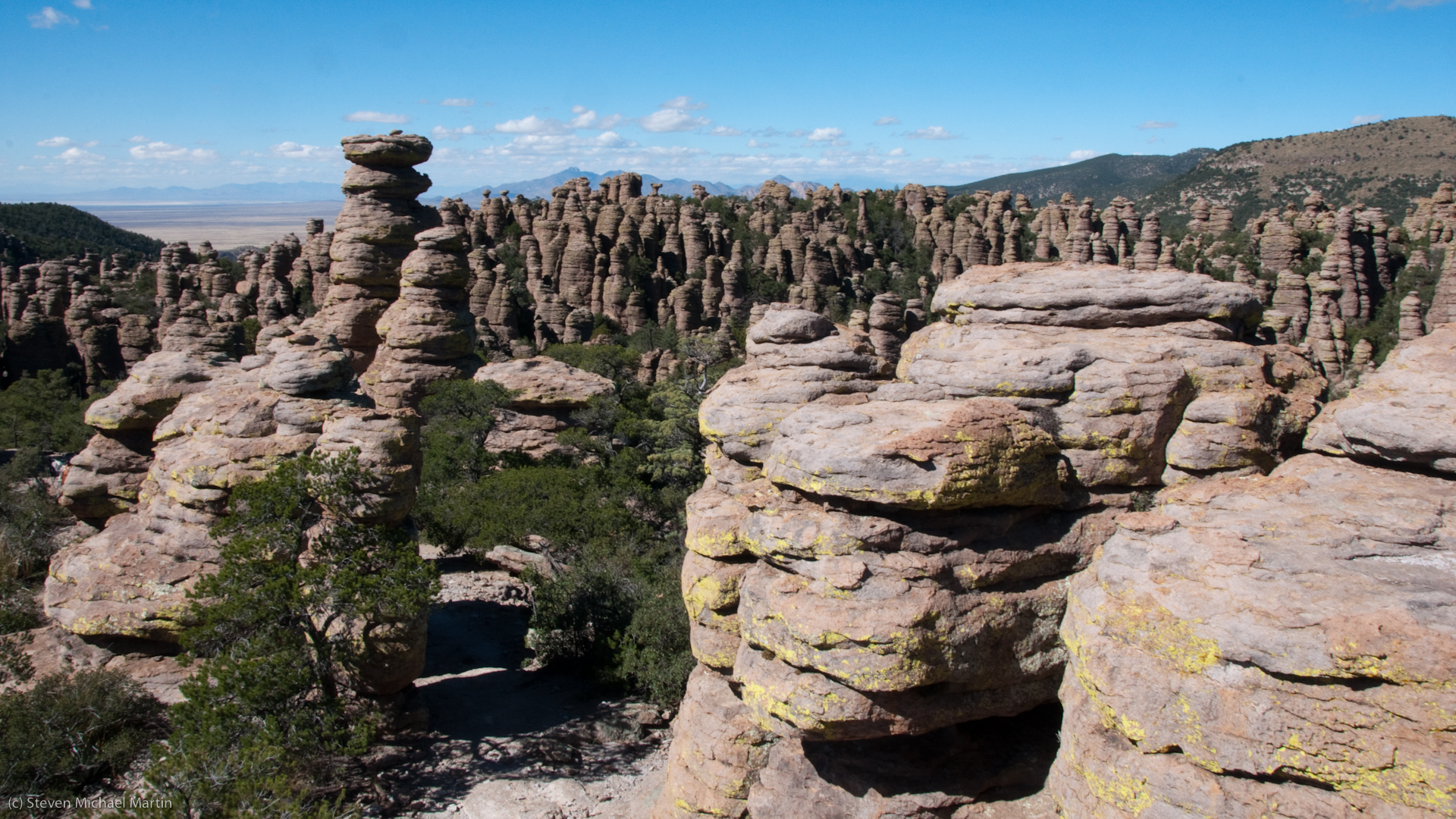
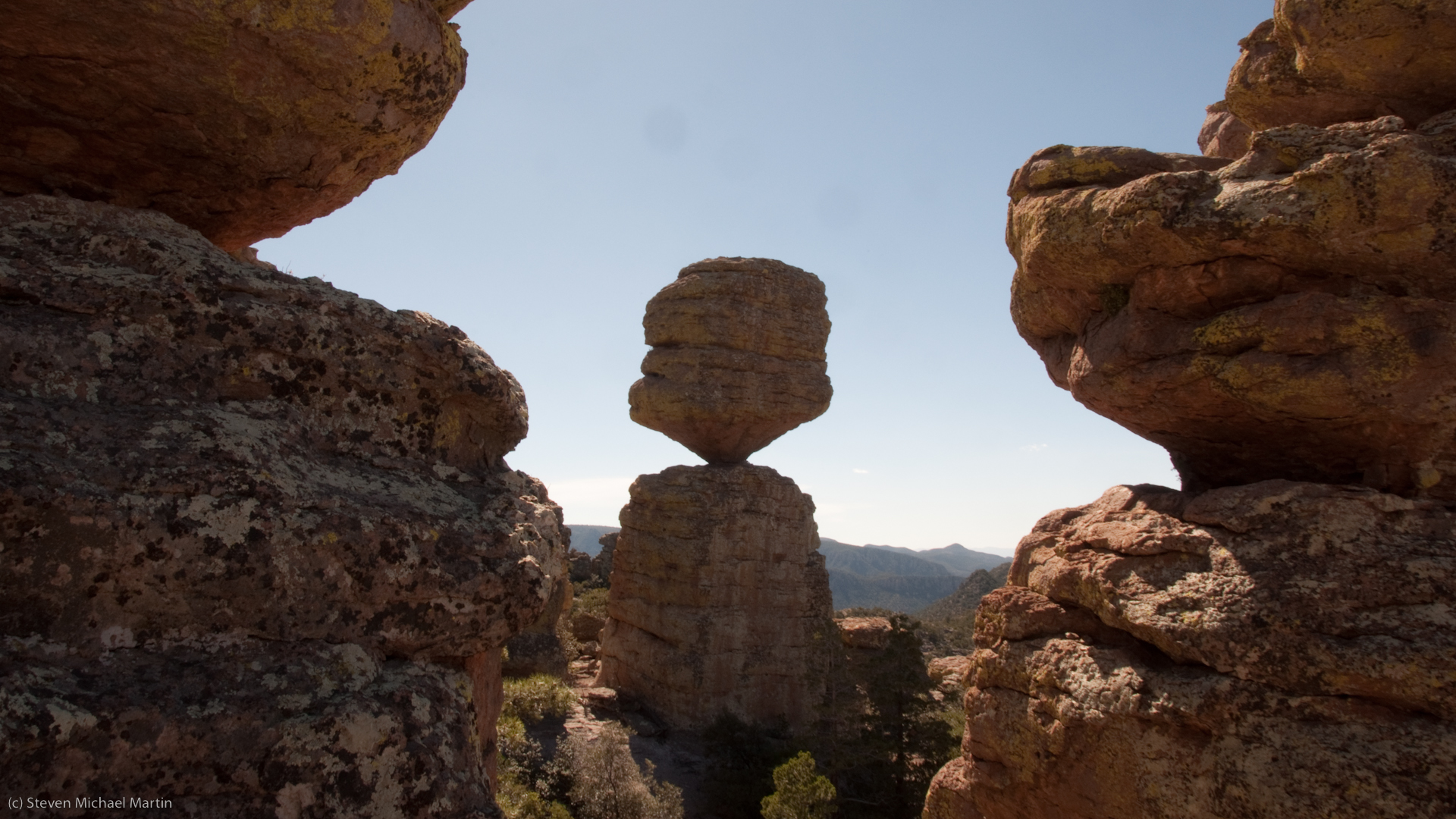
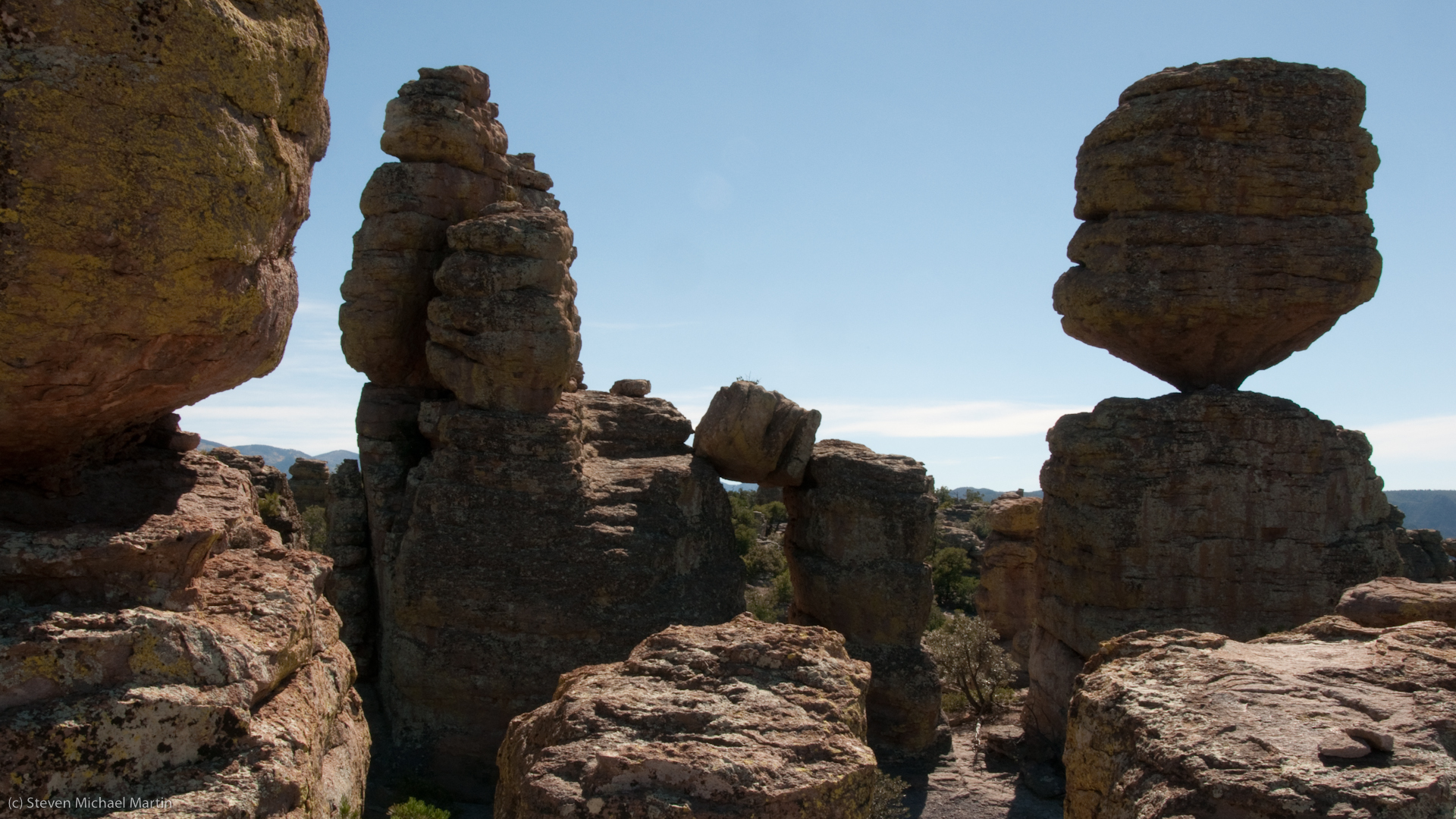
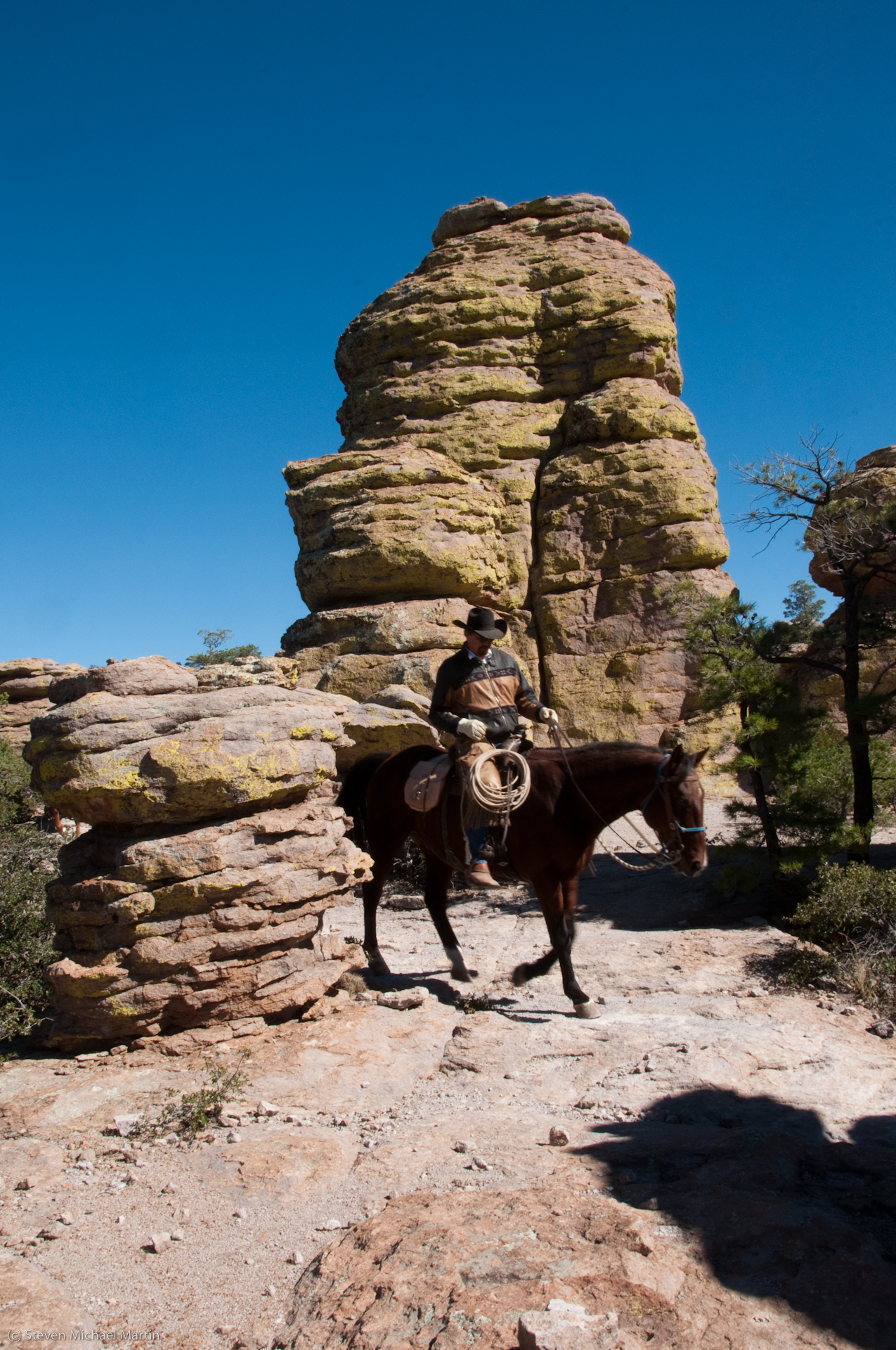
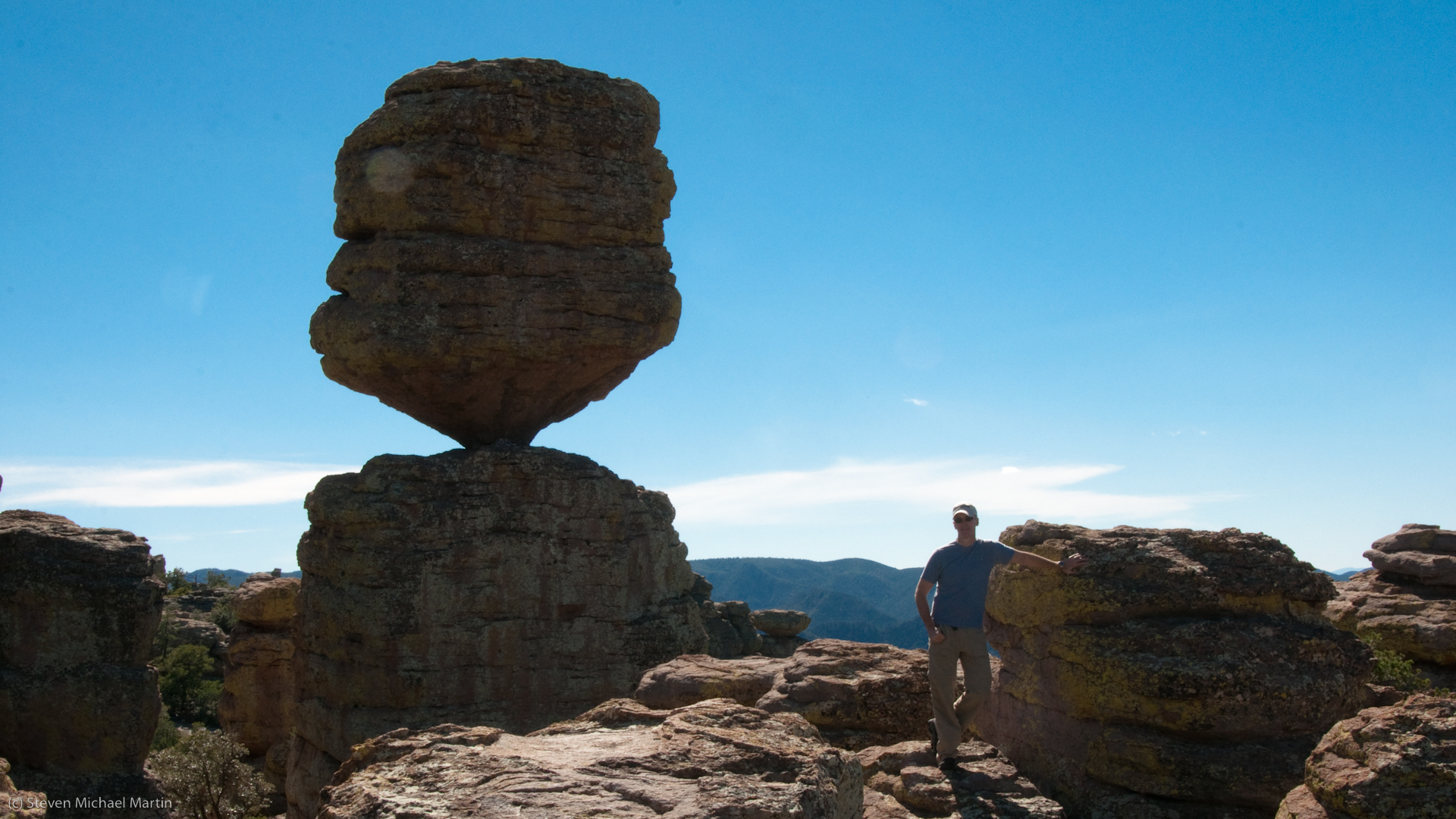
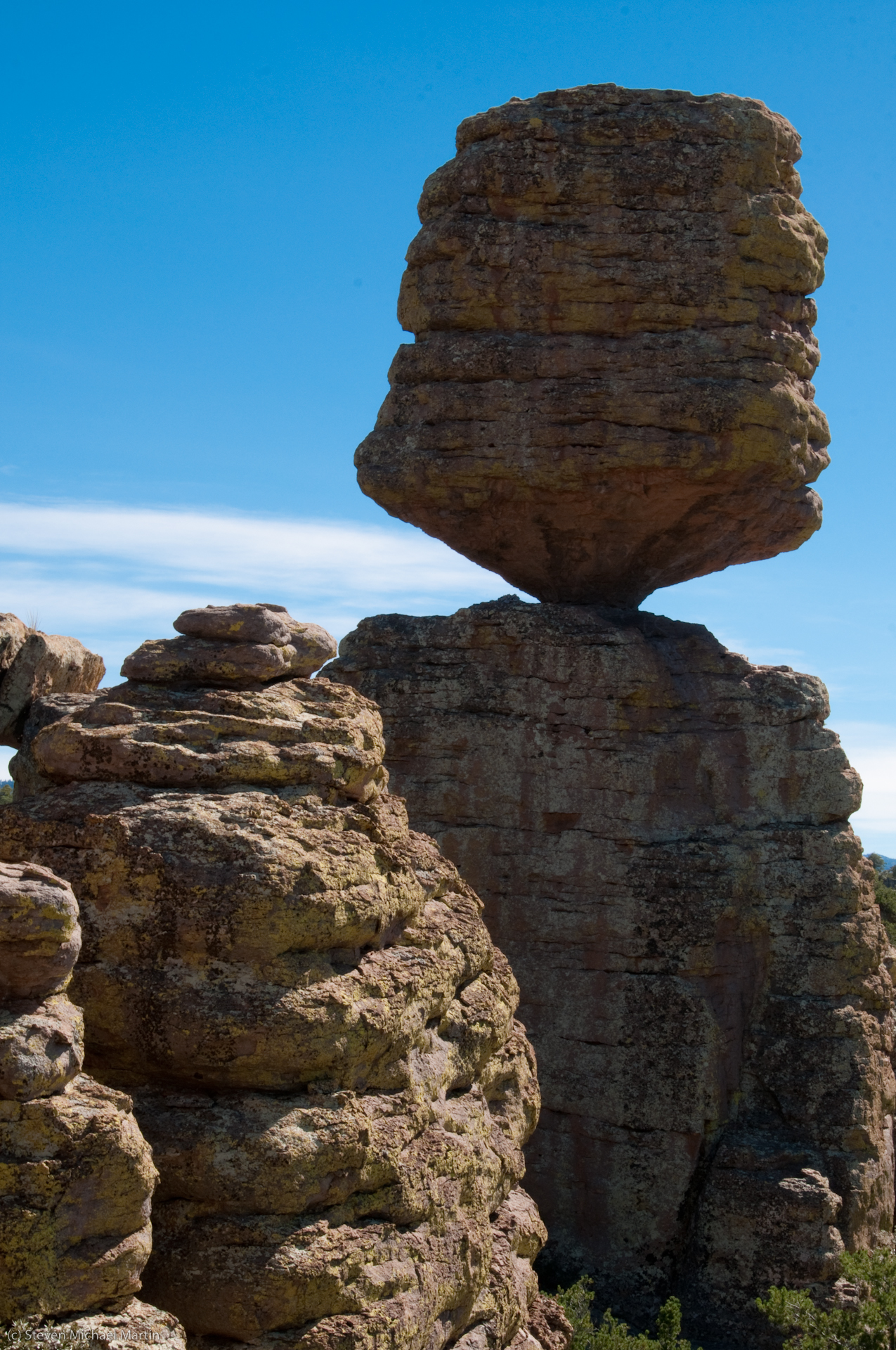
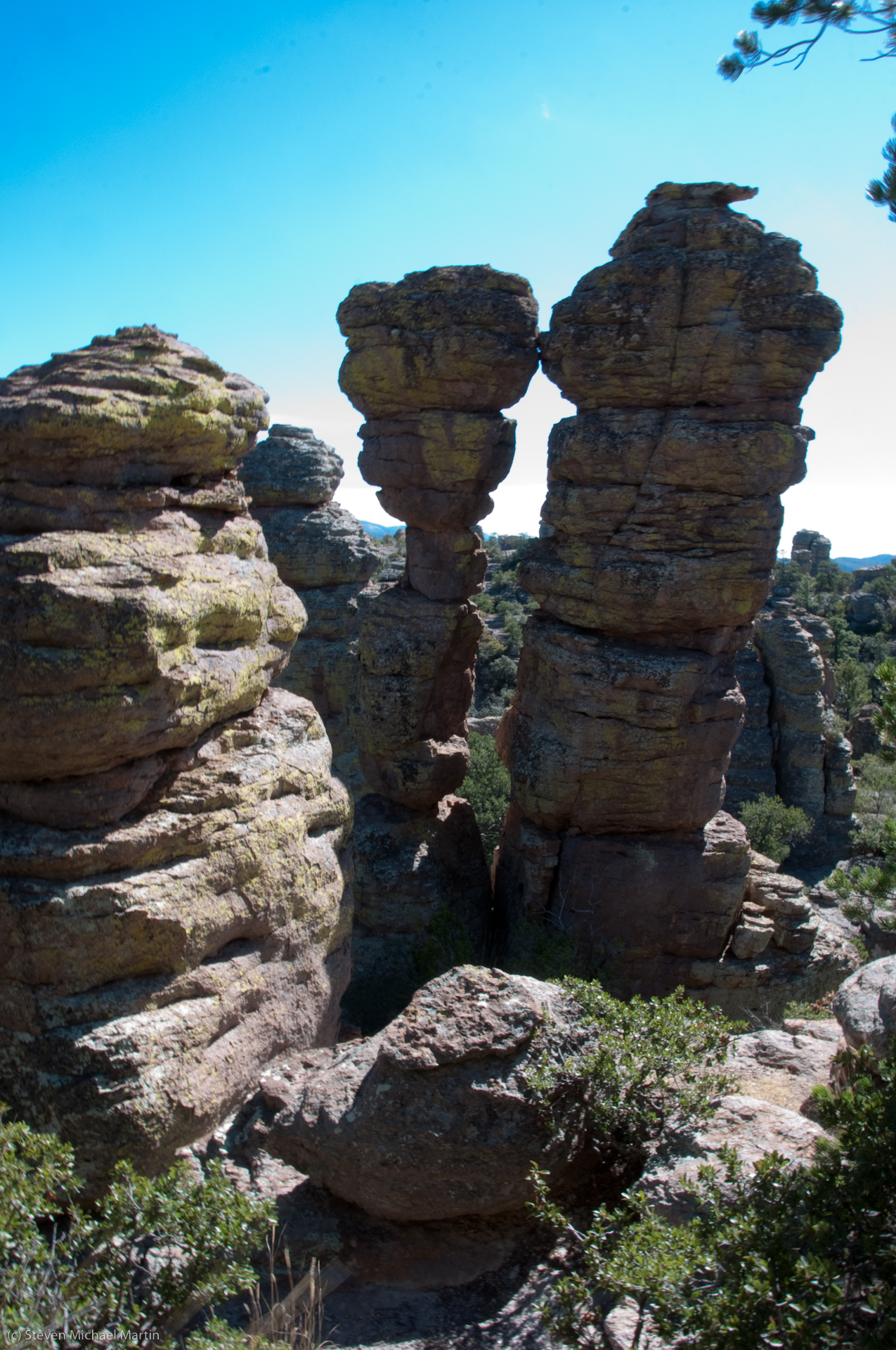
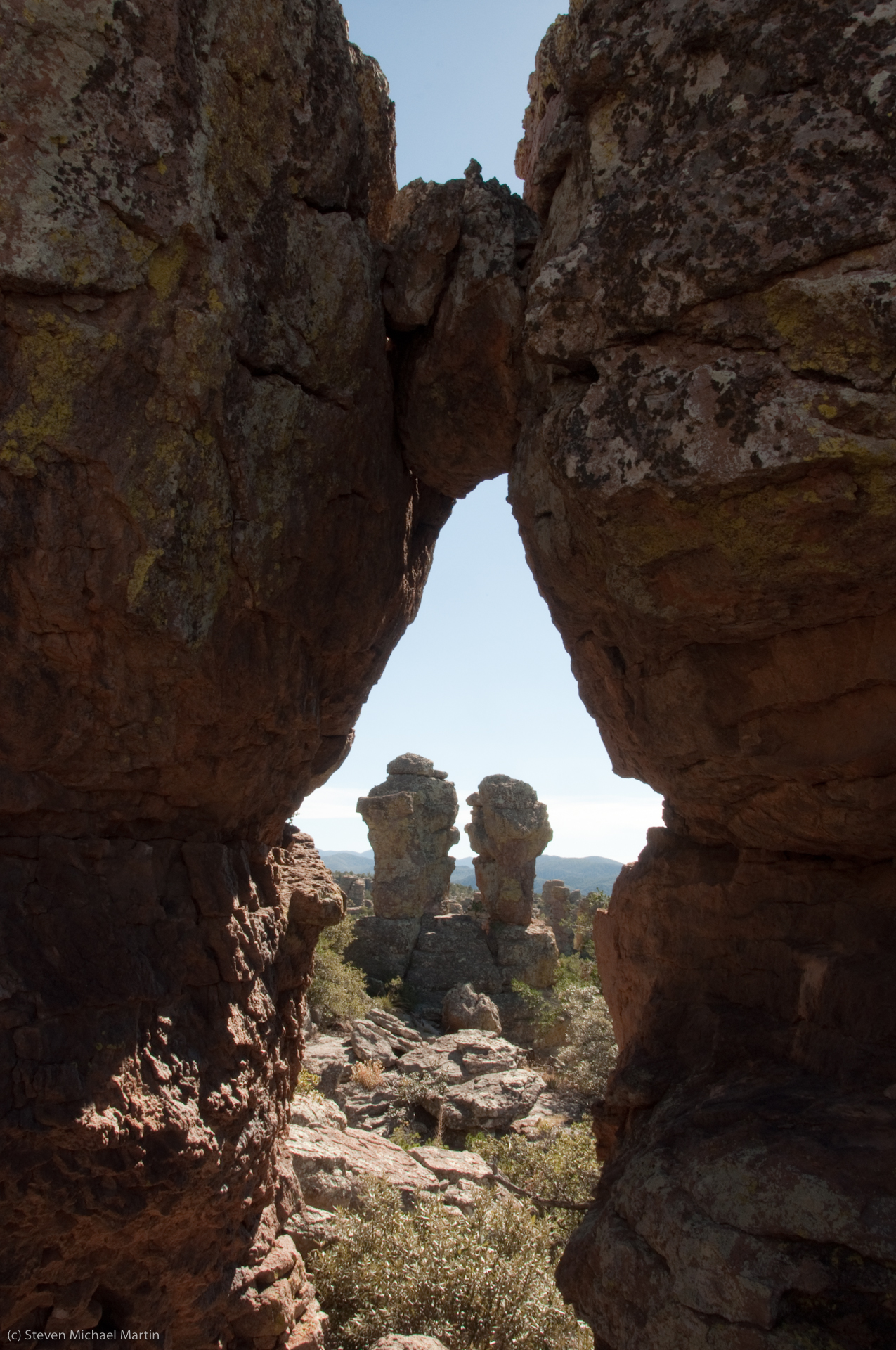
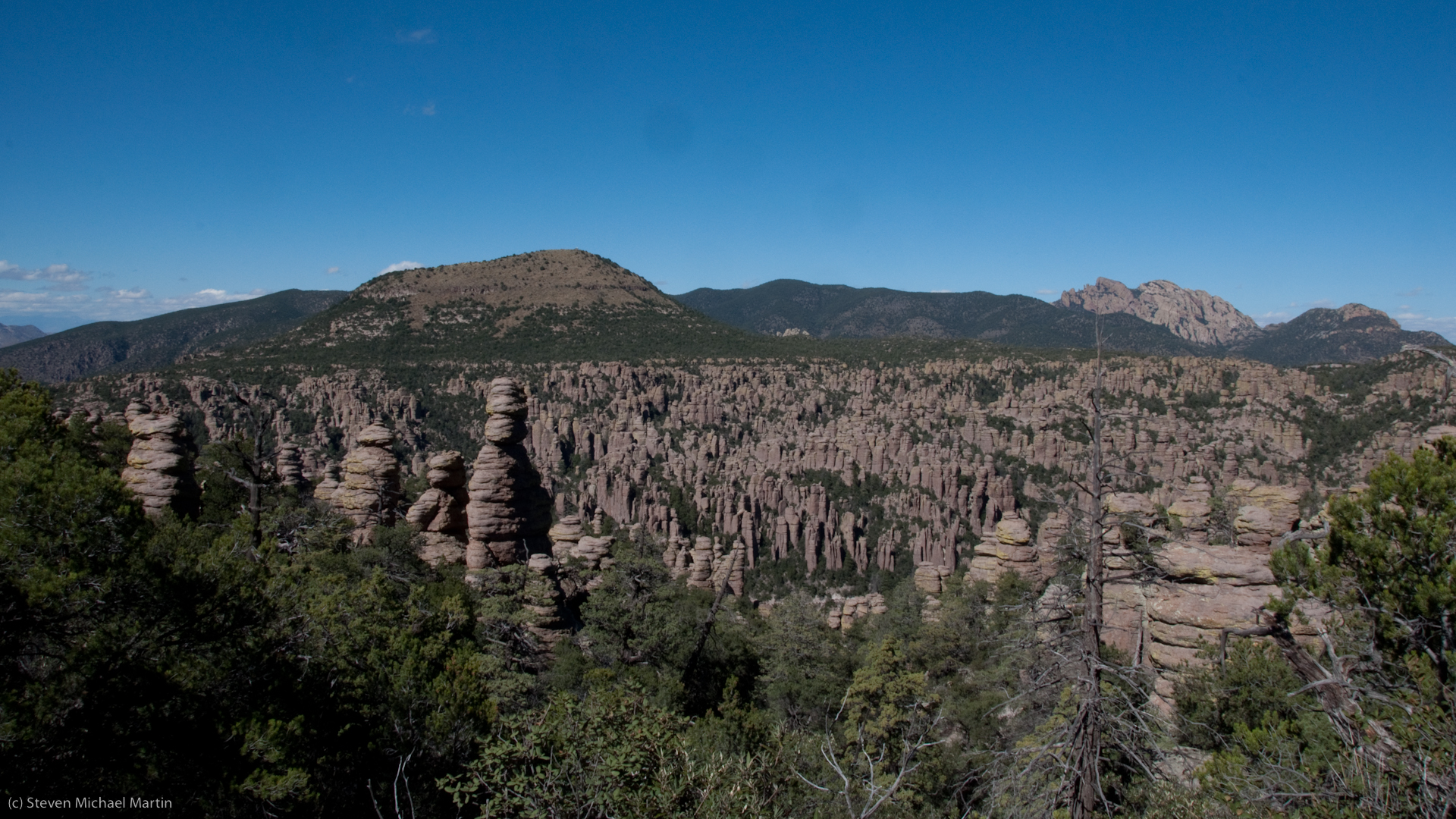
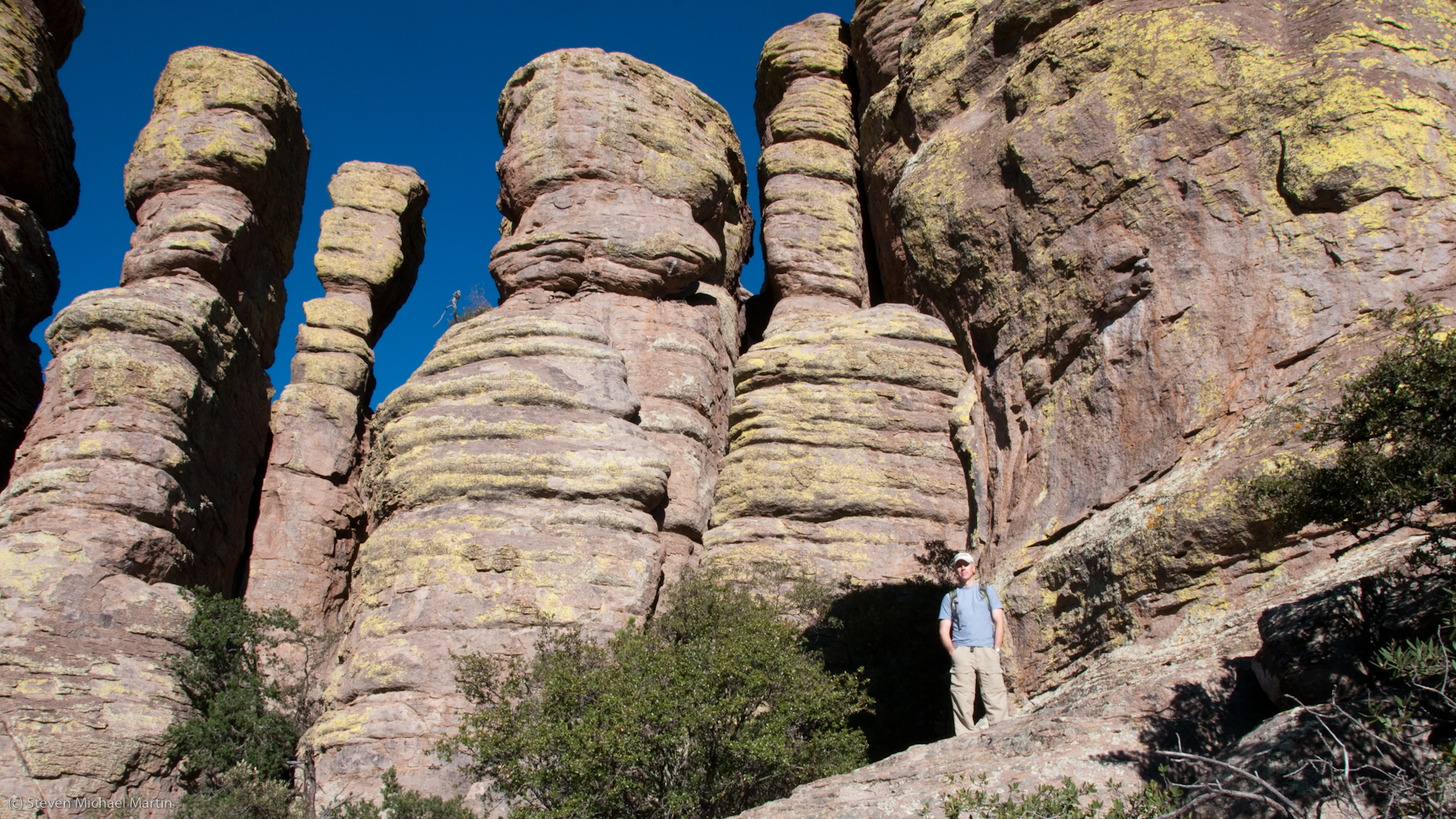
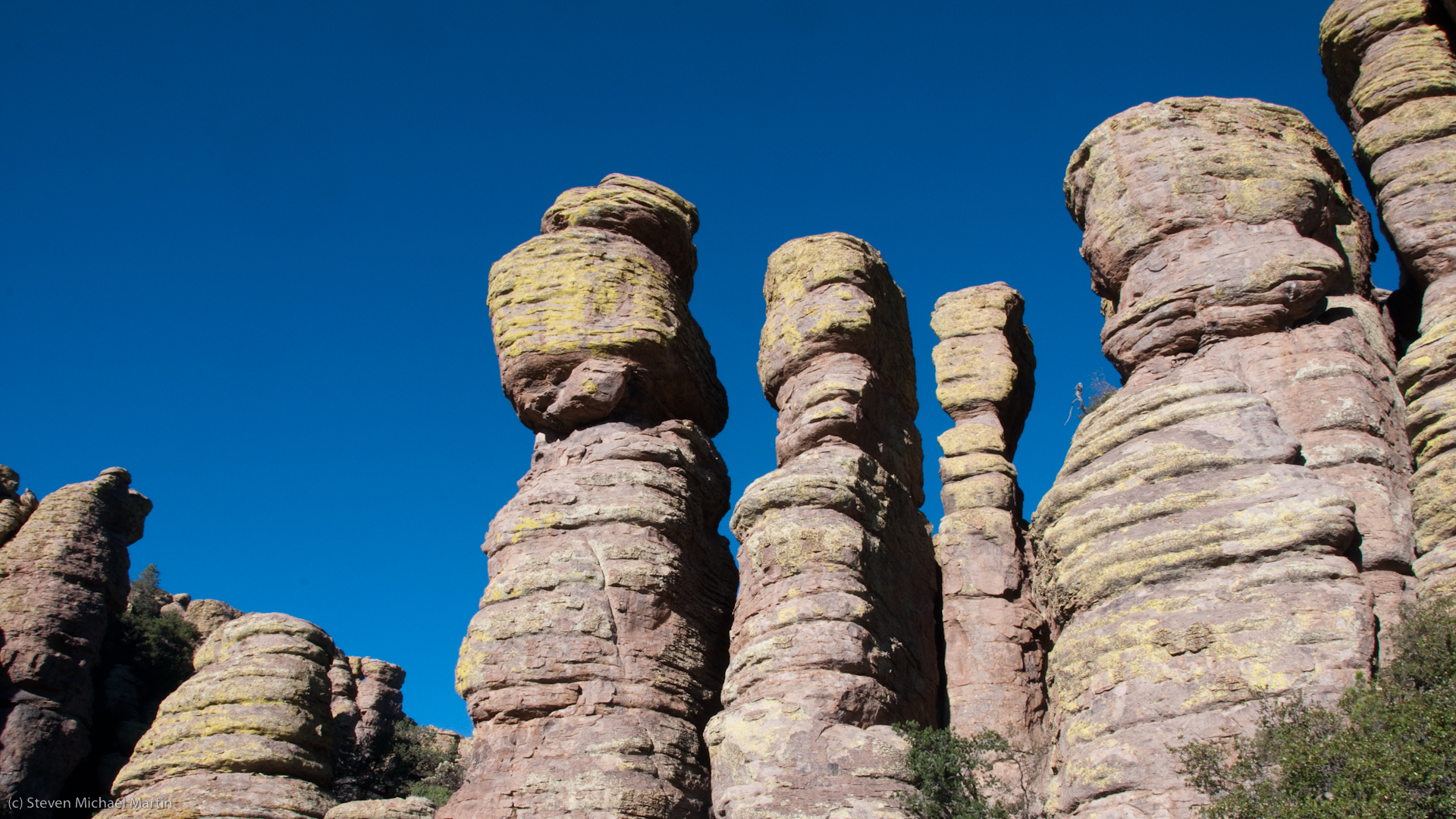
Chiricahua National Monument preserves volcanic rock formations shaped by erosion following ancient eruptions. Layers of volcanic ash were compressed into rock that gradually fractured and eroded into spires and balanced rock formations. The resulting landscape contains numerous hoodoos formed through long-term weathering processes.
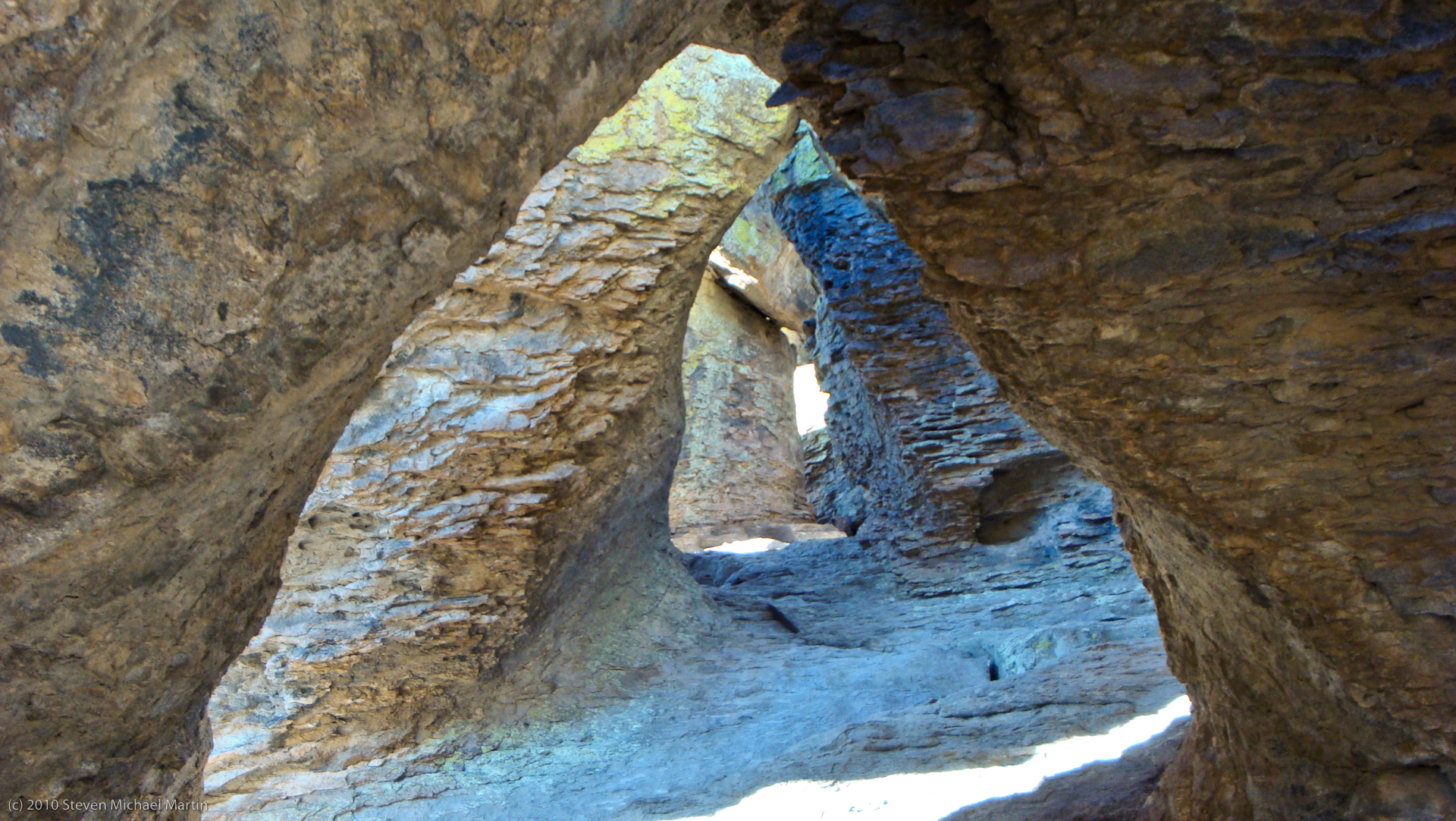
Freeze-thaw cycles contribute to the gradual breakdown of rock, allowing erosion to sculpt narrow pinnacles and columns. Variations in rock hardness influence how formations weather over time. The monument illustrates how volcanic activity and erosion interact to shape landscape structure.
Today, Chiricahua demonstrates how geological processes influence terrain formation across mountainous desert environments. The hoodoo formations illustrate how erosion gradually reshapes volcanic deposits.






National Monument Field Guide
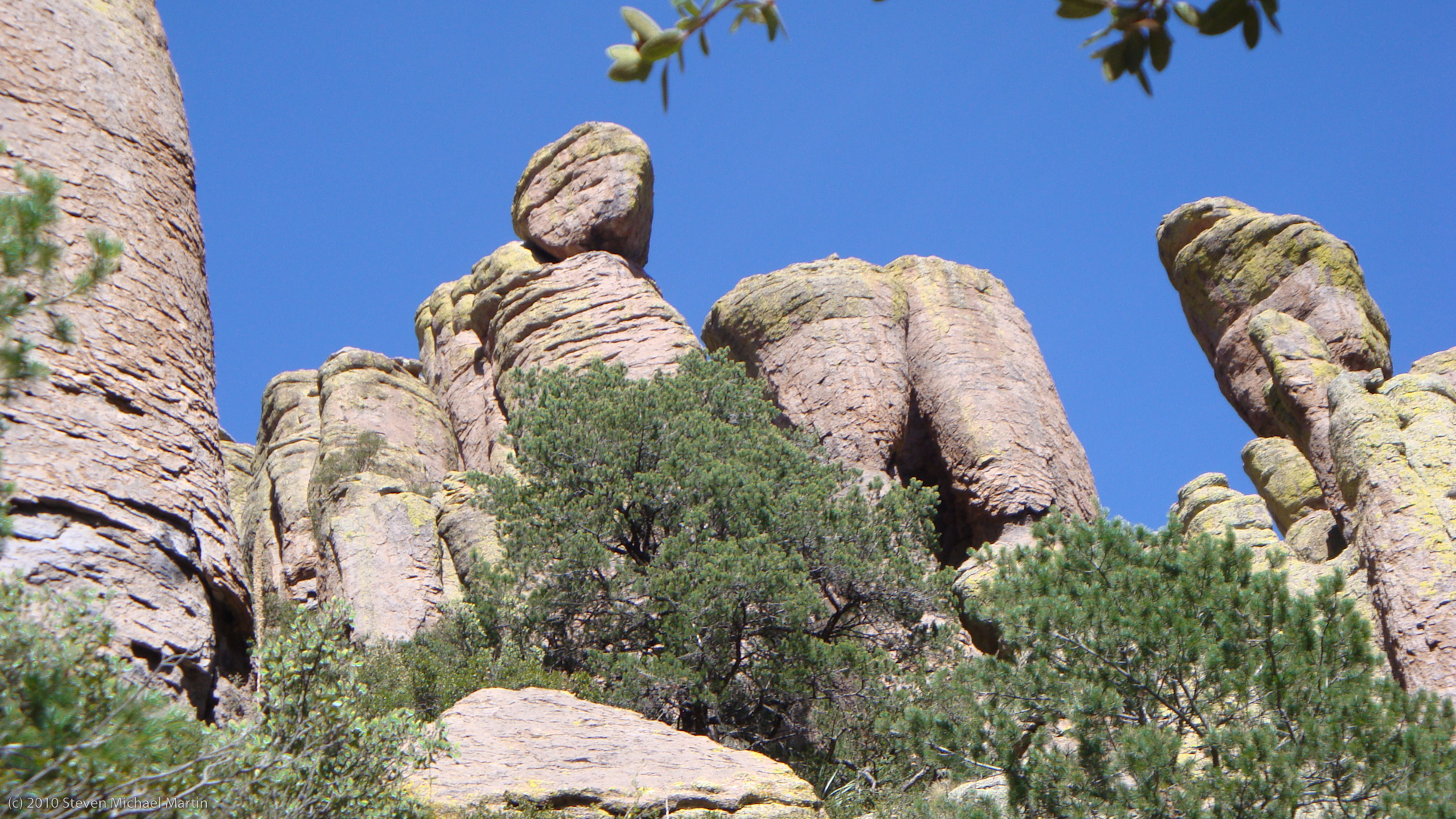
Chiricahua National Monument preserves volcanic rock formations shaped by erosion of ash deposits following ancient eruptions. Weathering processes gradually created hoodoos and balanced rock formations.
🪨 Key Significance
- Volcanic ash deposits compressed into rock layers
- Hoodoos formed through erosion processes
- Freeze-thaw weathering shaping rock spires
- Volcanic landscape altered by long-term erosion
- Balanced rock formations illustrating differential erosion
📖 Interpretive Context
Volcanic eruptions deposited ash that hardened into rock layers. Weathering gradually produced spires and pinnacles characteristic of hoodoo landscapes.
📷 Photography Notes
- Side lighting emphasizes texture of rock formations
- Wide compositions capture density of hoodoos
- Morning light produces softer shadows
- Telephoto lenses isolate rock formations