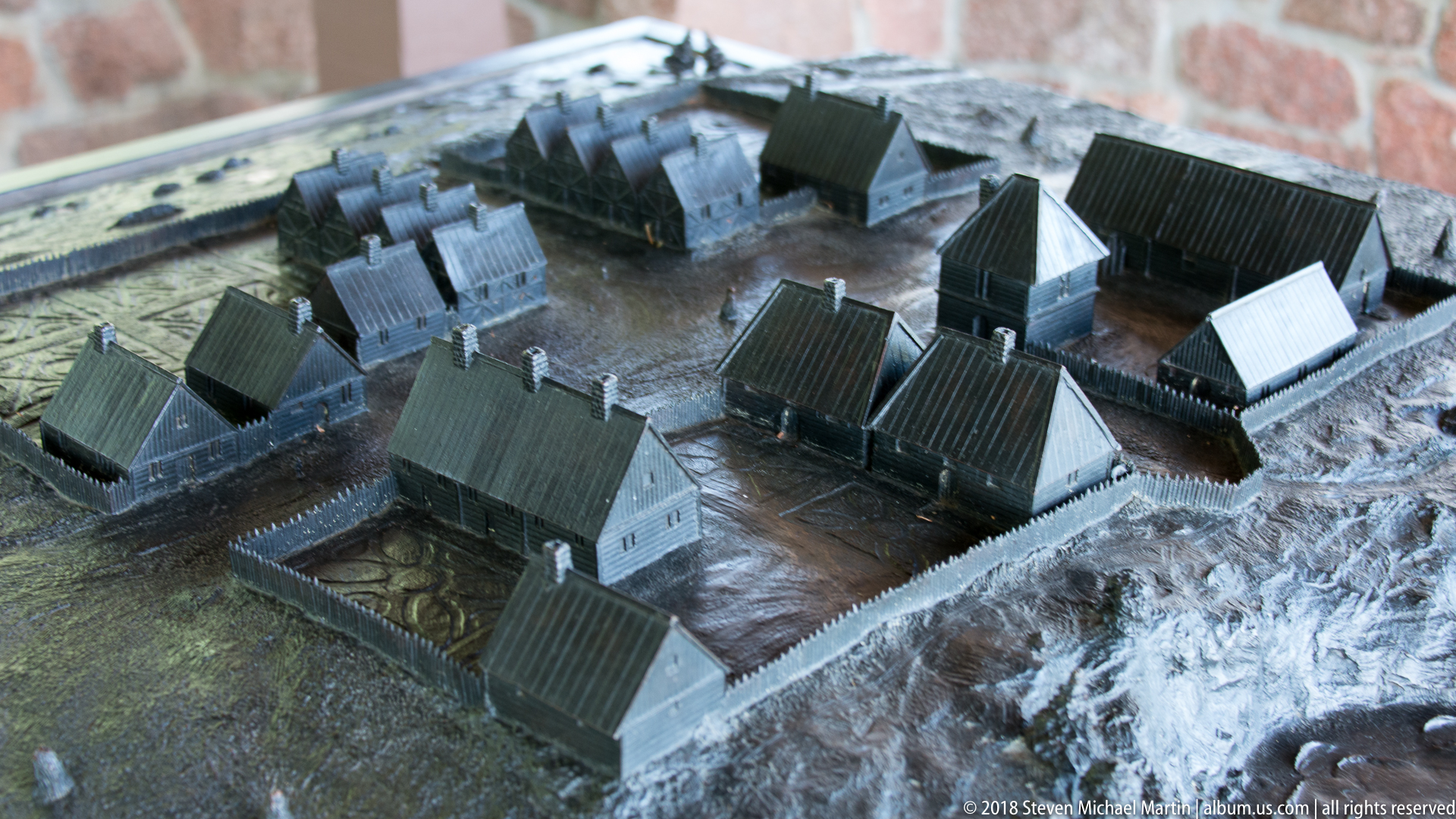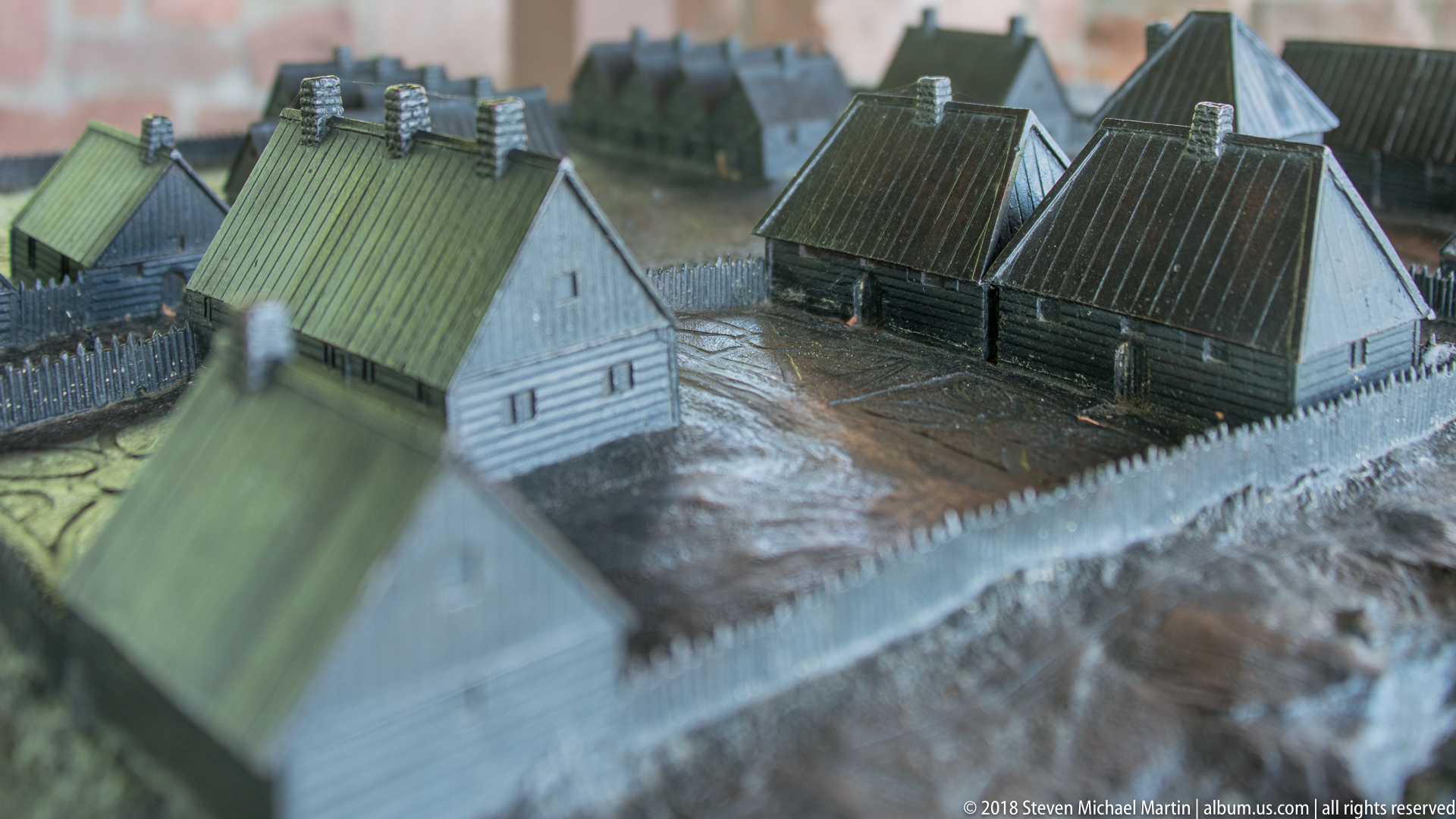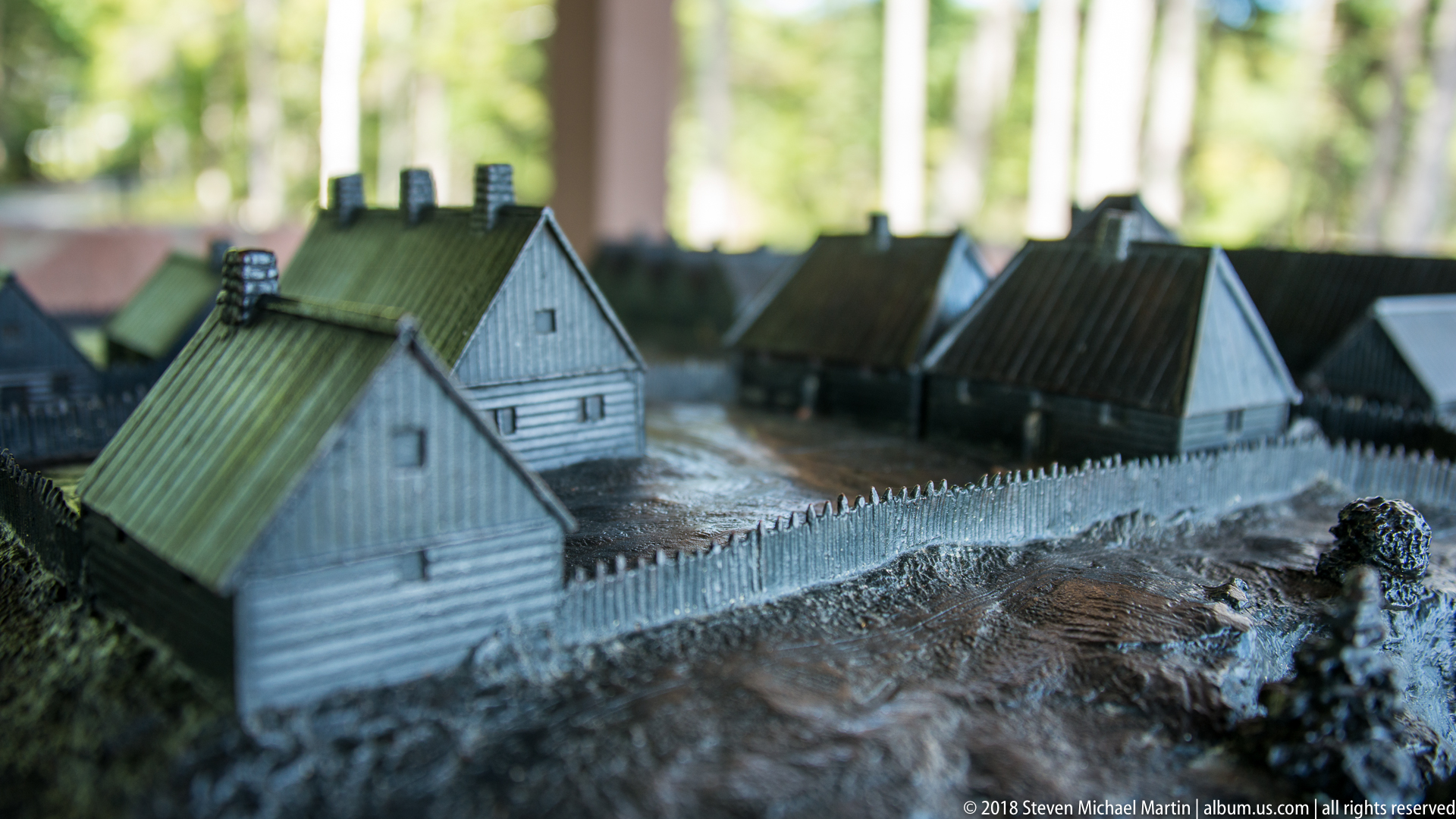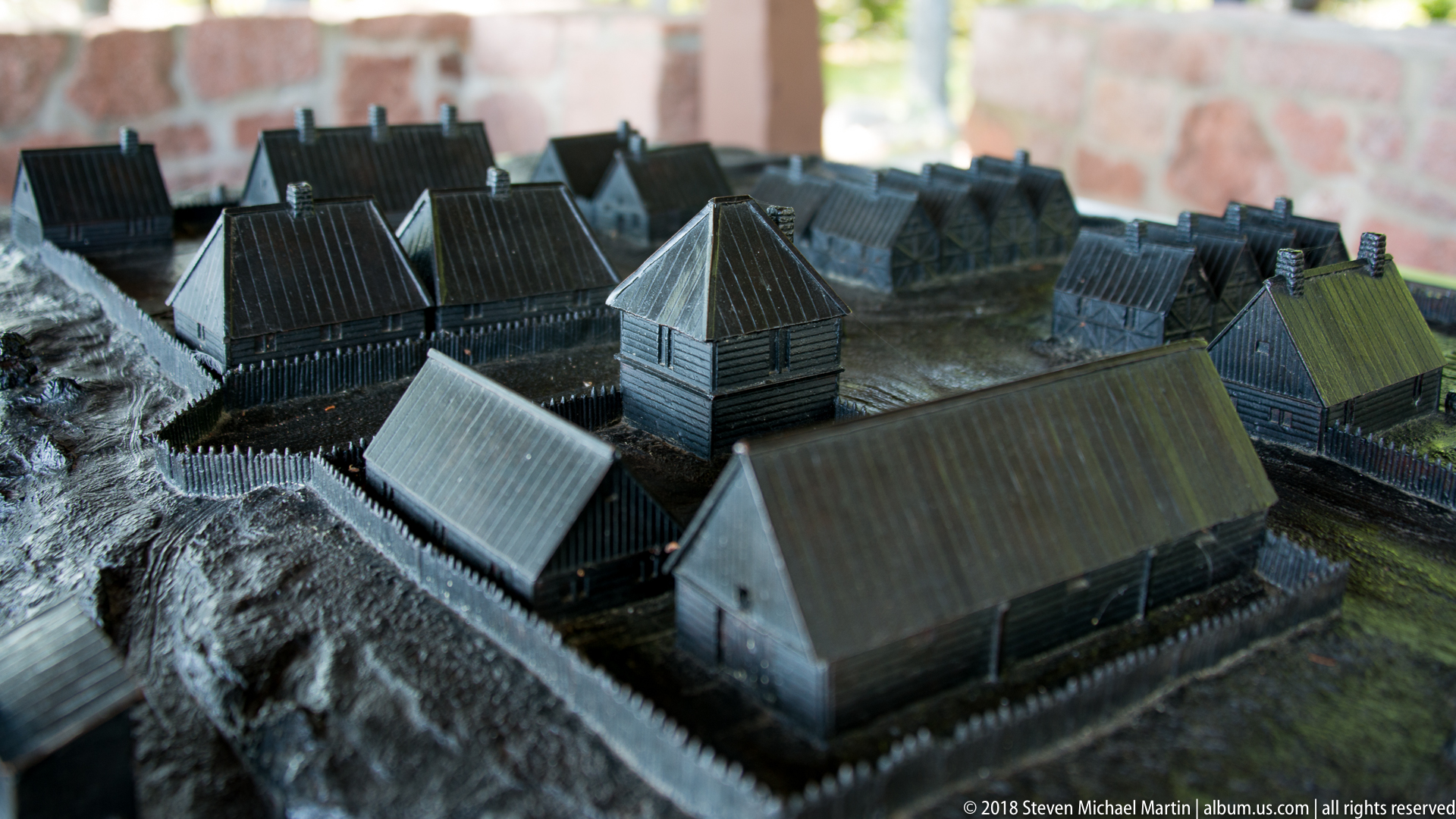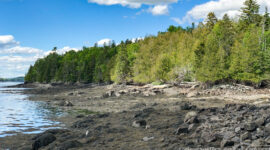
Saint Croix Island Settlement
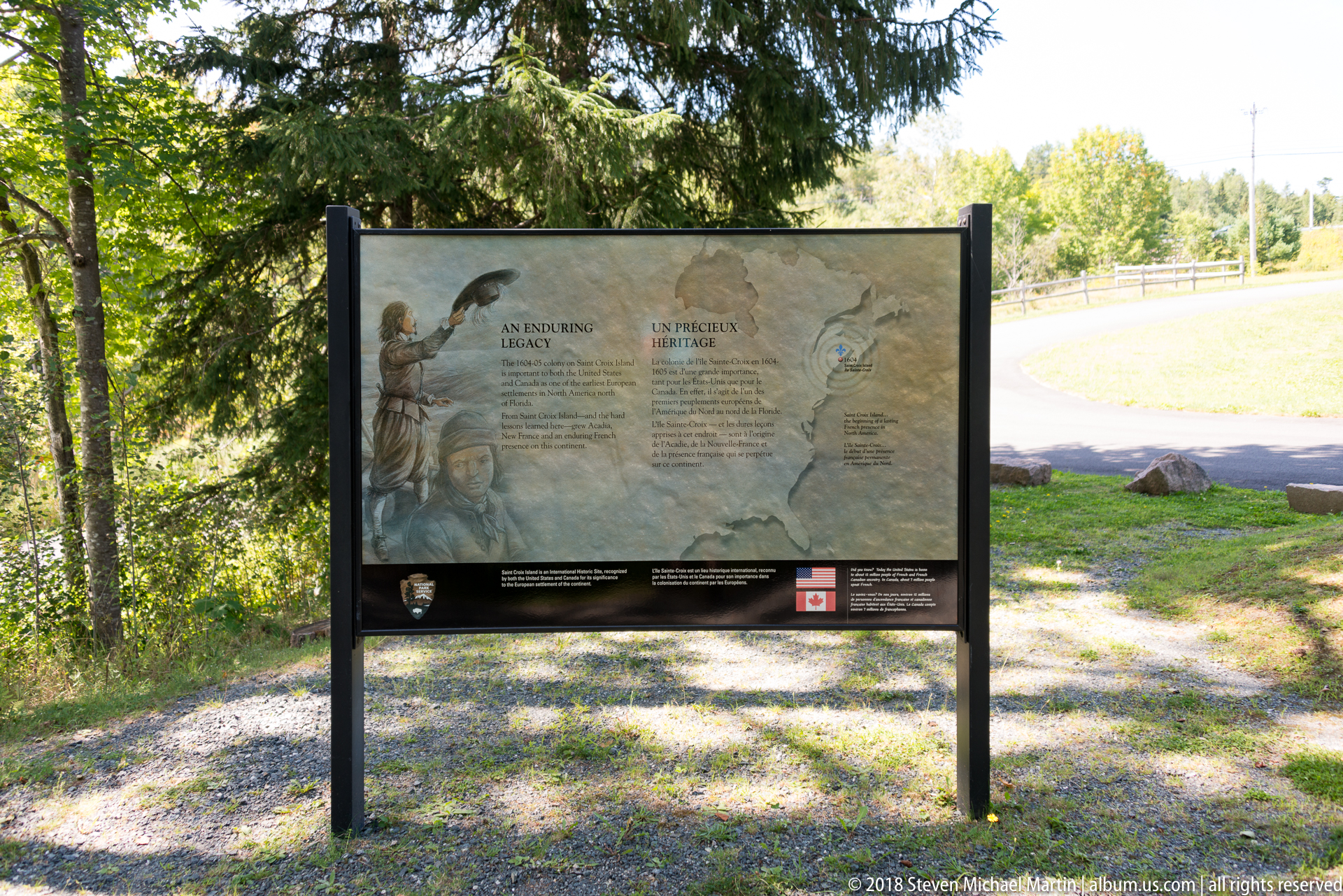
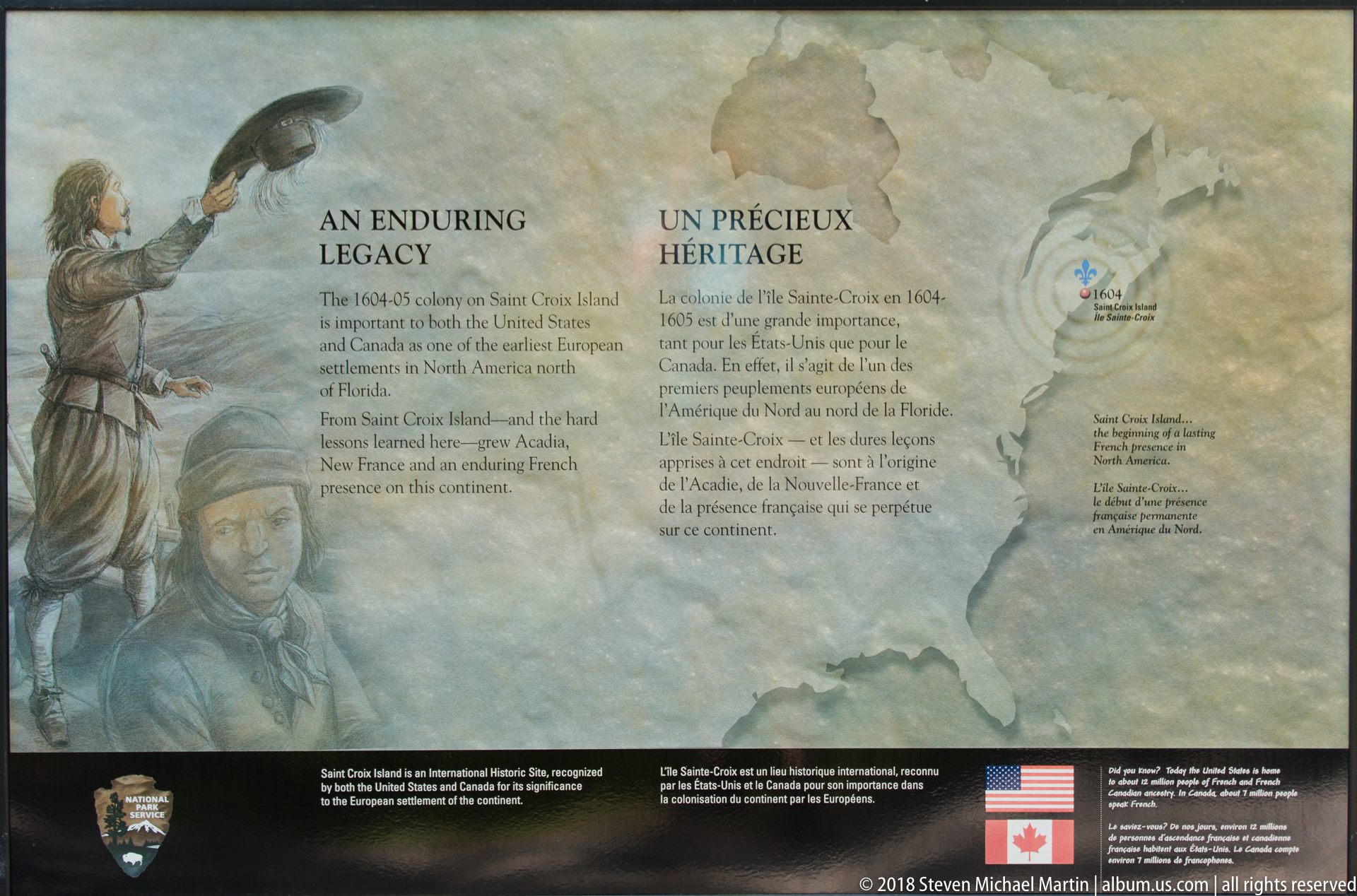
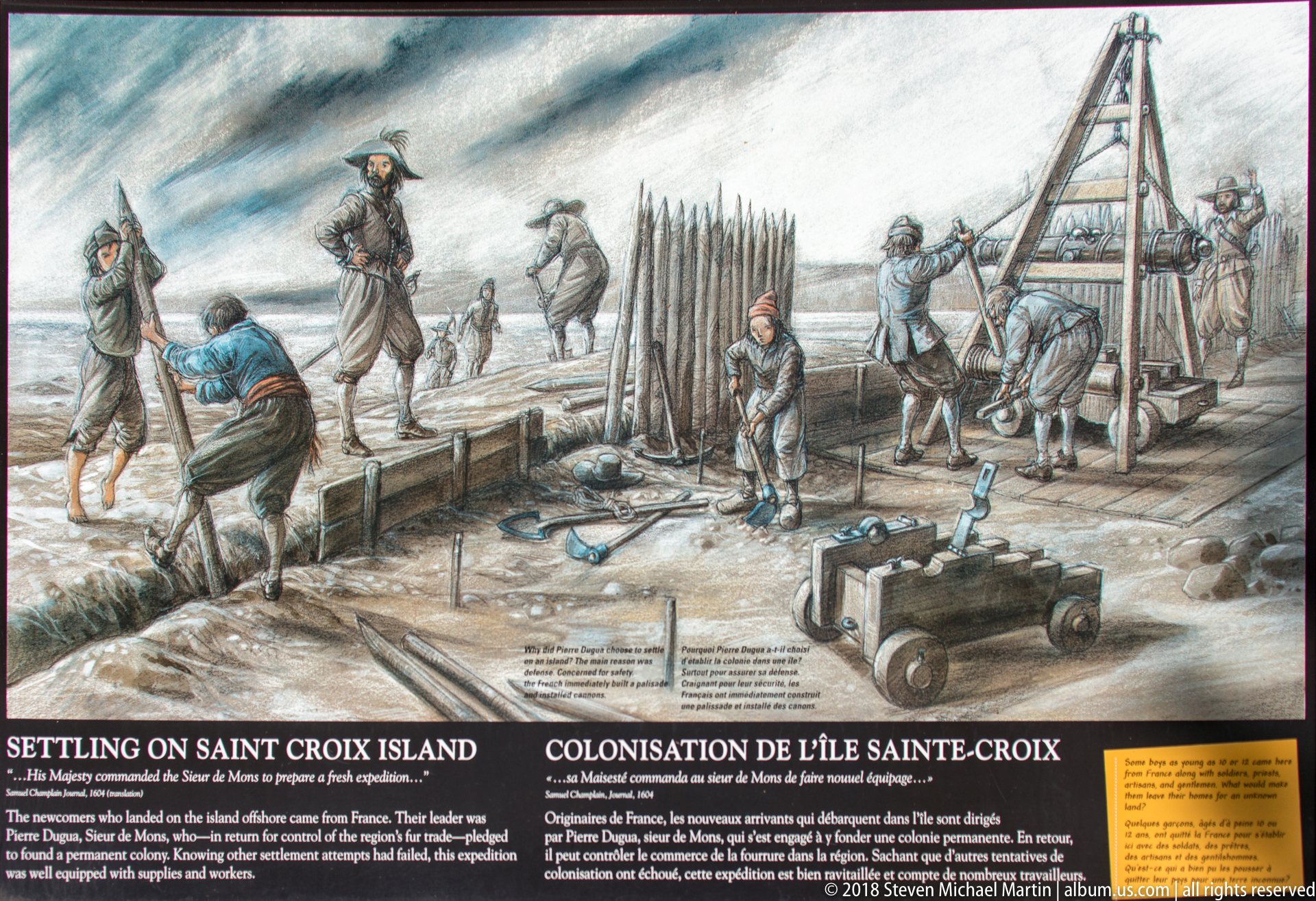
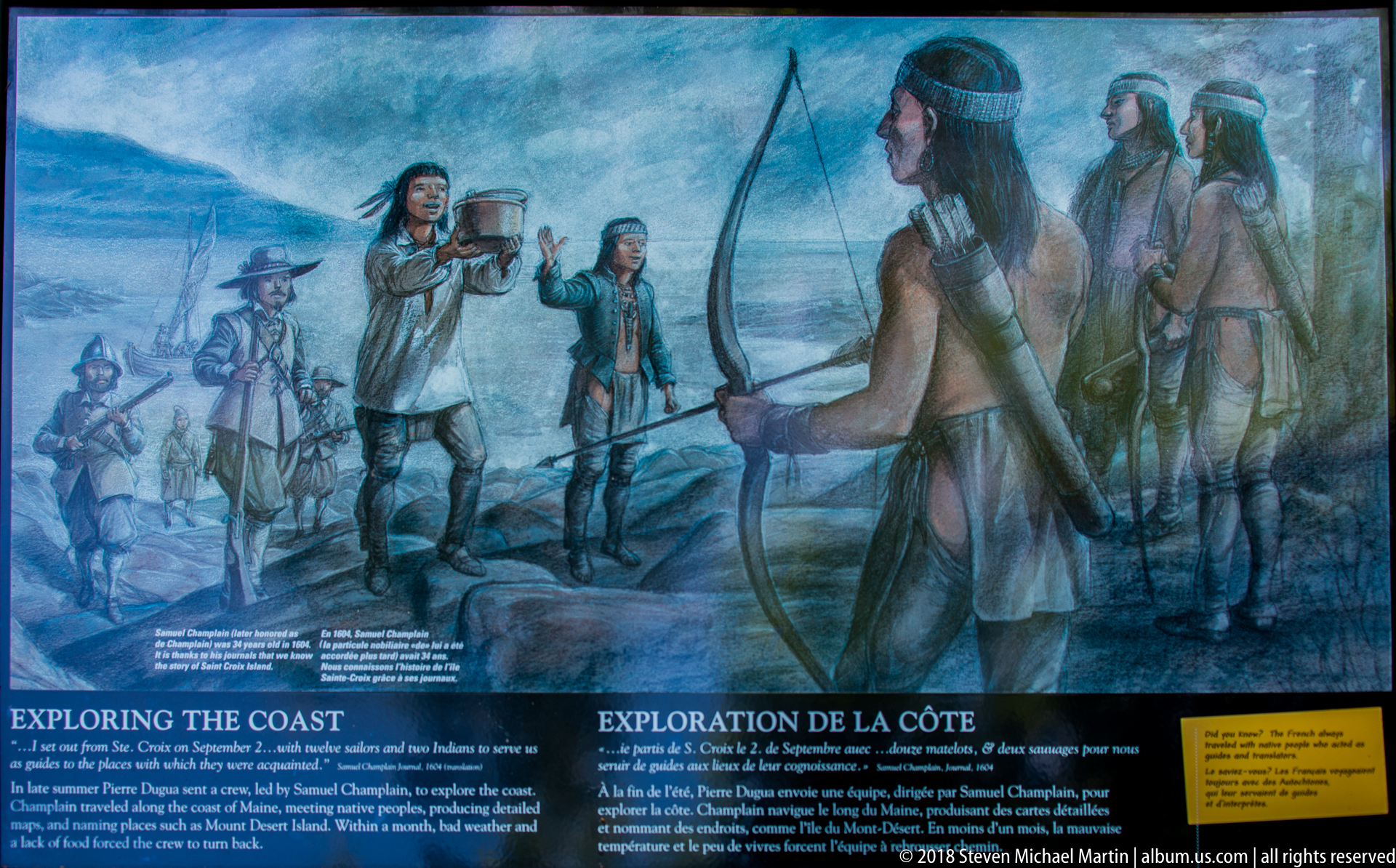
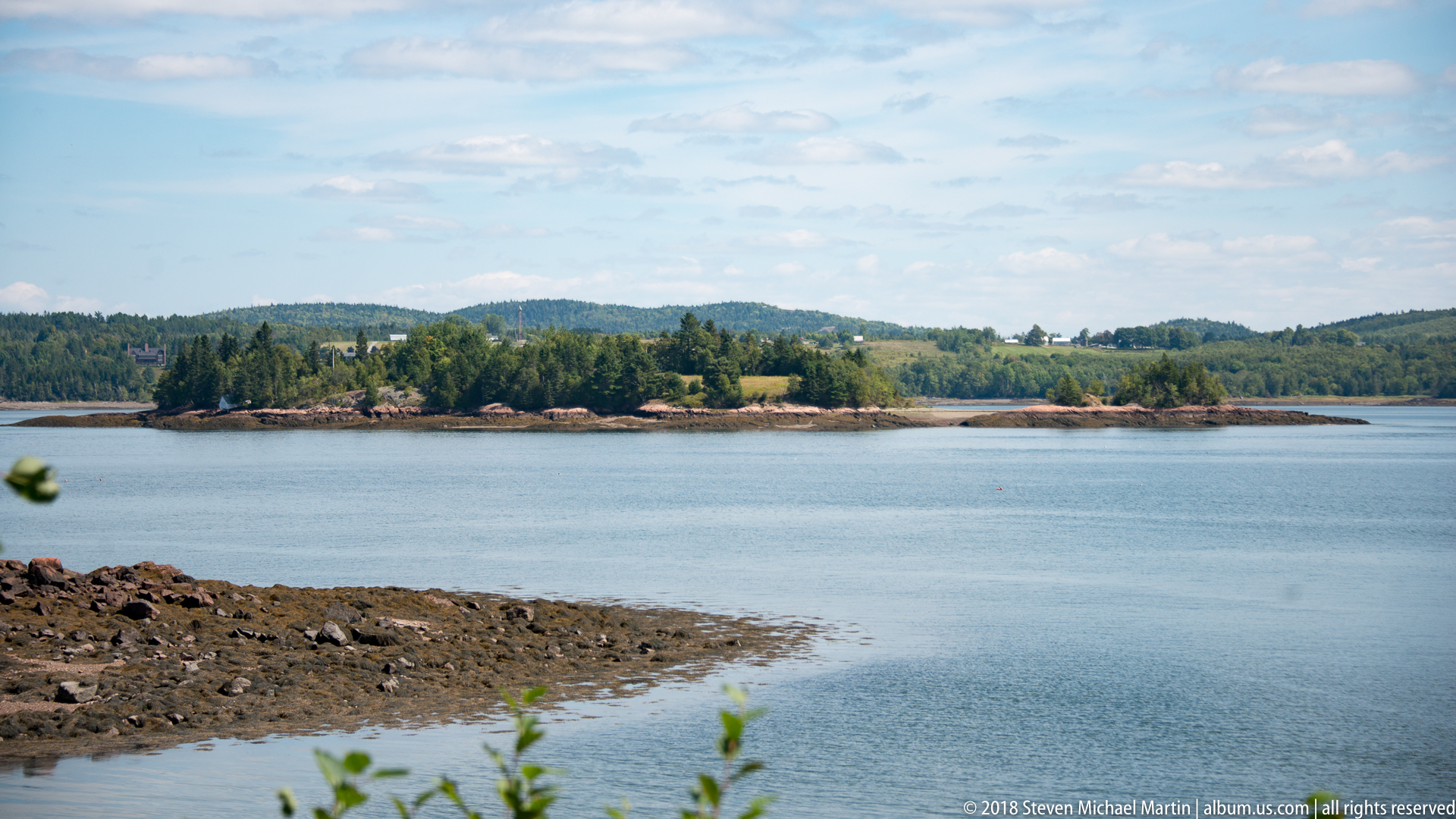
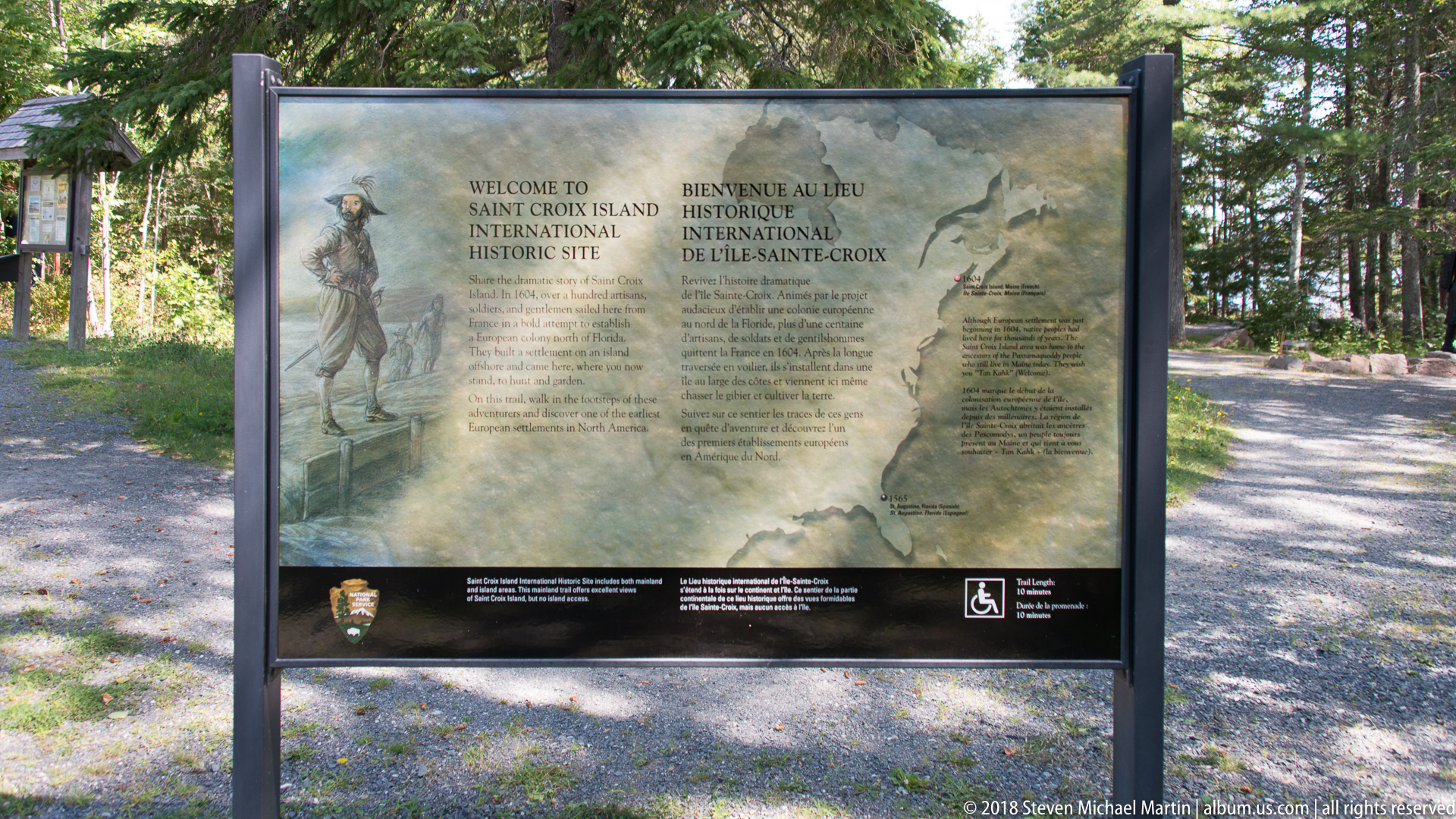
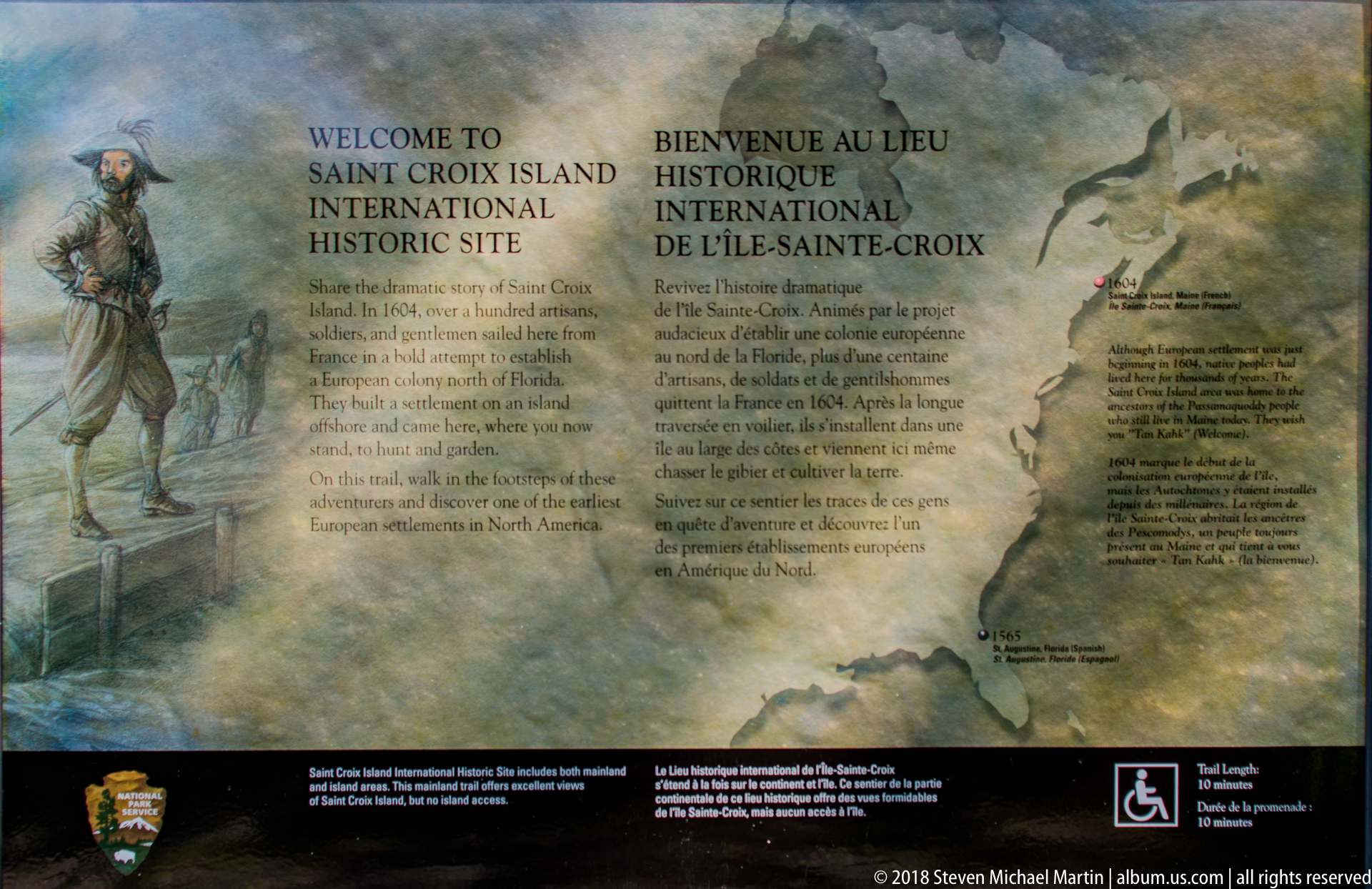
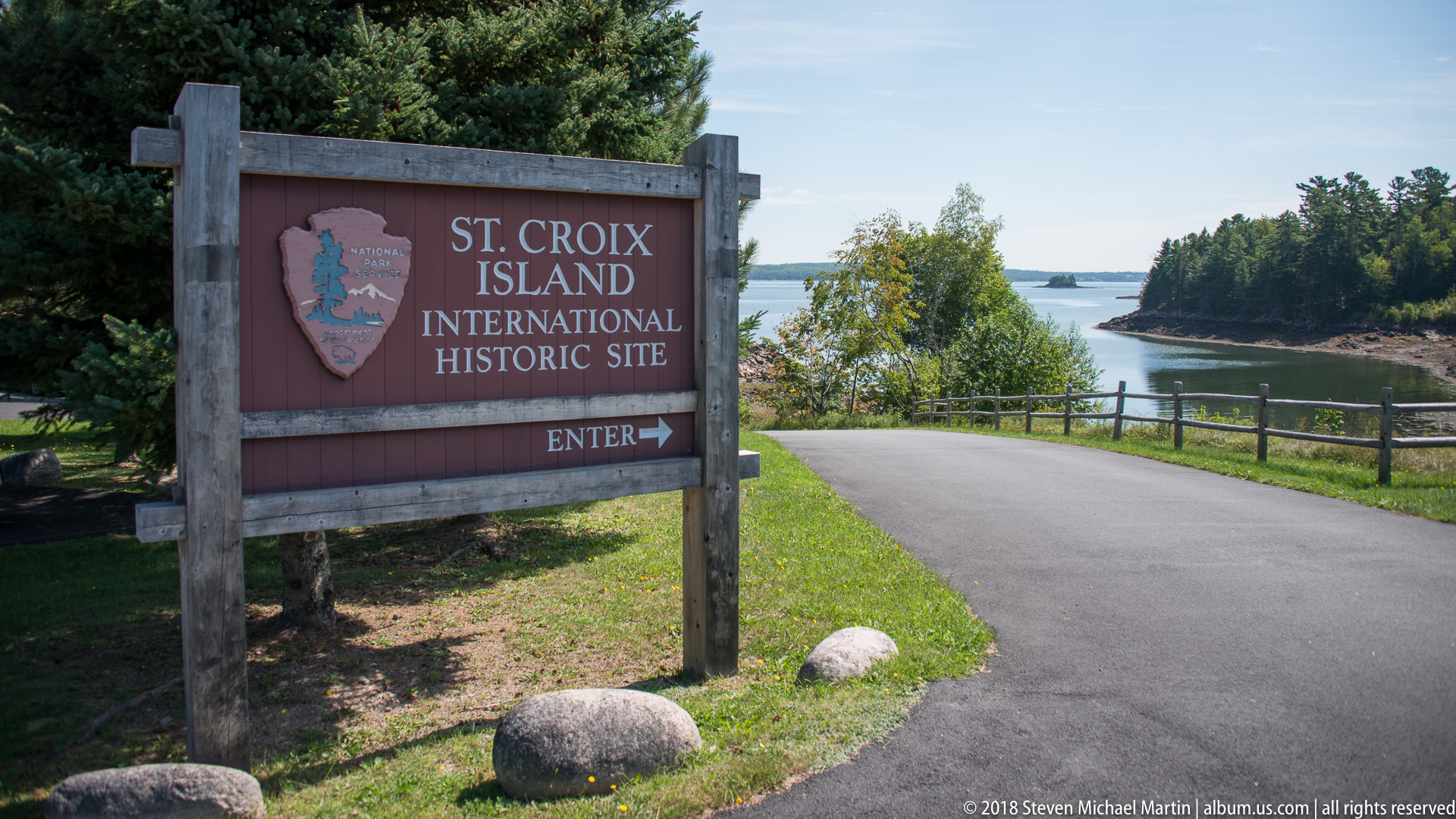
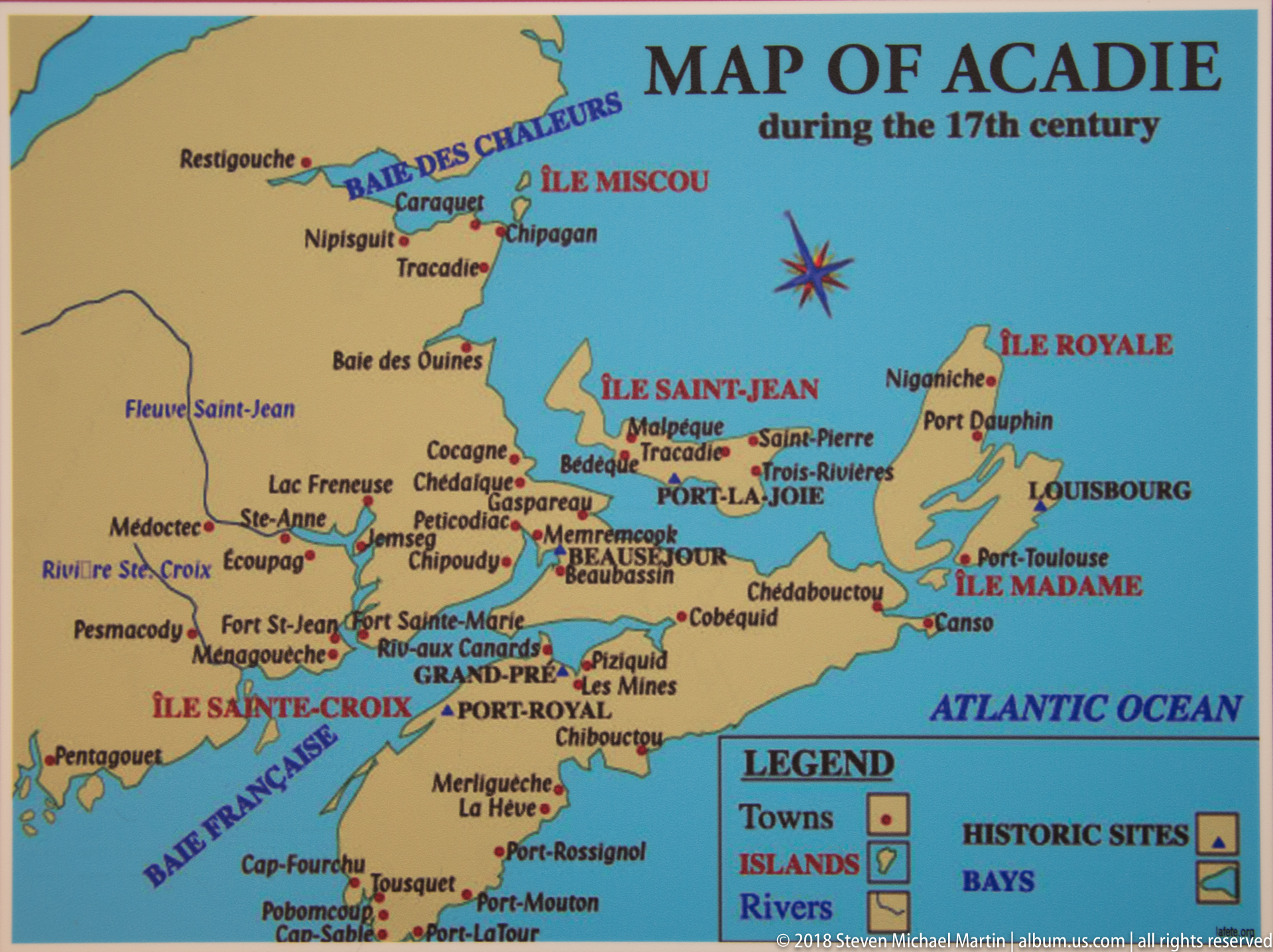
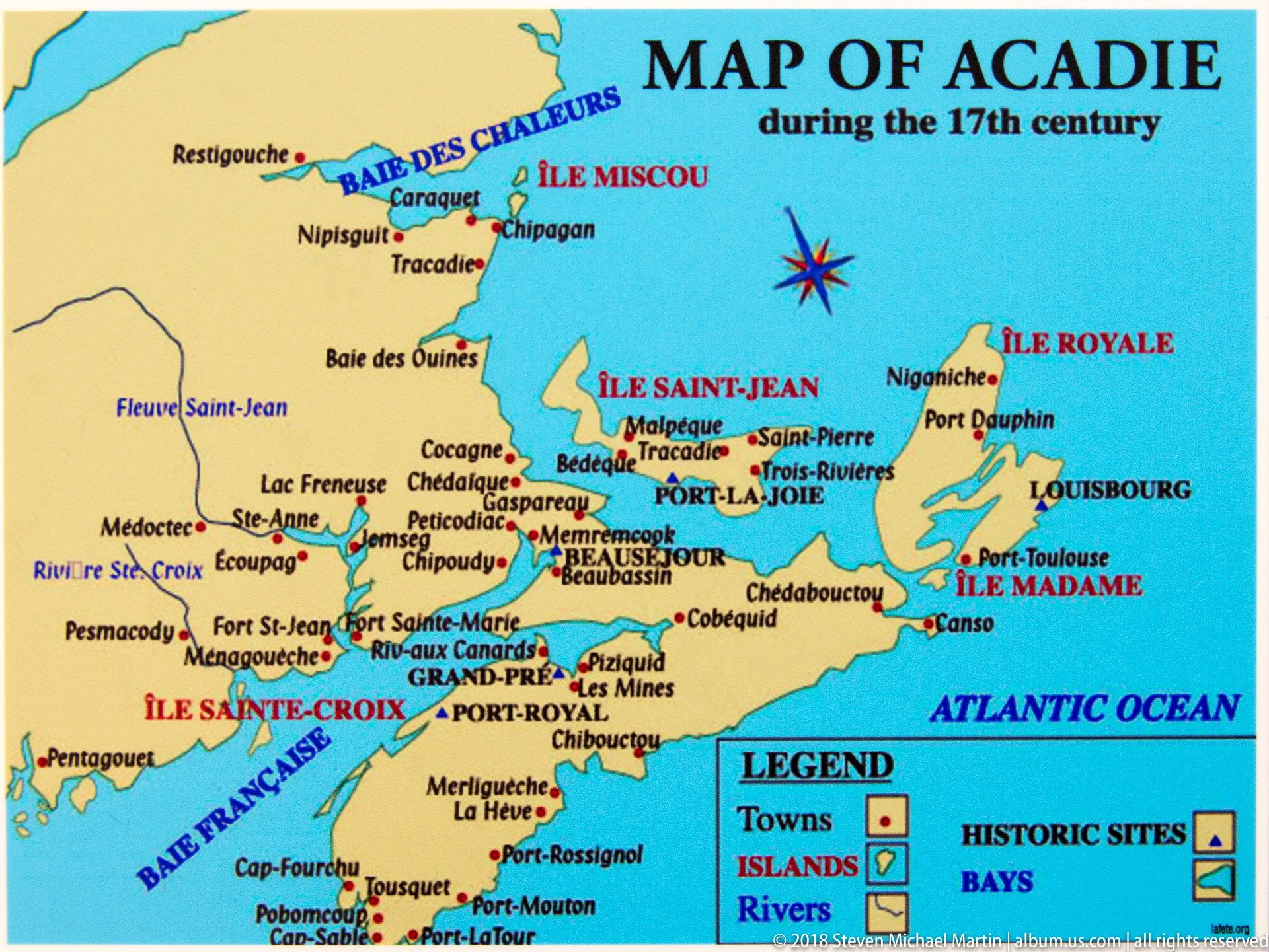
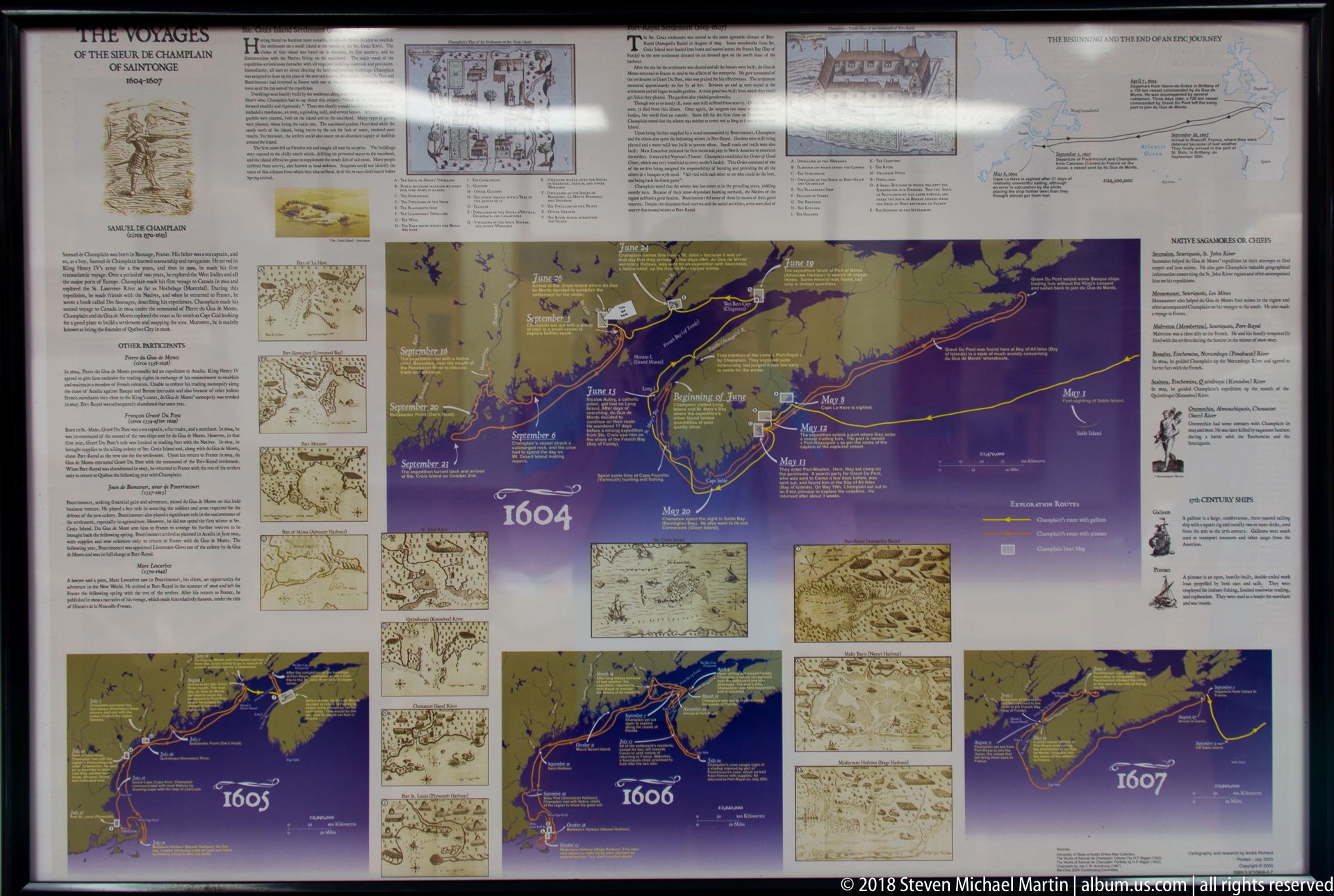
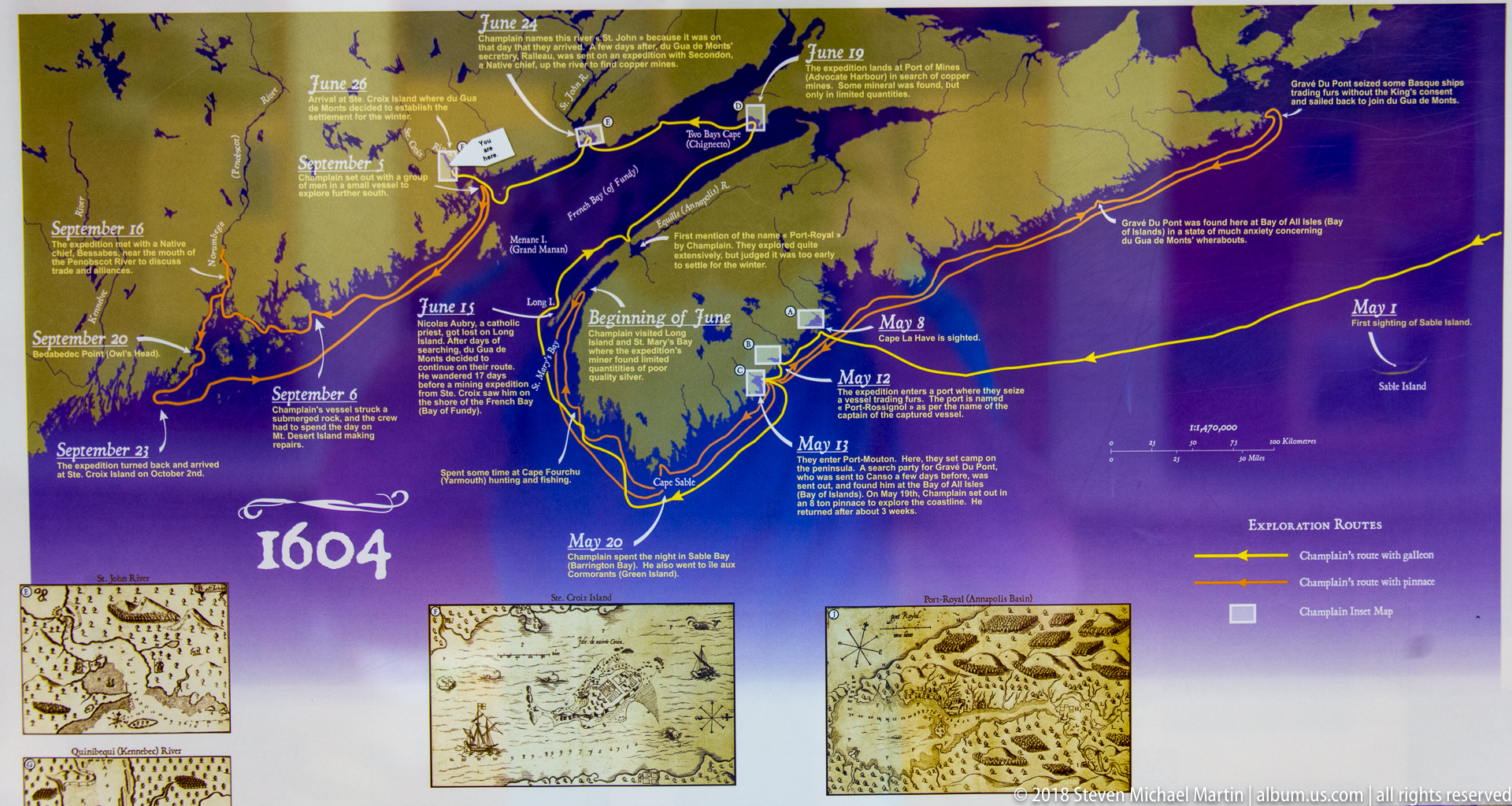
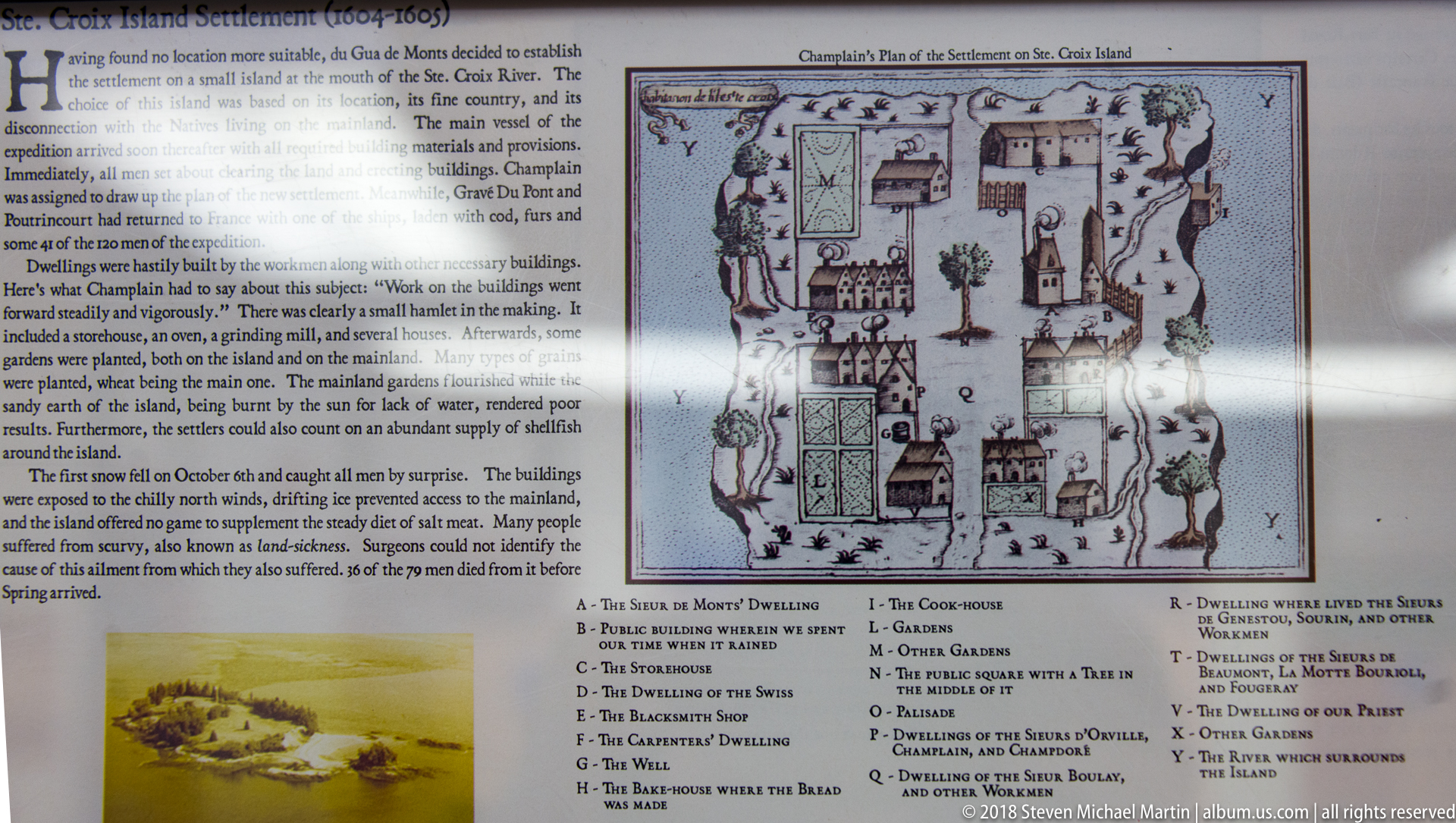
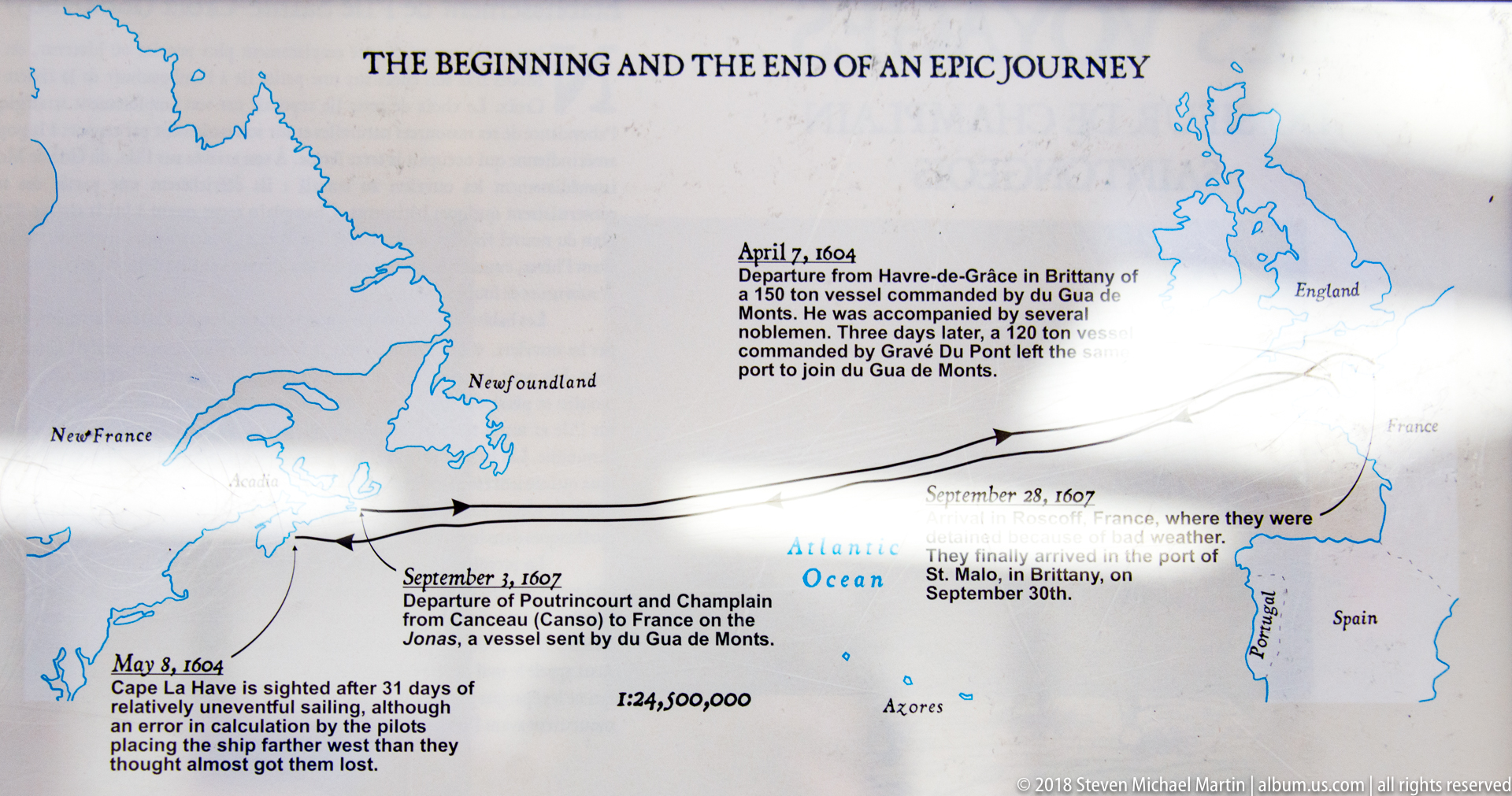
The Saint Croix Island settlement represents one of the earliest European colonial efforts in northern North America, established in 1604 by French explorer Pierre Dugua, Sieur de Mons, accompanied by cartographer Samuel de Champlain. The small island lies within the Saint Croix River, which today forms part of the international boundary between the United States and Canada. The settlement preceded both Jamestown and Plymouth and marked an early attempt by France to establish a permanent presence in the region historically known as Acadia.
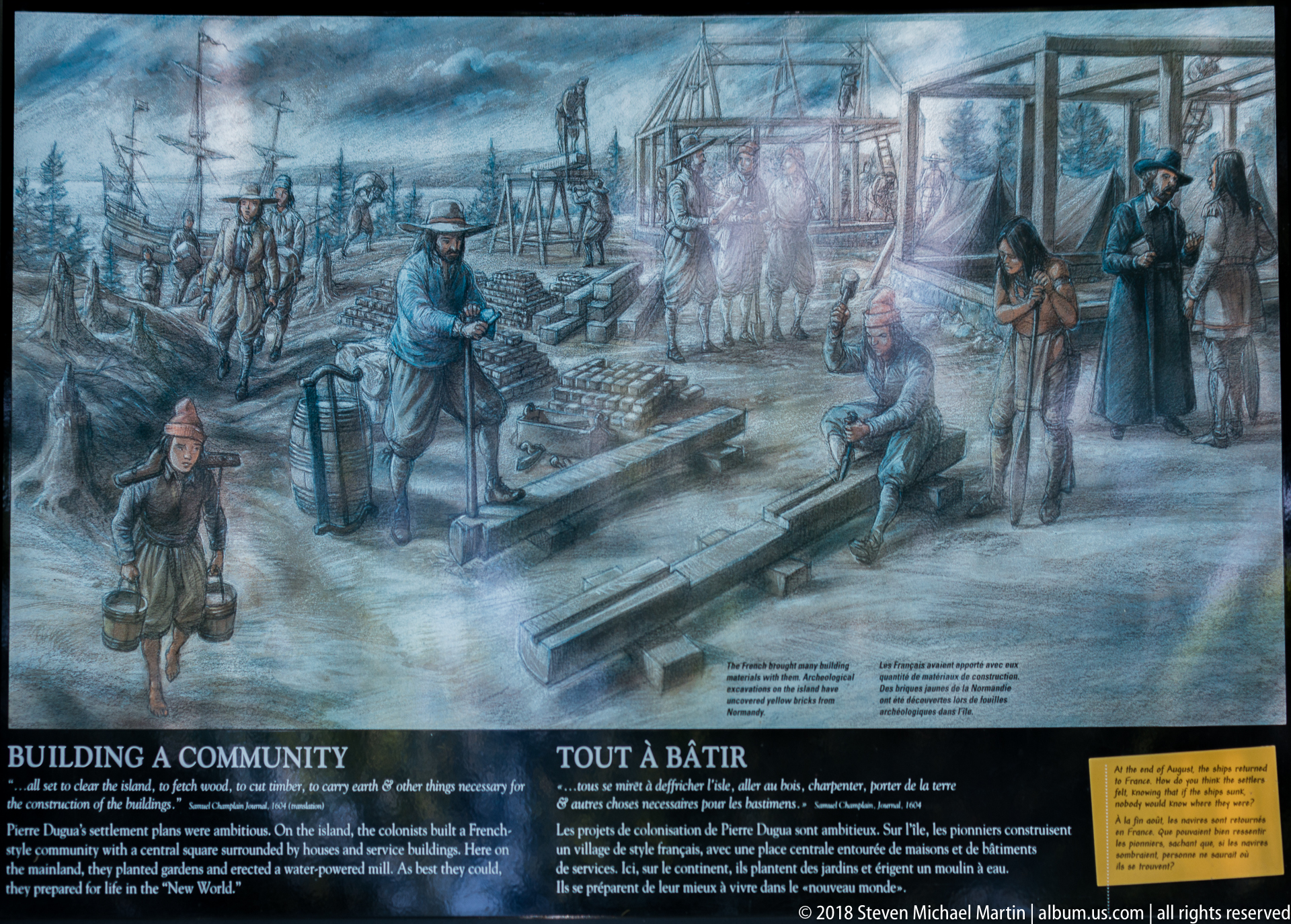
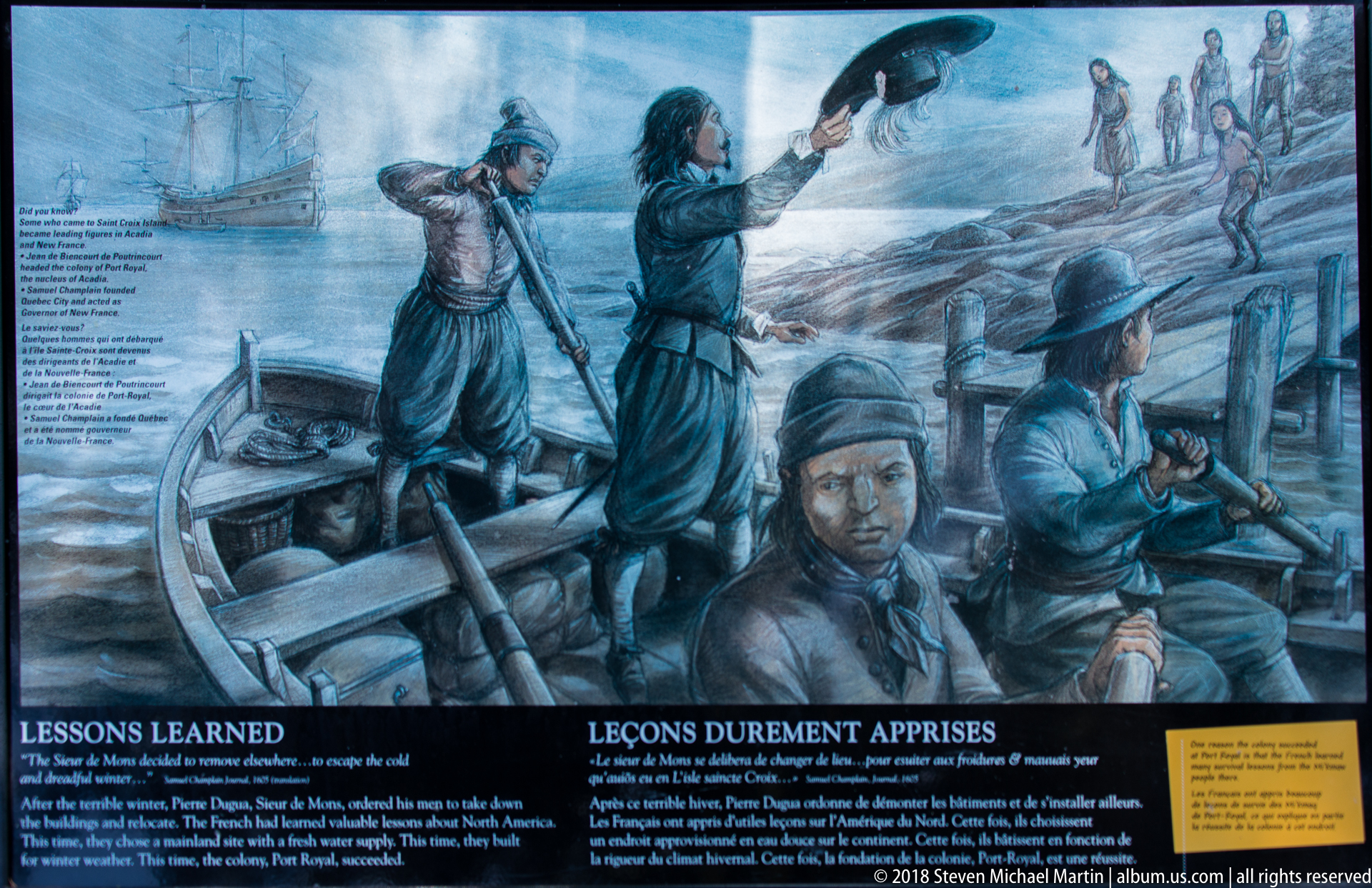
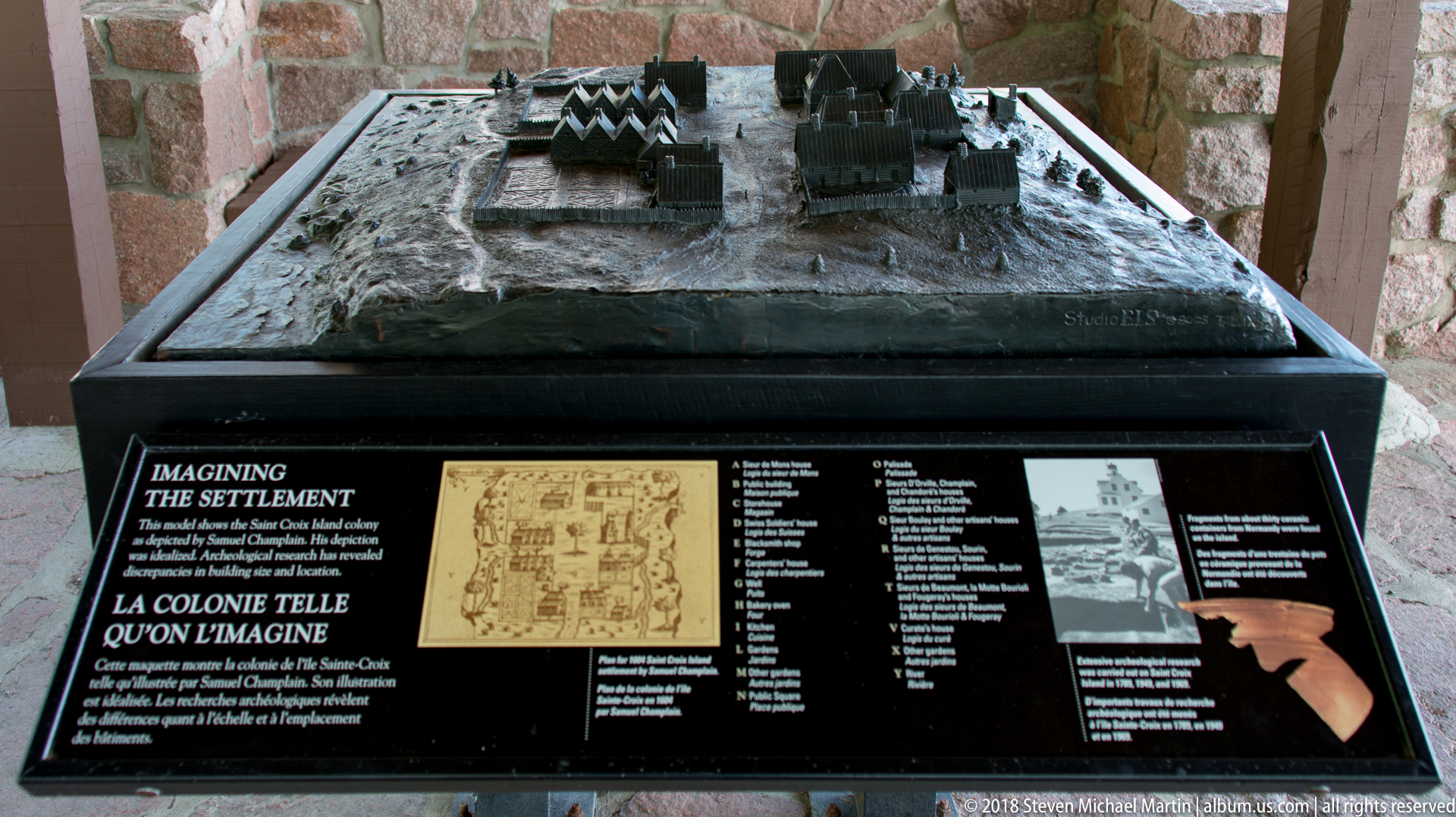
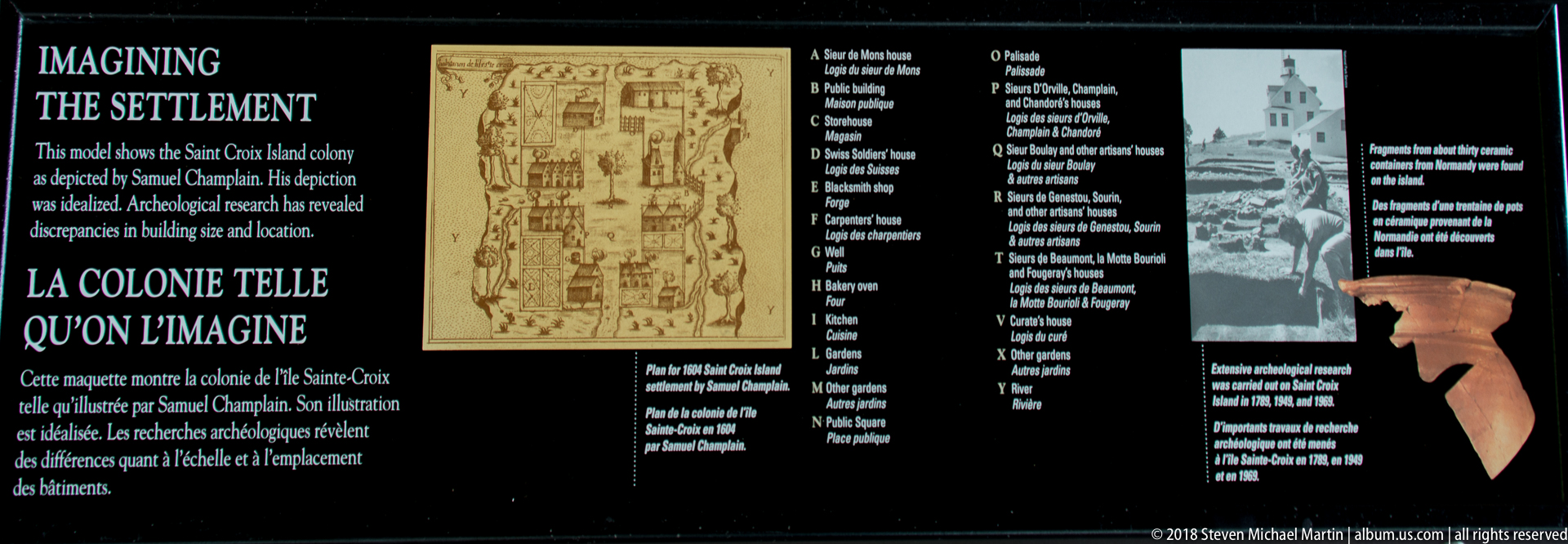
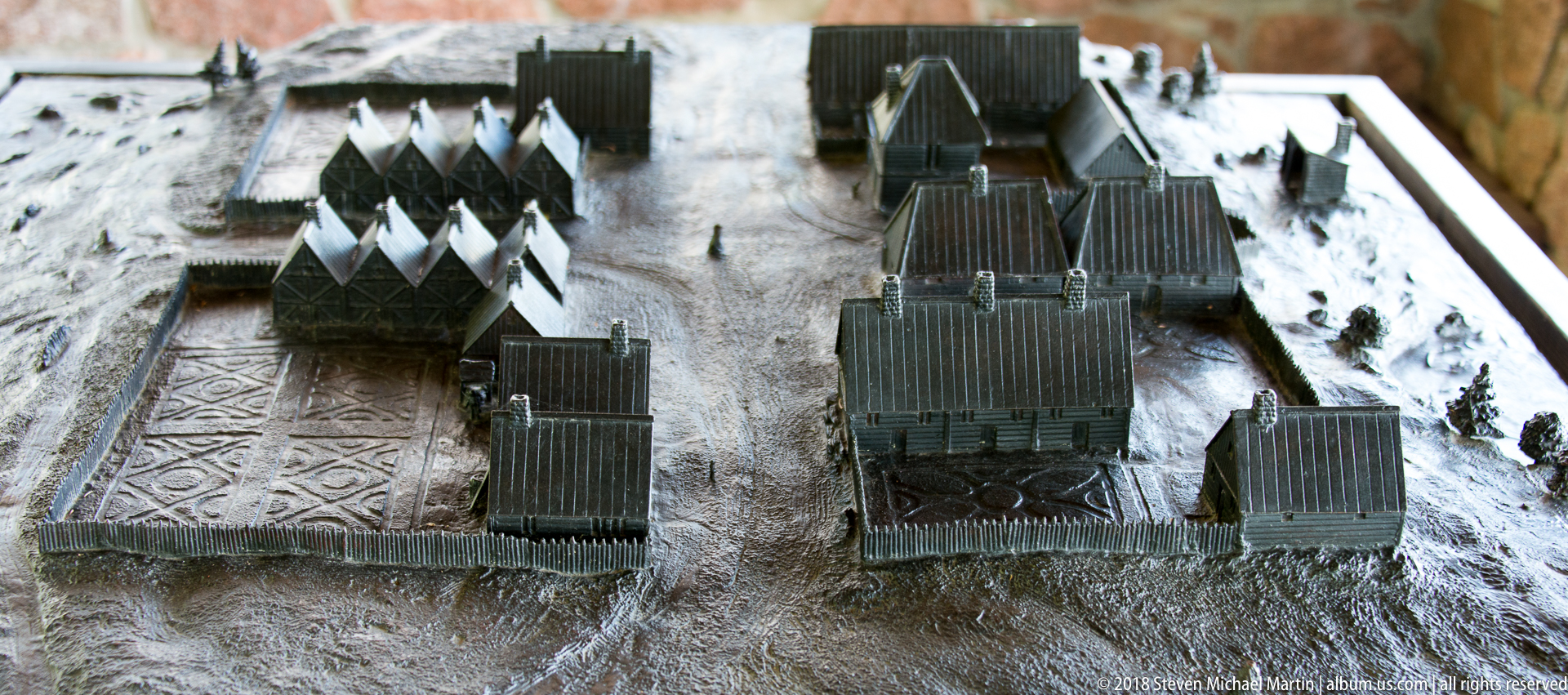
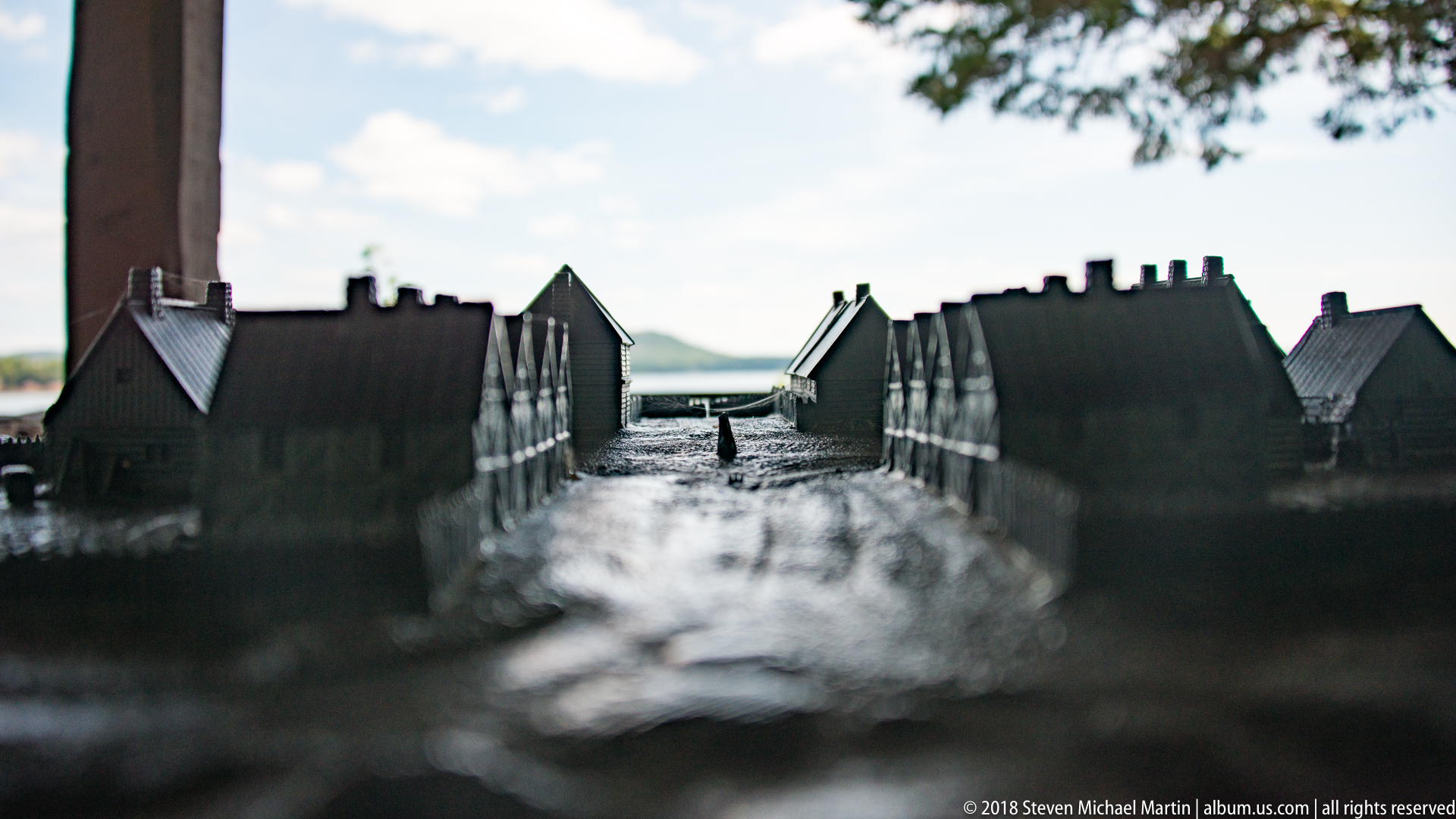
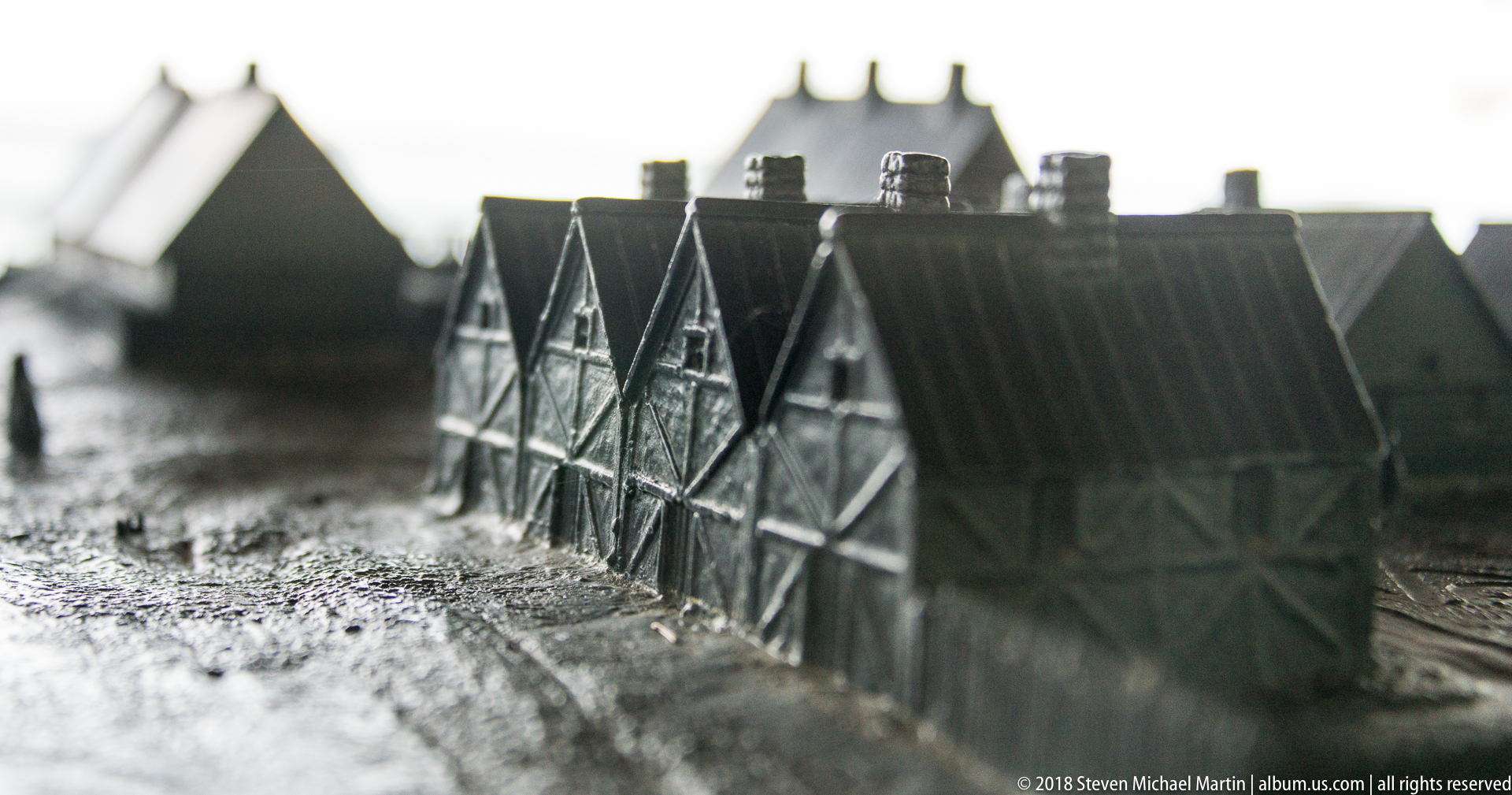
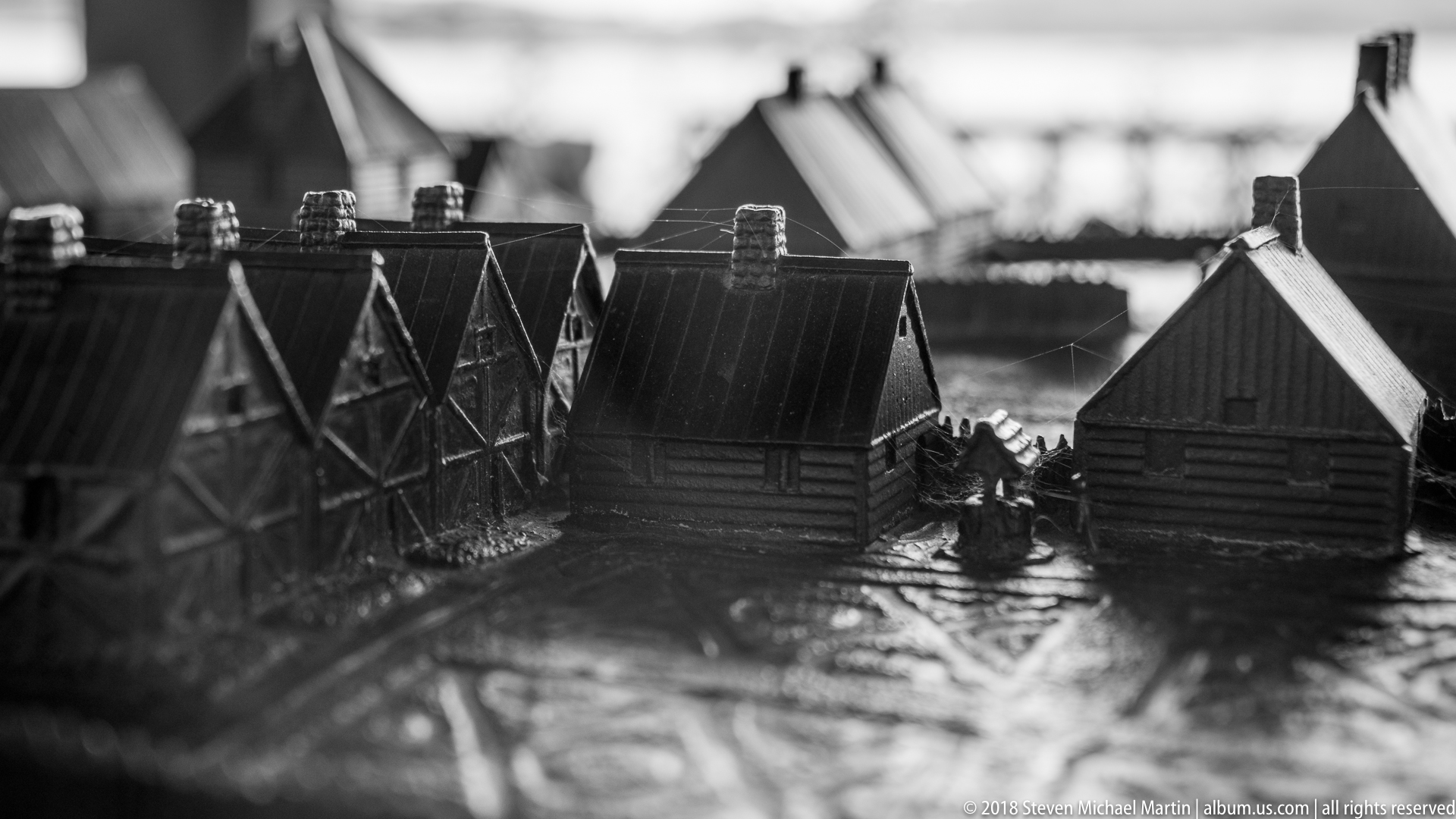
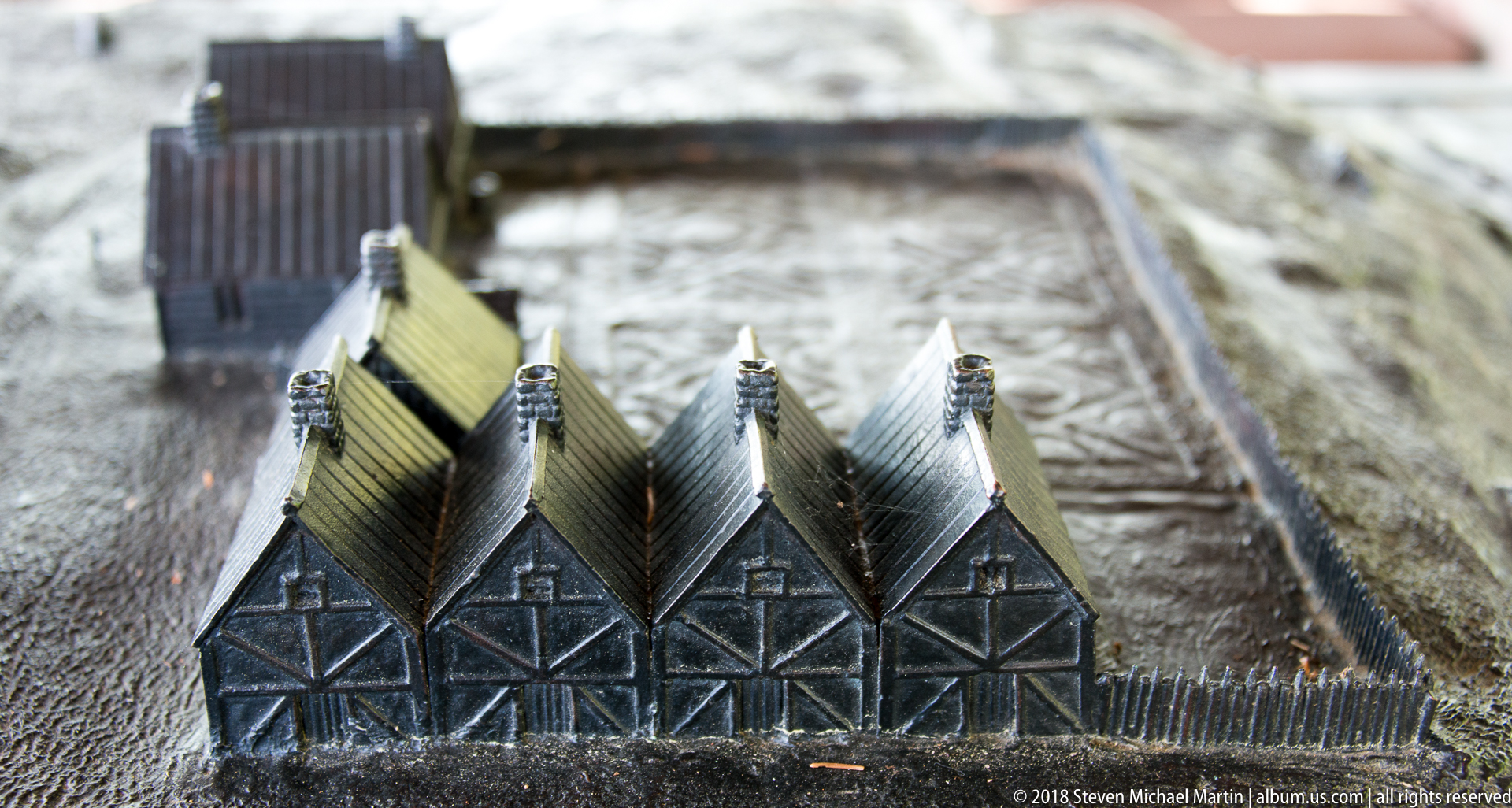
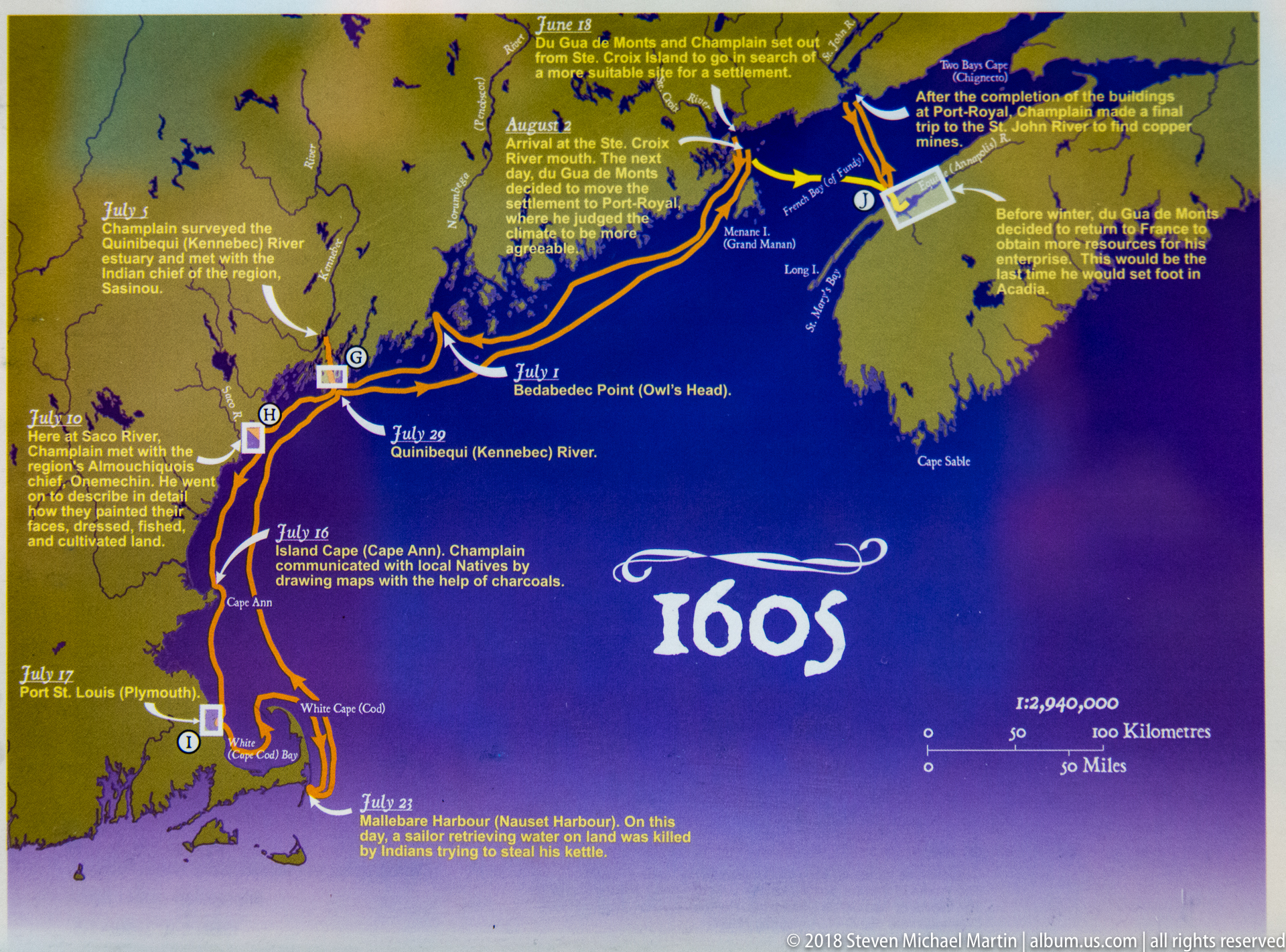
The expedition constructed dwellings, storehouses, workshops, and defensive structures using prefabricated materials transported from France, demonstrating early European planning for long-term settlement. Despite the availability of timber, fish, and other natural resources, the harsh winter of 1604–1605 proved devastating, leading to illness and significant loss of life. Survivors relocated the following year to Port Royal in present-day Nova Scotia, where French settlement continued and contributed to the cultural development of Acadian communities across northeastern North America.
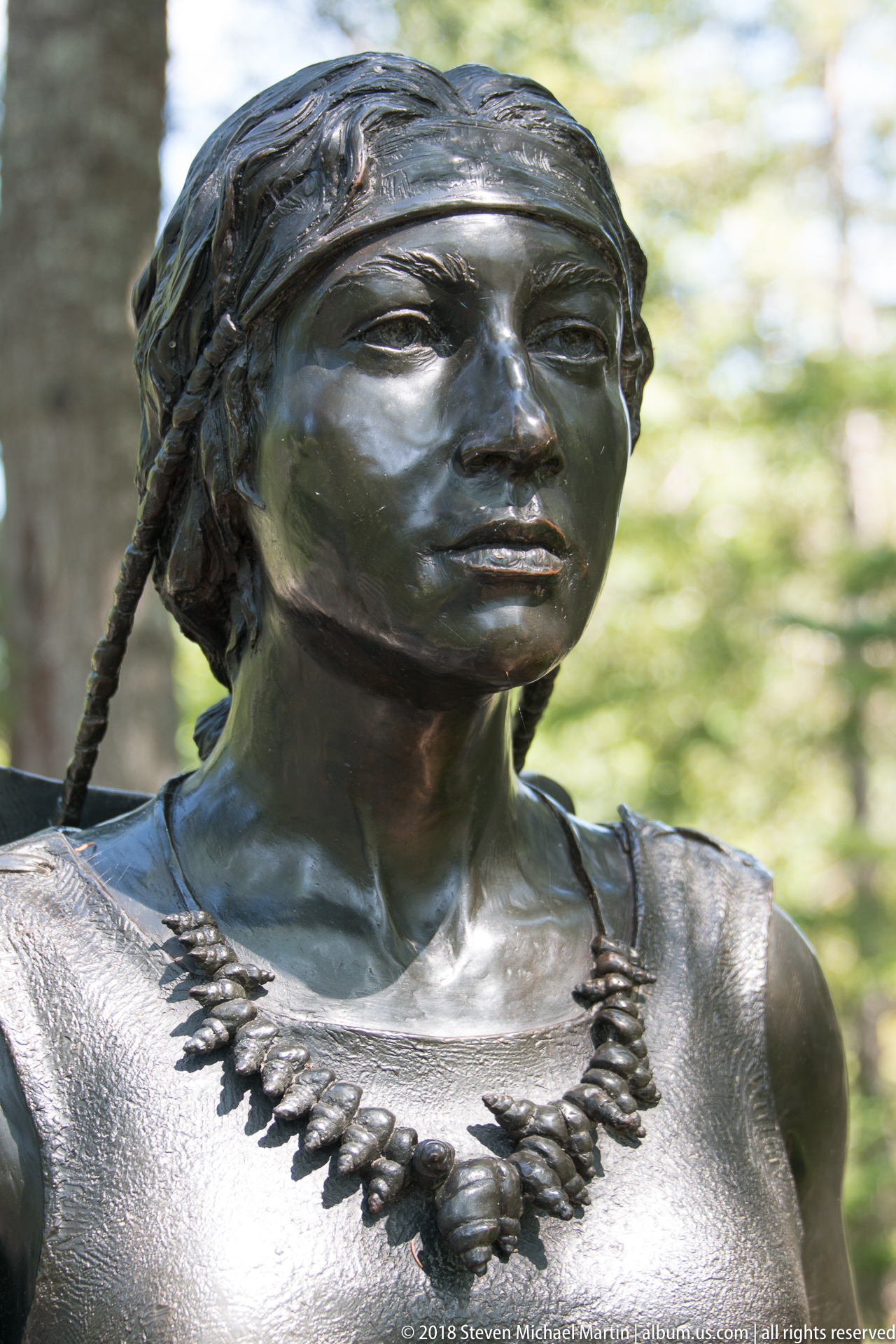
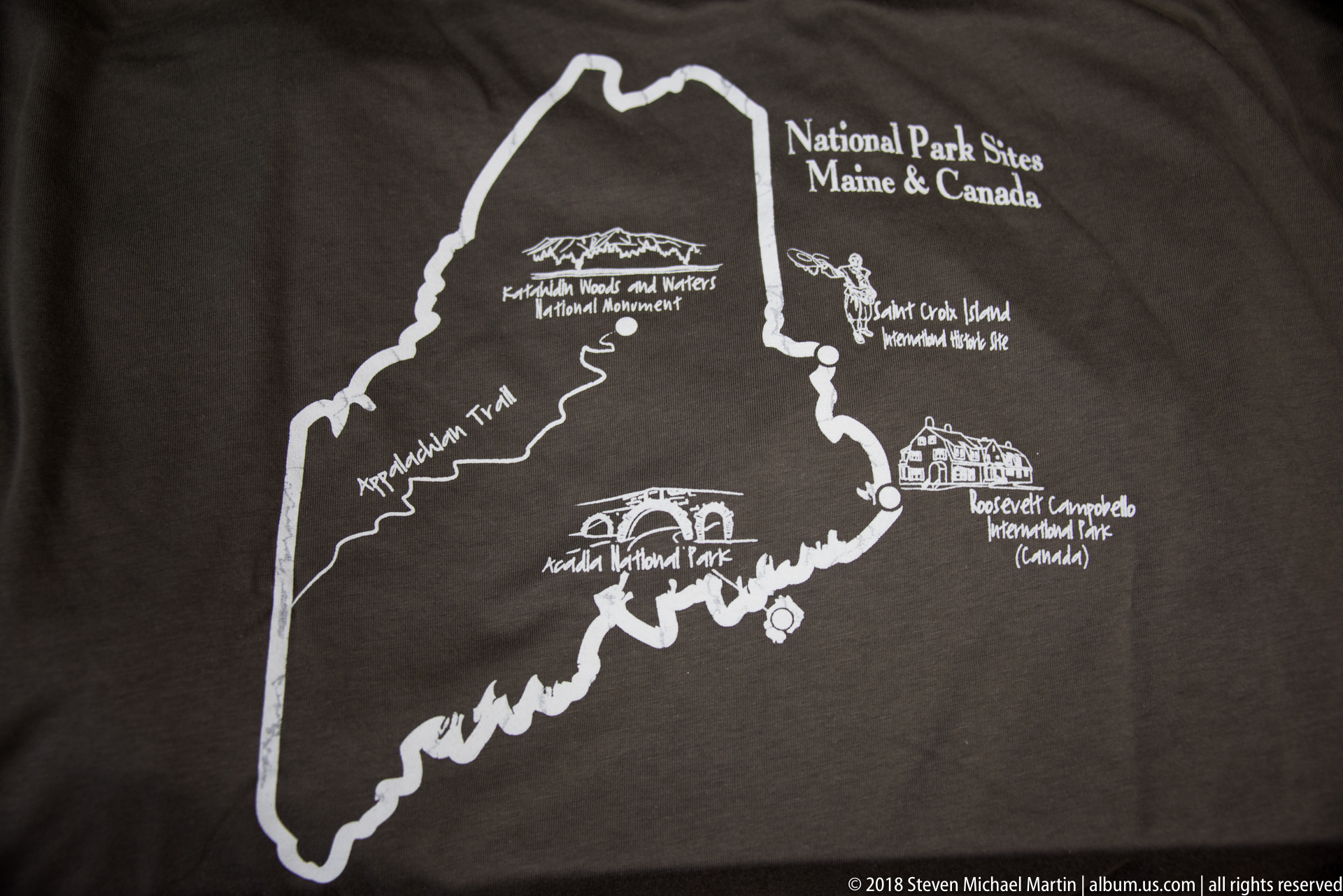
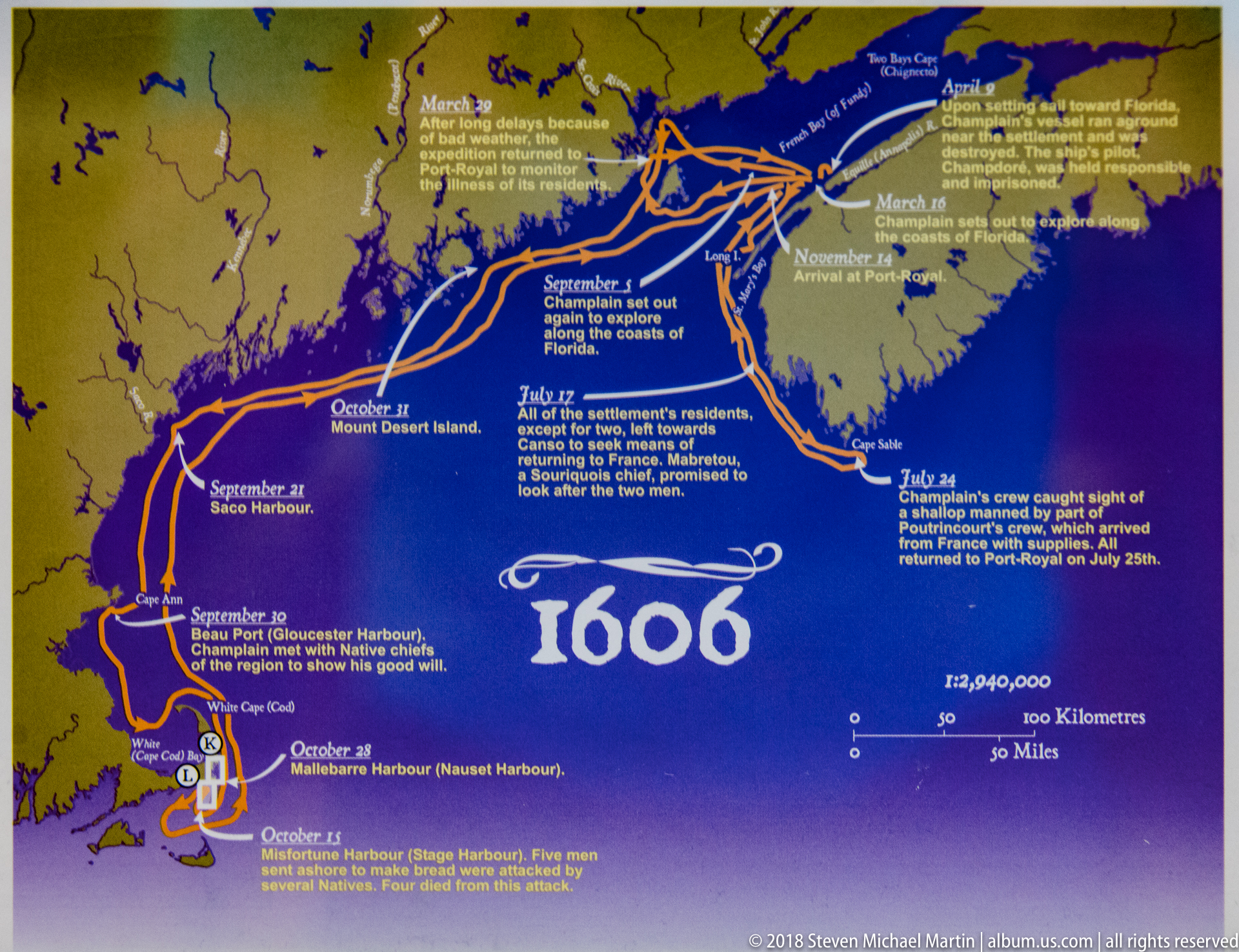
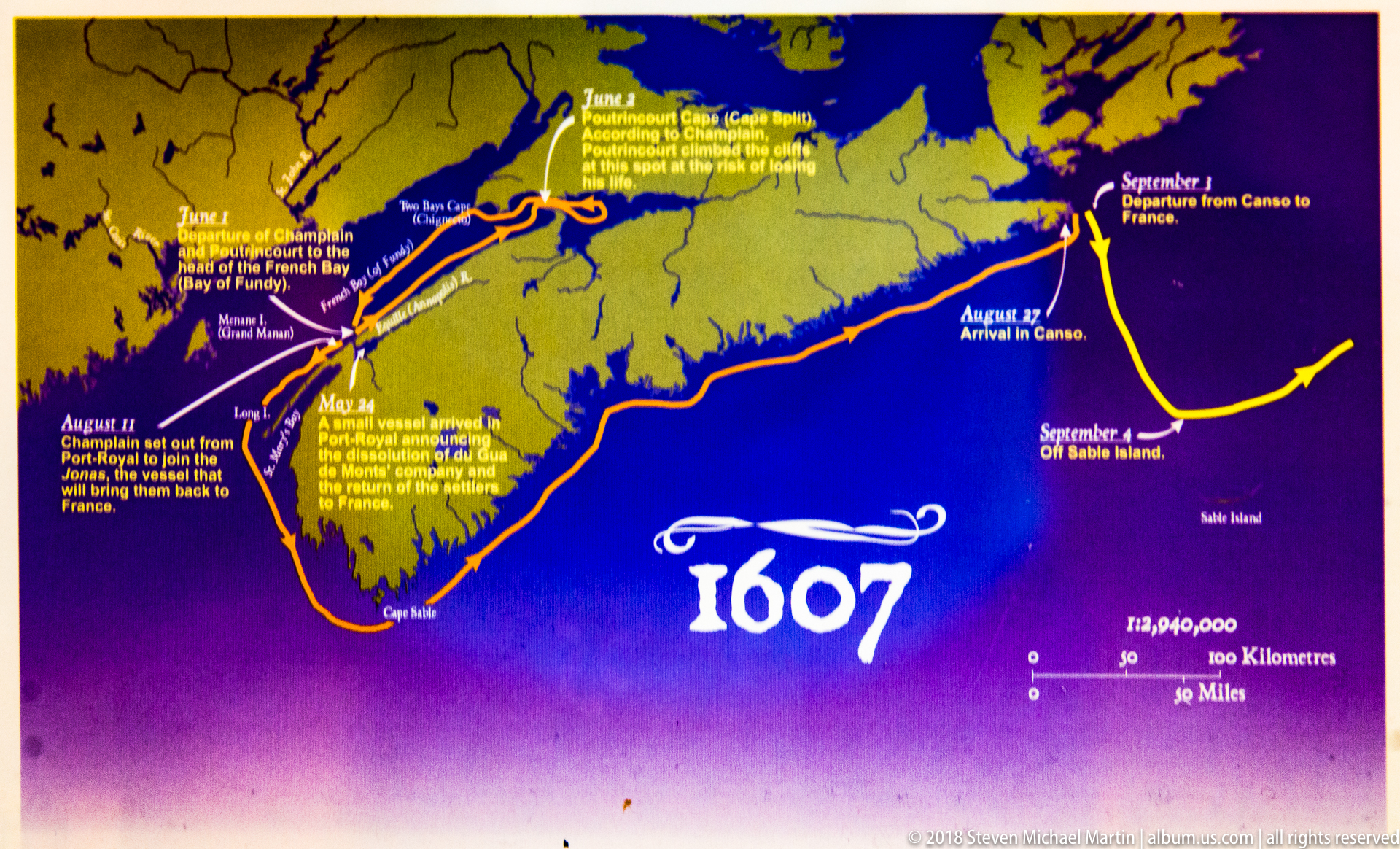
The Saint Croix settlement contributes to understanding the early phases of European exploration and colonization along the North Atlantic coast. The site reflects both the challenges of adaptation to unfamiliar climates and the interactions between European settlers and Indigenous peoples of the region. Its preservation highlights the shared historical heritage linking Maine with the broader history of New France and Acadia.