Dinosaurs at the National Museum of Natural History
The National Museum of Natural History occupies a prominent position on the National Mall as part of the Smithsonian Institution’s research and educational mission dedicated to understanding the natural world. Opened in 1910, the museum reflects early twentieth-century efforts to expand scientific knowledge through public exhibition and scholarly research. Its neoclassical architecture complements the broader design of the Mall while housing extensive collections documenting biological evolution, geology, and human origins.
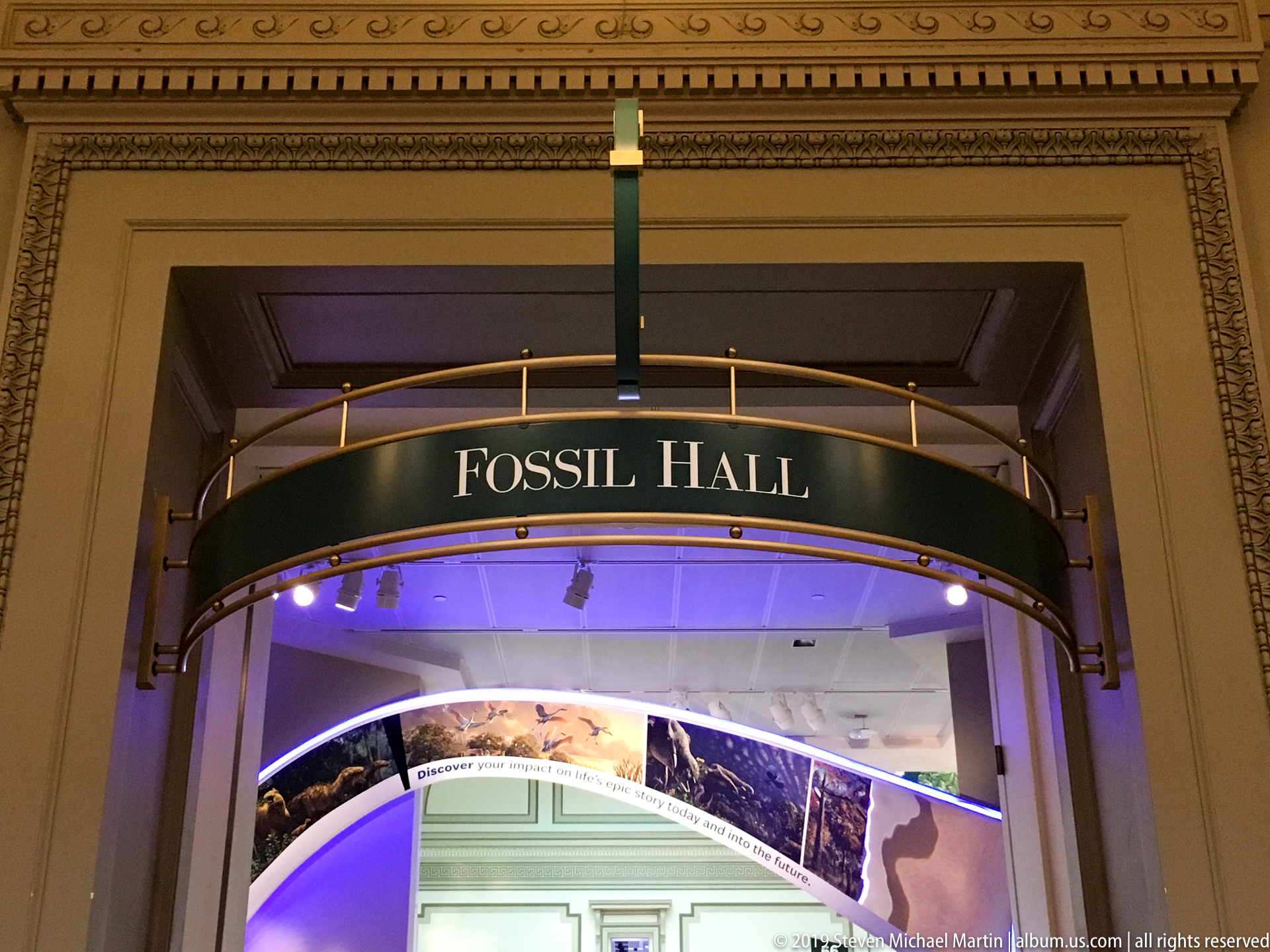
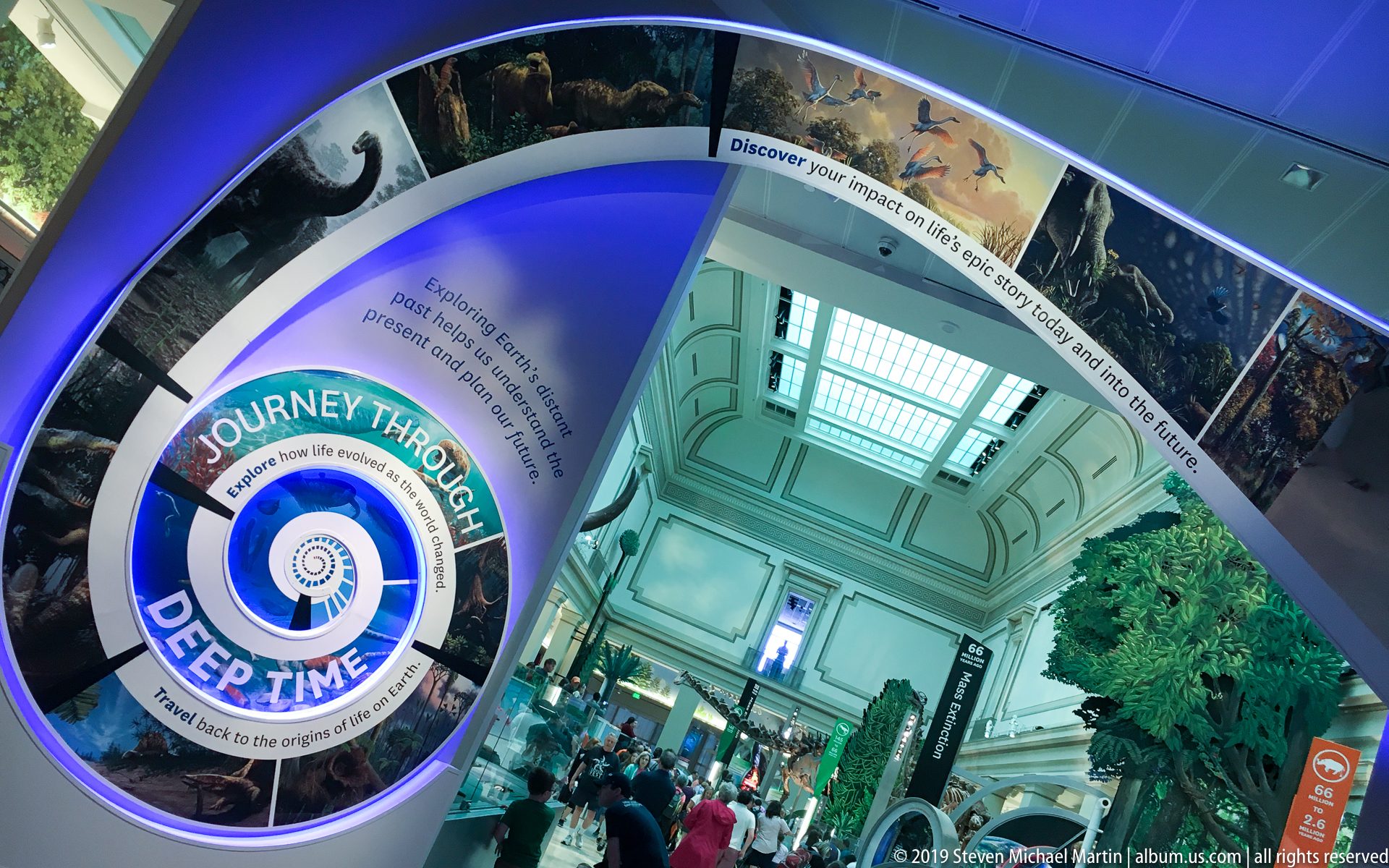
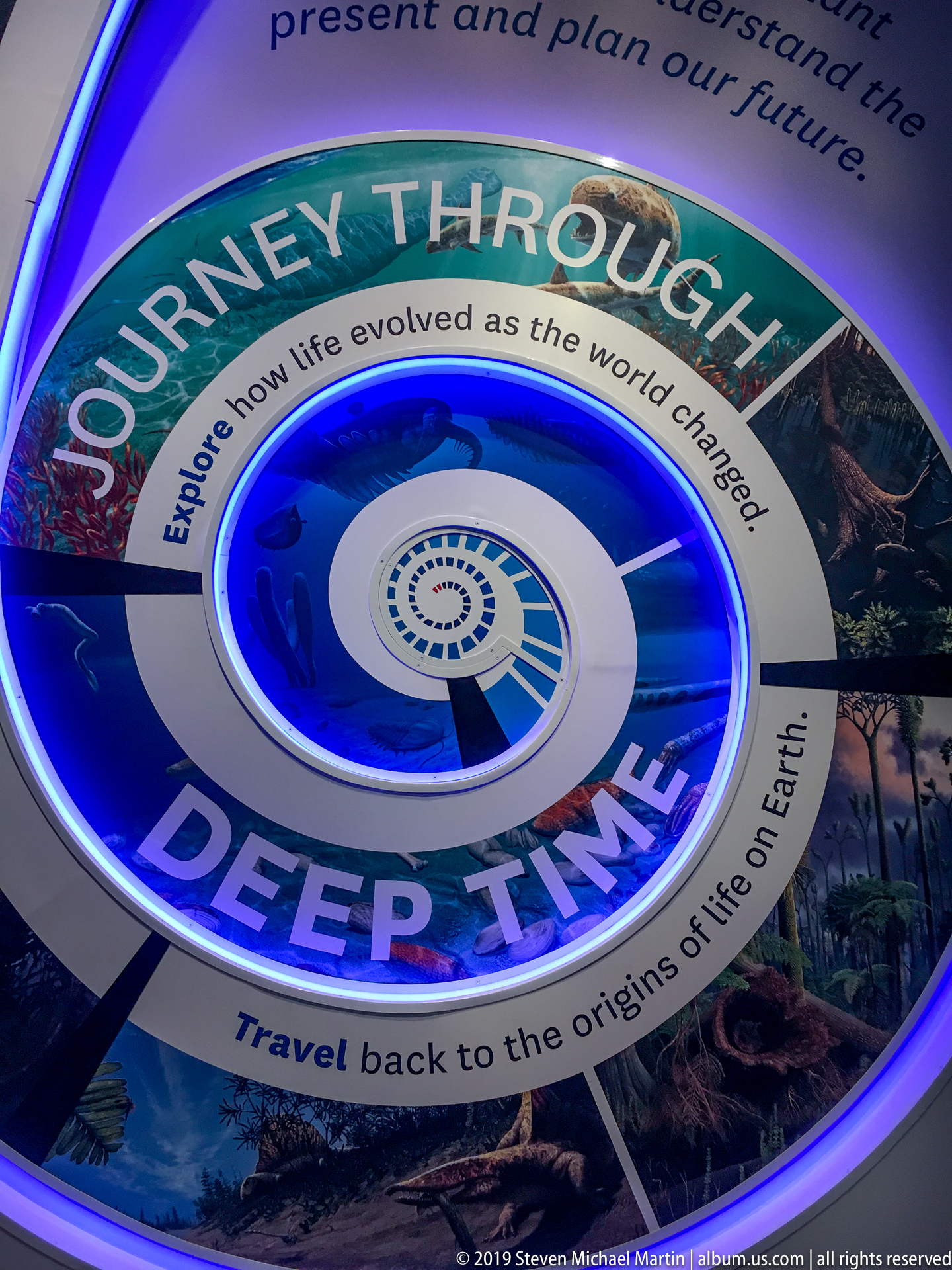
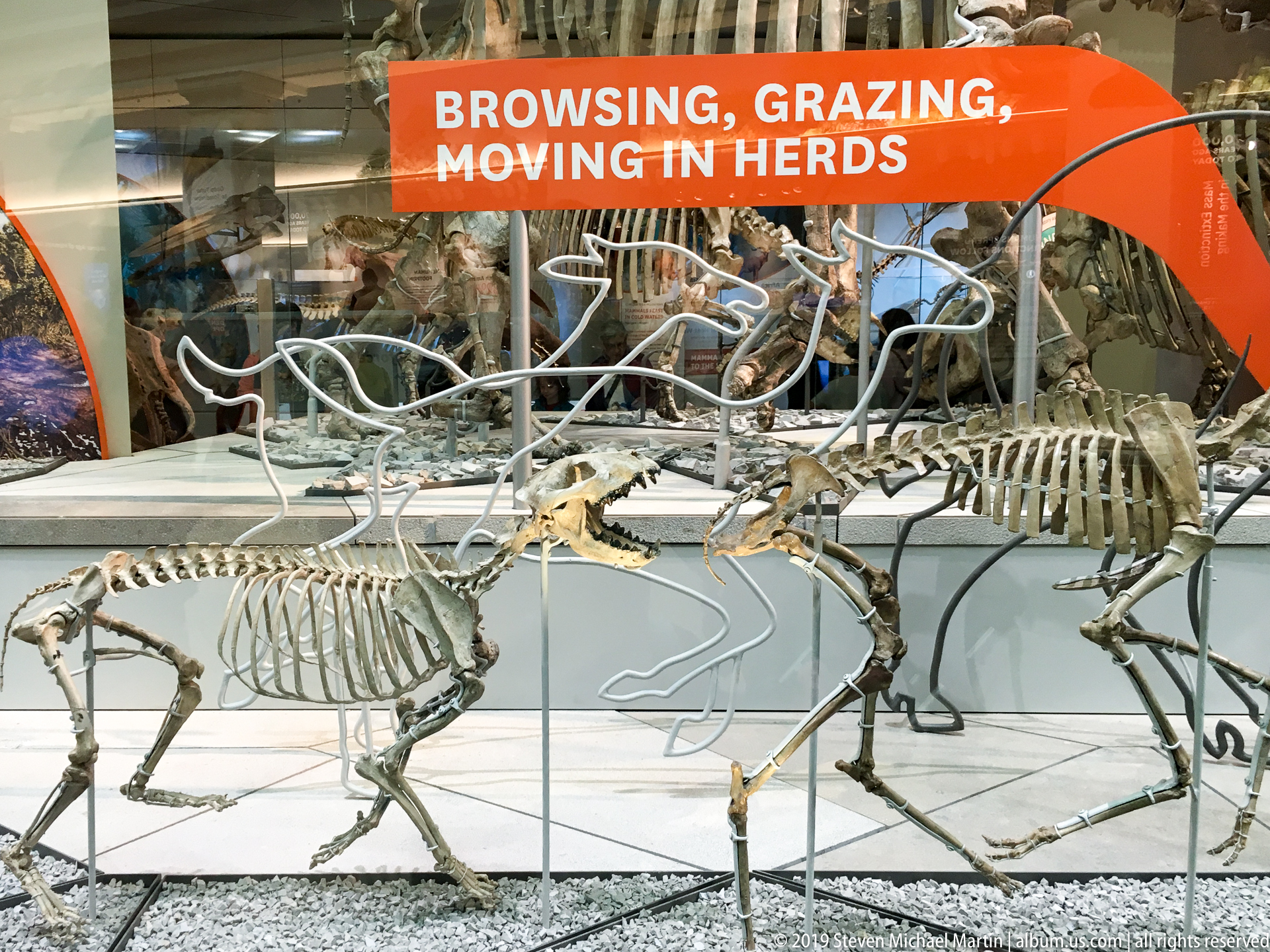
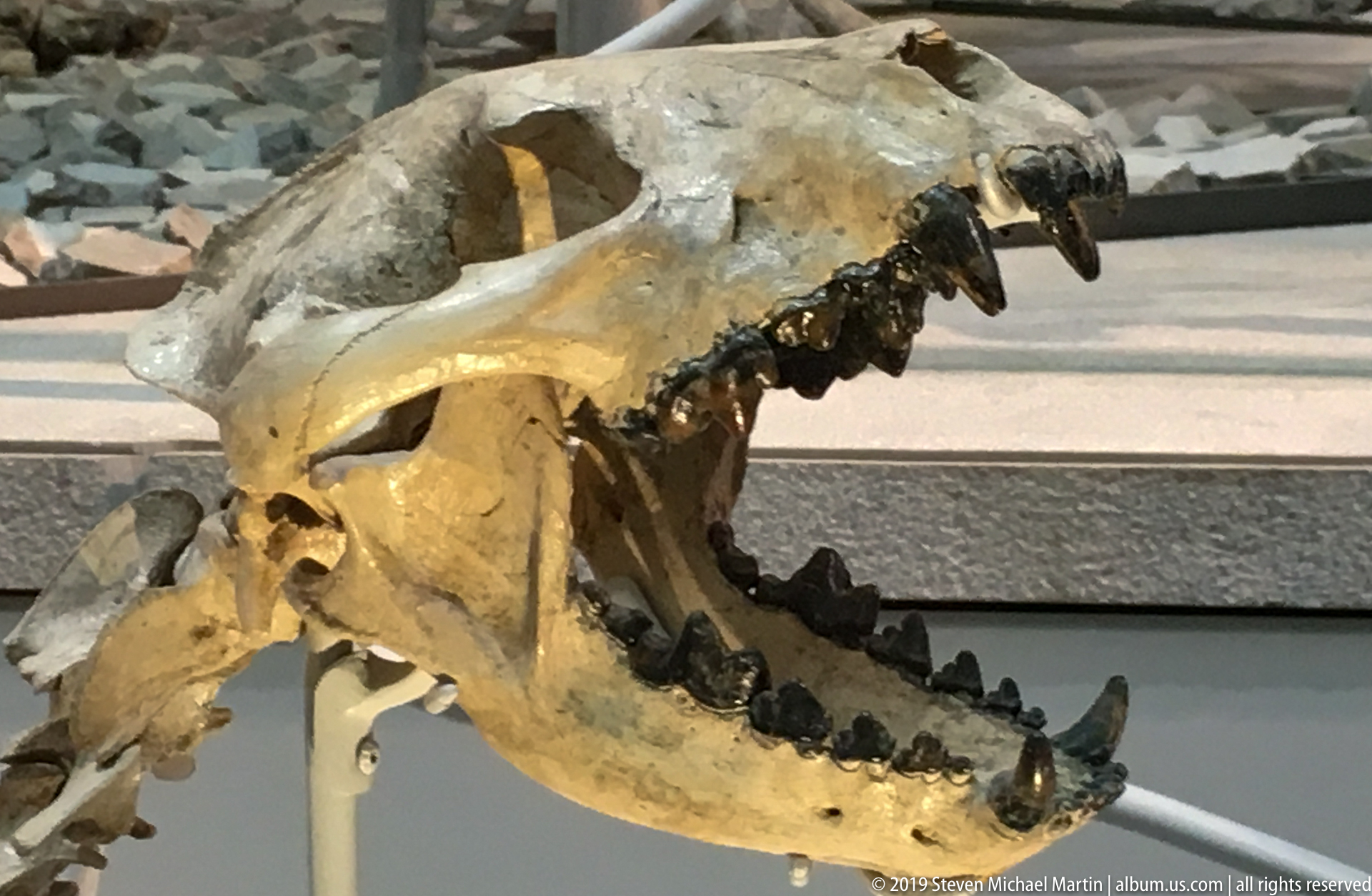
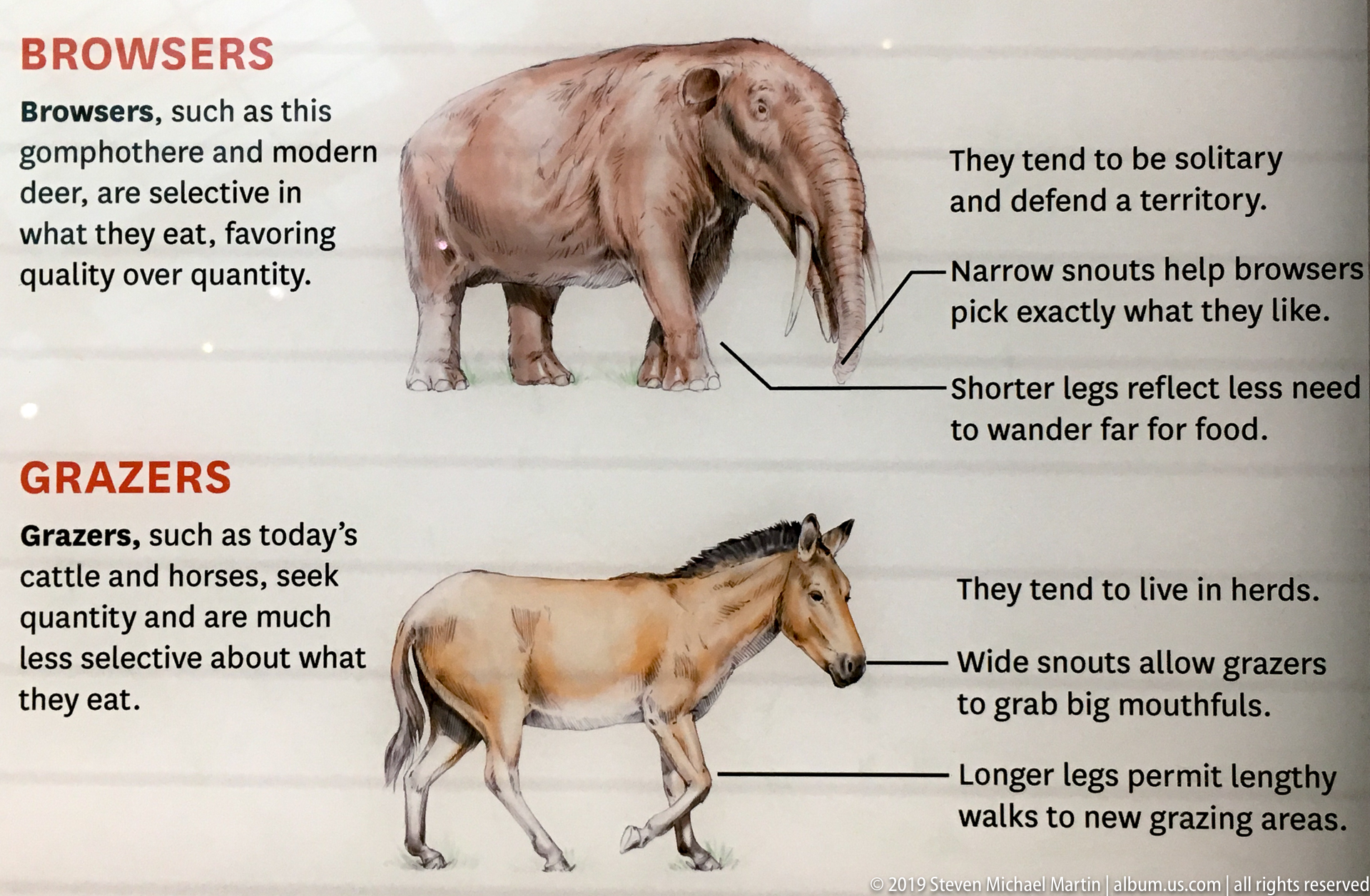
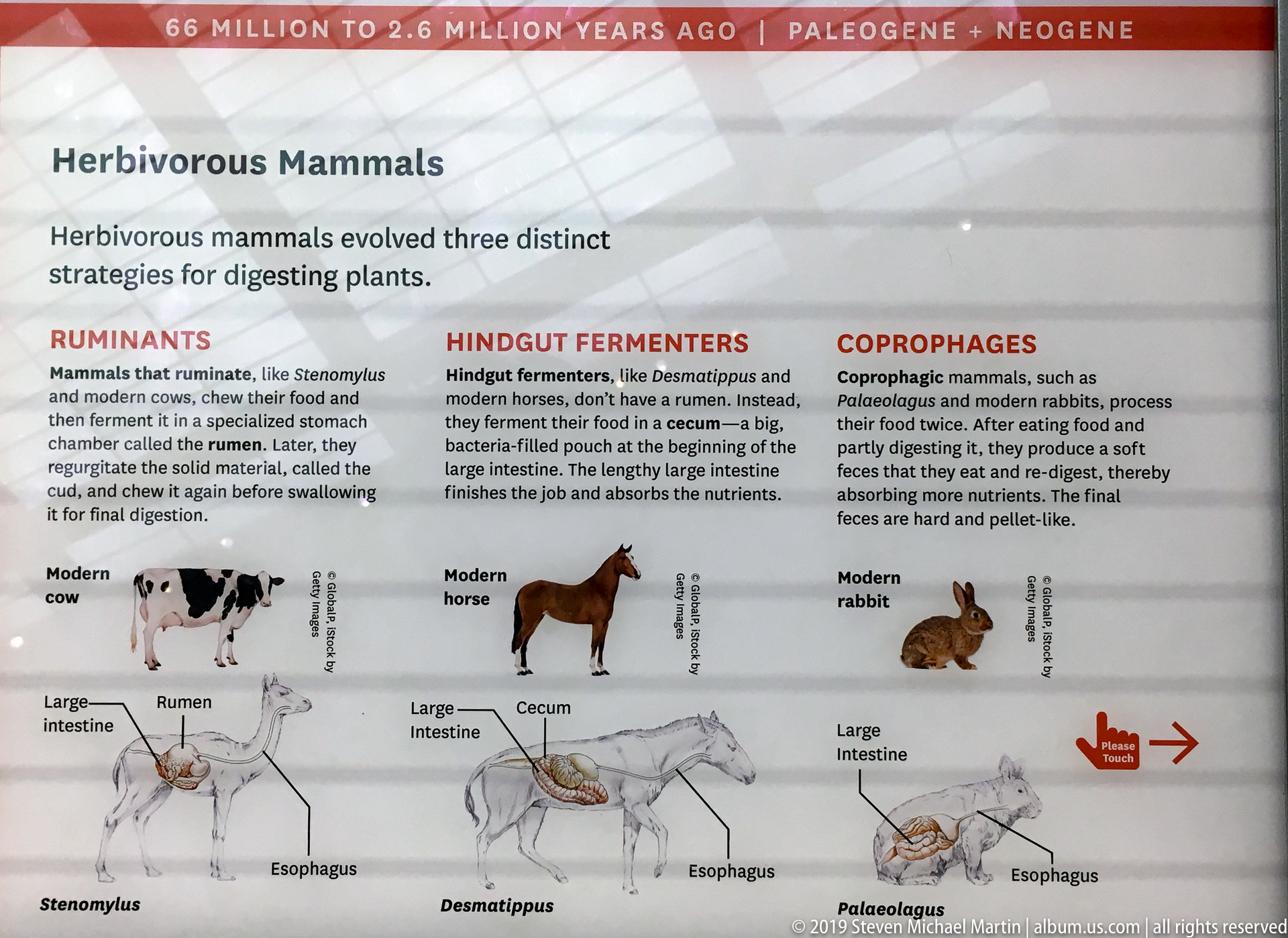
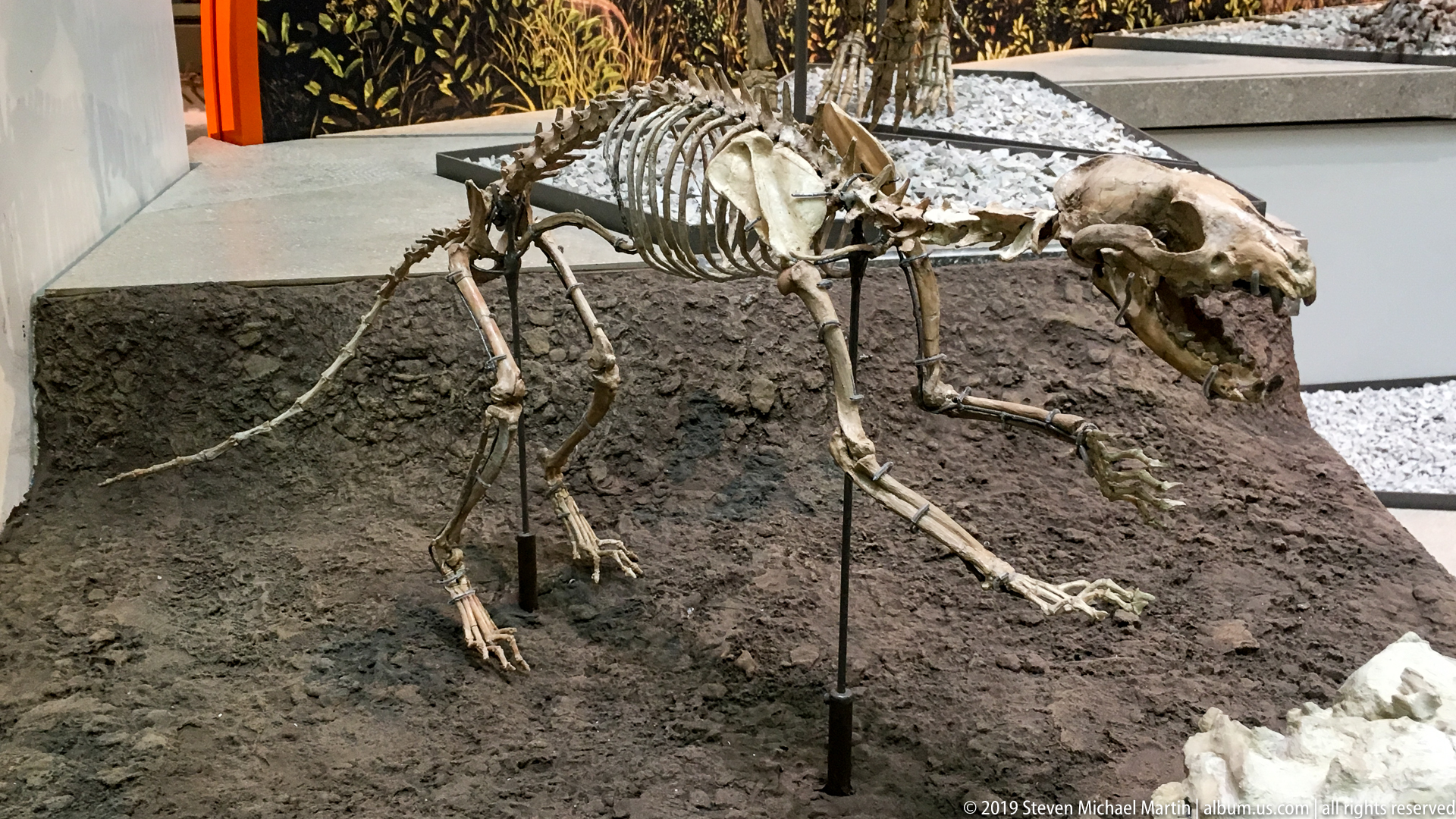
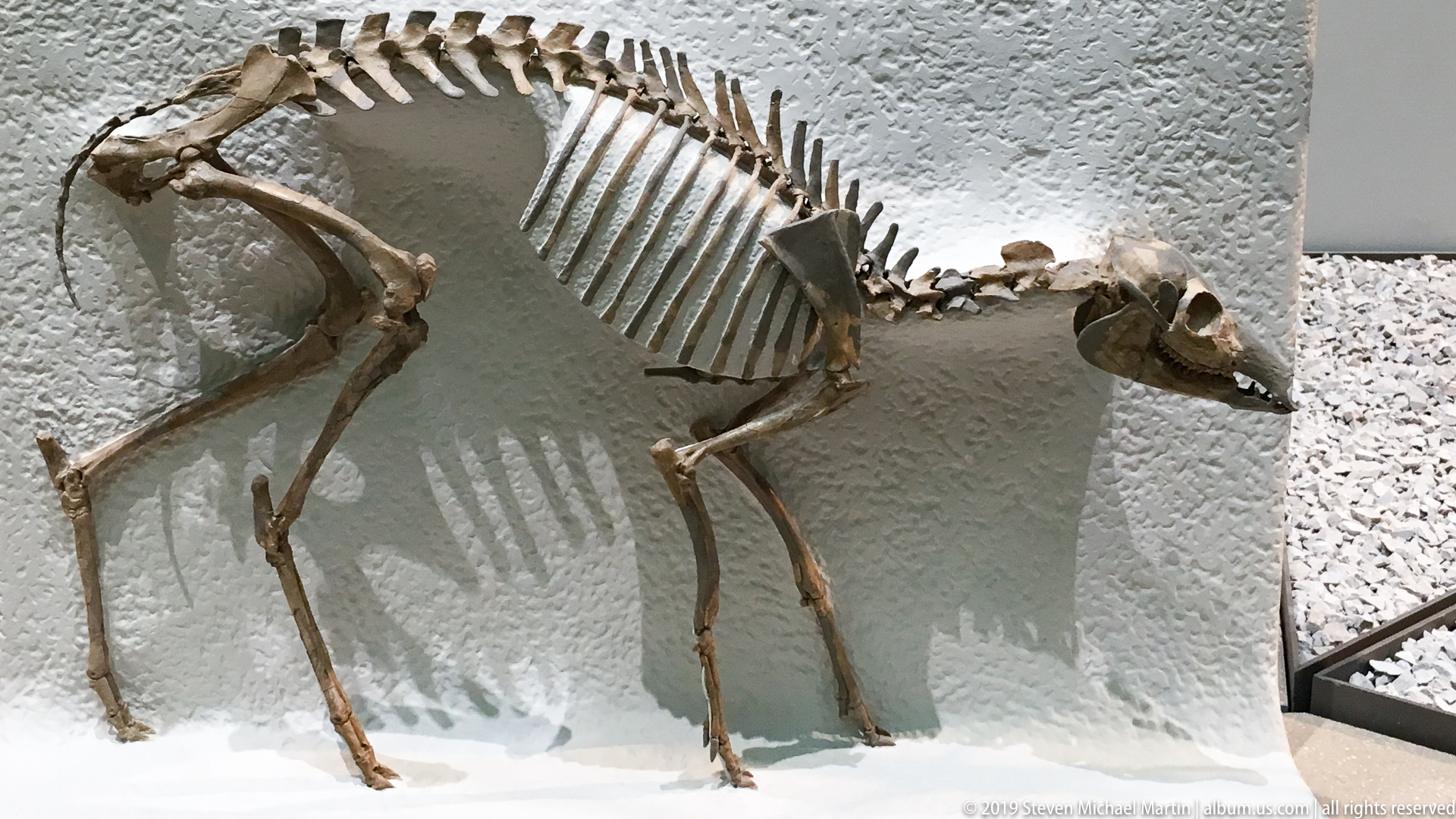
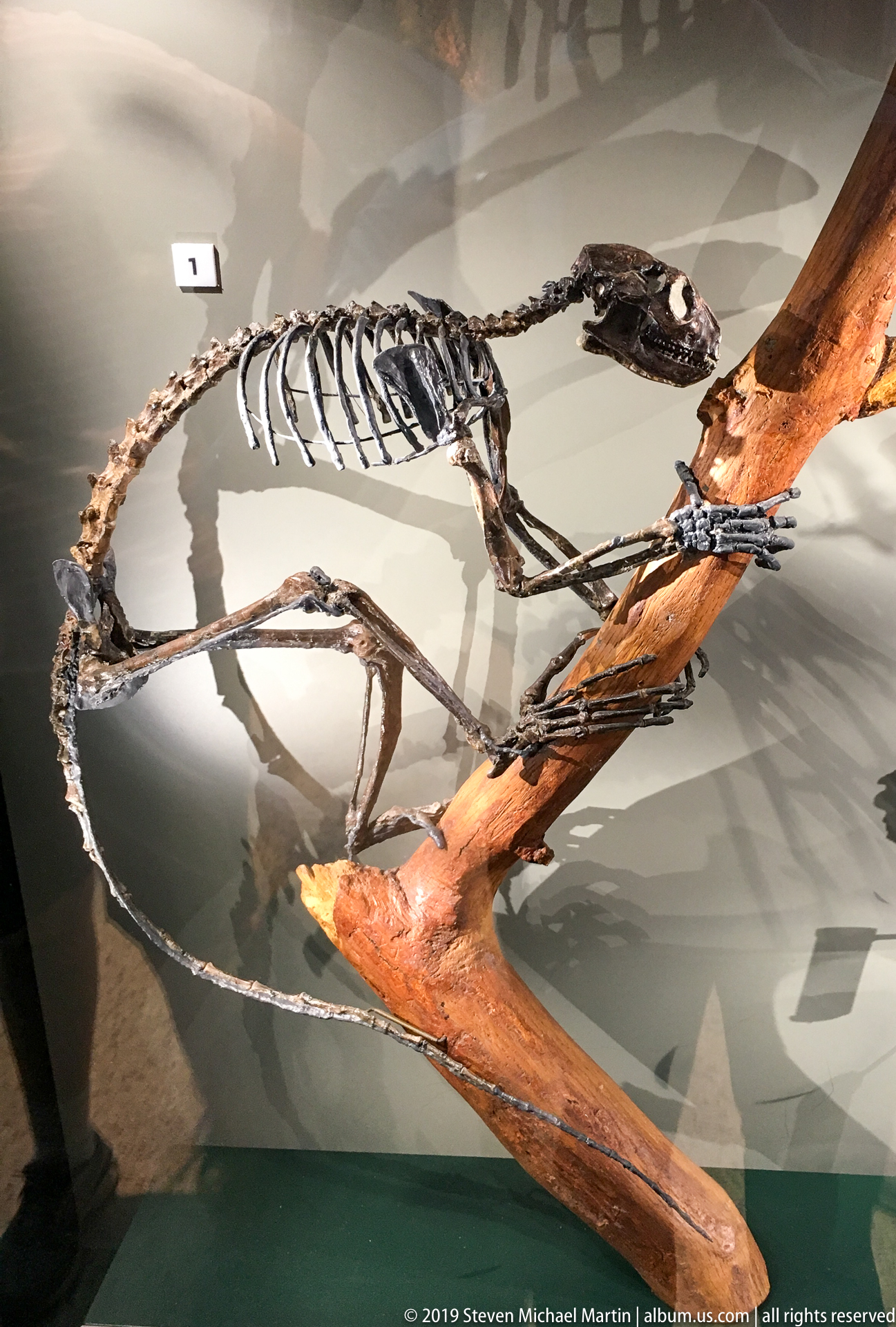
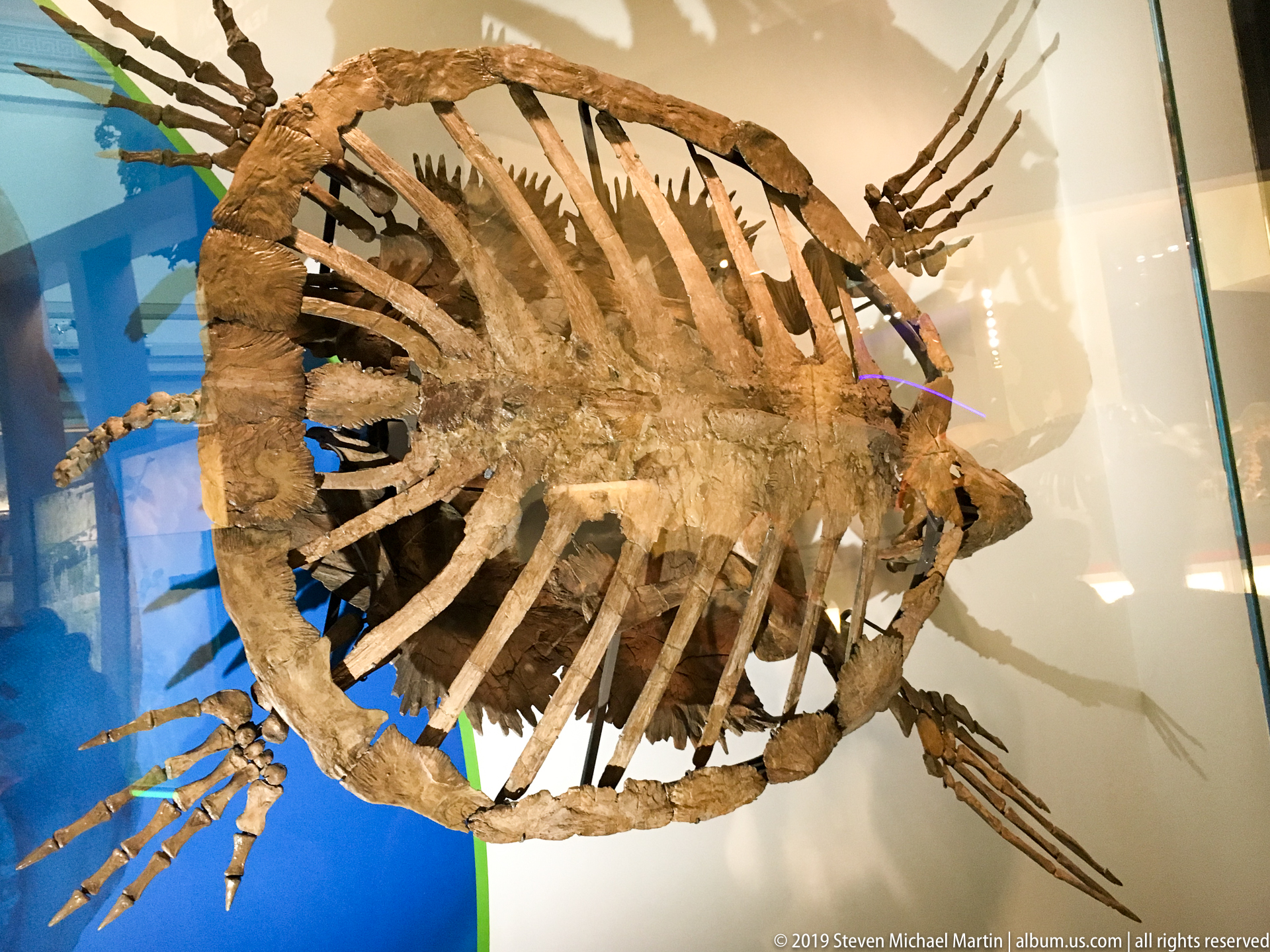
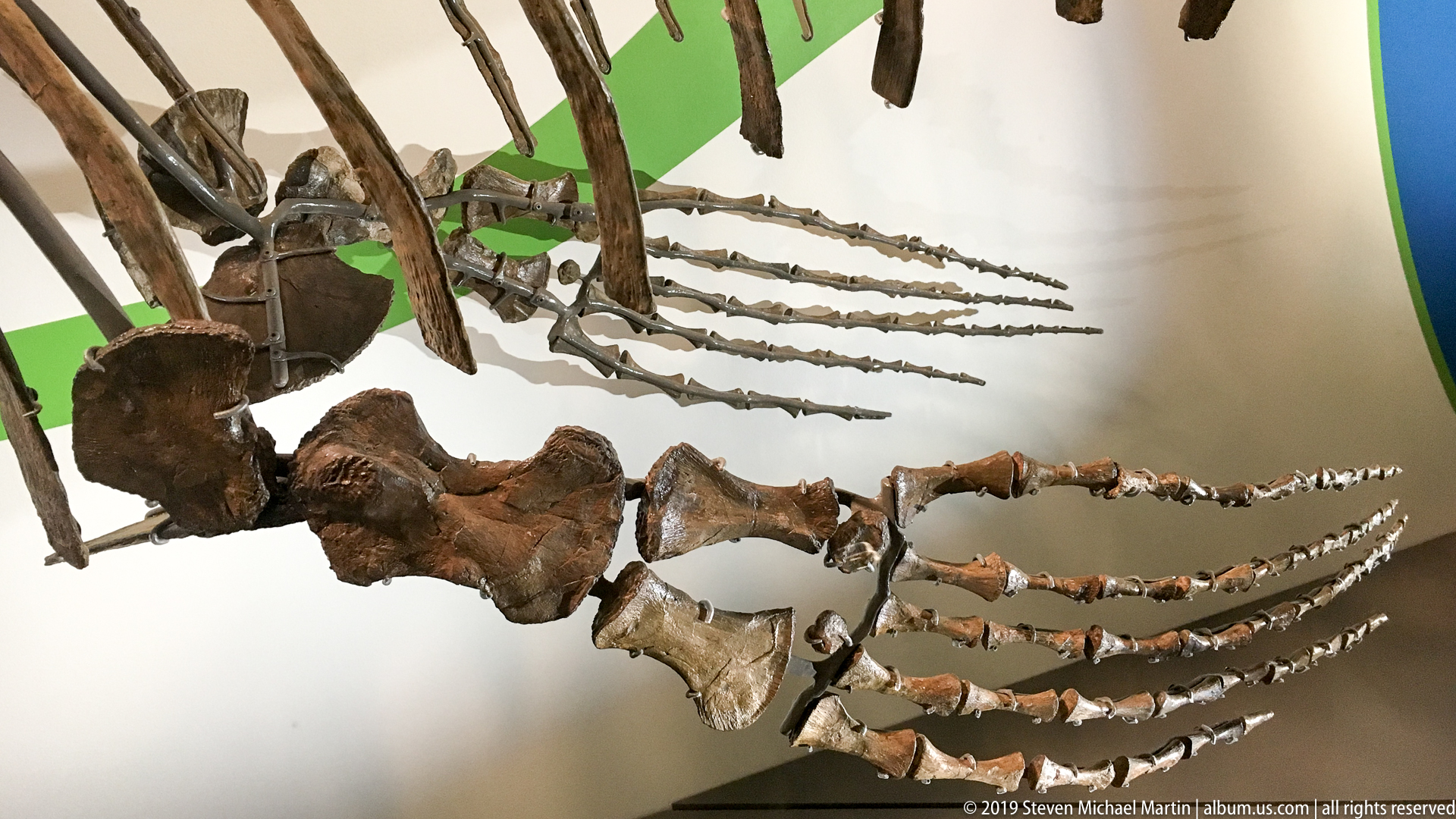
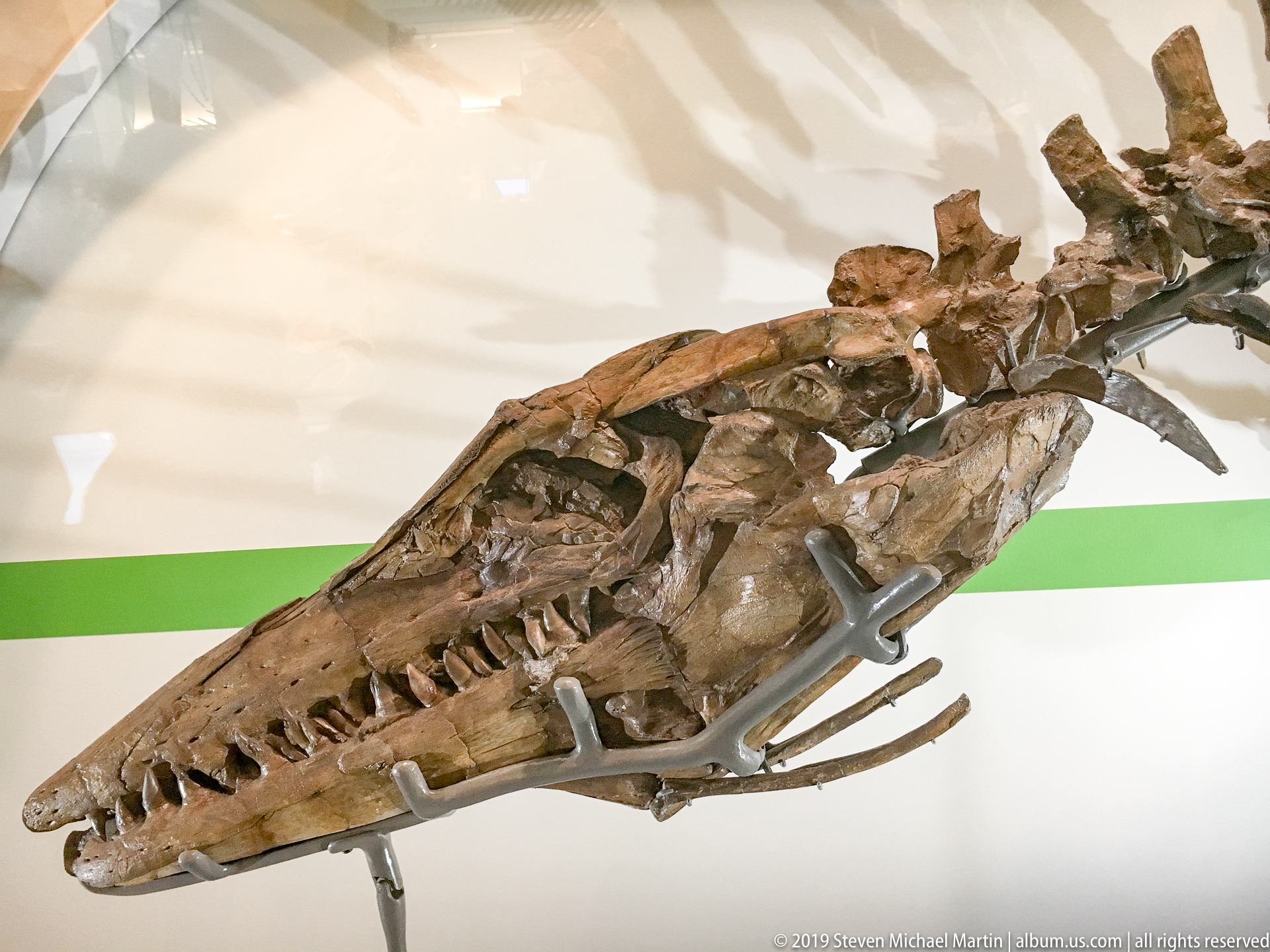
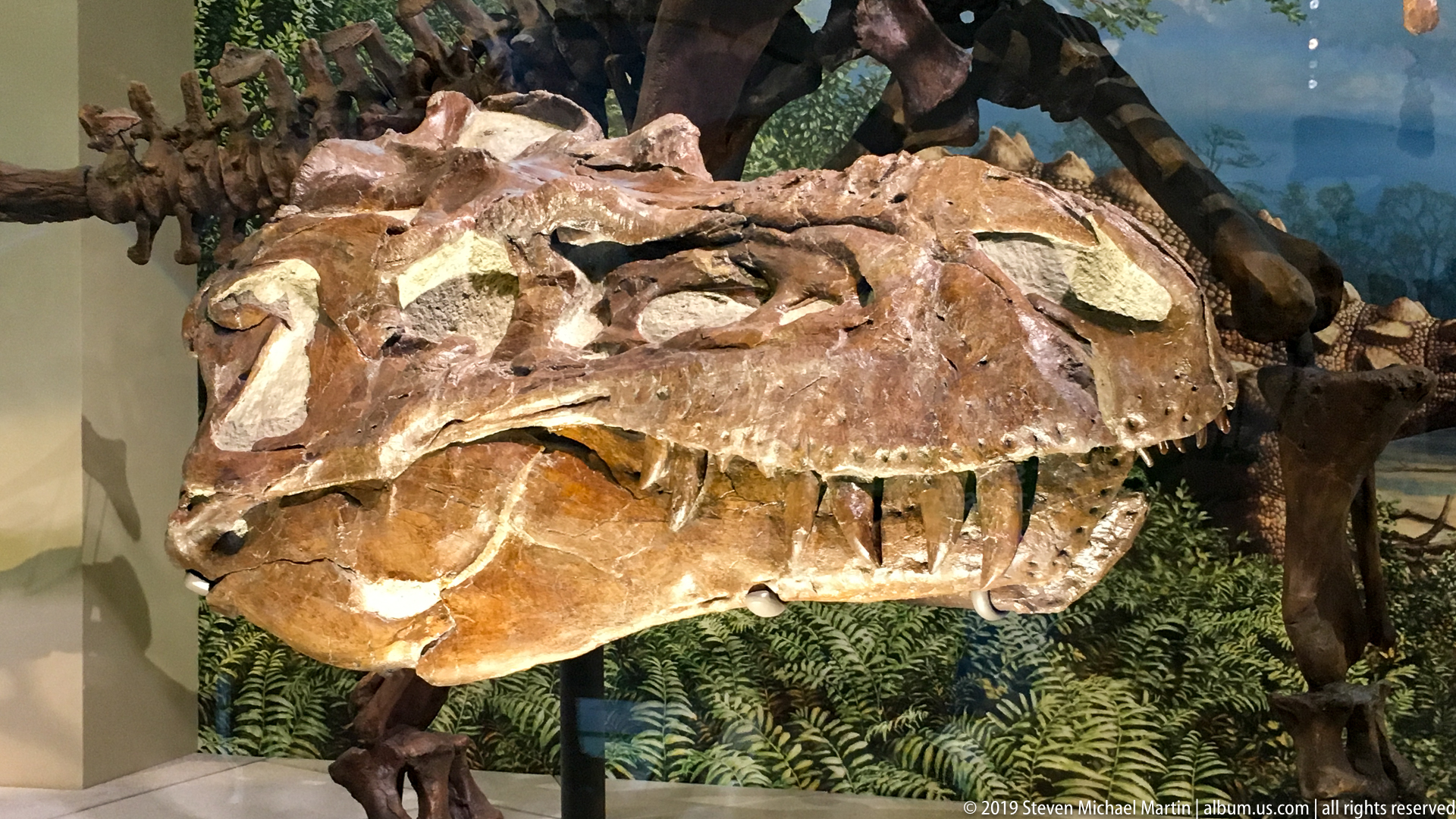
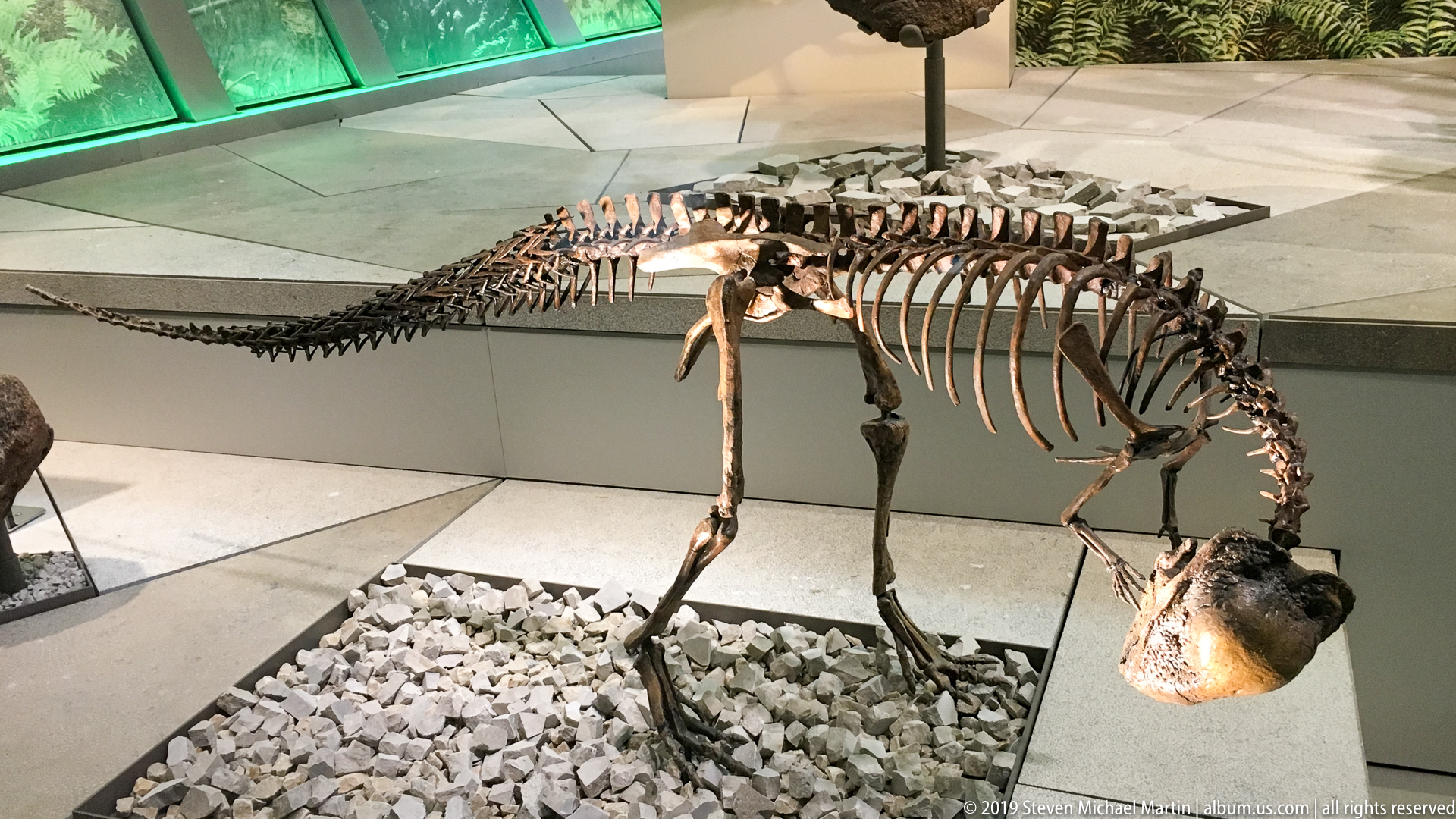
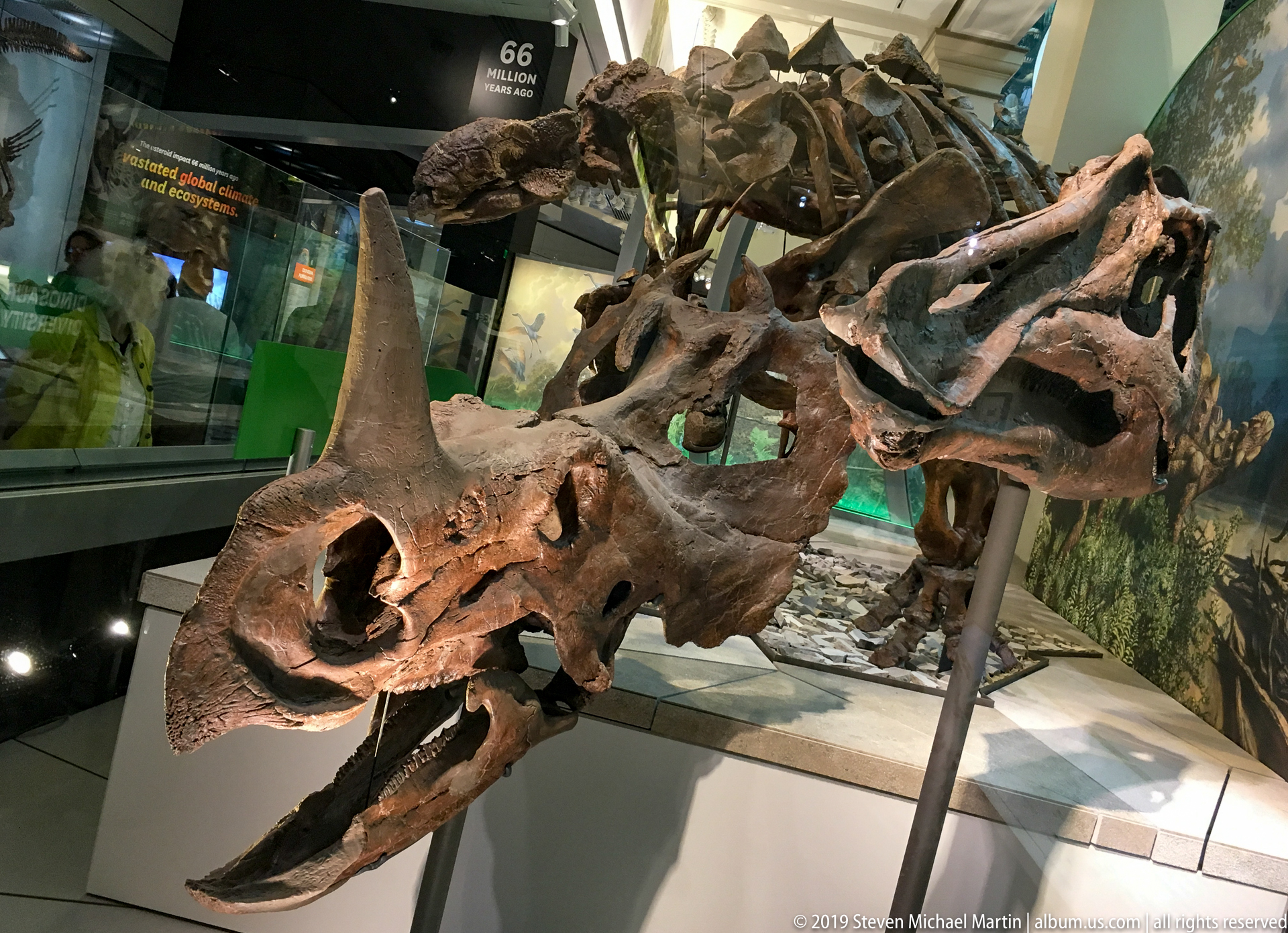
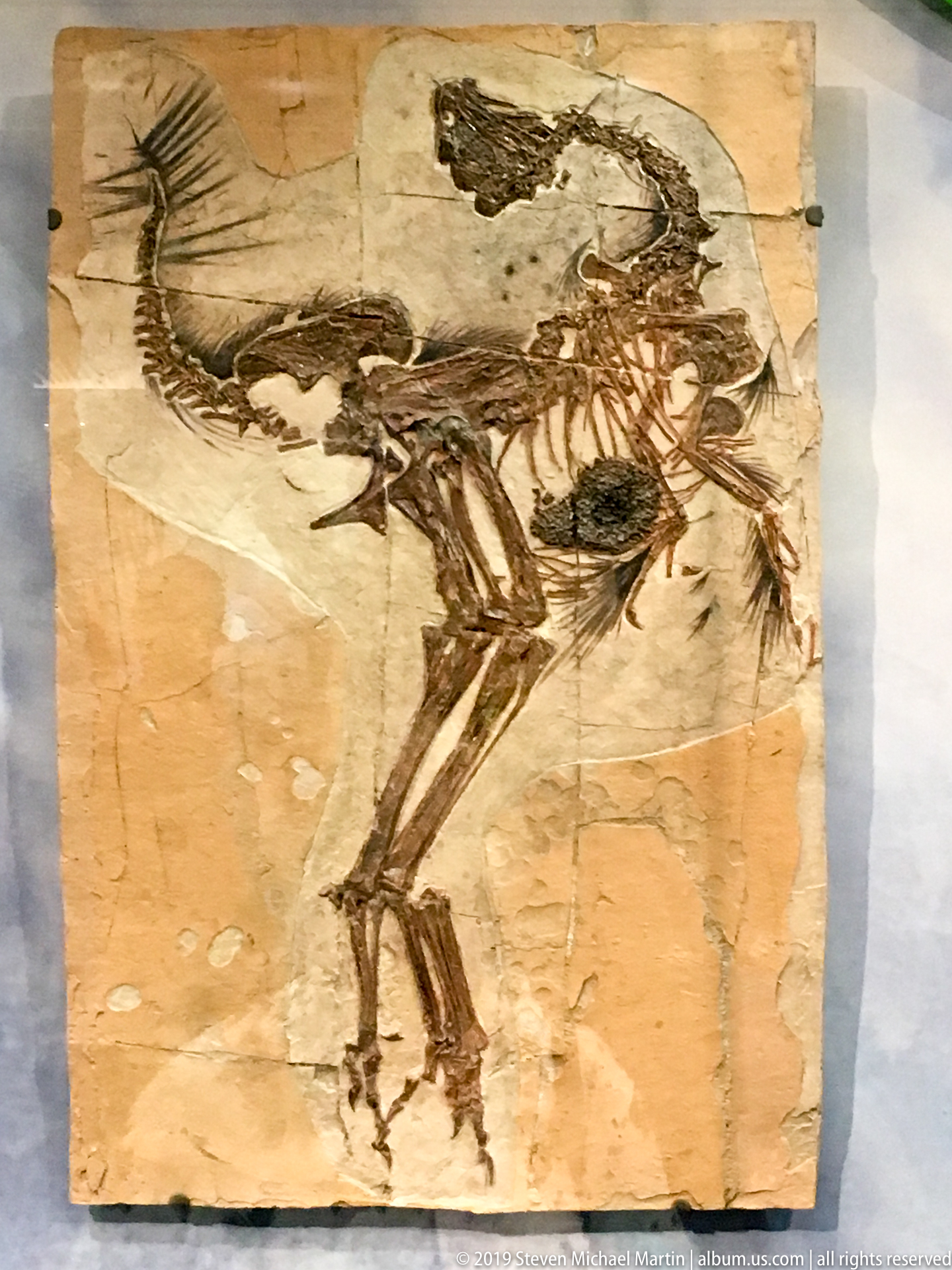
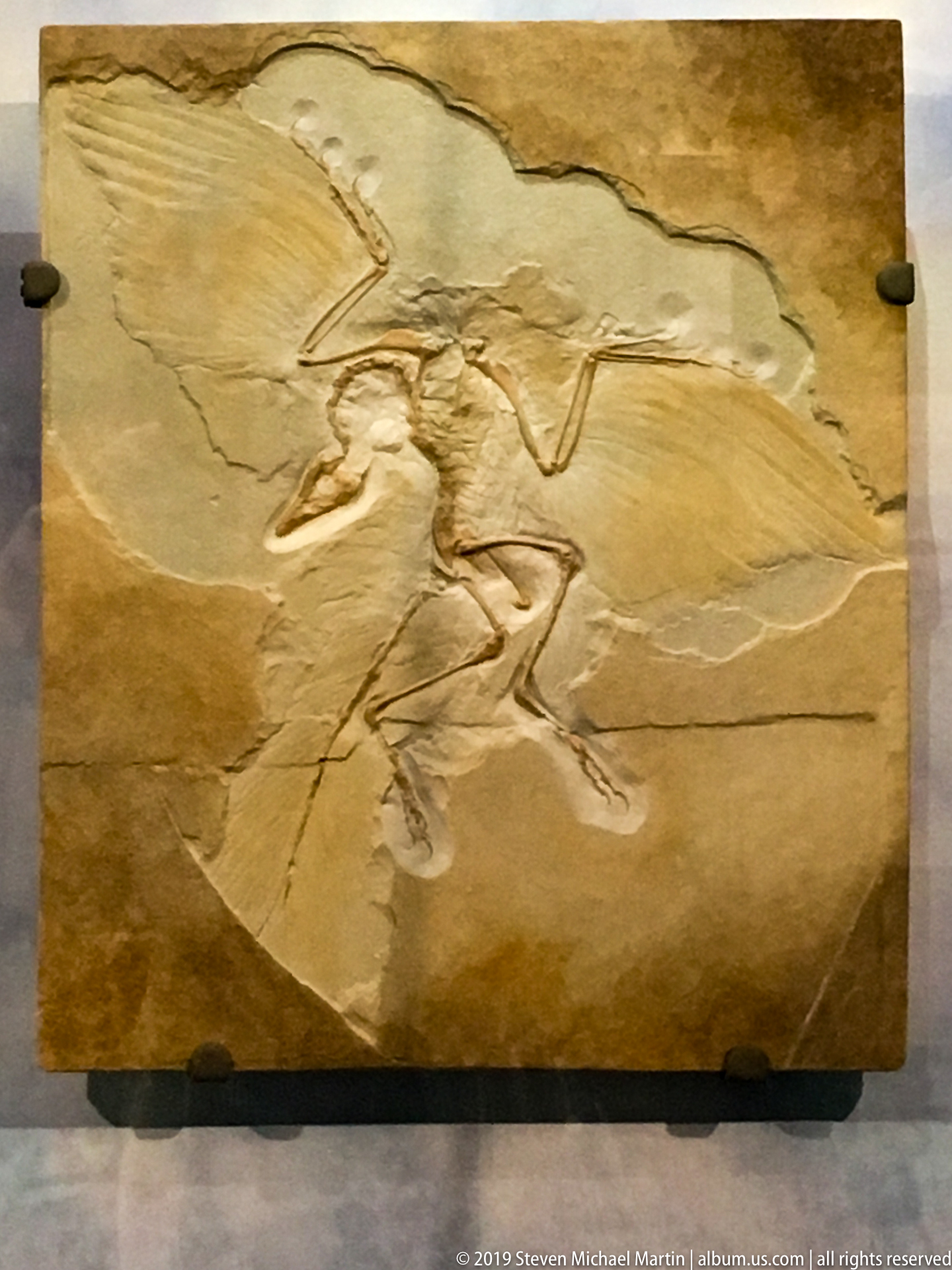
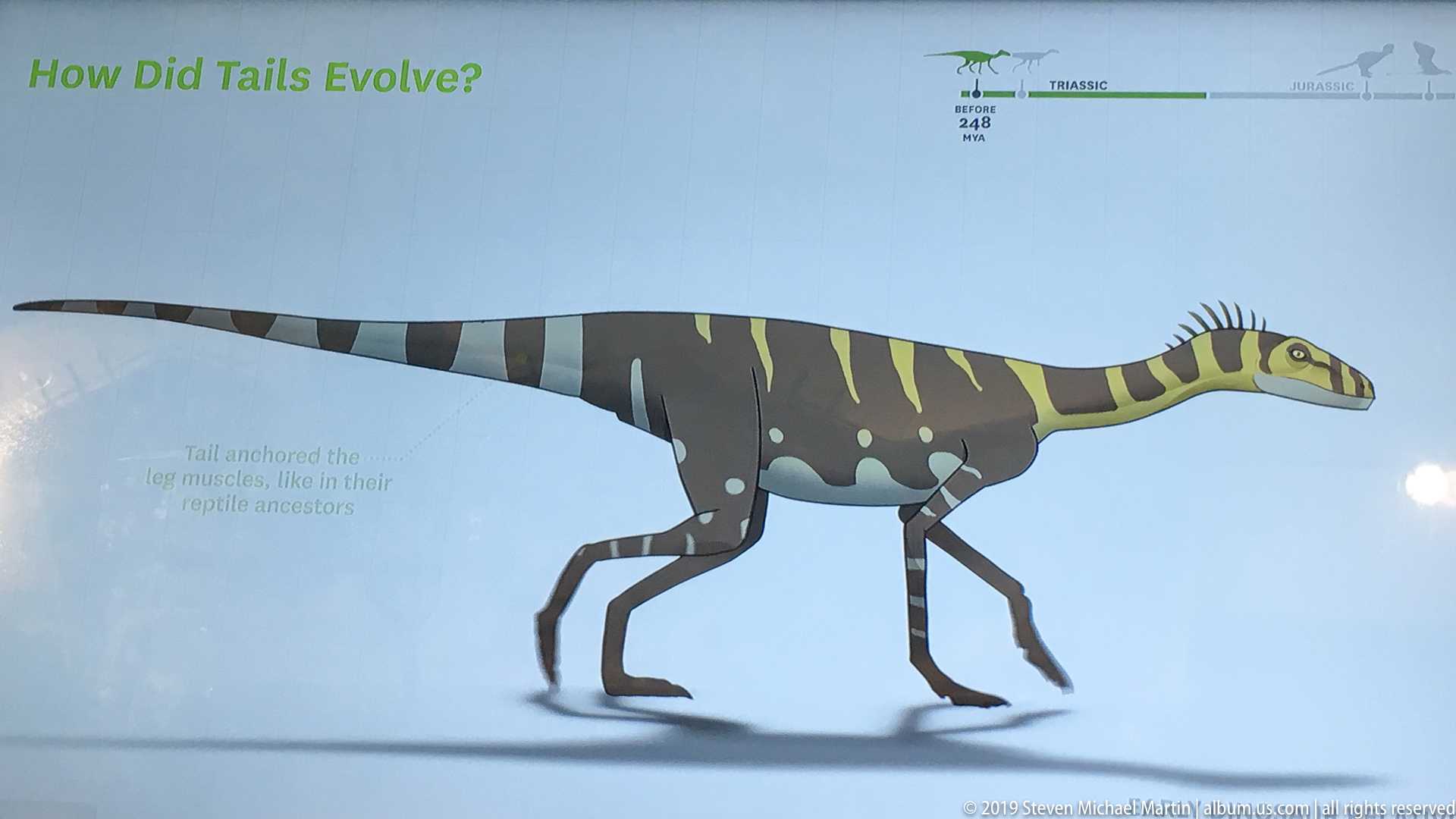
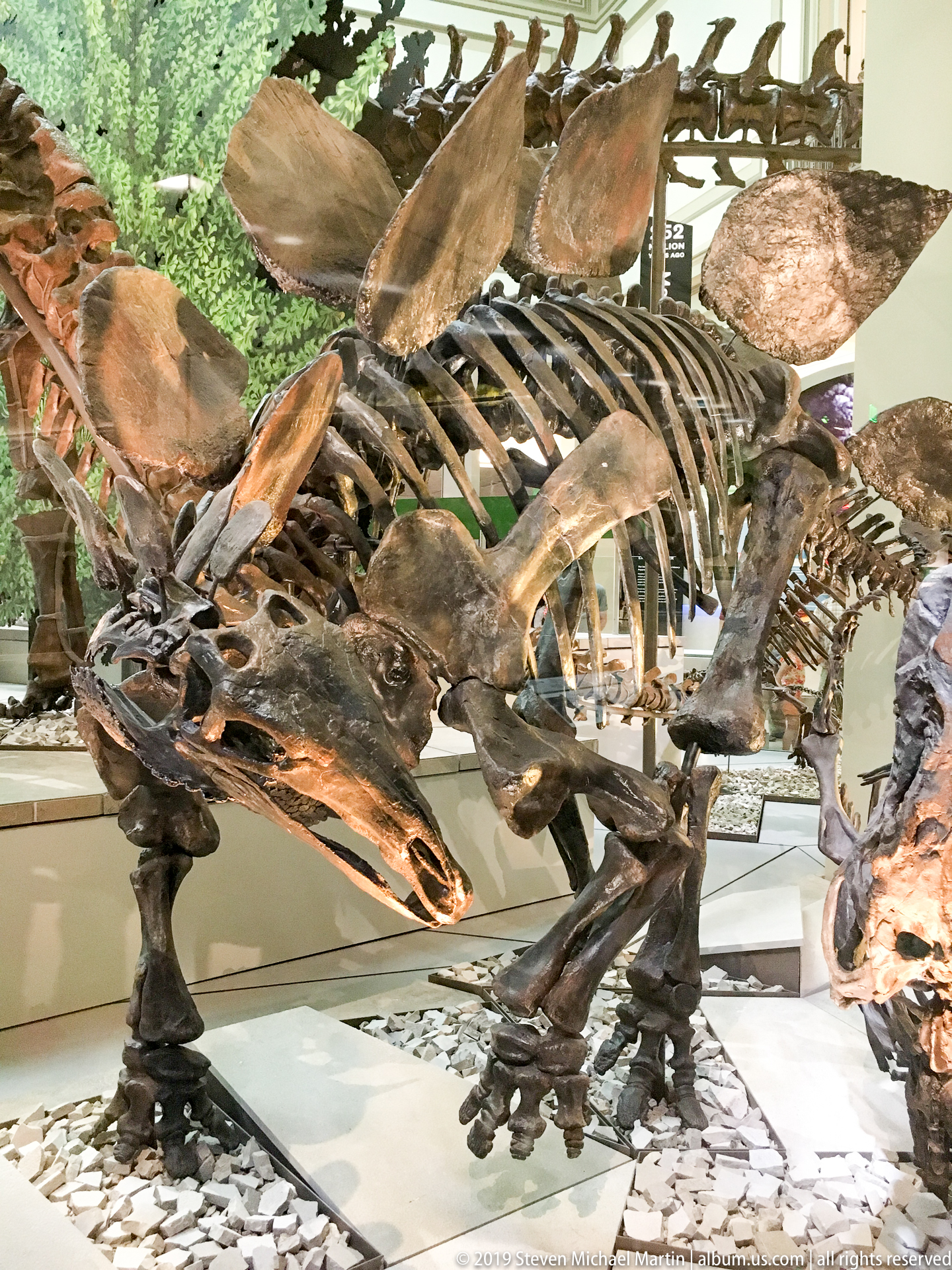
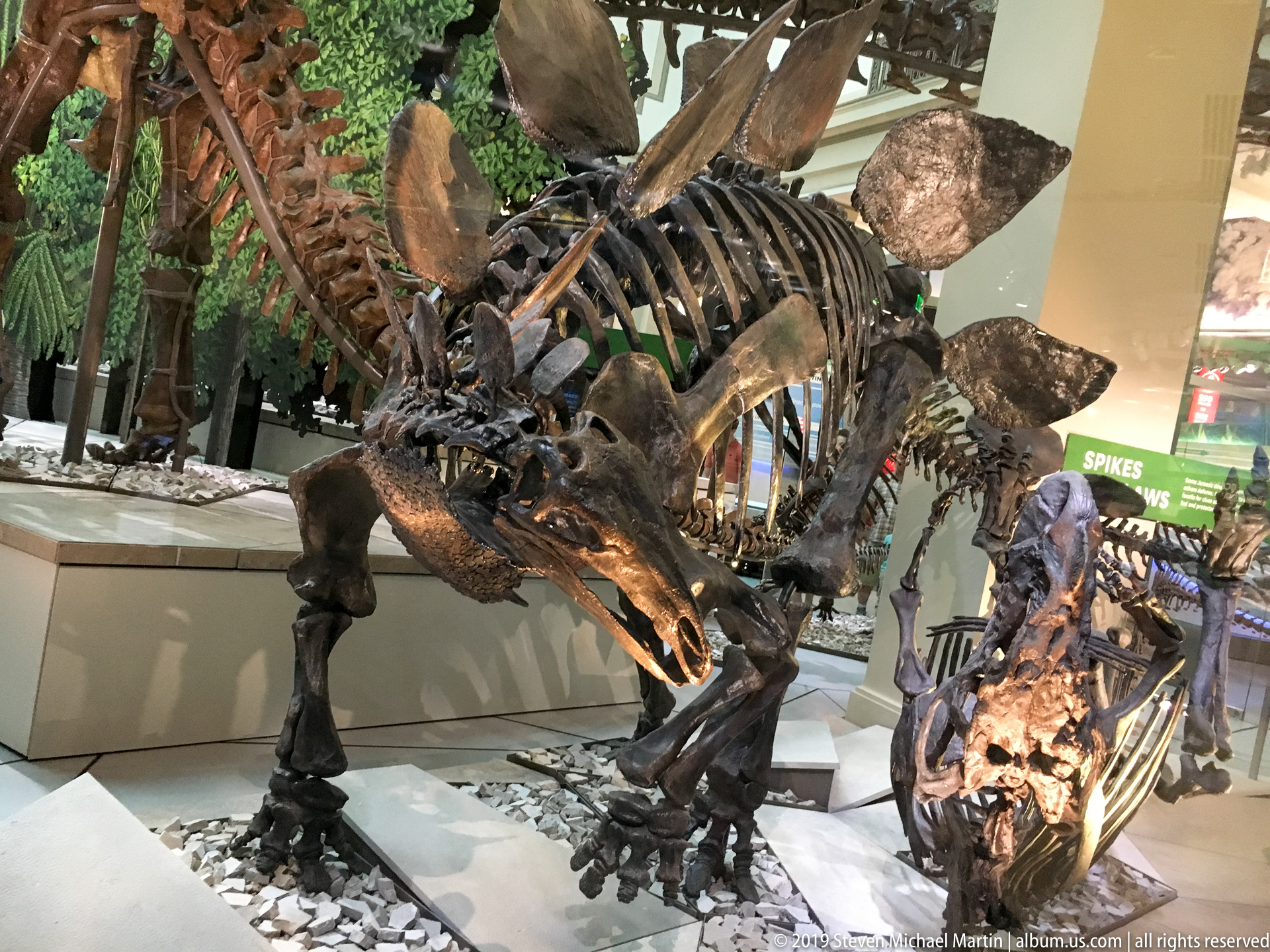
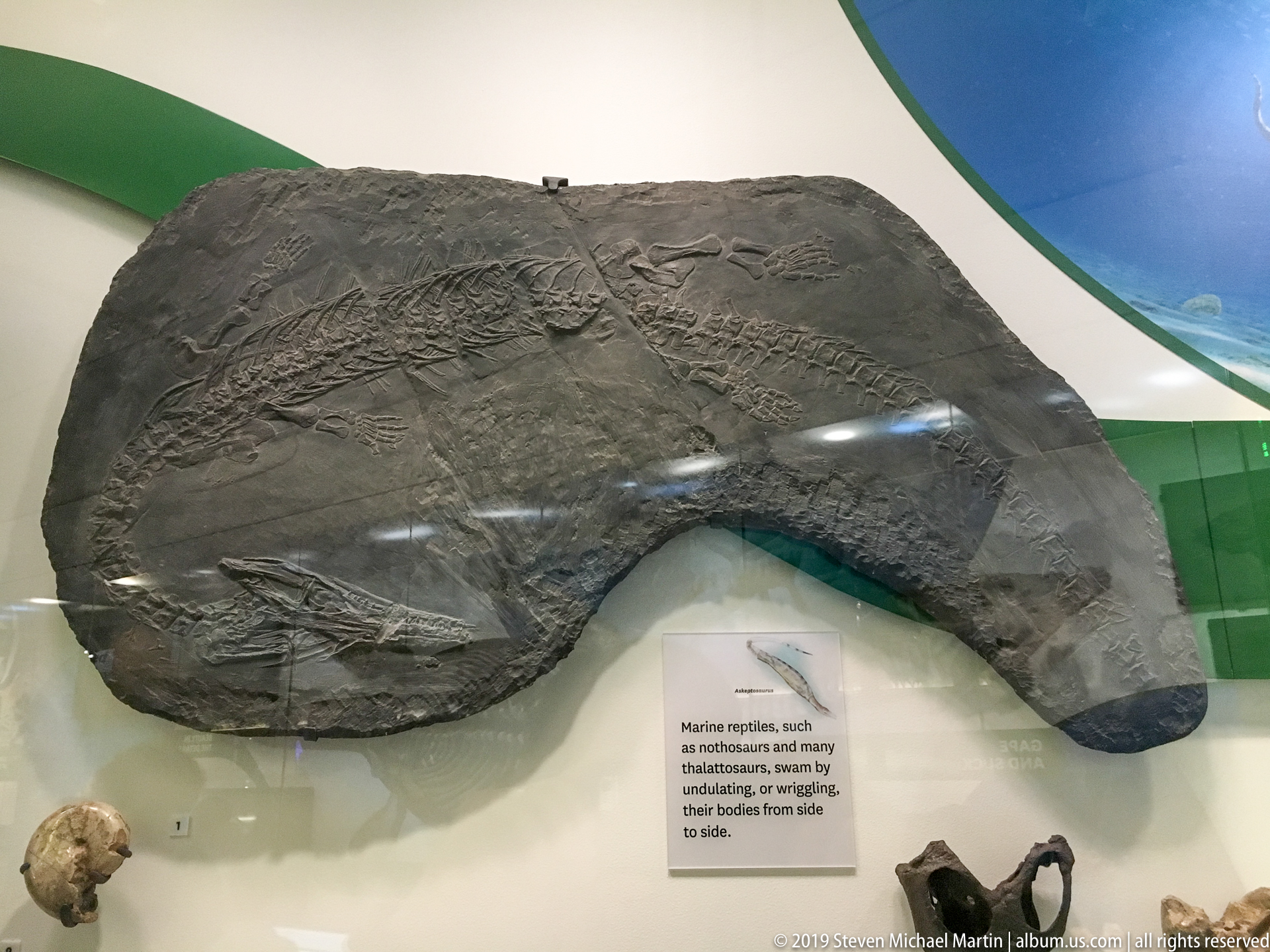
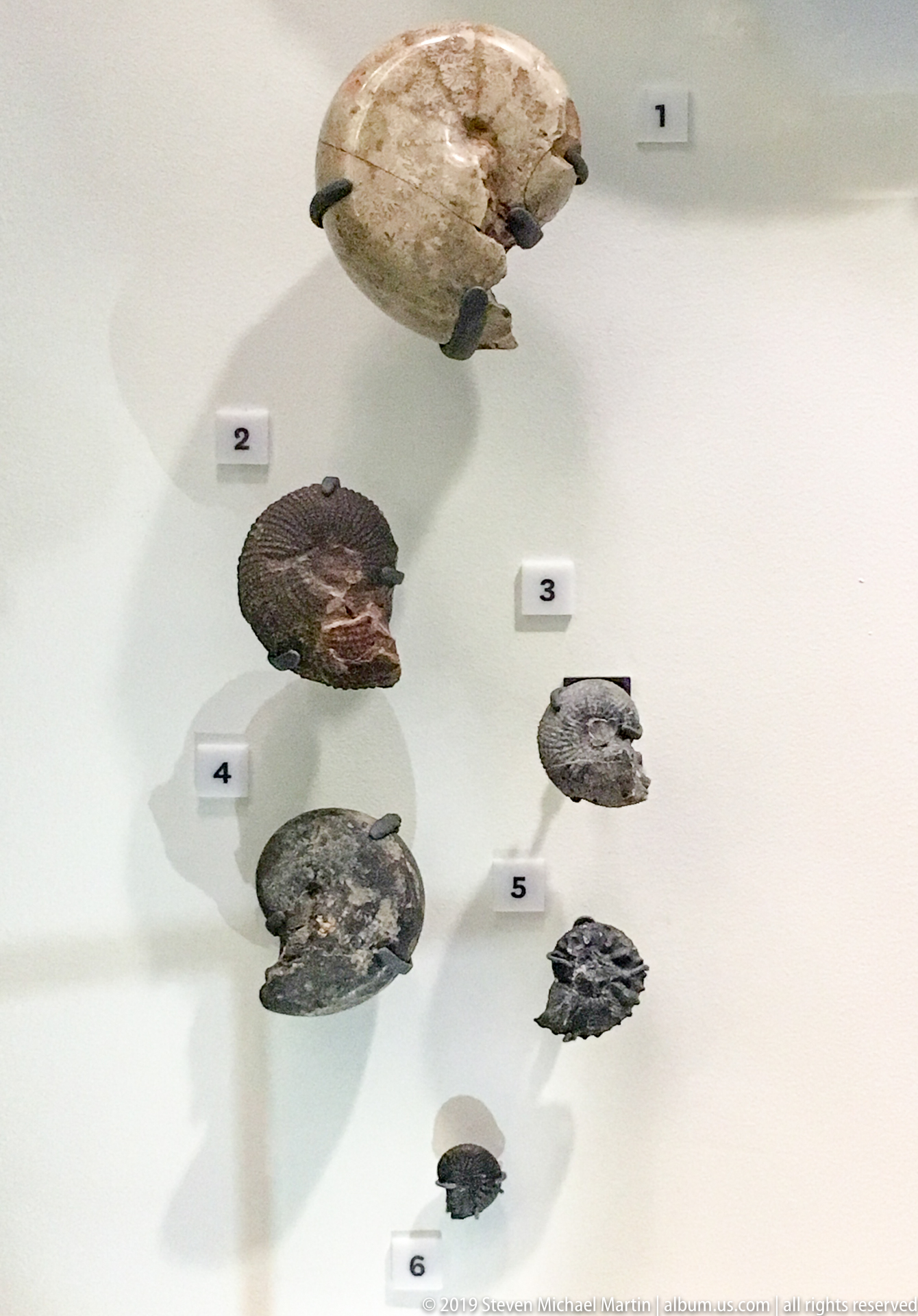
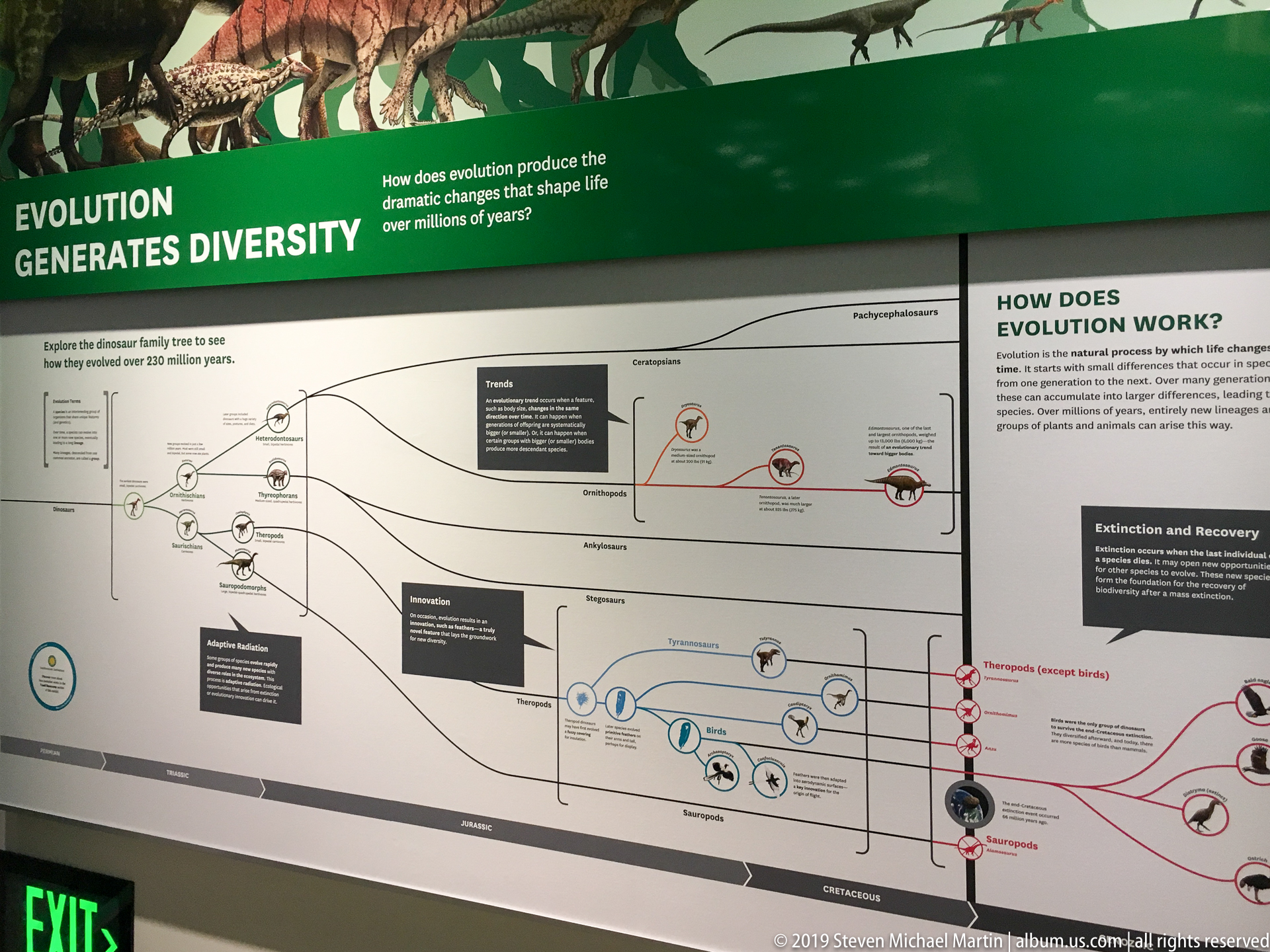
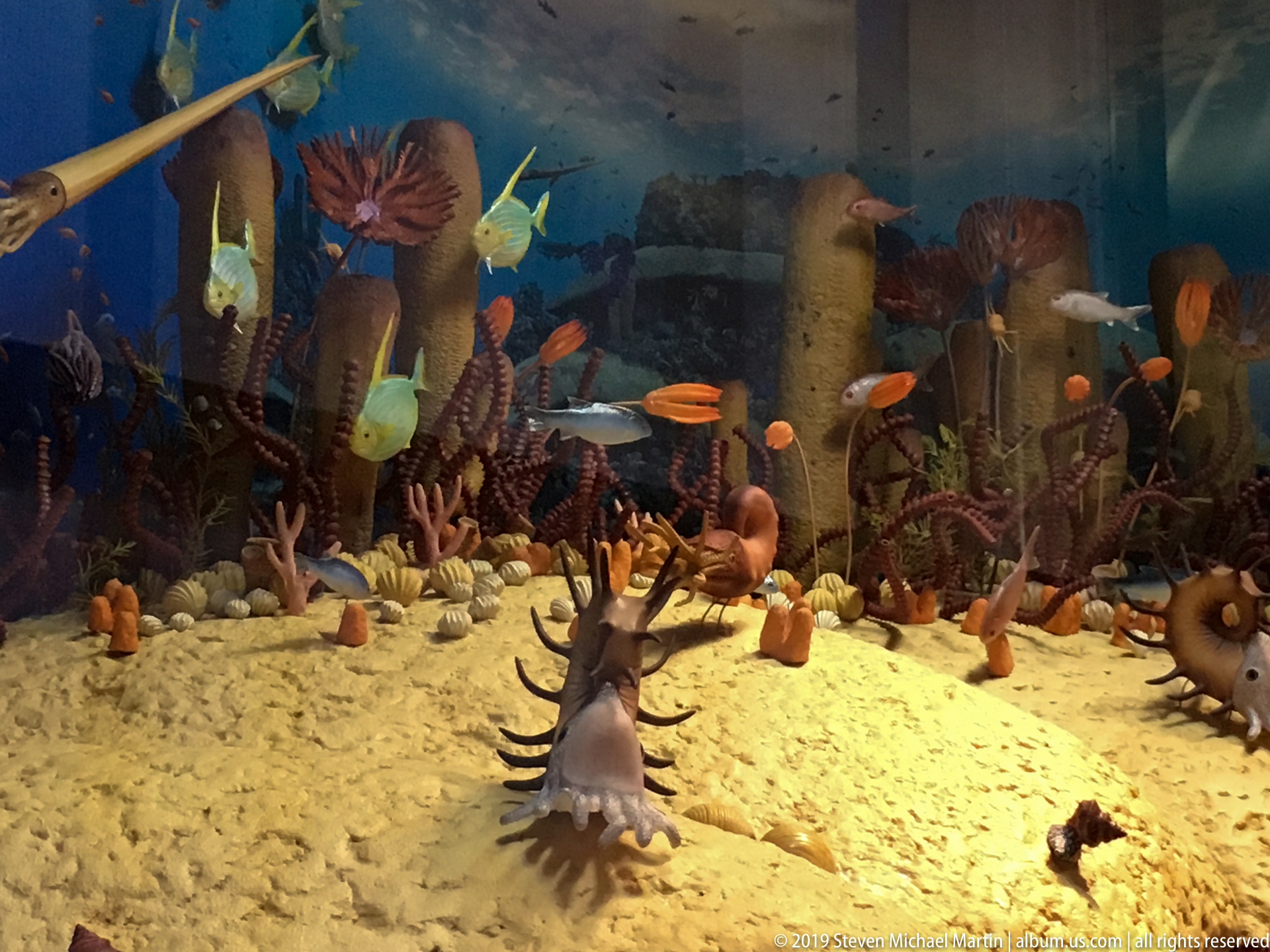
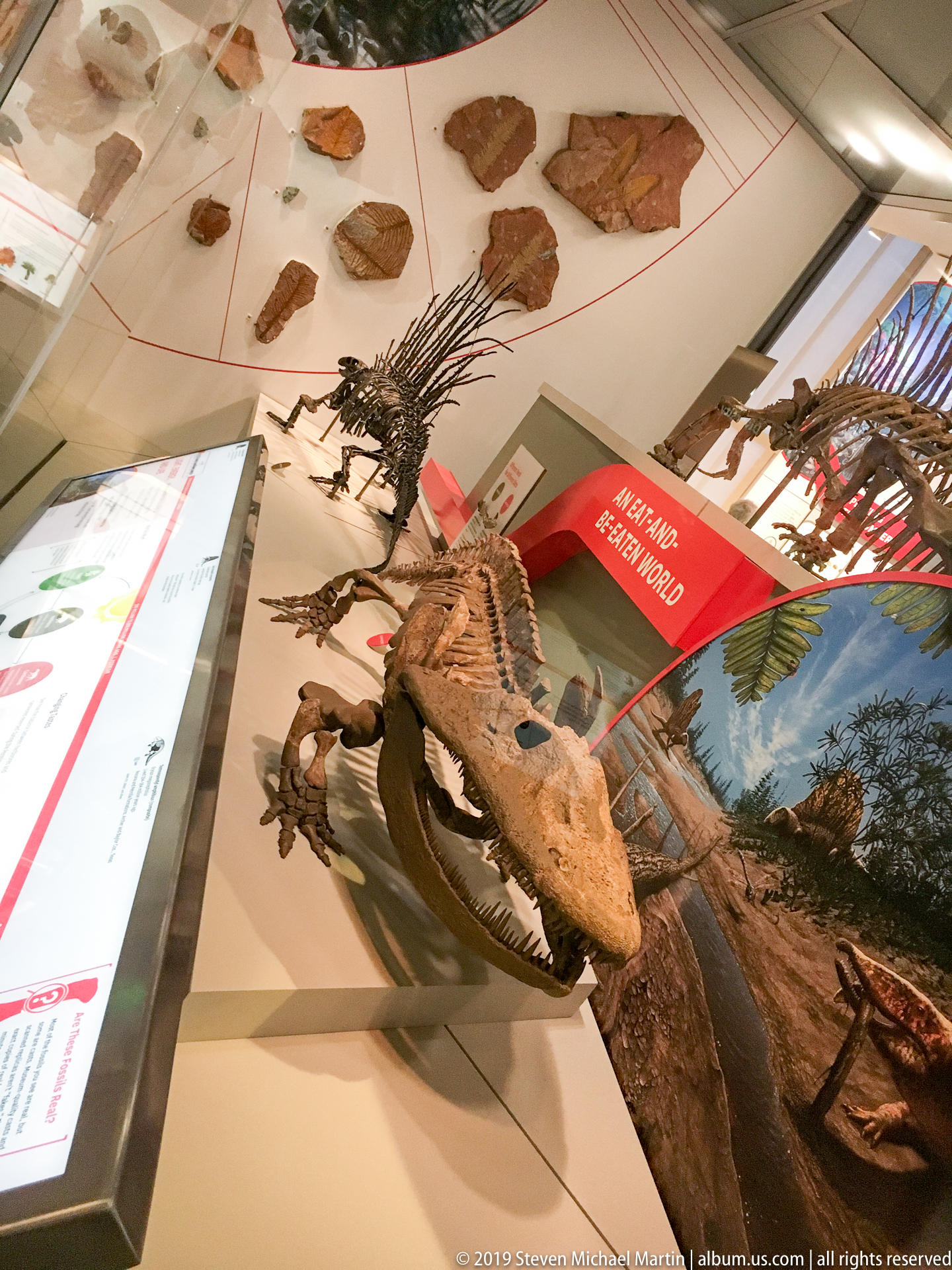
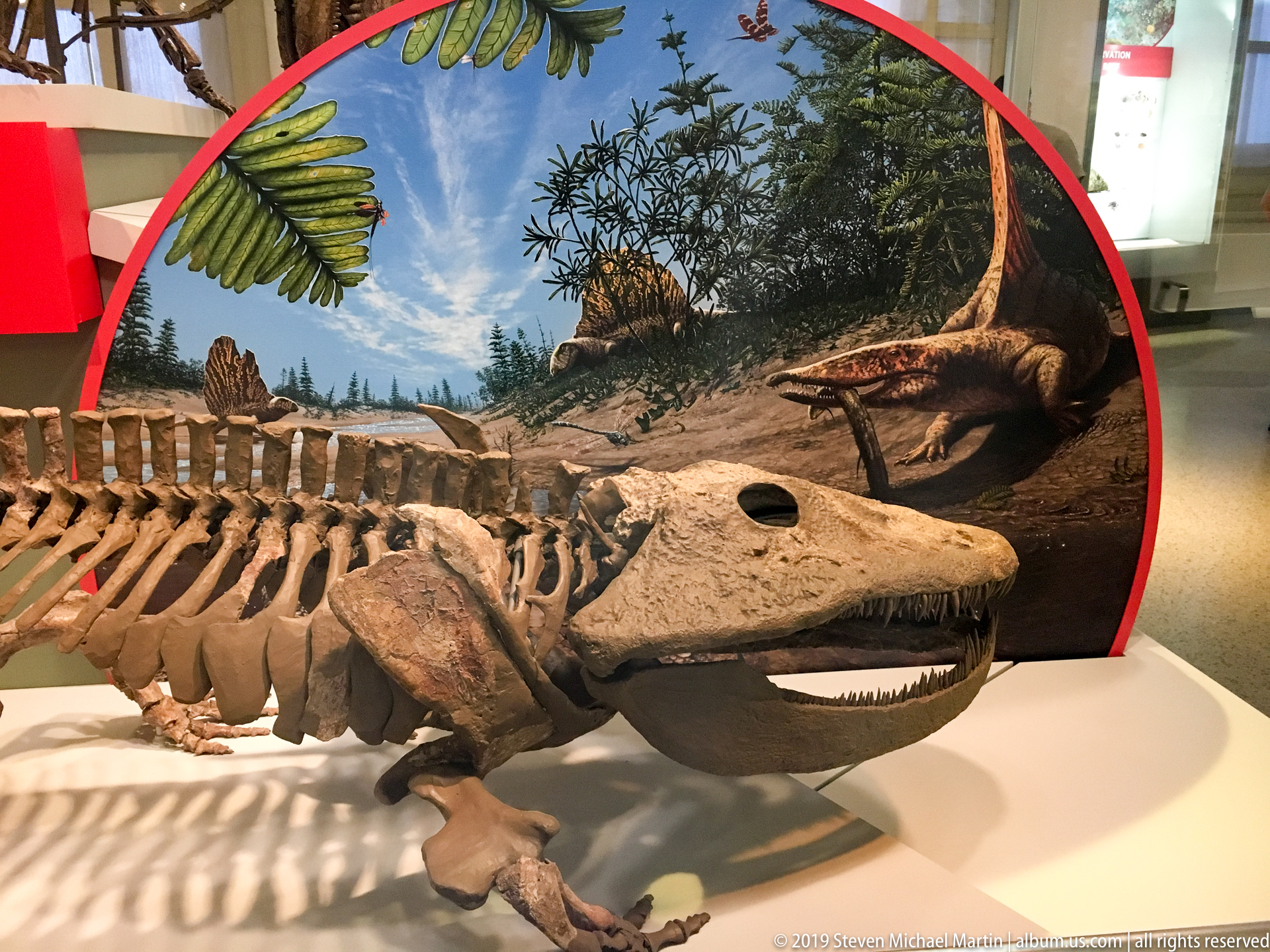
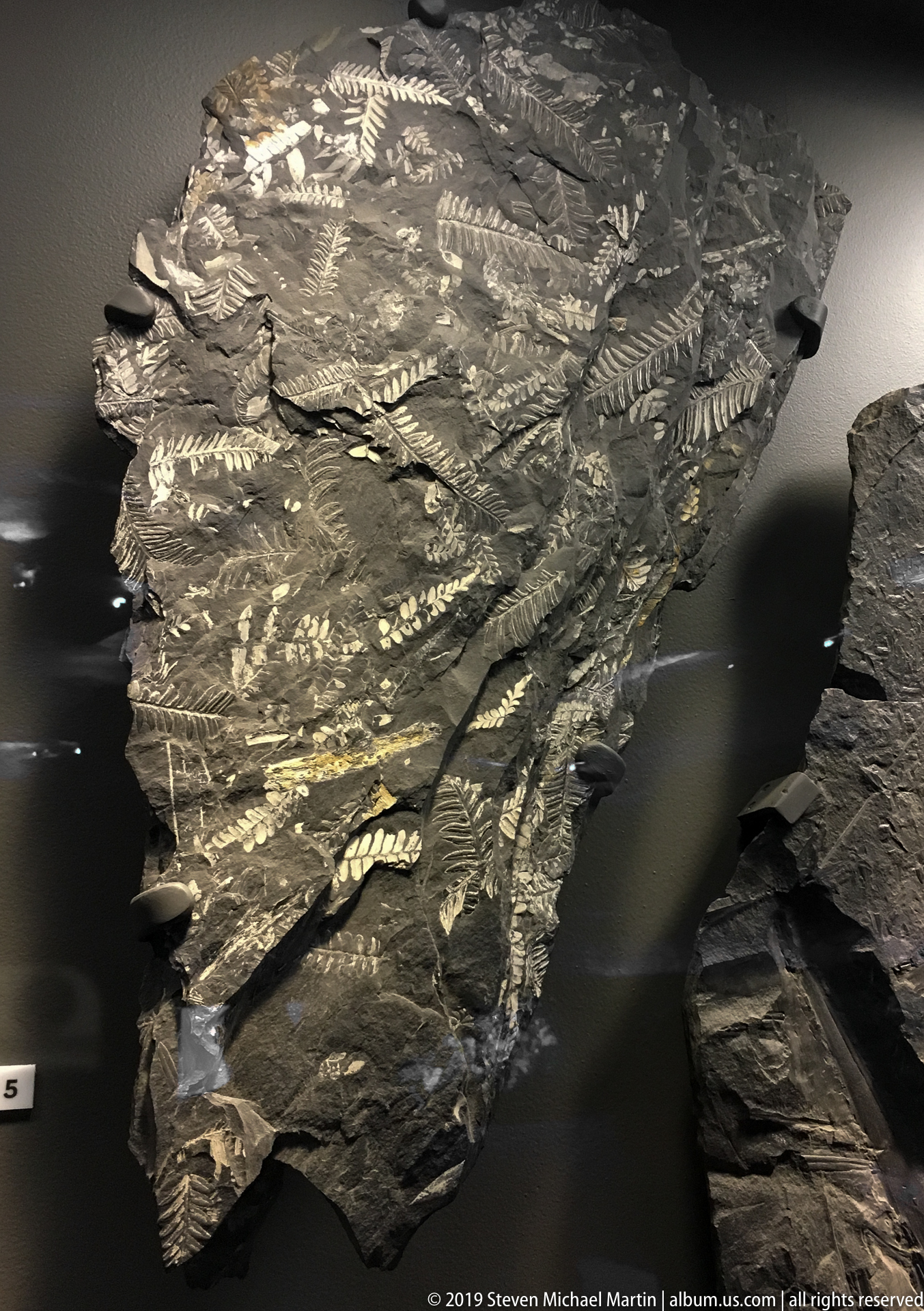
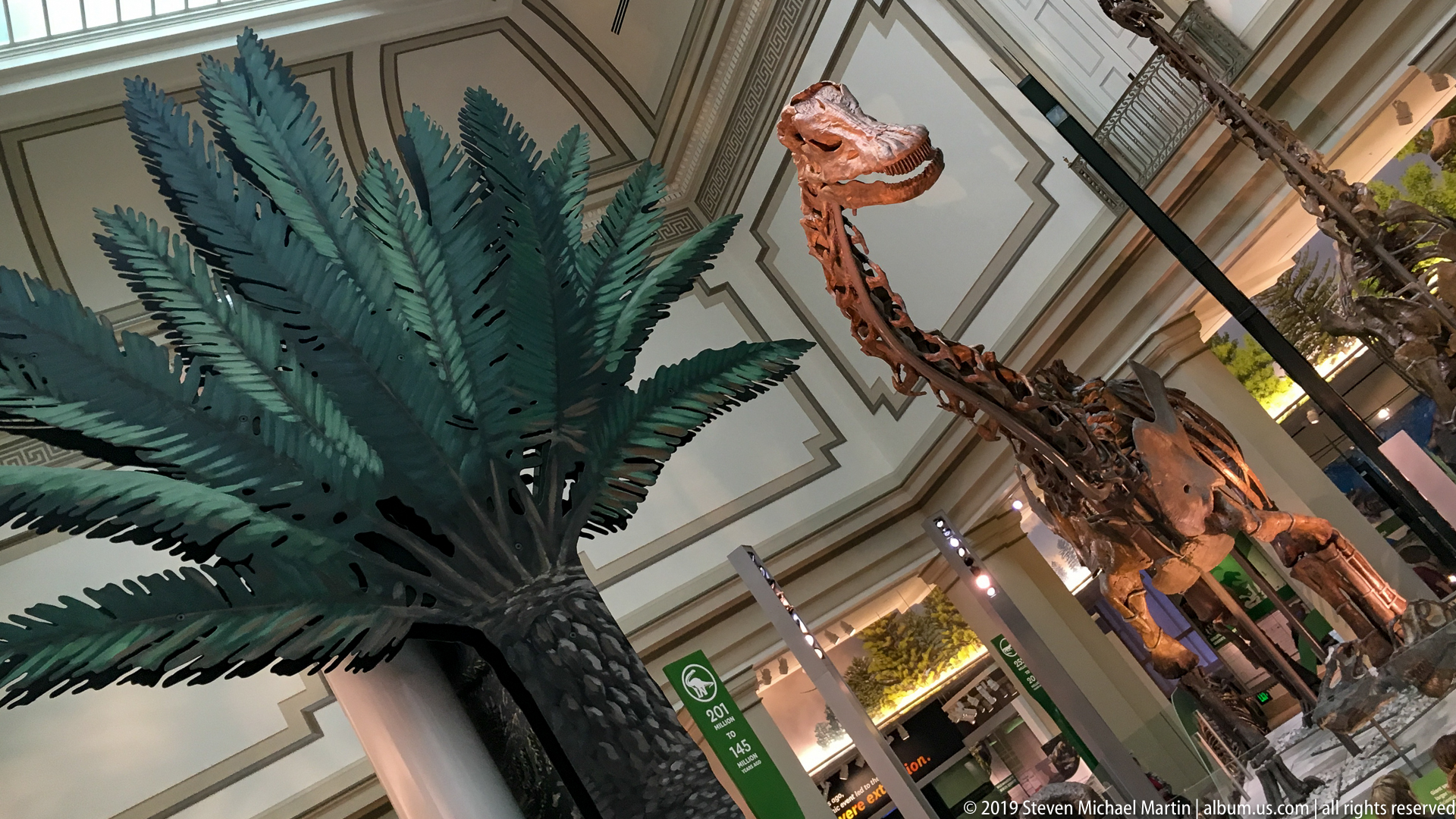
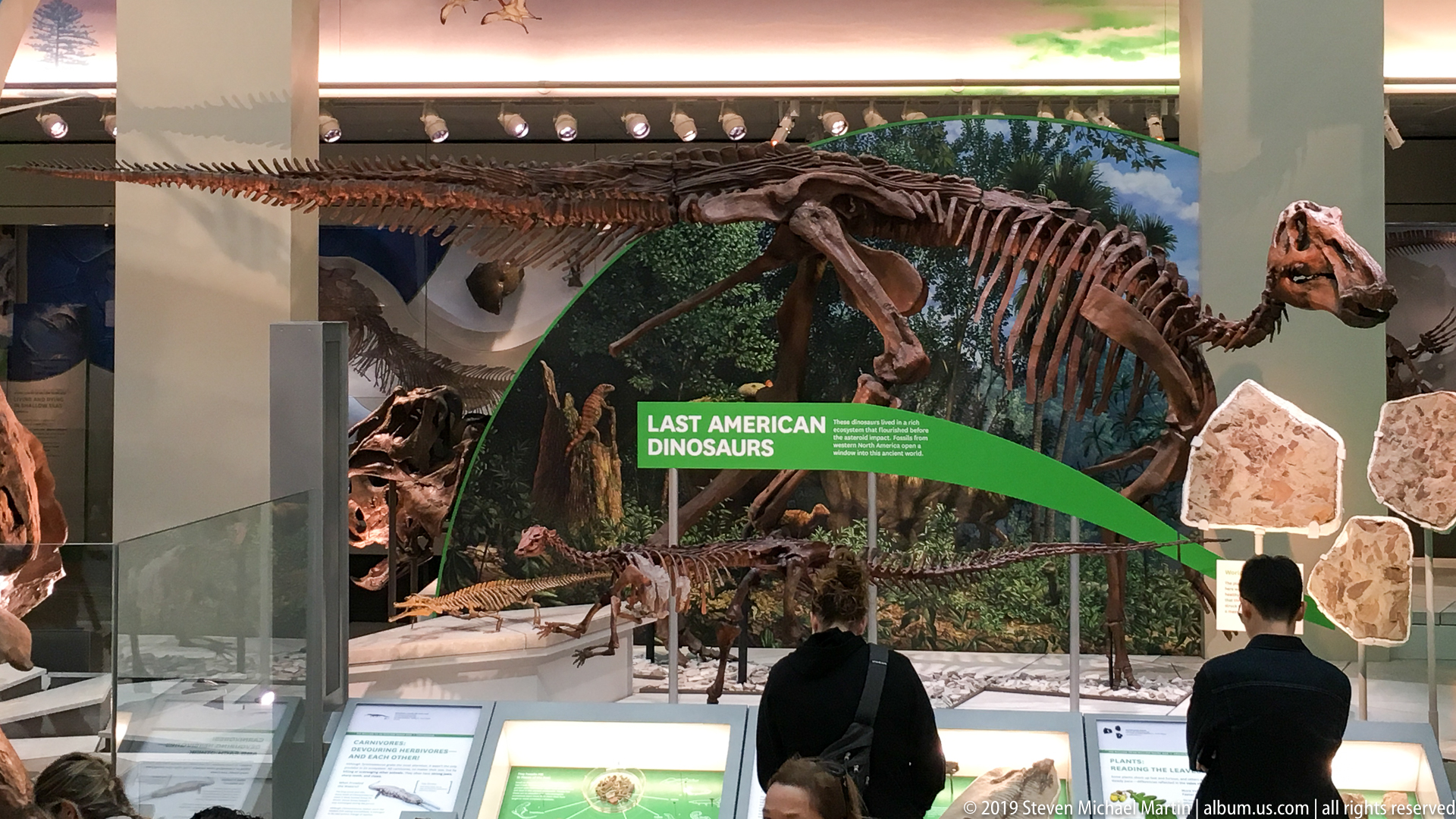
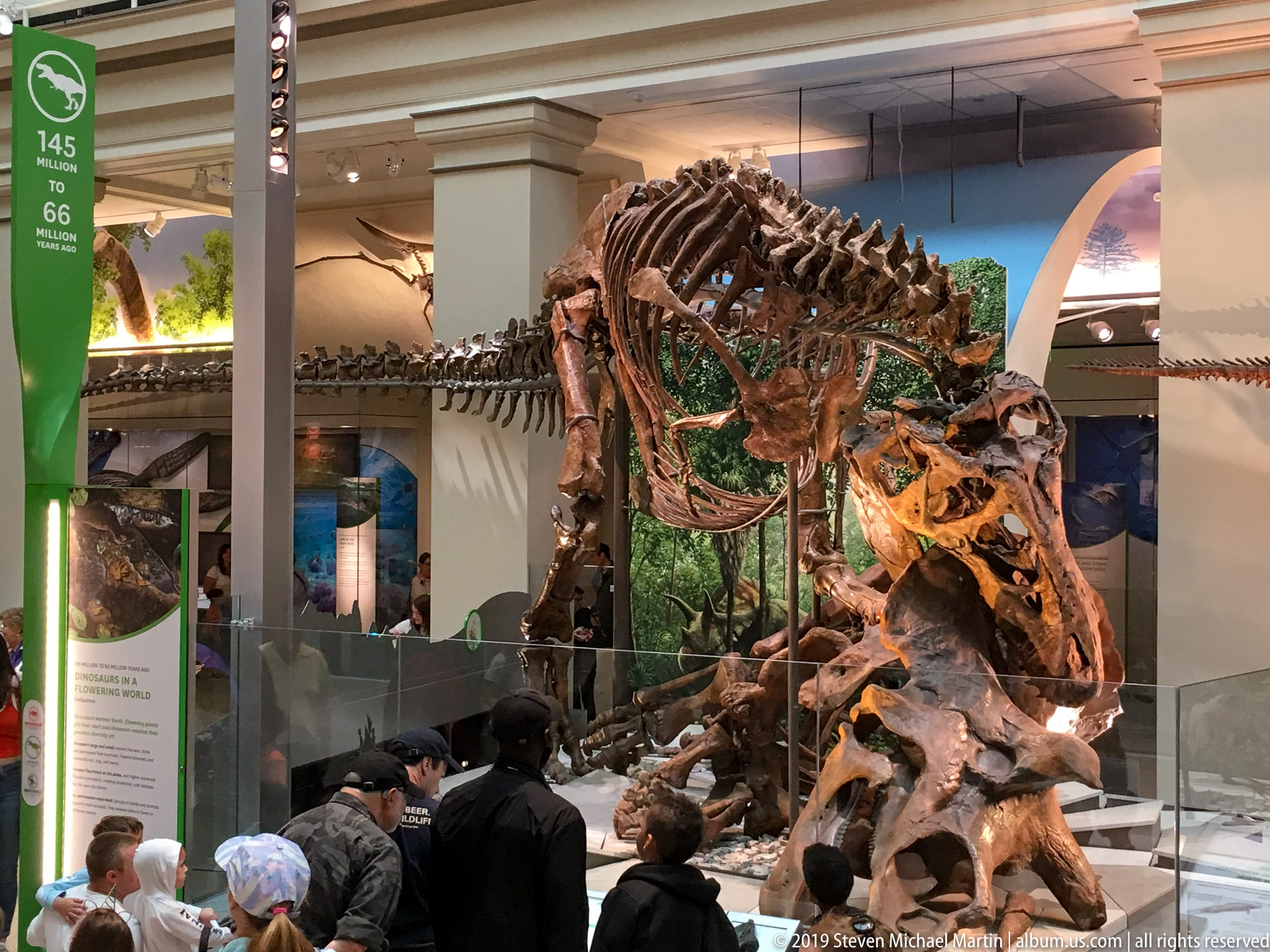
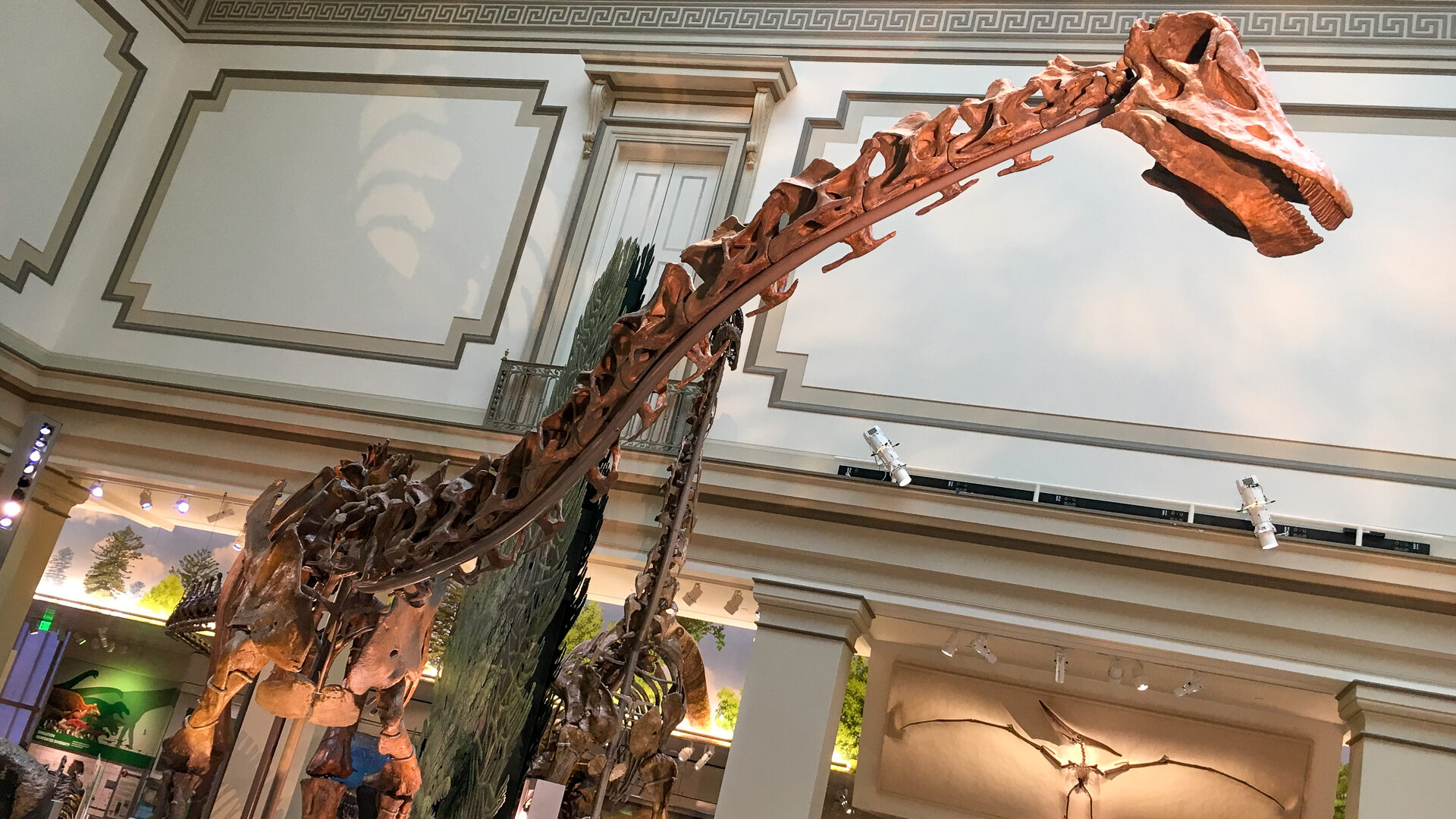
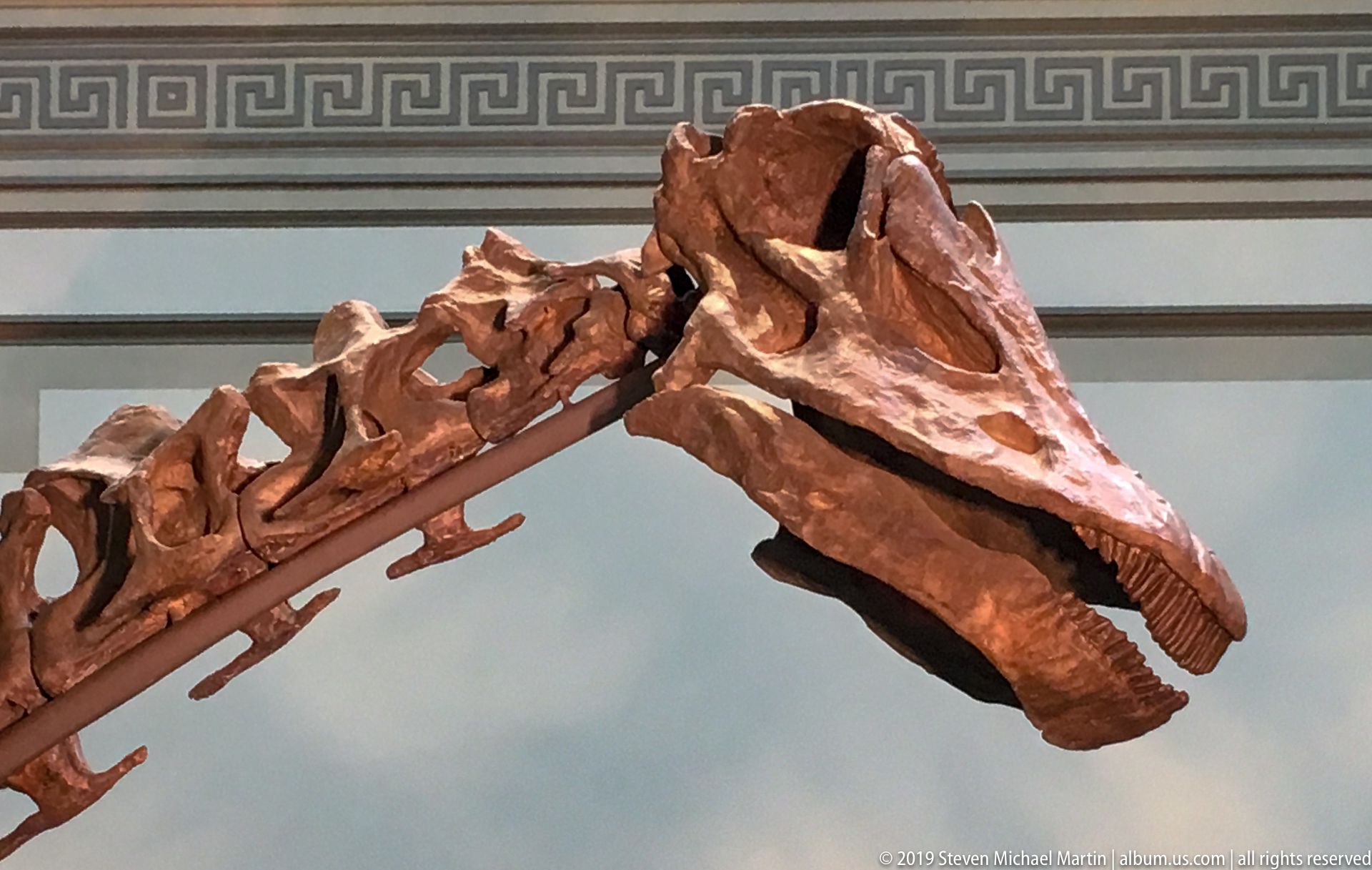
The museum’s fossil exhibits, including the David H. Koch Hall of Fossils—Deep Time, present one of the most comprehensive displays of prehistoric life in the United States. Dinosaur skeletons and fossil specimens illustrate evolutionary processes that unfolded over hundreds of millions of years, demonstrating how paleontological research contributes to understanding the development of life on Earth. Exhibits integrate scientific interpretation with visual presentation to communicate complex geological timescales and ecological transformation.
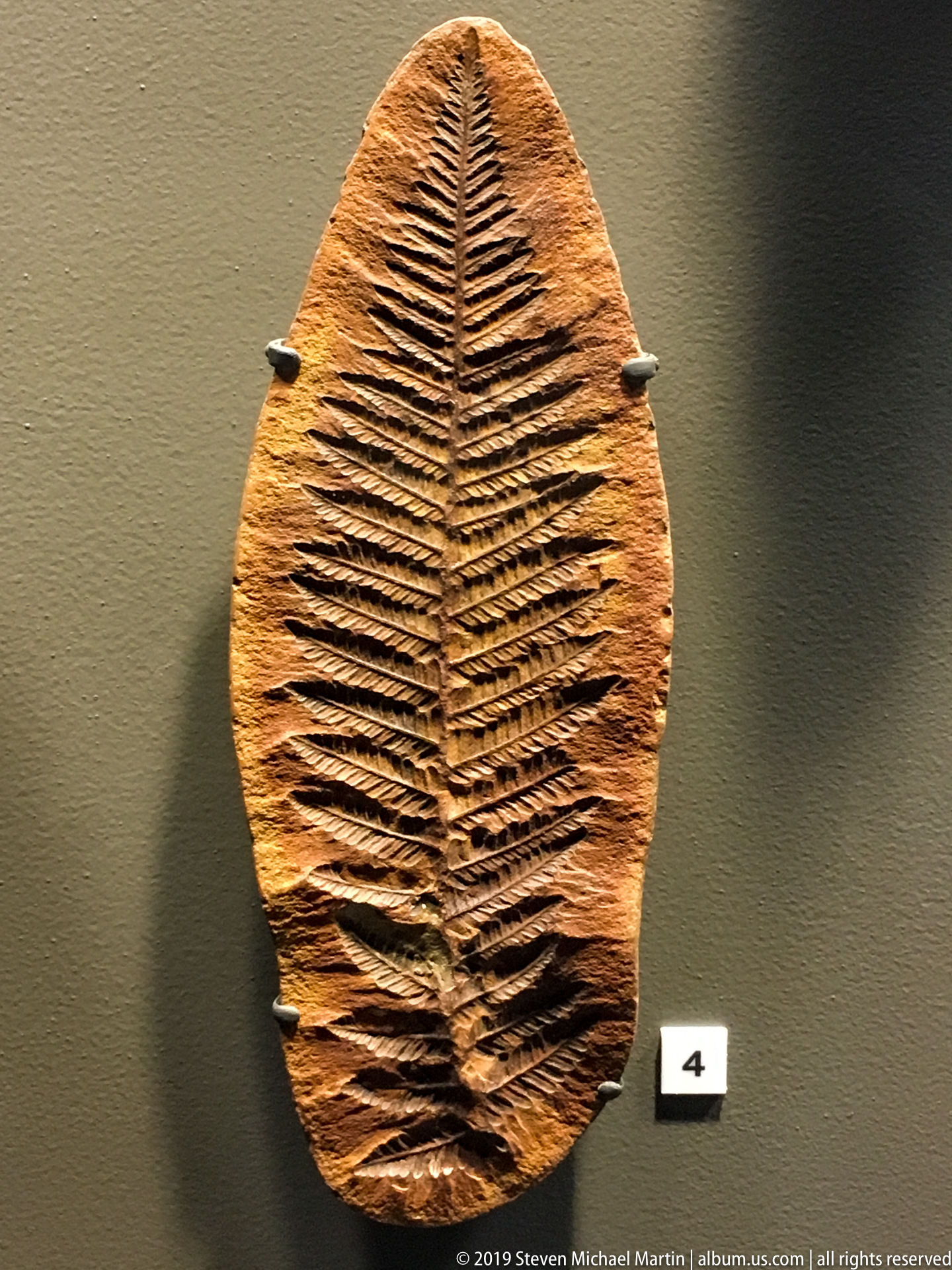
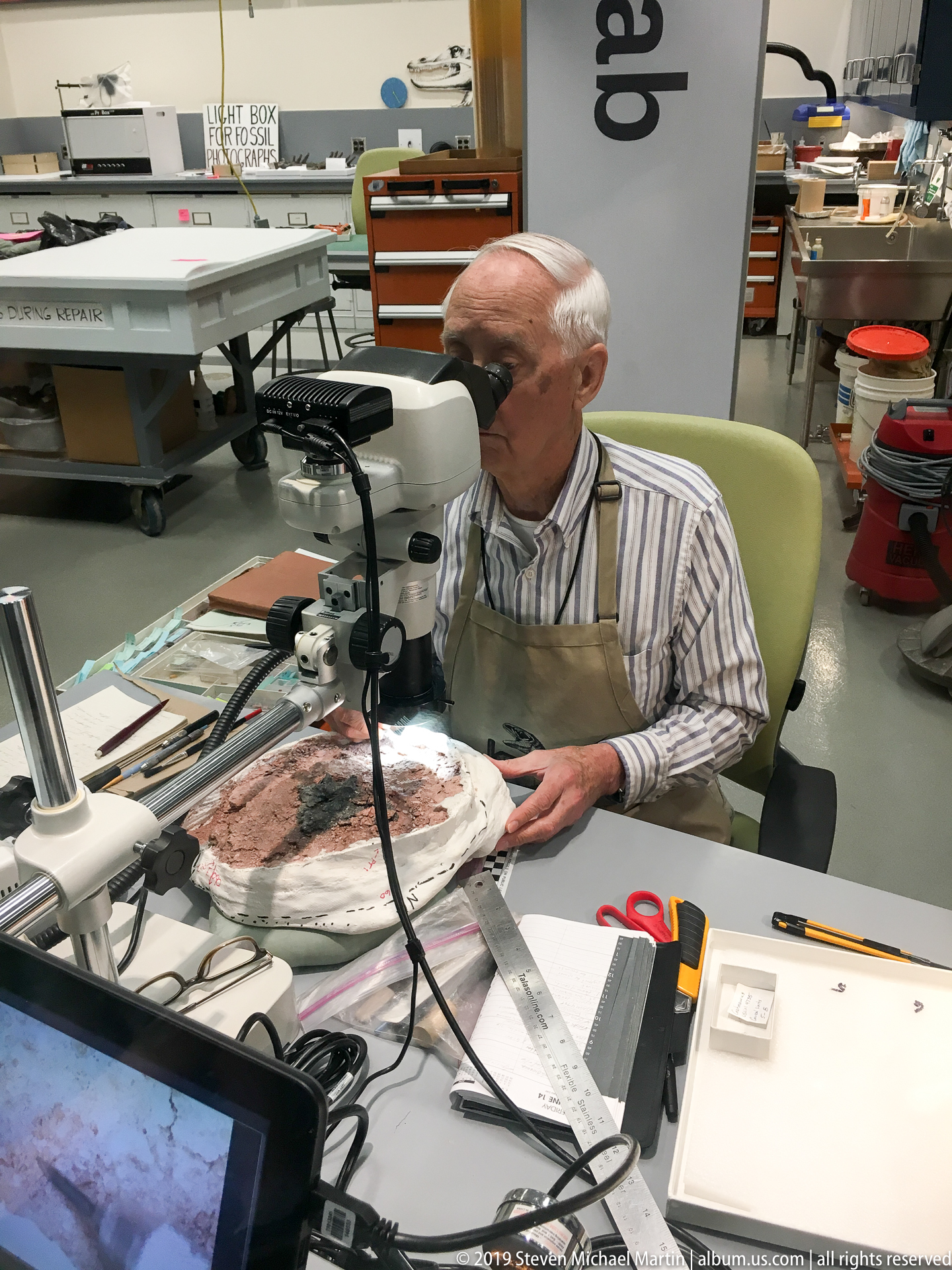
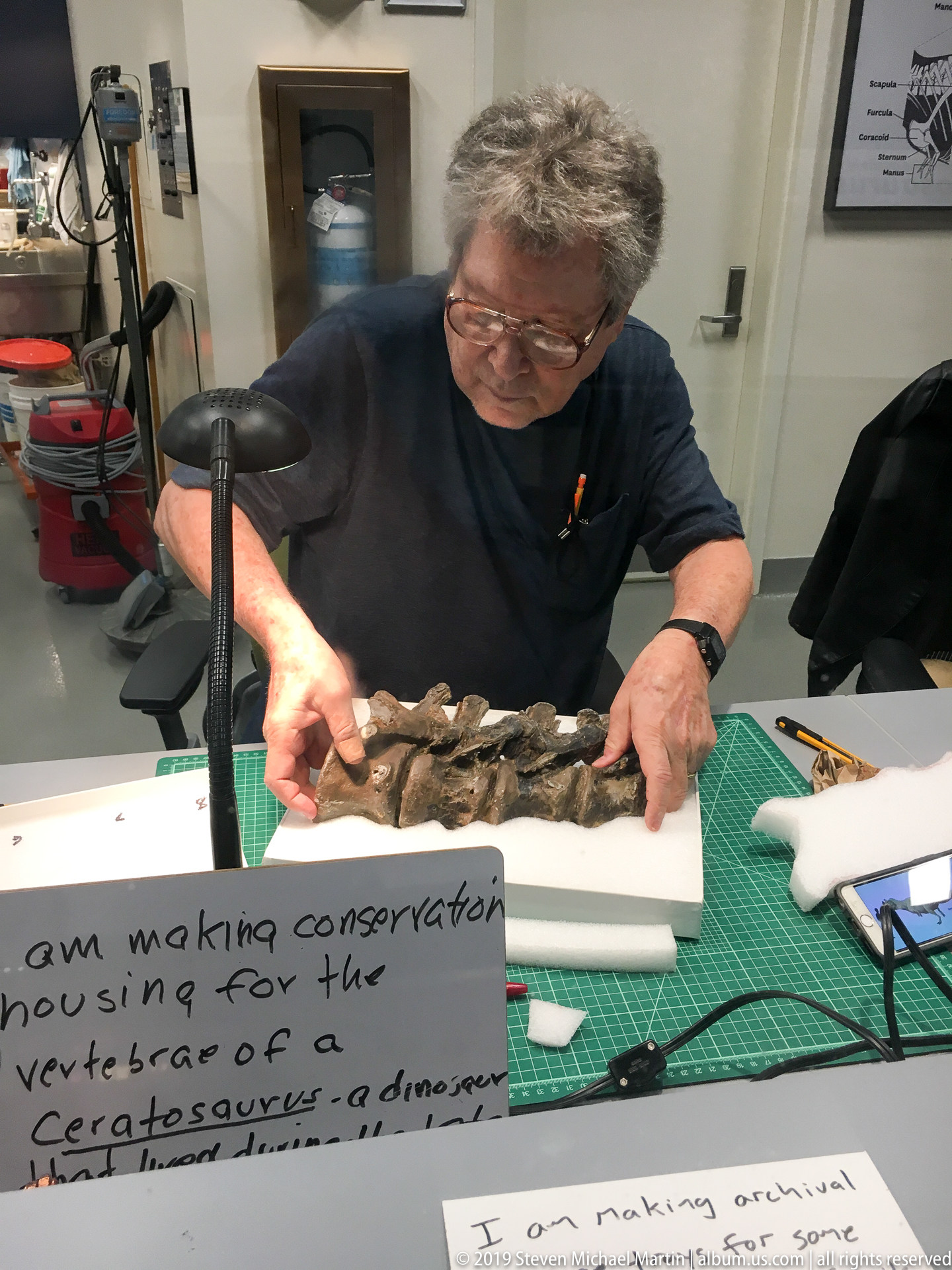
The dinosaur exhibits contribute to understanding the relationship between scientific inquiry and public education within national cultural institutions. Fossils provide evidence of long-term environmental change and biological adaptation, illustrating how scientific collections expand knowledge of Earth’s history. The museum’s presence within the federal capital reflects the importance of scientific research as part of the broader intellectual framework represented on the National Mall.