Bear Lake National Wildlife Refuge
Bear Lake National Wildlife Refuge protects wetland habitats that support migratory bird populations and aquatic ecosystems within the Intermountain West. Seasonal water levels create environments suitable for nesting and feeding species traveling along major migration corridors. Wetlands illustrate how water availability shapes ecological relationships across arid regions.
The refuge provides habitat for waterfowl, shorebirds, and other wildlife adapted to marsh environments. Plant communities vary according to soil moisture and seasonal precipitation patterns, demonstrating how hydrology influences ecosystem development.
Today, Bear Lake illustrates the importance of wetland conservation in maintaining biodiversity. Protected habitats provide essential resting and feeding areas for migratory species traveling long distances across North America.
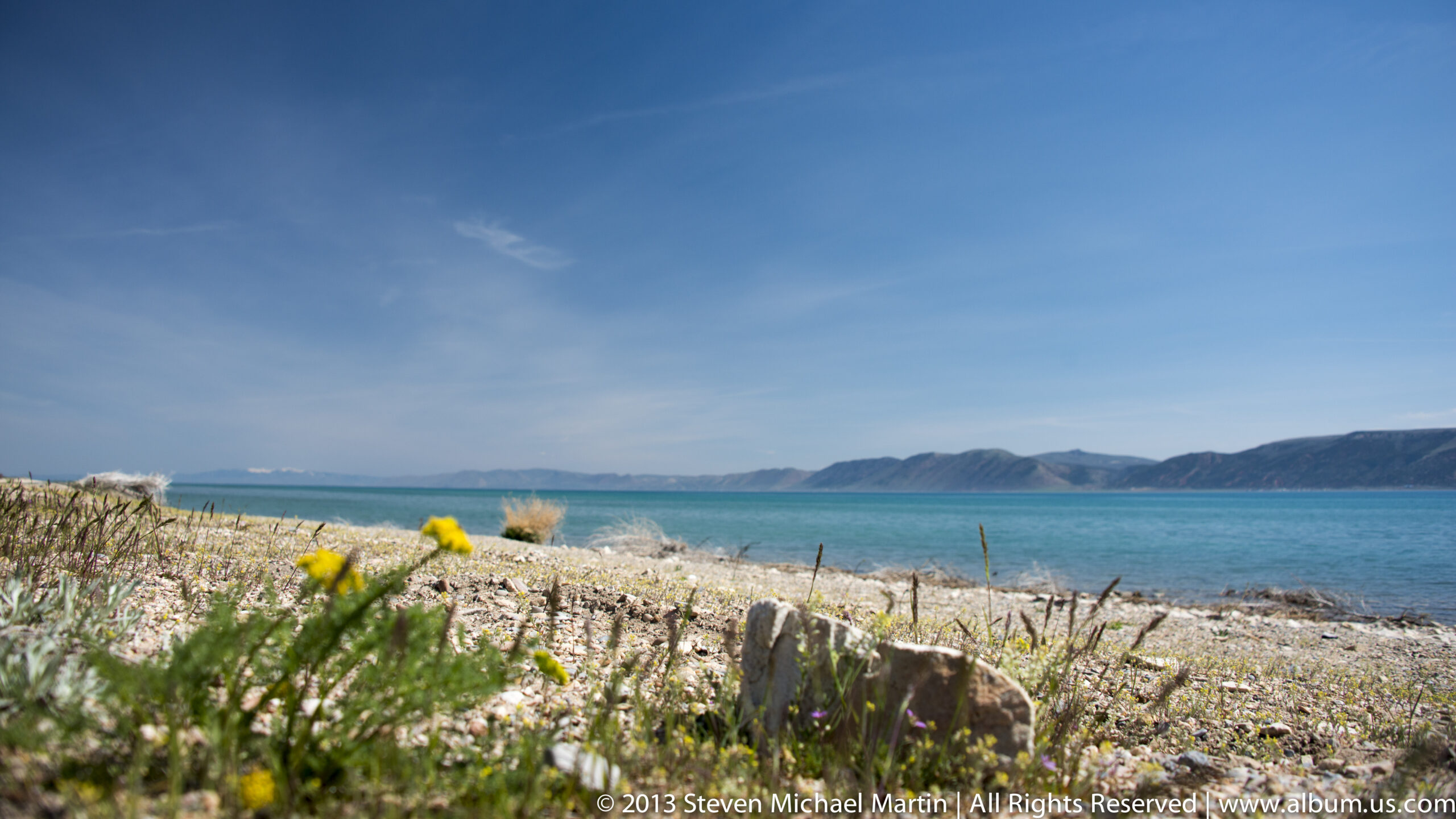
Yellow wildflowers and low green plants grow among shoreline stones in the foreground, with blue lake water and a mountain ridge beyond. The near flowers are sharp while the far shore remains distant, creating distinct layers from bank to open water. This view foregrounds the vegetation at the water’s edge rather than the open lake alone.
Caption
Yellow wildflowers and low green plants grow among shoreline stones in the foreground, with blue lake water and a mountain ridge beyond. The near flowers are sharp while the far shore remains distant, creating distinct layers from bank to open water. This view foregrounds the vegetation at the water’s edge rather than the open lake alone.

A wide band of turquoise water separates a pale sandy foreground from low, hazy mountains on the horizon. The nearly level shoreline stretches from edge to edge beneath a large, mostly clear blue sky. With little vegetation or human activity visible, the composition focuses on the lake’s open surface and distant landforms.
Caption
A wide band of turquoise water separates a pale sandy foreground from low, hazy mountains on the horizon. The nearly level shoreline stretches from edge to edge beneath a large, mostly clear blue sky. With little vegetation or human activity visible, the composition focuses on the lake’s open surface and distant landforms.
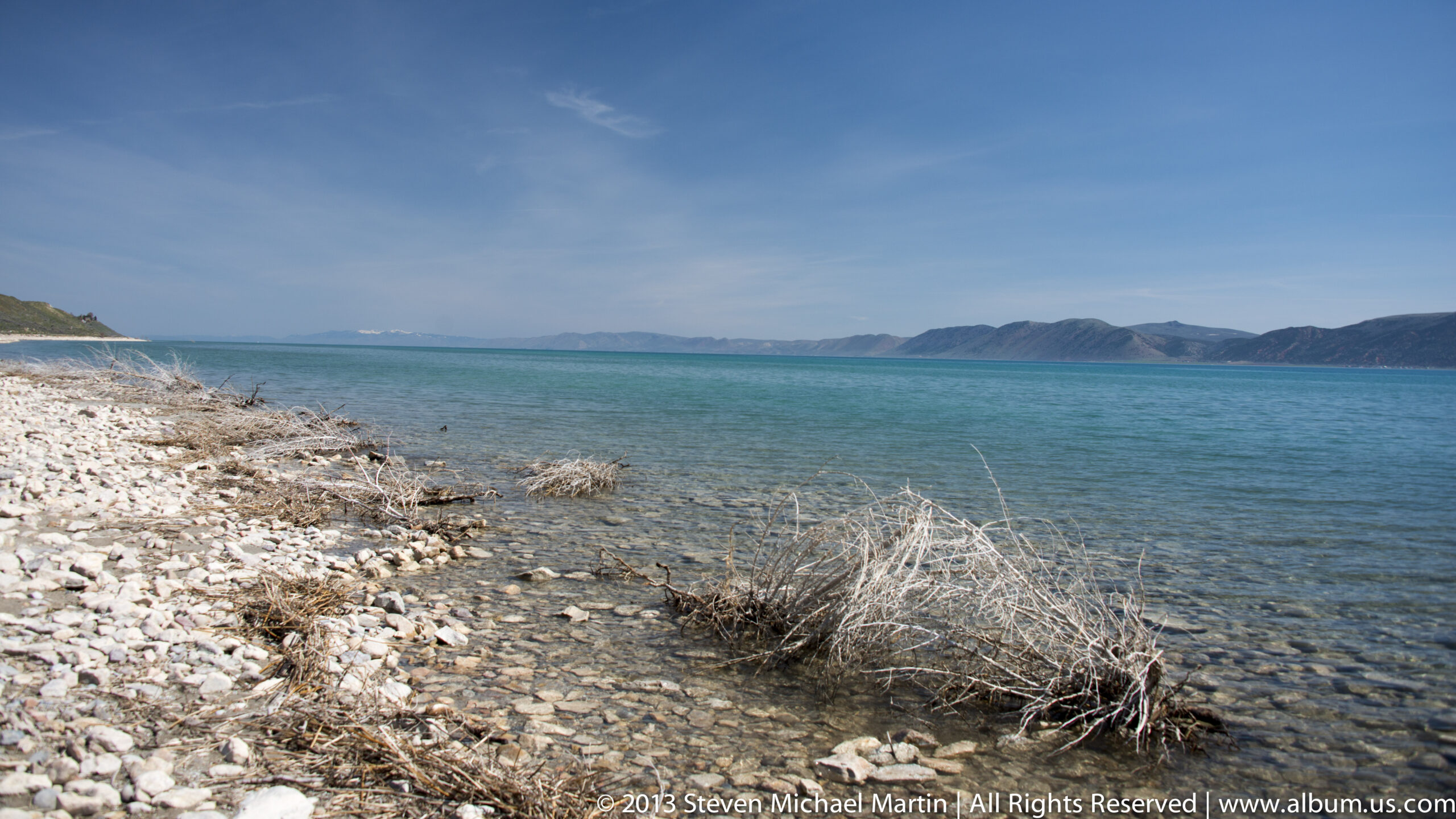
A narrow, stony shoreline curves along clear blue water, where pale rounded rocks remain visible beneath the shallows. Dry grasses and low shrubs edge the bank in the foreground, while a long mountain ridge spans the far shore. The oblique view links the textured lake margin with the broad open water beyond.
Caption
A narrow, stony shoreline curves along clear blue water, where pale rounded rocks remain visible beneath the shallows. Dry grasses and low shrubs edge the bank in the foreground, while a long mountain ridge spans the far shore. The oblique view links the textured lake margin with the broad open water beyond.
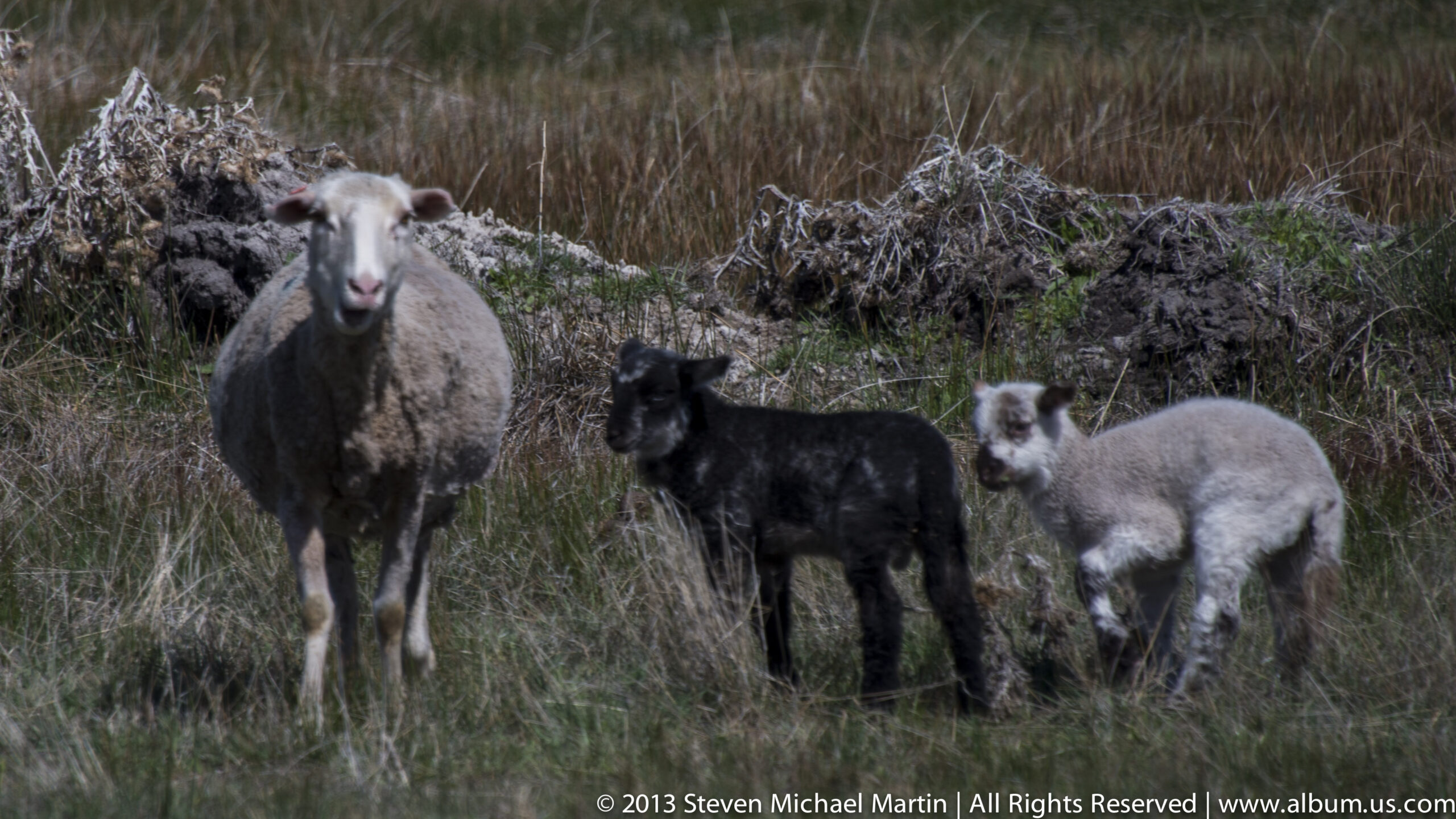
A woolly ewe stands with two young lambs in tall, damp grass. The lambs’ coats carry bright blue and pink markings, while the adult’s face and ears point toward the camera. Dense reeds and uneven ground form a subdued backdrop, placing the small group within a grassy field rather than open water.
Caption
A woolly ewe stands with two young lambs in tall, damp grass. The lambs’ coats carry bright blue and pink markings, while the adult’s face and ears point toward the camera. Dense reeds and uneven ground form a subdued backdrop, placing the small group within a grassy field rather than open water.
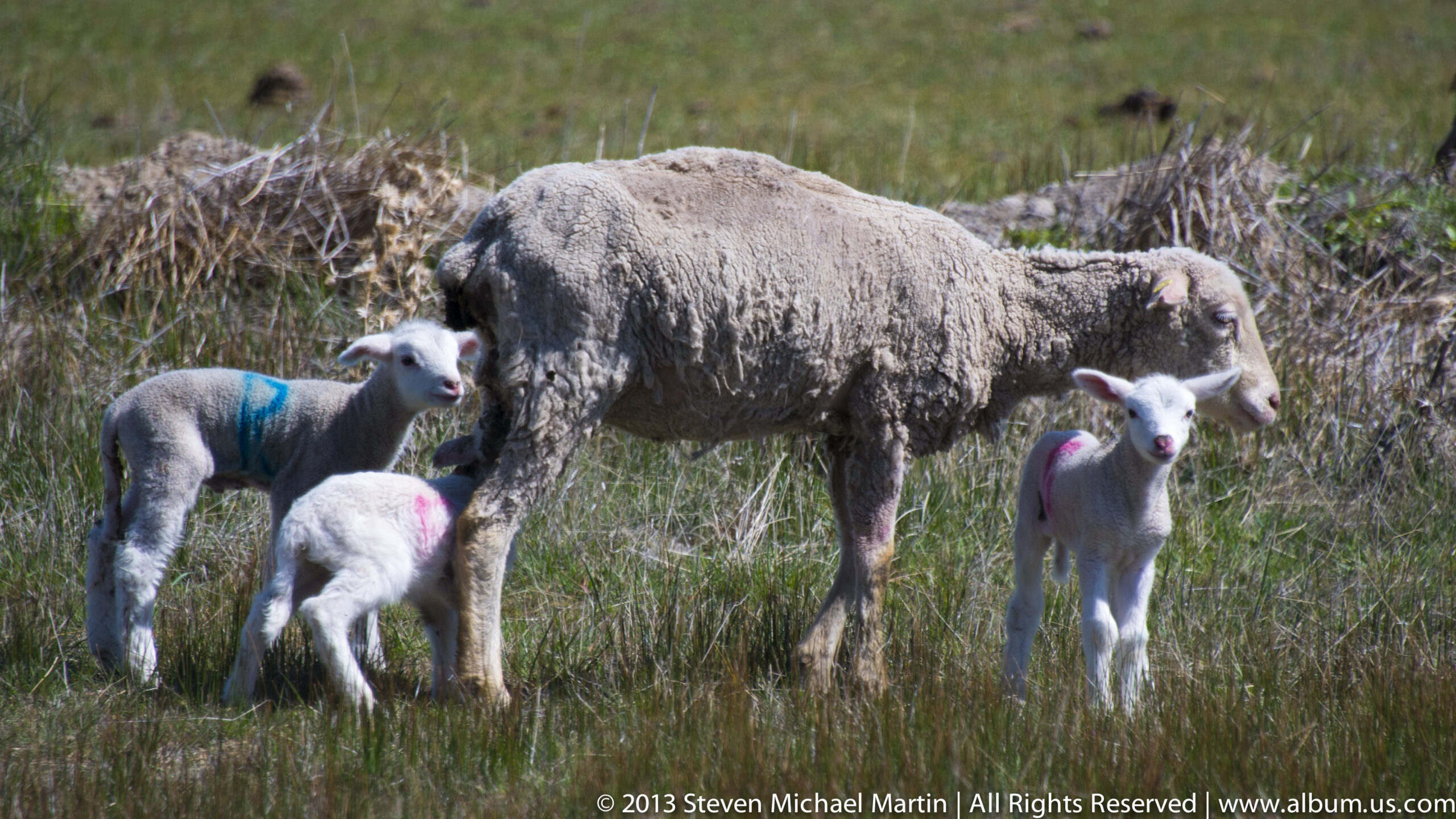
A ewe lowers her head to graze beside two lambs in a grassy field. The lambs stand on either side of her, their pale coats marked with bright color patches, while a low grassy bank rises behind them. The side view makes the family group’s positions and grazing behavior clear.
Caption
A ewe lowers her head to graze beside two lambs in a grassy field. The lambs stand on either side of her, their pale coats marked with bright color patches, while a low grassy bank rises behind them. The side view makes the family group’s positions and grazing behavior clear.
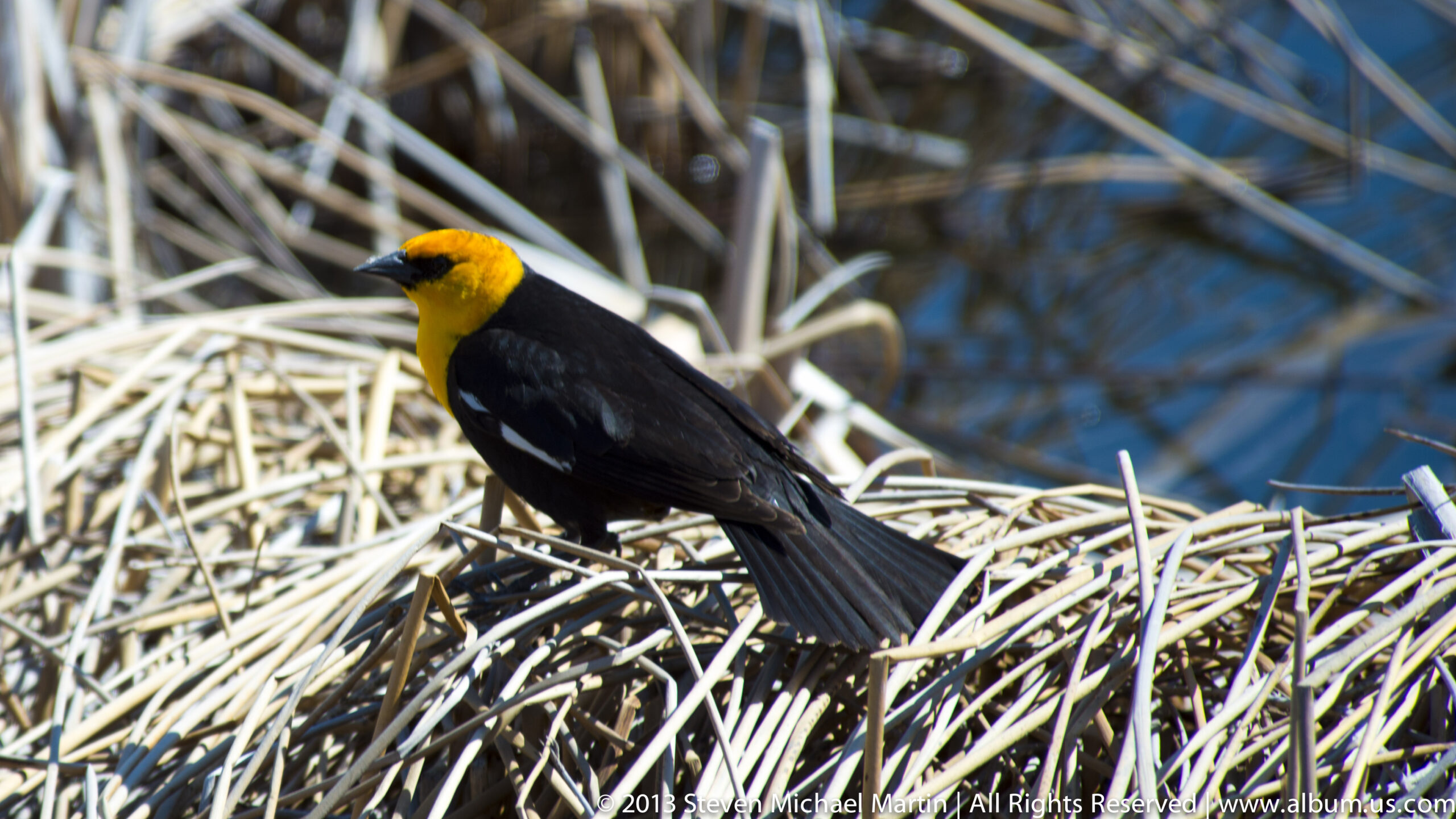
A yellow-headed blackbird perches among pale, broken reed stems above dark water. Its bright yellow head and chest contrast with the glossy black body and wings, while blurred blue reflections appear behind the stalks. The close portrait isolates the bird from the marsh and clearly shows its distinctive plumage.
Caption
A yellow-headed blackbird perches among pale, broken reed stems above dark water. Its bright yellow head and chest contrast with the glossy black body and wings, while blurred blue reflections appear behind the stalks. The close portrait isolates the bird from the marsh and clearly shows its distinctive plumage.