My Blog

News updates and events

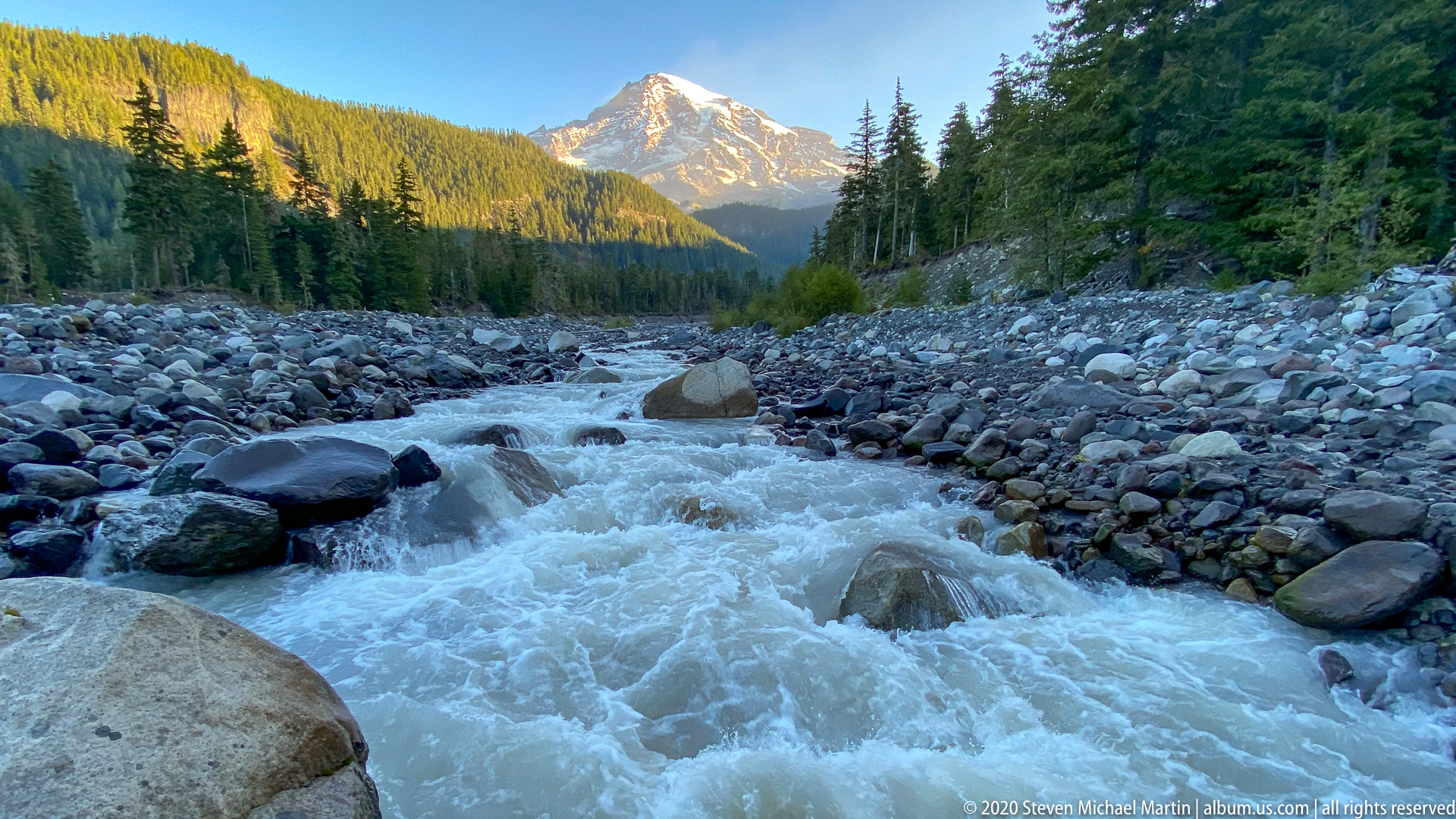
Mount Rainier – Paradise Meadows

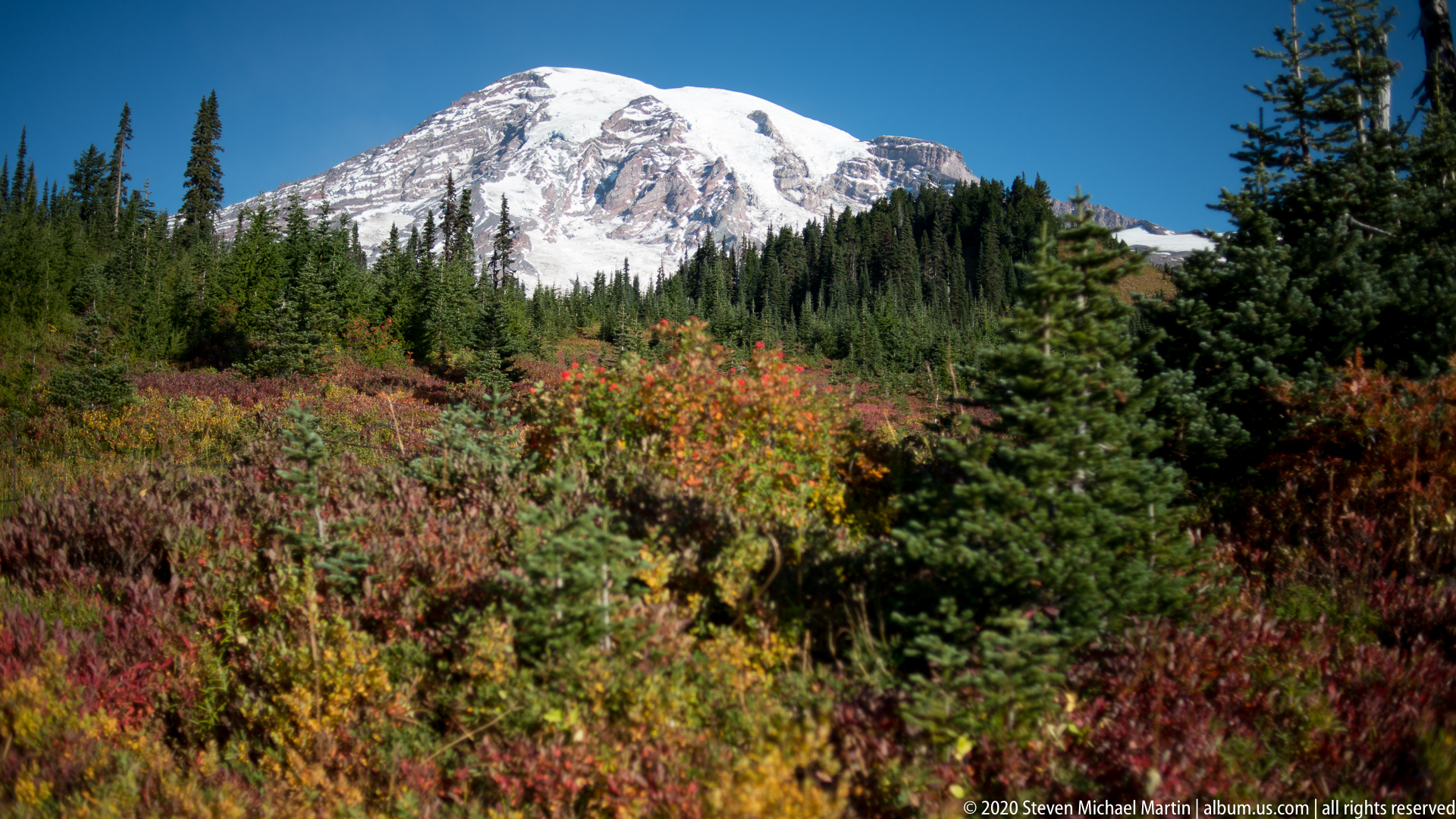
Mount Rainier – Paradise Meadows Paradise Meadows offers one of the most recognizable landscapes within Mount Rainier National Park, where open alpine terrain stretches toward expansive views of the mountain’s glaciated slopes. Rolling meadows, scattered trees, and changing light create a setting that feels both elevated and visually dynamic, particularly during the summer season when […]
Explore Portfolio

Mount Rainier NP – National Park Inn

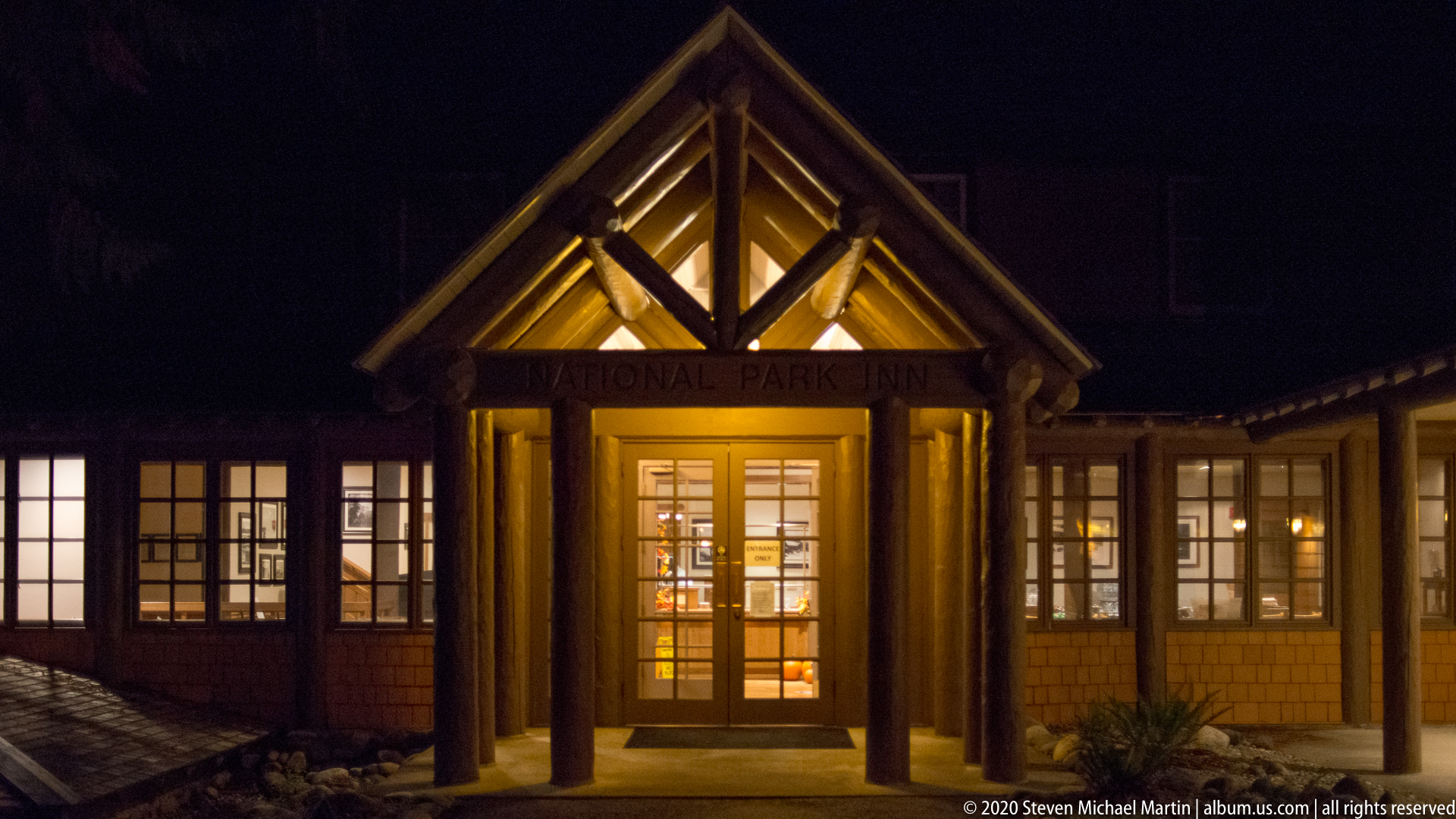
Mount Rainier NP – National Park Inn The National Park Inn, located in the Longmire area of Mount Rainier National Park, reflects the early development of park architecture designed to complement the surrounding natural environment. The structure’s simple lines and historic character contribute to a sense of continuity with the early years of tourism in […]

Explore Portfolio

Mount Rainier NP – Carbon River

Mount Rainier NP – Carbon River The Carbon River area of Mount Rainier National Park offers a quieter perspective on the park’s landscape, where dense forest, moss-covered trees, and the steady presence of the river create a distinctly temperate rainforest atmosphere. The environment feels lush and enclosed, with filtered light and layered vegetation defining the […]

Explore Portfolio

Mount Saint Helens National Volcanic Monument

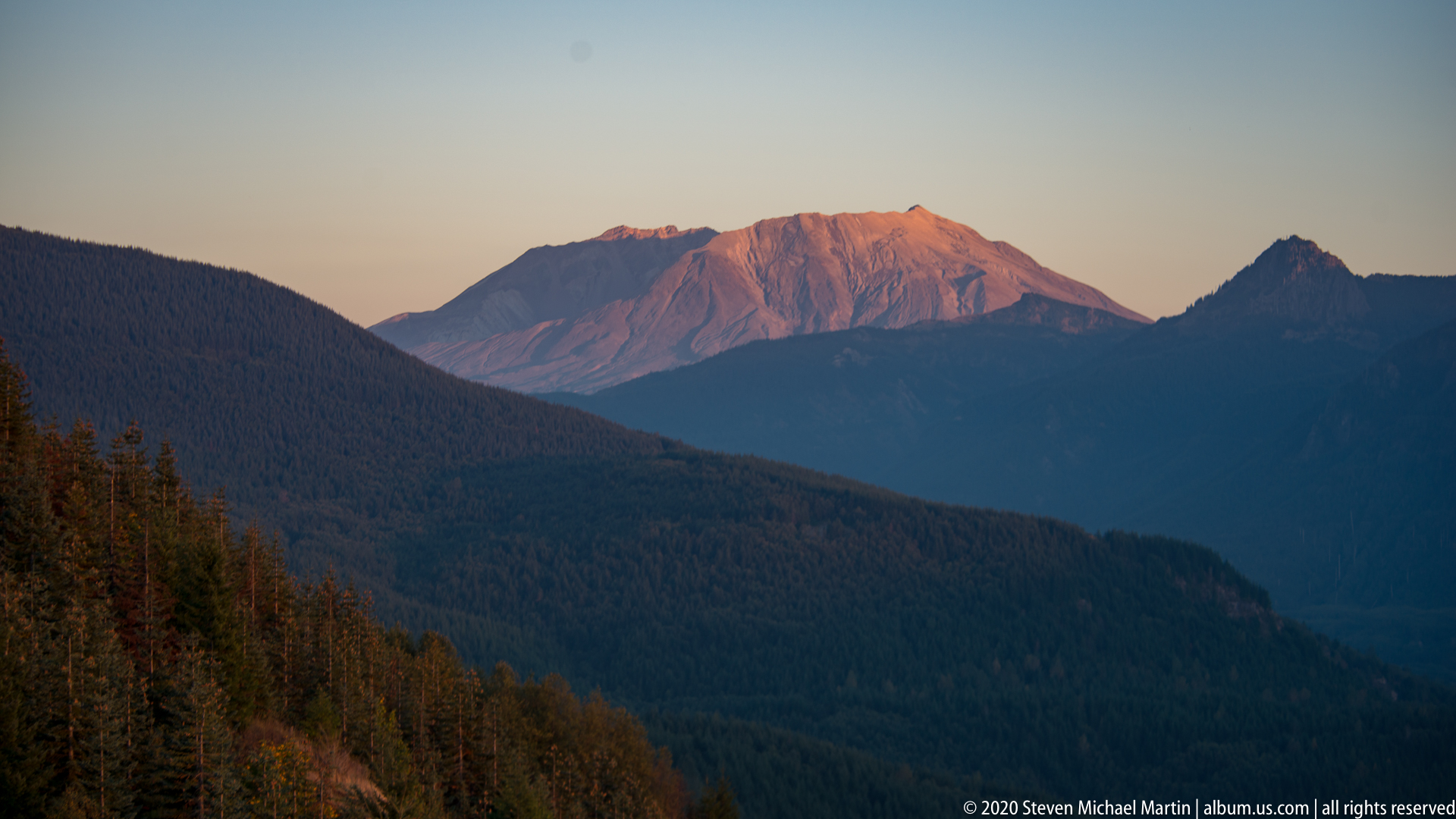
Mount St. Helens National Volcanic Monument Mount St. Helens National Volcanic Monument presents a landscape dramatically shaped by volcanic forces, where exposed slopes, scattered tree remains, and open vistas illustrate the lasting impact of the 1980 eruption. The terrain conveys a sense of both destruction and renewal, with young vegetation gradually reestablishing itself across the […]

Explore Portfolio

Cannon Beach

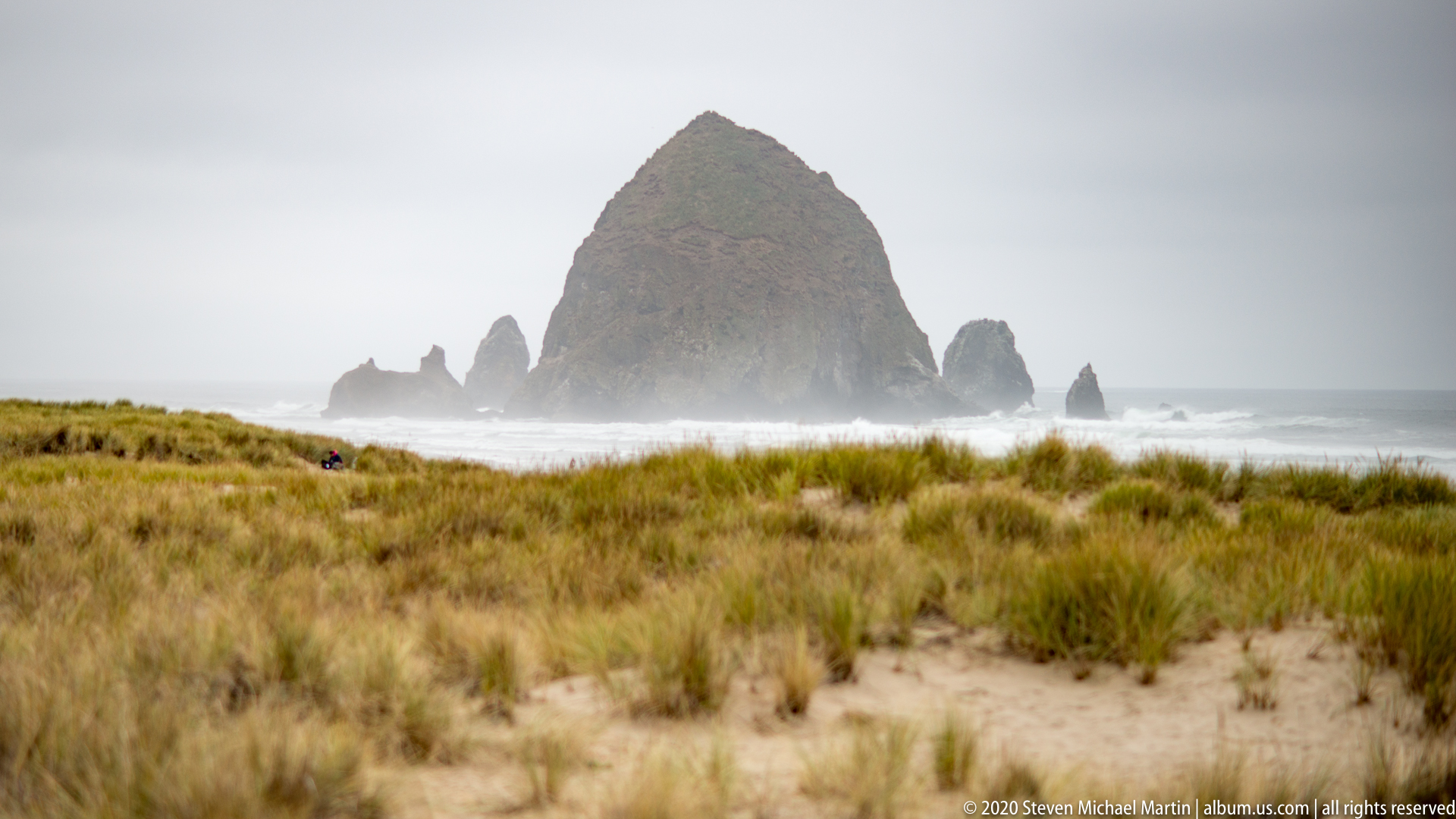
Cannon Beach Cannon Beach is one of the most recognizable coastal landscapes in the Pacific Northwest, defined by its broad sandy shoreline and the dramatic presence of Haystack Rock rising prominently from the Pacific Ocean. The wide expanse of beach, combined with shifting light and coastal mist, creates an atmosphere that feels both expansive and […]

Explore Portfolio

Lewis & Clark NHP Fort Clatsop

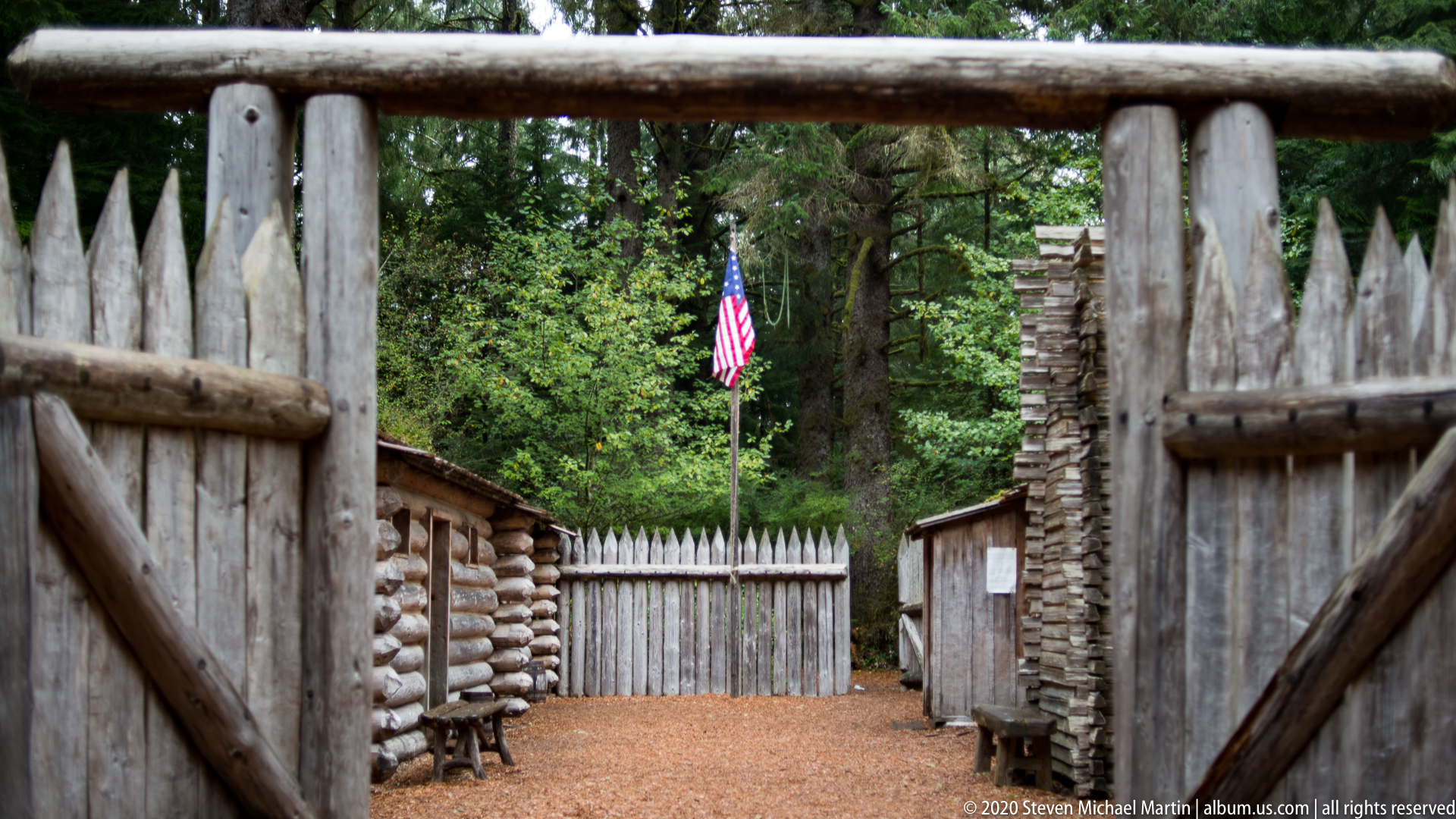
Fort Clatsop Fort Clatsop preserves the forested setting where the Lewis and Clark Expedition spent the winter of 1805–1806 after reaching the Pacific coast. Surrounded by tall conifers and frequent coastal moisture, the environment feels enclosed and quiet, offering a strong sense of the isolation experienced by the Corps of Discovery at the western edge […]

Explore Portfolio

Lewis & Clark NHP – Middle Village

Middle Village – Station Camp Middle Village–Station Camp occupies a quiet stretch of shoreline along the Columbia River, where broad water, shifting light, and expansive skies create a reflective atmosphere. The setting feels understated yet historically meaningful, particularly as the landscape begins to transition from inland river corridor to coastal environment near the Pacific Ocean. […]

Explore Portfolio

Lewis & Clark NHP – Cape Disappointment

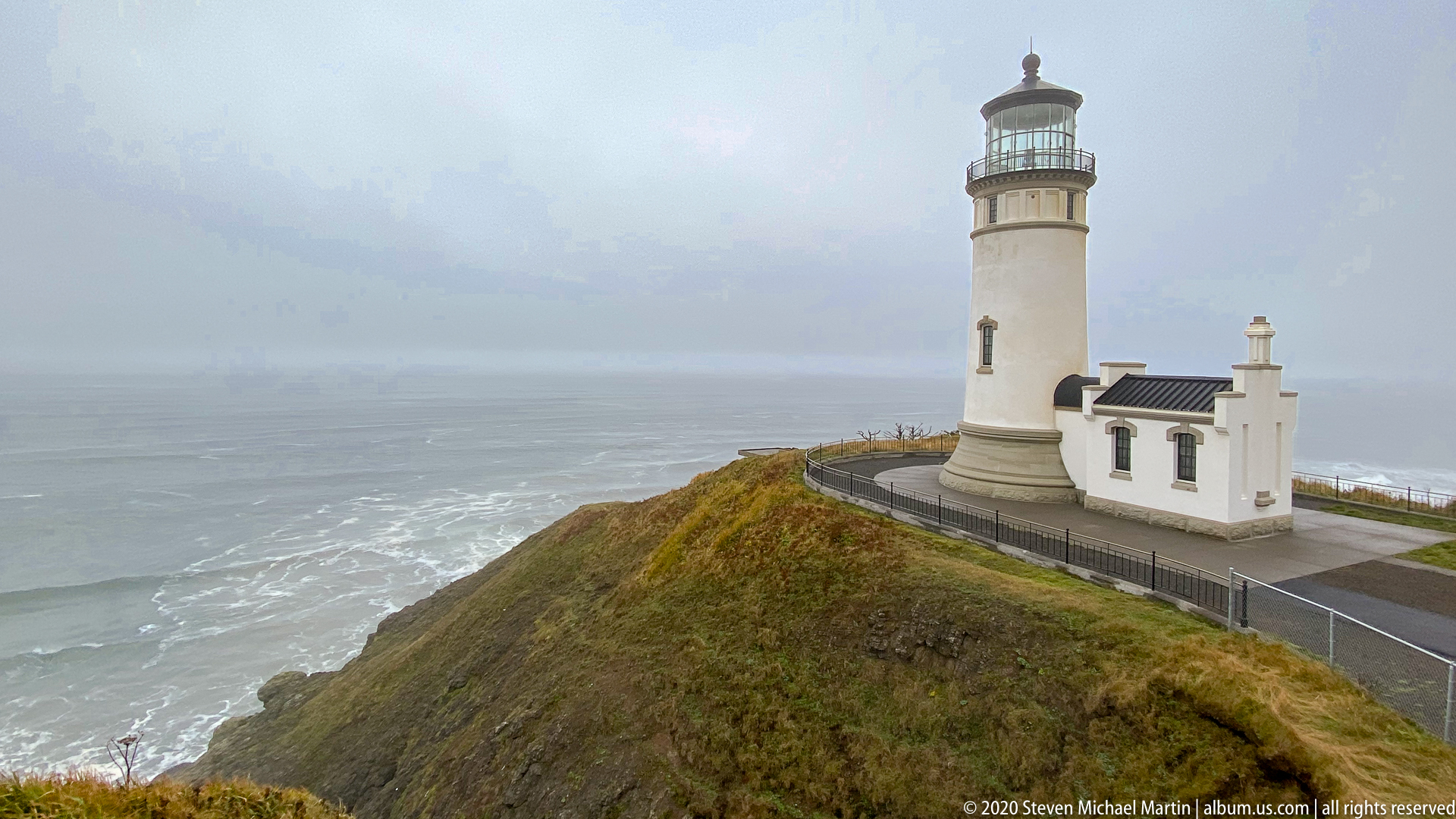
Lewis and Clark National Historical Park — Cape Disappointment Cape Disappointment represents an important geographic point in the Lewis and Clark expedition, marking their arrival at the Pacific Ocean after traveling across the North American continent. The meeting of river and ocean produces strong currents and unpredictable weather conditions that influenced exploration and navigation. The […]

Explore Portfolio

Olympic NP – Third Beach

Olympic National Park — Third Beach Third Beach is characterized by dramatic coastal formations shaped by long-term erosion from waves and weather. Offshore sea stacks rise from the water, representing remnants of rock formations that resisted erosion longer than surrounding material. These features contribute to the distinctive appearance of the Olympic coastline. Large pieces of […]

Explore Portfolio

Olympic NP – Quinault Rain Forest

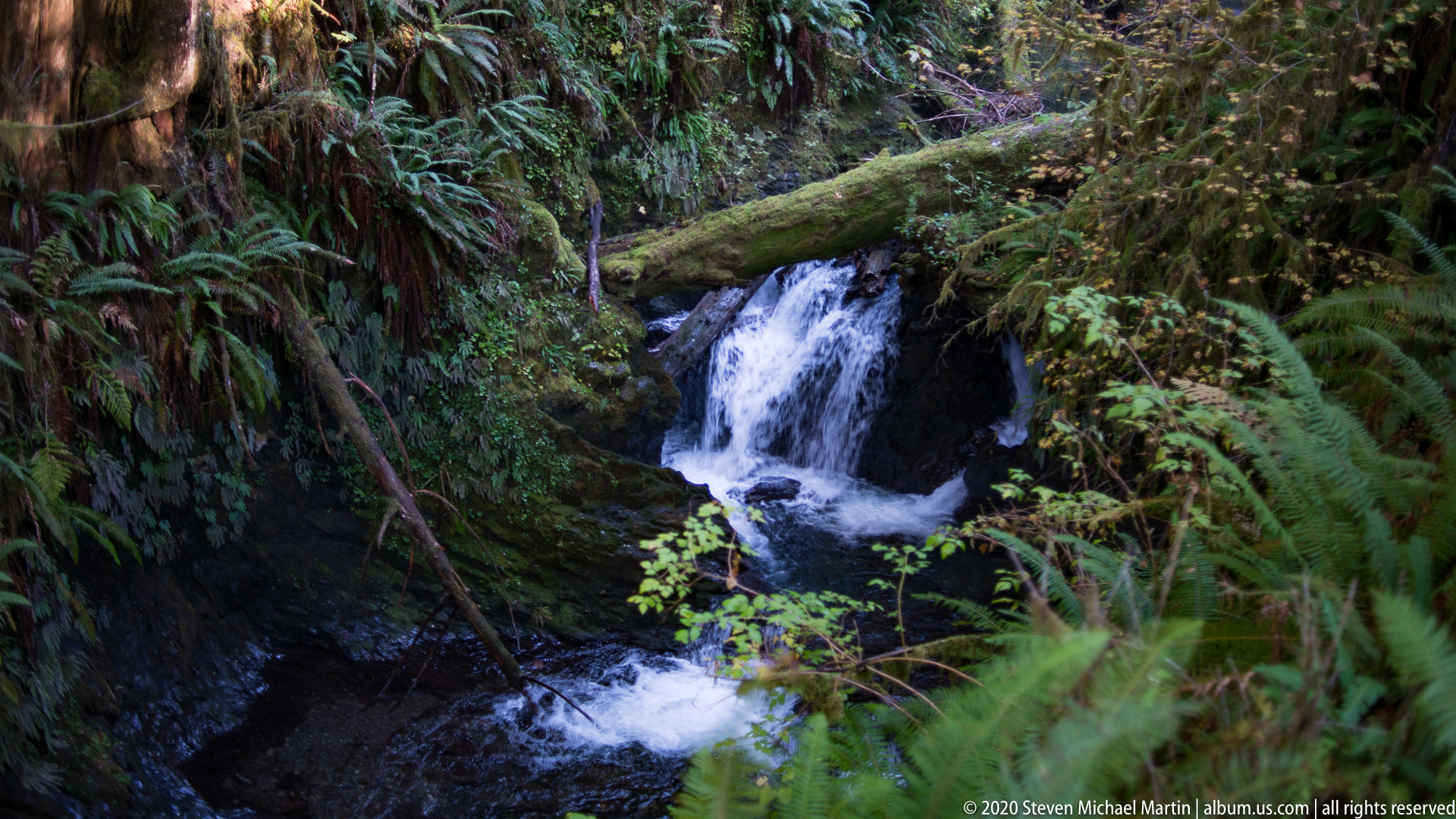
Olympic National Park — Quinault Rain Forest The Quinault Rain Forest represents one of the most recognizable environments of the Olympic Peninsula, where high levels of precipitation support dense plant growth. Large conifer trees dominate the forest canopy, while moss and ferns cover branches and fallen logs. The layered structure of the vegetation reflects the […]

Explore Portfolio