Boston Autumn
Autumn in Boston reflects seasonal changes characteristic of the northeastern United States, where deciduous forests produce distinctive color variation as daylight decreases and temperatures decline. The region’s climate supports maple, oak, and beech species whose foliage contributes to the visual identity of New England during the fall season. Seasonal change has long influenced agricultural cycles, urban life, and cultural traditions across the northeastern states.
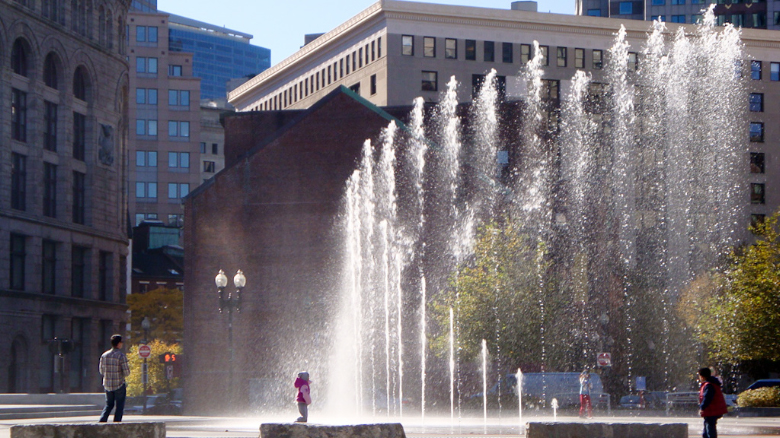
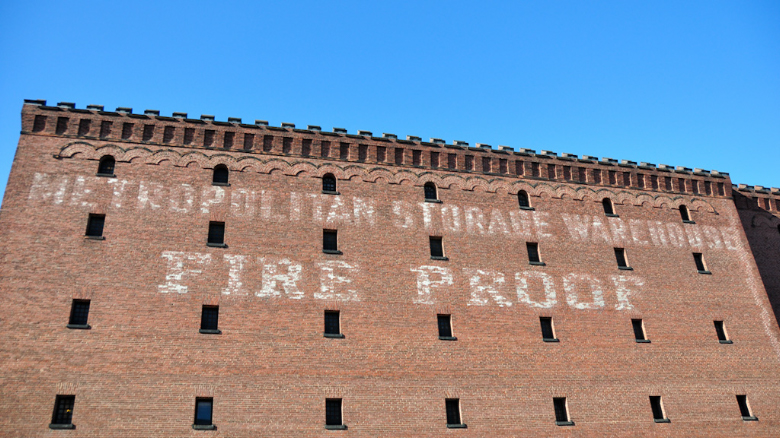
Boston’s historic neighborhoods, public parks, and riverfront landscapes provide varied settings in which autumn color highlights the relationship between urban development and natural environment. Tree-lined streets, historic cemeteries, and waterfront promenades illustrate how seasonal transformation enhances the architectural character of the city. The contrast between historic brick structures and changing foliage reflects the continuity between natural cycles and built environment.
Autumn landscapes contribute to understanding how climate influences regional identity in New England. Seasonal variation has shaped artistic traditions, agricultural practices, and cultural expectations associated with the northeastern United States. Boston’s fall scenery demonstrates the interaction between environmental conditions and historic urban form within one of the nation’s oldest cities.