
Massachusetts

Provincetown Thunderstorm

Provincetown Thunderstorm Provincetown’s exposed position at the outermost tip of Cape Cod places the town within an active coastal weather environment influenced by interactions between continental air masses and moisture from the Atlantic Ocean. Thunderstorms in coastal New England often develop when warm, humid summer air encounters cooler marine layers, producing rapidly changing skies, strong […]

Explore Portfolio

Red Sox 100 Years

Fenway Park Centennial Fenway Park, opened in 1912, is the oldest active Major League Baseball stadium and represents an important cultural landmark within the history of American sport. Located in Boston’s Fenway–Kenmore neighborhood, the ballpark was constructed during a period when baseball was becoming established as a defining element of national identity. Its distinctive architectural […]

Explore Portfolio

Cape Cod NS – New Year Hike

Cape Cod National Seashore New Year Hike Long Point lies at the southwestern tip of Provincetown Harbor within the Cape Cod National Seashore, where sandy barrier formations created by glacial deposition extend into the Atlantic coastal environment. Long Point Lighthouse, first established in 1827 and rebuilt in 1875, served as an important navigational aid guiding […]

Explore Portfolio

Provincetown Carnival 2011

Provincetown Carnival Provincetown Carnival is an annual summer event that reflects the town’s long association with artistic expression, performance, and public celebration along the outermost tip of Cape Cod. The 2011 carnival theme, “From the Sea,” highlighted Provincetown’s maritime heritage and the importance of ocean environments in shaping the community’s history. The town developed historically […]

Explore Portfolio

Mark Downie’s Visit

Christian Science Center The Christian Science Center occupies a prominent site in Boston’s Back Bay, where religious, architectural, and urban design traditions converge within a large public plaza environment. The complex developed over several decades beginning with the Original Mother Church in 1894 and the domed Mother Church Extension completed in 1906, reflecting architectural influences […]

Explore Portfolio

Provincetown Spring 2010

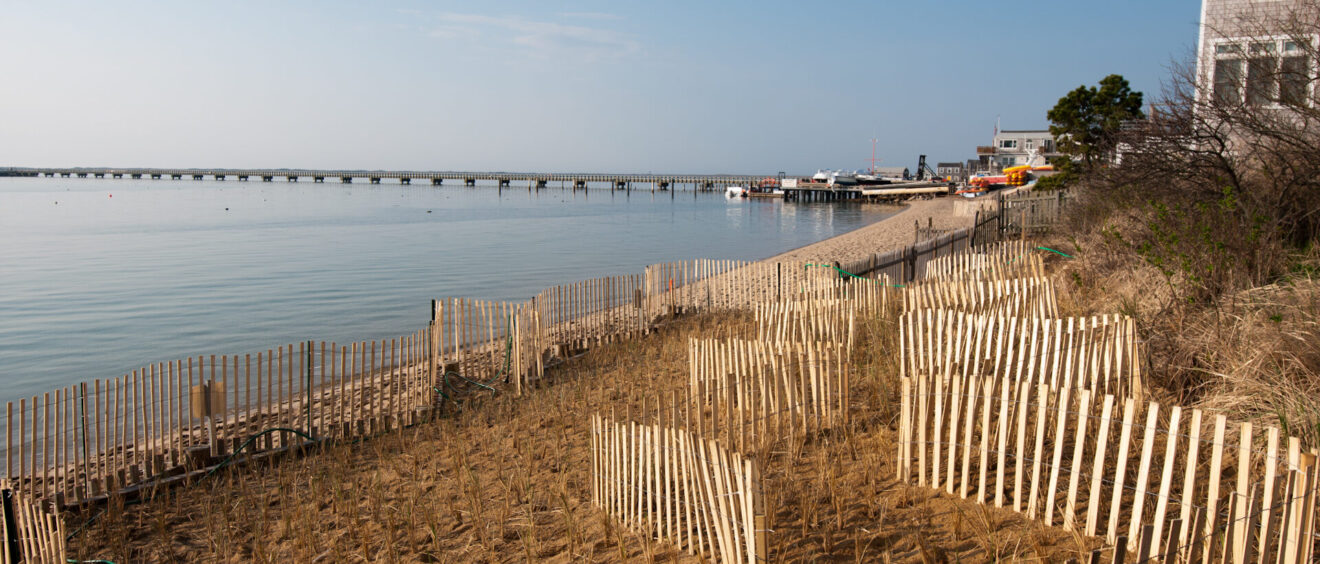
Provincetown Spring Spring in Provincetown marks the seasonal transition between the quieter winter months and the return of increased activity along the outer Cape. The coastal landscape reflects the influence of maritime climate, where ocean temperatures moderate seasonal change and contribute to cooler spring conditions relative to inland New England. Dune systems, tidal flats, and […]

Explore Portfolio

Full Moon

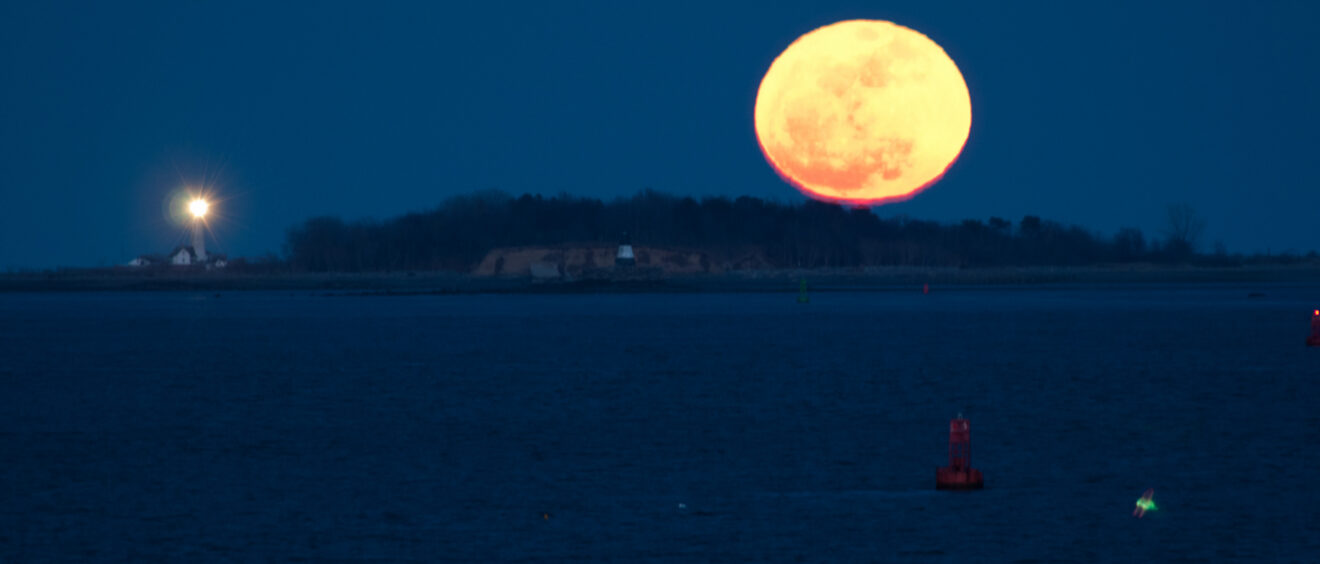
Full Moon The full moon of March 19, 2011 was a rare perigee full moon, commonly known as a supermoon, when the moon reached full phase at nearly the same time it was closest to Earth in its elliptical orbit. On that date, the moon was about 221,565 miles from Earth, making it the closest […]

Explore Portfolio

Boston Blizzard

Boston Blizzard Boston’s coastal location exposes the city to powerful winter storms that form when cold continental air masses interact with moisture from the Atlantic Ocean. Nor’easters, a common type of winter storm in New England, can produce heavy snowfall, strong winds, and coastal flooding as low-pressure systems intensify offshore. These storms have influenced patterns […]

Explore Portfolio

Boston Buildings in Winter

Boston Buildings in Winter Boston’s architectural landscape reflects centuries of development influenced by climate, geography, and historical growth along the Massachusetts coastline. Winter conditions often highlight the structural form and materials of buildings as snow and low-angle light emphasize the contrast between masonry, glass, and stone. The city’s urban fabric includes colonial-era structures, nineteenth-century brick […]

Explore Portfolio

High Tide, Sunset, and Stars

High Tide, Sunset, and Stars Provincetown’s position at the outermost tip of Cape Cod exposes the town to changing tidal conditions influenced by the broader circulation of the North Atlantic and the nearby Gulf of Maine. Coastal landscapes shaped by glacial deposition form low-lying shorelines, tidal flats, and barrier dunes that remain sensitive to storm […]

Explore Portfolio