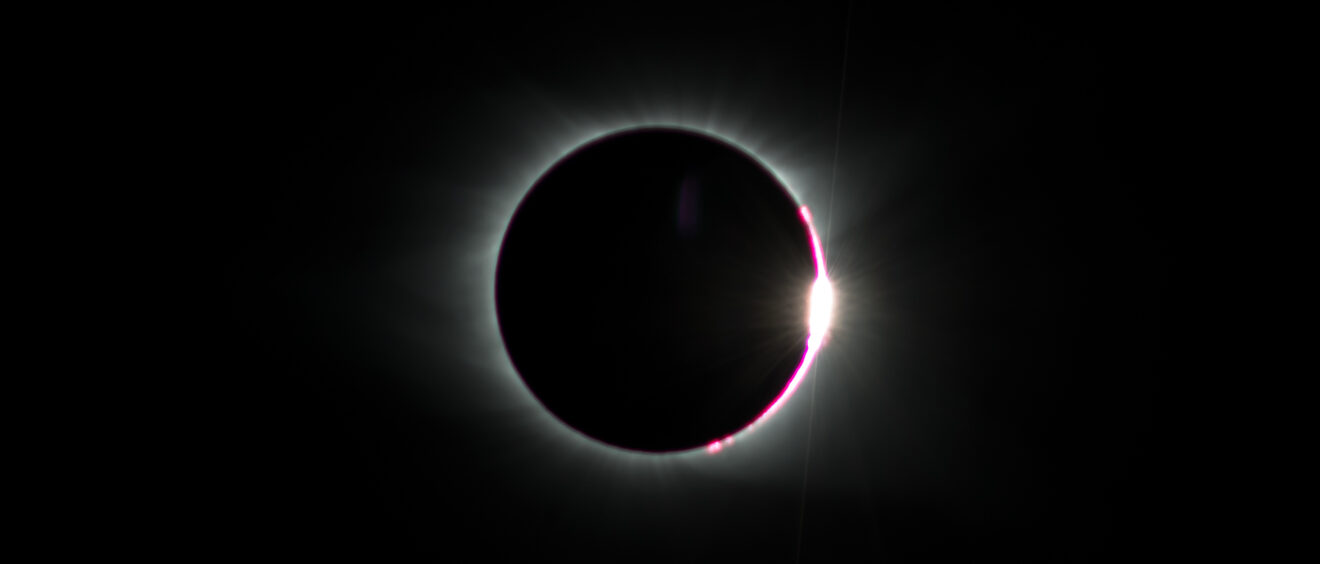
Total Solar Eclipse — Clemson The total solar eclipse of August 21, 2017 crossed the United States from the Pacific Ocean to the Atlantic coast, creating a rare opportunity to observe complete solar obscuration within a narrow path of totality that included portions of South Carolina. During a total solar eclipse, the Moon passes directly […]

Folly Beach Folly Beach is located on Folly Island along the South Carolina coast, part of a chain of barrier islands forming the Atlantic Coastal Plain. These islands are shaped by tidal currents, storms, and long-term sediment movement that create sandy shorelines and maritime ecosystems characteristic of the southeastern United States. Barrier island environments play […]
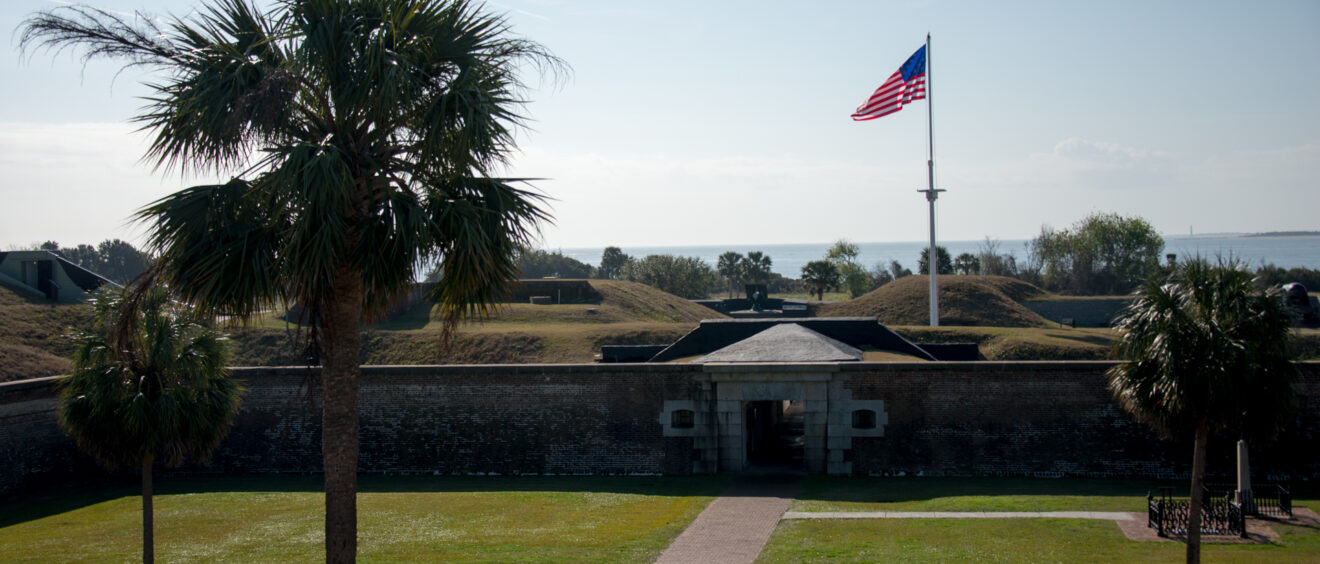
Fort Moultrie Fort Moultrie is located on Sullivan’s Island at the entrance to Charleston Harbor, where coastal geography has long influenced defensive planning for one of the most important ports in the southeastern United States. The original fort, constructed of palmetto logs in 1776, played a significant role in the American Revolutionary War during the […]
Mepkin Abbey Mepkin Abbey is located along the Cooper River northwest of Charleston within the South Carolina Lowcountry, where tidal waterways and fertile floodplain soils supported plantation agriculture during the colonial period. The property originated as Mepkin Plantation, associated with rice cultivation typical of the coastal region shaped by river hydrology and Atlantic trade networks. […]
Spoleto Festival USA Spoleto Festival USA is an annual performing arts festival held in Charleston, South Carolina, bringing together international artists in disciplines including opera, theater, dance, and music. Founded in 1977 as an American counterpart to the Festival of Two Worlds in Spoleto, Italy, the event reflects the continuing cultural connections between European artistic […]
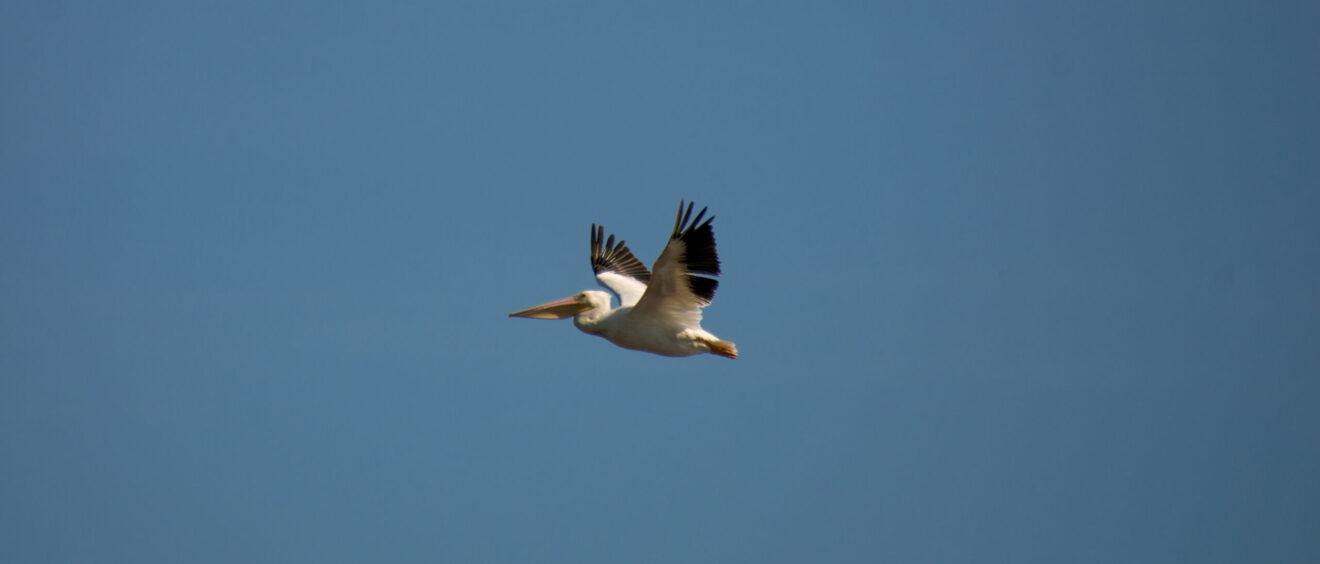
Bulls Island Bulls Island is located within the Cape Romain National Wildlife Refuge along the South Carolina coast, where barrier islands, maritime forests, and salt marsh ecosystems illustrate the dynamic environmental conditions of the Atlantic coastal plain. The island’s undeveloped landscape preserves dune systems, freshwater ponds, and maritime vegetation shaped by wind, tides, and long-term […]
Charles Towne Landing Charles Towne Landing preserves the site of the first permanent English settlement in the Carolina colony, established in 1670 along the Ashley River in present-day South Carolina. Located within the coastal low country environment west of modern Charleston, the site reflects early colonial settlement patterns influenced by navigable waterways, tidal marshlands, and […]
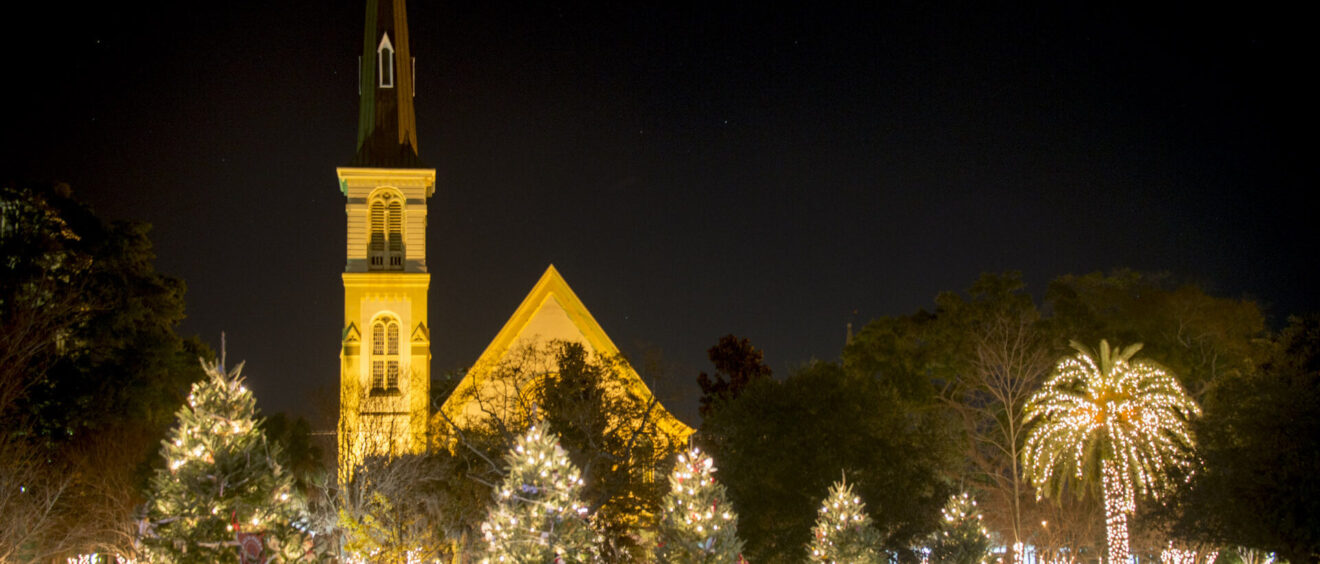
Charleston Holiday season visits to Charleston highlight the interaction between historic architecture and seasonal traditions associated with coastal cities of the southeastern United States. Decorative elements and evening illumination emphasize architectural features preserved within the historic district, illustrating continuity between civic traditions and historic urban form. The city’s churches, public spaces, and residential streets reflect […]
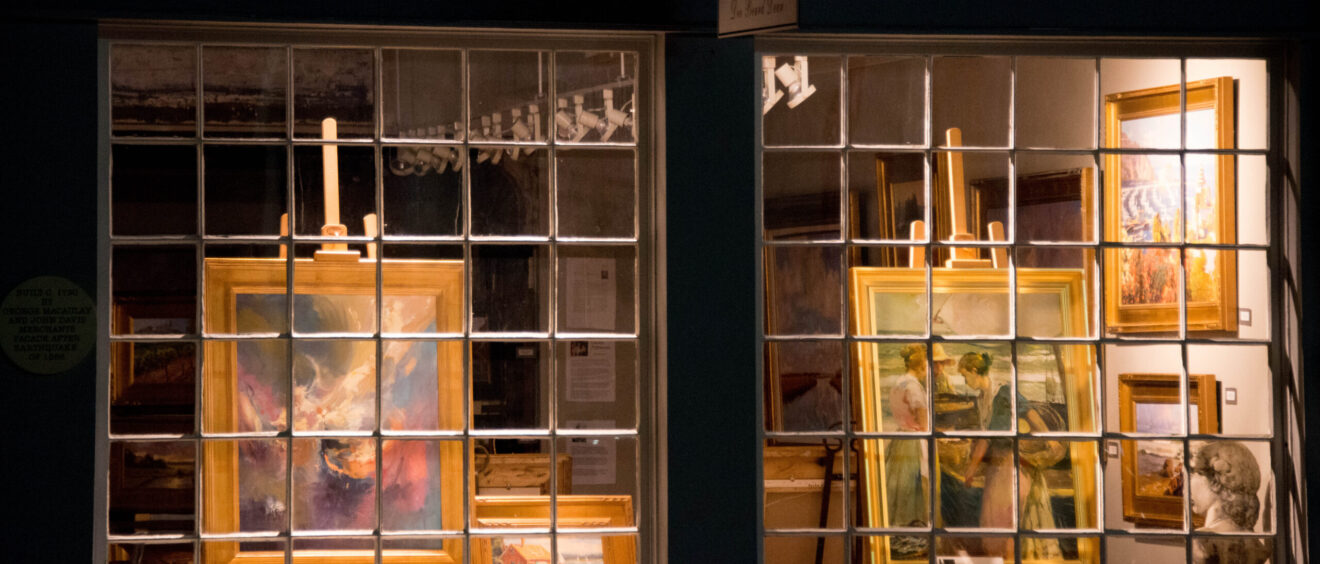
Hidden Charleston Evening conditions reveal additional dimensions of Charleston’s historic urban environment, where artificial lighting emphasizes architectural form and spatial relationships within the preserved historic district. Nighttime photography highlights textures of masonry, ironwork, and narrow streets characteristic of early coastal settlements. Subtle lighting conditions create contrasts between illuminated facades and darker streetscapes, emphasizing architectural details […]
Introduction Gulf Islands National Seashore preserves barrier island environments along the northern Gulf of Mexico, where white quartz sand beaches, maritime forests, and protected bays illustrate the dynamic processes shaping coastal landscapes. These islands form part of a broader system of shoreline environments extending across Florida, Alabama, and Mississippi, influenced by ocean currents, storms, and […]