Down East
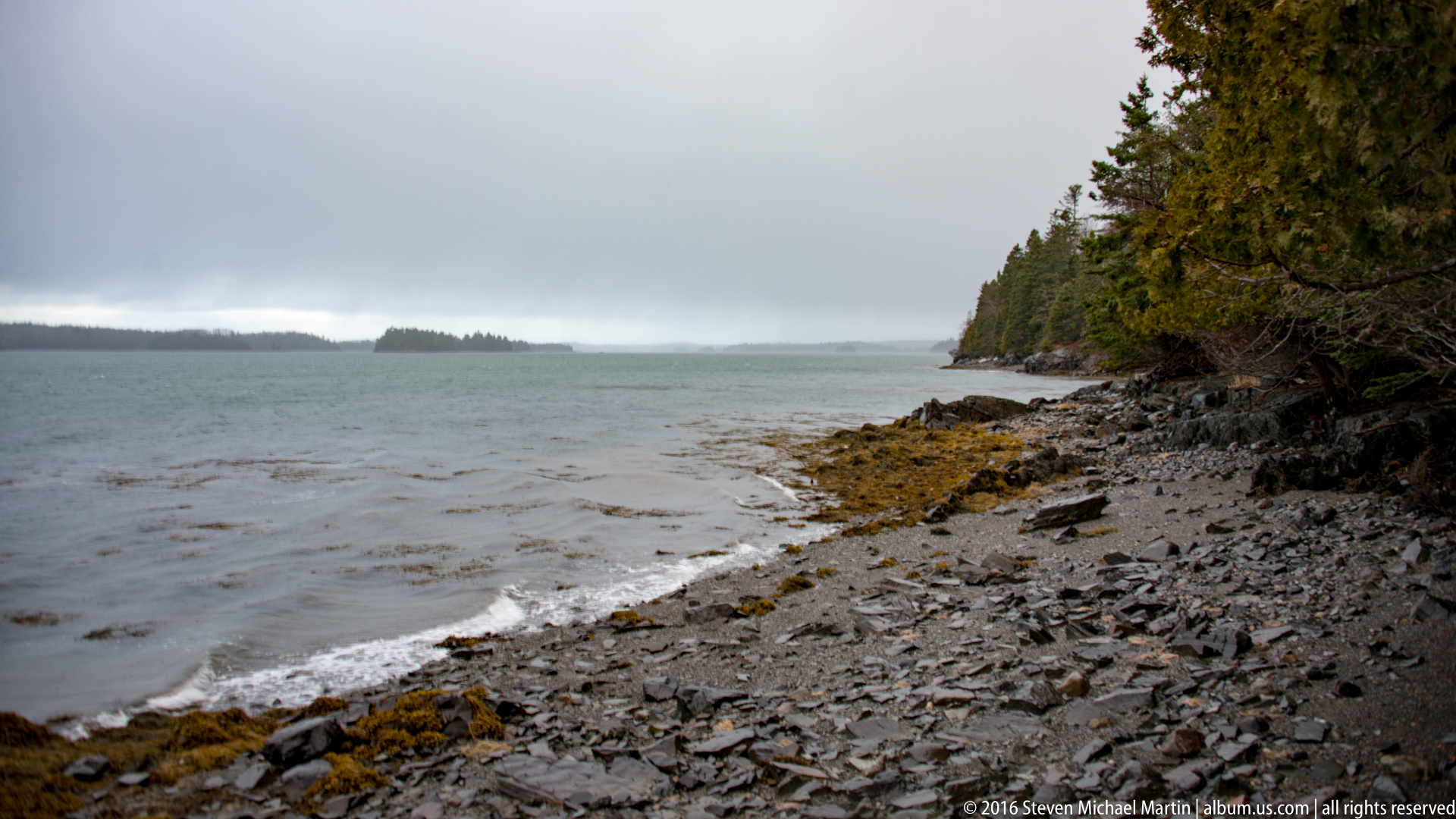
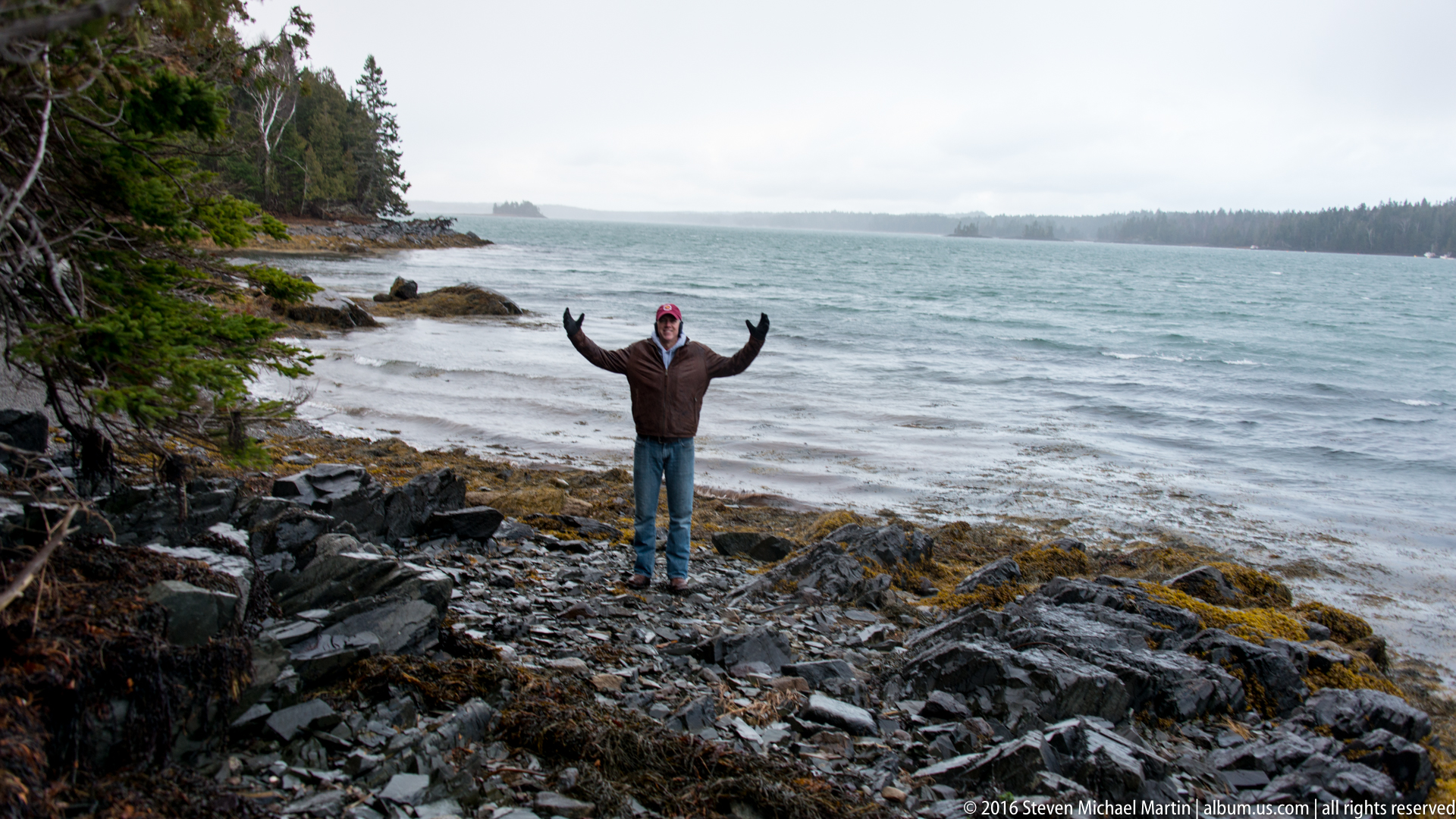
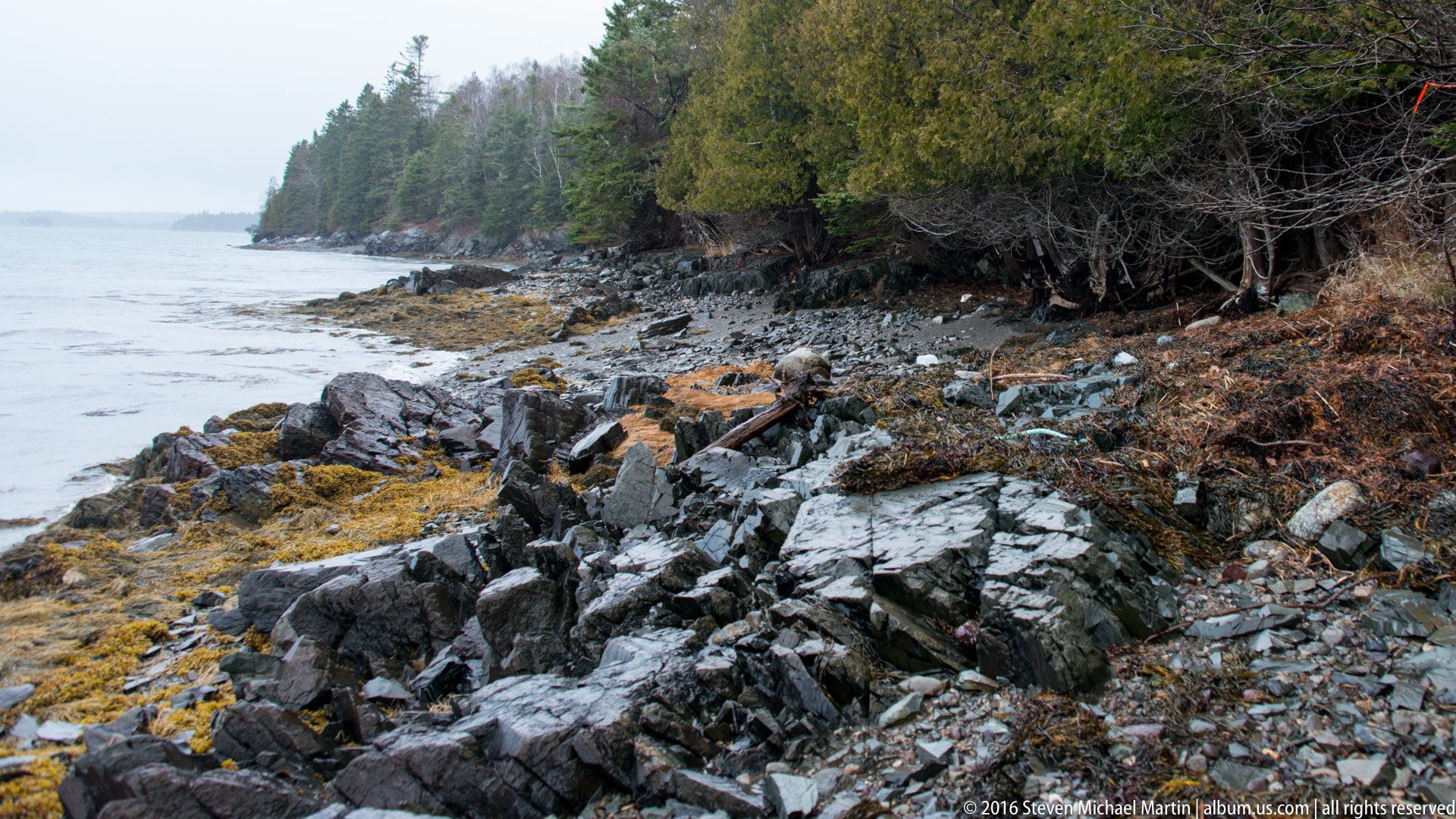
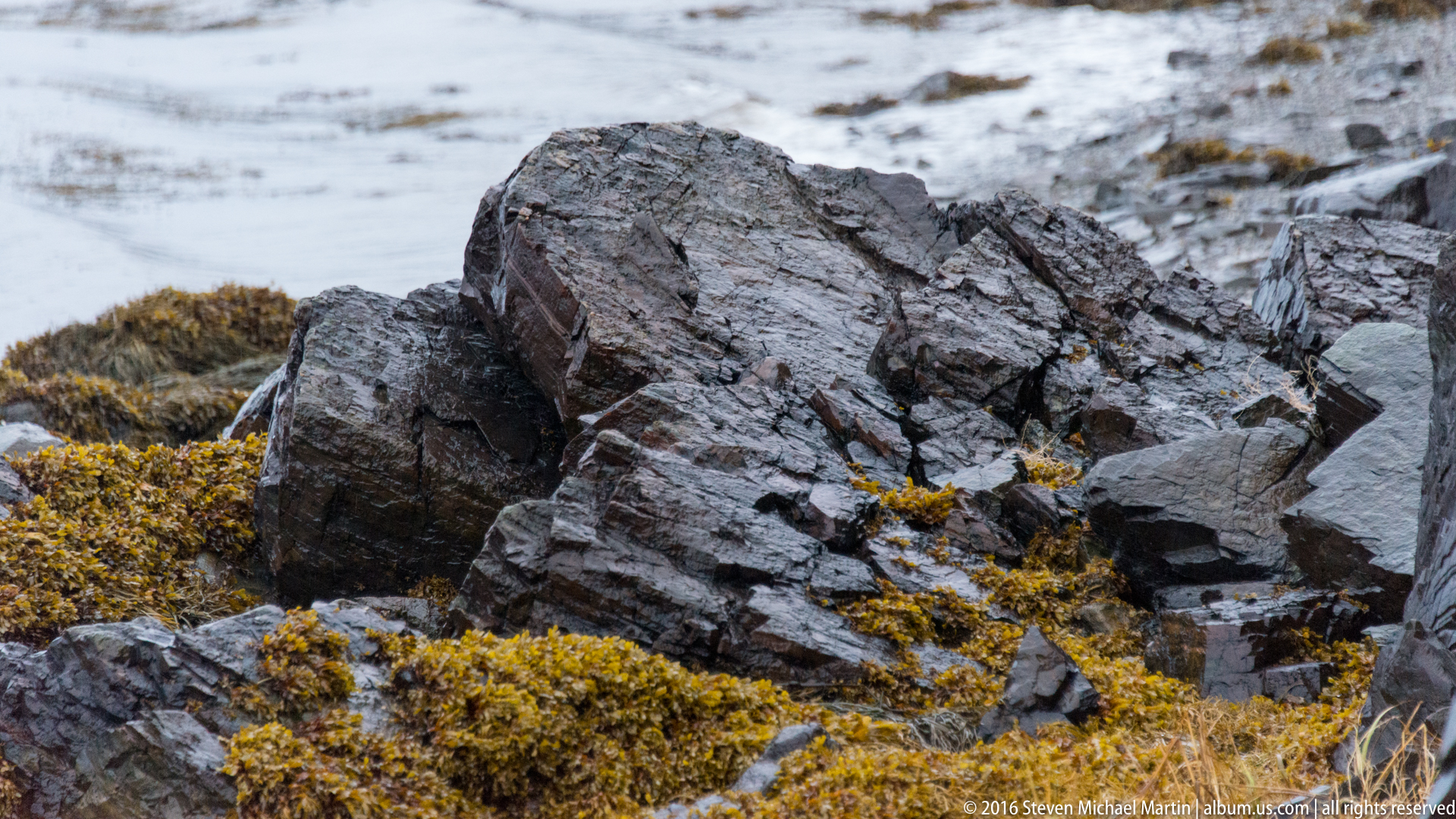
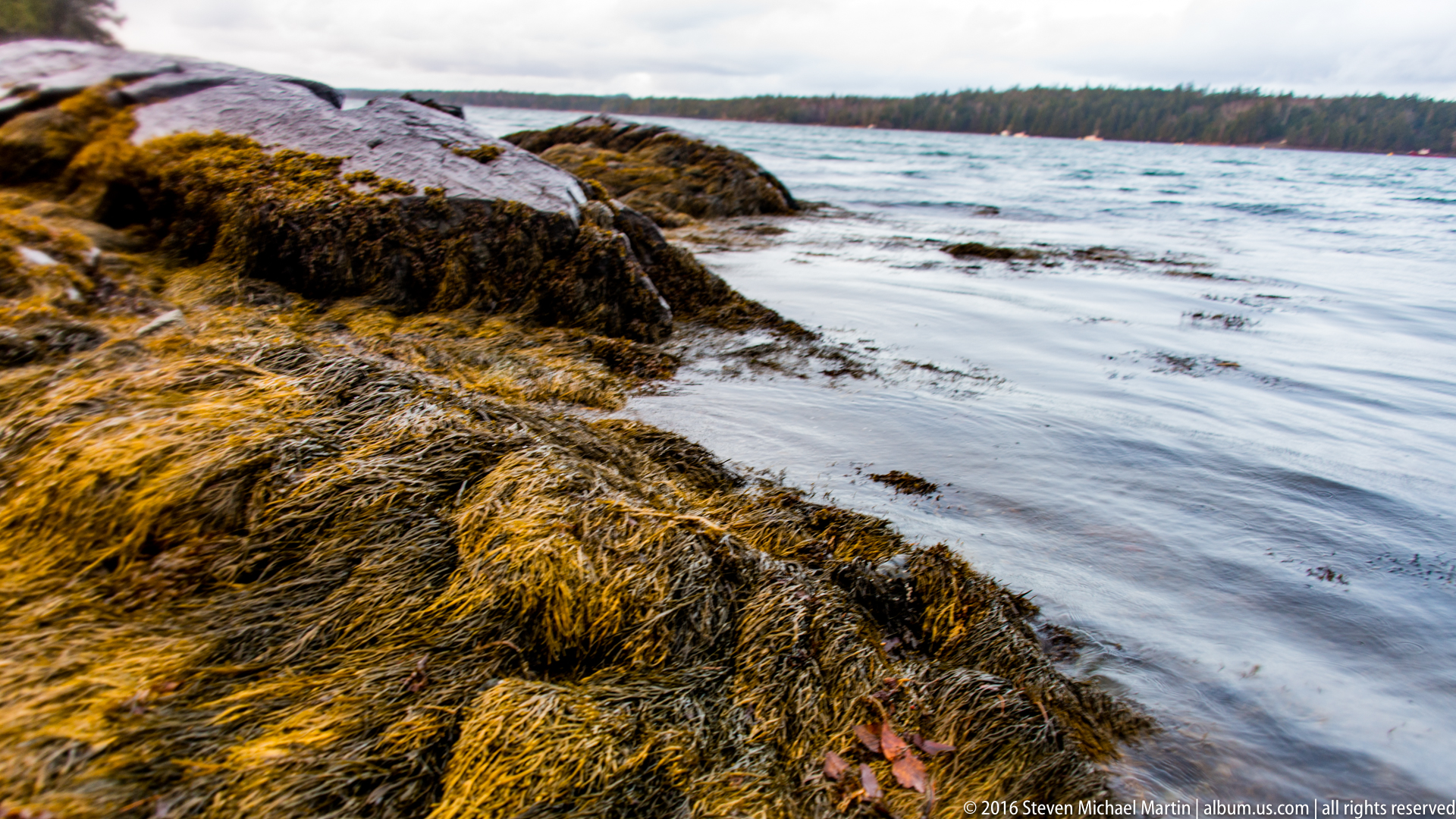
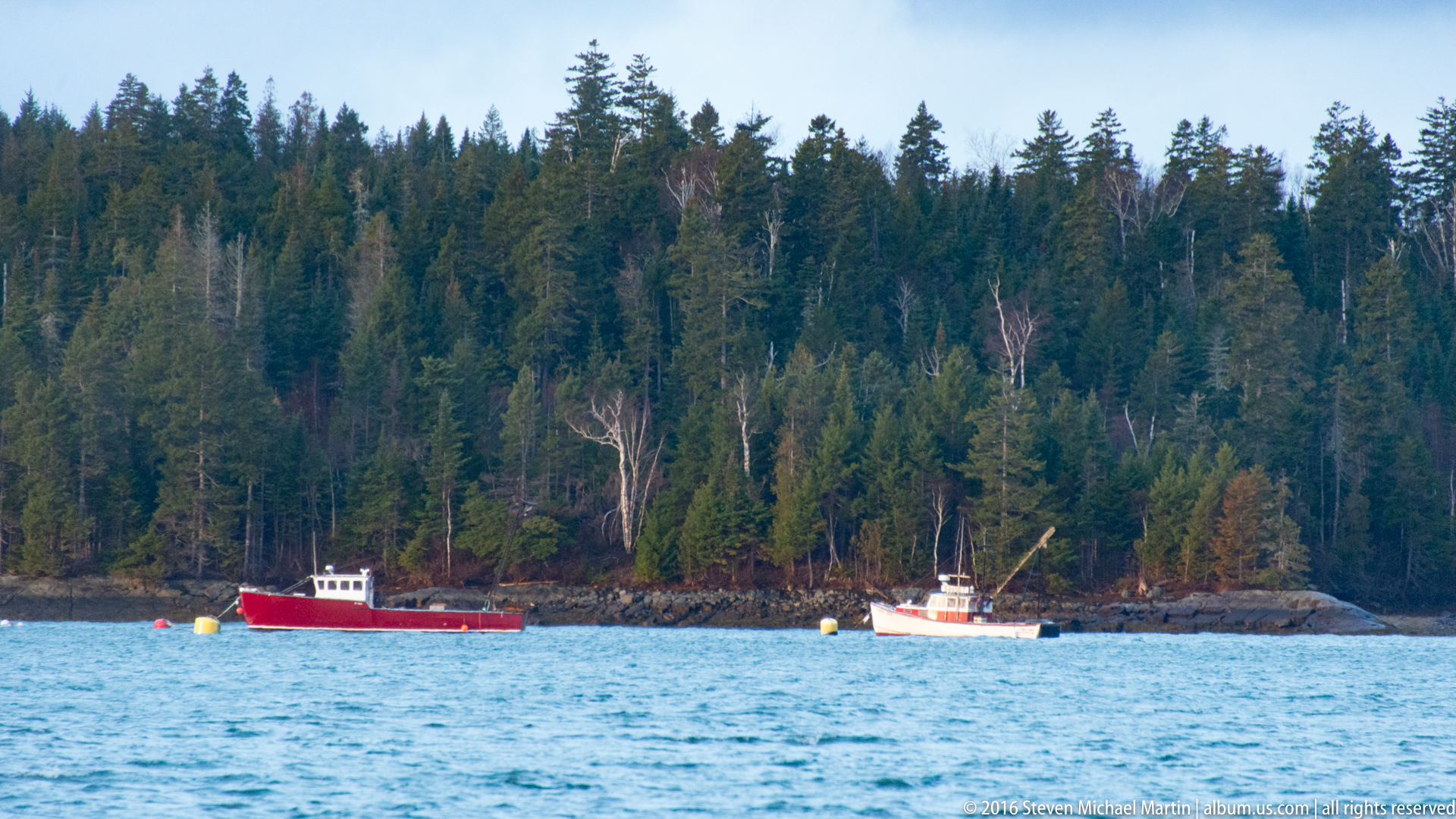
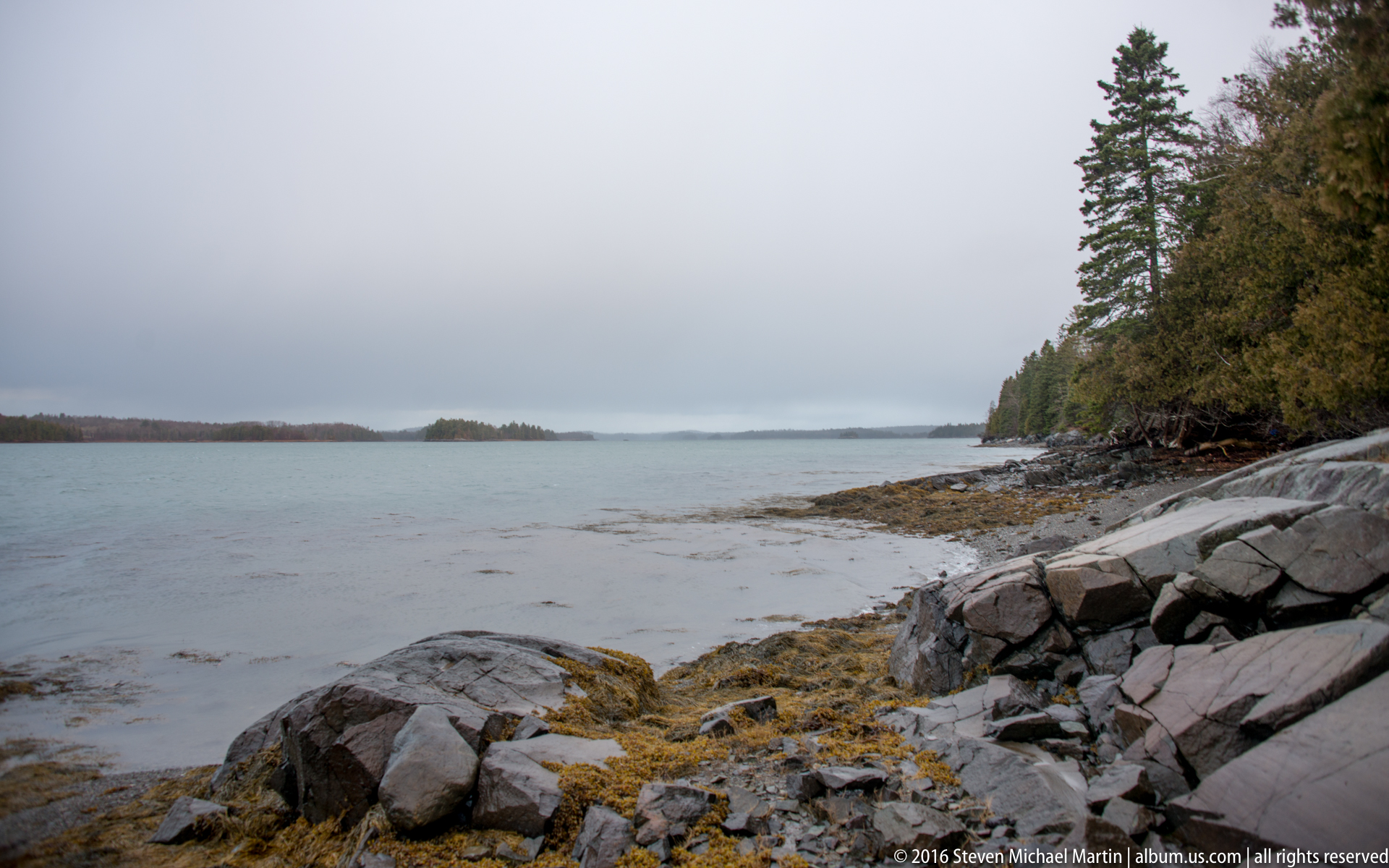
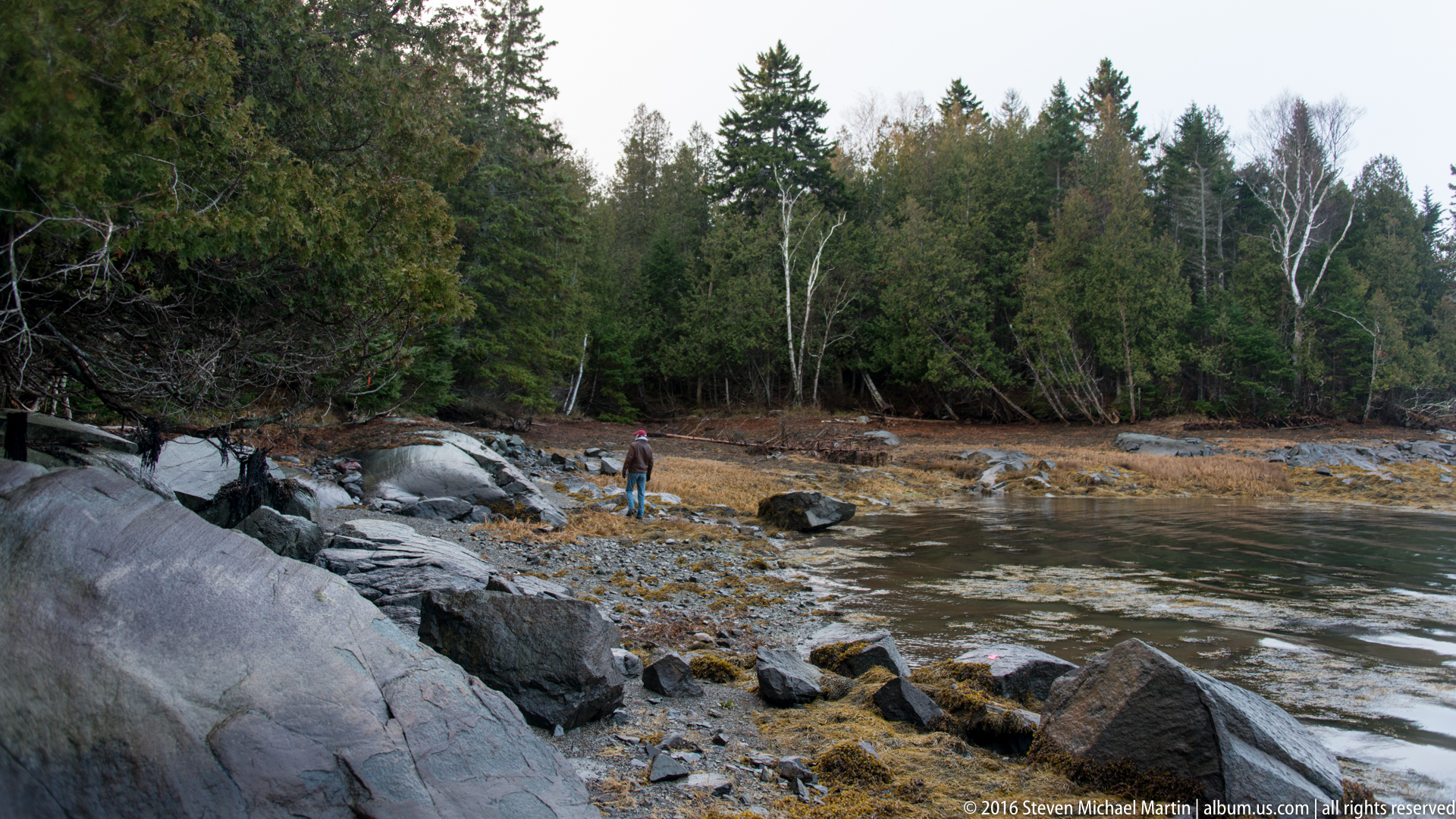
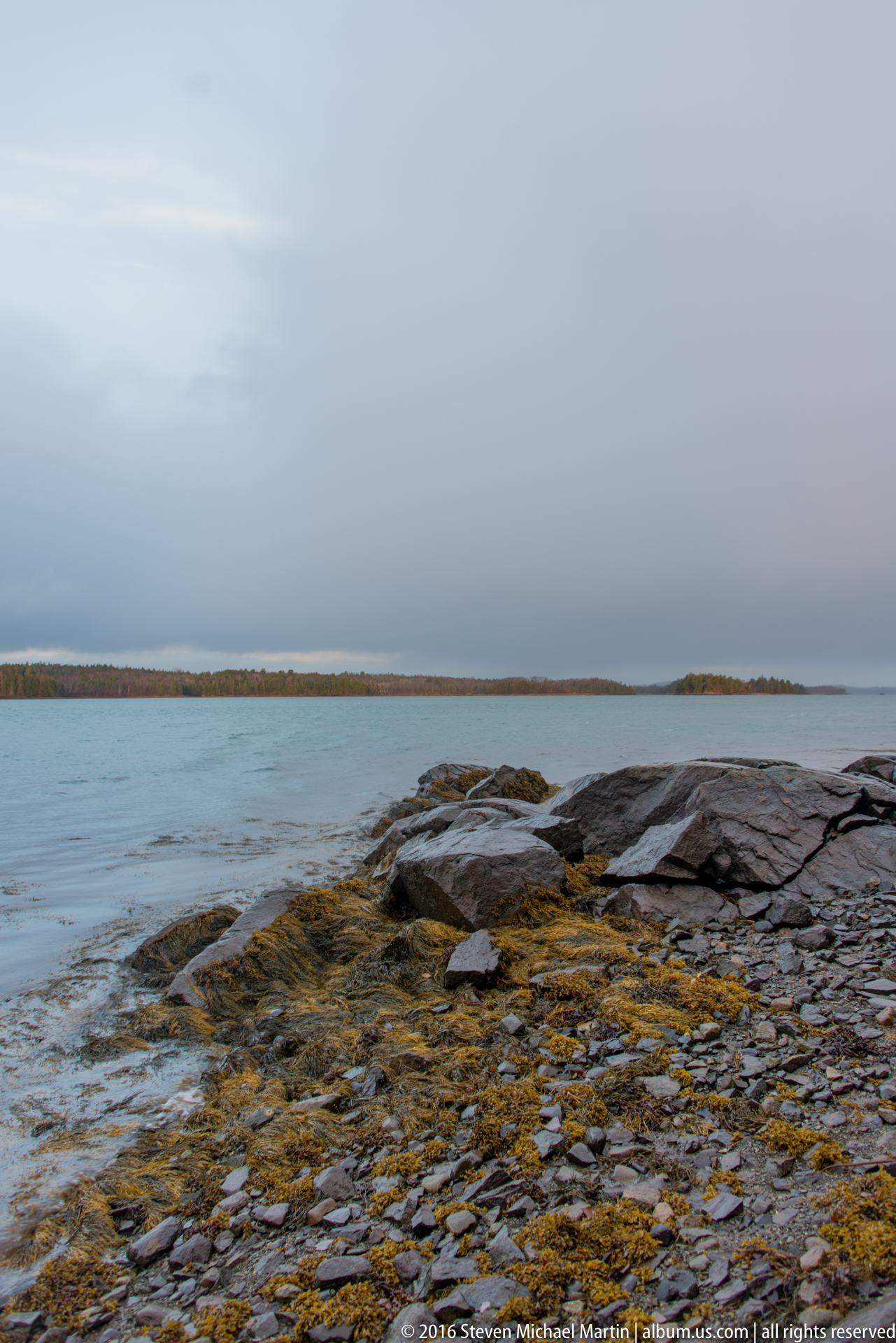
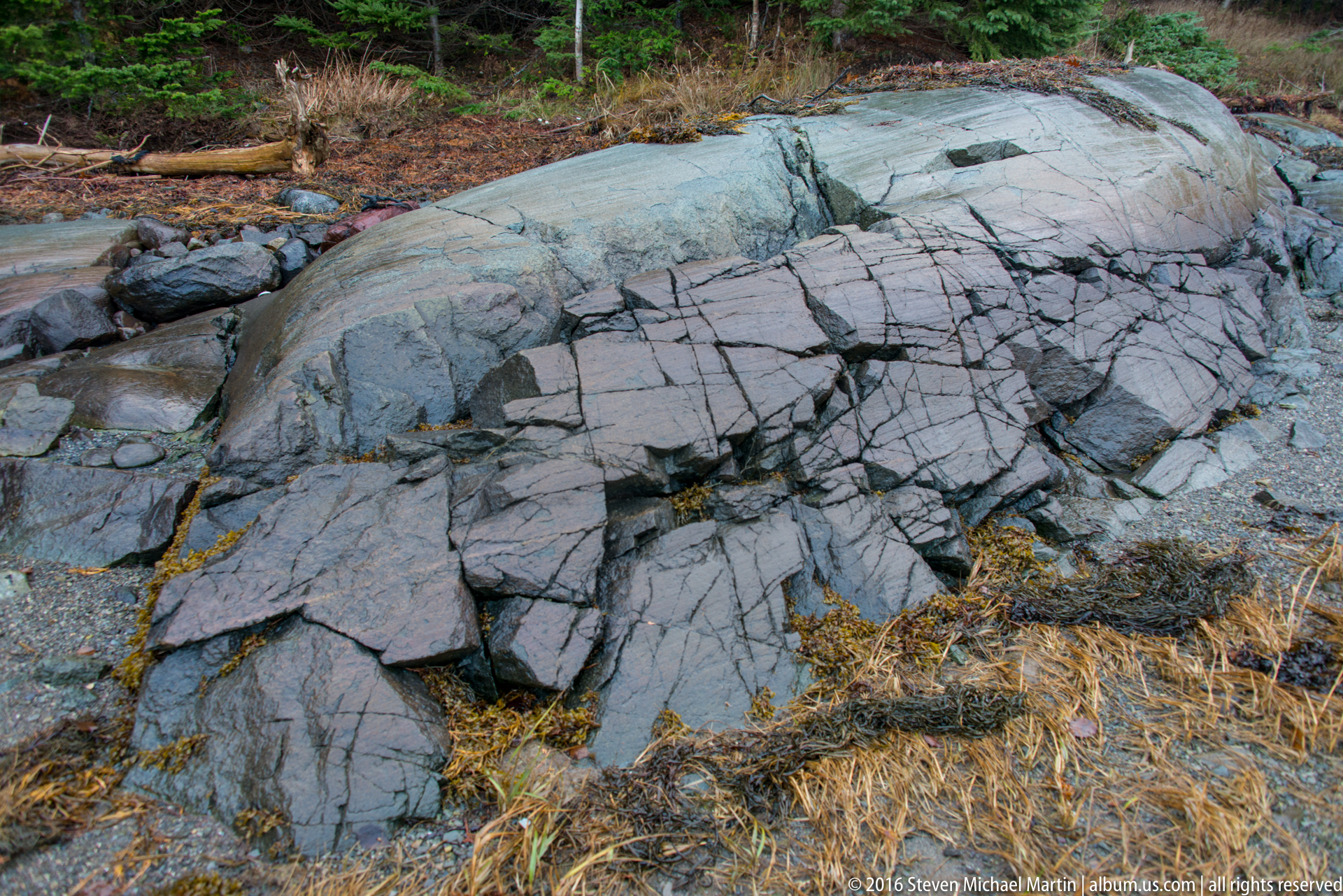
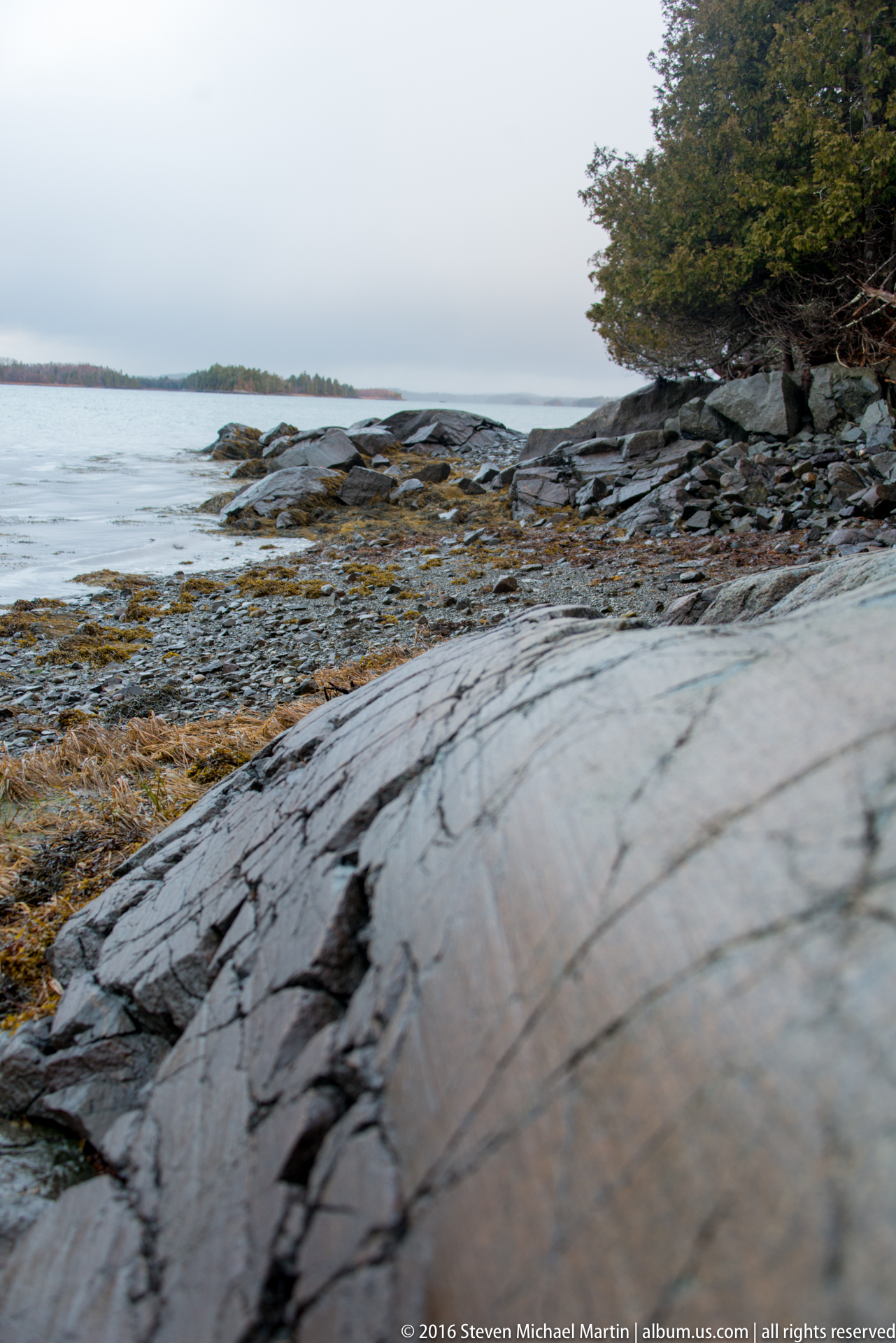
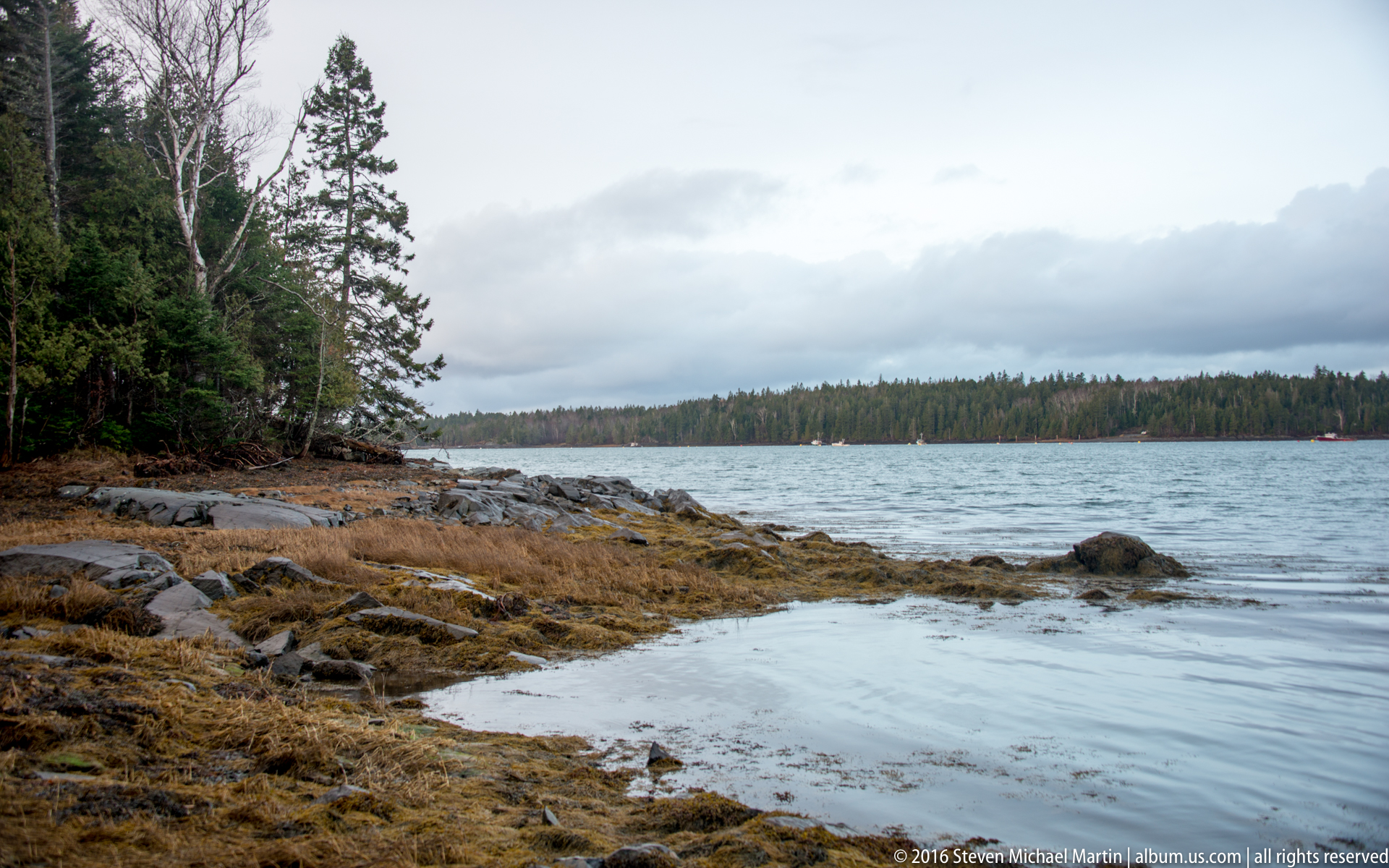
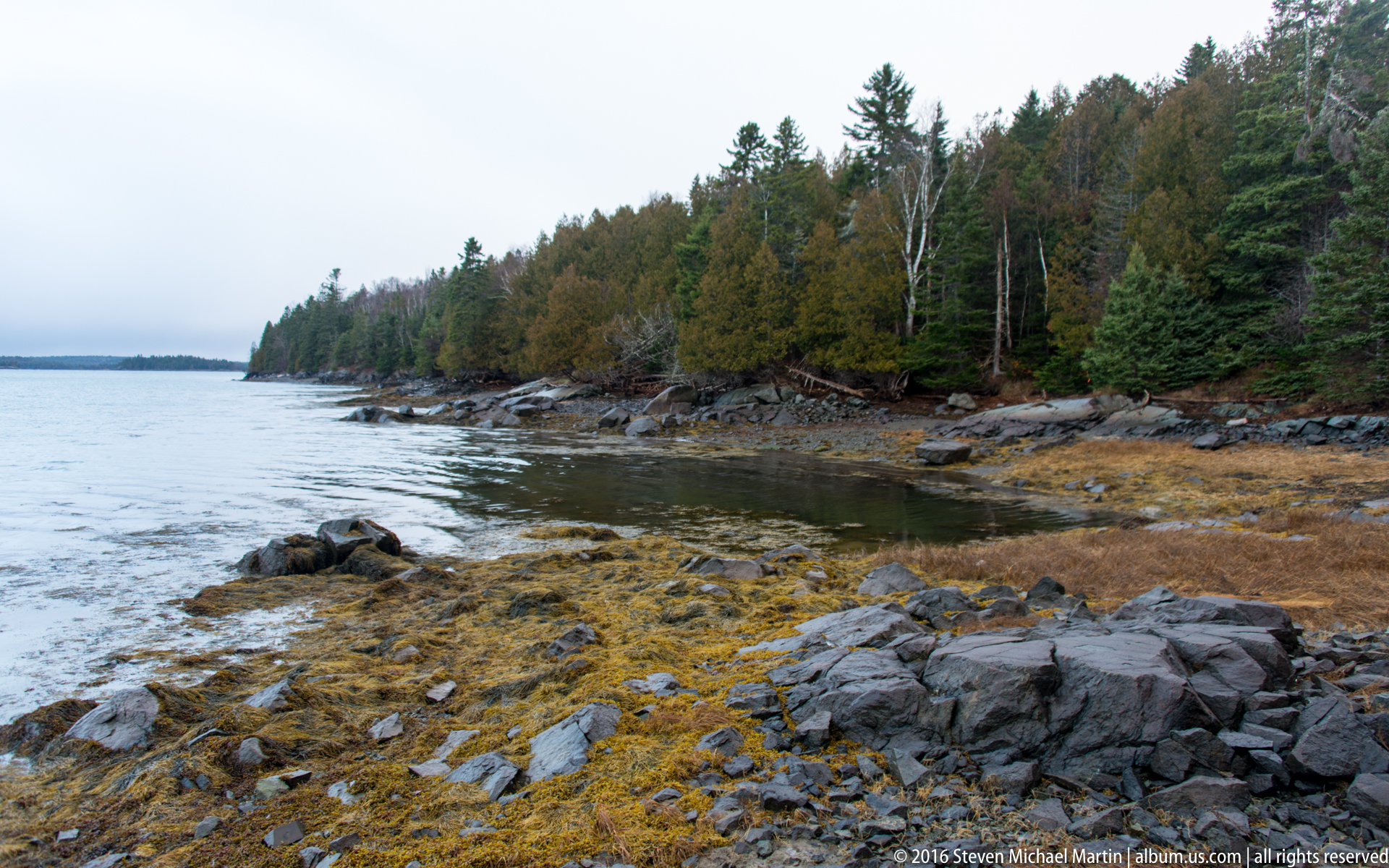
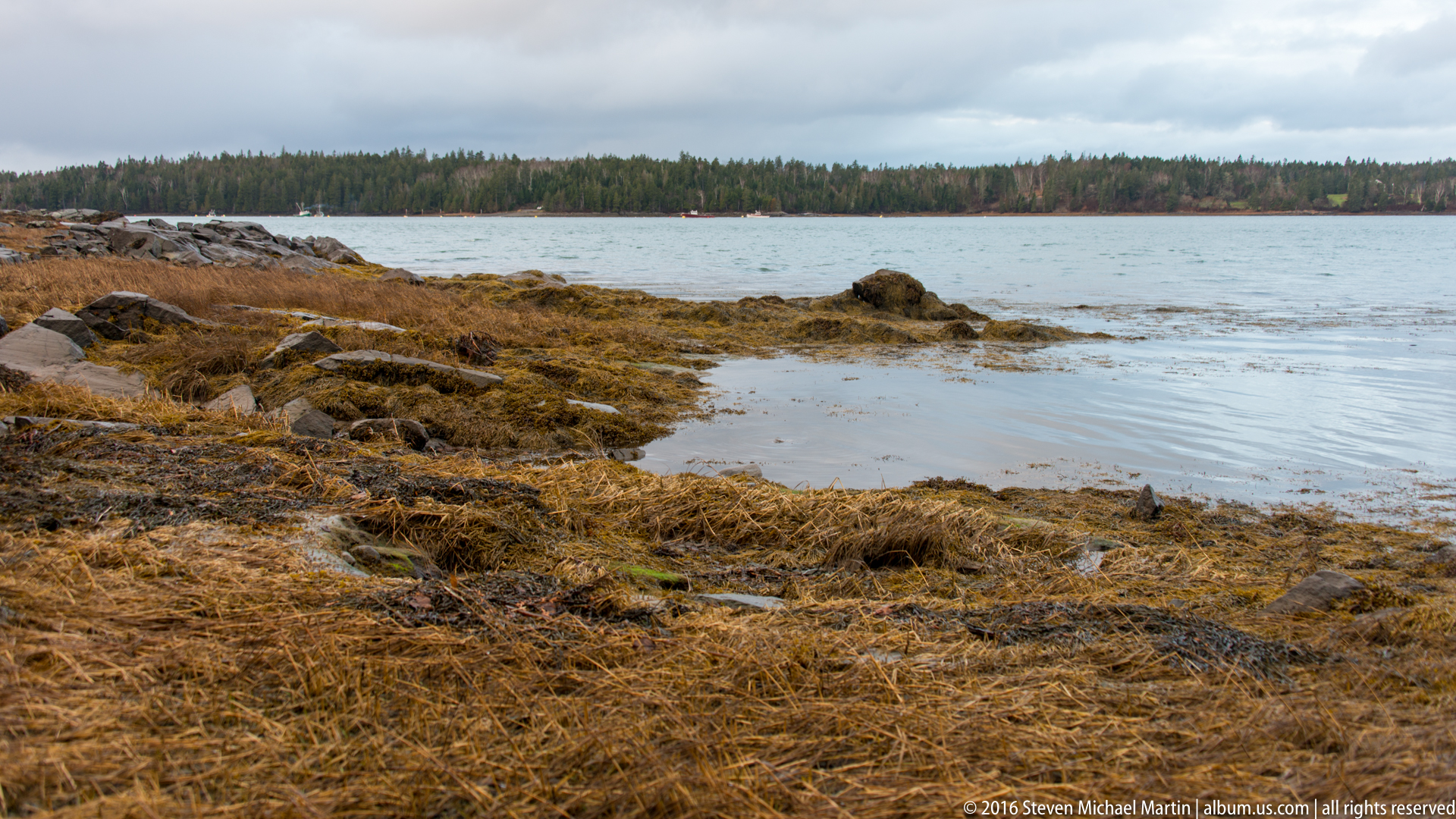
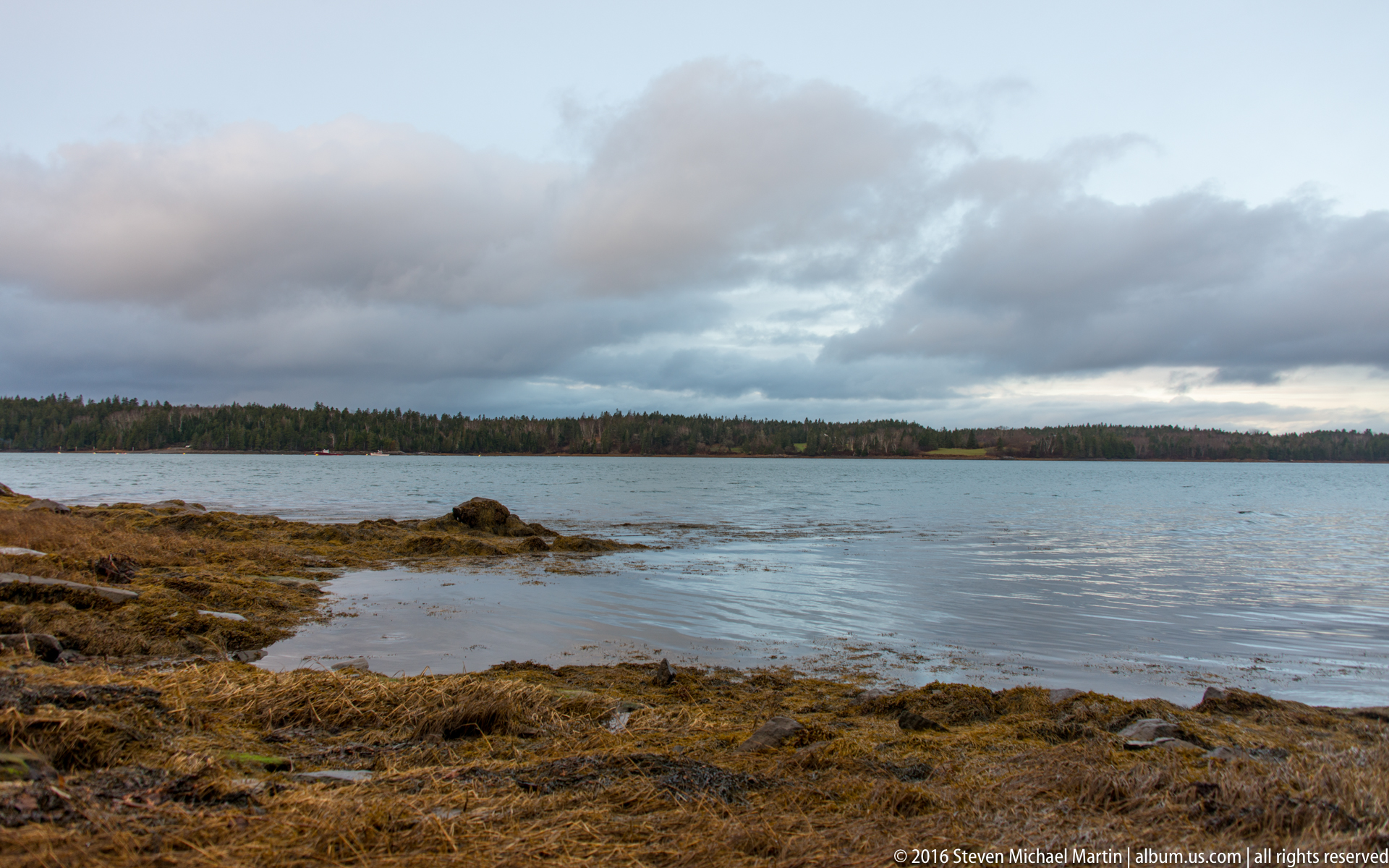
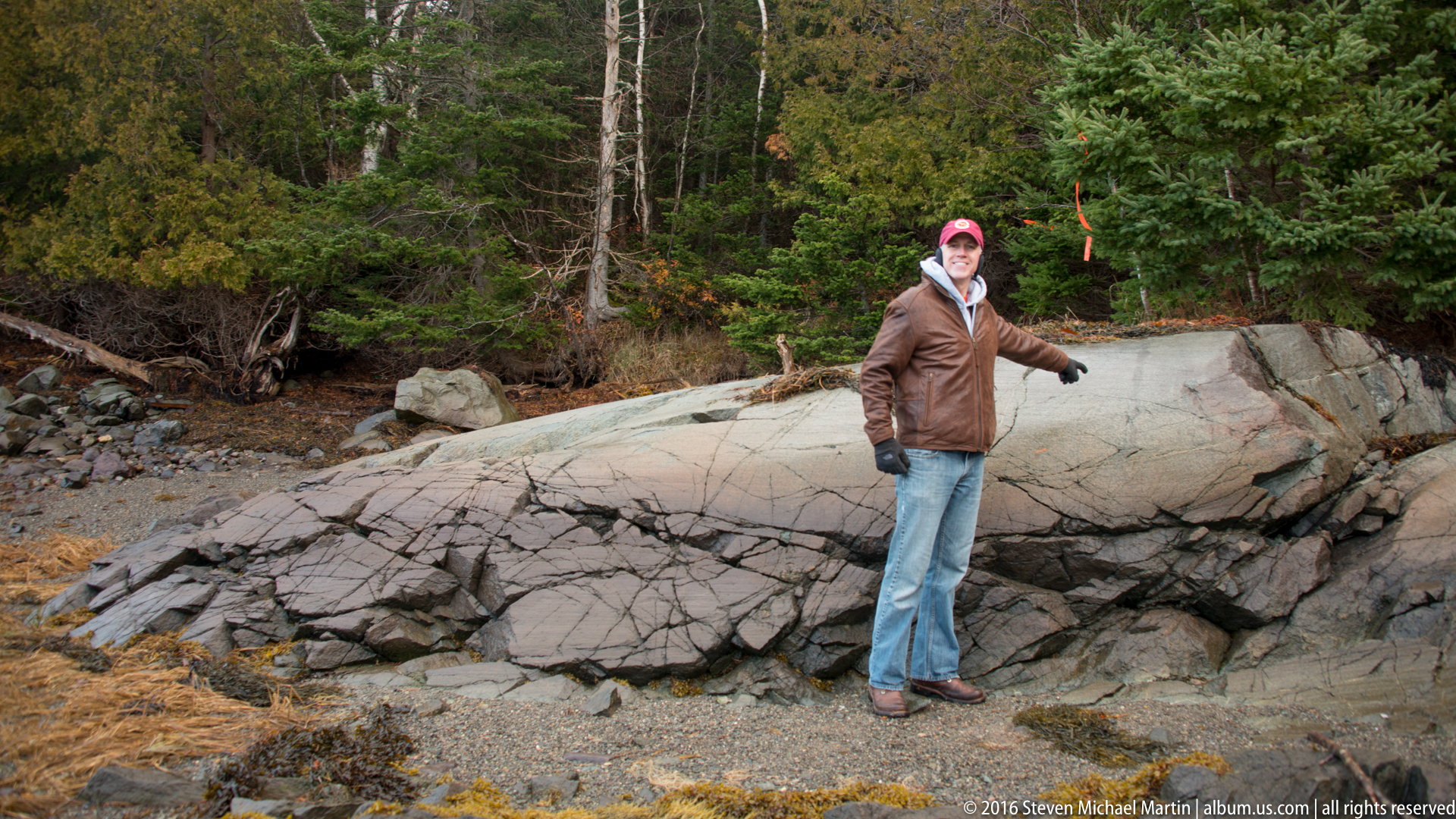
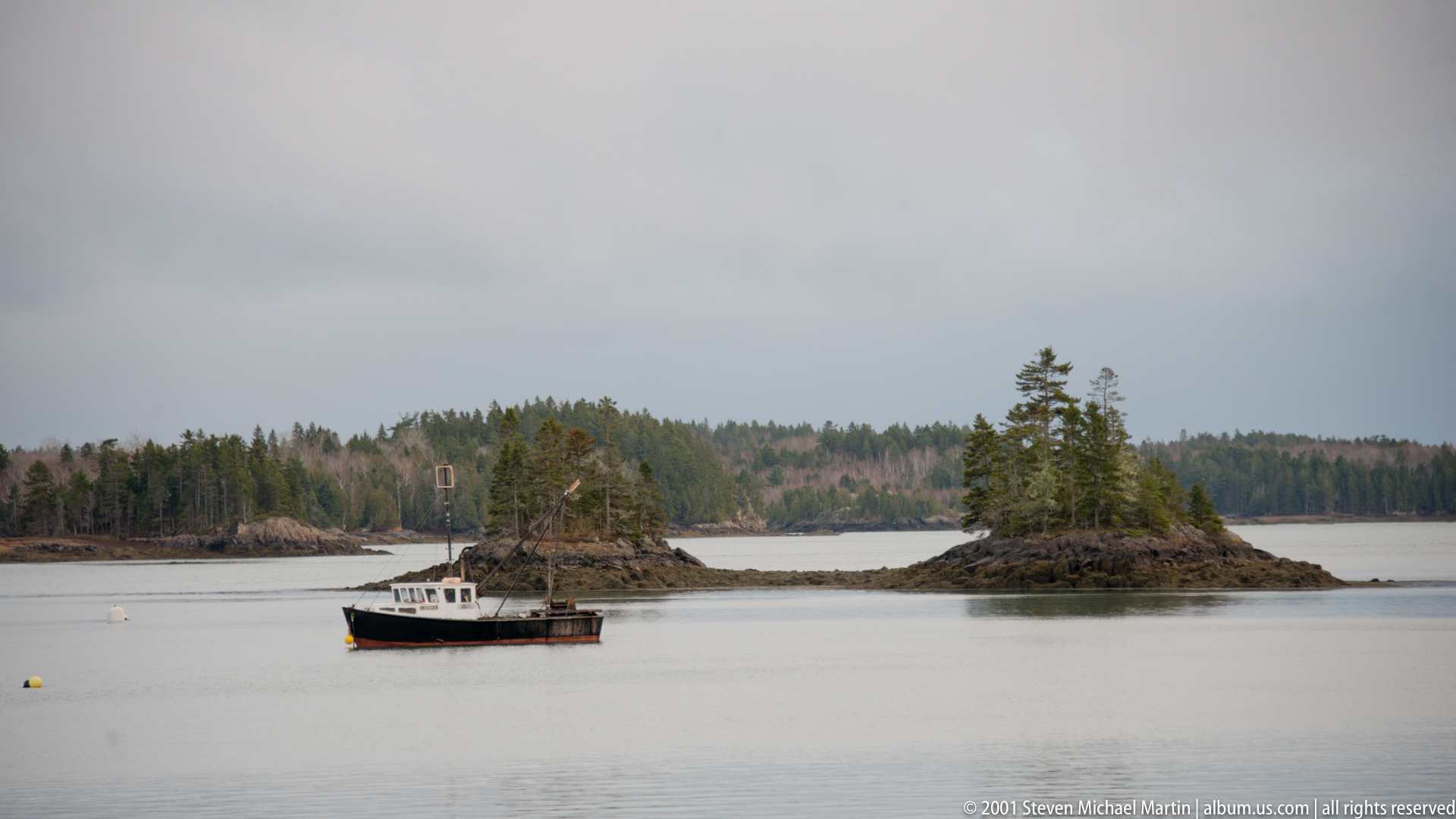
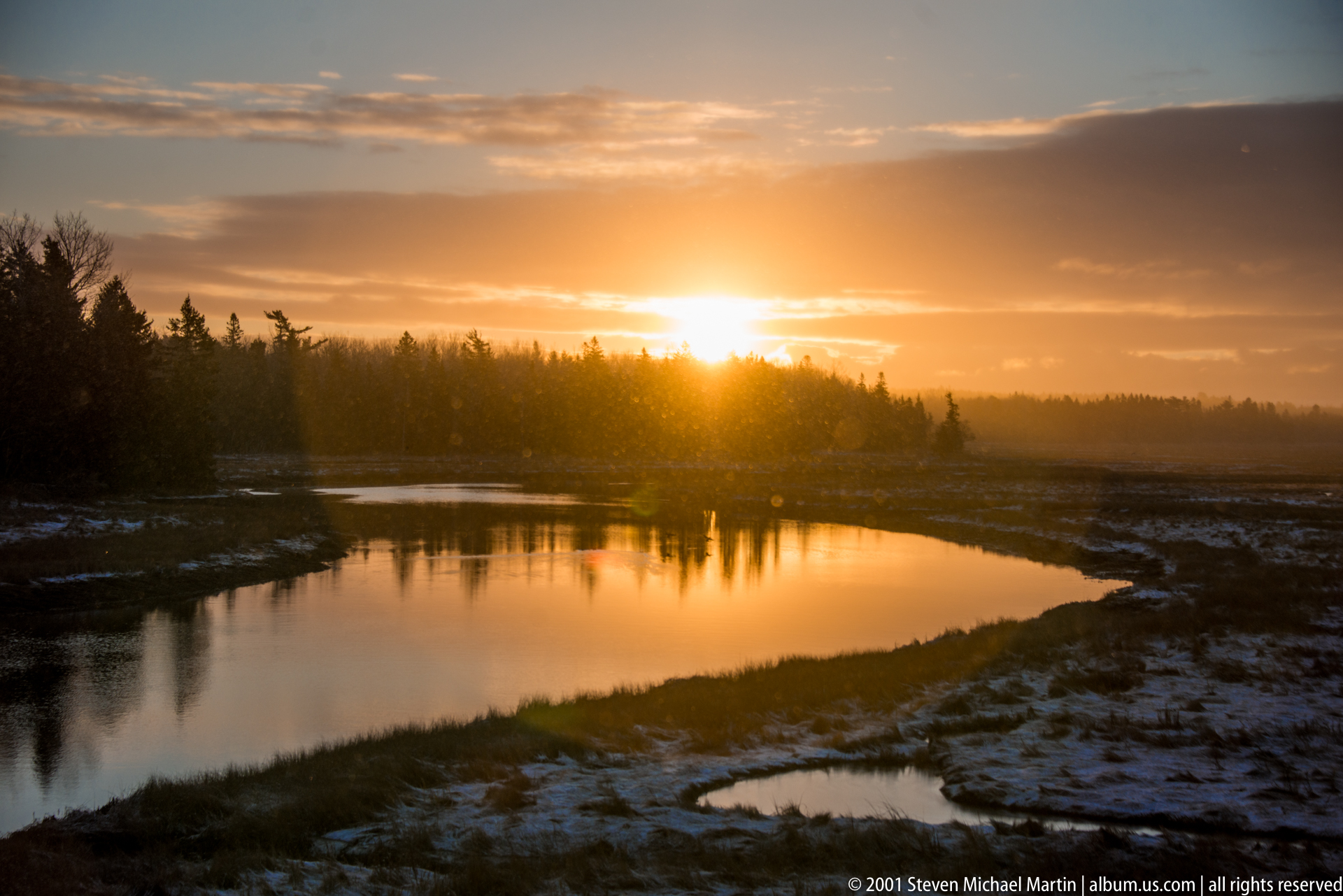
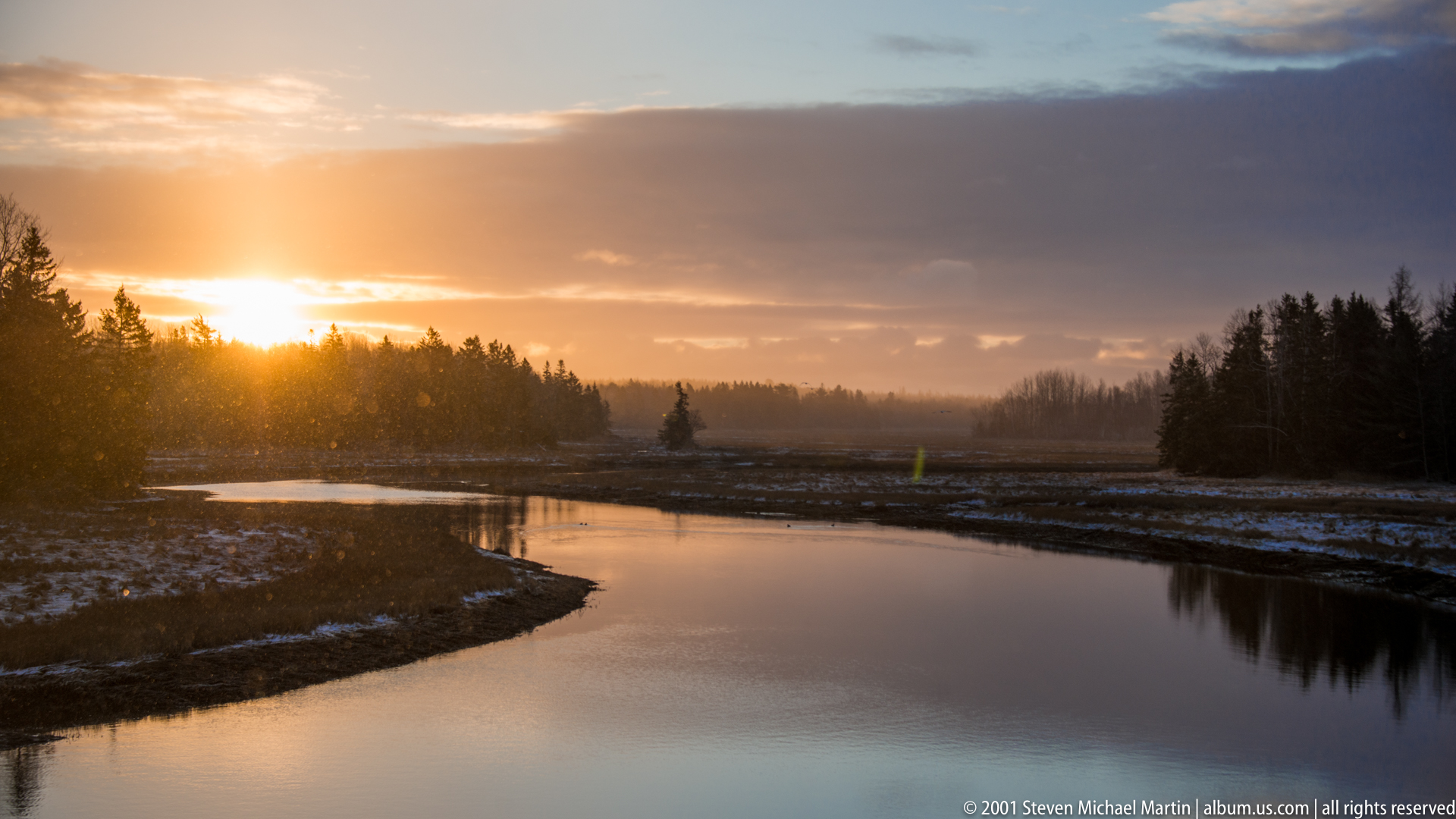
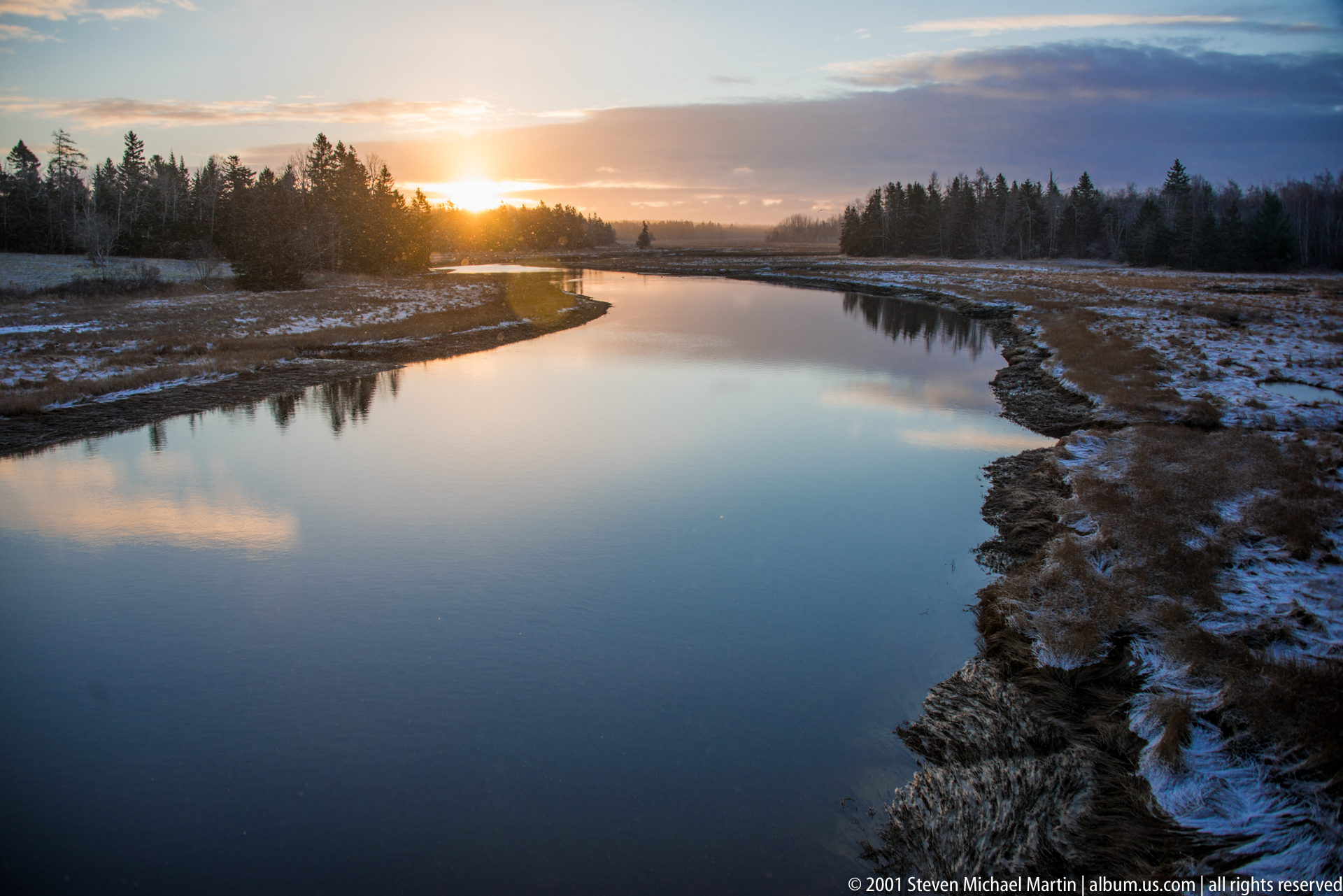
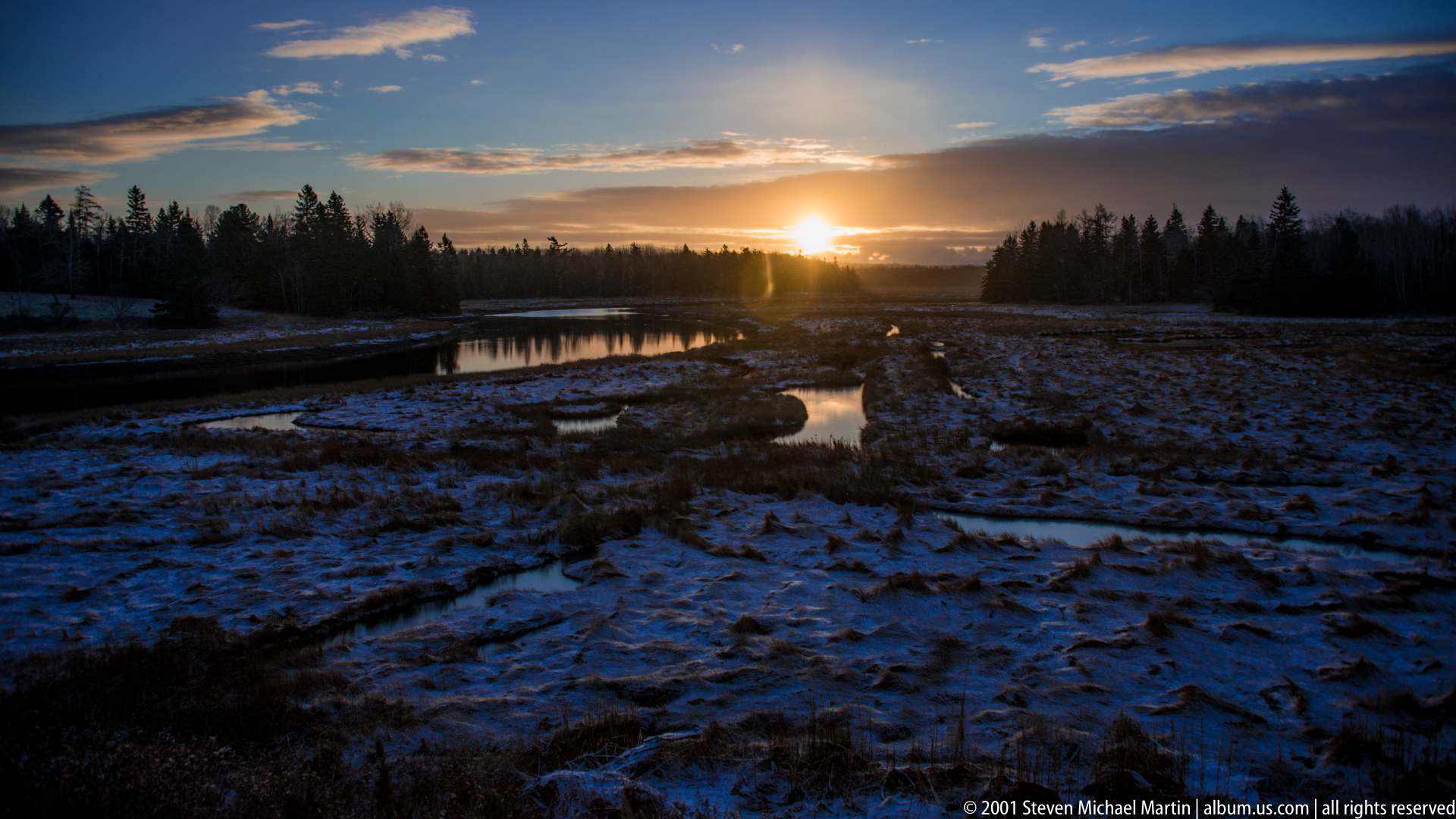
The Down East region of Maine encompasses remote coastal landscapes shaped by glaciation, maritime climate, and long traditions of fishing and navigation along the Gulf of Maine. The term originated in nautical language describing vessels sailing downwind toward eastern ports along the New England coast, reflecting the importance of maritime geography in shaping regional identity. The coastline is characterized by rocky headlands, tidal bays, and scattered islands that demonstrate the long-term interaction between resistant bedrock and ocean processes.
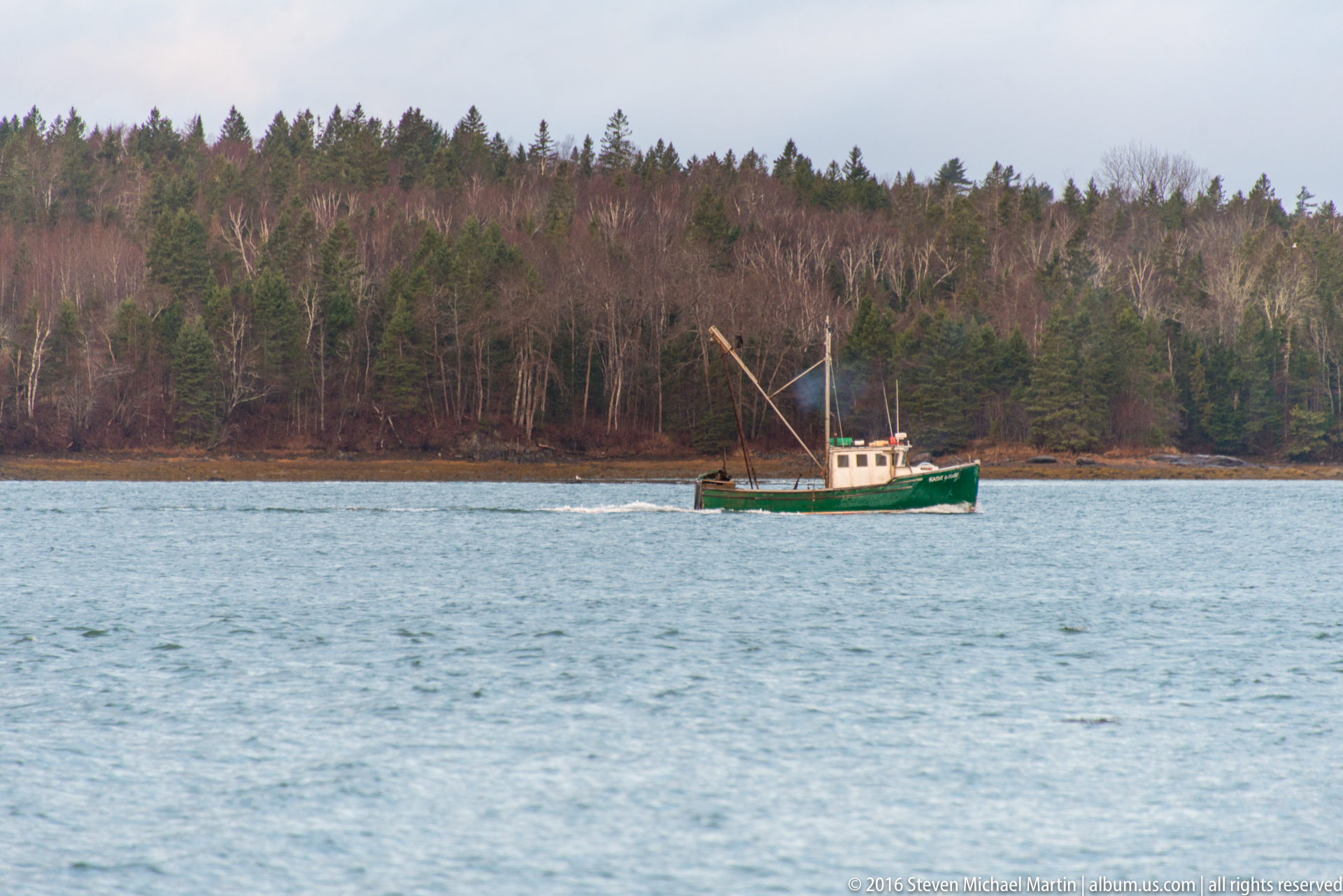
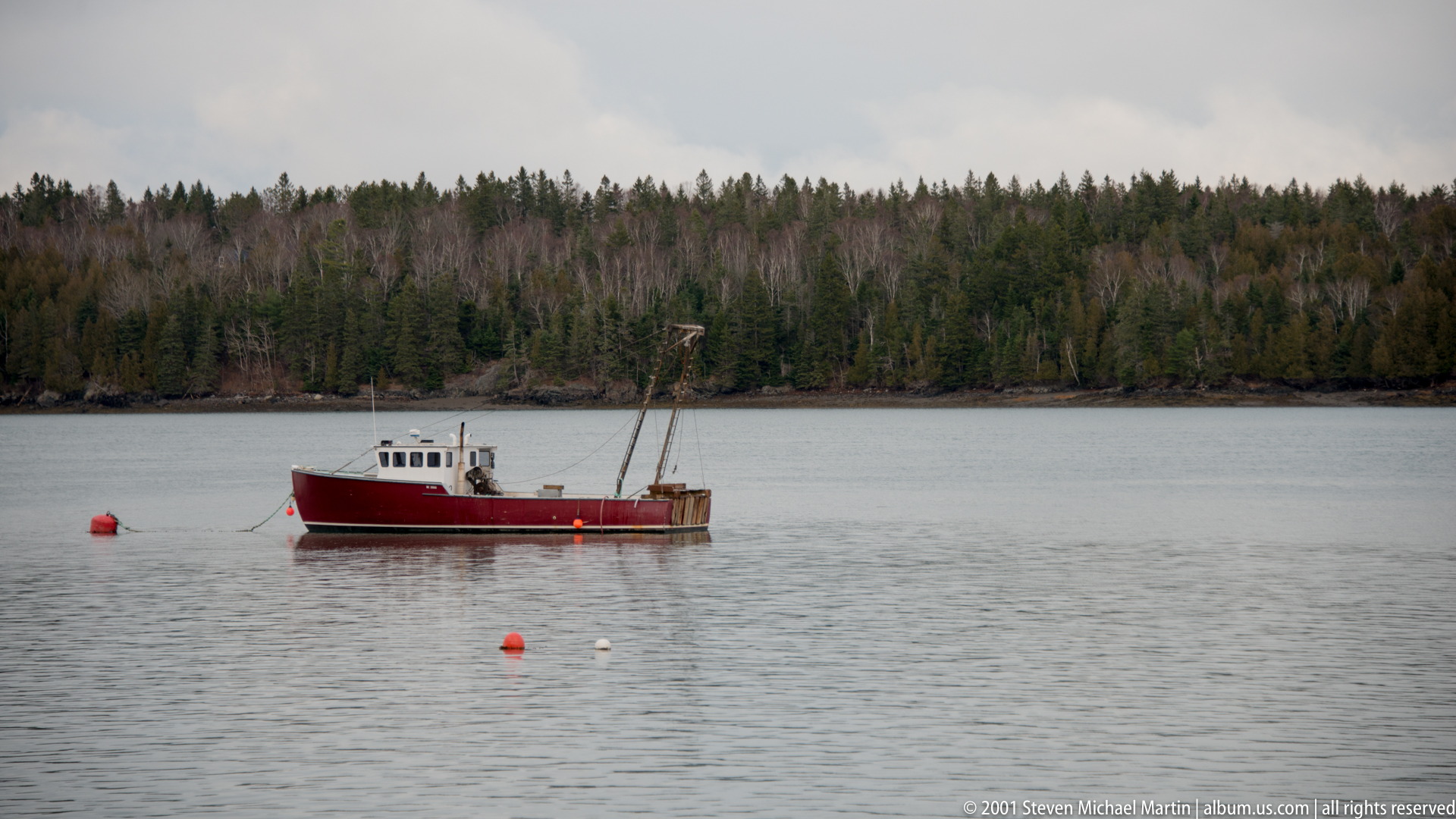
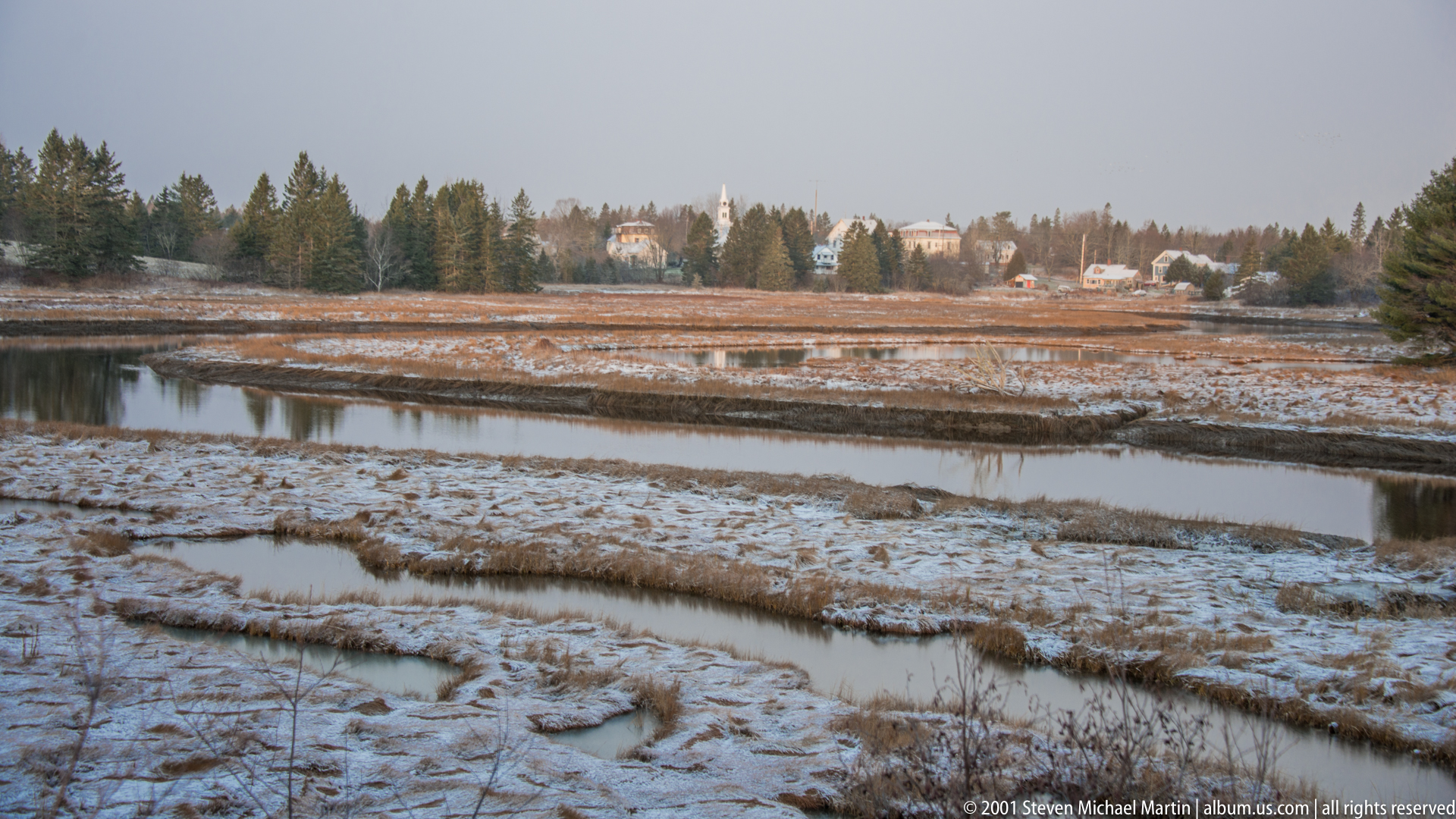
Communities within Down East Maine historically depended upon fishing, timber harvesting, and small-scale maritime trade that linked the region to Atlantic markets. The cultural landscape also reflects connections to the historic Acadian region, where French settlement patterns extended across parts of present-day Maine and the Canadian Maritime Provinces. Geographic isolation contributed to the preservation of traditional working waterfronts and small villages shaped by coastal environmental conditions.
Down East Maine contributes to understanding how maritime geography influences settlement patterns and cultural continuity in northeastern North America. The rugged shoreline illustrates the relationship between ocean climate, economic activity, and community development along the North Atlantic coast. The region provides important environmental context for understanding the broader Acadia landscape.