Mount Desert Island
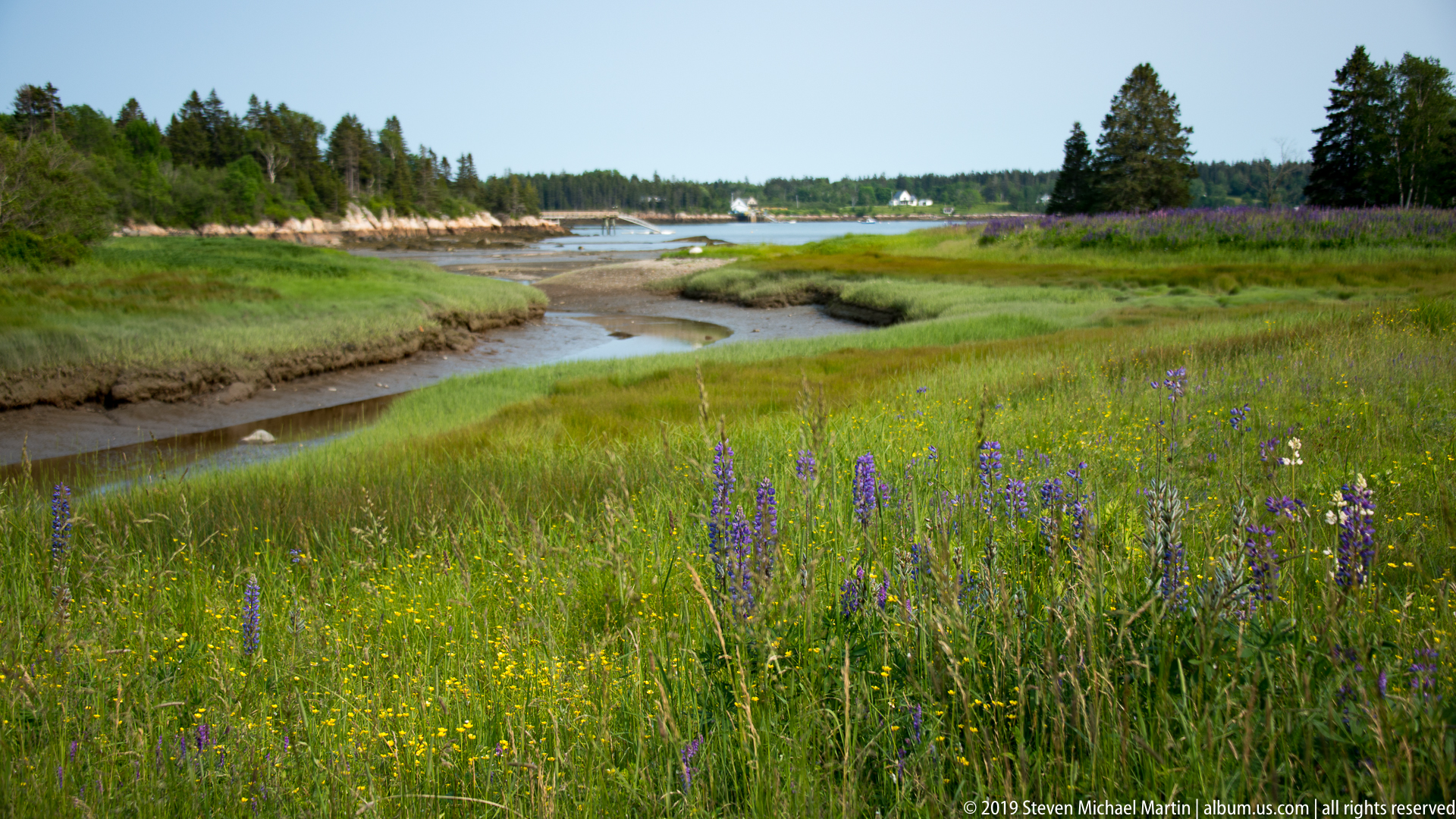
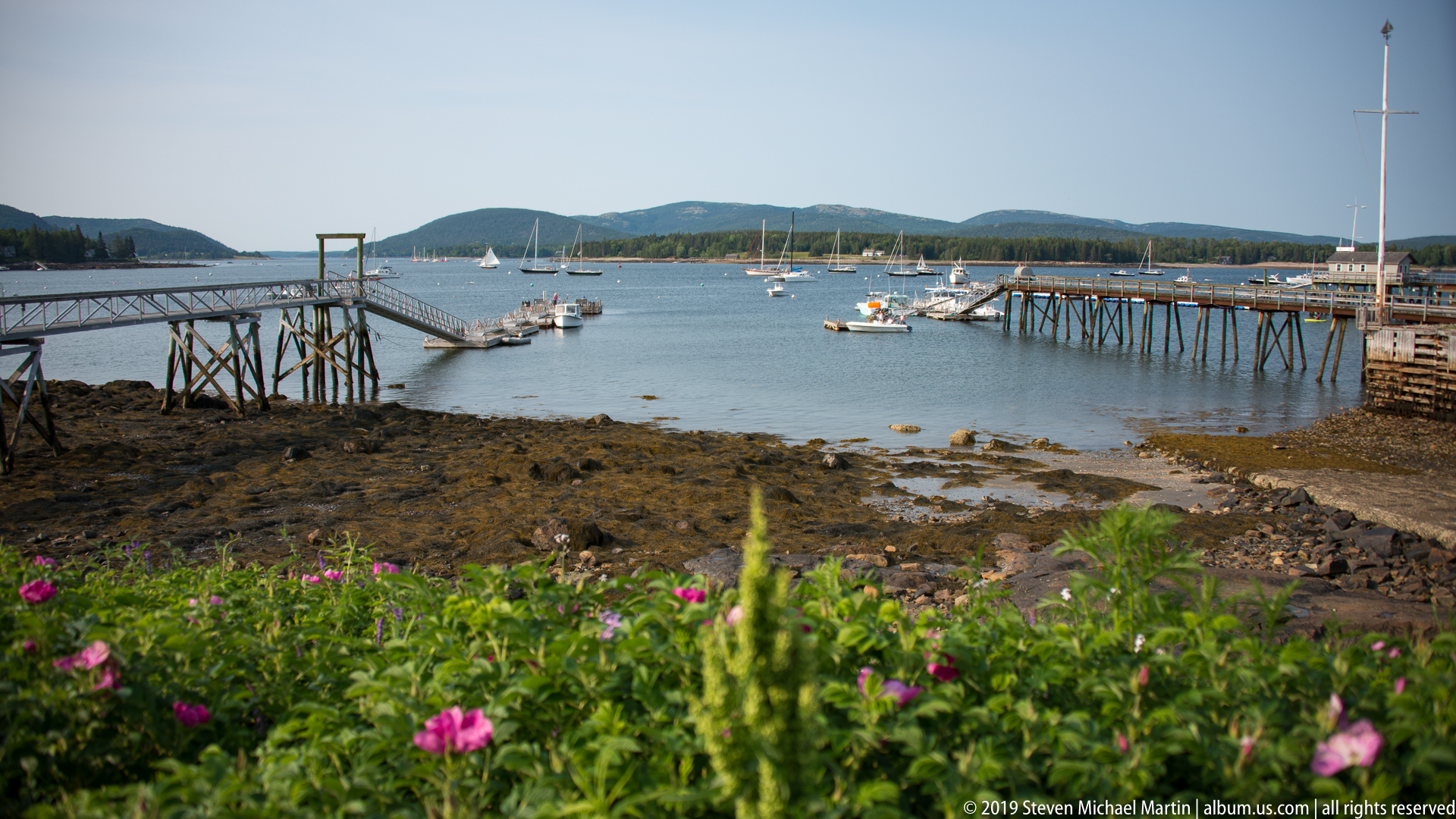
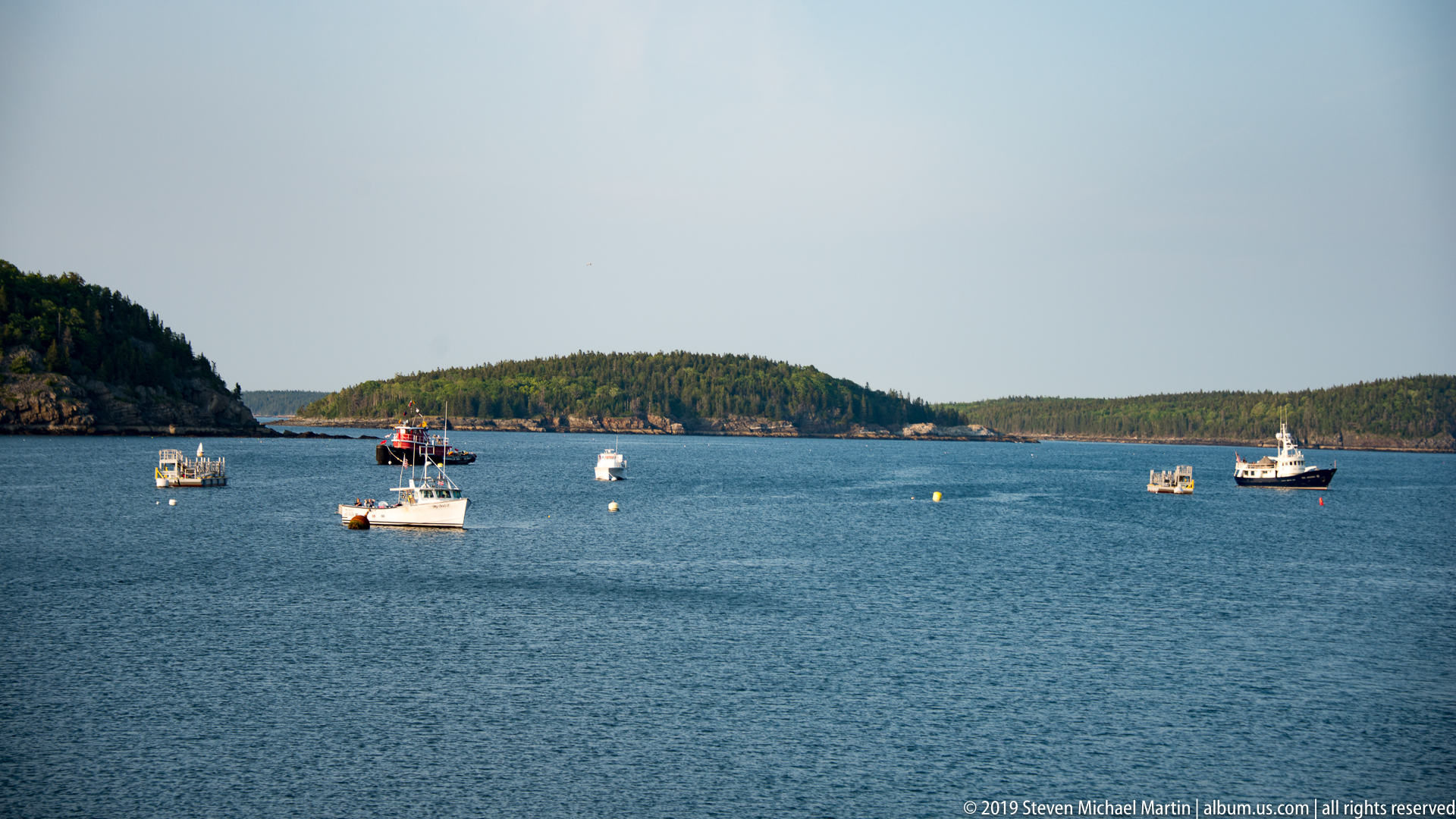
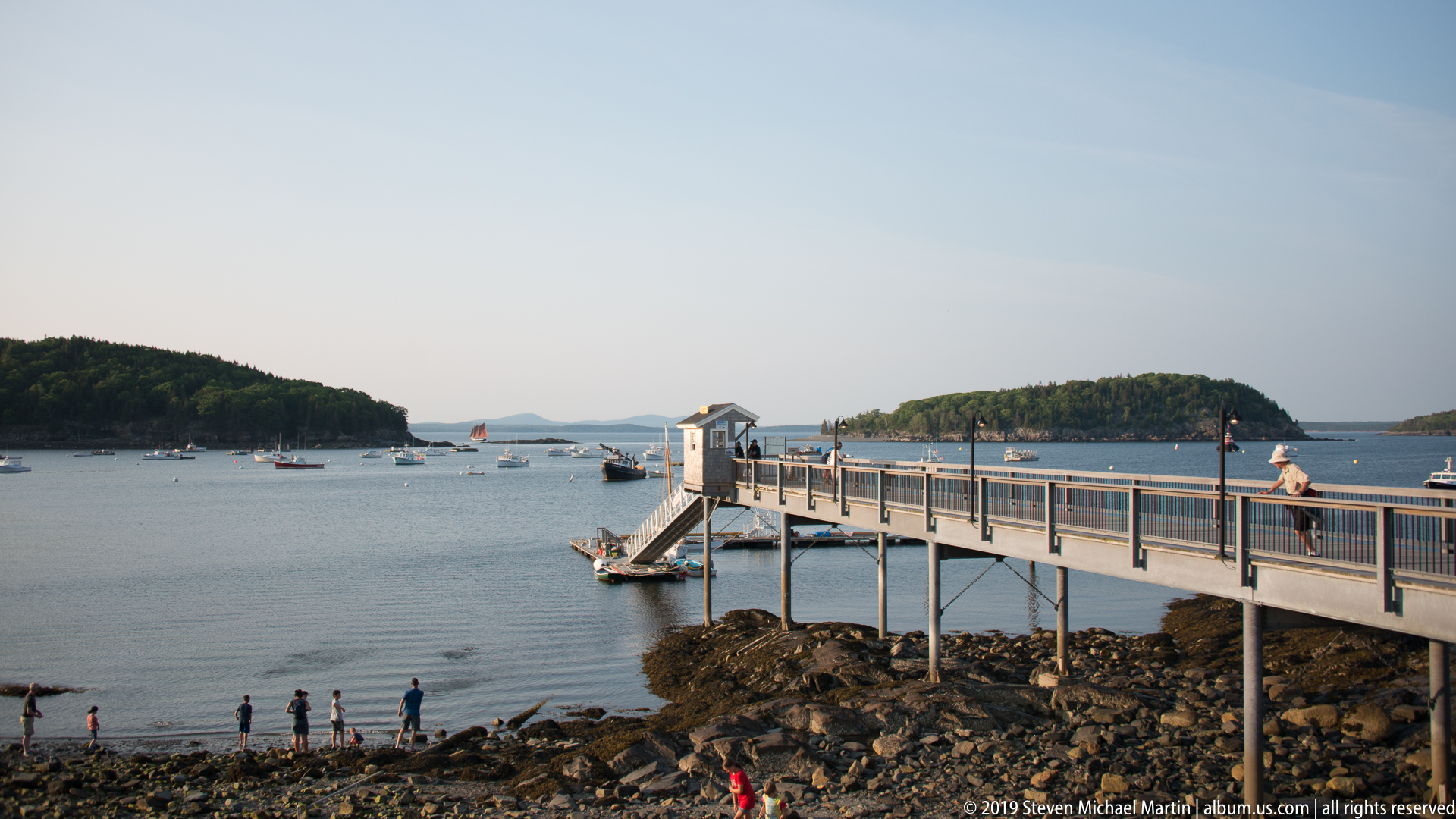
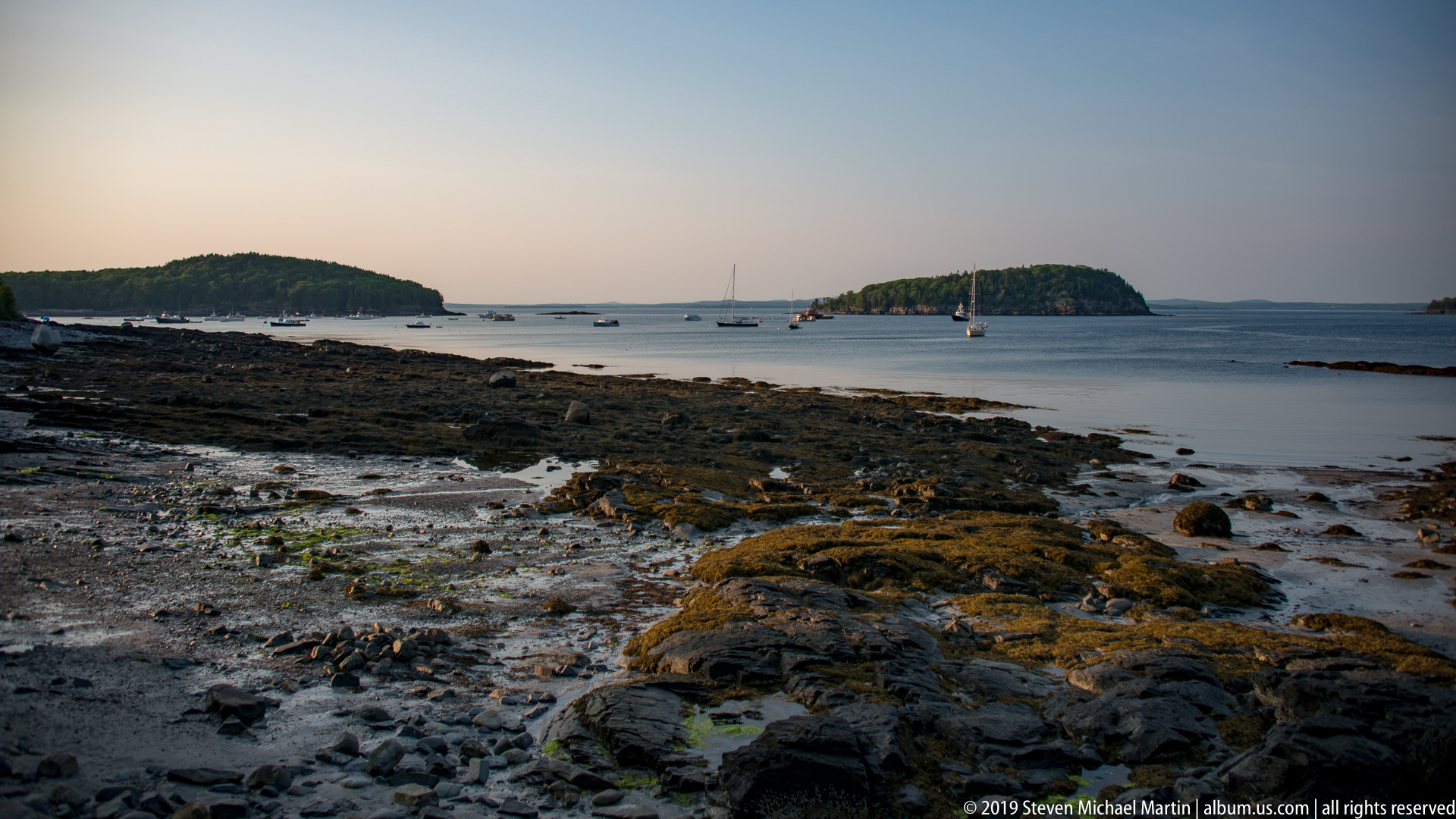
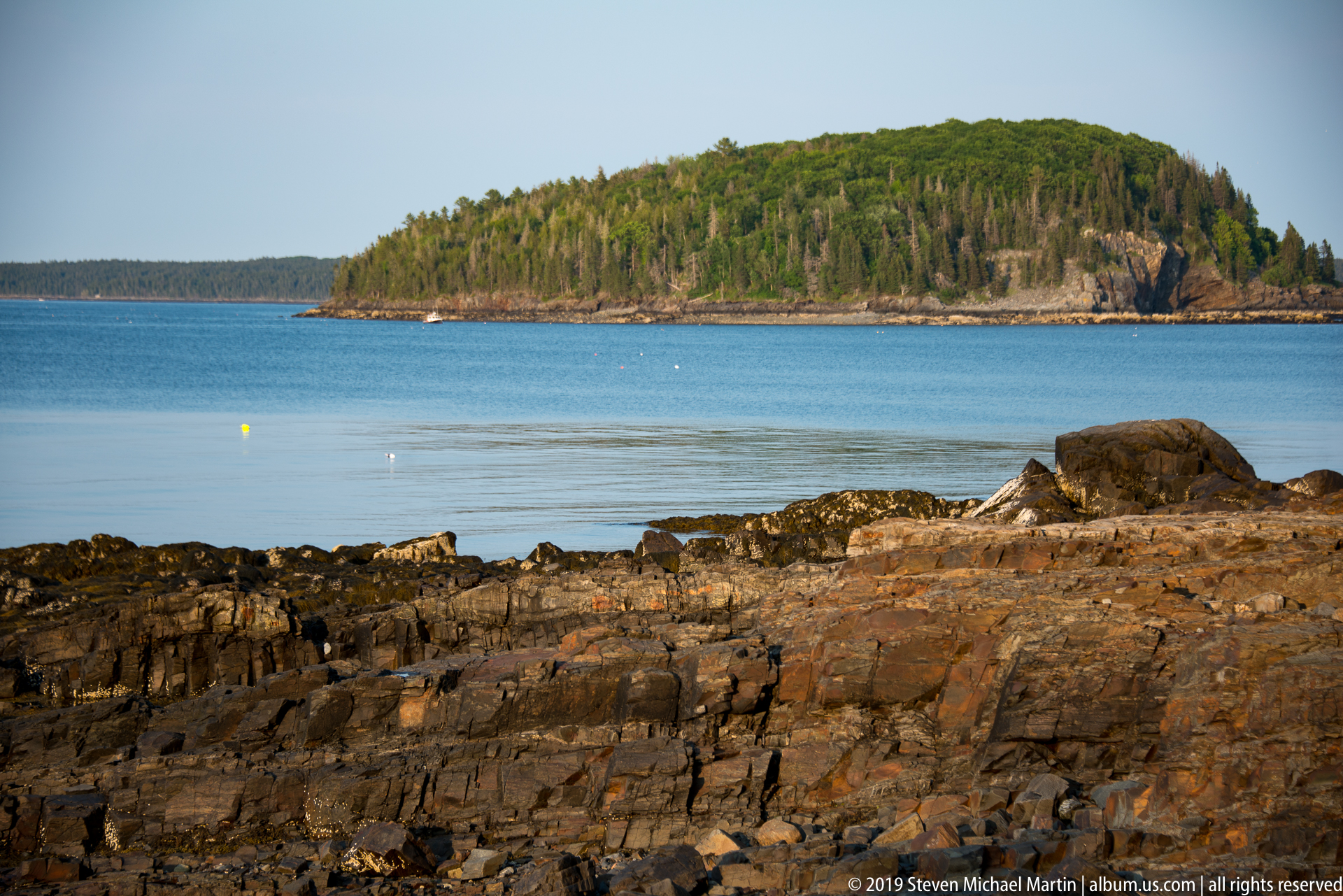
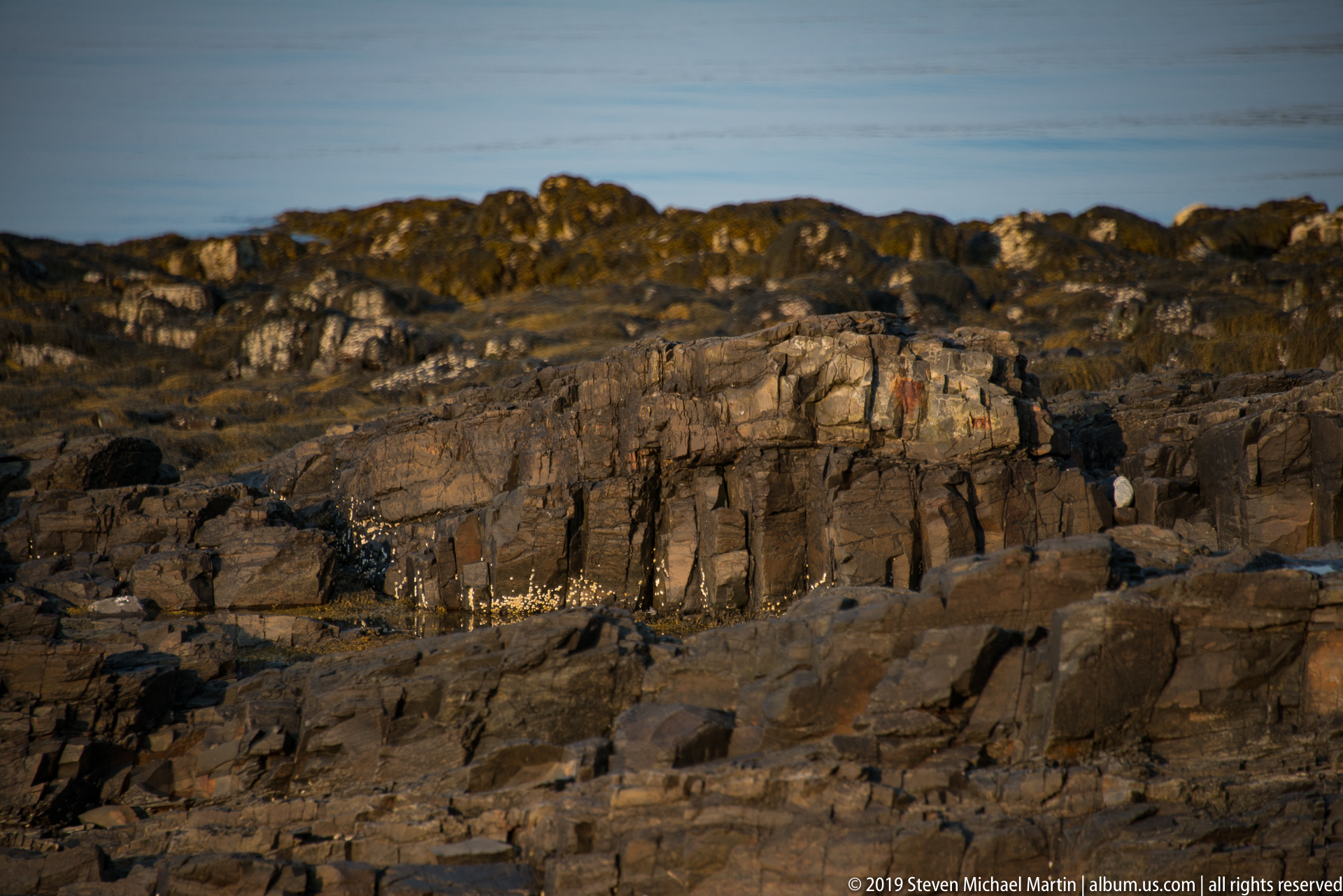
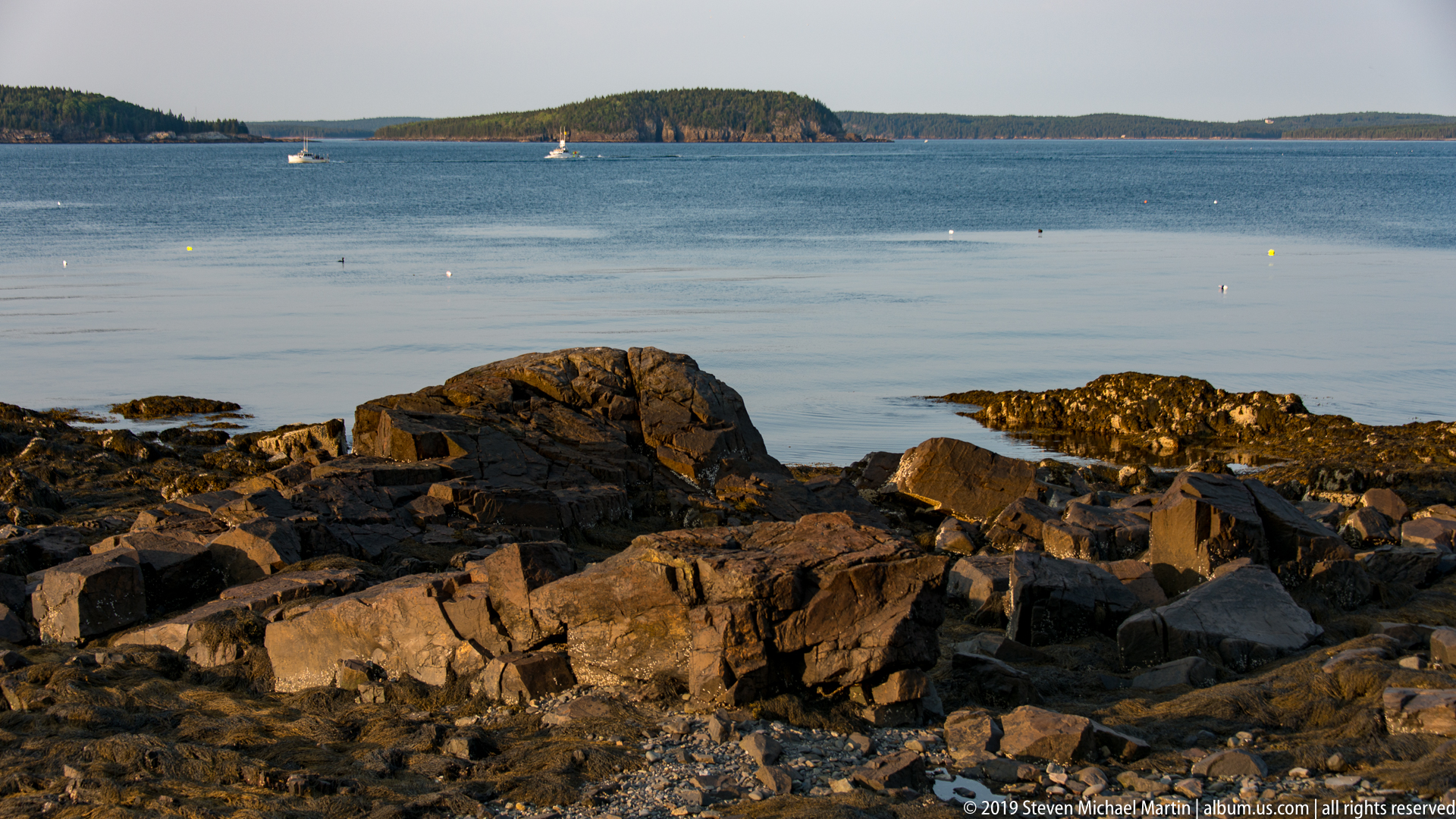
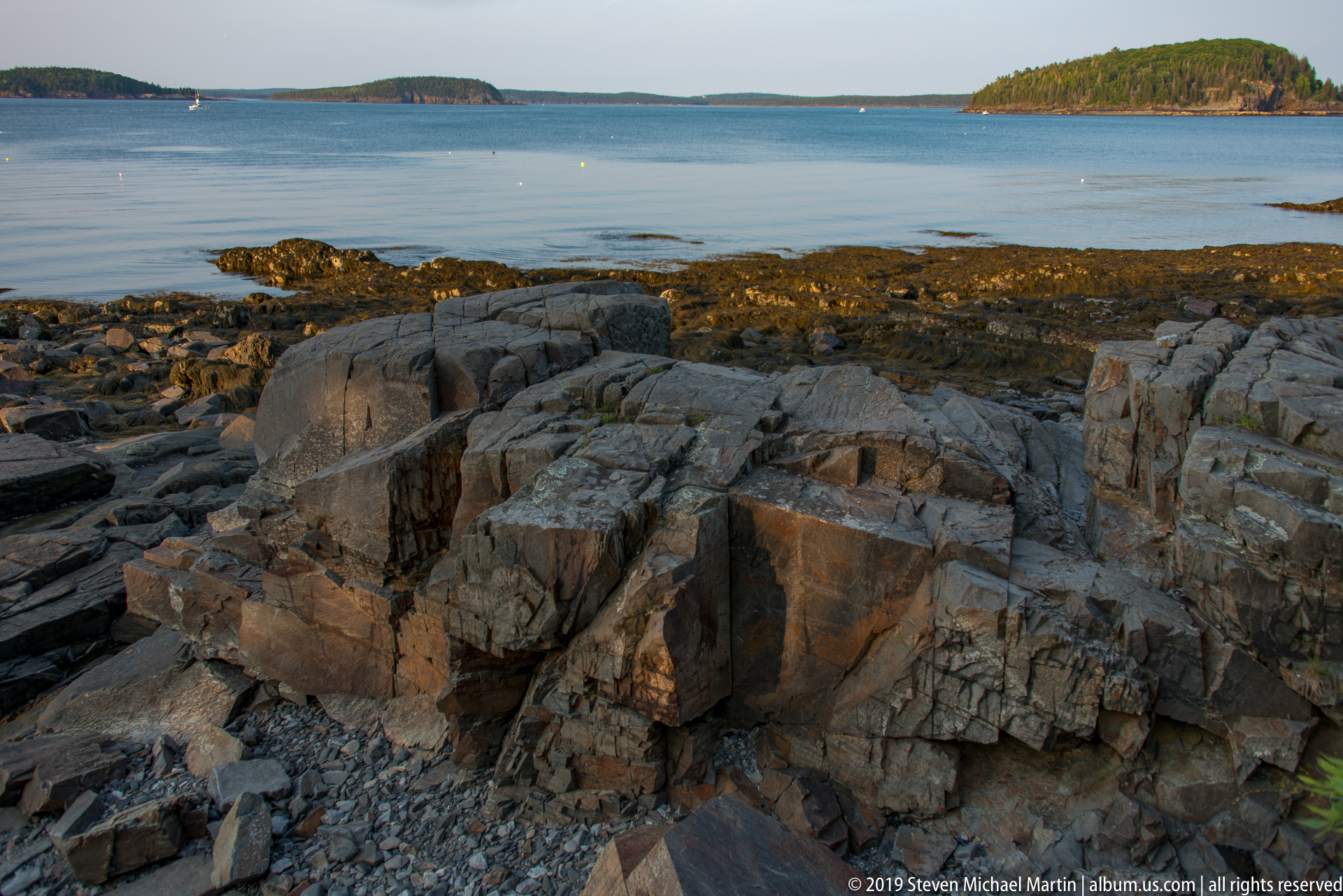
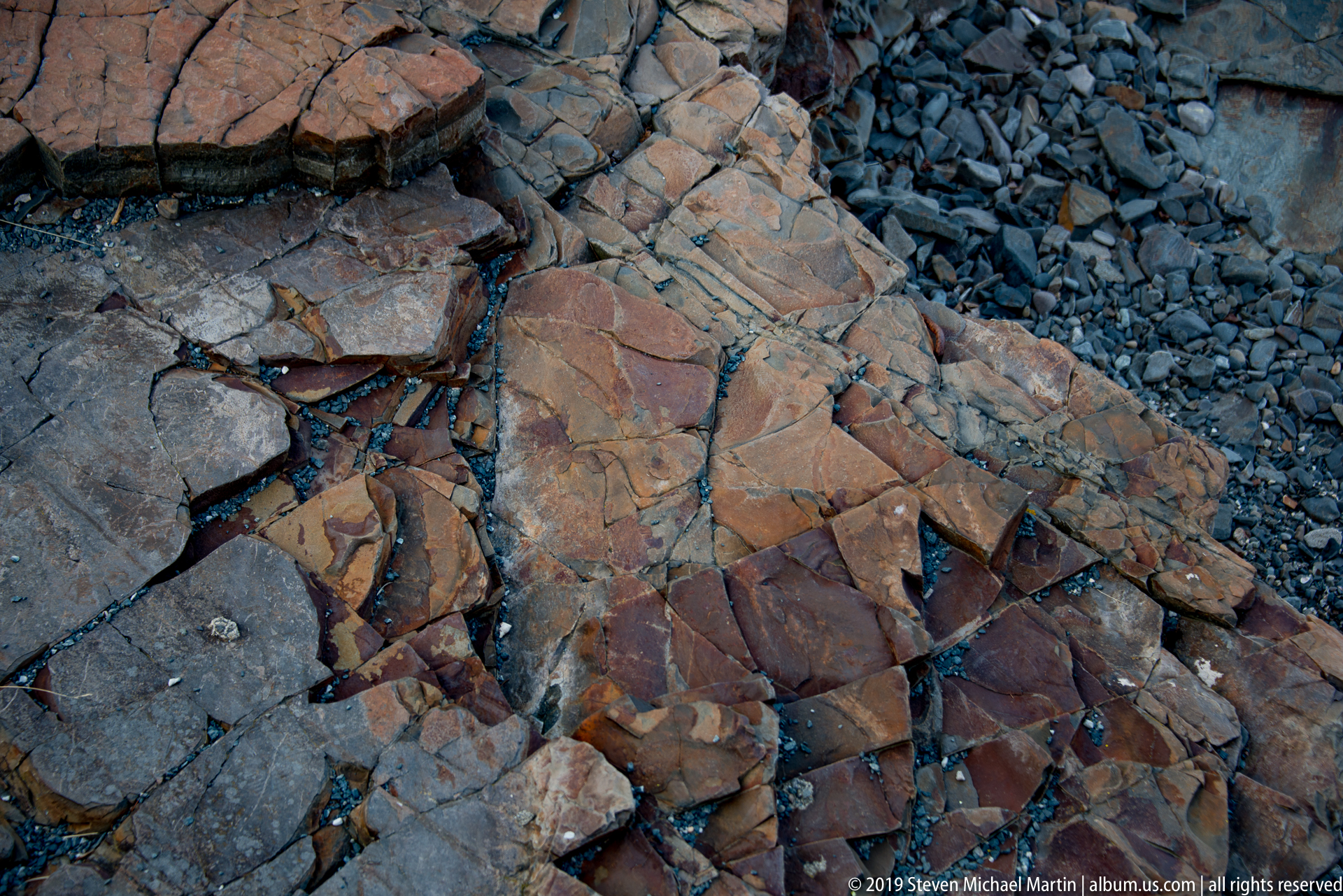
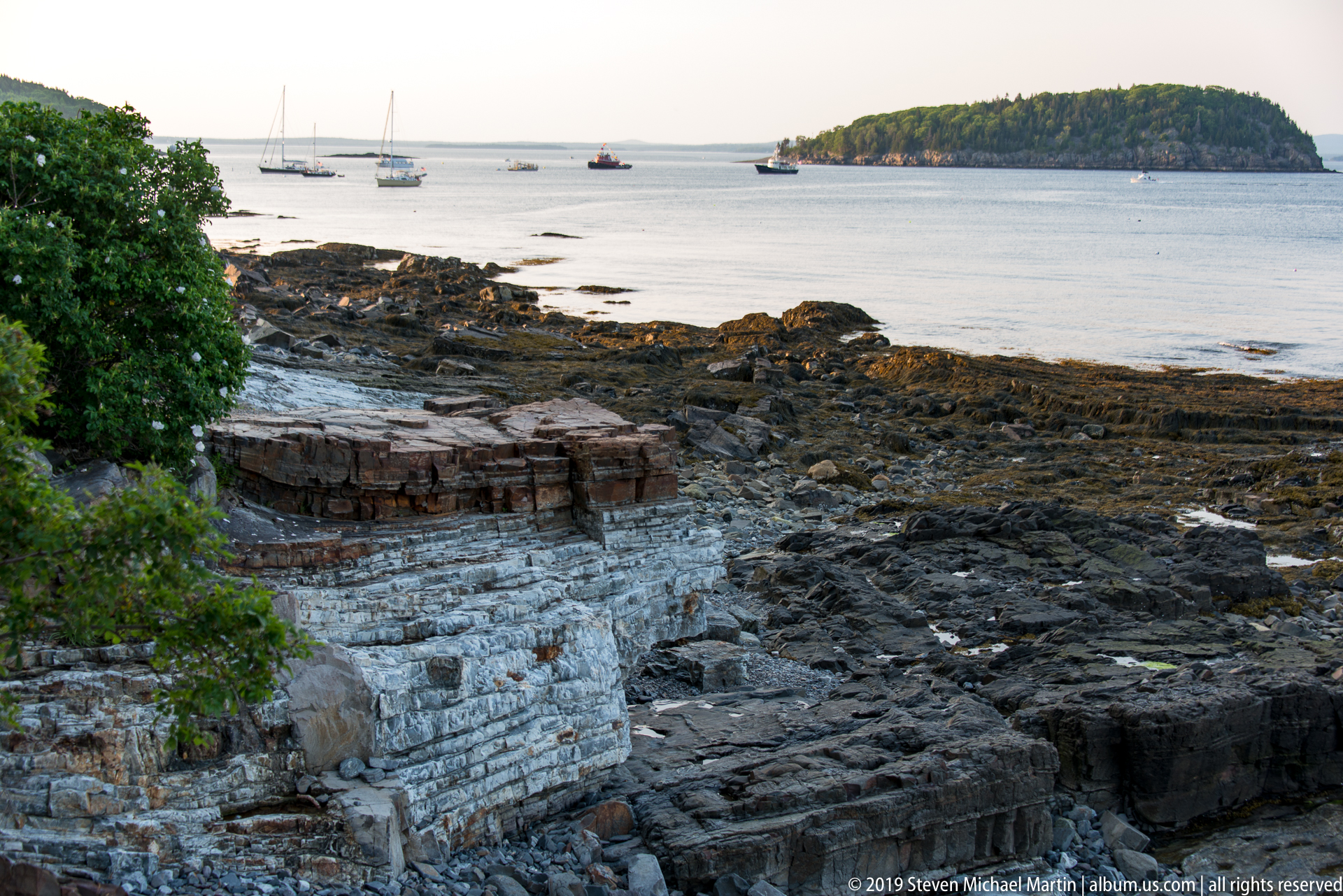
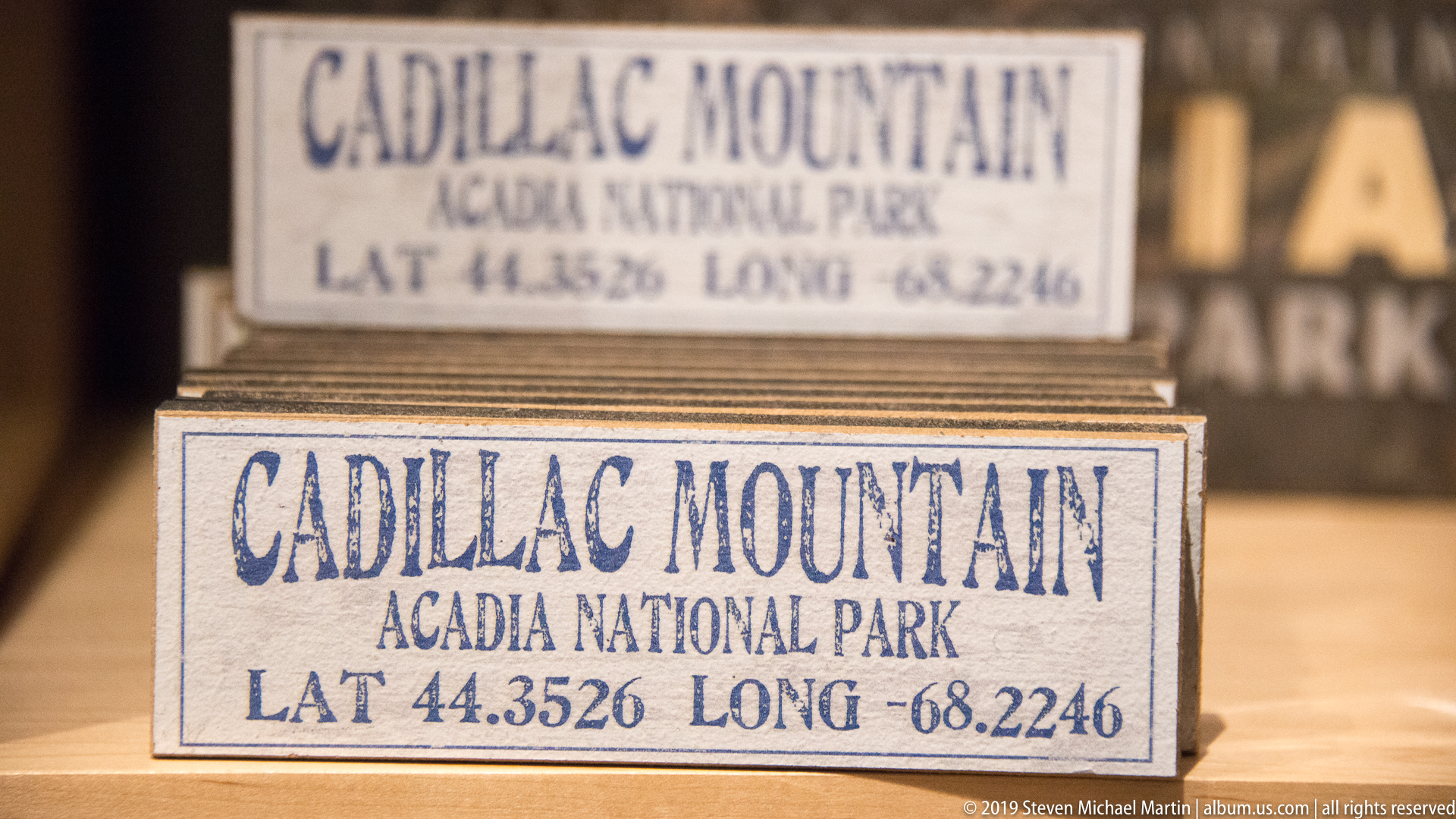
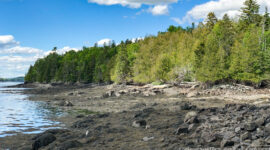
Mount Desert Island forms the geographic center of Acadia National Park, where granite mountains rise above the Atlantic shoreline as part of the northern extension of the Appalachian mountain system. The island’s landscape reflects the effects of continental glaciation that carved valleys, exposed resistant bedrock, and shaped the irregular coastline characteristic of the Gulf of Maine. Cadillac Mountain, one of the highest points on the eastern seaboard, illustrates the geological processes that created elevated headlands along the North Atlantic coast.
The island has long attracted artists, scientists, and conservationists who recognized the scenic and ecological value of its forests, lakes, and coastal cliffs. Early twentieth-century preservation efforts helped establish the foundation for Acadia National Park, protecting the island’s natural environment from intensive development. The surrounding waters support marine ecosystems influenced by cold ocean currents, tidal exchange, and nutrient-rich coastal environments.
Mount Desert Island contributes to understanding the relationship between geological history and conservation within coastal New England. Its preserved mountains and shoreline demonstrate the environmental continuity linking the Appalachian region with the North Atlantic coast. The island remains central to interpreting the broader landscape and historical development of Acadia.