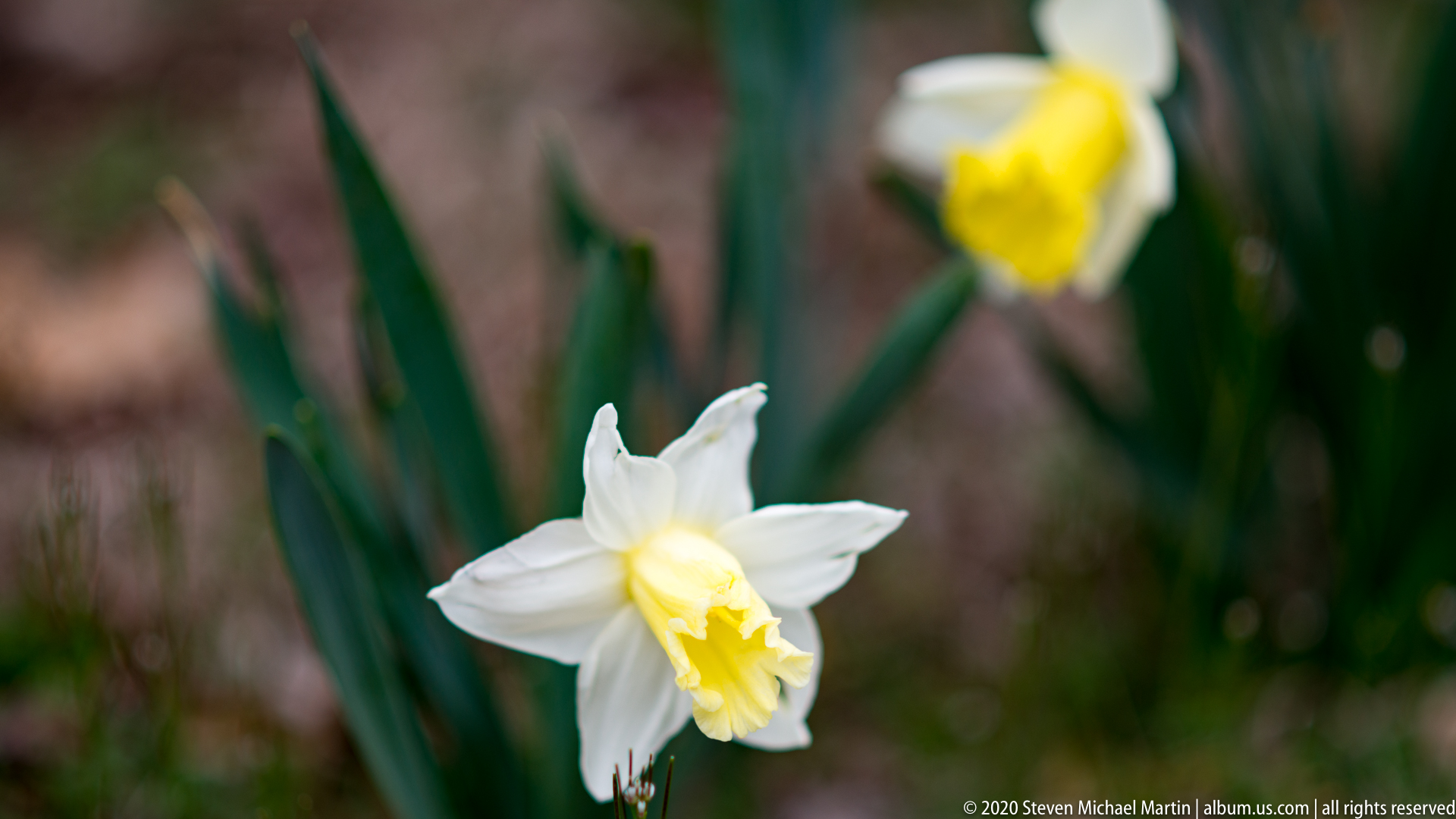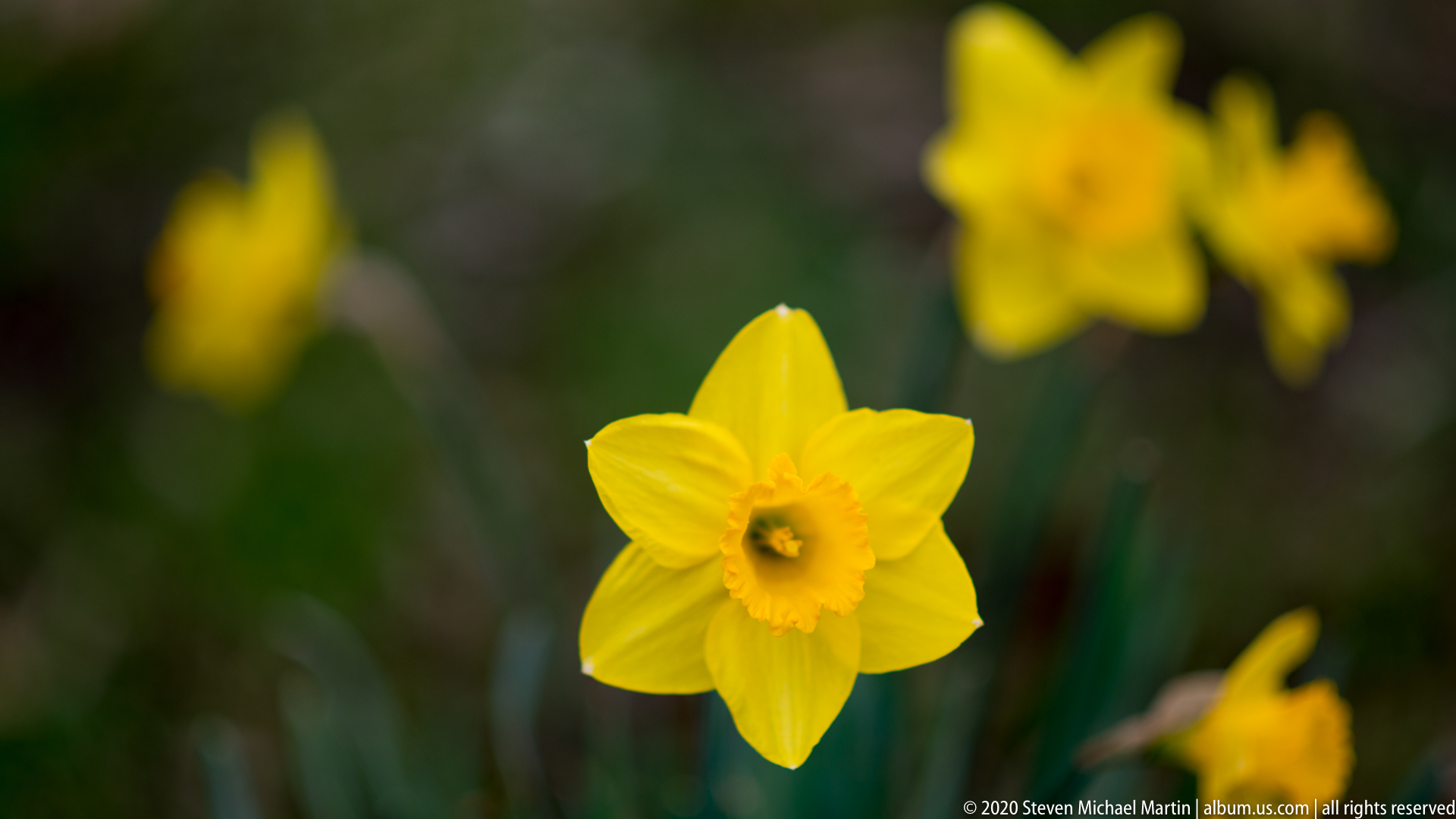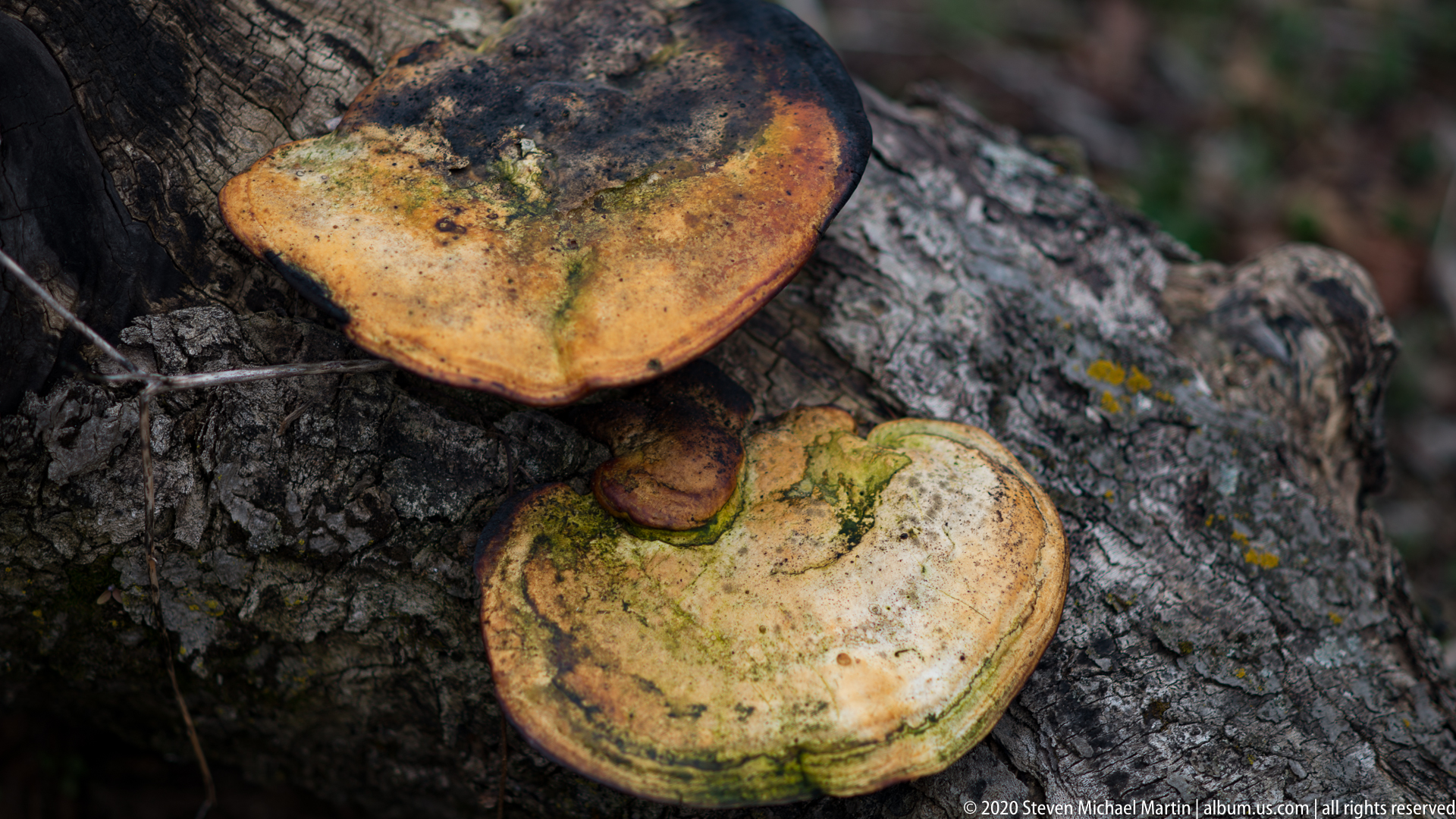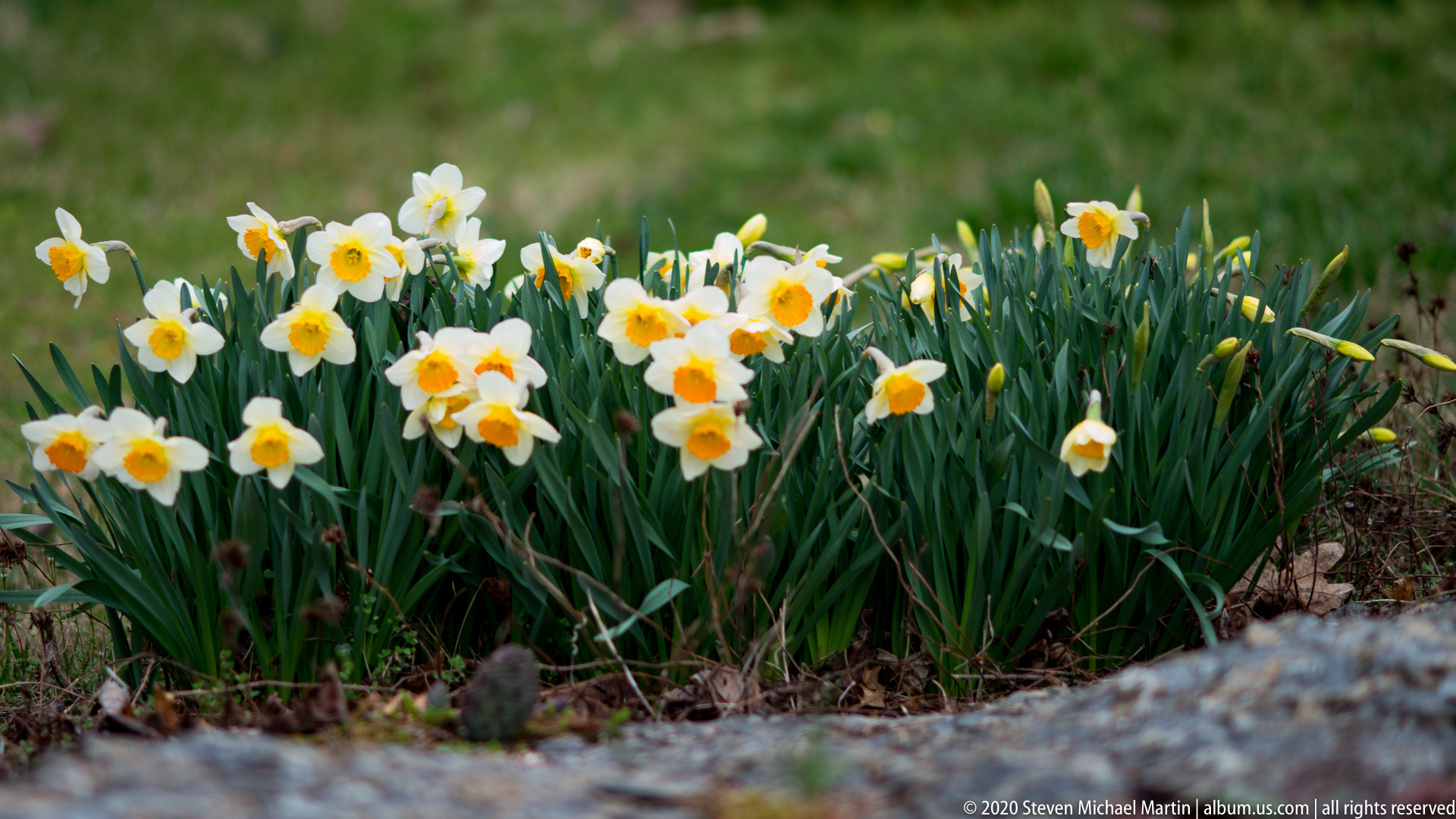
Early to Mid Spring at the Virginia Arboretum
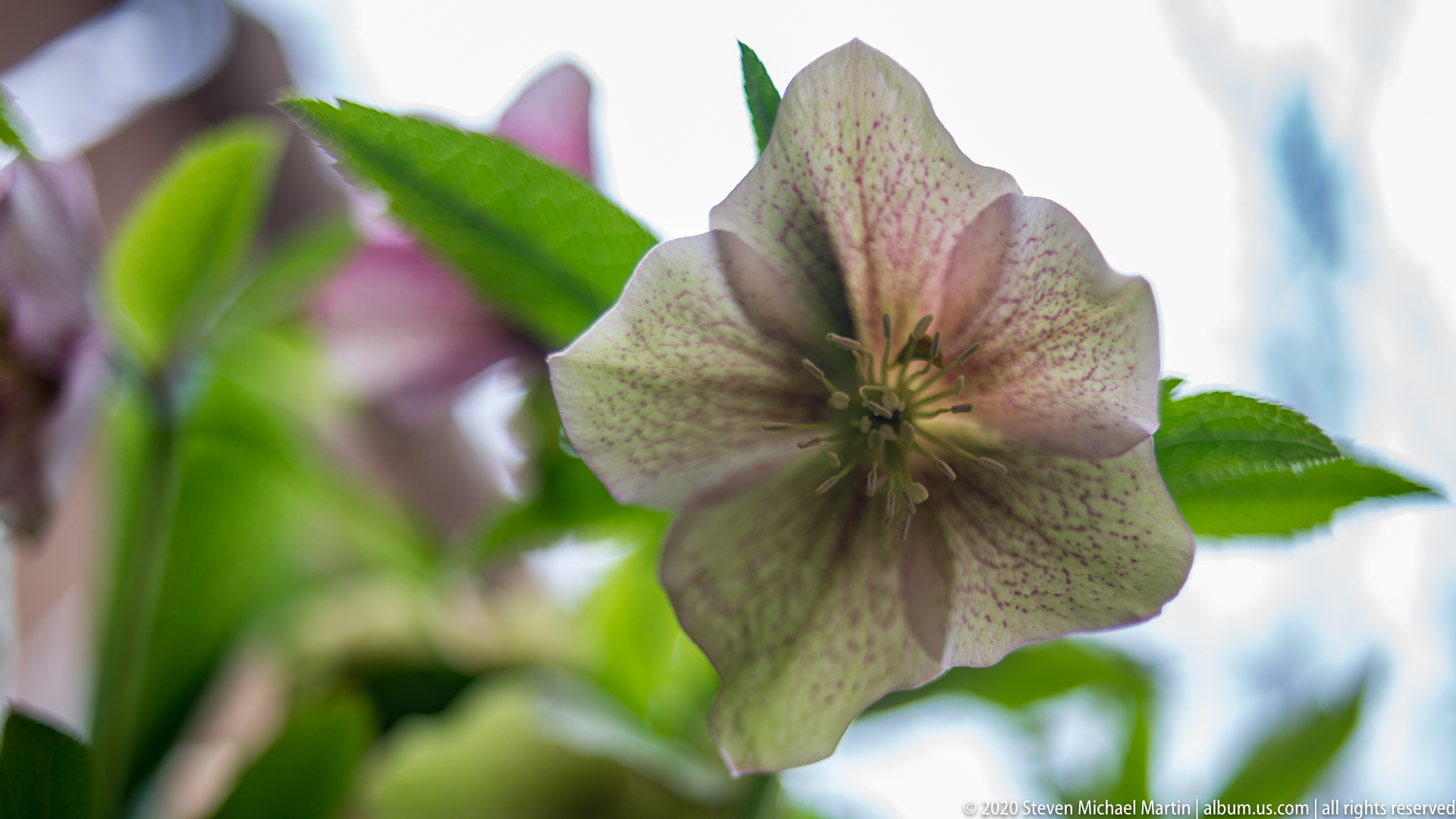
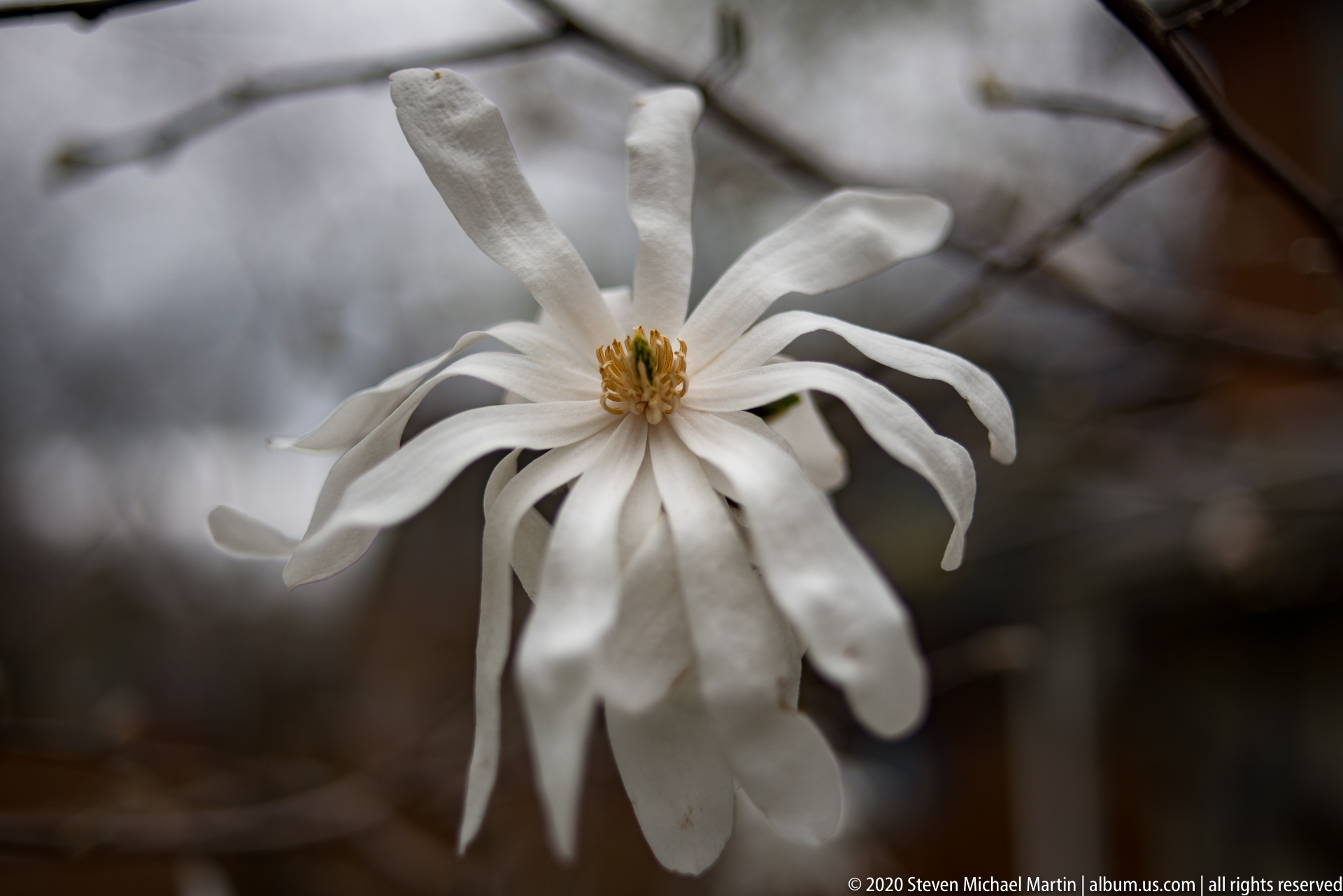
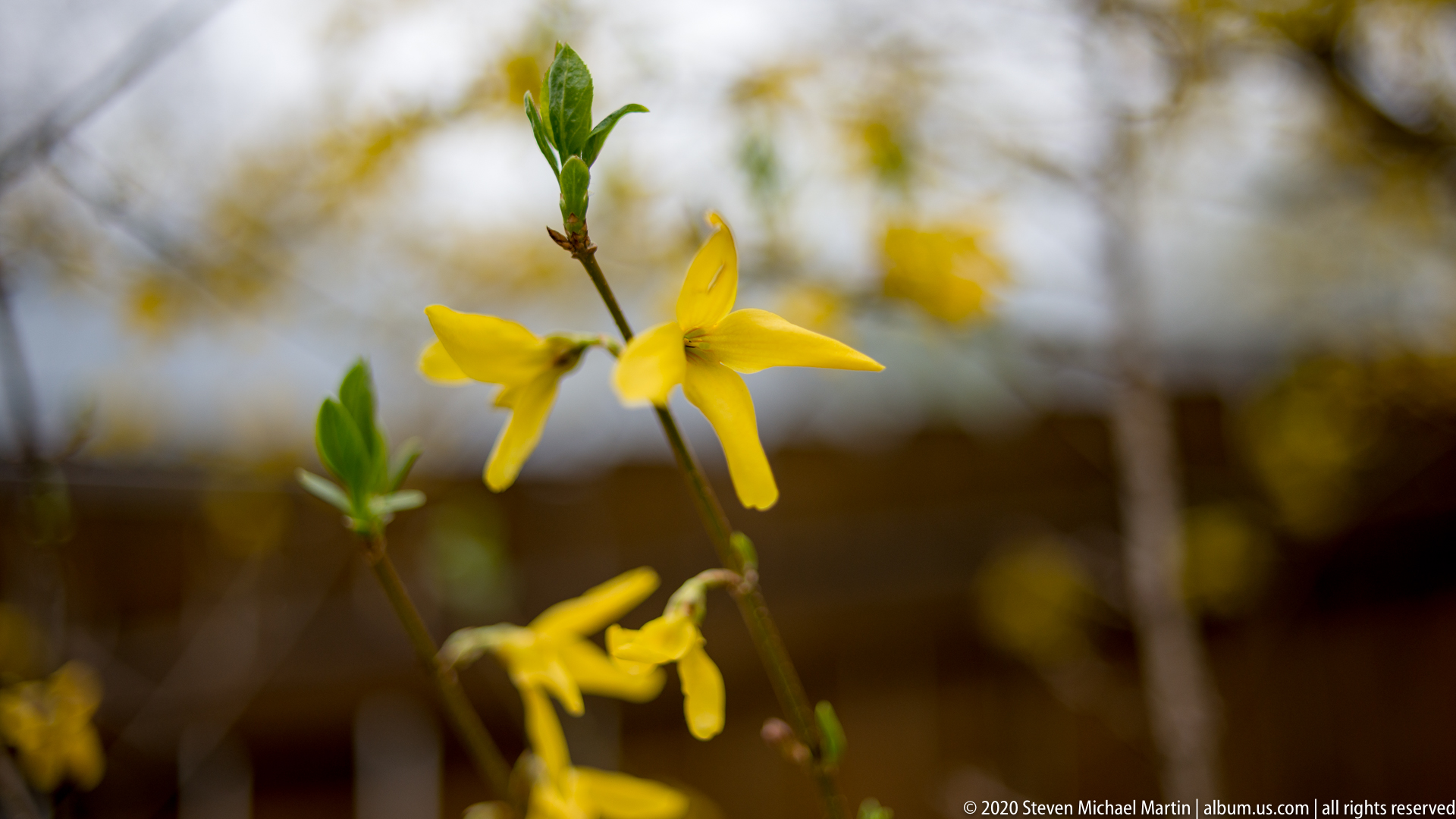
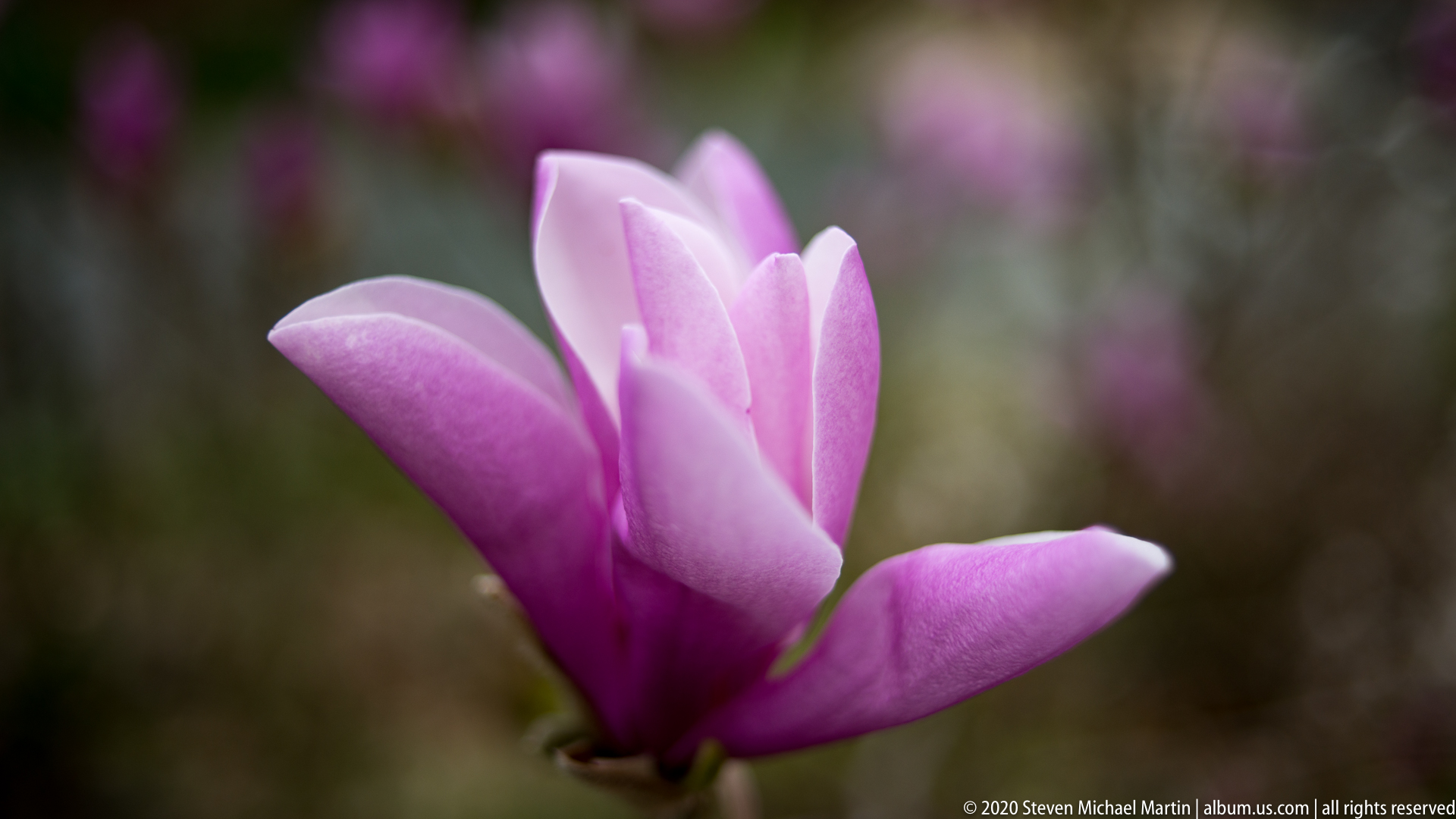
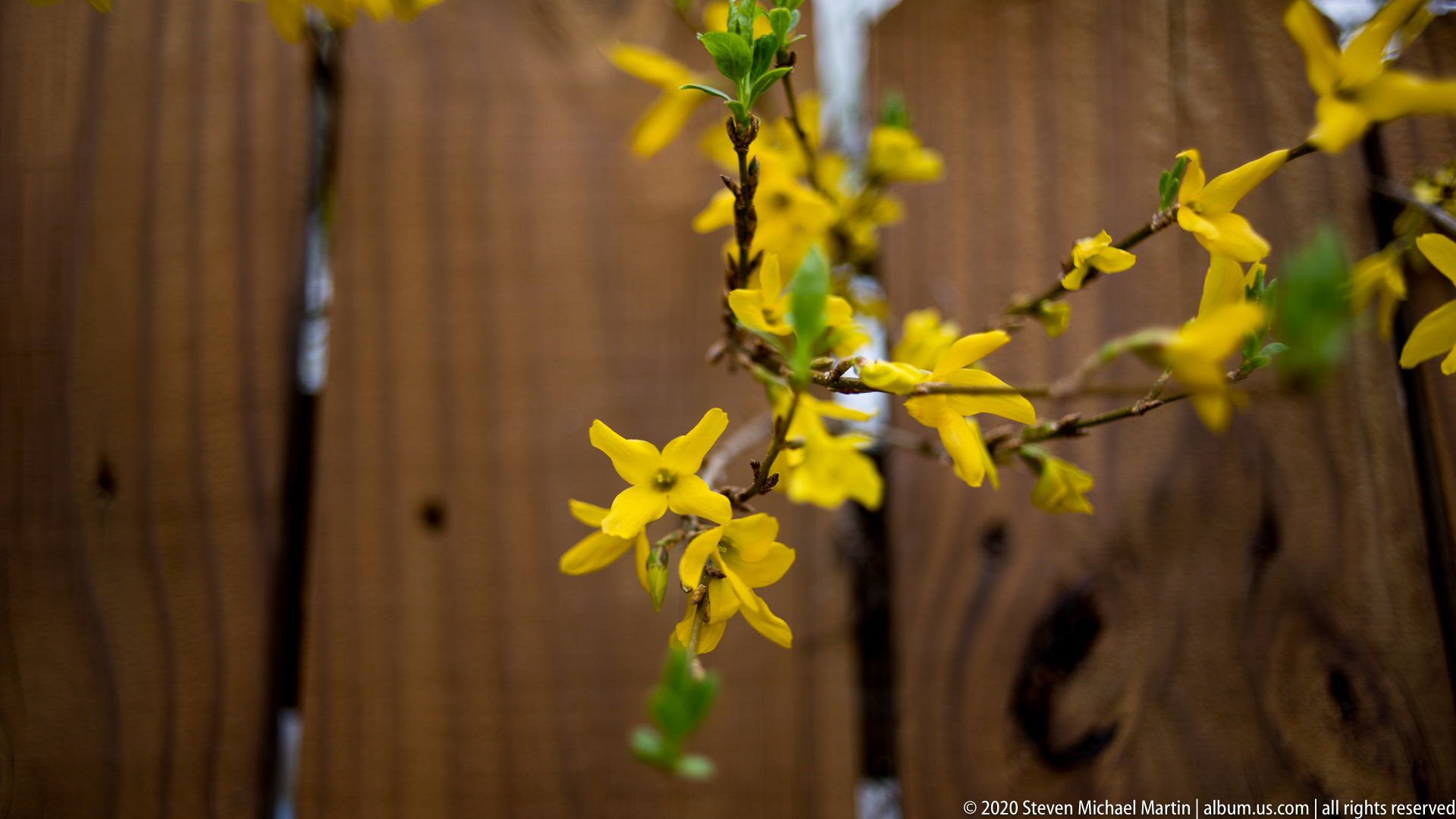
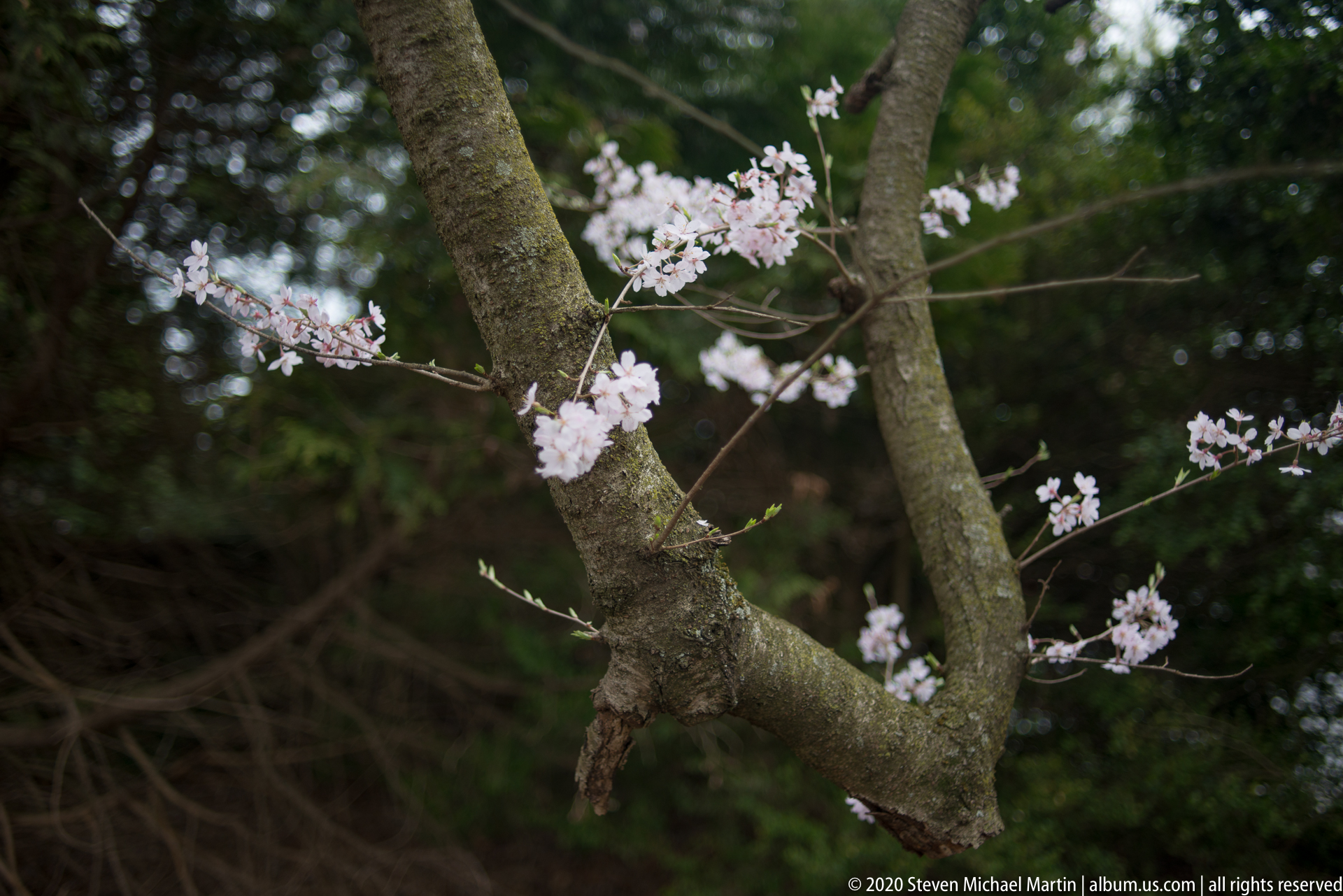
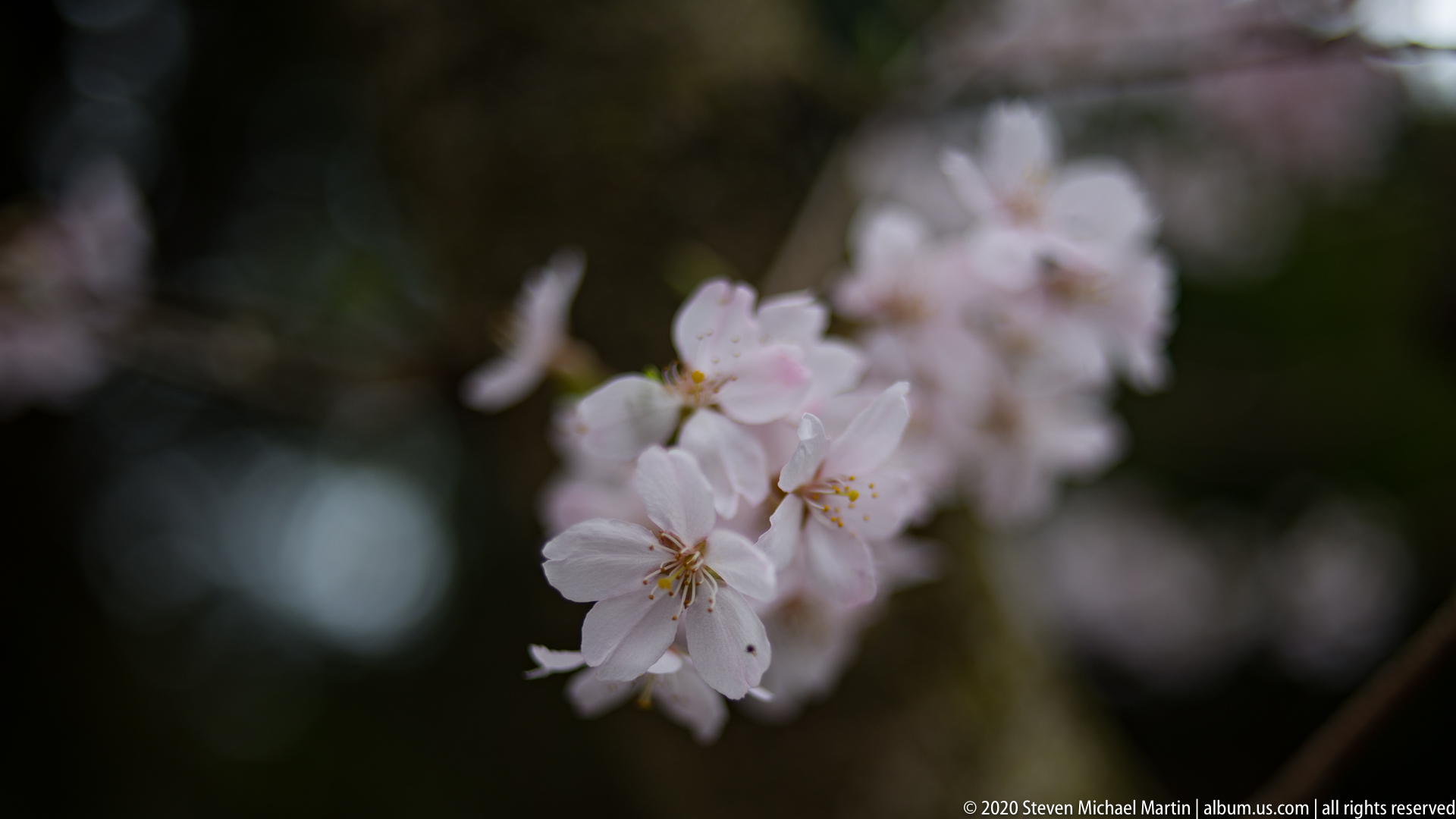
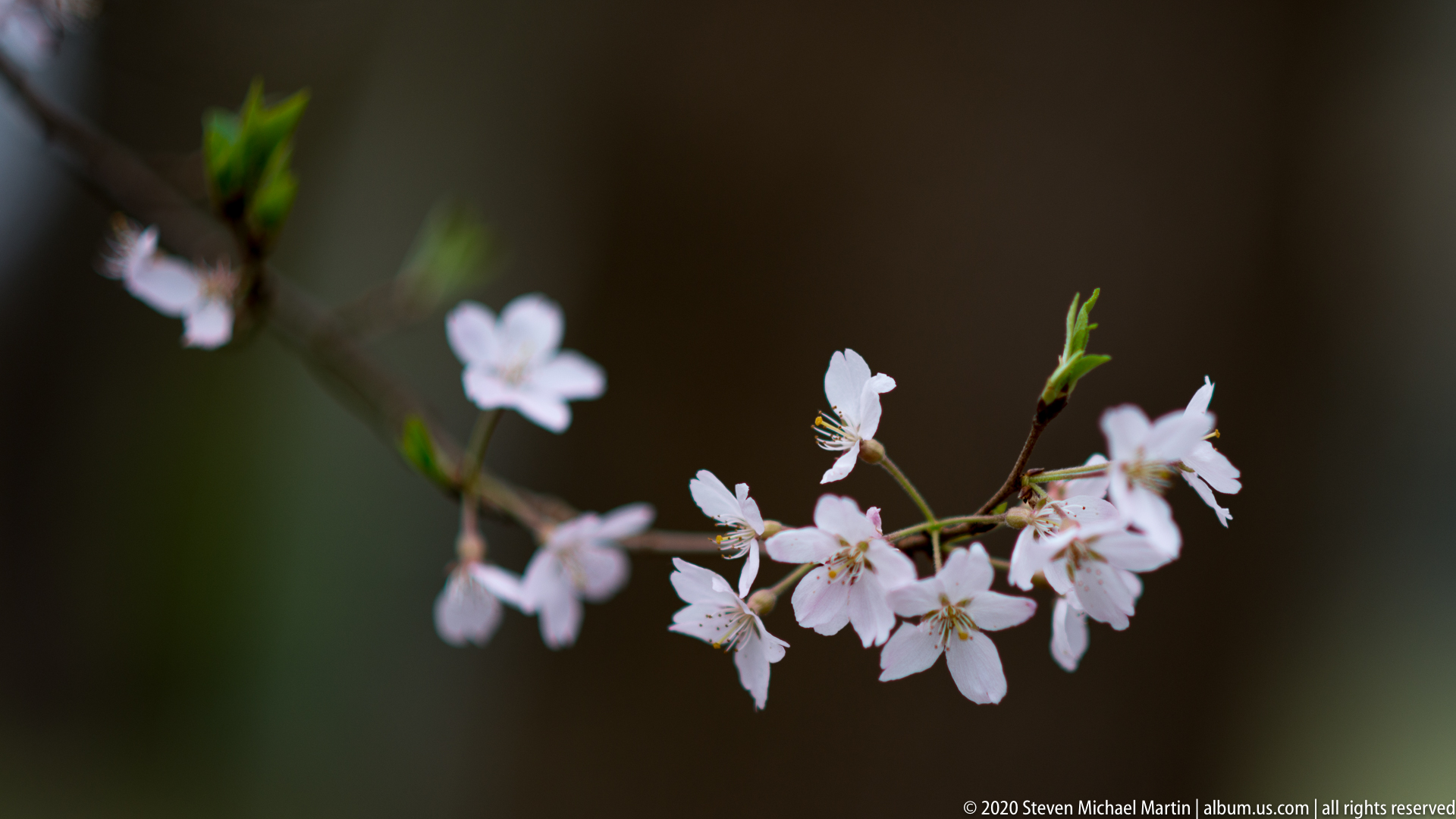
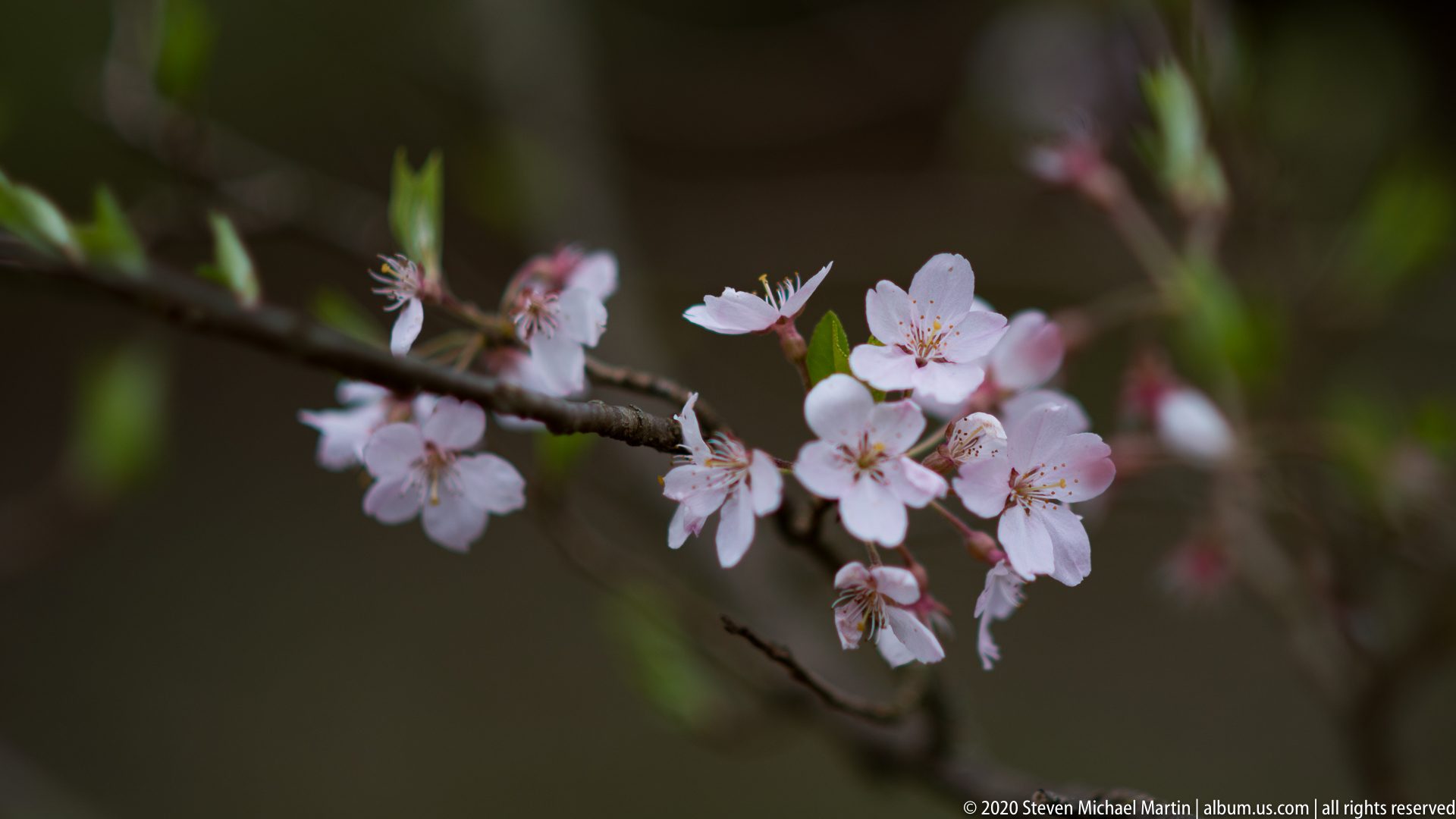
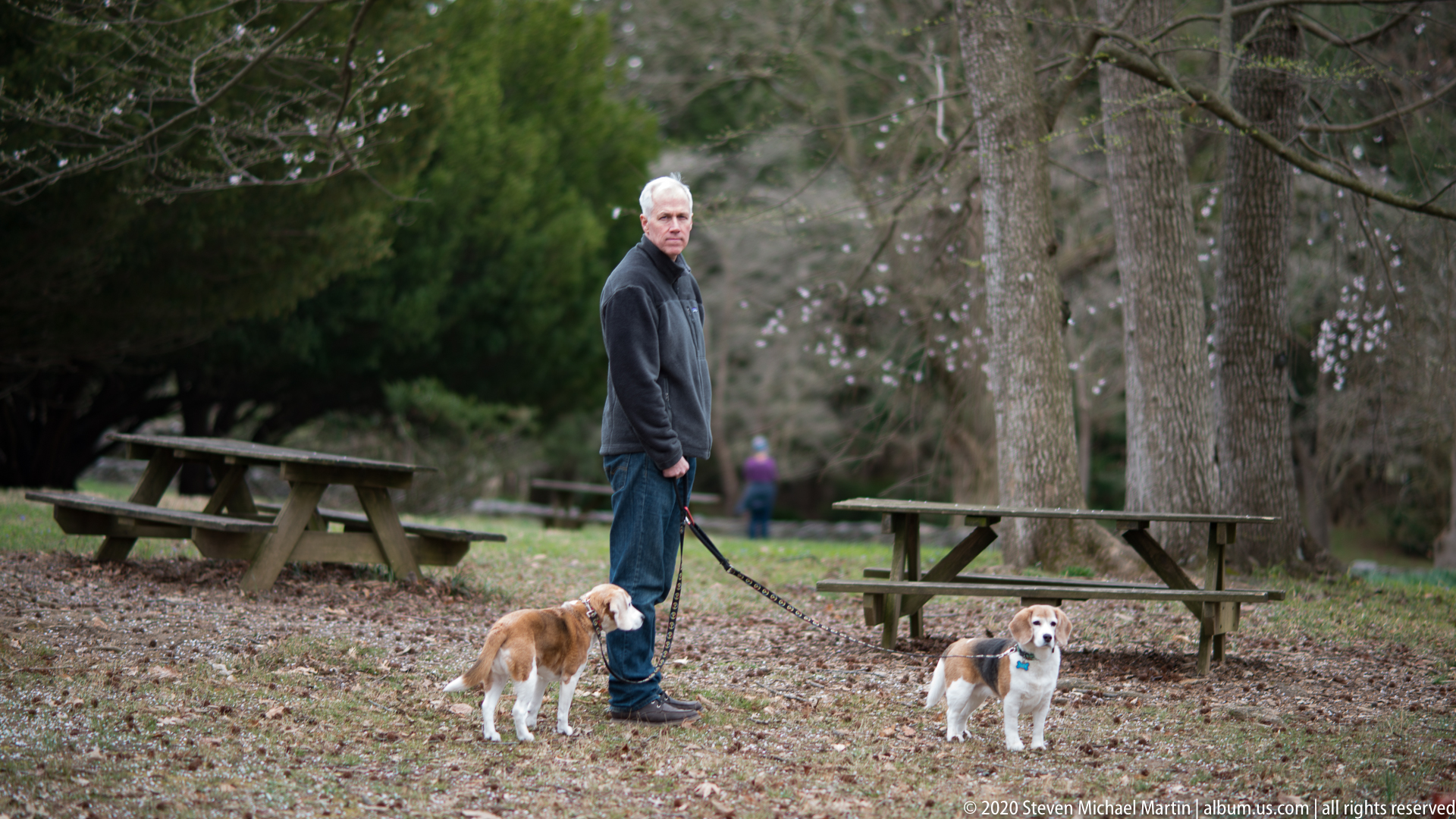
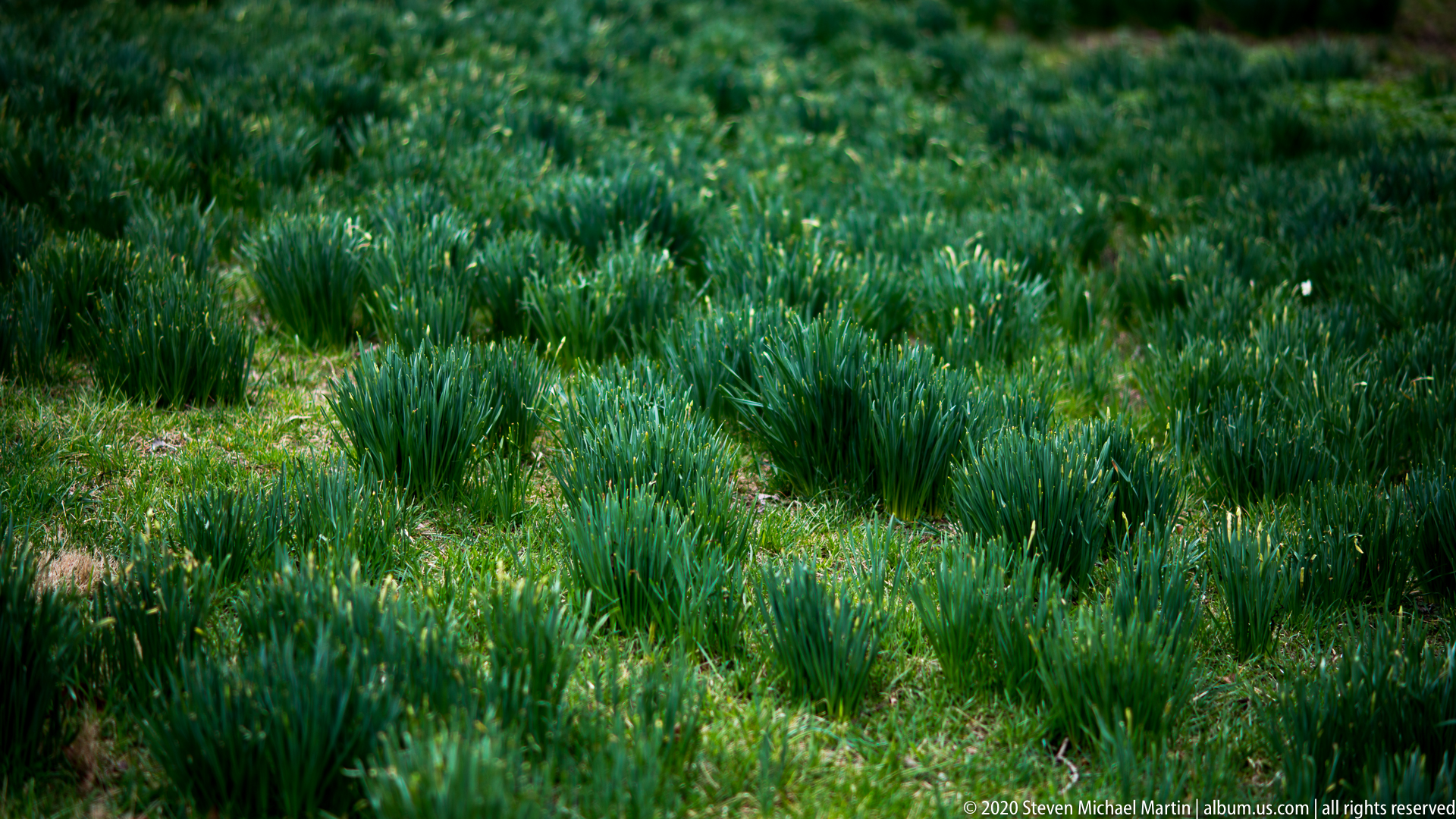
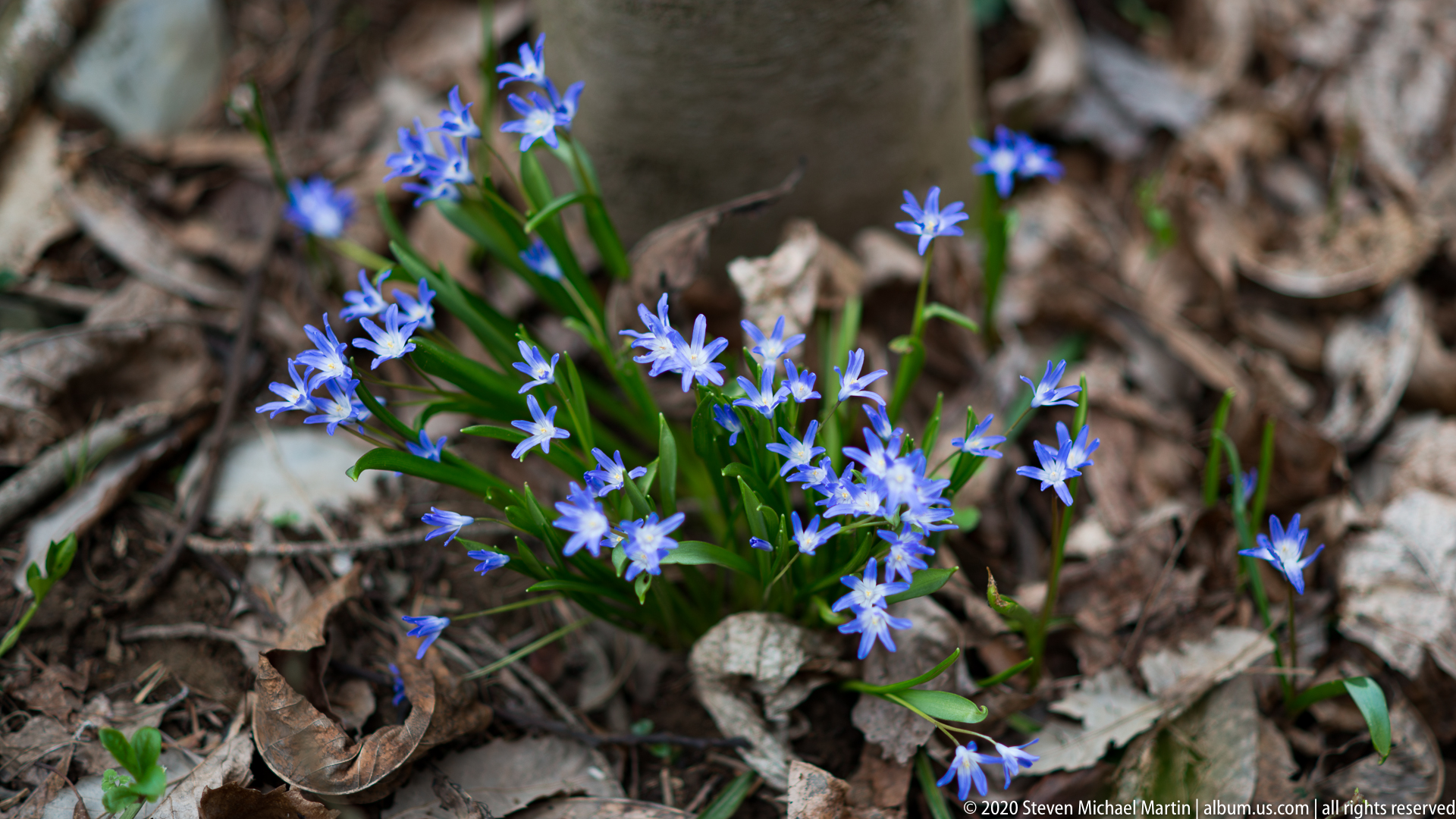
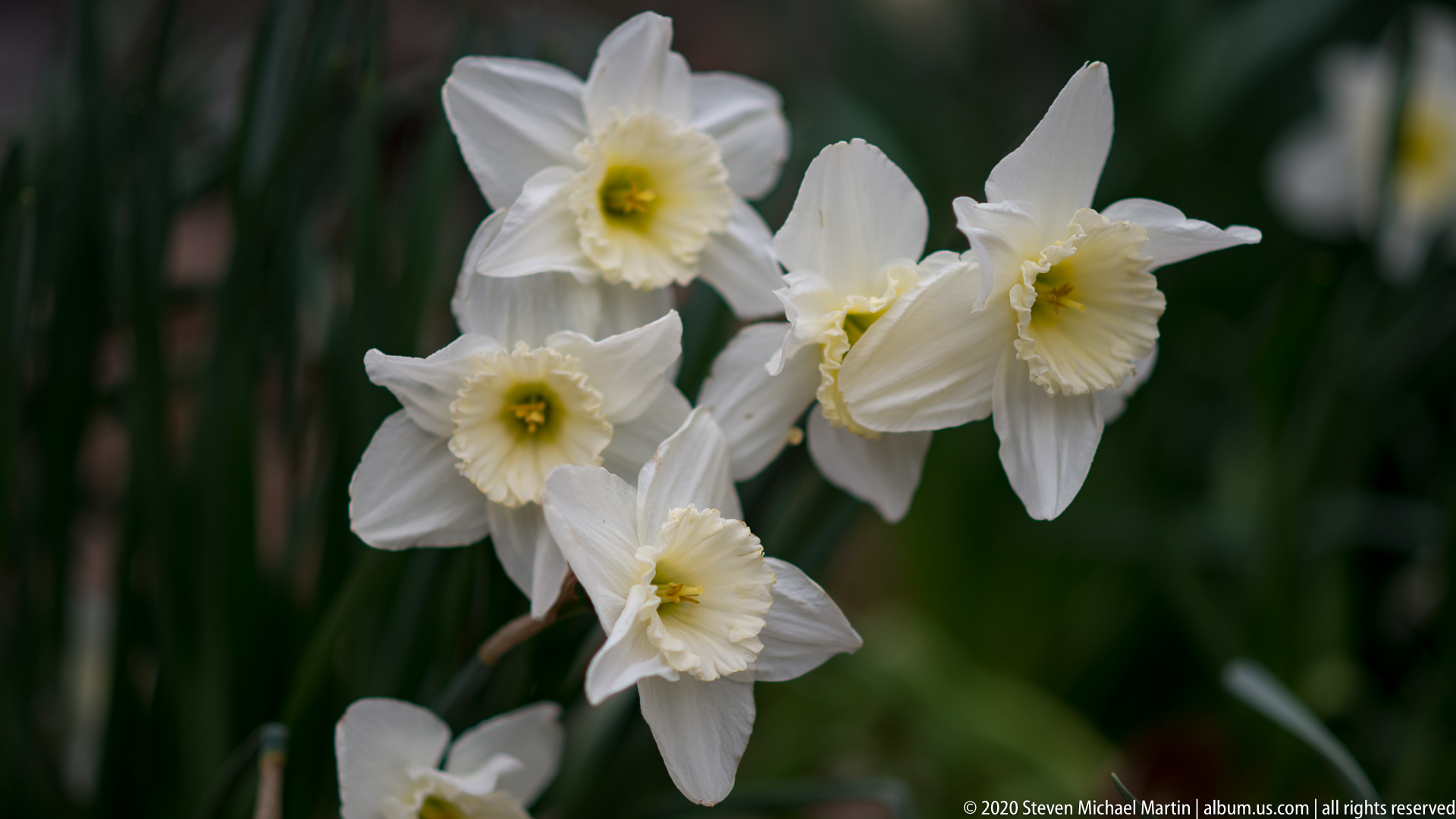
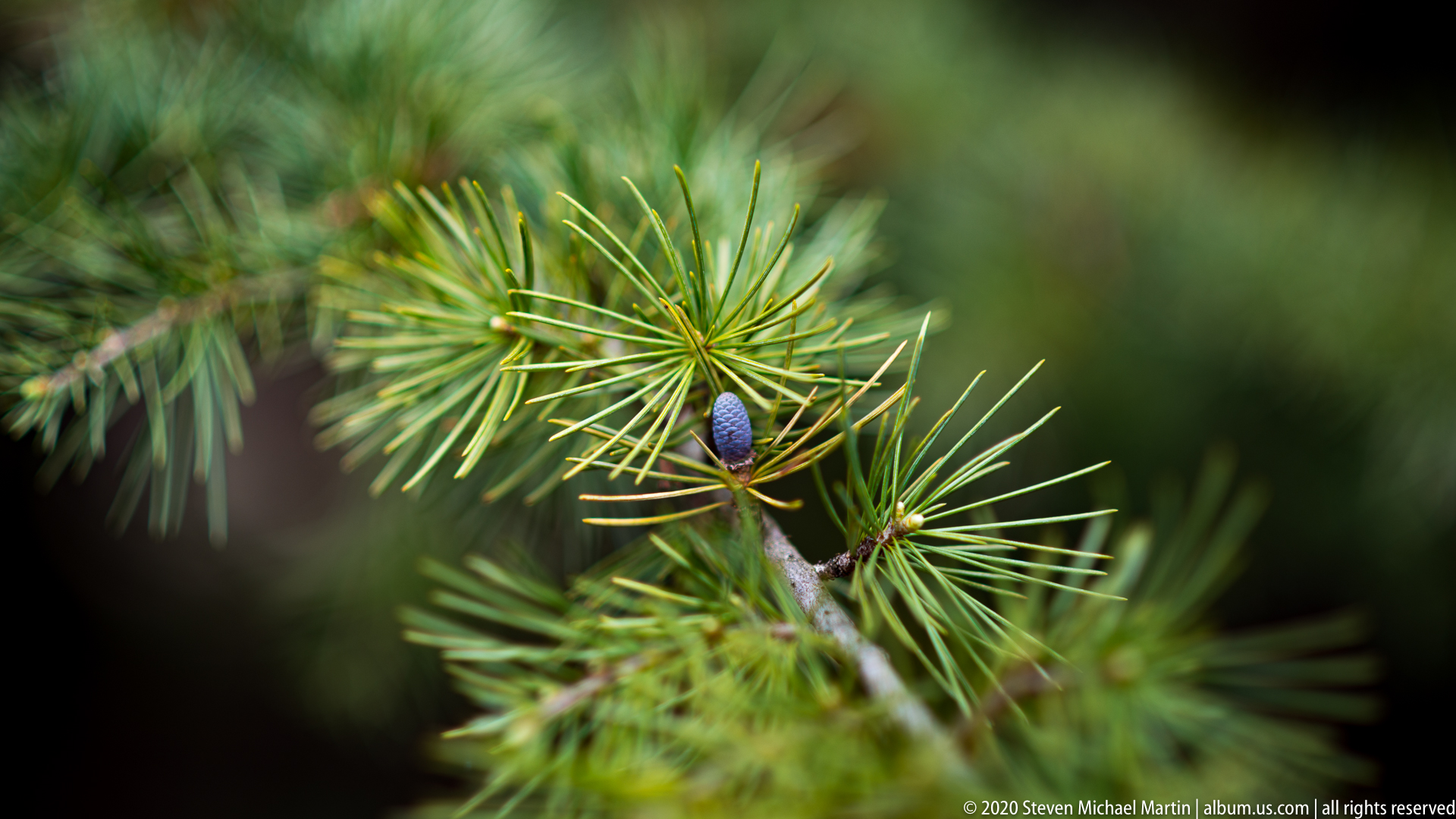
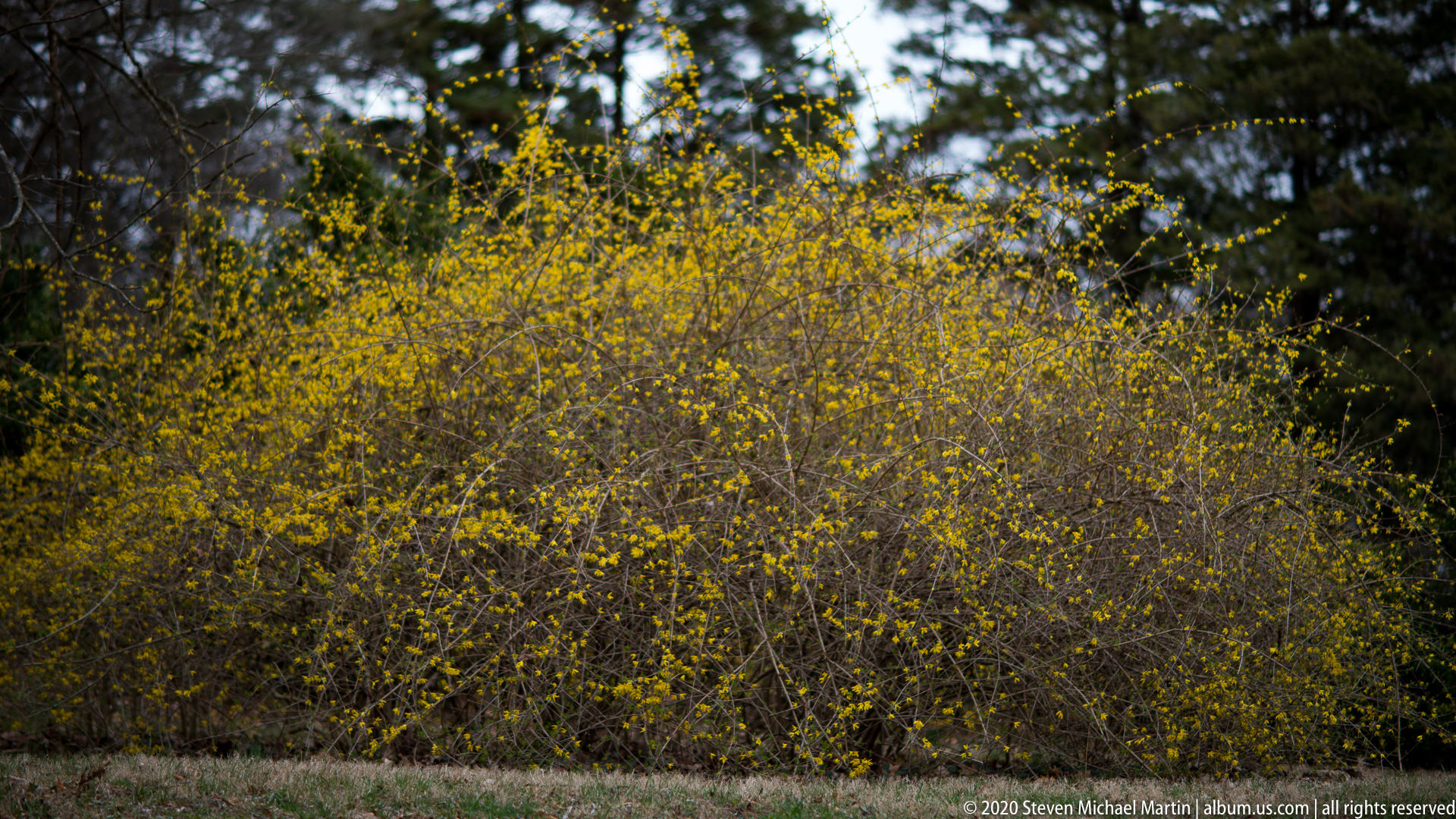
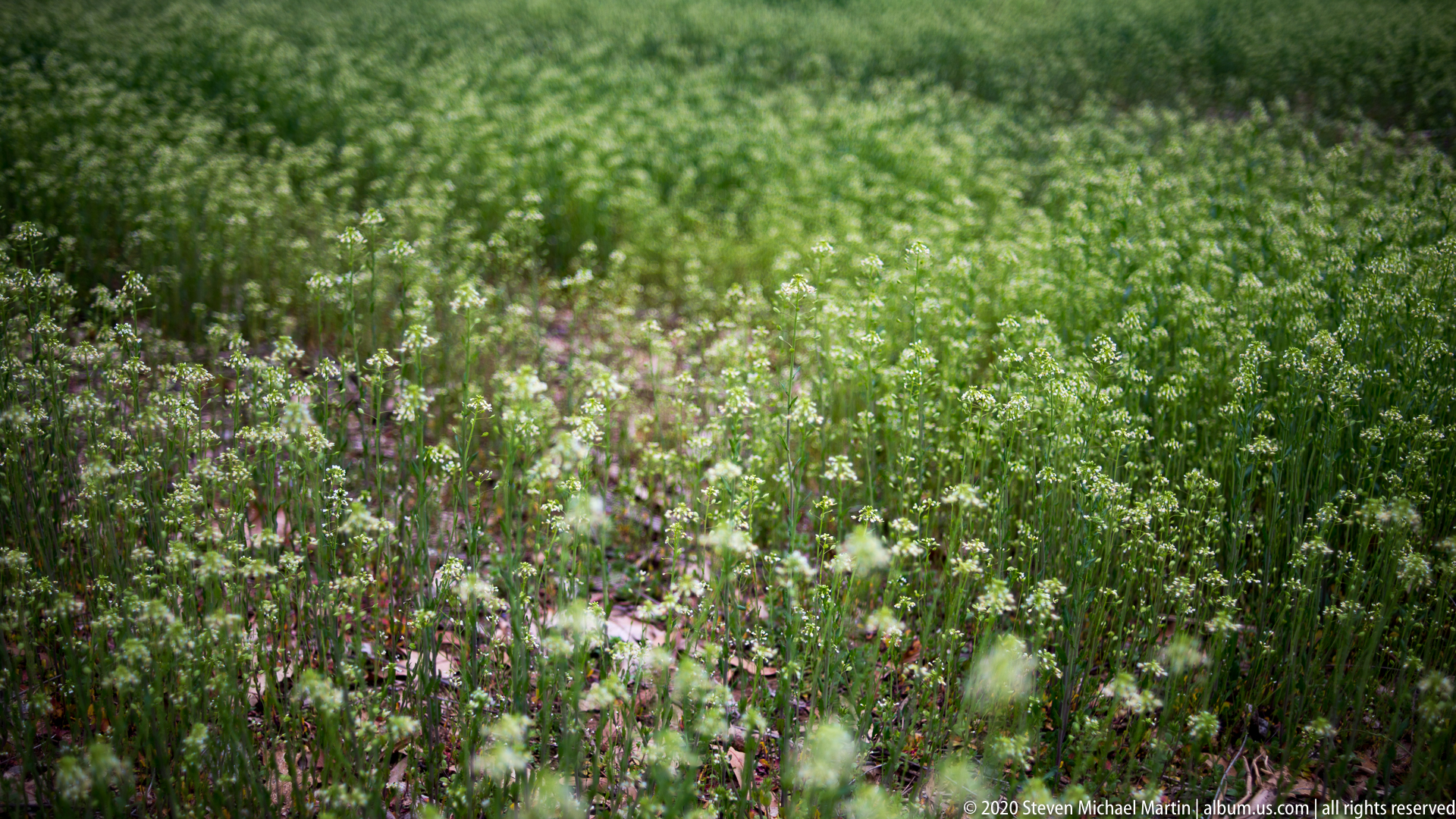
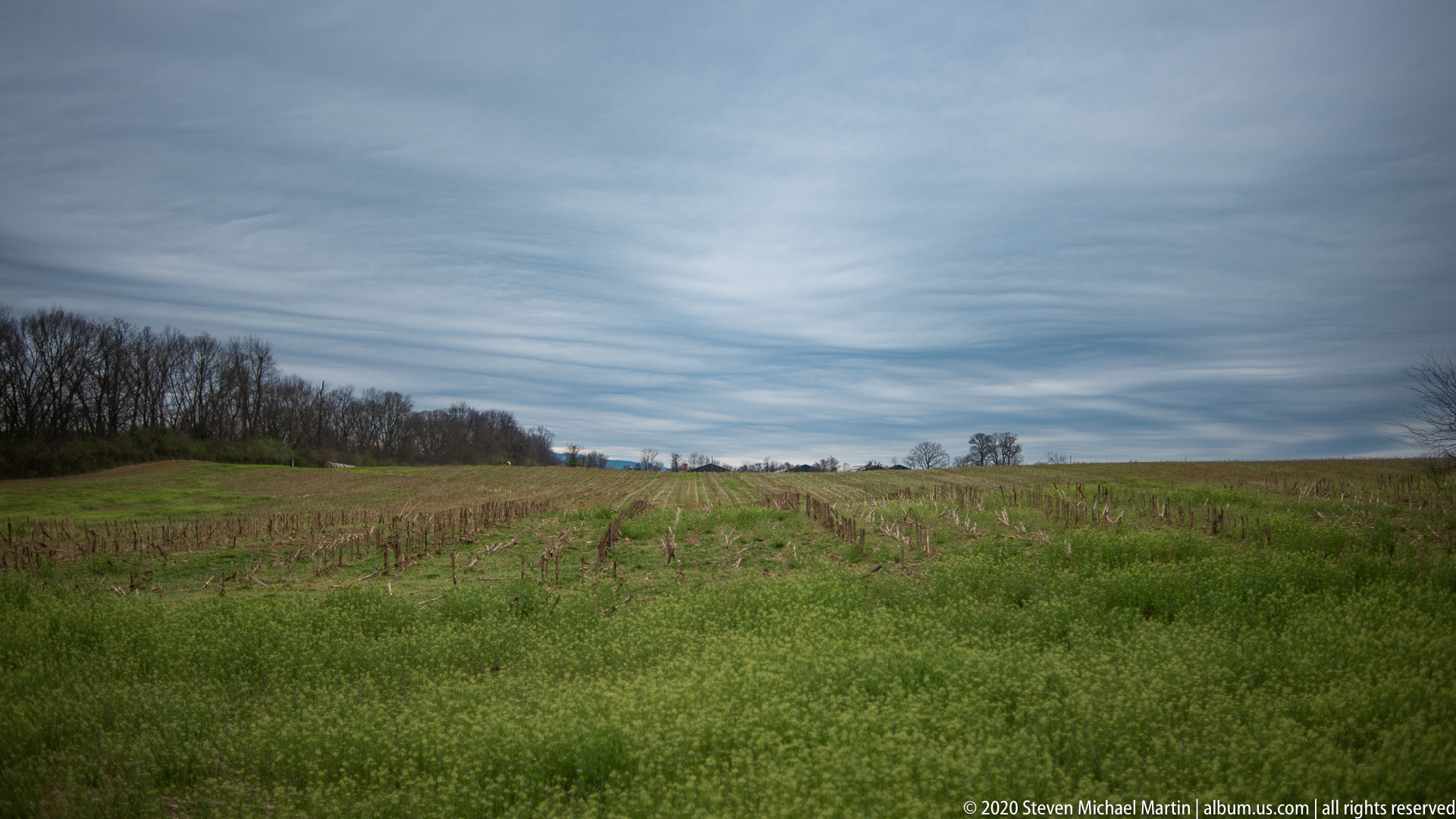
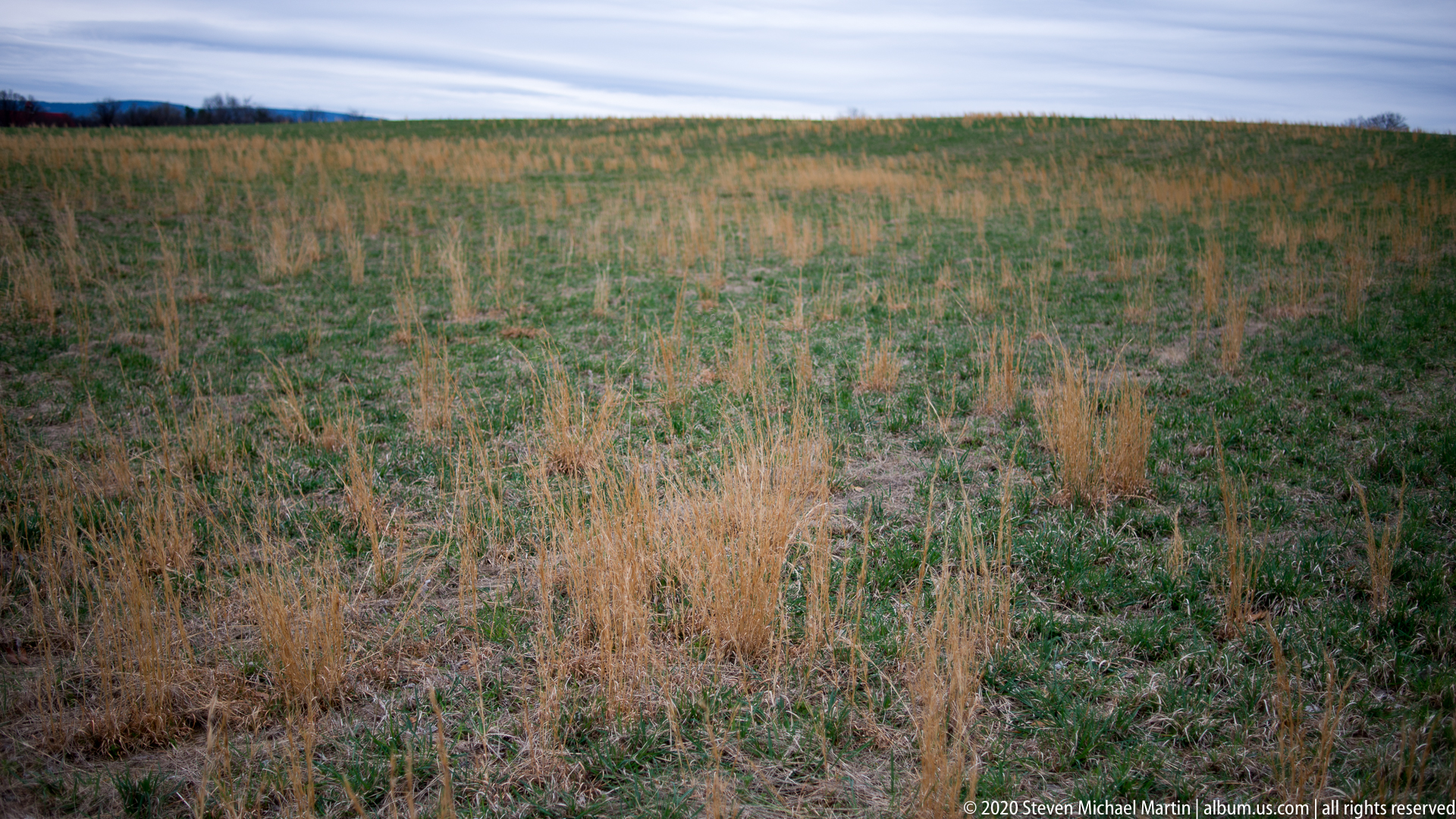
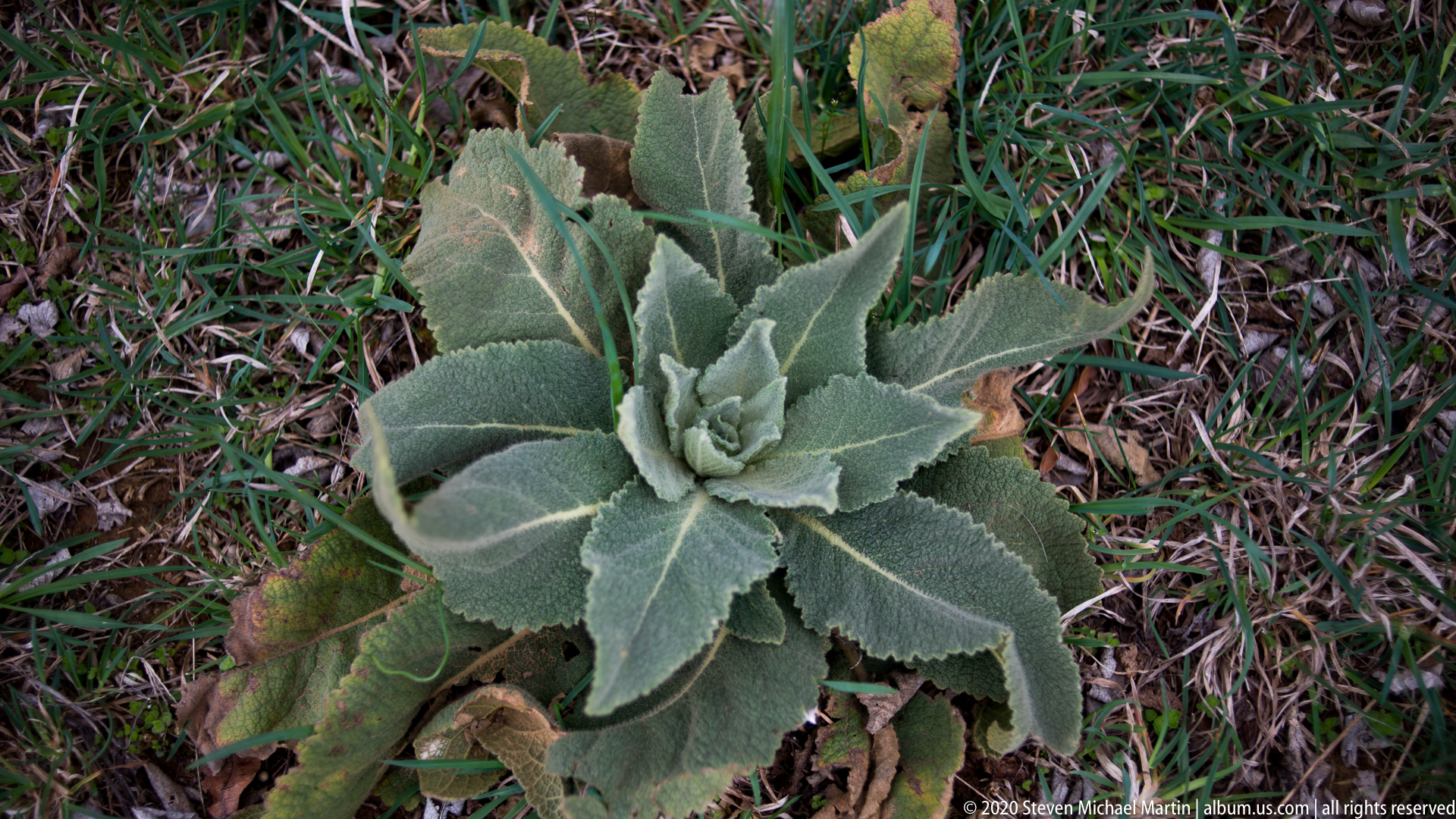
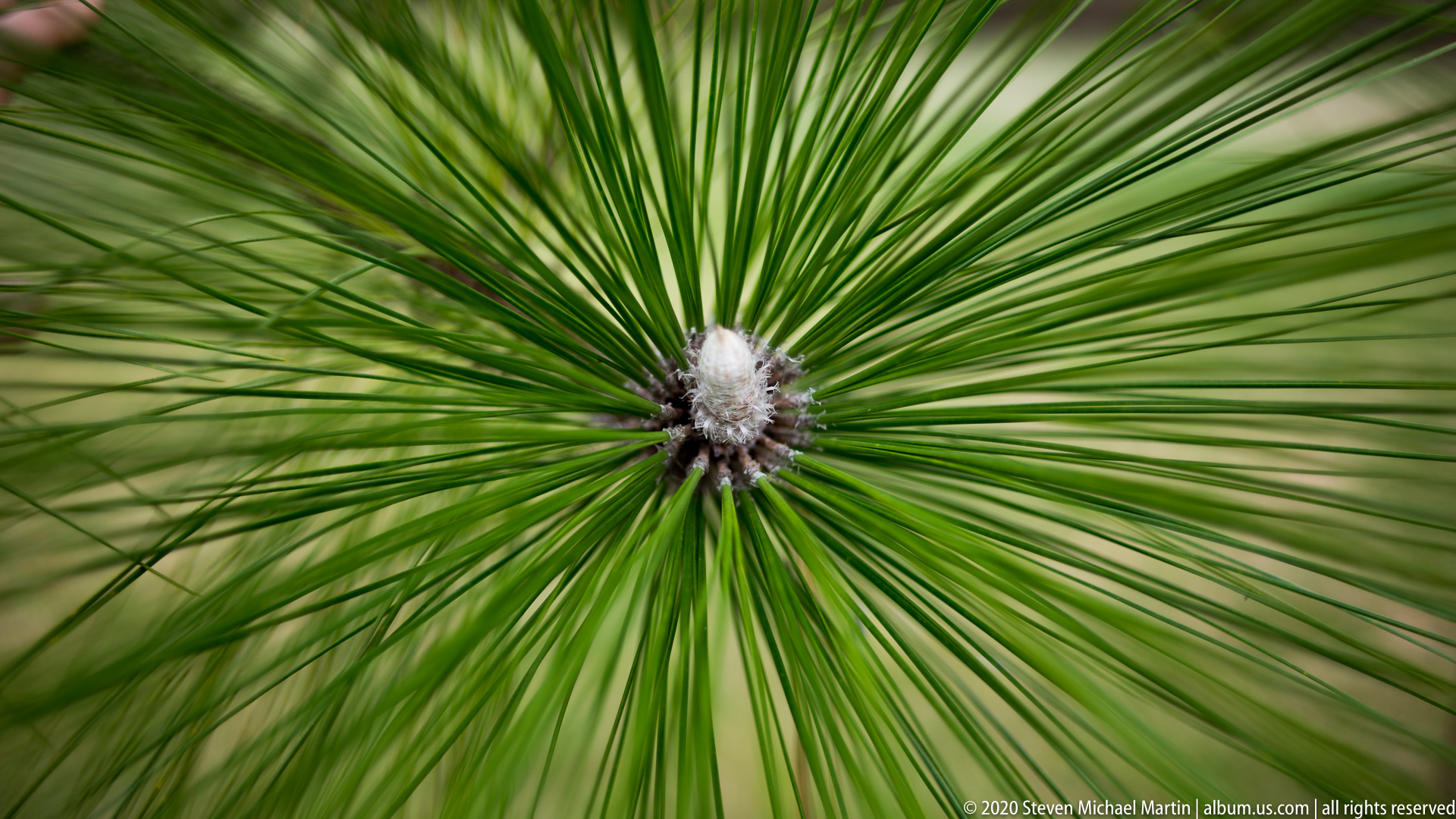
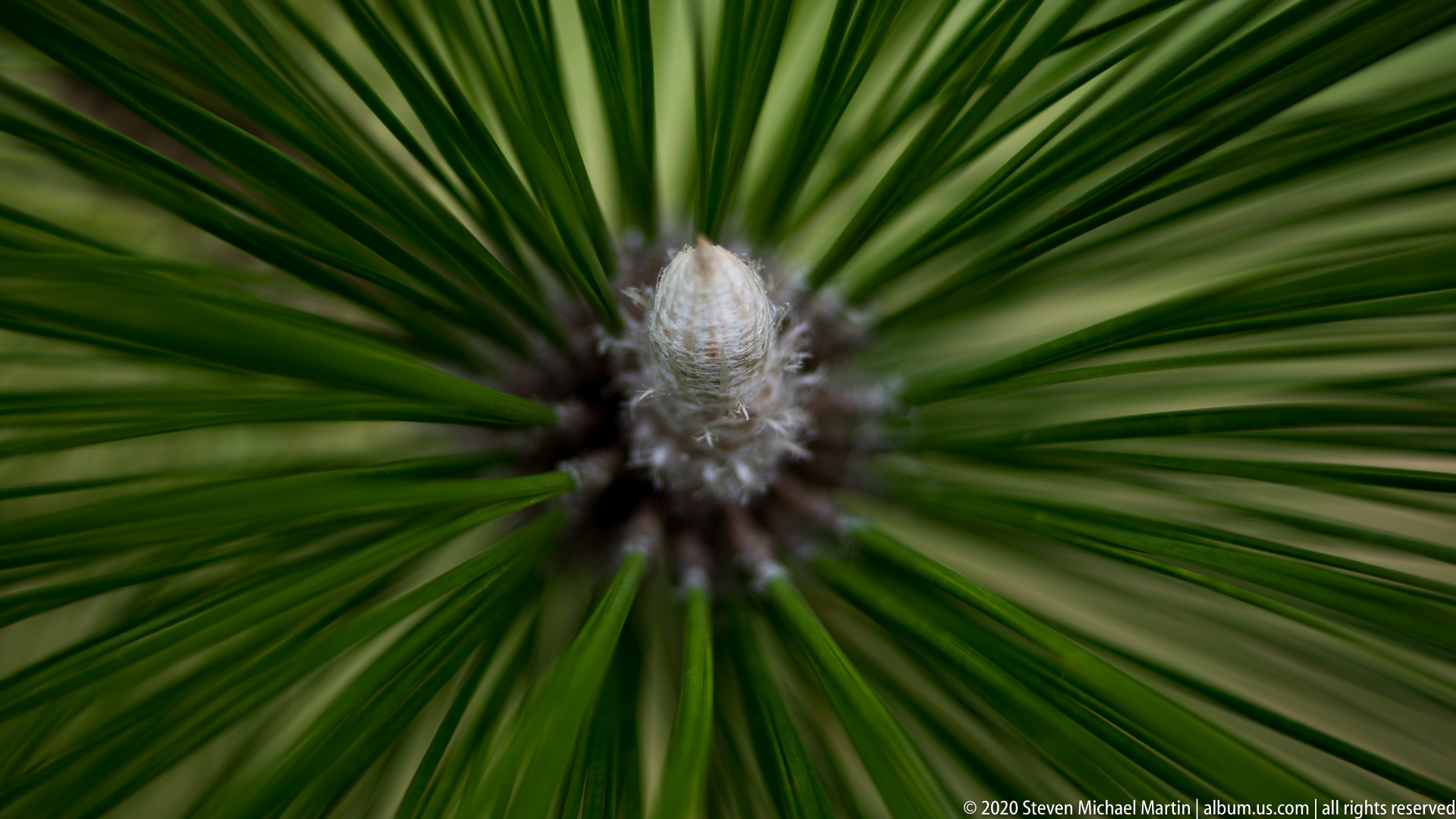
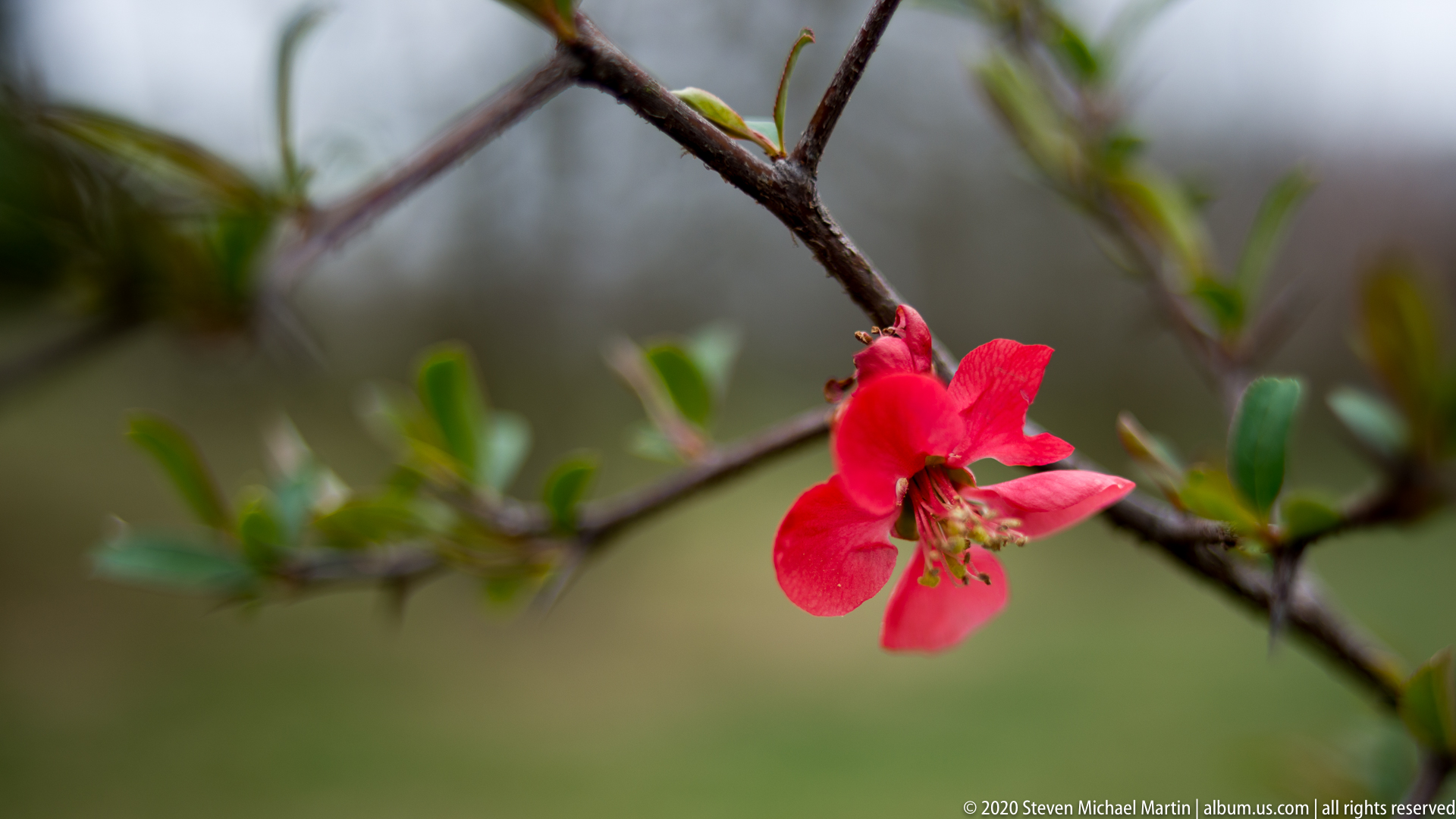
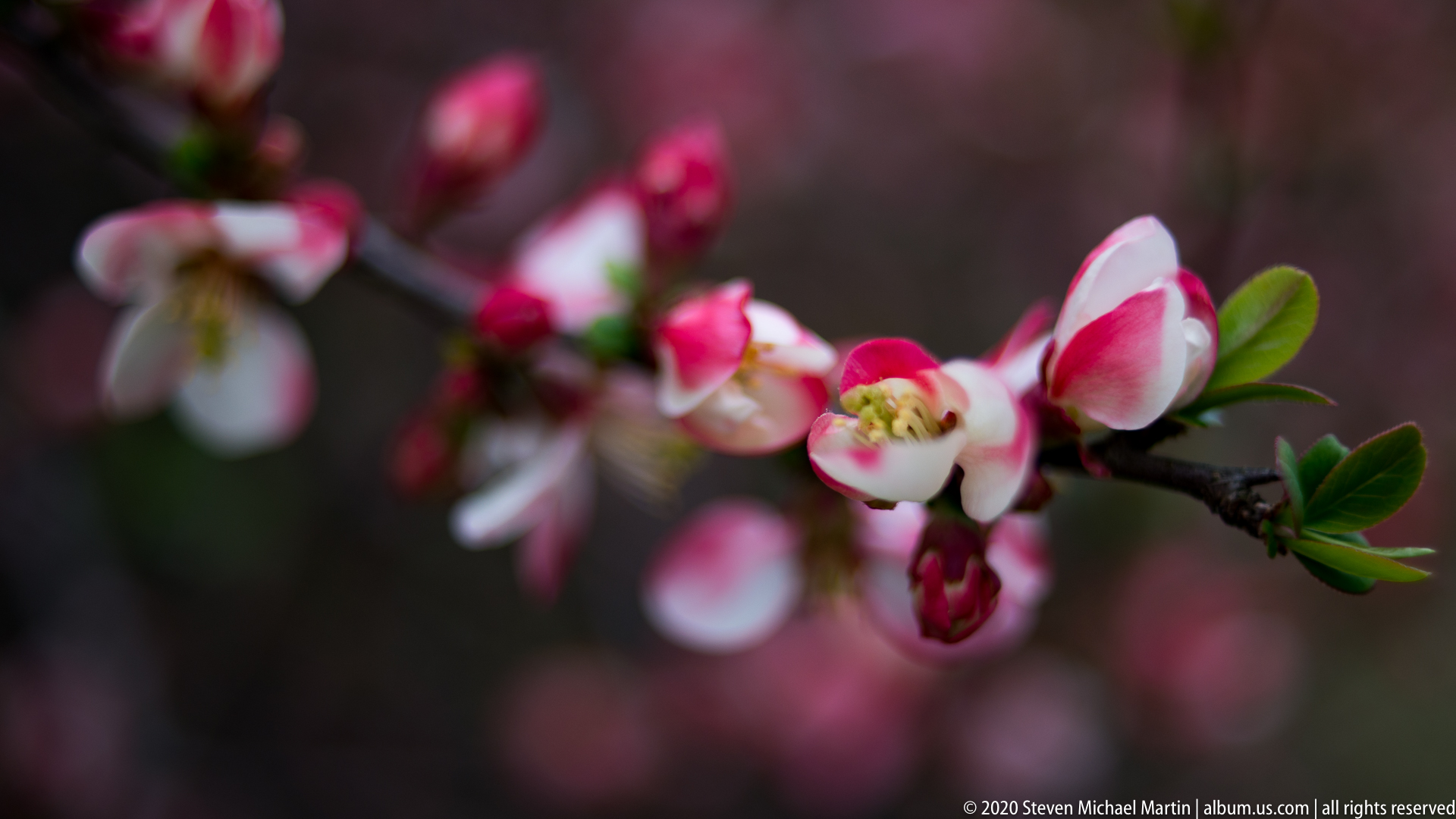
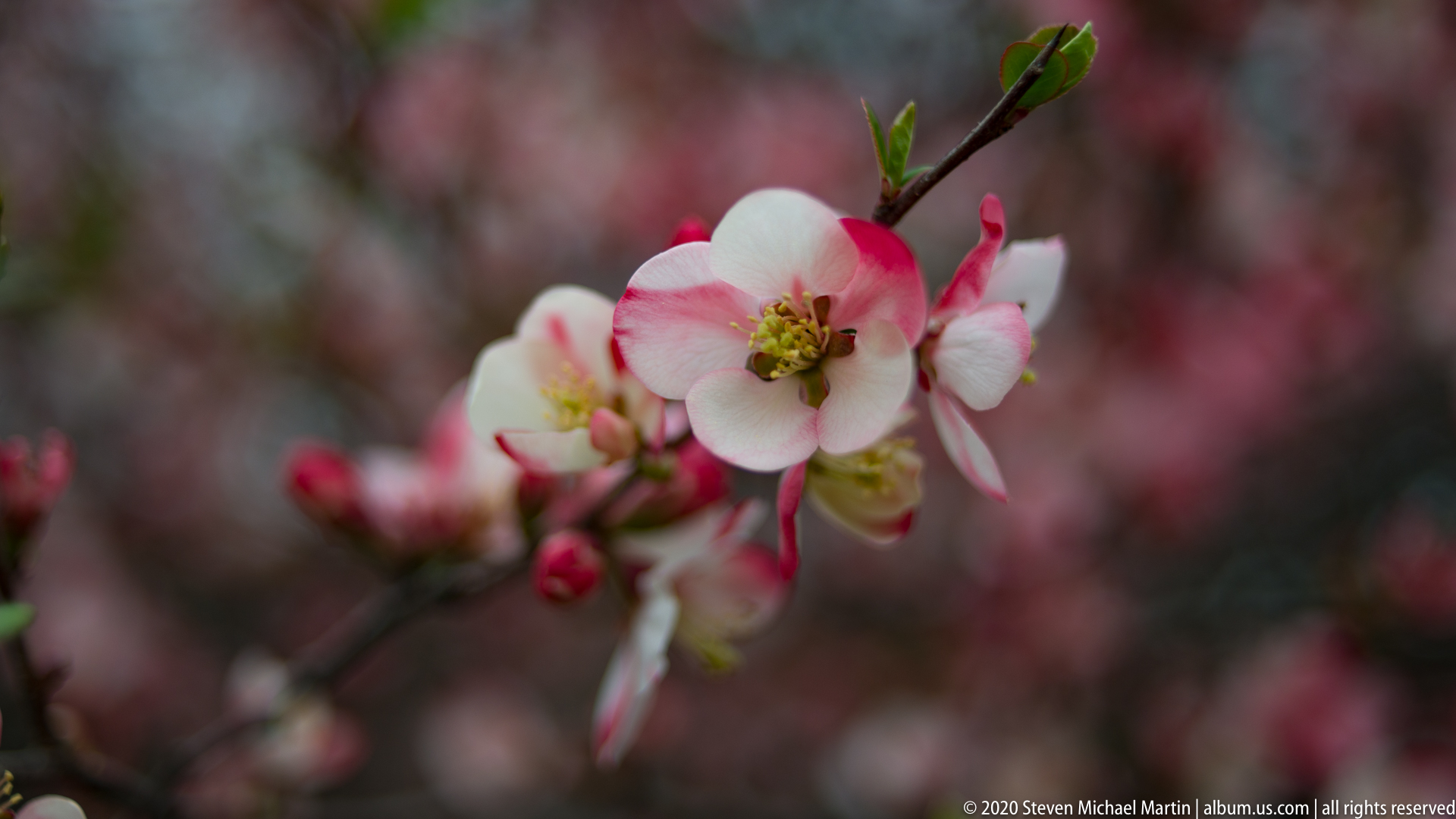
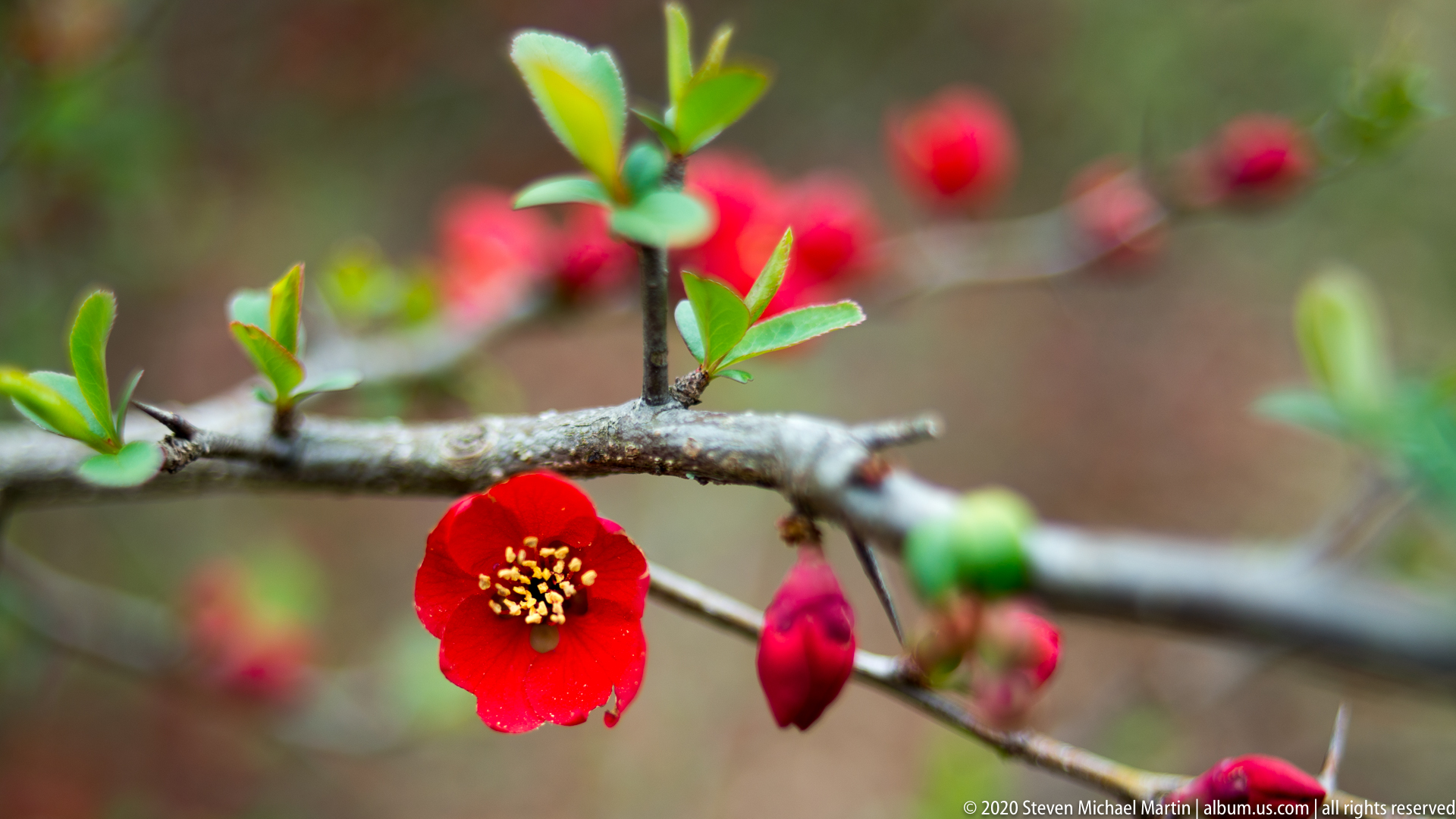
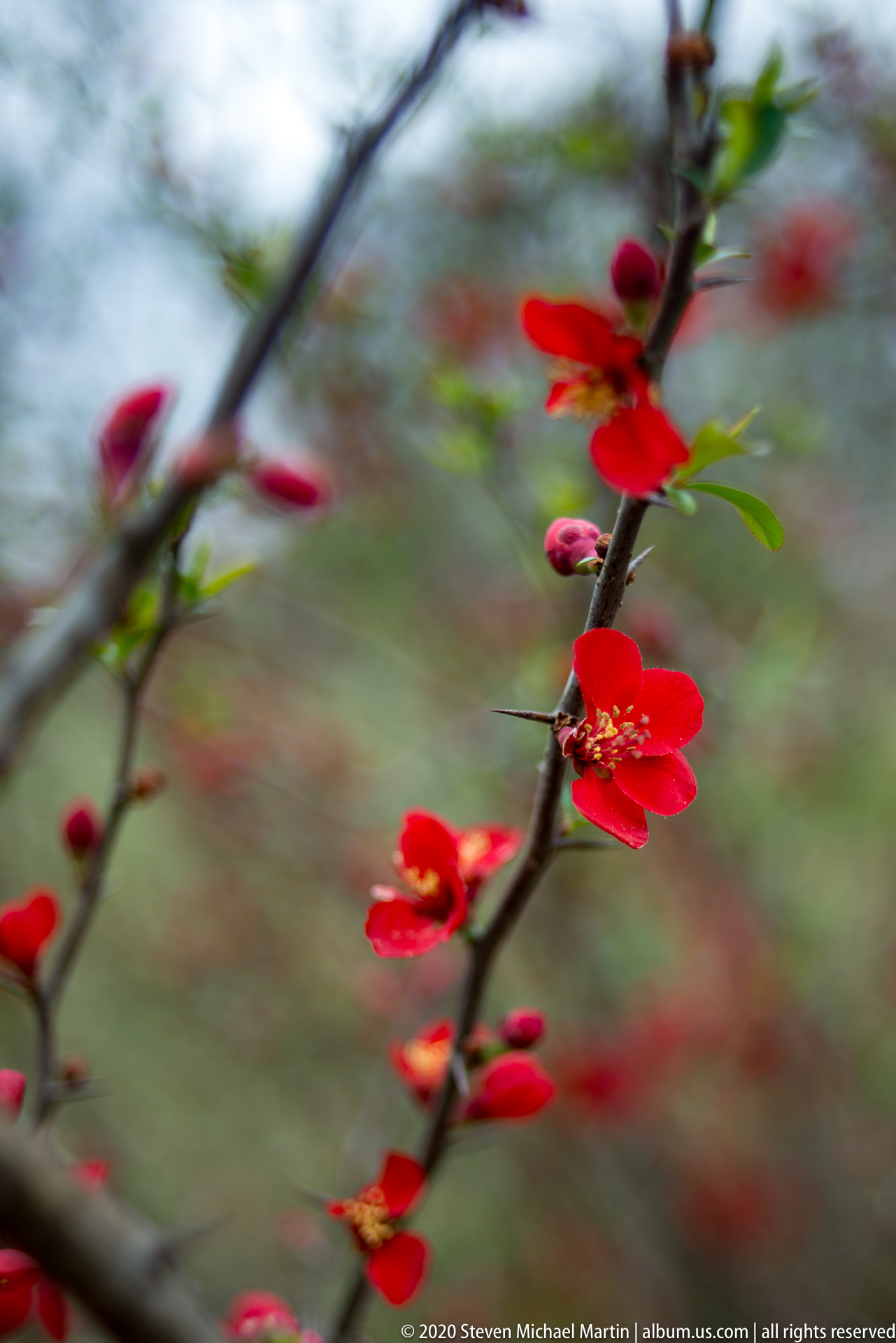
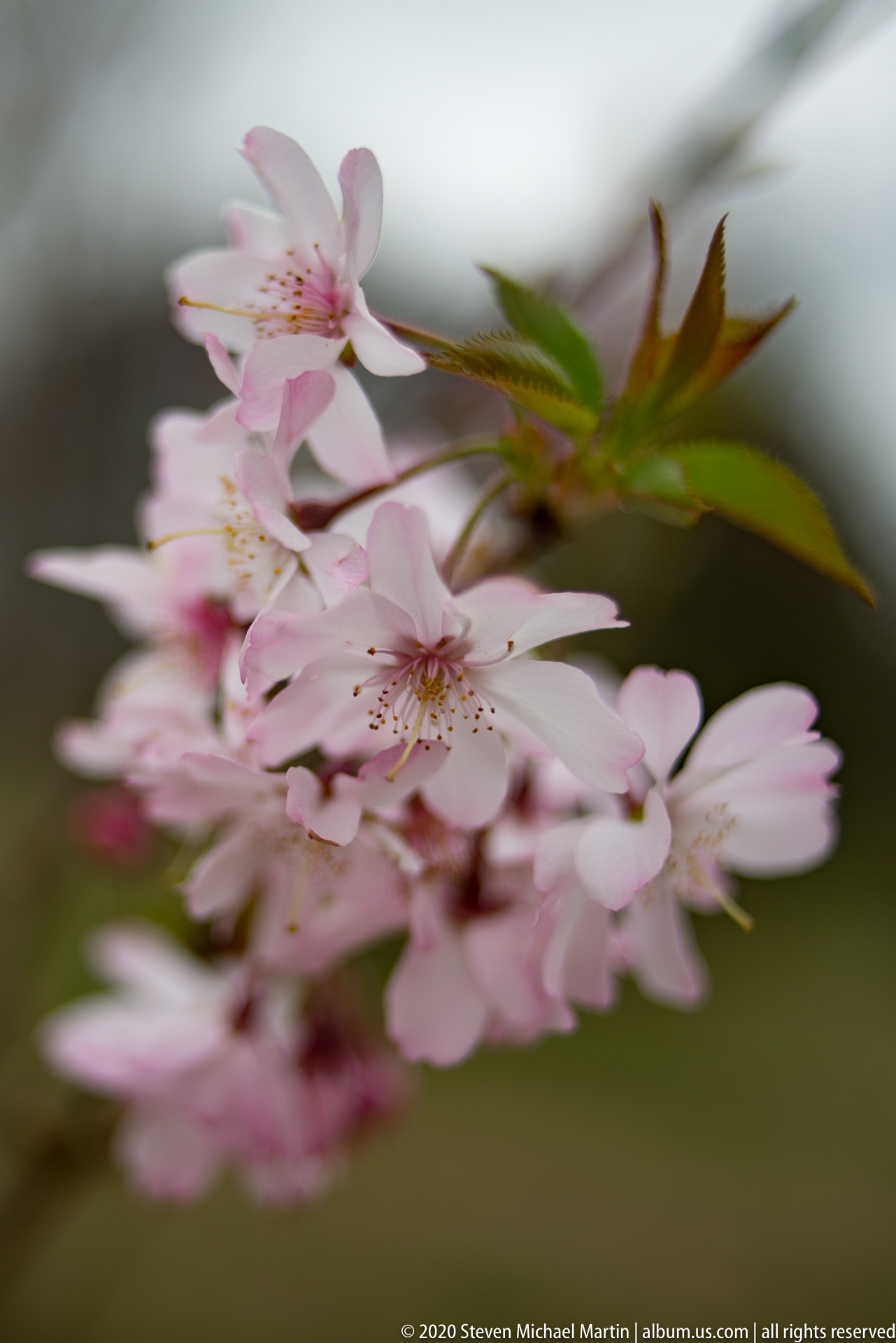
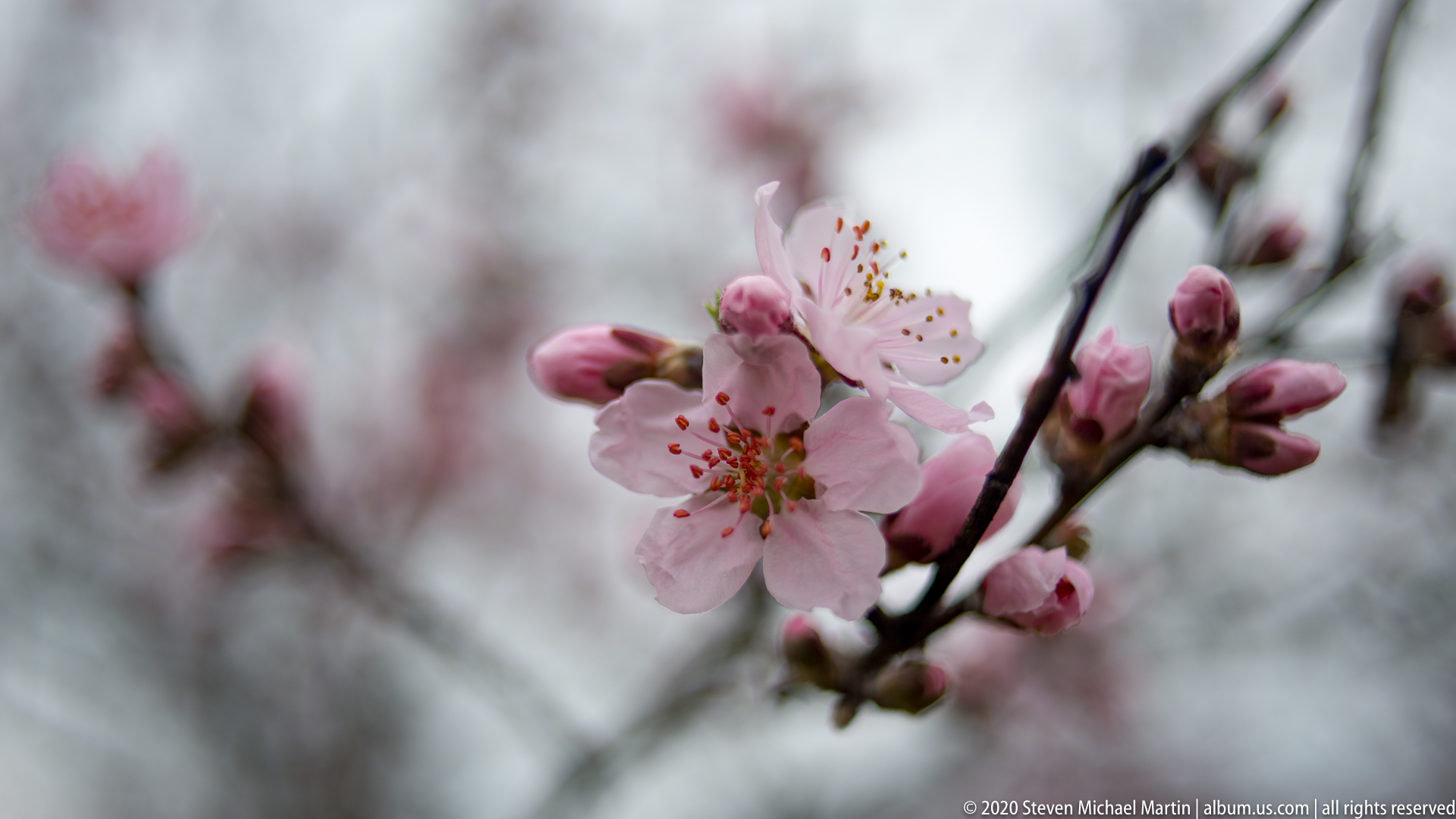
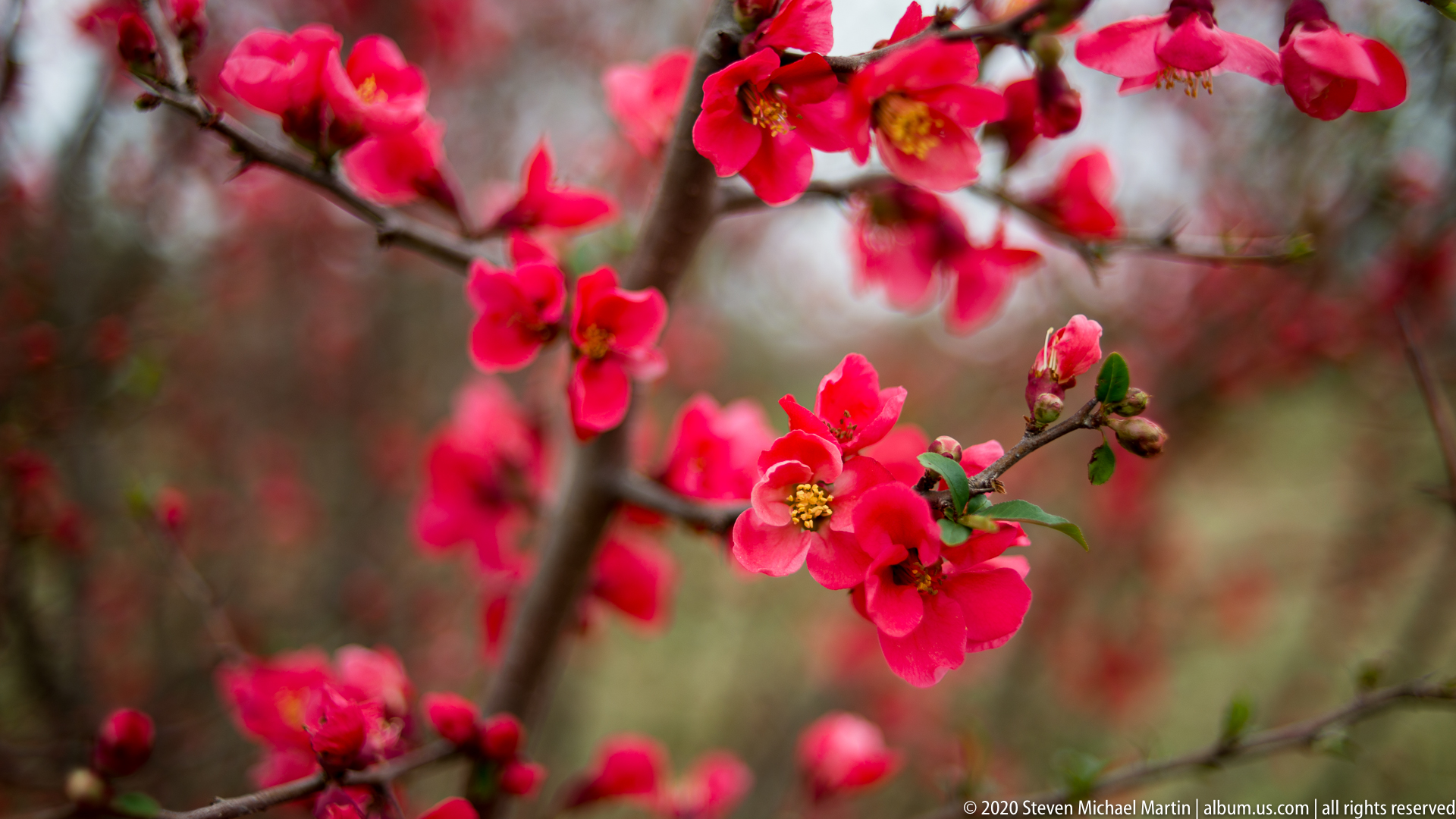
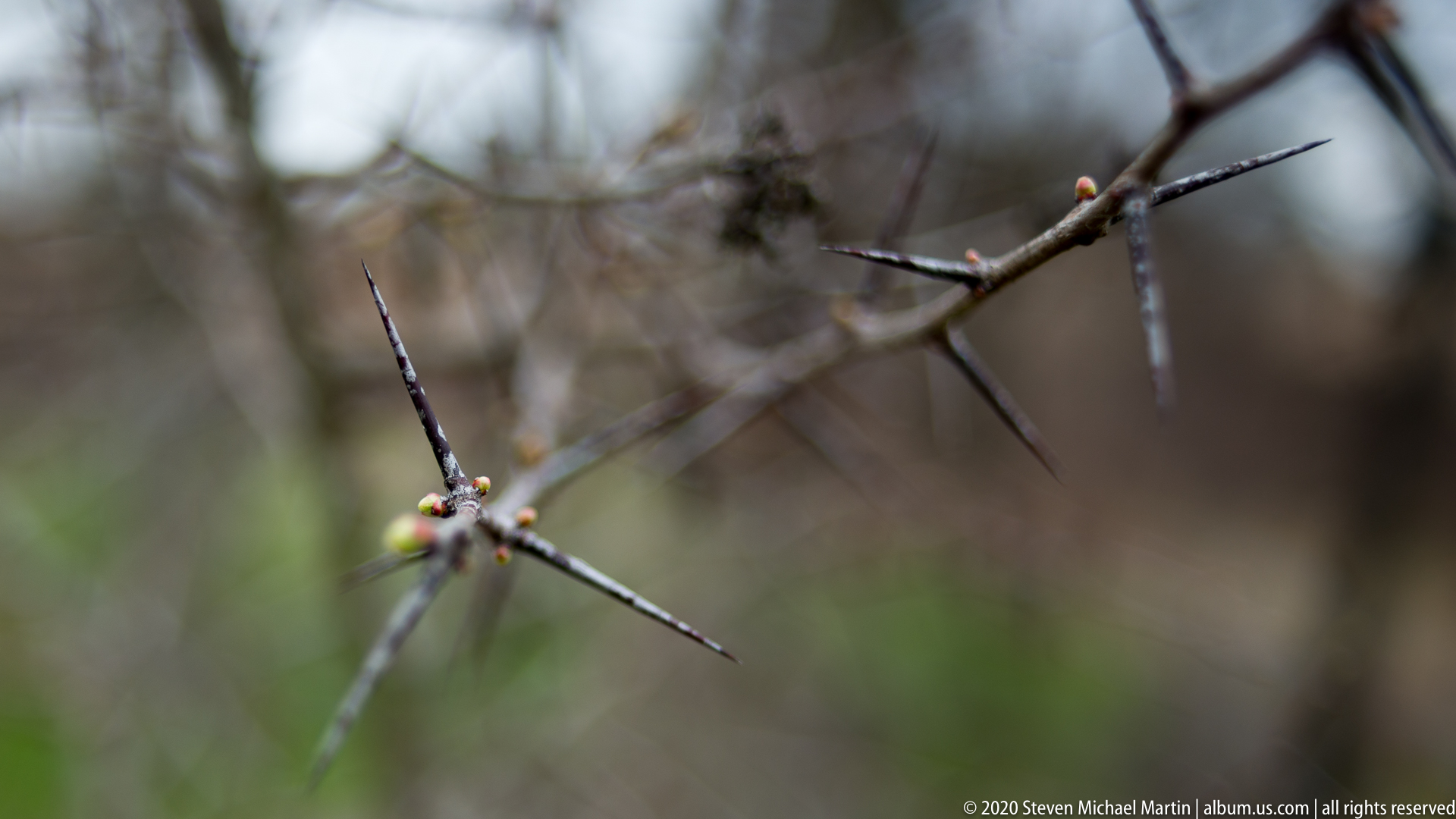
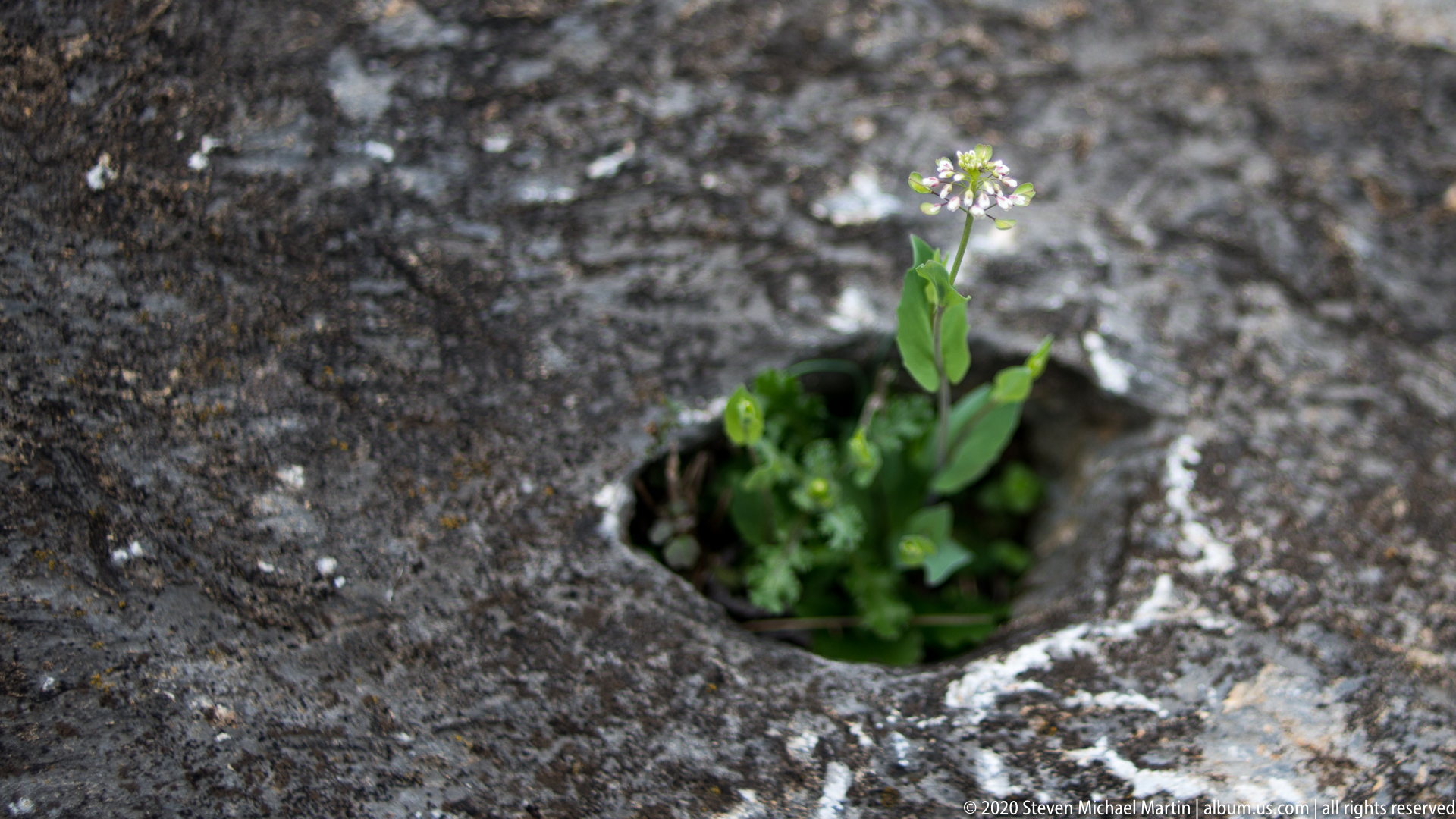
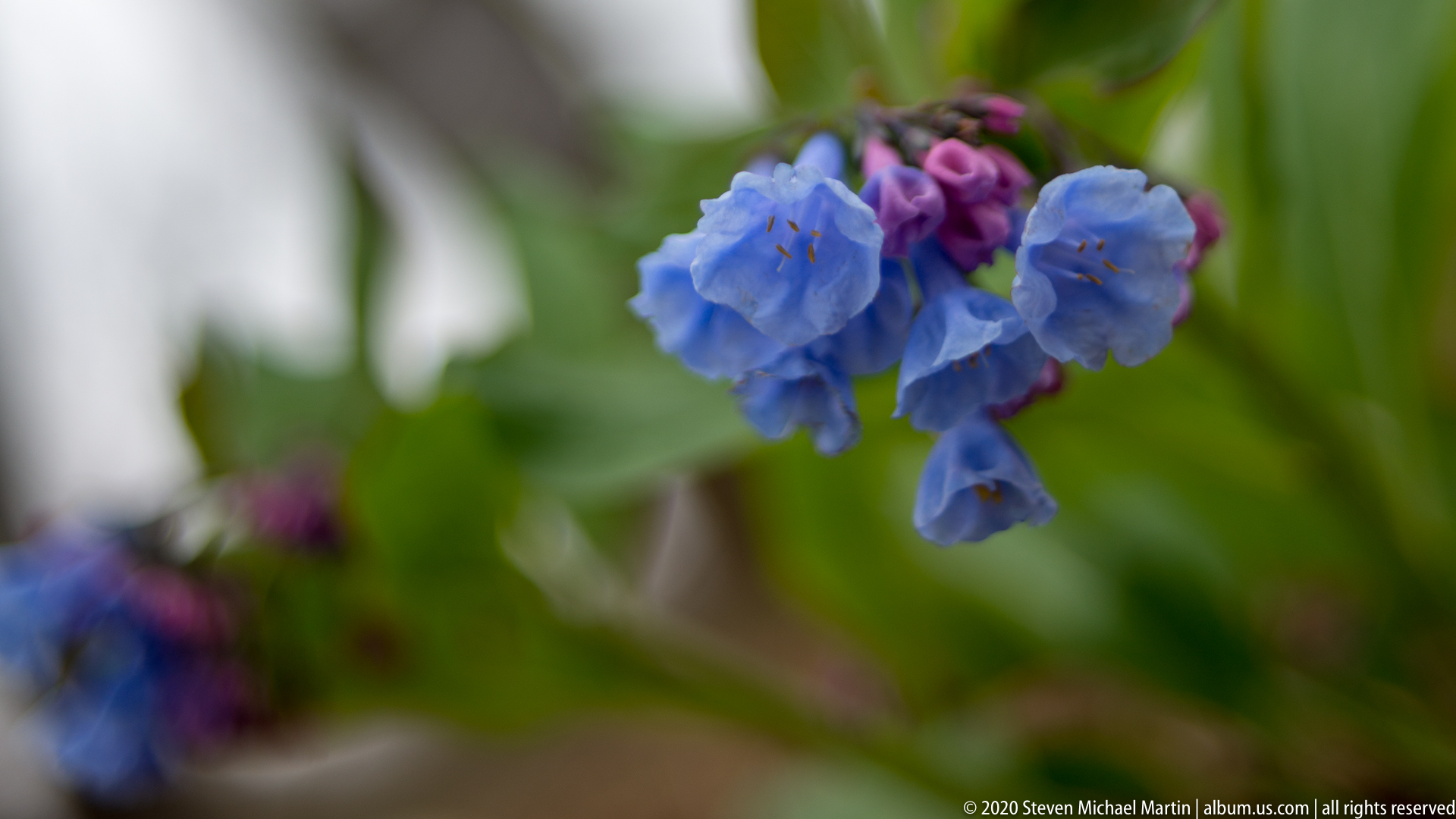
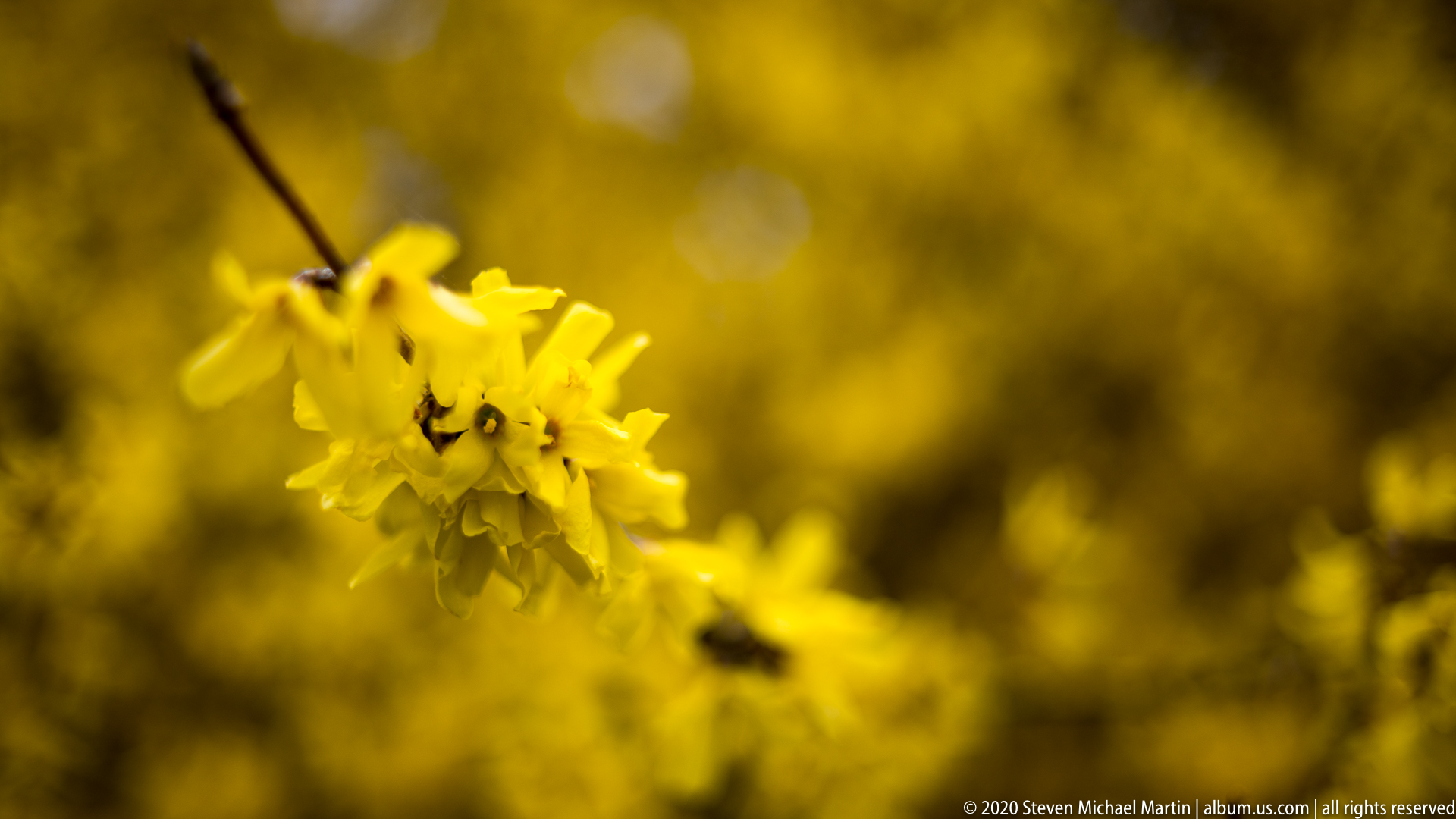
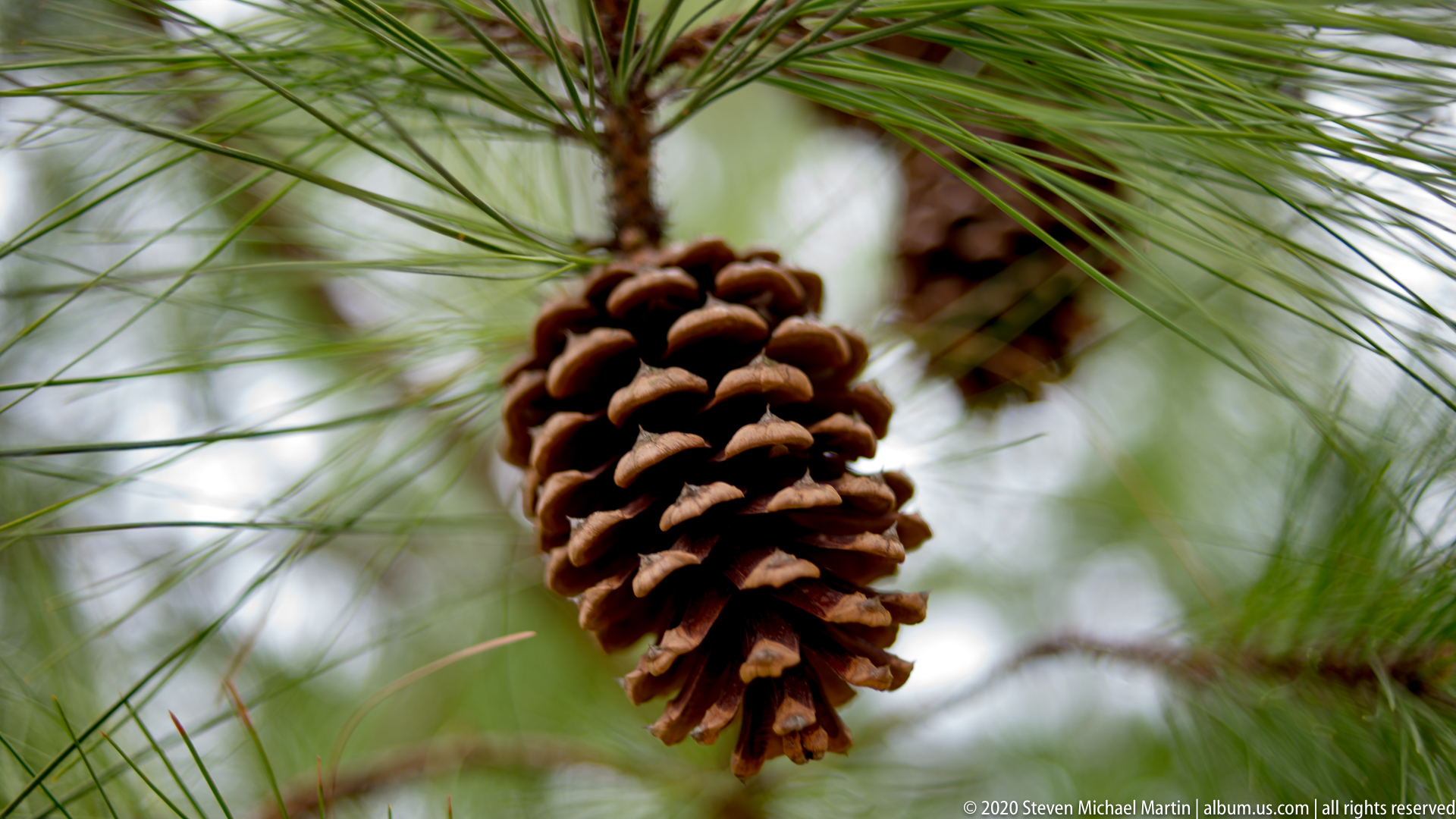
As spring progresses in the Shenandoah Valley, the landscape of the Virginia Arboretum becomes defined by flowering trees, expanding foliage, and increased ecological activity. The arboretum’s extensive collections include both native and international species selected for research and educational purposes, creating a landscape that illustrates the diversity of temperate woody plants. Seasonal flowering demonstrates the succession of plant species that respond to gradually warming temperatures and longer daylight hours.
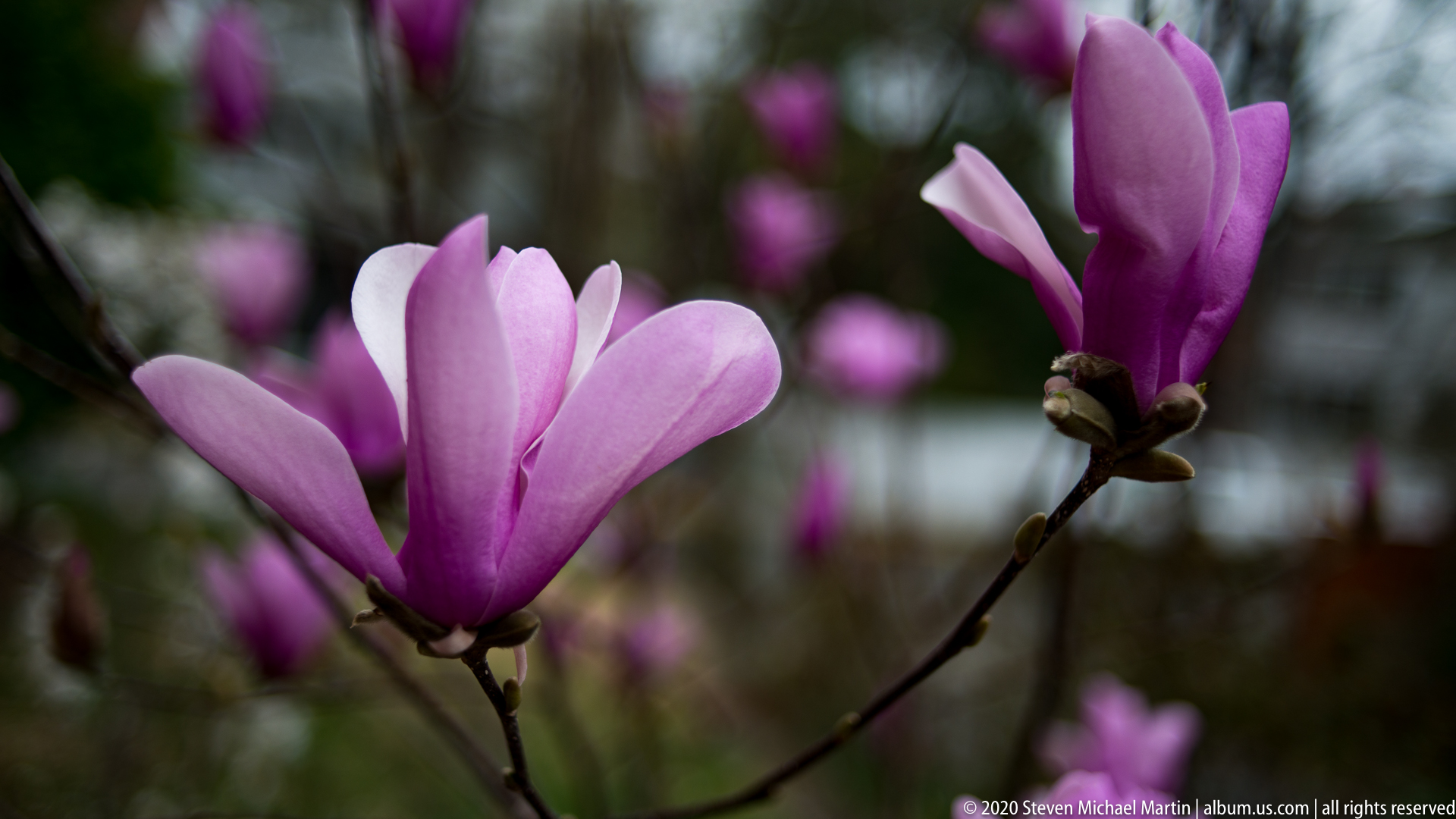
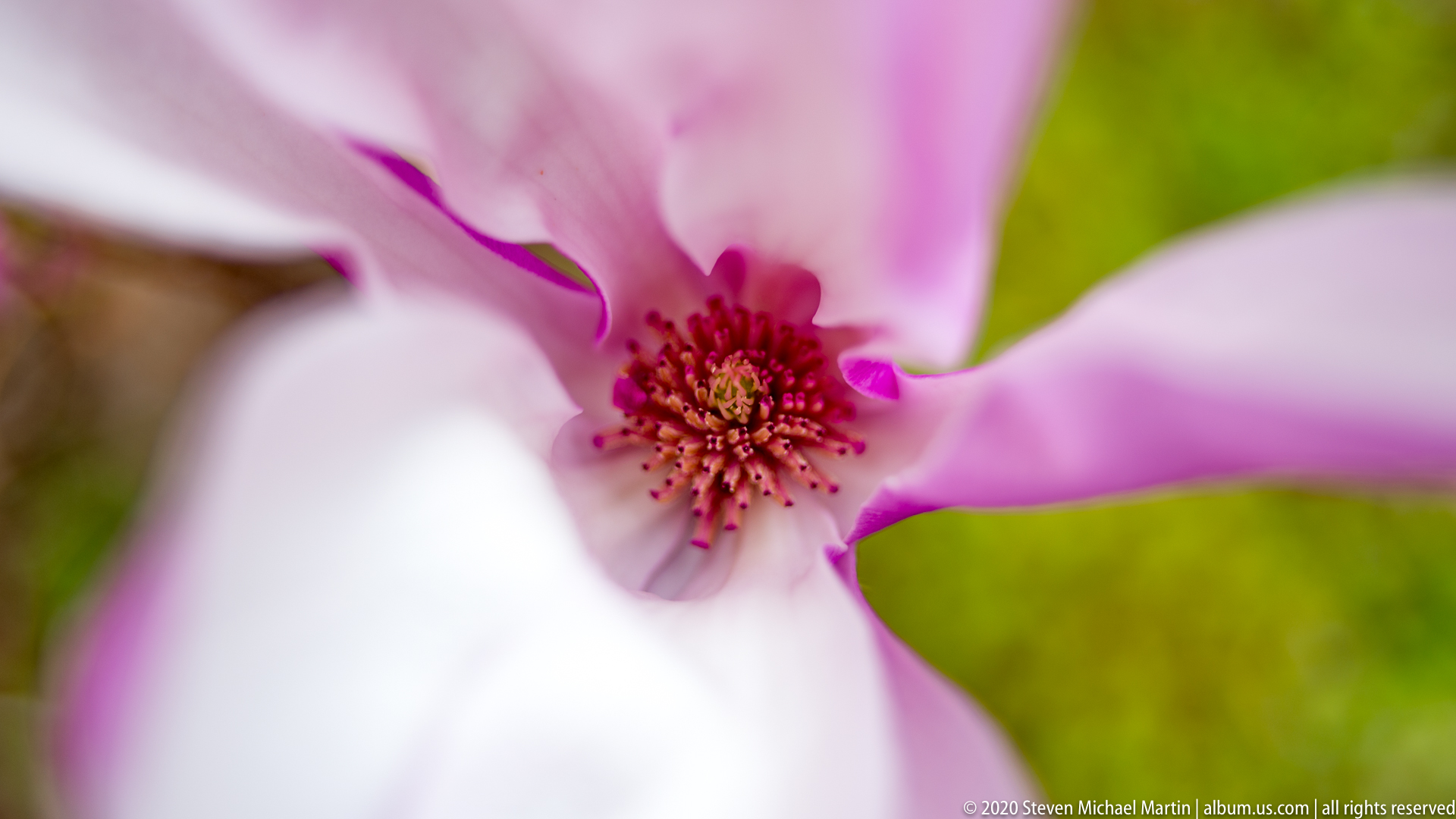
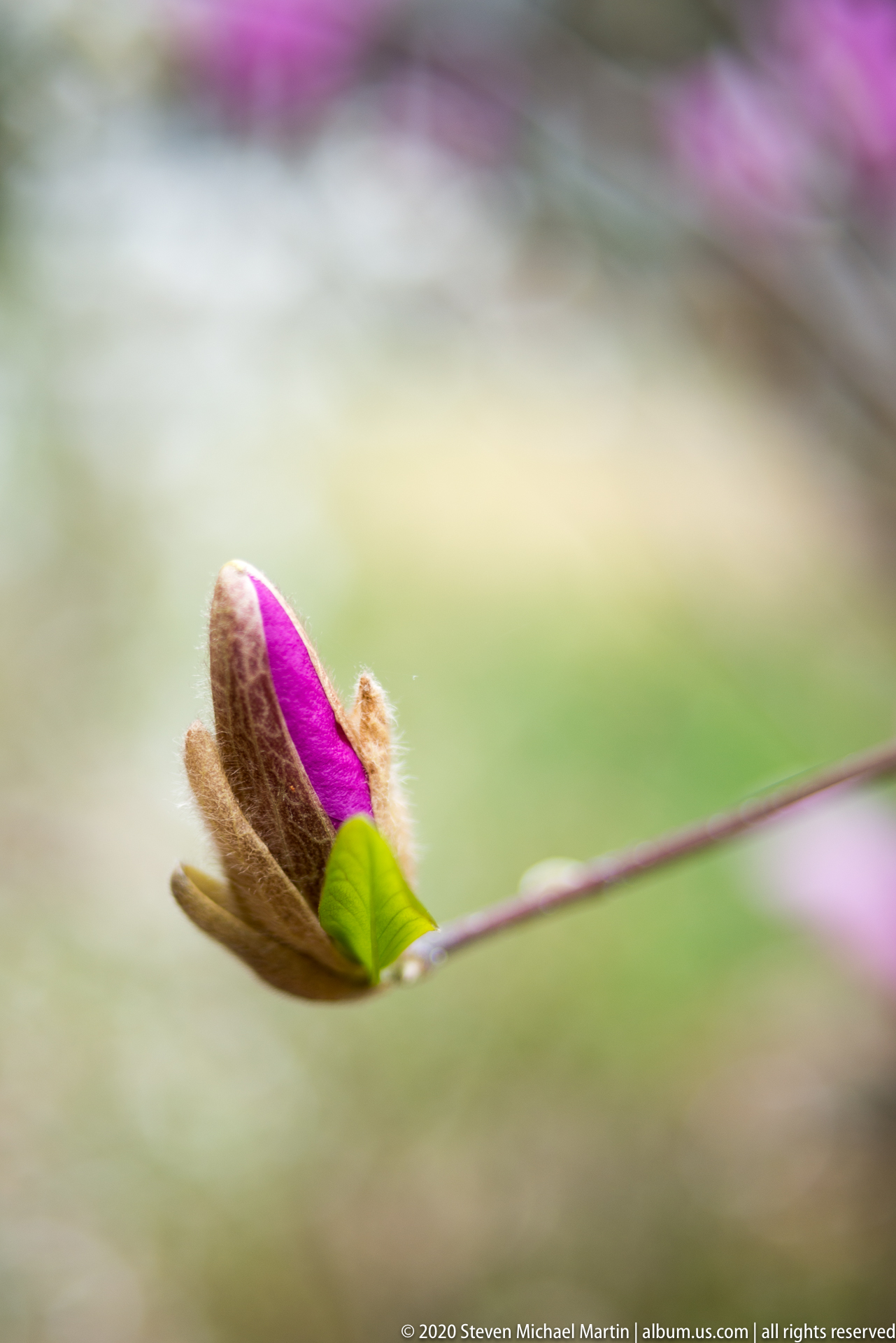
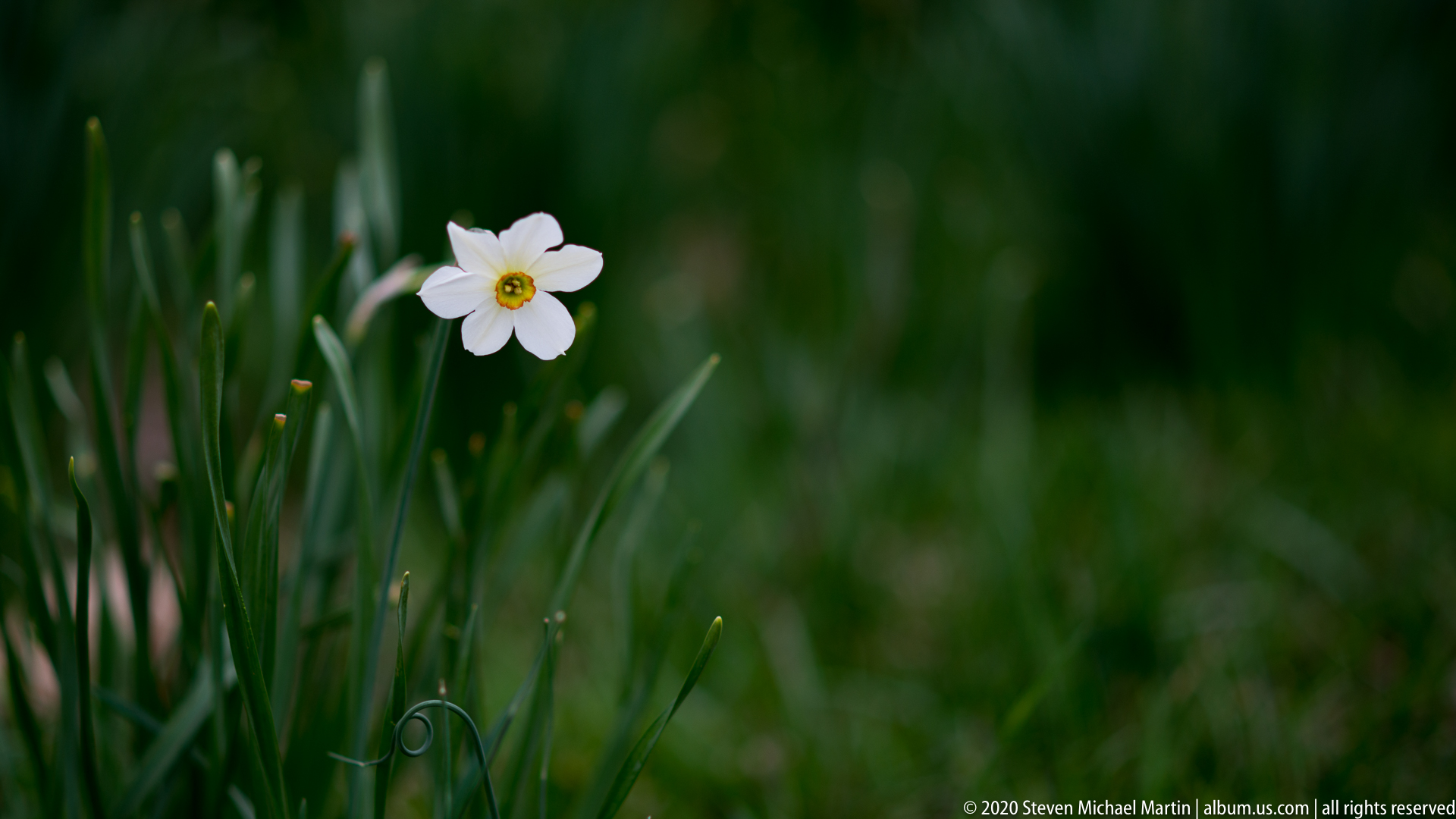
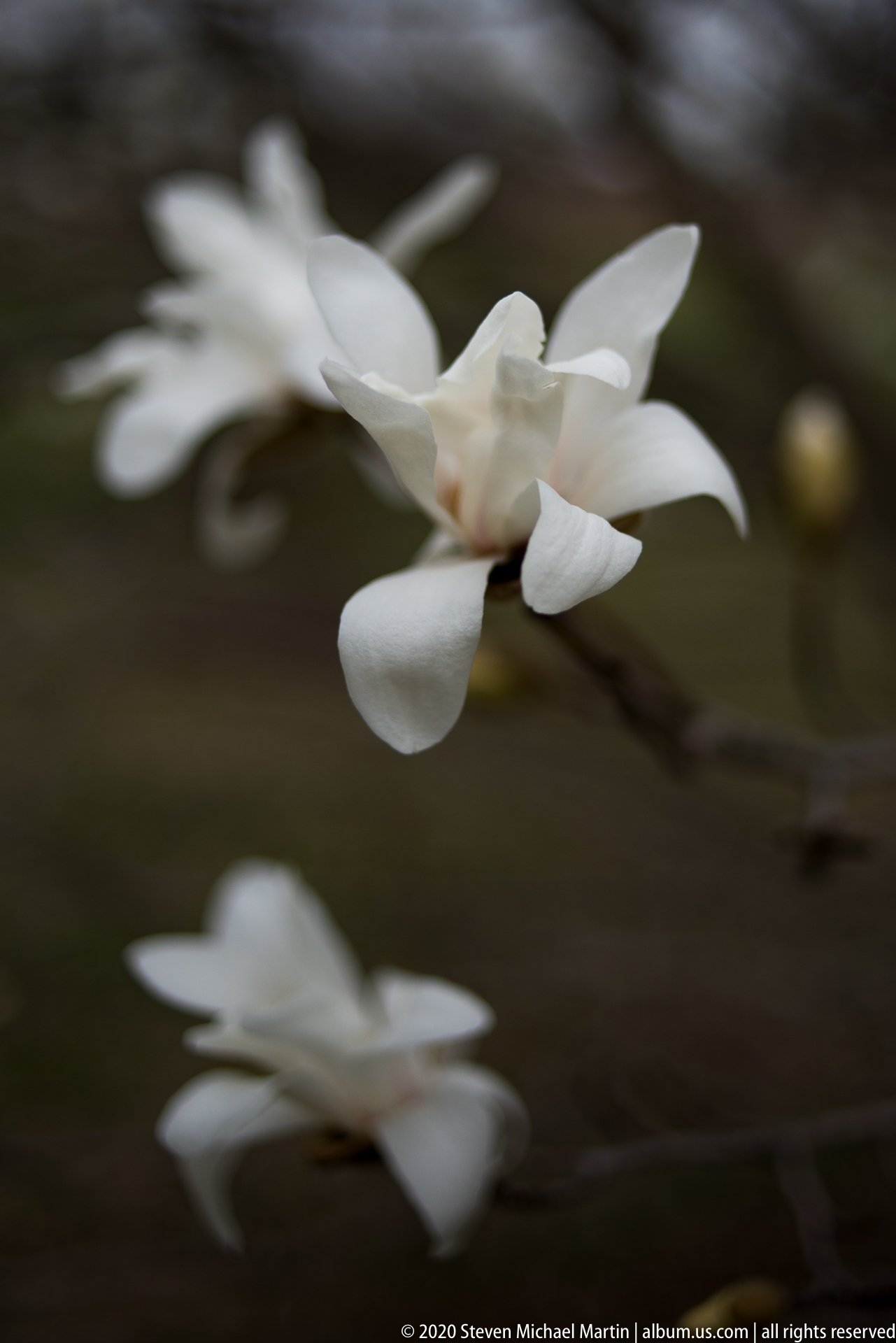
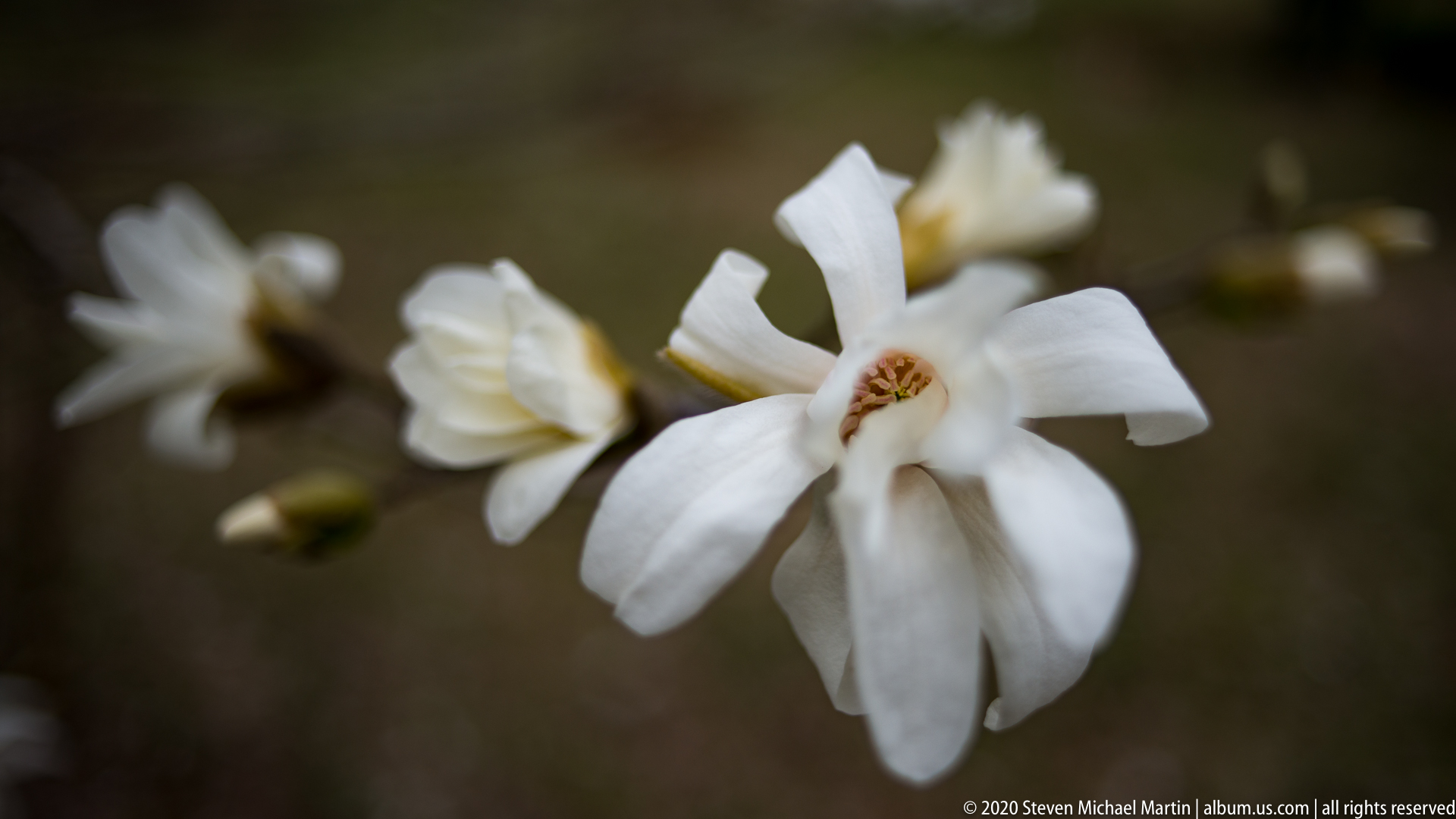
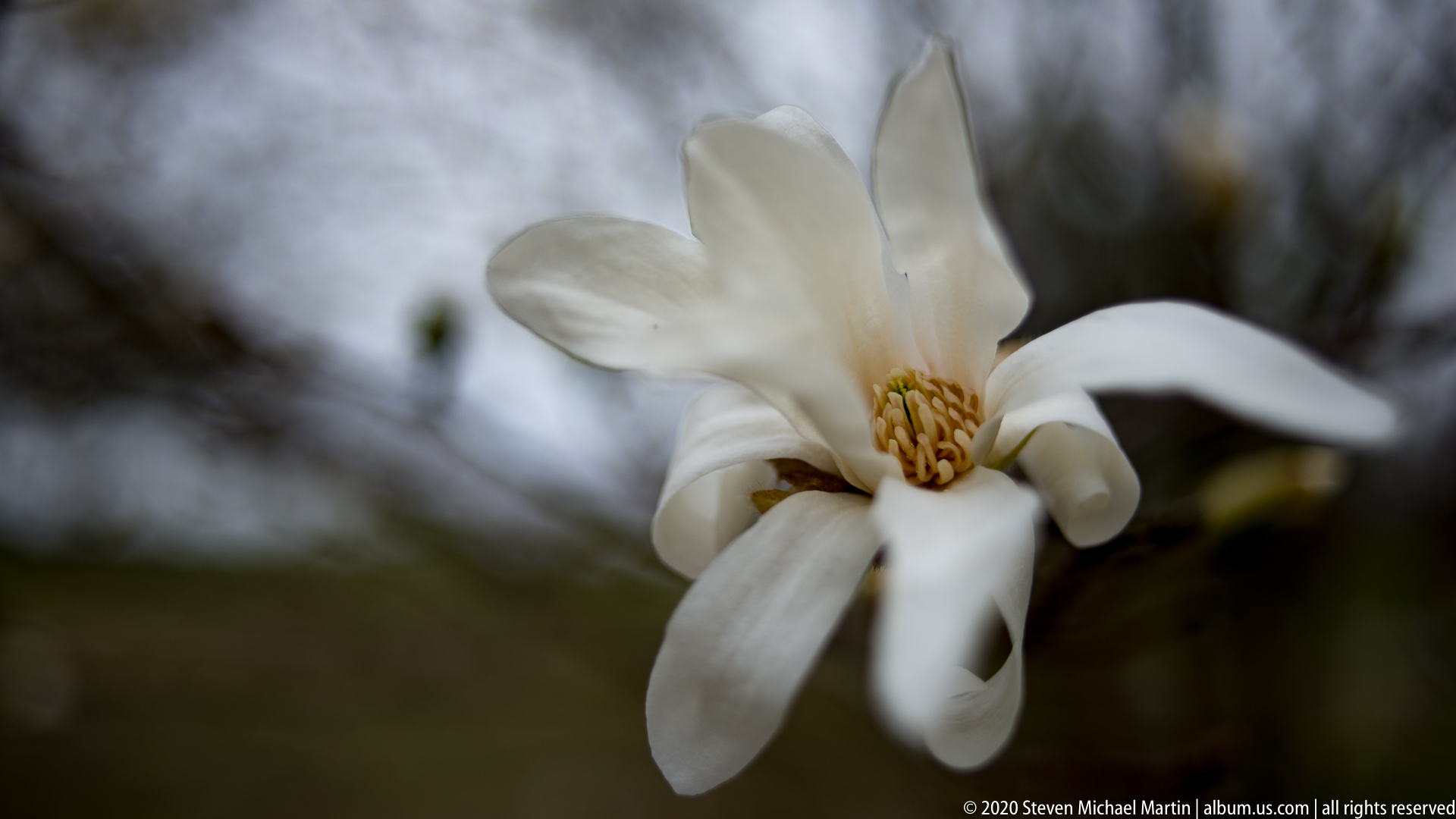
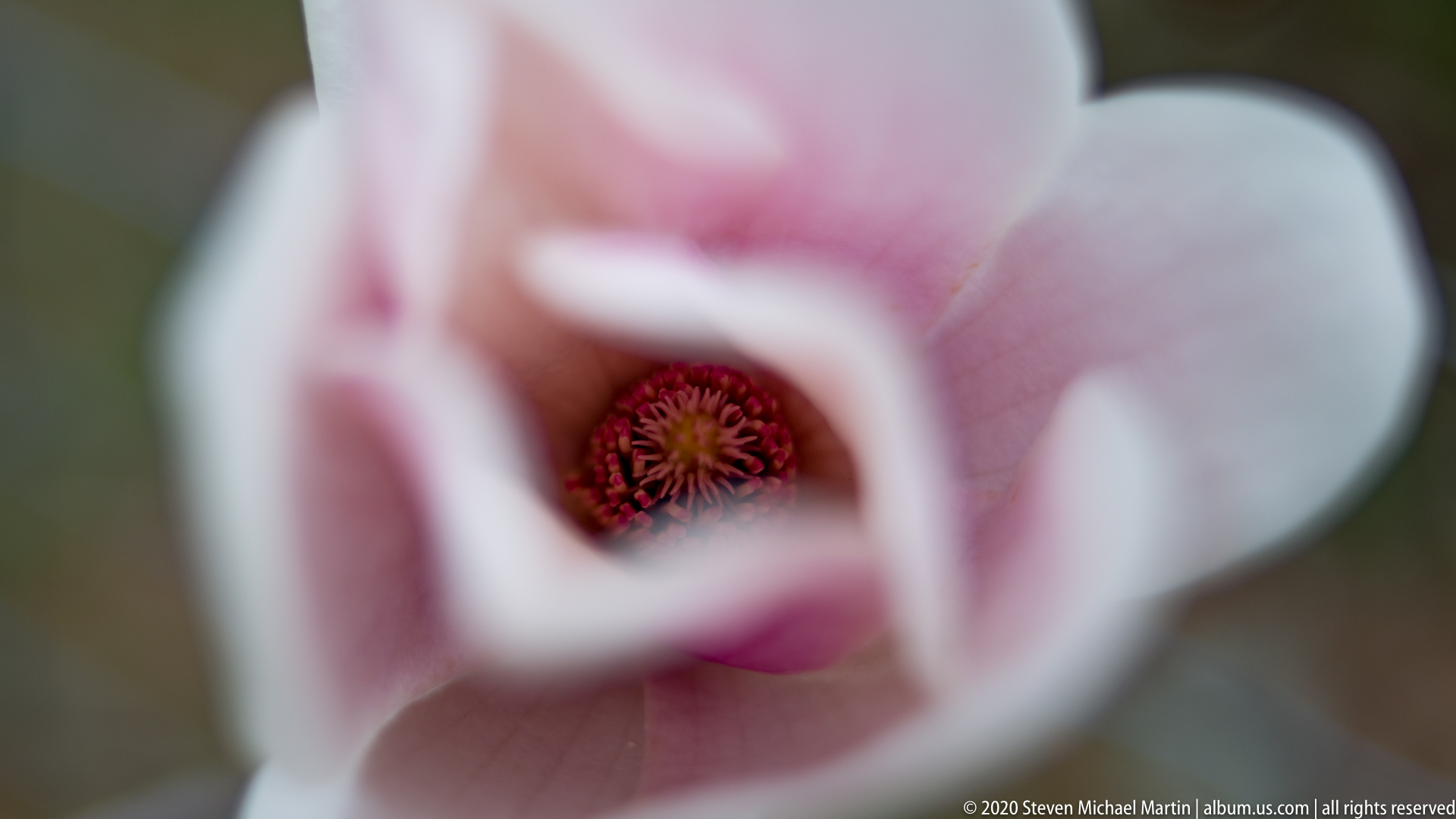
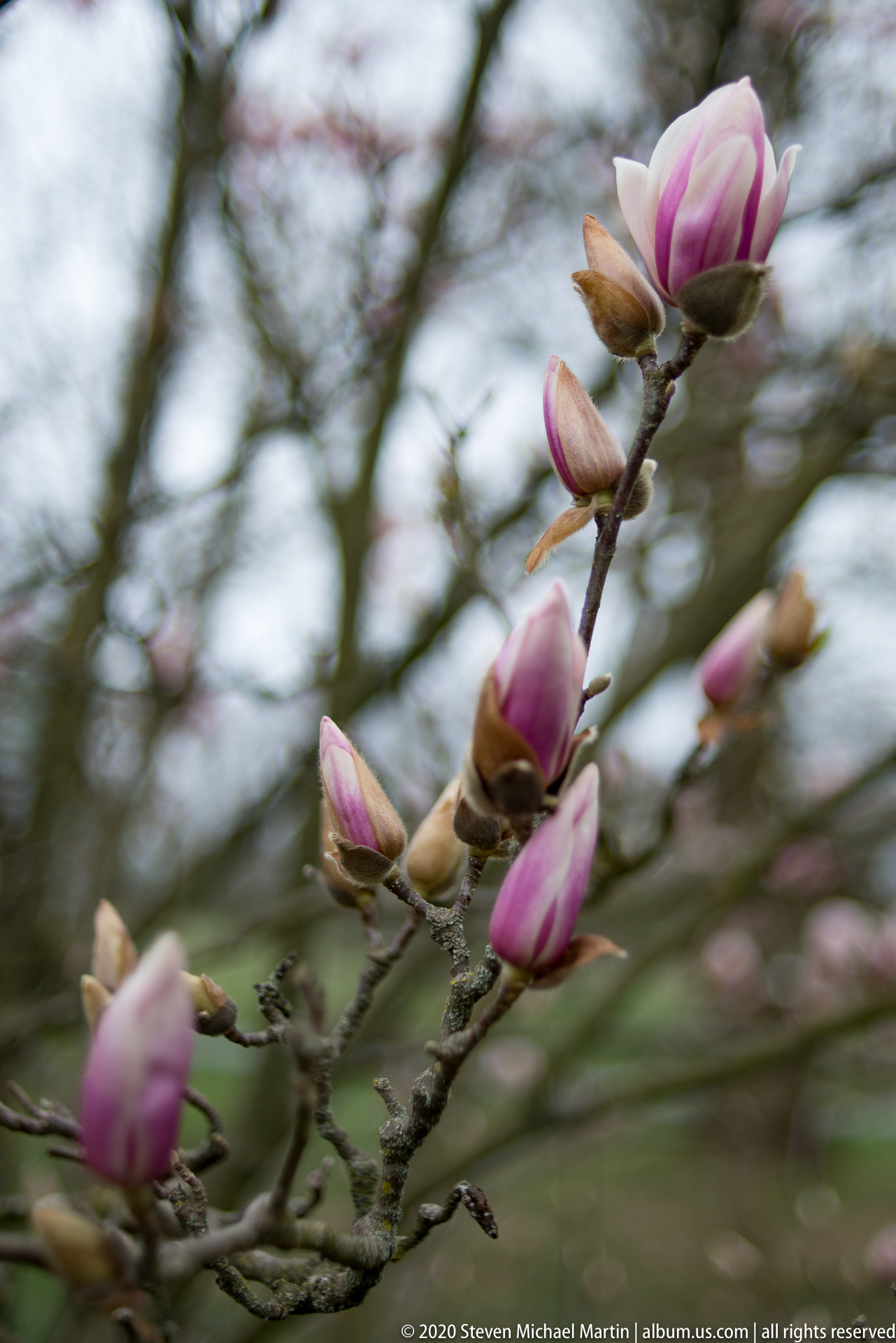
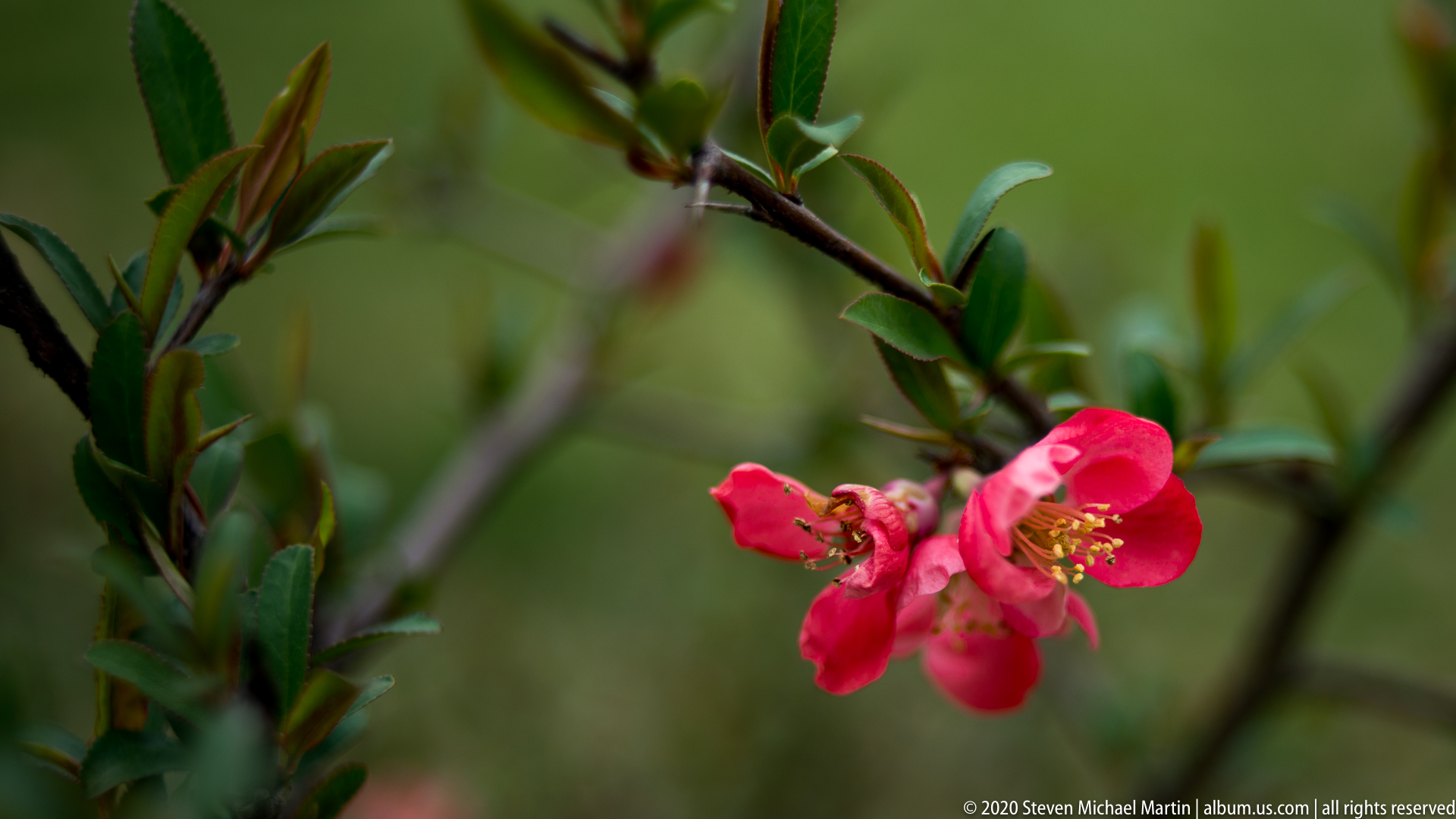
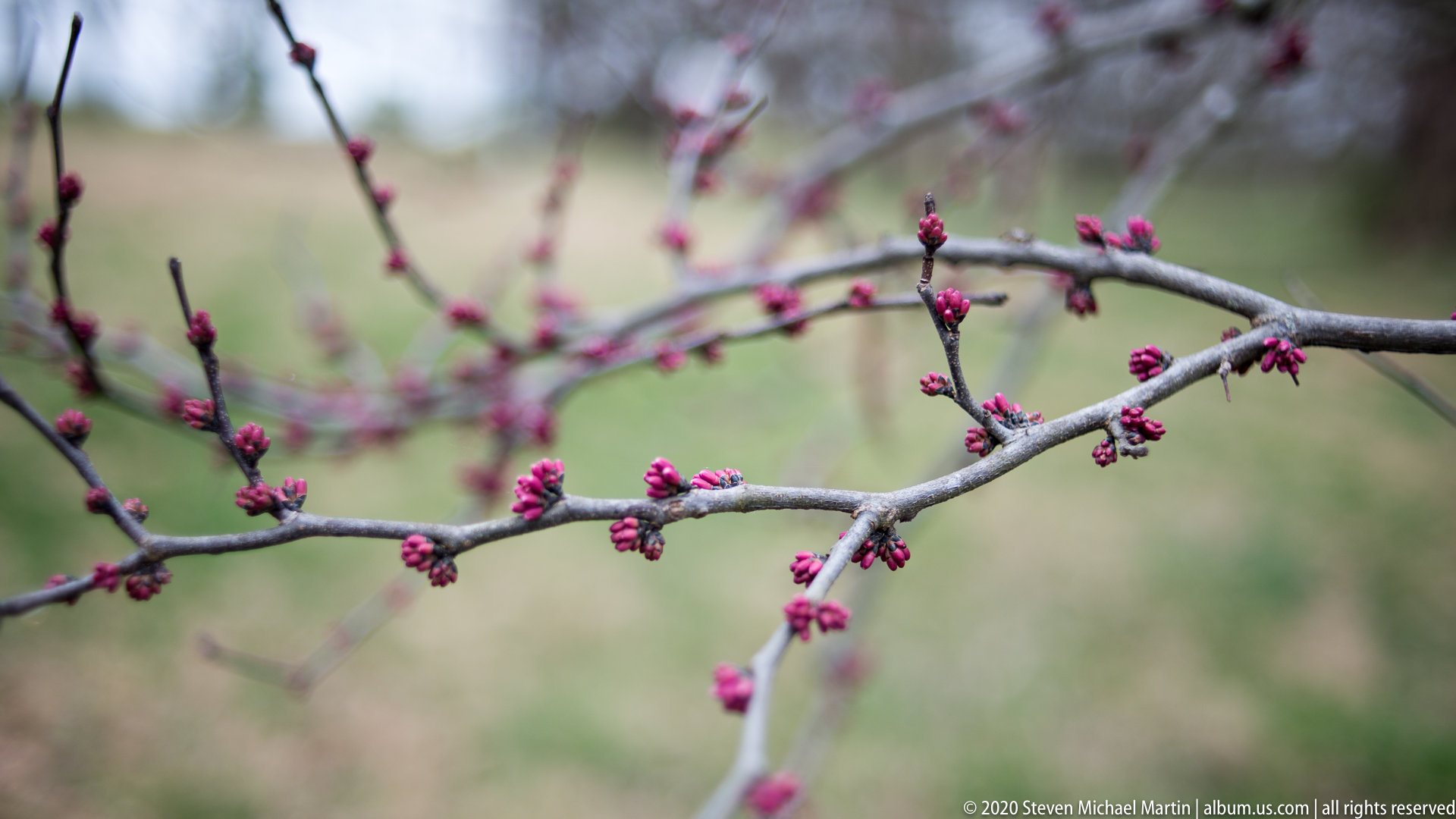
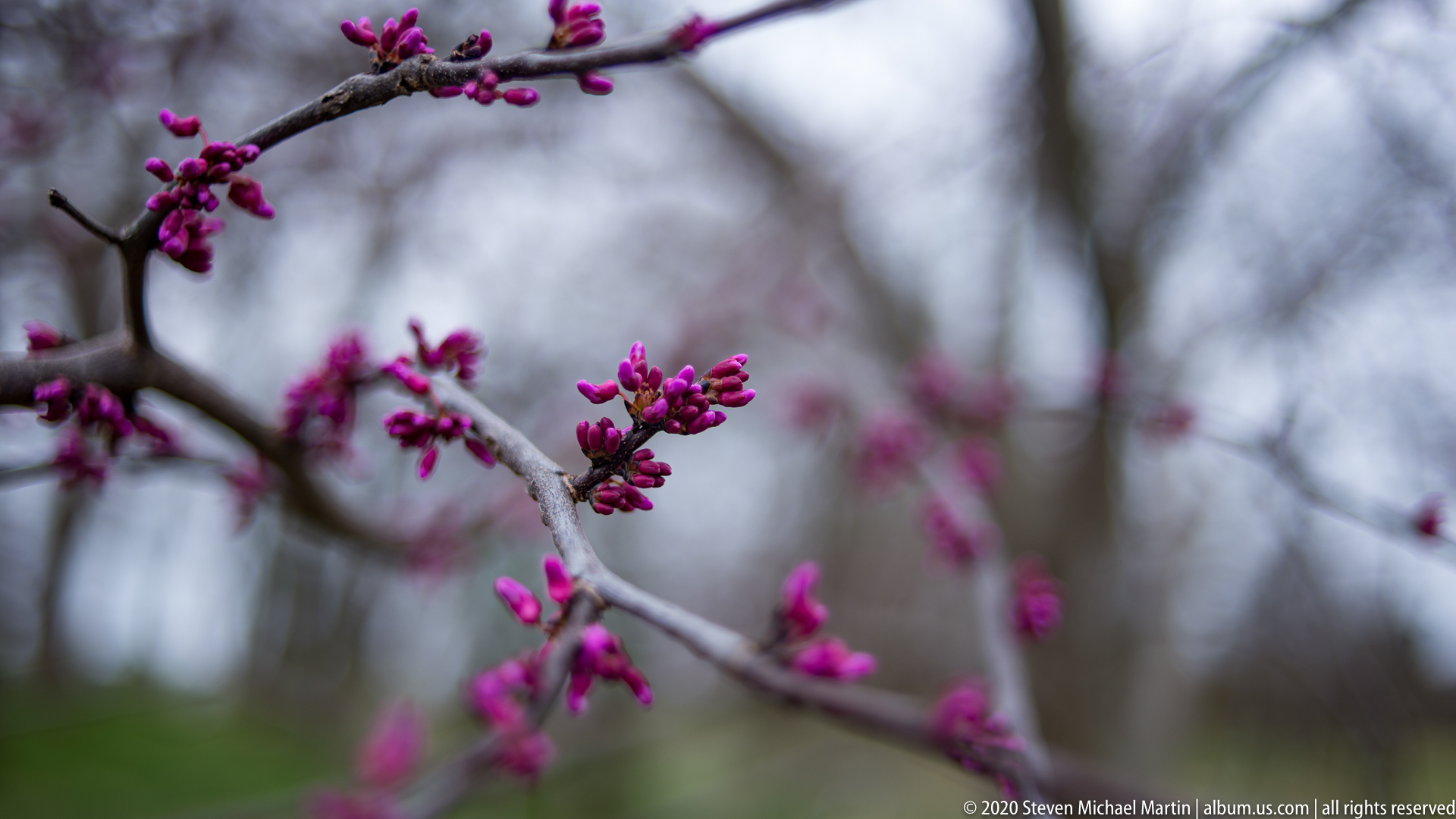
Mid-spring introduces a wider range of flowering ornamentals and native species including dogwood, redbud, azalea, and magnolia, forming layered visual compositions across woodland paths and open meadows. Pollinator activity increases as flowering plants provide nectar resources for insects and birds, illustrating the interconnected relationships between plant reproduction and animal behavior. The structured layout of arboretum plantings allows comparison of botanical characteristics across species adapted to similar climates.
The seasonal progression from early to mid spring illustrates how plant communities respond dynamically to environmental change. The arboretum demonstrates the role of managed landscapes in supporting biodiversity while also preserving scientific collections. Its seasonal variation reflects broader ecological patterns characteristic of the Appalachian region and the mid-Atlantic climate zone.