Fort Pulaski National Monument
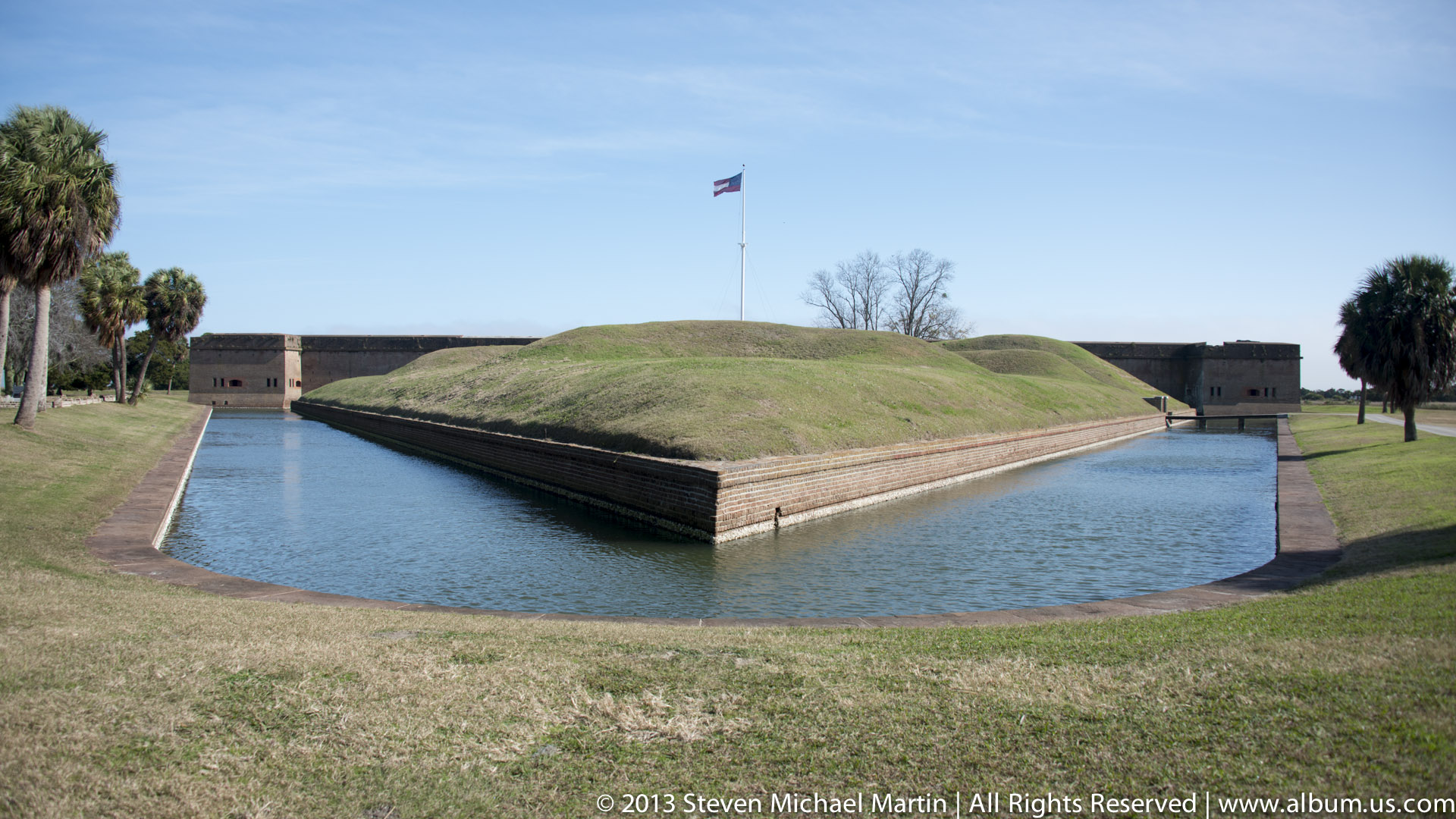
Fort Pulaski National Monument is located on Cockspur Island near the mouth of the Savannah River, where tidal marshes and coastal waterways connect the interior of Georgia to the Atlantic Ocean. Constructed as part of a broader system of coastal defenses following the War of 1812, the fort reflects the strategic importance of protecting major port cities along the southeastern seaboard.
Completed in 1847 using millions of bricks, Fort Pulaski was designed to defend Savannah from naval attack. During the Civil War, Union forces demonstrated the effectiveness of rifled artillery against masonry walls, marking a significant technological shift in military engineering that rendered traditional brick fortifications obsolete.
The preserved structure illustrates the relationship between coastal geography, military strategy, and technological change in nineteenth-century warfare. Today the monument provides insight into evolving defensive systems developed to protect maritime trade routes along the Atlantic coast.




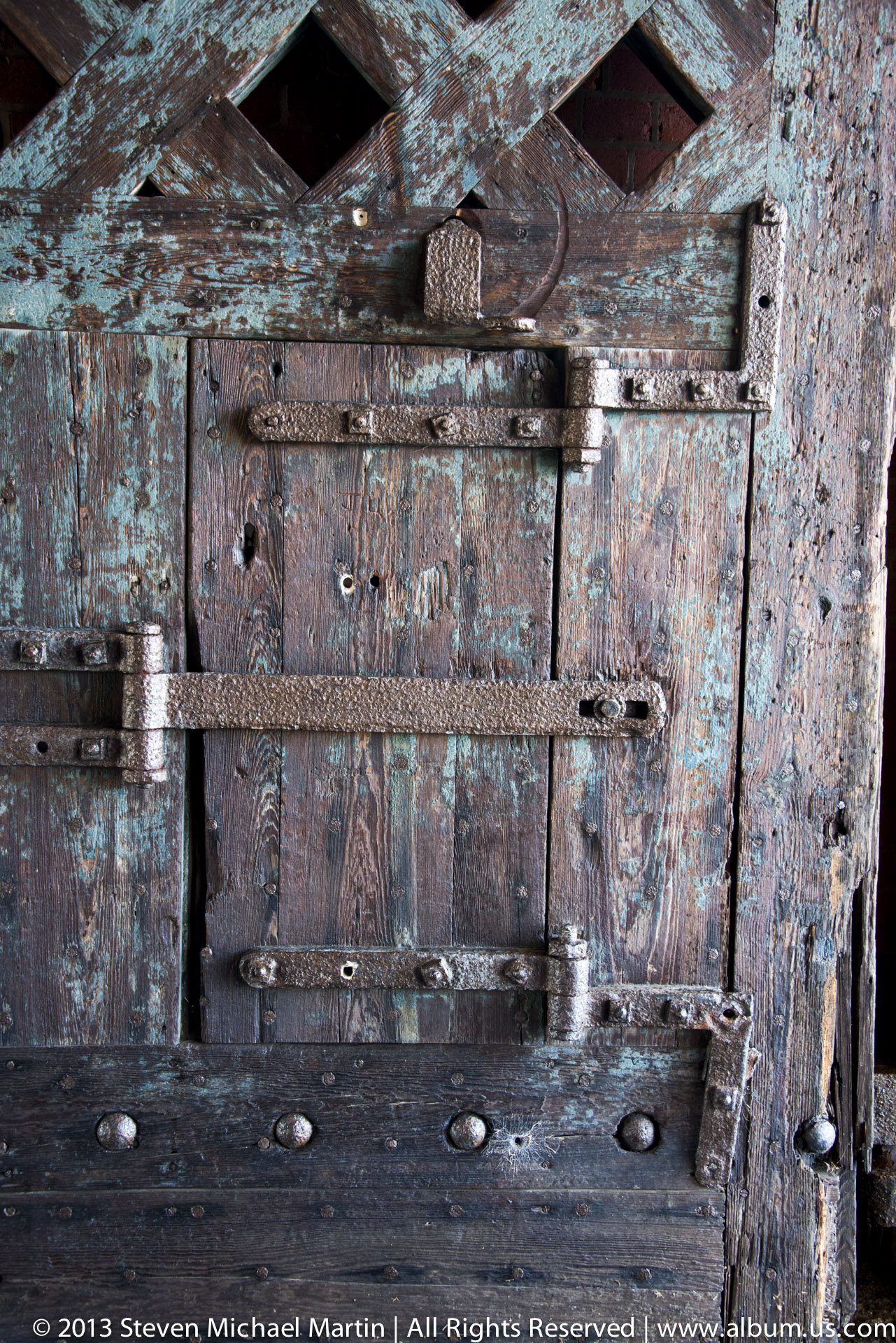
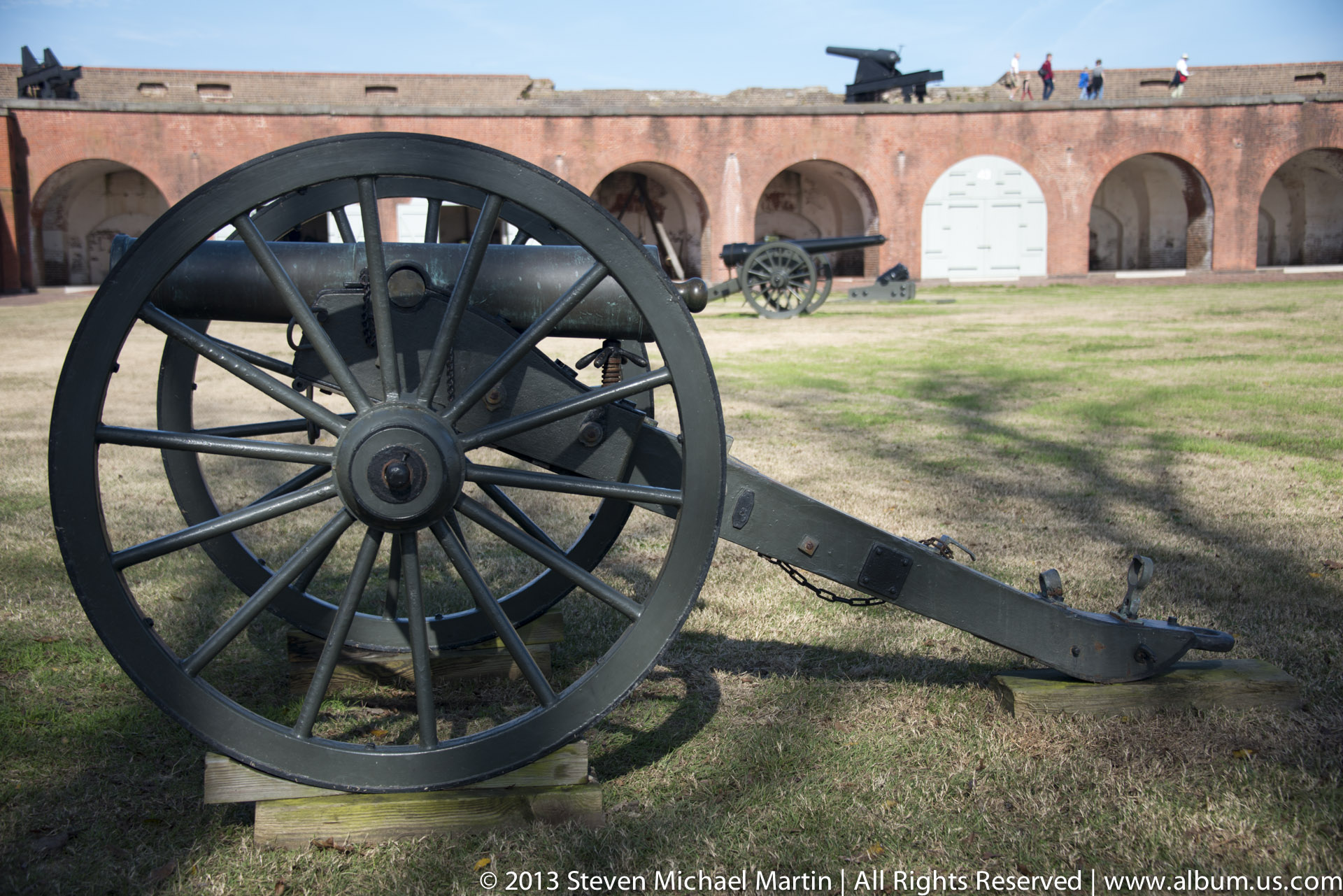
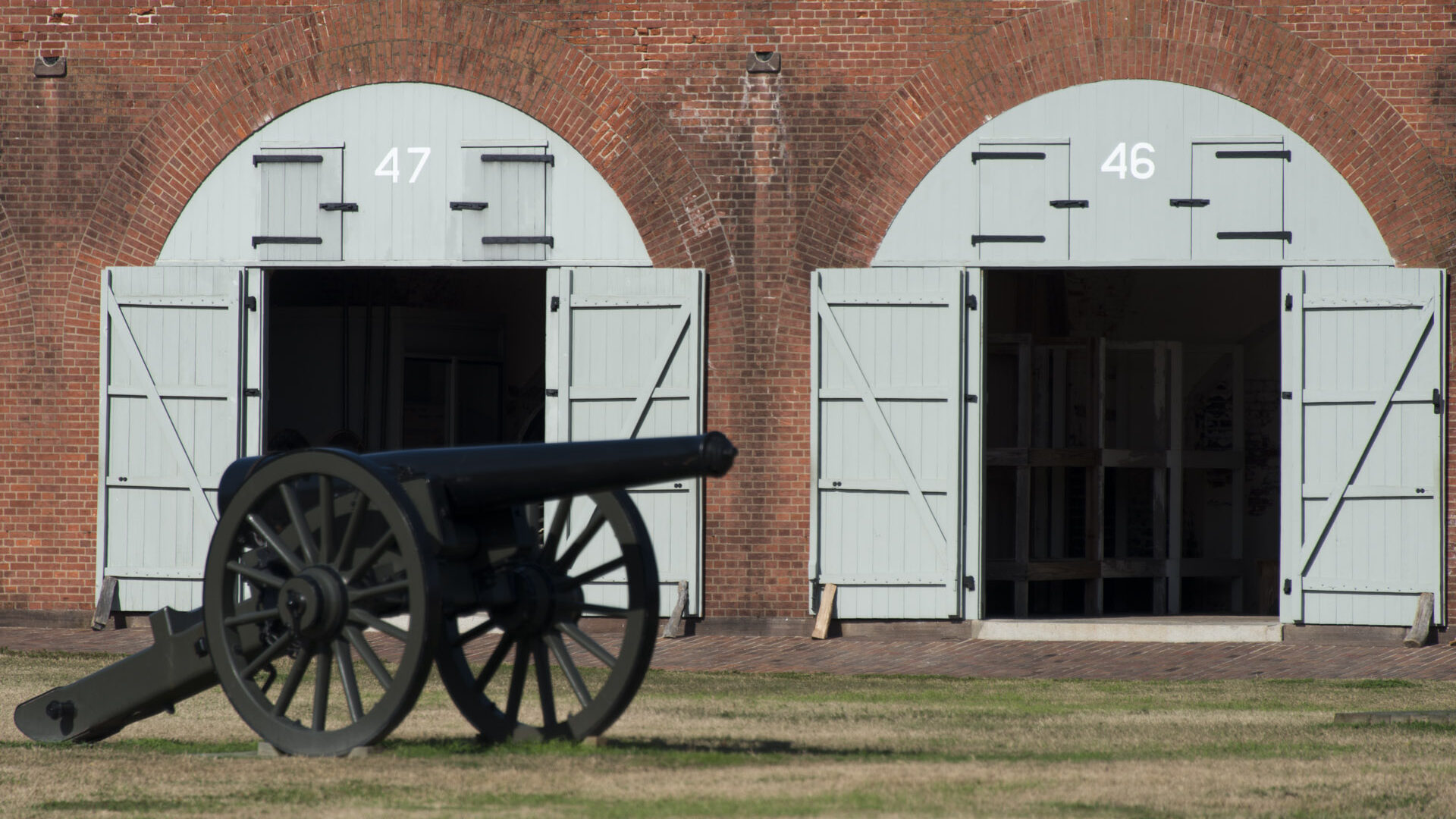
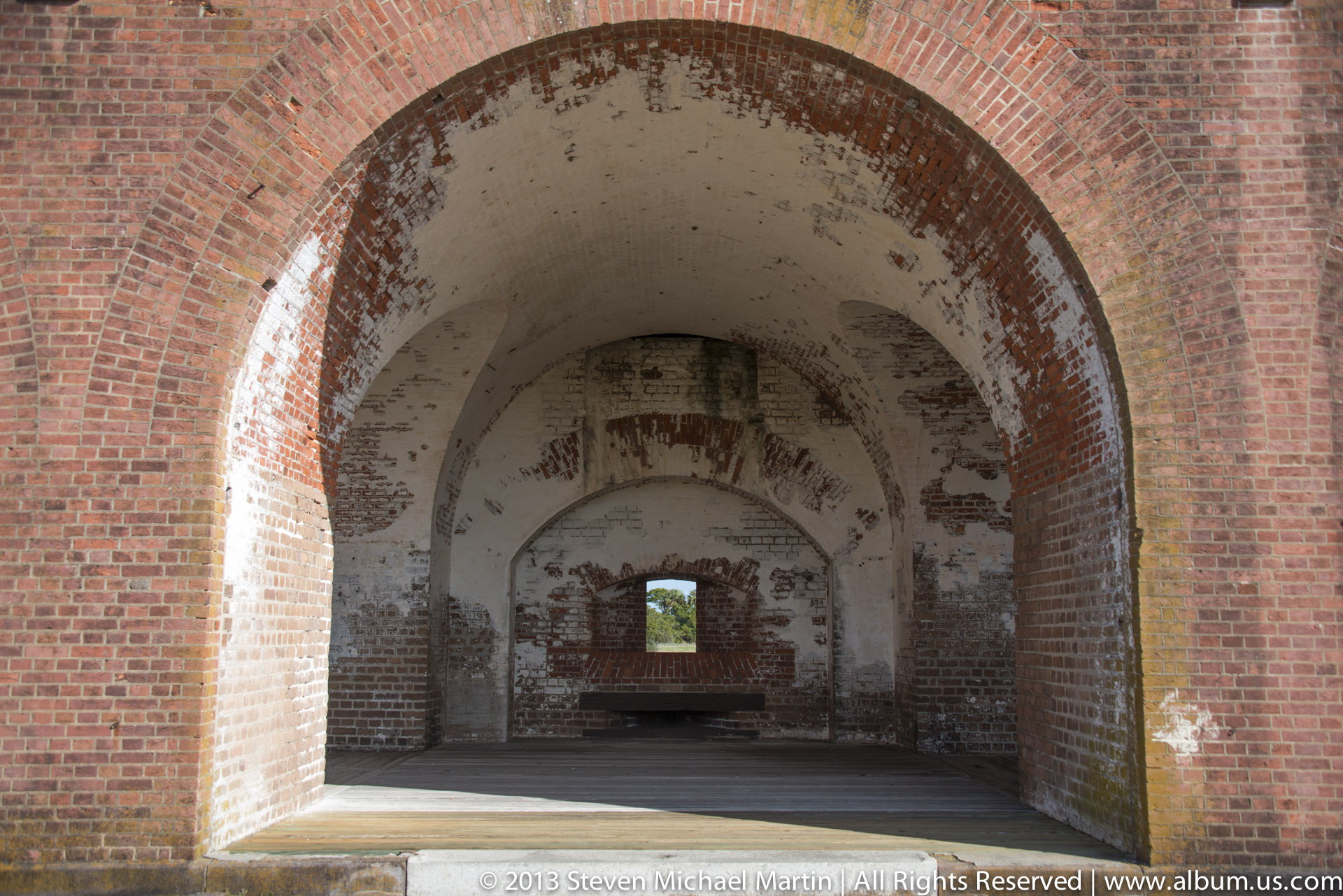








Fort Pulaski National Monument Field Guide
📍 Location
Fort Pulaski National Monument is located on Cockspur Island at the mouth of the Savannah River along the Georgia coast. The site occupies a strategic position within tidal marshlands where river channels provide access between the Atlantic Ocean and the historic port city of Savannah.
🏛 Historical Significance
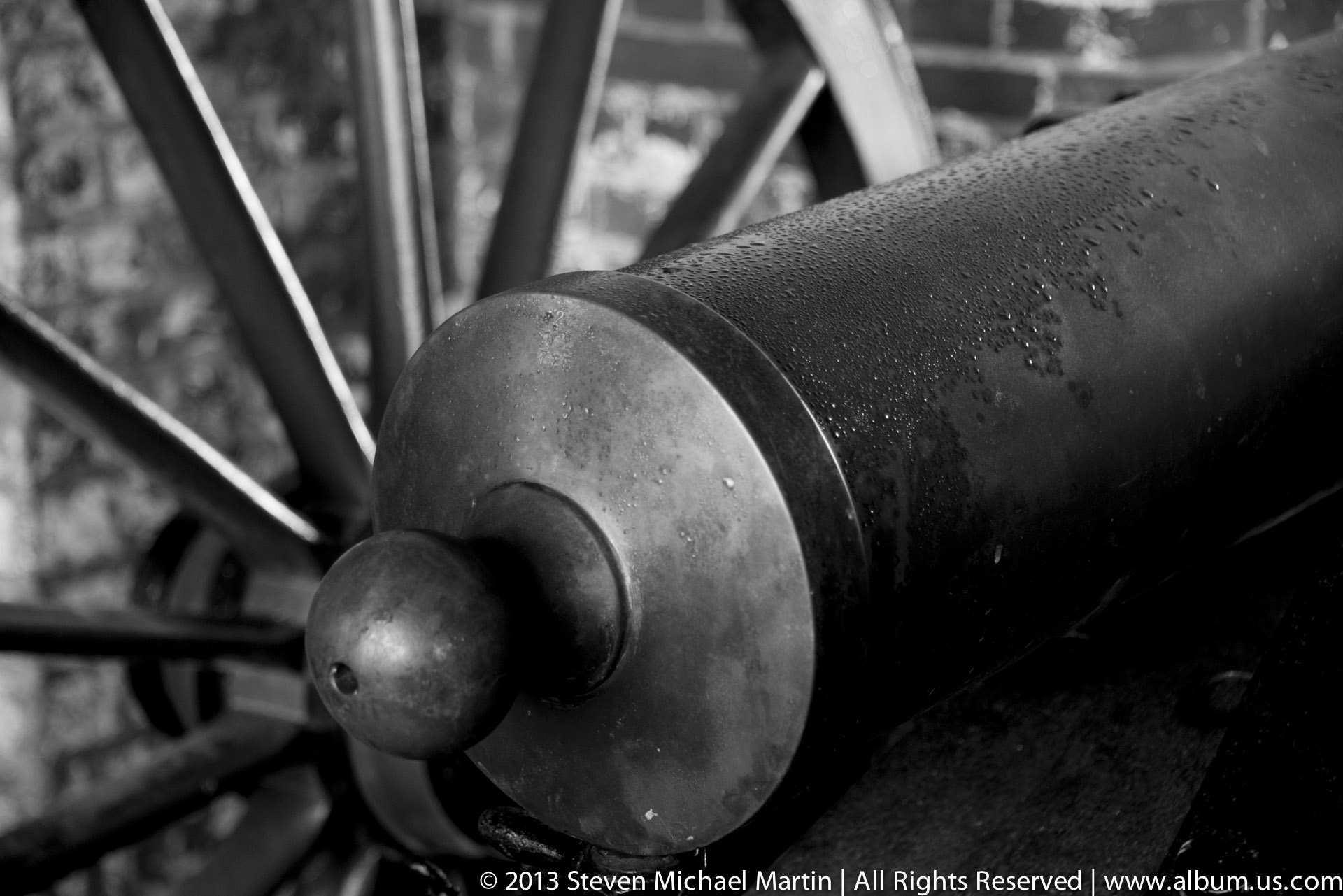
Constructed between 1829 and 1847 as part of the United States coastal defense system, Fort Pulaski was designed to protect important shipping routes along the southeastern seaboard. During the Civil War in 1862, Union forces demonstrated the effectiveness of rifled artillery against masonry fortifications, marking a turning point in military engineering that rendered traditional brick coastal forts increasingly obsolete.
⭐ Highlights
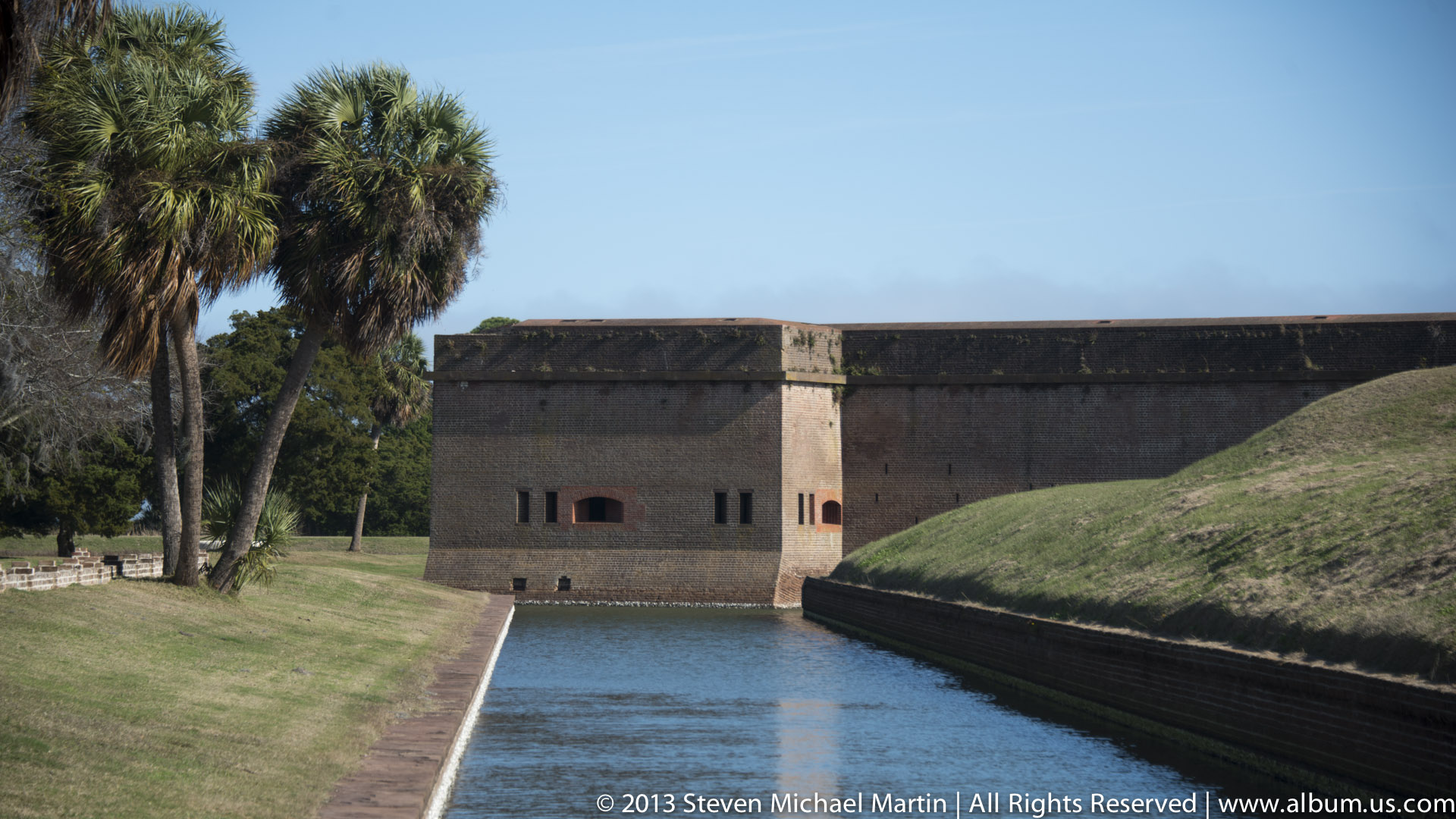
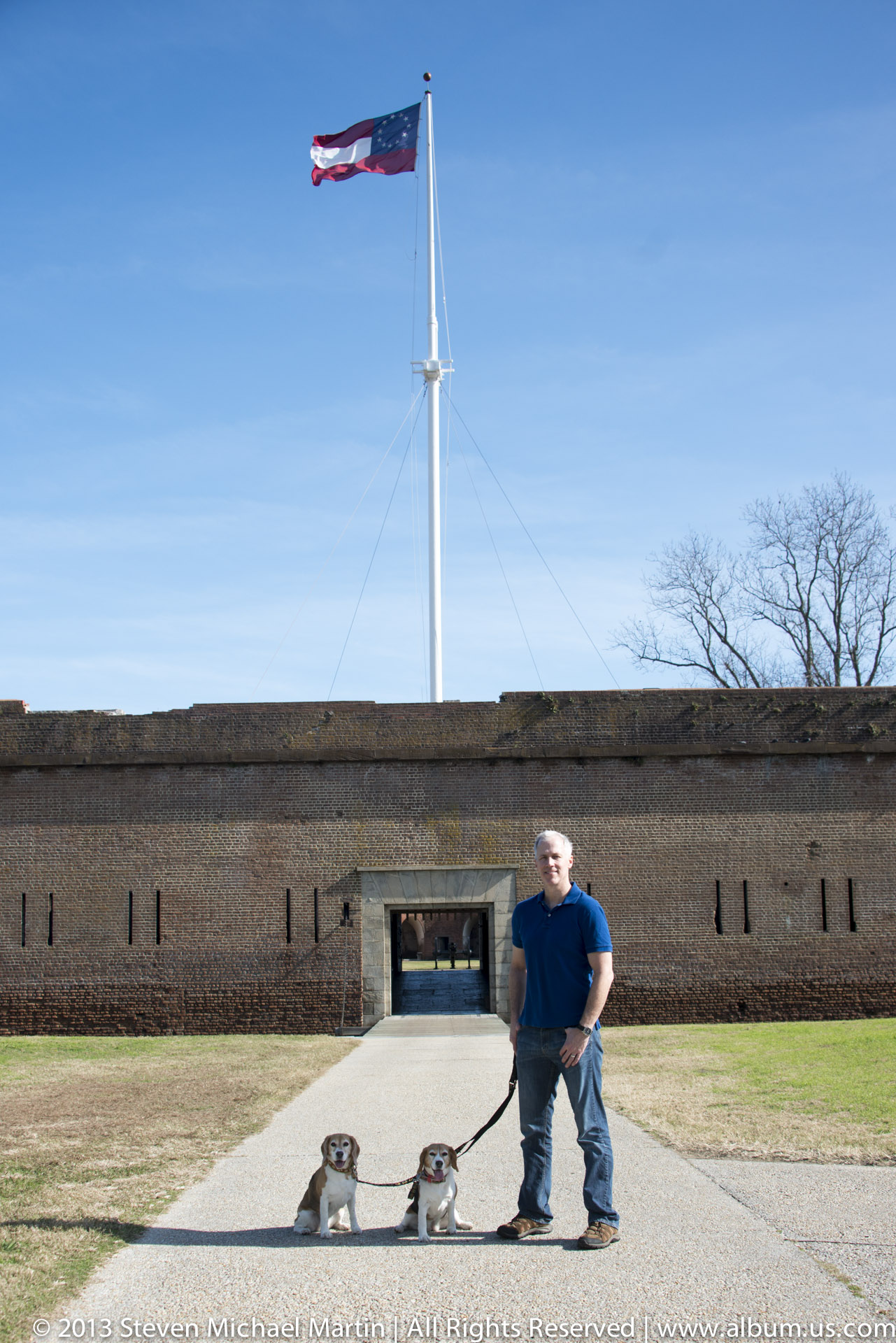
- Large brick fort constructed with millions of masonry units
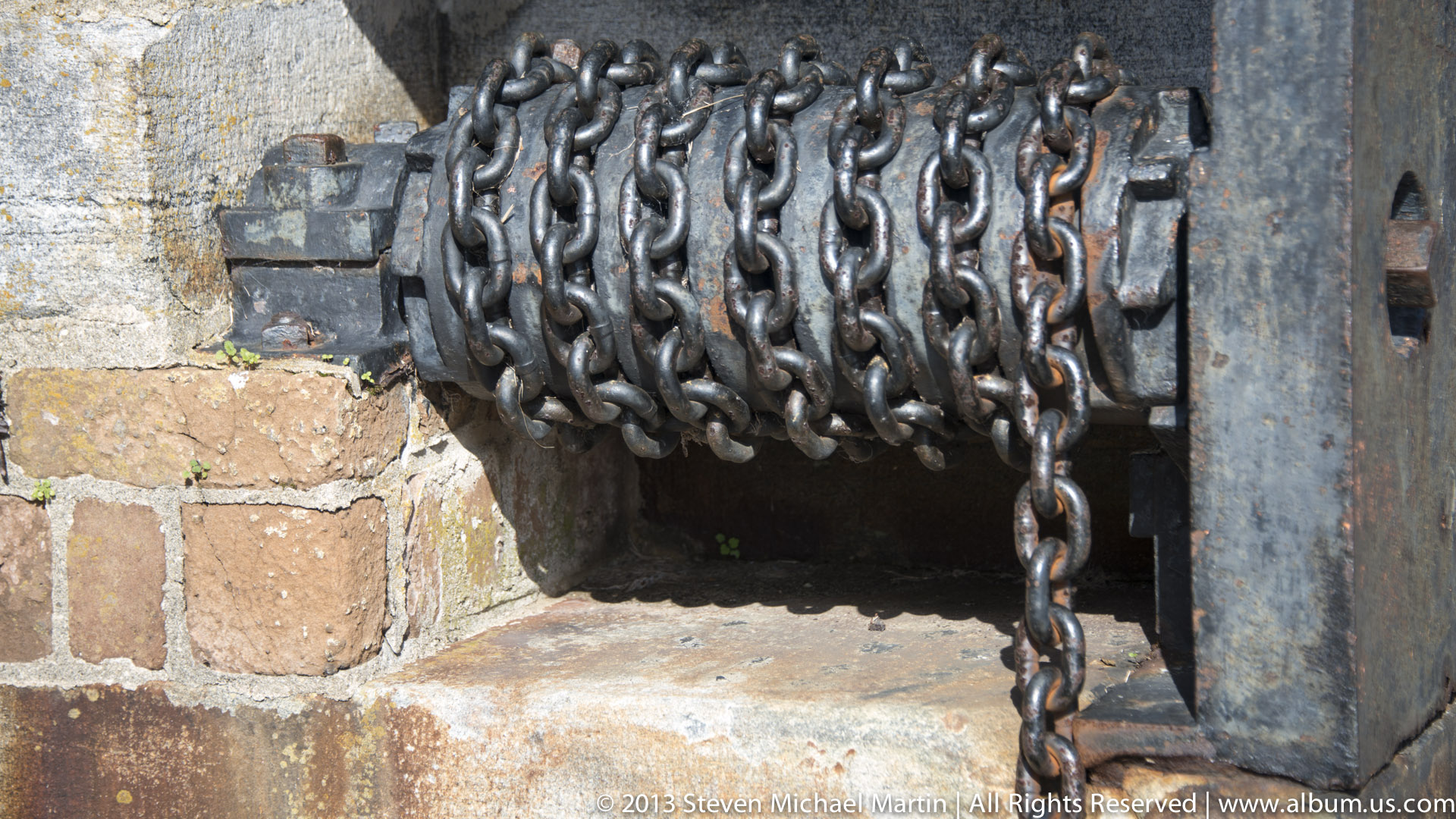
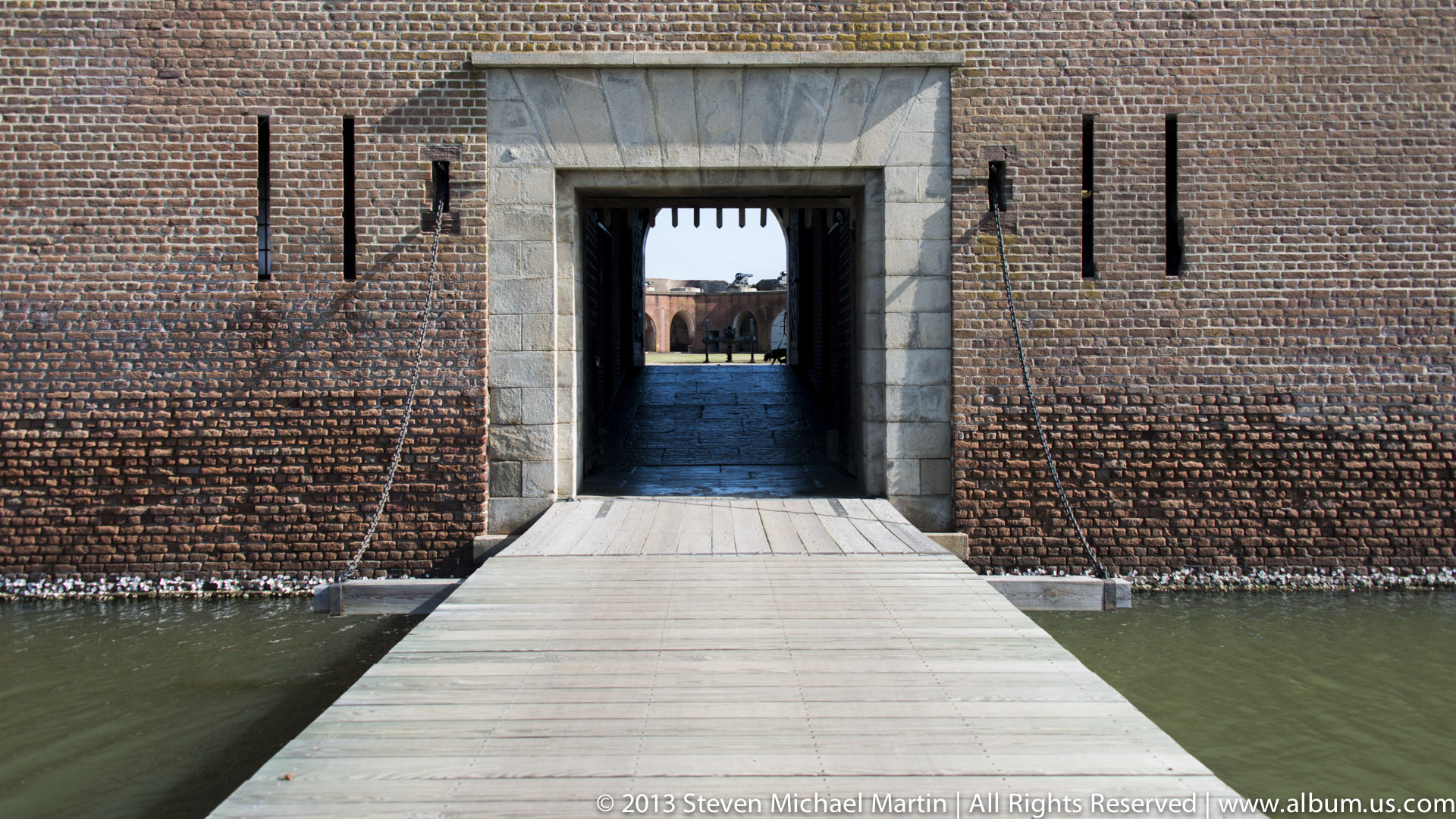
- Moat and drawbridge illustrating defensive design features
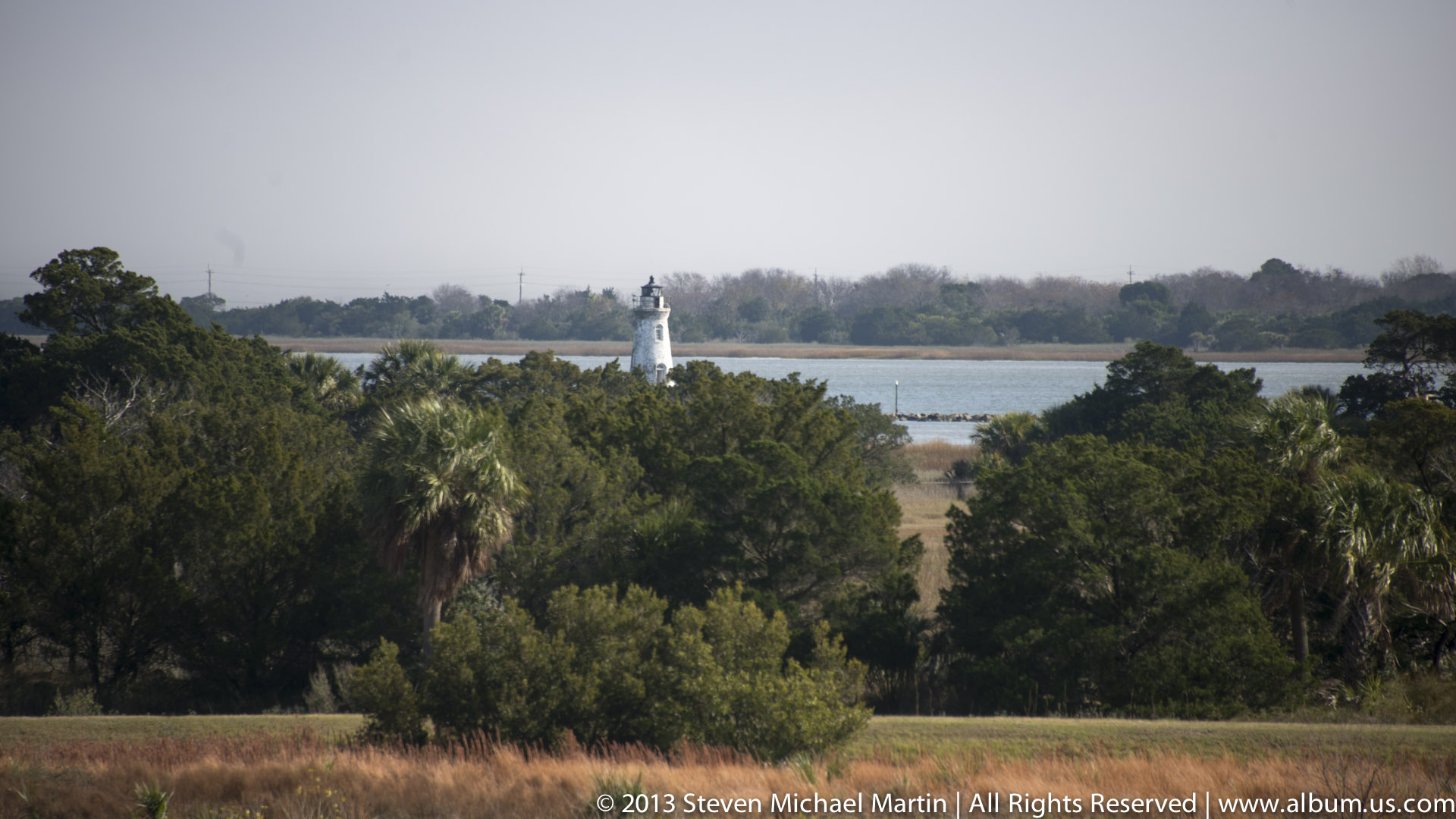
- Views across tidal marshes surrounding Cockspur Island
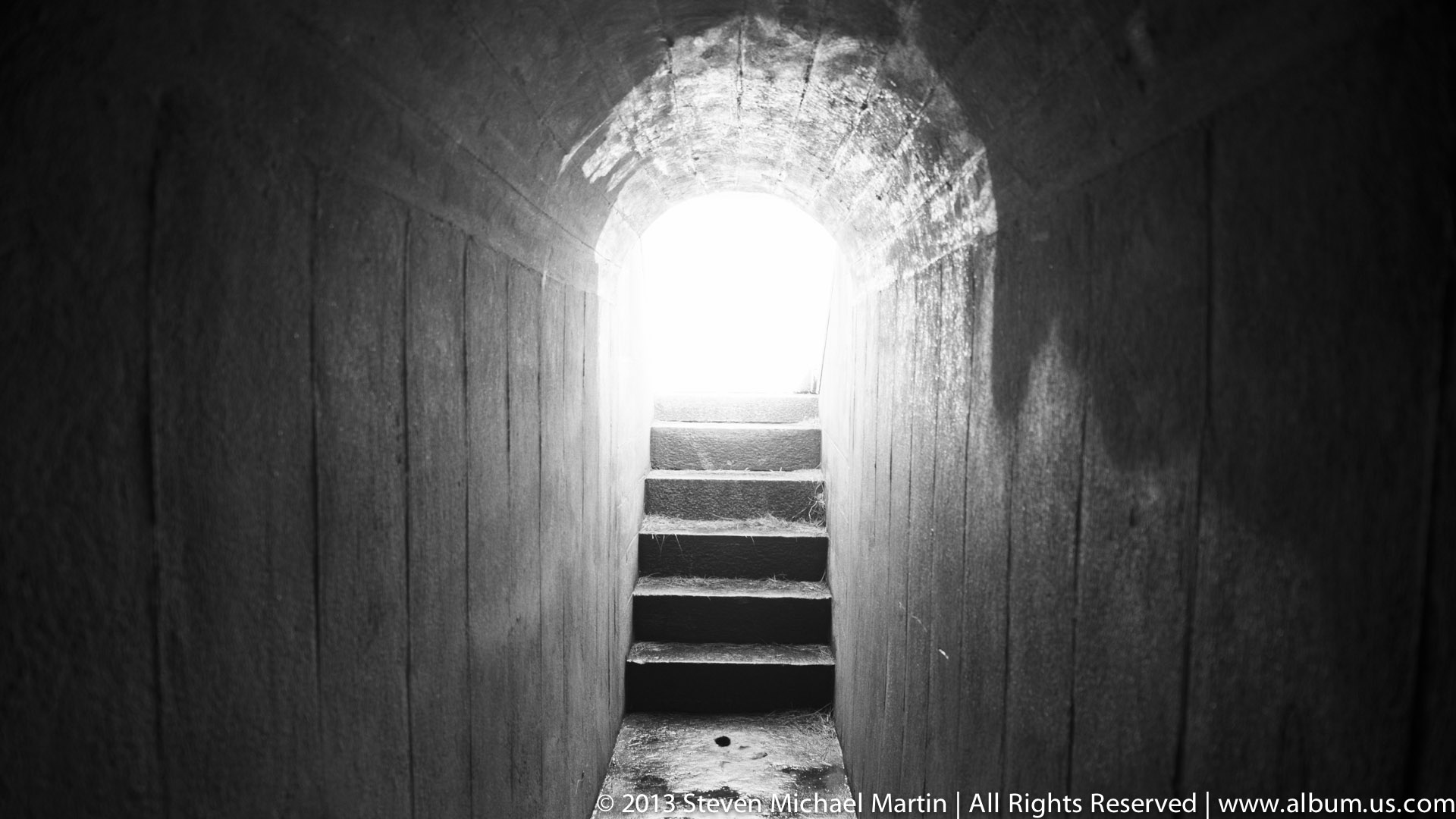
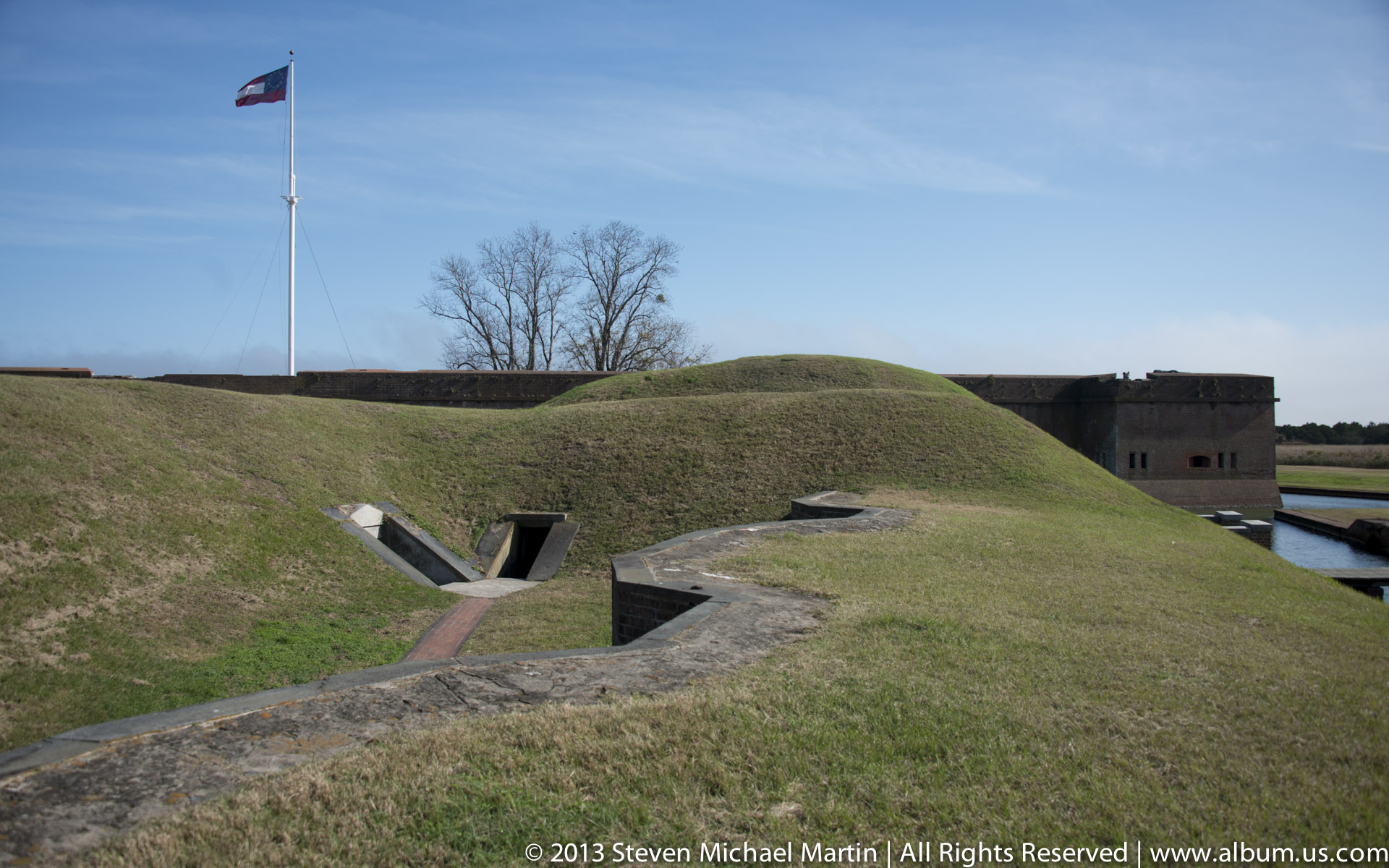
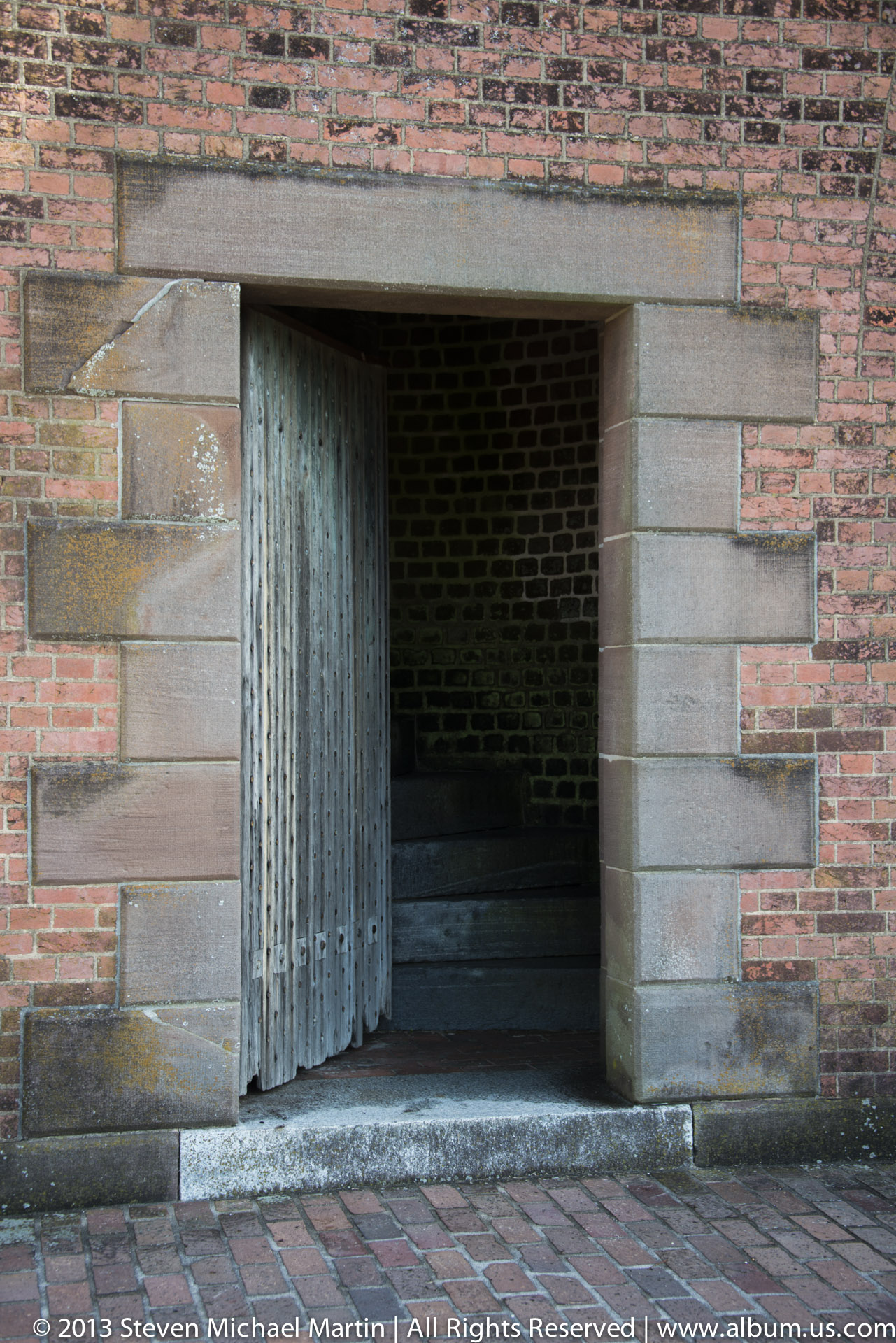
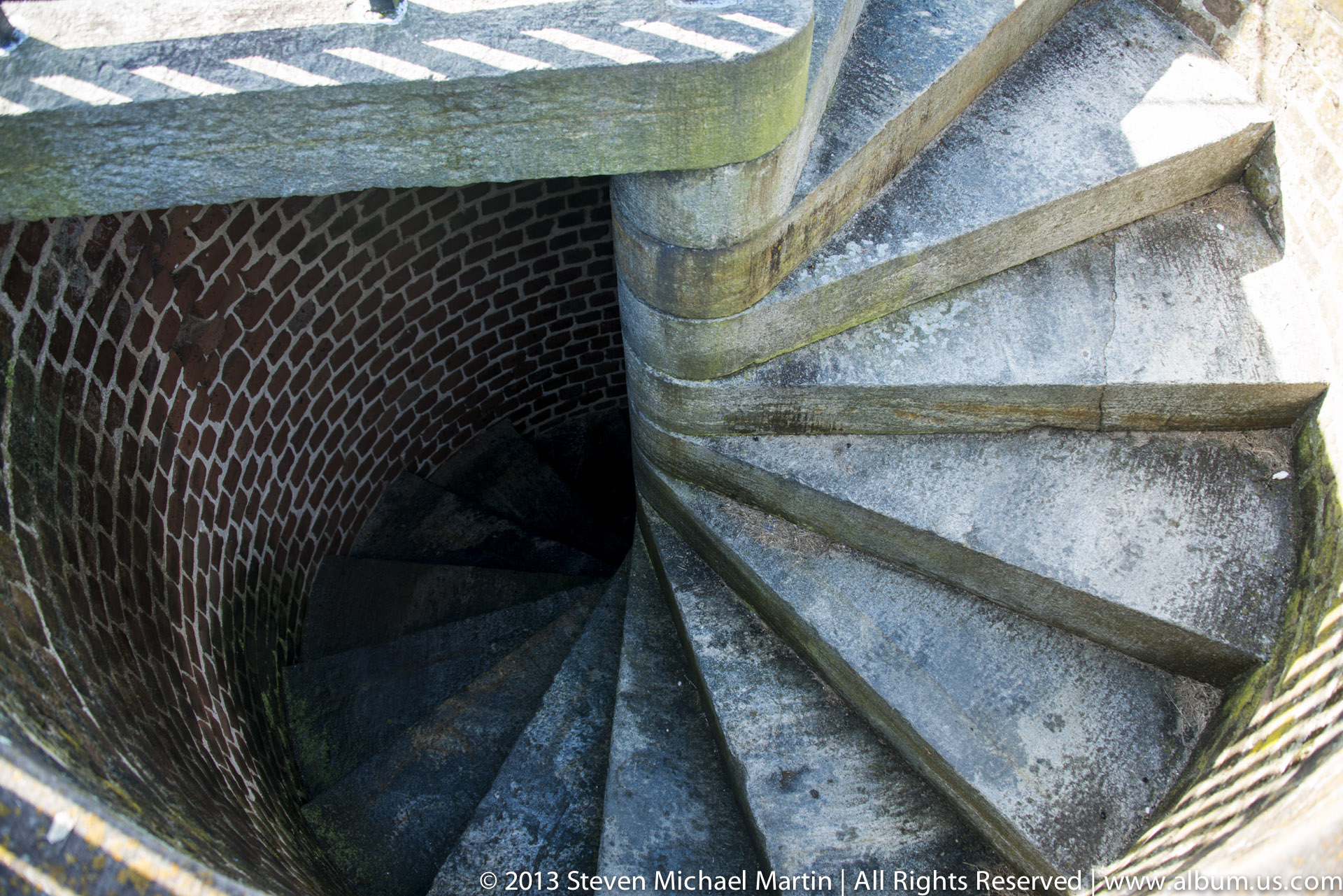
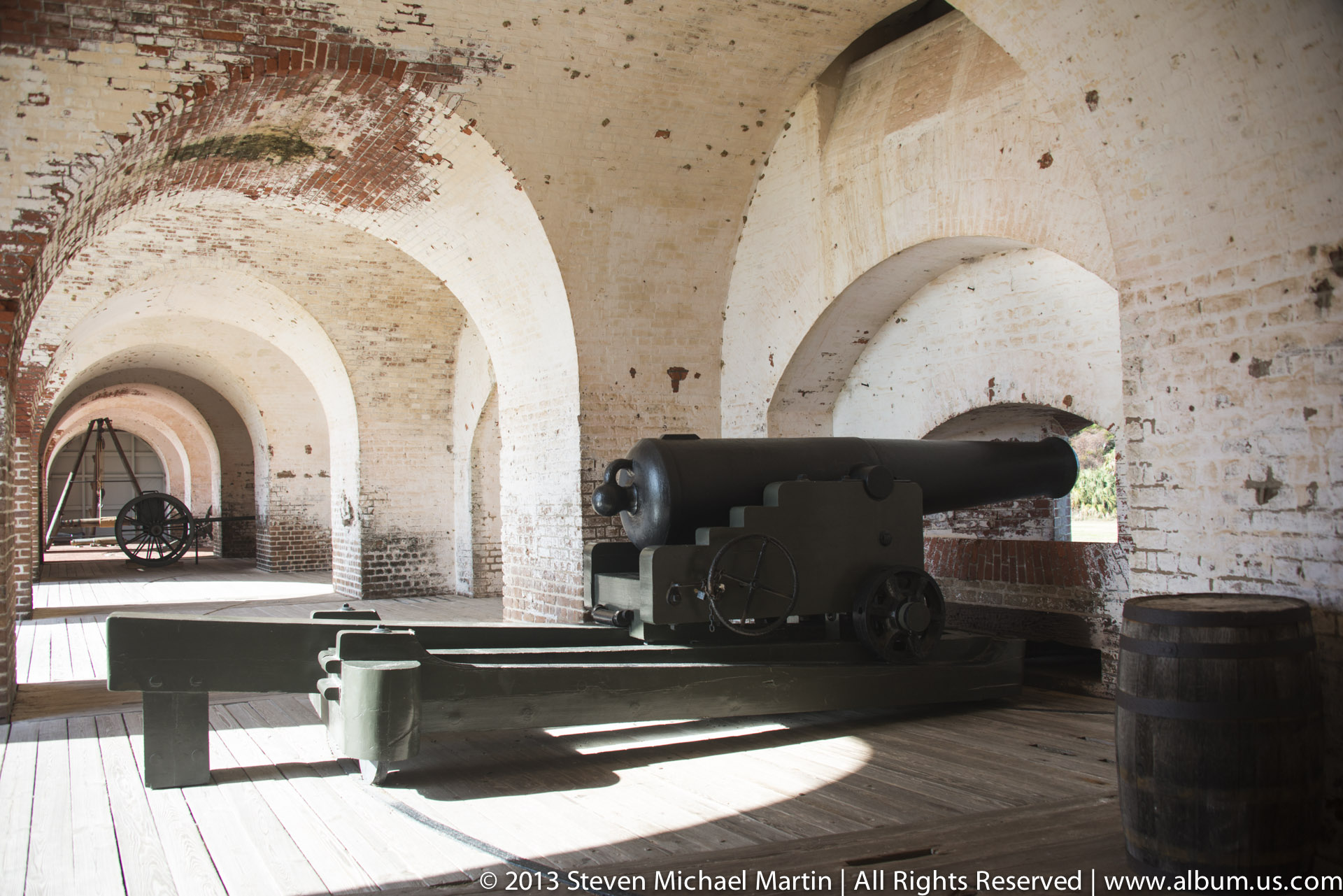
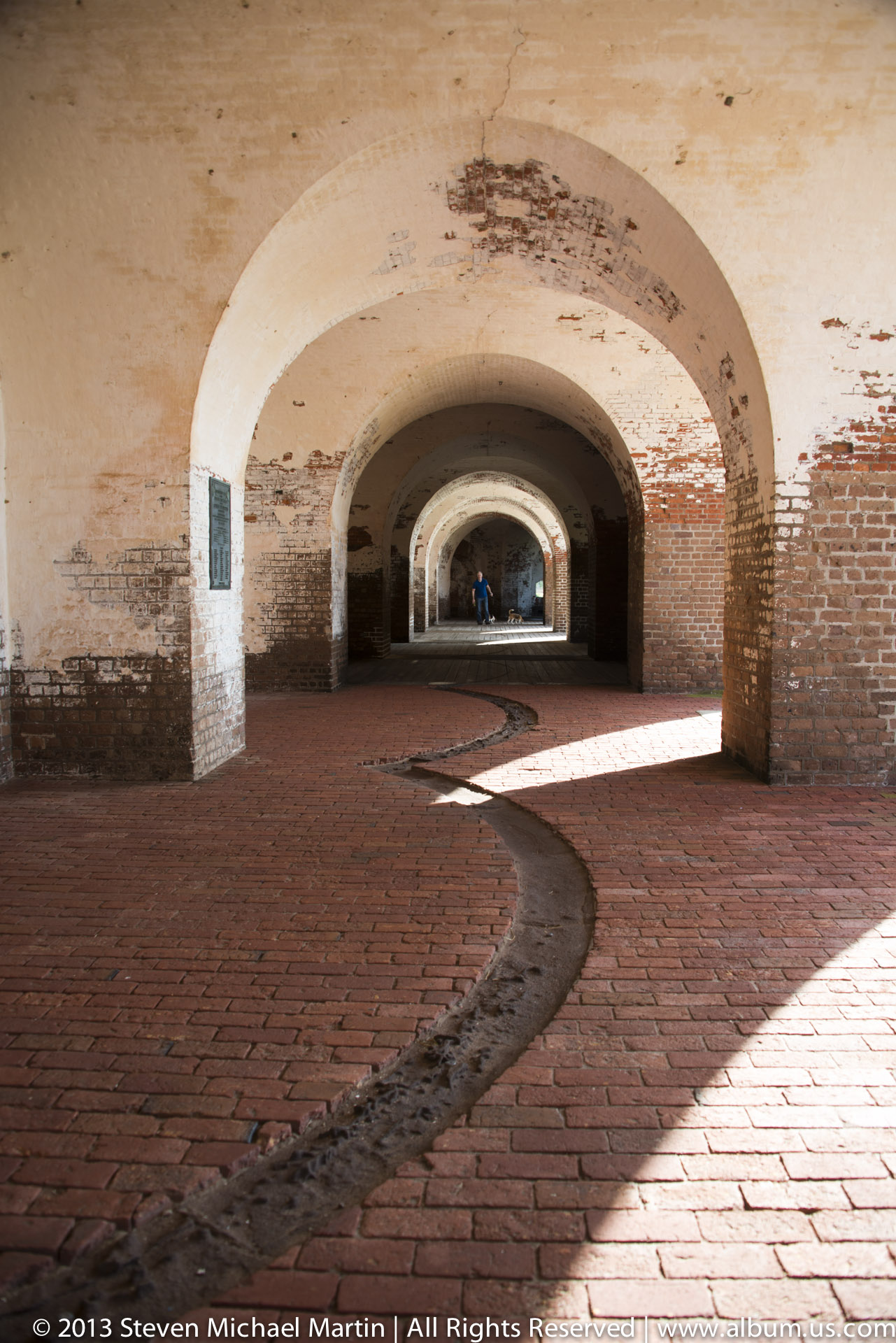
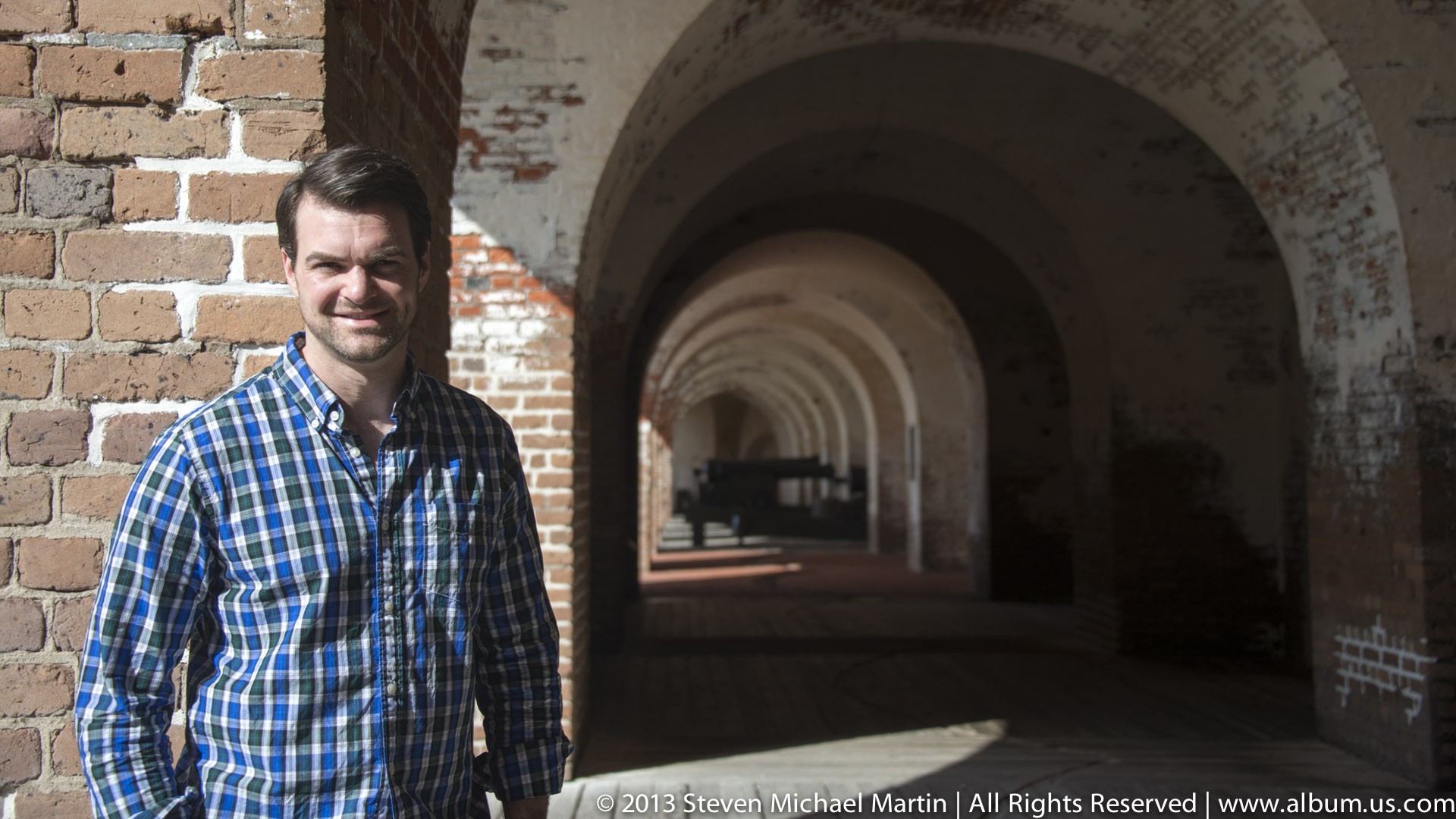
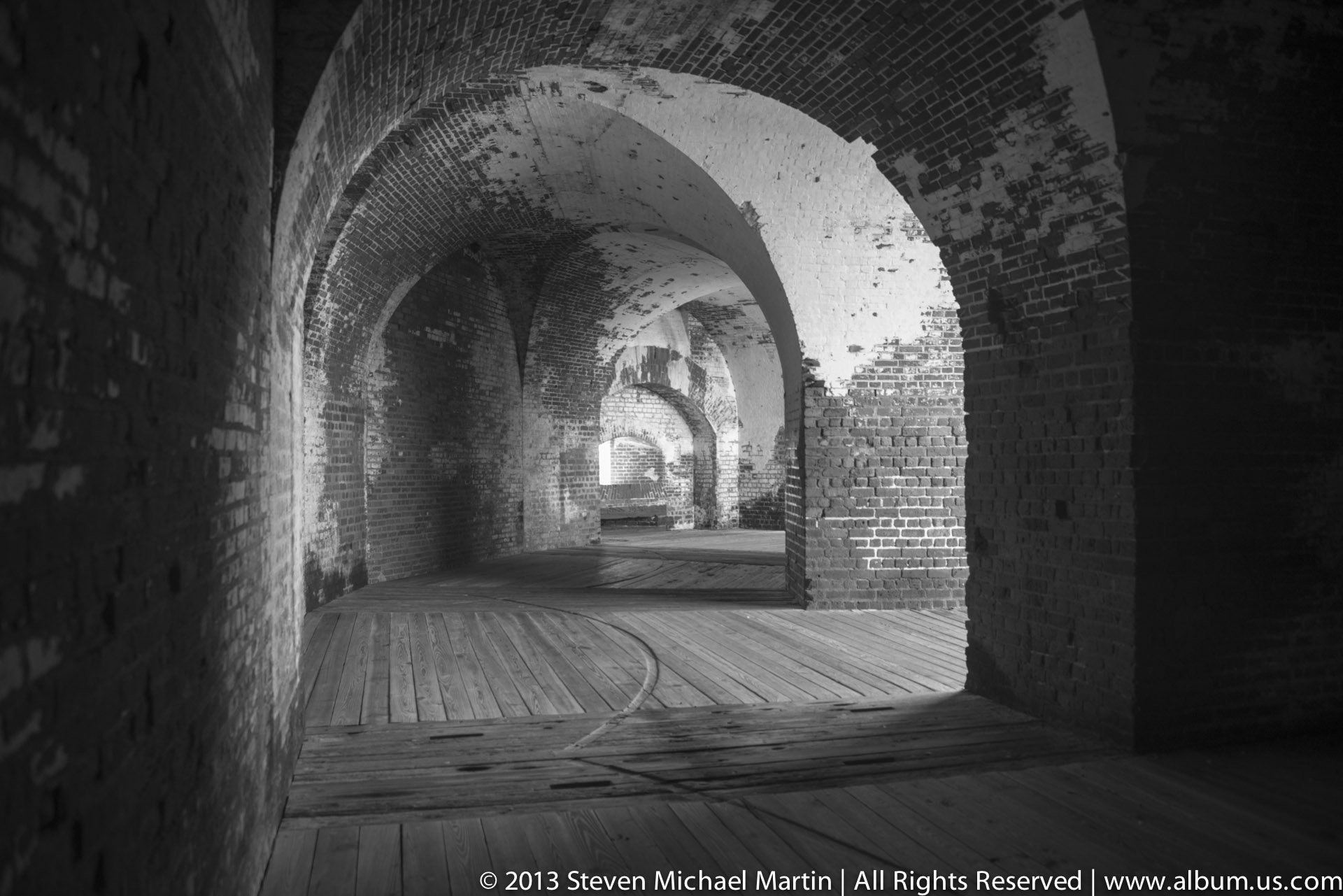
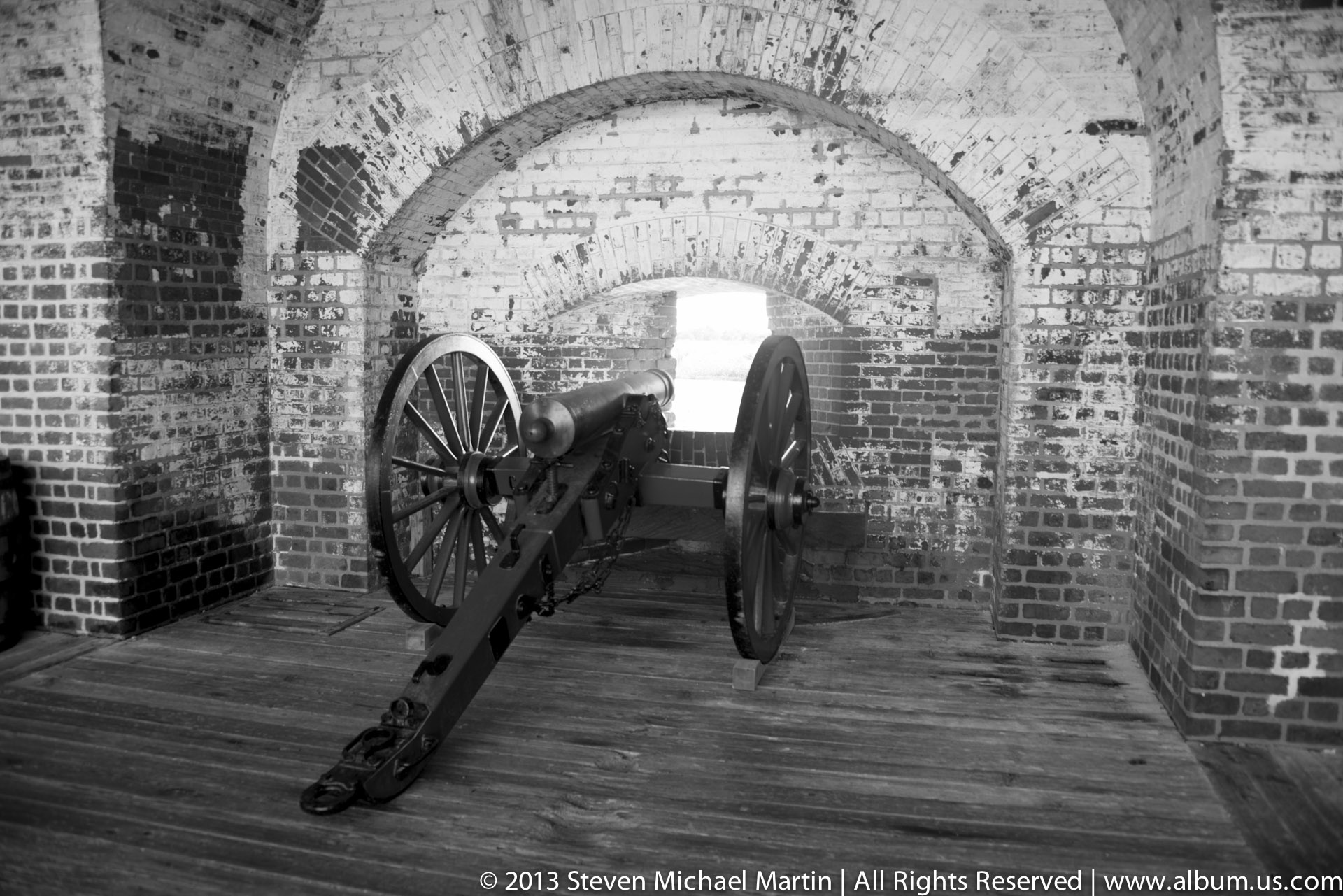
- Interior chambers and ramparts demonstrating fort layout
📷 Photography Notes
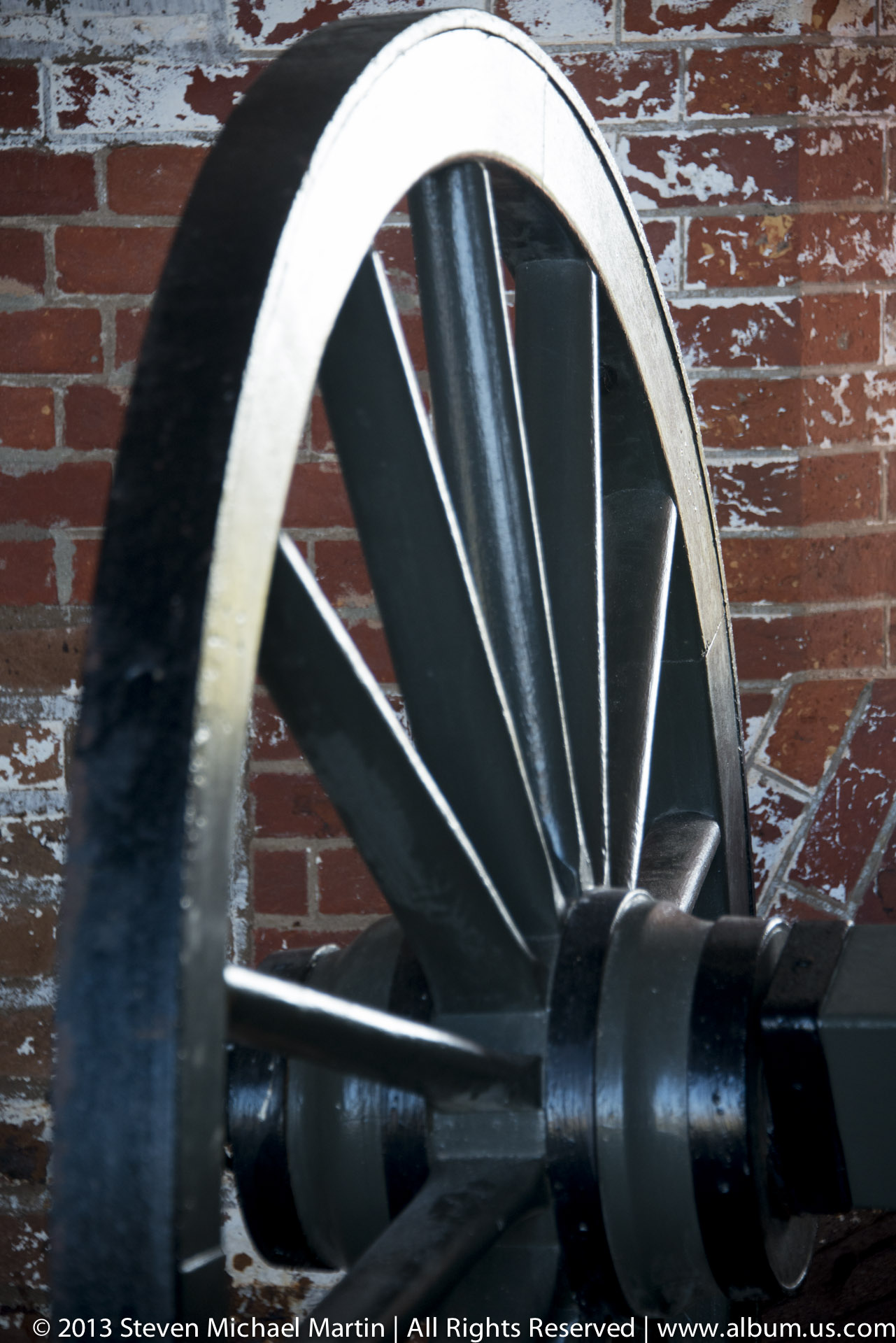
- Brick textures photograph well in angled morning or afternoon light
- Wide compositions emphasize geometric symmetry of fort walls
- Moat reflections can create balanced compositions
- Elevated rampart views provide strong leading lines
- Cloud cover can enhance color contrast in brick surfaces
📚 Summary
Fort Pulaski illustrates the relationship between coastal geography and evolving military technology during the nineteenth century. Its preserved structure reflects the strategic importance of protecting maritime trade routes along the Atlantic coast and demonstrates changing approaches to fortification design.