Lake Clark NP
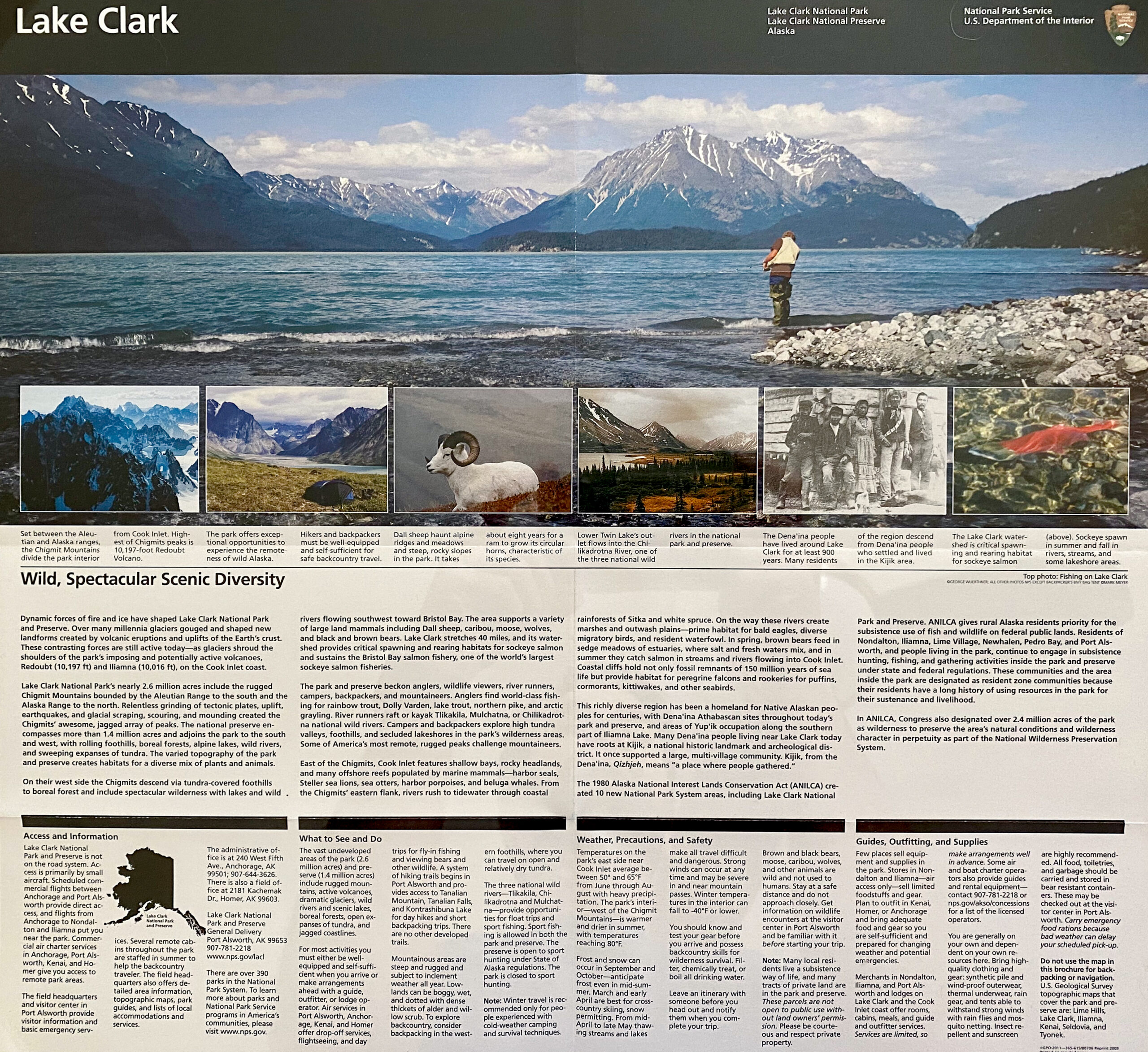
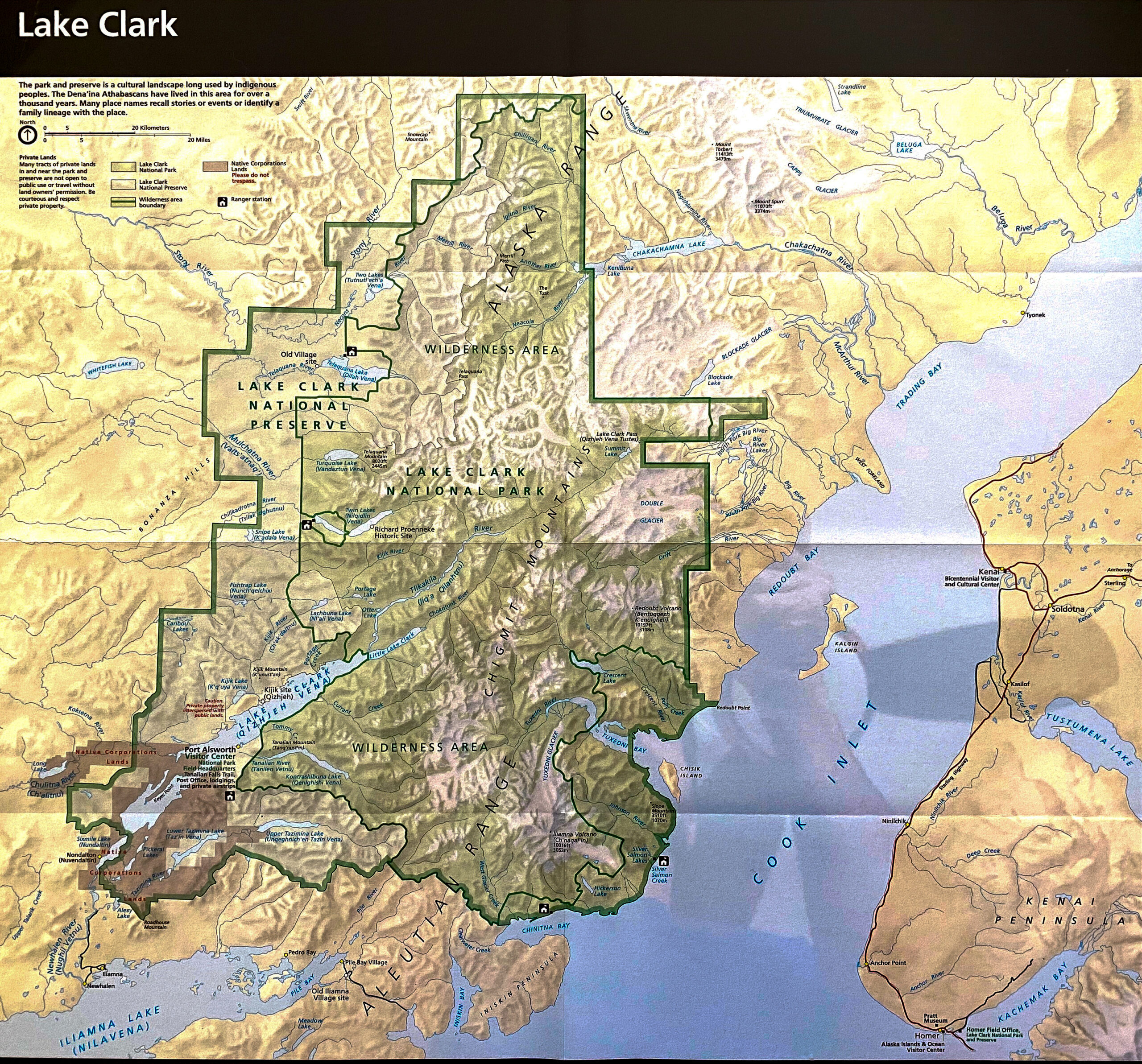
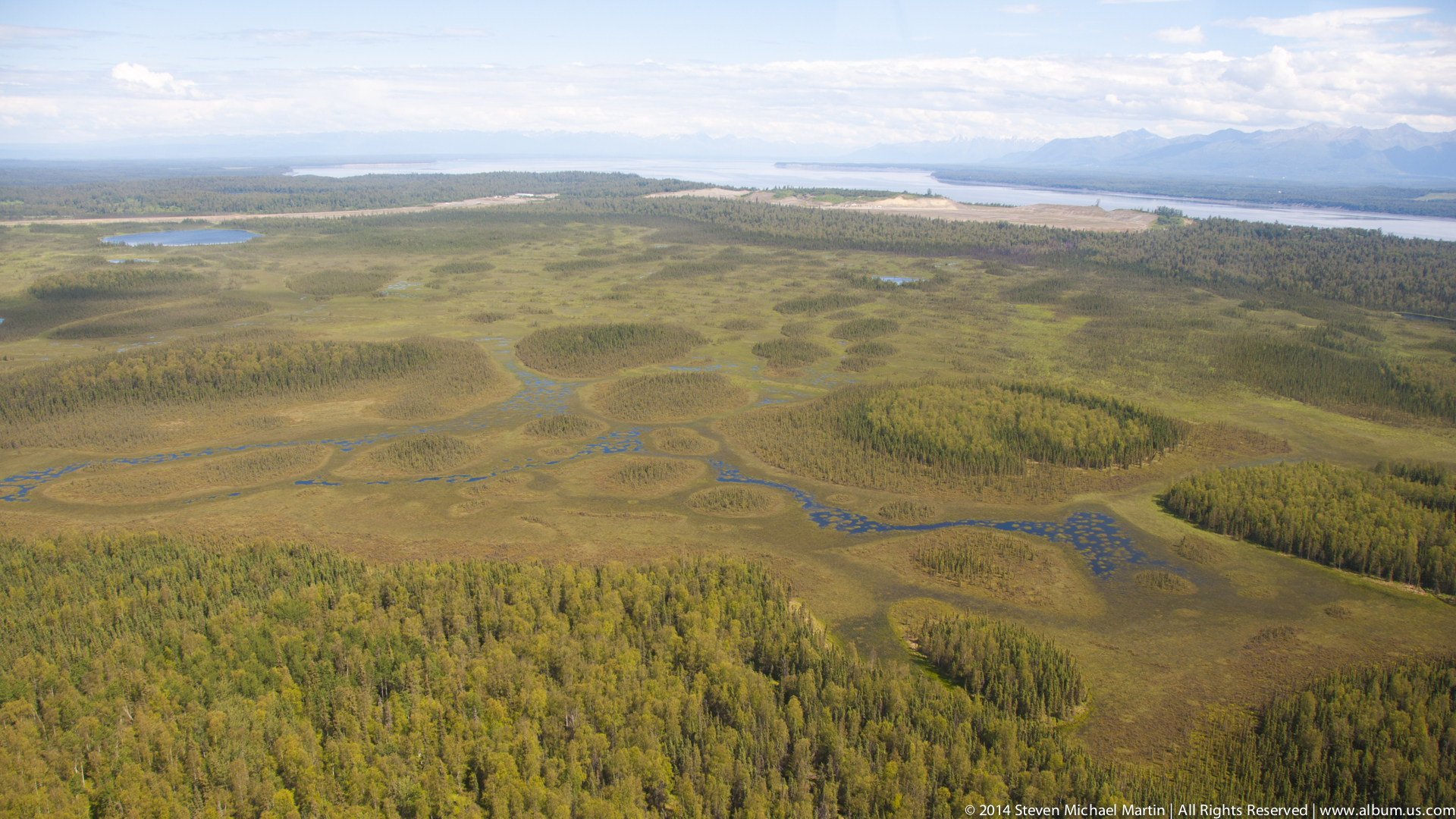
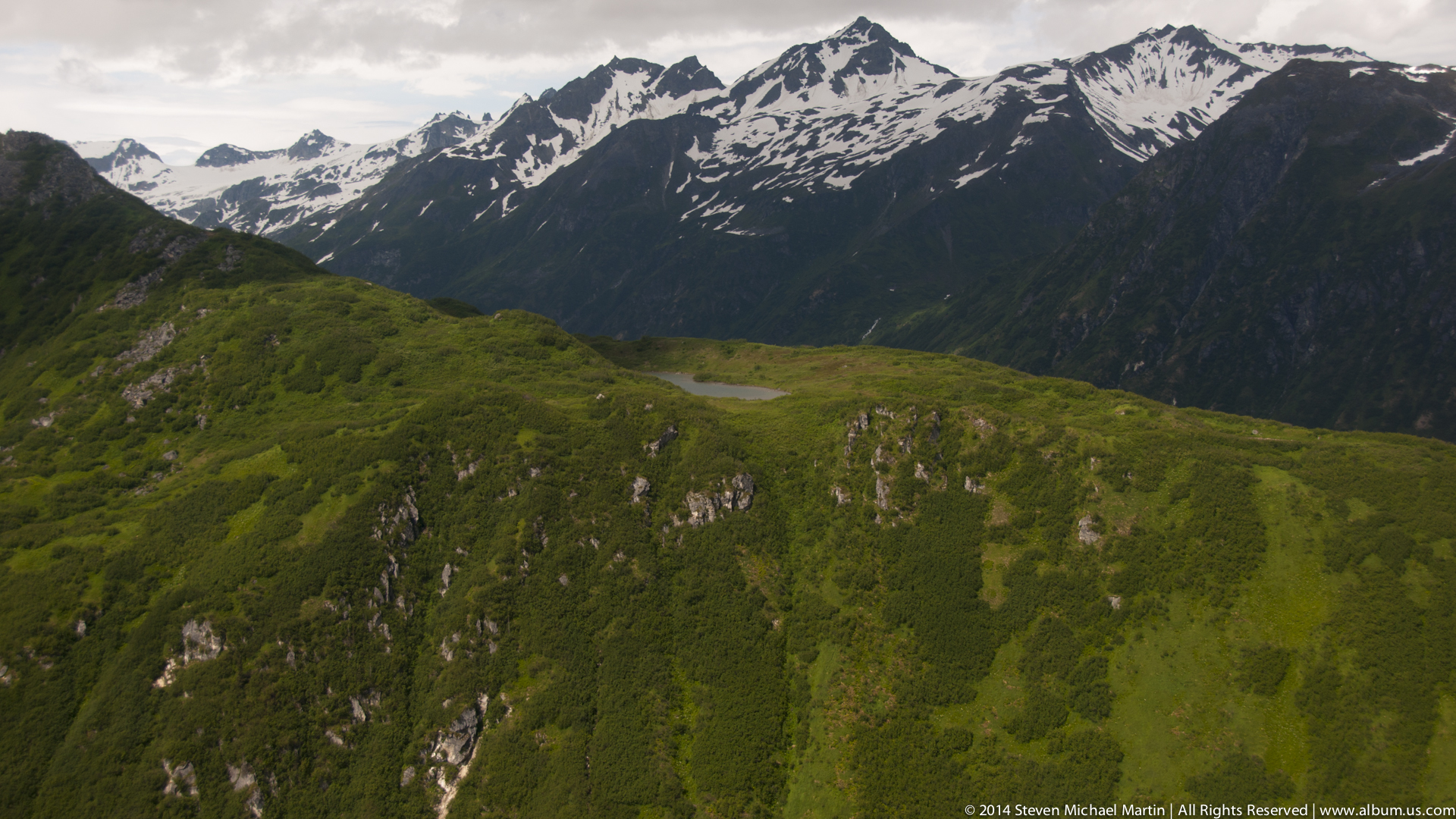
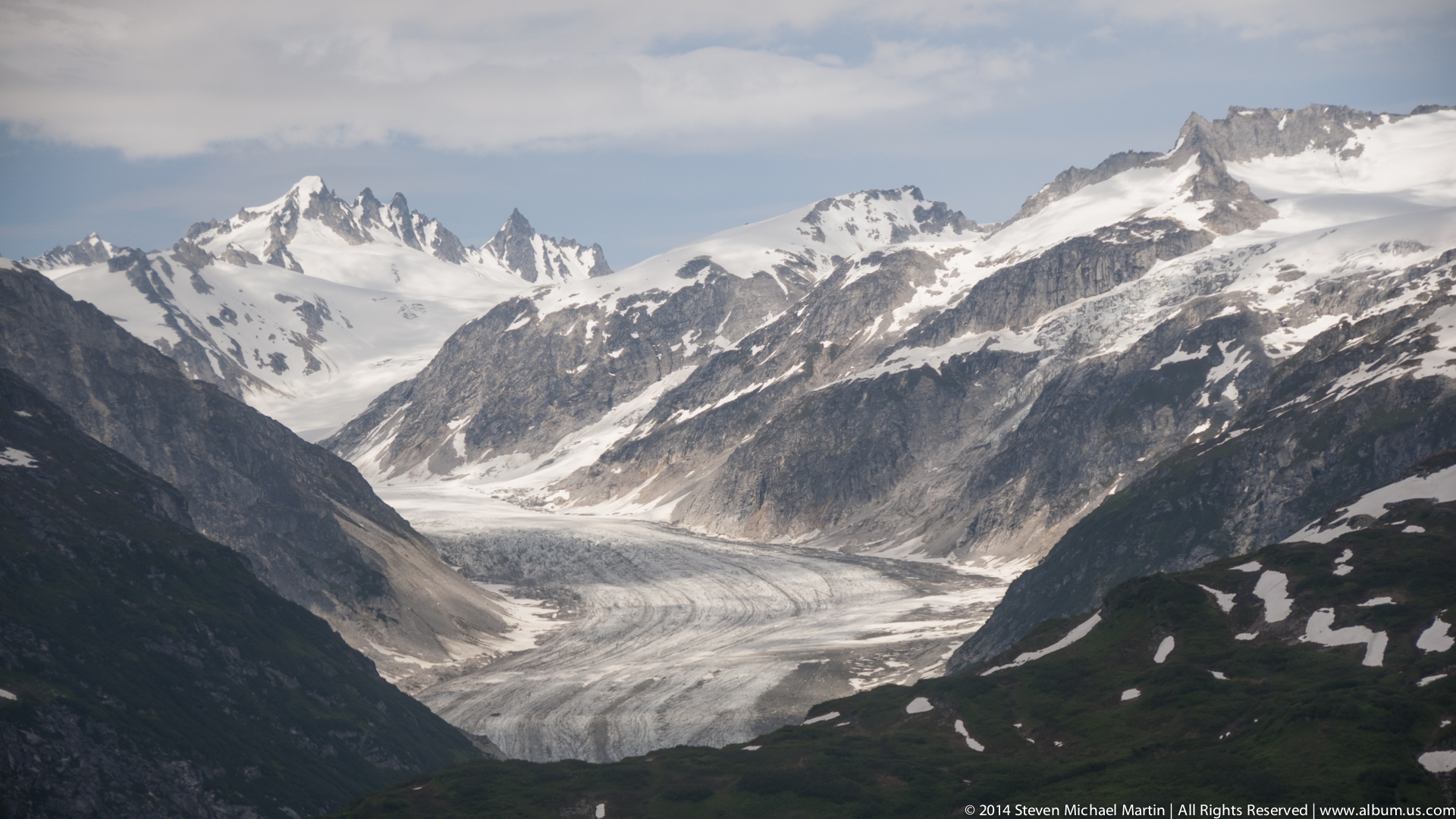
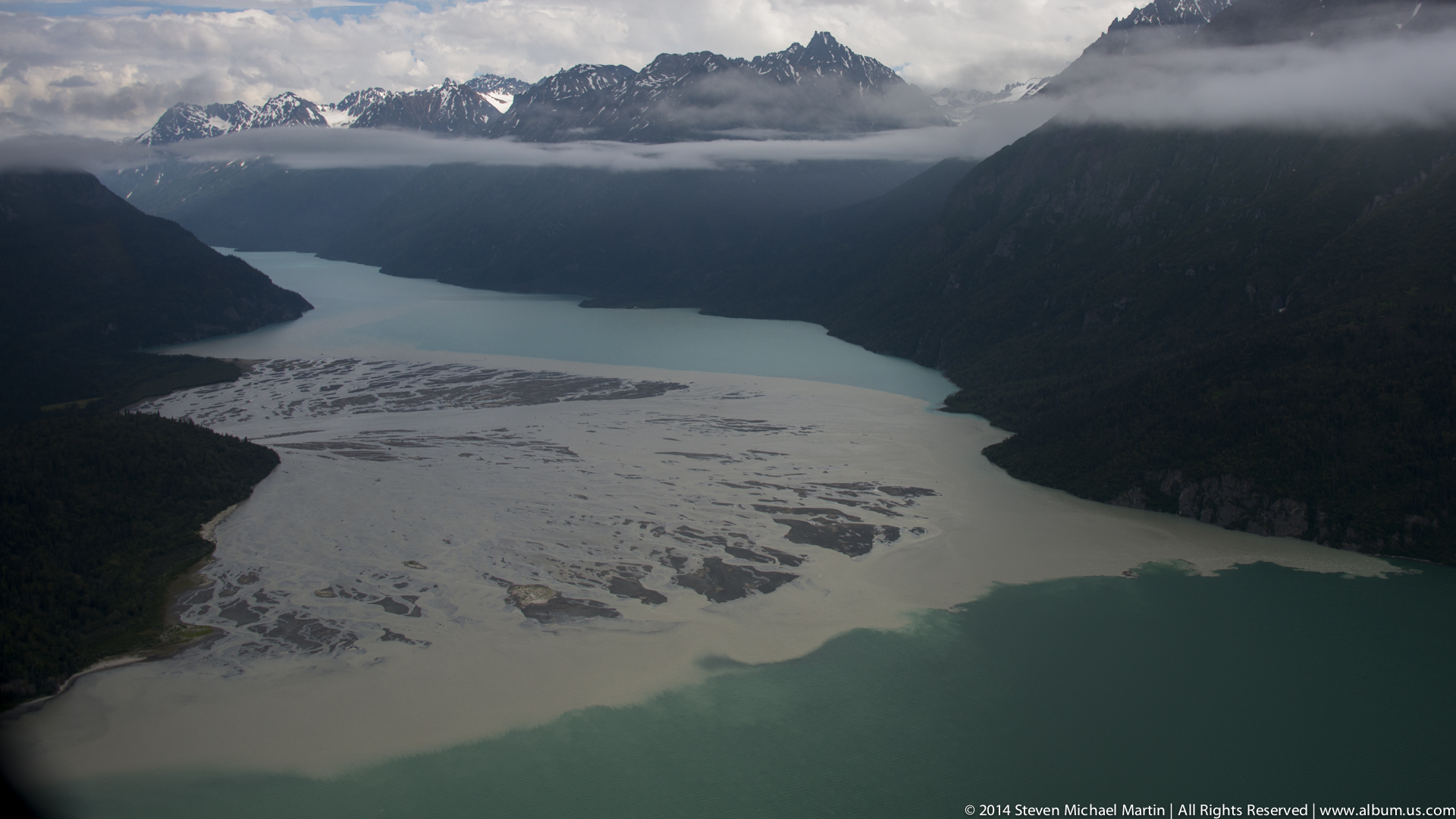
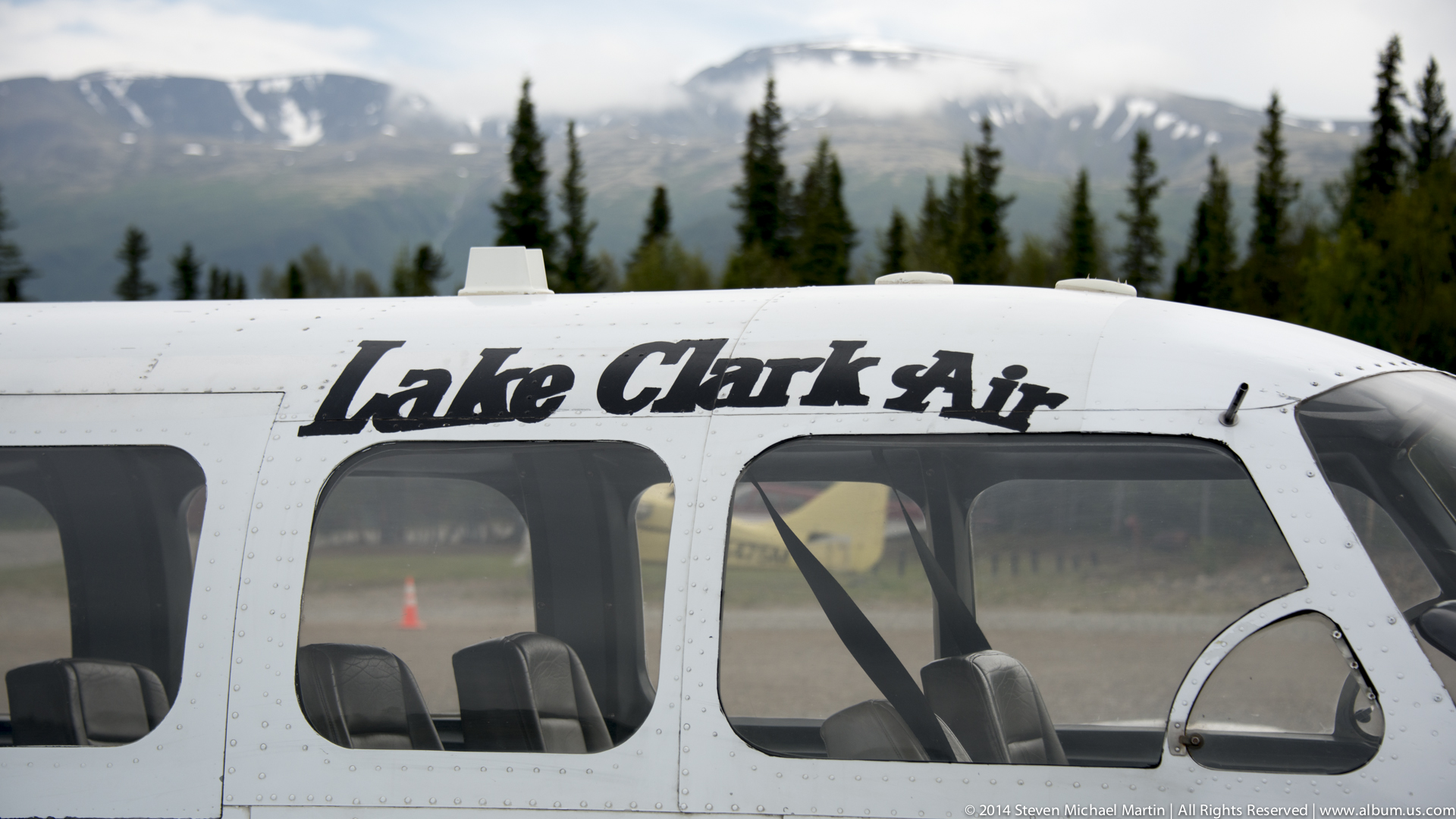
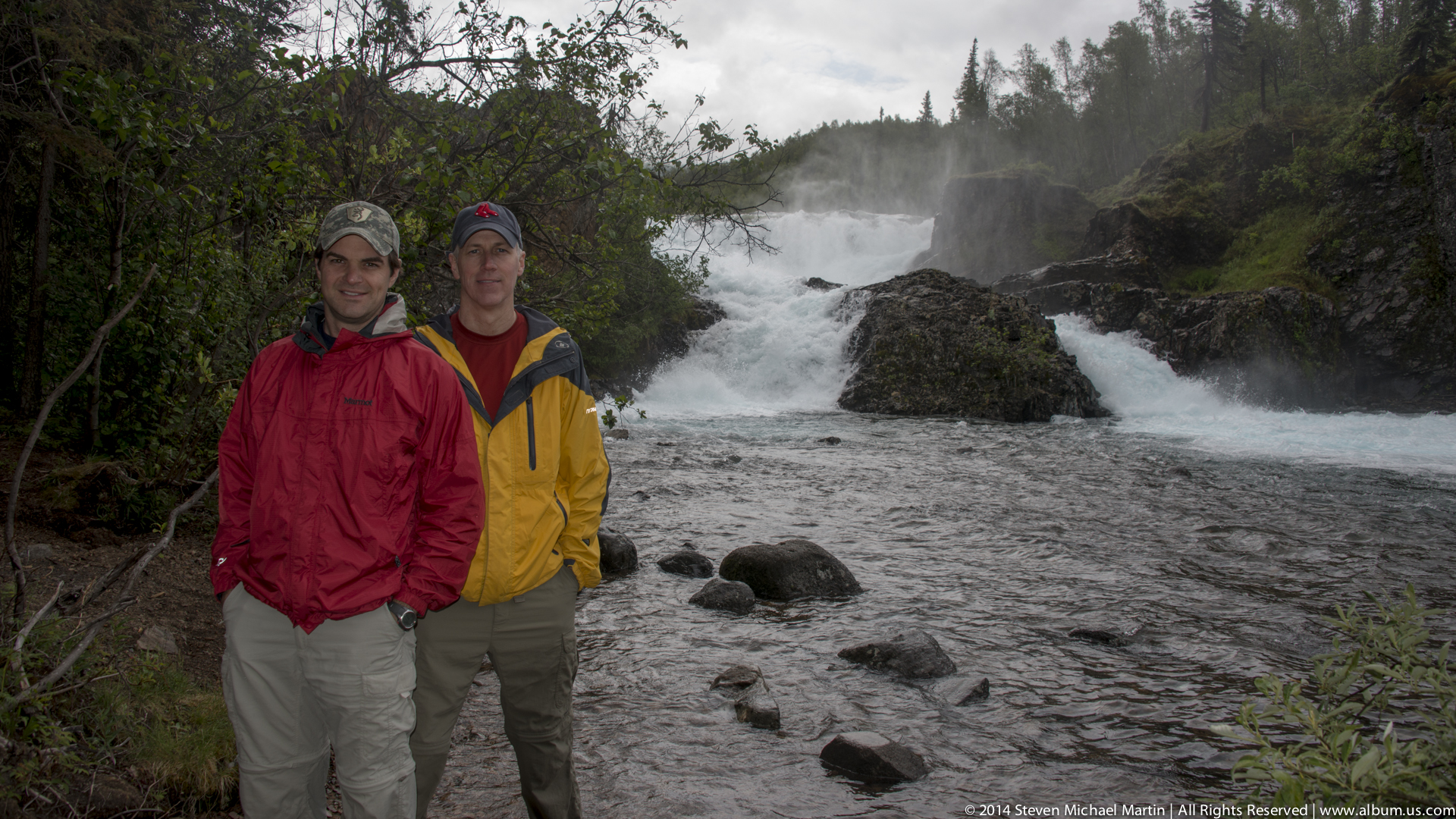
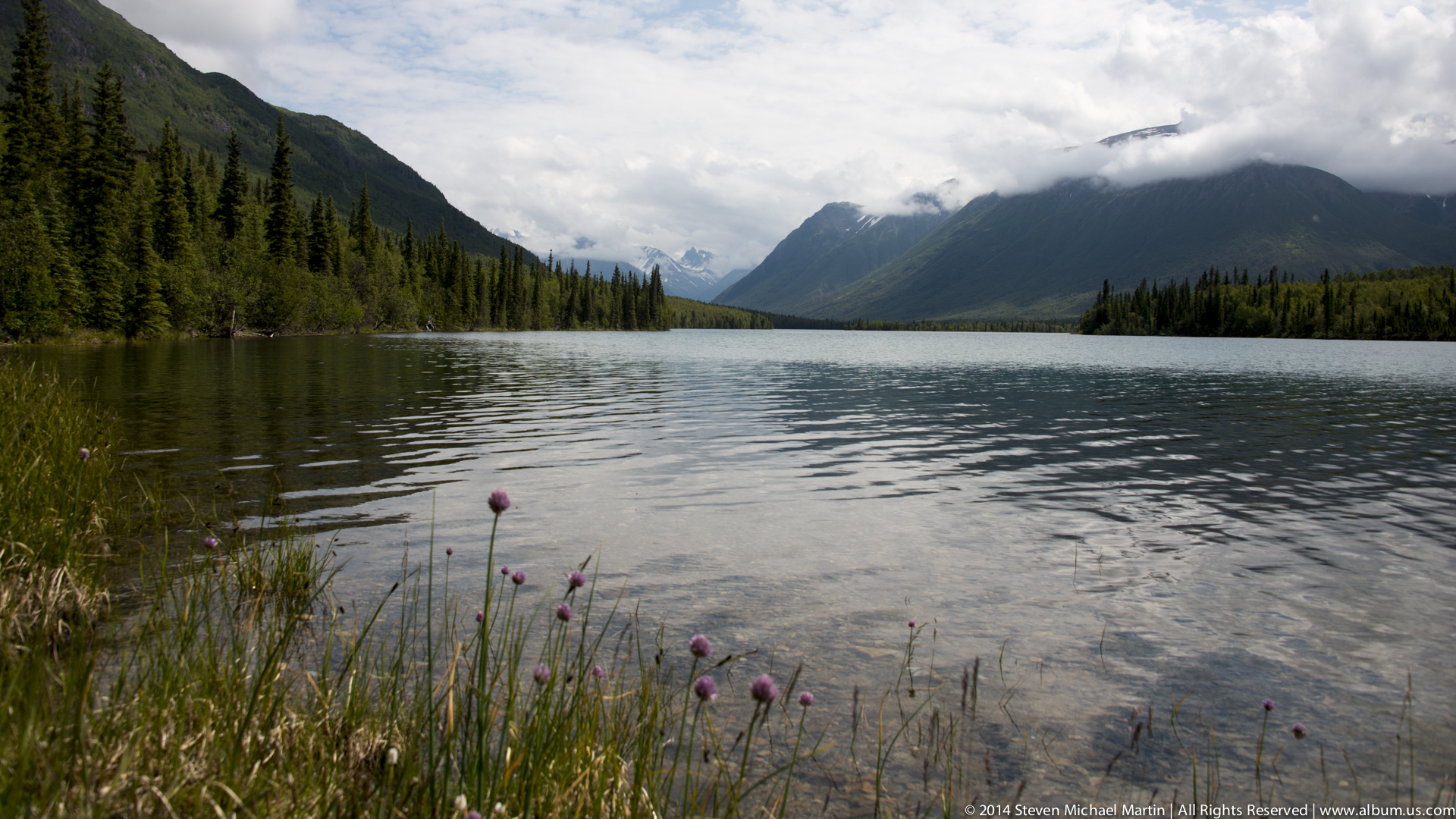
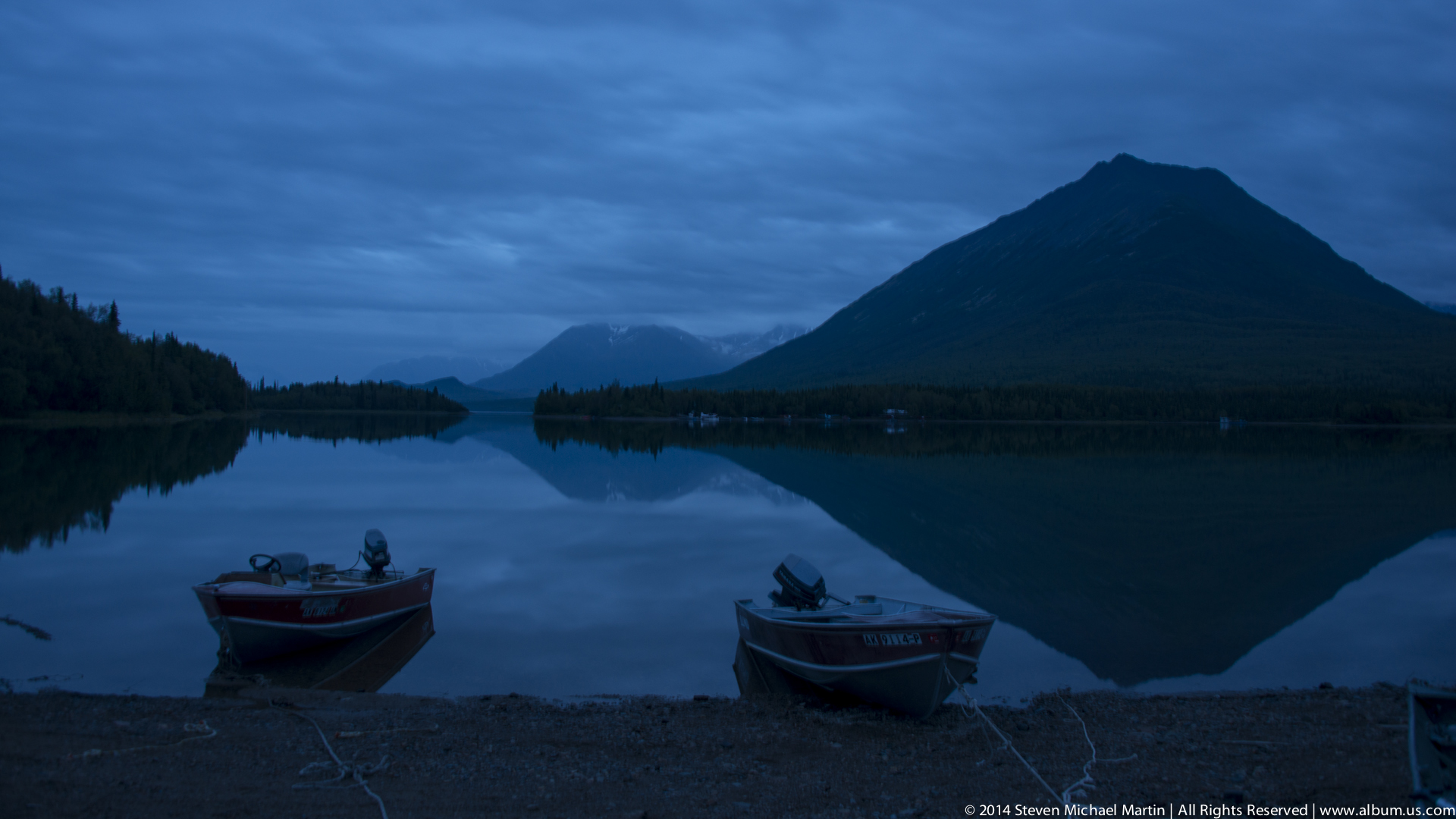
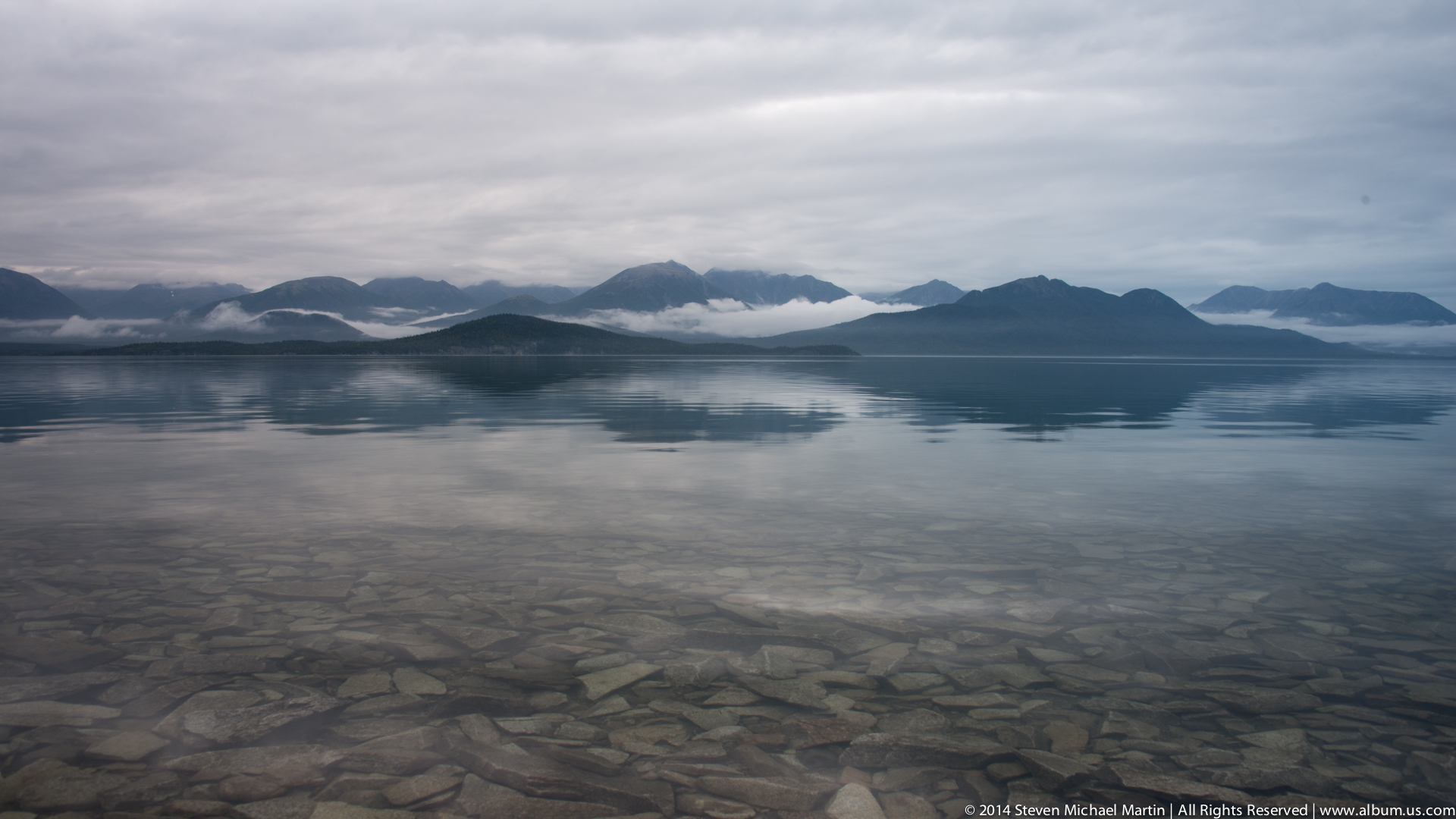
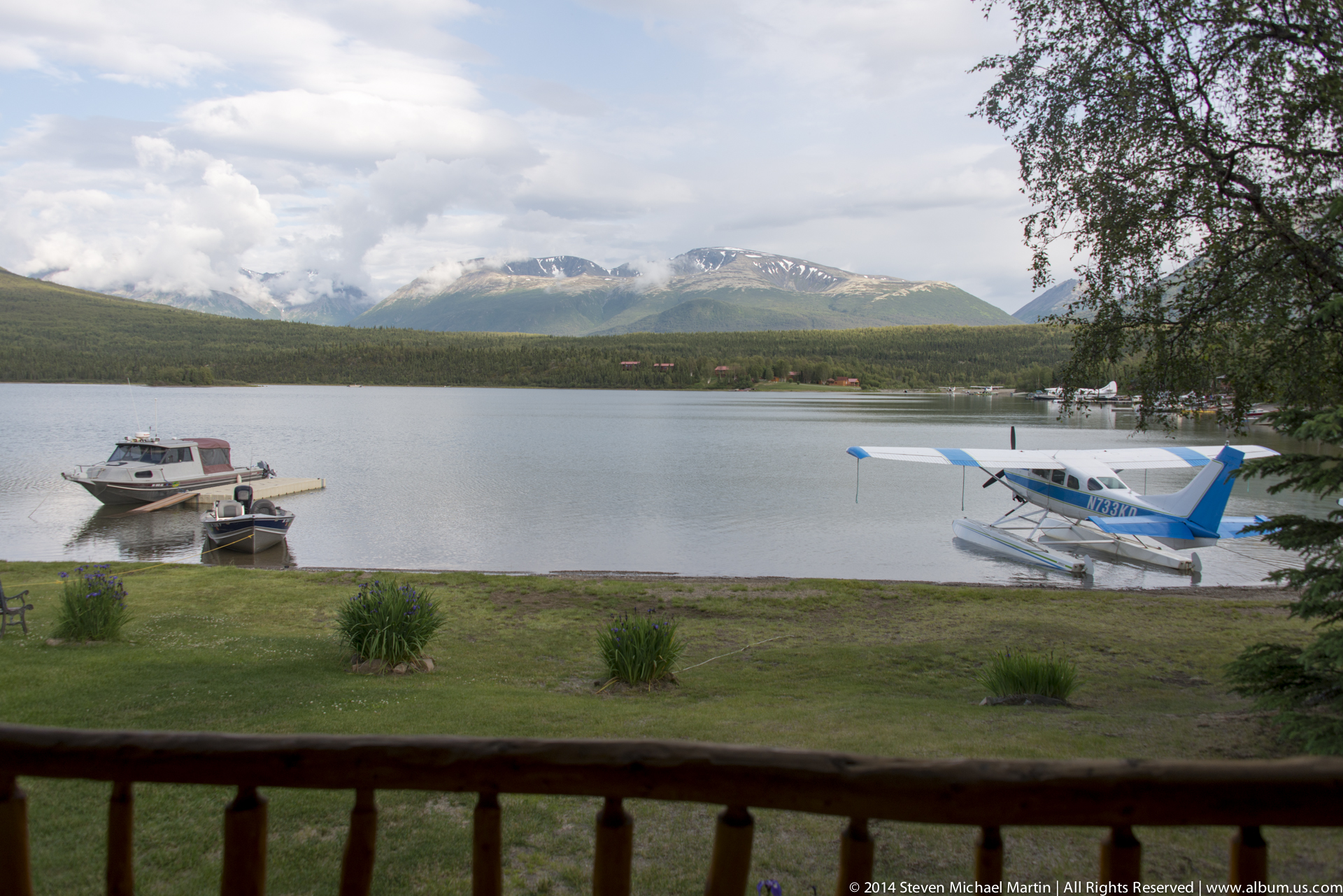
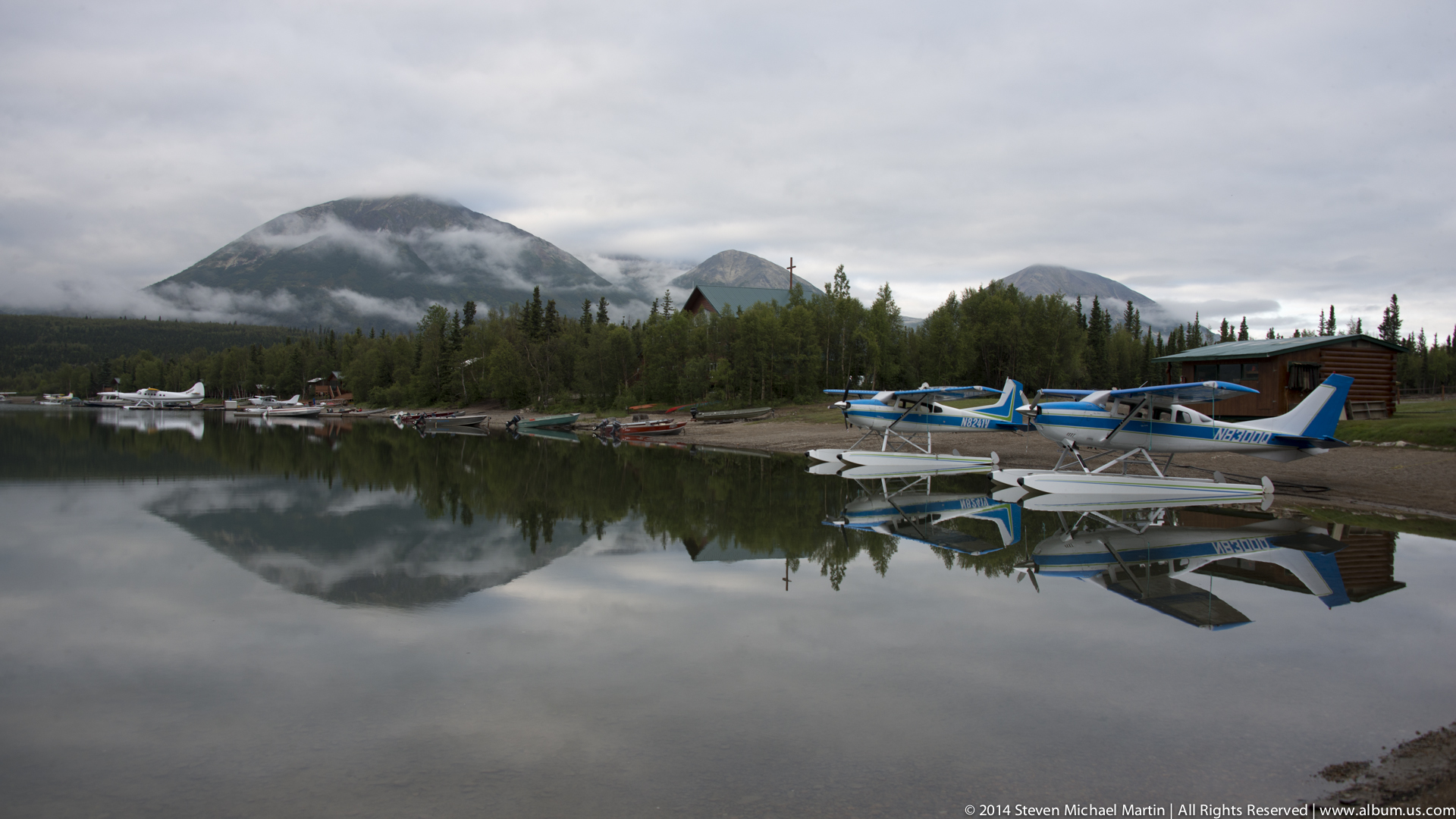
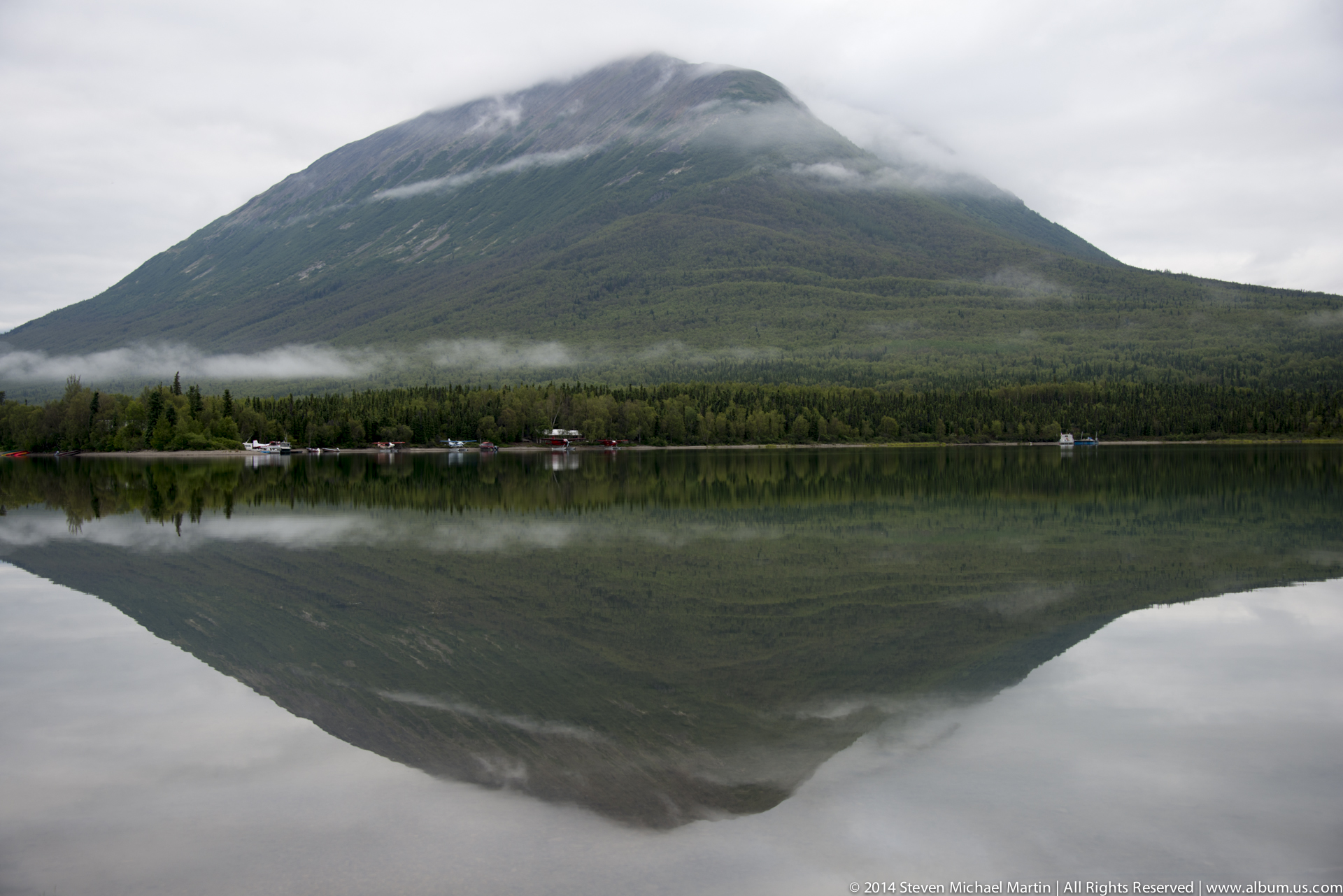
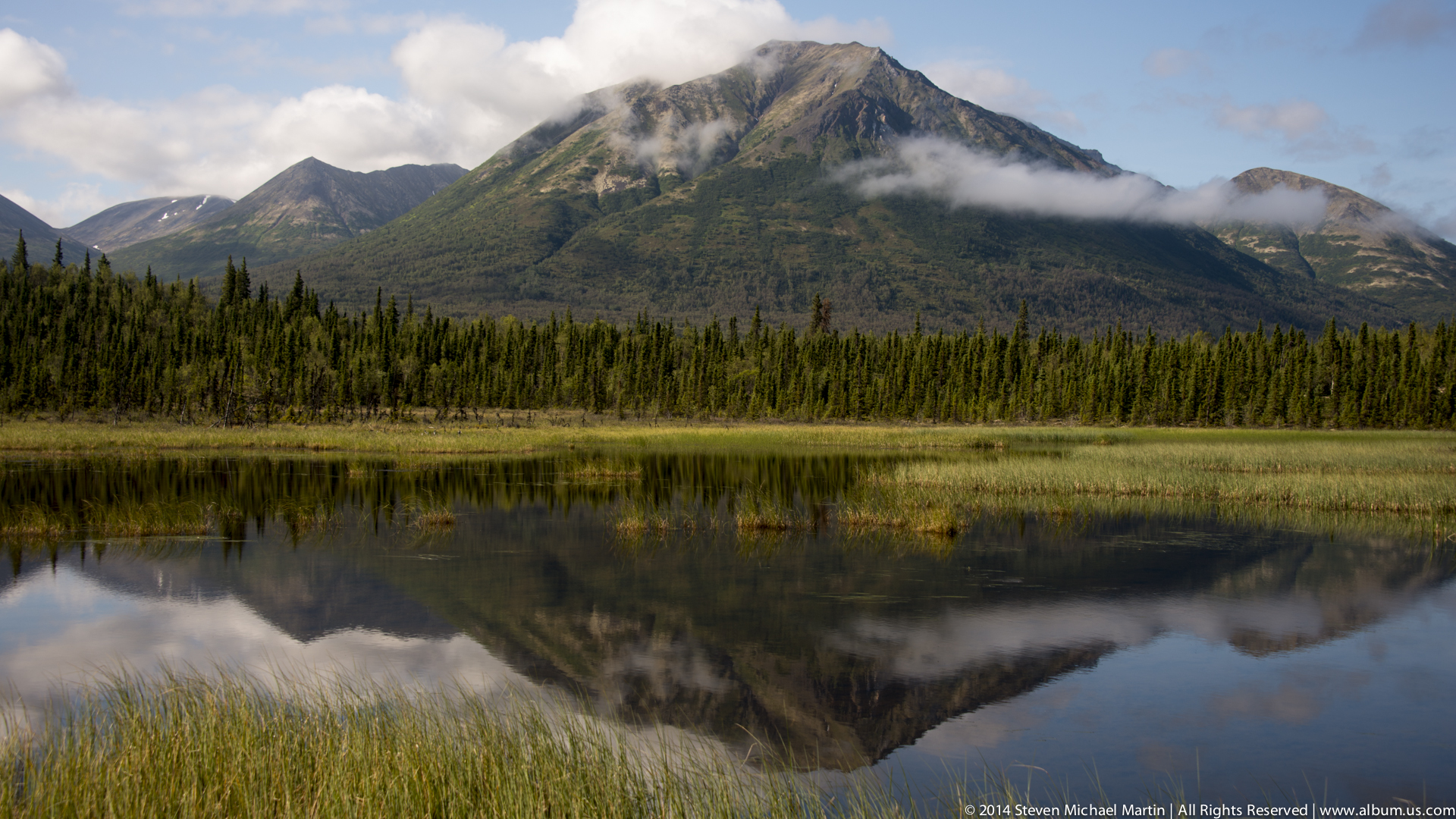
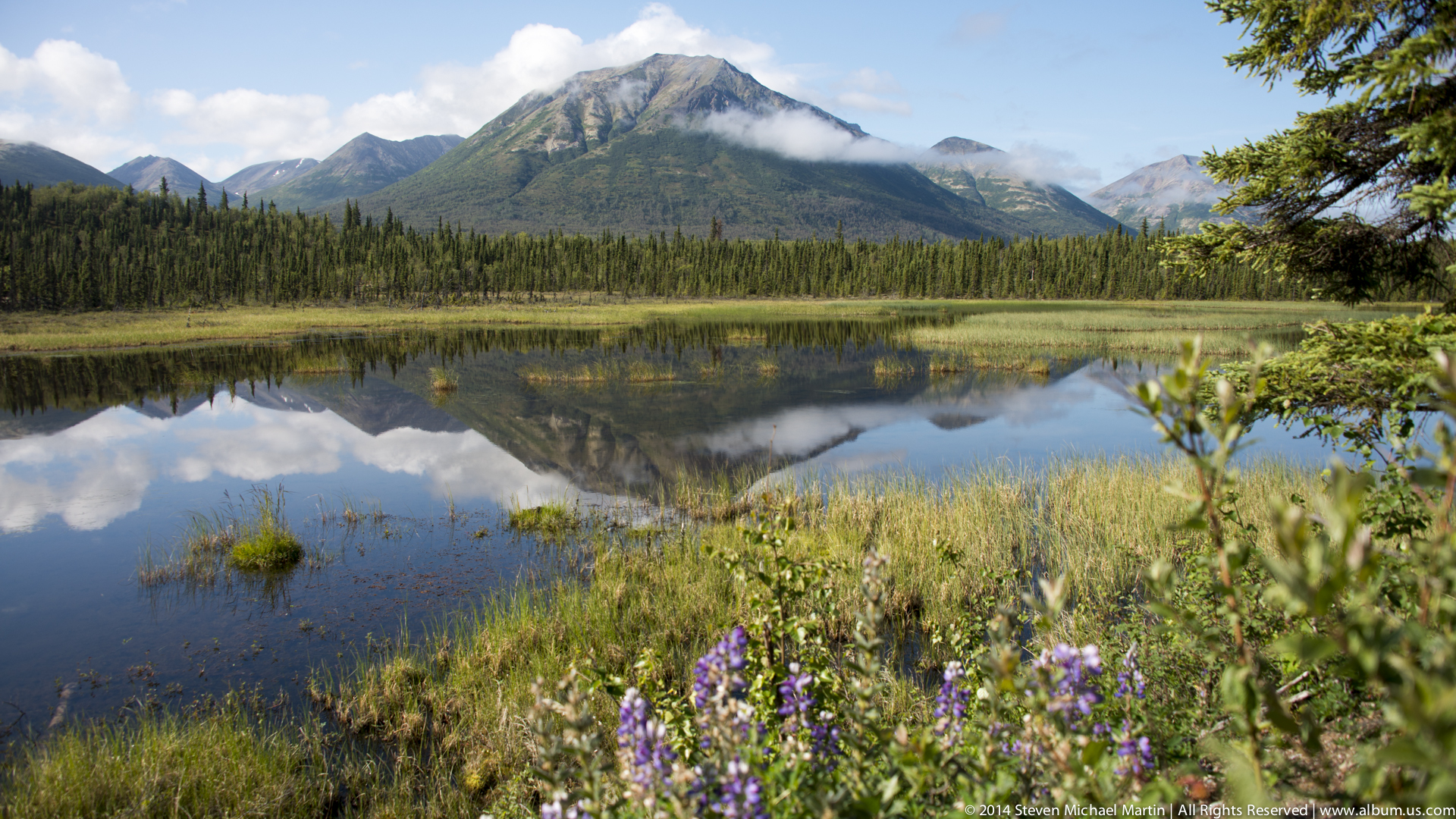
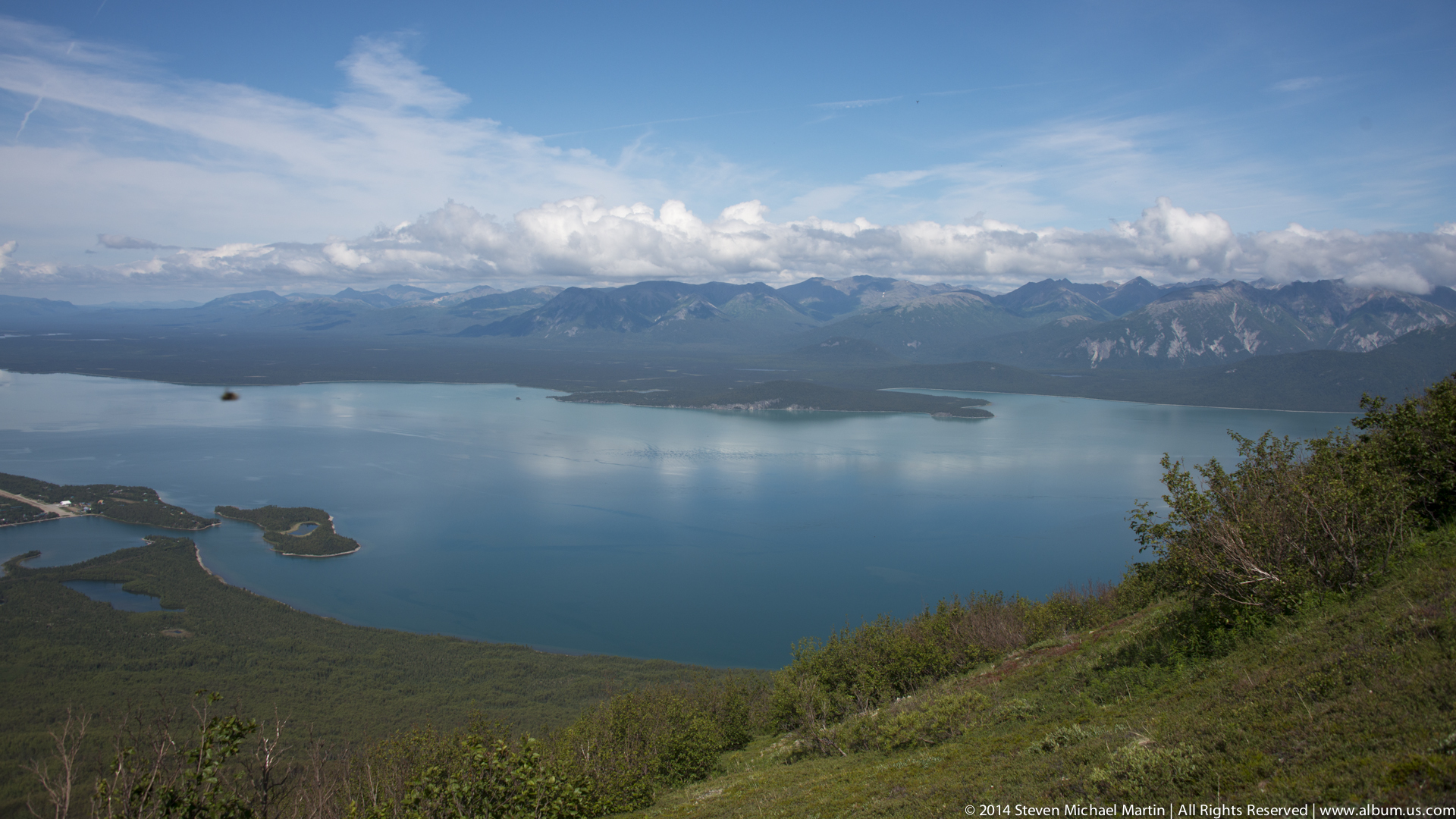
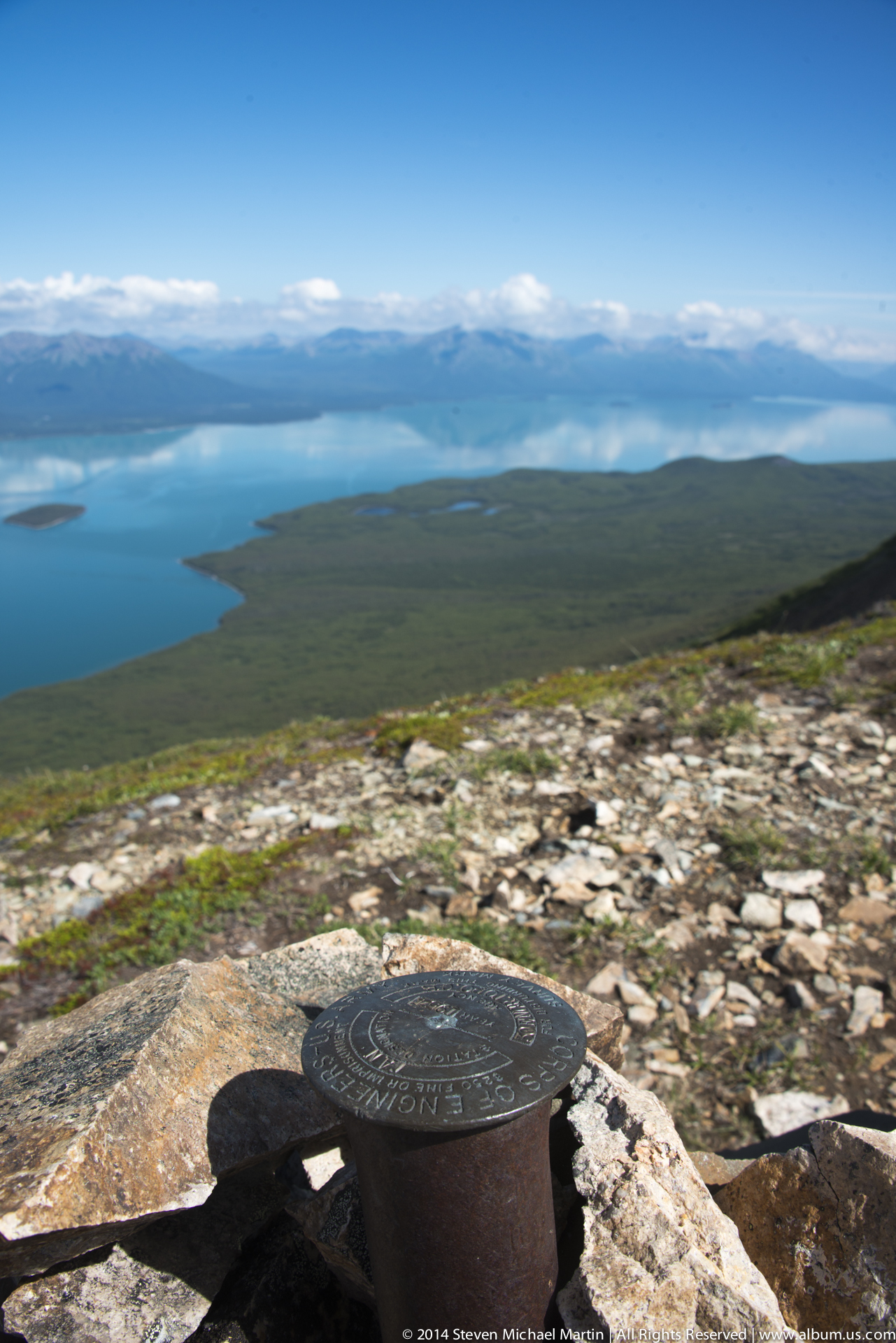
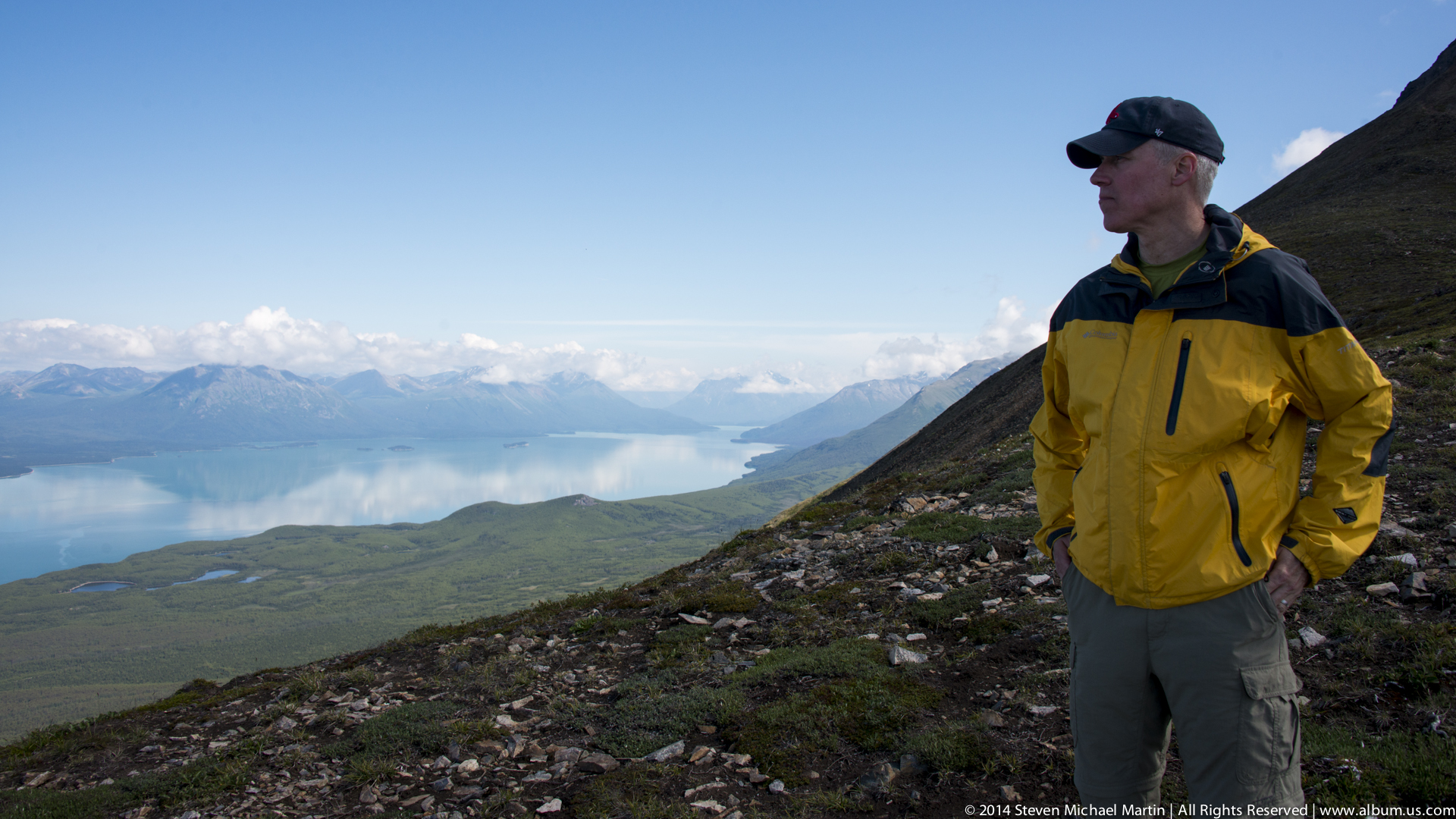
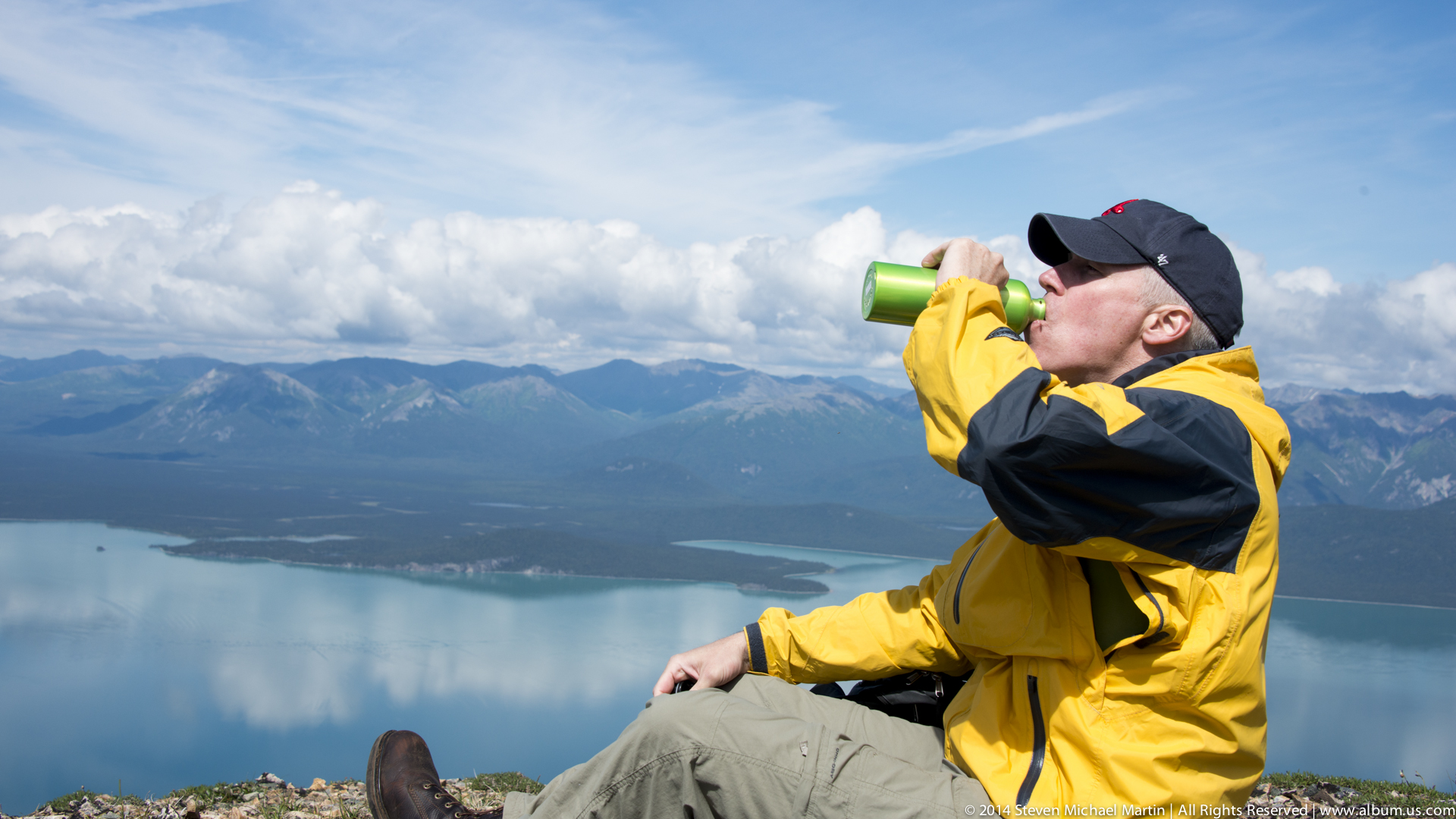
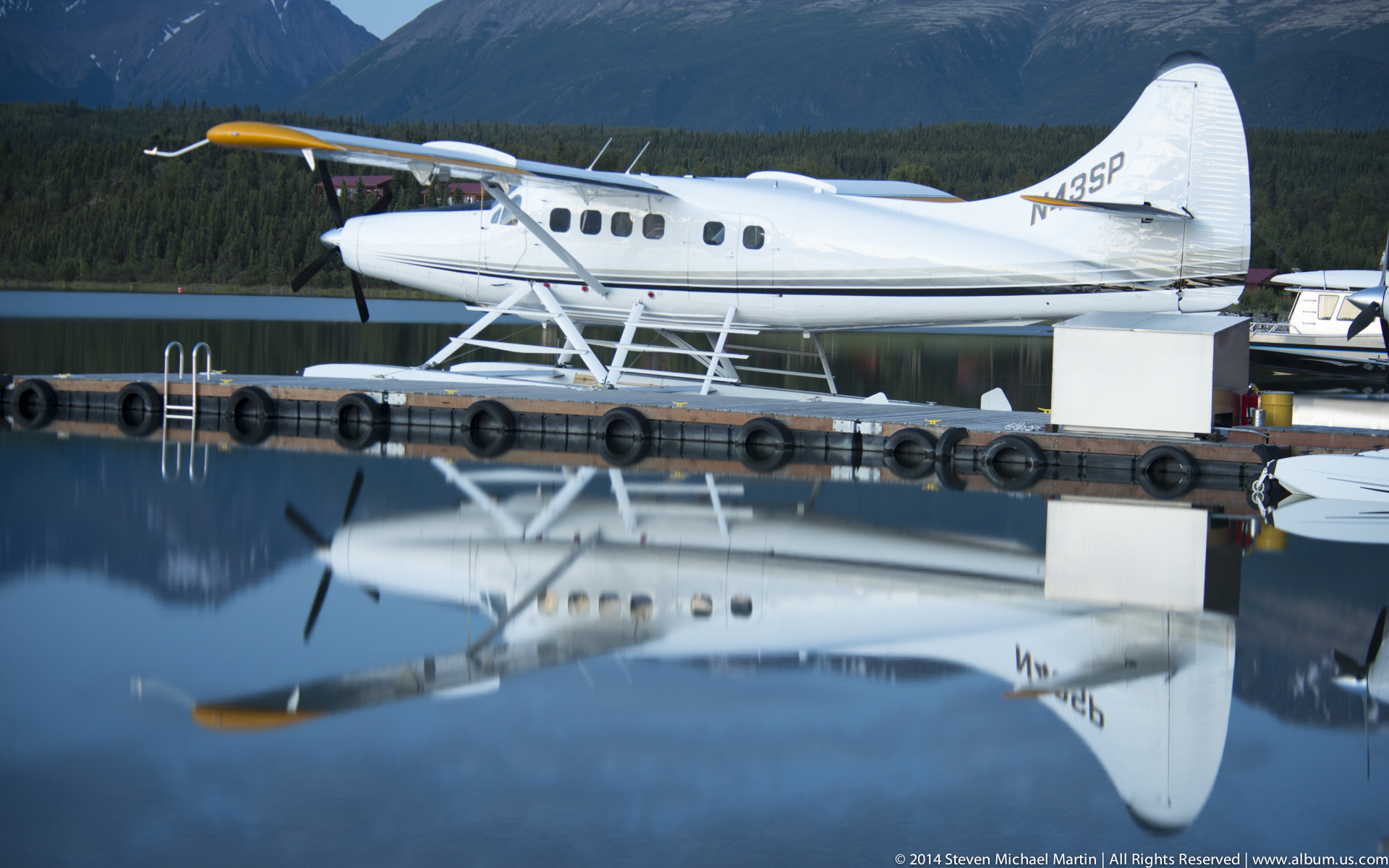
Lake Clark National Park presents a remote wilderness landscape where mountains, glaciers, and expansive lakes define the visual character of southwestern Alaska. Accessing the park often requires small aircraft flights across vast stretches of undeveloped terrain, reinforcing the sense that this environment remains largely untouched. The combination of alpine scenery, broad waterways, and changing weather conditions creates a landscape that feels both dramatic and isolated.
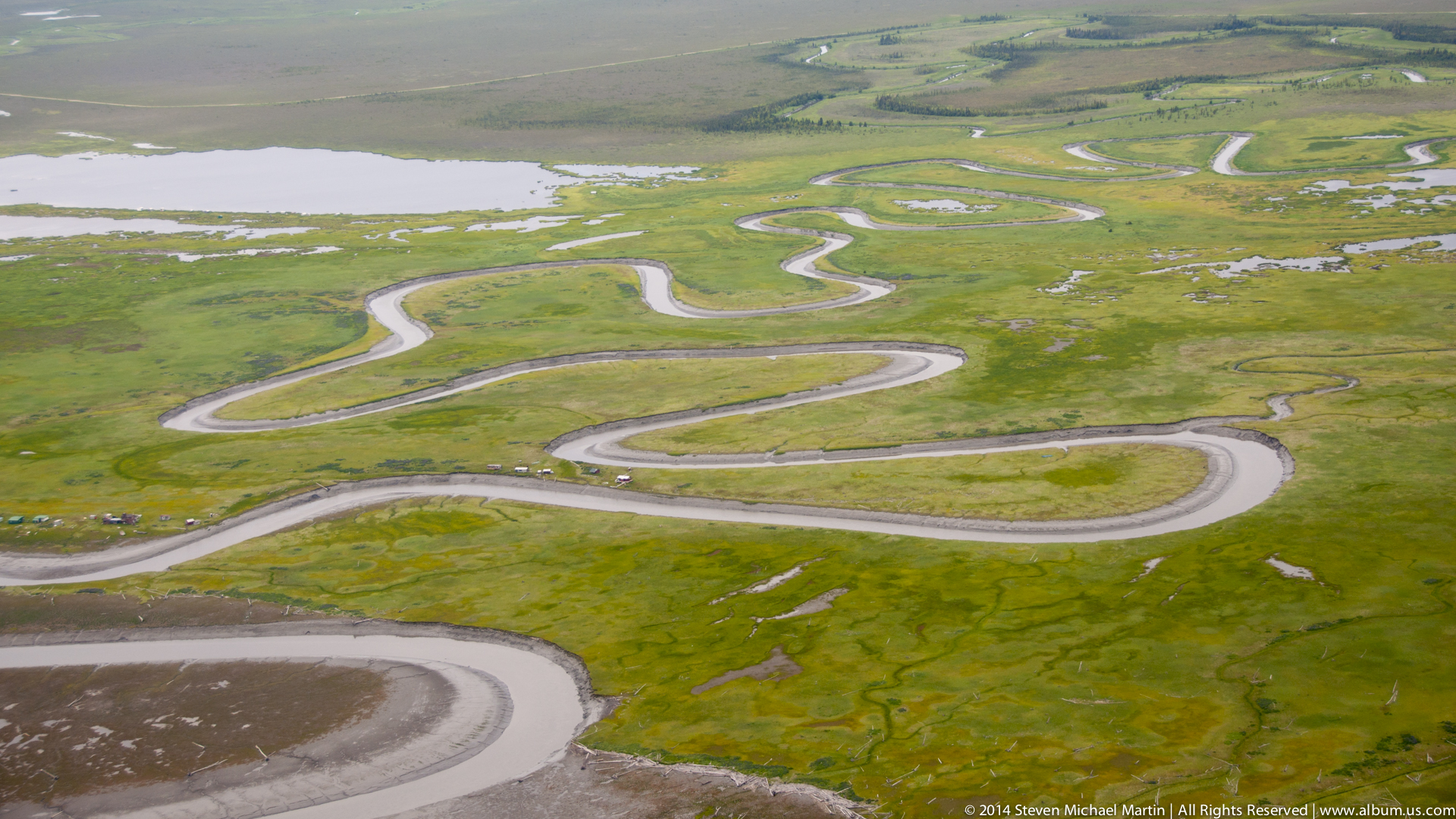
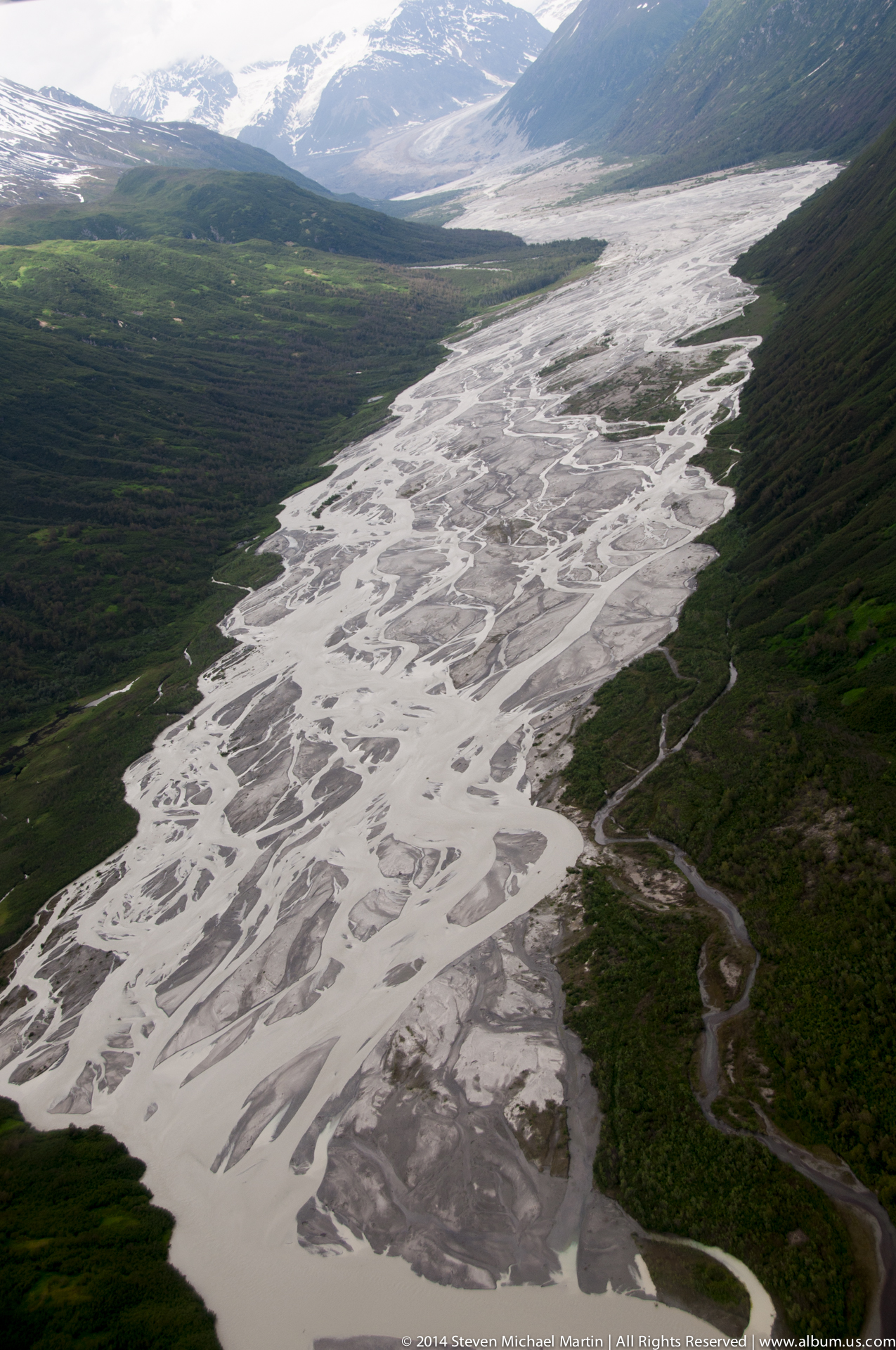
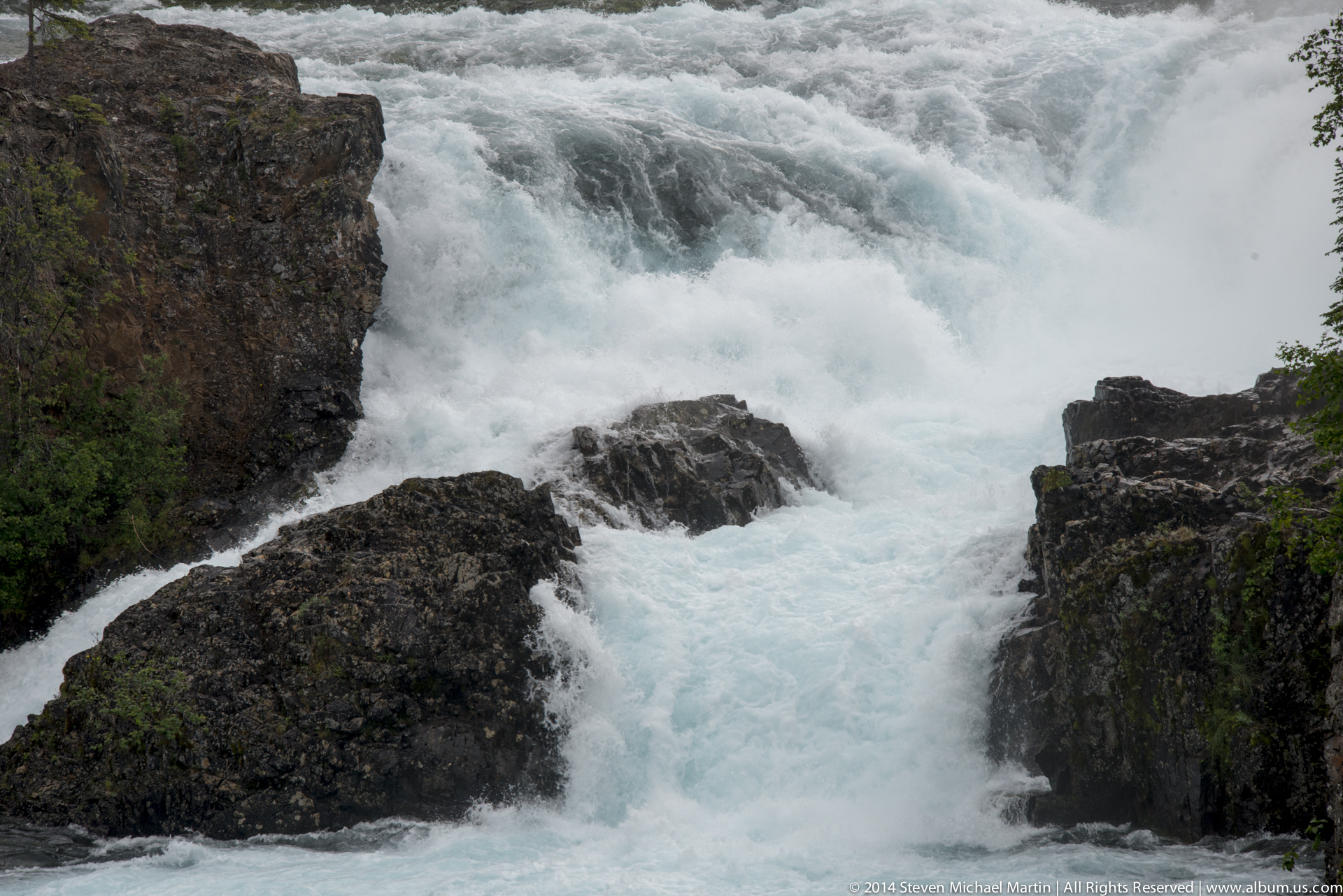
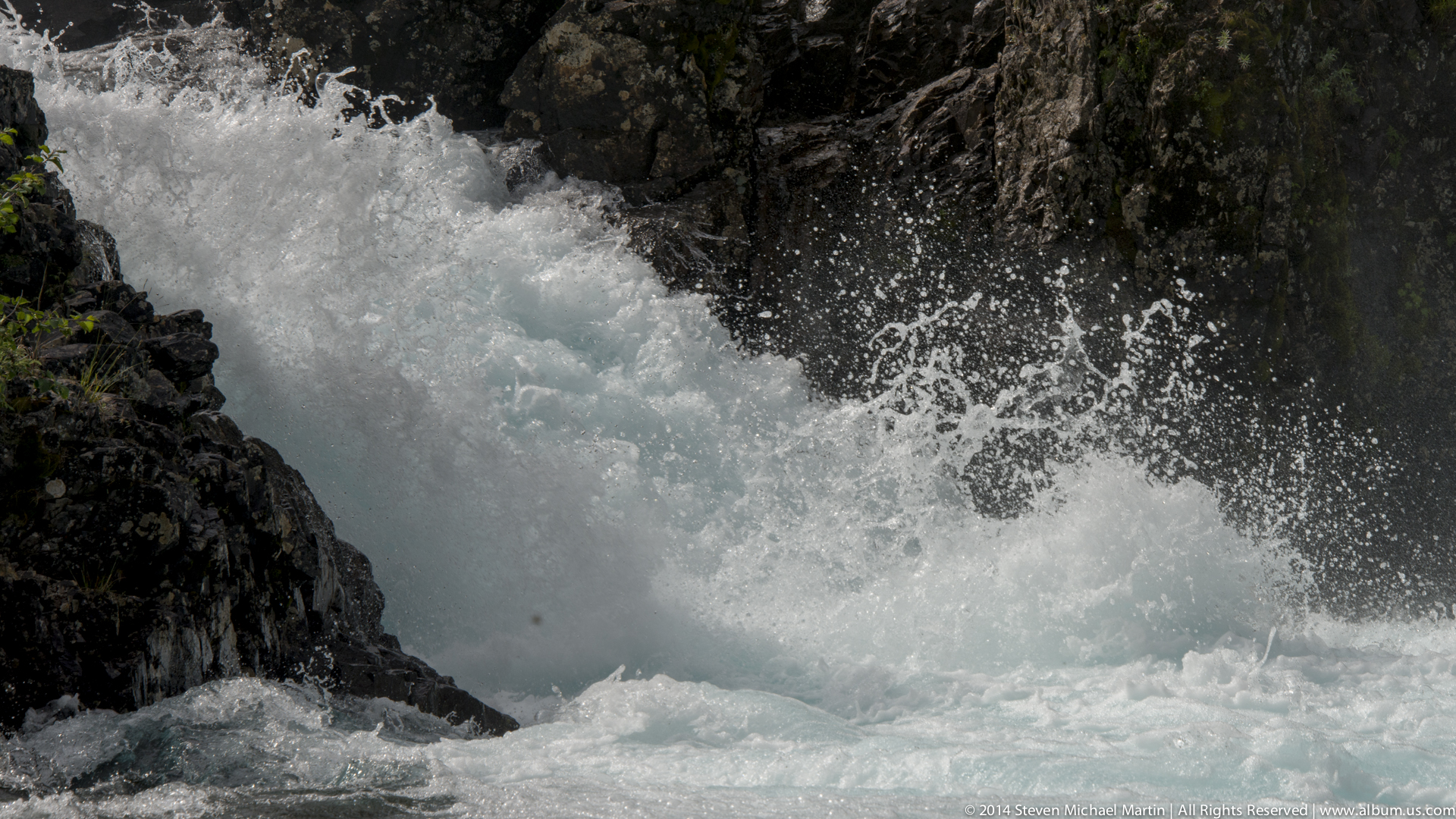
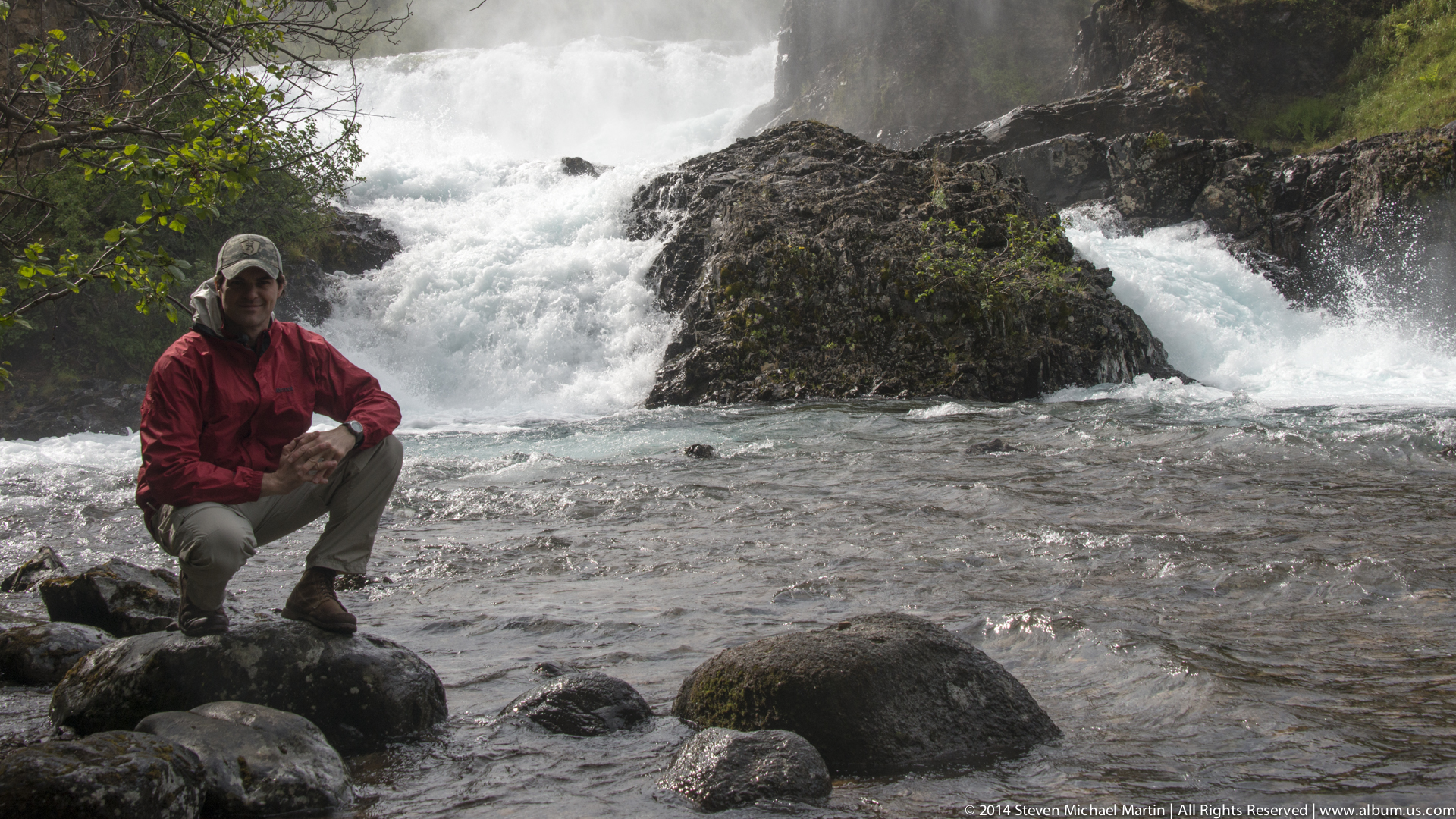
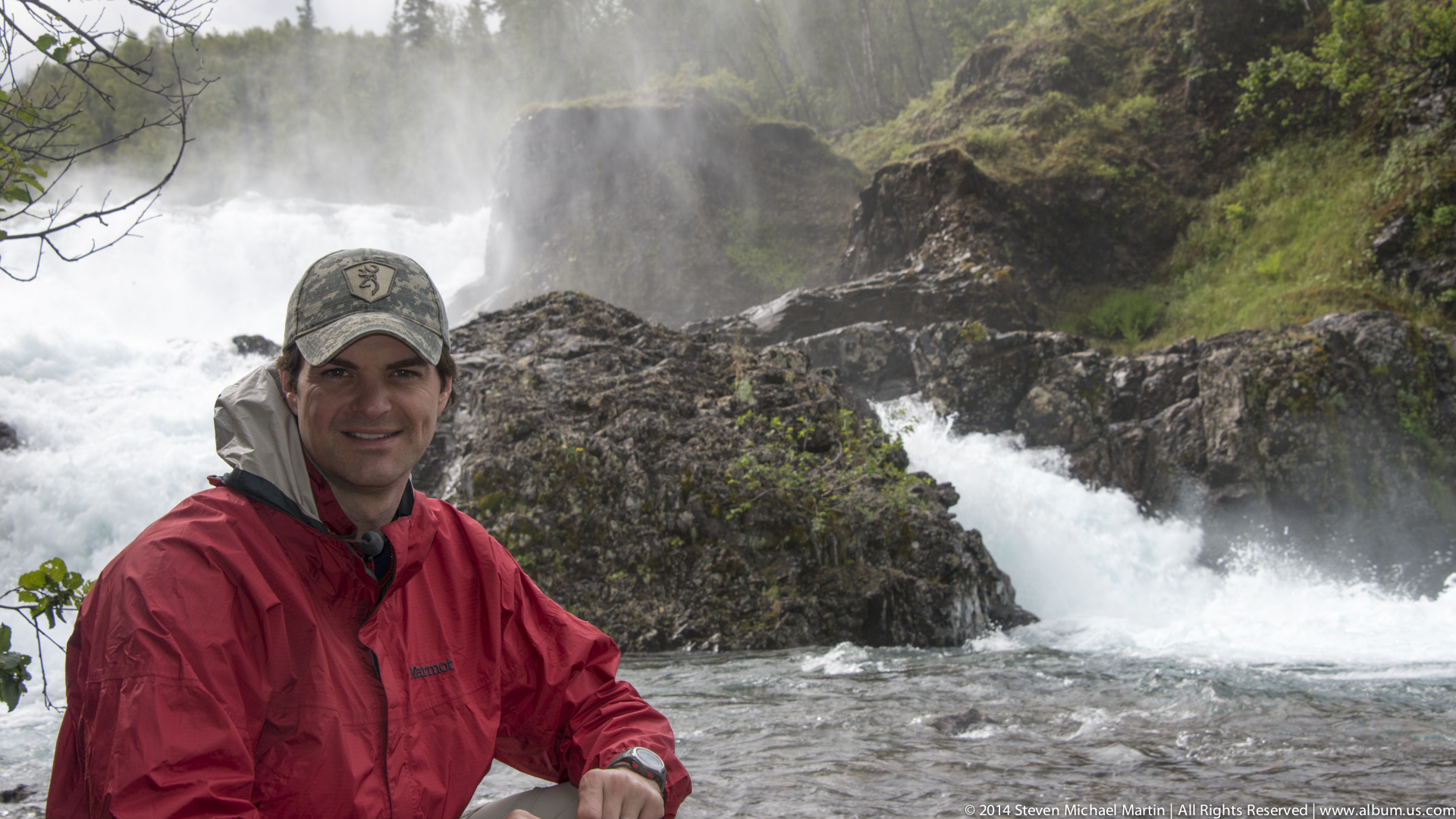
The park protects diverse ecosystems that support large mammals, bird species, and salmon populations that migrate through connected river systems. Seasonal changes influence the visibility of wildlife as animals take advantage of nutrient-rich waterways and surrounding vegetation. The clarity of the lakes and the scale of the surrounding mountains emphasize the geological forces that shaped the region.
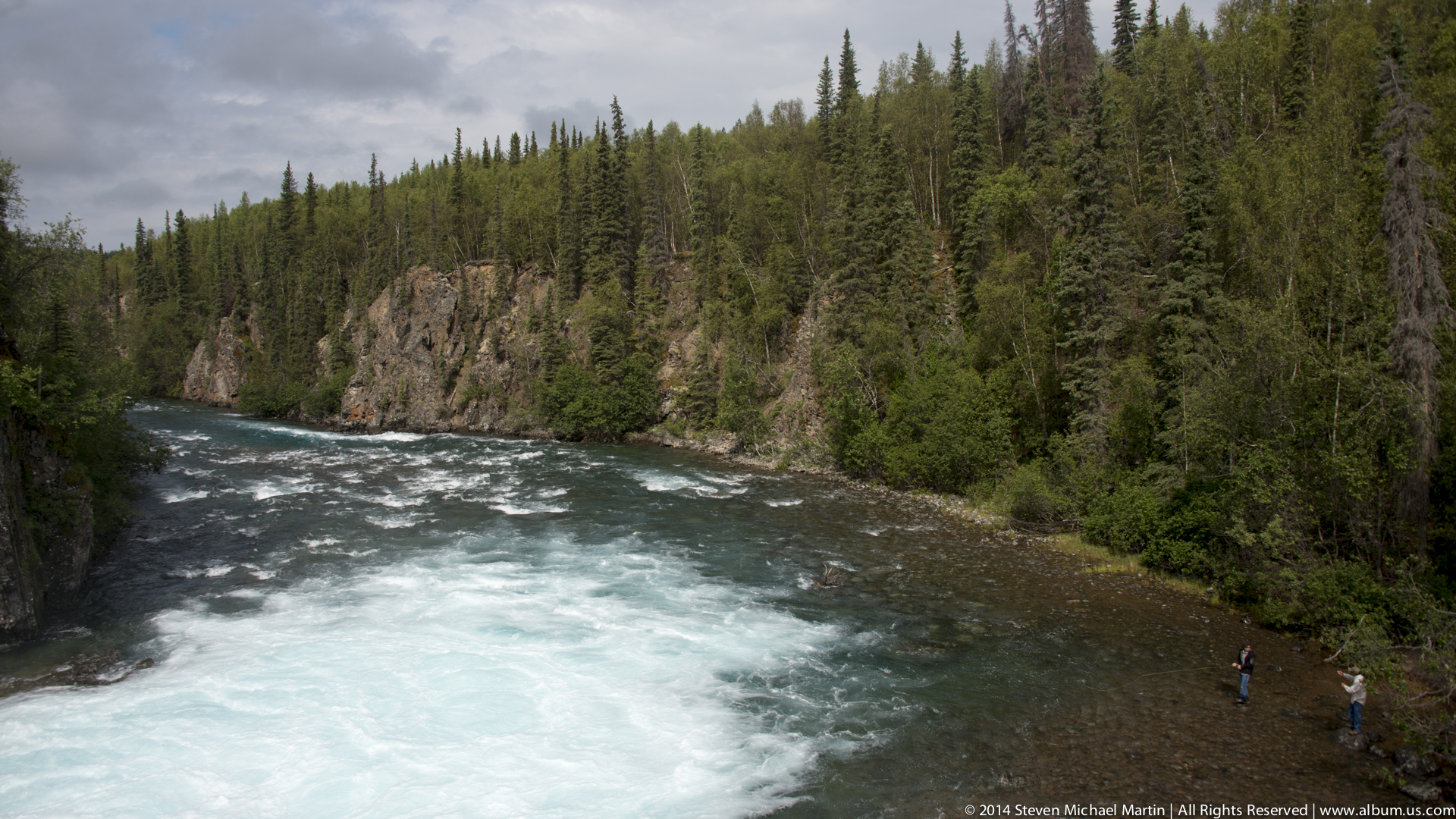
Lake Clark illustrates the interconnected relationship between freshwater systems and surrounding wilderness habitat. The balance between mountain terrain, glacial processes, and seasonal wildlife movement contributes to an environment defined by both scale and ecological diversity. The landscape reflects the broader patterns that characterize much of Alaska’s protected wilderness.












🧭 Field Guide
Landscape Type: alpine lake and glacial wilderness ecosystem
Primary Features: mountains, lakes, river systems, wildlife habitat
Best Time to Visit: summer and early autumn for wildlife activity
Conditions: rapidly changing weather patterns
✨ Highlights
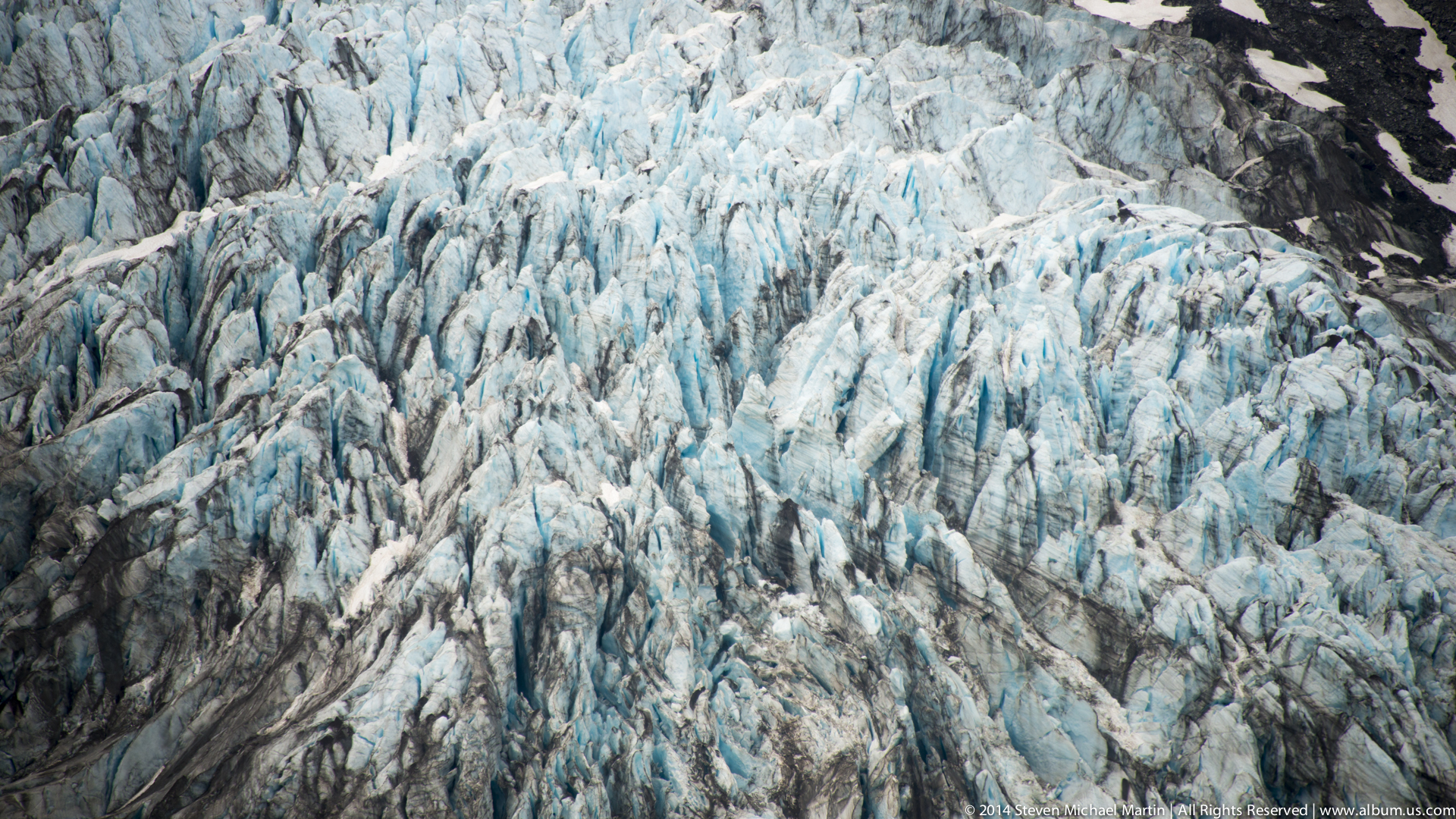
- Glacially Formed Lakes – large freshwater systems shaped by historic ice movement.
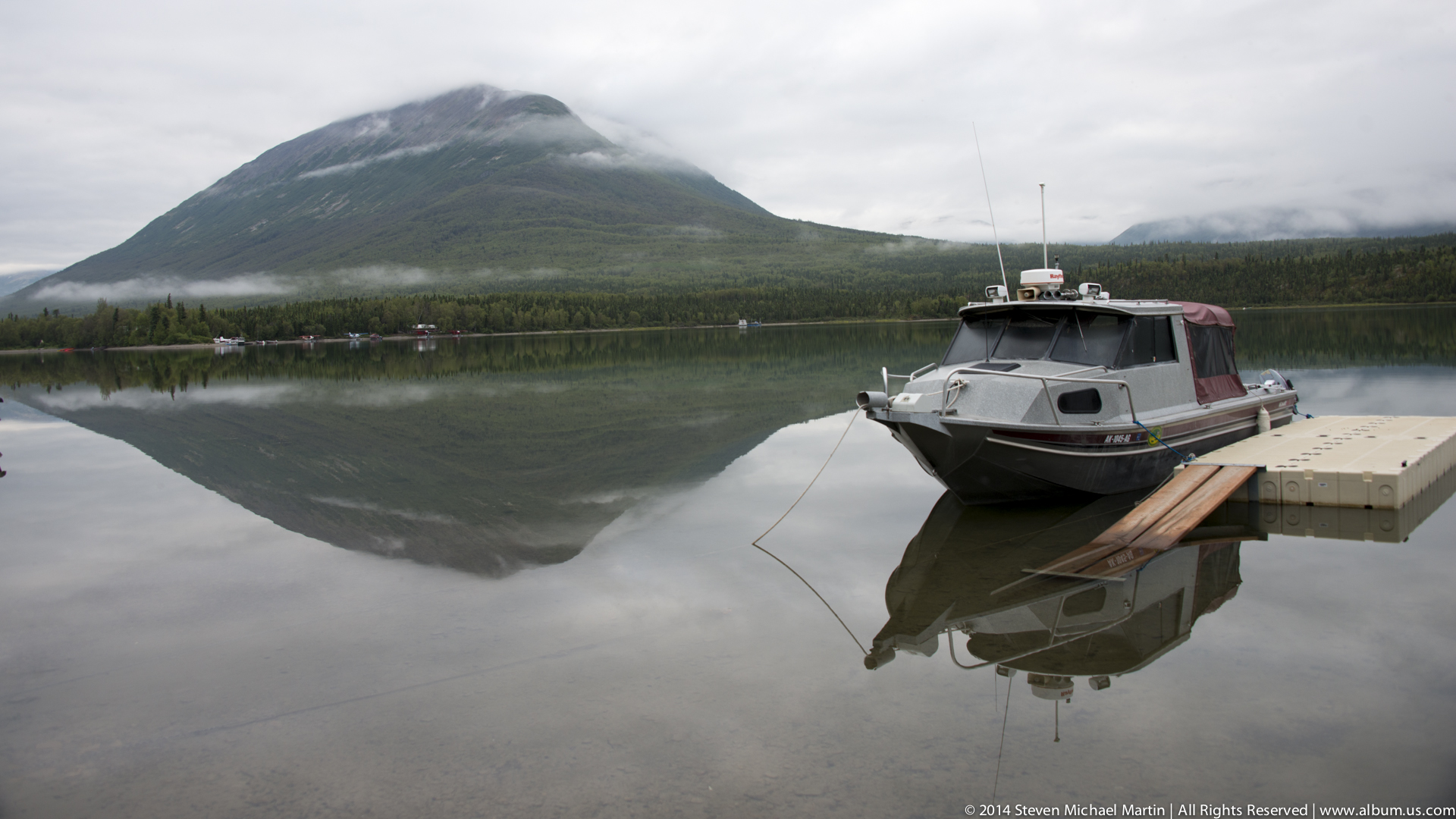
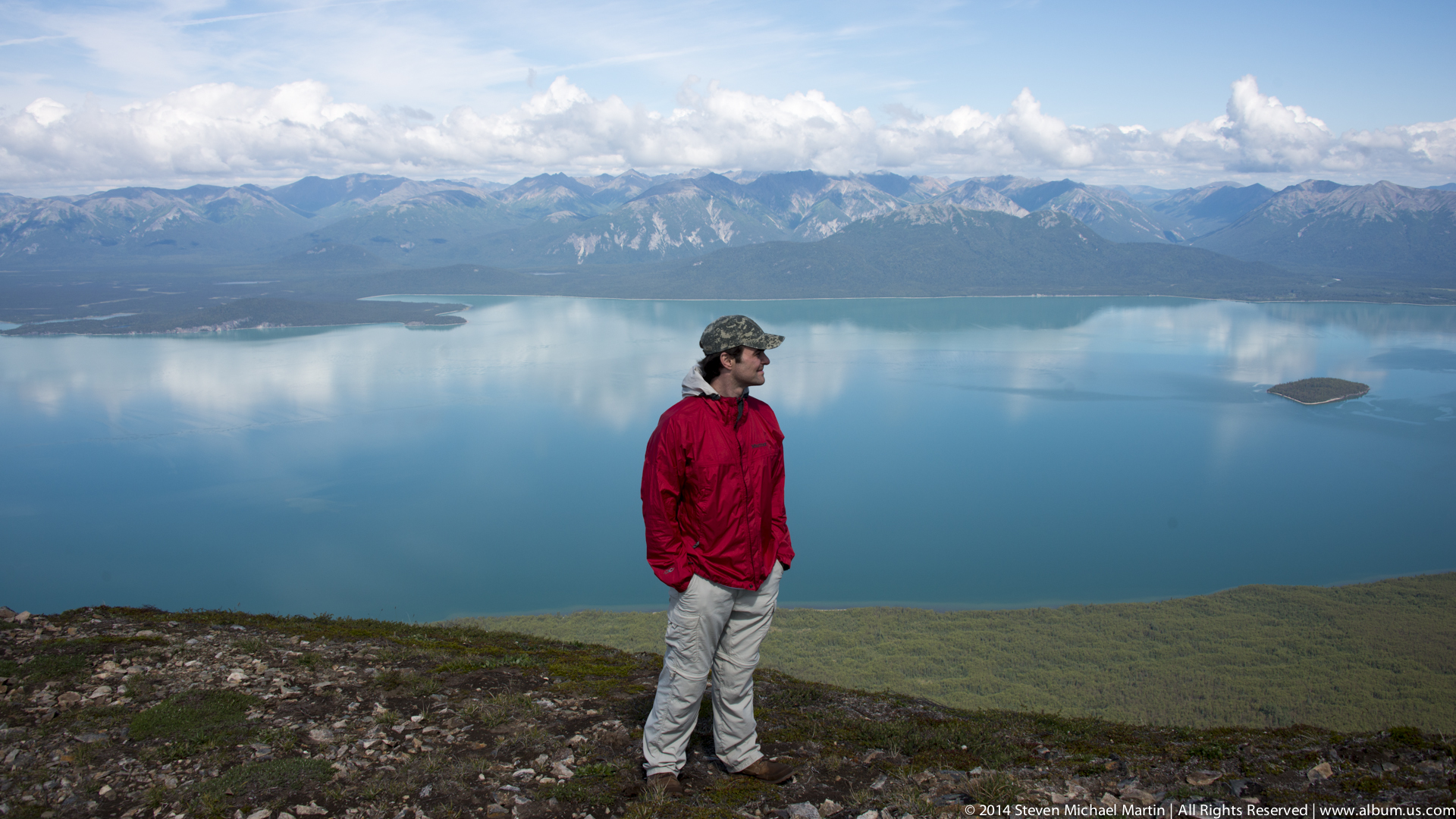
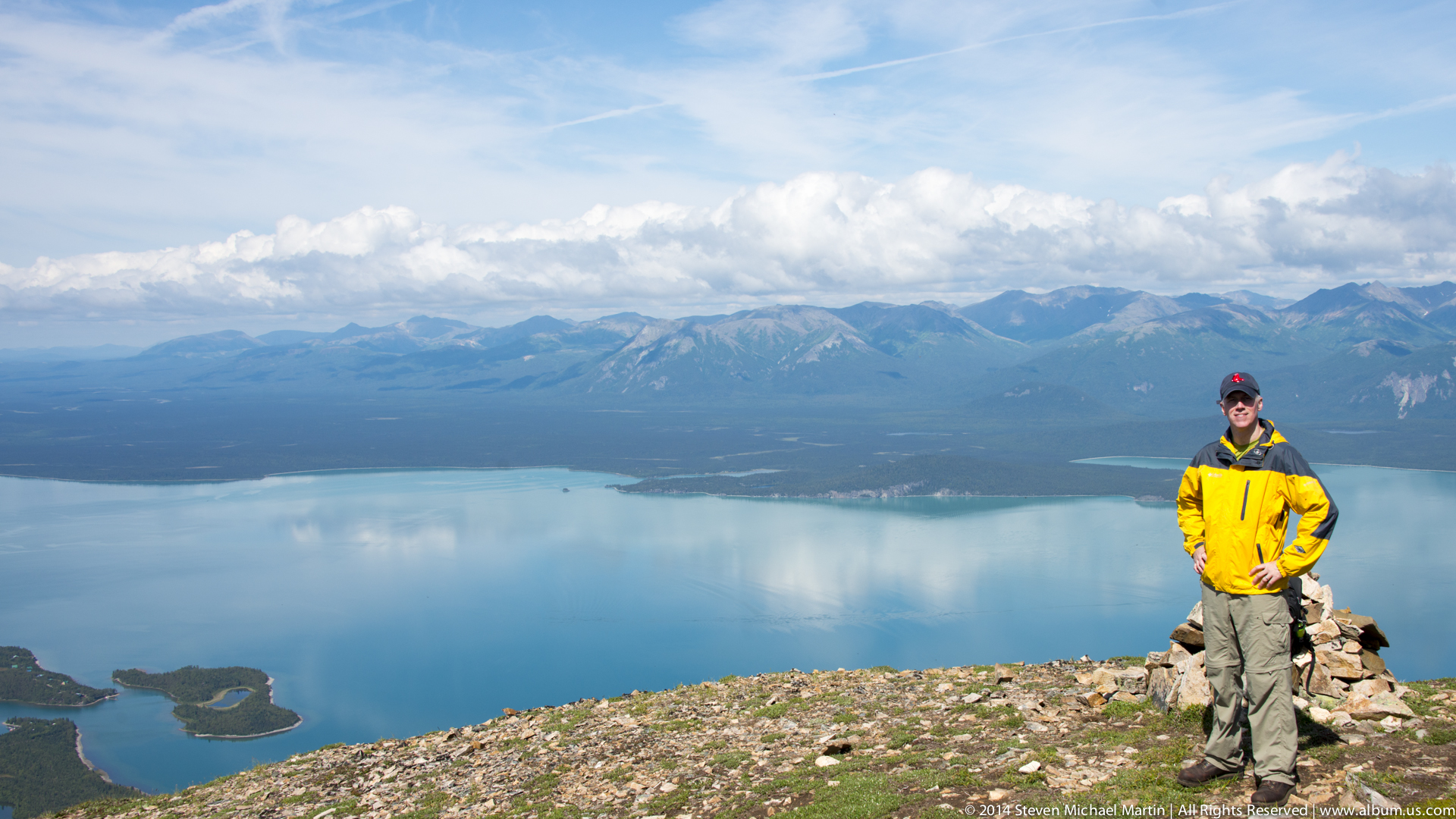
- Mountain Backdrop – steep ridgelines rising directly from lake shorelines.
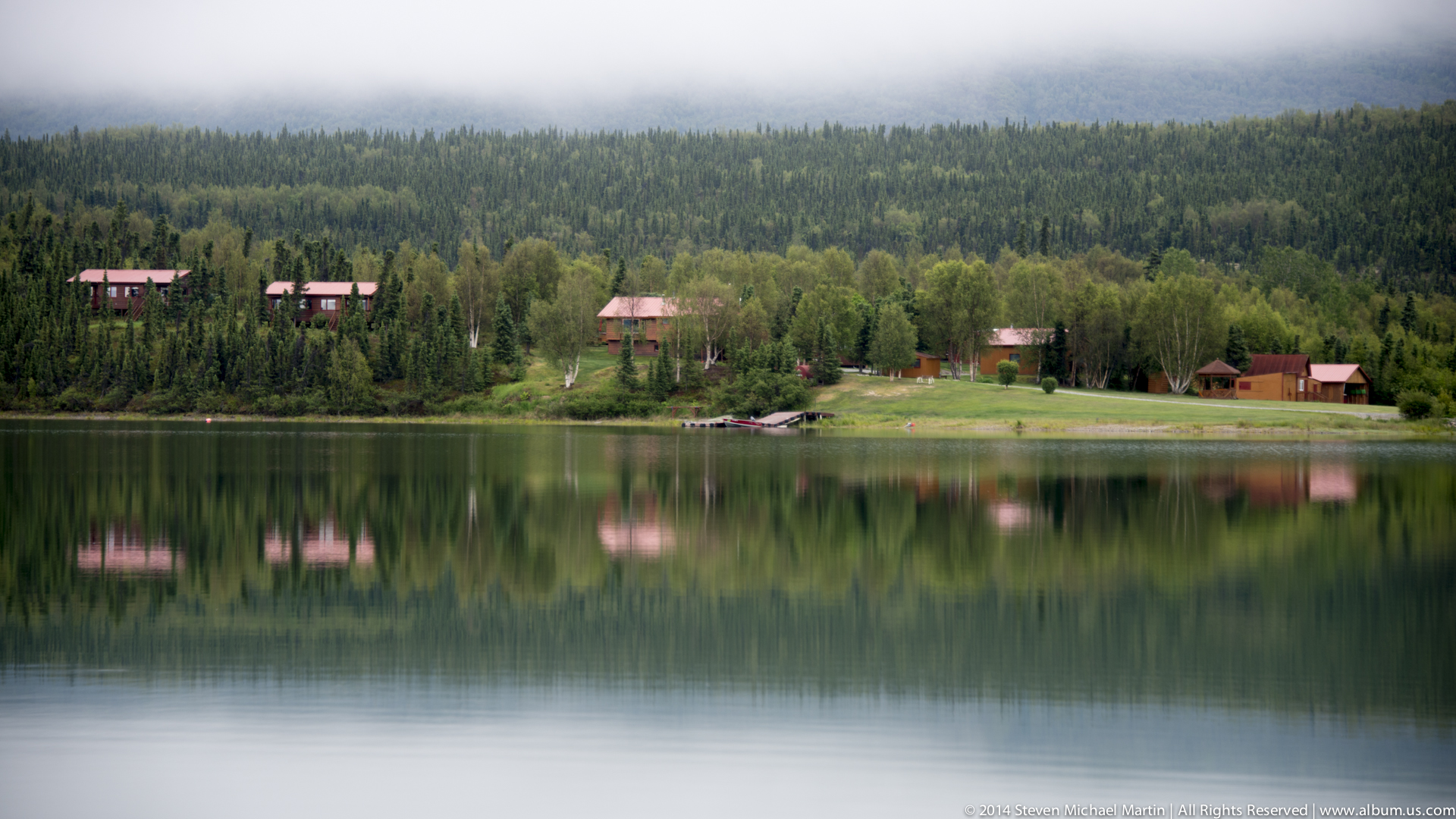
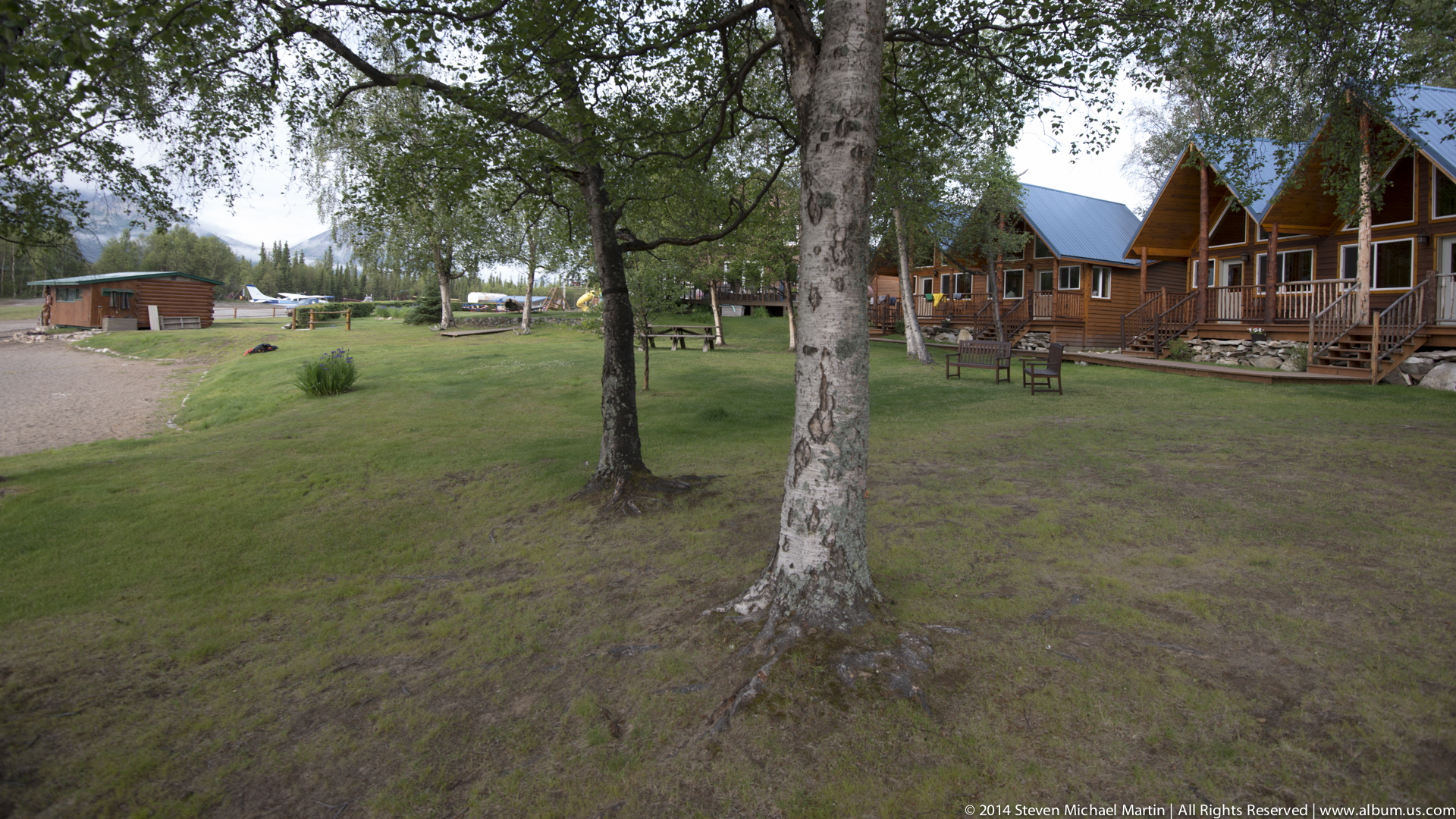
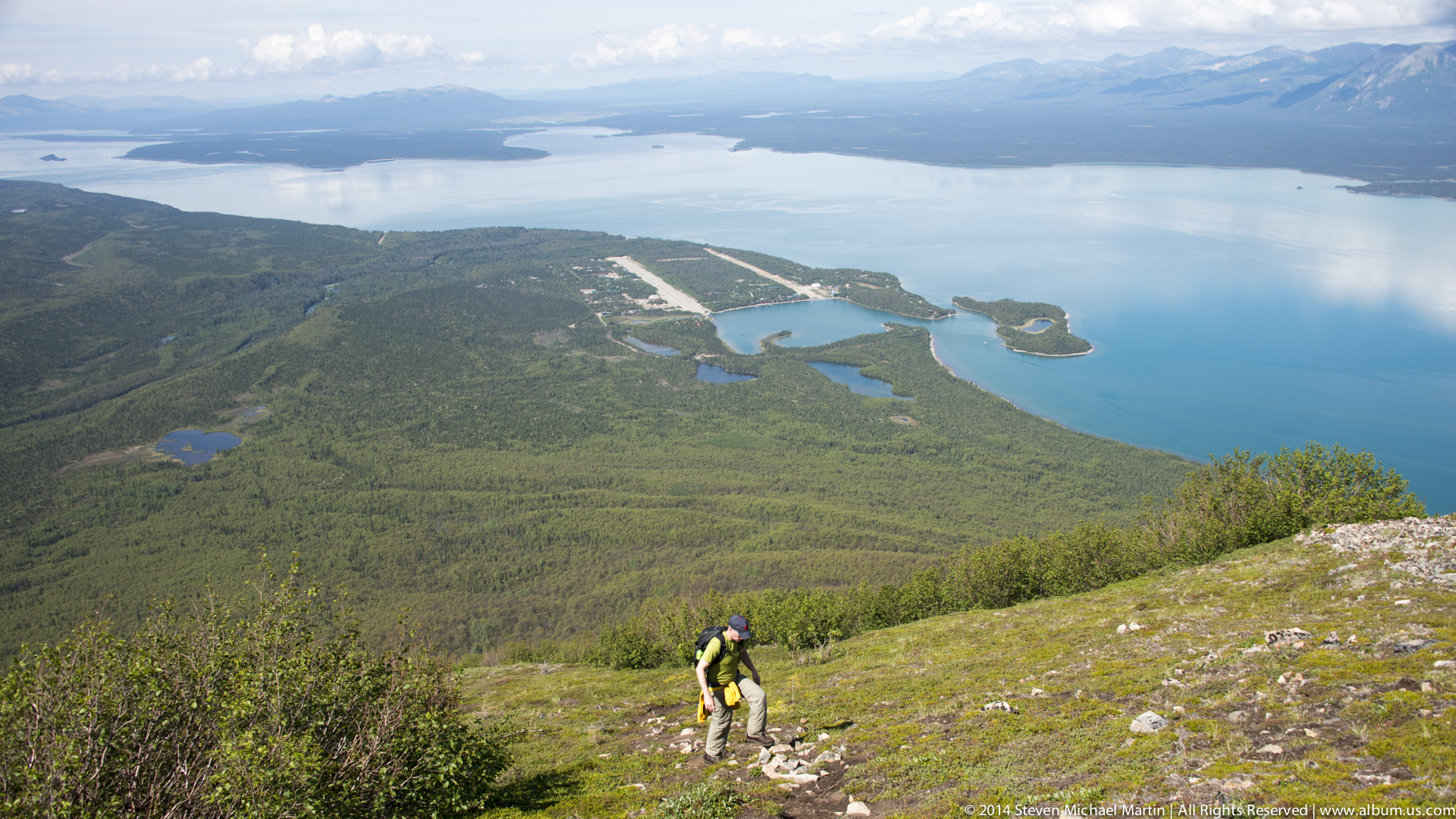
- Remote Access – limited infrastructure preserves wilderness character.
- Wildlife Habitat – ecosystems supporting bears, birds, and salmon.
- Seasonal Change – shifting light and vegetation color throughout the year.
- Large Scale Landscape – expansive views emphasizing geographic isolation.
📷 Photography Notes
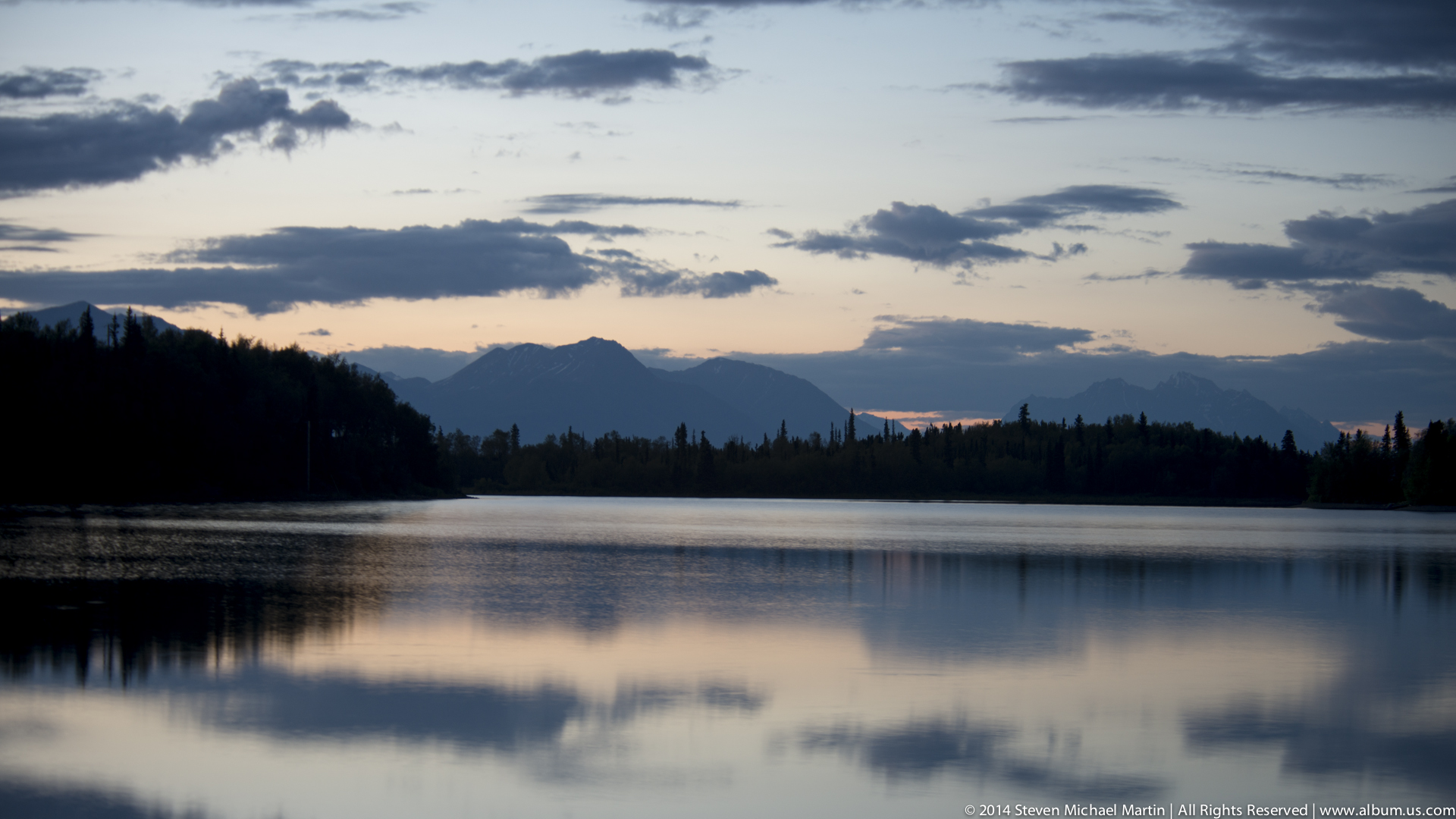
- Cloud layers add depth to mountain compositions.
- Wide framing captures scale of lakes and peaks.
- Changing weather creates dramatic light variation.
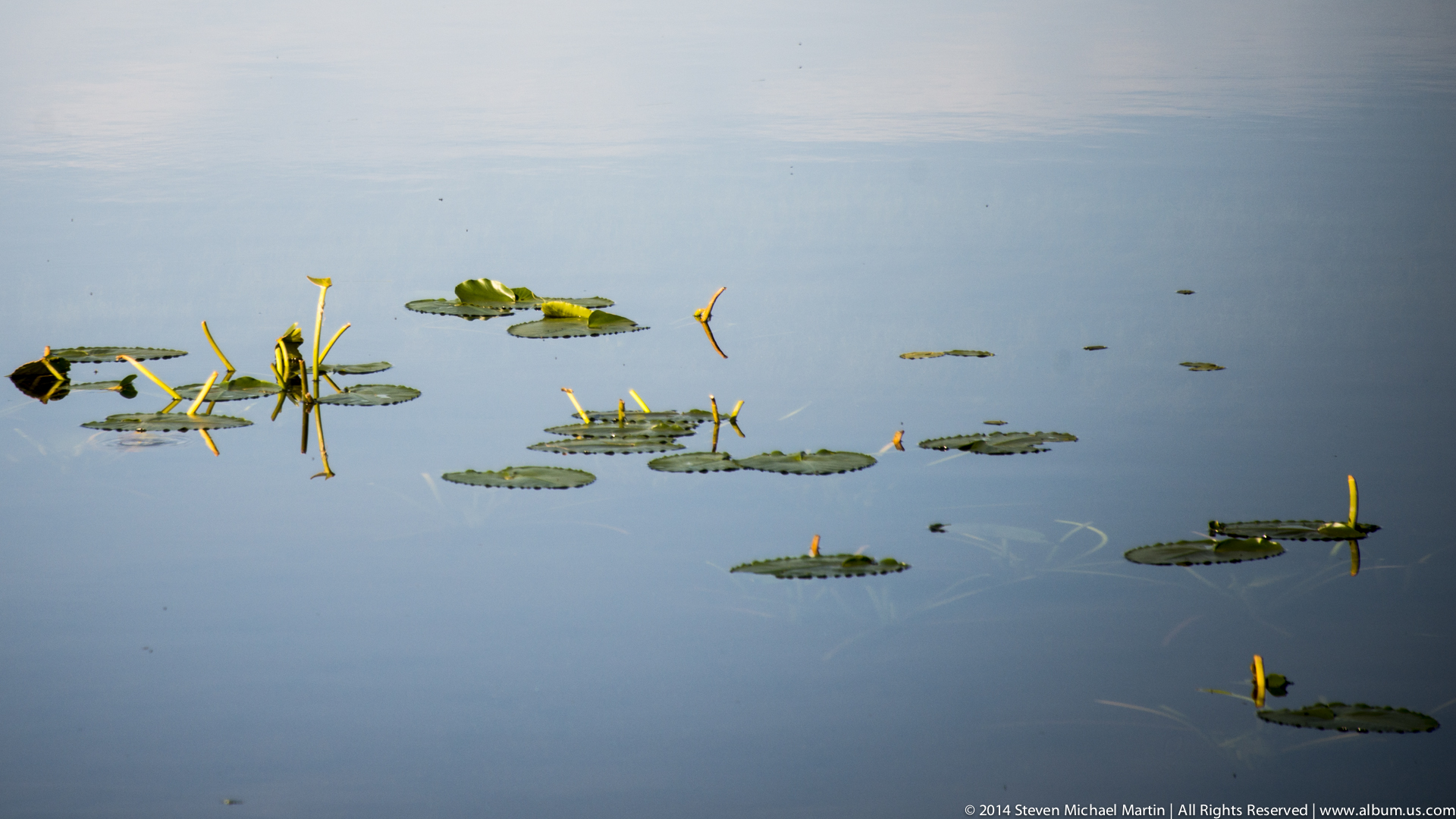
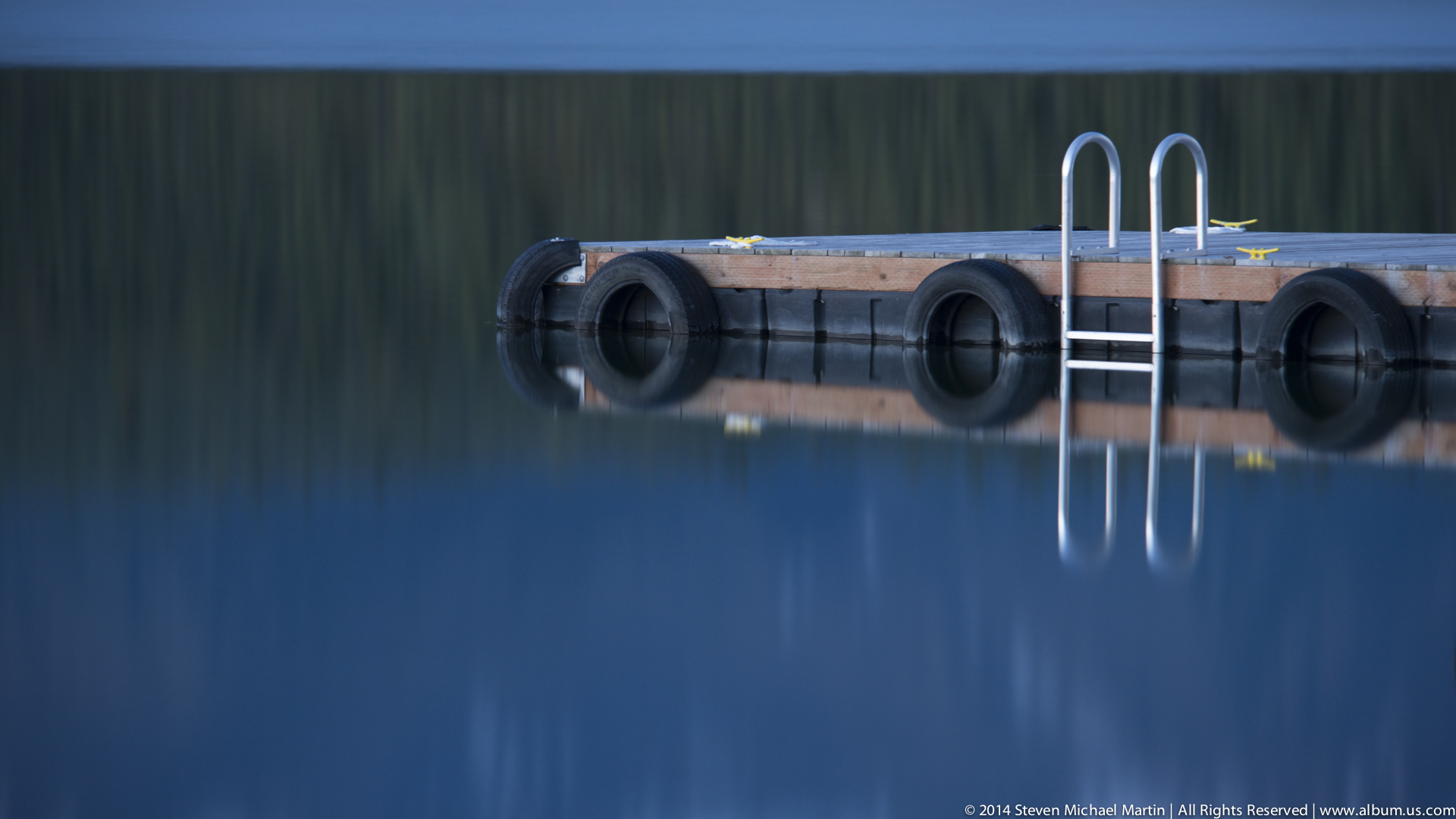
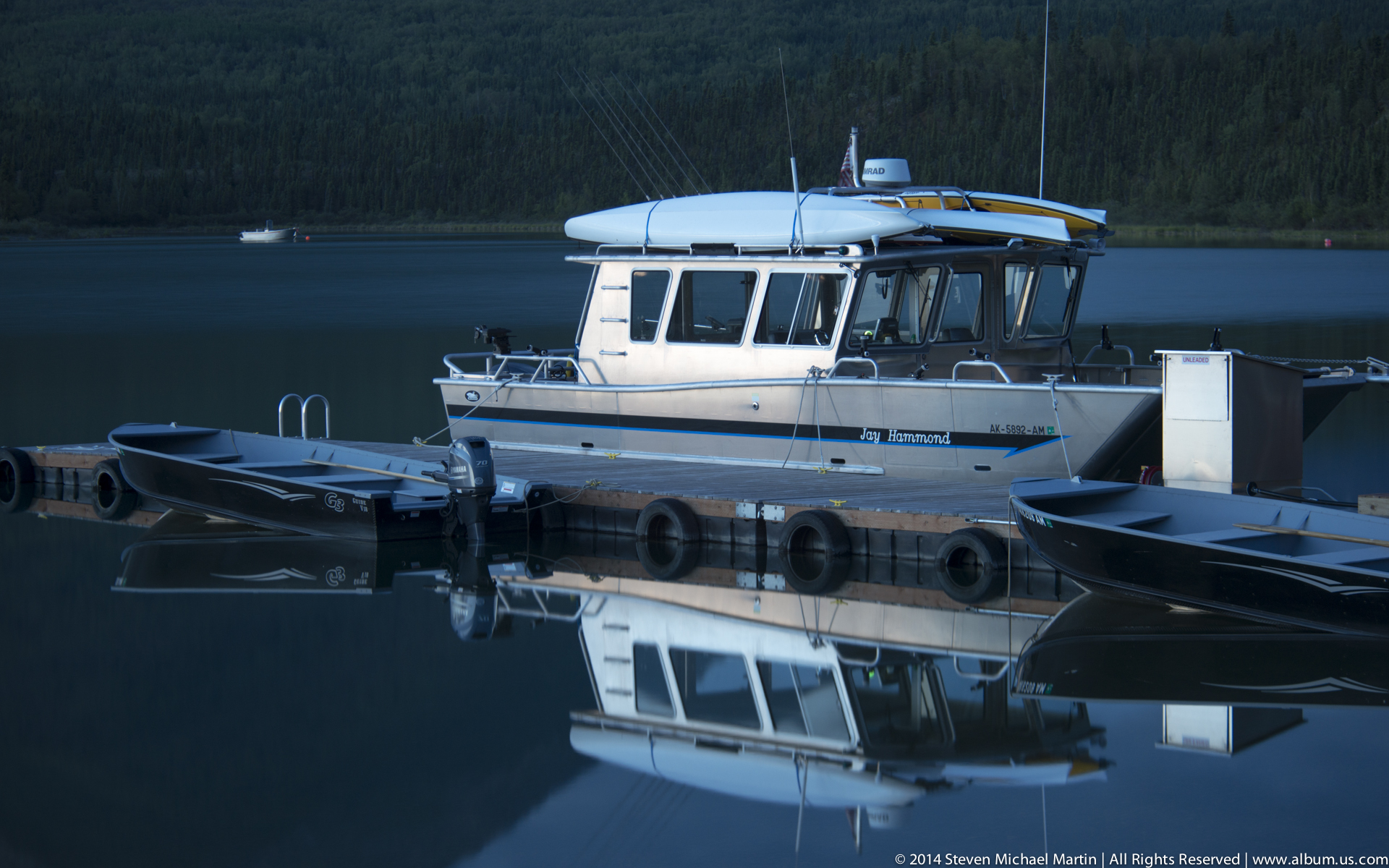
- Reflections often visible on calm water surfaces.
- Minimal foreground clutter emphasizes landscape scale.