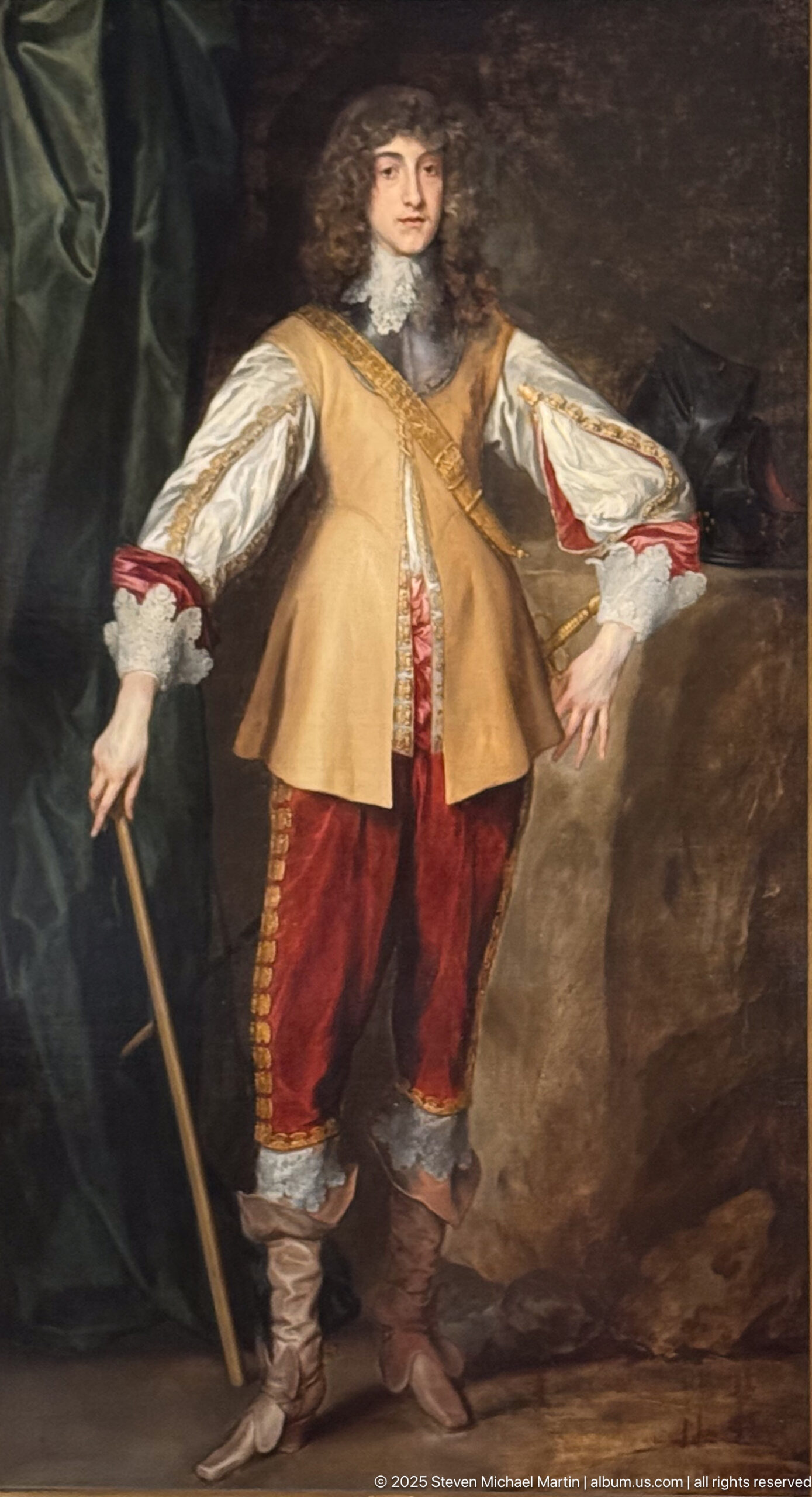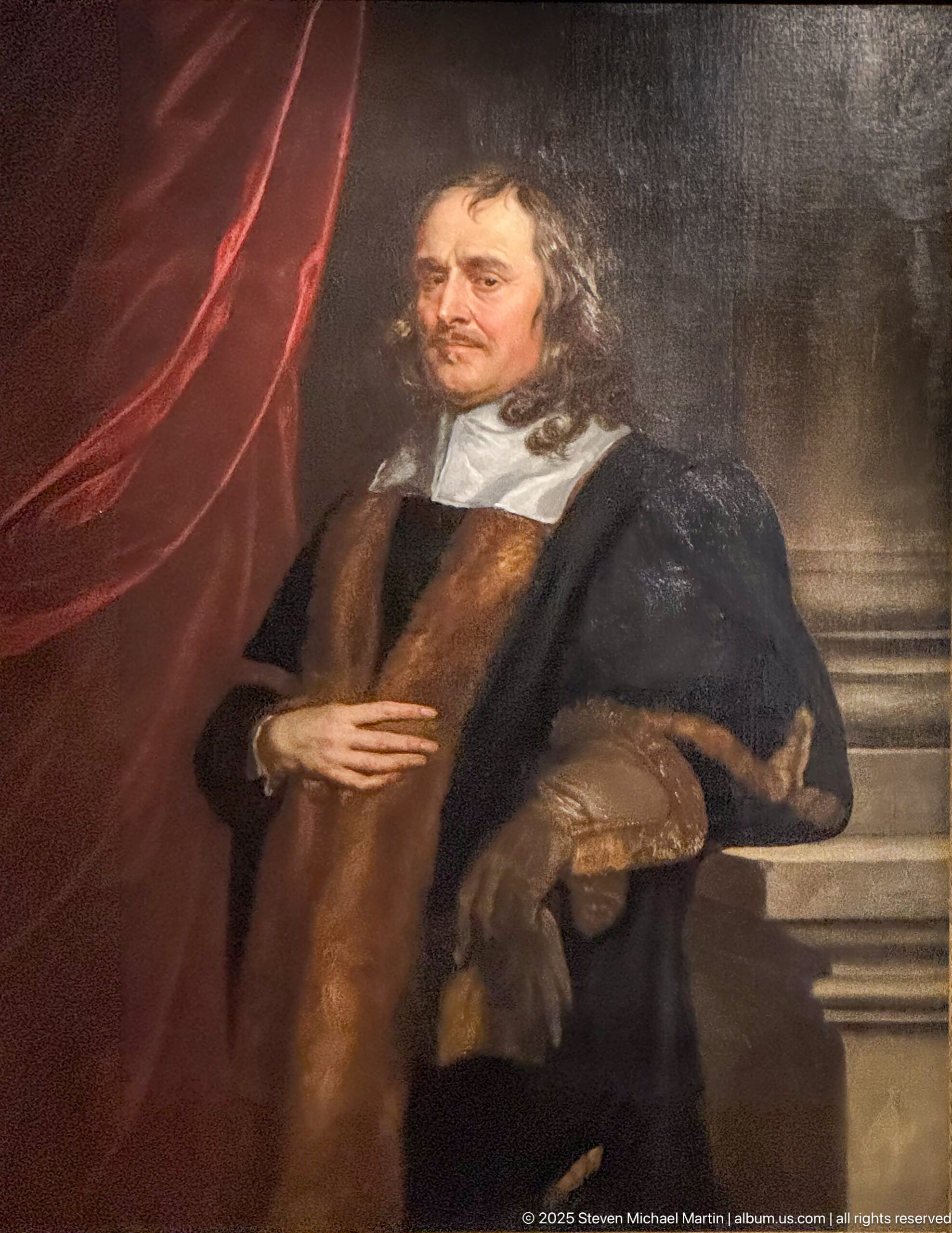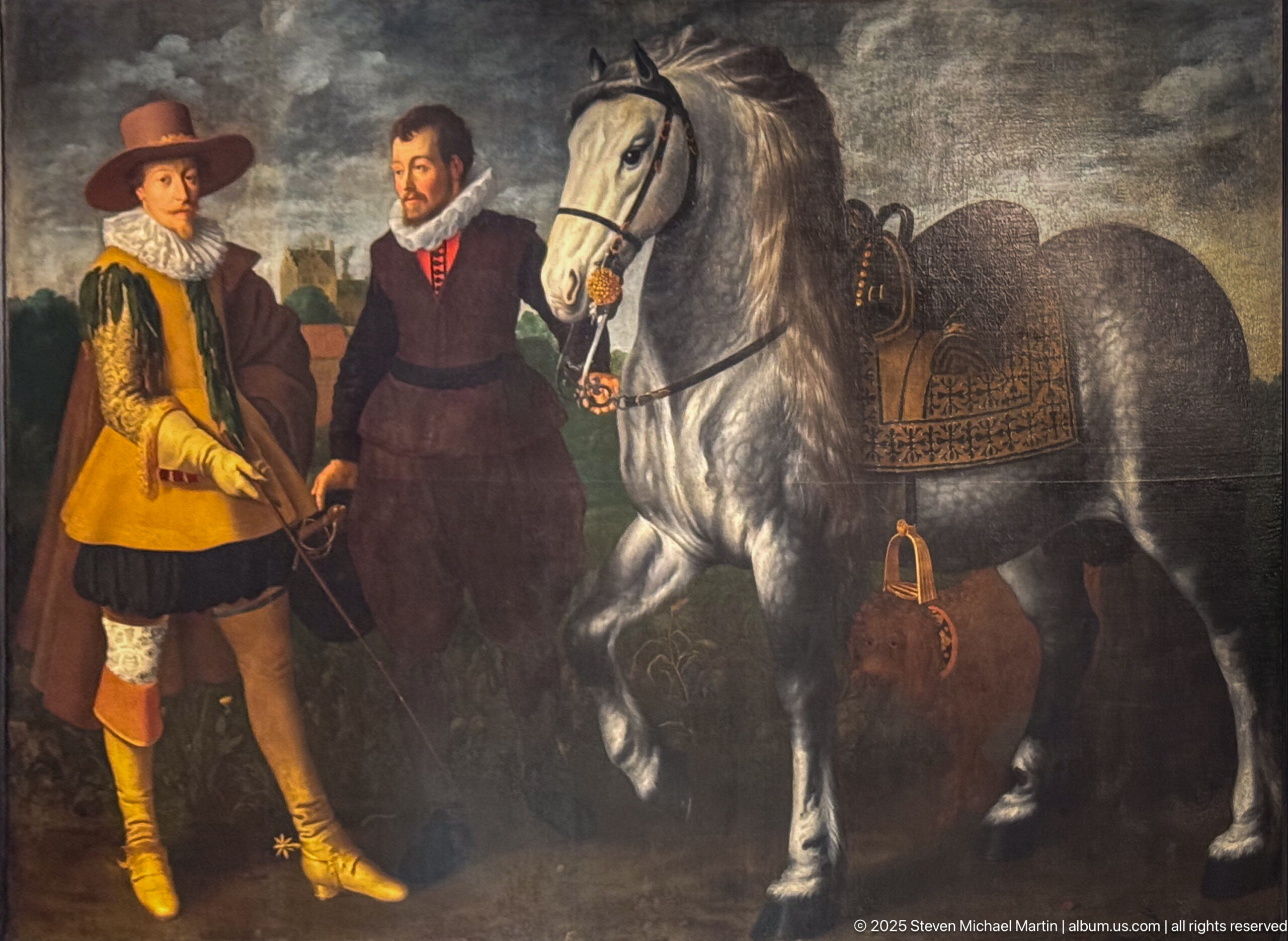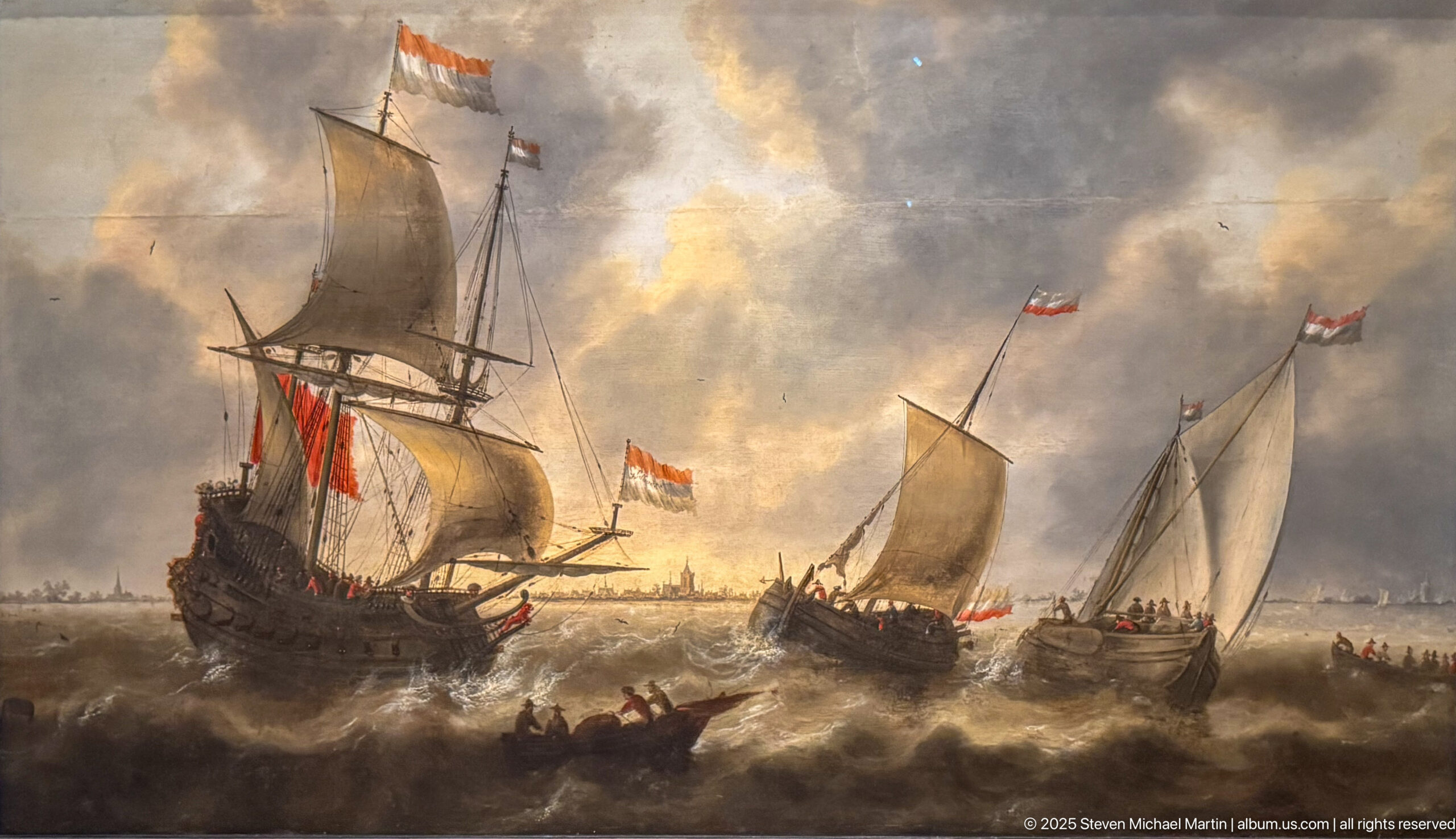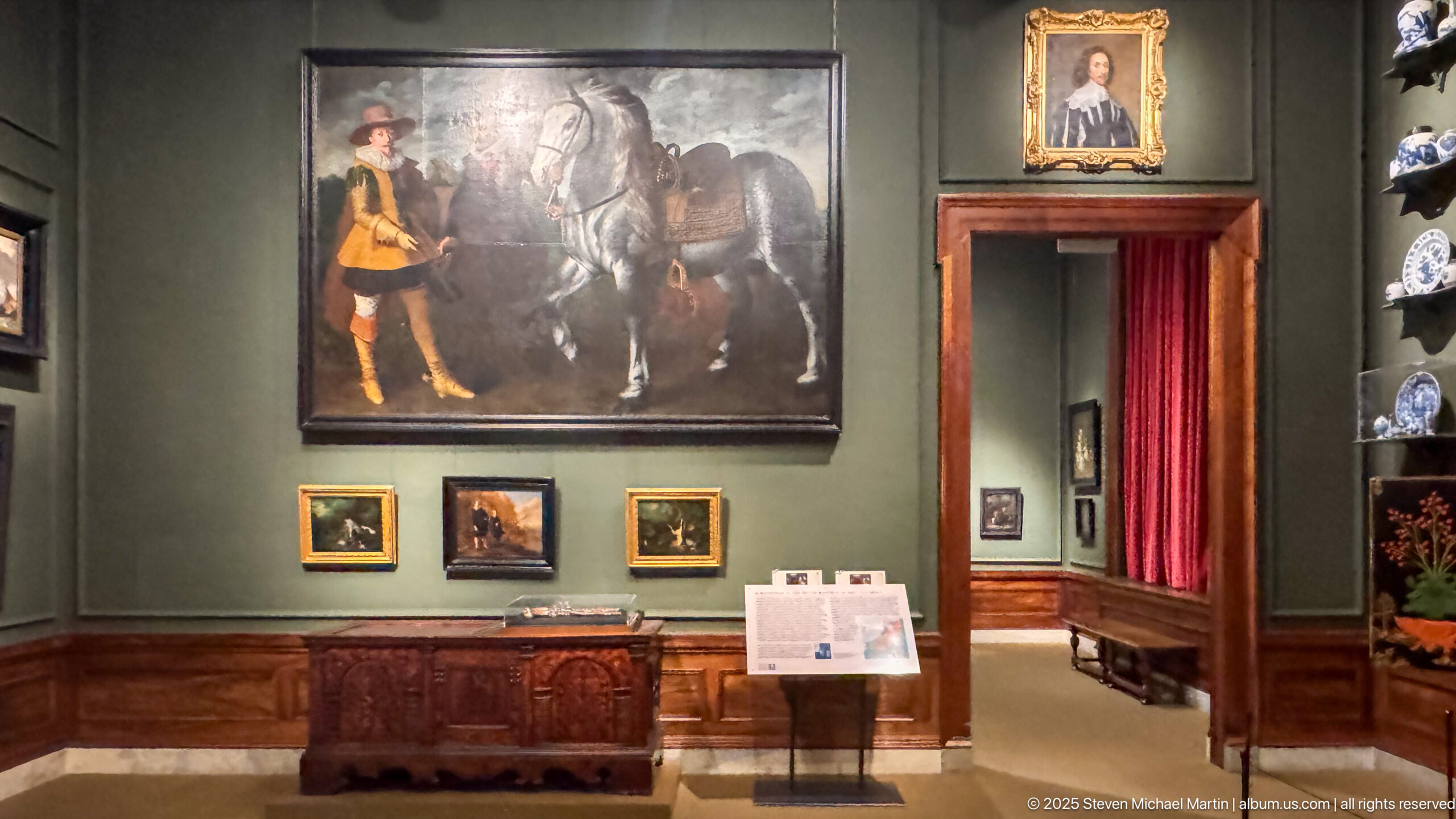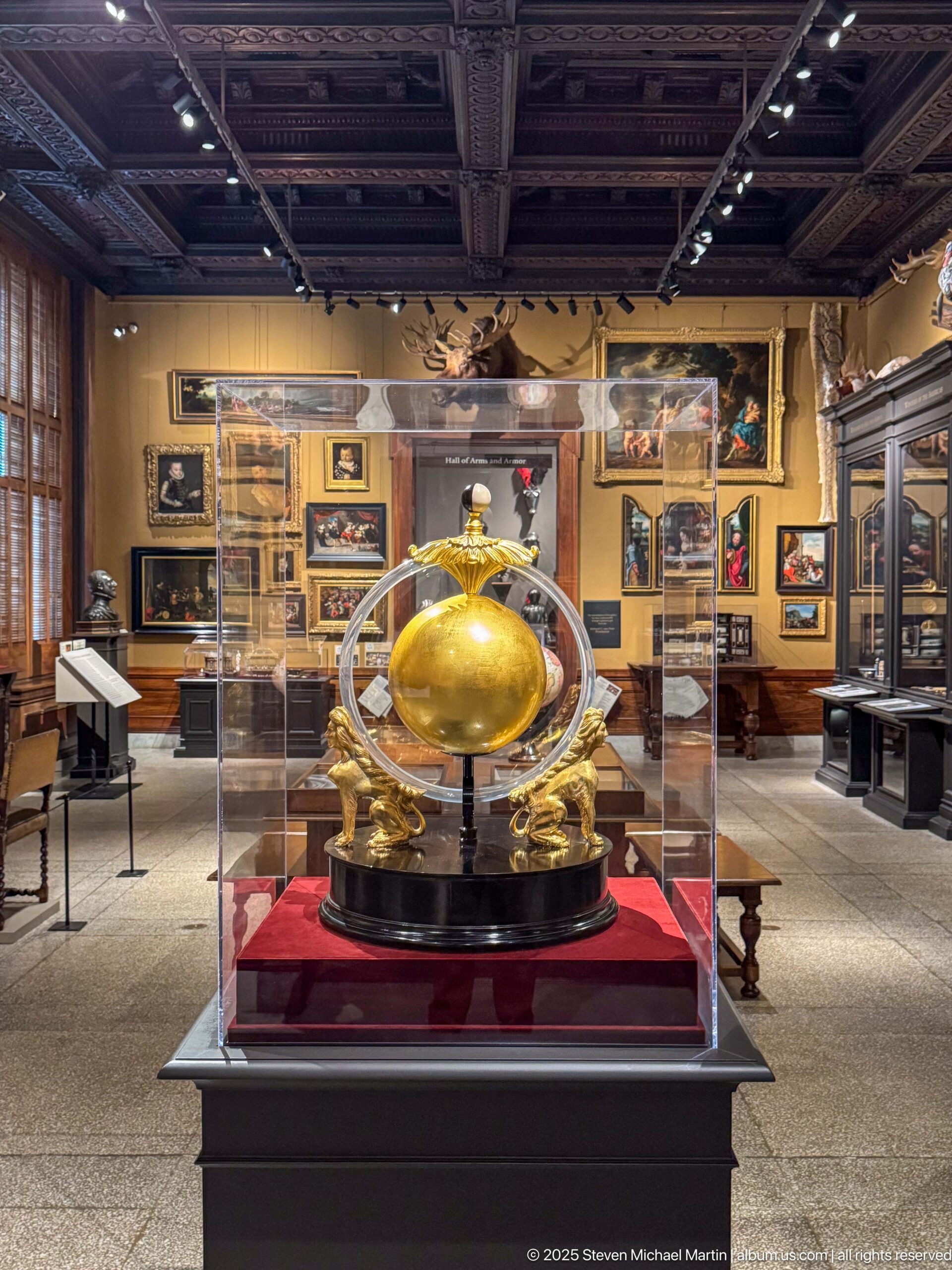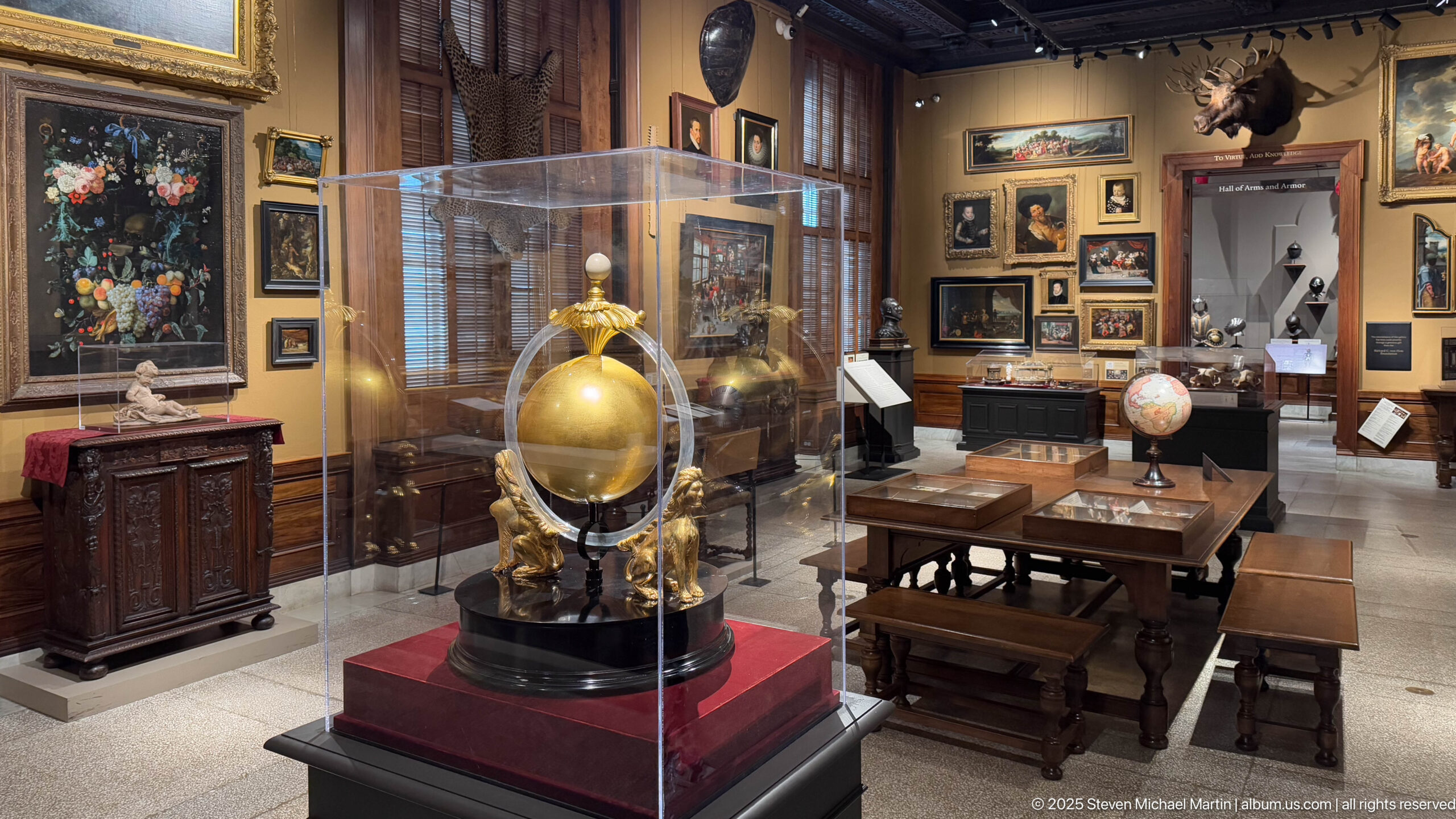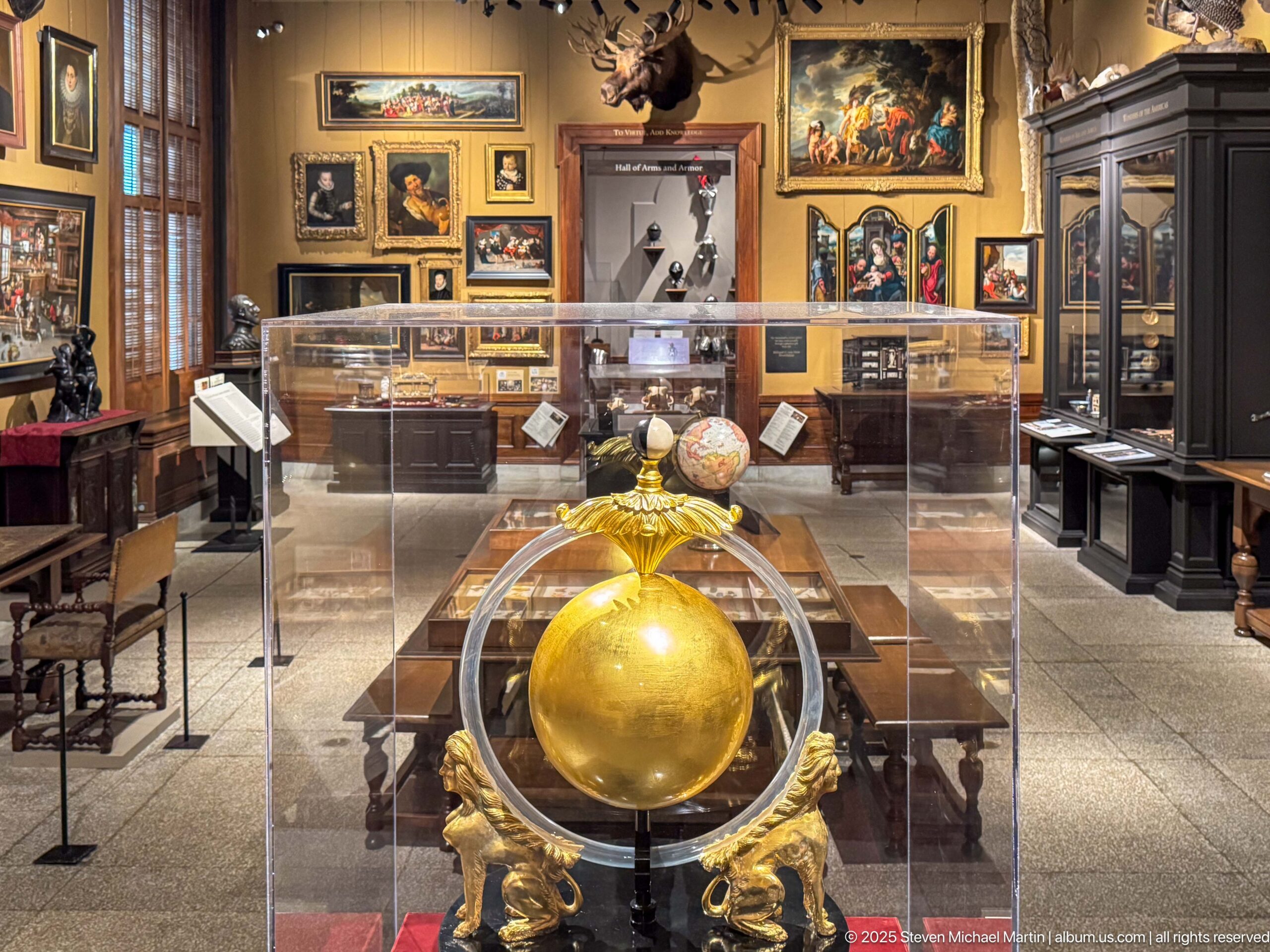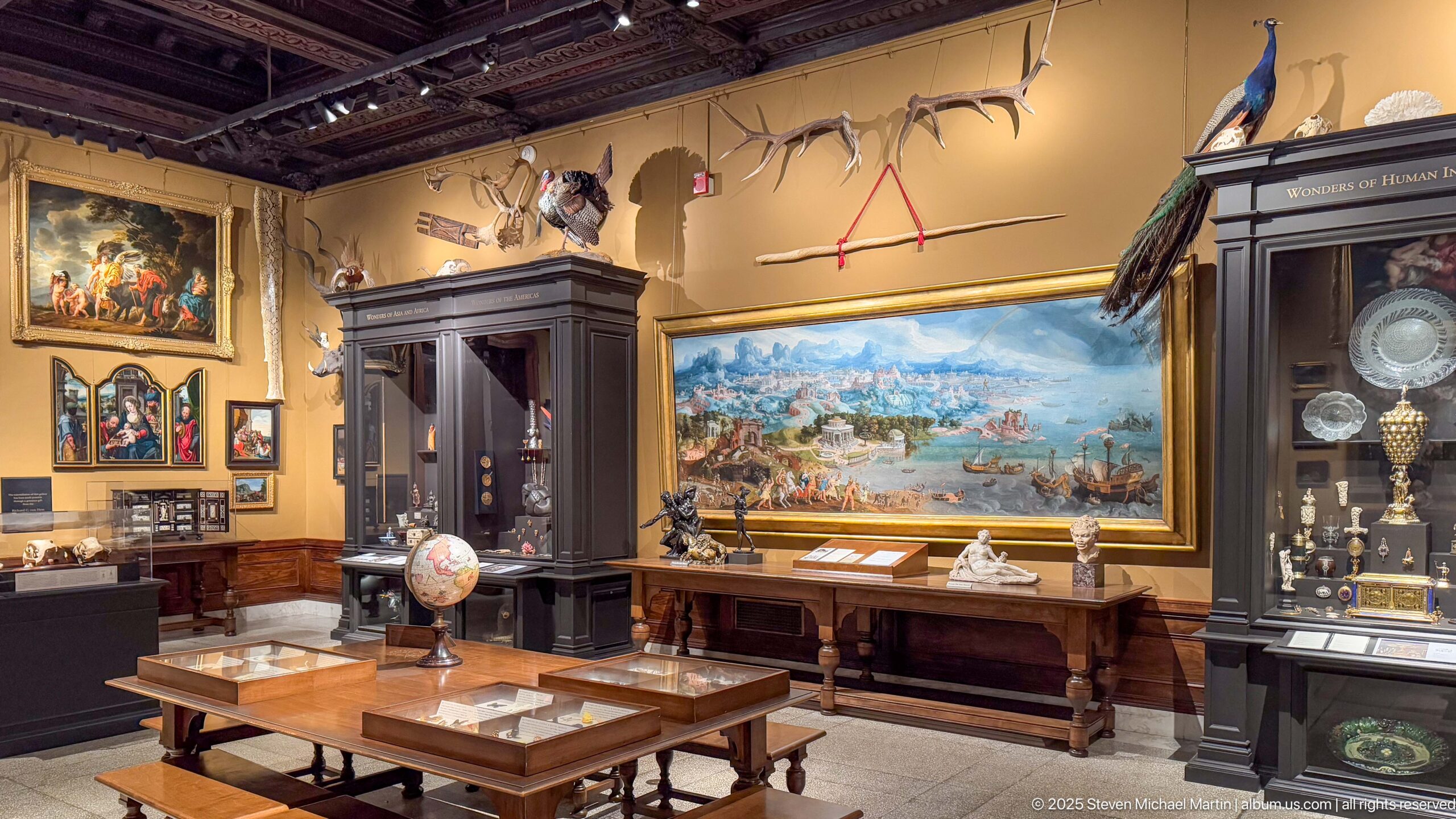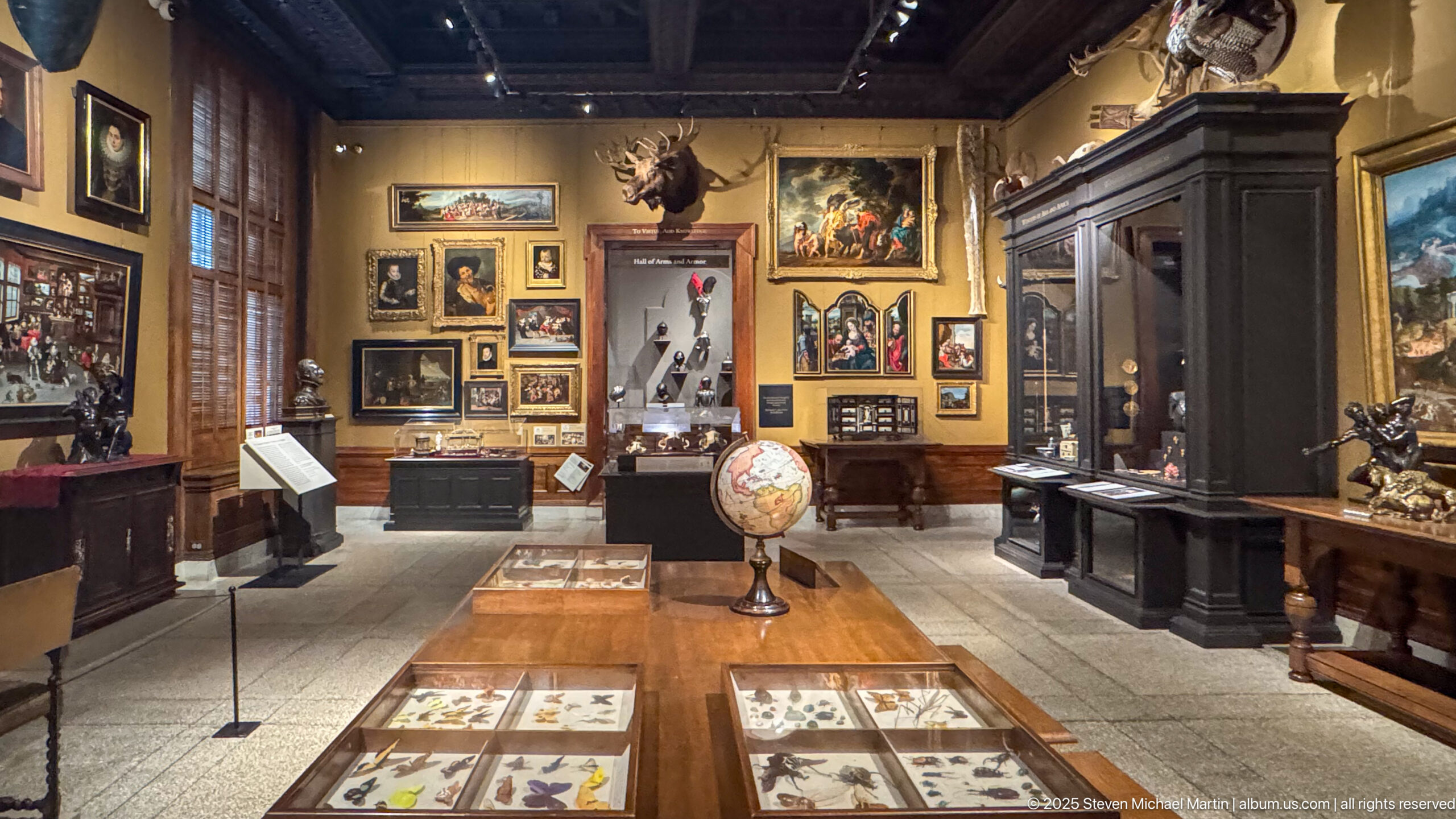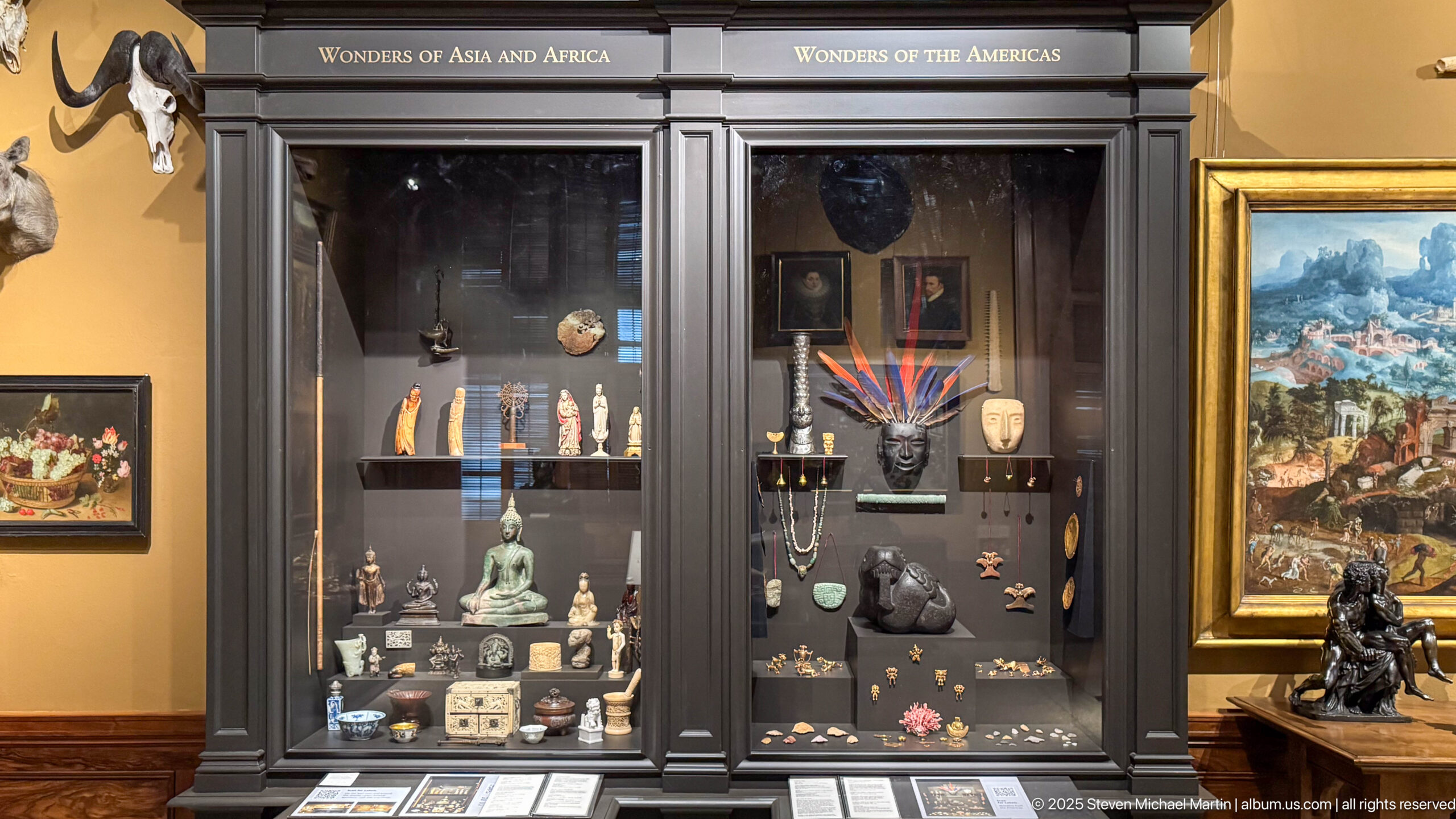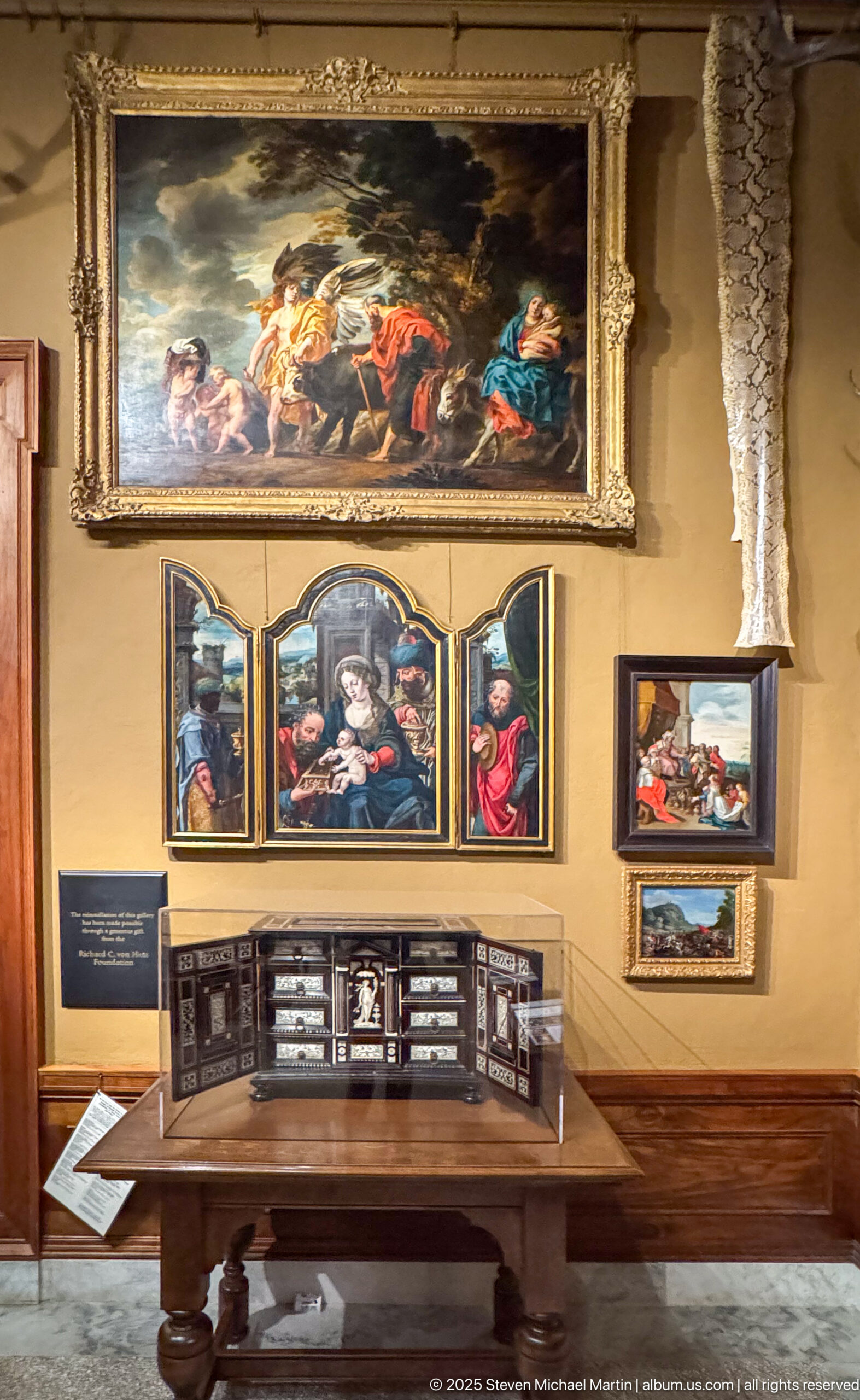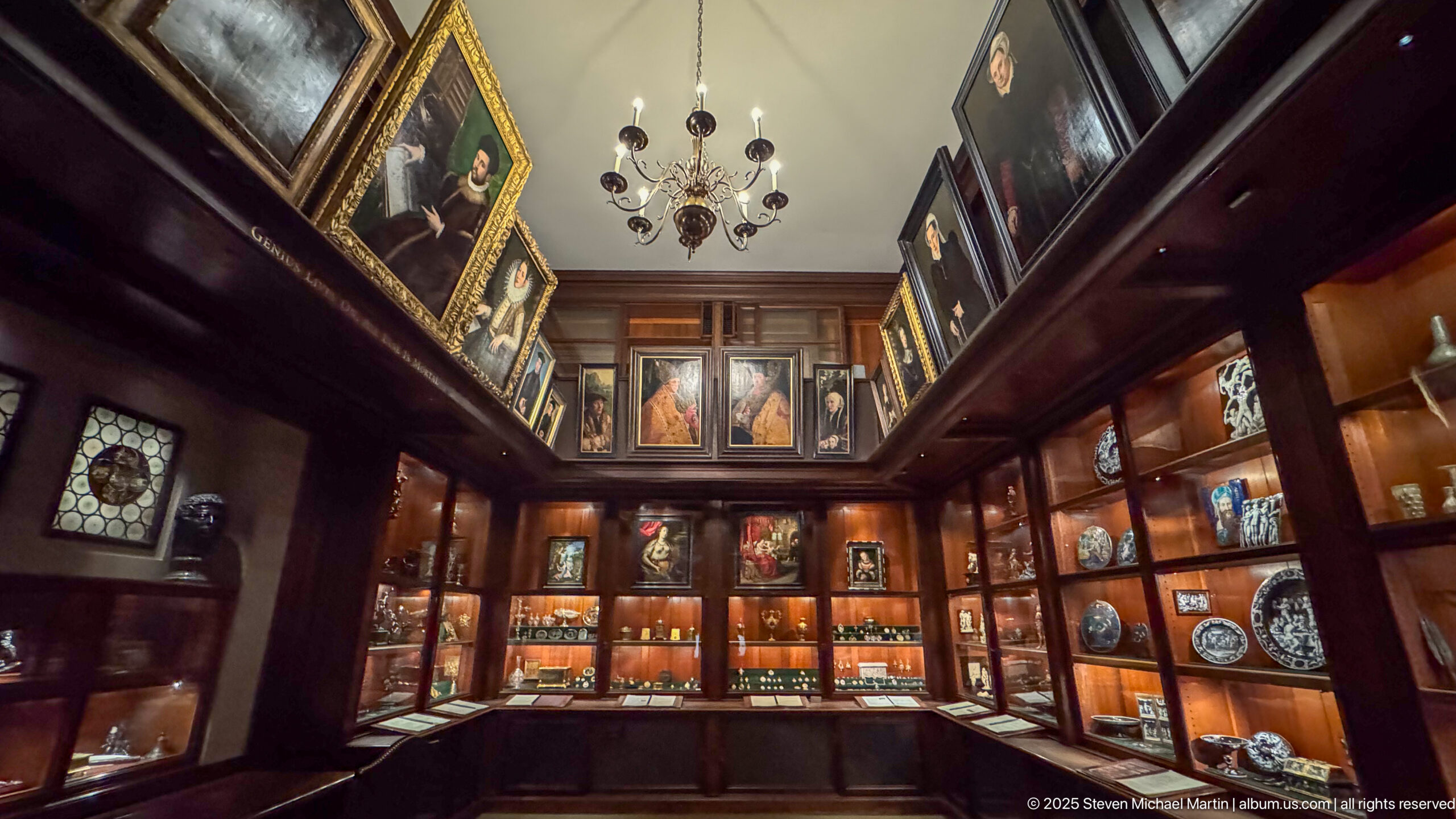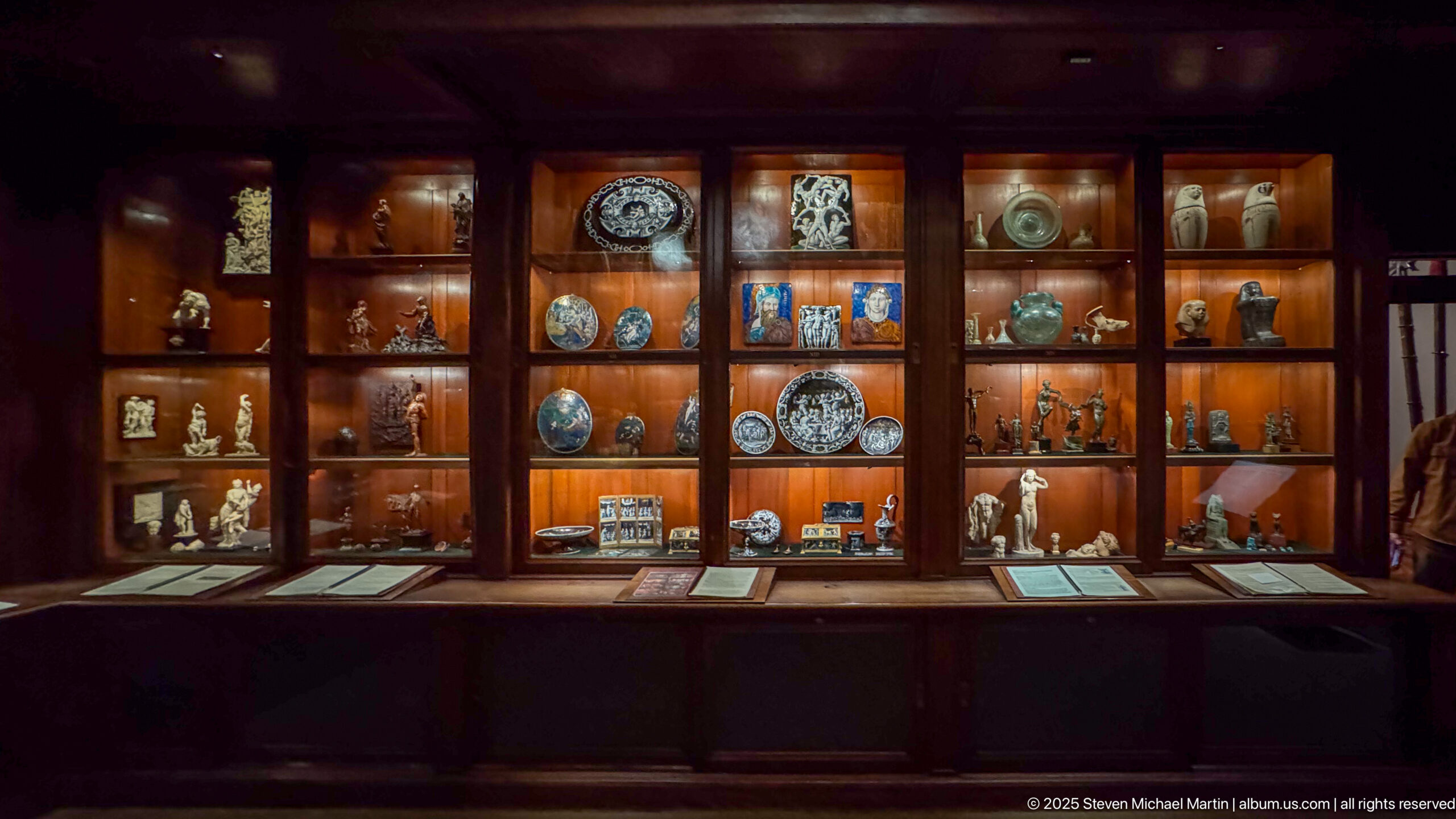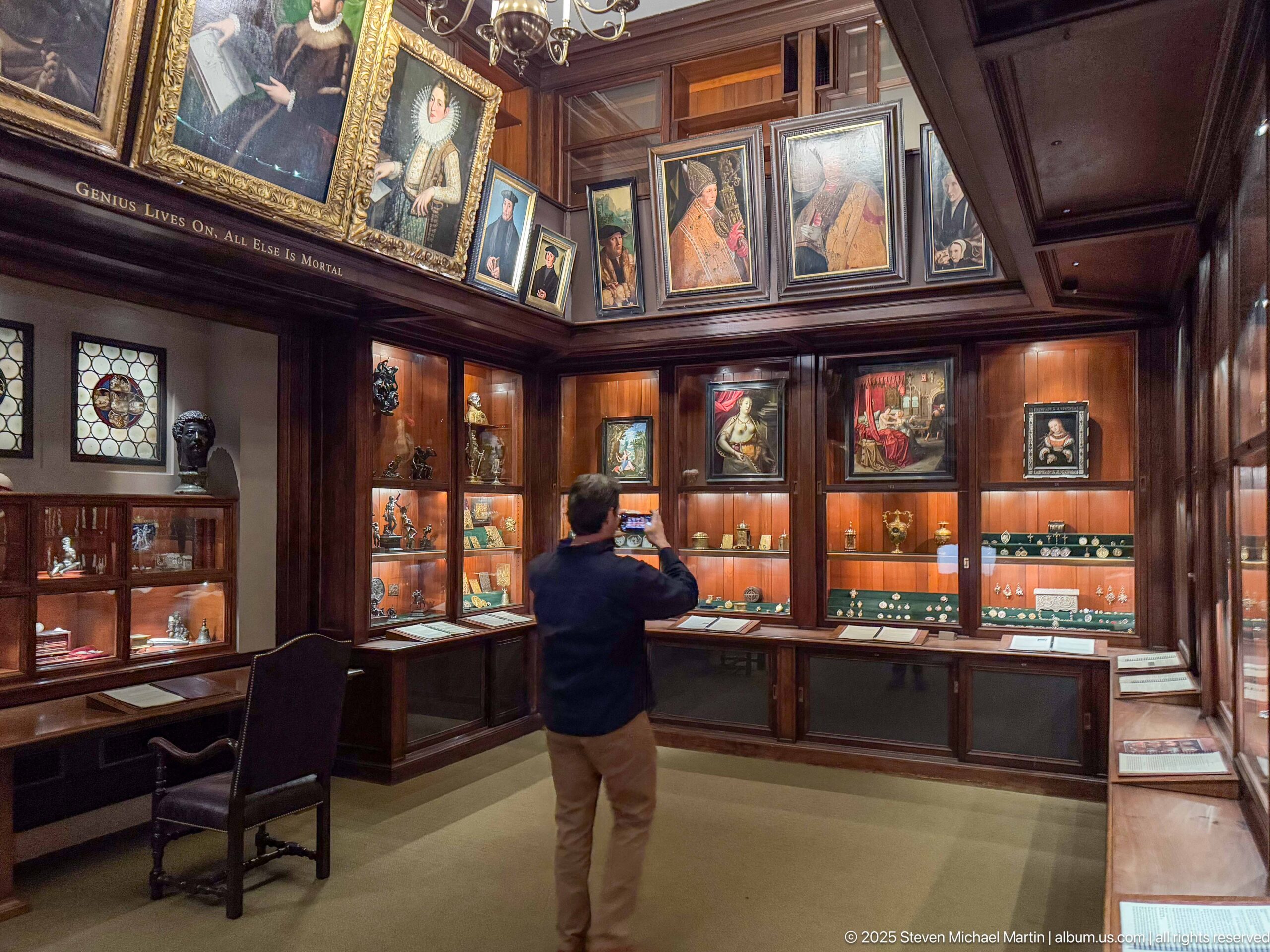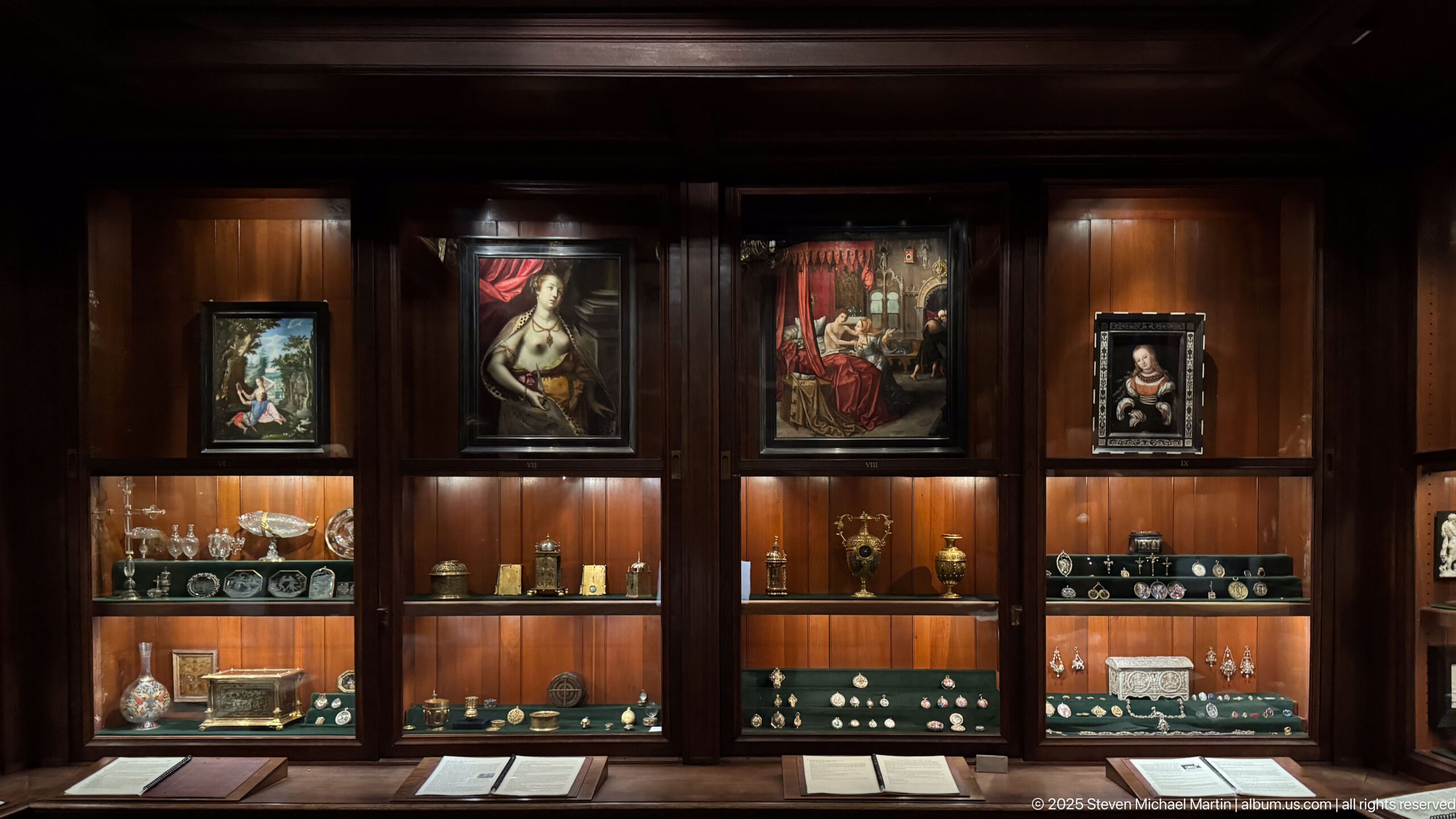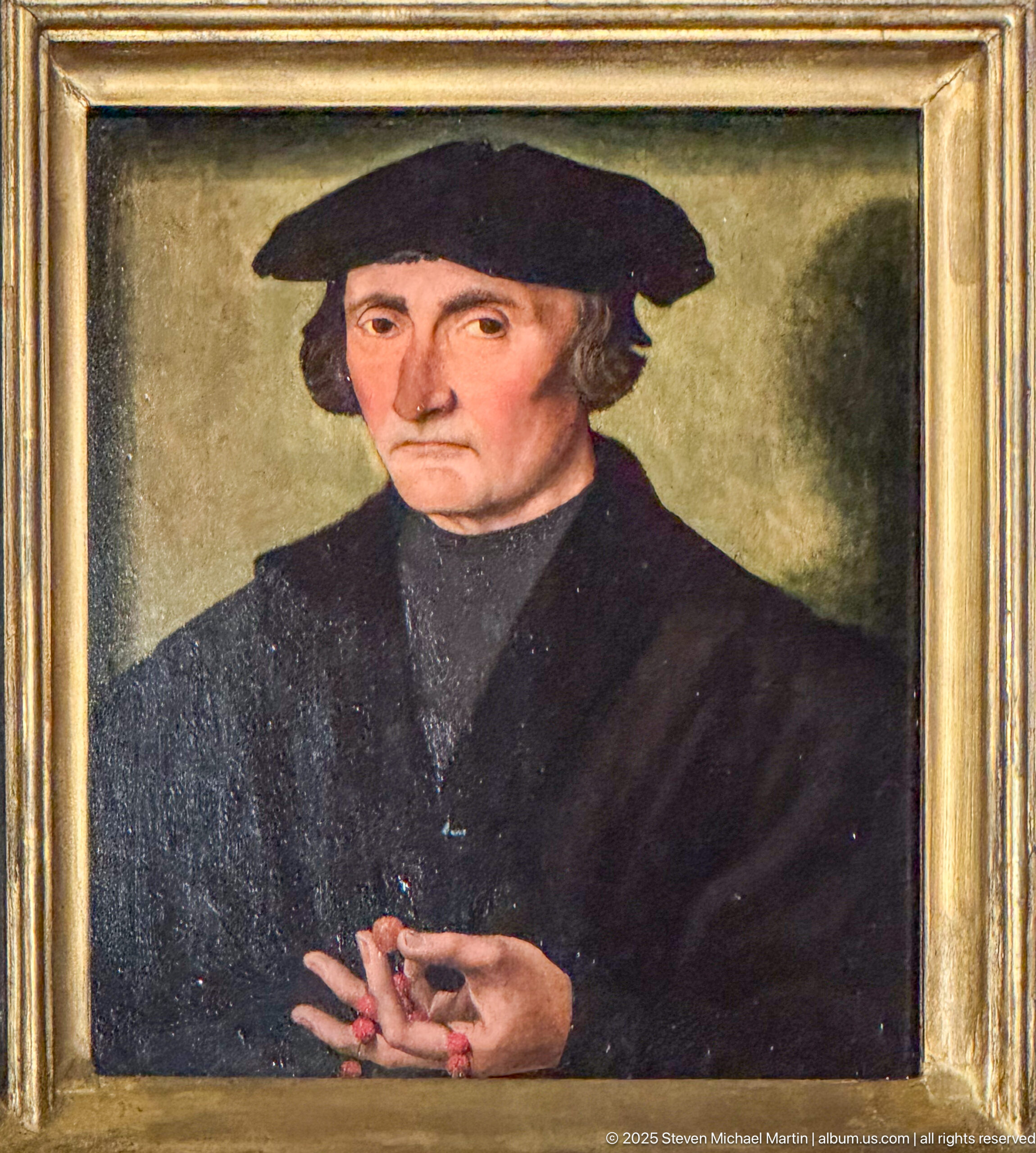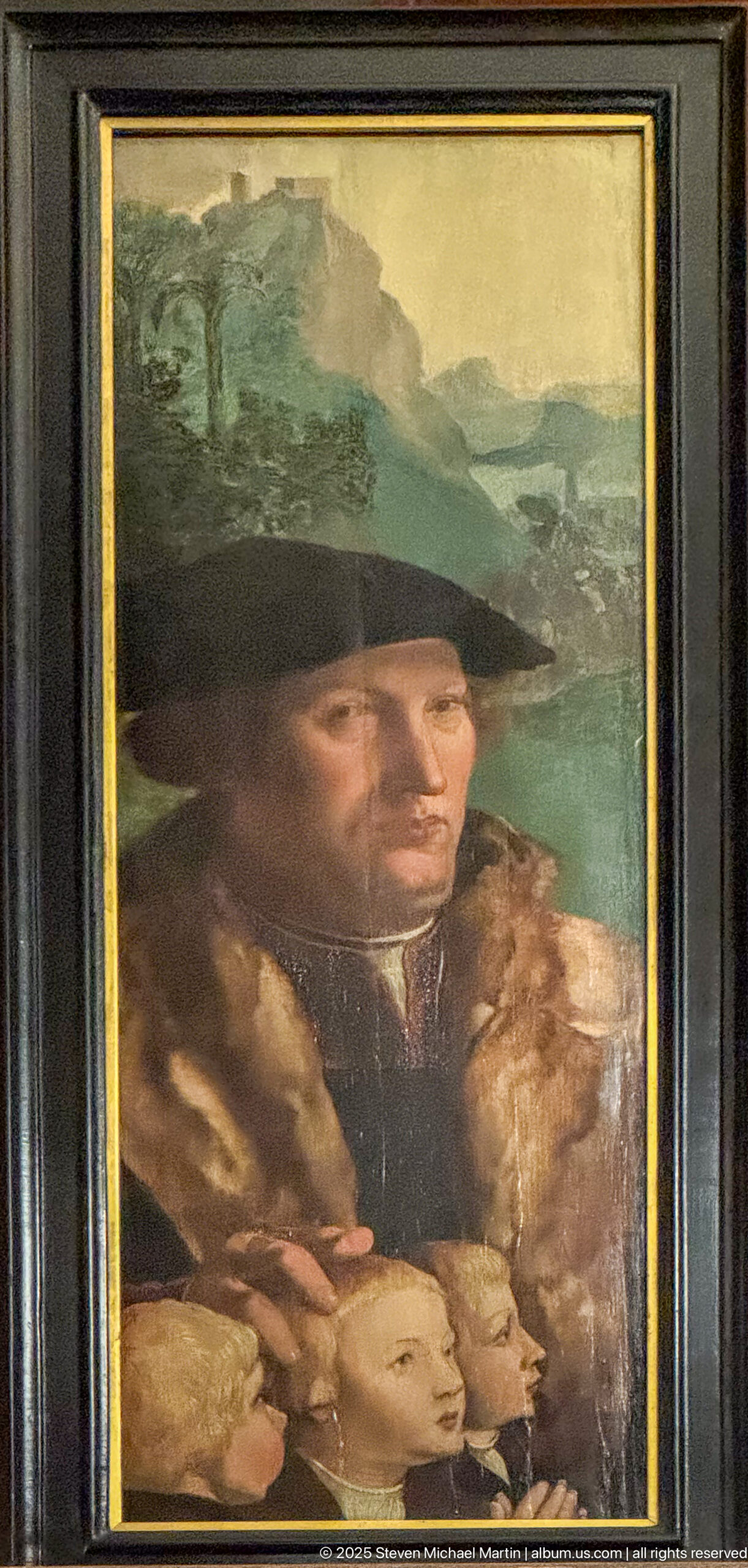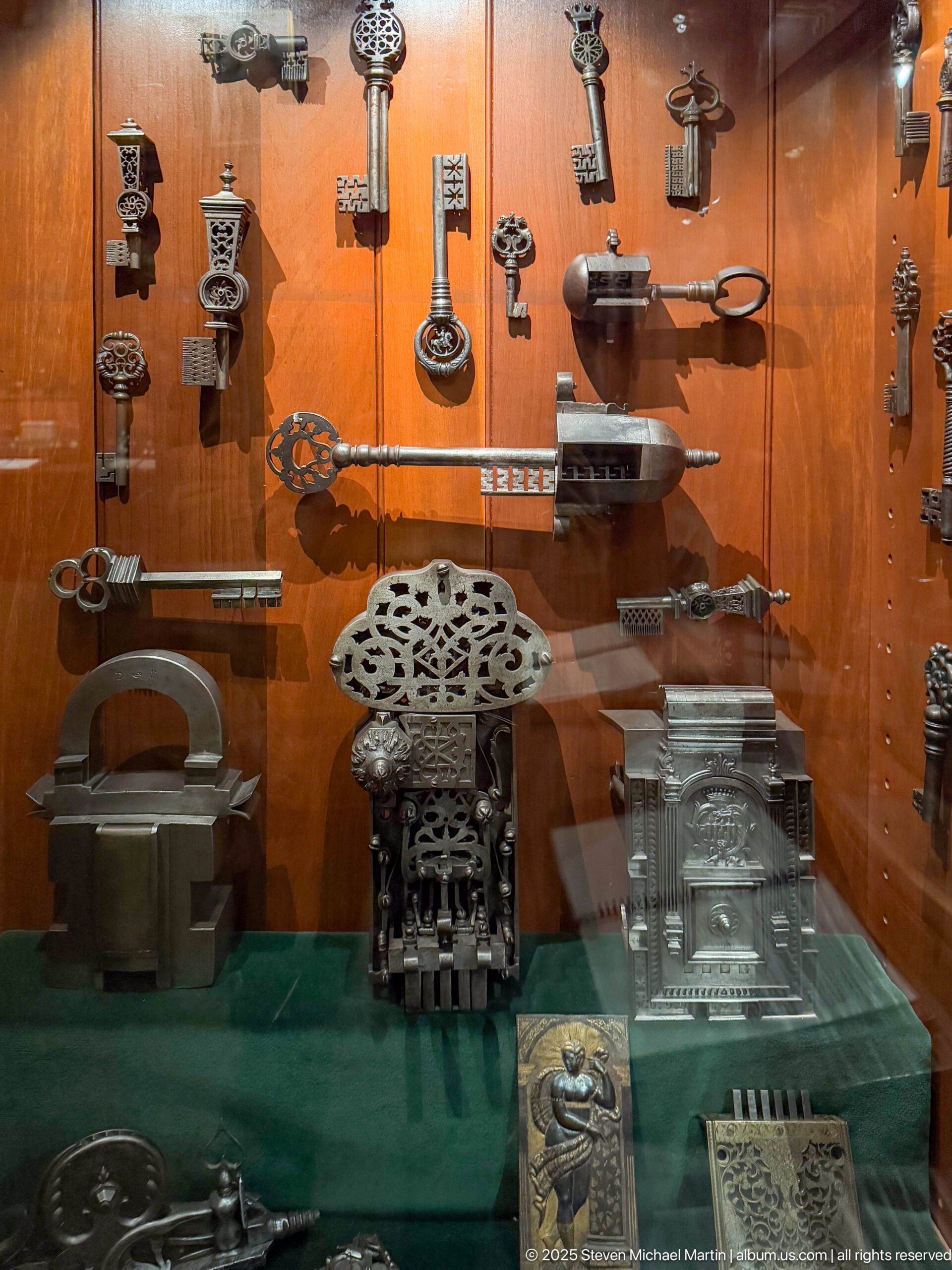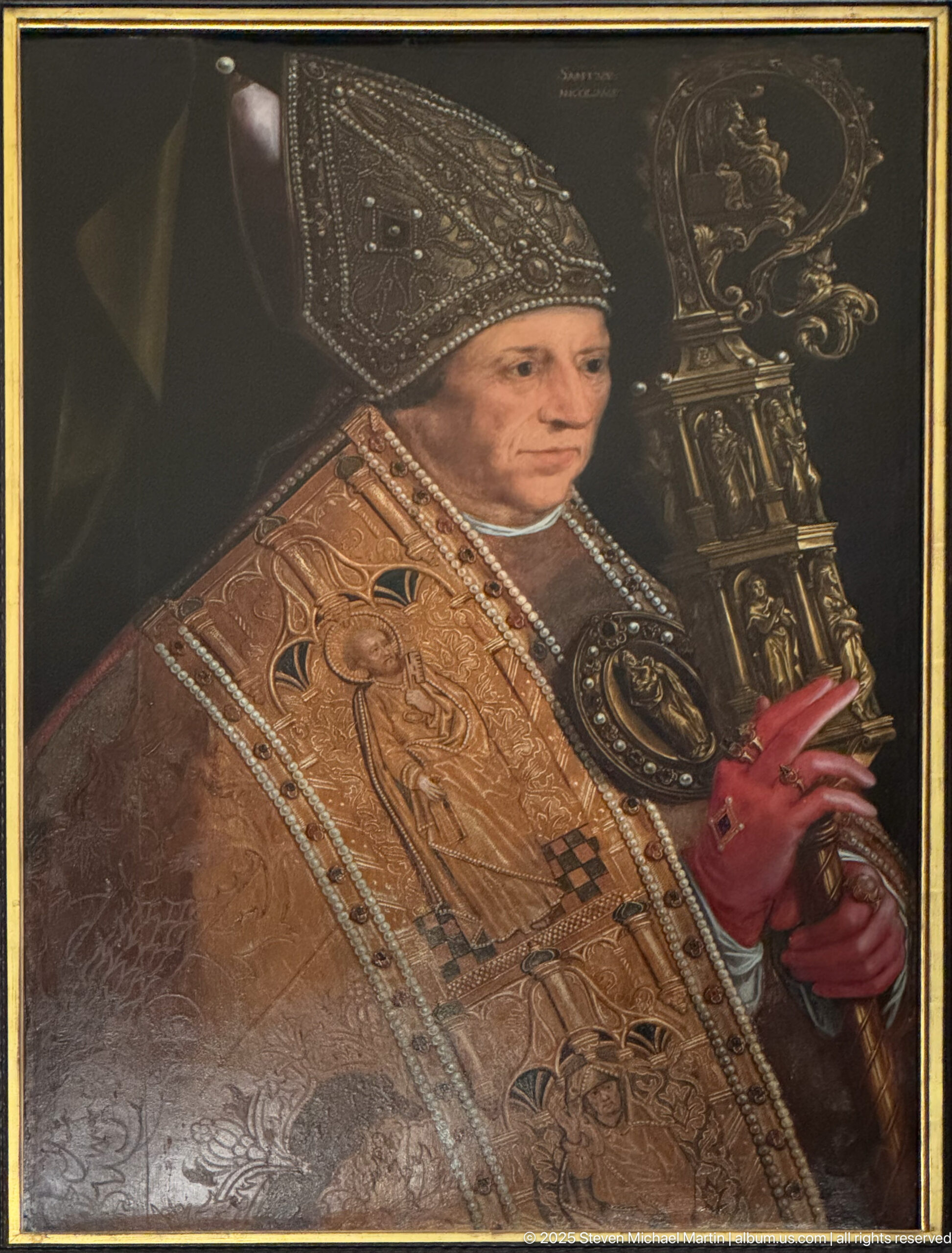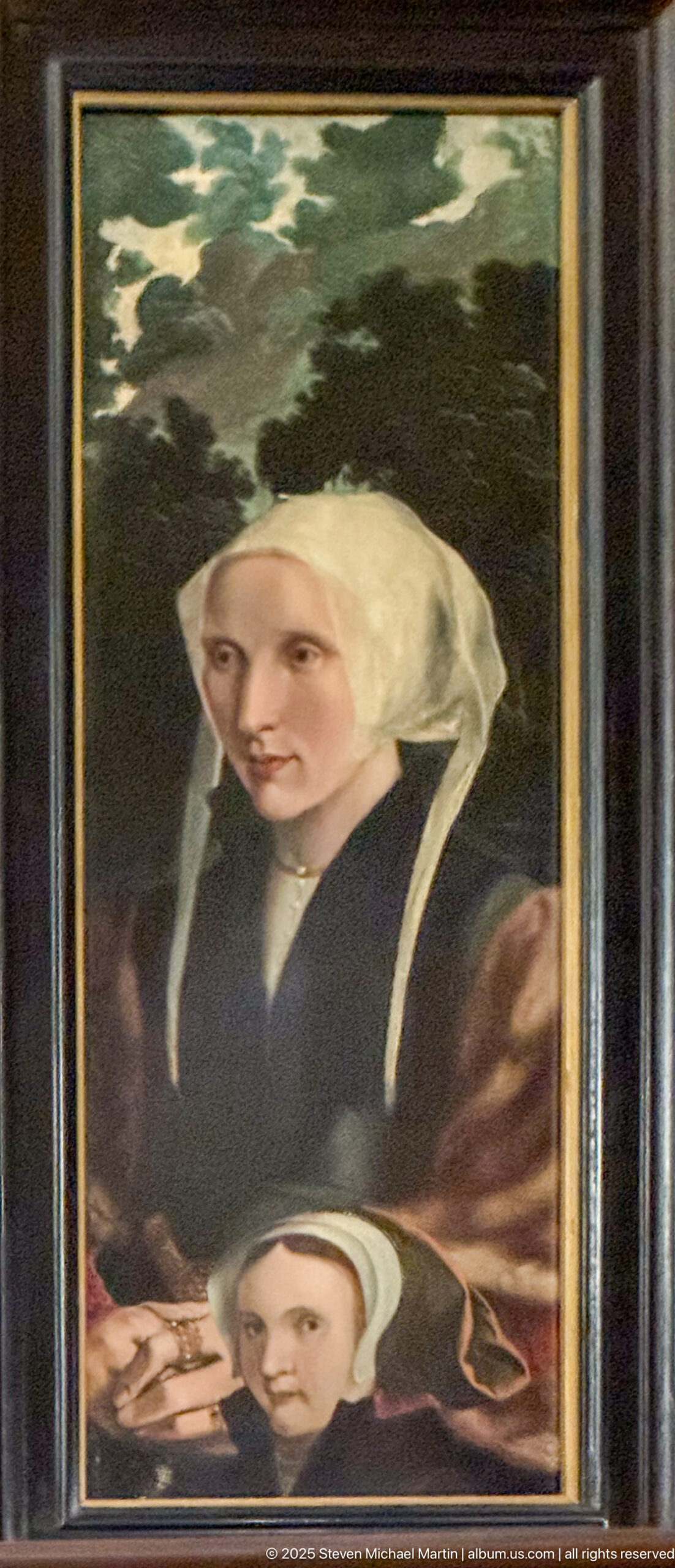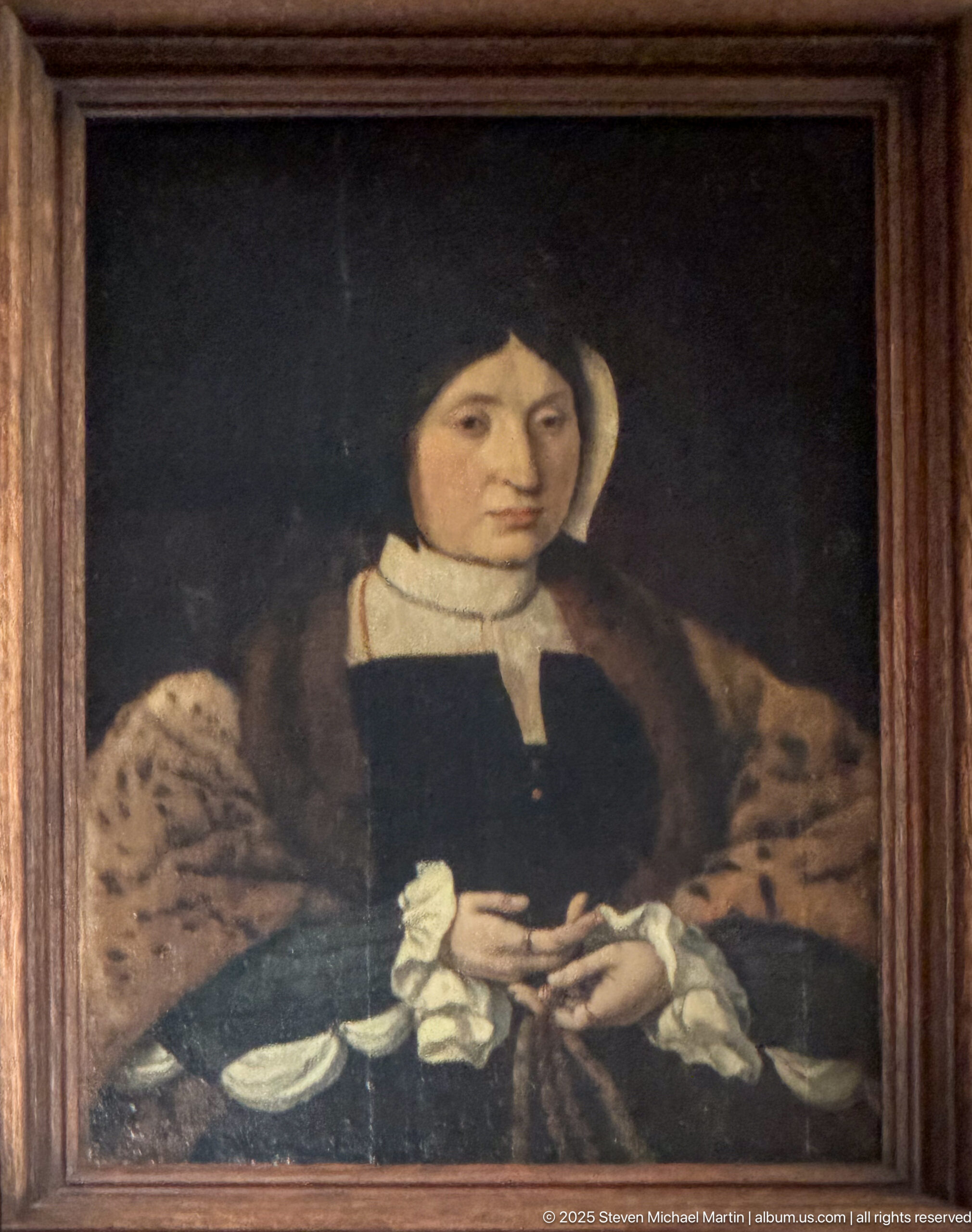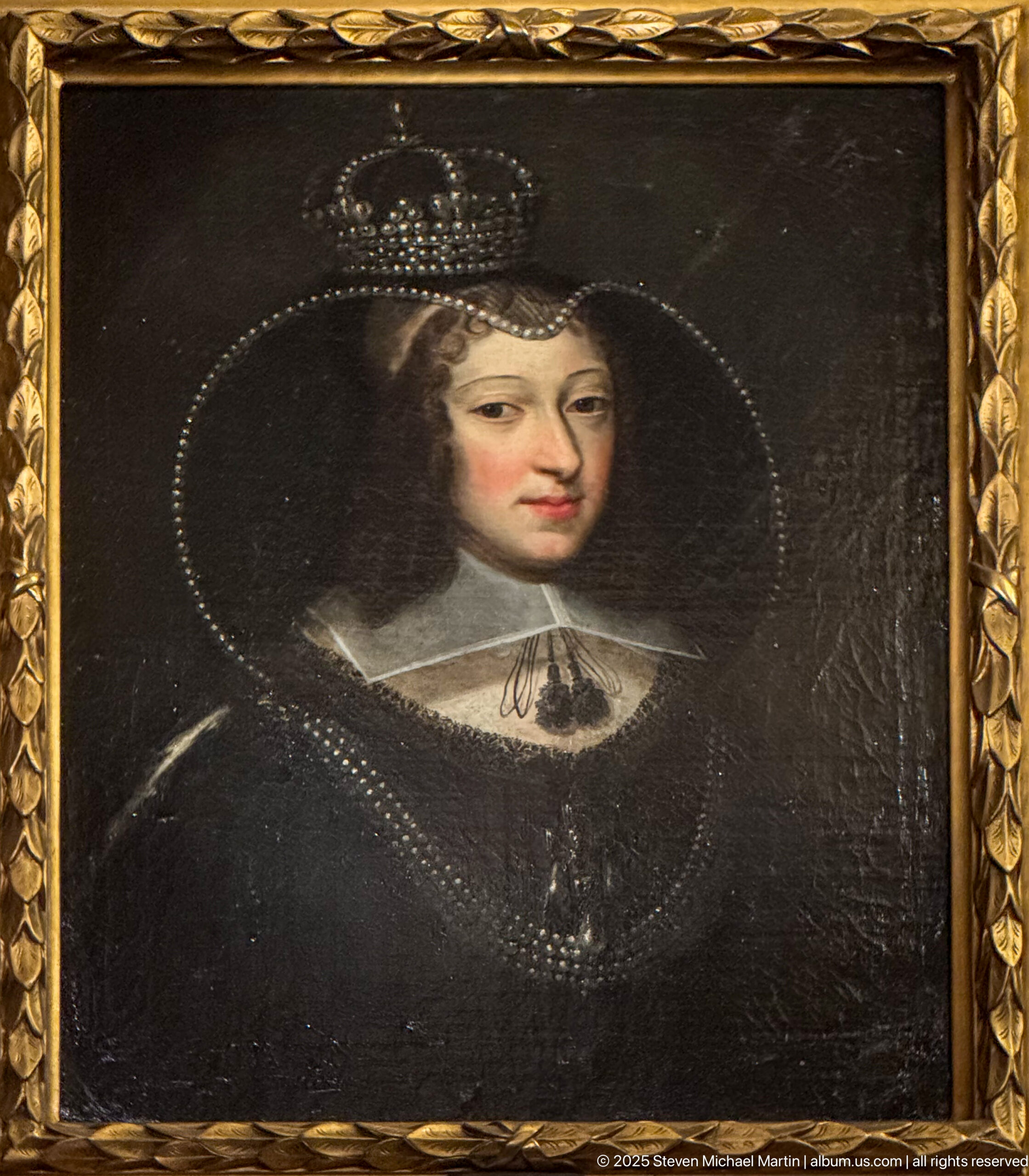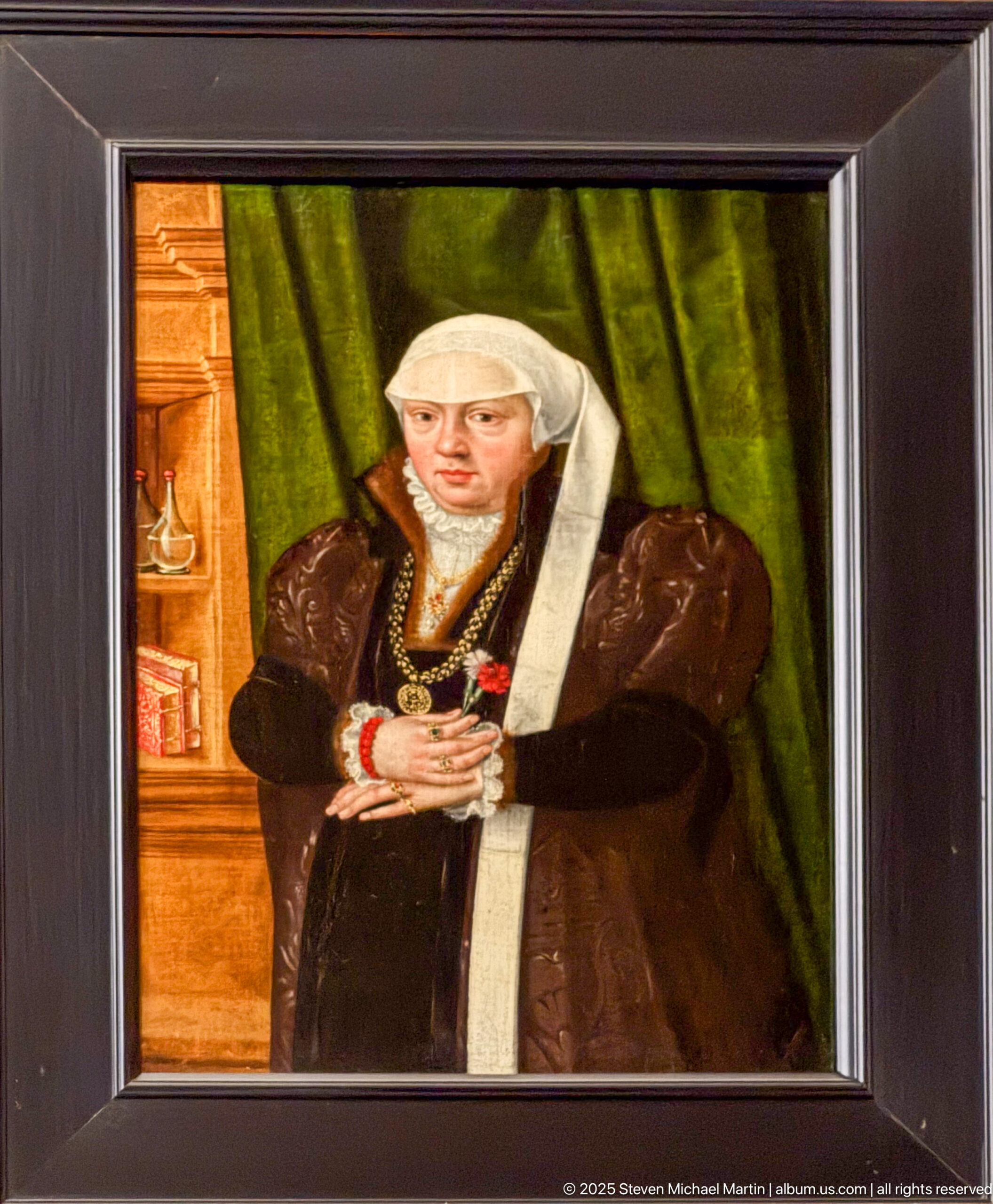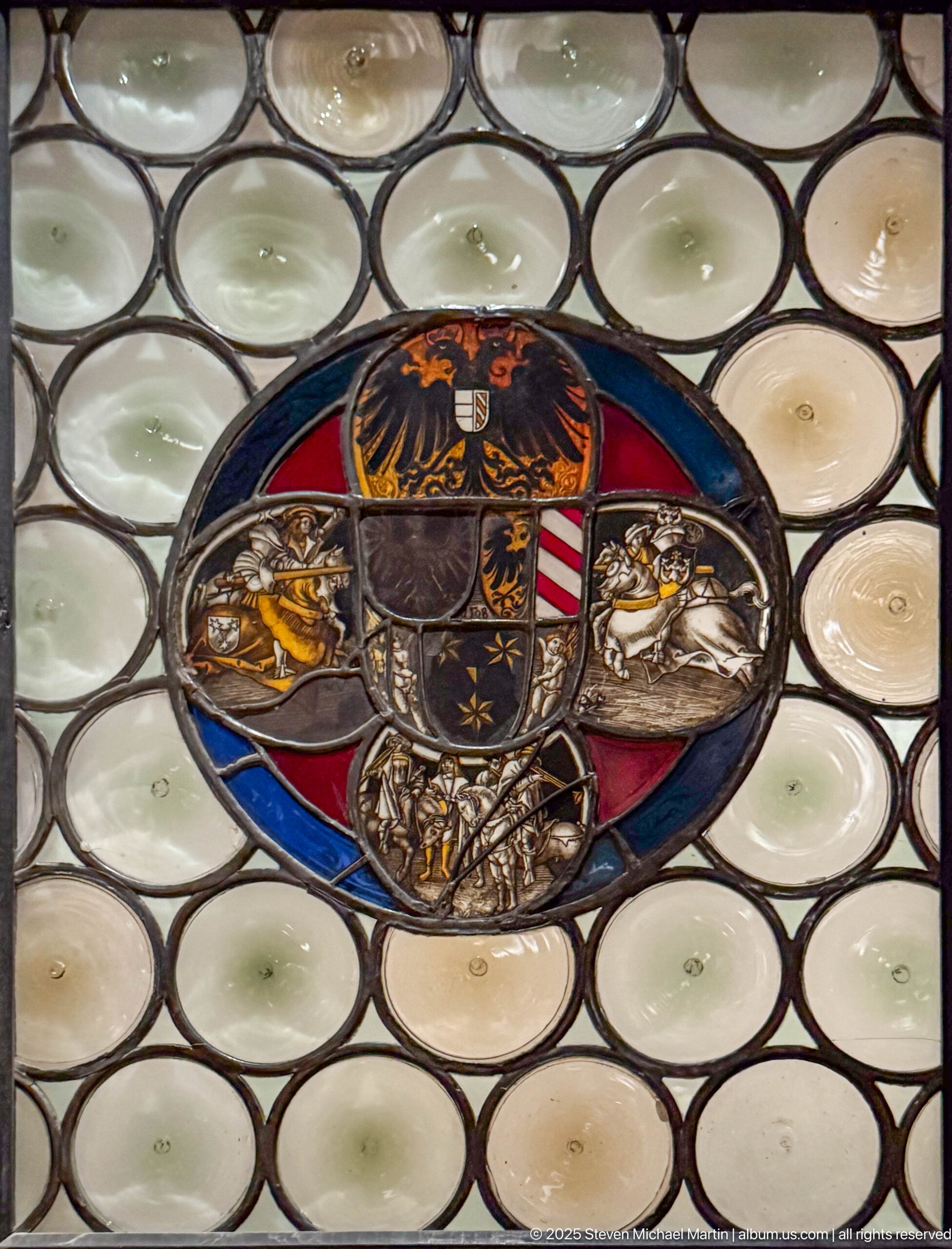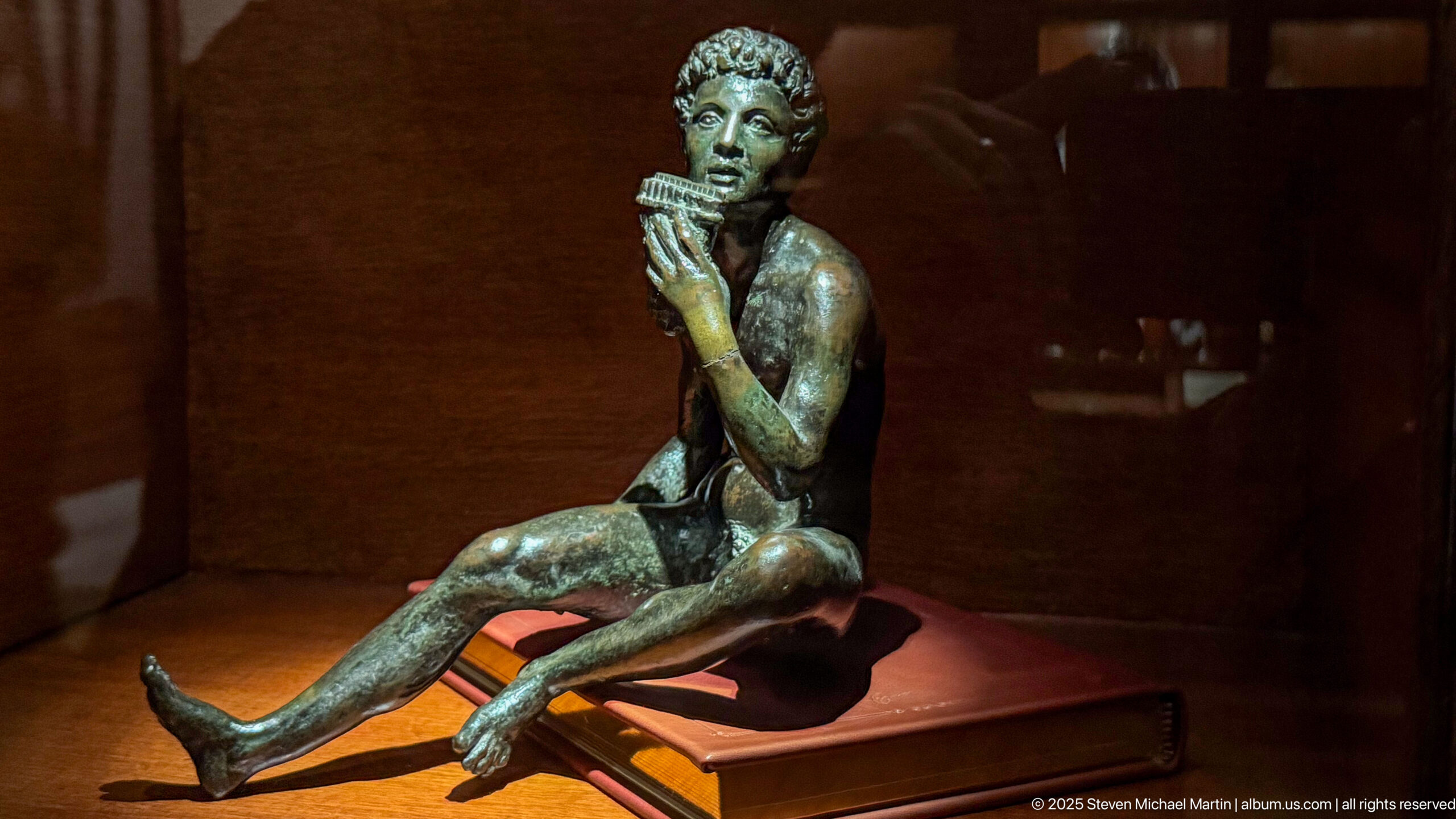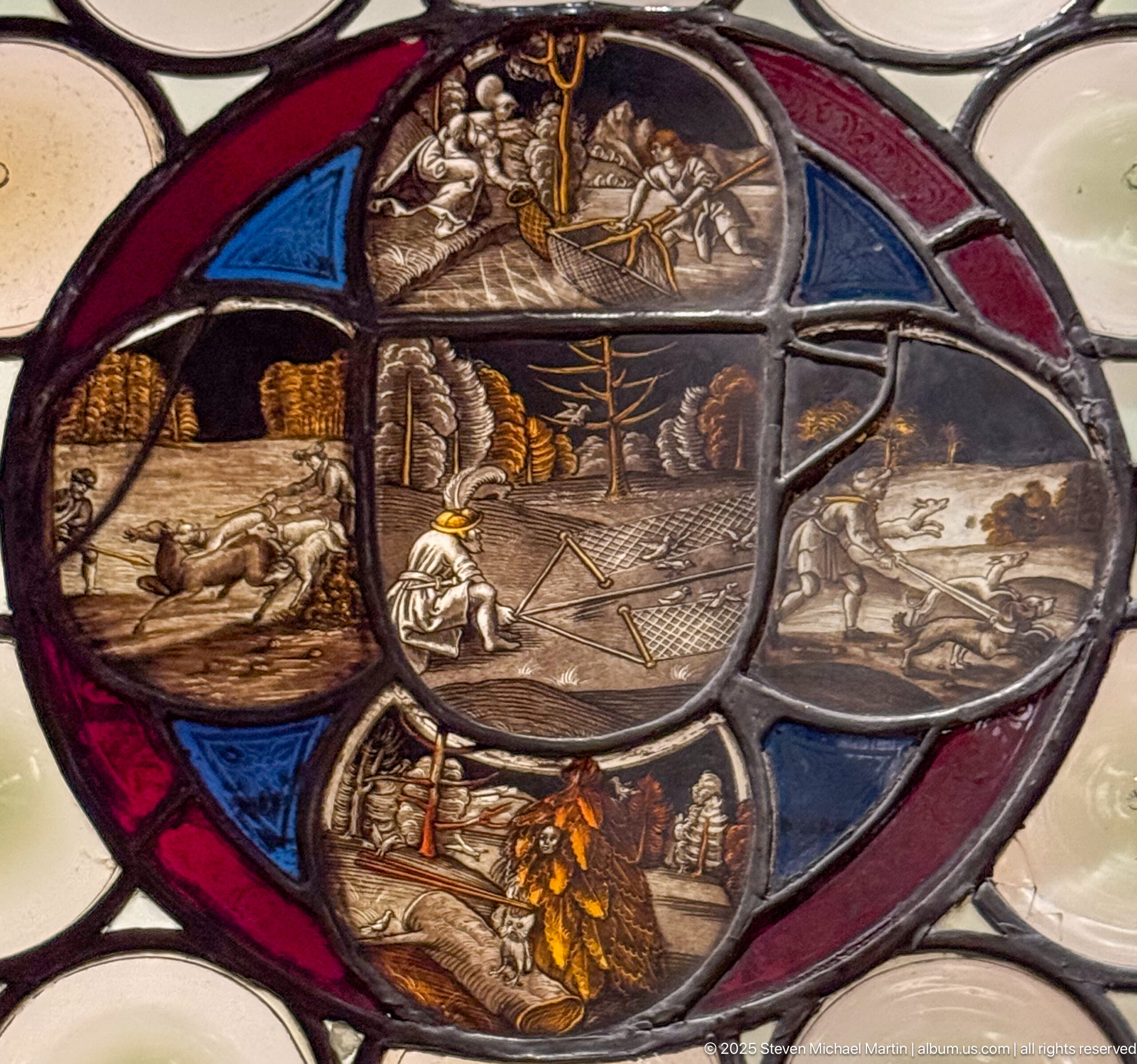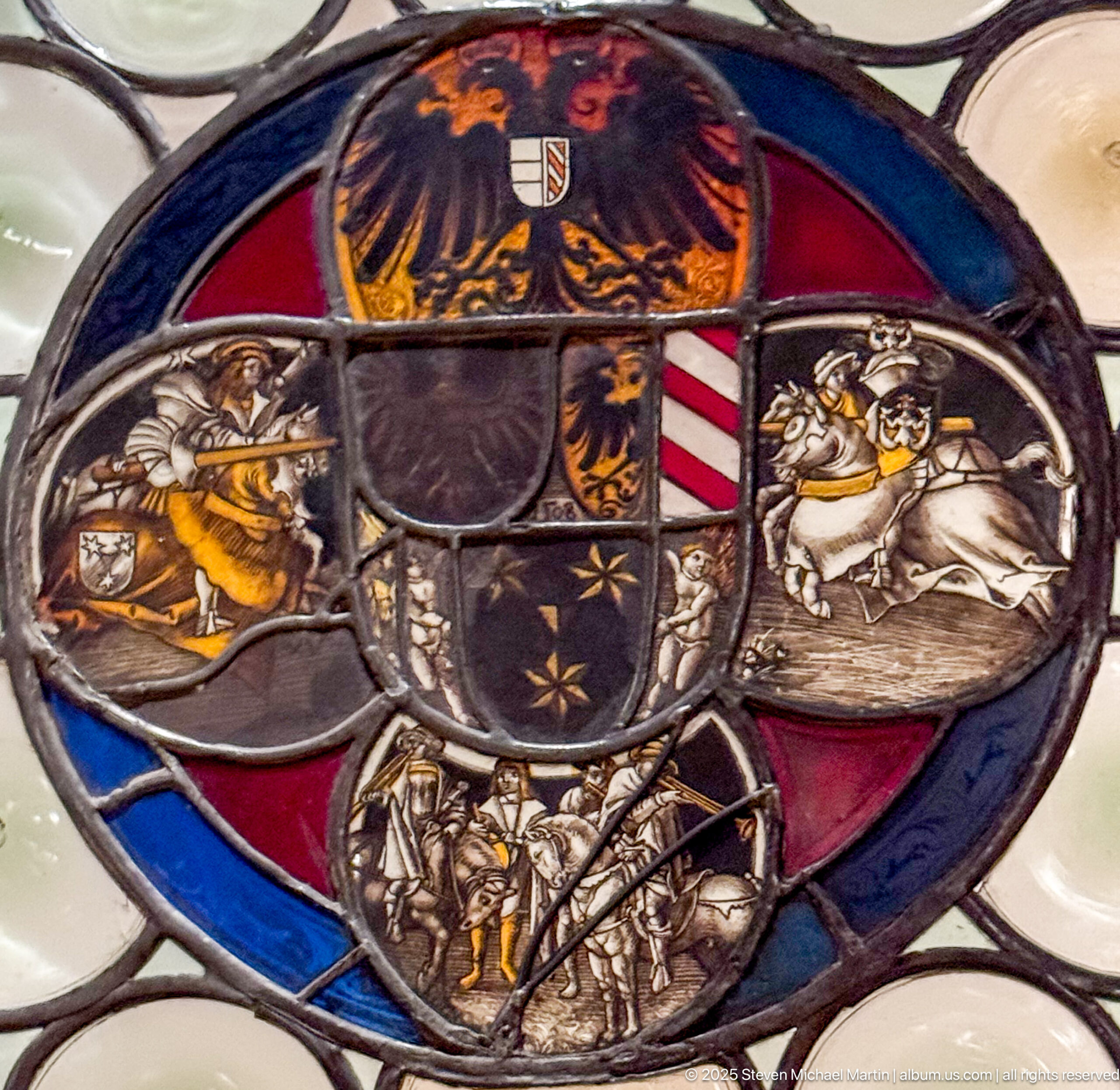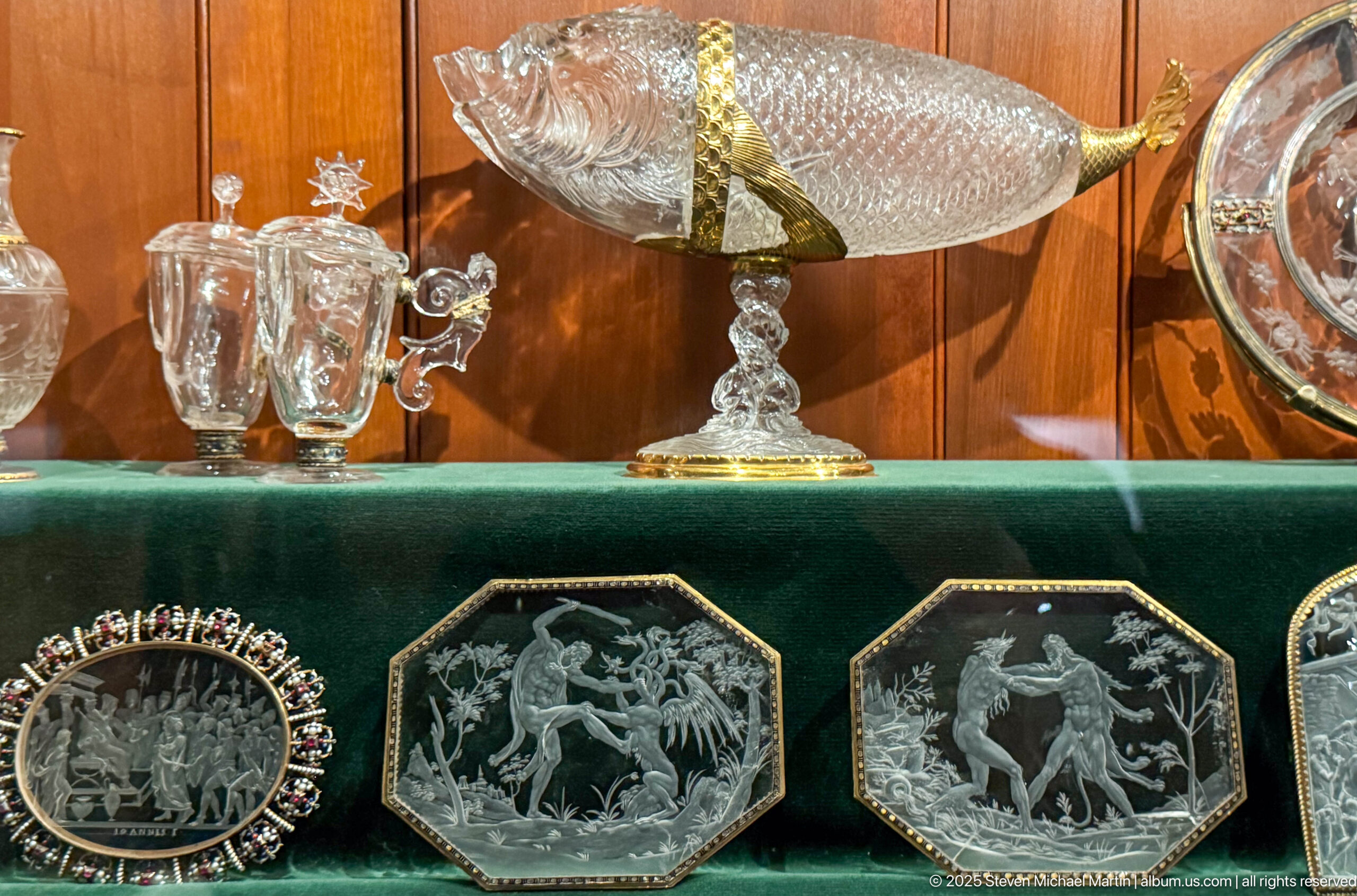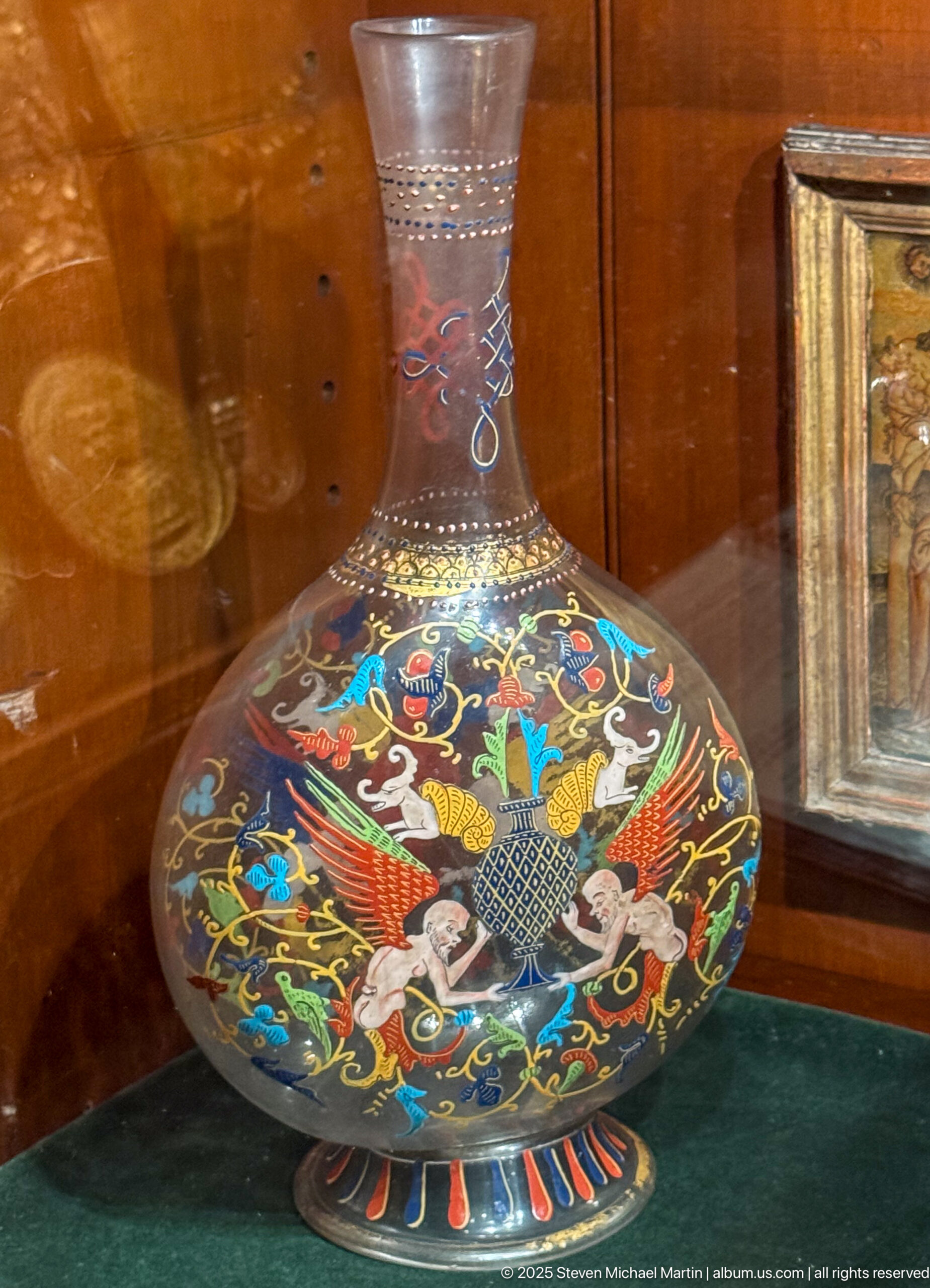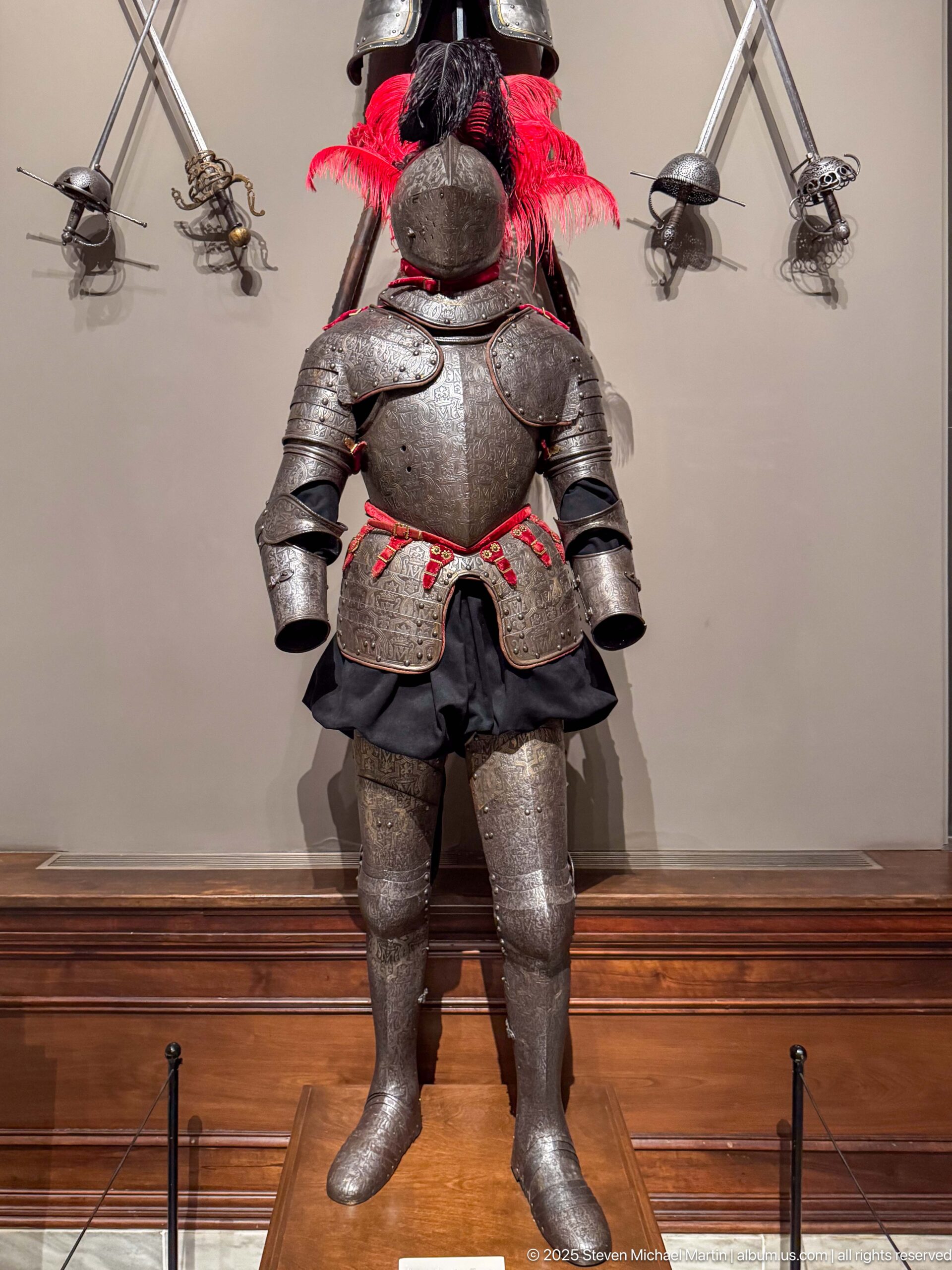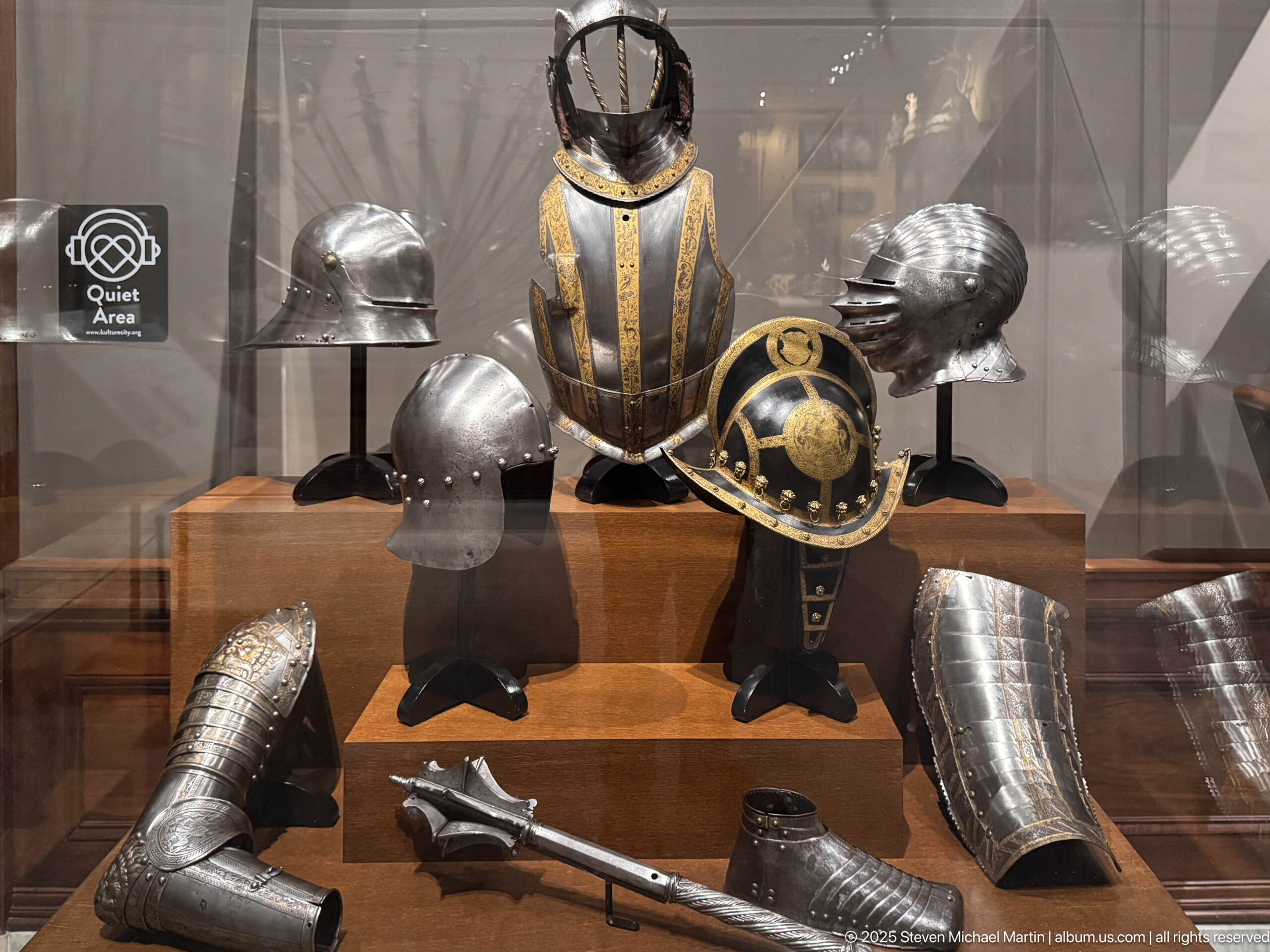
Walters Art Museum Chamber of Wonders
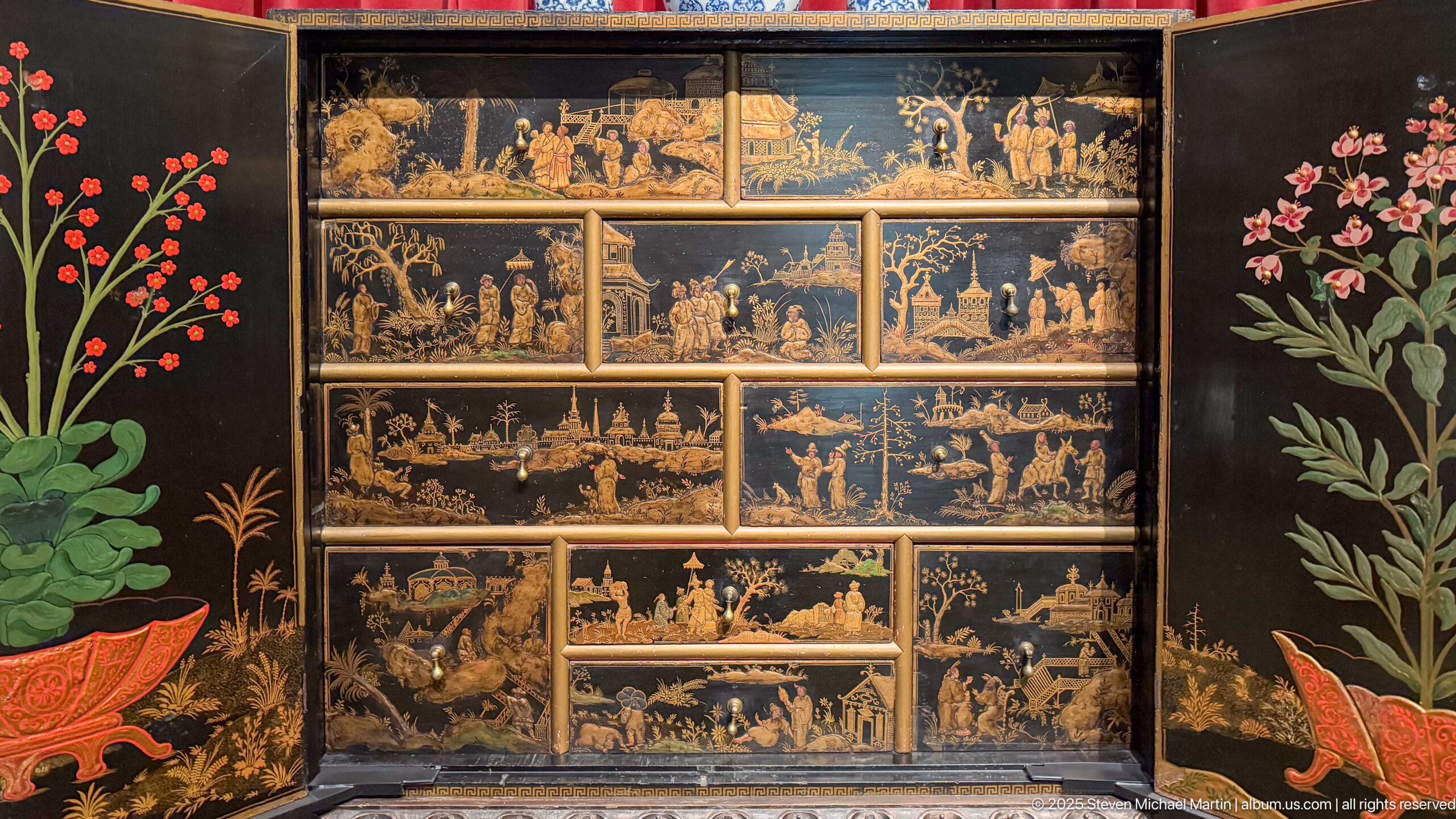
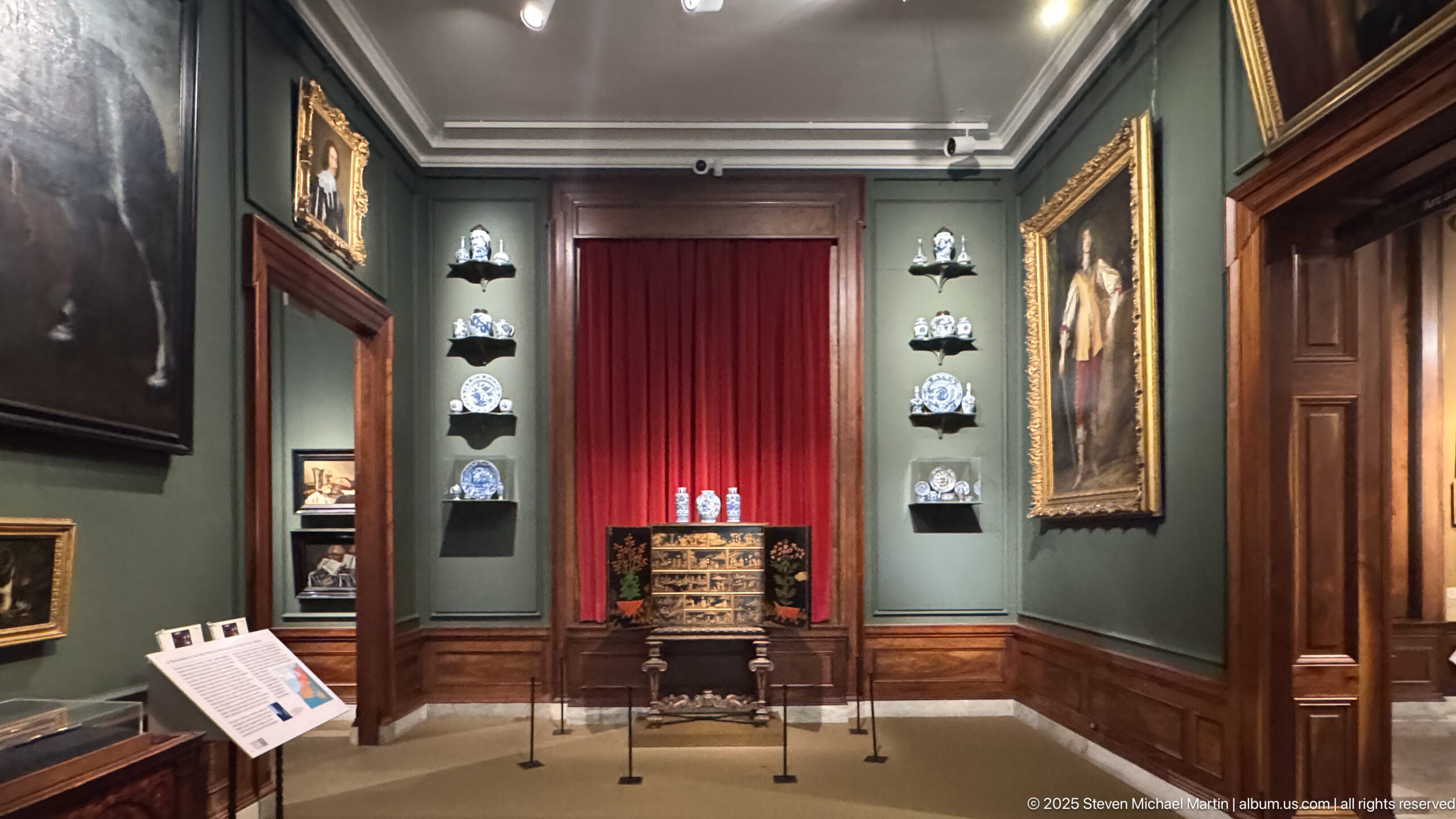
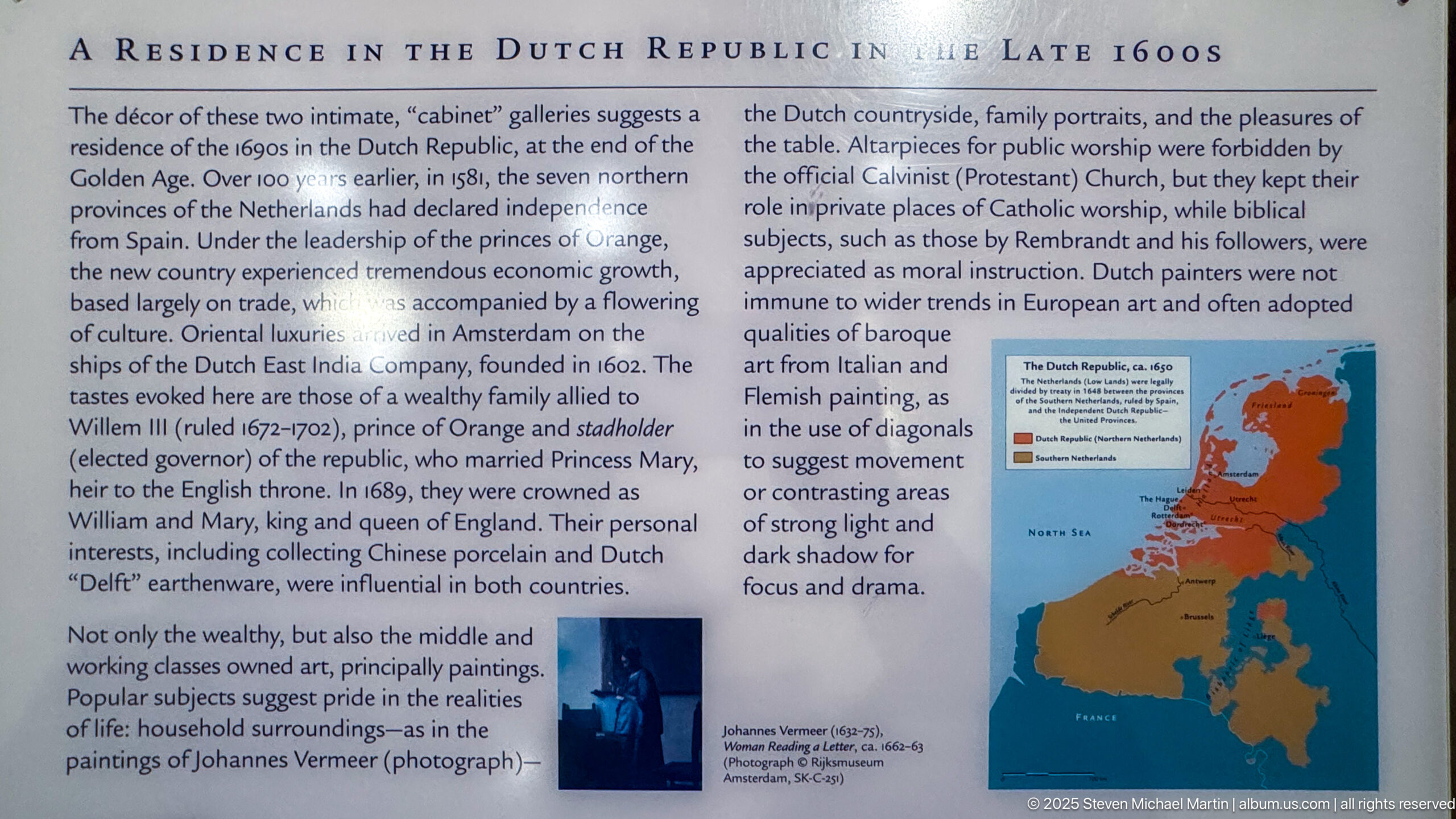
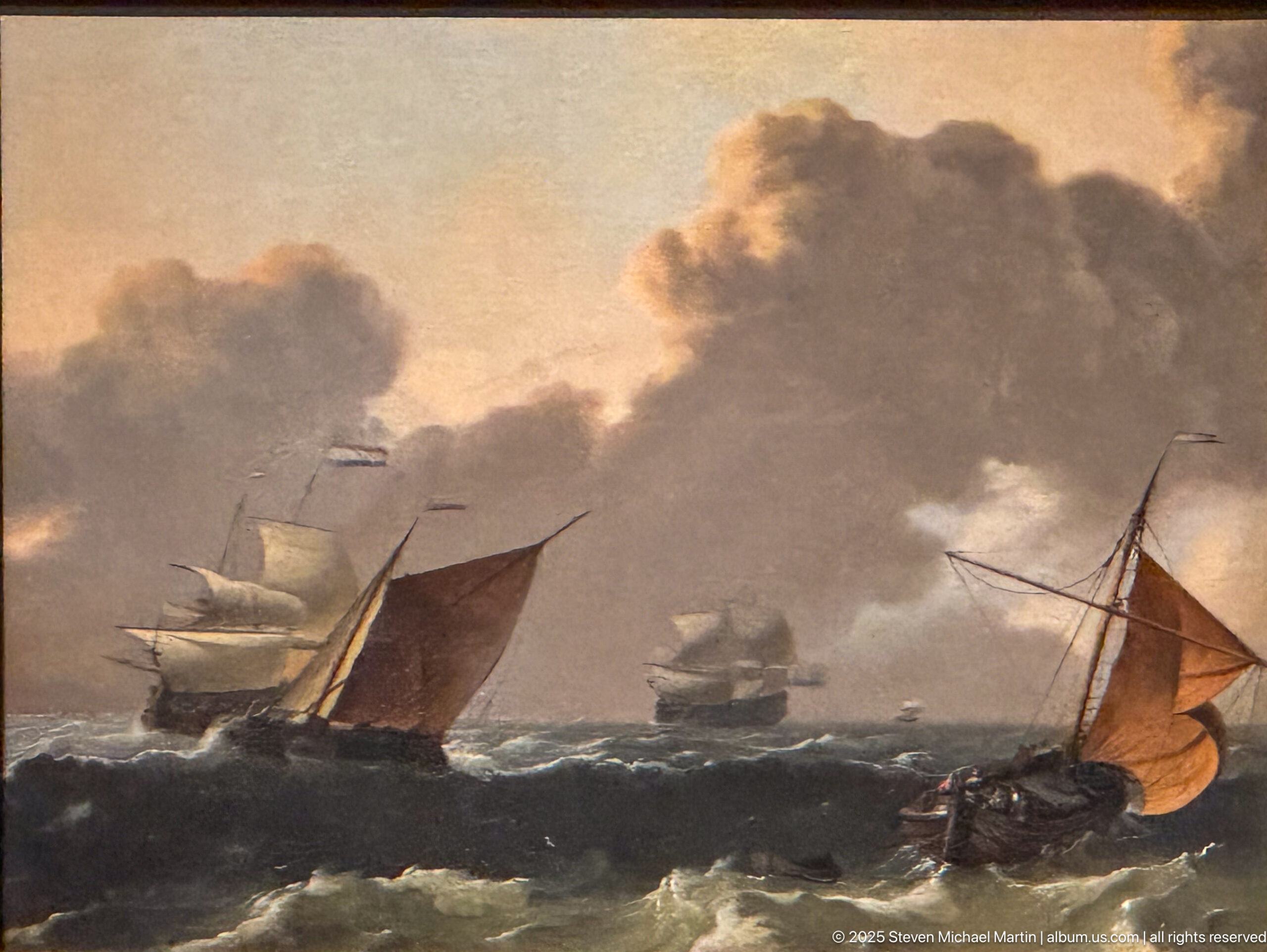
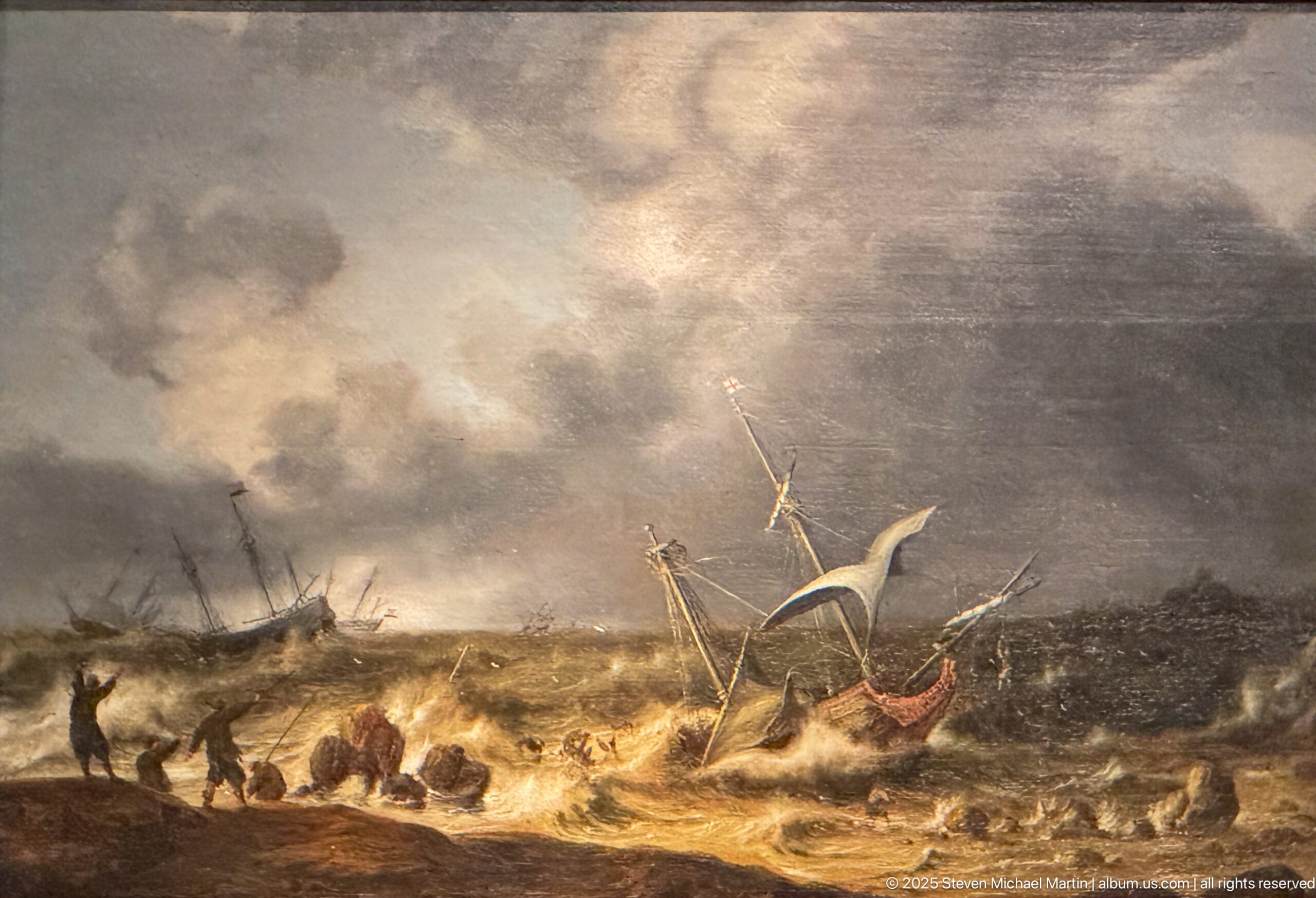
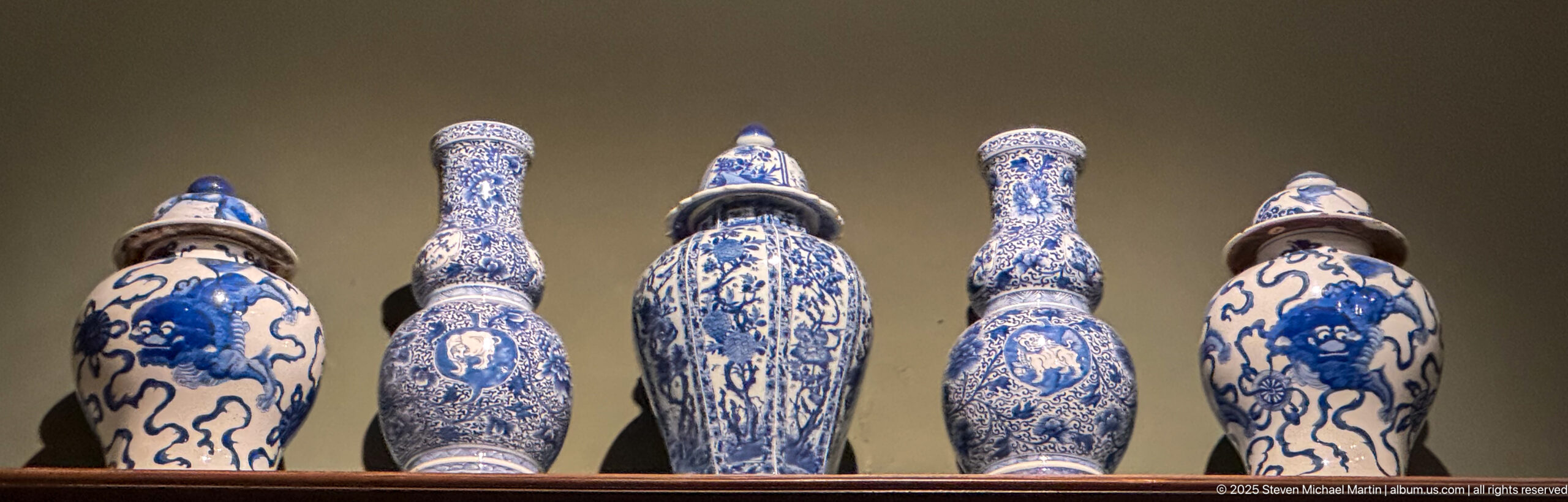
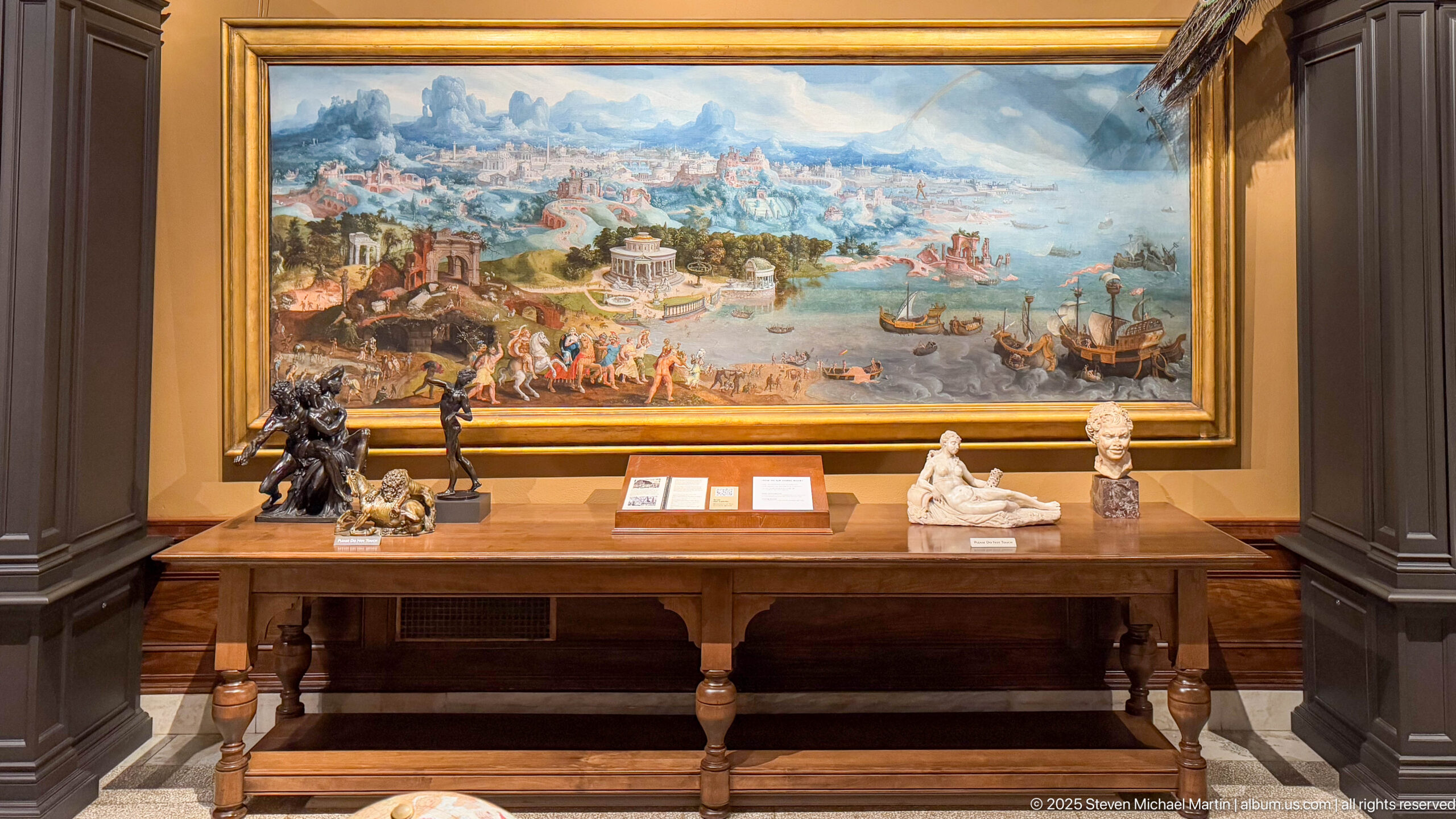
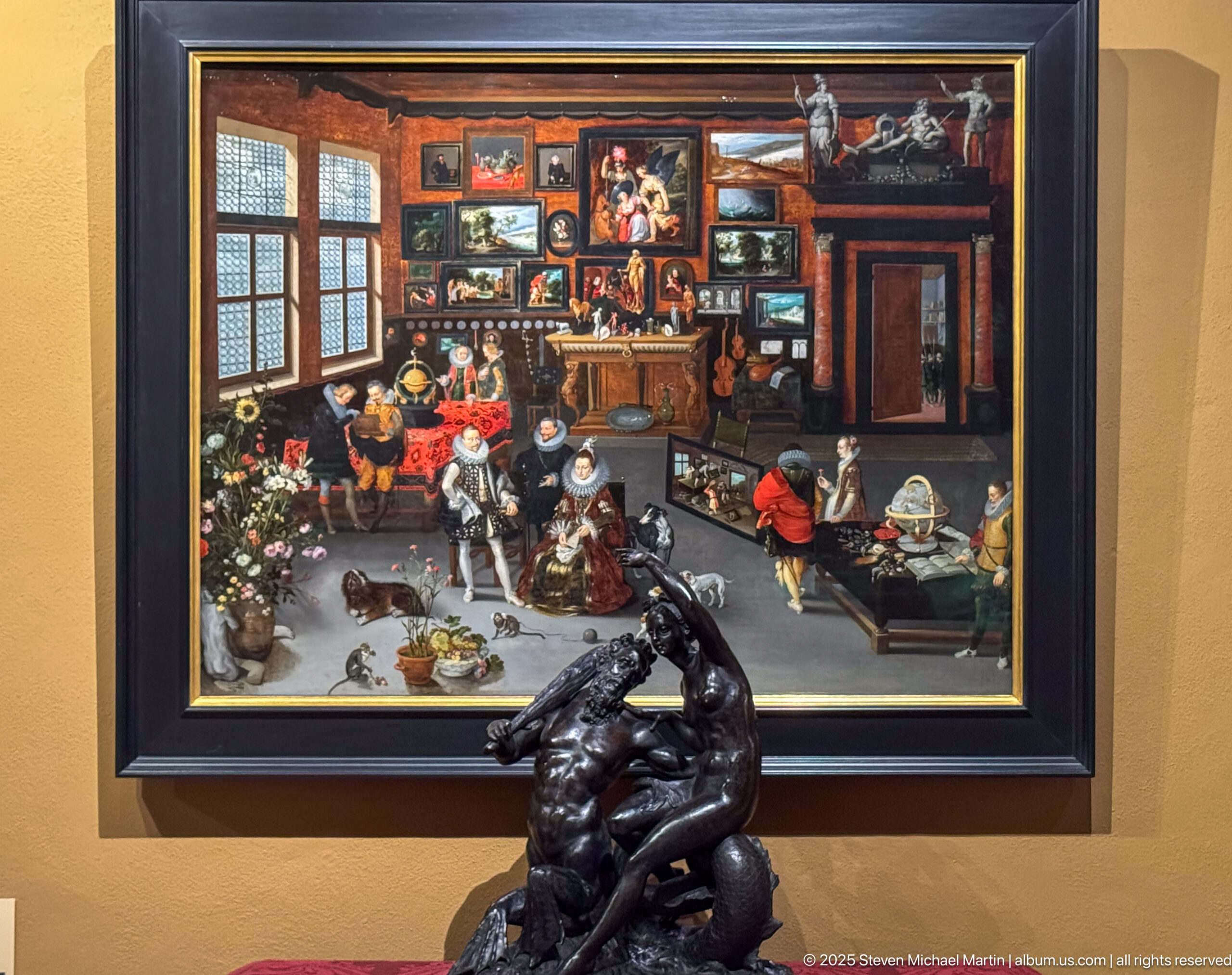
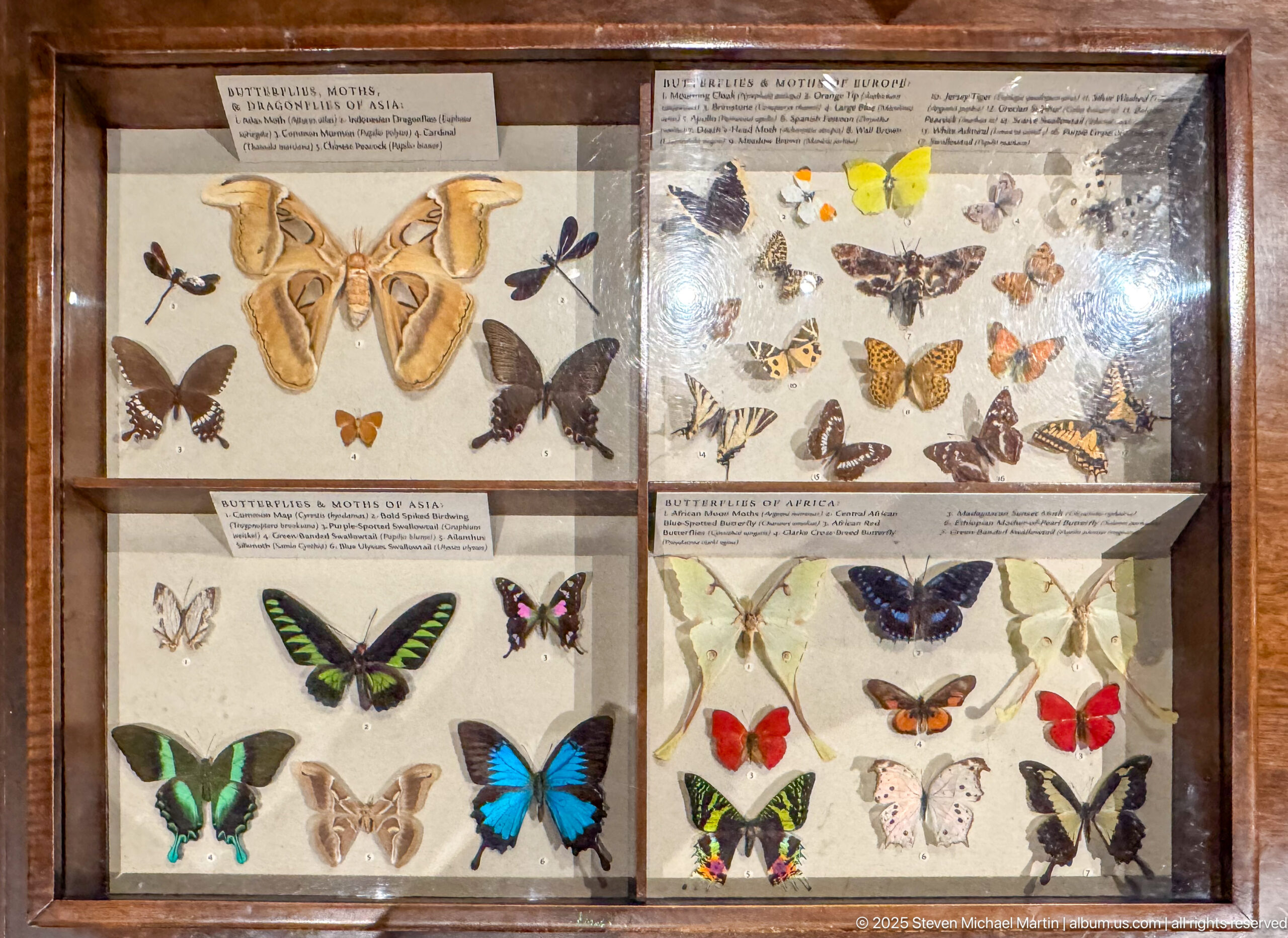
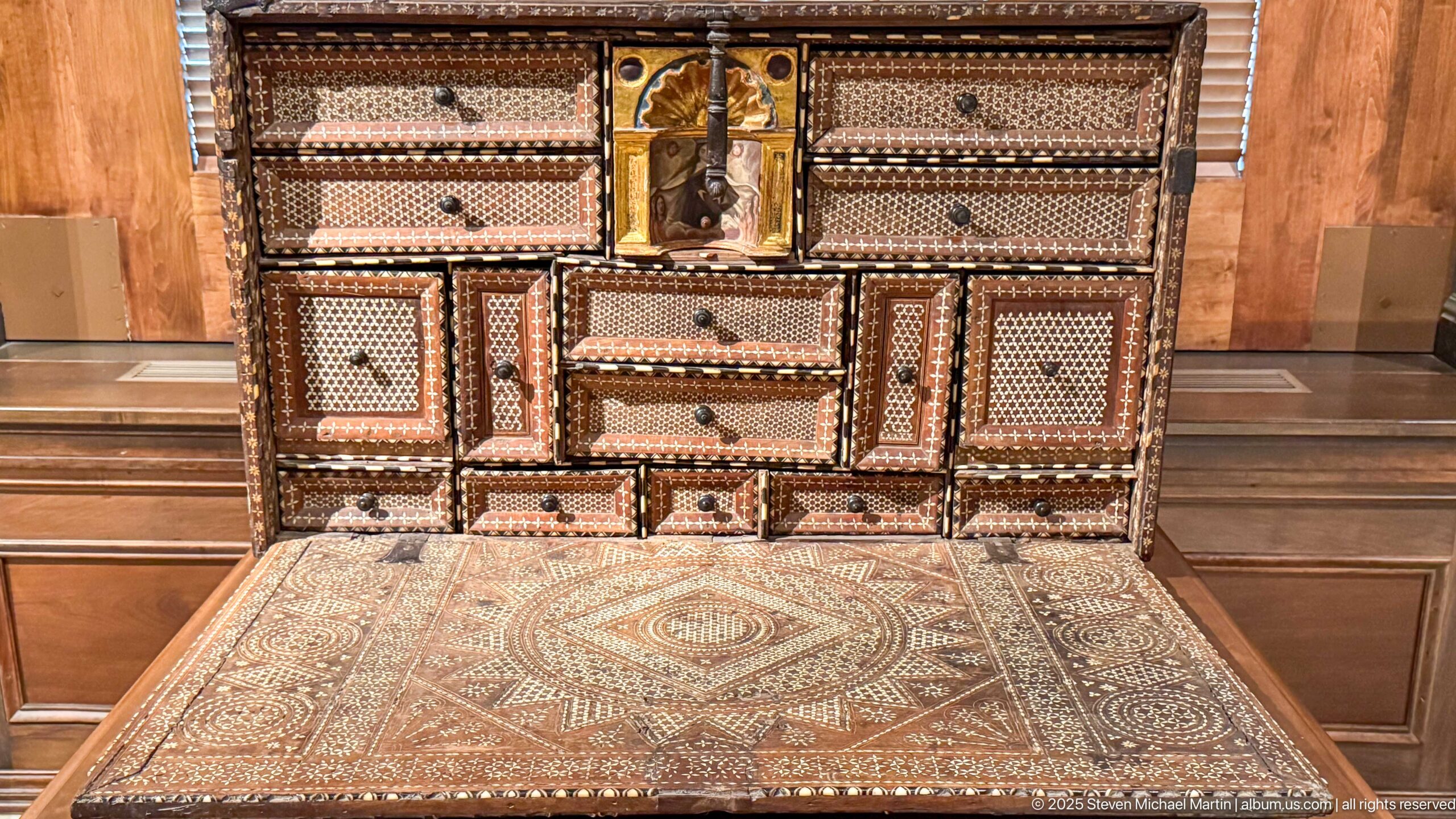
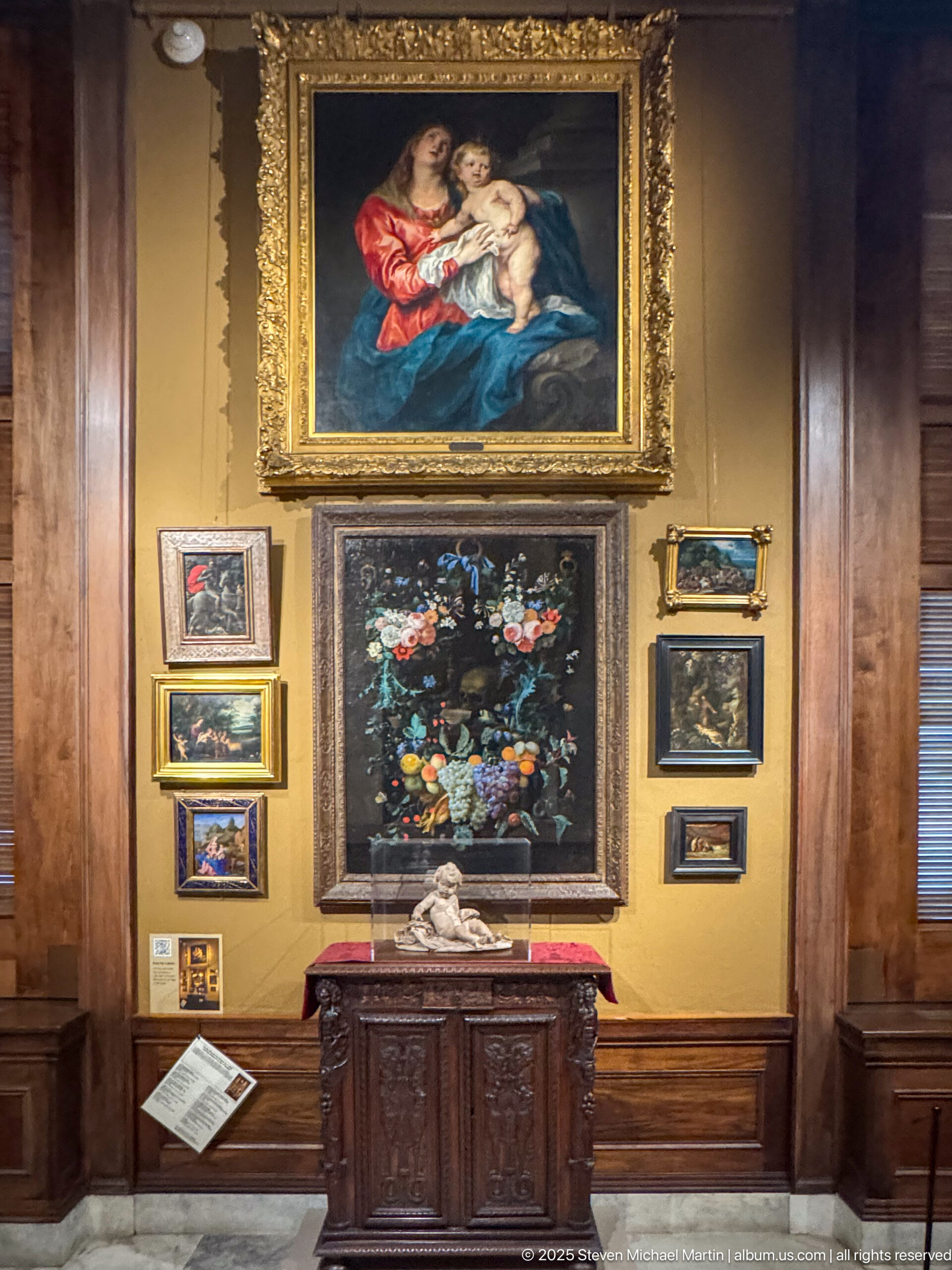
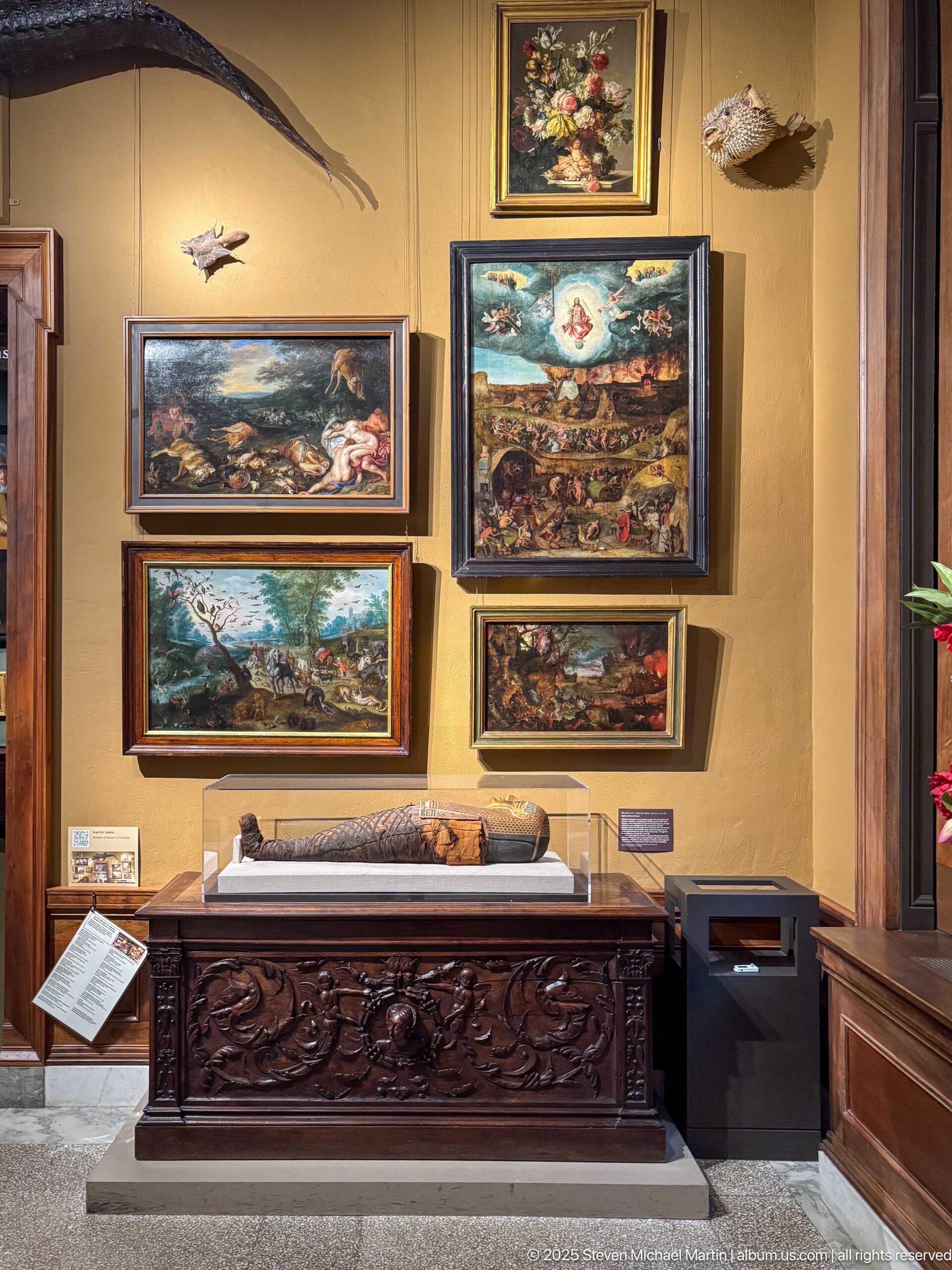
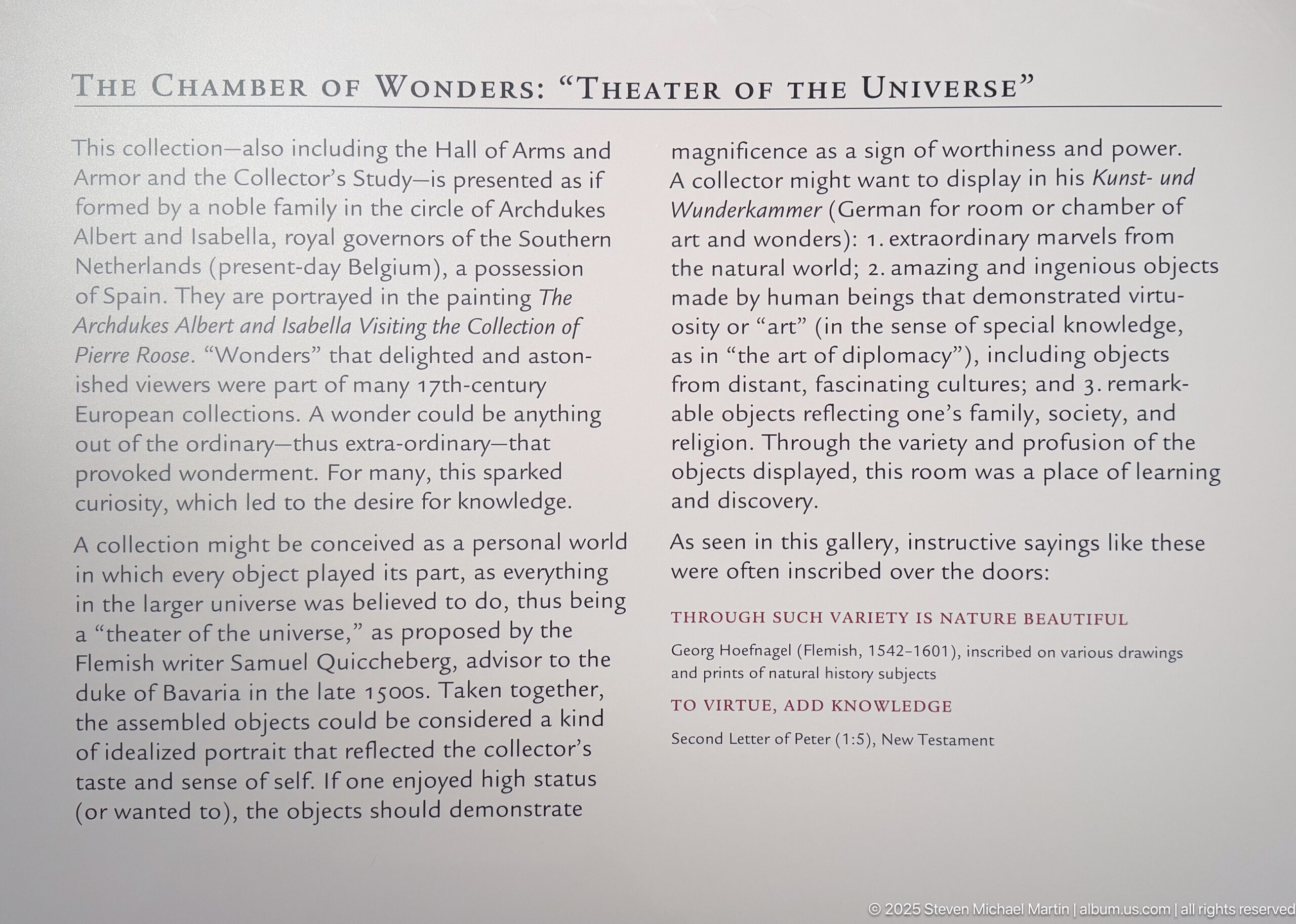
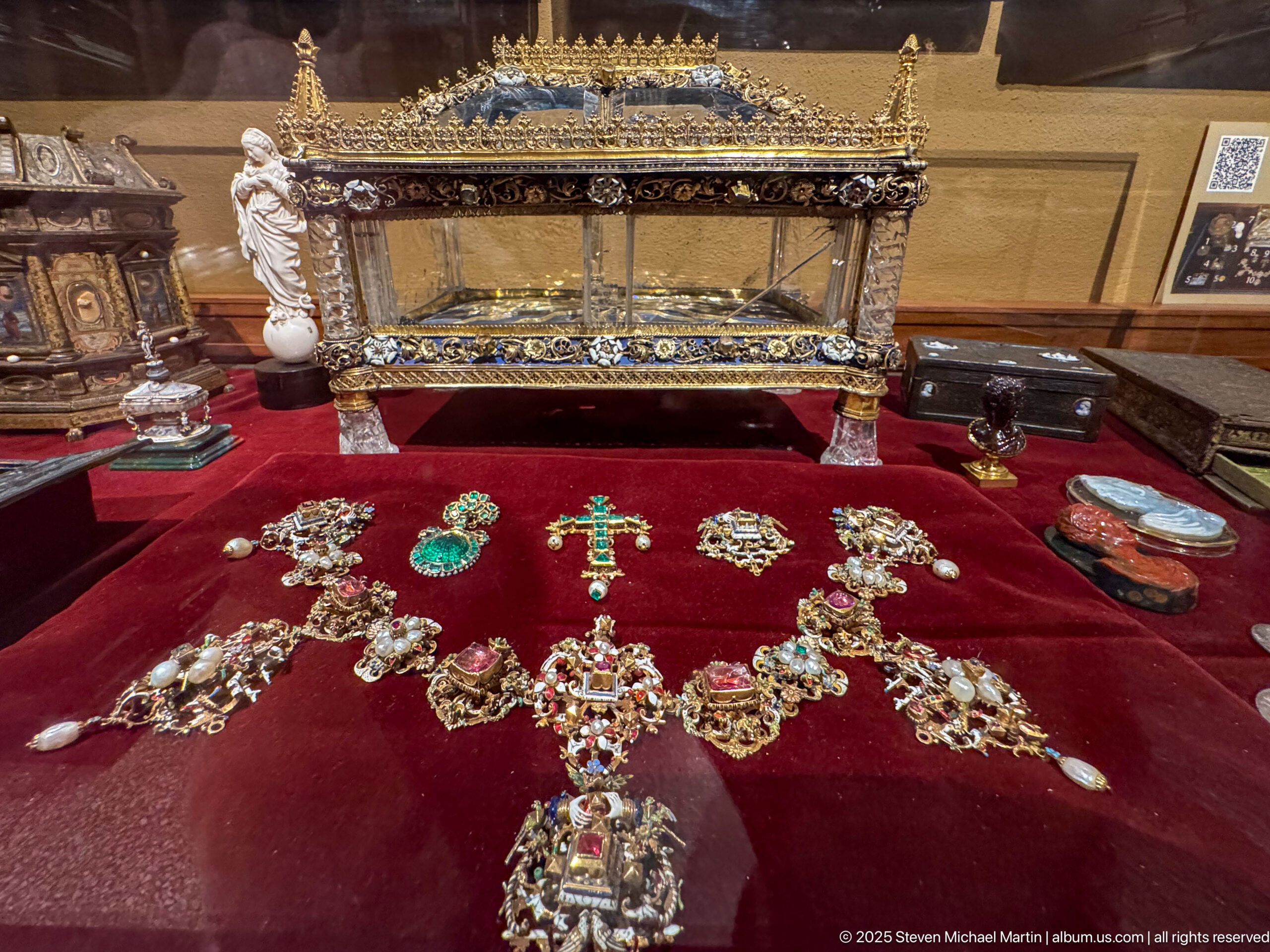
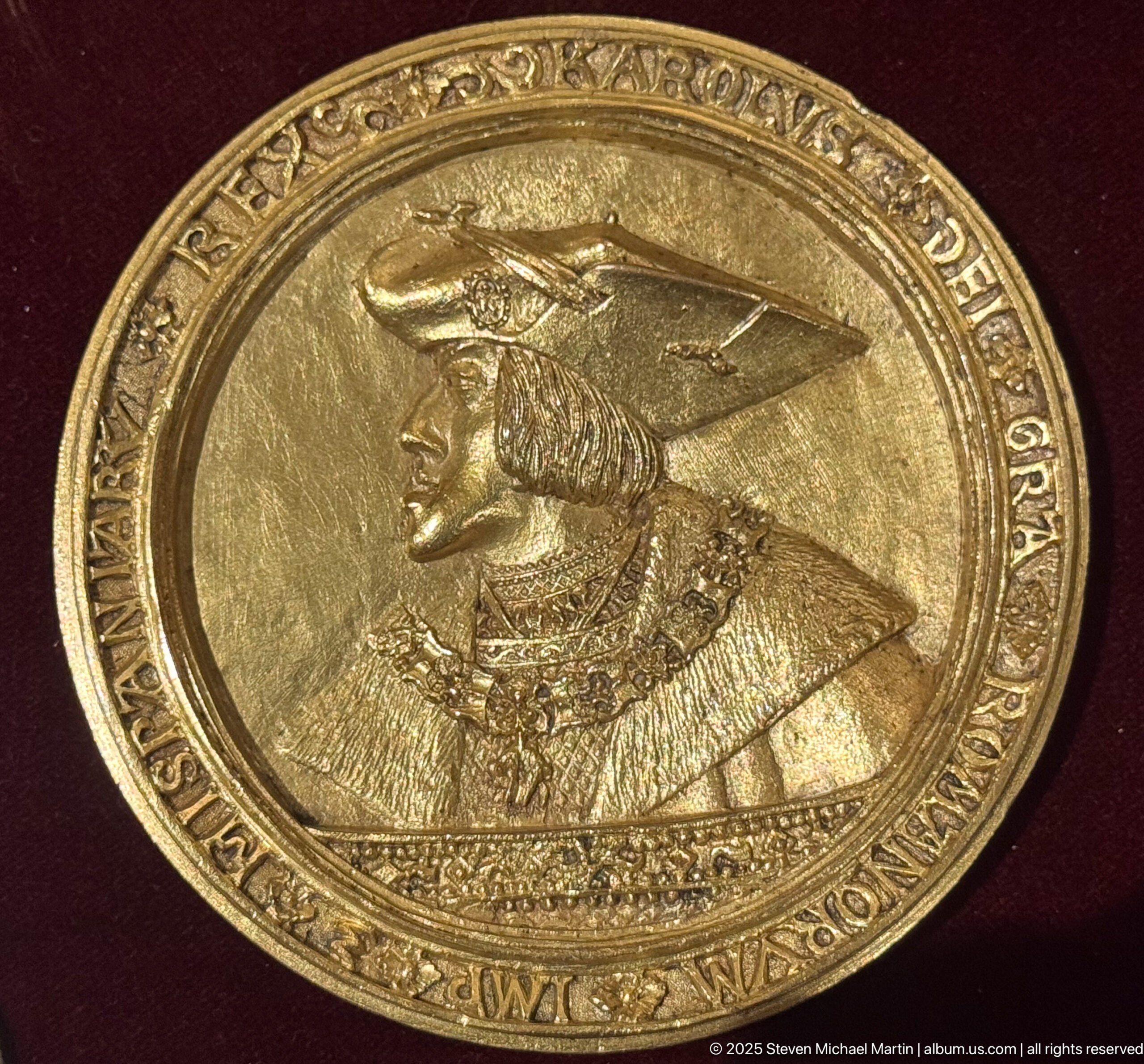
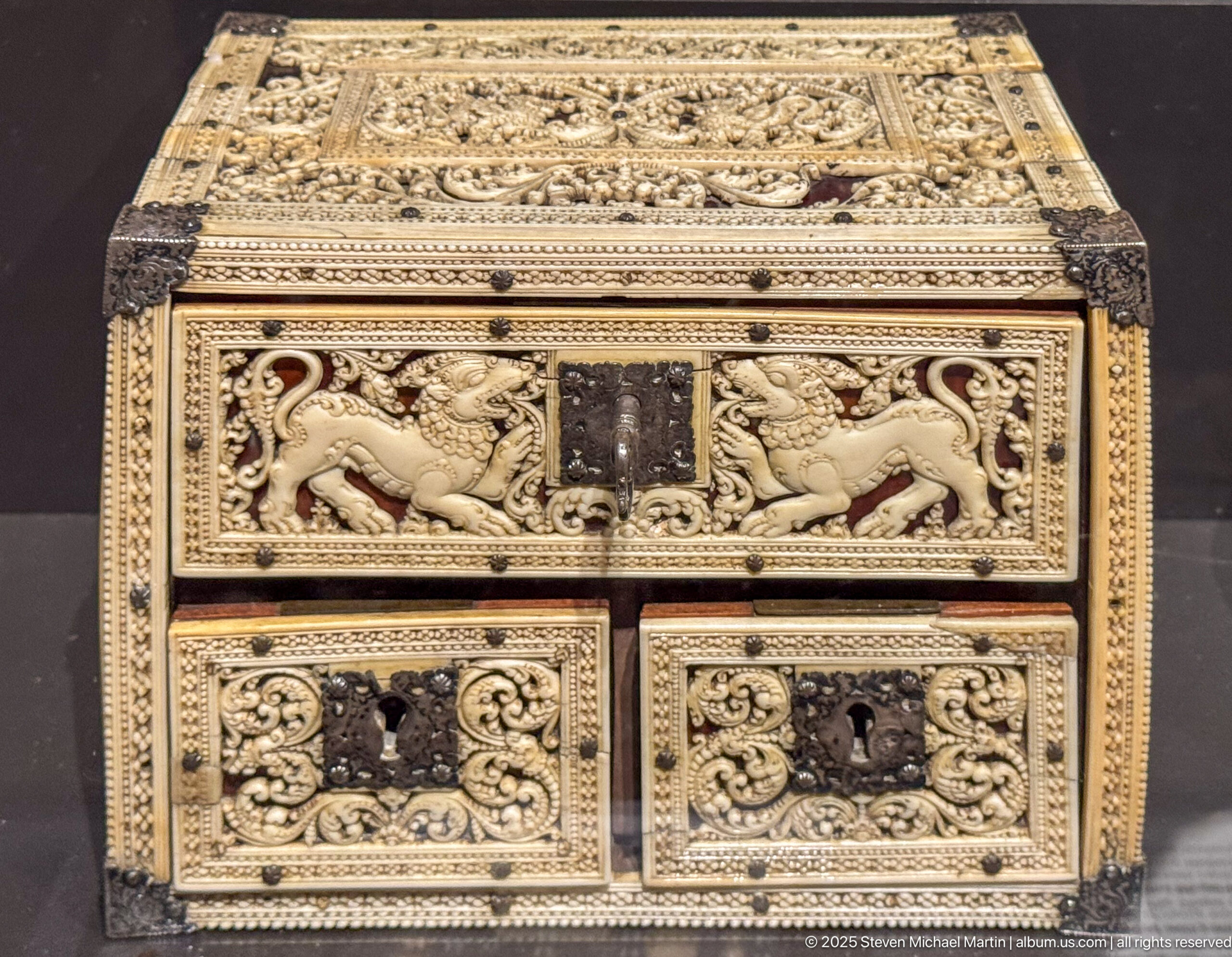
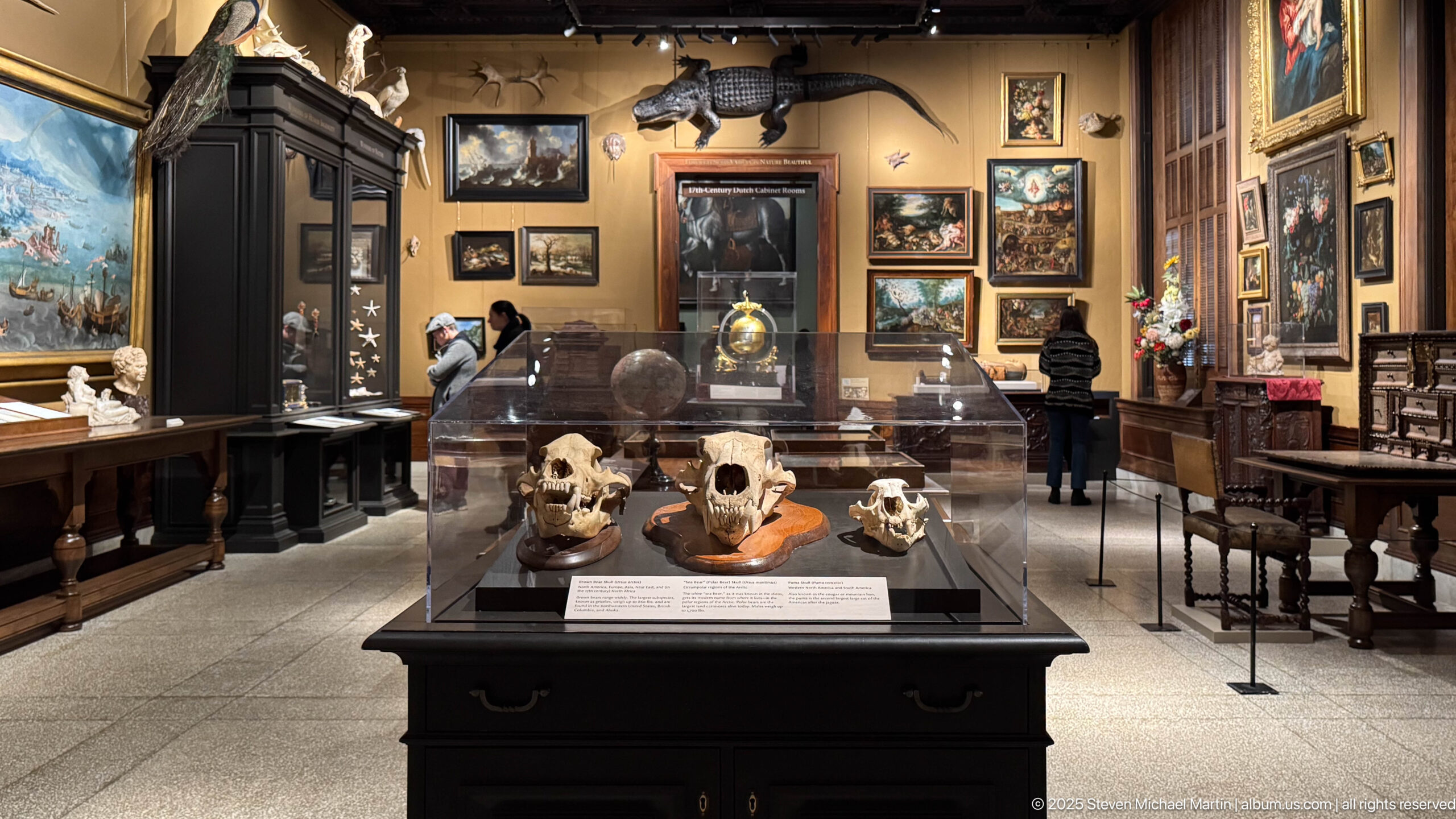
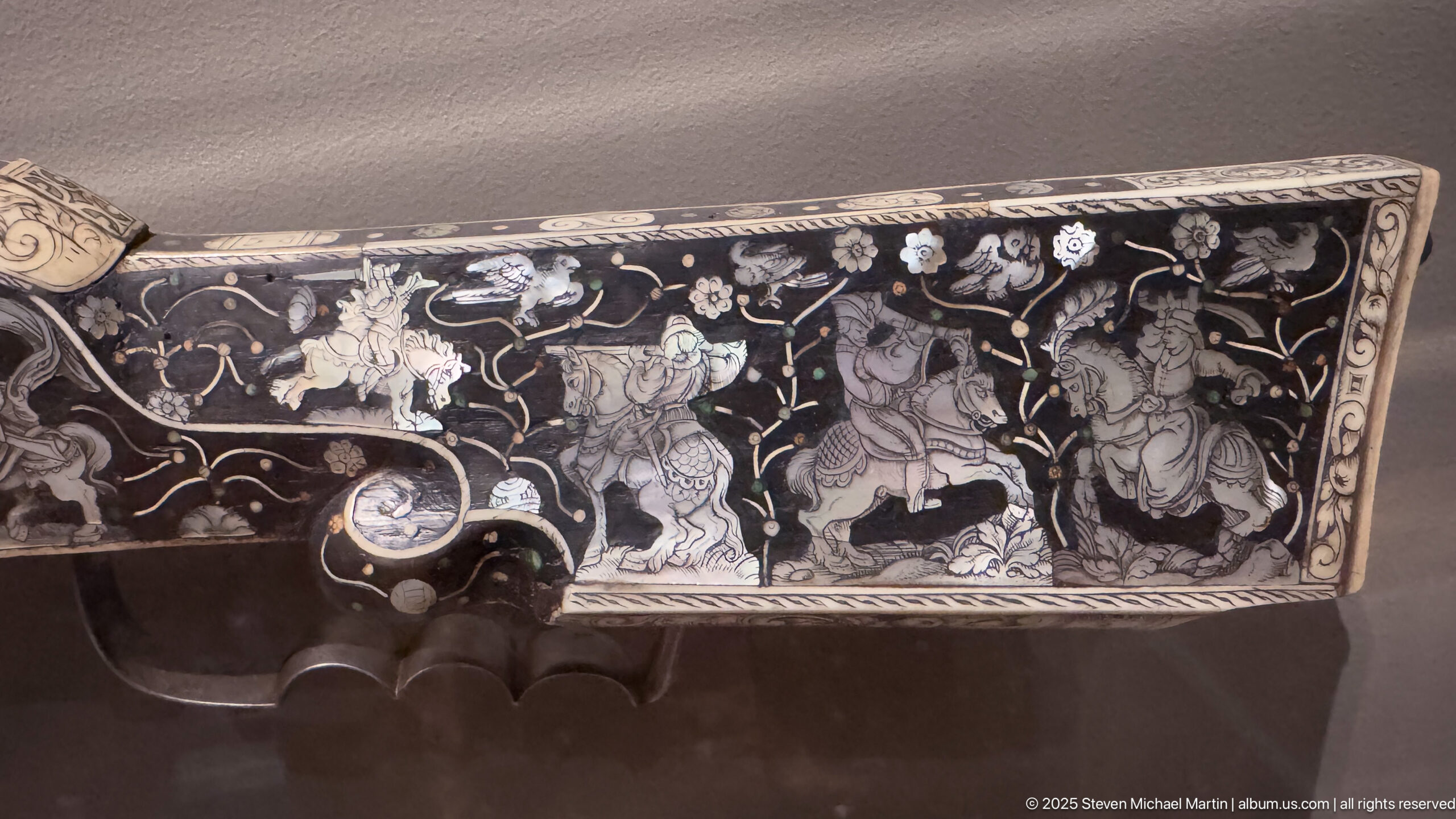
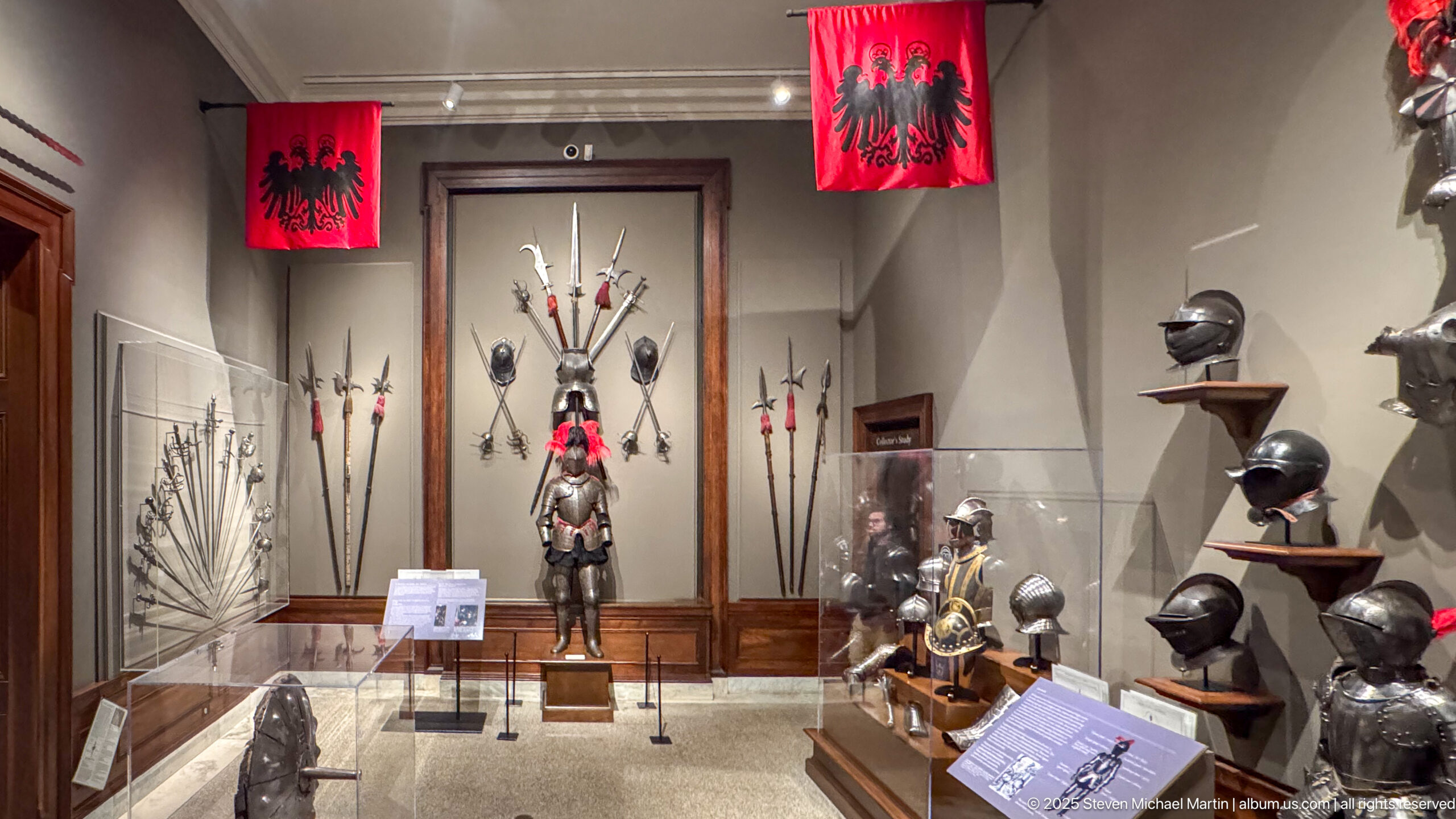
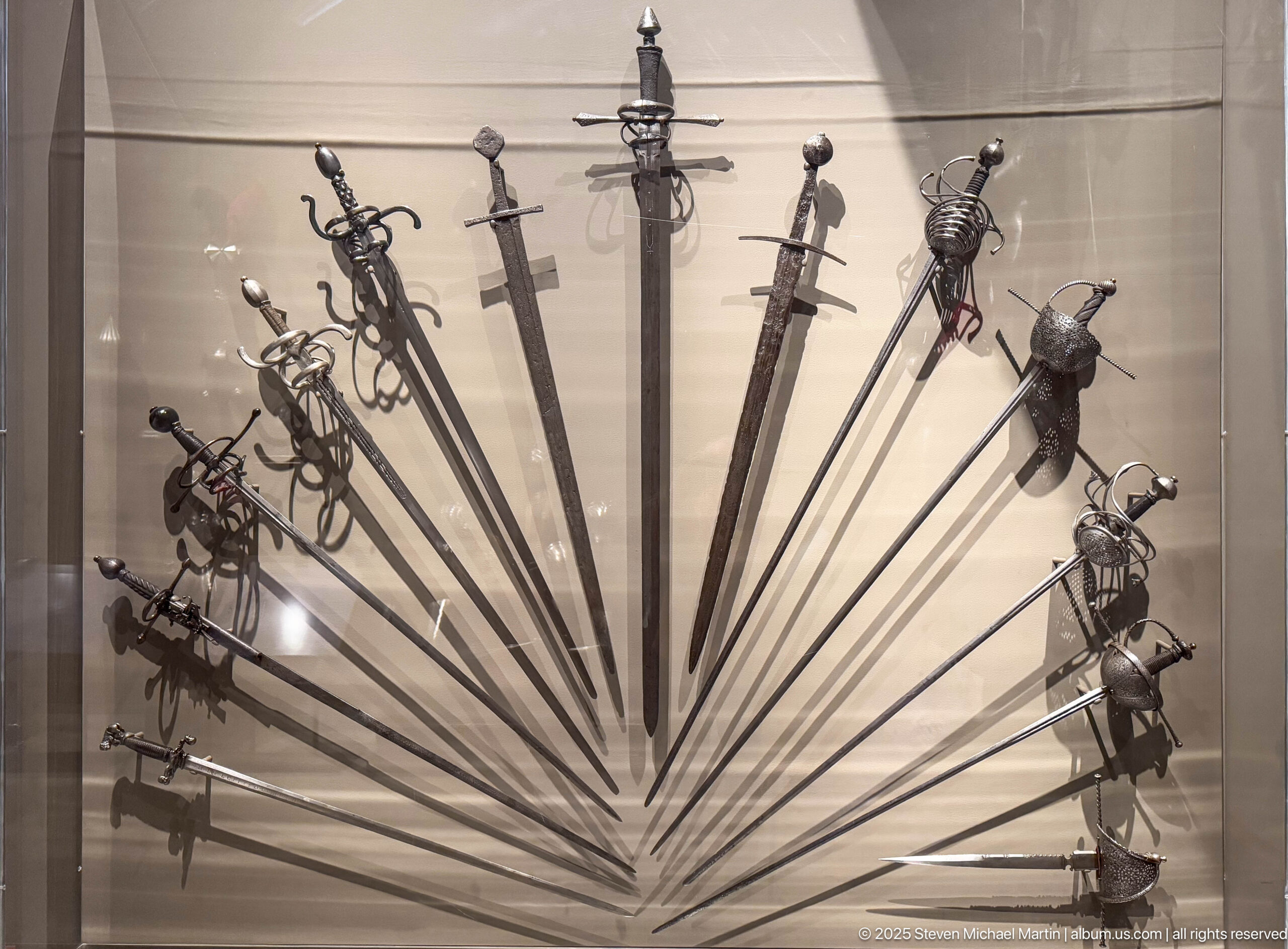
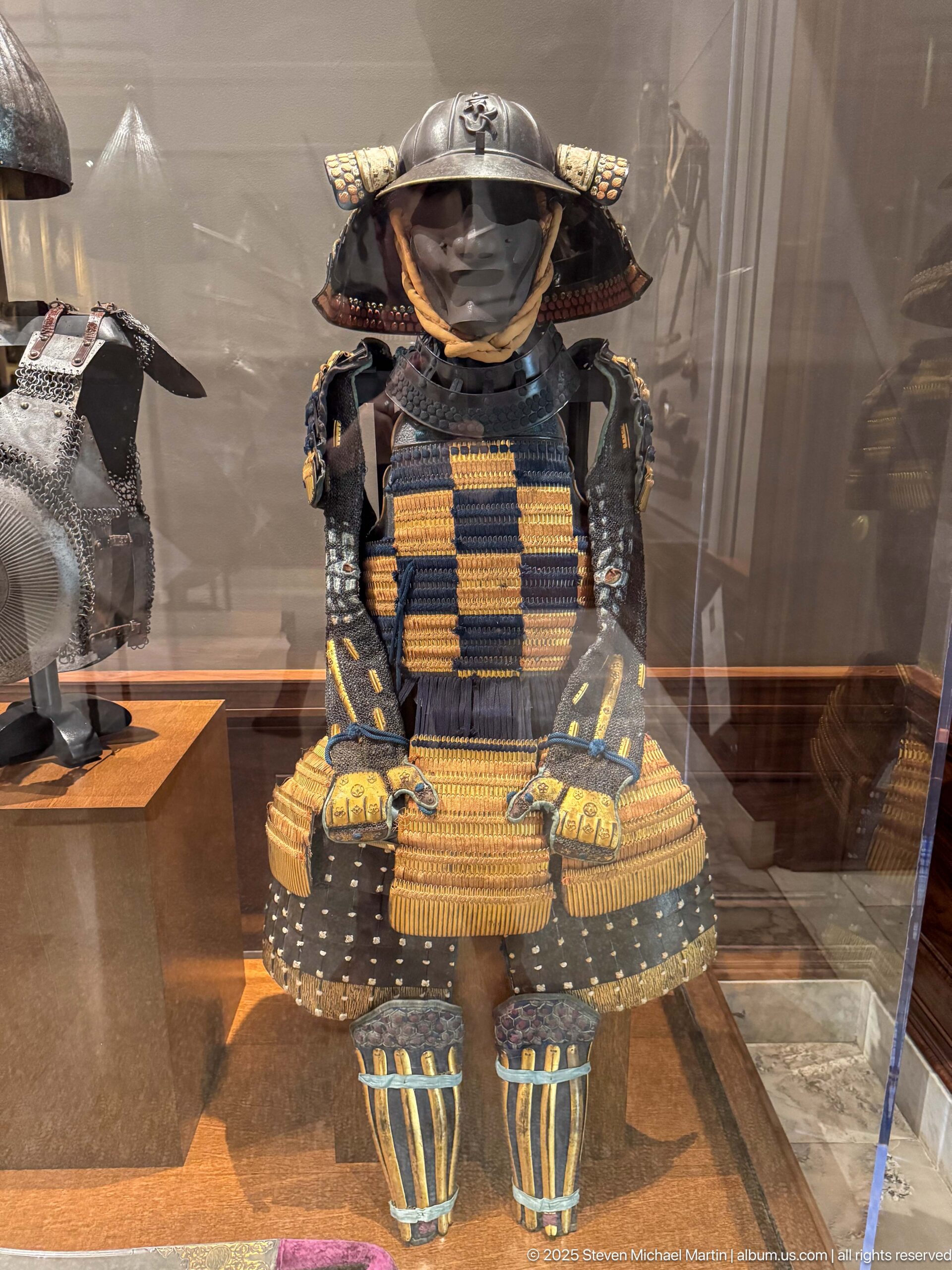
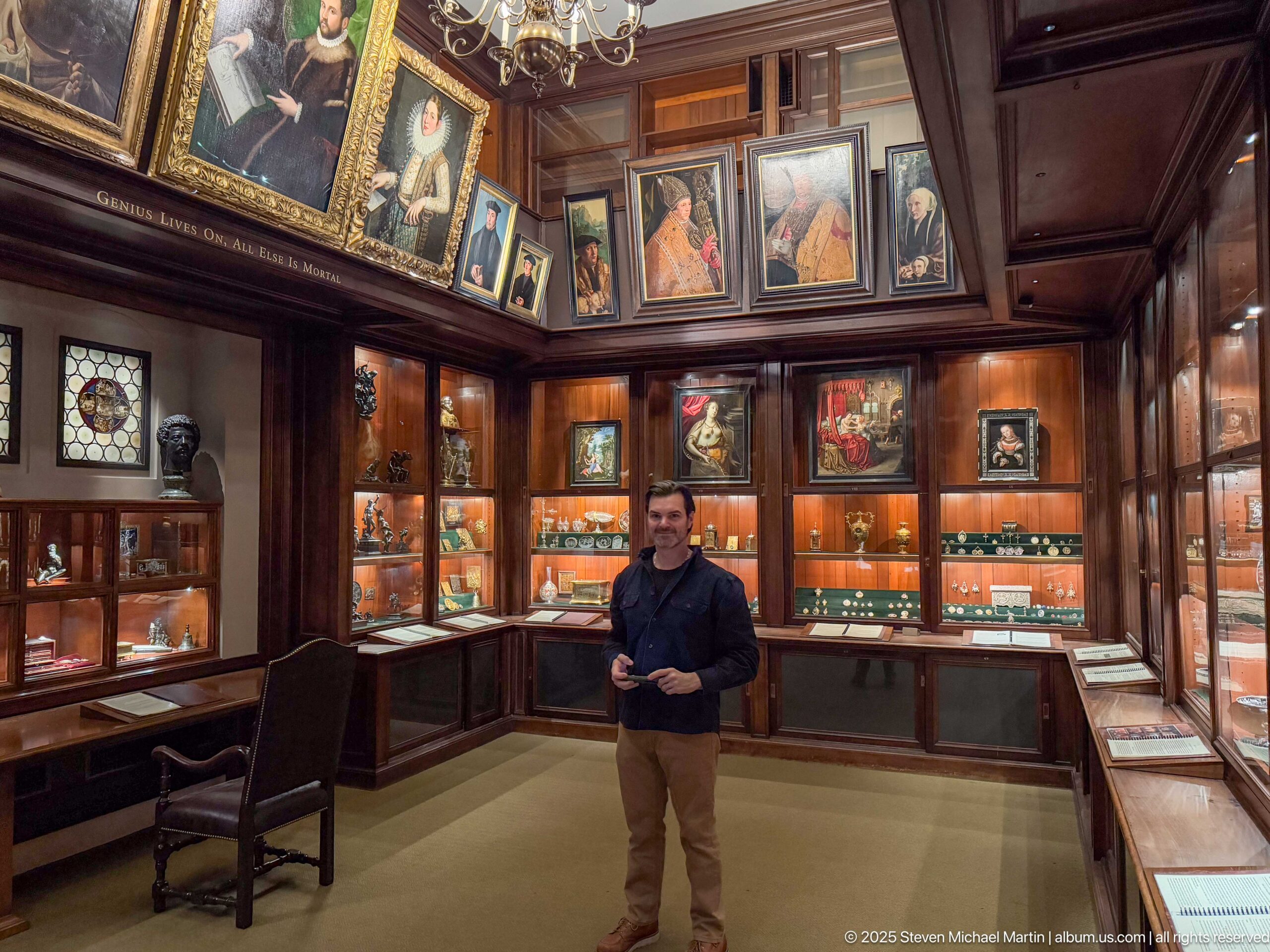
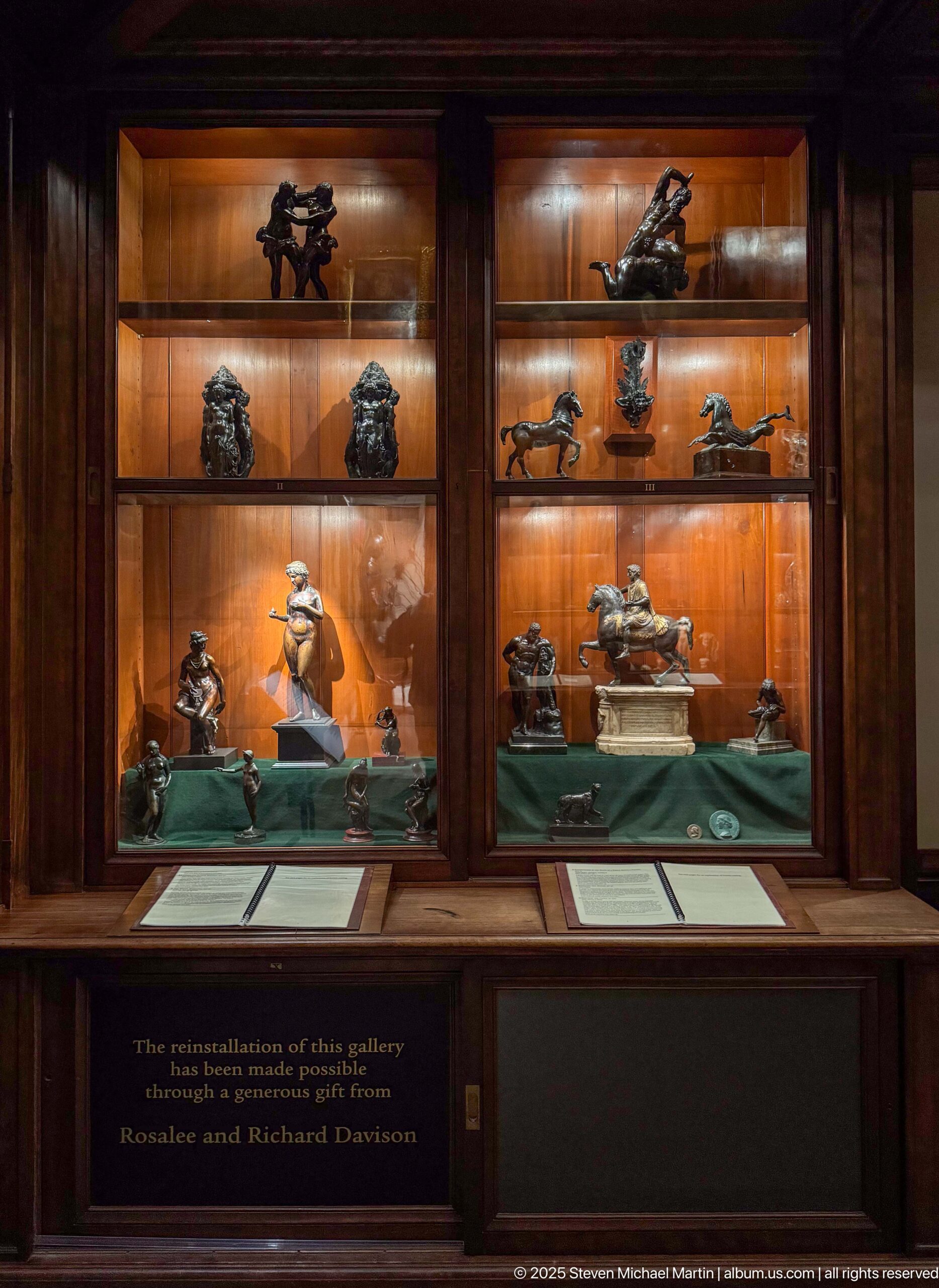
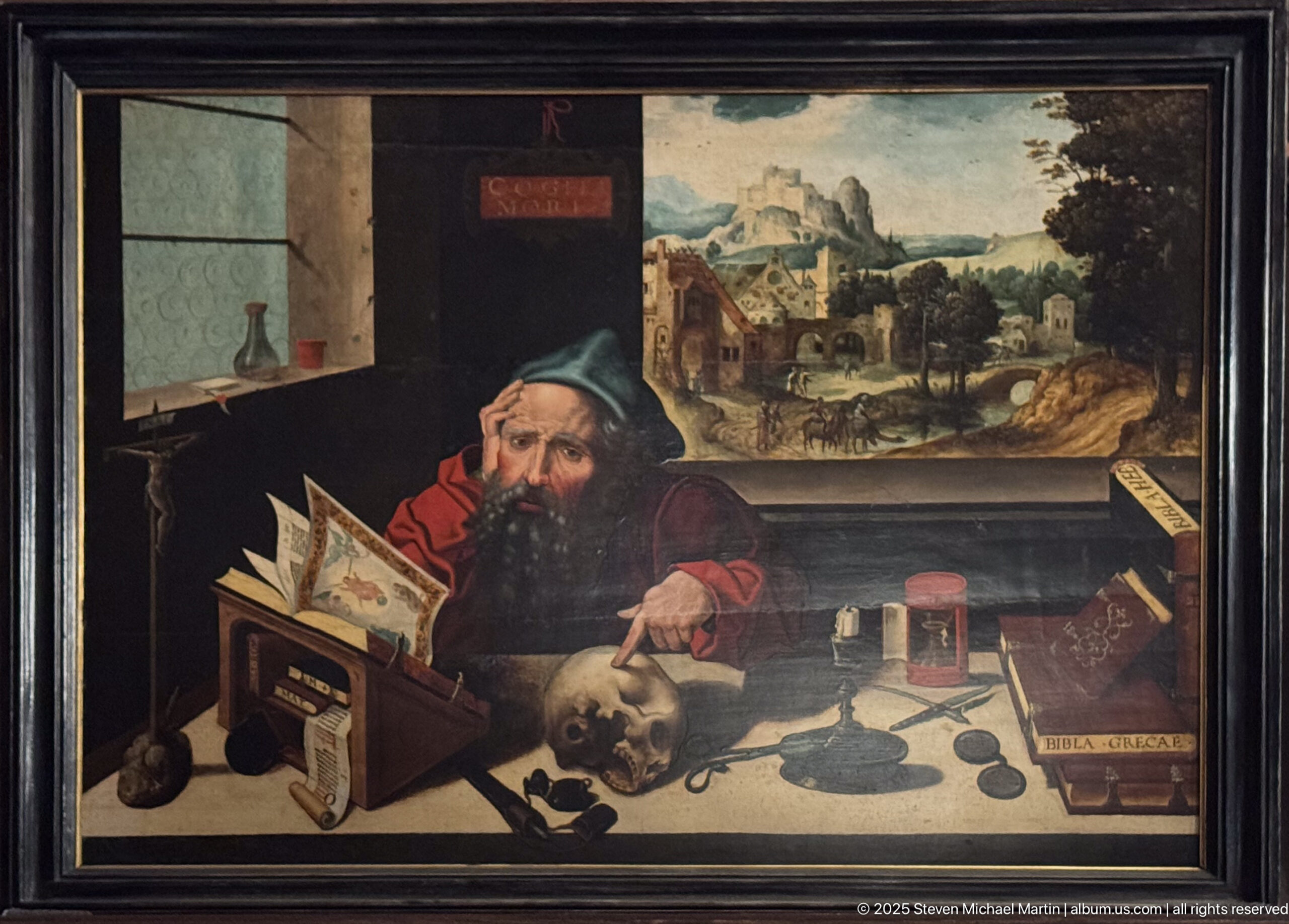
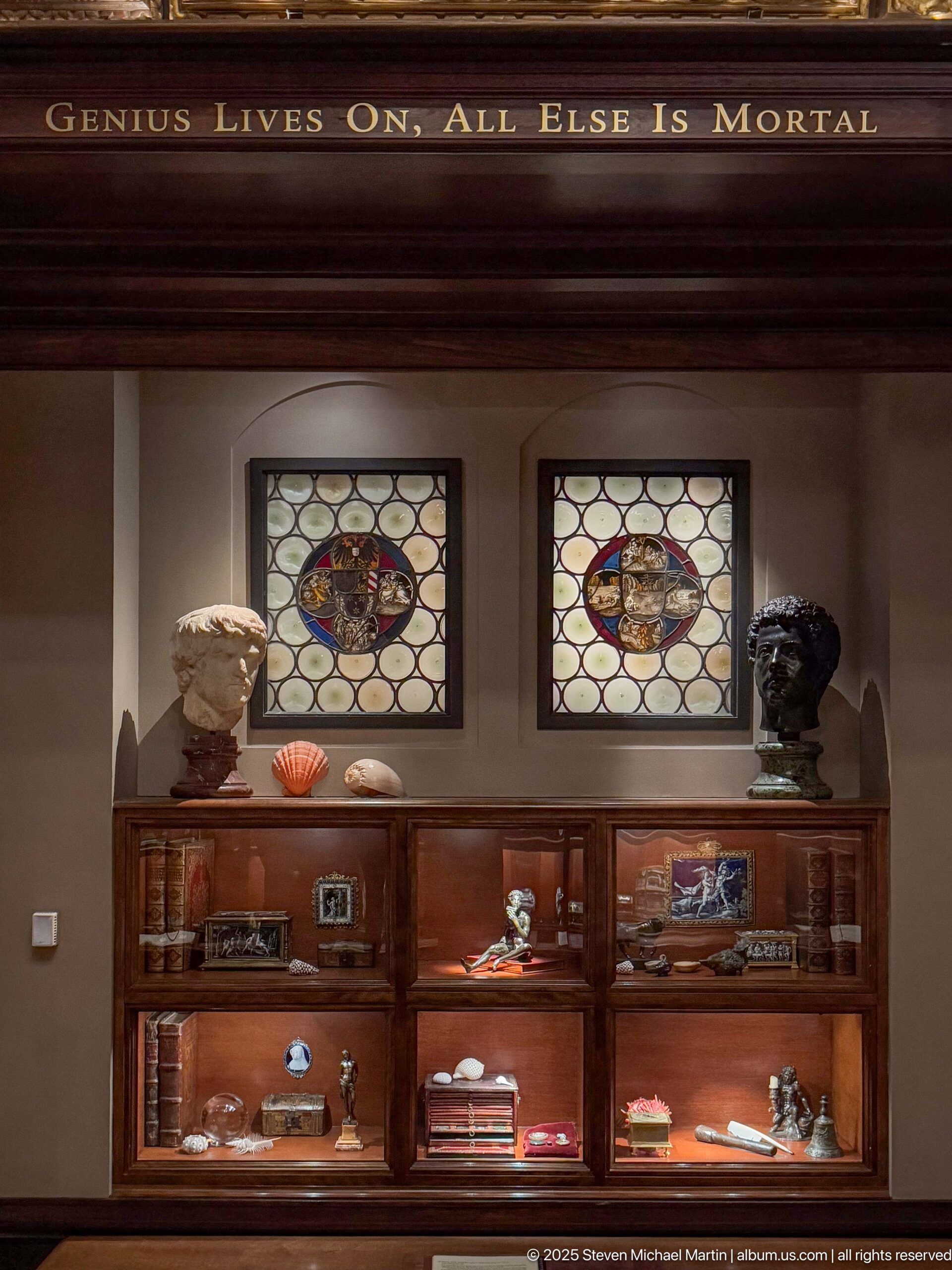
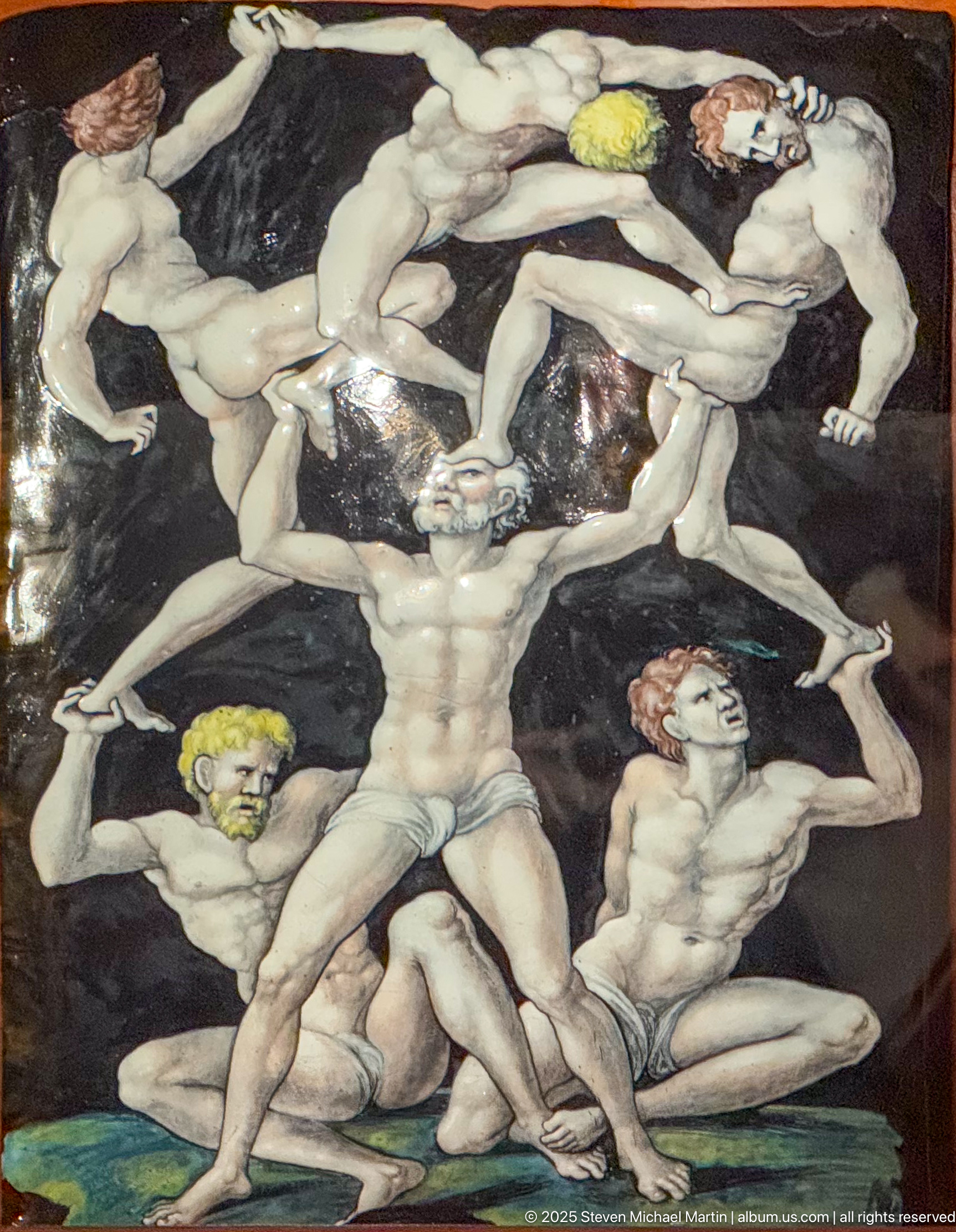
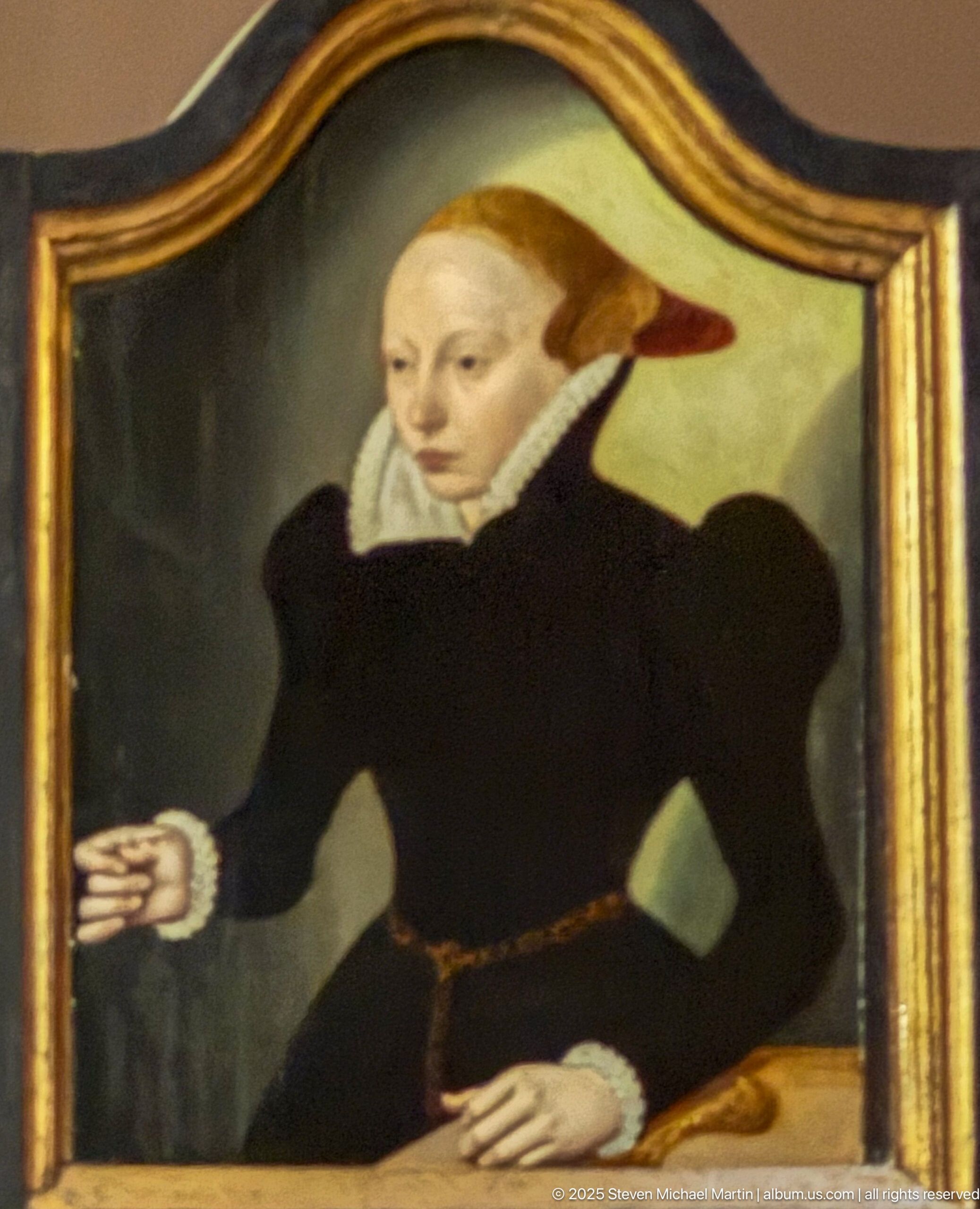
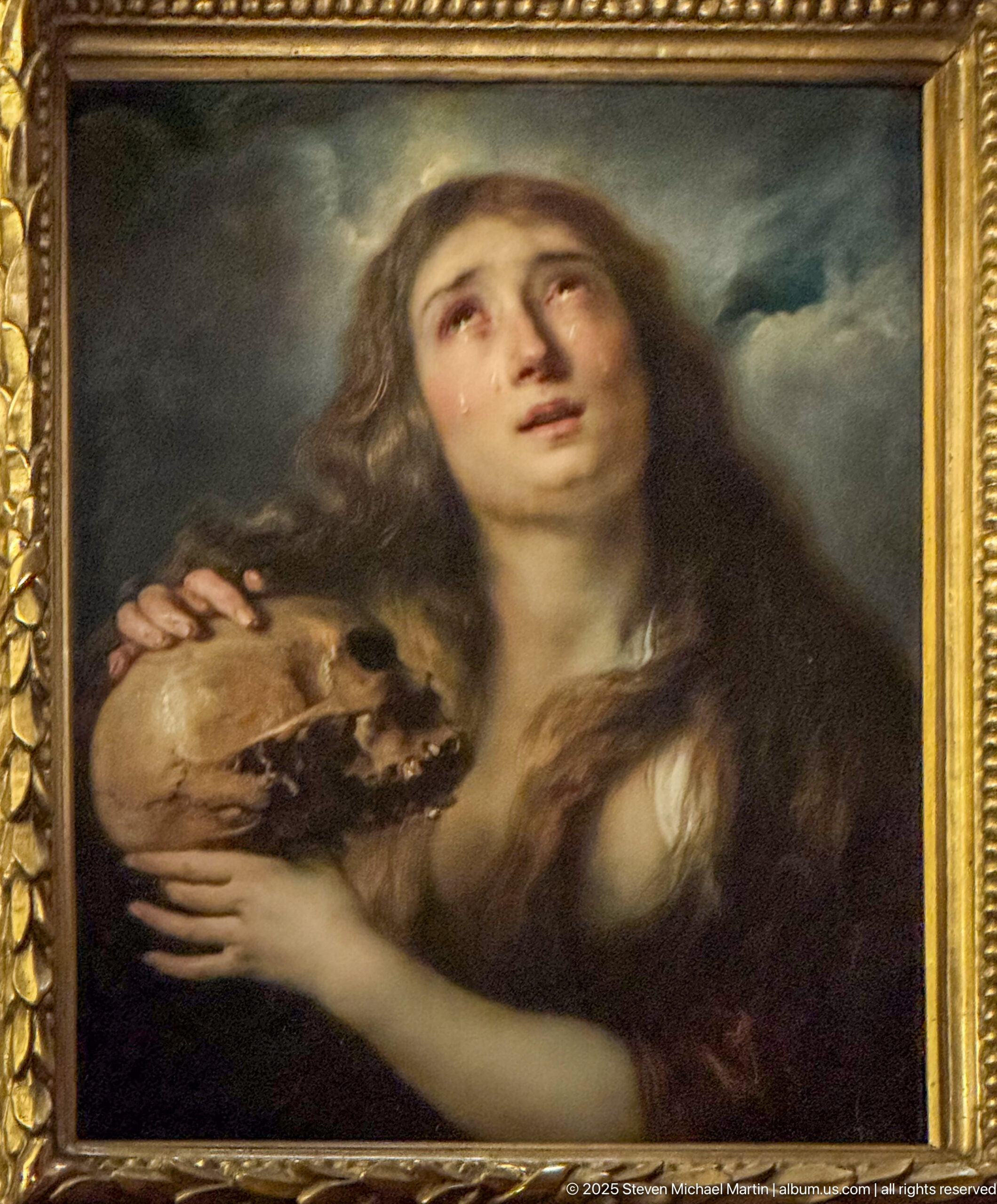
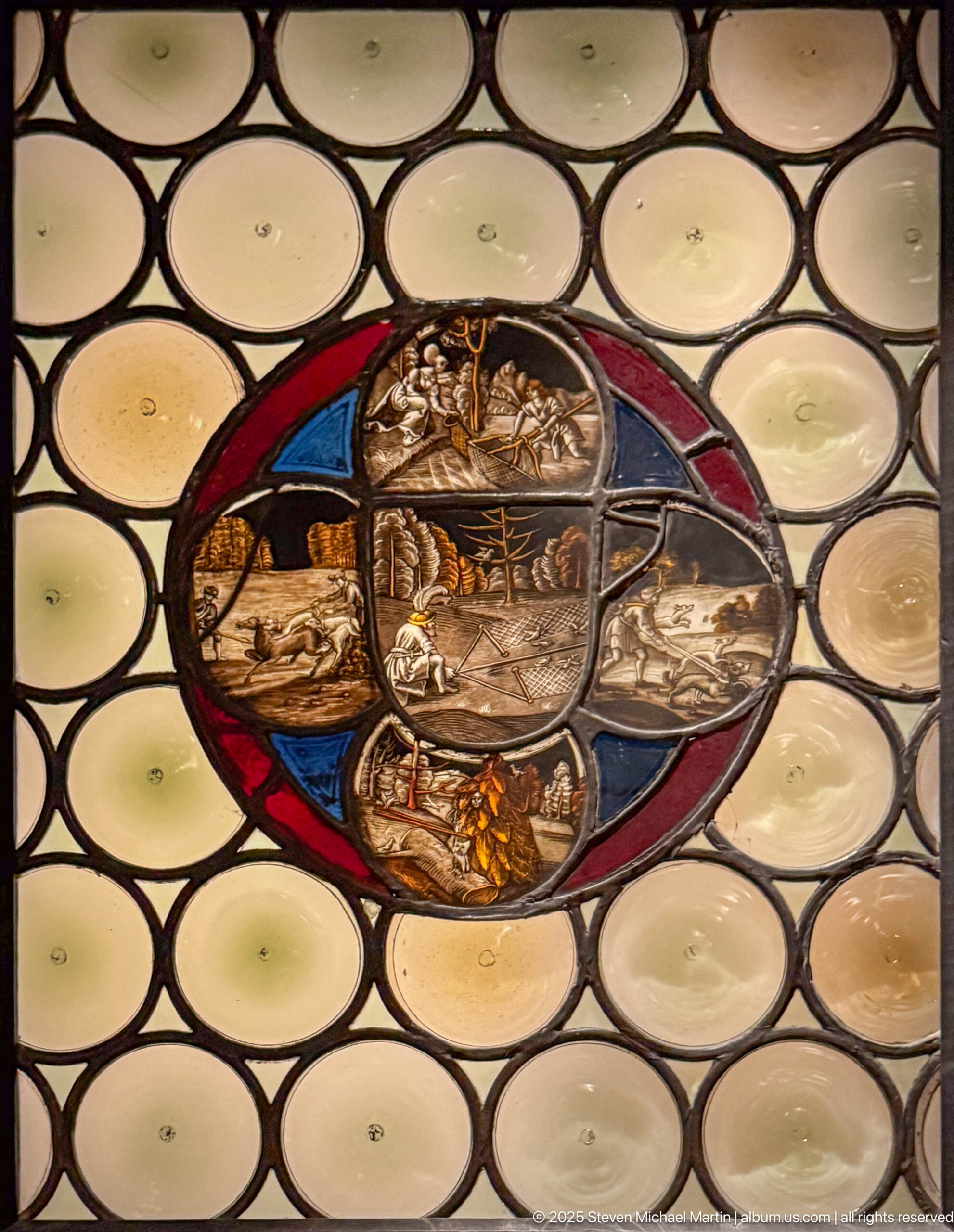
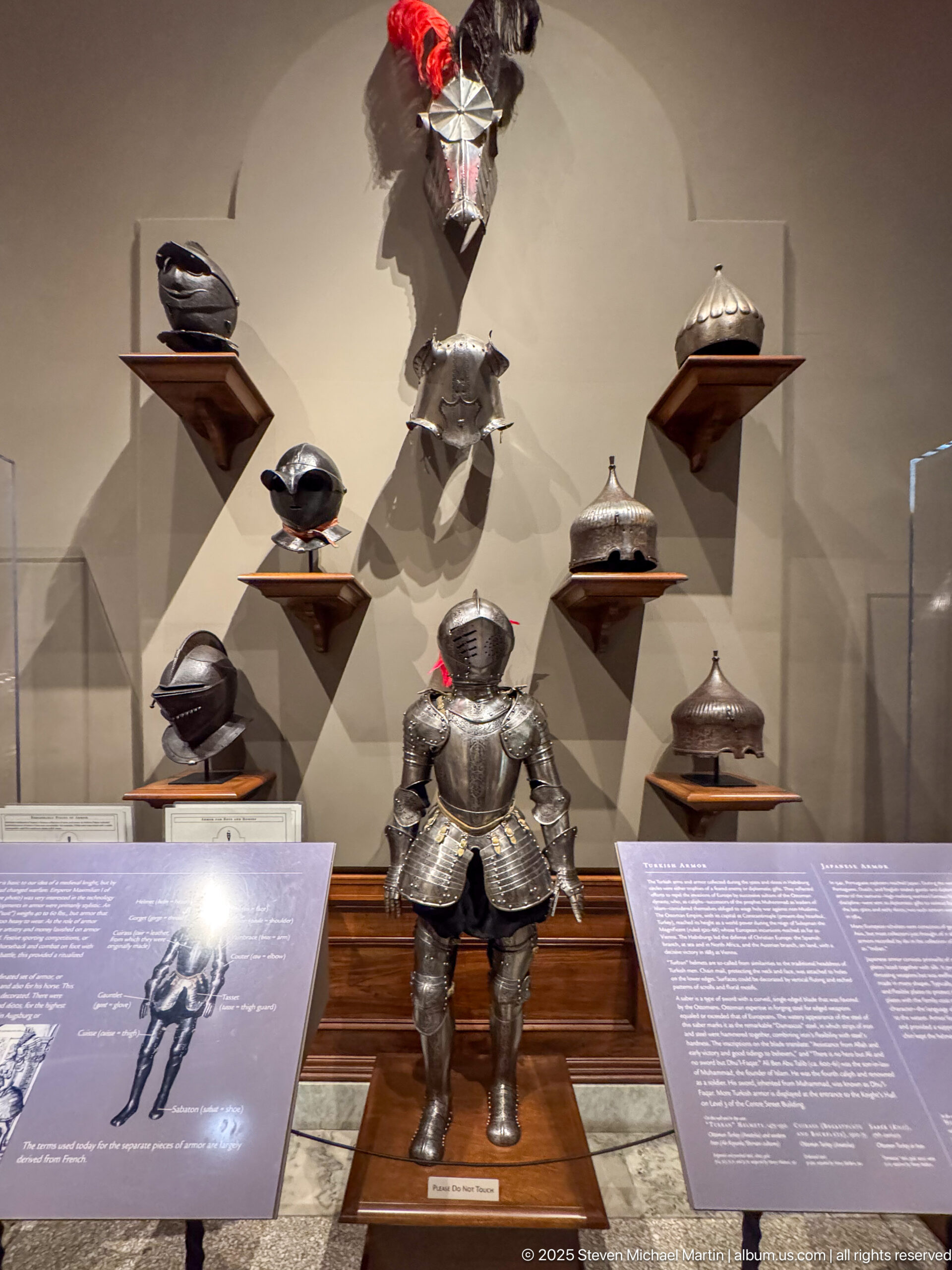
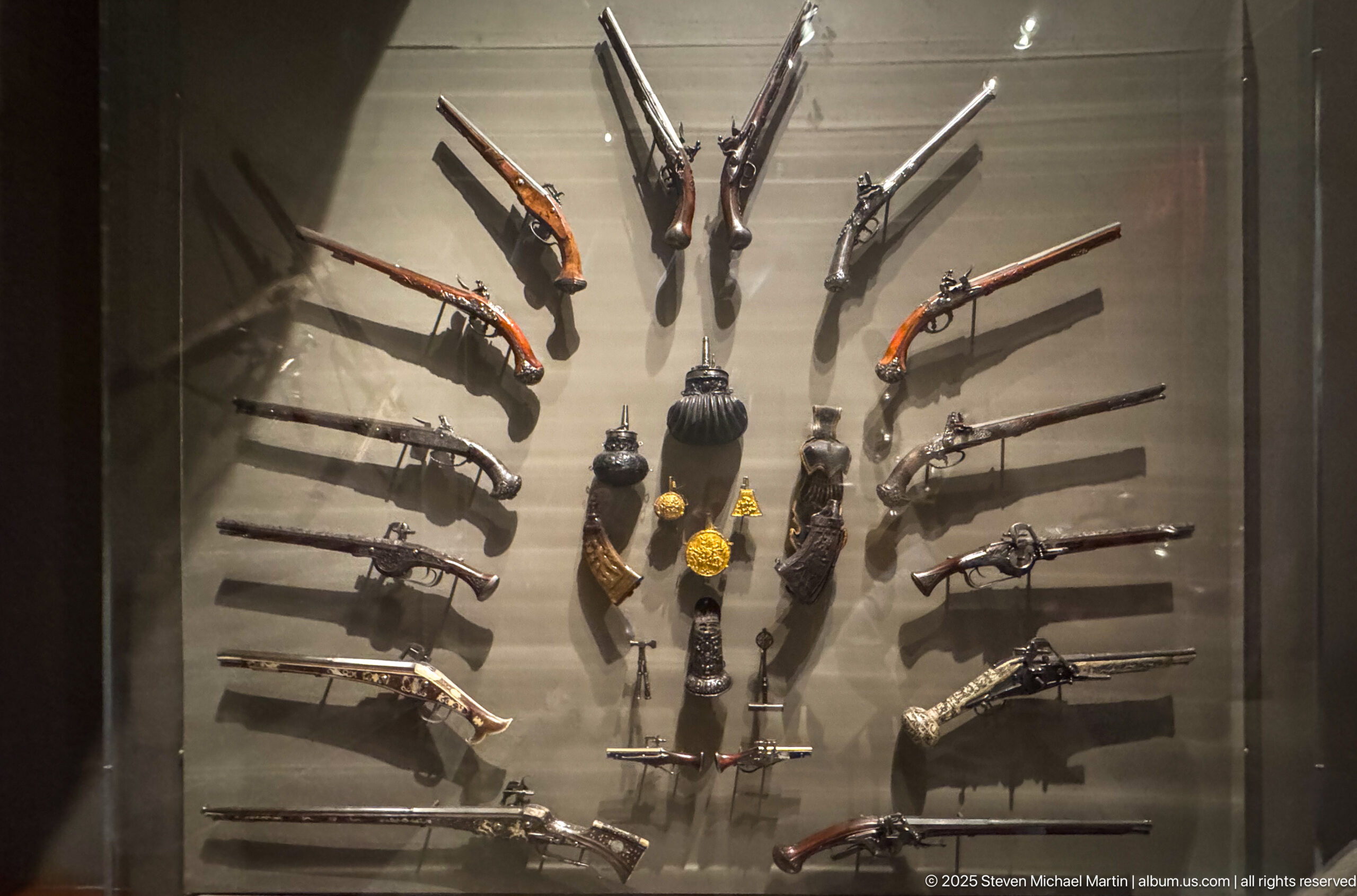
The concept of a “Chamber of Wonders,” or cabinet of curiosities, reflects an early modern tradition in which collectors assembled objects representing the diversity of the natural world, artistic craftsmanship, and scientific discovery. Such collections, popular in Europe during the sixteenth and seventeenth centuries, often brought together antiquities, rare materials, and unusual artifacts in order to illustrate the breadth of human knowledge and creativity. Within the Walters Art Museum, this tradition is echoed through displays that present objects not only for aesthetic appreciation but also for their historical and cultural significance.
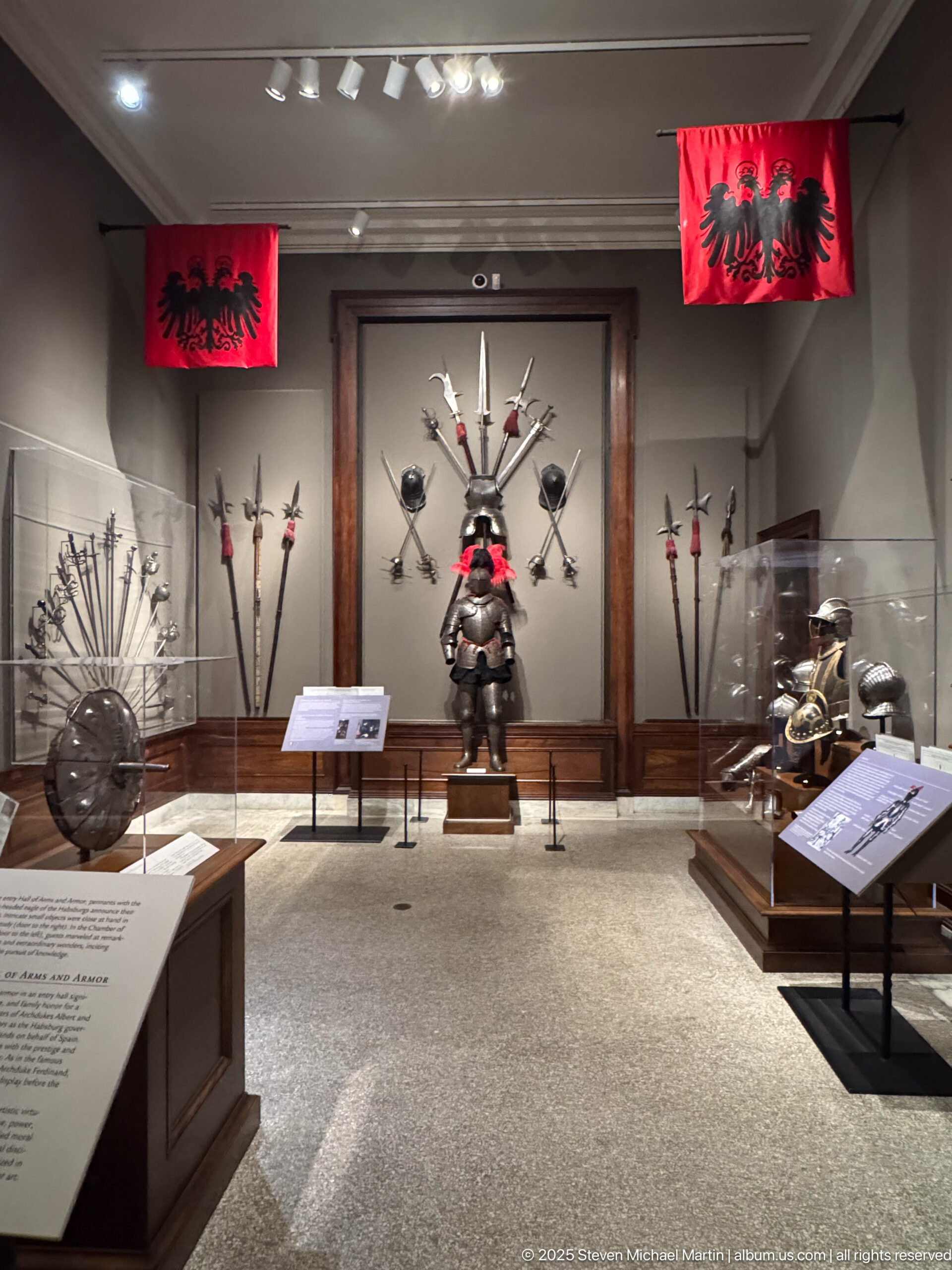
The Walters collection, formed primarily by William and Henry Walters during the nineteenth century, spans thousands of years and includes works from Europe, Asia, Africa, and the Americas. The Chamber of Wonders concept highlights the interconnected nature of artistic production and collecting practices, demonstrating how earlier generations sought to interpret the world through carefully assembled objects. These displays reflect evolving museum practices that increasingly emphasize context, interpretation, and global cultural exchange.
The Chamber of Wonders contributes to understanding how museums developed from private collections into public institutions dedicated to education and preservation. The display illustrates how curiosity, scholarship, and artistic appreciation have historically been linked, forming the intellectual foundation for many modern museum collections. By presenting objects across geographic and chronological boundaries, the Walters demonstrates how artistic heritage can be interpreted through both historical and contemporary perspectives.
See also: