Homestead National Monument of America
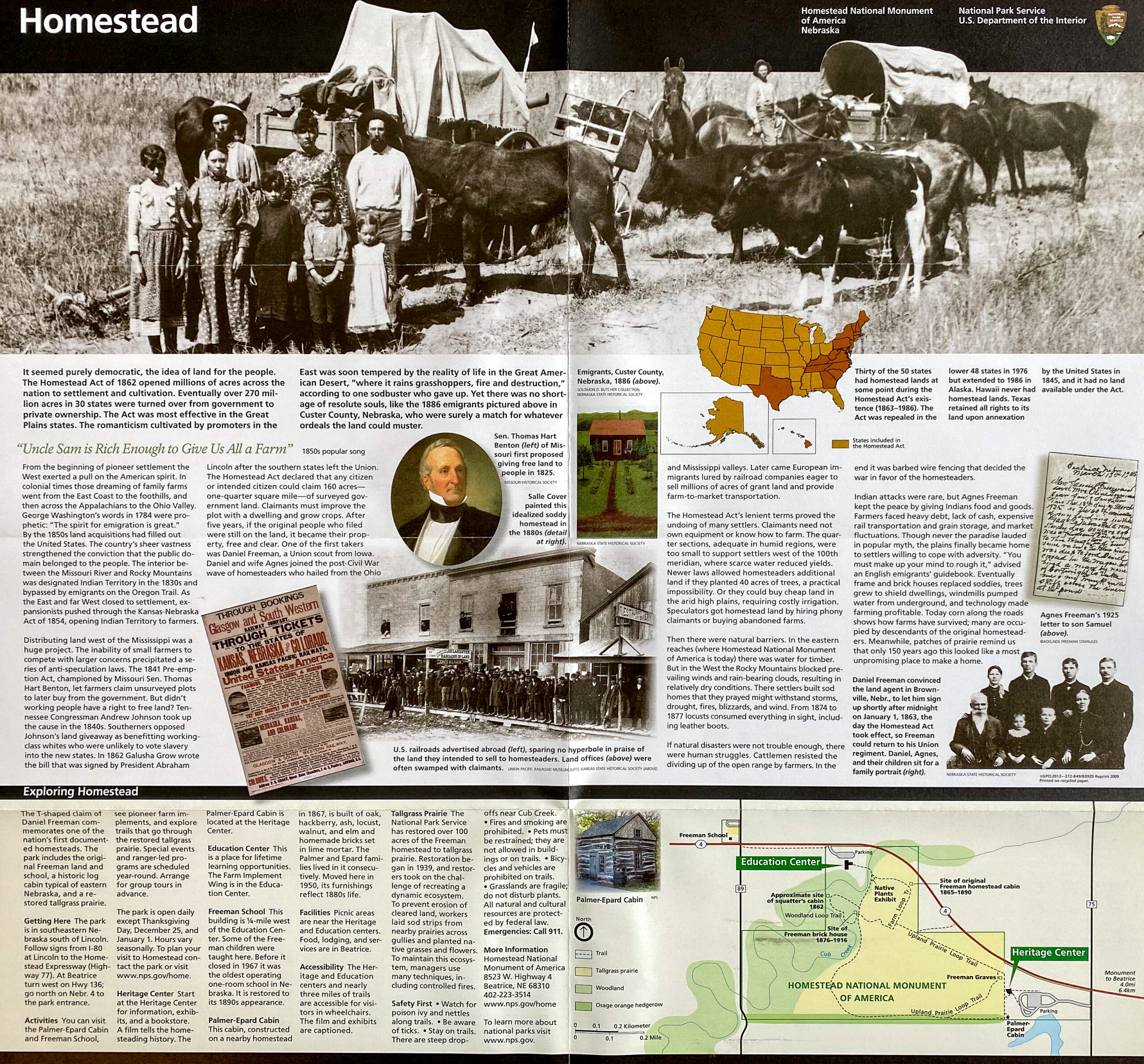
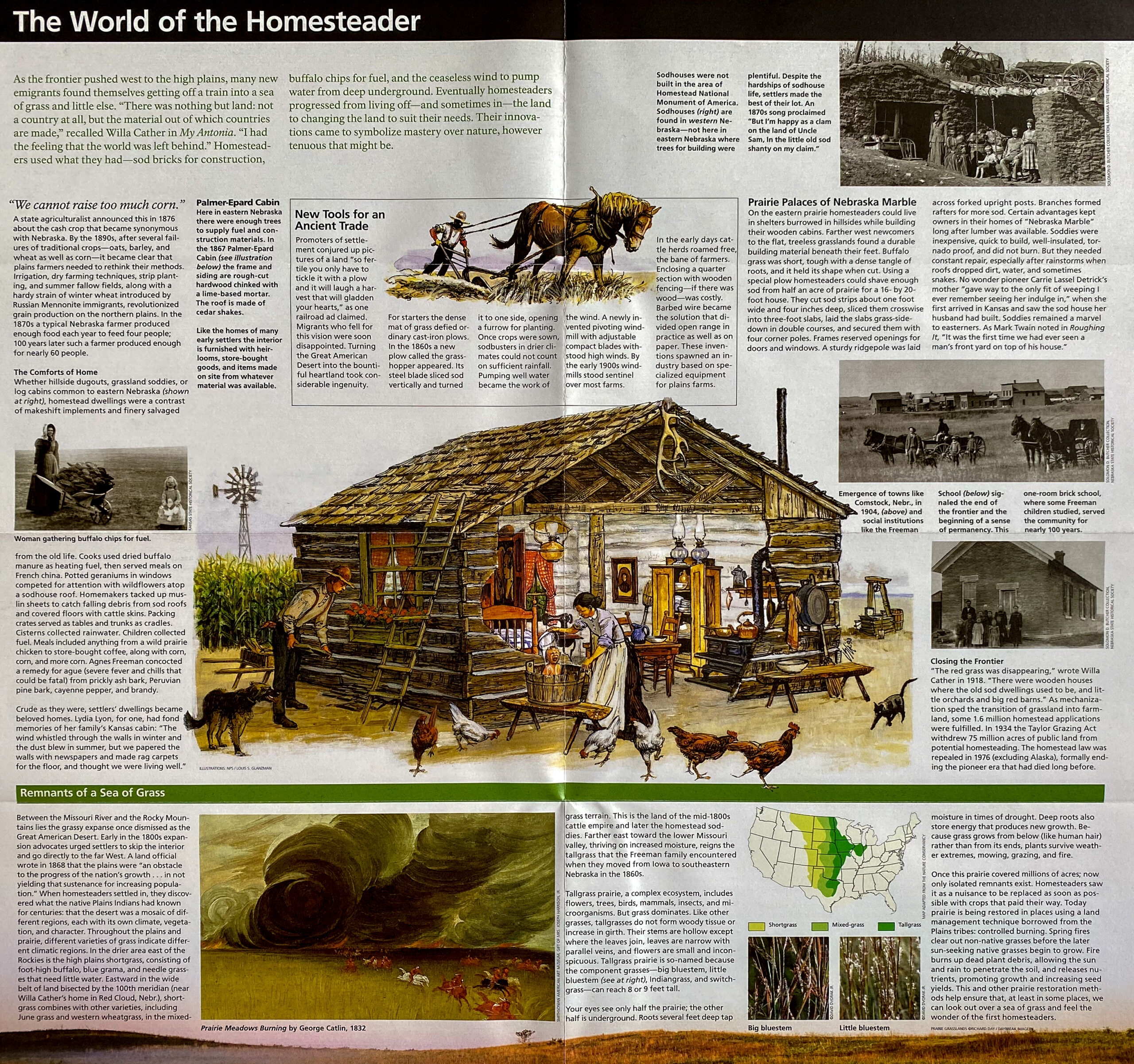
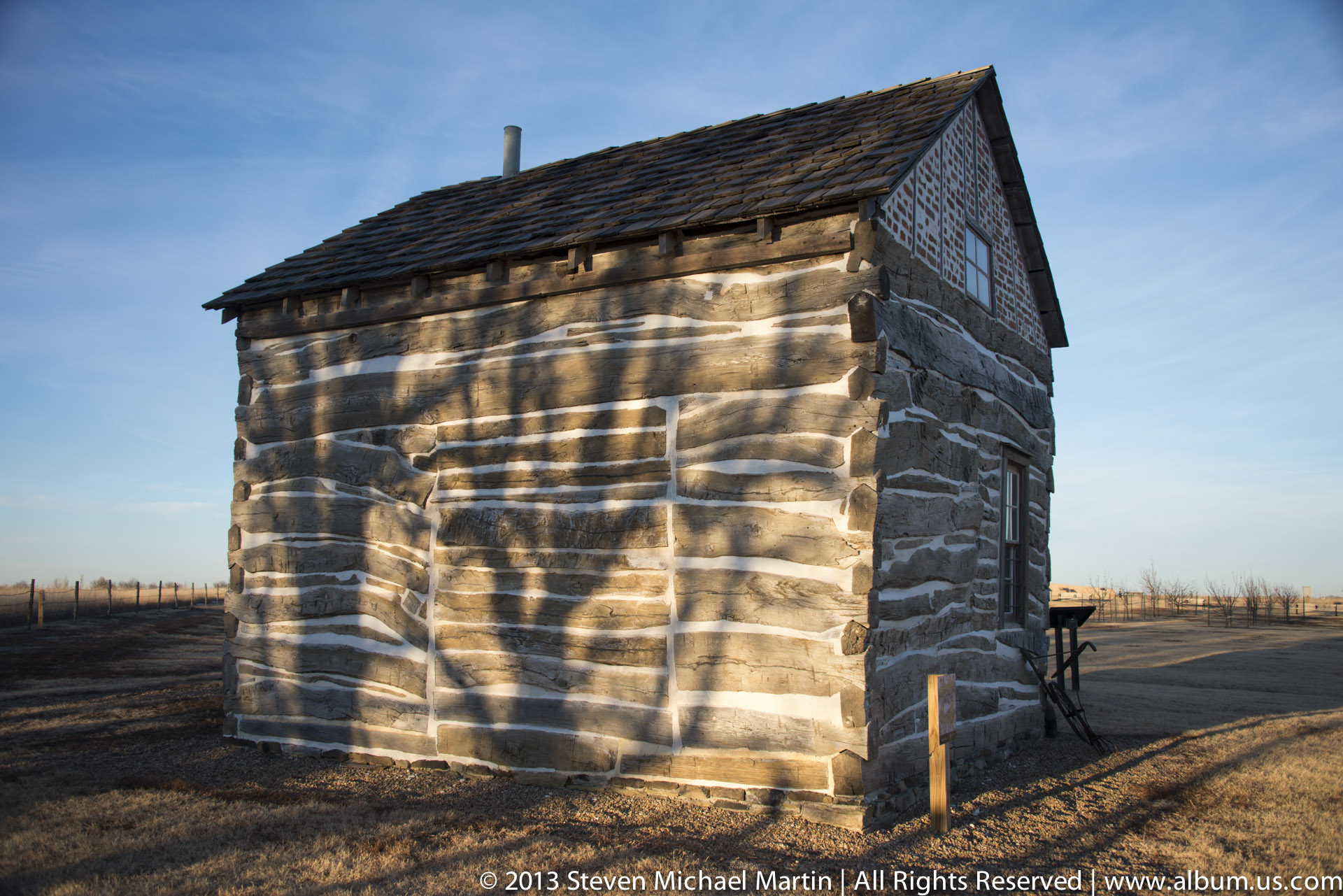
Homestead National Monument of America preserves prairie landscapes associated with the Homestead Act of 1862, which encouraged settlement across the central United States. The legislation allowed individuals to claim land for agriculture, contributing to large-scale transformation of grassland ecosystems. The site illustrates how policy influenced patterns of settlement across the Great Plains.
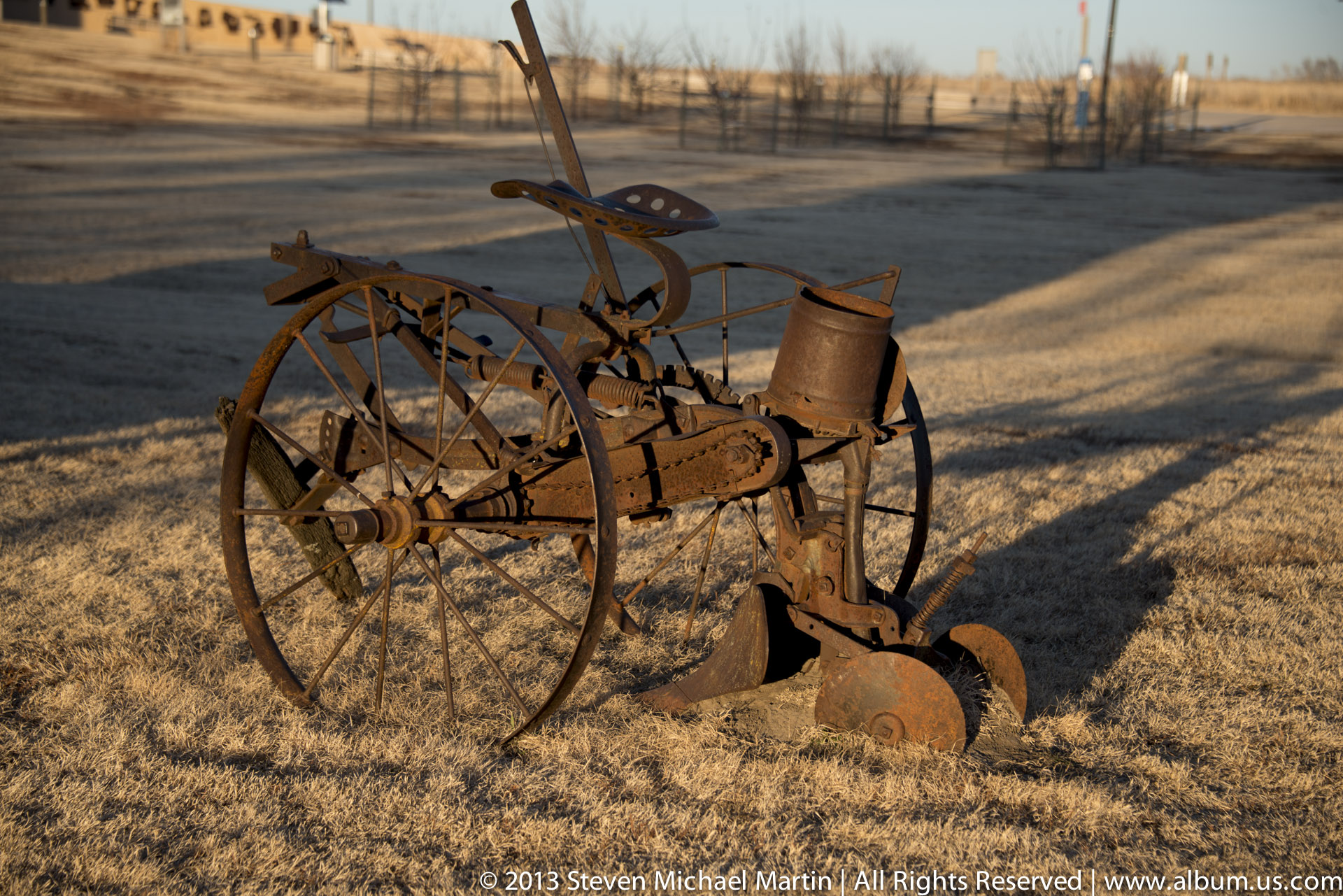
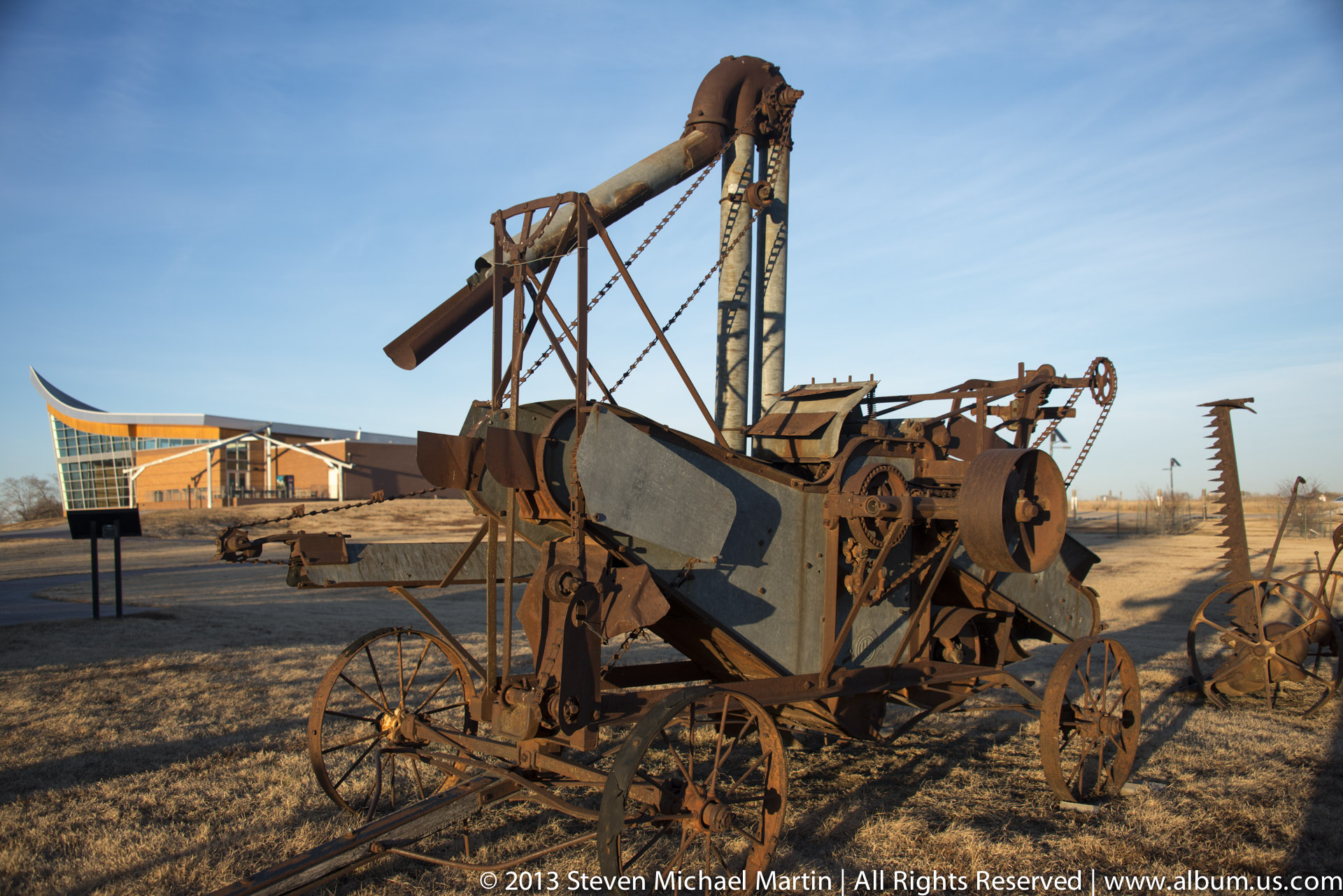
Tallgrass prairie environments once covered large portions of the region, supporting plant communities adapted to seasonal rainfall and periodic fire. Agricultural development altered these ecosystems, replacing native vegetation with cultivated crops. The monument demonstrates how land use practices shaped the landscape.
Today, Homestead National Monument illustrates how settlement patterns influenced environmental change across North America. The preserved prairie provides insight into ecosystems that existed prior to widespread agricultural development.



National Monument Field Guide
Homestead National Monument of America preserves tallgrass prairie landscapes associated with agricultural settlement encouraged by federal land policy. The monument illustrates how land distribution influenced development across the Great Plains.
🌾 Key Significance
- Homestead Act encouraging settlement of prairie lands
- Tallgrass prairie ecosystem
- Agricultural transformation of grasslands
- Land policy influencing migration patterns
- Environmental change associated with cultivation
📖 Interpretive Context
Settlement policies encouraged migration into prairie regions. Agricultural activity altered native plant communities across the Great Plains.
📷 Photography Notes
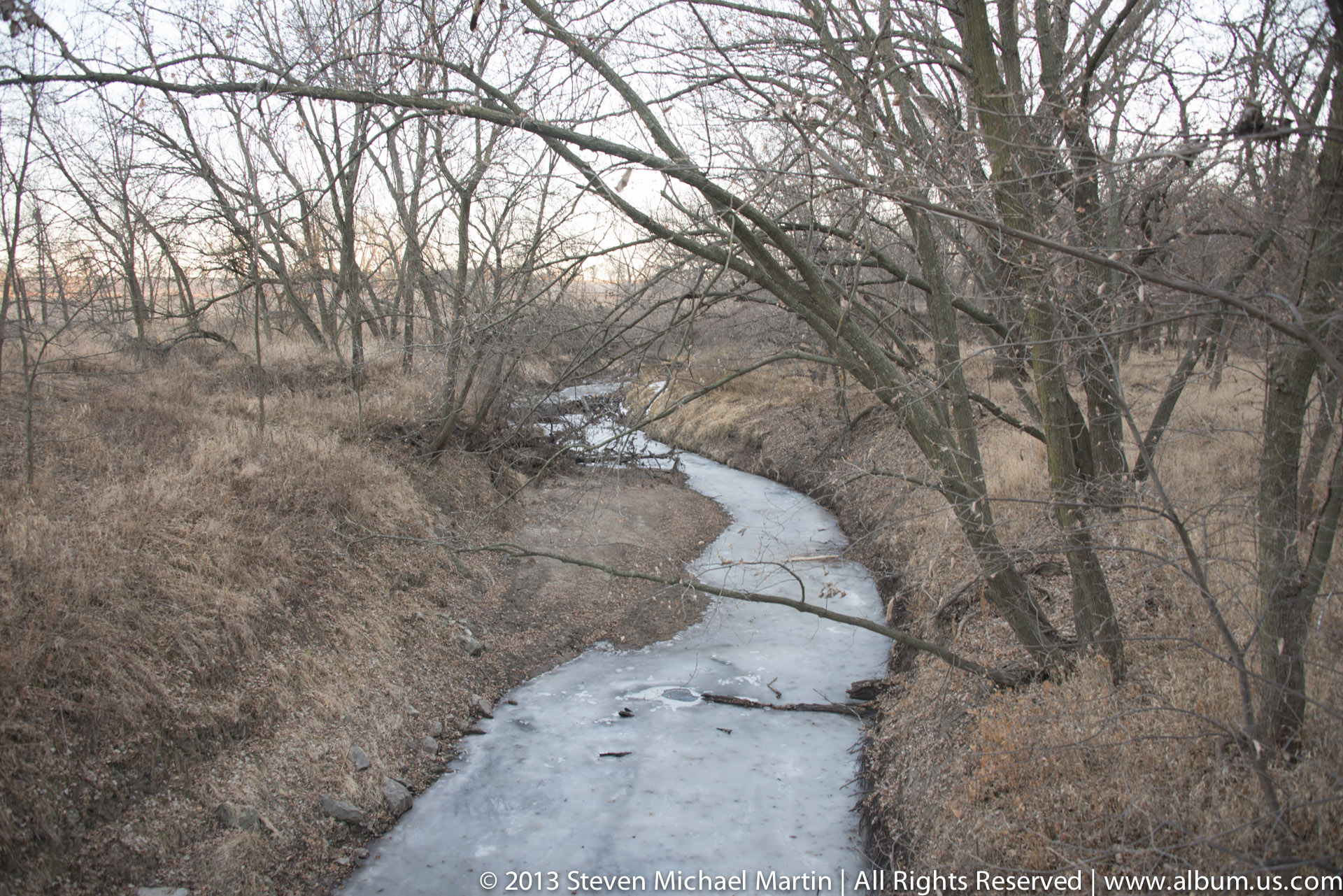
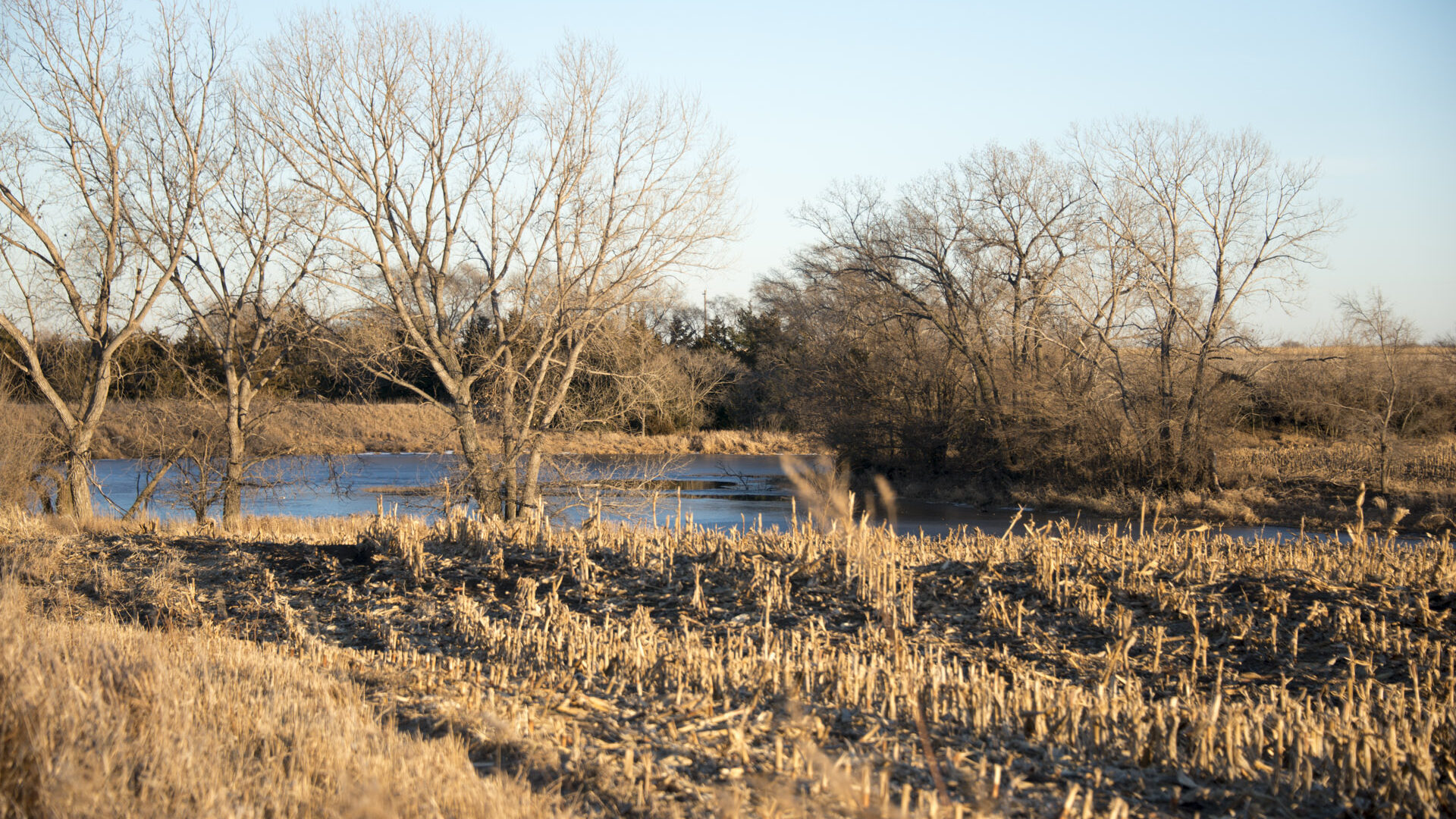
- Wide compositions emphasize open prairie landscape
- Seasonal grasses create texture and movement
- Low-angle light enhances depth across fields
- Look for horizon lines emphasizing scale