Washington, DC
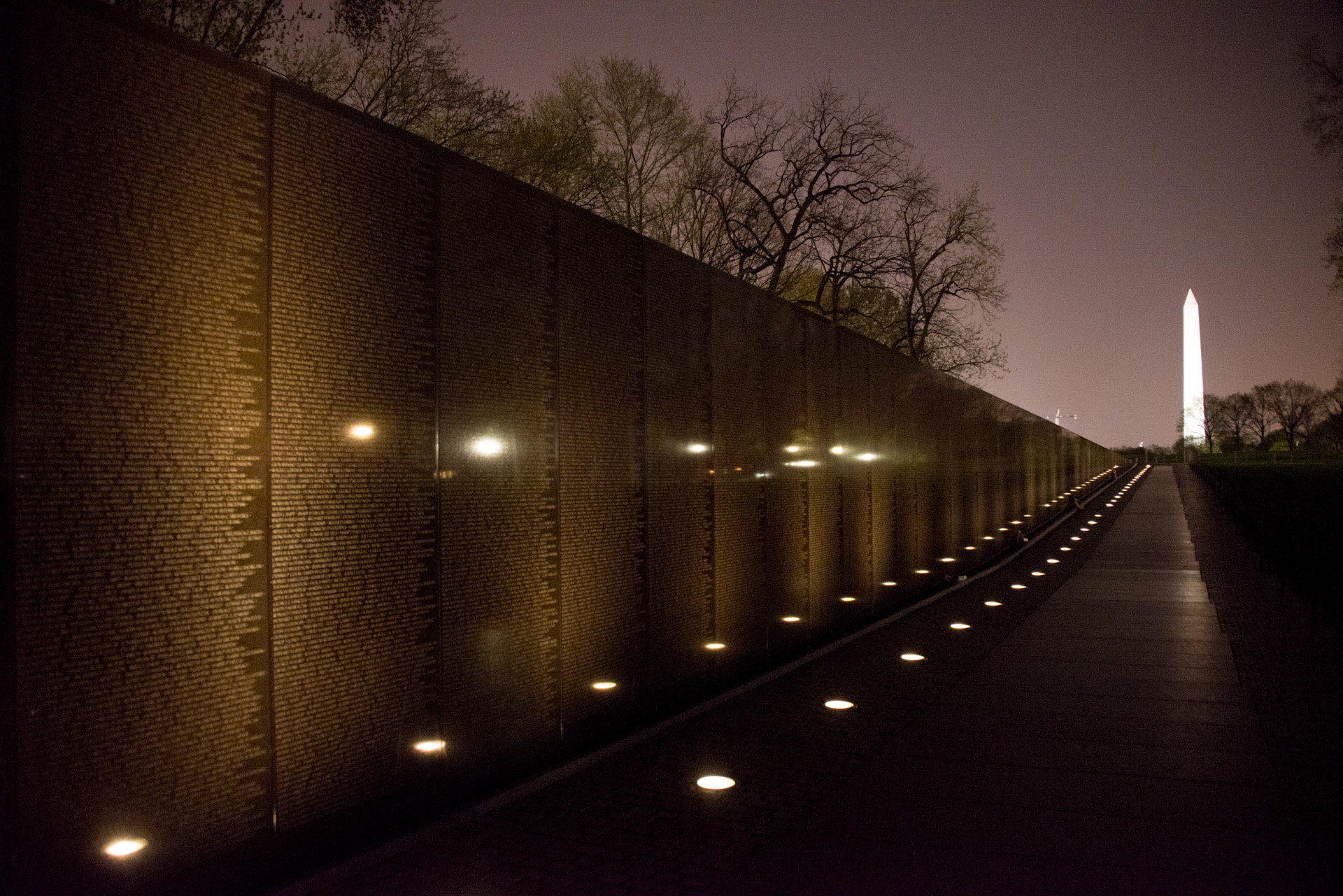
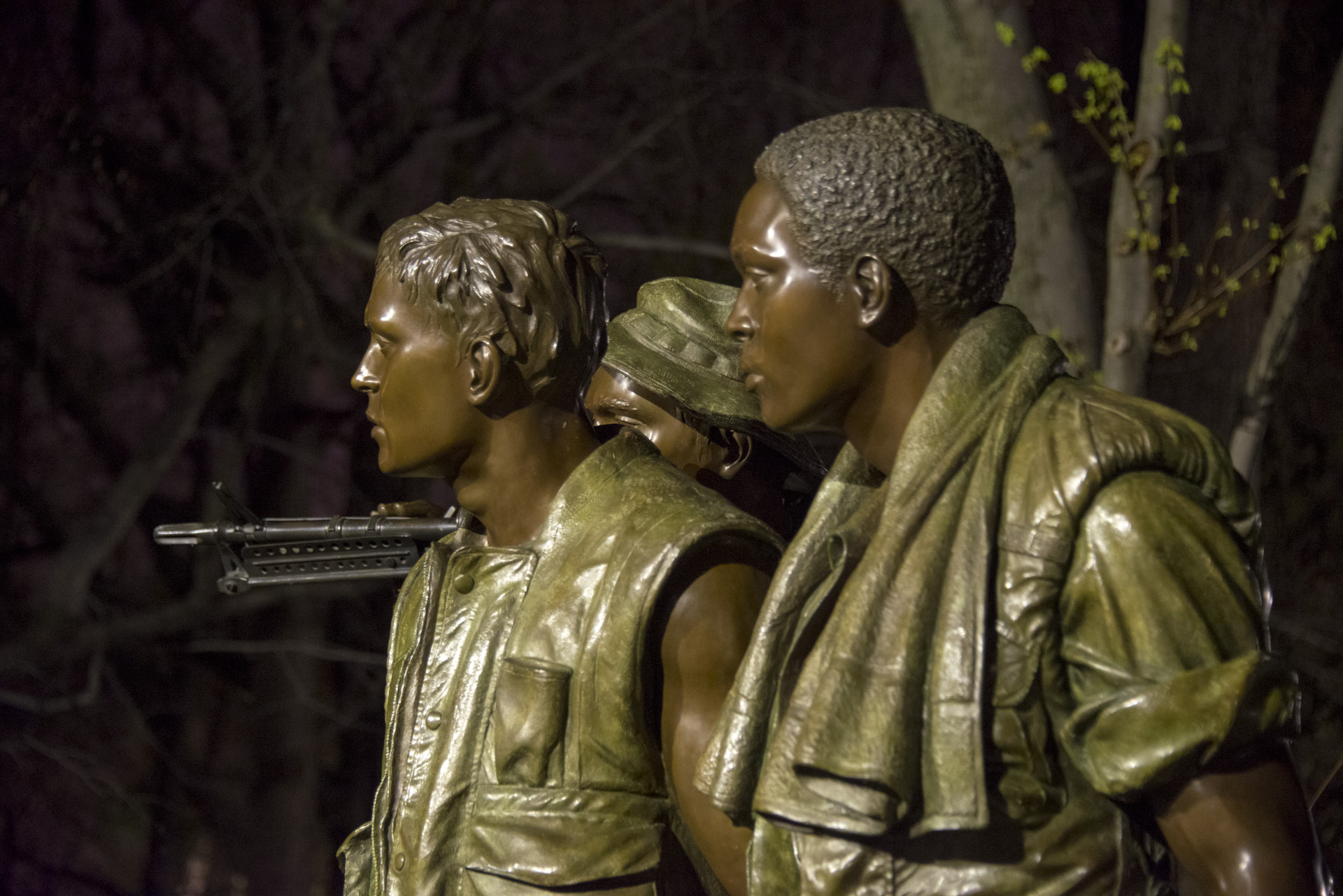
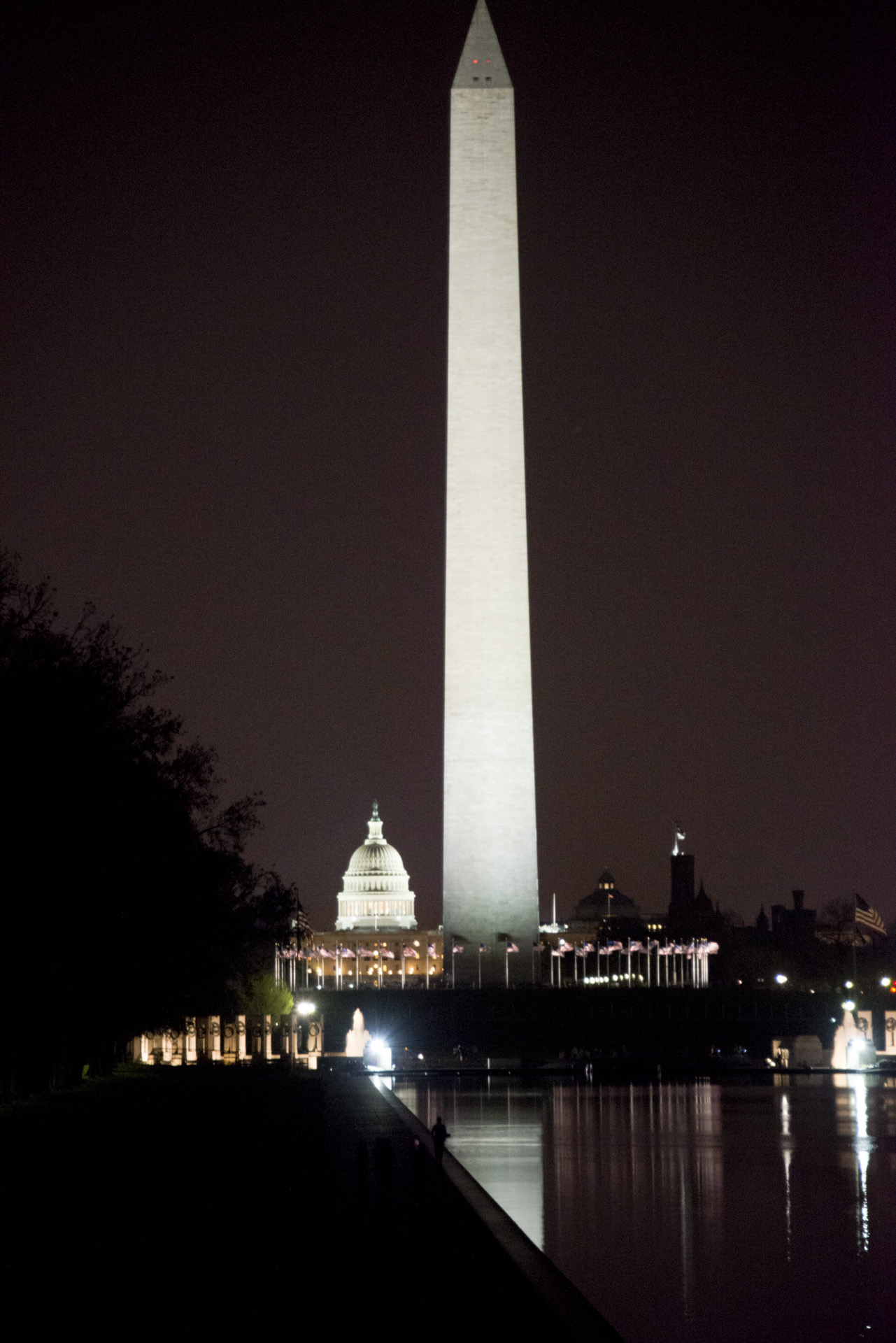
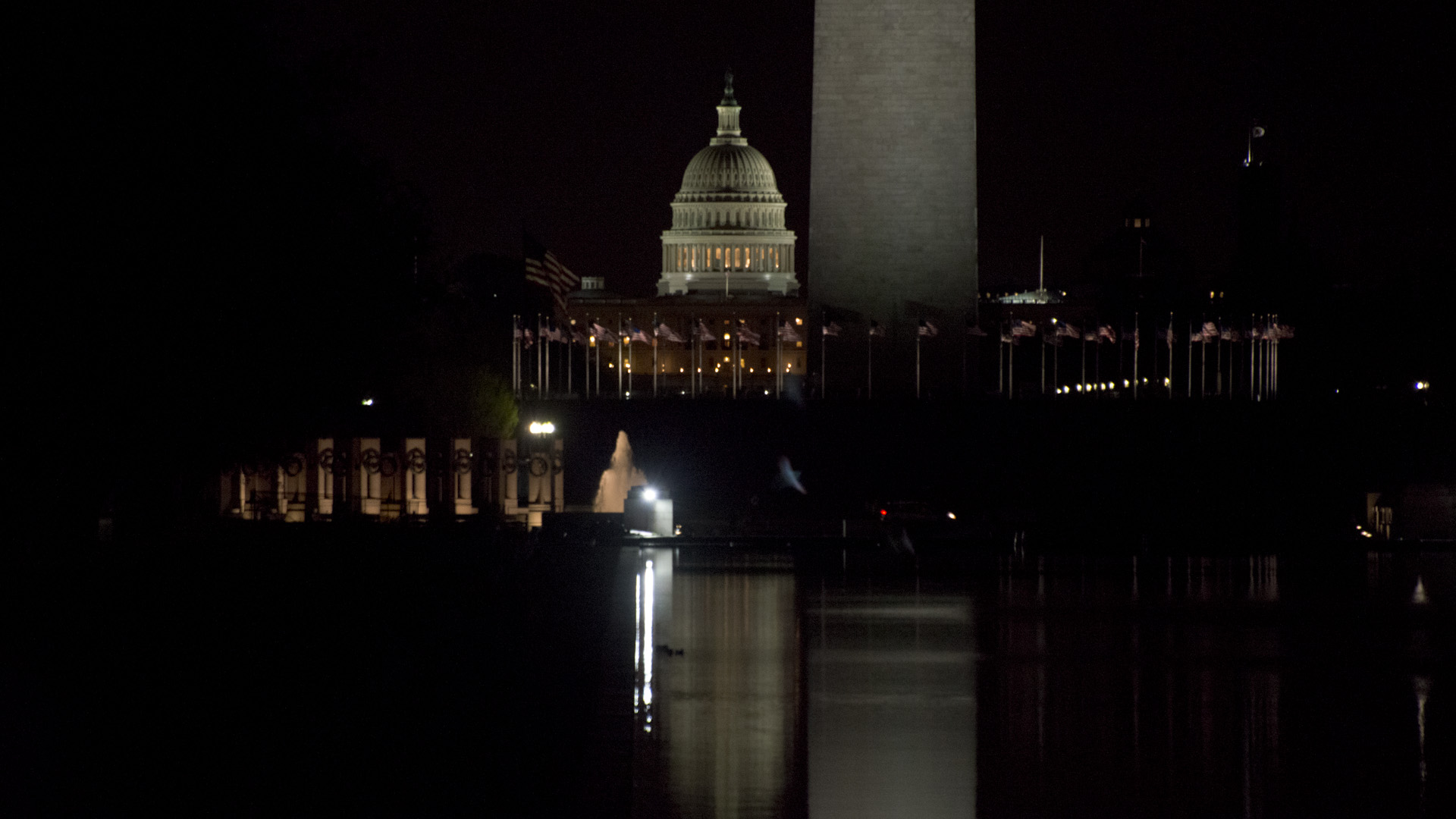
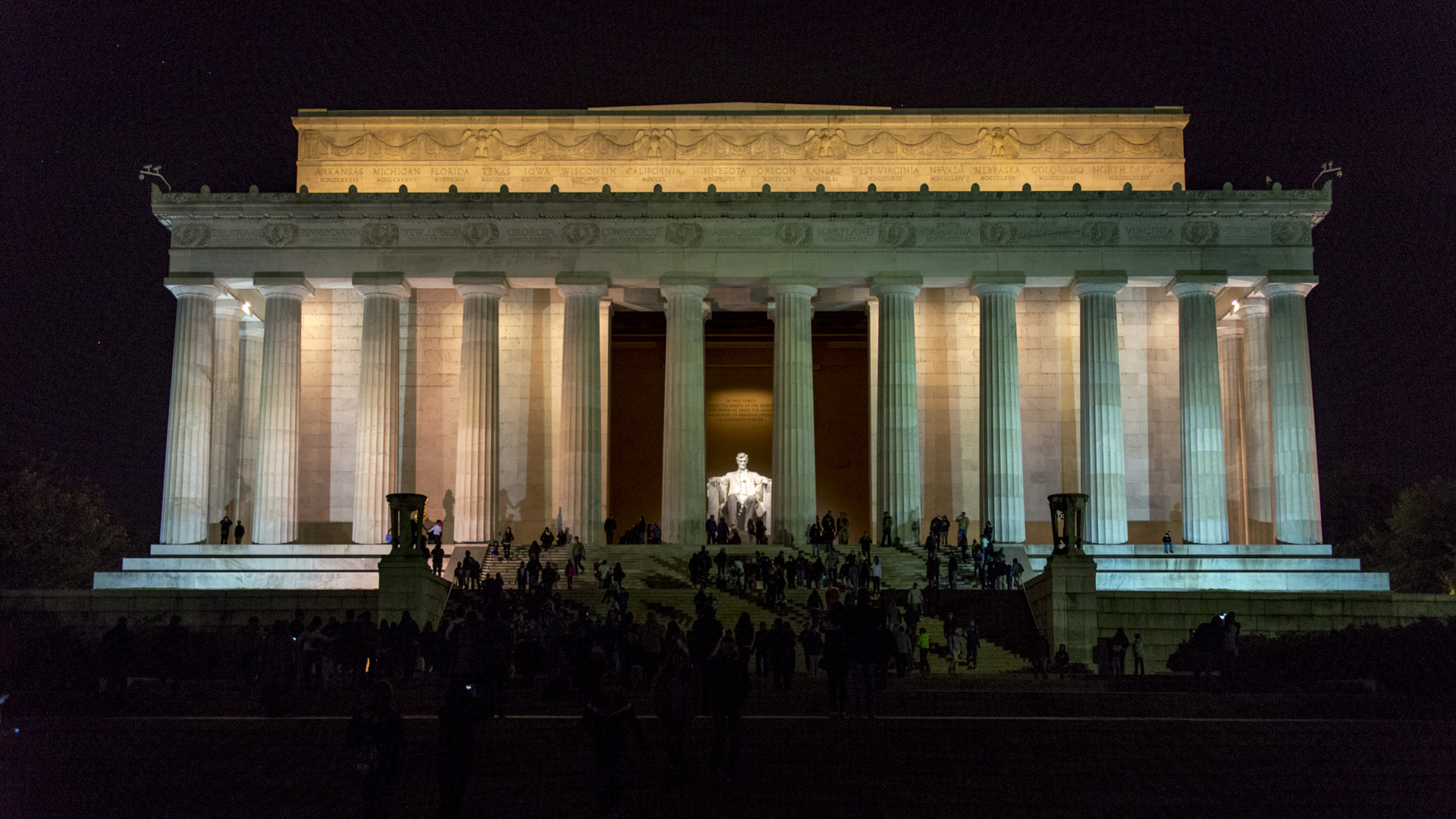
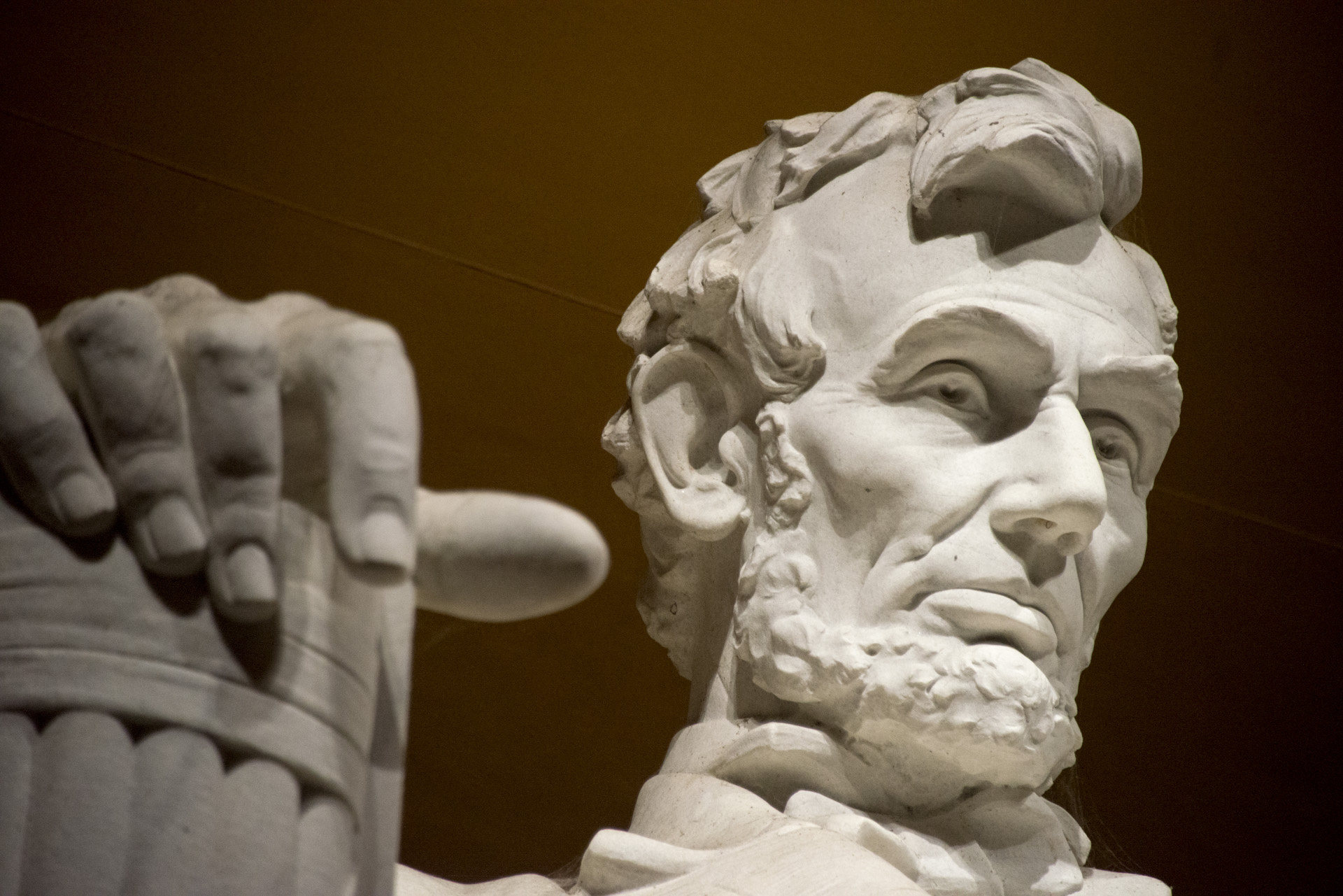
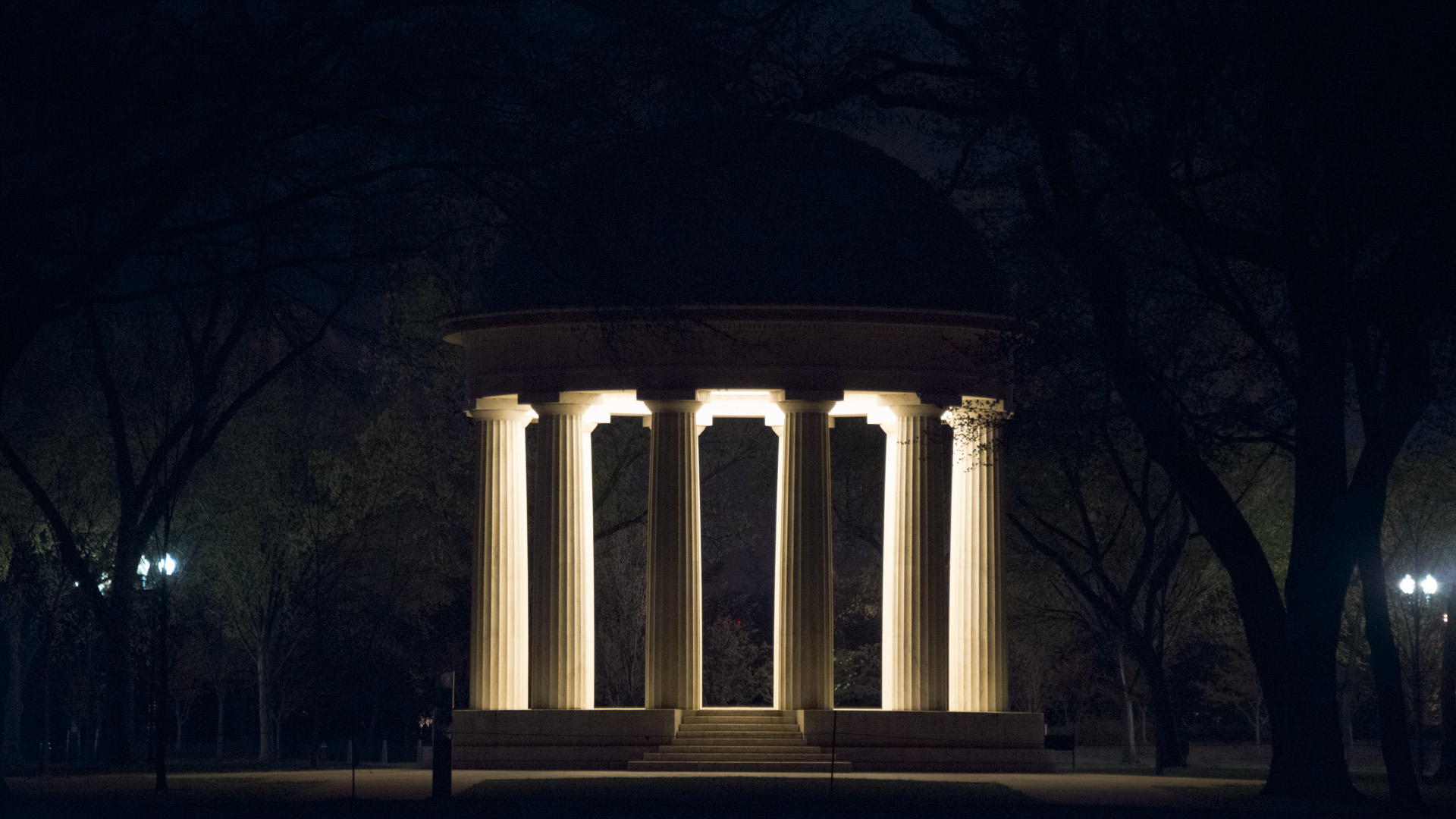
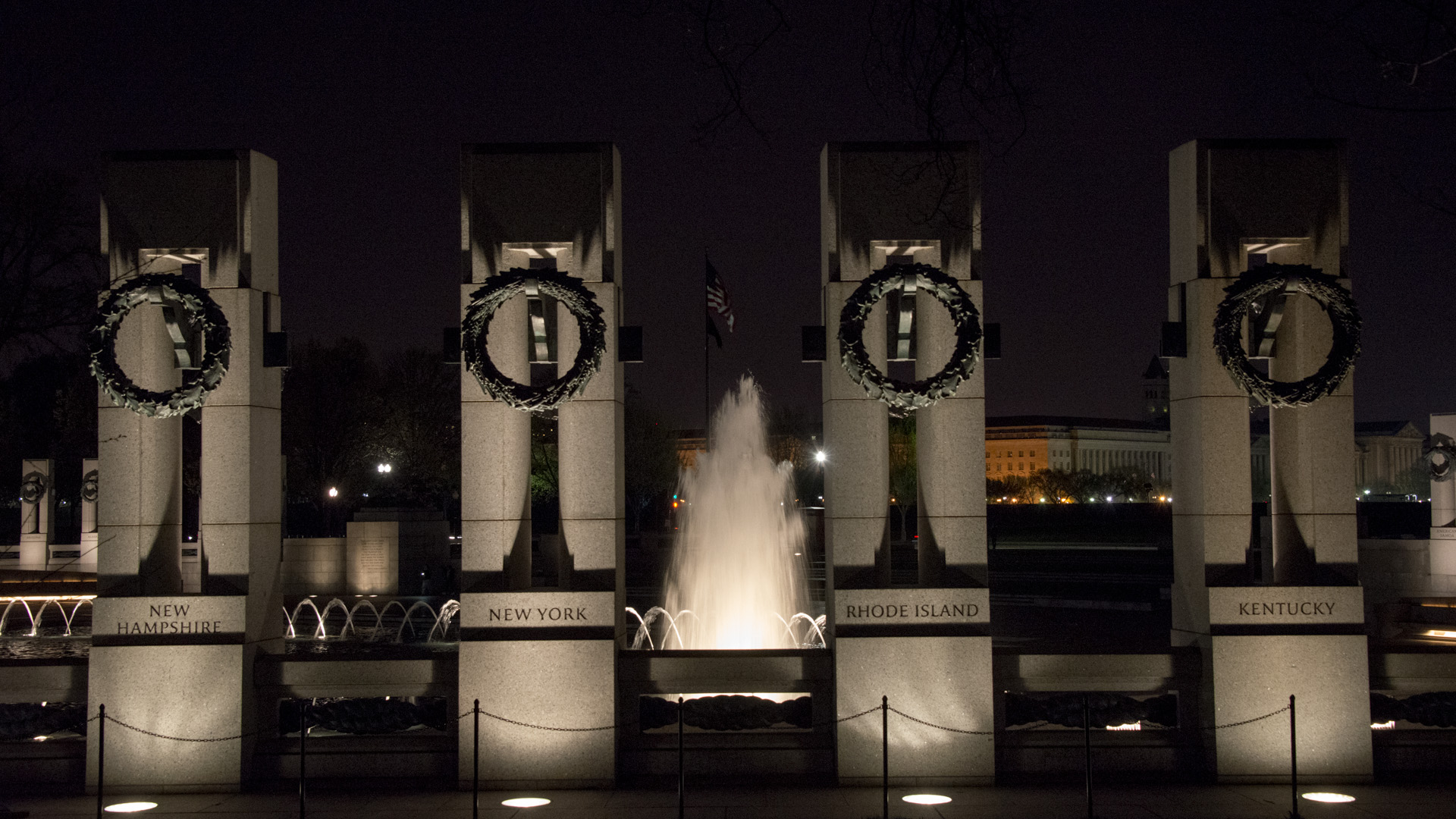
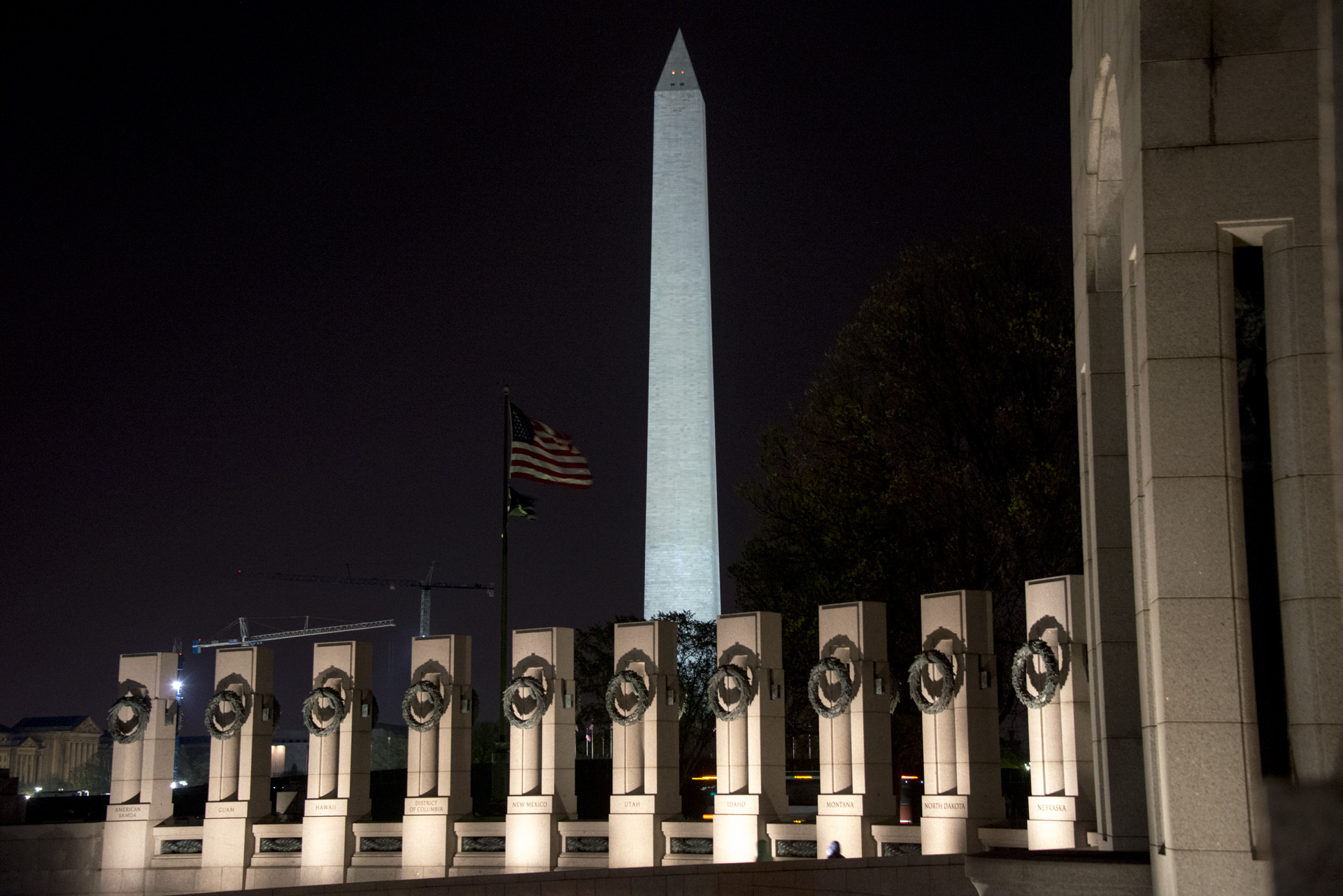
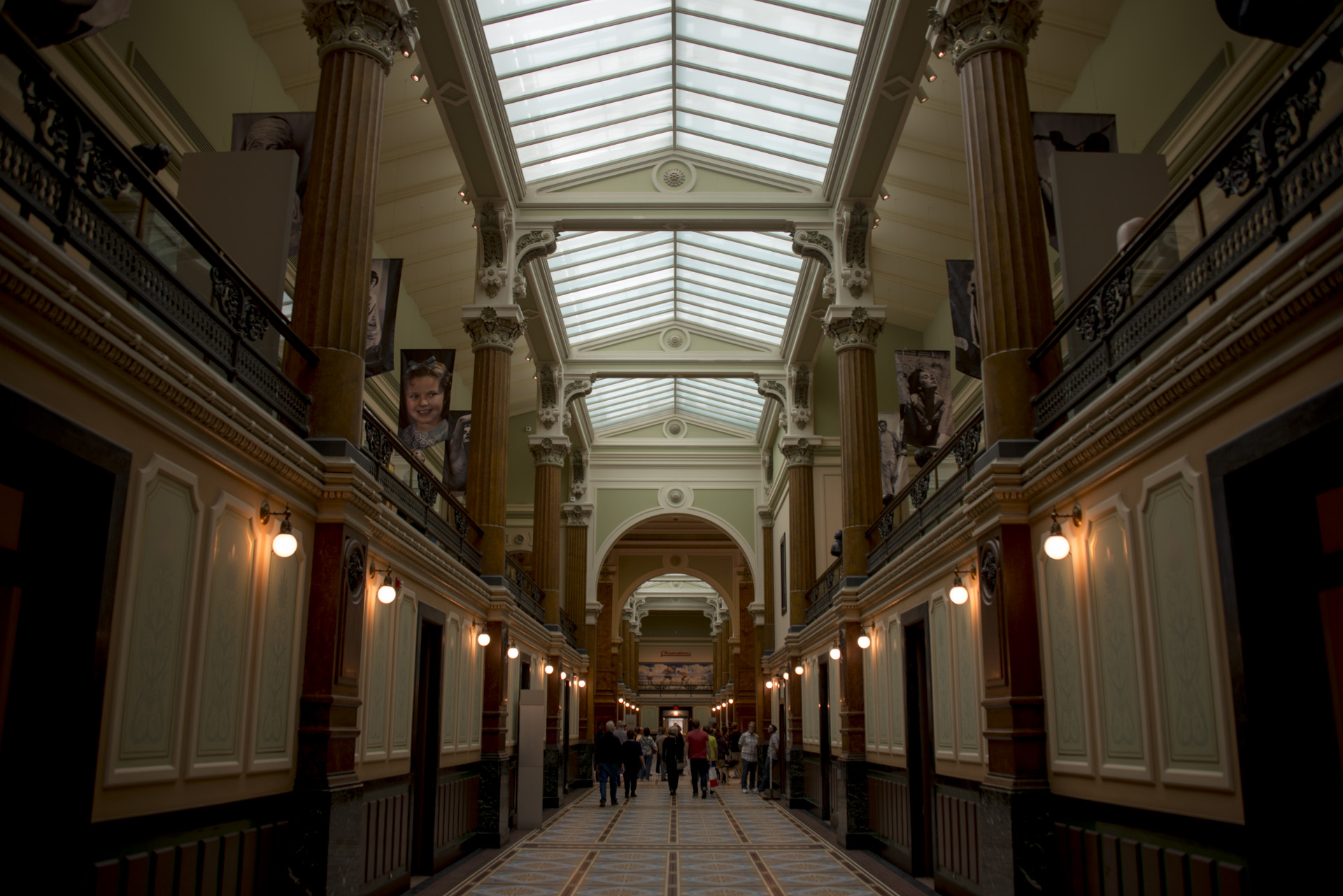
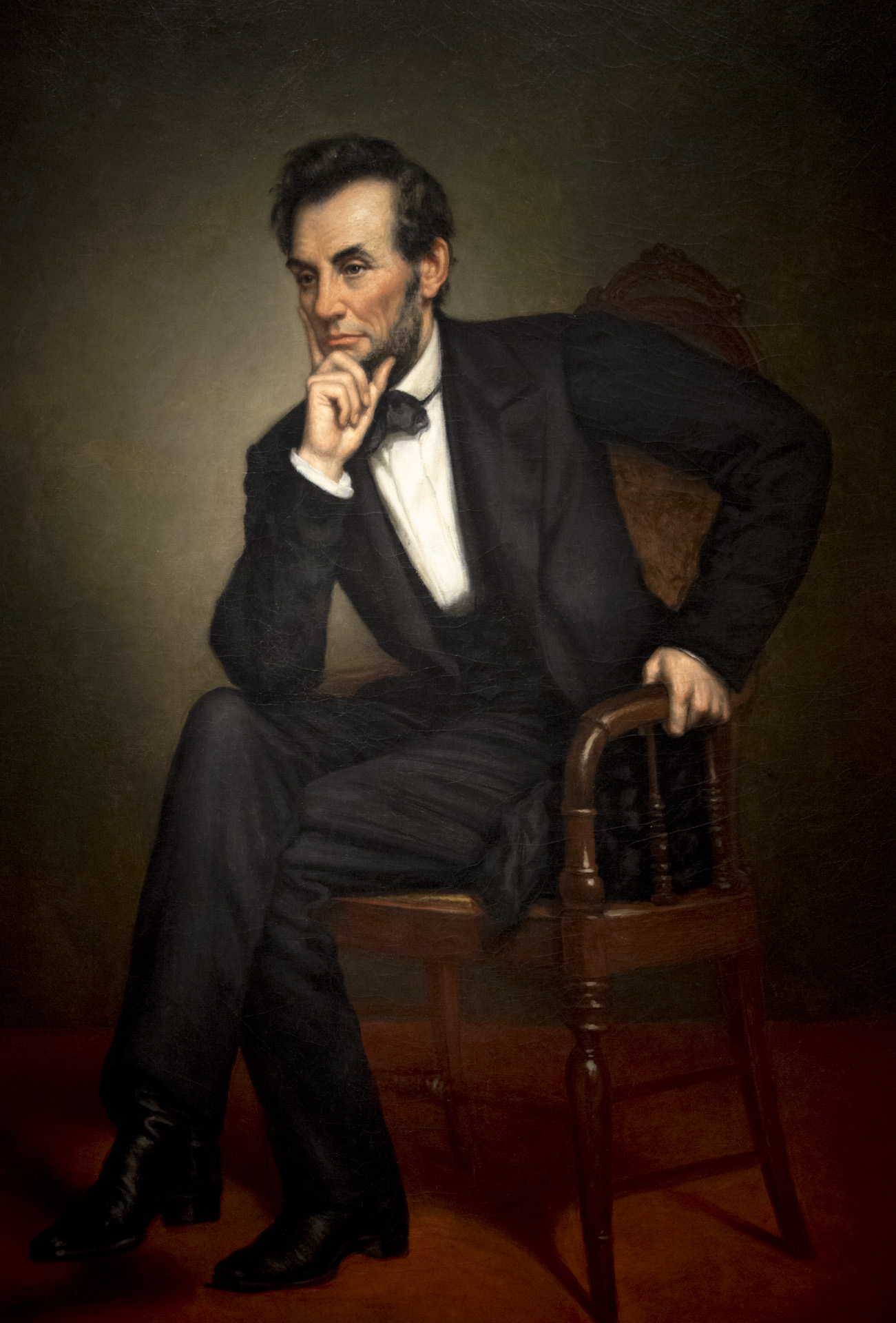
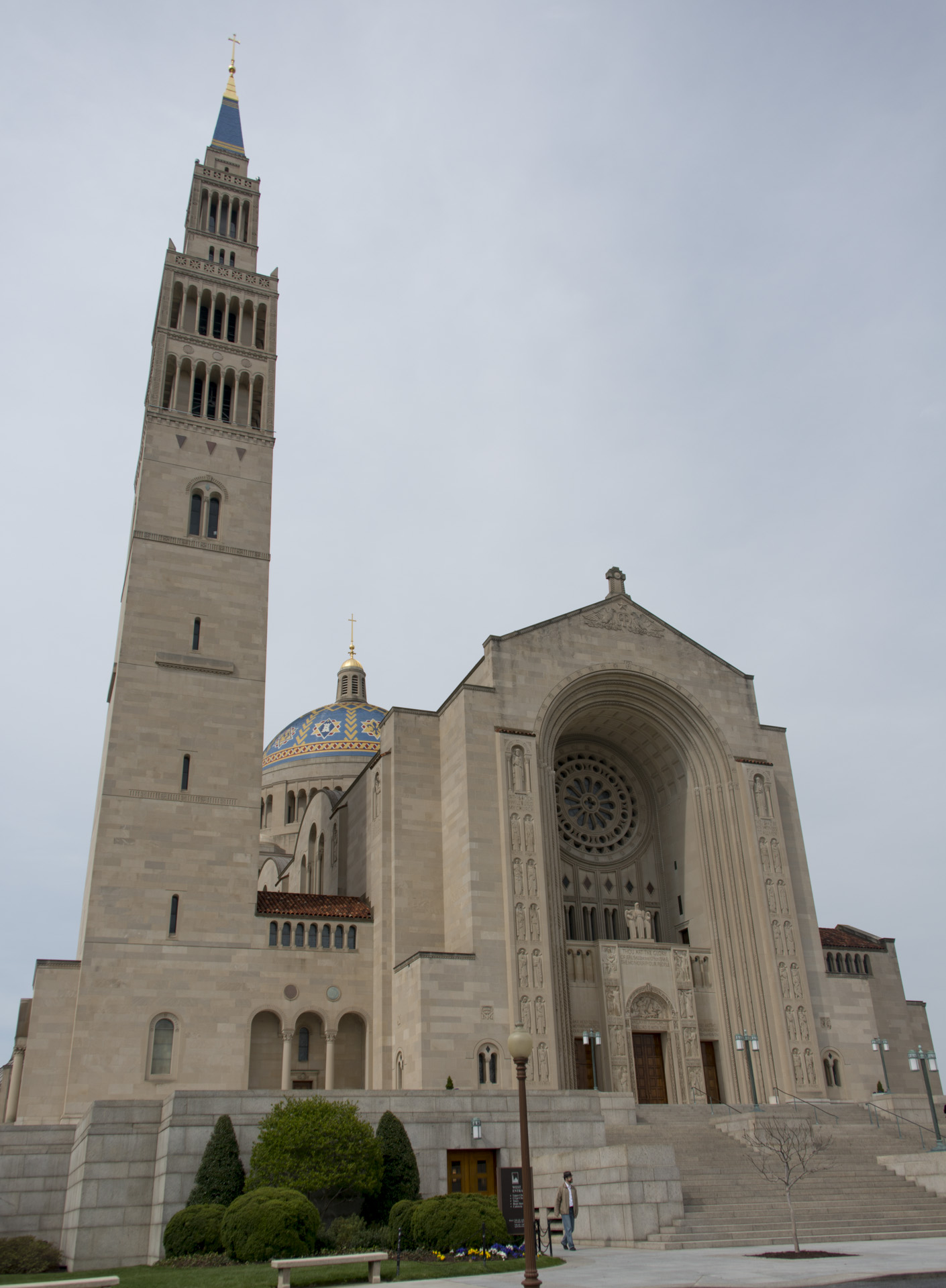
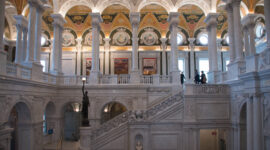
Washington, DC developed as a planned capital intended to reflect the political ideals of a newly independent nation through architecture and urban design. Established along the Potomac River as a federal district distinct from individual states, the city was conceived as a symbolic center representing unity among the states. Broad avenues, formal vistas, and neoclassical public buildings demonstrate the influence of Enlightenment principles and classical architectural traditions associated with democratic governance. The capital’s monumental core integrates institutions of government with memorial landscapes that interpret the historical development of the United States.
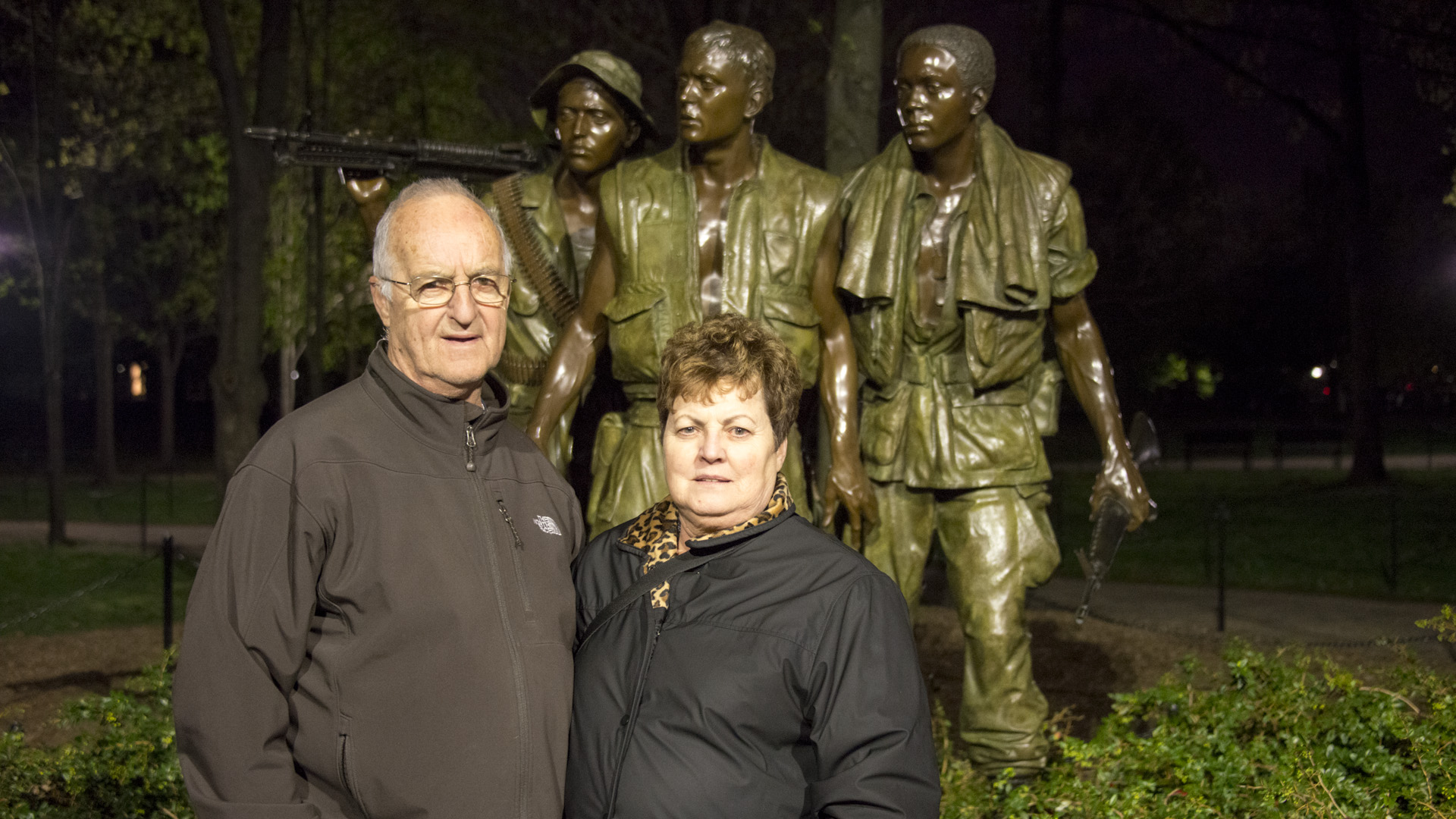
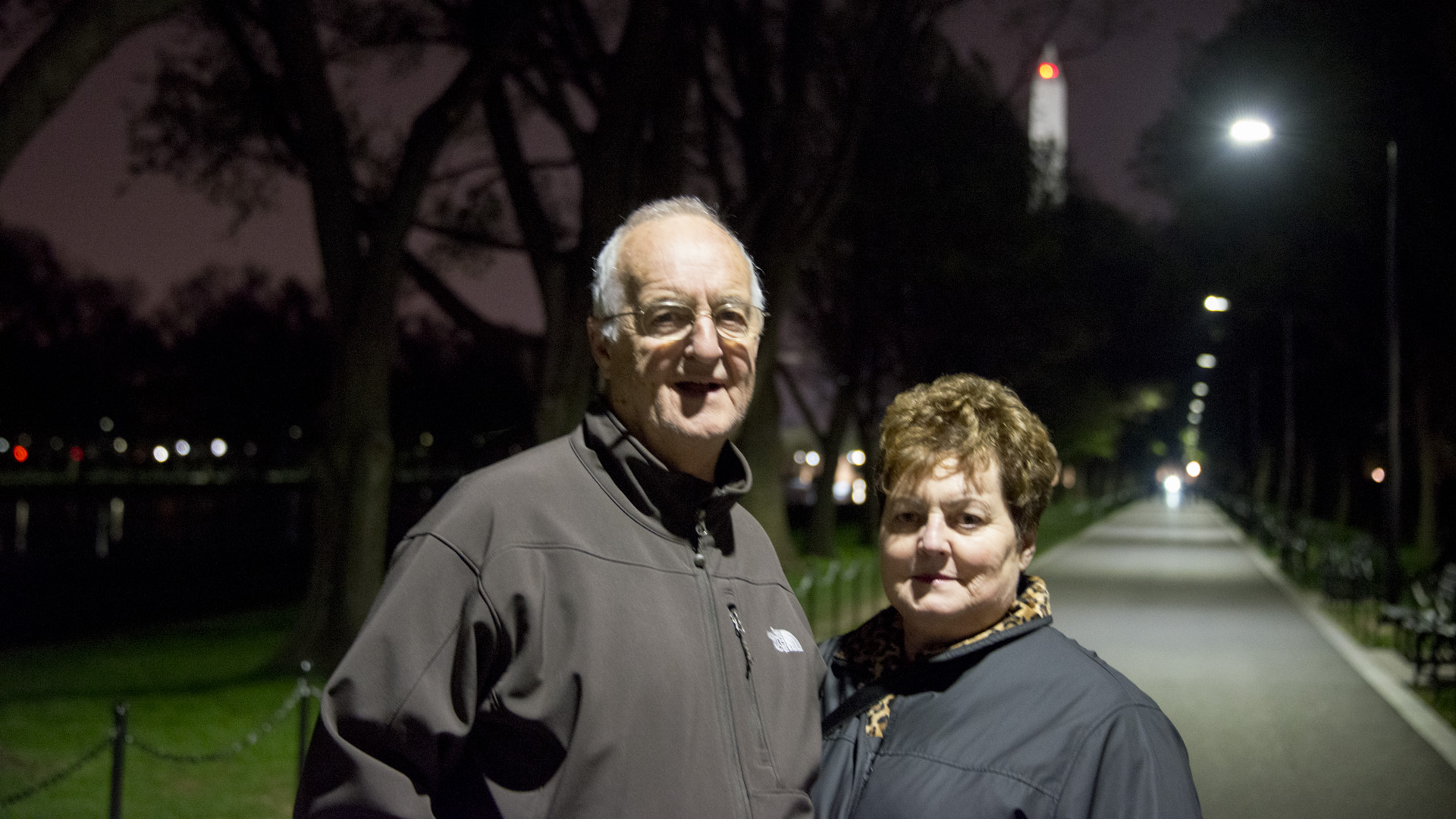
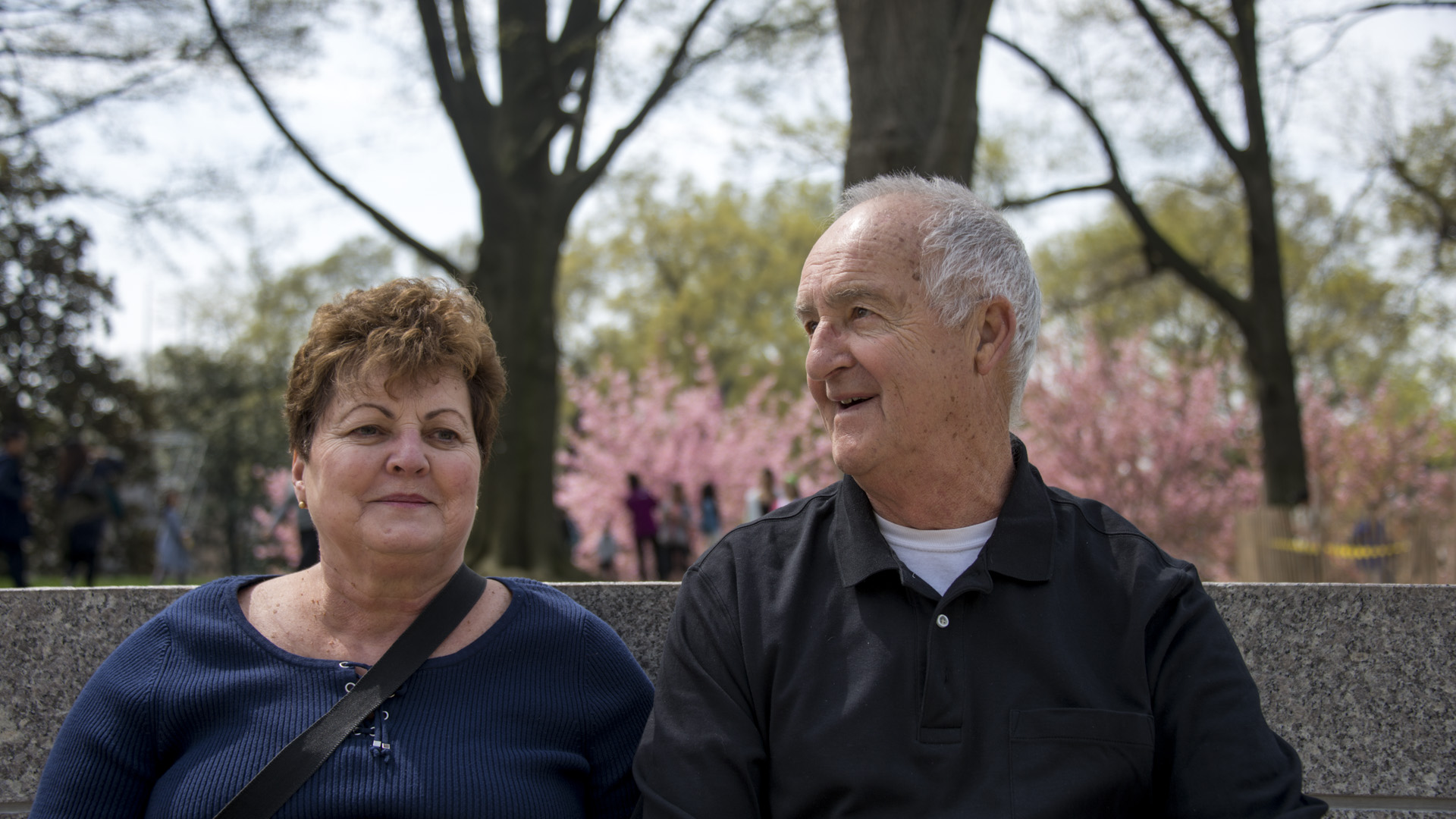
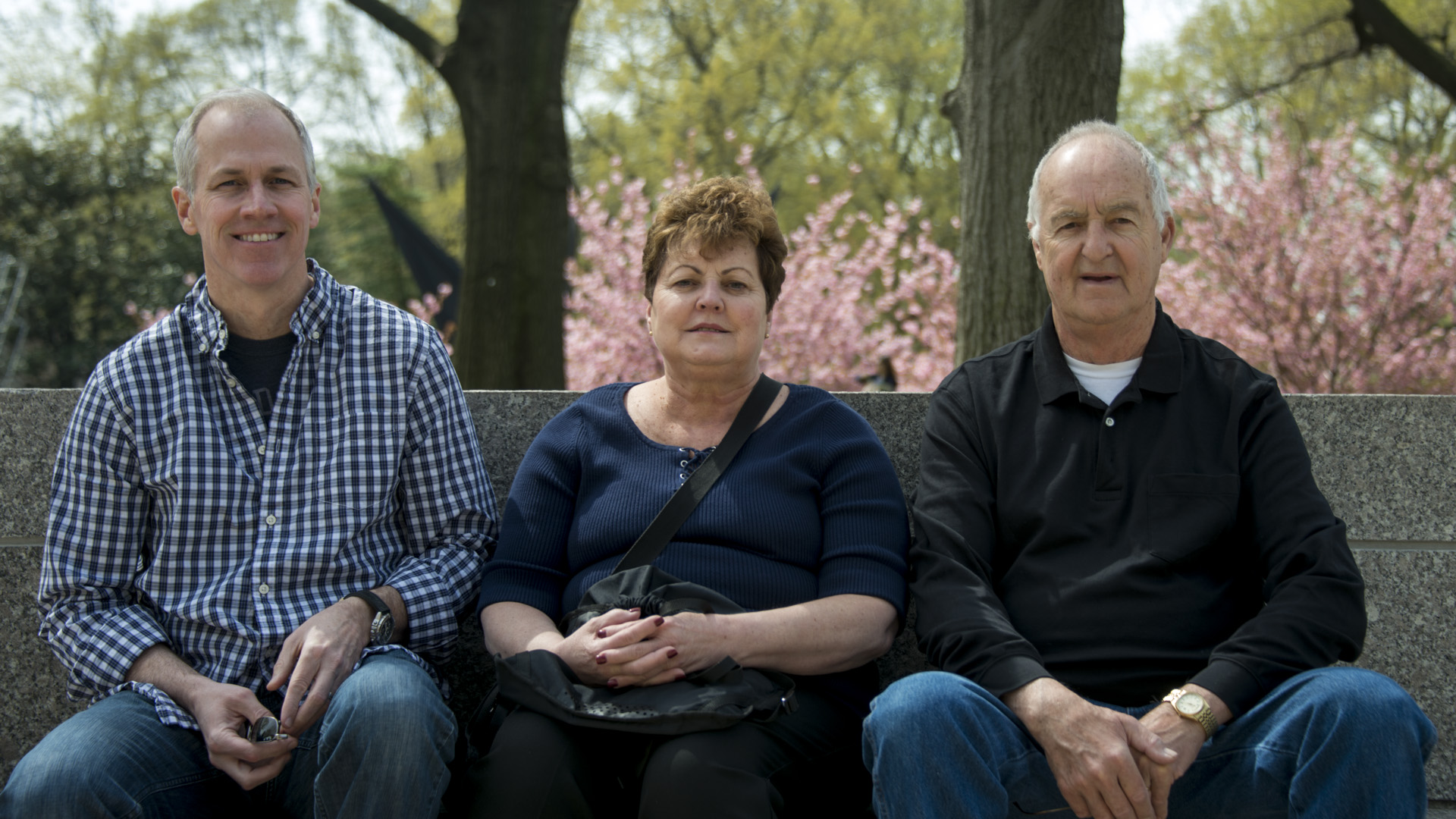
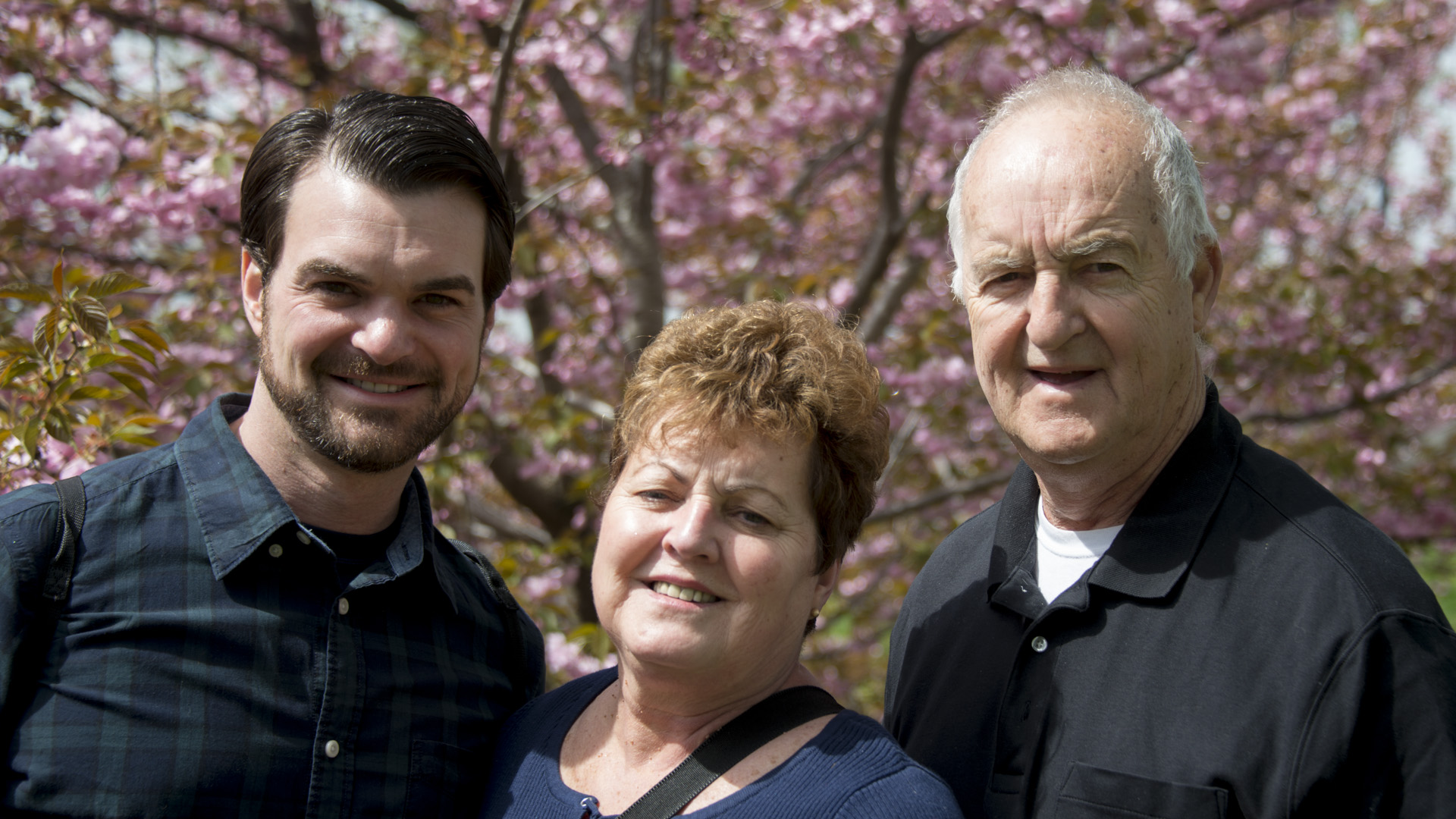
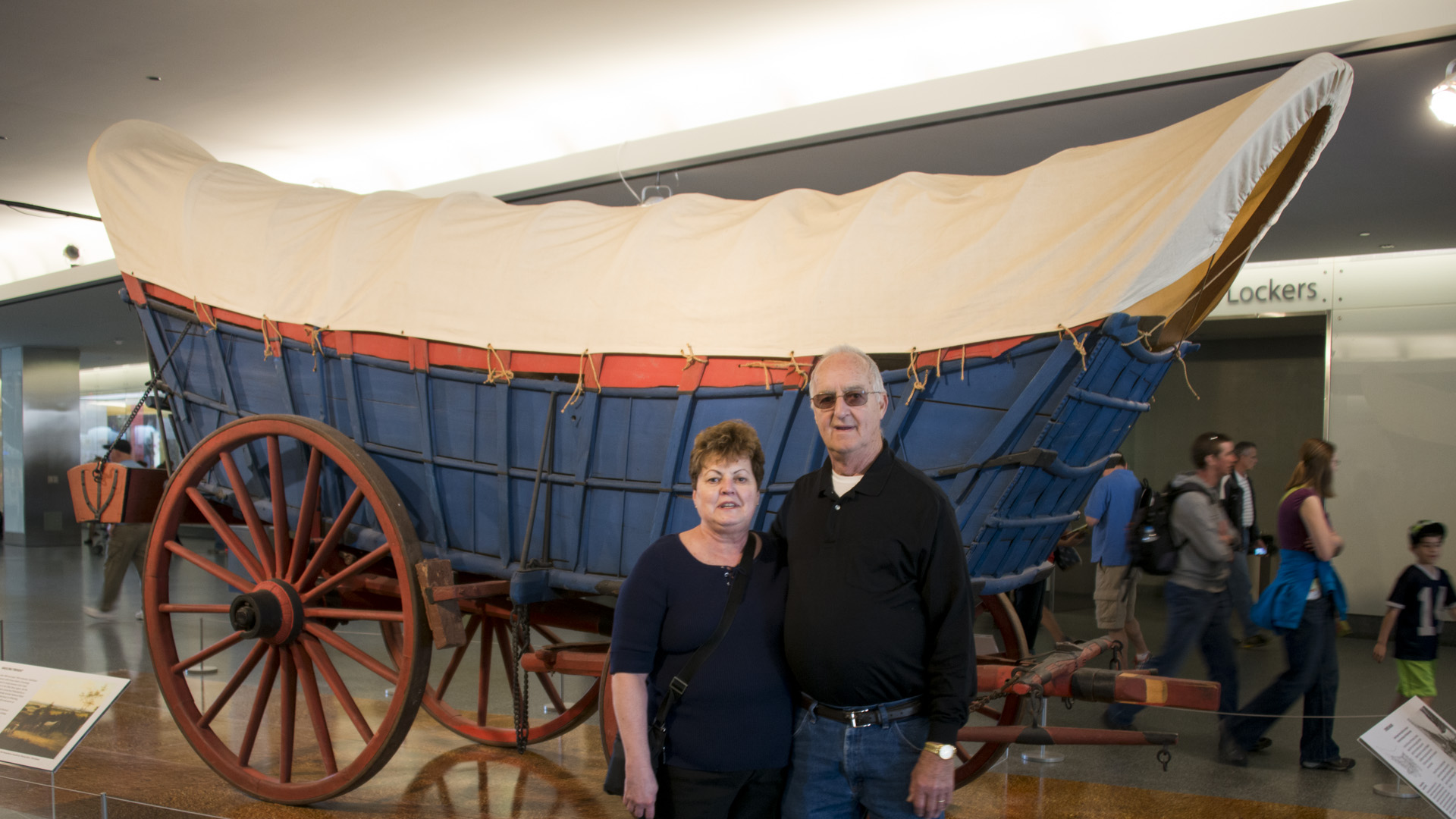
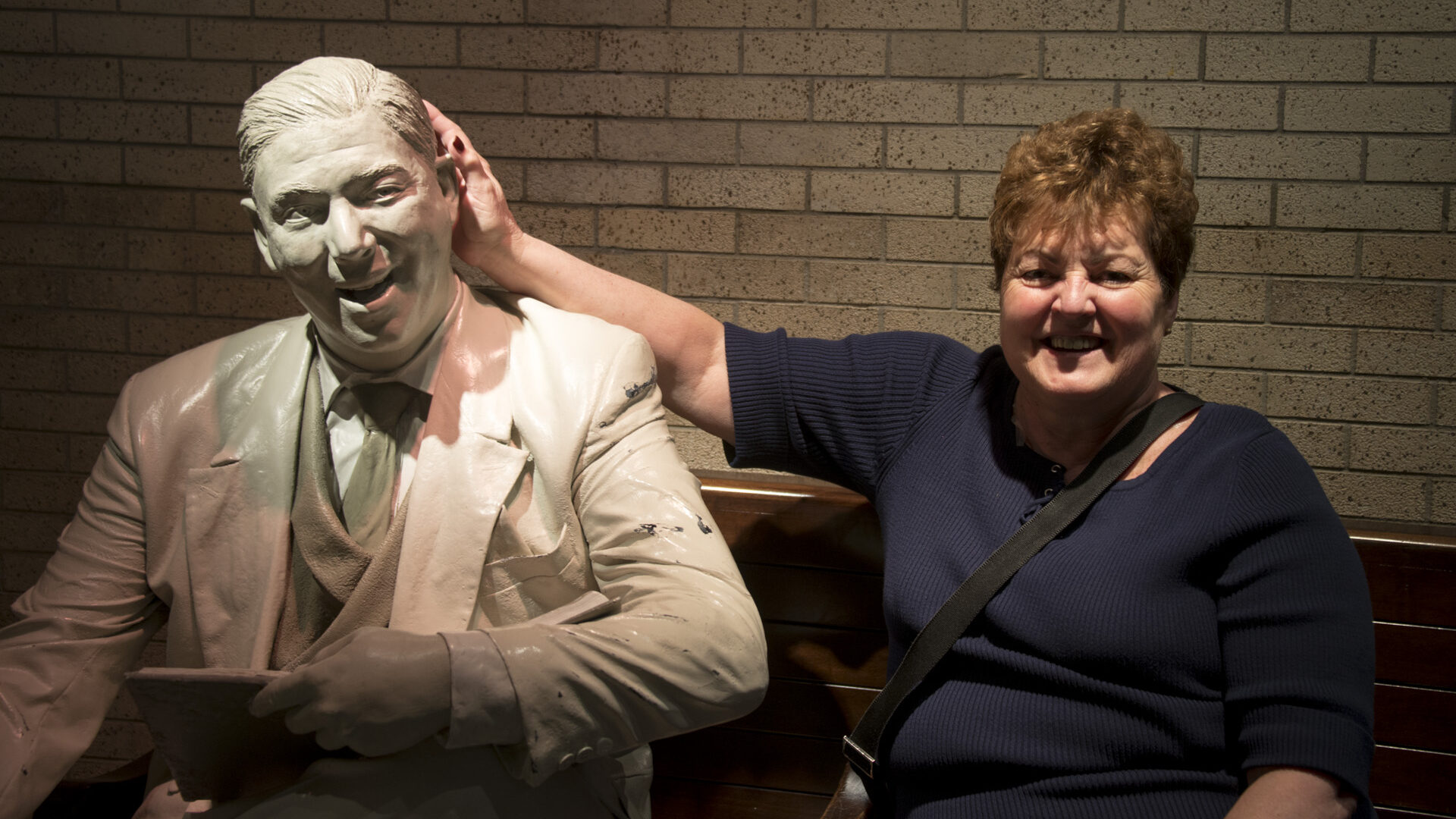
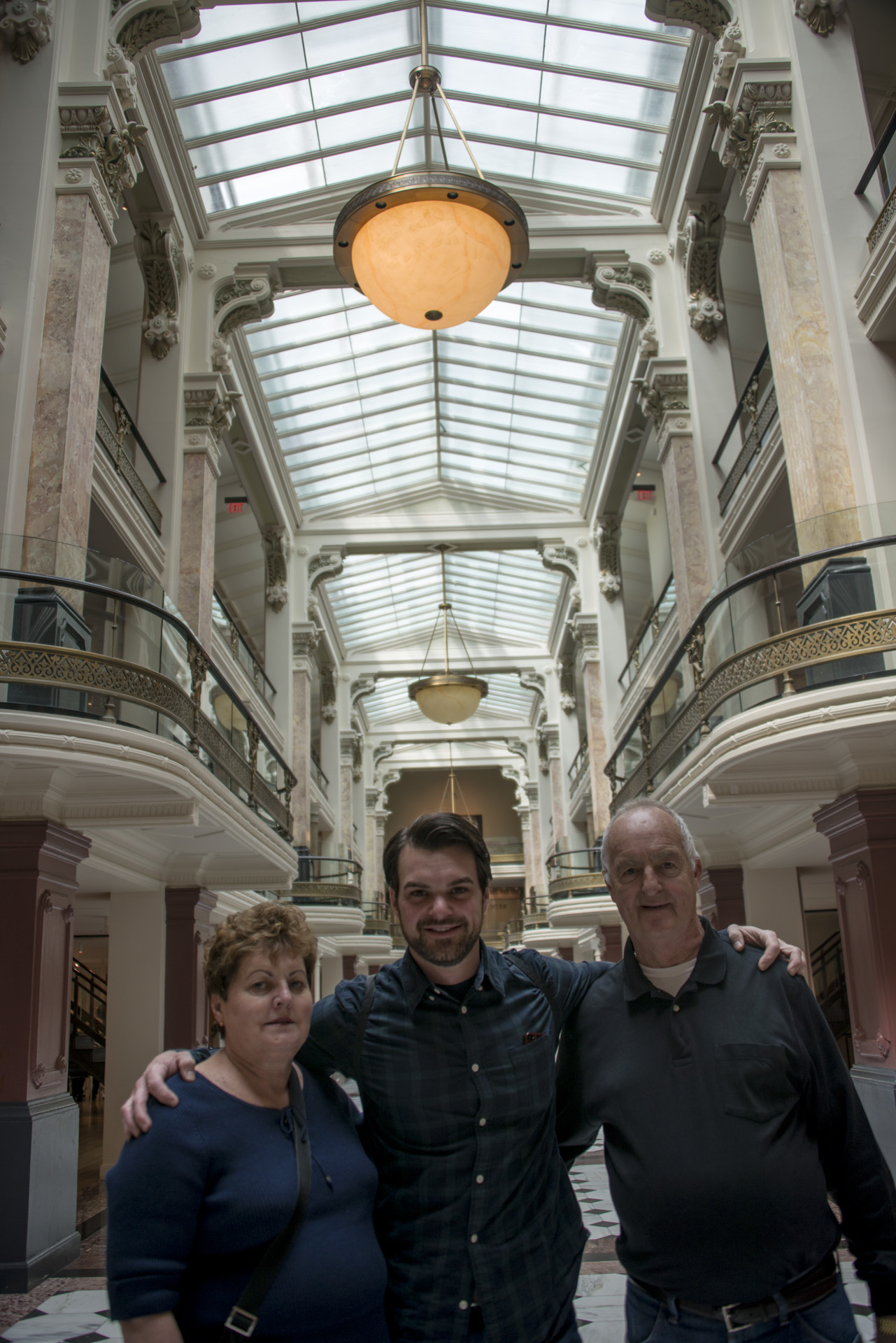
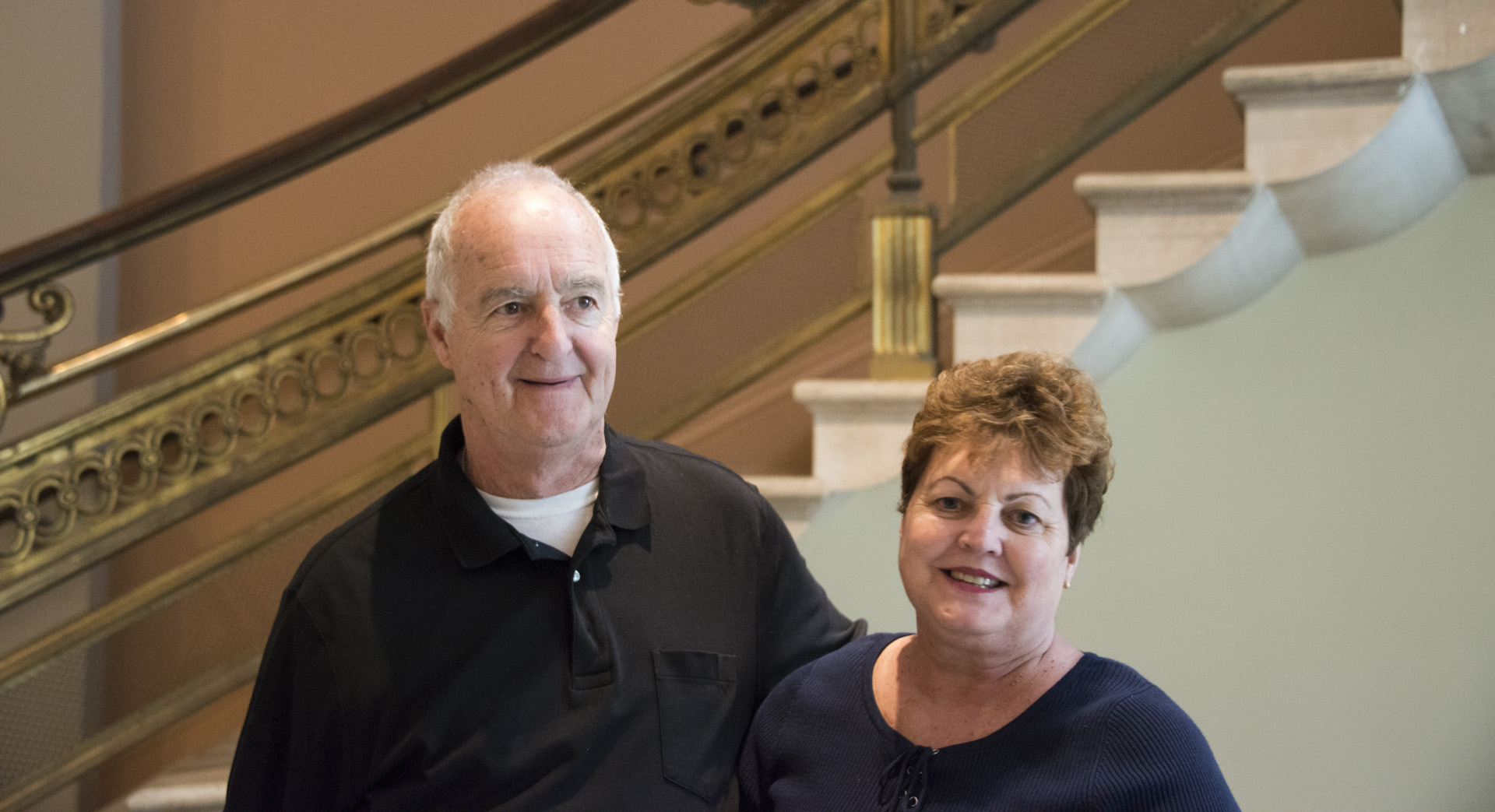
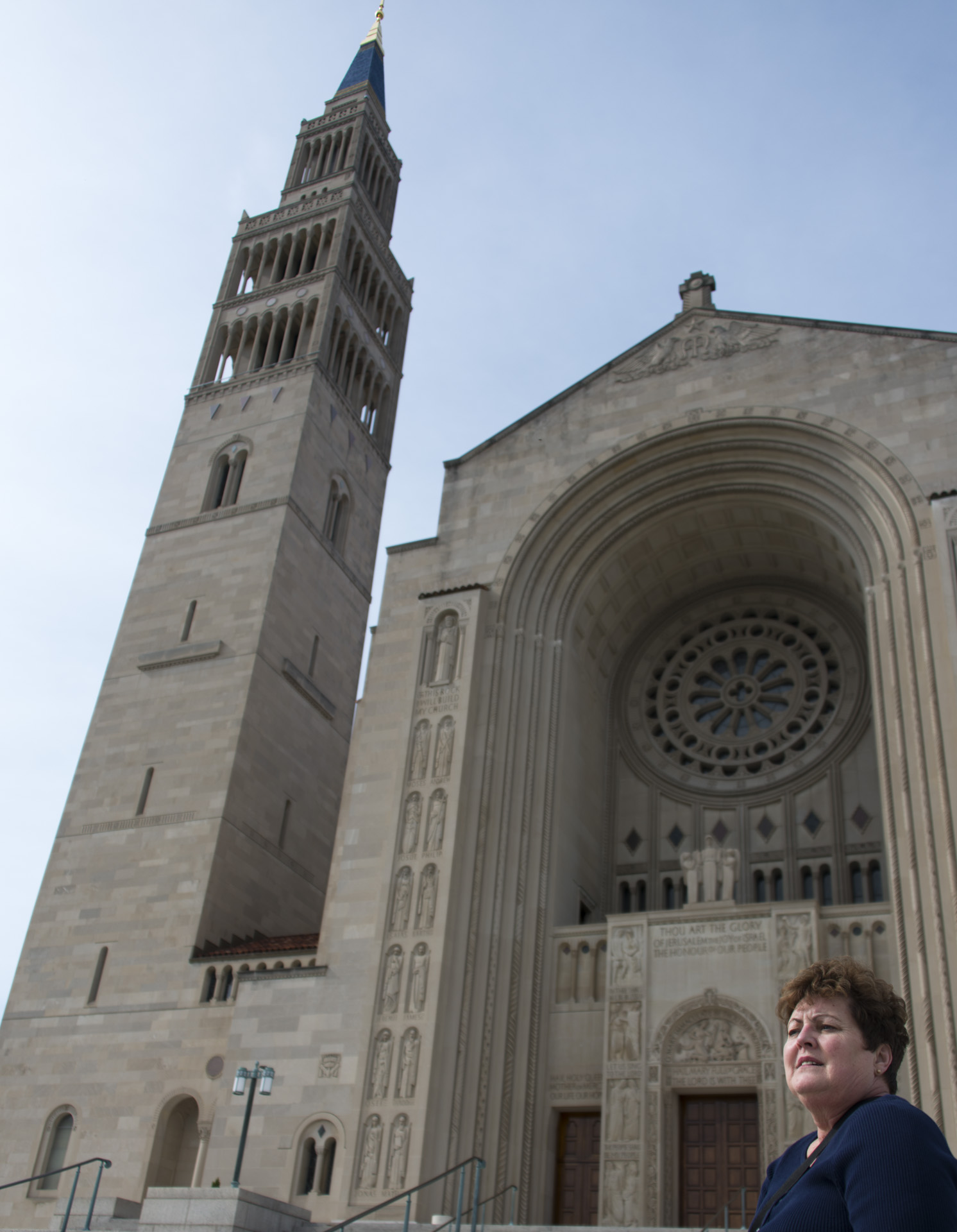
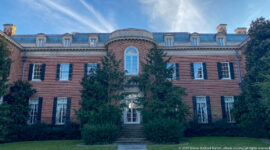
Personal milestones such as welcoming family to a new home in Washington highlight the relationship between individual experience and national setting. Visits shared with family members illustrate how the capital functions not only as a center of political activity but also as a lived urban environment shaped by neighborhoods, public spaces, and cultural institutions. Experiencing Washington through everyday life emphasizes the continuity between civic symbolism and the rhythms of residential community within the federal city.
Washington, DC contributes to understanding how planned urban environments can simultaneously serve national, regional, and personal roles. The city’s architecture and memorial landscapes express enduring political ideals, while its neighborhoods support the ongoing presence of community life within the nation’s capital. These overlapping functions demonstrate how historic environments continue to shape contemporary experience while preserving connections to the founding principles of the United States.