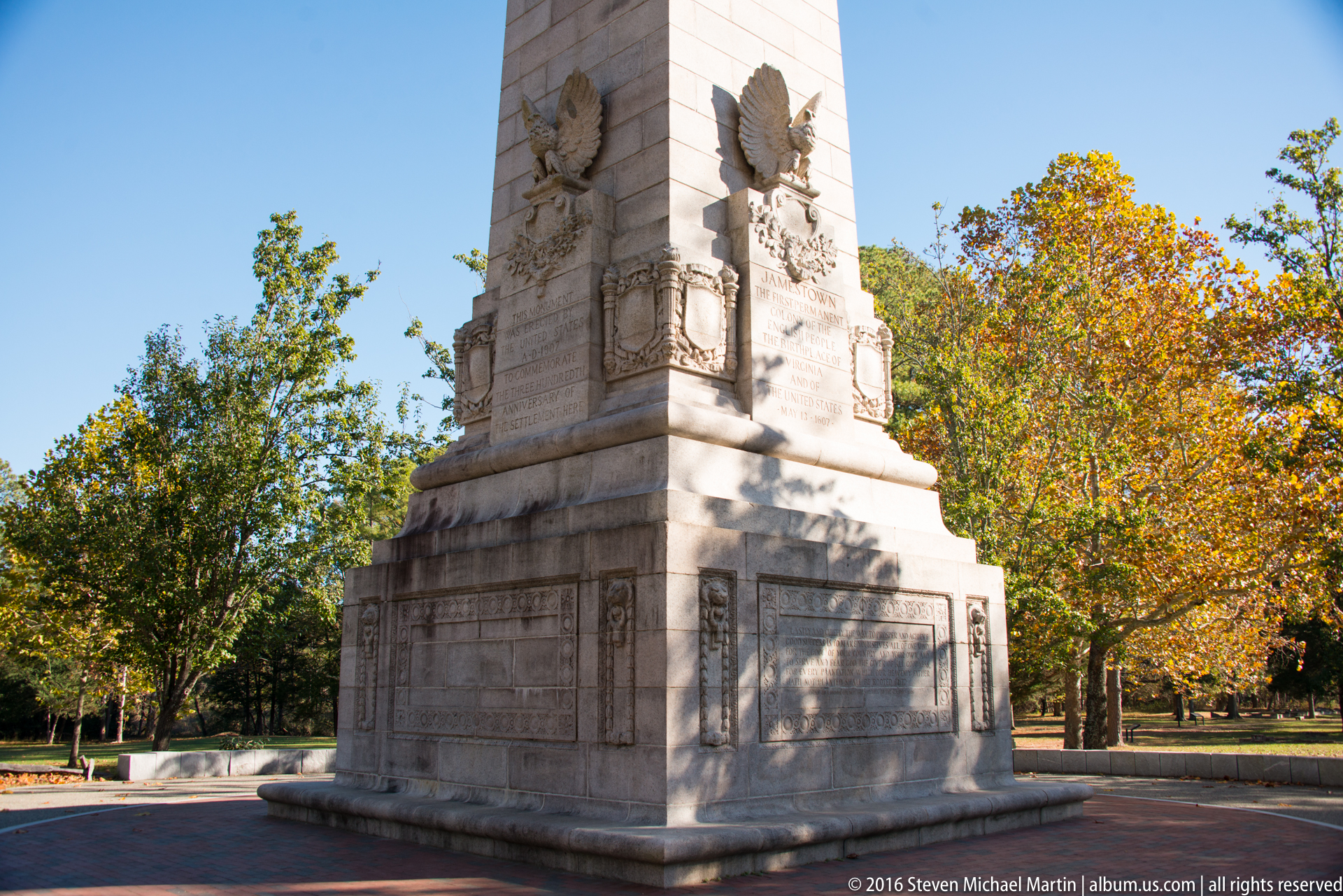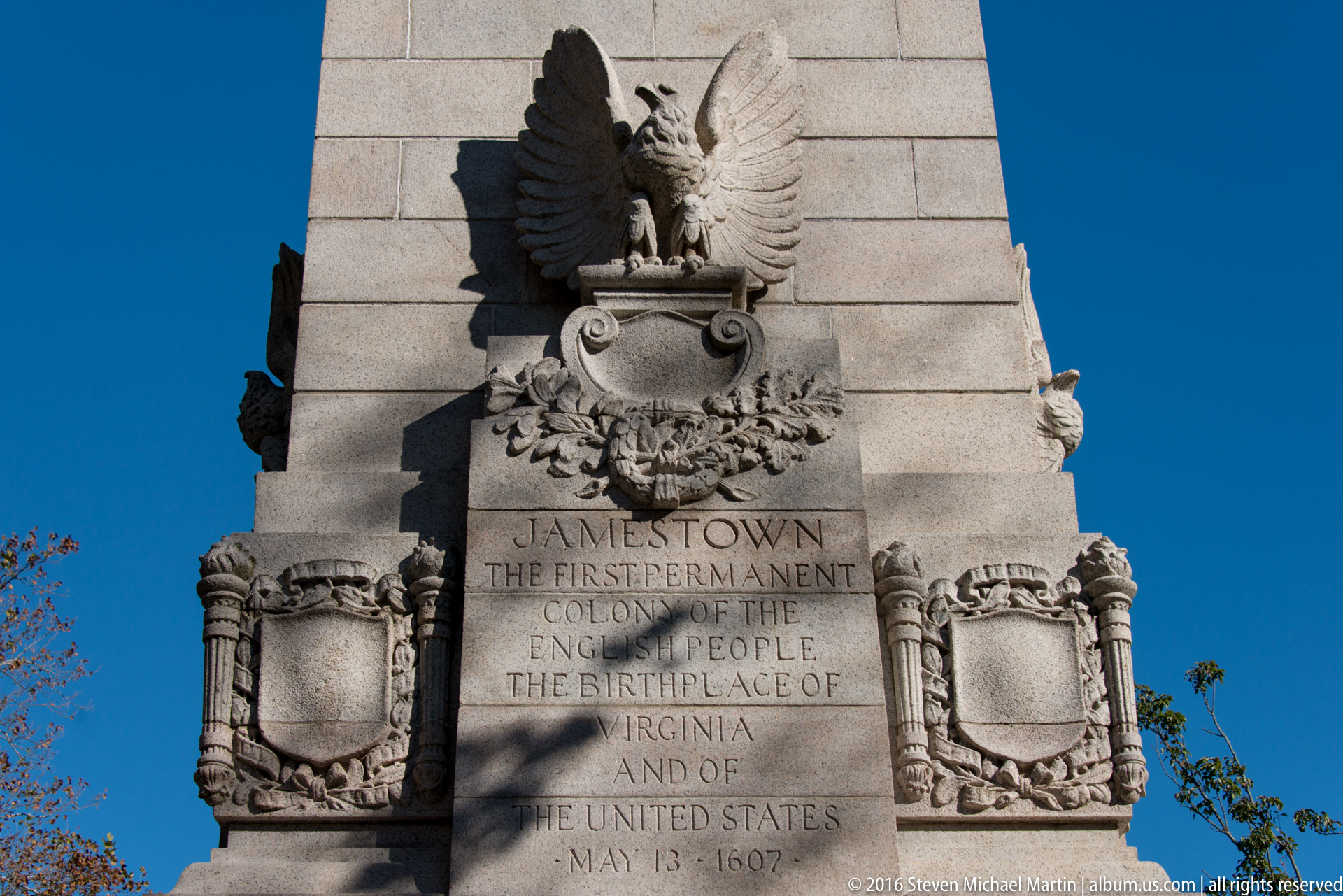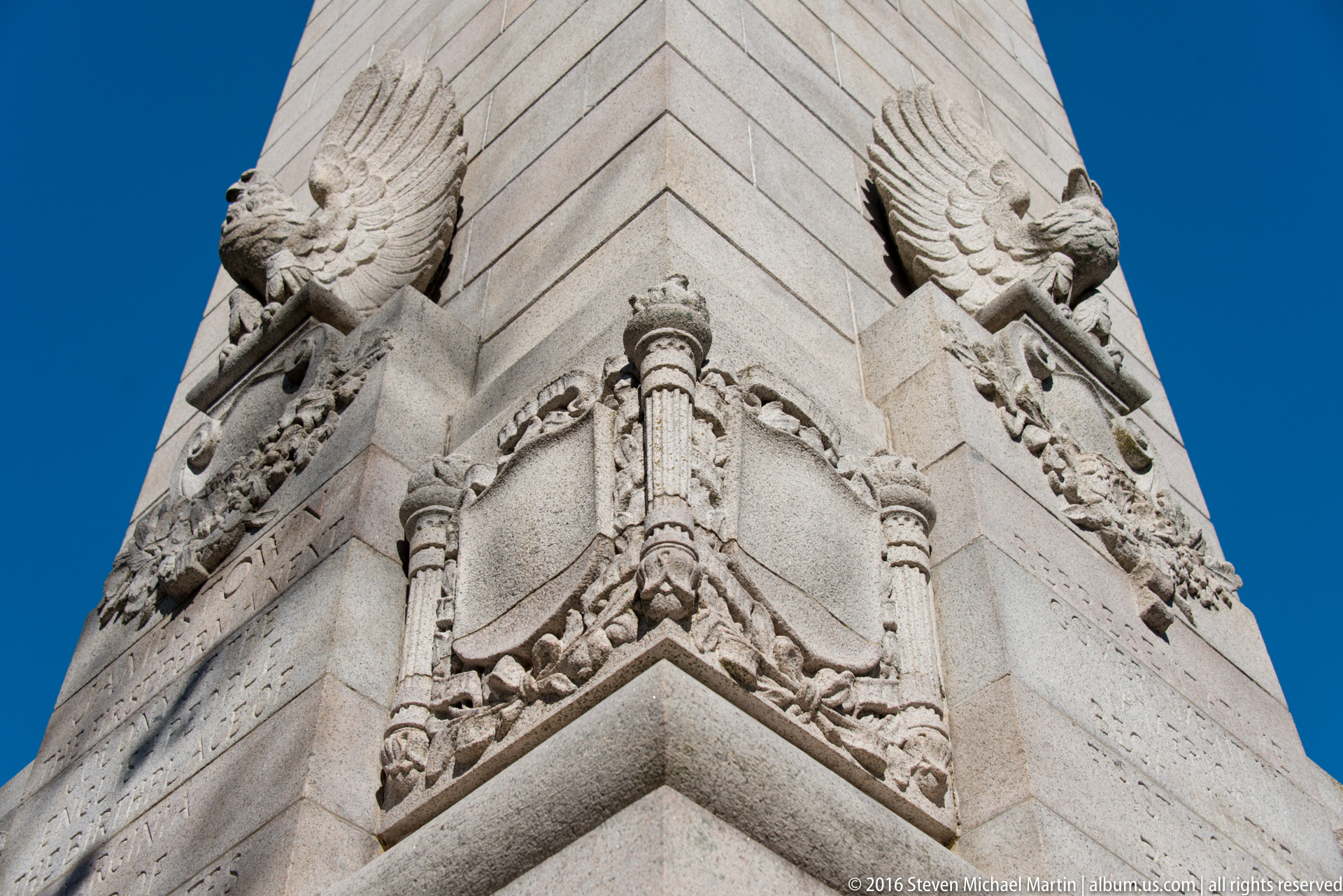
Jamestown
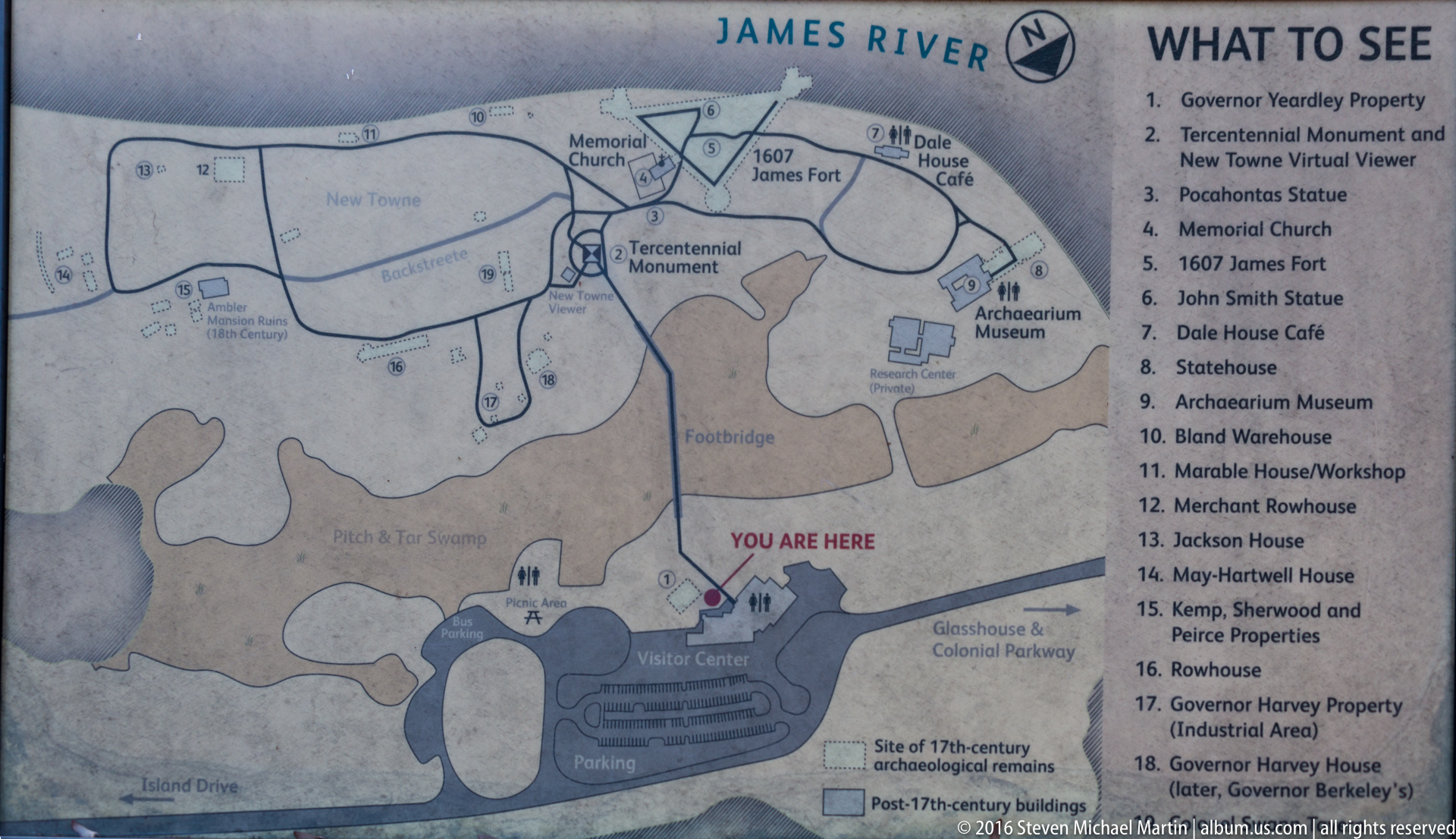
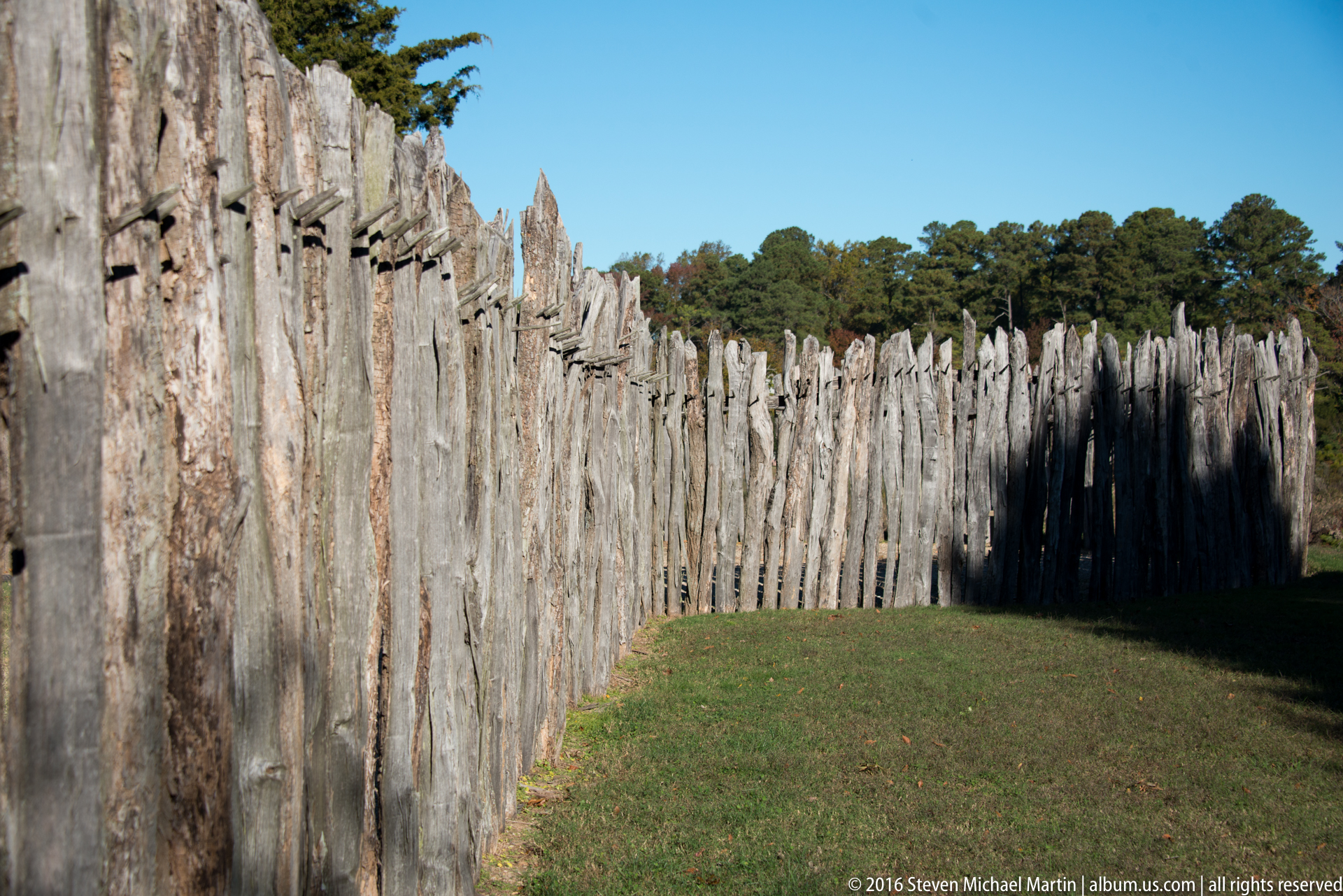
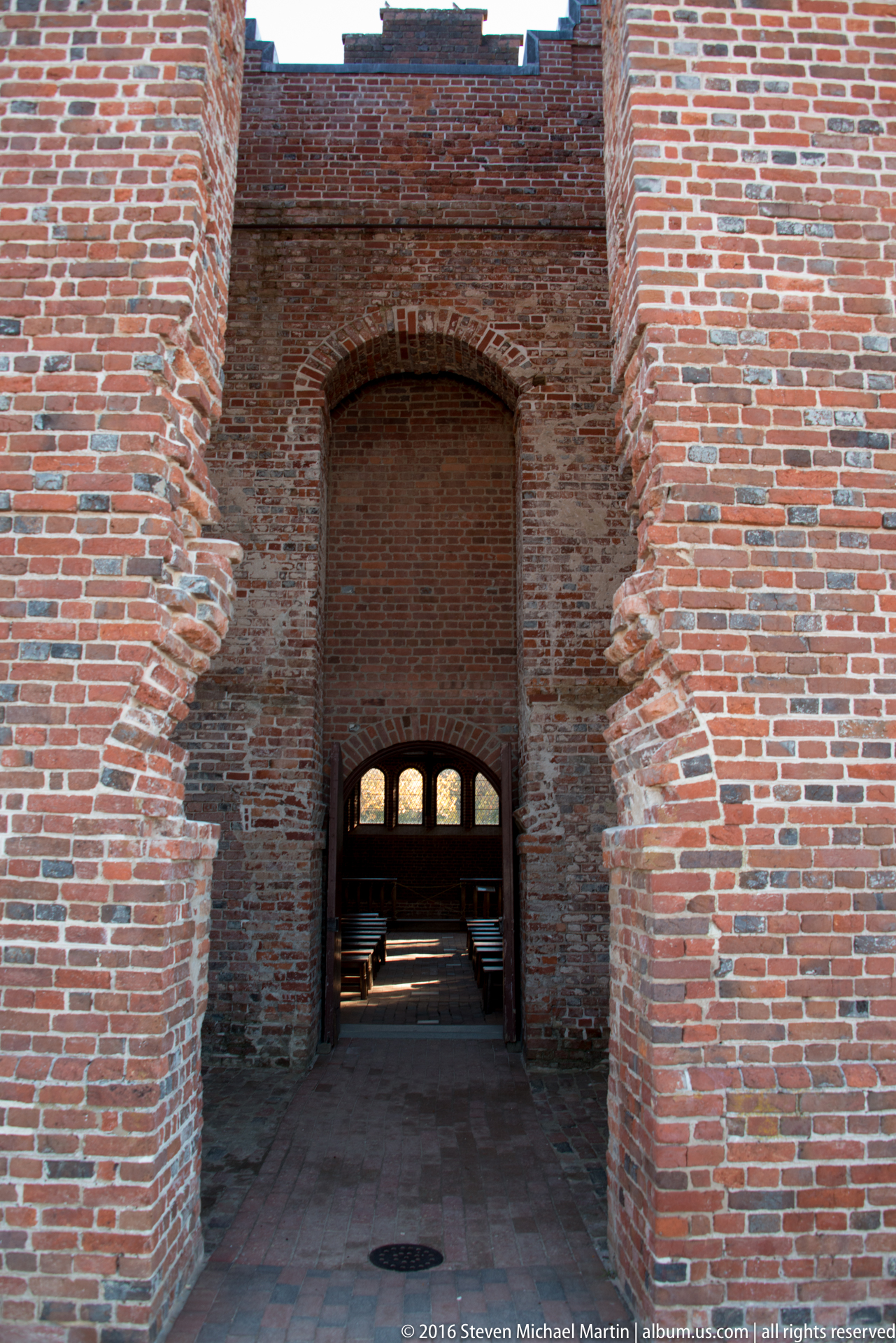
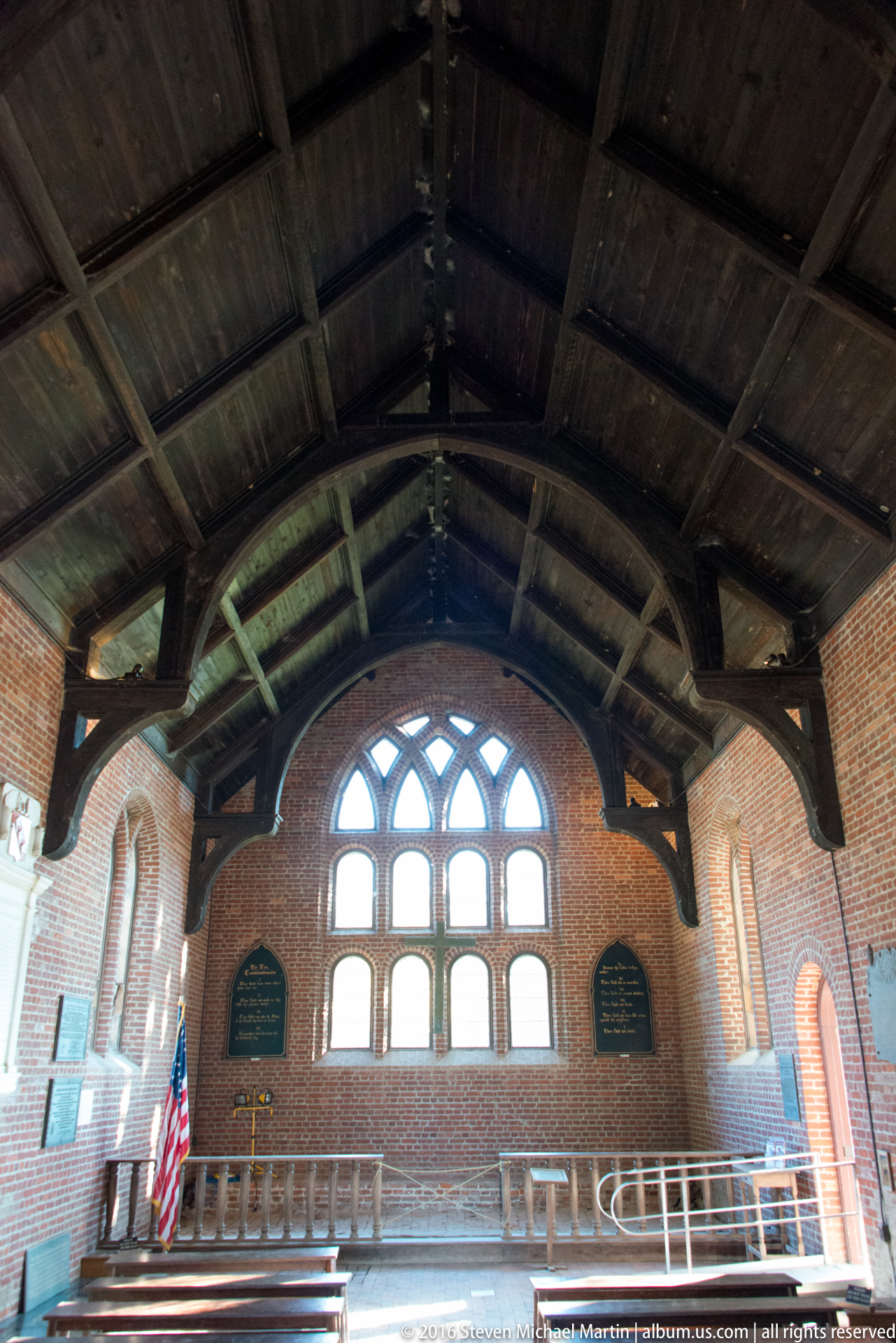
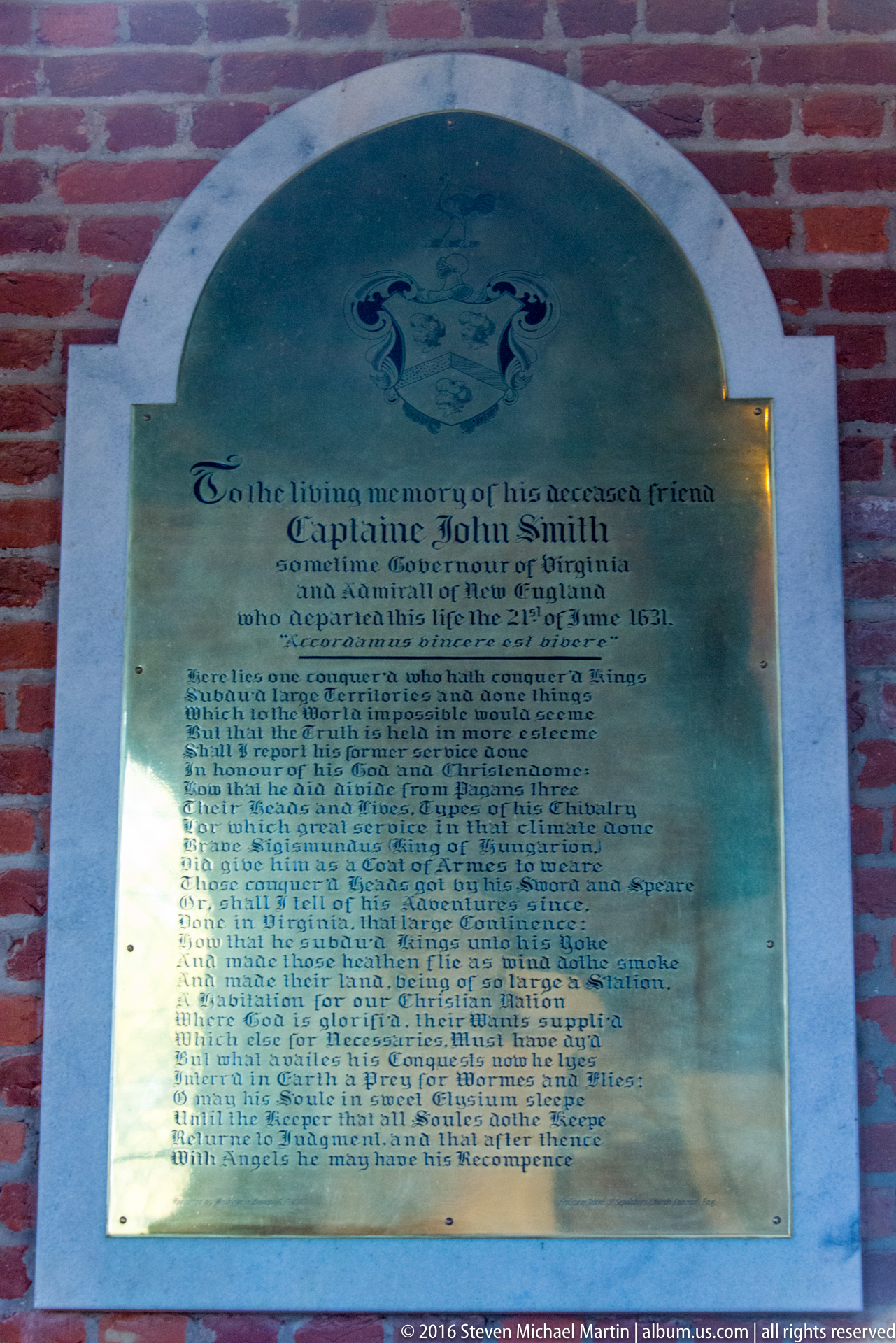
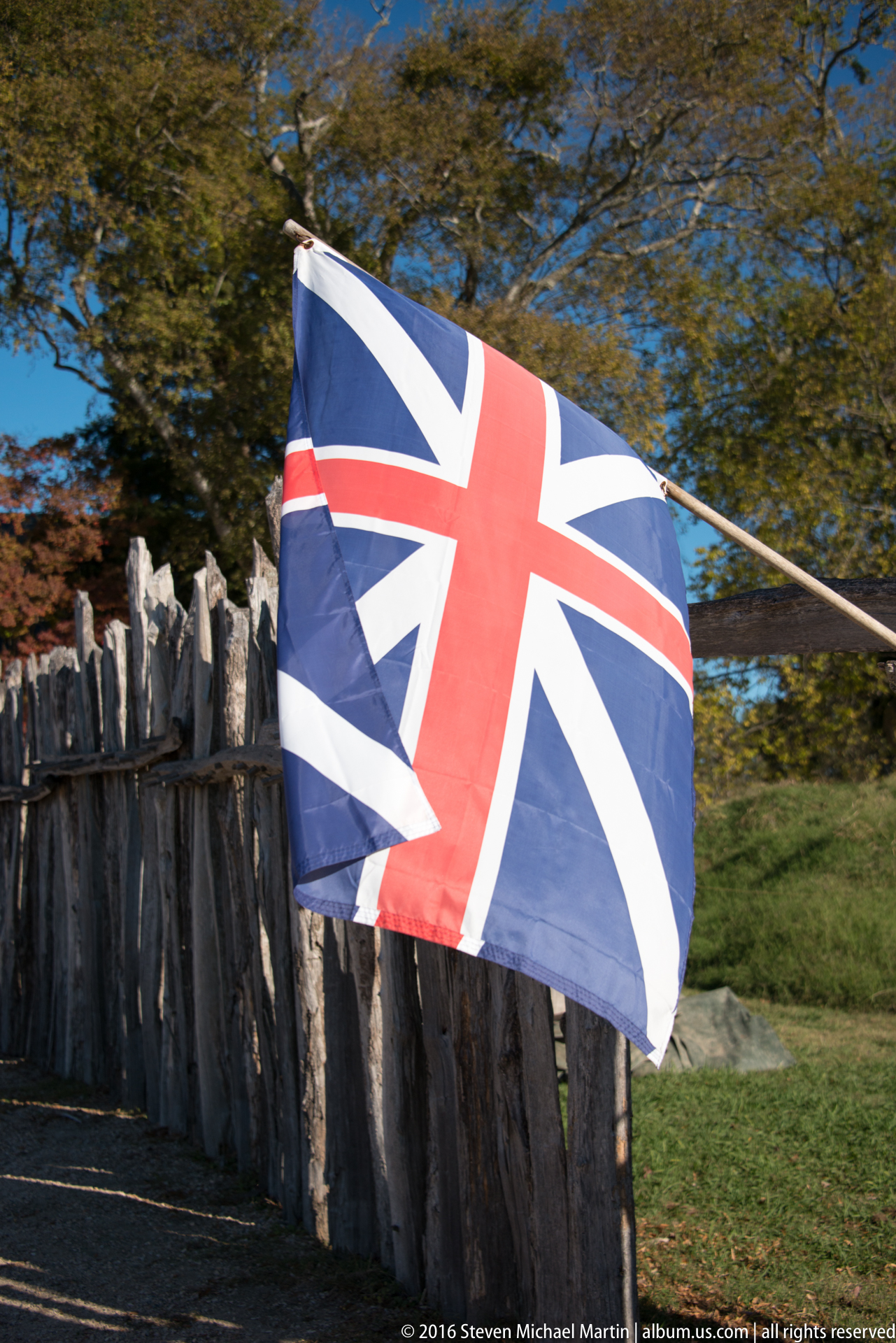
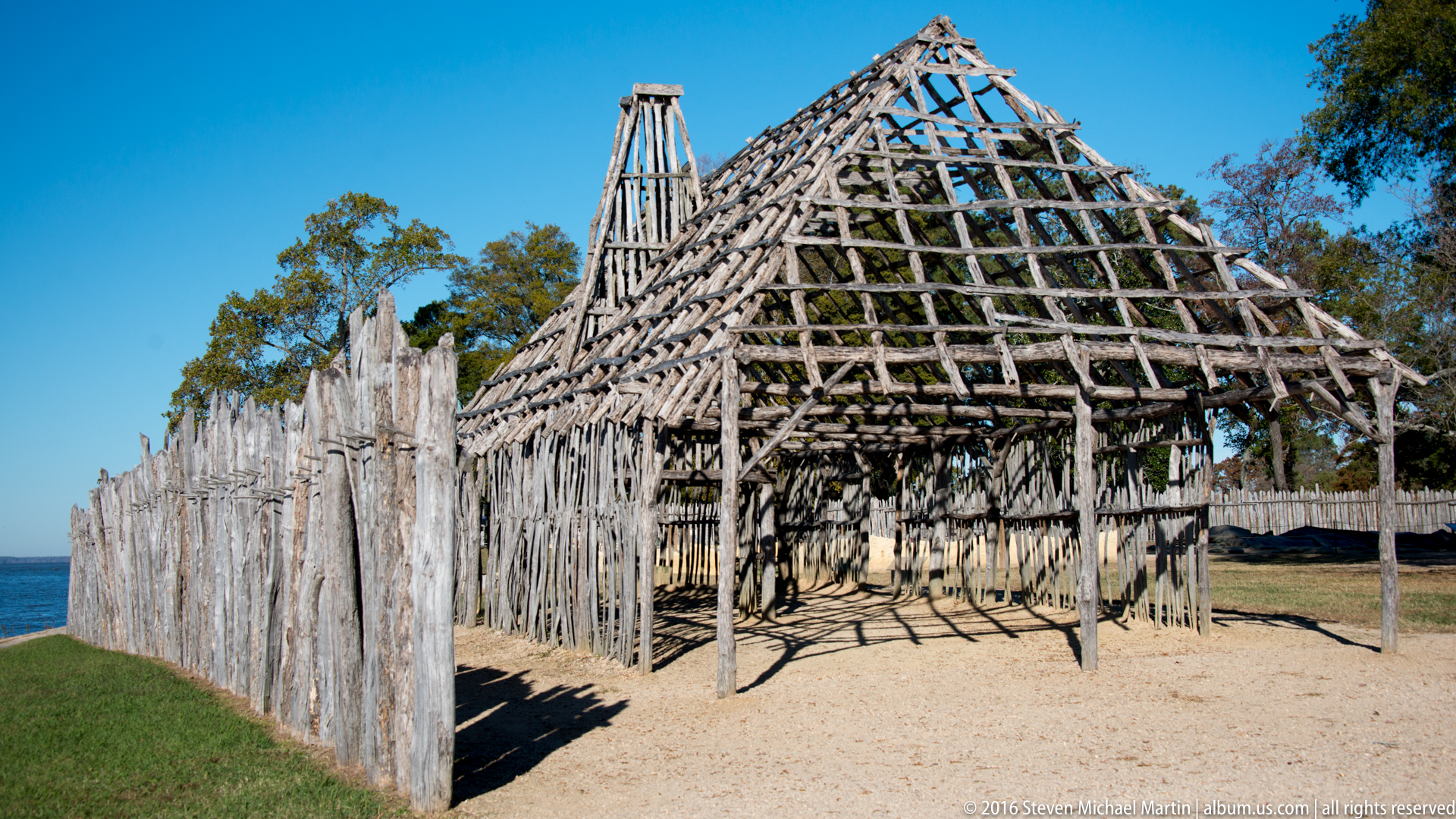
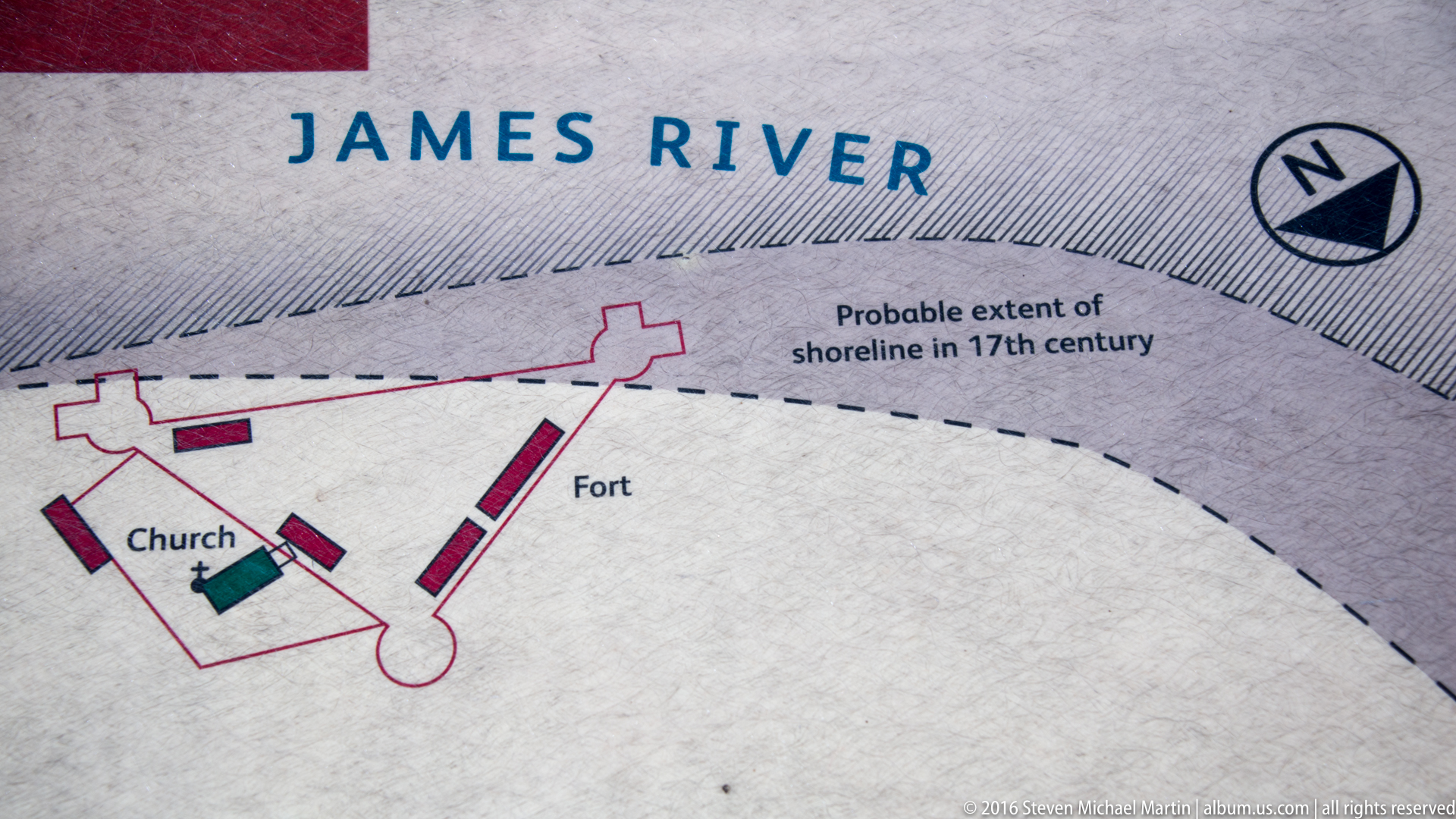
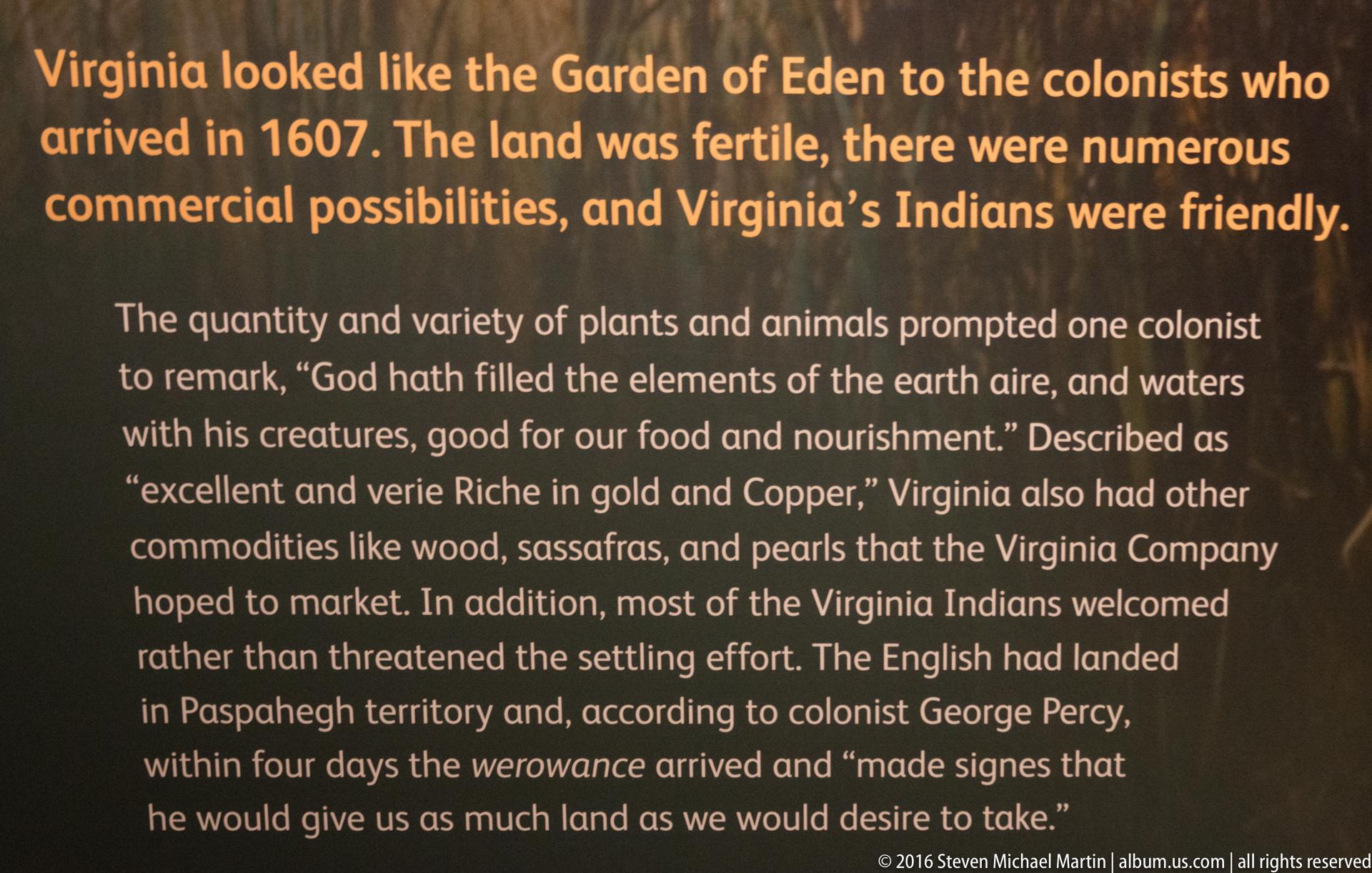
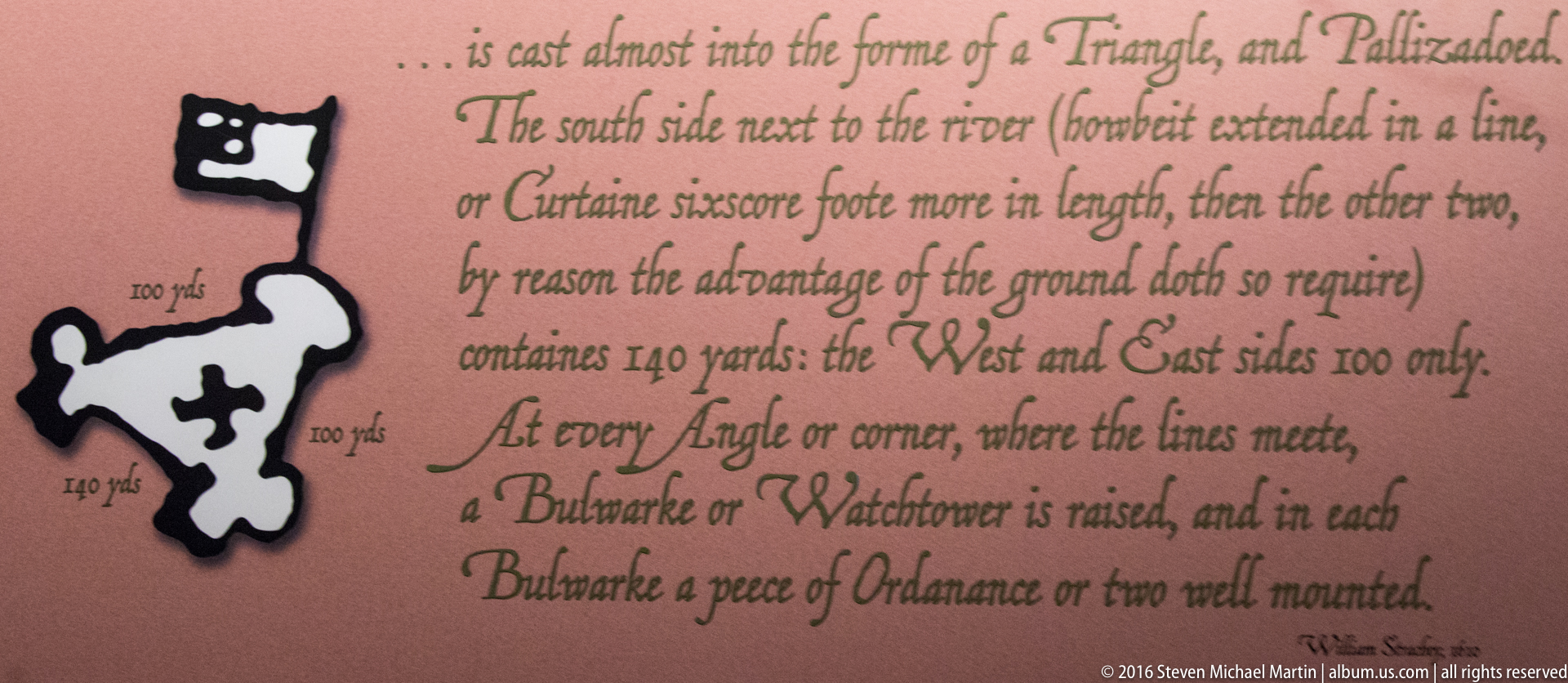
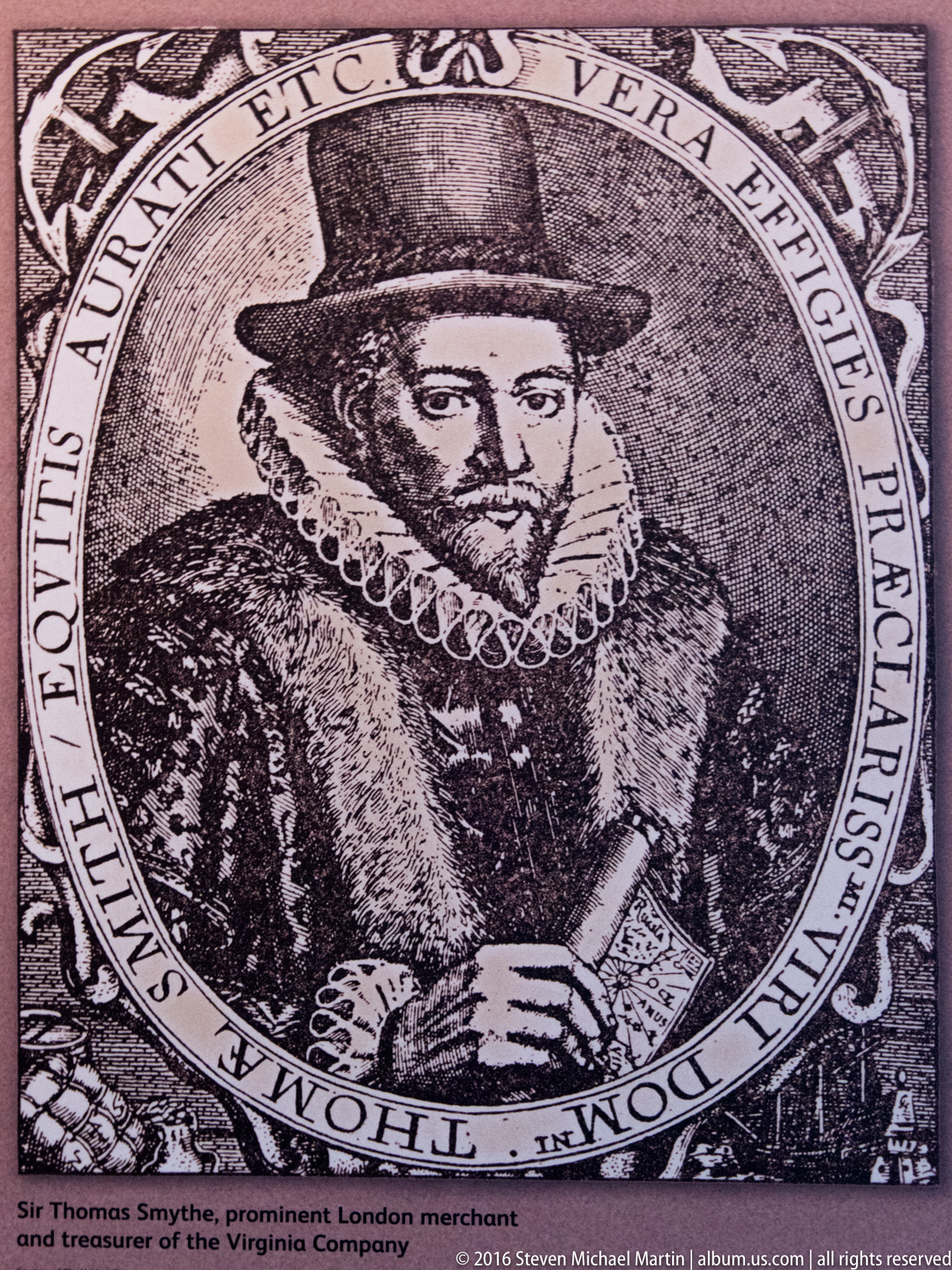
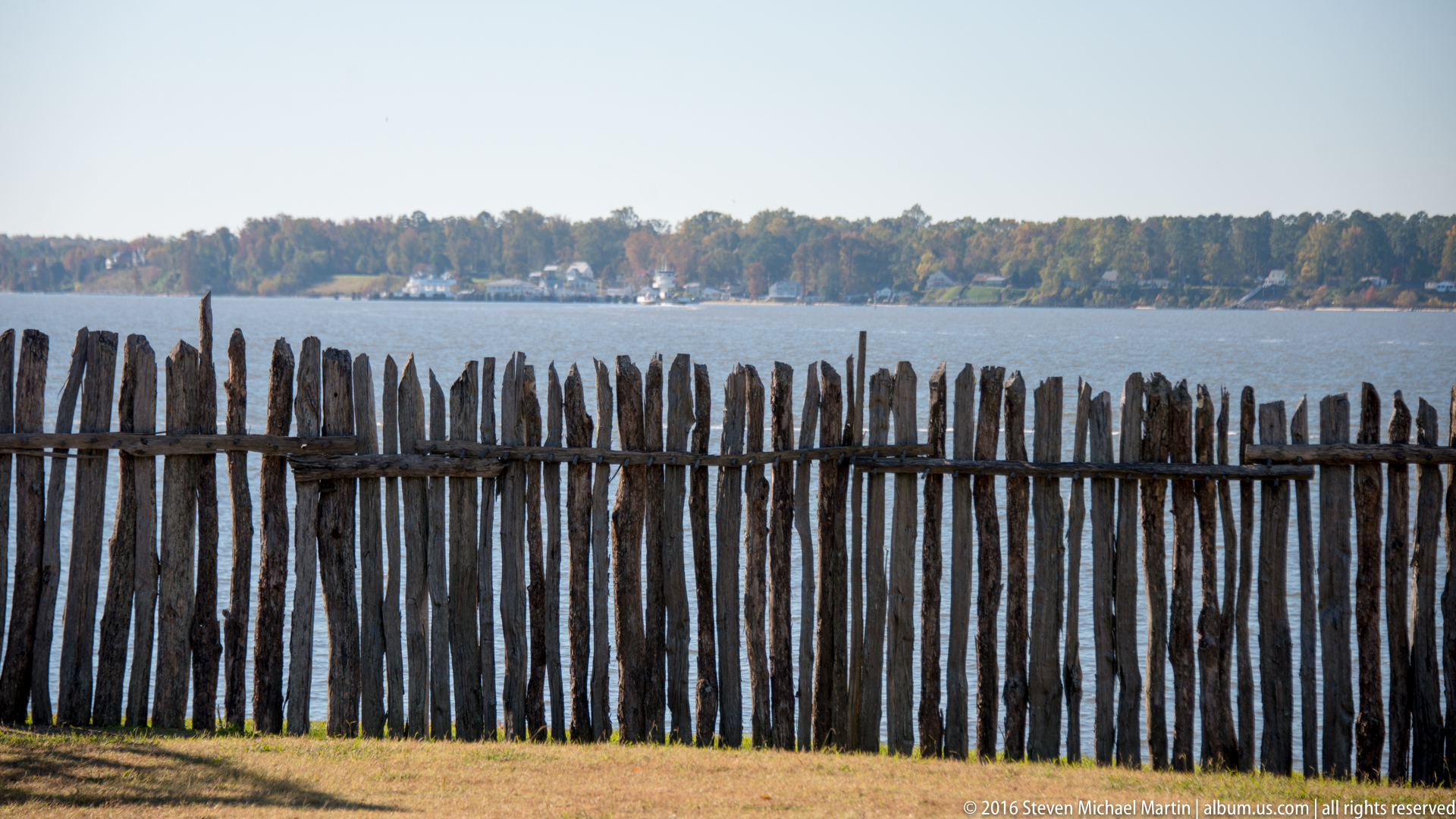
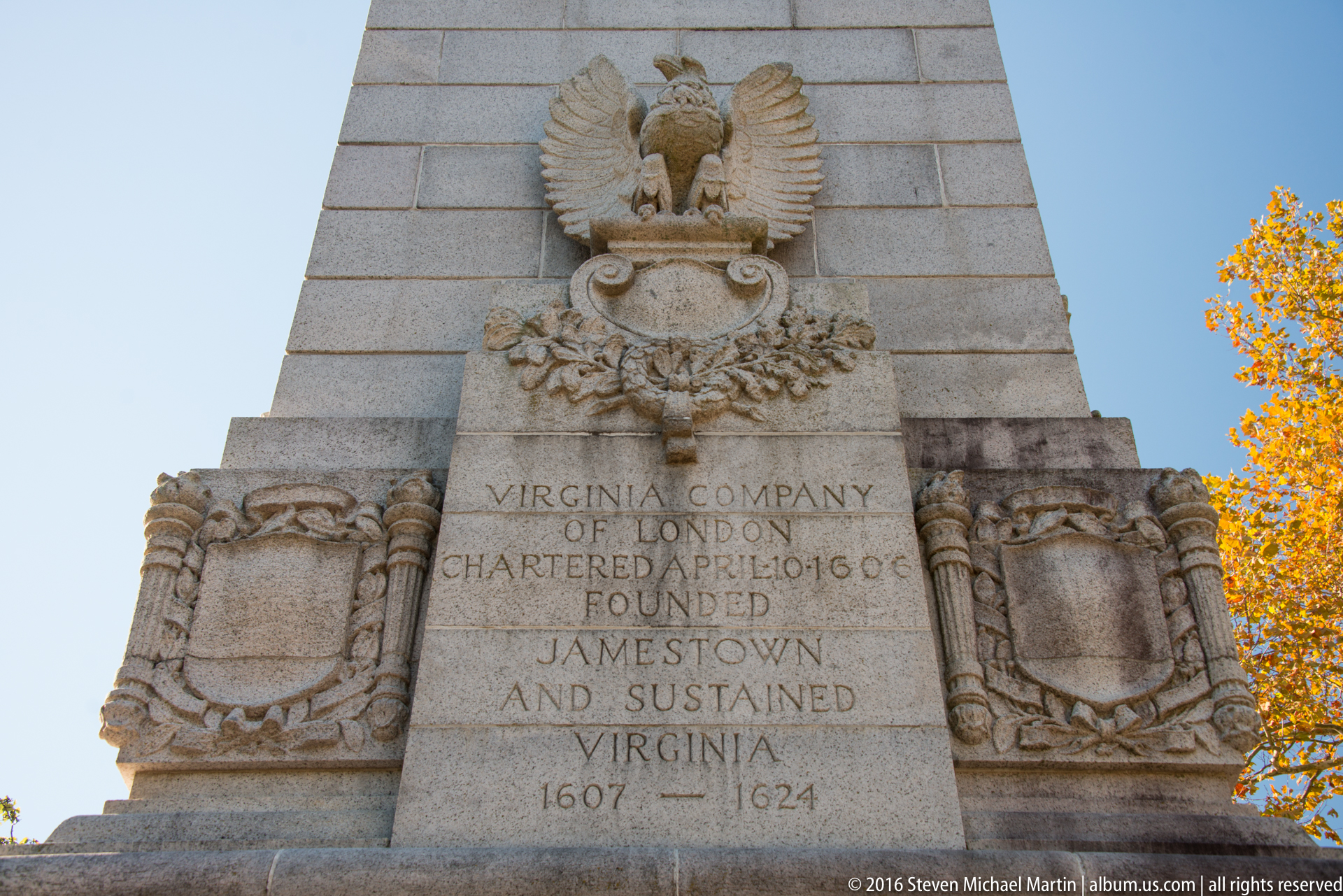
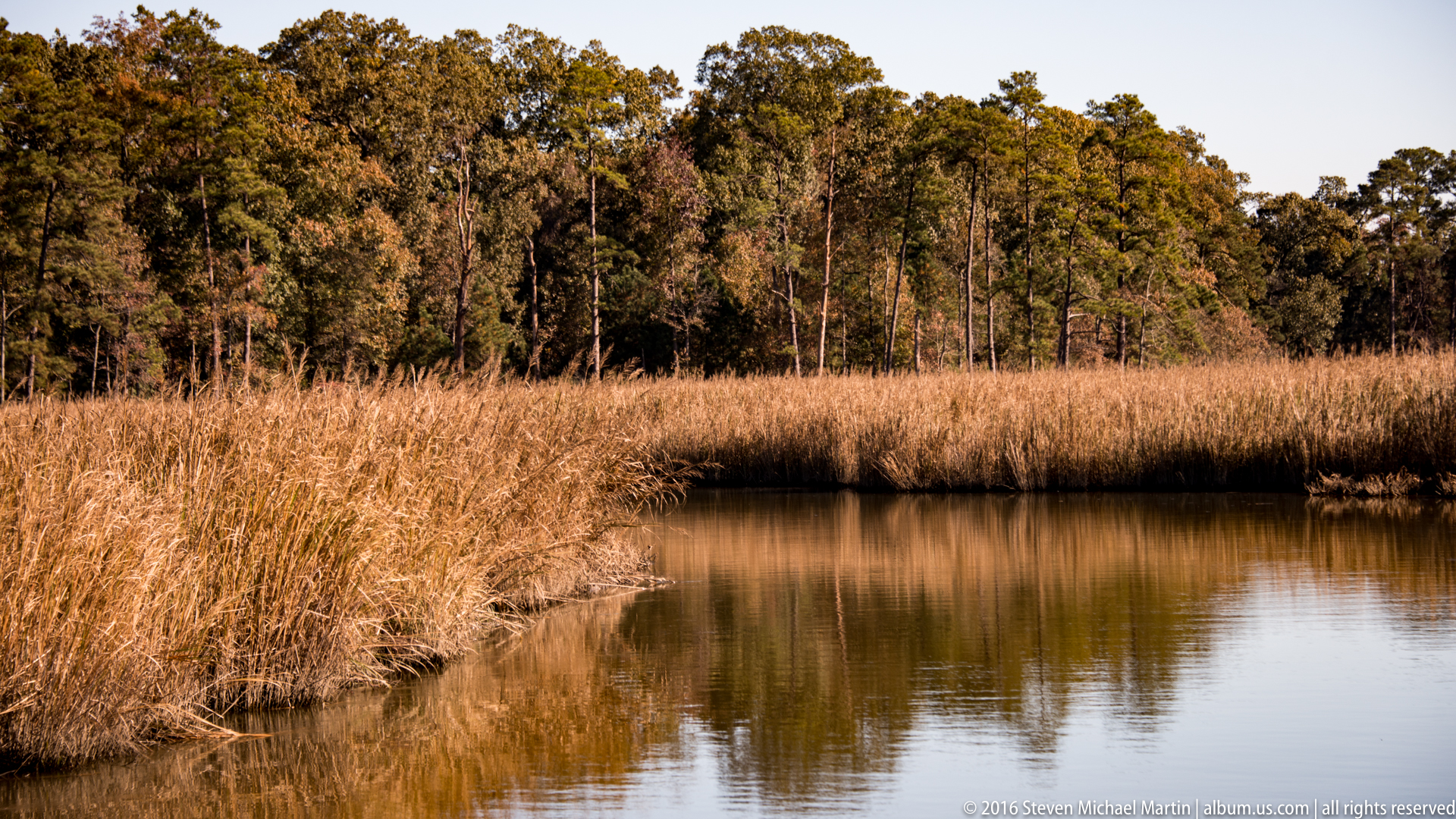
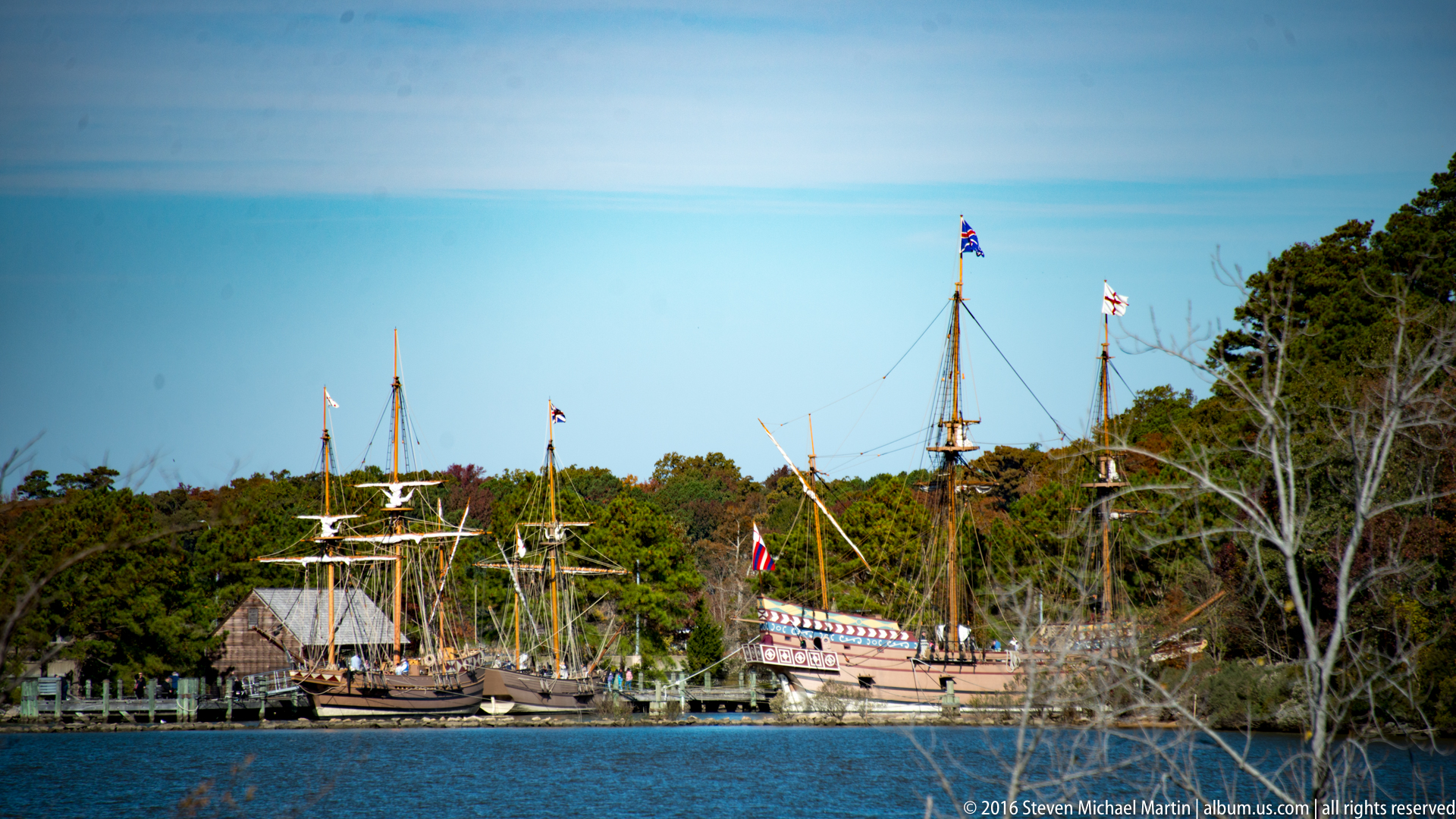
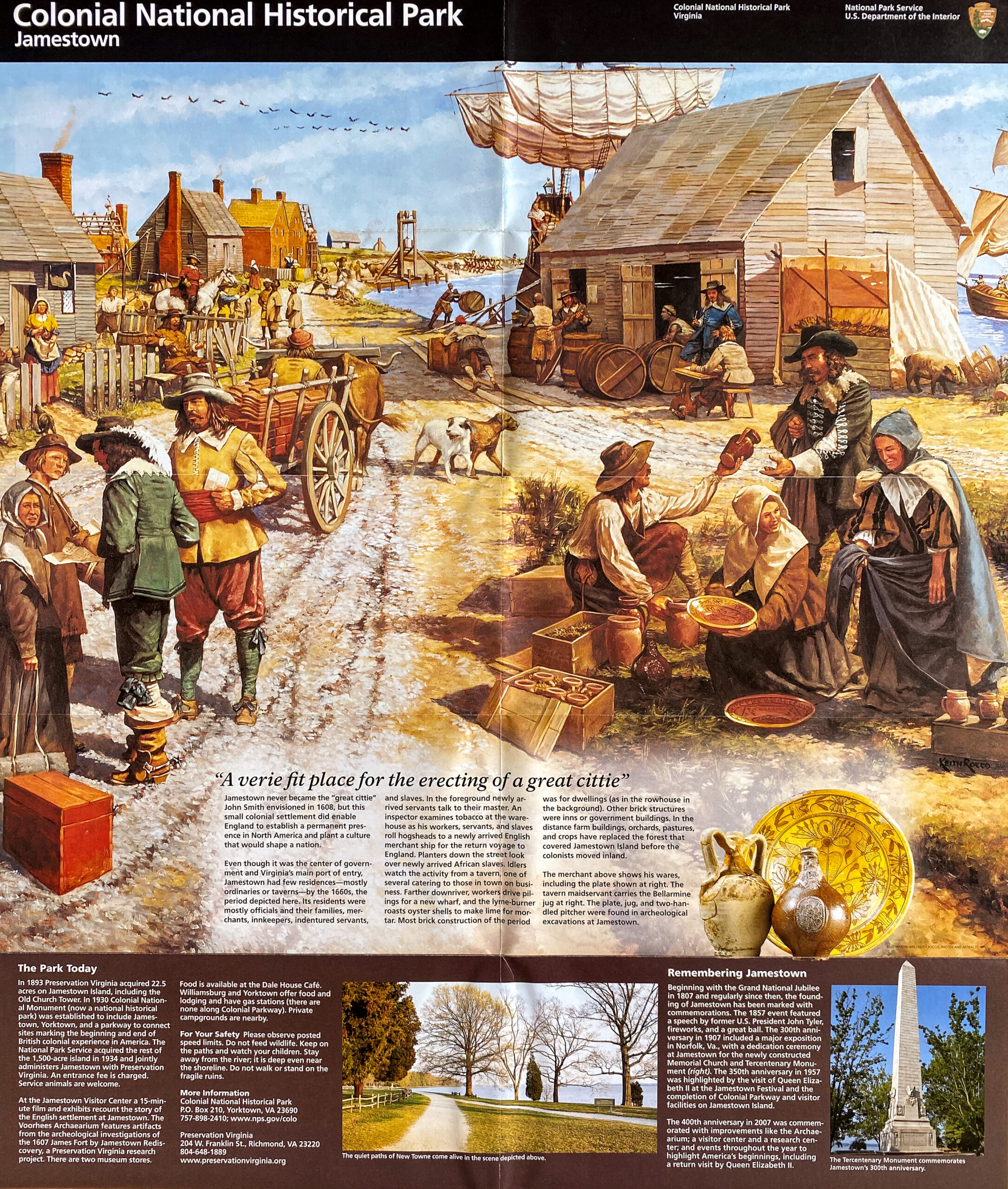
Jamestown marks the site of the first permanent English settlement in North America, established in 1607 along the James River as part of England’s effort to expand trade, settlement, and influence in the New World. The colony represented an early attempt to create a self-sustaining outpost based on resource extraction, agriculture, and maritime access to the Chesapeake Bay. Its location along a navigable river provided defensive advantages and allowed ships to maintain contact with England, while also connecting the settlement to Indigenous communities whose presence shaped the early history of the region.
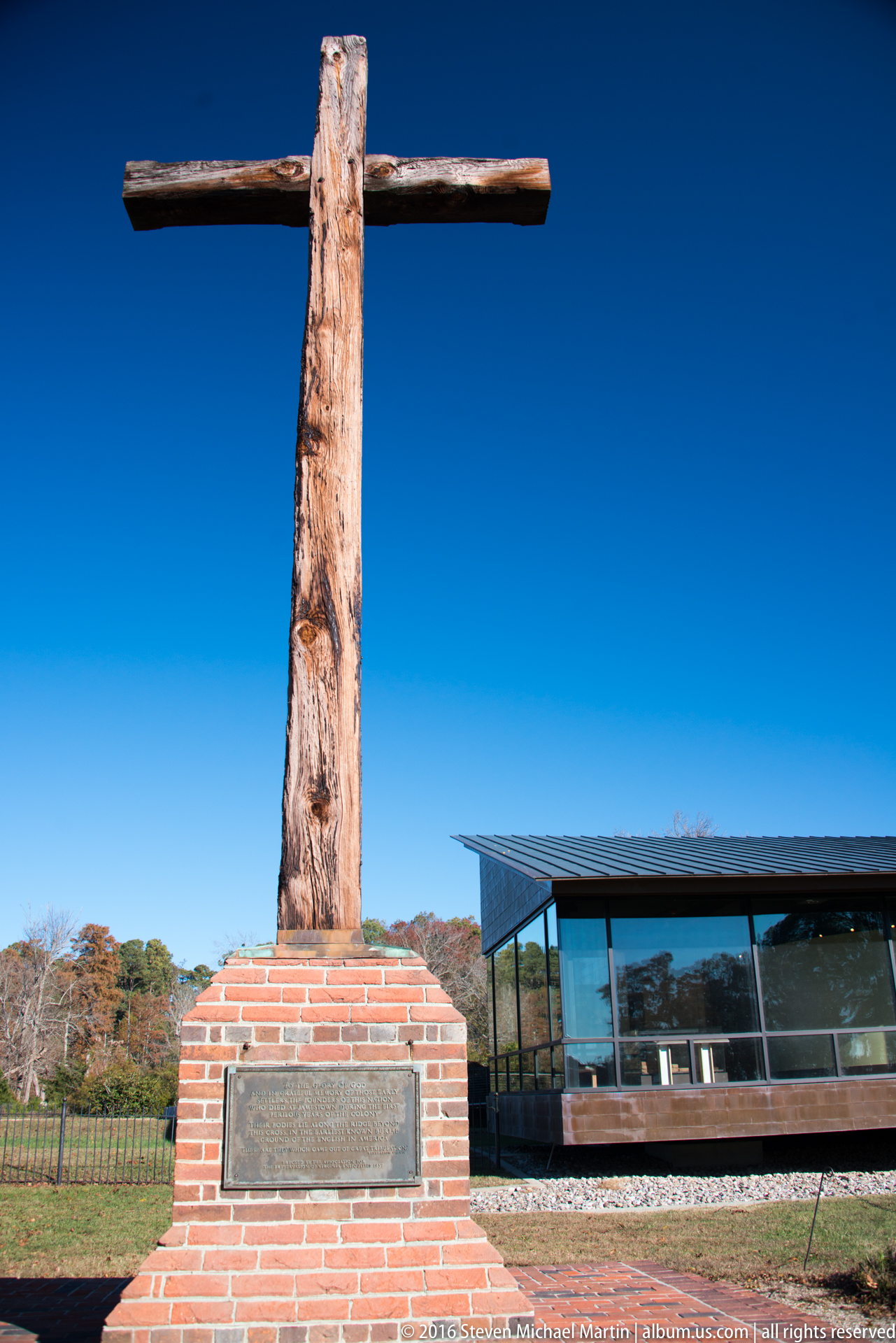
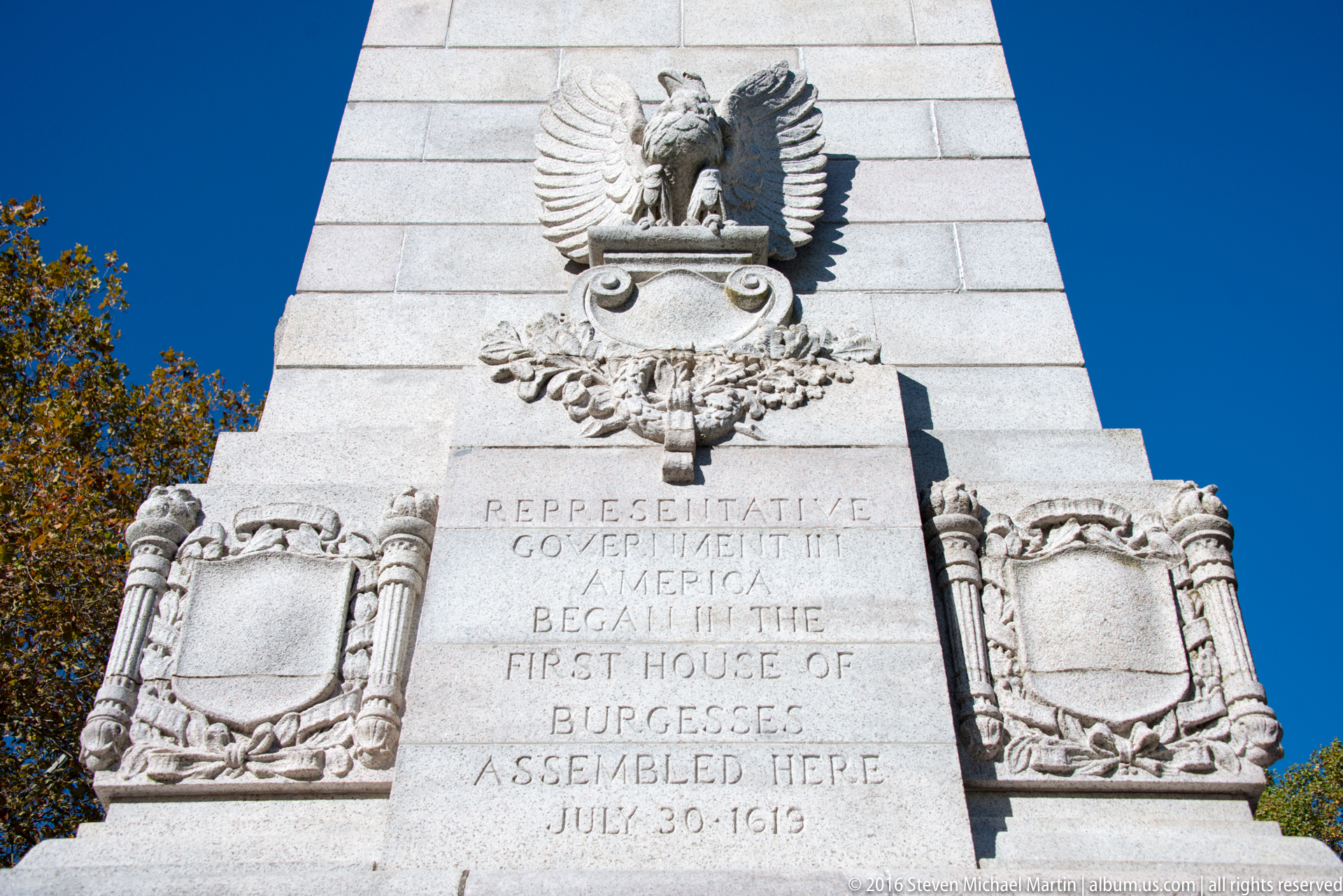
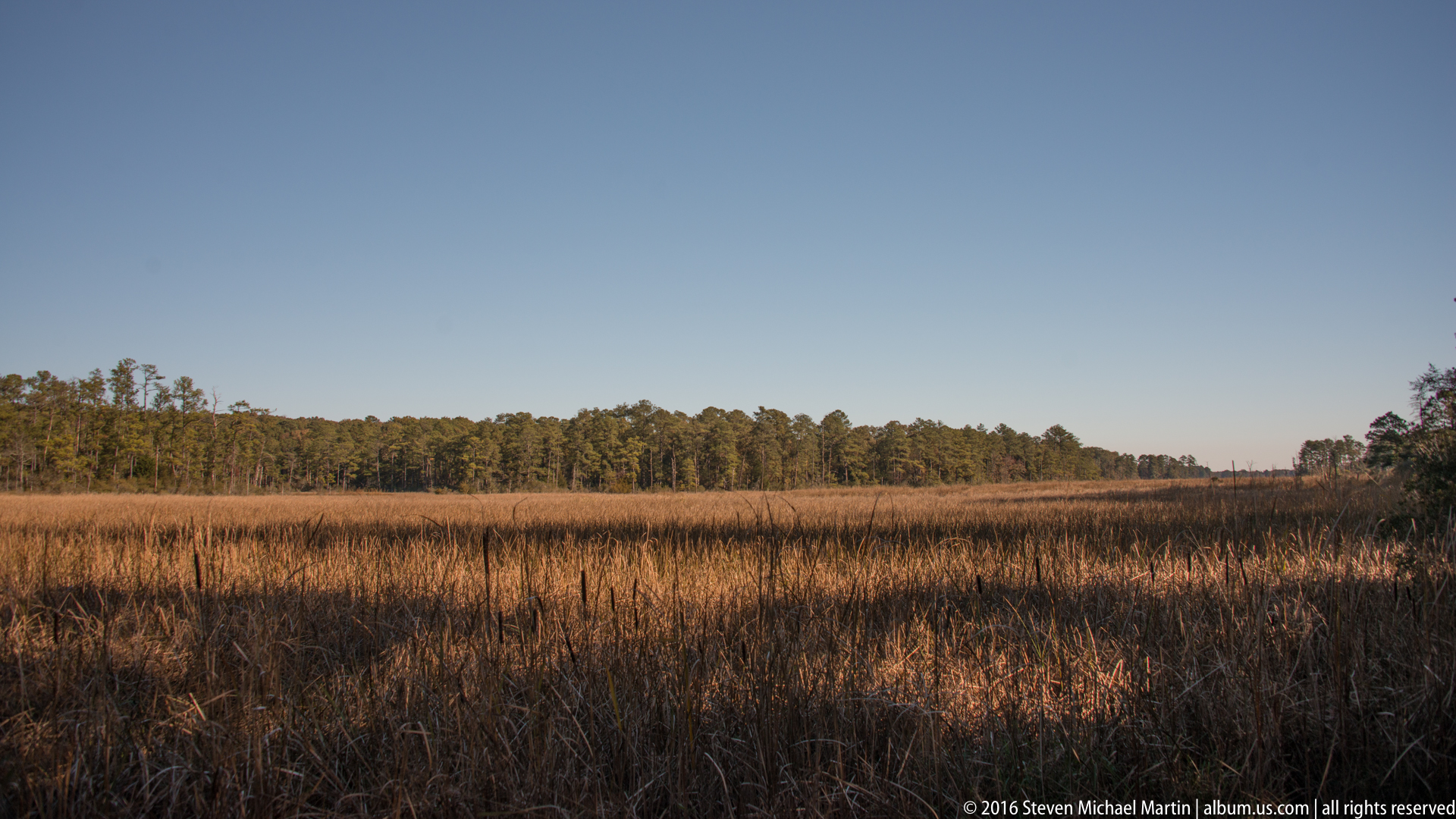
Early years at Jamestown were marked by environmental challenges including disease, food shortages, and unfamiliar climate conditions, demonstrating the difficulty of establishing permanent settlement in an unfamiliar landscape. The development of tobacco agriculture eventually provided economic stability and helped establish patterns of land use that influenced the broader Chesapeake region. Jamestown later became the colonial capital of Virginia and a center of political development including one of the earliest representative assemblies in English North America.
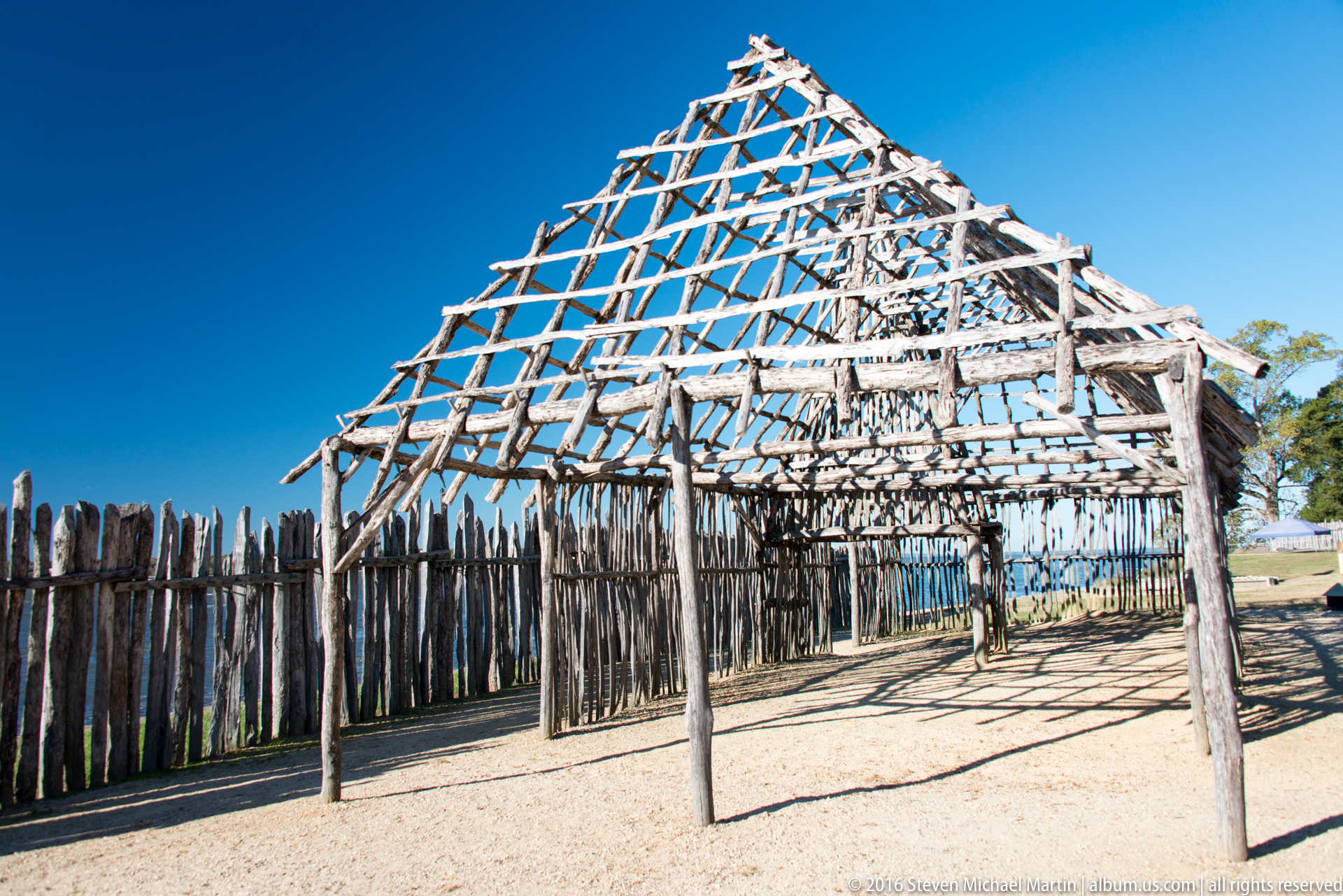
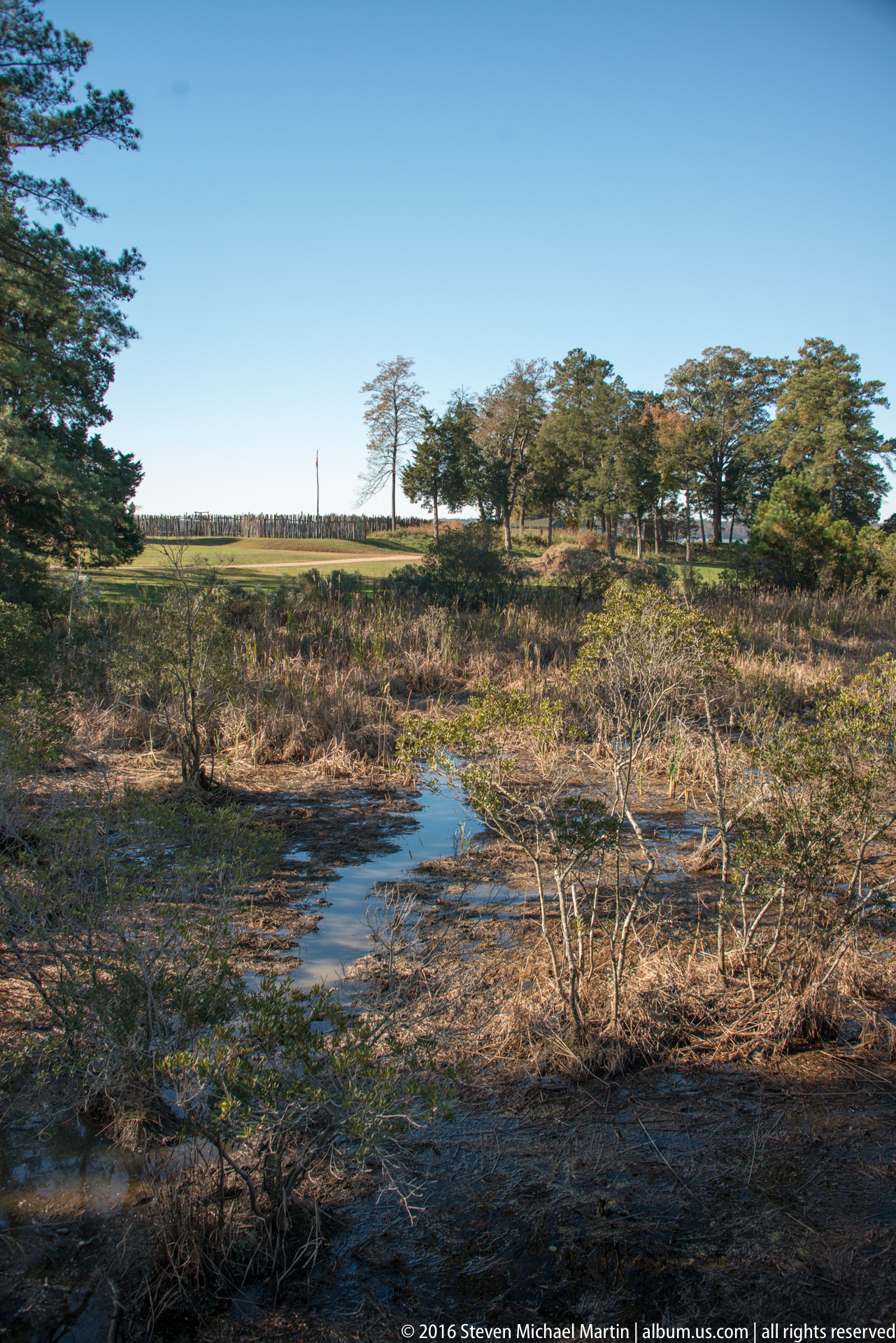
Jamestown contributes to understanding the origins of English colonial society and the interaction between European settlers and Indigenous peoples in the early seventeenth century. The preserved archaeological landscape illustrates how settlement patterns, agricultural production, and political institutions developed in the Chesapeake region. As part of the Historic Triangle with Williamsburg and Yorktown, Jamestown represents the beginning of a sequence of events that shaped the development of the United States.