Organ Pipe Cactus National Monument
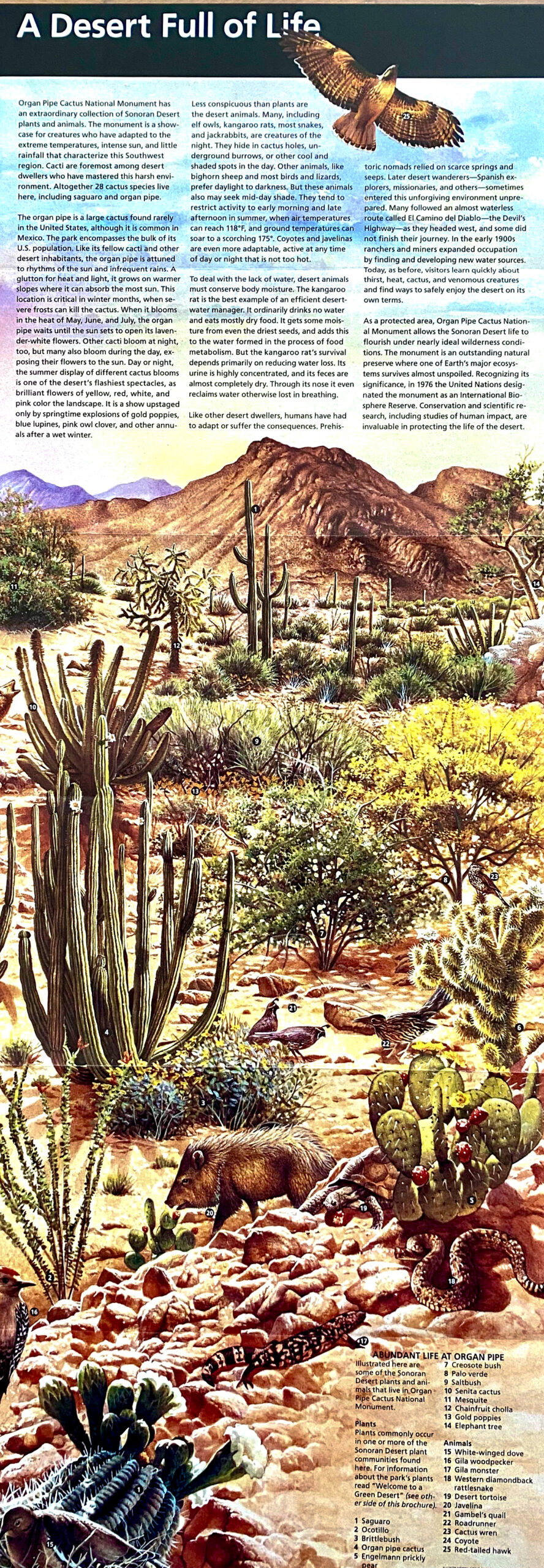
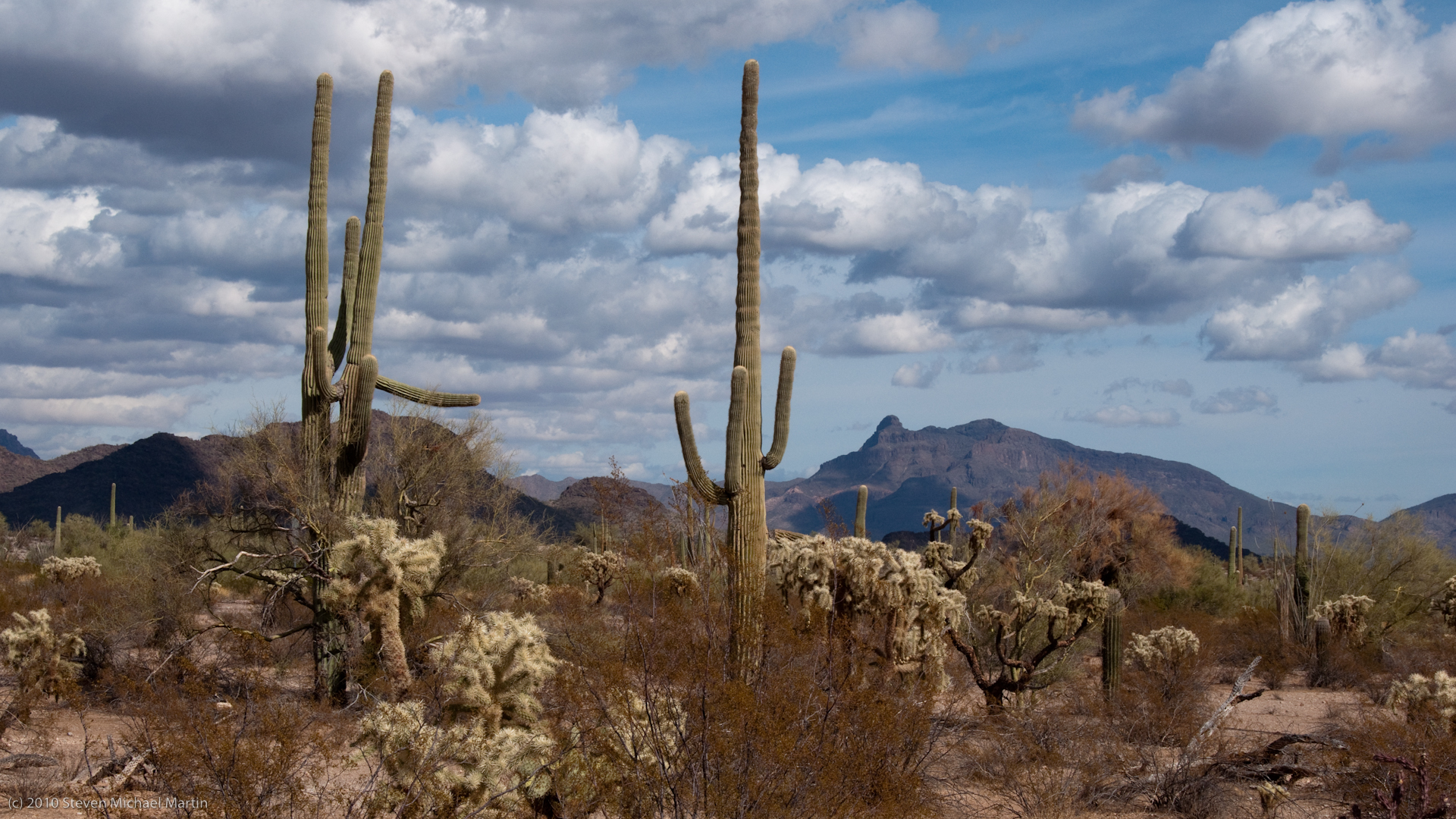
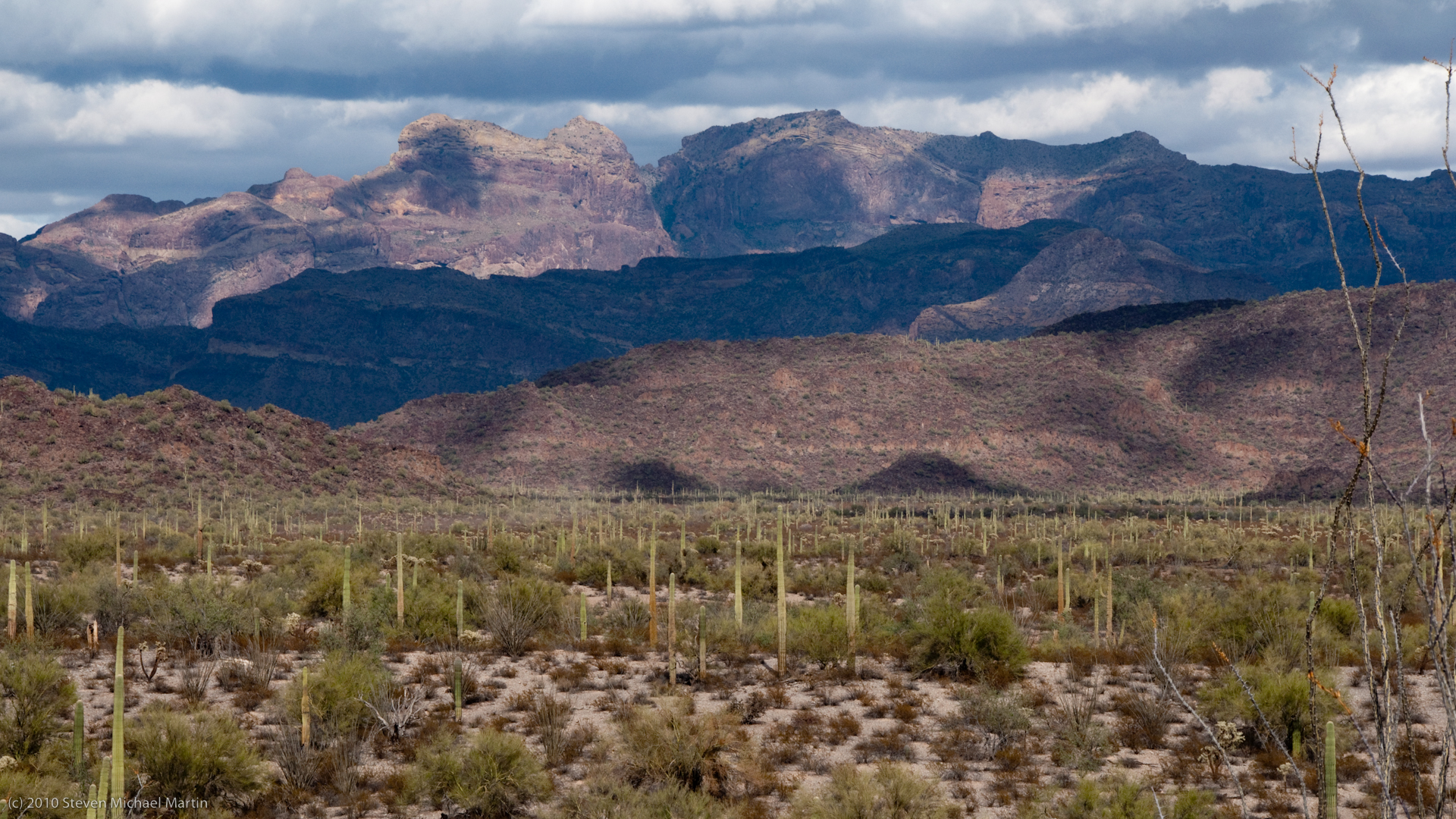
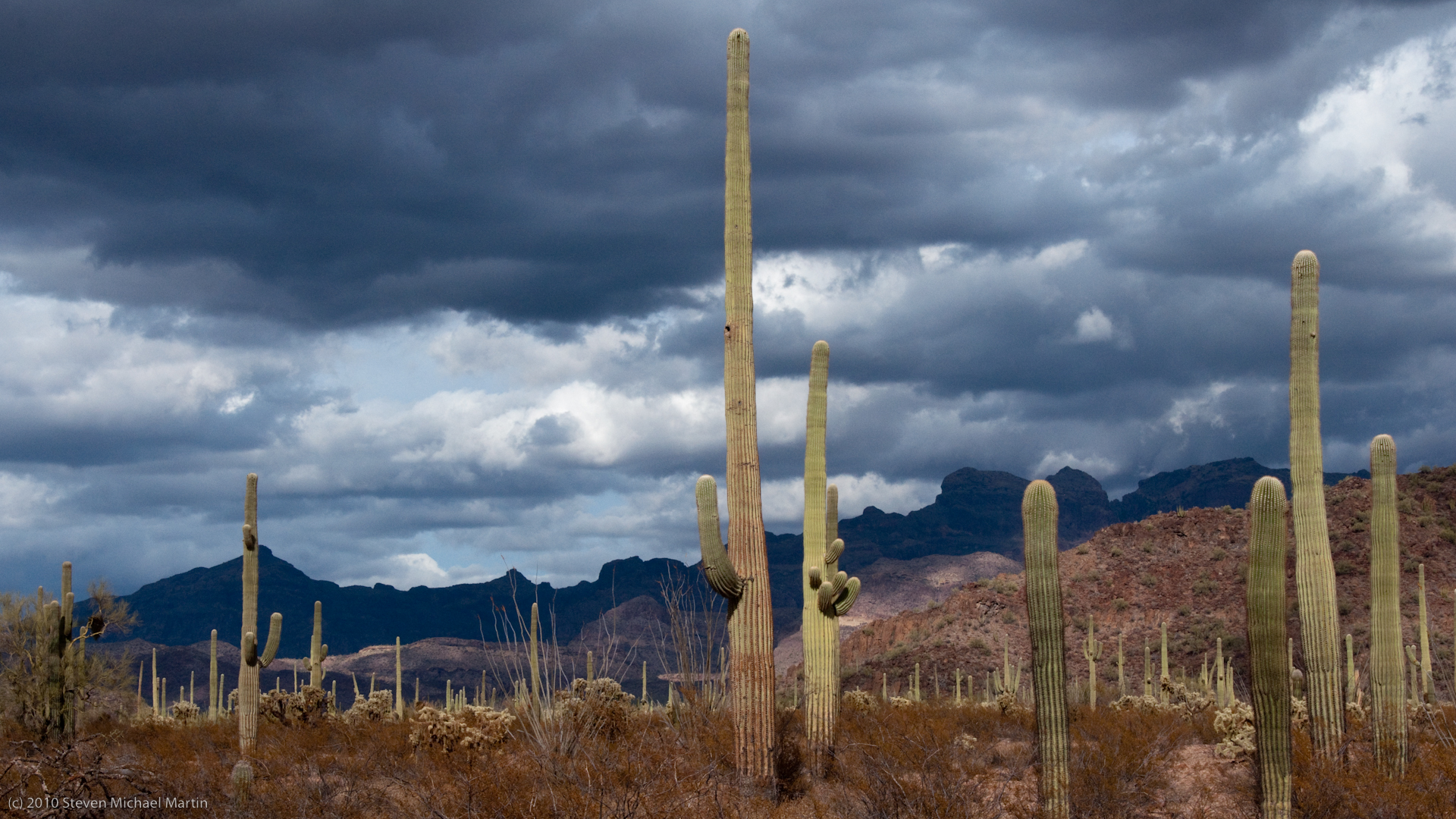
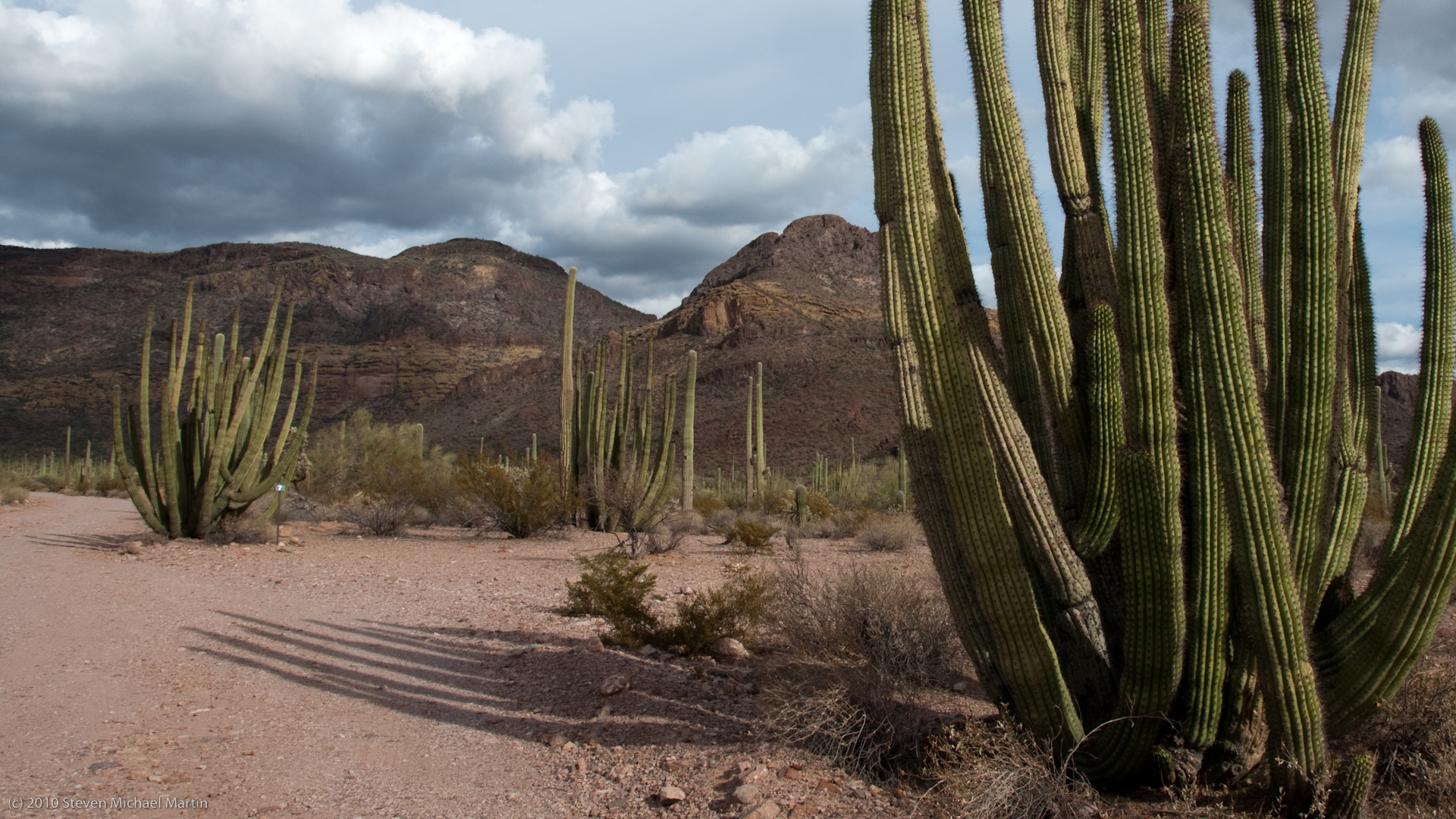
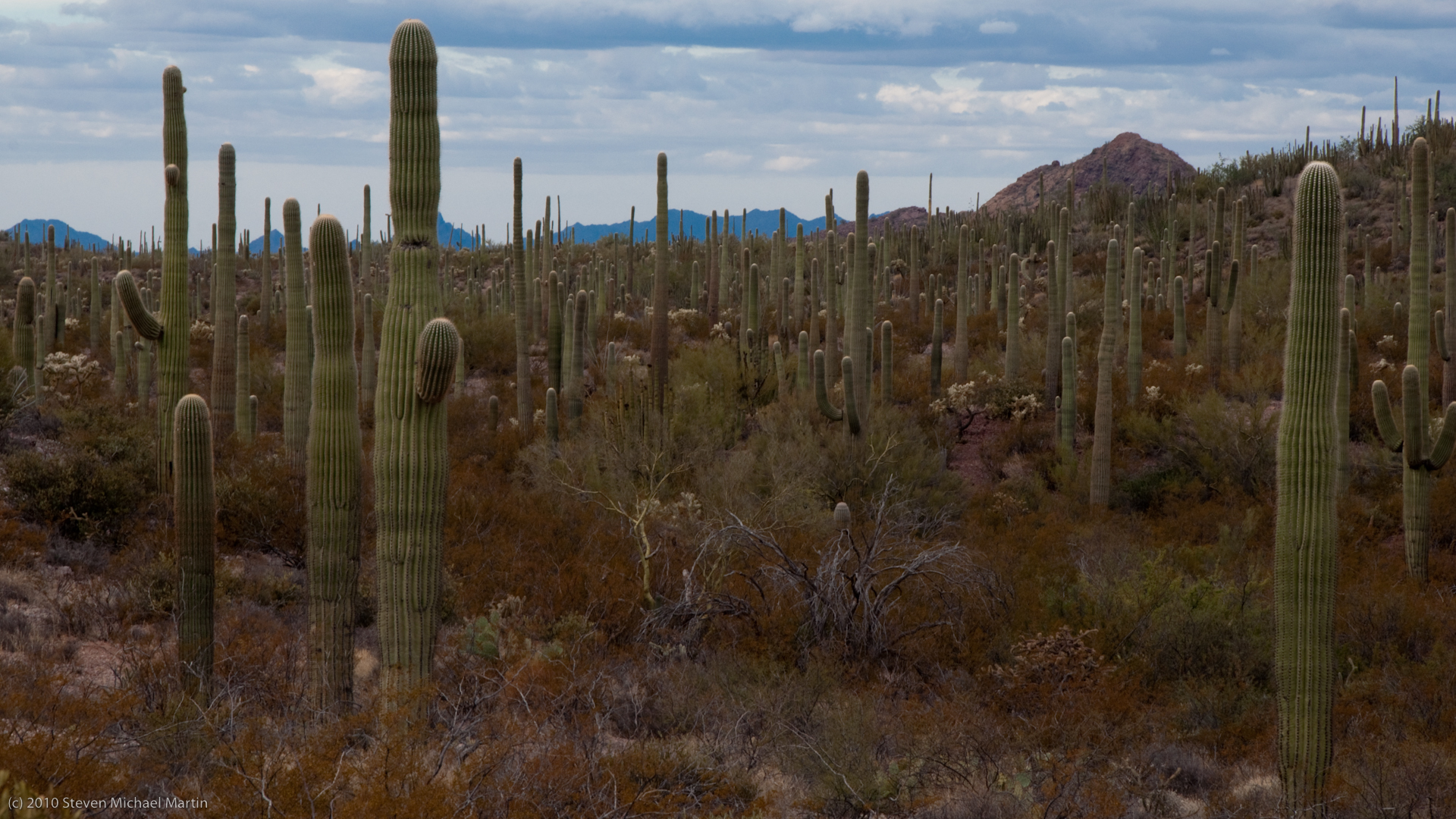
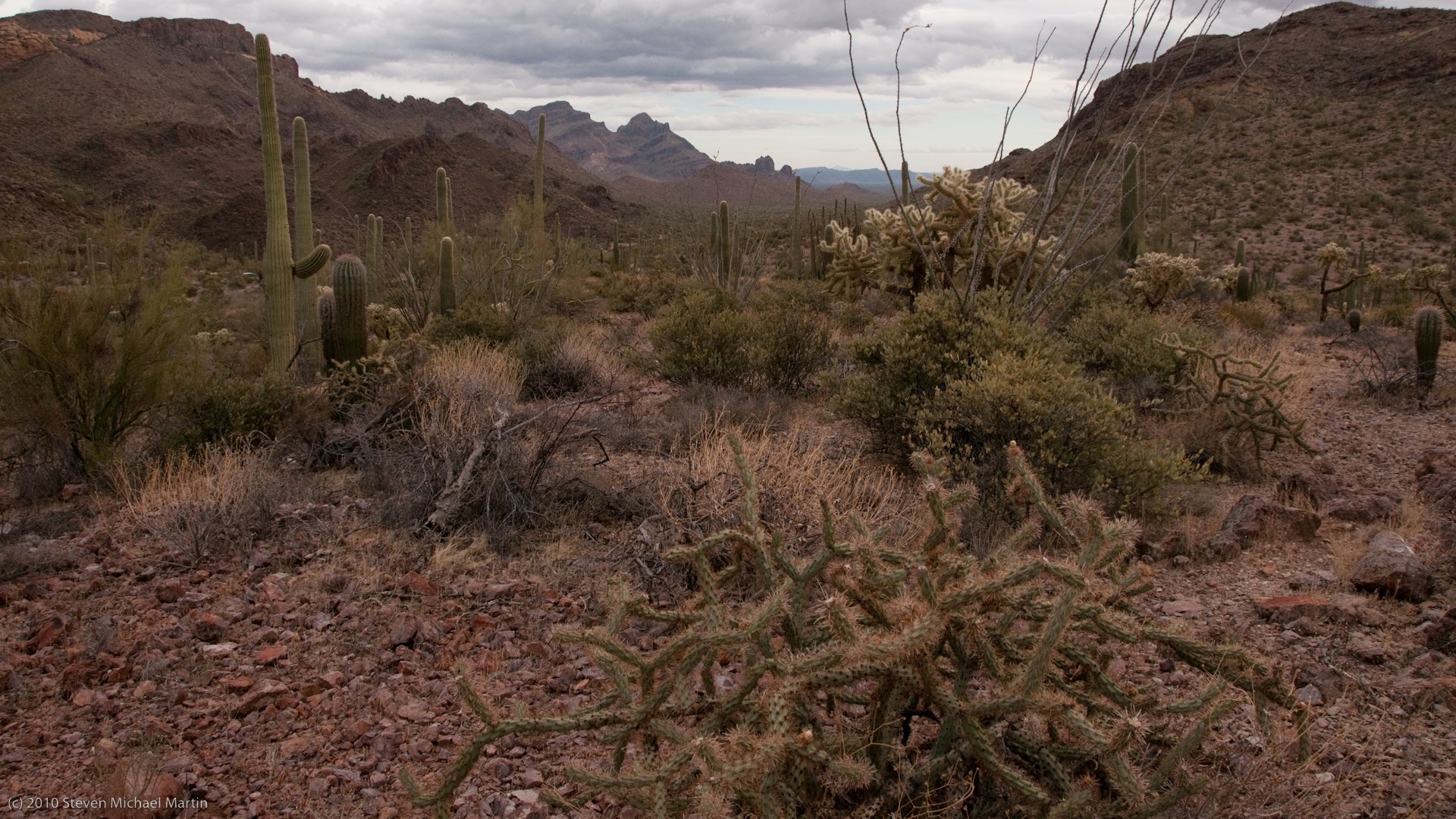
Organ Pipe Cactus National Monument preserves Sonoran Desert ecosystems characterized by columnar cacti adapted to arid environments. The organ pipe cactus grows in regions influenced by seasonal rainfall patterns associated with both winter Pacific systems and summer monsoon activity. This dual precipitation pattern supports plant diversity not found in many other desert regions.
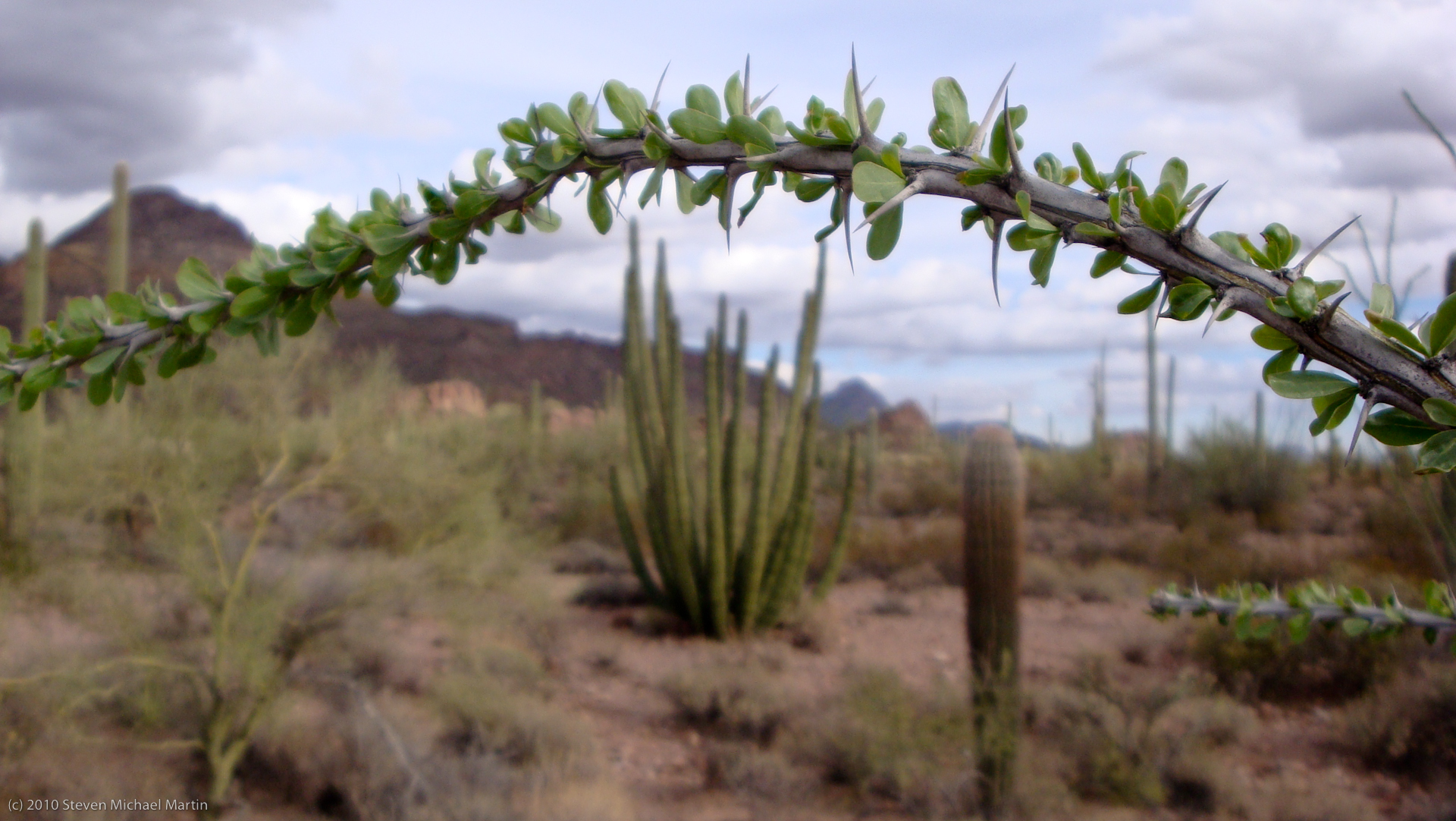
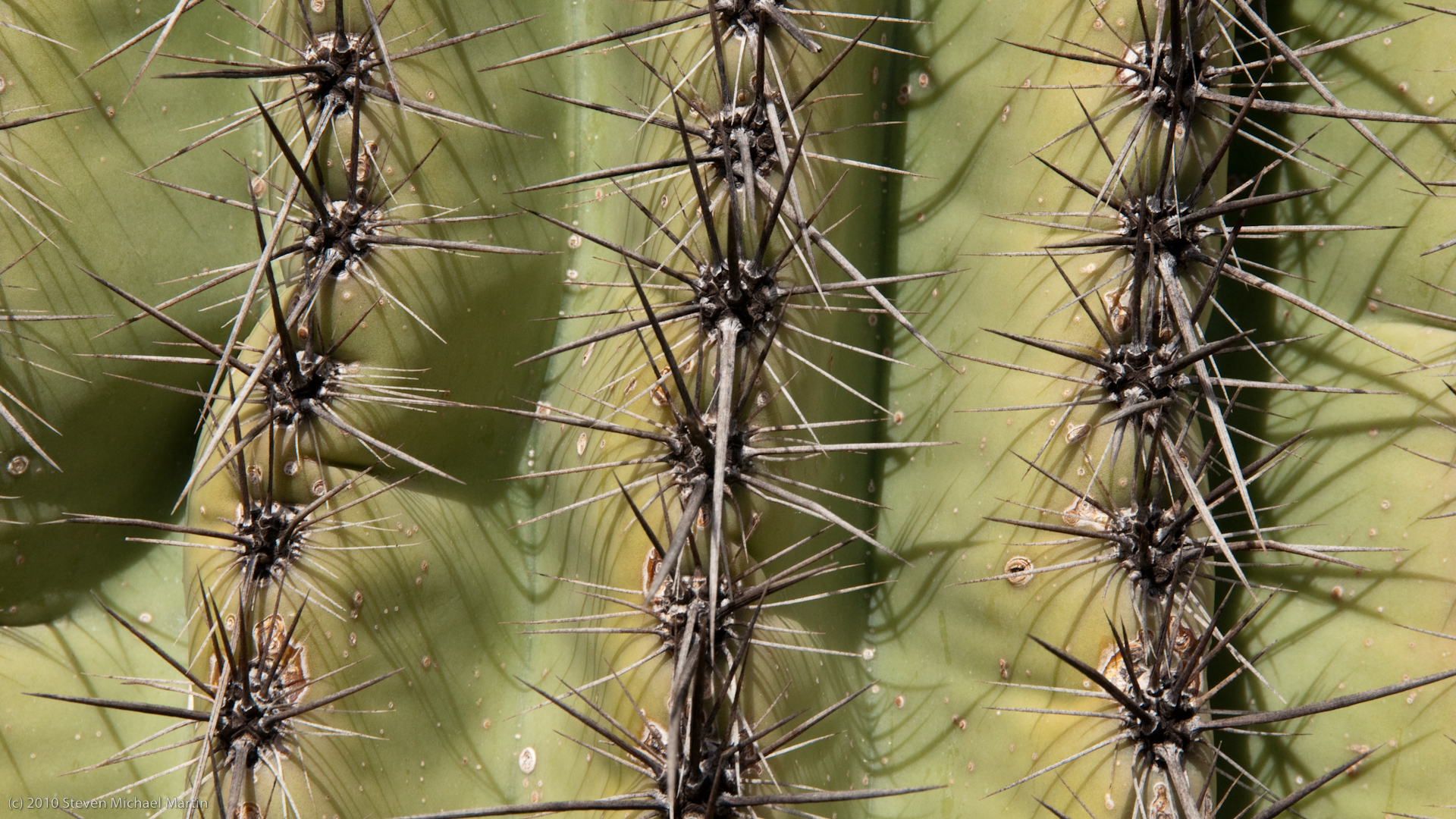
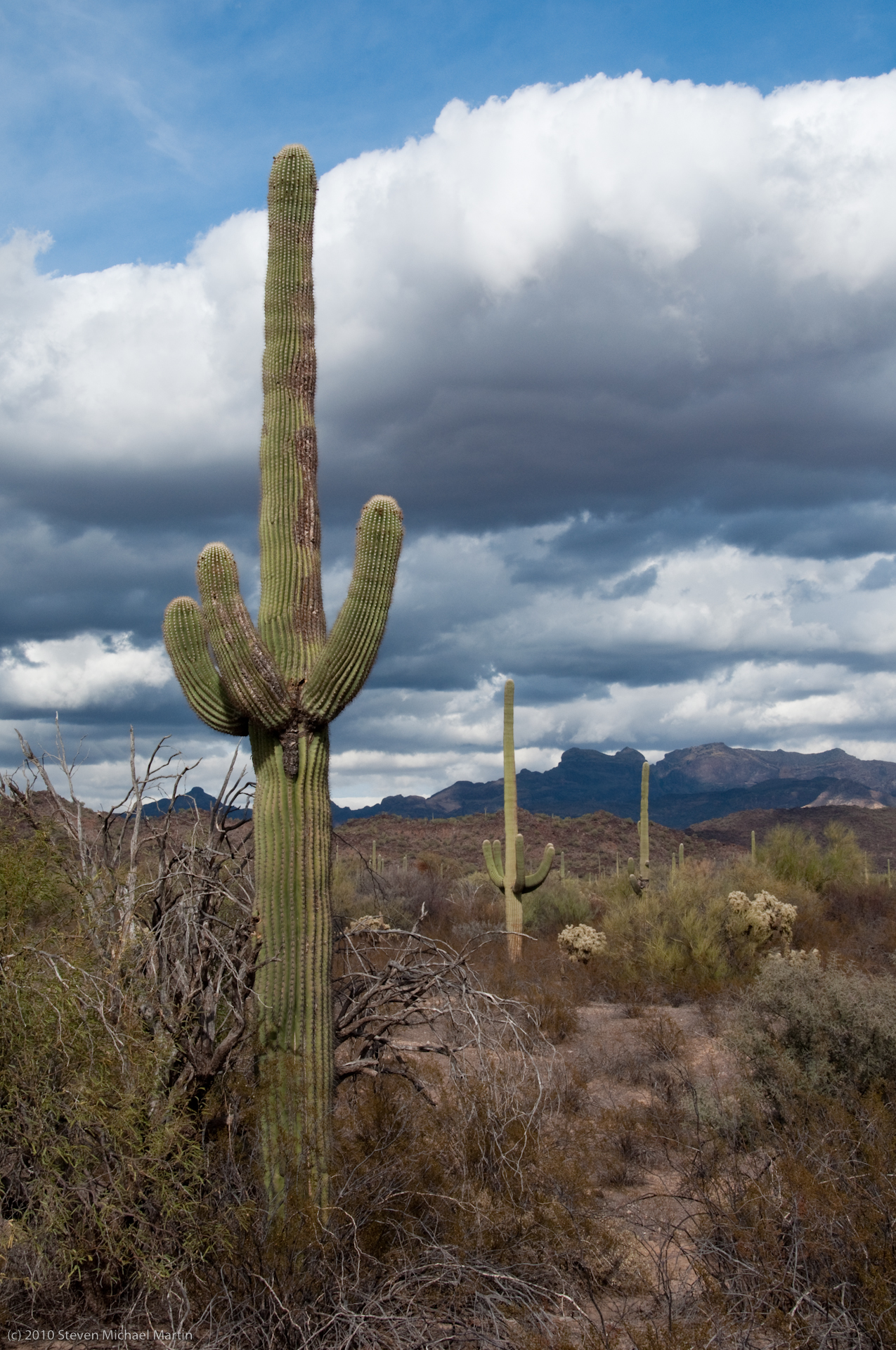
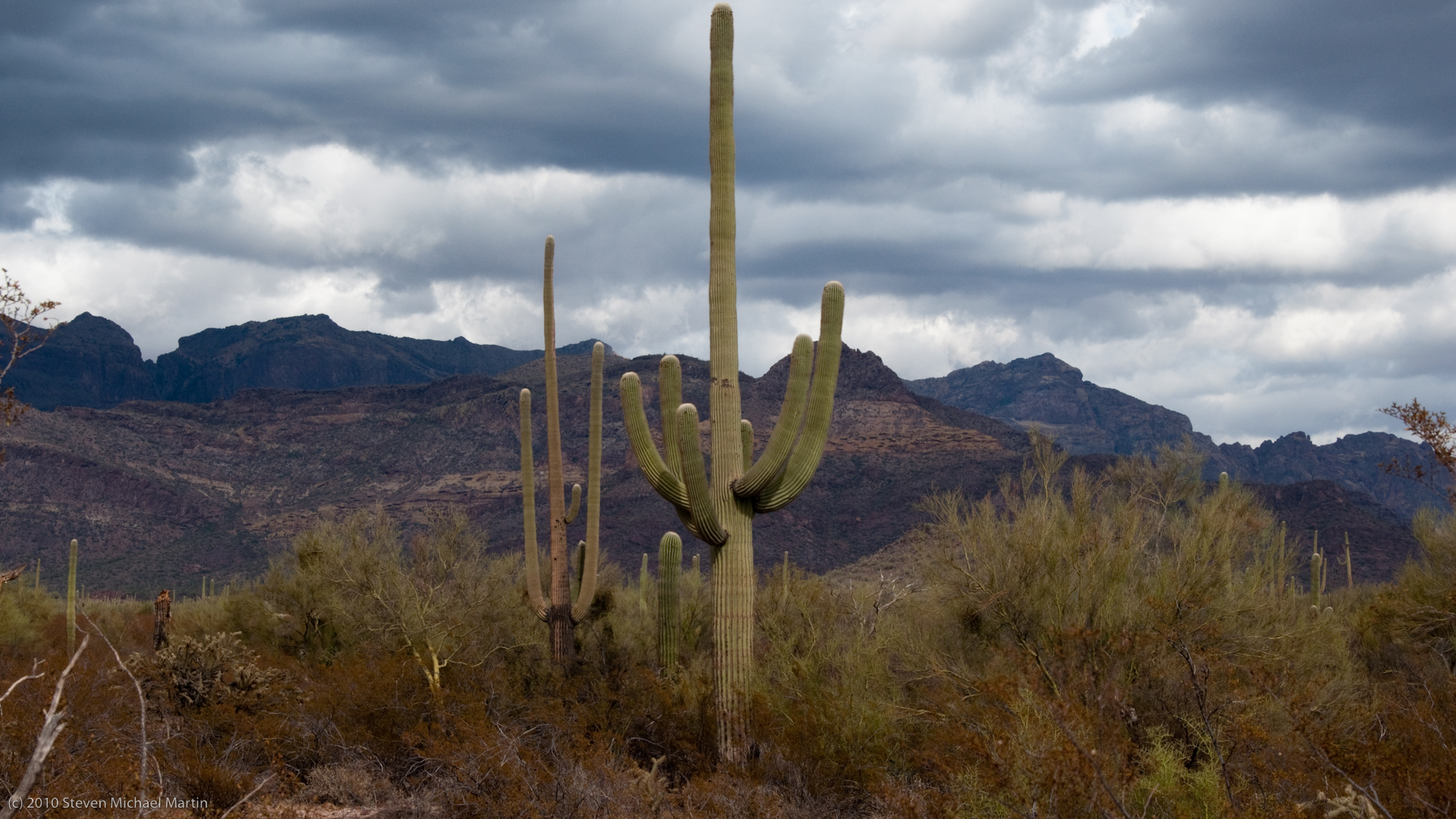
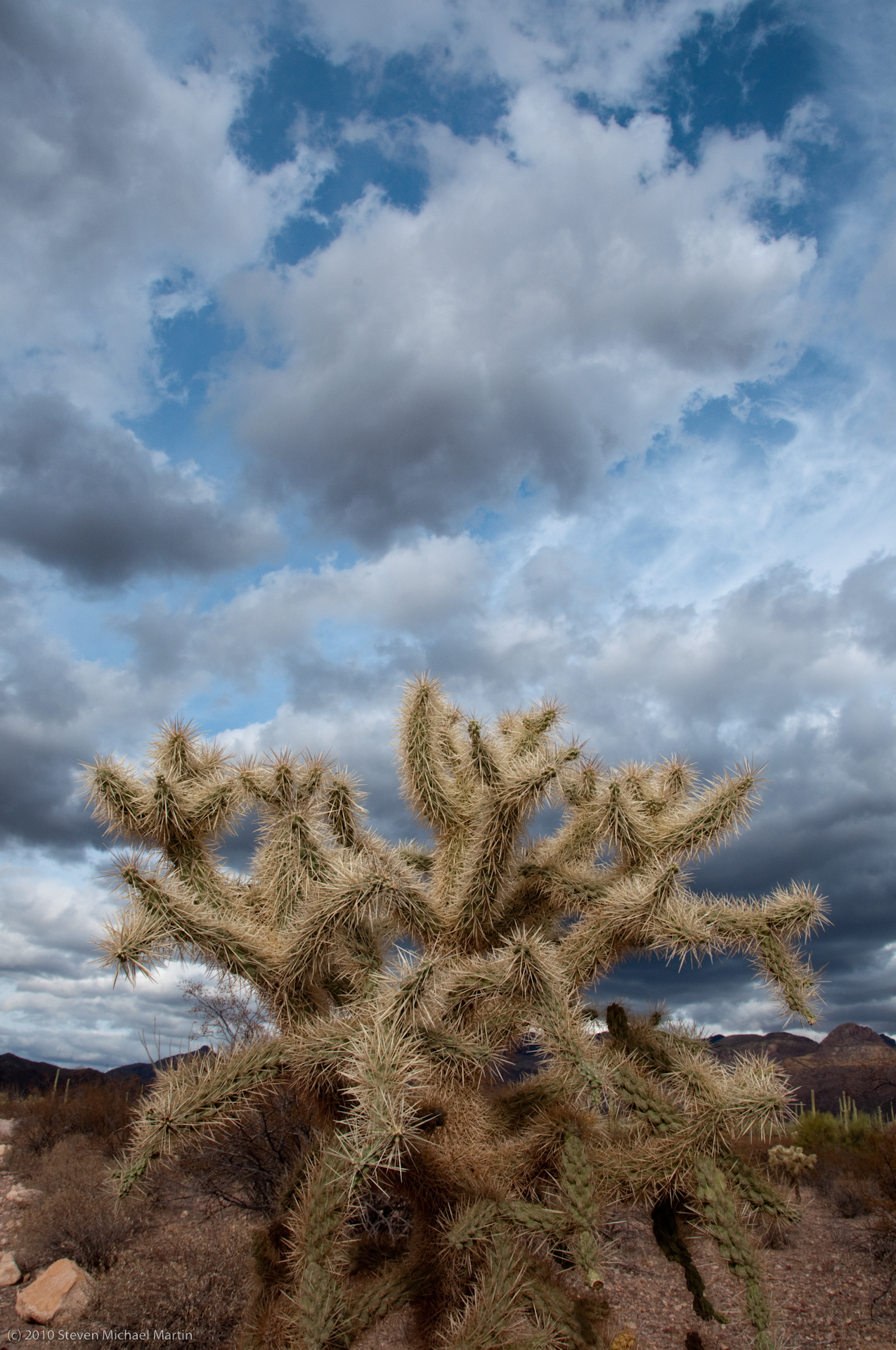
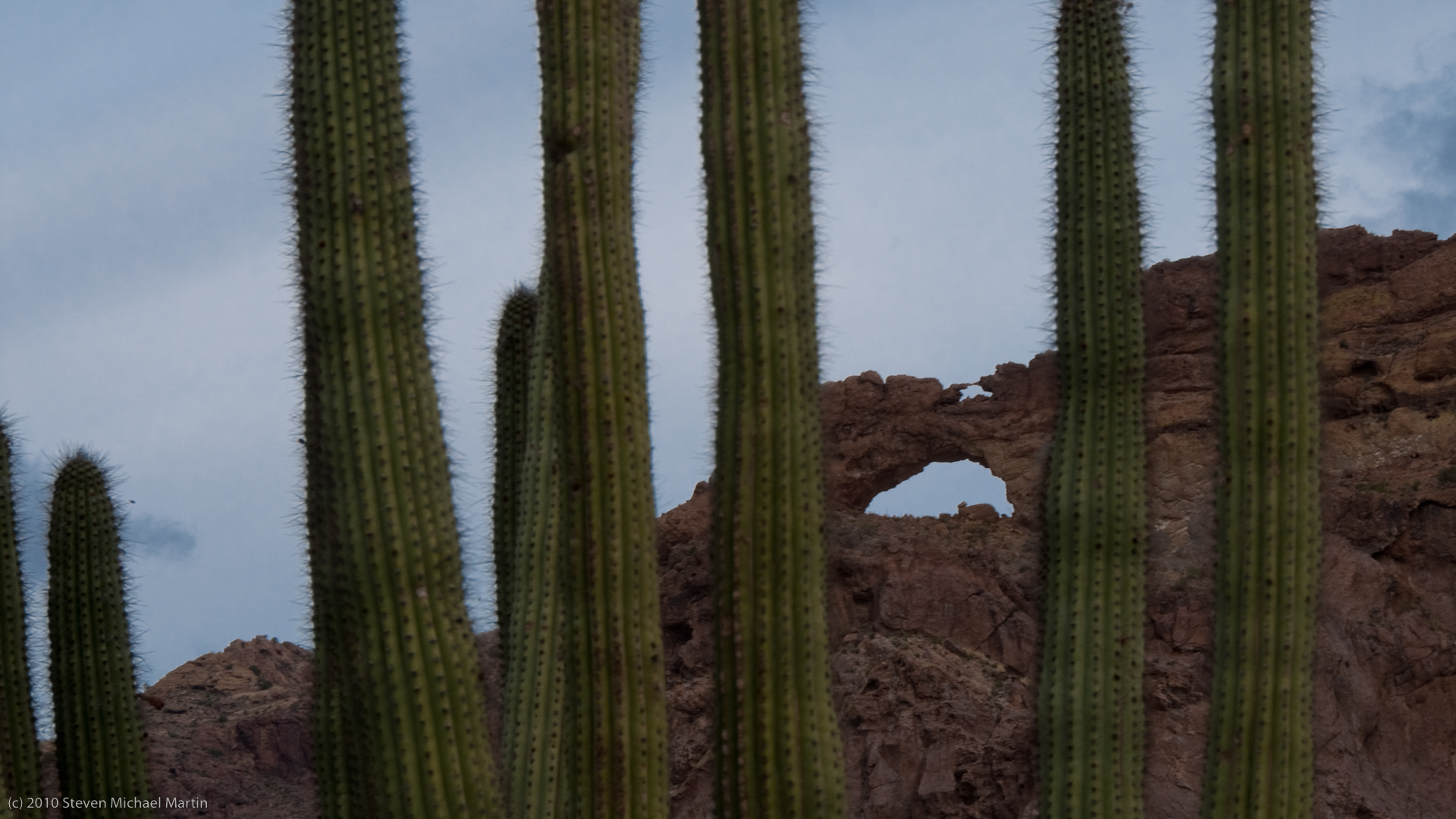
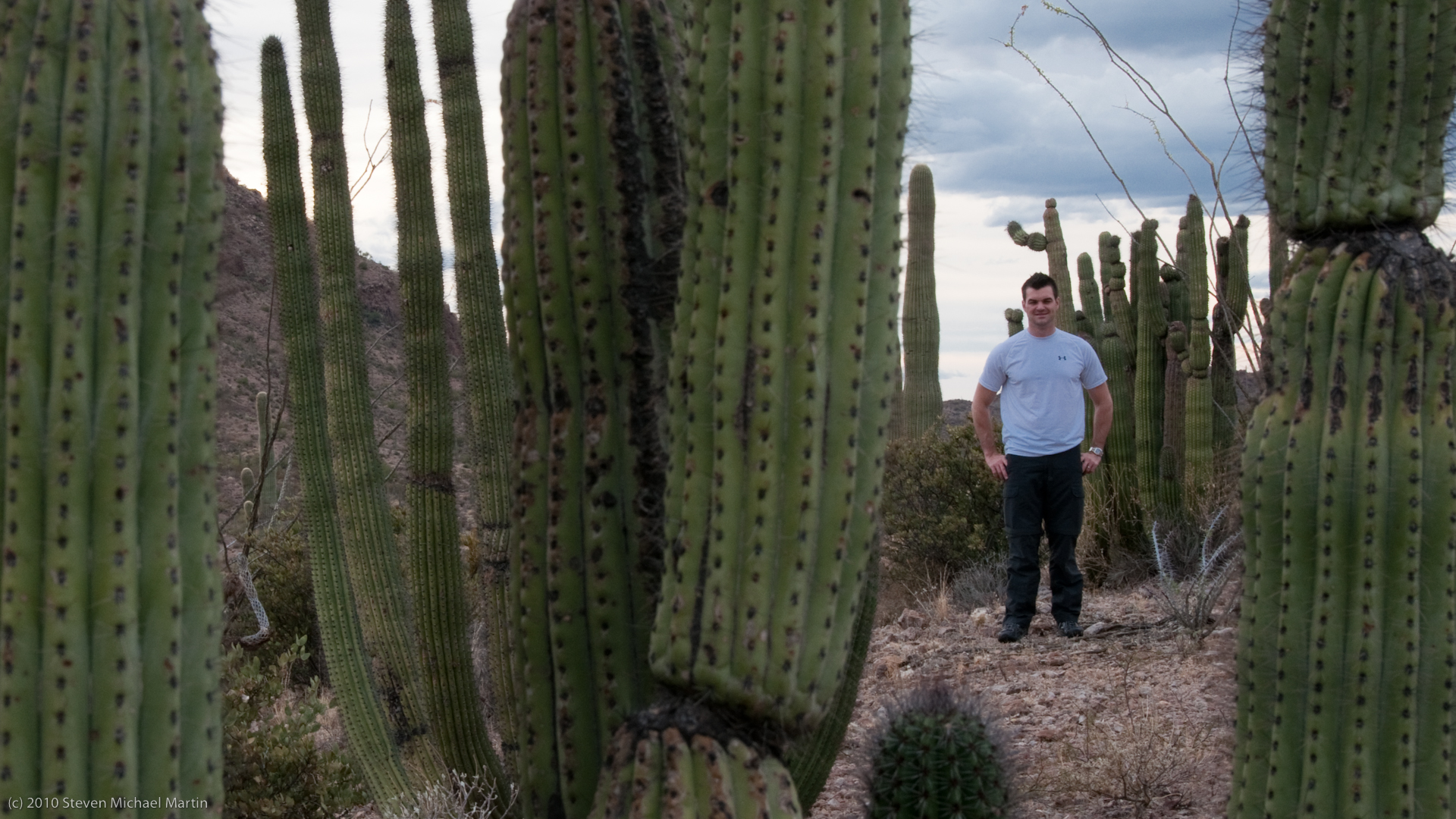
Desert vegetation reflects adaptation to high temperatures and limited water availability. Cacti store water within thick stems and use spines to reduce moisture loss. Seasonal rainfall allows flowering plants to bloom during favorable conditions, illustrating ecological responses to changing climate patterns.
Today, Organ Pipe Cactus National Monument demonstrates how desert ecosystems support biodiversity adapted to extreme environmental conditions. The landscape illustrates how precipitation patterns influence plant distribution across the Sonoran Desert.















National Monument Field Guide
Organ Pipe Cactus National Monument preserves Sonoran Desert vegetation influenced by seasonal rainfall patterns. The monument illustrates plant adaptations that allow survival in environments characterized by limited precipitation and high temperatures.
🌵 Key Significance
- Organ pipe cactus adapted to Sonoran Desert climate
- Dual rainfall pattern supporting plant diversity
- Desert vegetation adapted to water conservation
- Seasonal flowering patterns influenced by monsoon rains
- Ecosystem shaped by temperature extremes and limited moisture
📖 Interpretive Context
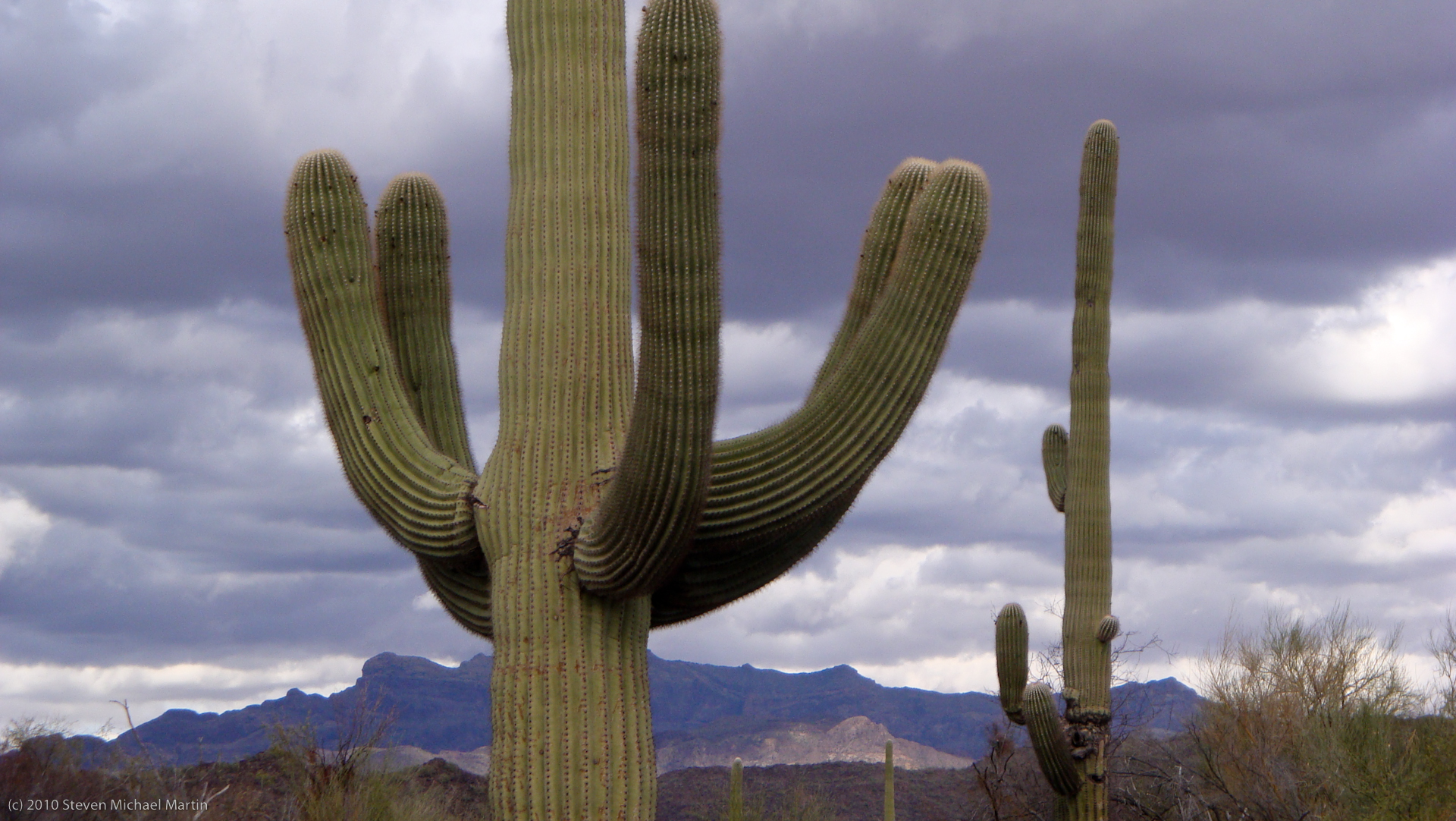
Plants within the Sonoran Desert developed structural adaptations that allow water storage and reduced evaporation. Seasonal rainfall patterns influence plant growth cycles and flowering periods.
📷 Photography Notes
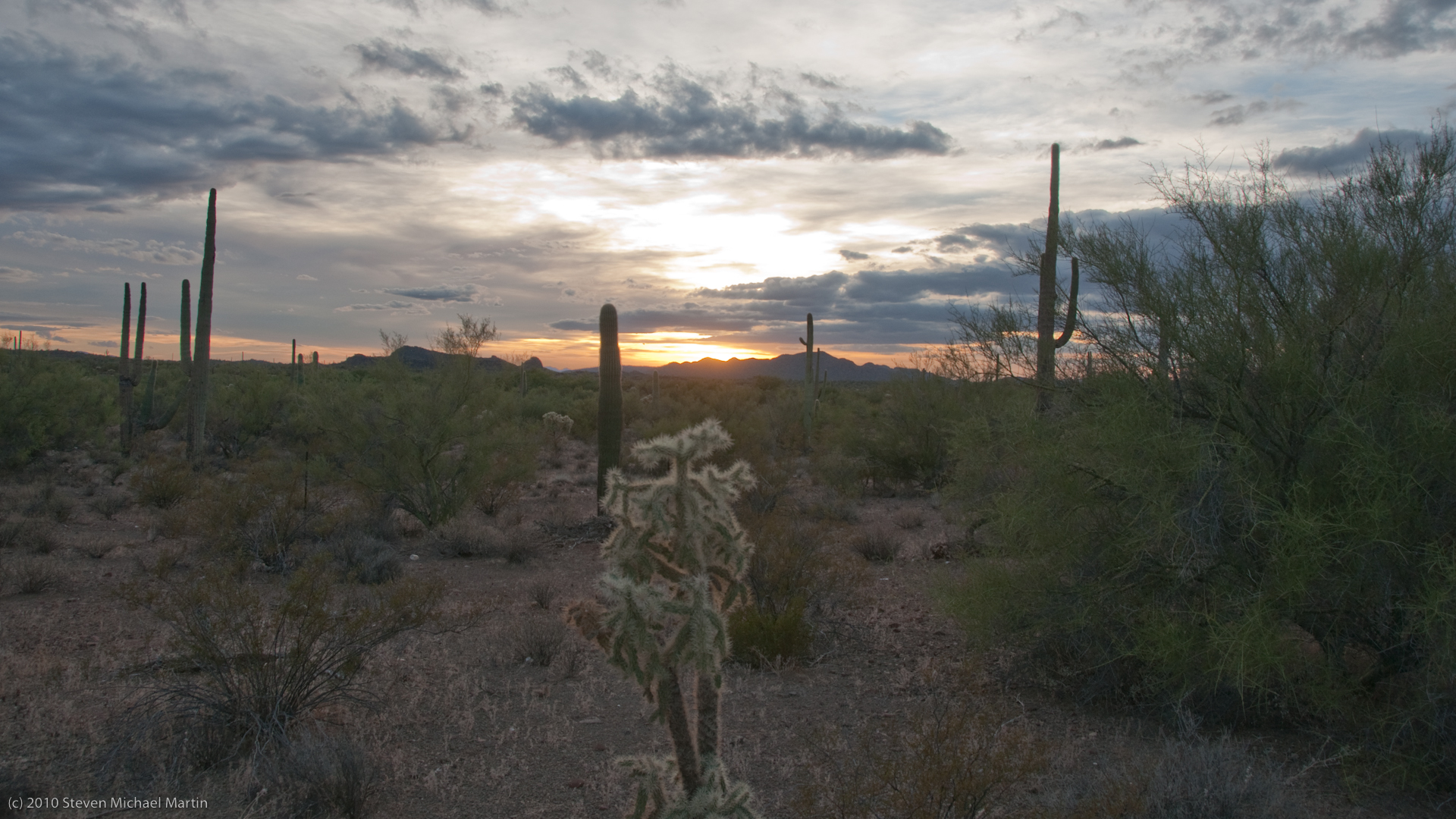
- Side lighting enhances cactus texture
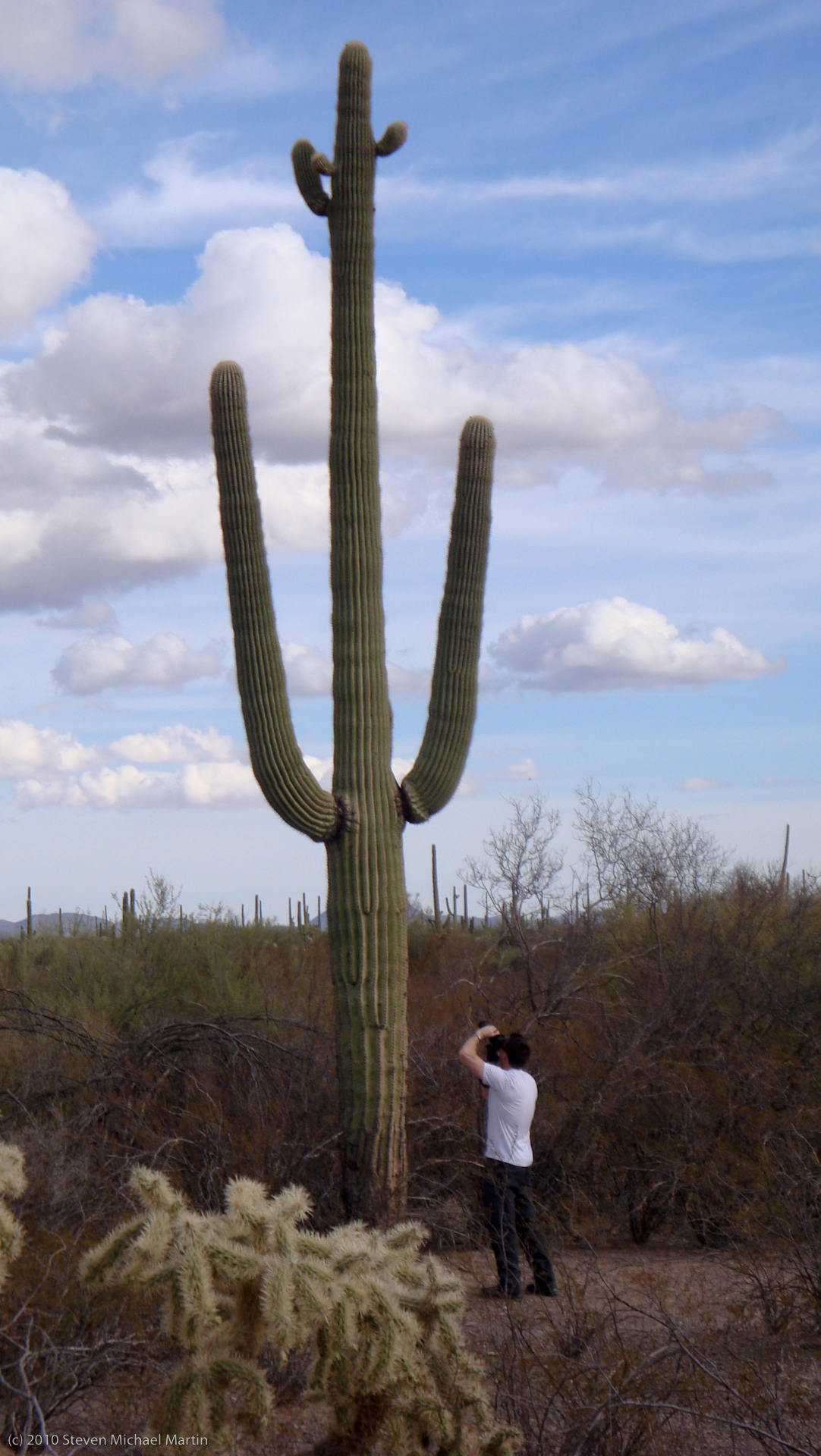
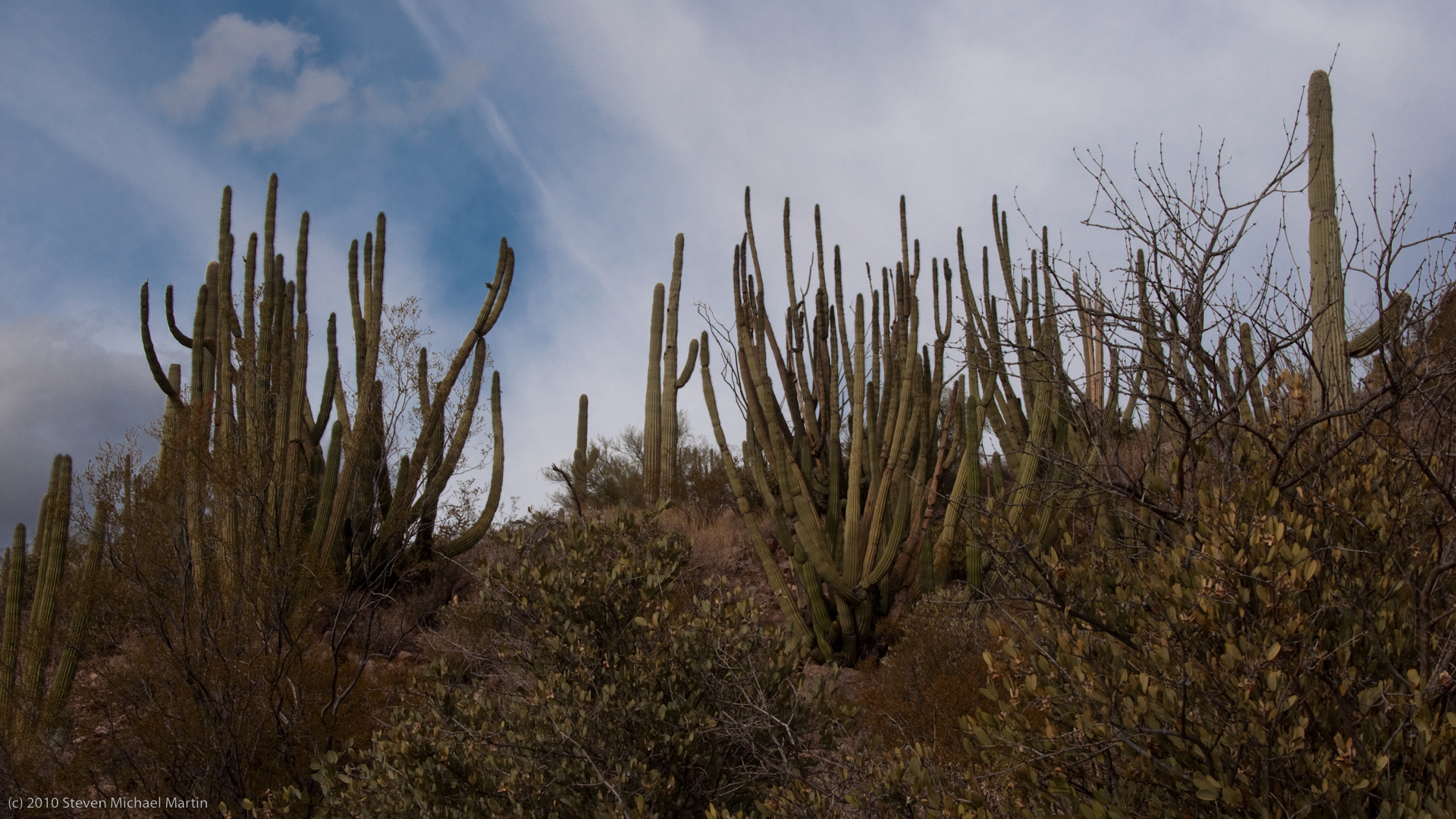
- Wide views show desert plant distribution
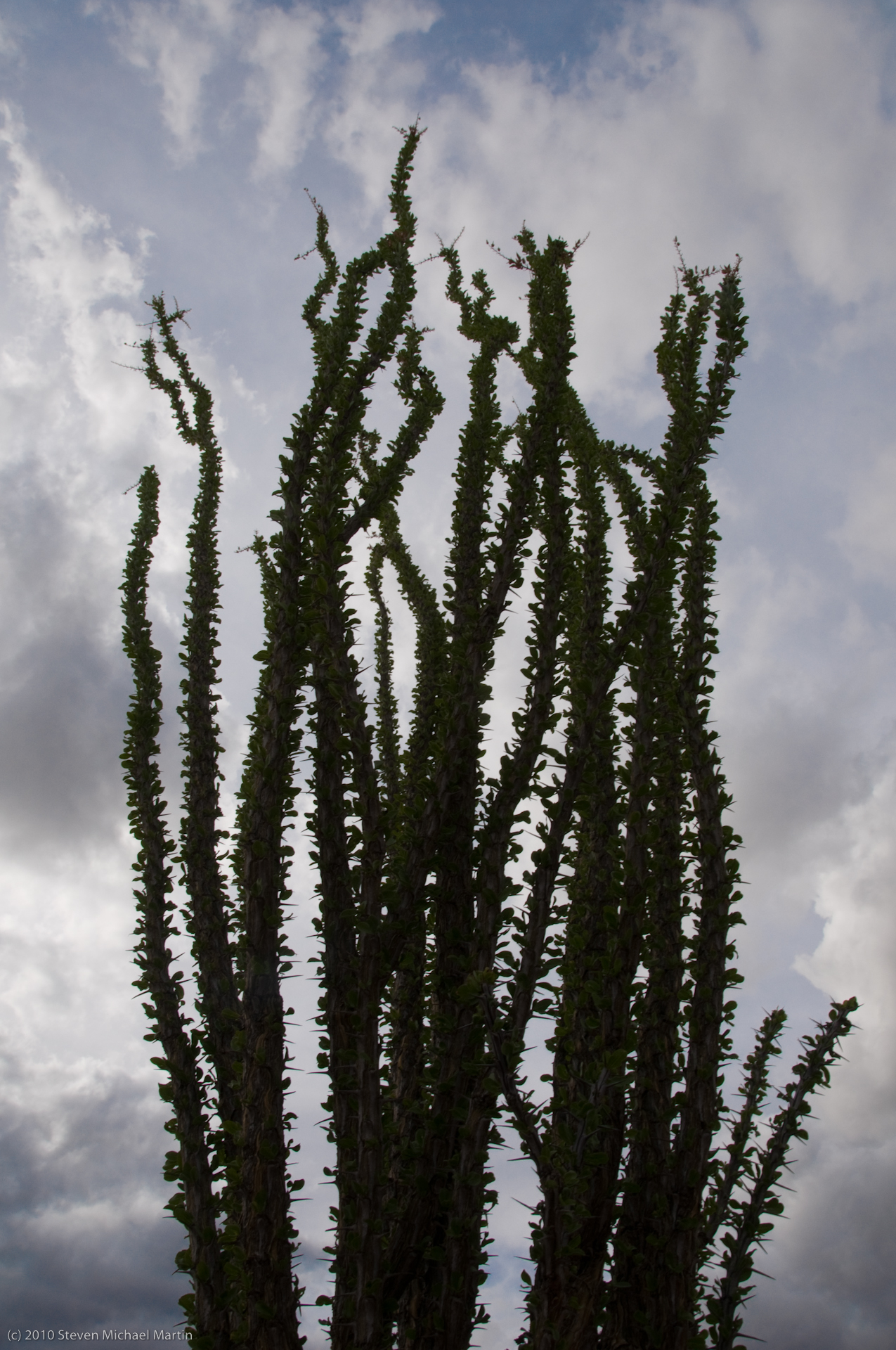
- Silhouettes work well at sunrise and sunset
- Look for repeating cactus forms in compositions