San Juan National Historic Site
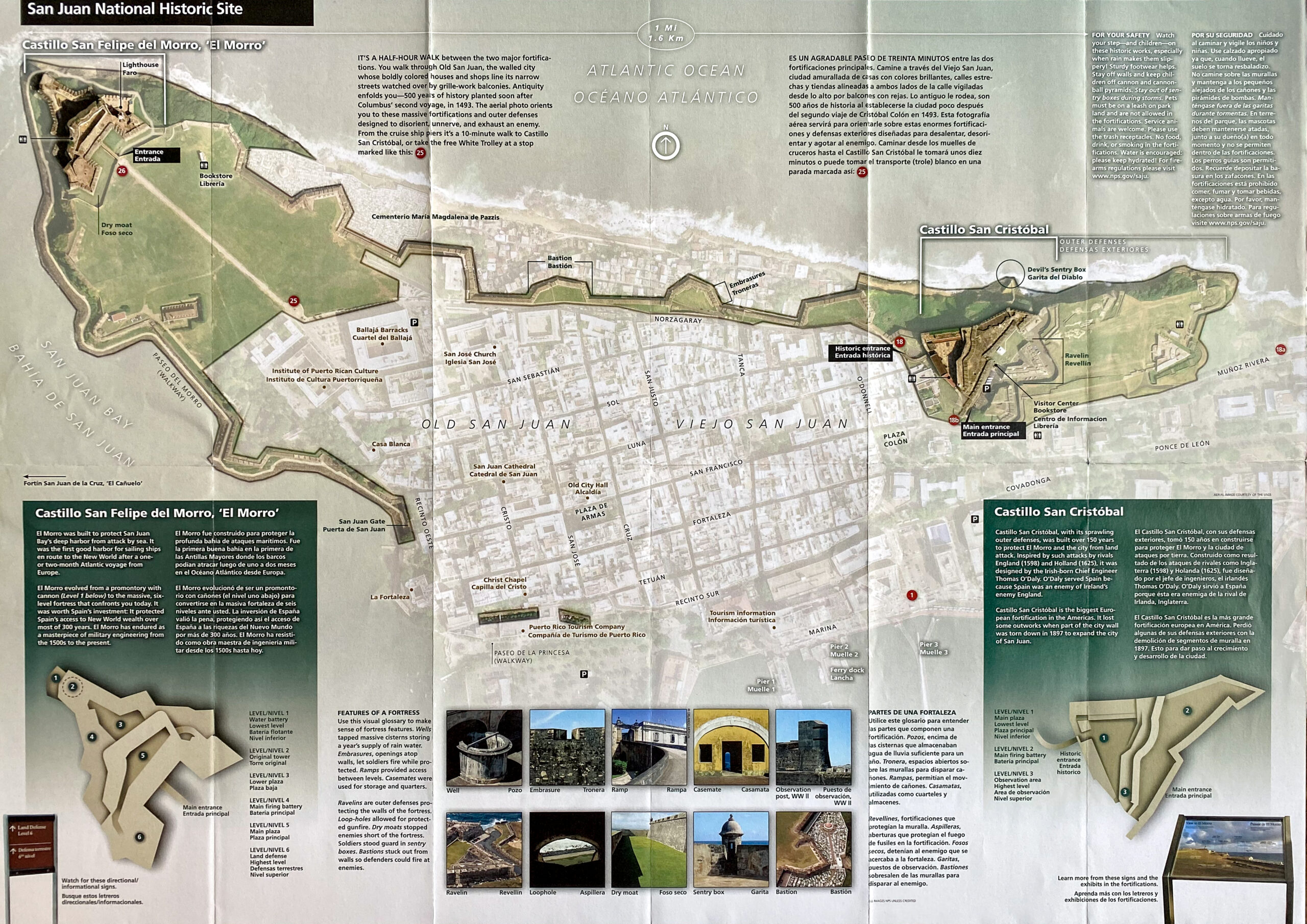
San Juan National Historic Site preserves one of the most extensive systems of Spanish colonial fortifications in the Americas, constructed to defend a strategic Caribbean port that connected transatlantic trade routes between Europe and the New World. Beginning in the sixteenth century, Spanish engineers developed massive defensive walls, bastions, and coastal fortresses designed to protect the entrance to San Juan Bay from maritime attack. Structures such as Castillo San Felipe del Morro and Castillo San Cristóbal illustrate advances in military architecture adapted to artillery warfare, reflecting more than two centuries of defensive construction shaped by geopolitical competition among European empires.
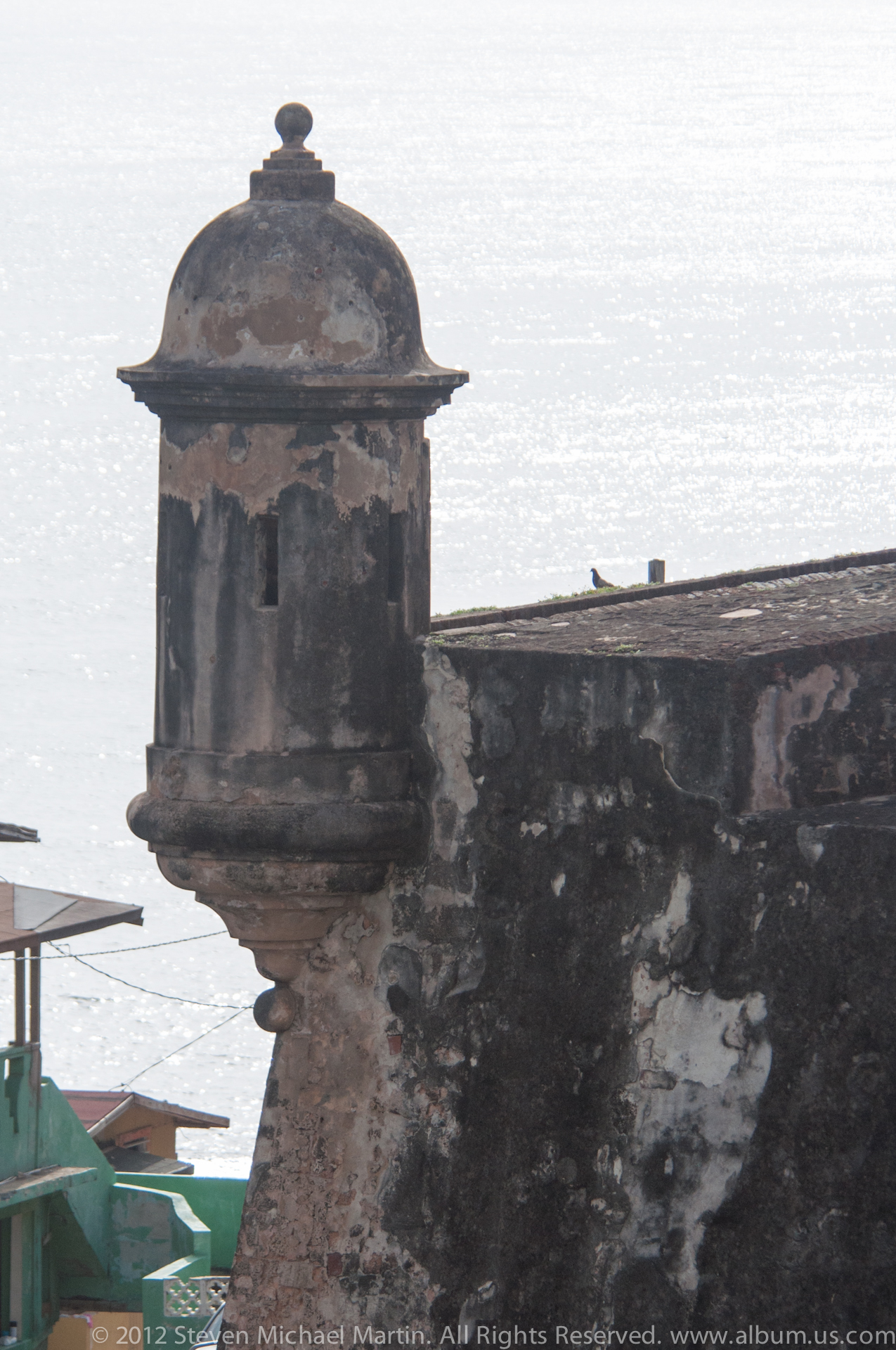
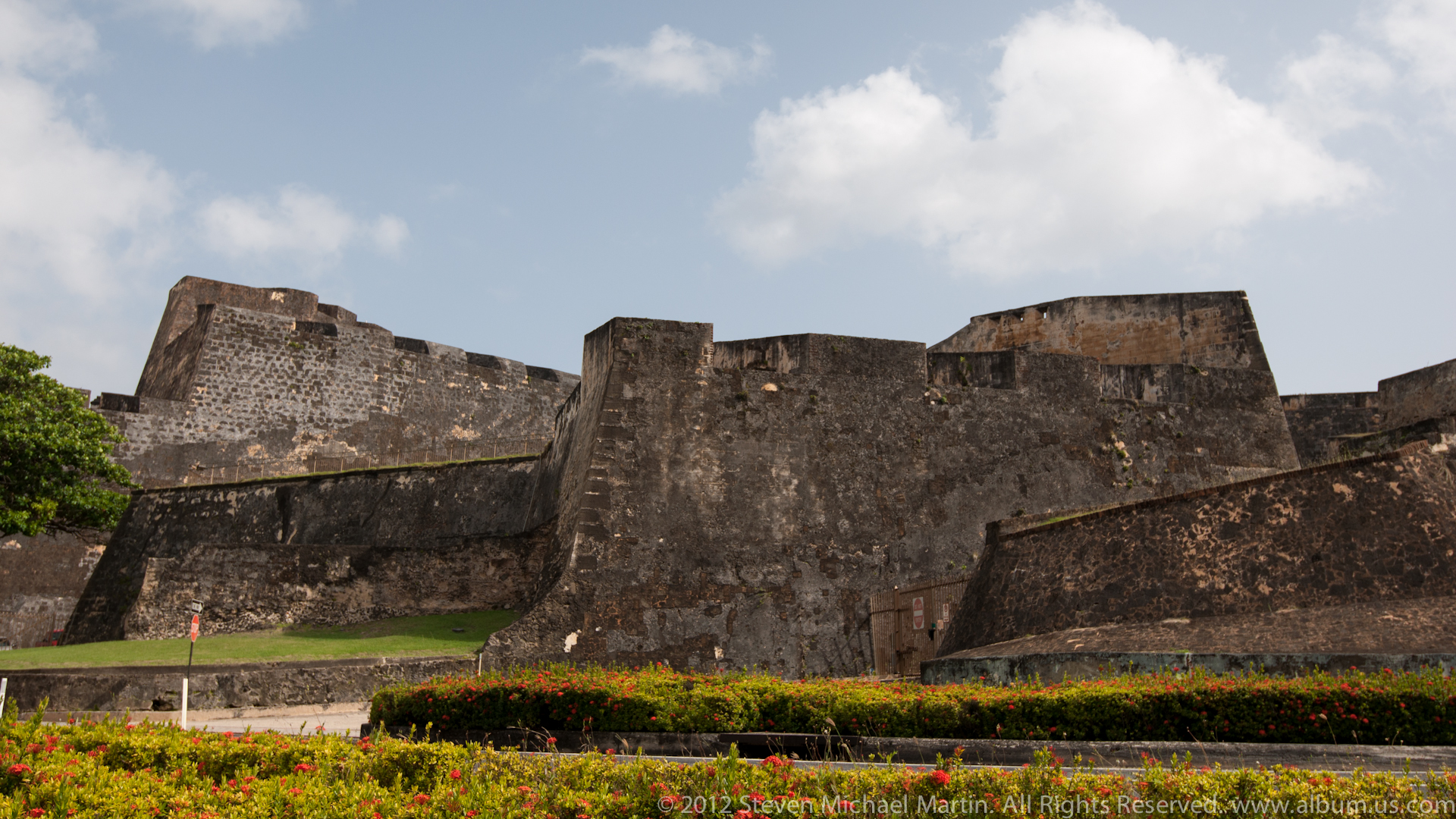
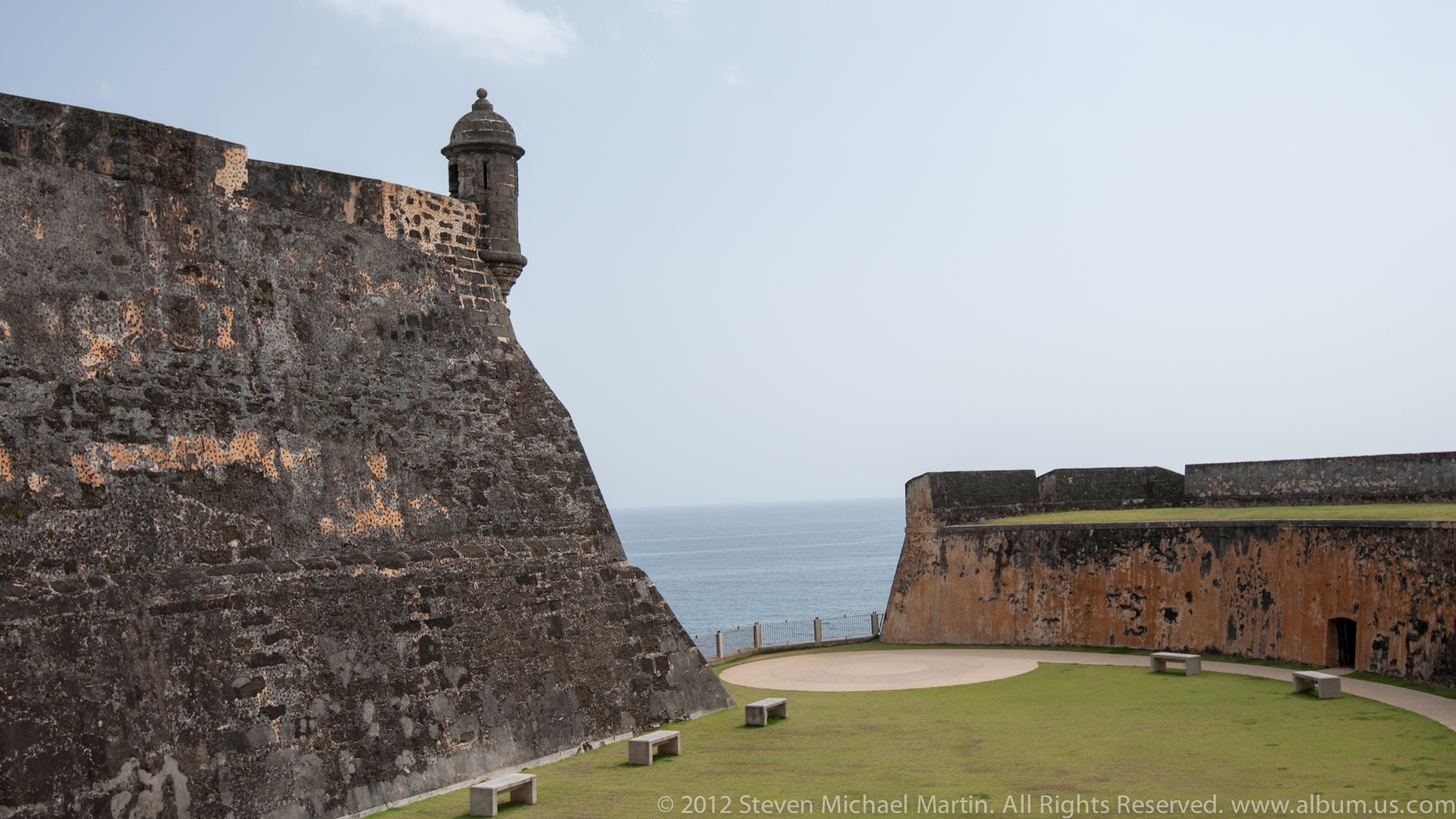
The site encompasses much of the historic defensive perimeter surrounding Old San Juan, where thick masonry walls, sentry towers, and fortified gateways reveal the importance of Puerto Rico as a key Spanish stronghold in the Caribbean. El Morro guarded the entrance to the harbor from seaborne attack, while the expansive defenses of San Cristóbal protected the city from land-based assault, together forming one of the most sophisticated colonial defense systems in the Western Hemisphere. Portions of the original city wall remain visible today, demonstrating how urban development evolved within fortified boundaries that shaped the spatial organization of the historic district.
Designated a UNESCO World Heritage Site, the fortifications of San Juan illustrate the global importance of Caribbean trade routes and the strategic competition that influenced colonial expansion across the Atlantic world. The preserved walls, bastions, and military structures contribute to understanding the architectural and geopolitical history of early European settlement in the Americas. As one of the oldest European-built defensive systems under United States jurisdiction, San Juan National Historic Site provides insight into the relationship between maritime commerce, imperial rivalry, and the development of fortified cities across the Caribbean basin.










📍 Field Guide
- Location: Old San Juan, Puerto Rico
- Designation: National Historic Site
- Established: 1949
- Primary Structures: Castillo San Felipe del Morro, Castillo San Cristóbal, San Juan City Walls, Fort San Juan de la Cruz (El Cañuelo)
- Architectural Style: Spanish colonial military fortification
- Construction Period: 16th–18th centuries
- Strategic Purpose: Protection of Caribbean trade routes and defense of San Juan Bay
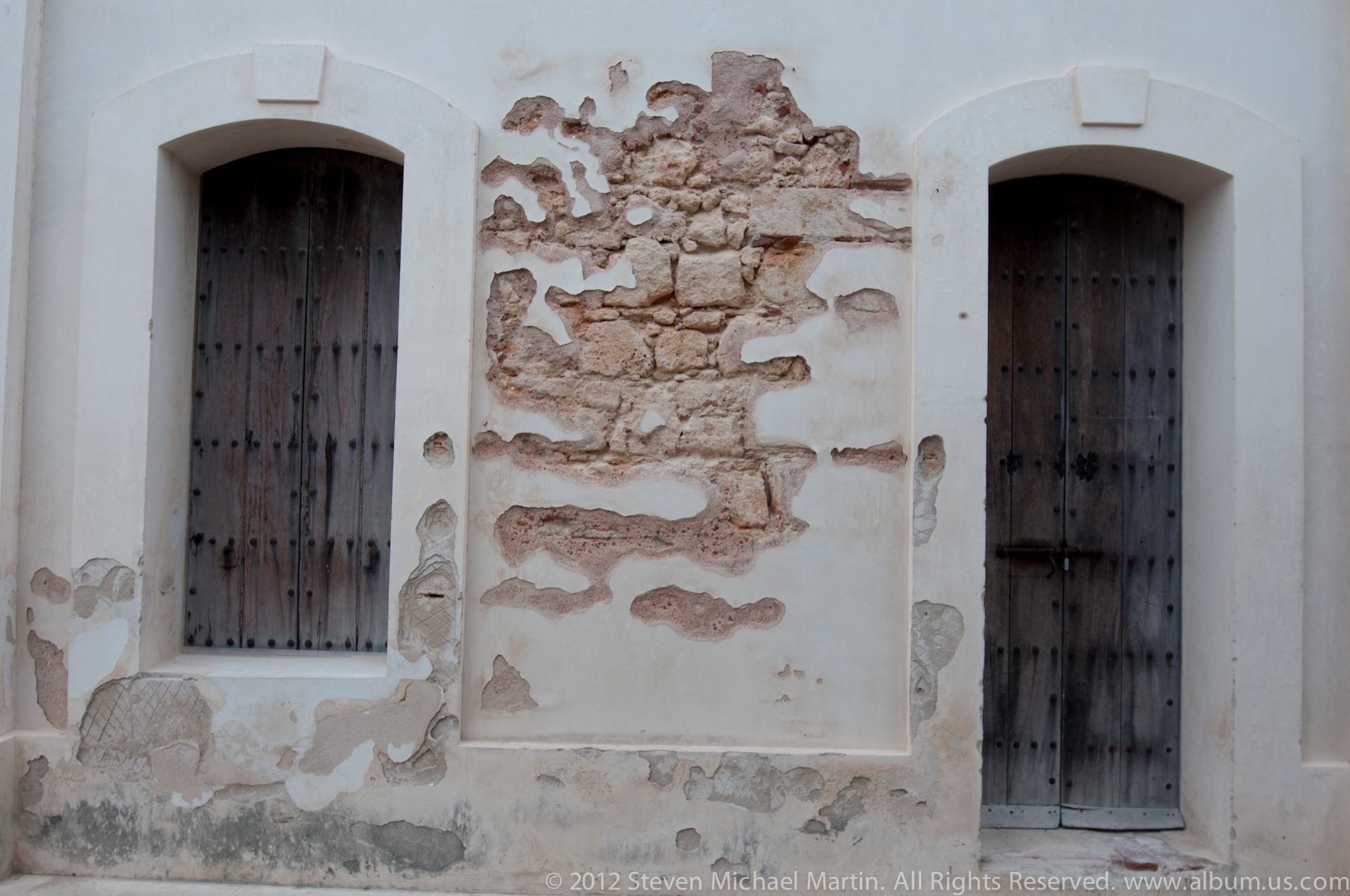
- Materials: Masonry walls constructed of stone and brick
- UNESCO Status: Part of La Fortaleza and San Juan National Historic Site World Heritage listing
⭐ Highlights
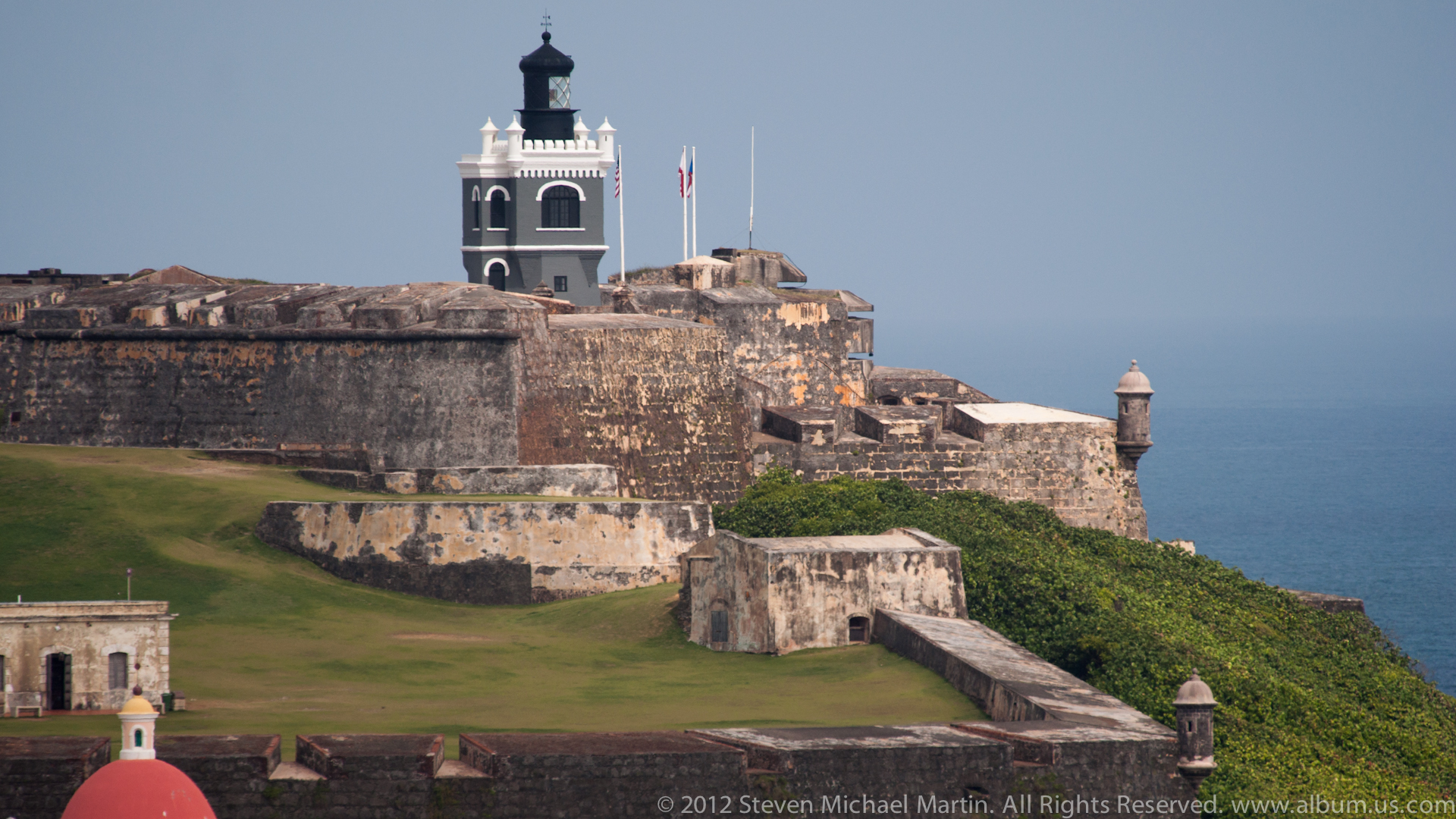
- Castillo San Felipe del Morro guarding the entrance to San Juan Bay
- Castillo San Cristóbal, one of the largest Spanish fortifications in the Americas
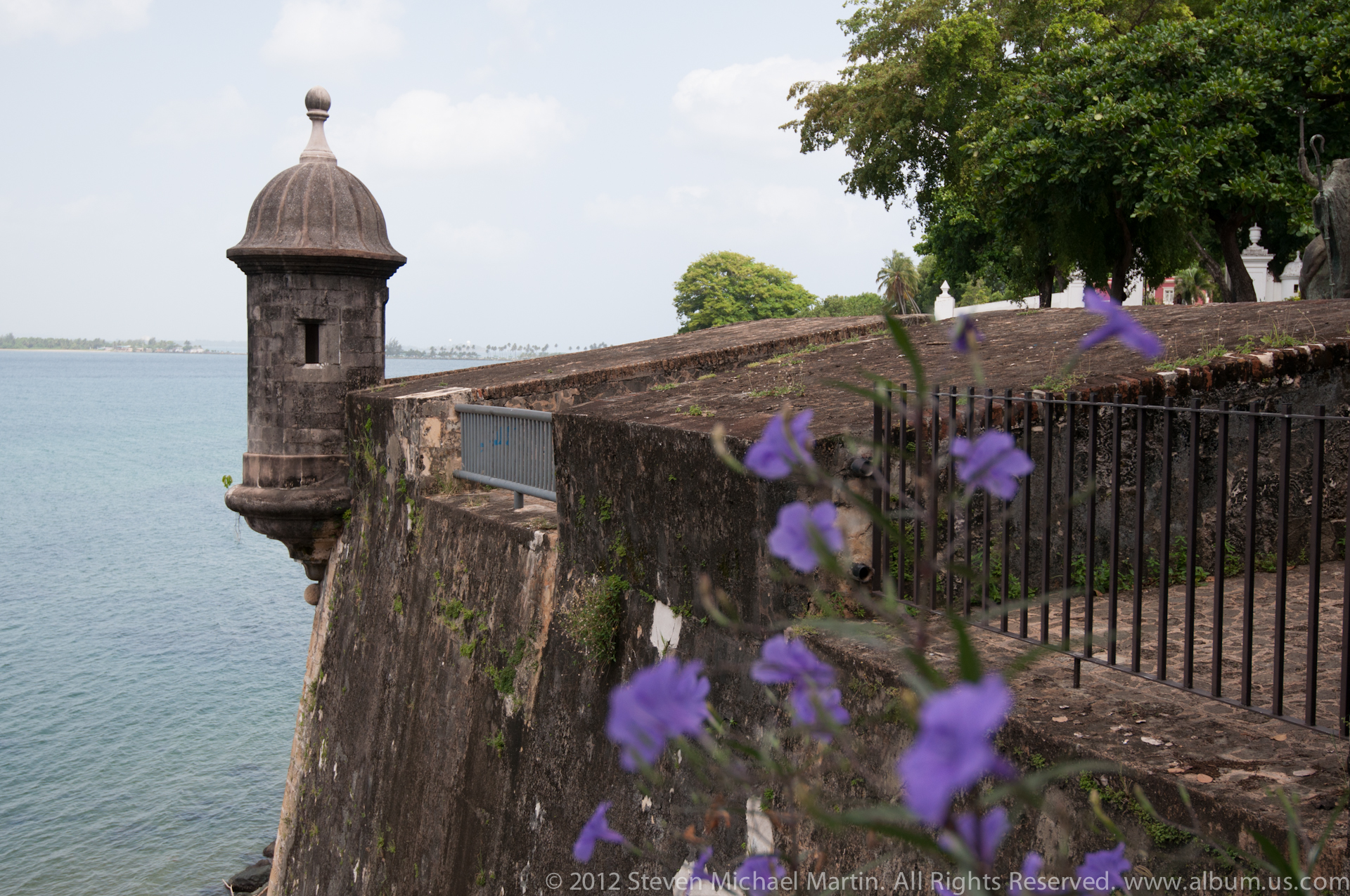
- Extensive city wall system surrounding Old San Juan
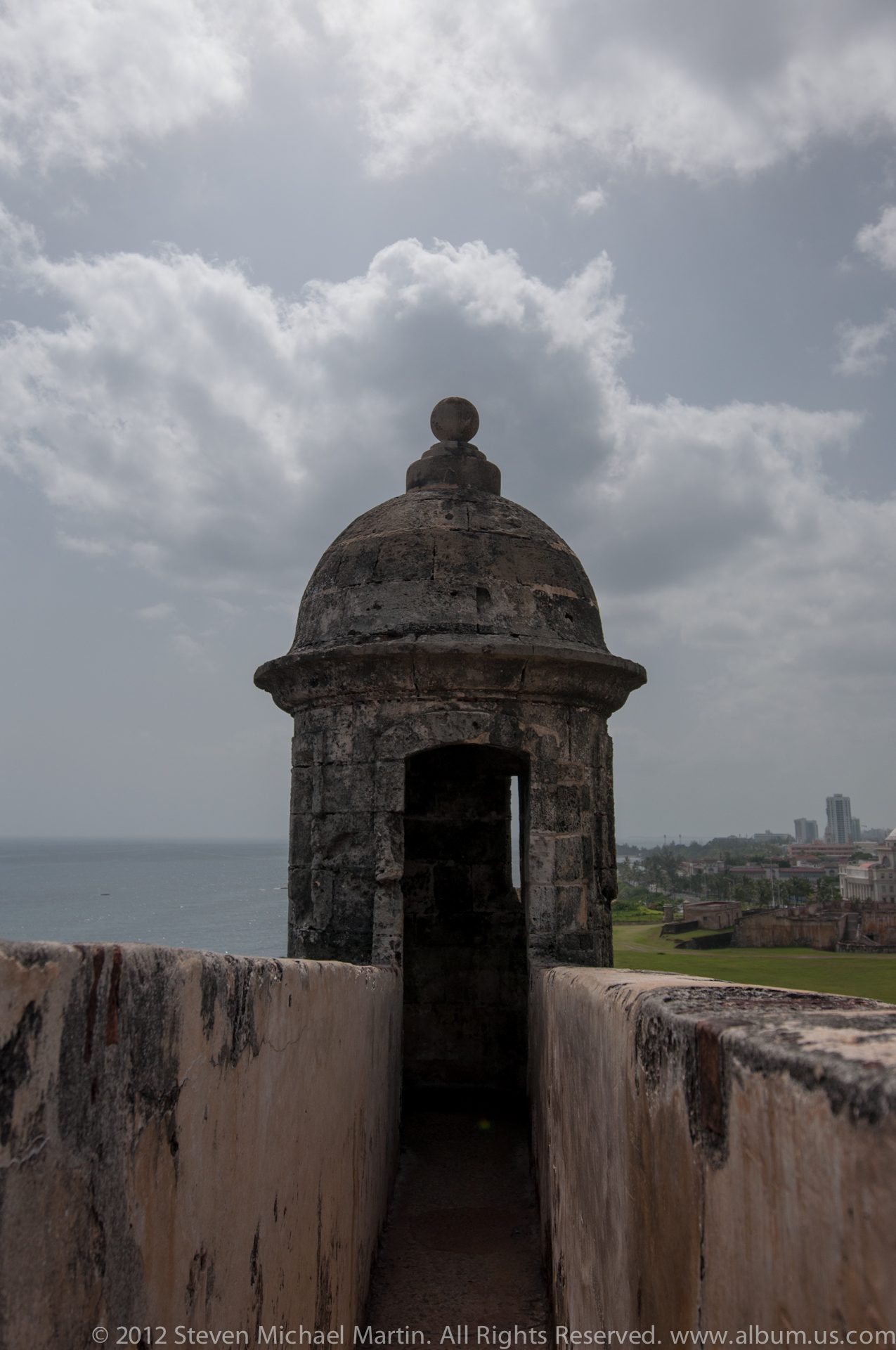
- Sentry boxes (garitas) overlooking Atlantic coastal approaches
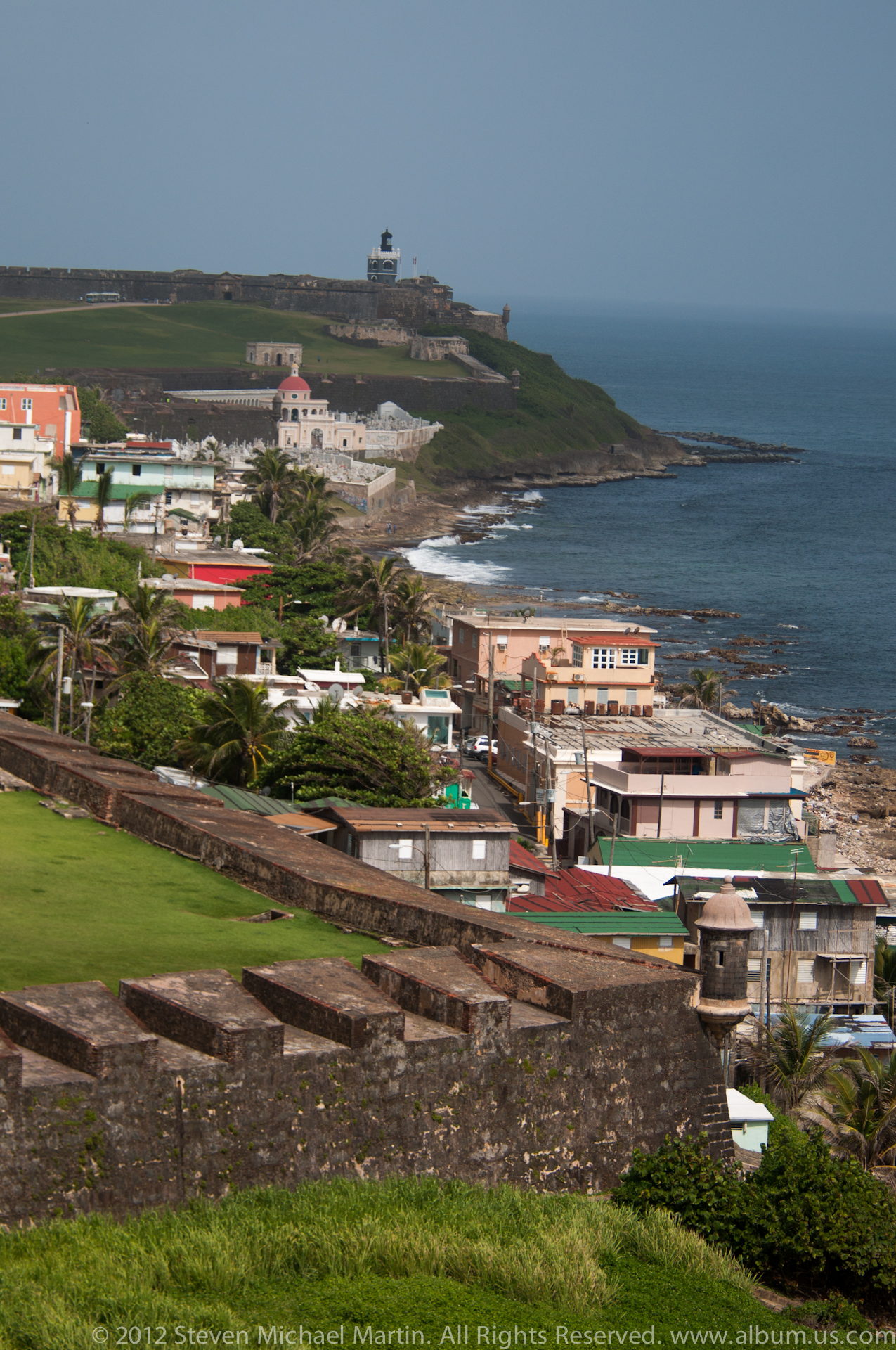
- Panoramic coastal views illustrating strategic defensive positioning
🏛️ Notable Features
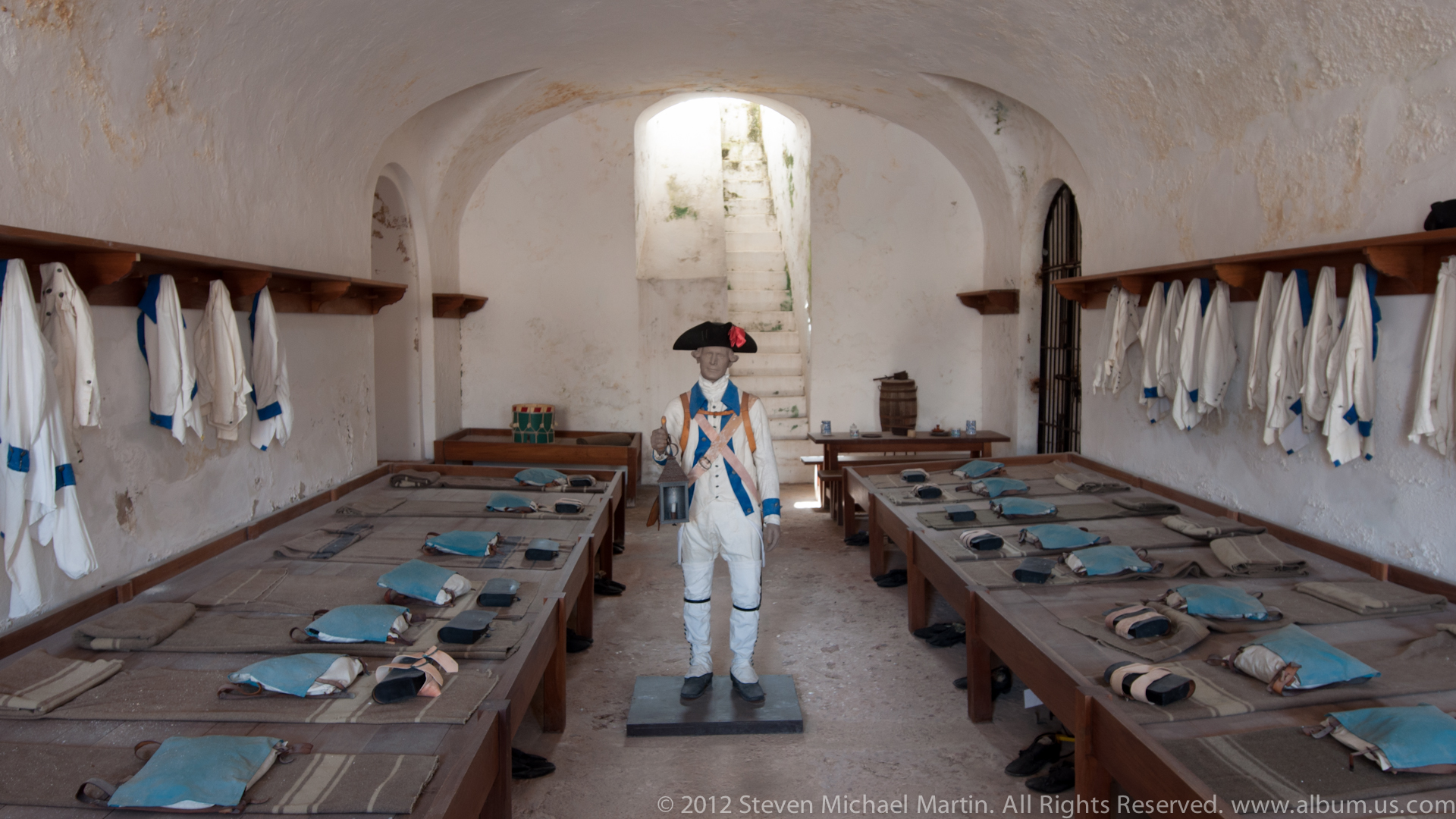
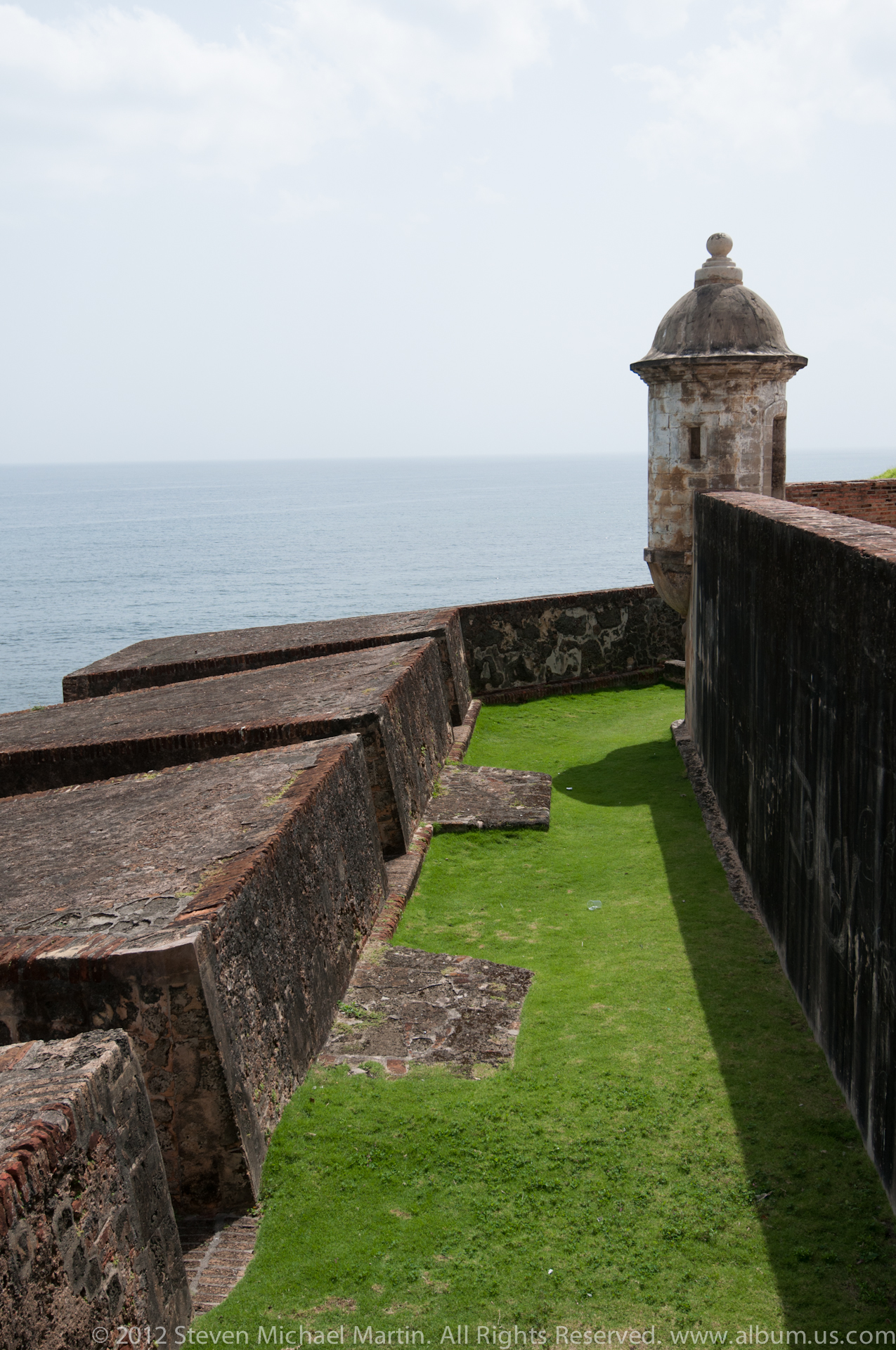
- Multi-level defensive bastions designed for artillery warfare
- Thick masonry walls engineered to withstand naval bombardment
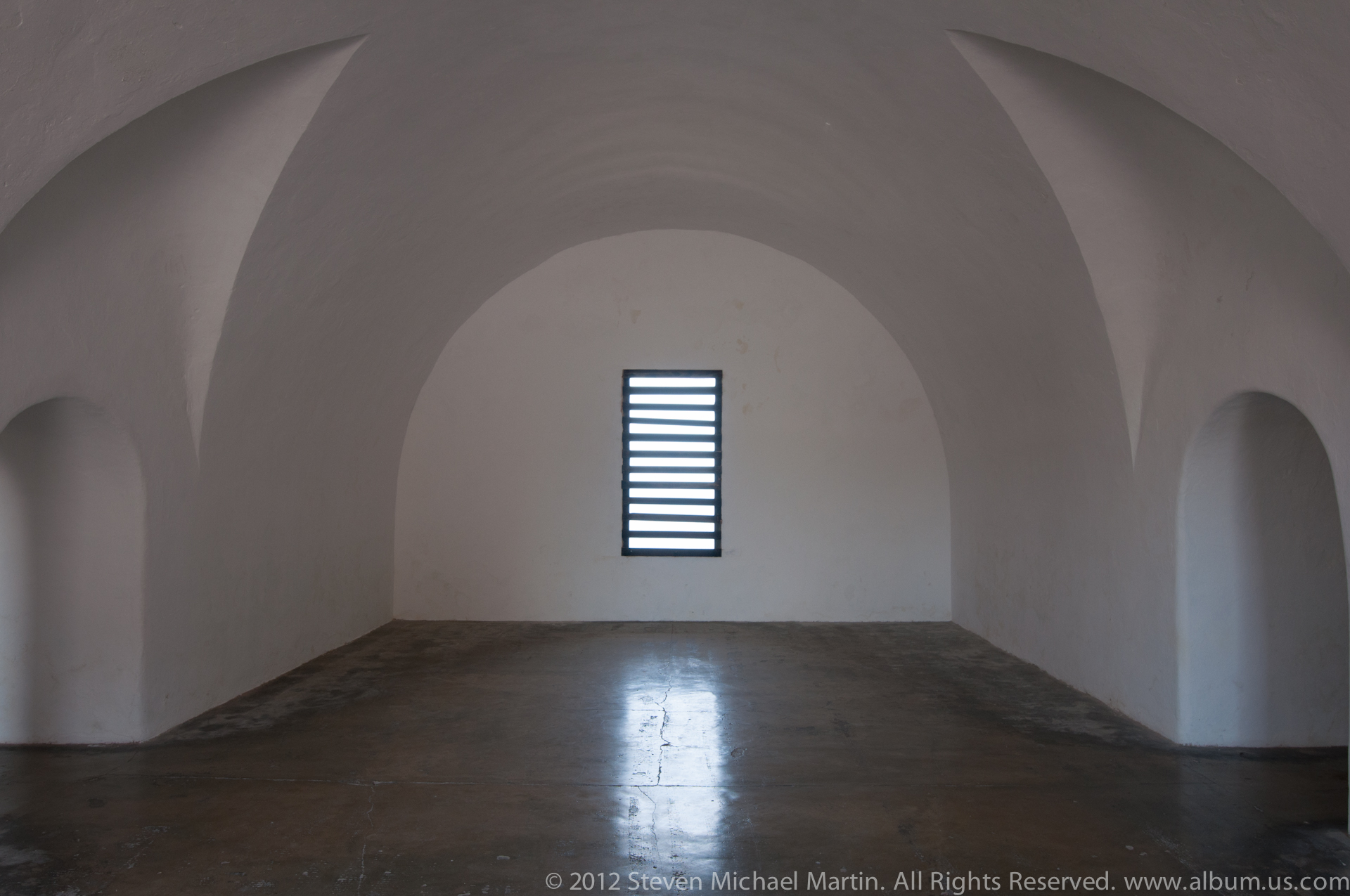
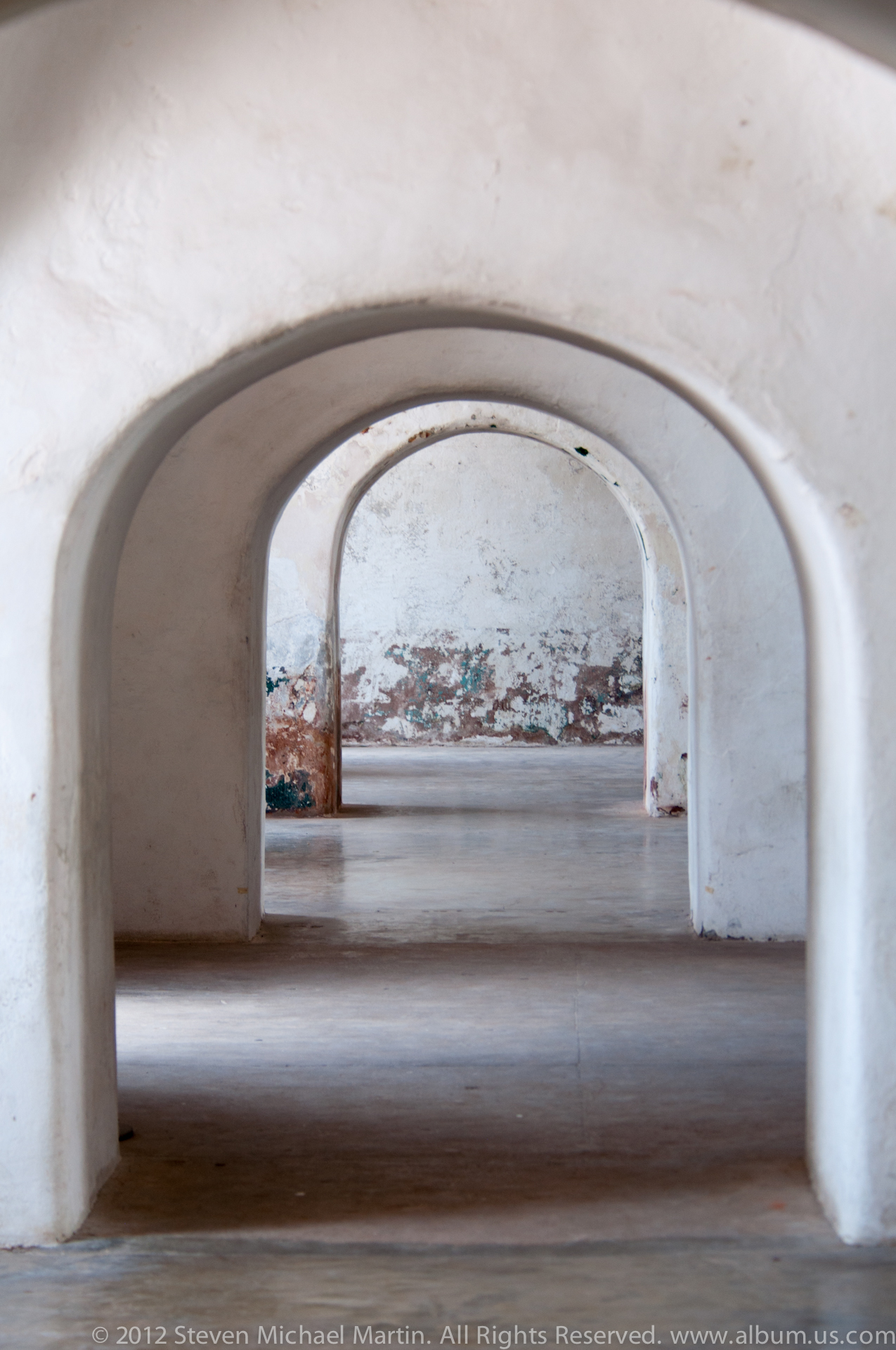
- Interior courtyards and tunnels connecting defensive positions
- Integration of fortifications into the urban fabric of Old San Juan
- Preservation of one of the most complete colonial defense systems in the Western Hemisphere
📷 Photography Notes
- Morning light illuminates the eastern walls of El Morro
- Late afternoon light enhances texture of masonry fortifications
- Wide-angle compositions emphasize scale of defensive structures
- Elevated viewpoints reveal relationship between fortifications and coastline
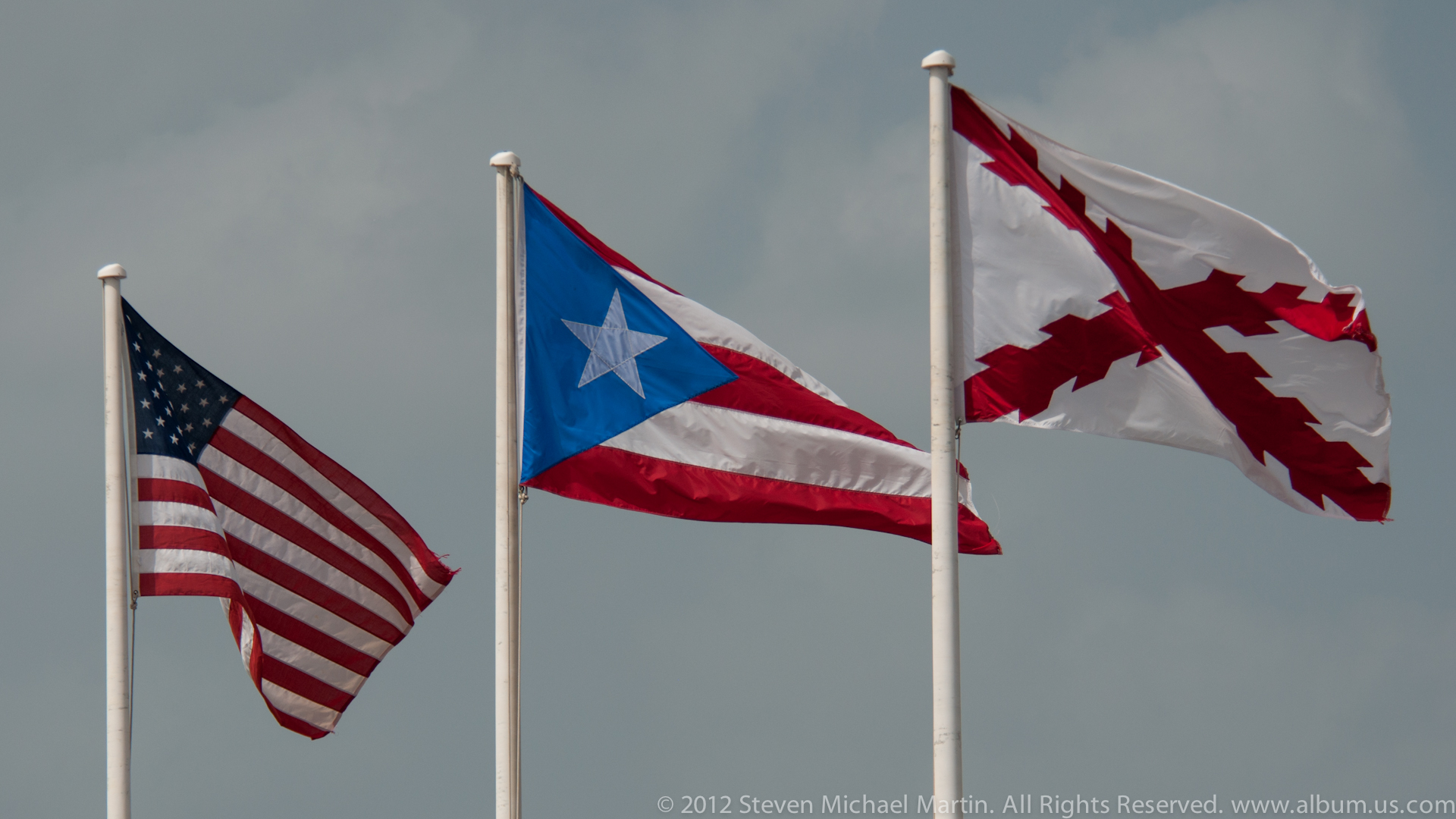
- Cloud formations over the Atlantic provide atmospheric context
- Stone textures respond well to directional side lighting