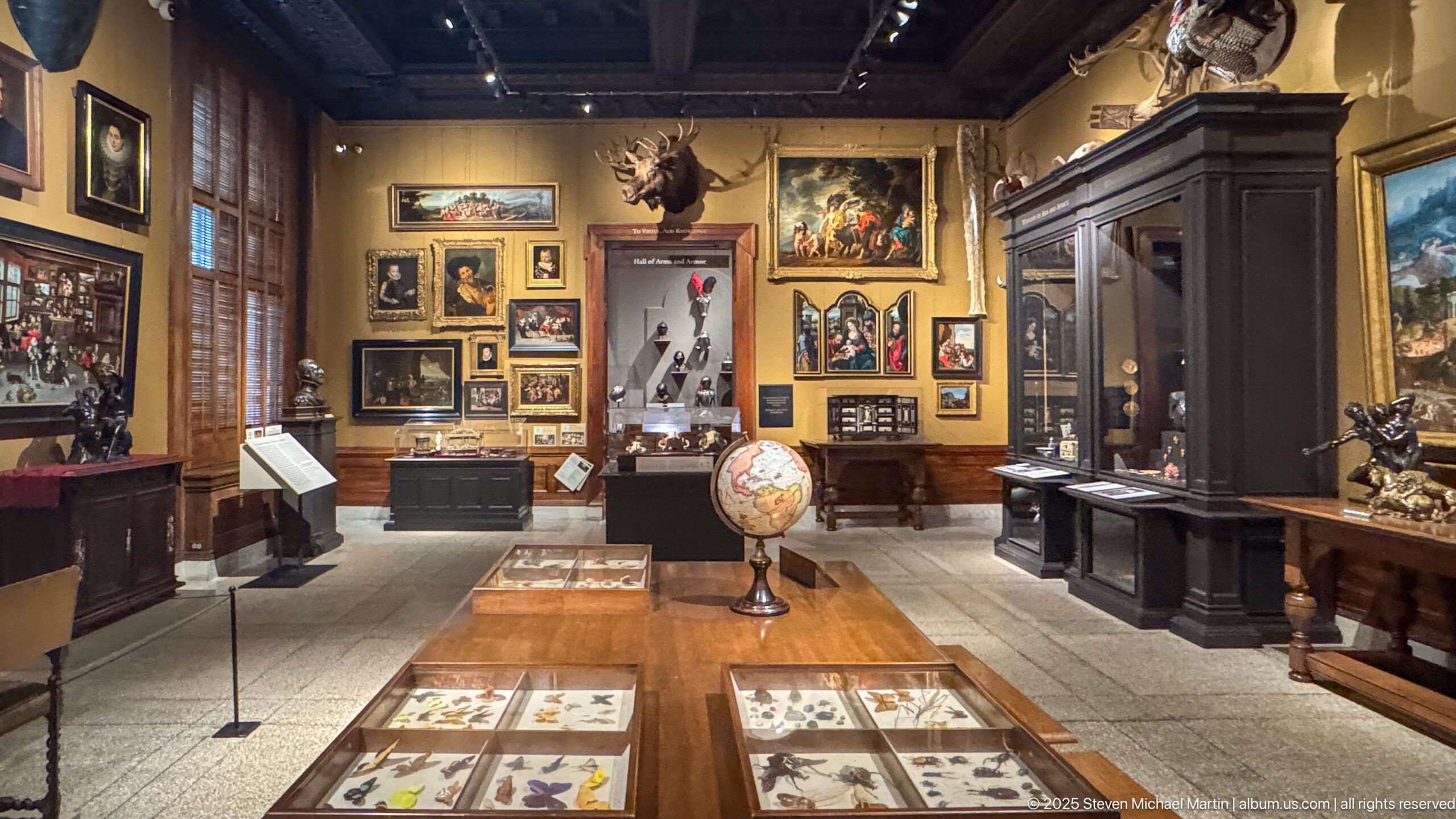
Walters Art Museum Chamber of Wonders The concept of a “Chamber of Wonders,” or cabinet of curiosities, reflects an early modern tradition in which collectors assembled objects representing the diversity of the natural world, artistic craftsmanship, and scientific discovery. Such collections, popular in Europe during the sixteenth and seventeenth centuries, often brought together antiquities, rare […]
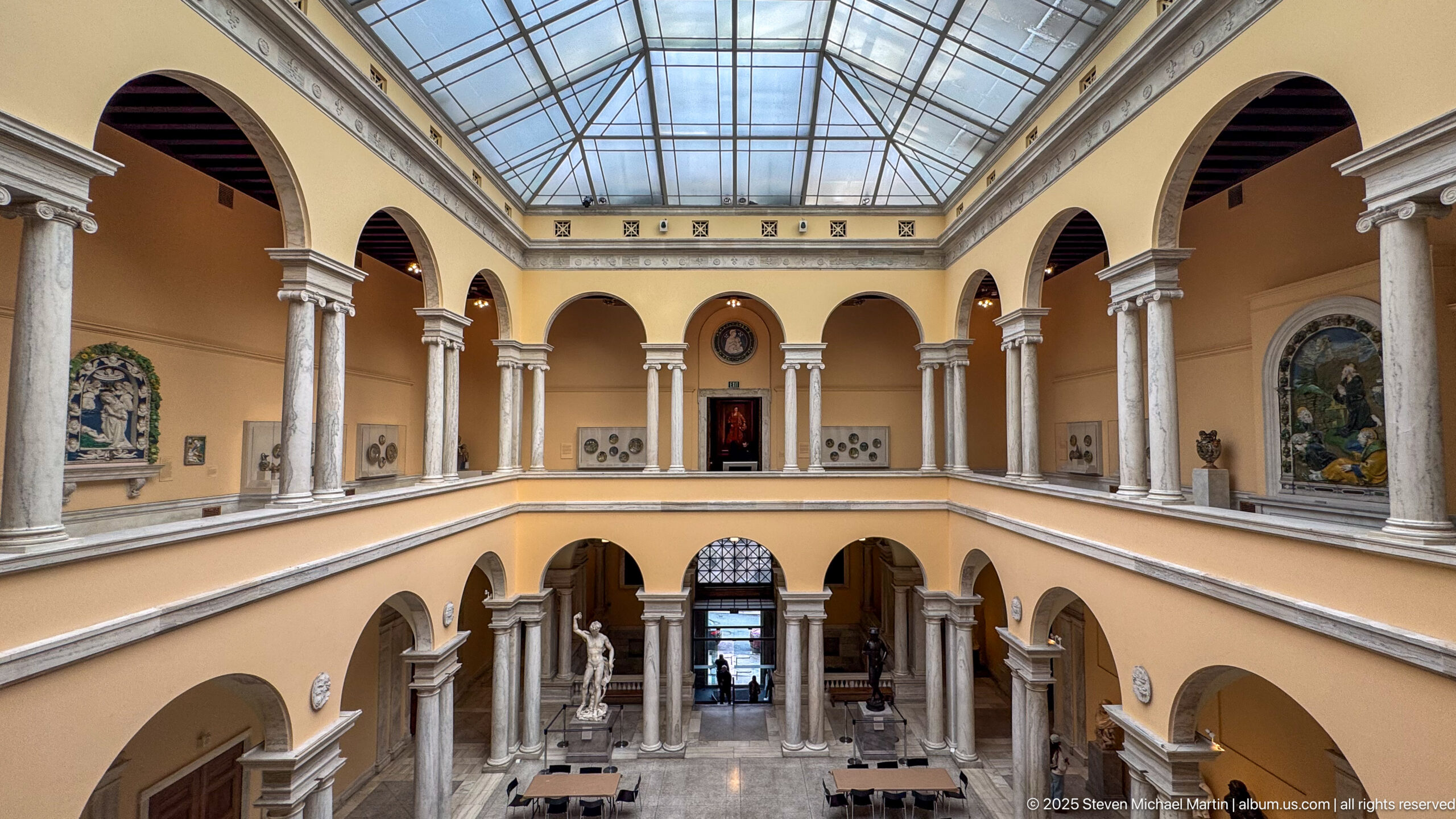
Walters Art Museum The Walters Art Museum forms part of Baltimore’s Mount Vernon cultural district, reflecting the development of private art collecting into public institutions during the late nineteenth and early twentieth centuries. The original palazzo-style building, completed in 1909 and inspired by Italian Renaissance architecture, was designed to house the collection assembled by William […]
Nathaniel Russell House Museum The Nathaniel Russell House is located within Charleston’s historic district near the High Battery, where early nineteenth-century residential architecture reflects the economic prosperity of the Atlantic port city. Constructed in 1808 in the Federal style, the house illustrates architectural traditions associated with merchant wealth derived from maritime trade linking Charleston with […]
Rainbow Row and Downtown Charleston Rainbow Row is a series of historic eighteenth-century houses located along East Bay Street in Charleston’s historic waterfront district. Originally constructed as commercial buildings with residences above, these structures illustrate the relationship between maritime trade and urban development in an important Atlantic port city. The buildings were restored during the […]
Heyward-Washington House Museum The Heyward-Washington House is located within Charleston’s historic district and represents one of the most significant surviving examples of eighteenth-century domestic architecture in the city. Constructed in 1772, the Georgian-style residence was the home of Thomas Heyward Jr., a signer of the Declaration of Independence, reflecting the political and social importance of […]
Edmondston-Alston House Museum The Edmondston-Alston House is located along Charleston’s High Battery overlooking Charleston Harbor, where waterfront residences reflect the historic relationship between maritime trade and urban development in the South Carolina Lowcountry. Constructed in 1825 by shipping merchant Charles Edmondston and later expanded in the Greek Revival style, the house illustrates architectural traditions associated […]
Gibbes Museum of Art The Gibbes Museum of Art is located within Charleston’s historic district and serves as one of the leading visual arts institutions in the southeastern United States. The museum building, completed in 1905 in the Beaux-Arts architectural style, reflects the cultural aspirations of Charleston during a period of renewed civic and artistic […]
Joseph Manigault House Museum The Joseph Manigault House Museum is located within the historic district of Charleston and represents an important example of early nineteenth-century domestic architecture influenced by neoclassical design traditions. Constructed in 1803 and designed by Gabriel Manigault, the house reflects the refined urban lifestyle of a prosperous rice-planting family connected to regional […]
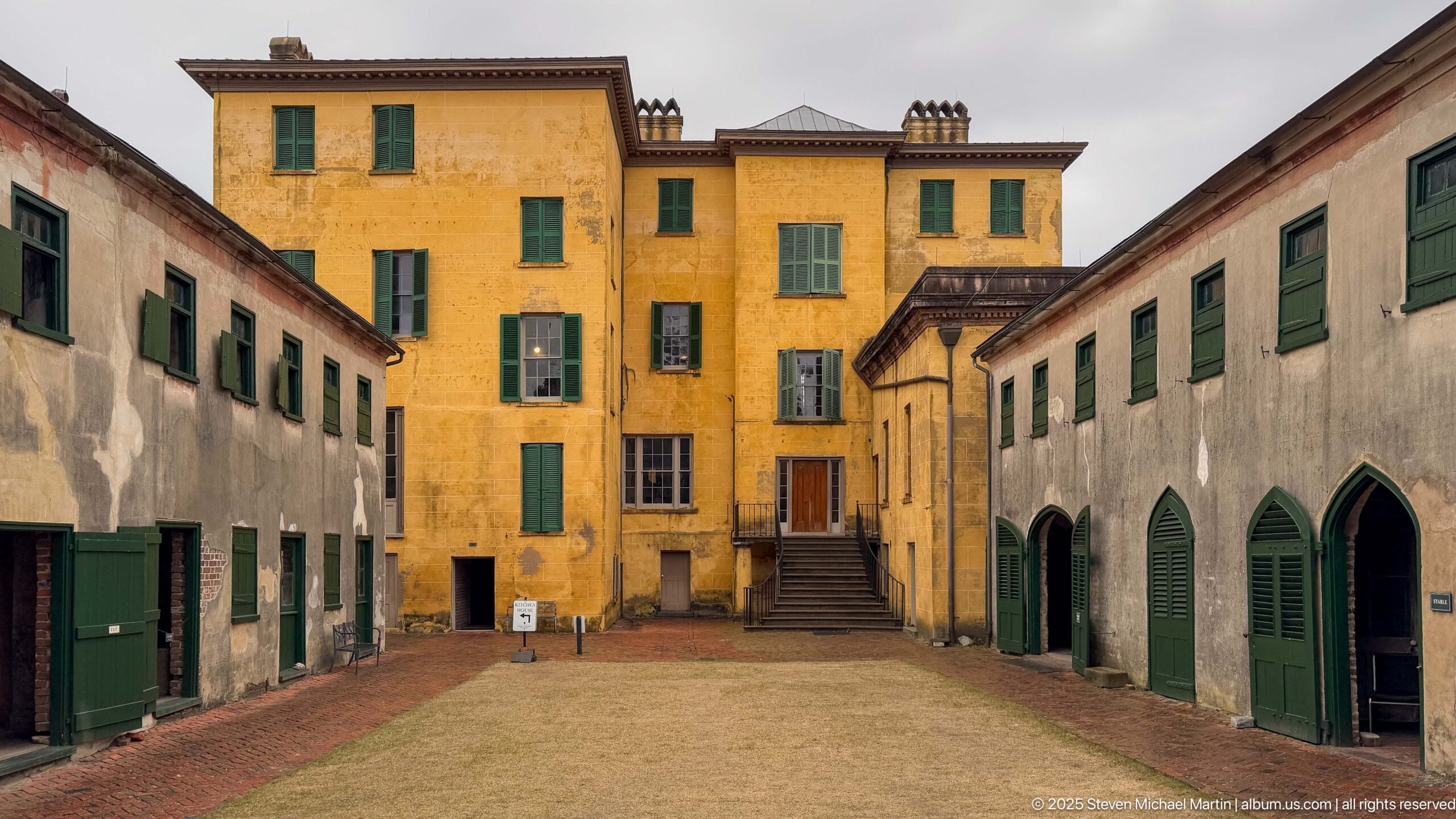
Aiken-Rhett House Museum The Aiken-Rhett House Museum preserves one of the most intact examples of an antebellum urban residence in Charleston, South Carolina. Built around 1820 and expanded during the 1830s and 1850s, the property illustrates the architectural and social structure of a nineteenth-century household within the historic port city. The house is located within […]
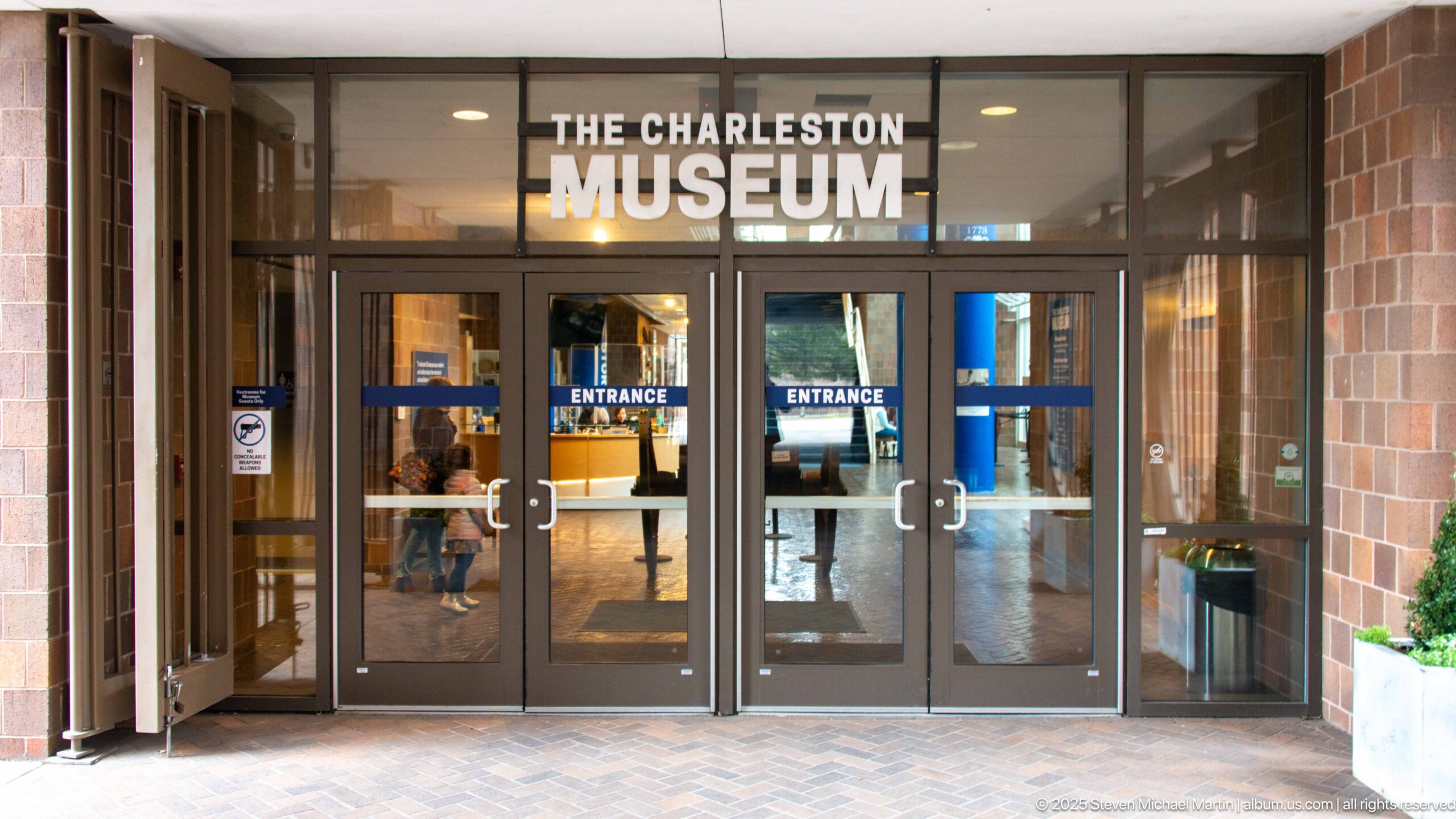
Charleston Museum The Charleston Museum, founded in 1773, is widely recognized as the oldest museum in the United States and reflects early efforts to collect and interpret natural history, cultural artifacts, and regional heritage in the American colonies. Located within the historic district of Charleston, the institution developed during a period of growing interest in […]