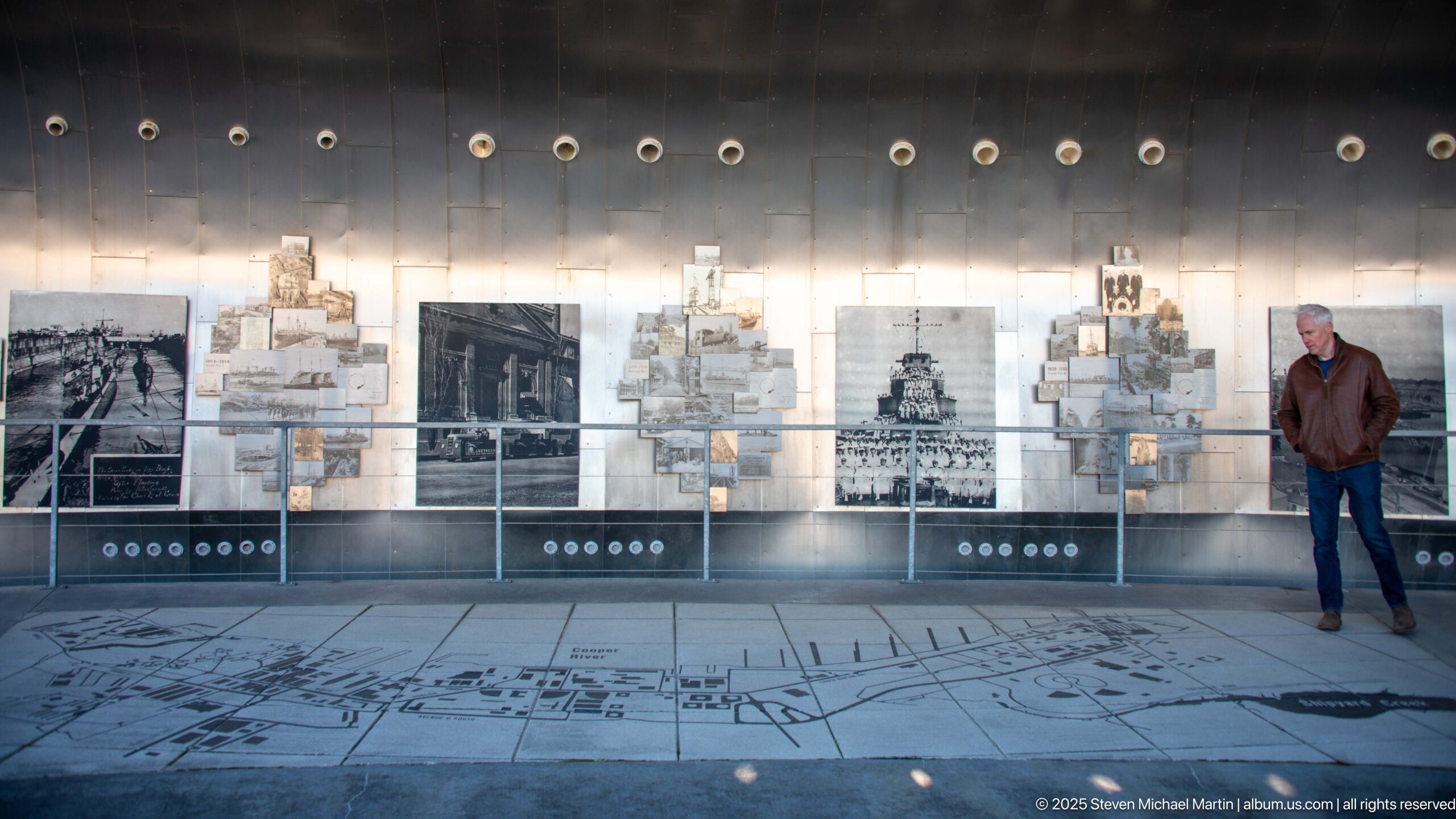
Charleston Naval Base The Charleston Naval Base was located along the Cooper River in North Charleston, where deep-water access to the Atlantic Ocean supported the development of one of the most significant military installations in the southeastern United States. Established in 1901, the base became an important center for shipbuilding, repair, logistics, and training associated […]
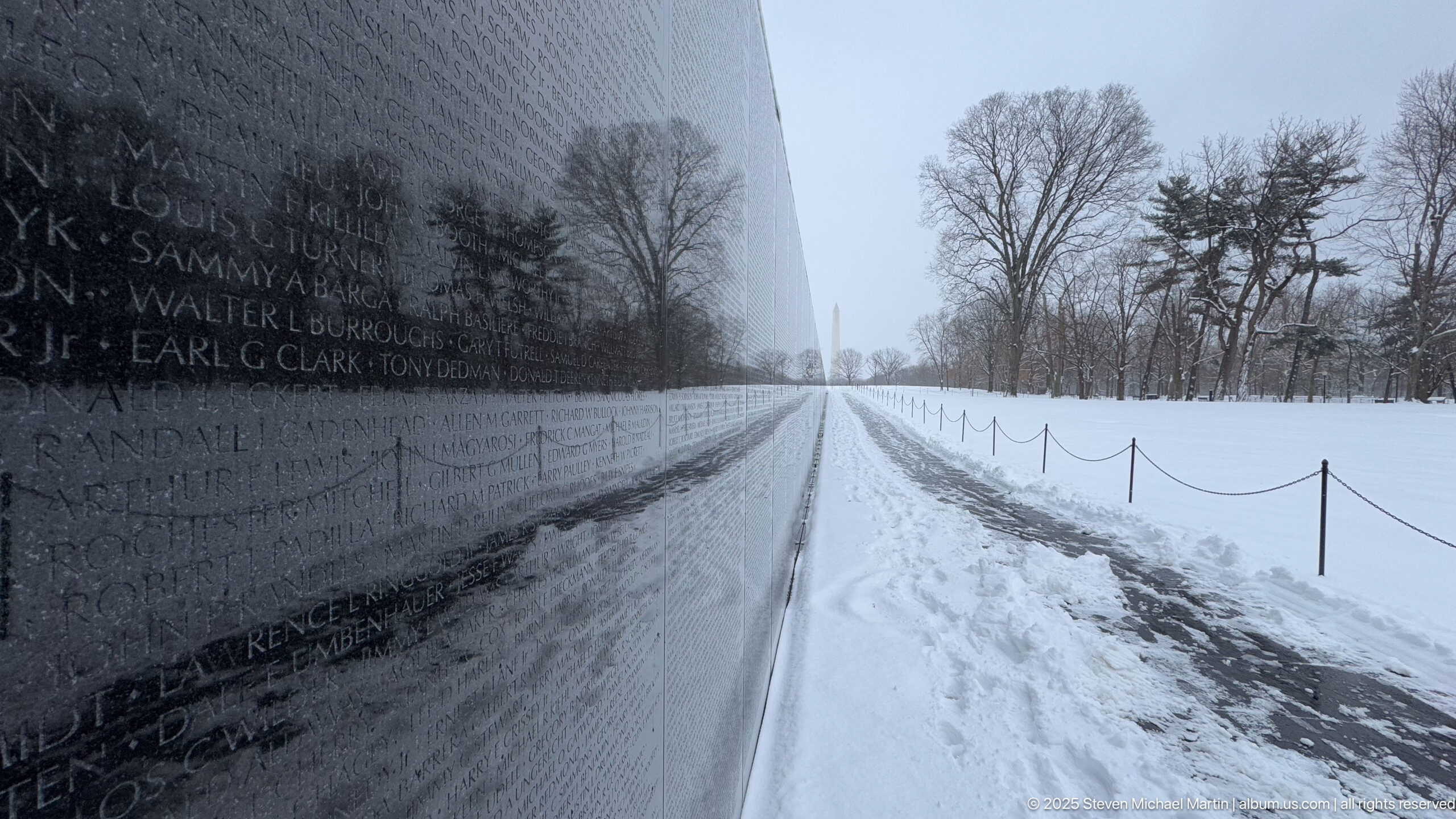
Washington, DC Snow Storm Winter snowstorms periodically transform the monumental landscape of Washington, DC, altering the visual character of the capital’s formal architecture and planned open spaces. The city’s broad avenues, neoclassical buildings, and commemorative landscapes reflect nineteenth- and early twentieth-century urban planning traditions that emphasize symmetry and long sightlines. Snow accumulation softens architectural detail […]
Christmas Market at Heurich House The Heurich House Museum preserves the late nineteenth-century residence of German immigrant brewer Christian Heurich, whose business became one of the largest private employers in Washington, DC. Constructed between 1892 and 1894 in the Late Victorian architectural style, the house reflects the influence of European craftsmanship and the role of […]
Thomas Stone National Historic Site Thomas Stone National Historic Site preserves the home and landscape associated with one of the signers of the Declaration of Independence, whose participation in the founding of the United States illustrates the political and legal foundations of the early republic. Located in southern Maryland, the estate known as Haberdeventure reflects […]
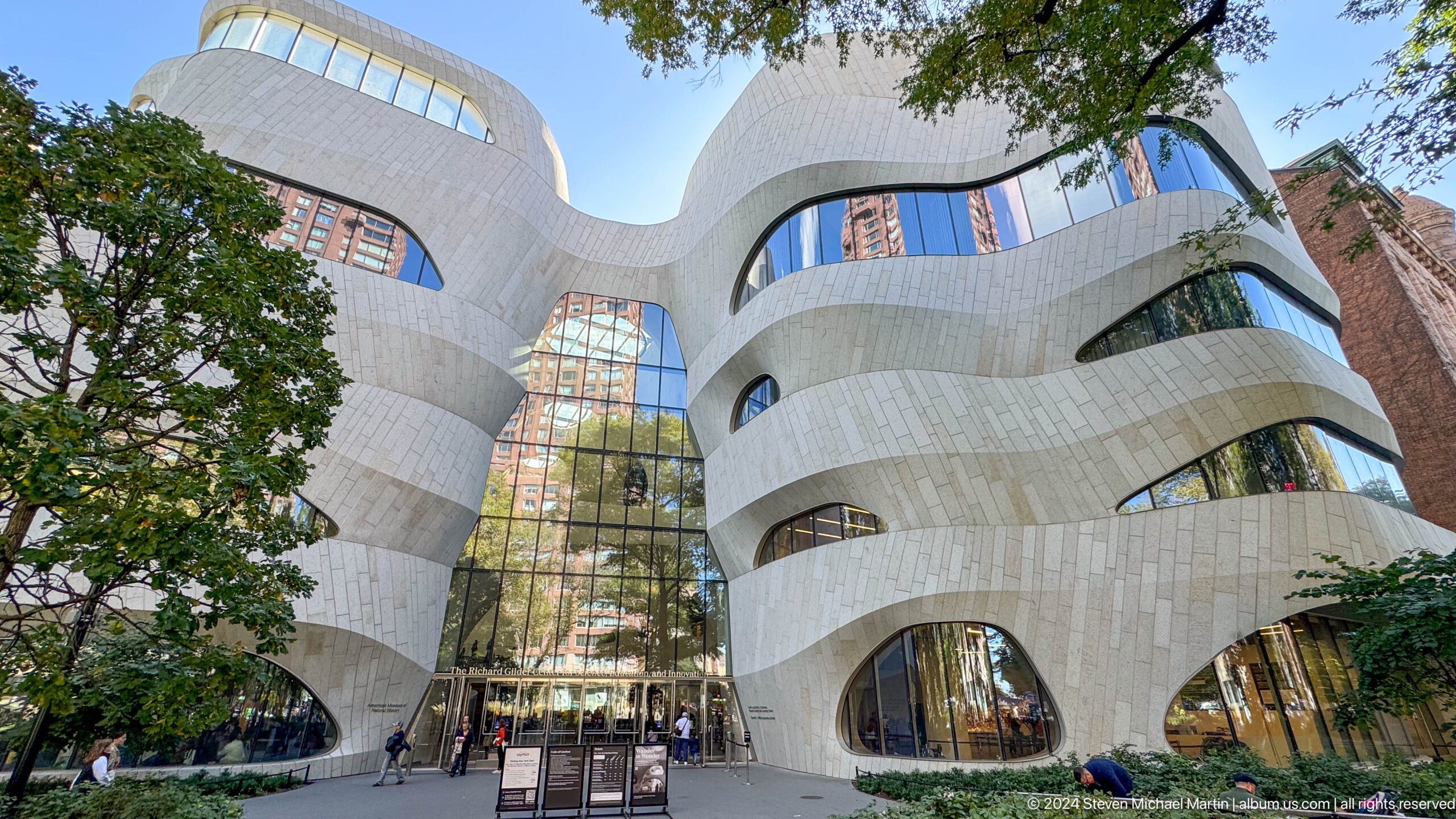
American Museum of Natural History The American Museum of Natural History reflects the nineteenth-century expansion of scientific research institutions dedicated to understanding the natural world. Founded in 1869 and located on the Upper West Side of Manhattan near Central Park, the museum developed as a center for the study of biology, geology, anthropology, and astronomy. […]
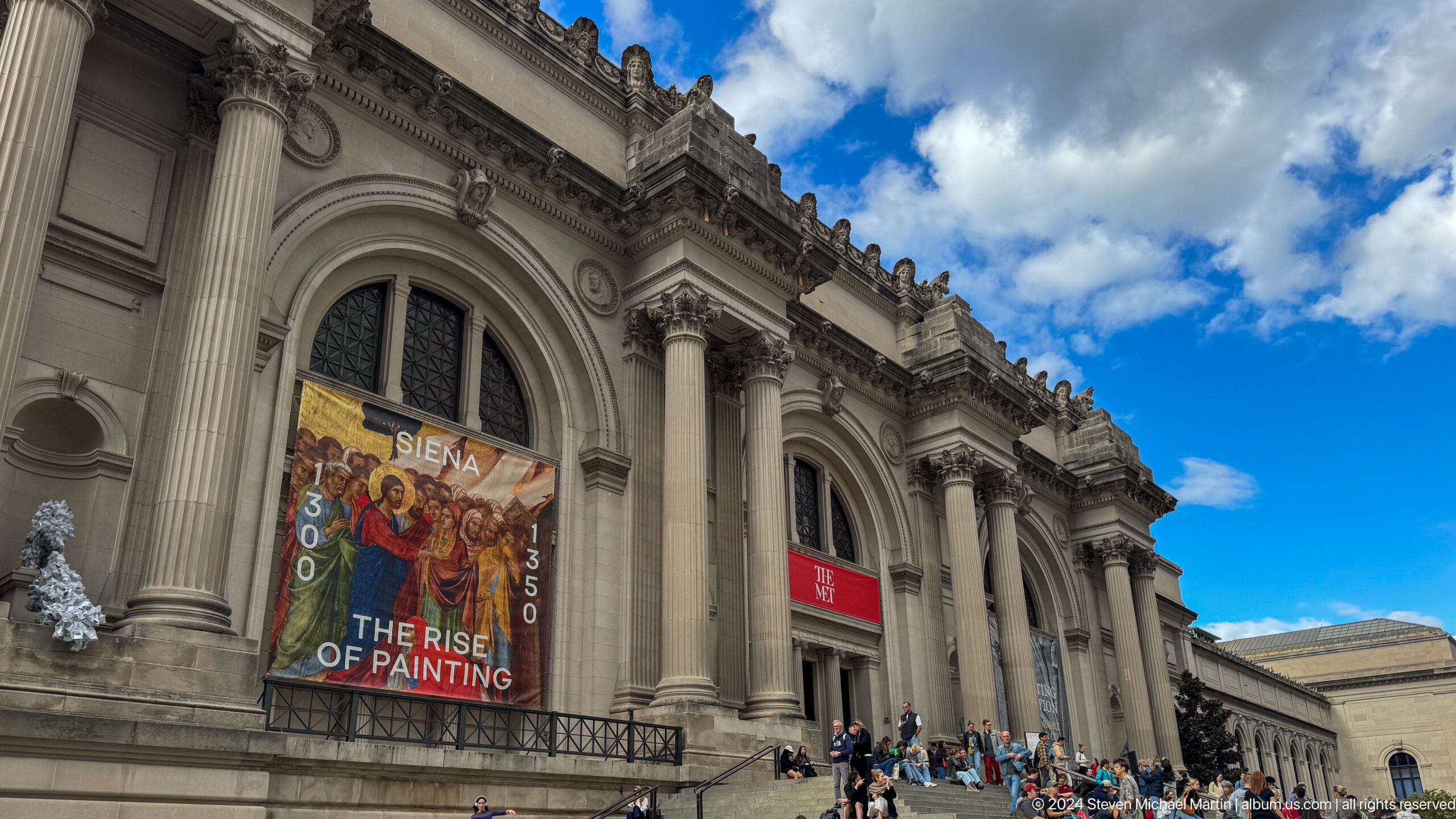
Metropolitan Museum of Art The Metropolitan Museum of Art stands among the most comprehensive art museums in the world, reflecting the development of global artistic traditions across more than five millennia. Founded in 1870 by civic leaders, artists, and philanthropists, the museum was intended to bring art and art education to the American public. Located […]
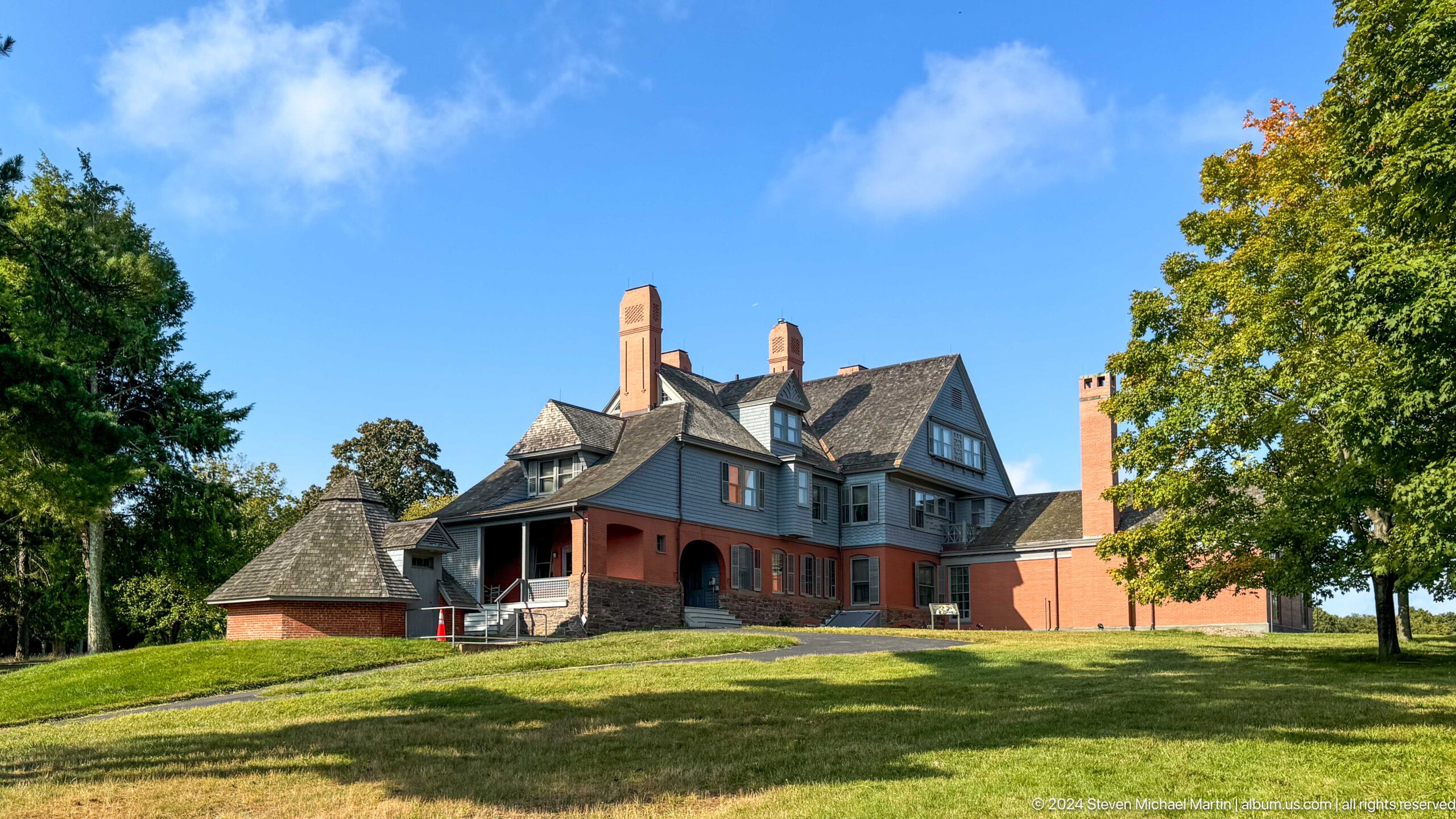
Sagamore Hill National Historic Site Sagamore Hill preserves the home of Theodore Roosevelt, 26th President of the United States, whose leadership shaped American political thought, conservation policy, and international diplomacy during the early twentieth century. Located in Oyster Bay on the north shore of Long Island, the estate became Roosevelt’s primary residence from 1885 until […]
Lower East Side The Lower East Side developed as one of the most historically significant immigrant neighborhoods in the United States, where successive waves of newcomers shaped the social and cultural identity of New York City. During the nineteenth and early twentieth centuries, large numbers of immigrants from Europe, particularly from Germany, Ireland, Italy, and […]
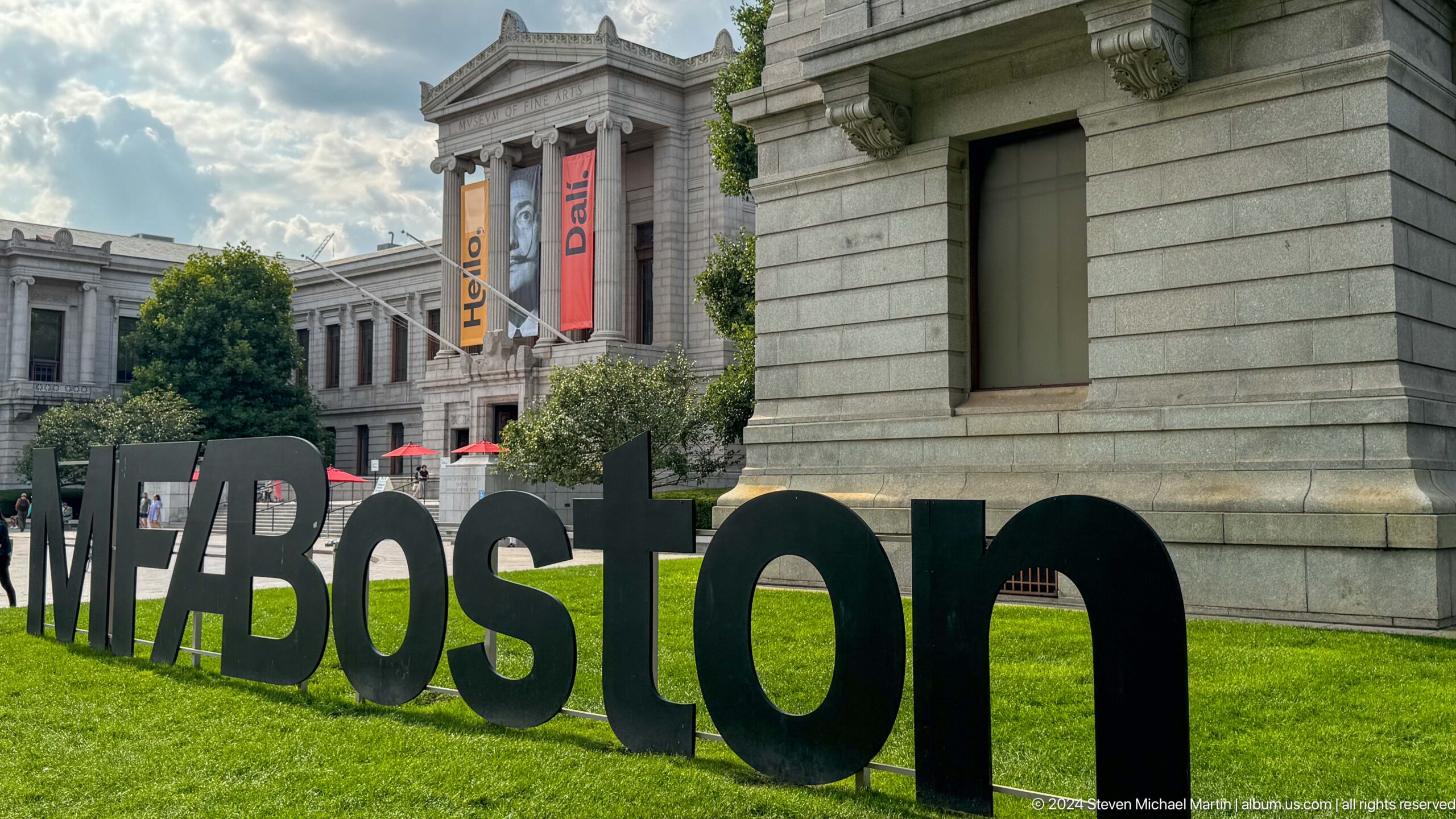
Museum of Fine Arts, Boston The Museum of Fine Arts, Boston is one of the most comprehensive art institutions in the United States, reflecting the development of cultural collecting traditions during the nineteenth and twentieth centuries. Founded in 1870 and relocated to its current Fenway location in 1909, the museum’s architecture and collections illustrate the […]
Provincetown 2024 Provincetown occupies the outermost tip of Cape Cod, where a narrow peninsula formed by glacial deposition extends into the Atlantic Ocean and Cape Cod Bay. The town developed as a fishing and maritime settlement before evolving into an internationally recognized center of artistic production and cultural exchange. Its geographic isolation helped foster a […]