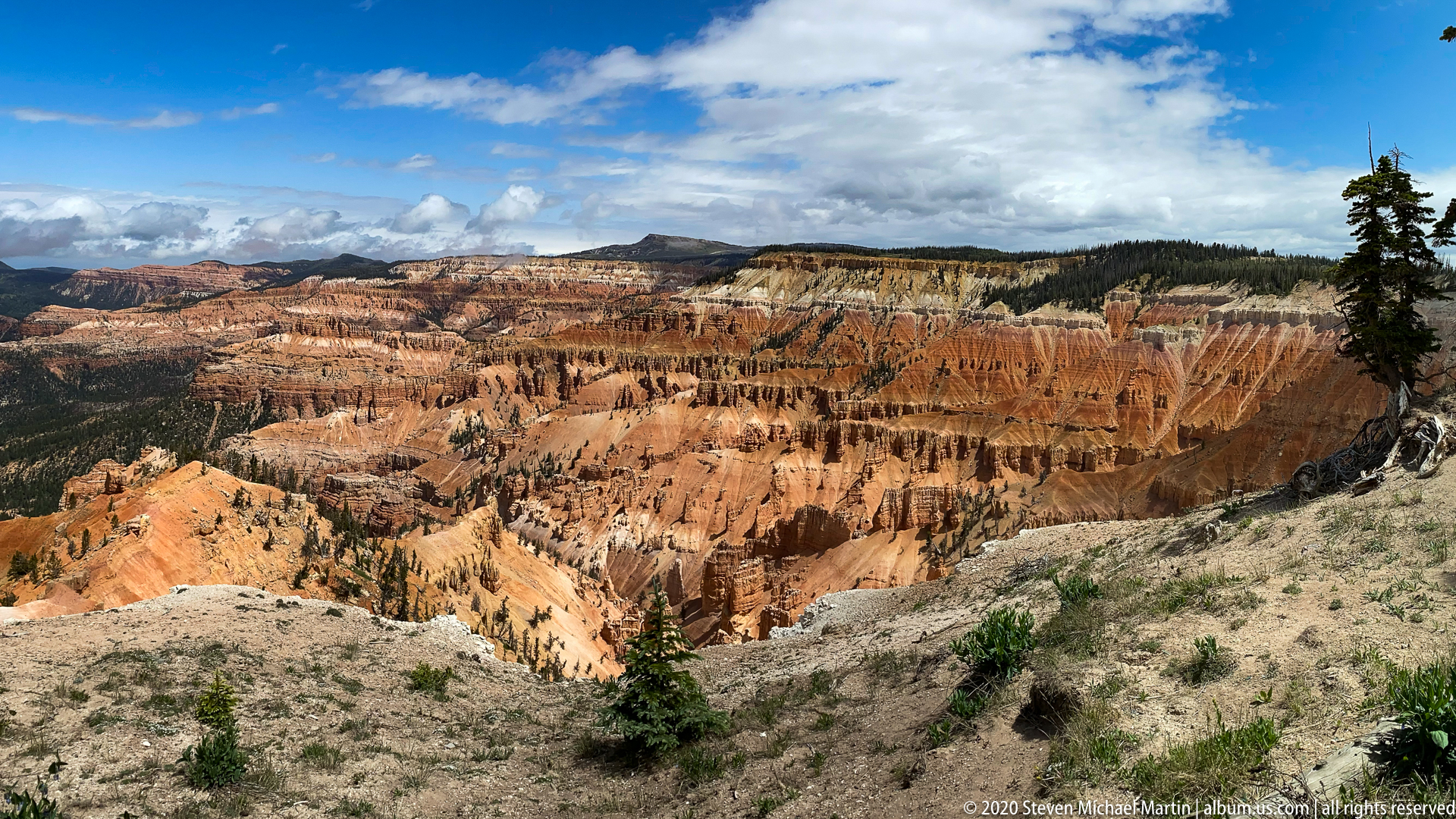
Cedar Breaks National Monument Cedar Breaks National Monument preserves a natural amphitheater carved into the western edge of the Markagunt Plateau in southern Utah. The formation exposes layers of limestone and sandstone shaped by erosion acting upon uplifted sedimentary rock. The resulting amphitheater reveals a landscape filled with colorful rock formations that illustrate long-term geological […]
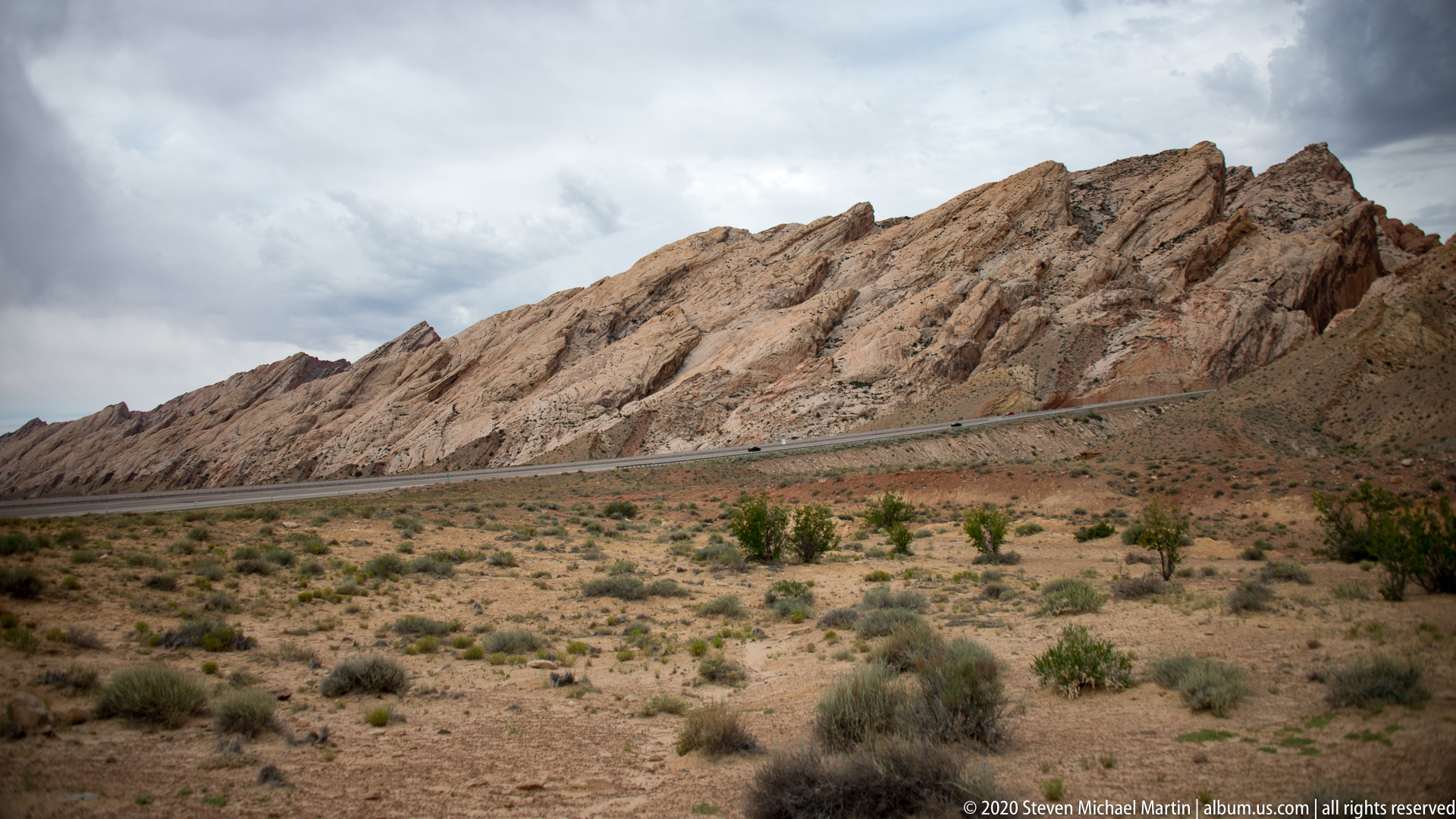
San Rafael Reef San Rafael Reef preserves one of the most dramatic geologic features in central Utah, forming the steep eastern edge of the San Rafael Swell. The landscape is defined by tilted rock layers, vertical fins, domes, and deeply incised canyons that reveal the structural forces that shaped this portion of the Colorado Plateau. […]
The Windows – Arches National Park The Windows section of Arches National Park preserves a concentration of large natural sandstone arches formed through erosion acting upon fractured rock layers. The arches developed as weathering gradually removed softer material beneath more resistant sandstone, leaving freestanding openings within the rock. The formations illustrate the structural processes responsible […]
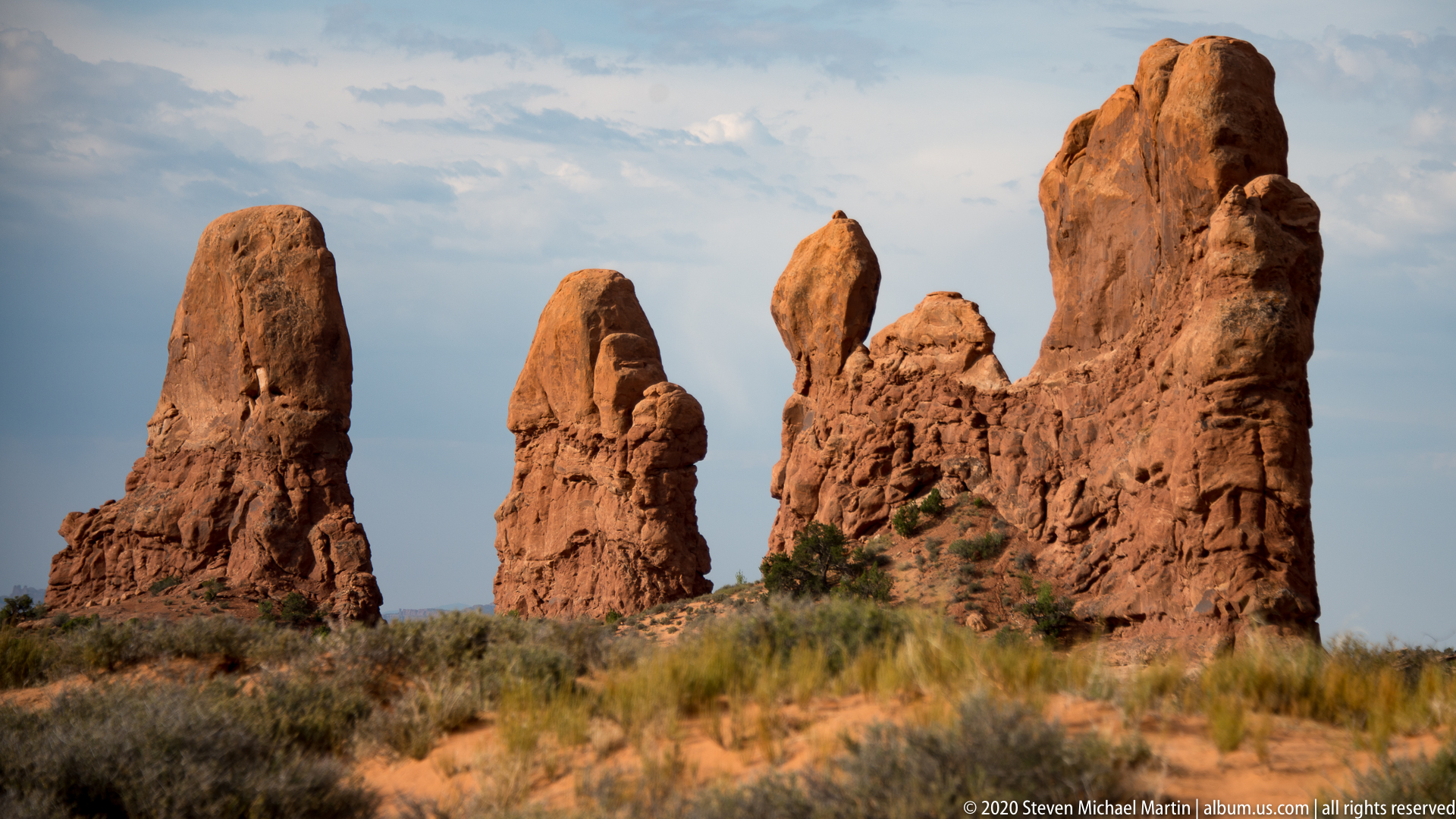
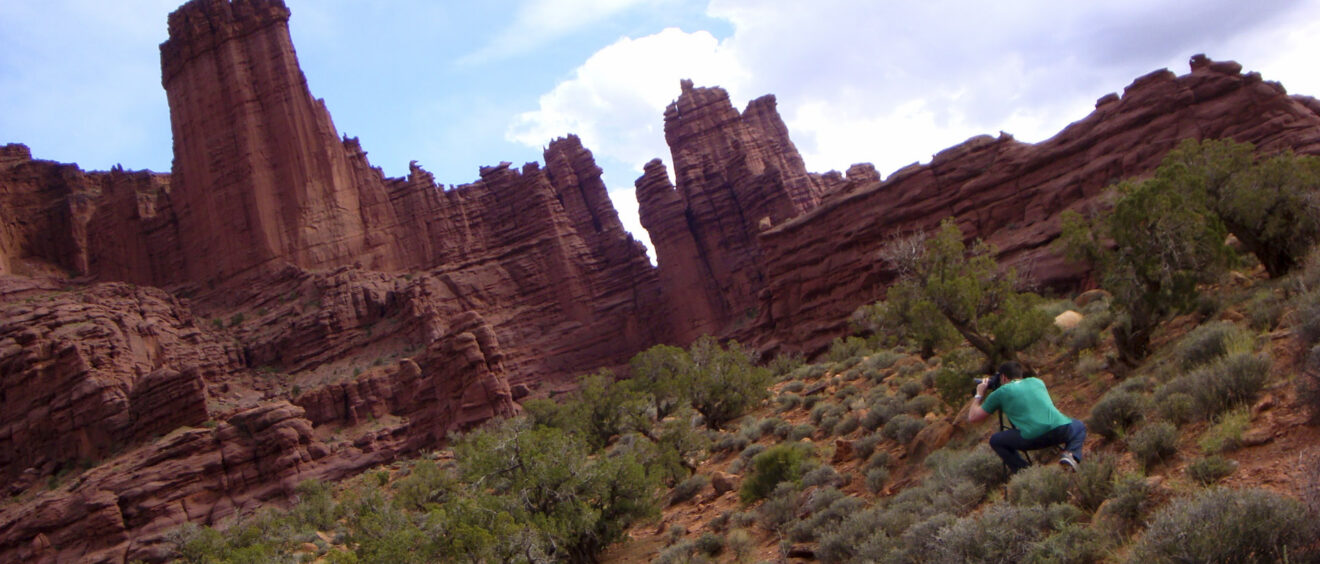
Castle Valley Castle Valley preserves a dramatic desert landscape characterized by towering sandstone formations rising from open valley terrain. The formations were created through erosion acting upon sedimentary rock layers uplifted by tectonic forces associated with the Colorado Plateau. The resulting monoliths and mesas illustrate the influence of differential weathering on exposed rock surfaces. The […]
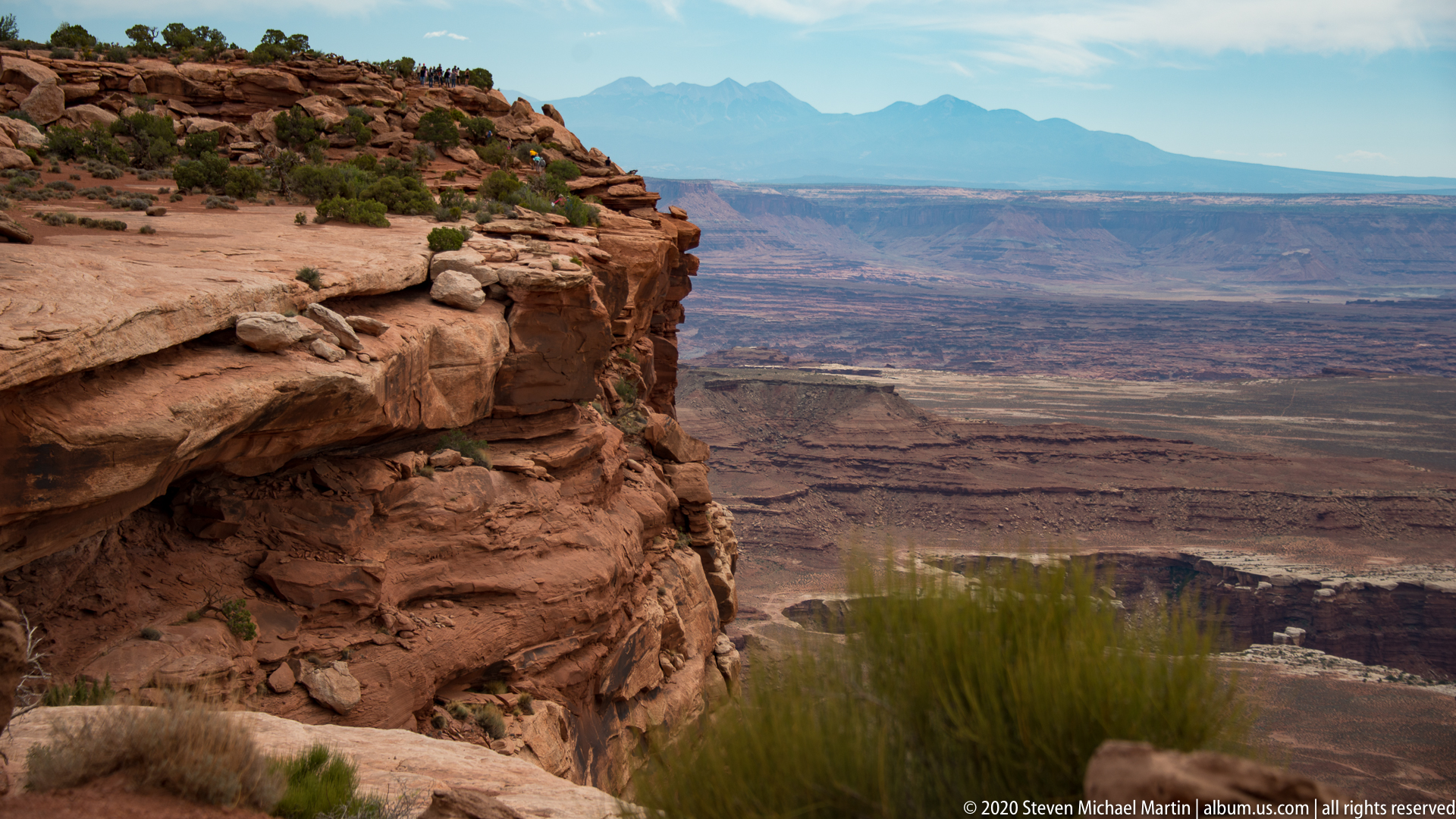
Island in the Sky – Canyonlands National Park Island in the Sky is a high mesa within Canyonlands National Park that provides sweeping views of canyon systems carved by the Colorado and Green Rivers. The elevated plateau is bounded by steep cliffs formed through erosion acting upon uplifted sedimentary rock layers. The landscape illustrates the […]
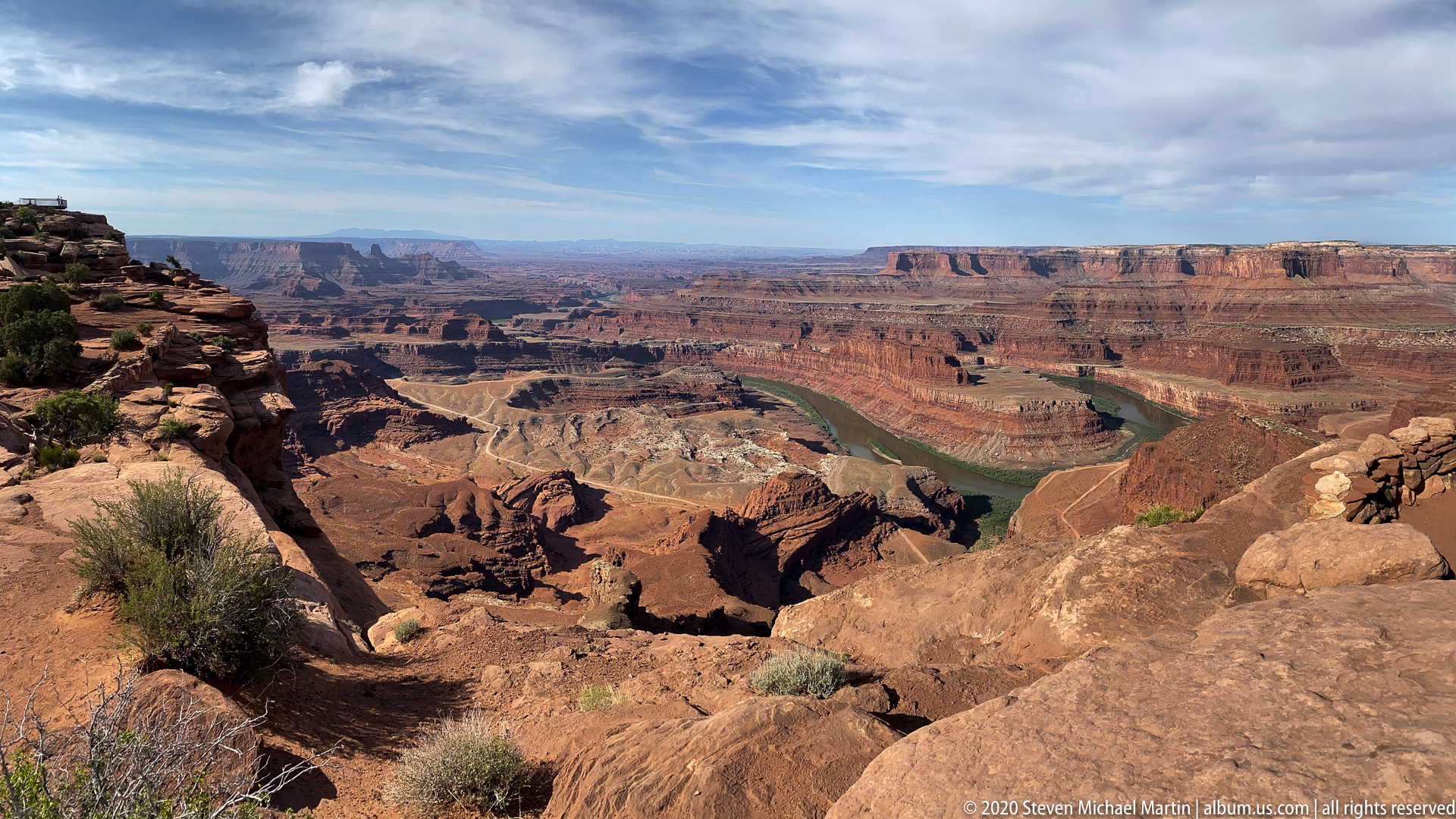
Dead Horse Point State Park Dead Horse Point State Park provides elevated views of canyon systems carved by the Colorado River across the Colorado Plateau. The overlook reveals deeply incised meanders where erosion gradually cut through layers of sedimentary rock. The dramatic canyon setting illustrates the interaction between river systems and uplifted terrain. Exposed rock […]
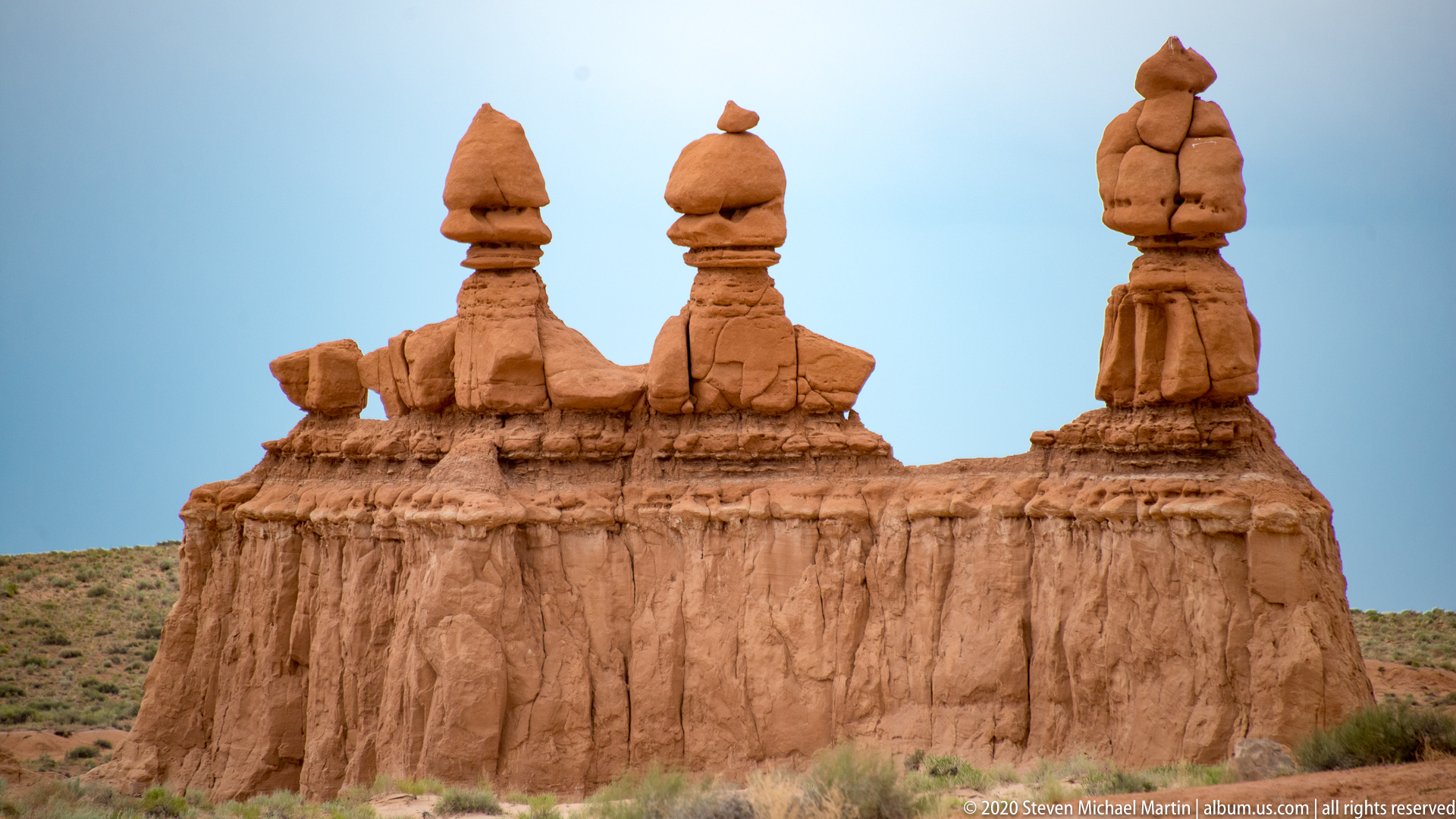
Goblin Valley State Park Goblin Valley State Park preserves a unique landscape of mushroom-shaped rock formations created through differential erosion of Entrada sandstone. The unusual shapes result from variations in rock hardness that allow softer layers to erode more rapidly than the protective caprock above. The resulting formations create a dense concentration of hoodoos across […]
Horseshoe Canyon – Canyonlands National Park Horseshoe Canyon preserves a remote canyon environment within Canyonlands National Park known for significant rock art panels associated with early Indigenous cultural traditions. The canyon’s curved shape reflects long-term erosion by seasonal water flow acting upon uplifted sedimentary rock layers. The landscape demonstrates the interaction between geological formation and […]
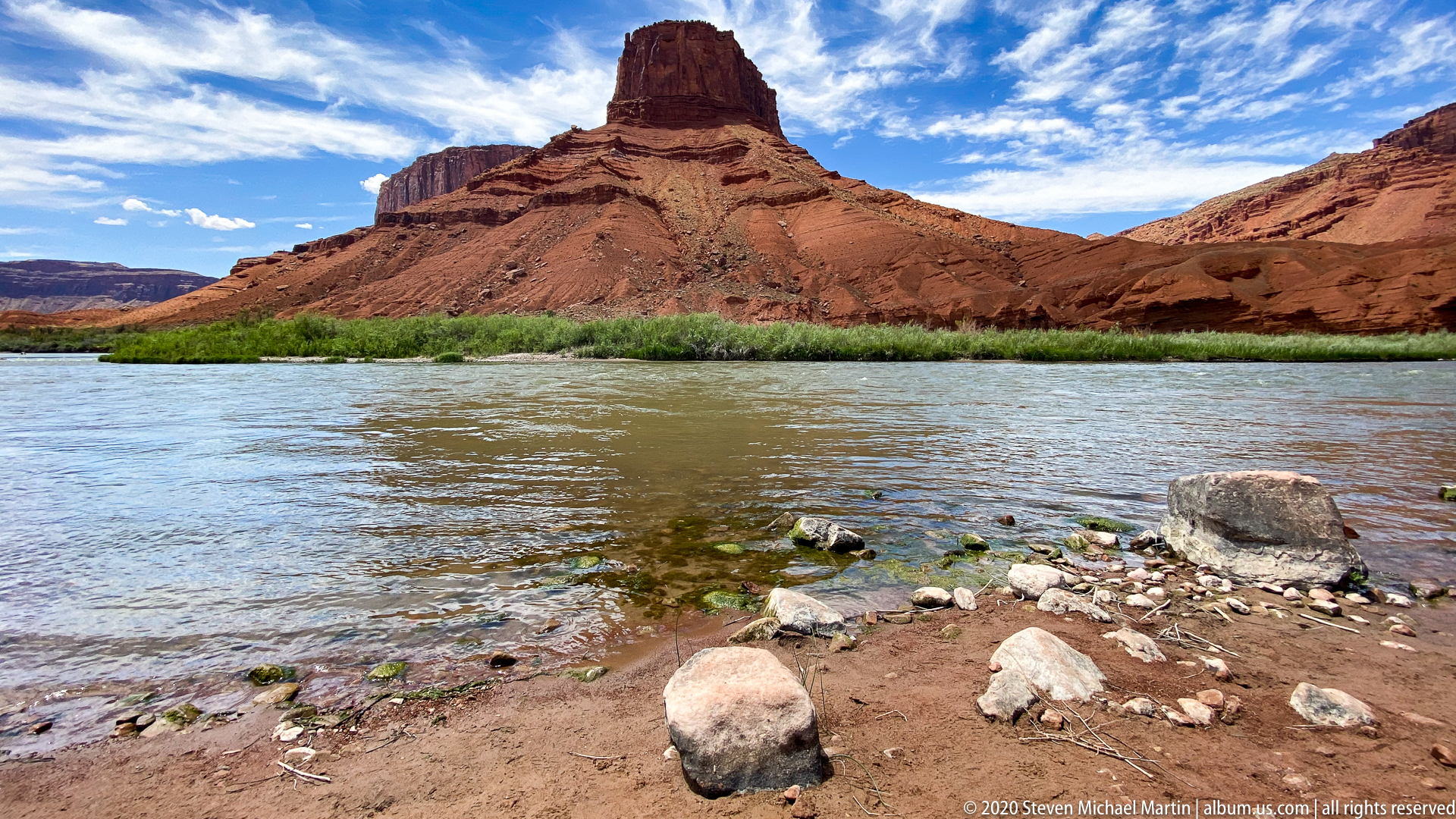
McInnis Canyons National Conservation Area — Moab Region McInnis Canyons National Conservation Area protects a rugged canyon environment characterized by exposed sandstone formations, mesas, and deeply eroded rock layers. The landscape reflects geological processes similar to those found throughout the Colorado Plateau, where uplift and erosion created distinctive canyon terrain. Rock layers reveal variations in […]
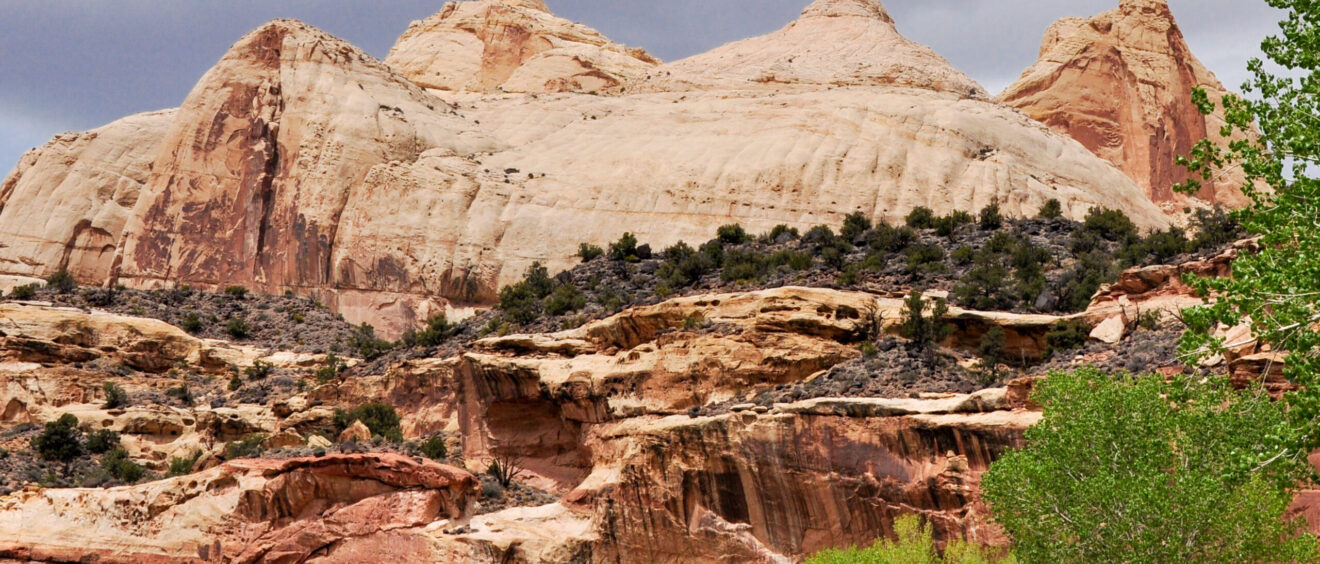
Capitol Reef National Park Capitol Reef National Park preserves a geological feature known as the Waterpocket Fold, a monocline formed when tectonic forces caused rock layers to bend upward rather than fracture. Erosion exposed the folded rock layers, revealing colorful sedimentary strata that record environmental conditions across millions of years. Differences in rock composition contribute […]