Joshua Tree National Park – New Year’s Eve
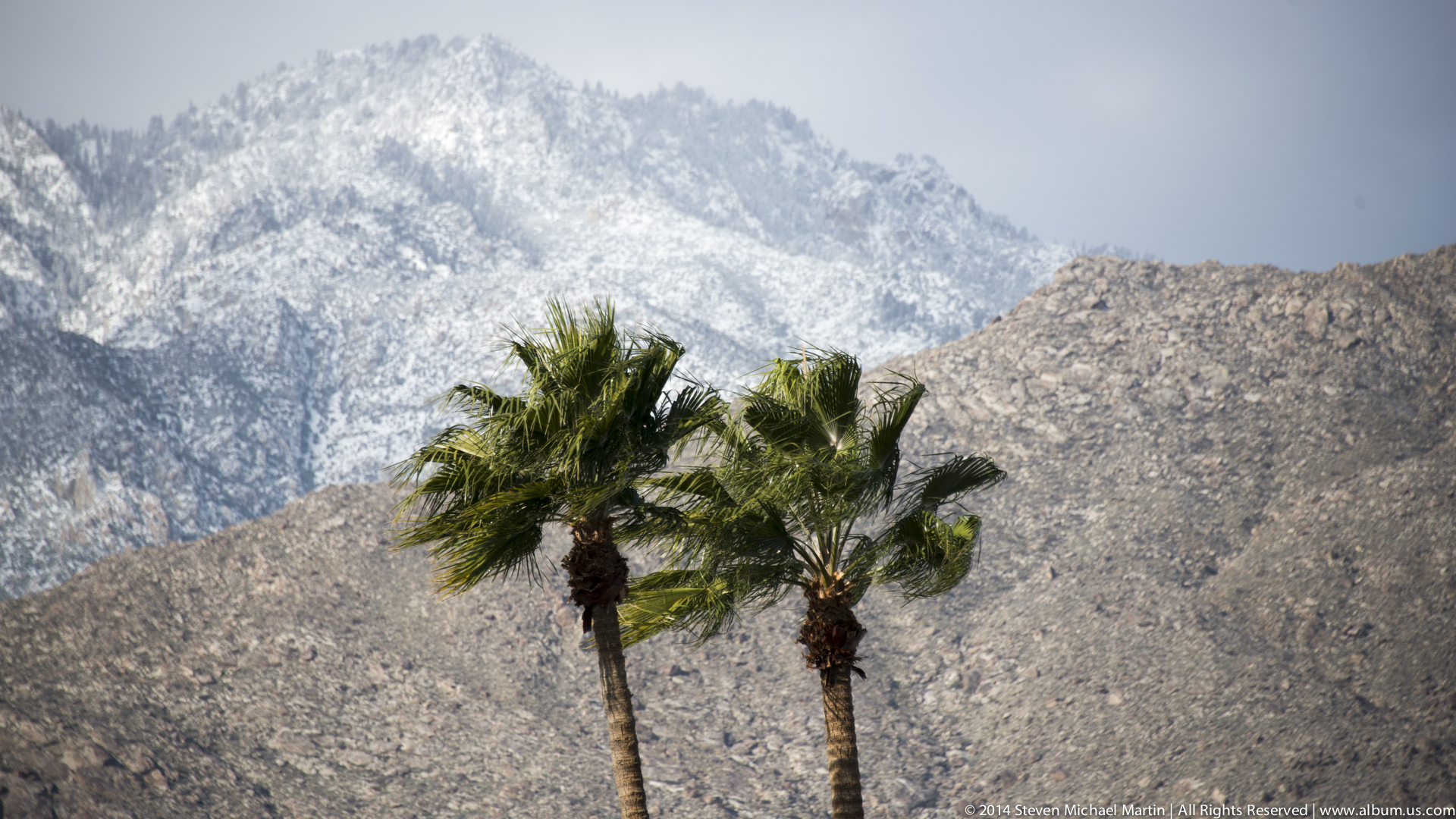
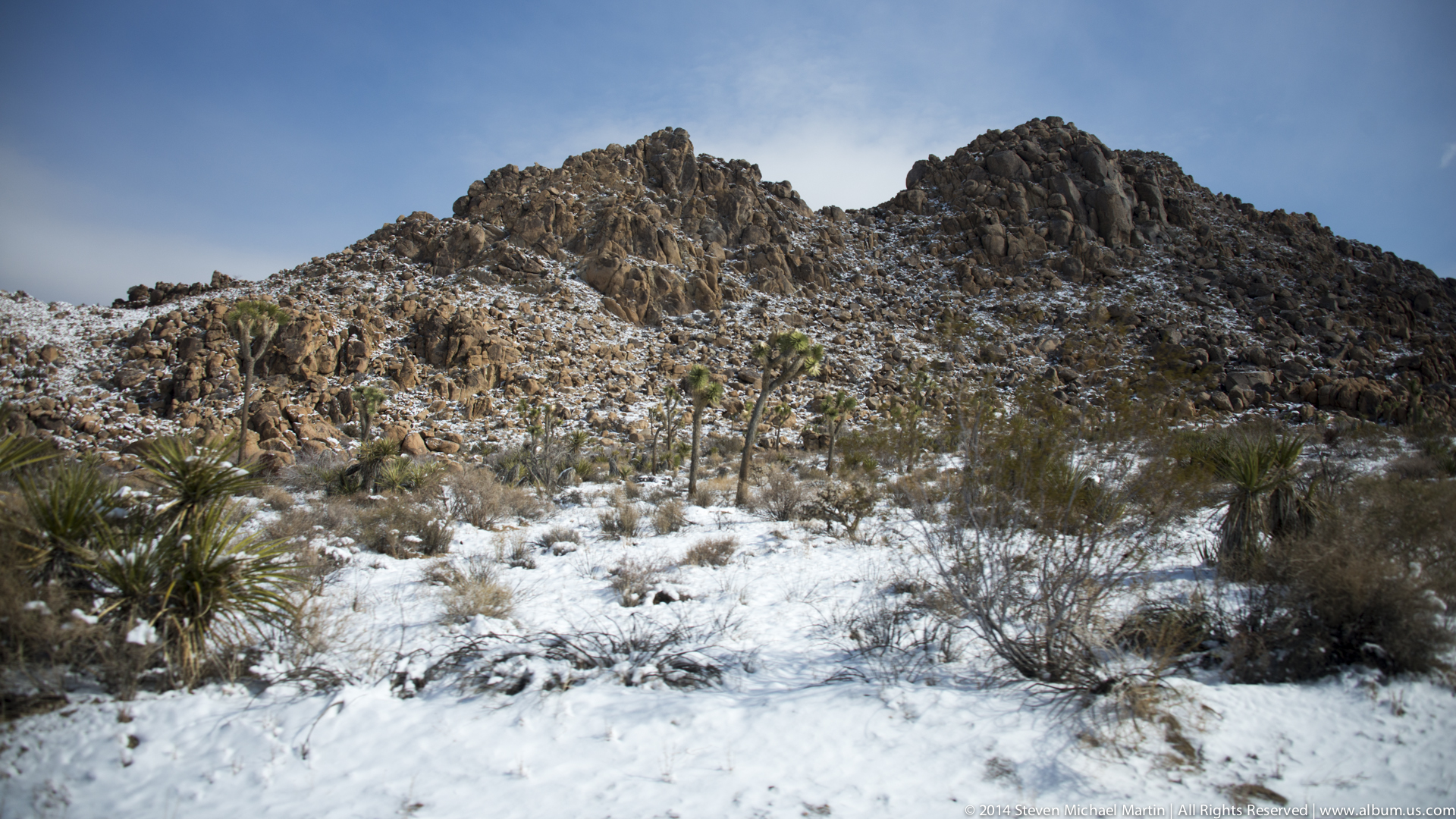
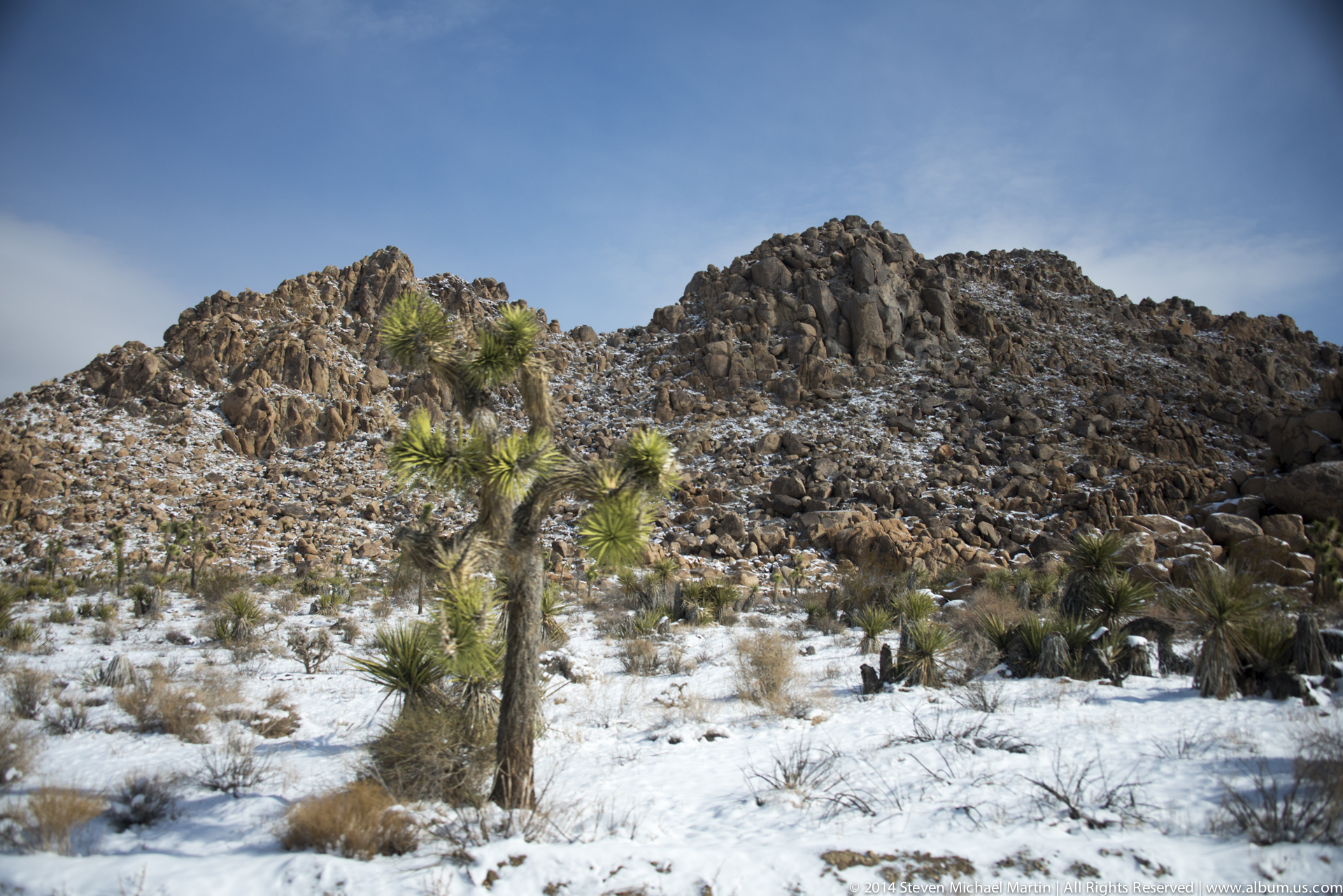
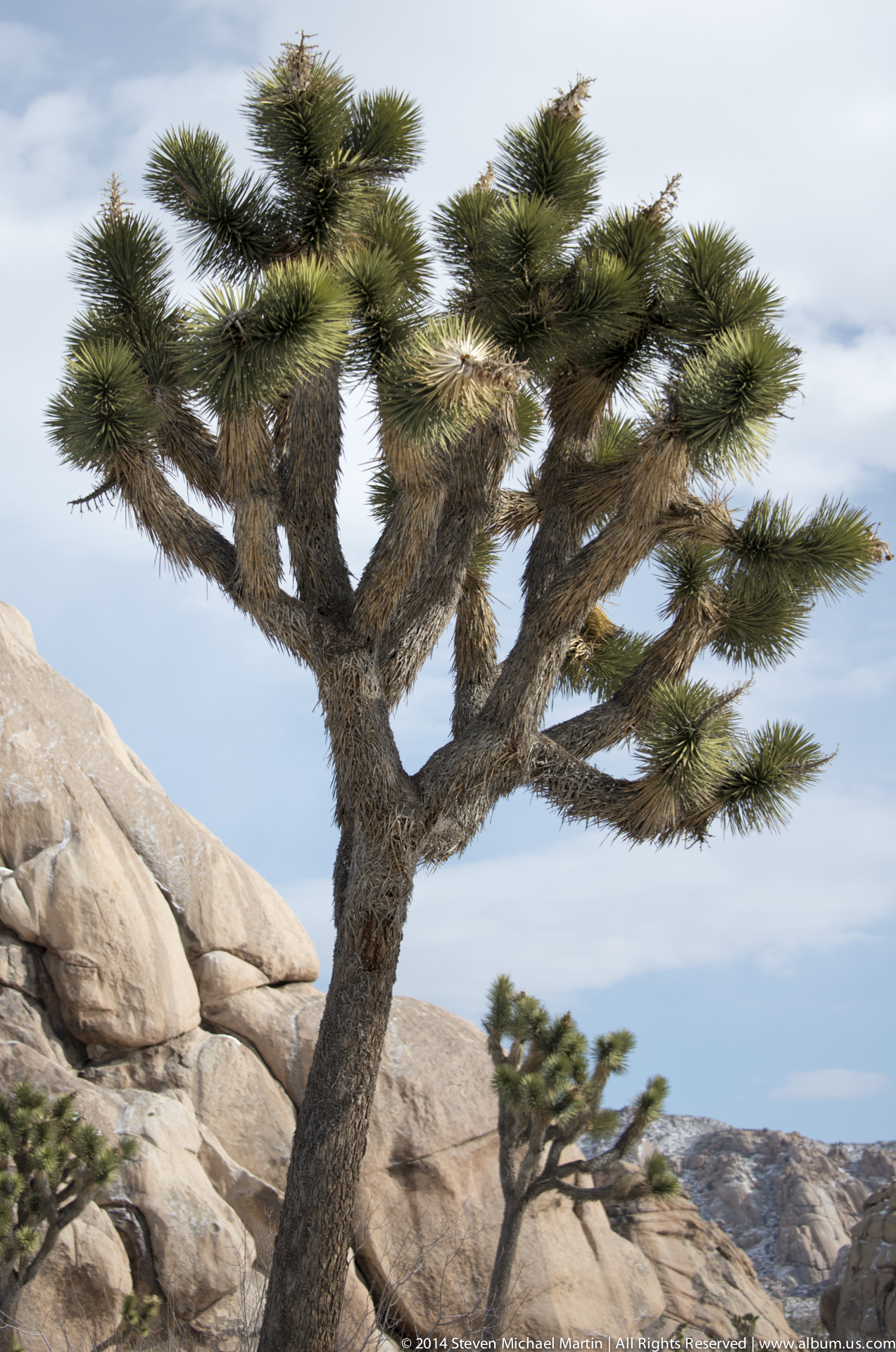
Joshua Tree National Park preserves desert landscapes shaped by tectonic forces and erosion across the transition zone between the Mojave and Colorado Deserts. Weathering gradually breaks down granite bedrock, producing rounded boulder formations scattered across the terrain. The distinctive Joshua tree species reflects adaptation to arid conditions.
Elevation differences influence vegetation patterns across the park, with Joshua trees occurring in cooler Mojave Desert environments. The landscape illustrates how plant communities adapt to temperature and precipitation variation across desert ecosystems. Granite formations illustrate how physical weathering alters rock structure over time.
Observing the landscape during winter highlights seasonal variation in desert climate conditions. Clear night skies illustrate how low population density and limited artificial light create favorable viewing conditions for astronomical observation.




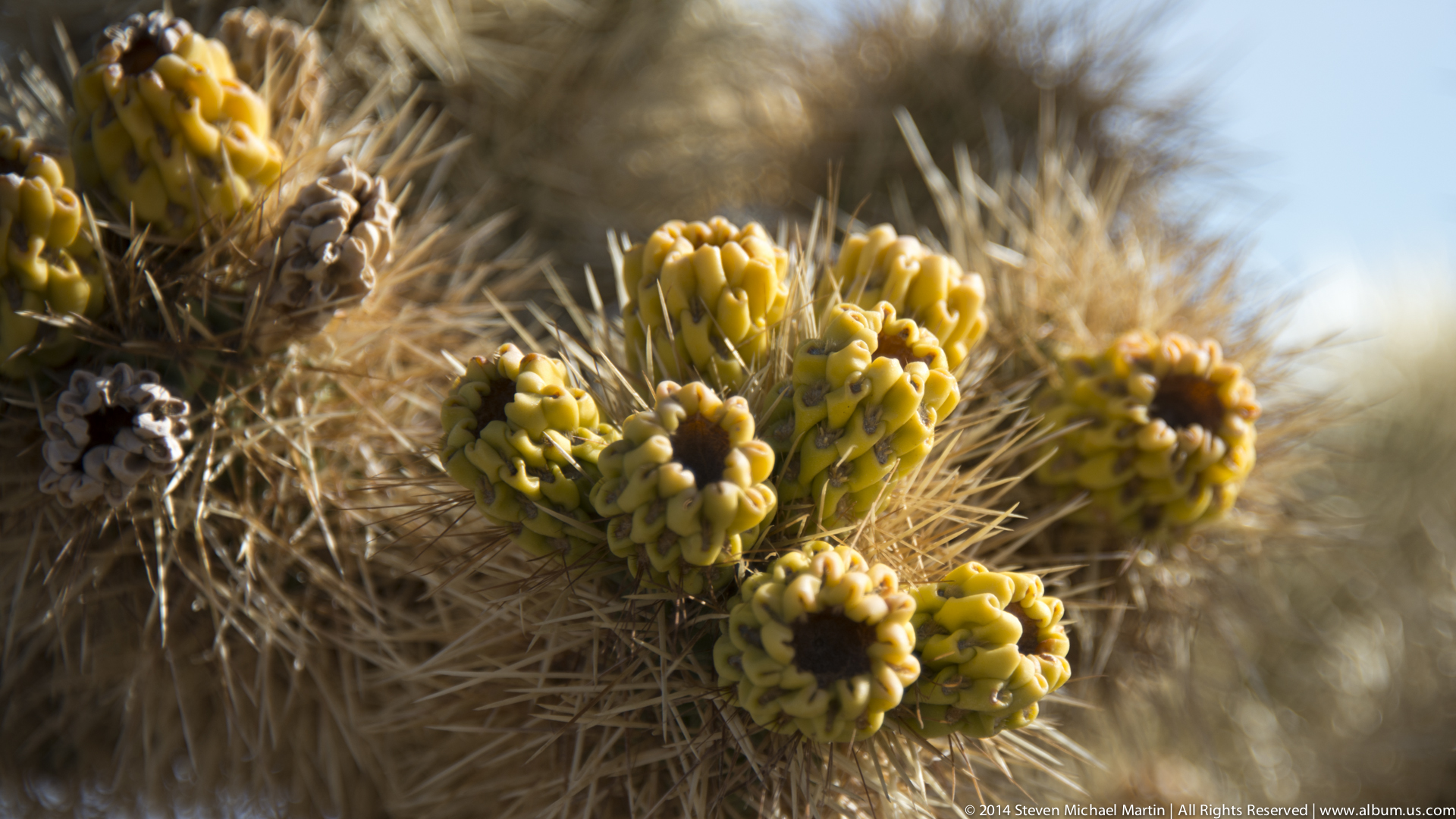
National Park Field Guide
Joshua Tree National Park protects desert ecosystems shaped by tectonic activity and weathering of granite rock formations. The park lies at the transition between Mojave and Colorado Desert environments, creating varied ecological conditions. Joshua trees illustrate plant adaptation to arid climates influenced by elevation and temperature variation.
🧭 Key Features
- Joshua tree species adapted to Mojave Desert climate
- Granite boulder formations shaped by weathering
- Transition zone between two desert ecosystems
- High desert climate conditions
- Rock formations created through tectonic uplift
🌄 Landscape Highlights
Rounded granite boulders form as weathering breaks rock along fracture lines. Joshua trees create distinctive silhouettes across the desert landscape. Elevation differences influence vegetation distribution.
🌎 Natural Systems
Tectonic uplift exposed granite rock that fractured over time. Weathering gradually separated rock into rounded formations. Plant communities adapted to limited water availability across desert environments.
📷 Photography Notes
- Joshua trees create strong silhouettes
- Low-angle light enhances rock texture
- Night skies provide astronomical viewing opportunities
- Wide compositions emphasize open desert terrain
- Foreground rocks add visual depth
🌱 Conservation Context
Joshua Tree preserves desert ecosystems shaped by geological and climatic processes. Protection of the landscape supports plant and animal communities adapted to arid environments.