Lincoln Memorial
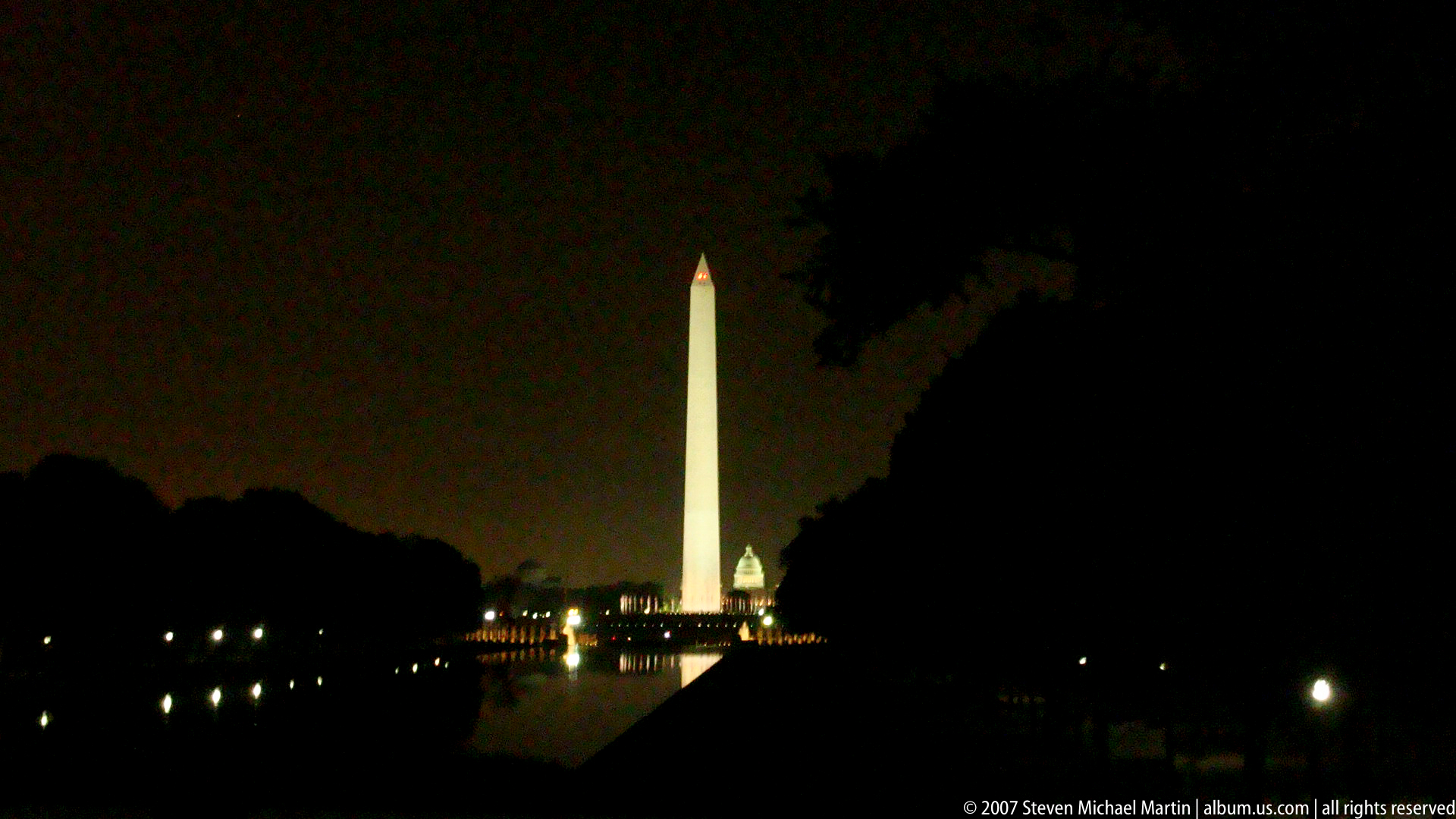
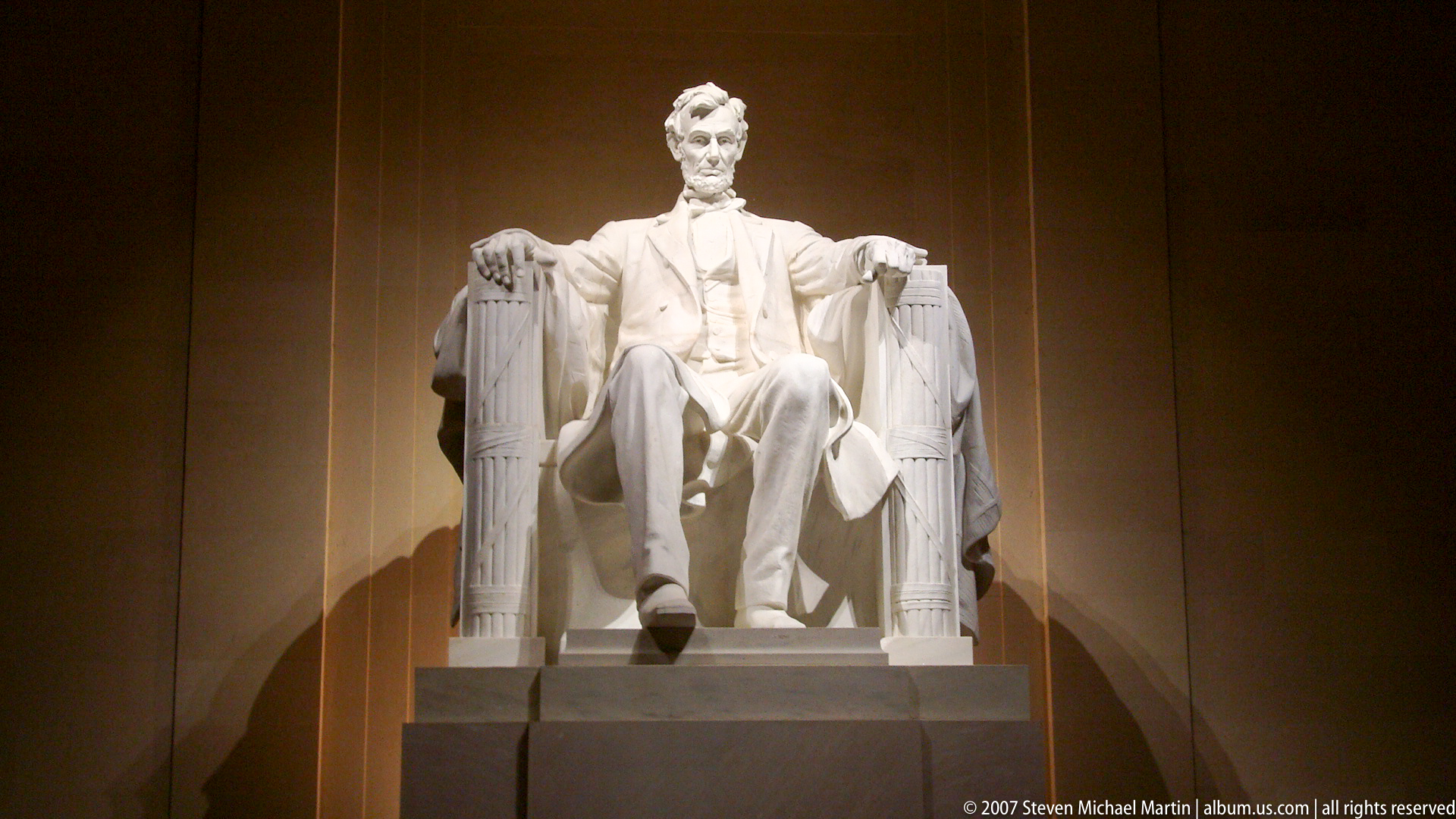
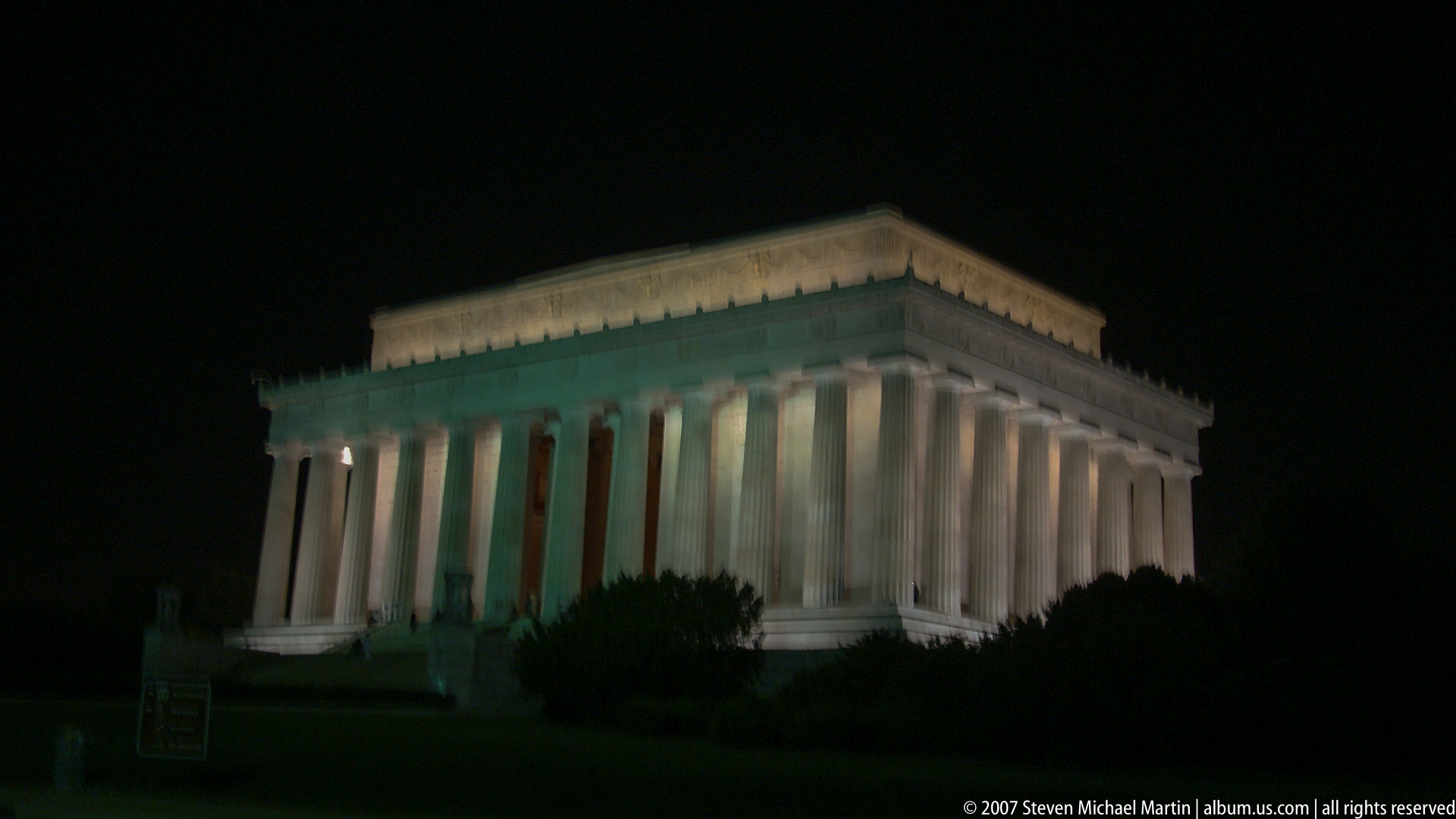
The Lincoln Memorial stands at the western end of the National Mall as one of the most symbolically significant monuments in the United States, commemorating President Abraham Lincoln and the preservation of the Union during the Civil War. Designed in a neoclassical architectural style inspired by ancient Greek temples, the structure reflects early twentieth-century efforts to express national ideals through monumental civic architecture. Positioned along an east-west axis connecting the U.S. Capitol and Washington Monument, the memorial contributes to the spatial and symbolic organization of the federal capital as a landscape dedicated to democratic governance and national memory.
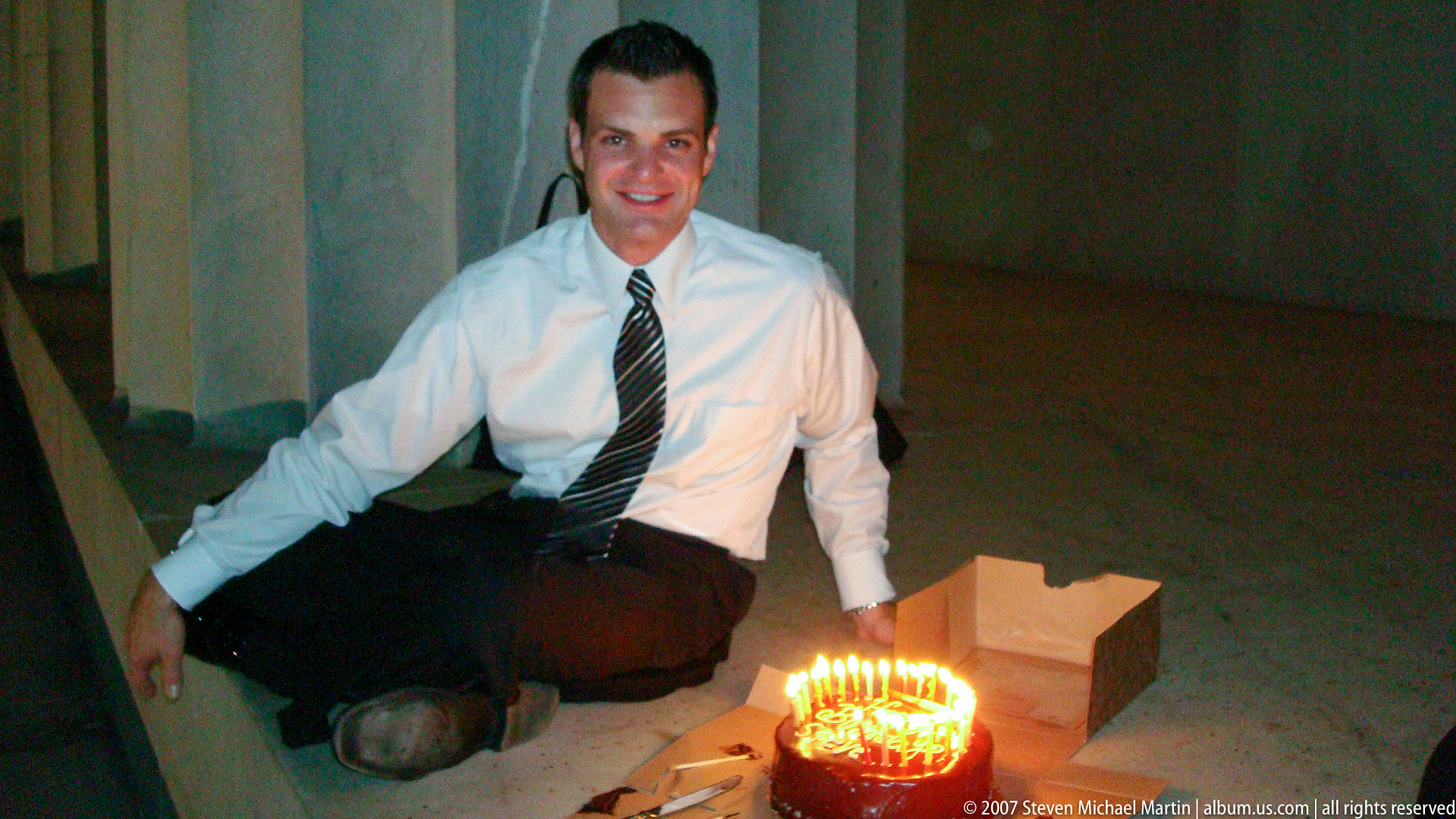
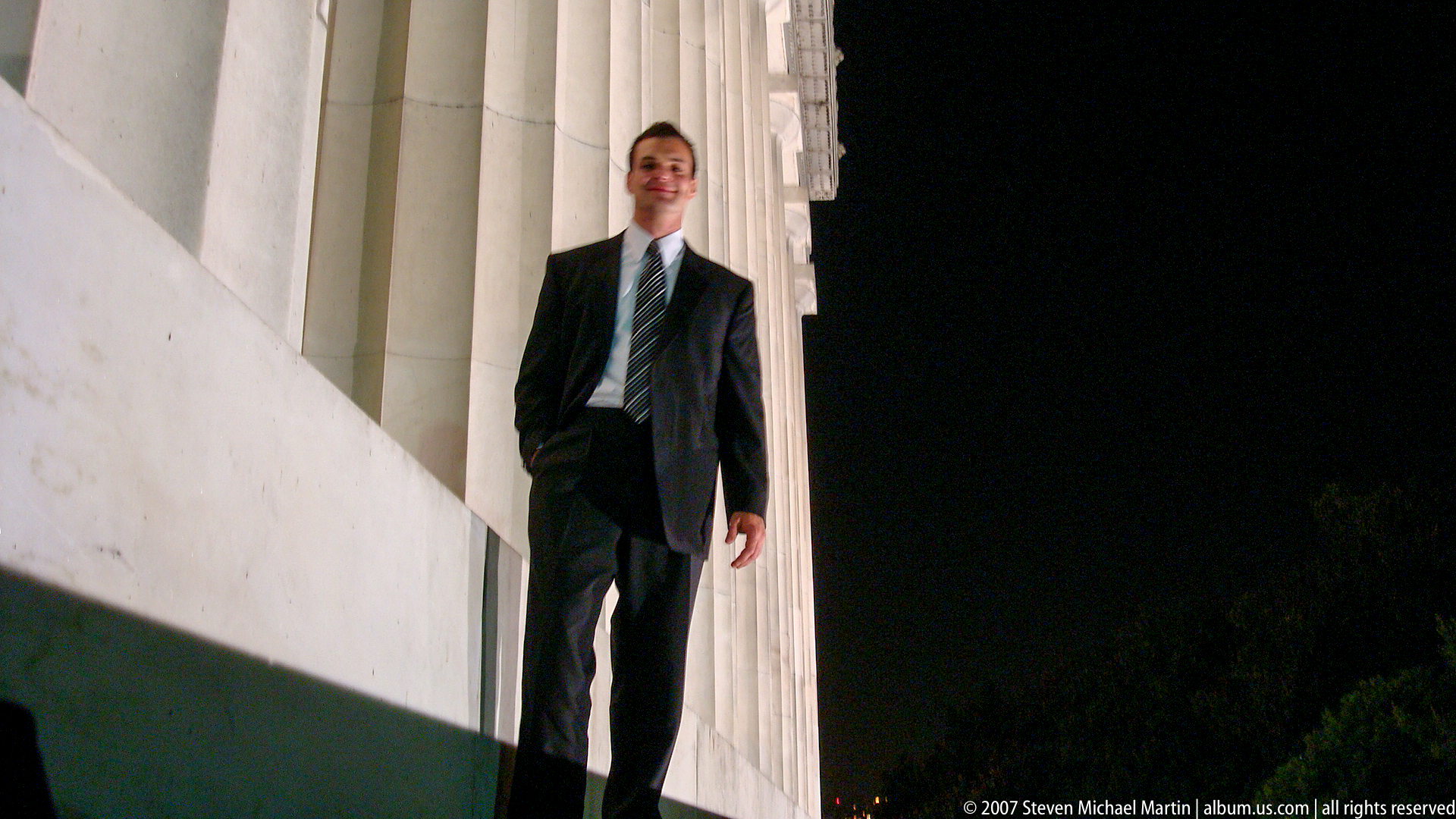
The site has served as the setting for numerous historic events, including public gatherings, civic ceremonies, and speeches associated with the ongoing interpretation of American ideals. The memorial’s monumental scale and elevated position overlooking the Reflecting Pool emphasize themes of unity, equality, and constitutional continuity. The experience of visiting the Lincoln Memorial, including personal commemorative moments such as a birthday gathering, illustrates how national monuments function both as historic landmarks and as spaces where individual memory intersects with collective historical narrative.
The Lincoln Memorial contributes to understanding how architecture, landscape design, and civic symbolism shape public interpretation of national identity. As part of the broader National Mall cultural landscape, the memorial reflects the enduring influence of classical architectural traditions in expressing political ideals associated with democracy and constitutional governance. The site continues to serve as a focal point for reflection on leadership, civil rights, and the evolving meaning of the American republic.