United States Supreme Court
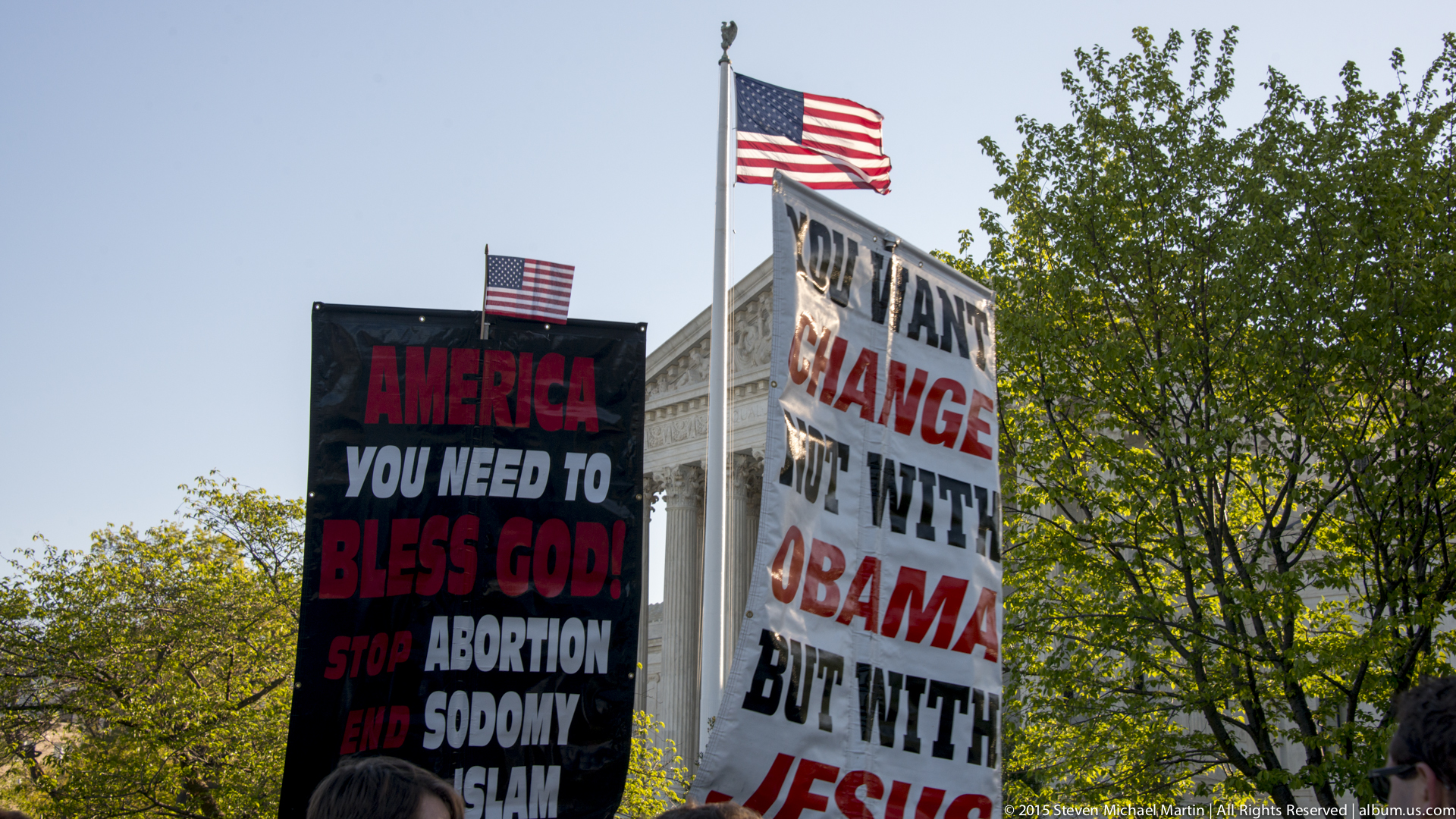
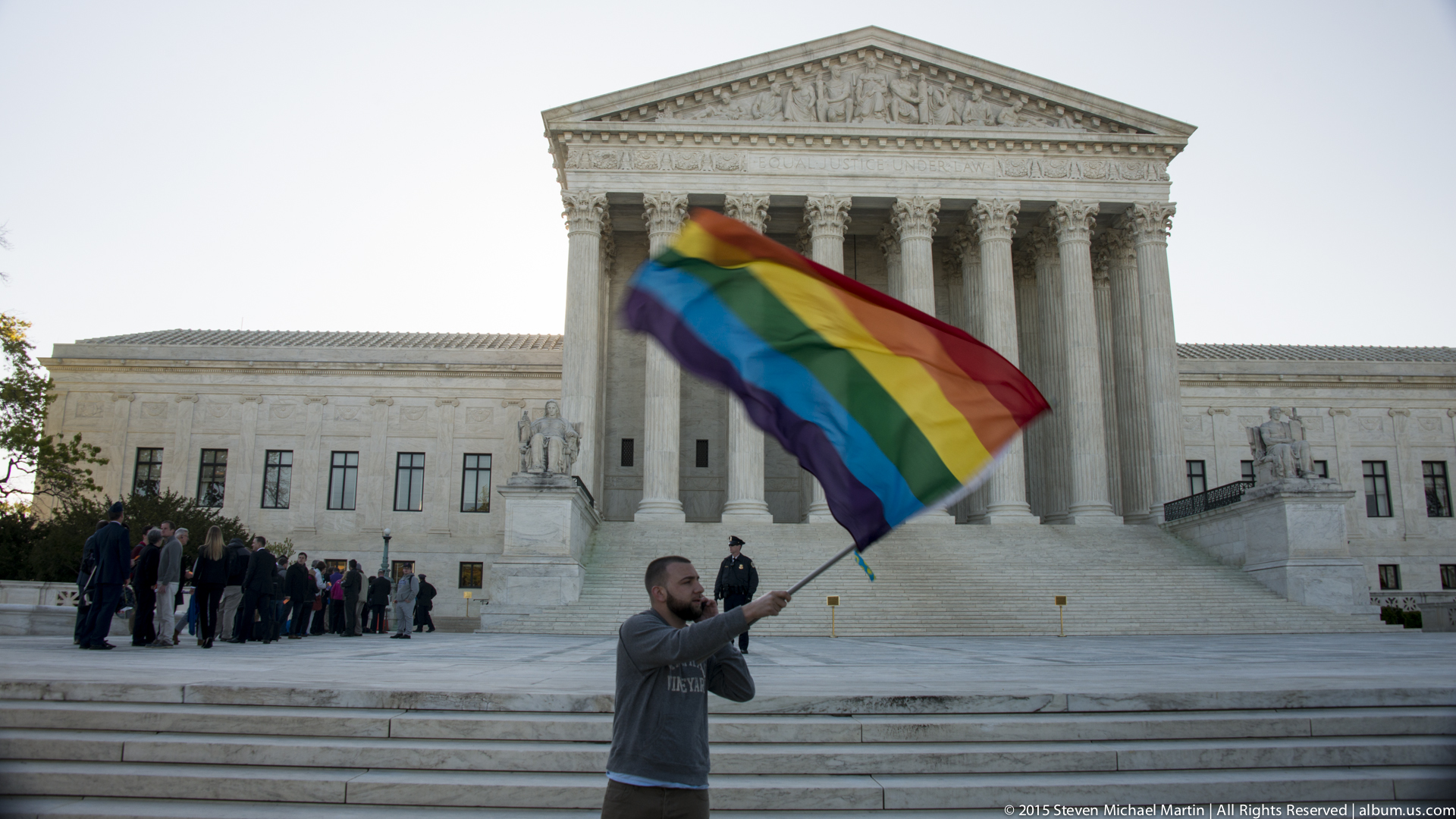
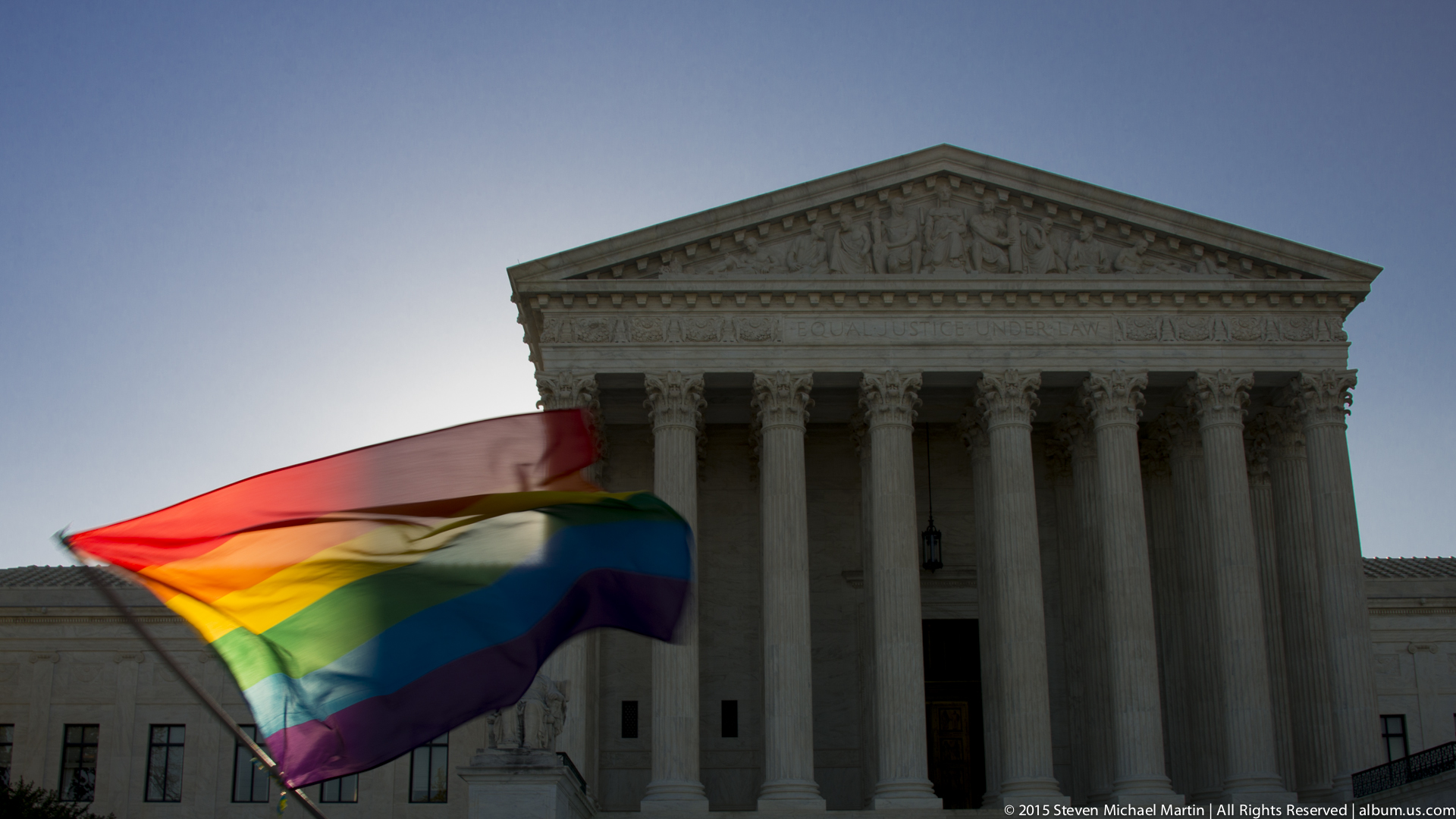
The United States Supreme Court occupies a central role within the constitutional framework of the federal government, interpreting the law and resolving questions concerning the meaning of the Constitution. Completed in 1935 in a neoclassical architectural style, the building reflects long-standing associations between classical form and ideals of justice, stability, and civic order. Located near the United States Capitol, the Court forms part of the institutional landscape through which the structure of American government is physically expressed in the nation’s capital.
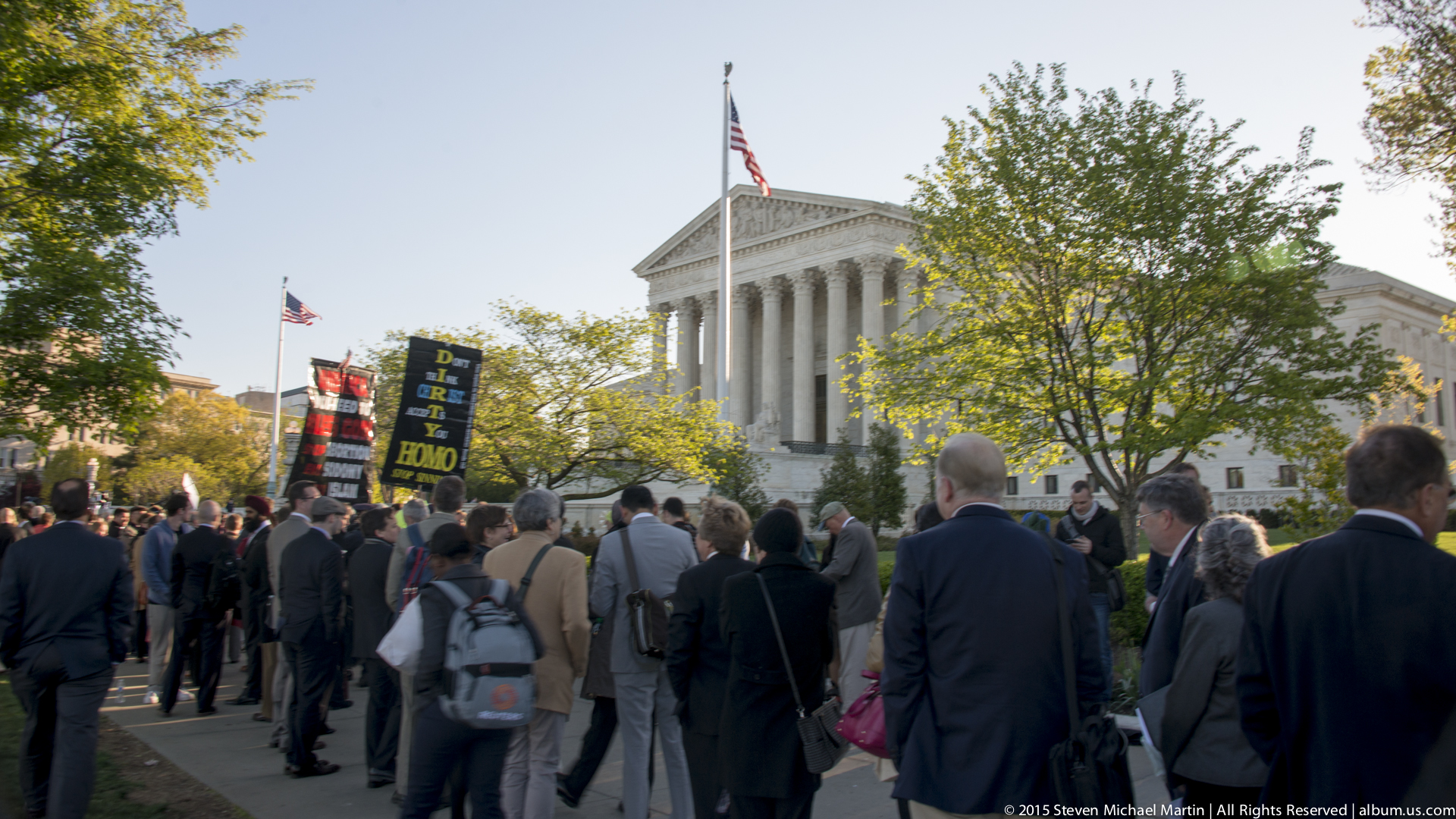
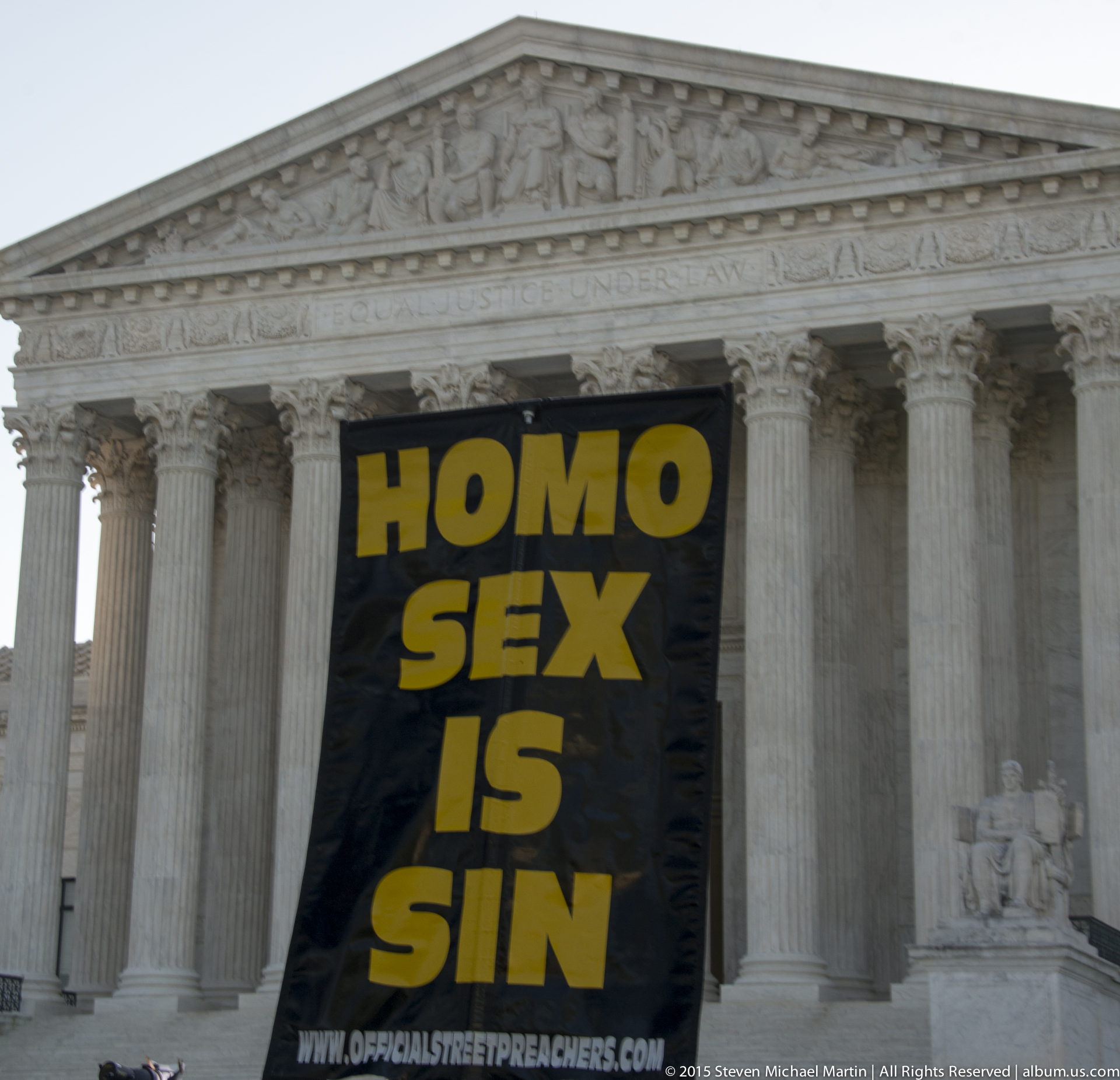
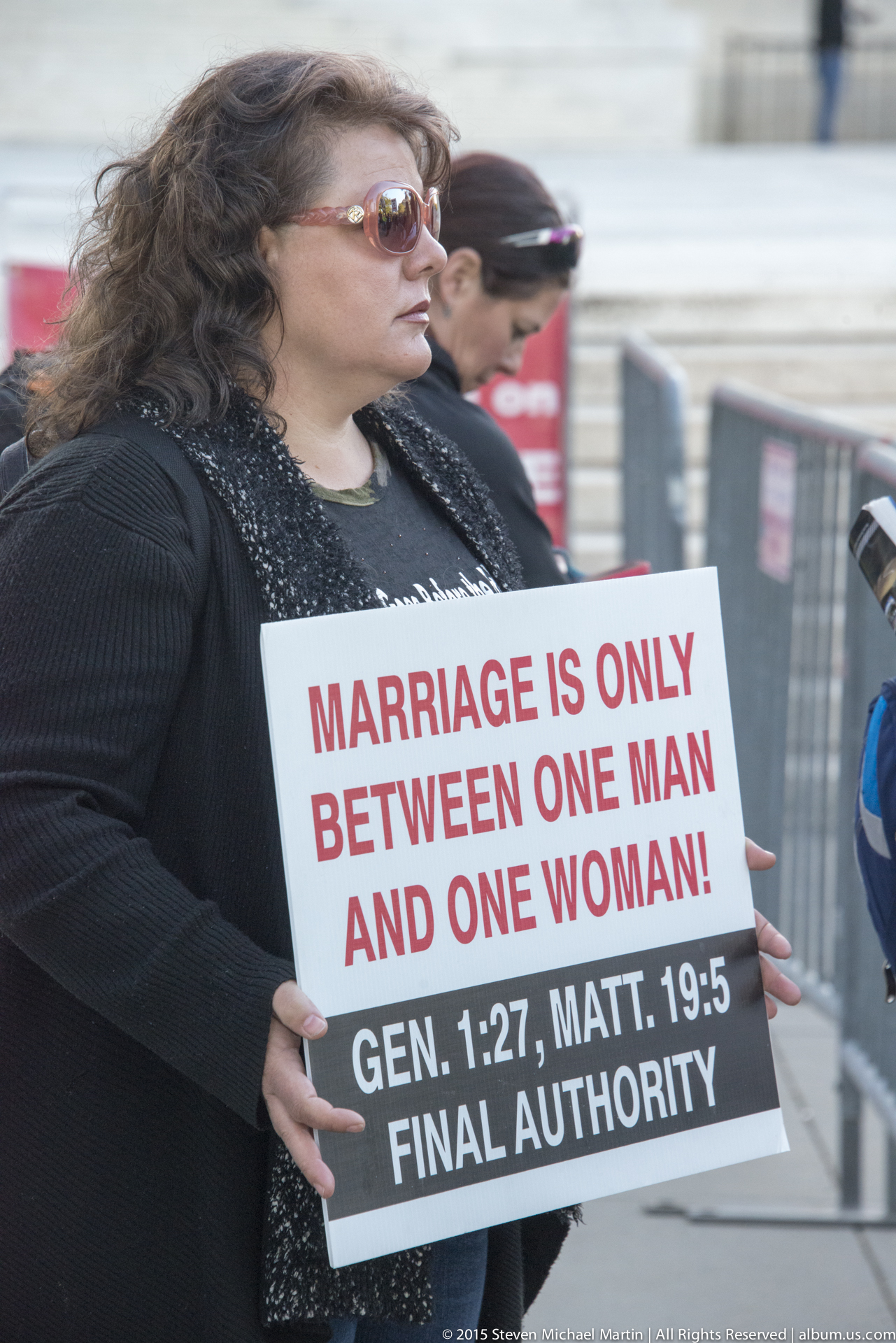
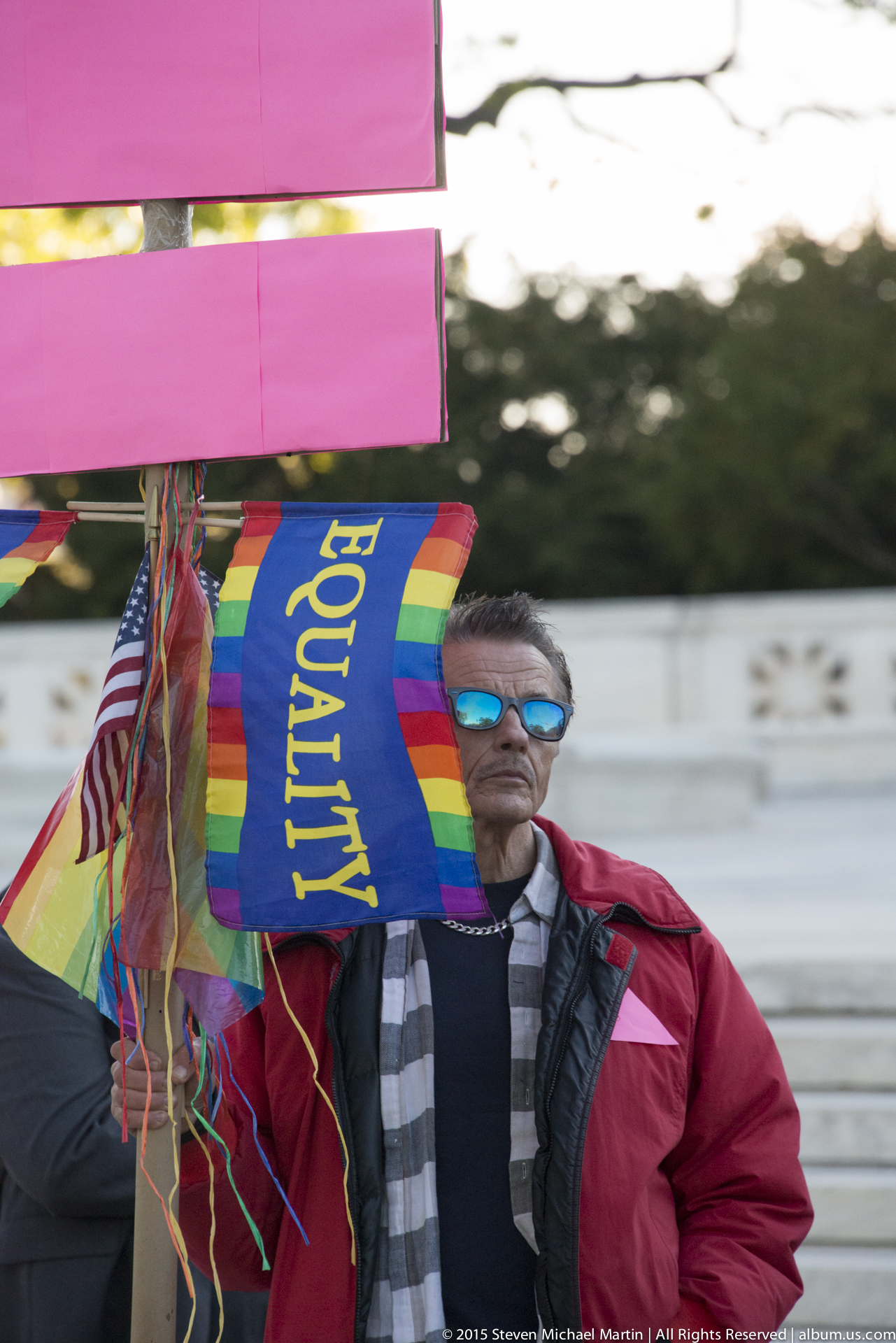
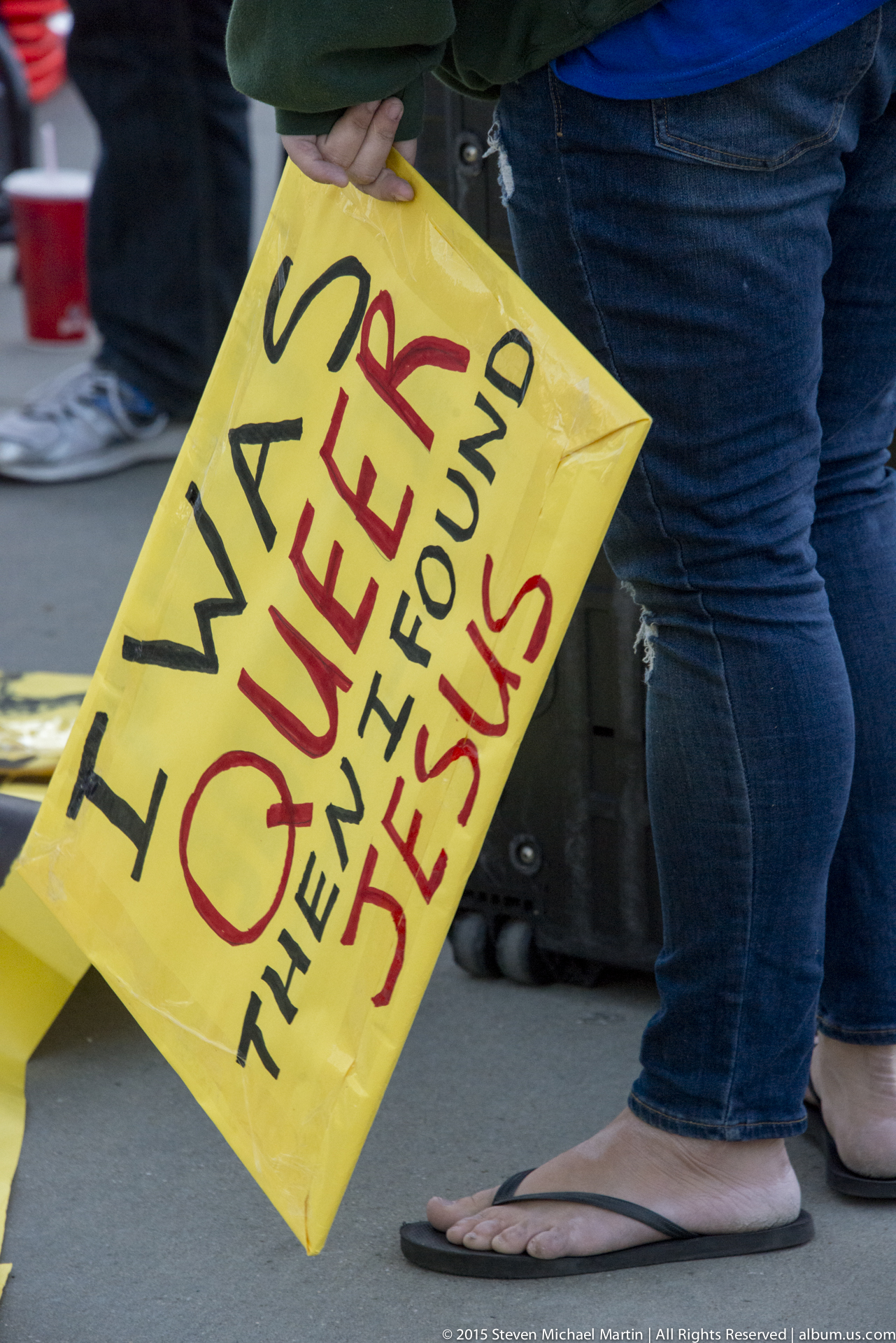
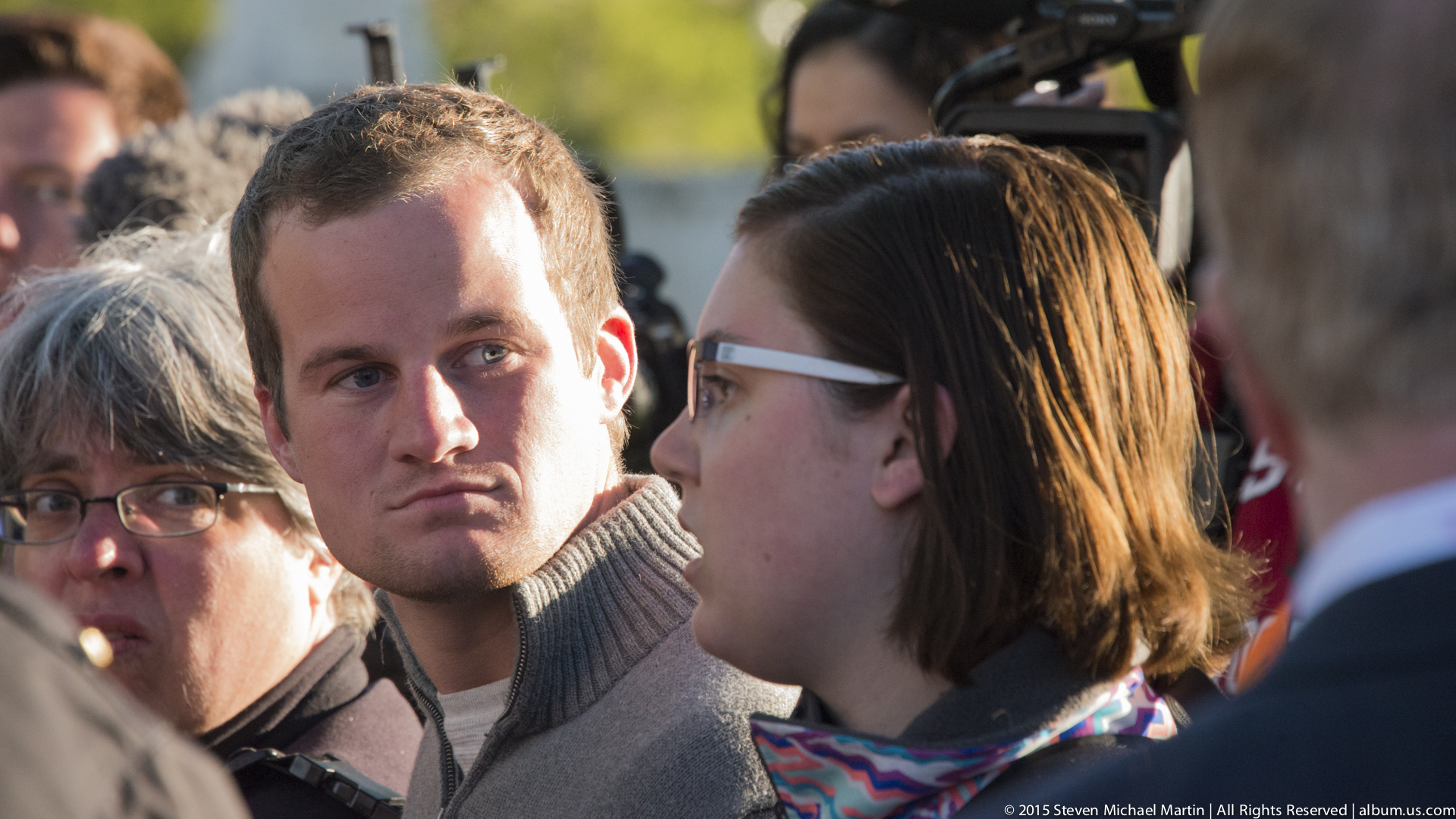
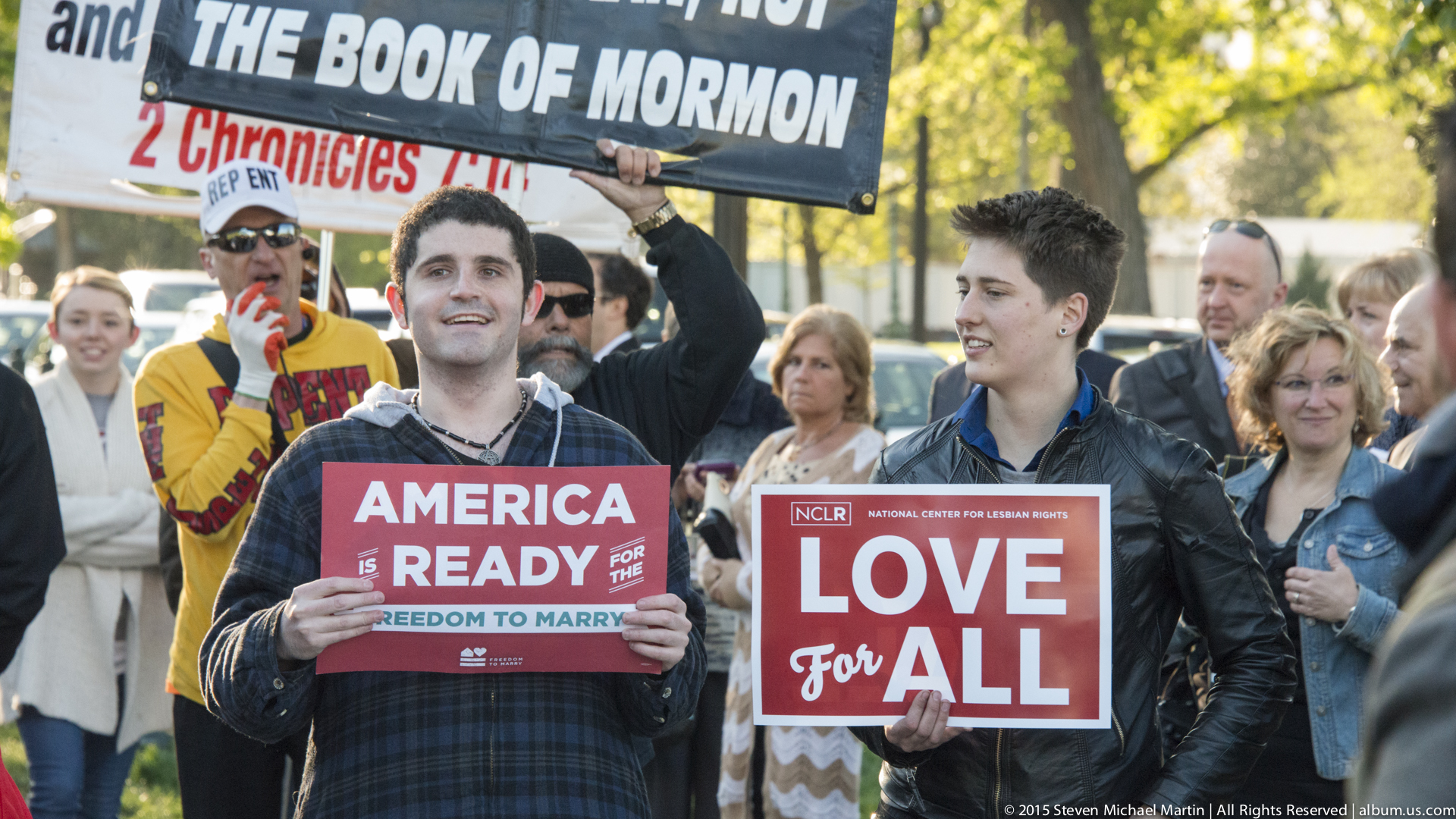
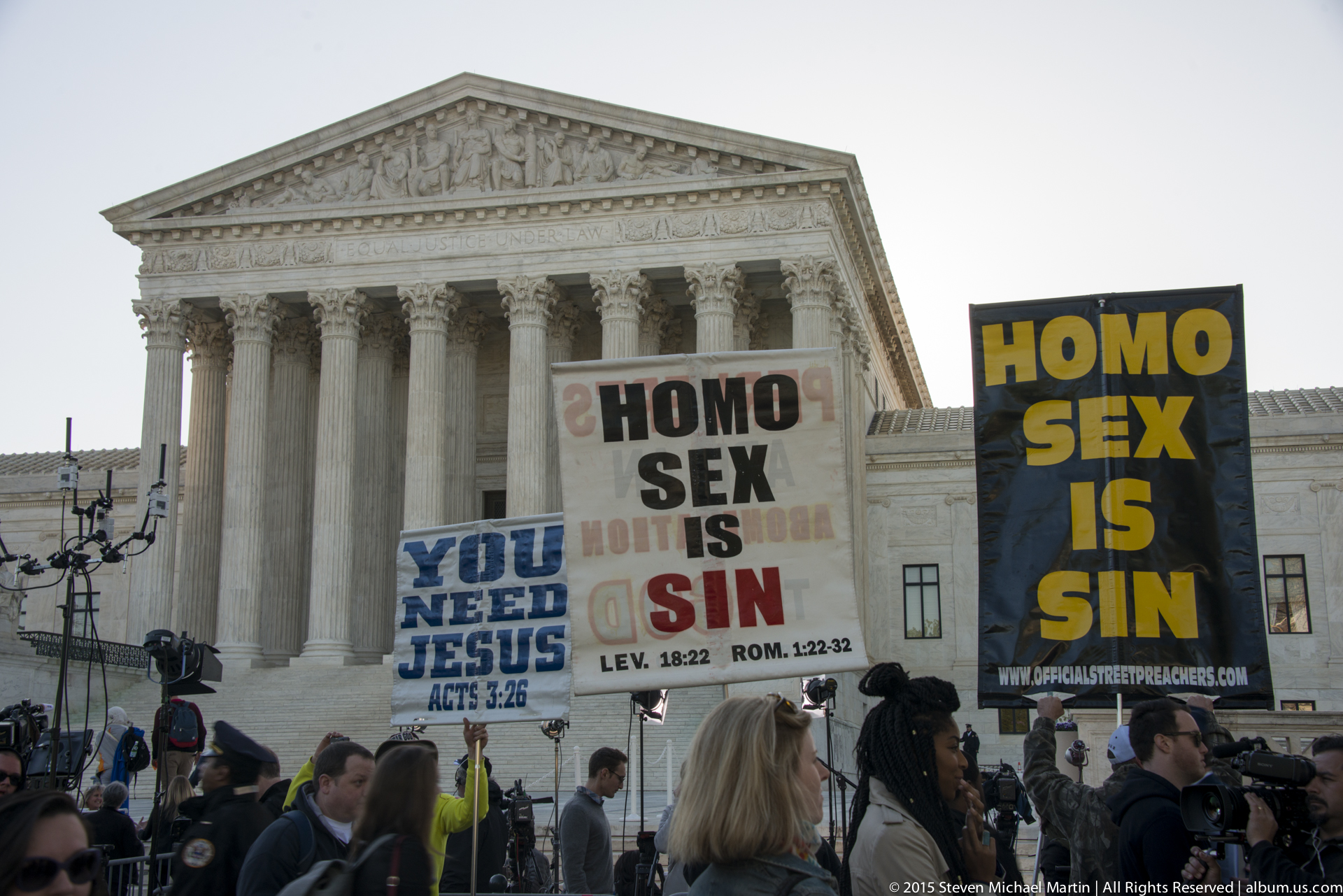
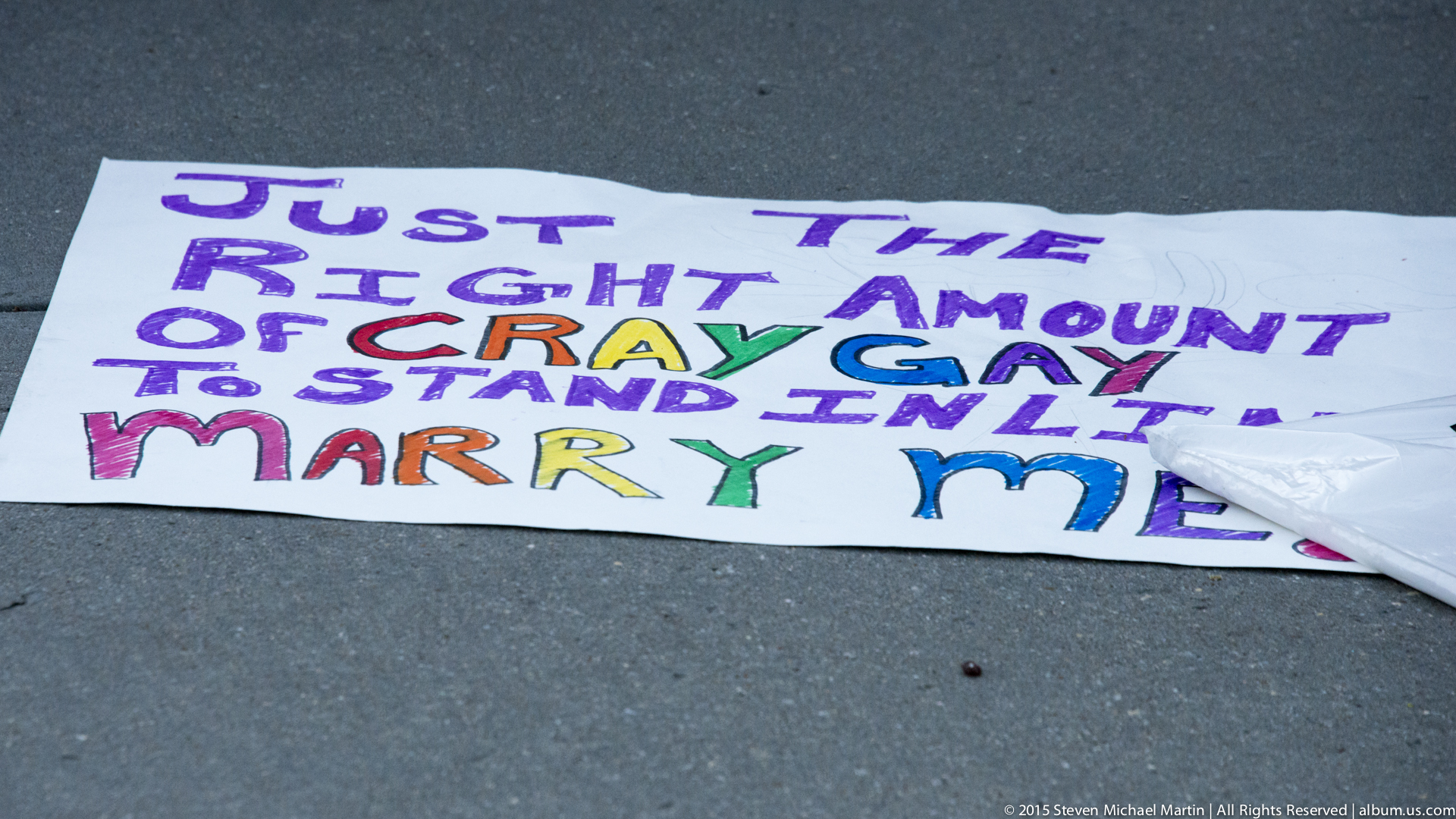
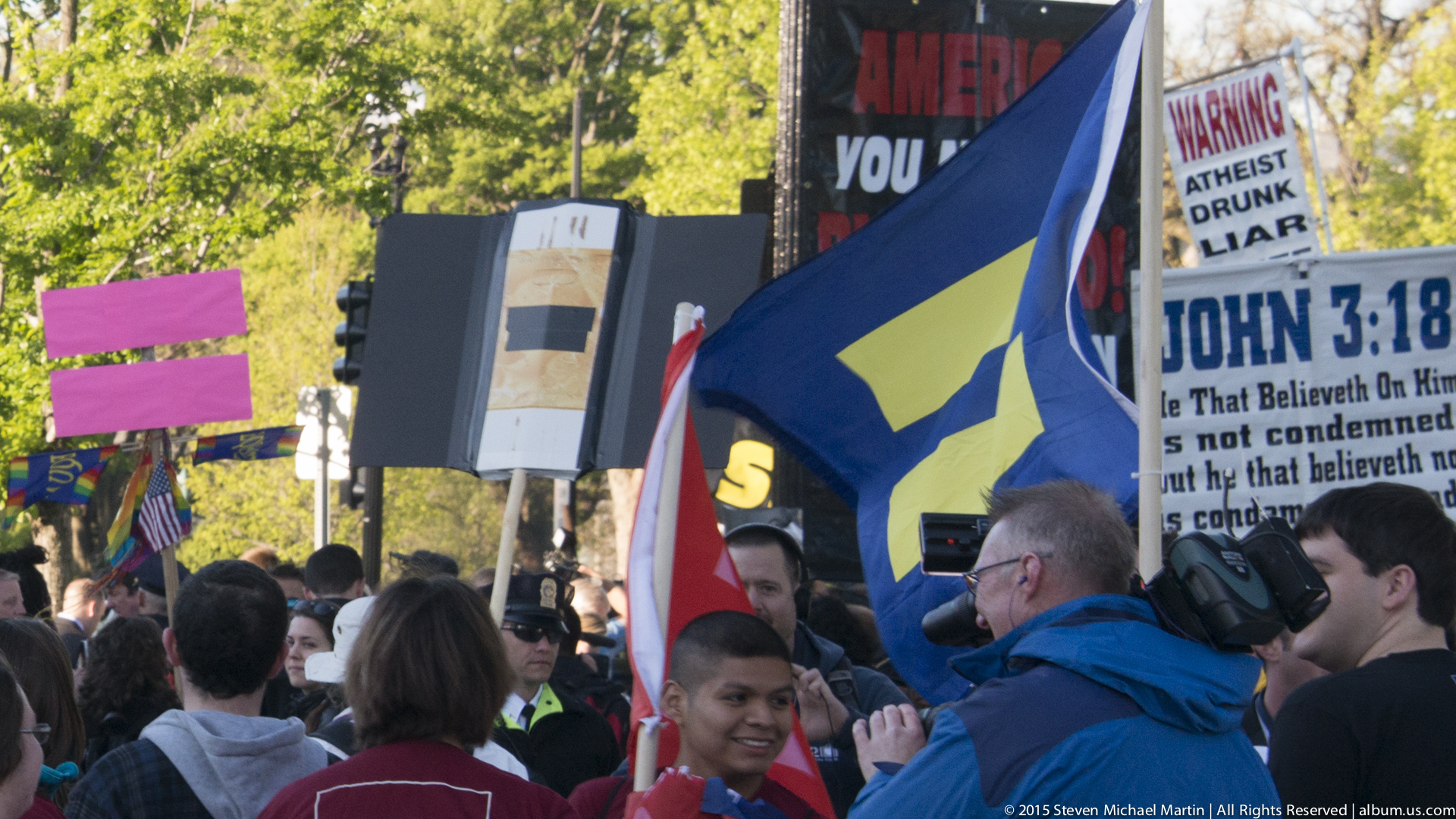
Decisions issued by the Court have shaped the development of civil rights across multiple historical periods, including the recognition of marriage equality in Obergefell v. Hodges (2015), which held that the Fourteenth Amendment guarantees same-sex couples the fundamental right to marry. The ruling required states to both license and recognize marriages between same-sex couples, establishing uniform legal recognition across the United States. The case reflects the continuing role of the judiciary in interpreting constitutional protections of liberty and equal protection under the law.
The Supreme Court contributes to understanding how legal interpretation influences the evolution of American society and civil institutions. Its decisions demonstrate how constitutional principles are applied to changing social conditions, shaping public policy and individual rights across generations. The Court’s presence within the monumental core of Washington reflects the enduring relationship between architecture, governance, and the development of the American legal tradition.