Randy Foster

Shenandoah NP – Drive

Shenandoah National Park Shenandoah National Park preserves a long, narrow section of the Blue Ridge Mountains where forested ridgelines, waterfalls, and valleys reflect the geological history of one of the oldest mountain systems in the world. Established in 1935, the park protects more than 200,000 acres of Appalachian landscape shaped by erosion over hundreds of […]
Explore Portfolio

Capitol Reef NP

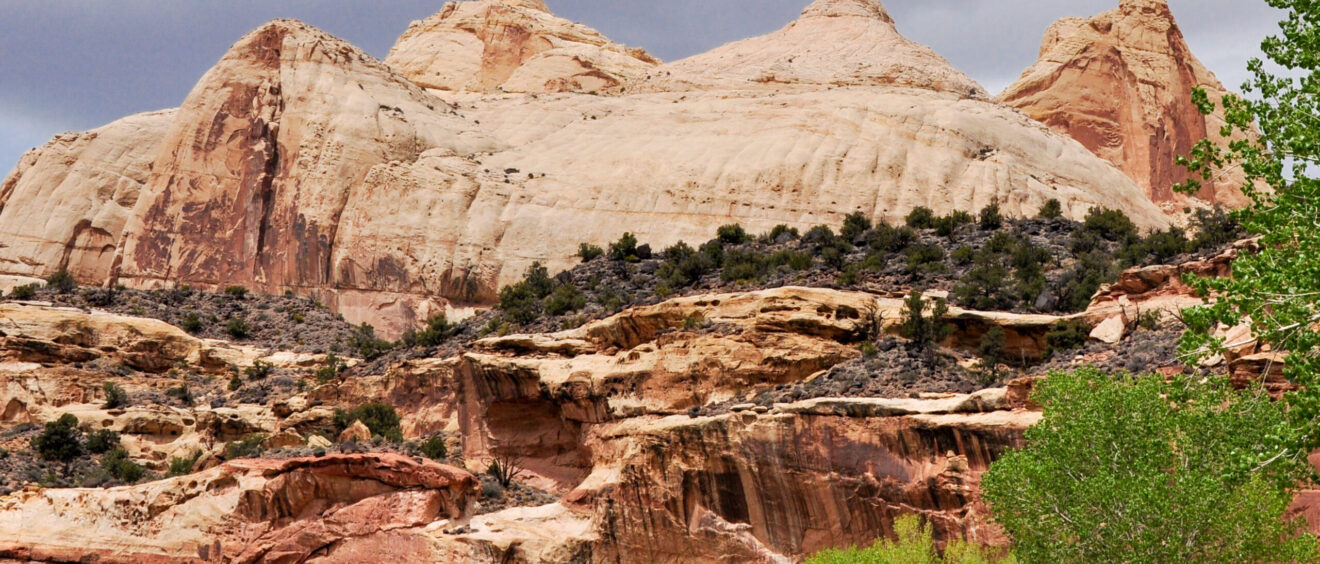
Capitol Reef National Park Capitol Reef National Park preserves a geological feature known as the Waterpocket Fold, a monocline formed when tectonic forces caused rock layers to bend upward rather than fracture. Erosion exposed the folded rock layers, revealing colorful sedimentary strata that record environmental conditions across millions of years. Differences in rock composition contribute […]

Explore Portfolio

Canyonlands NP

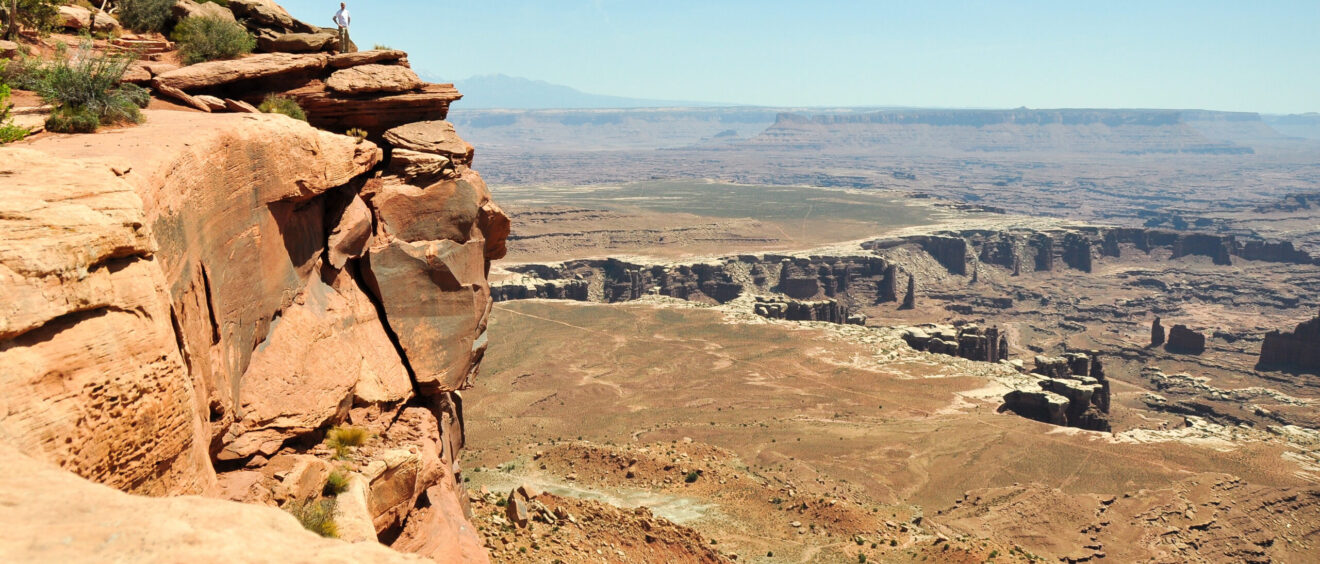
Canyonlands National Park Canyonlands National Park preserves a landscape of mesas, buttes, and deep canyon systems carved by the Colorado and Green Rivers. Over millions of years, flowing water gradually eroded sedimentary rock layers exposed by uplift of the Colorado Plateau. The resulting terrain contains complex networks of canyons that illustrate the long-term effects of […]

Explore Portfolio

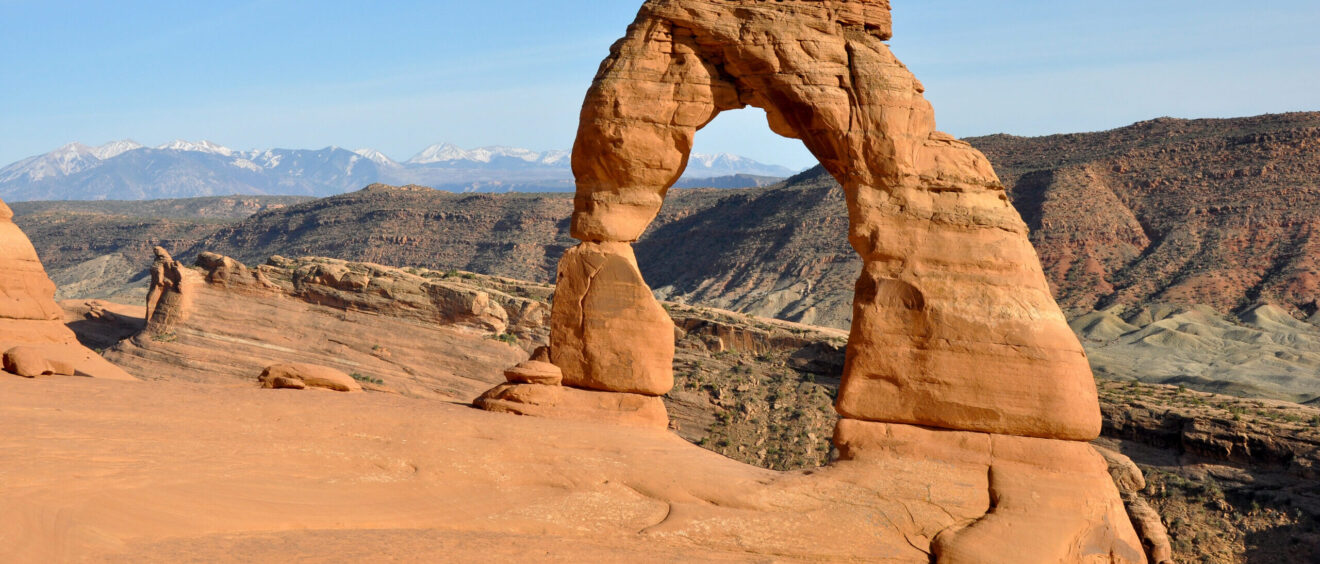
Arches NP – Devil’s Garden

Arches National Park – Devils Garden Arches National Park preserves sandstone formations shaped by erosion across the Colorado Plateau. Devils Garden contains numerous natural arches formed as fractures in the rock gradually widened through weathering and erosion. Differences in rock hardness allowed openings to form where weaker material eroded more quickly than surrounding sandstone. Salt […]

Explore Portfolio

Mesa Verde NP

Mesa Verde National Park Mesa Verde National Park preserves cliff dwellings constructed by Ancestral Puebloan communities between the sixth and thirteenth centuries. The structures were built within natural alcoves formed through erosion of sandstone cliff faces. The dwellings demonstrate how architectural design responded to environmental conditions and available materials. Cliff dwellings provided protection from weather […]

Explore Portfolio

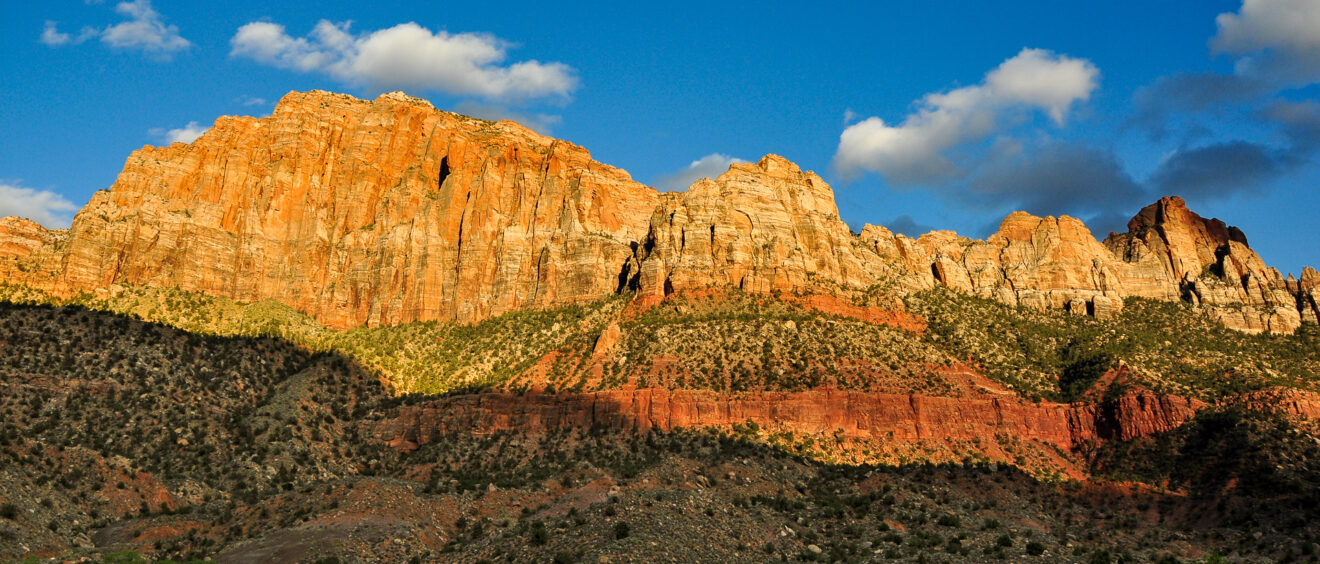
Zion NP

Zion National Park Zion National Park preserves steep sandstone canyon walls formed as the Virgin River gradually eroded rock layers uplifted across the Colorado Plateau. Over millions of years, water carved deep channels through Navajo Sandstone, exposing vertical cliffs that reveal distinct stratification patterns created by ancient desert environments. The canyon illustrates how uplift and […]

Explore Portfolio

Great Basin NP

Great Basin National Park Great Basin National Park preserves mountain and desert ecosystems shaped by tectonic uplift within the Basin and Range geological province. Faulting created alternating mountain ranges and valleys across the region, producing varied elevations that influence climate and vegetation patterns. The park demonstrates how geological forces shape environmental diversity across relatively short […]

Explore Portfolio

Acadia NP and Portland, ME

Acadia National Park and Portland Maine’s coastal landscape reflects the interaction between ancient bedrock formations and repeated glaciation that shaped the shoreline of the North Atlantic. The granite mountains and rocky coast preserved in Acadia National Park illustrate the effects of continental ice sheets that carved valleys and exposed resistant stone along Mount Desert Island. […]

Explore Portfolio

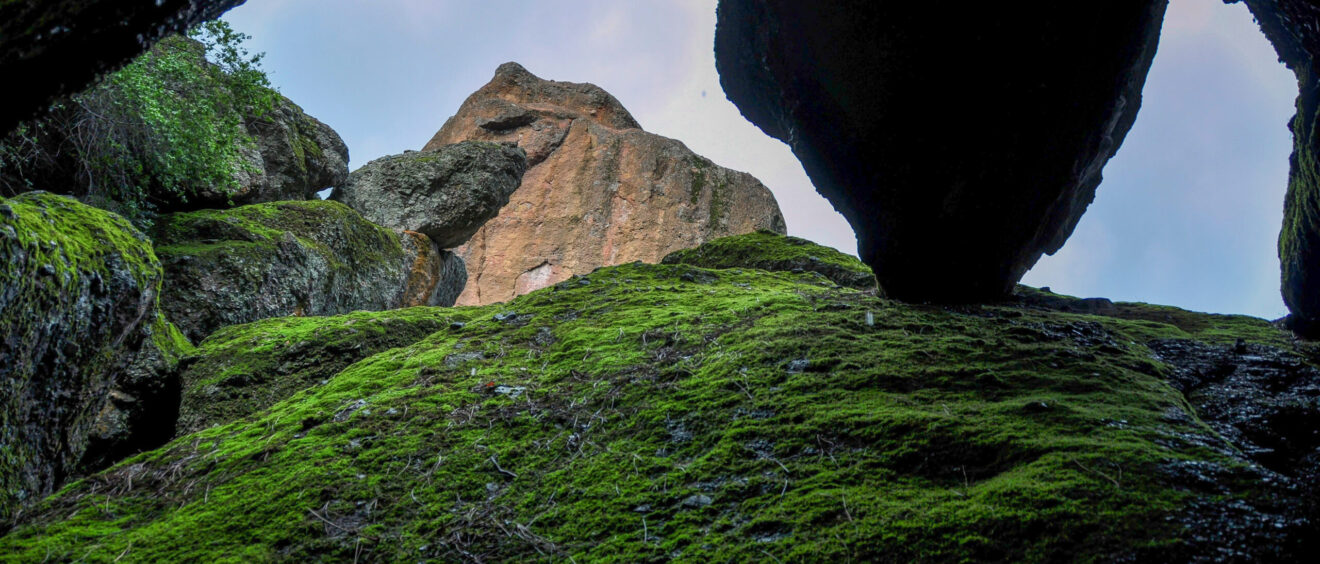
Pinnacles NP and San Francisco

Pinnacles National Park Pinnacles National Park is located in central California where volcanic activity and movement along the San Andreas Fault created a landscape of rock spires, cliffs, and talus caves. The rock formations visible today represent remnants of an ancient volcanic field that has been gradually displaced by tectonic forces over millions of years. […]

Explore Portfolio

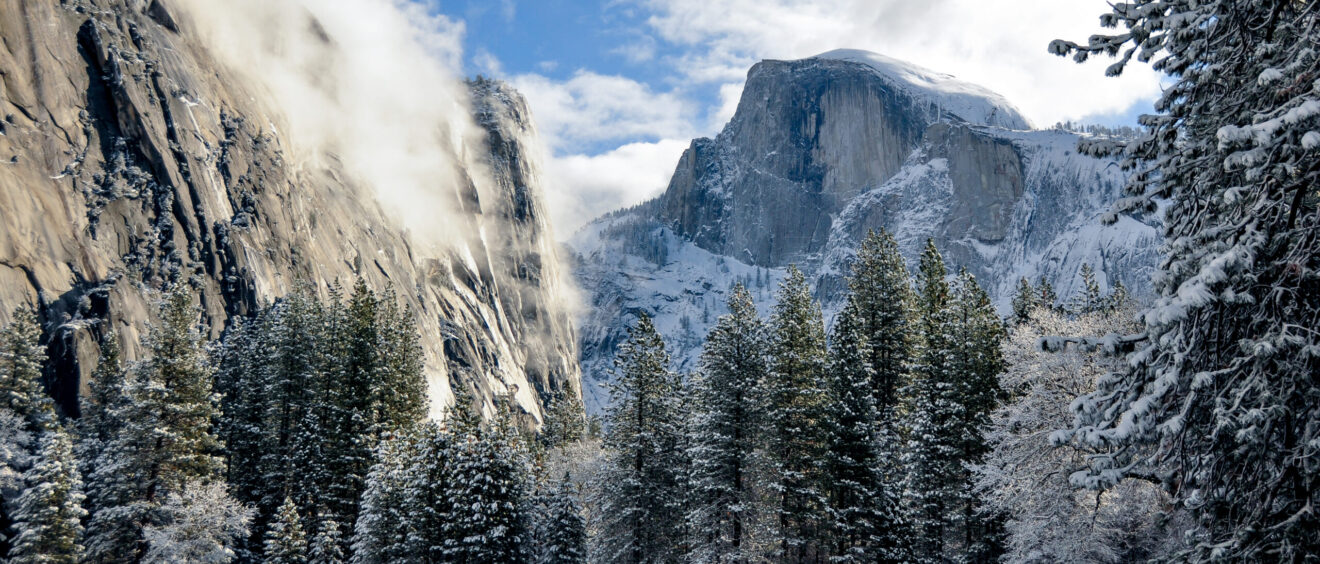
Yosemite NP

Yosemite National Park Yosemite National Park is located in California’s Sierra Nevada mountains, where glacial processes shaped granite cliffs, waterfalls, and high alpine landscapes. The park’s distinctive geological formations, including sheer rock faces and deep valleys, were formed through uplift and erosion over millions of years. Glacial activity during the last Ice Age carved Yosemite […]

Explore Portfolio