Bandelier National Monument
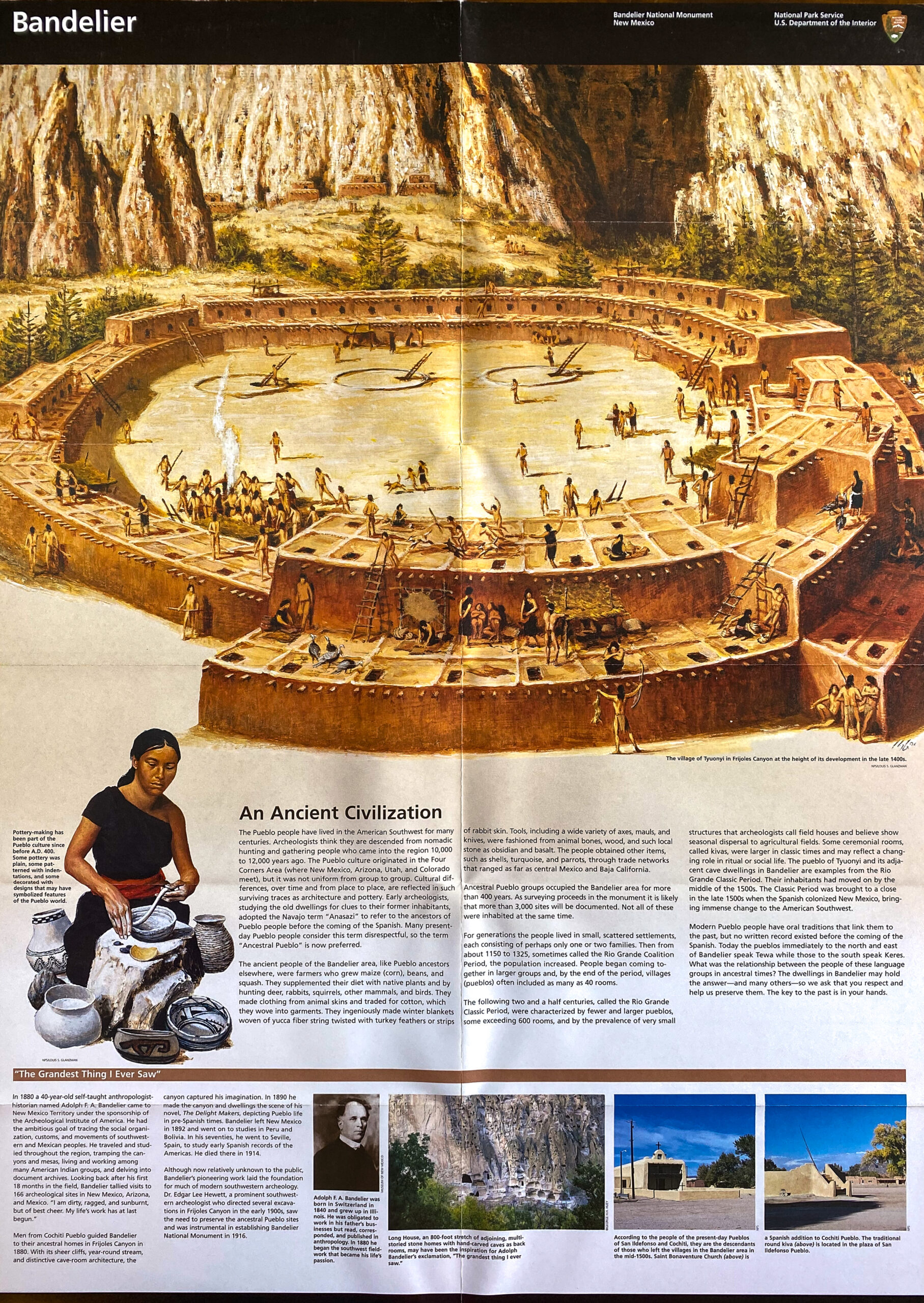
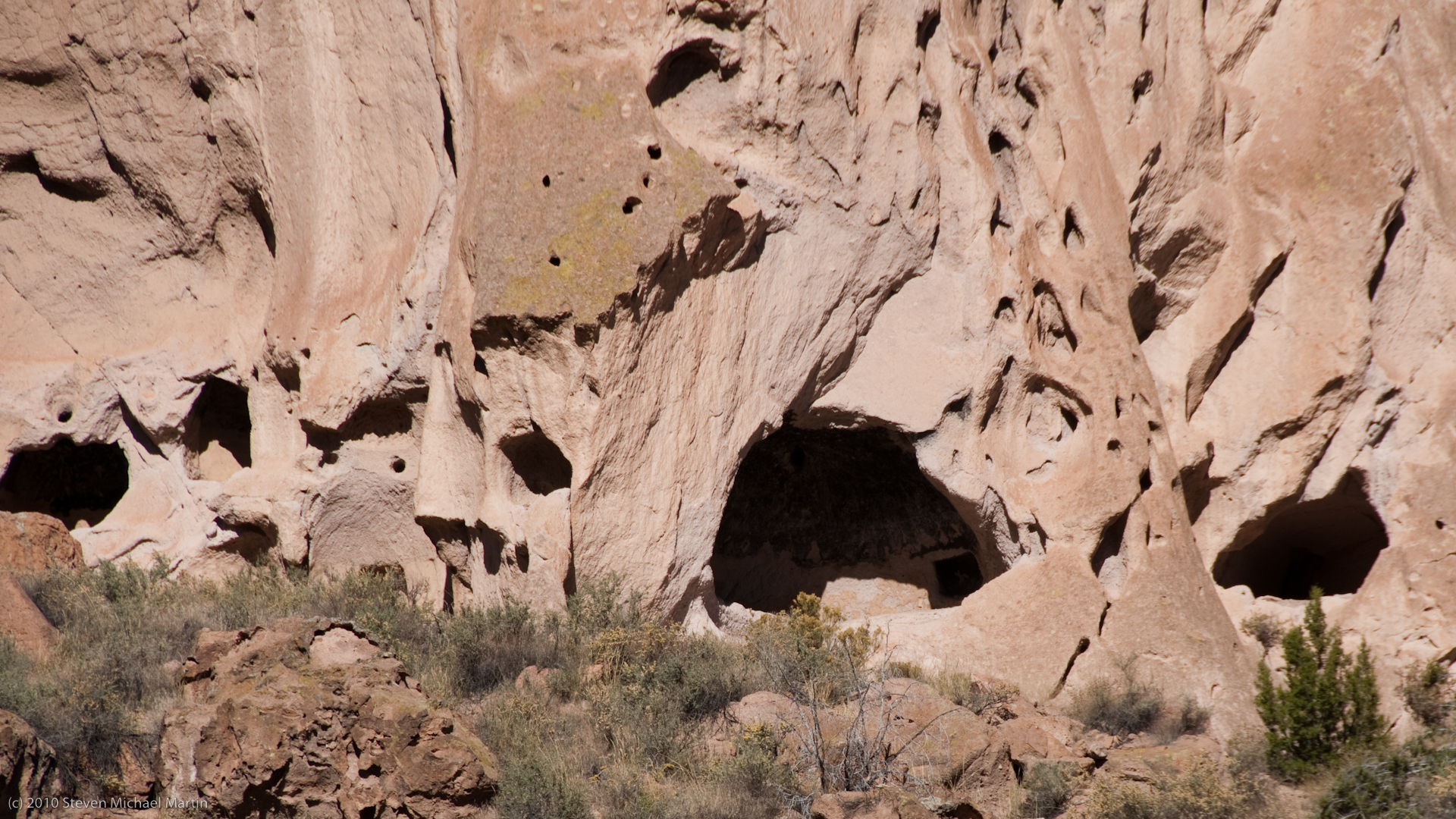
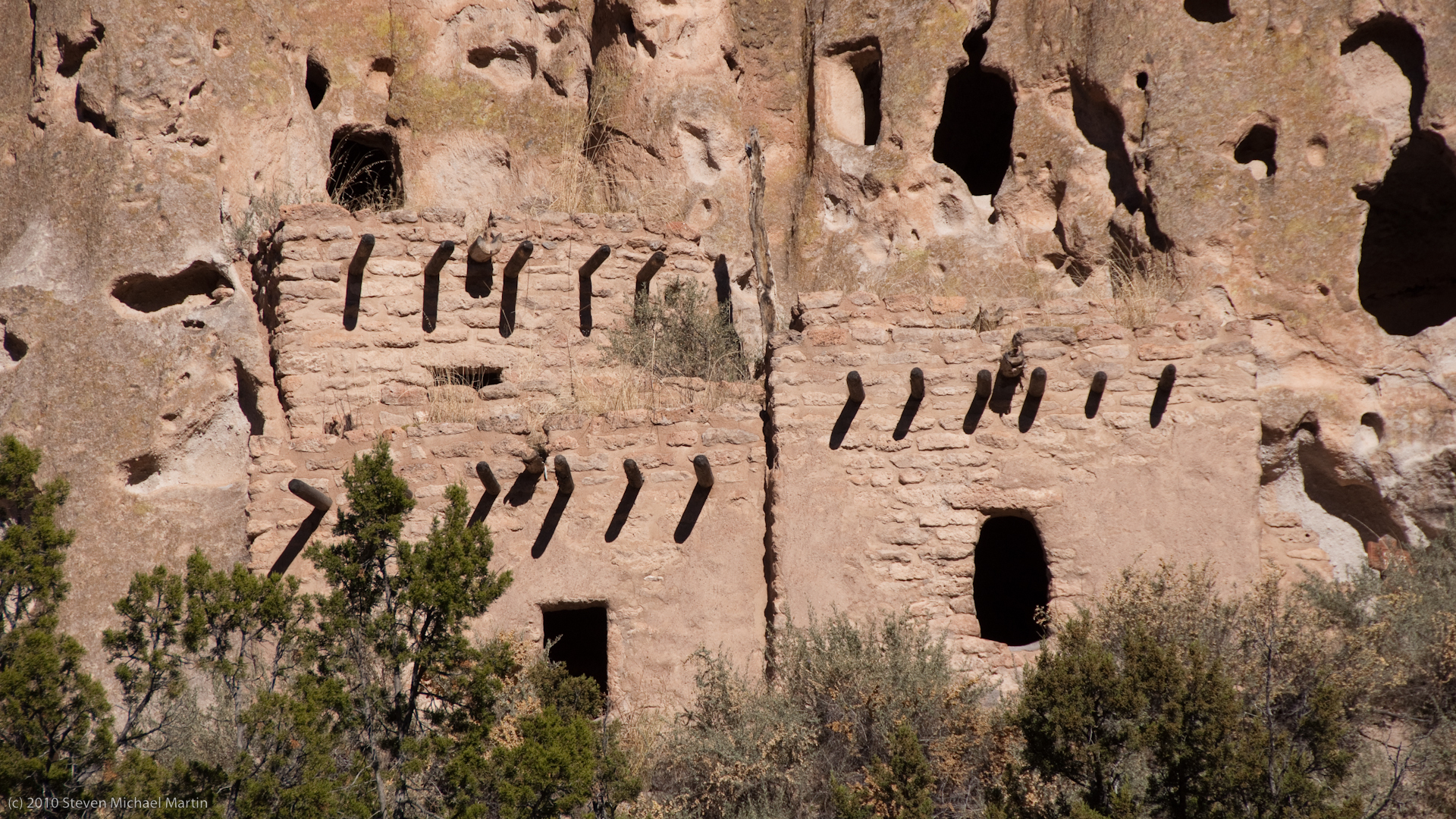
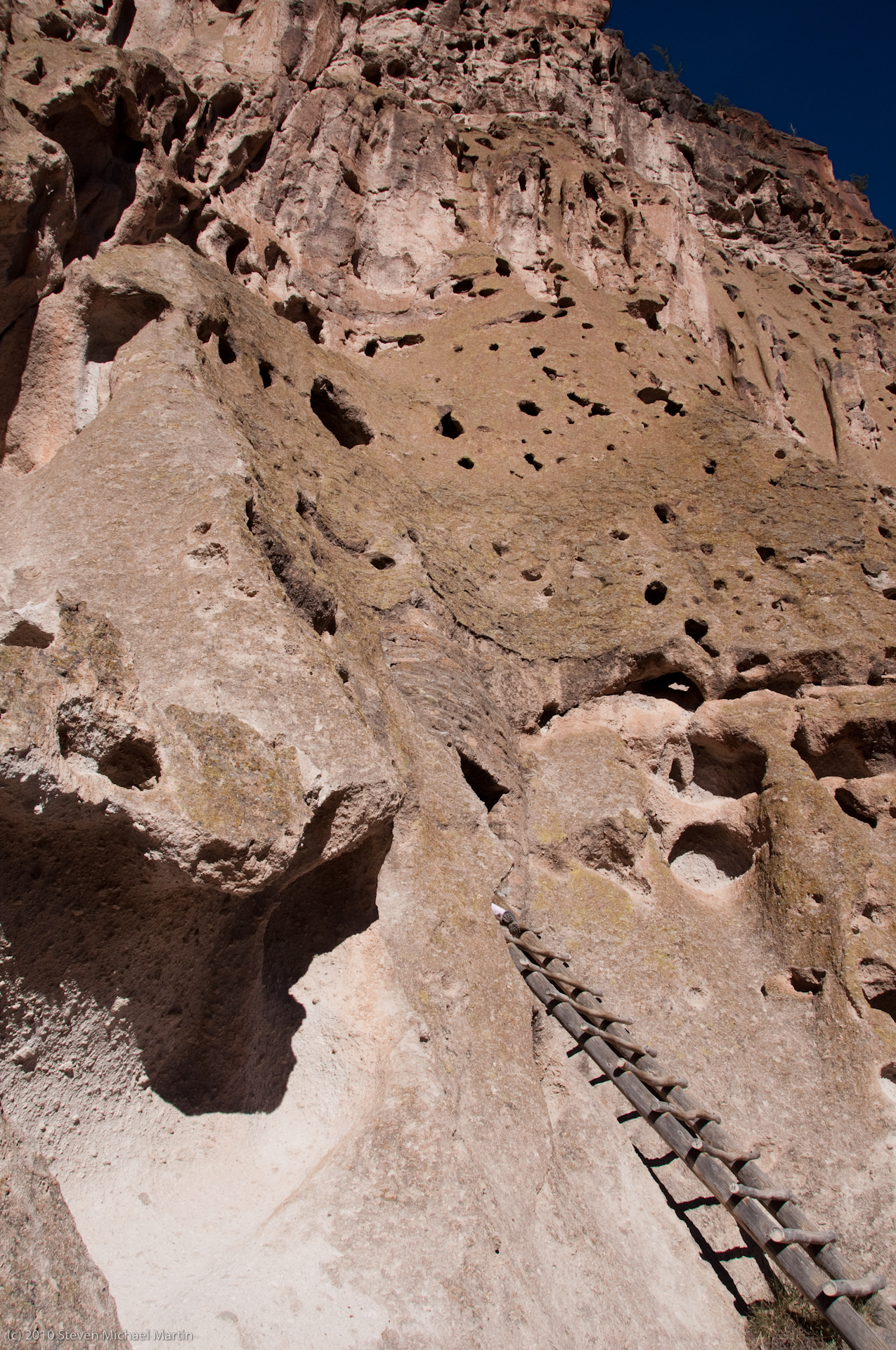
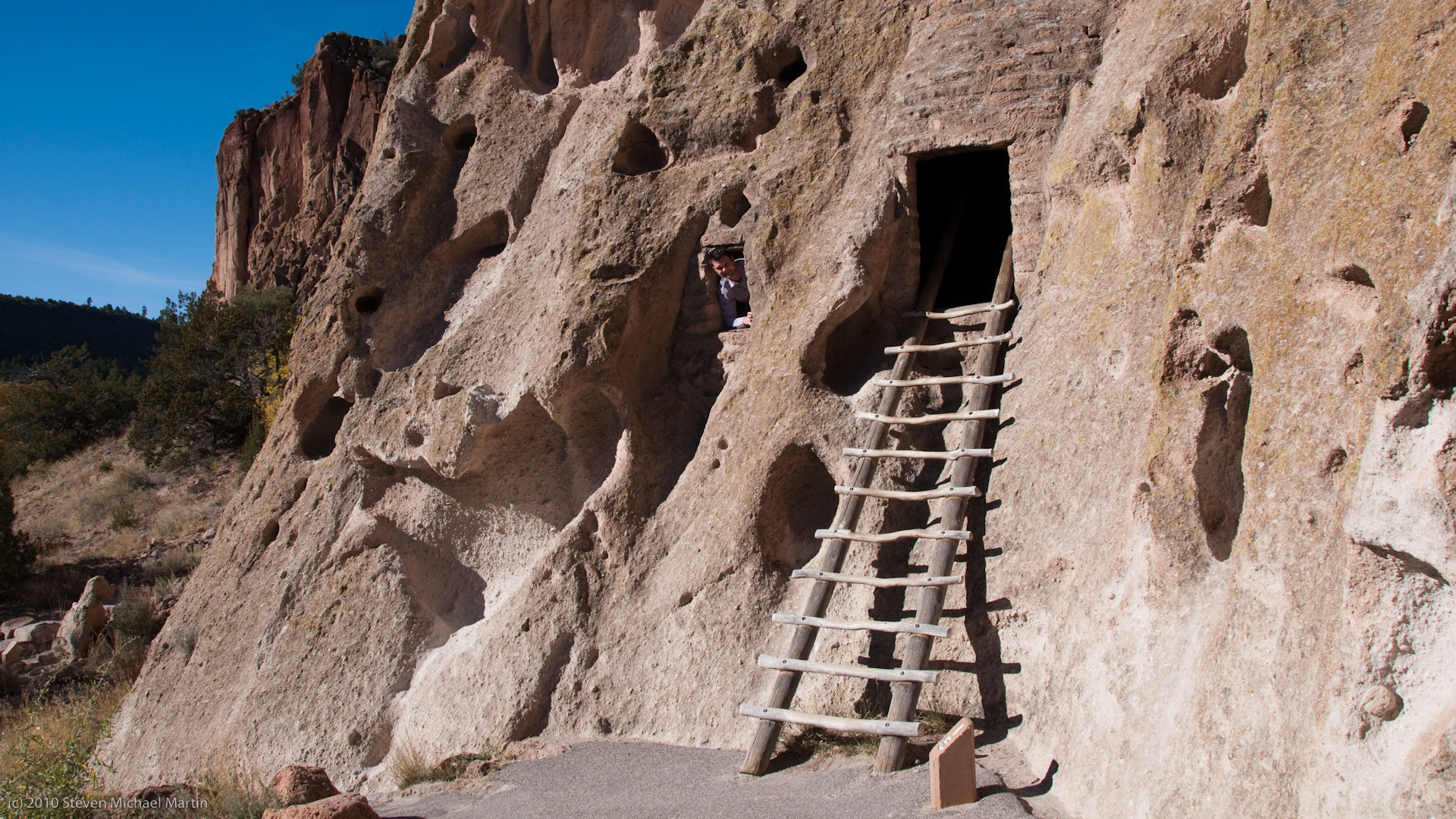
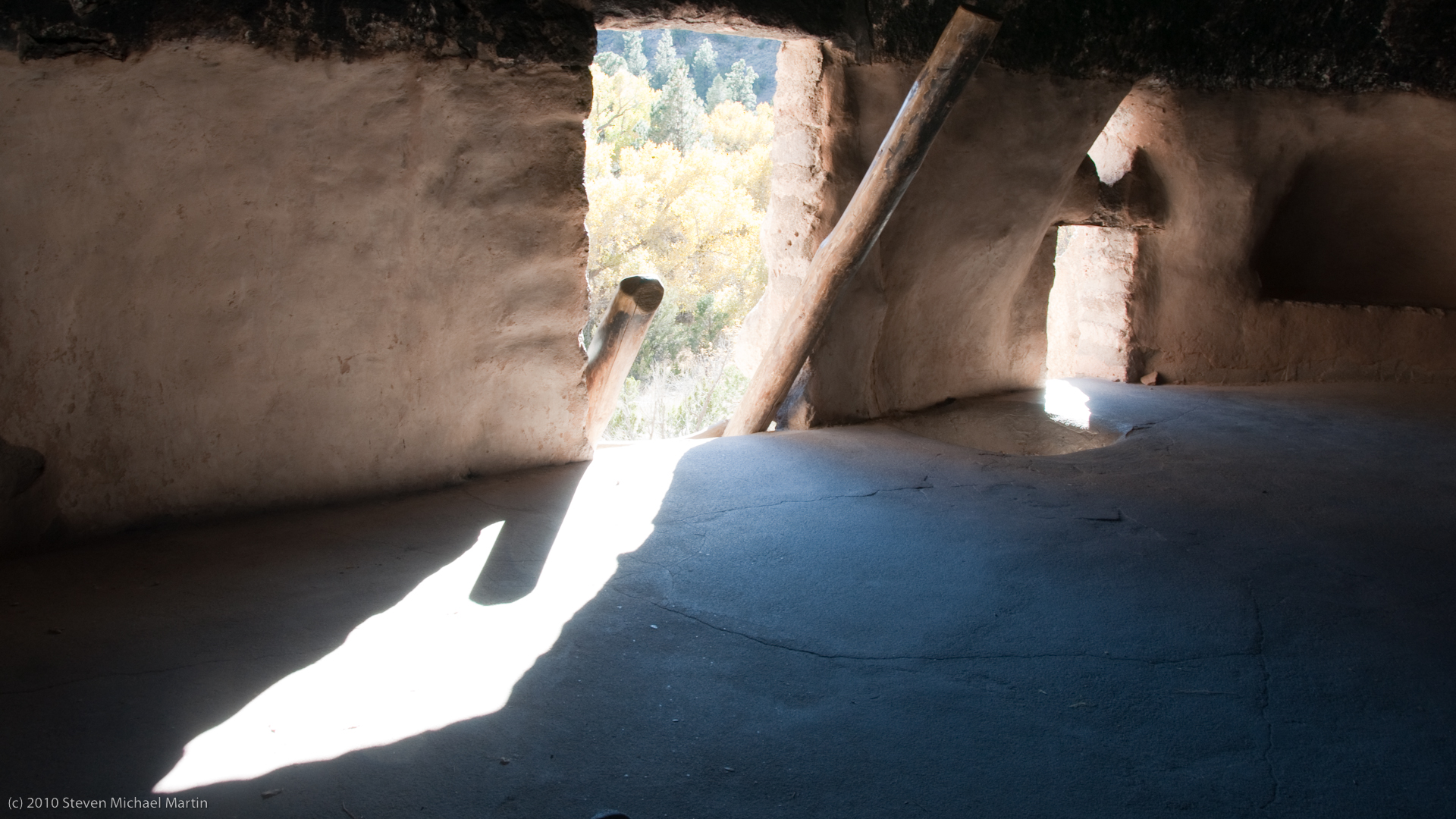
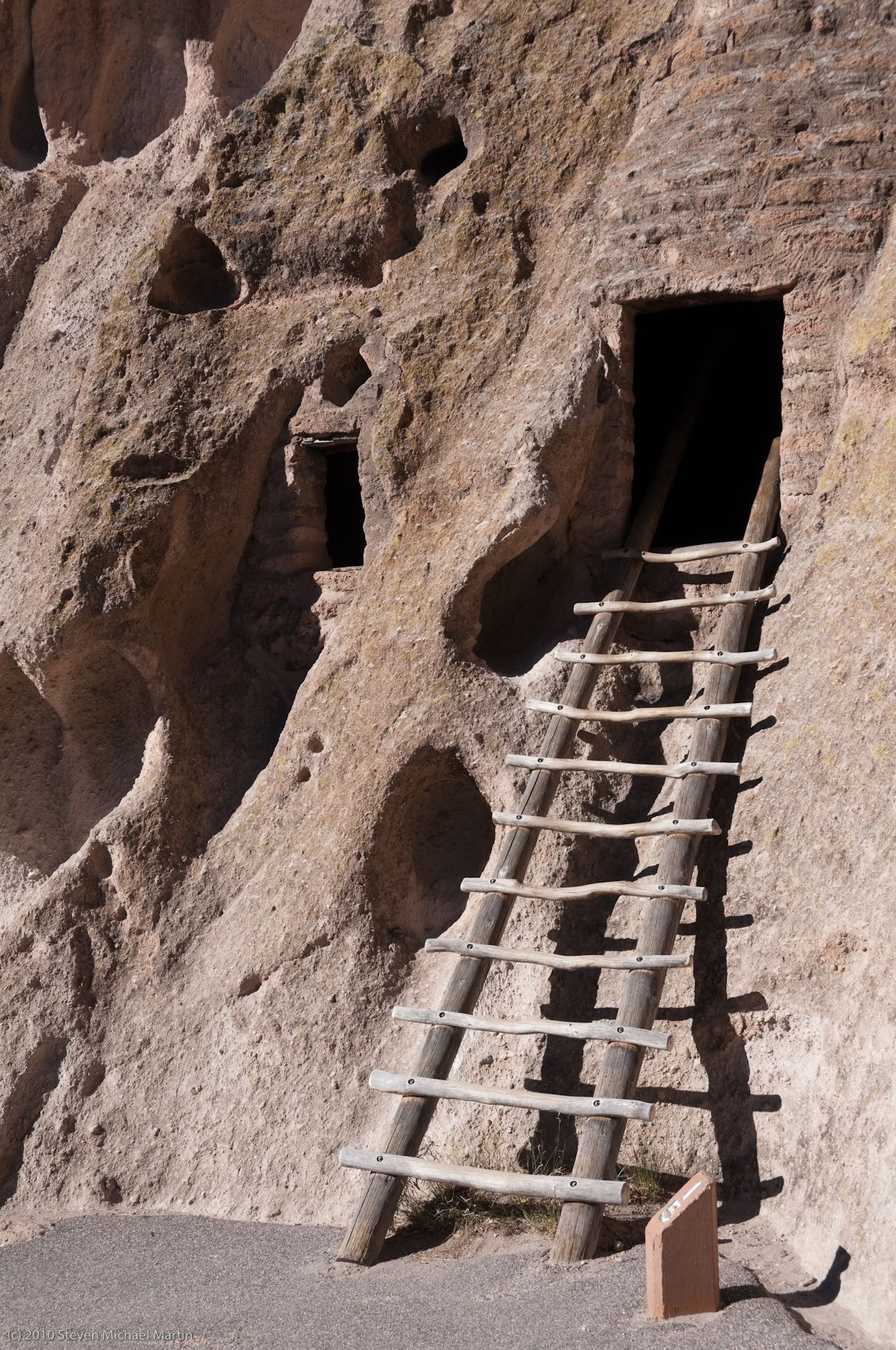
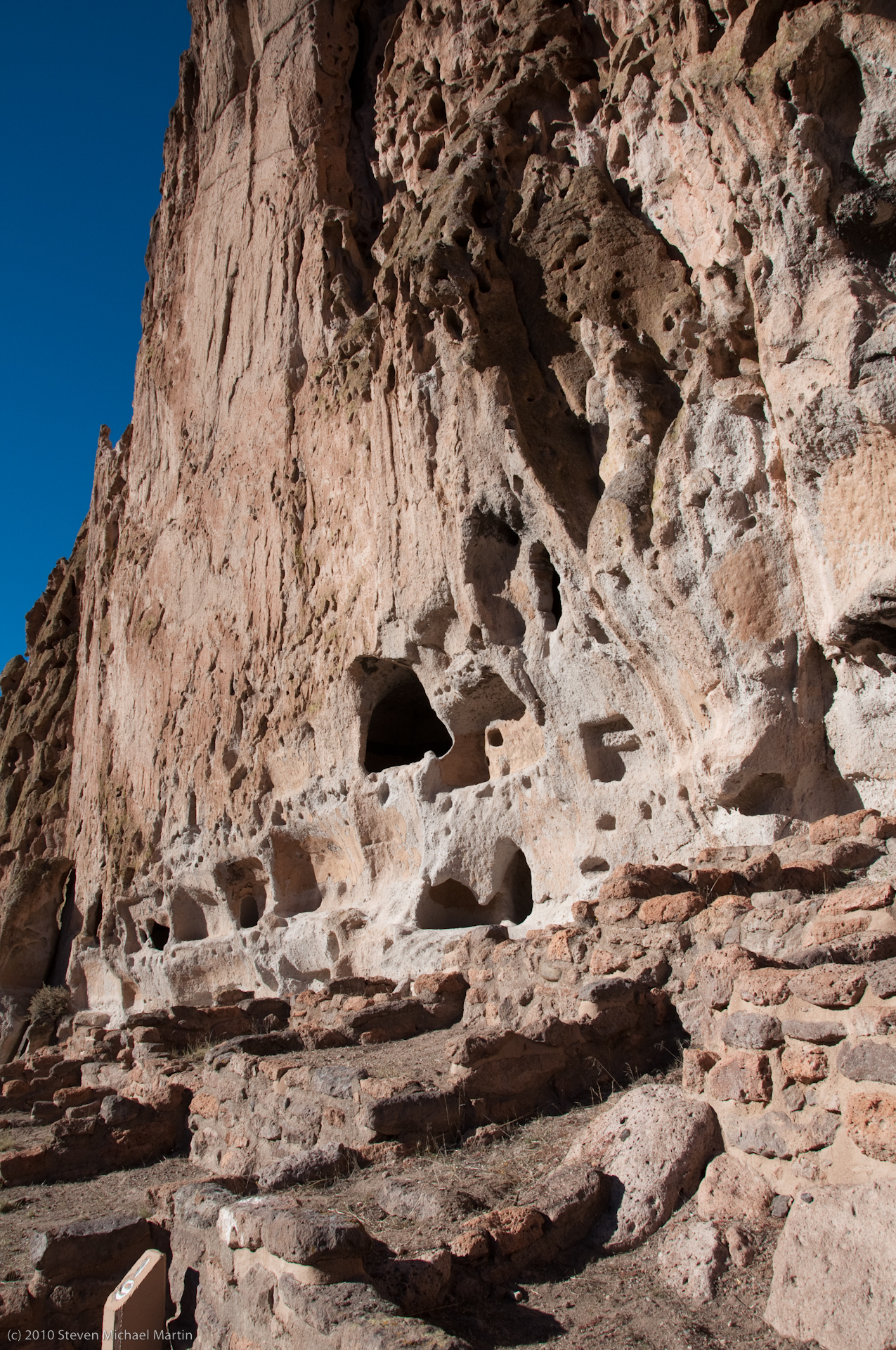
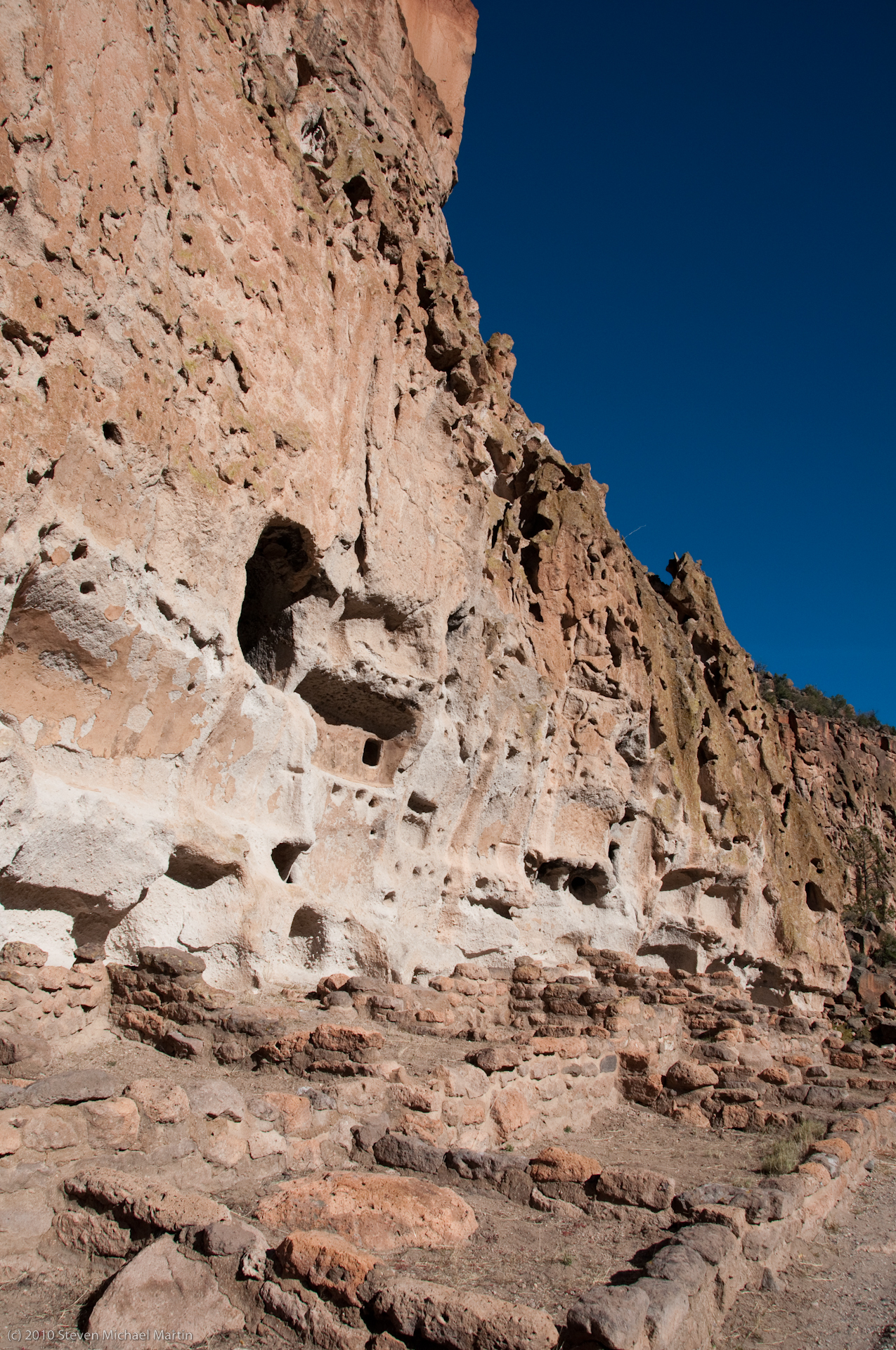
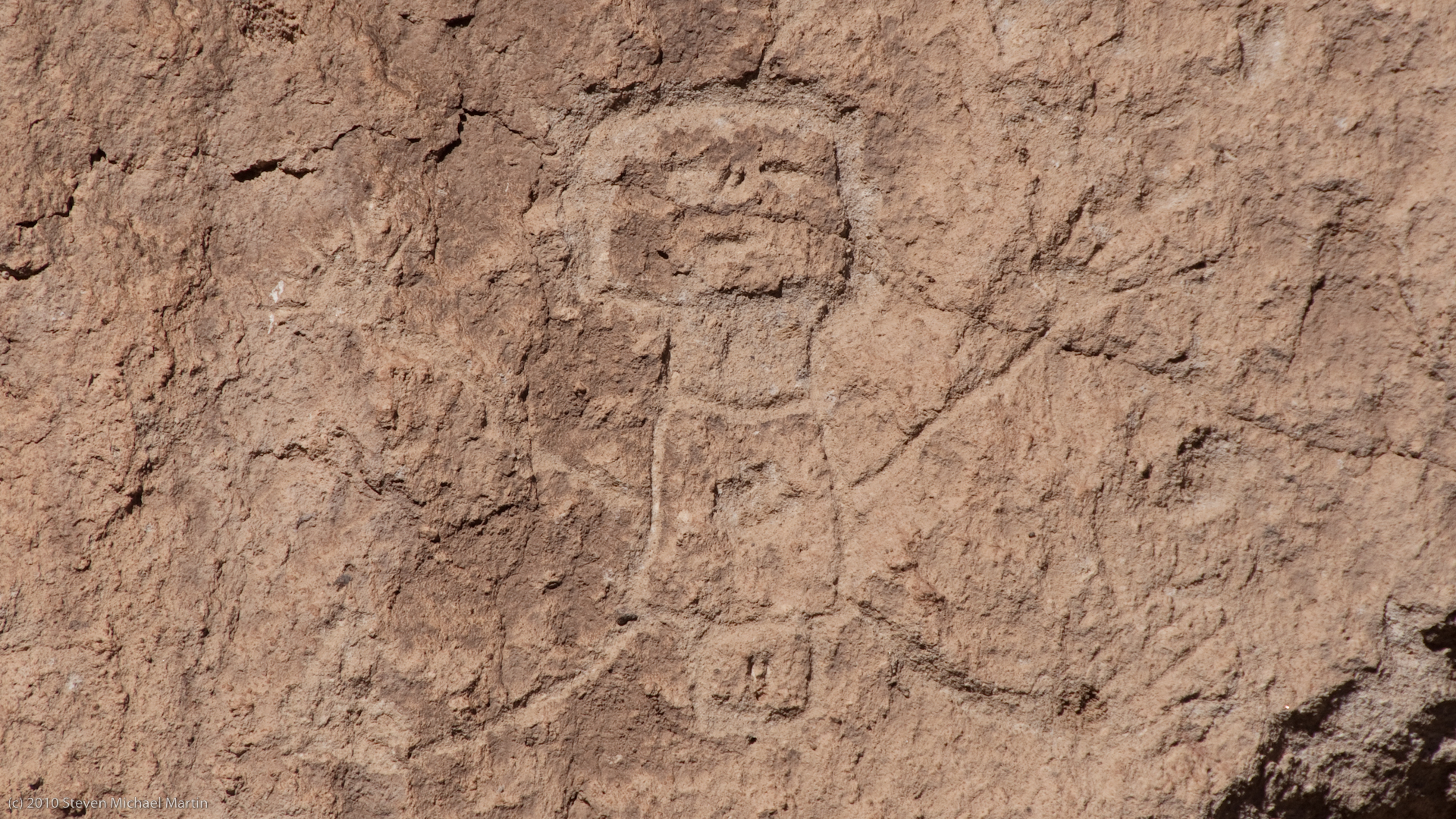
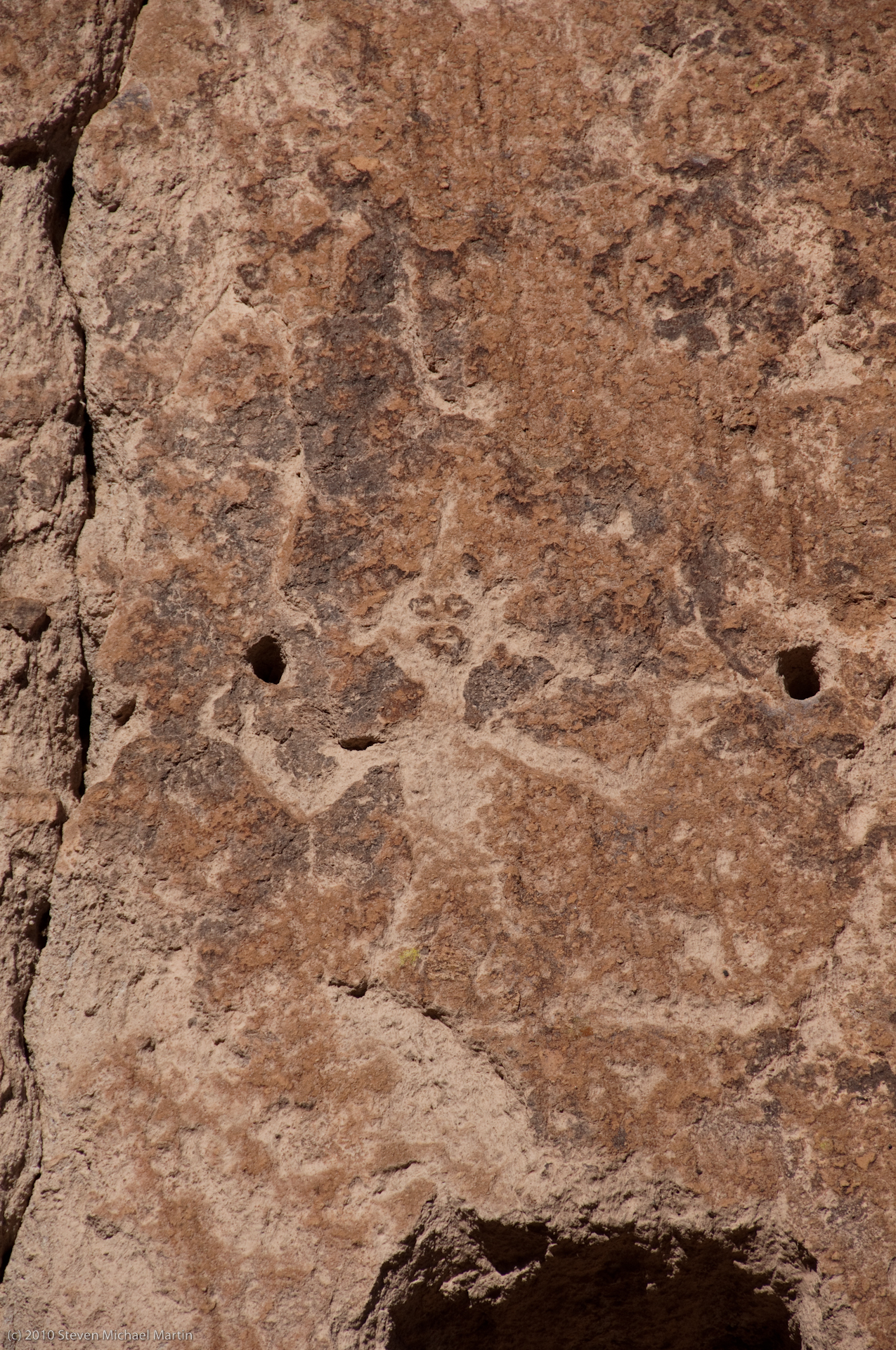
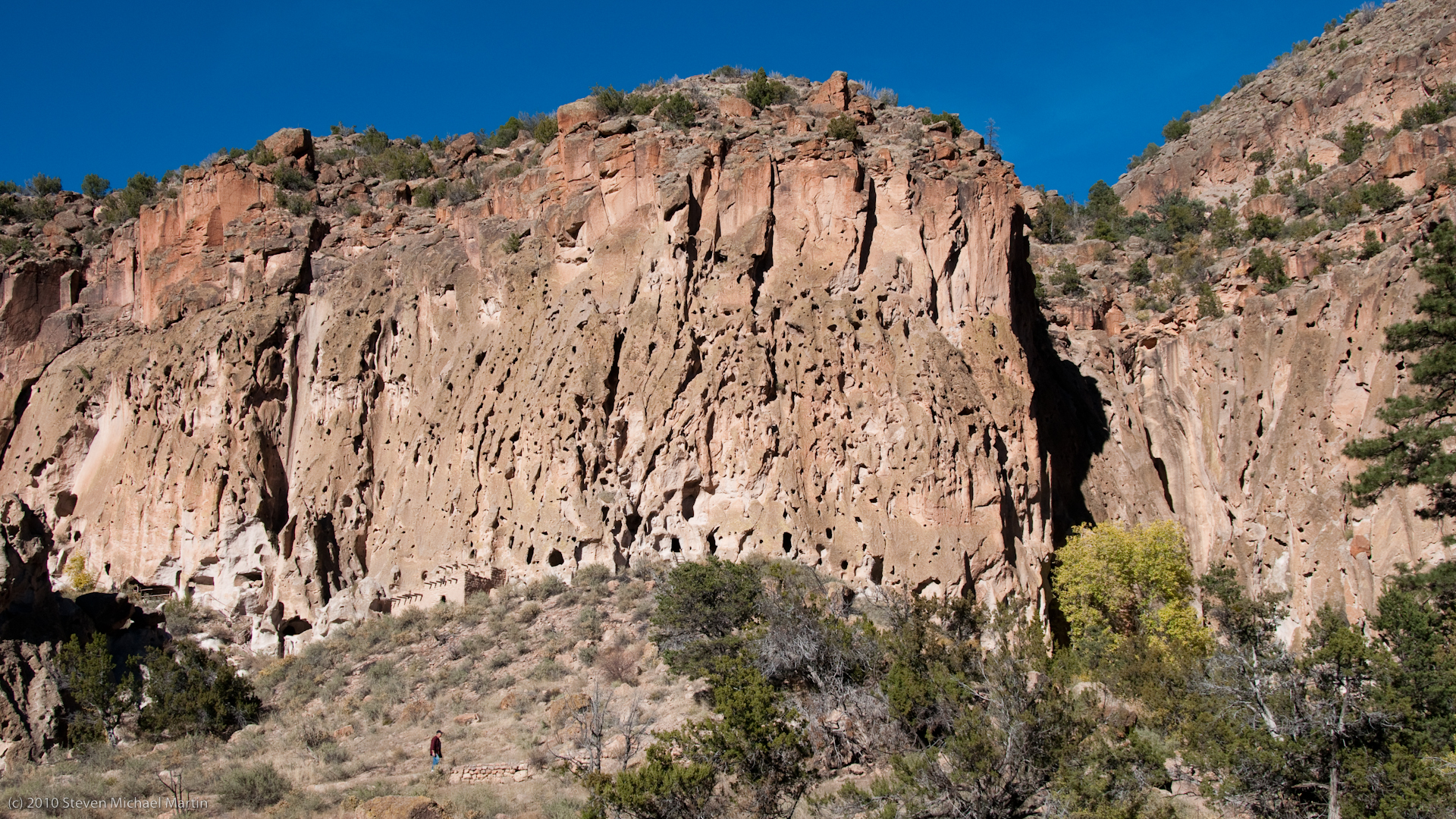
Bandelier National Monument preserves cliff dwellings constructed within volcanic tuff formations by Ancestral Pueblo communities. Soft volcanic rock allowed dwellings to be carved directly into canyon walls, creating sheltered living spaces adapted to the surrounding environment.
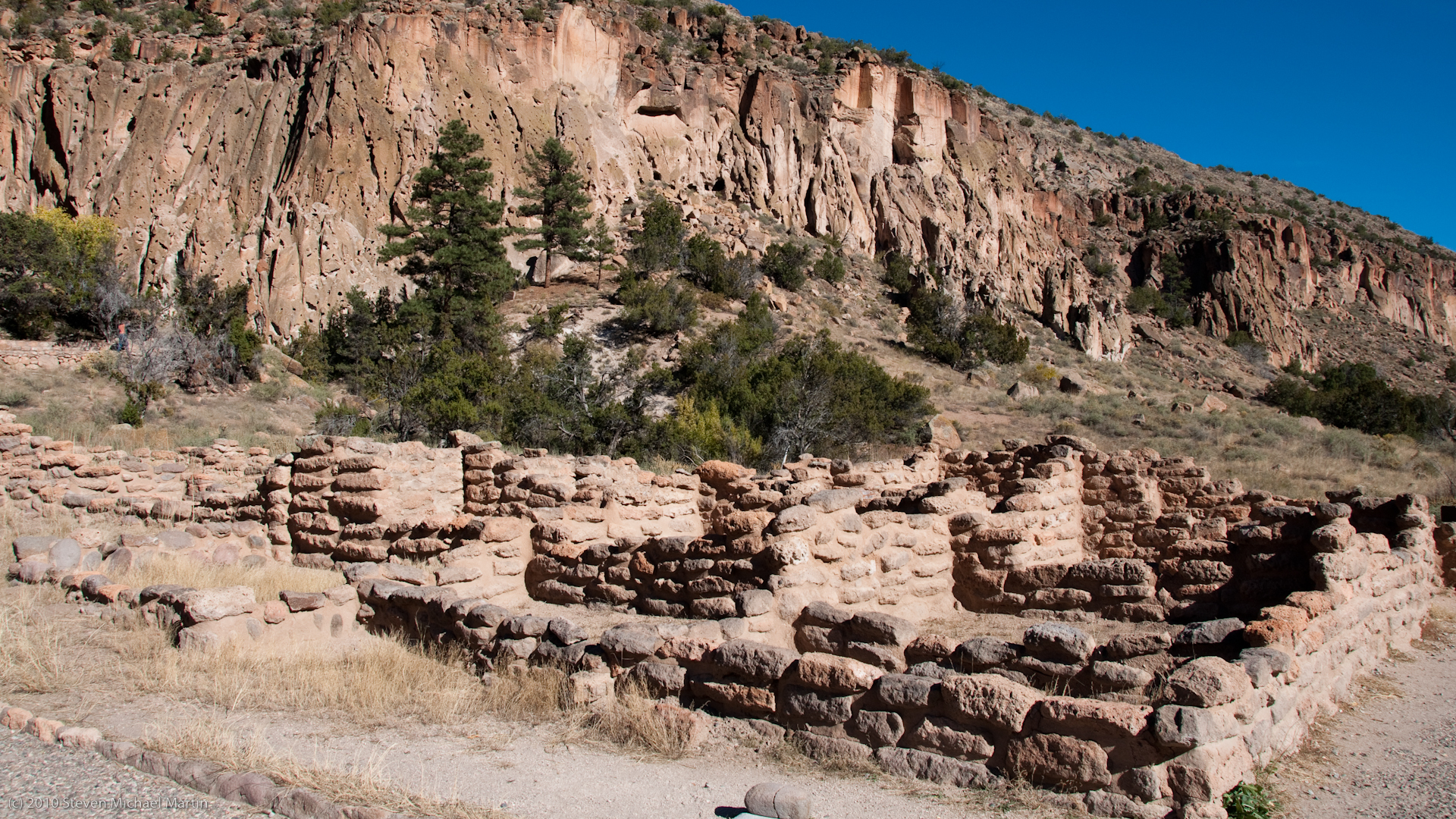
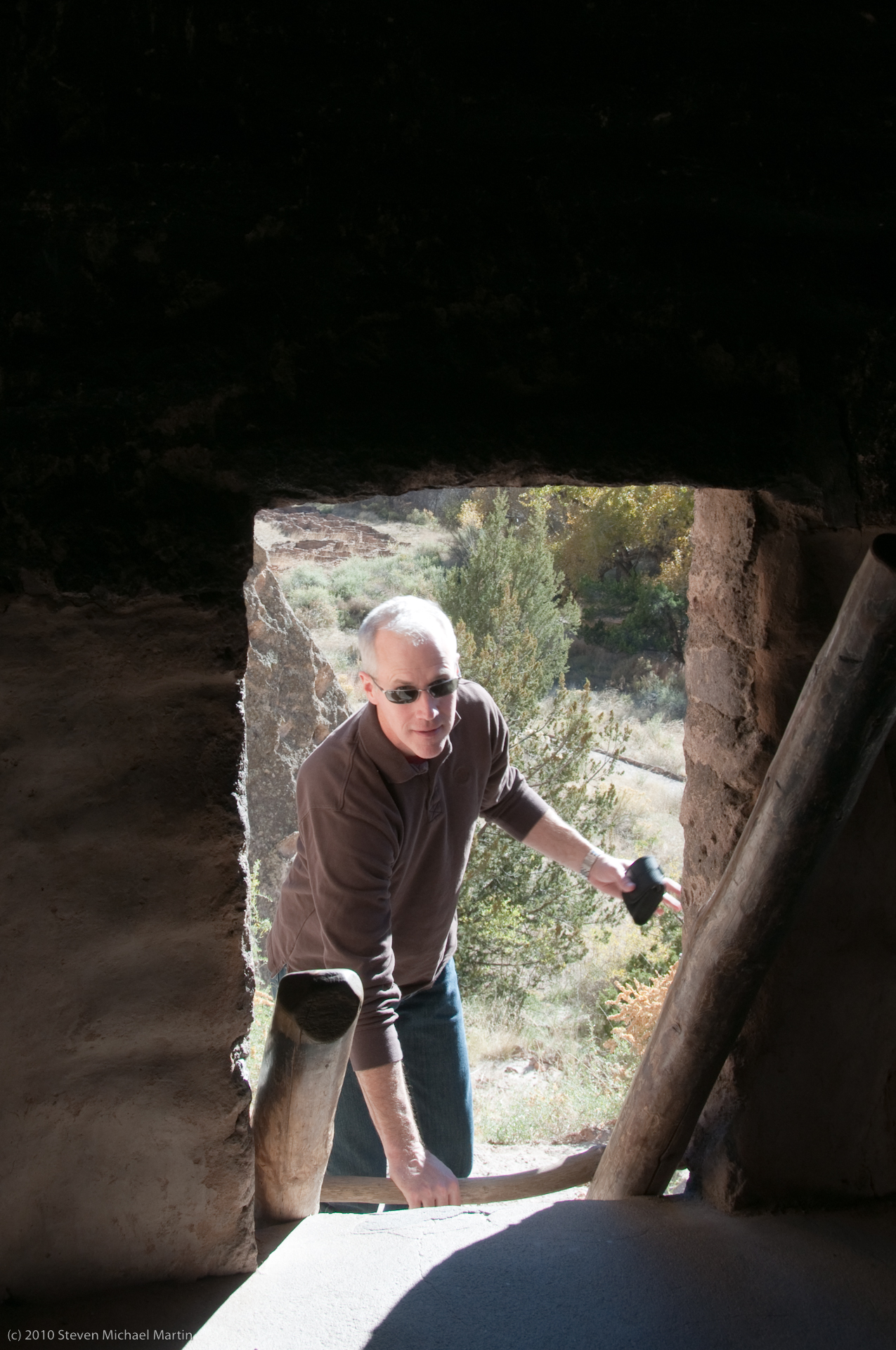
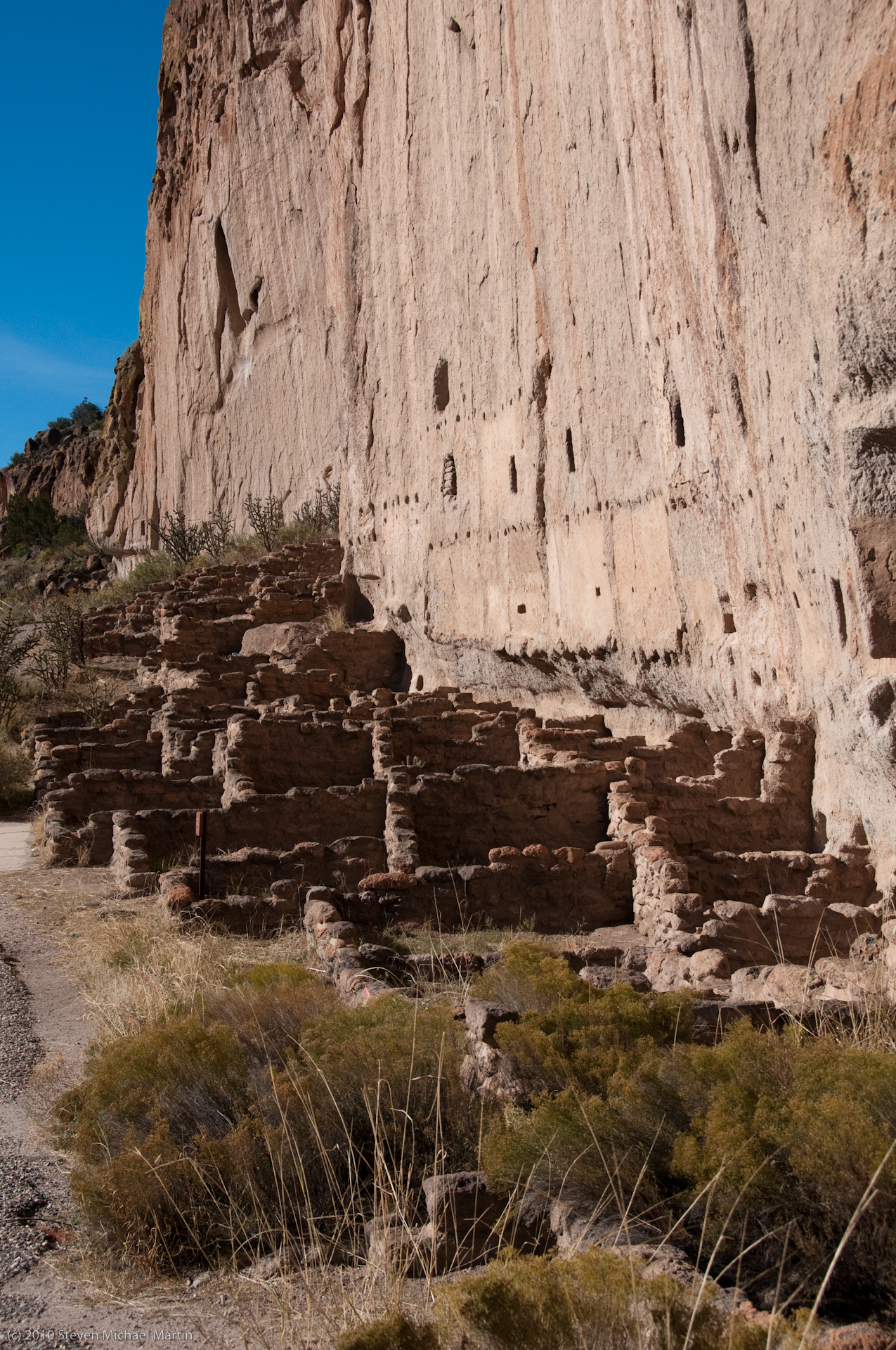
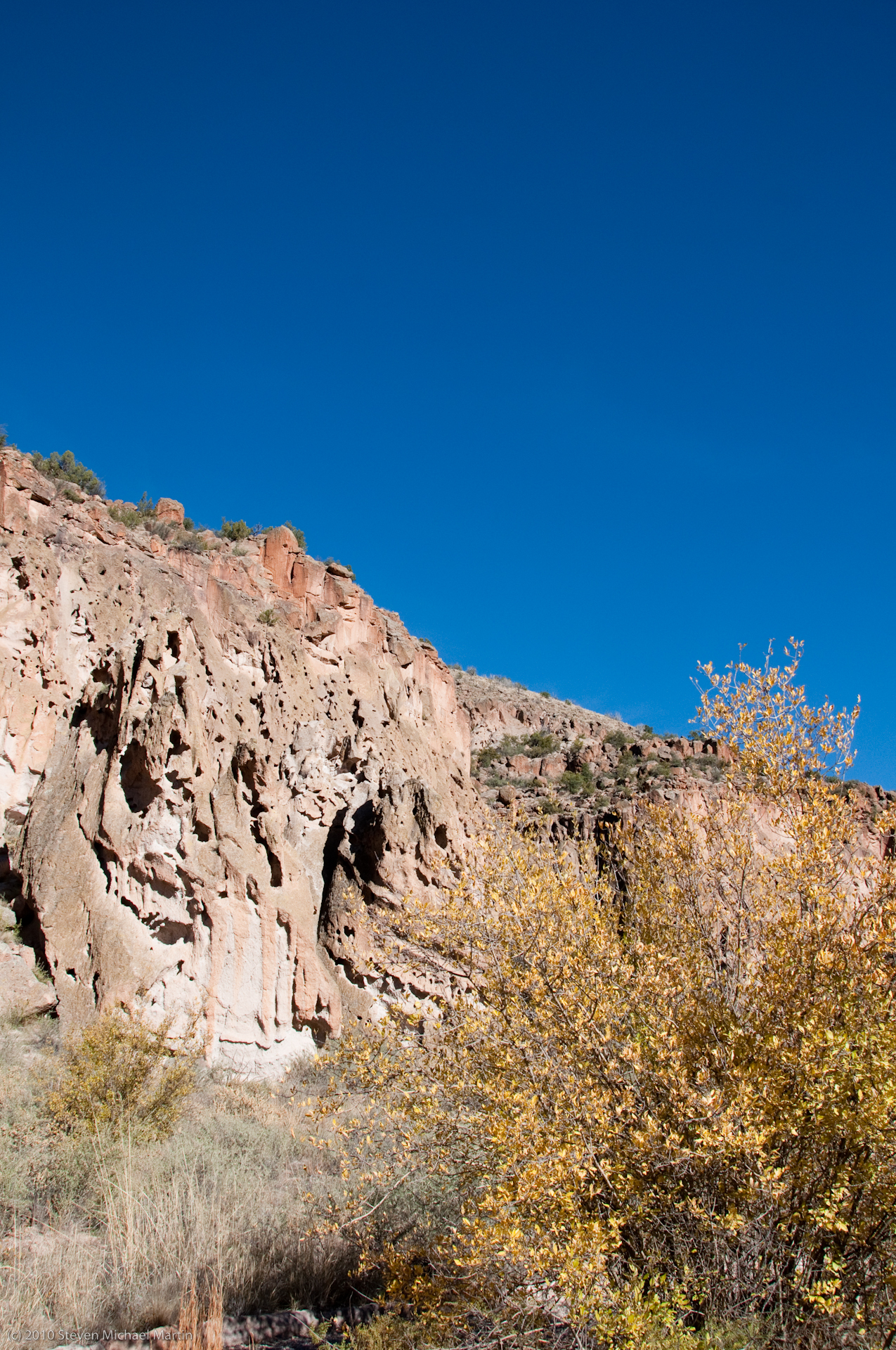
The canyon landscape provided access to water, arable land, and natural protection. Settlement patterns reflect adaptation to available resources within a high desert environment. The structures illustrate how communities used geological features to support habitation.
Today, Bandelier demonstrates how human settlement developed in response to landscape conditions. The preserved dwellings provide insight into long-term interaction between cultural traditions and environmental resources.




National Monument Field Guide
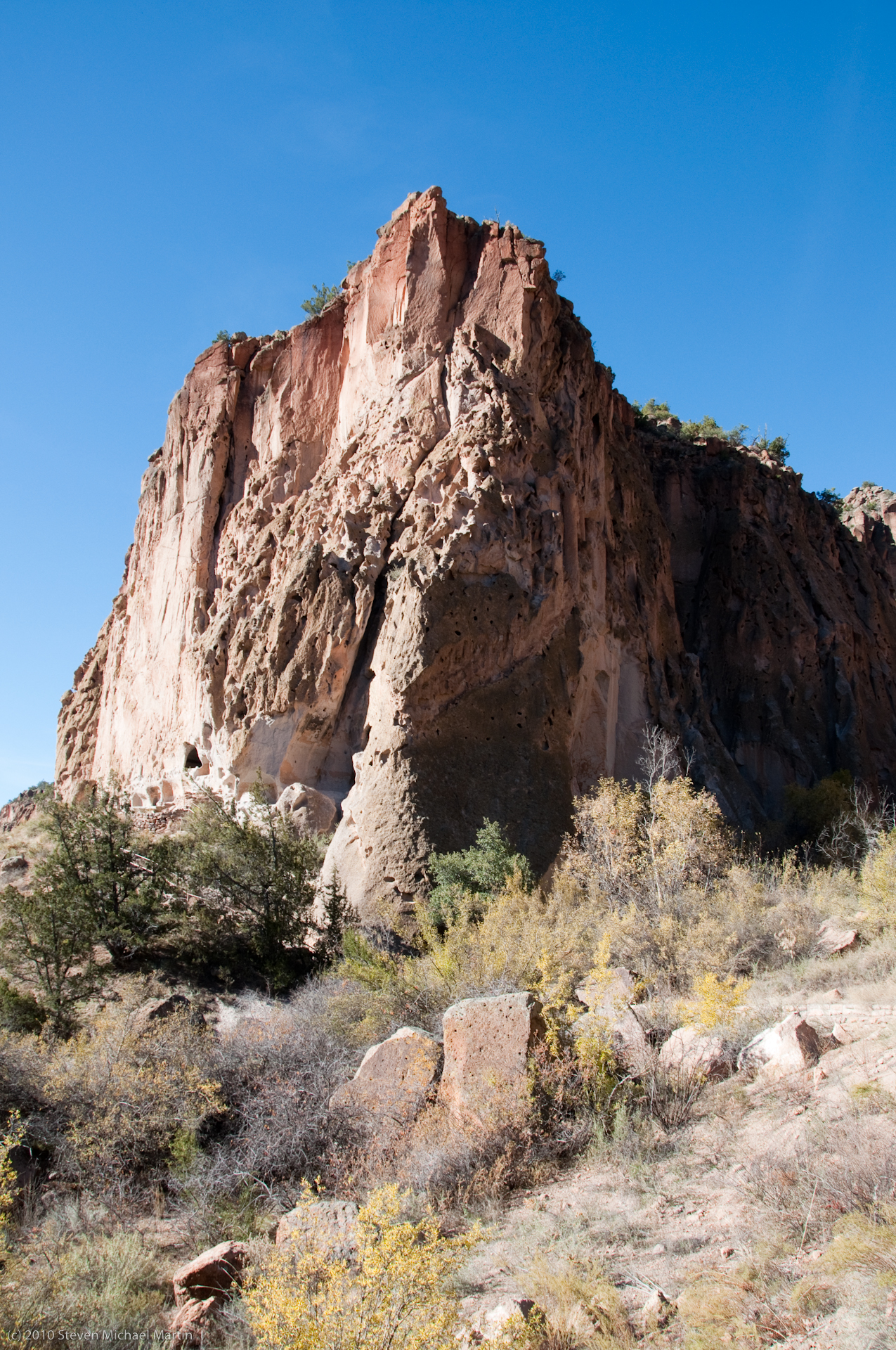
Bandelier National Monument preserves cliff dwellings carved into volcanic tuff by Ancestral Pueblo communities. The monument illustrates how settlement patterns adapted to geological and environmental conditions.
🏛 Key Significance
- Cliff dwellings carved into volcanic rock
- Use of natural formations for shelter
- Settlement adapted to canyon environments
- Access to water and agricultural land
- Long-term habitation within desert landscape
📖 Interpretive Context
Volcanic tuff provided a workable material for carving dwellings. Settlement locations reflect access to water, food resources, and protection within canyon environments.
📷 Photography Notes
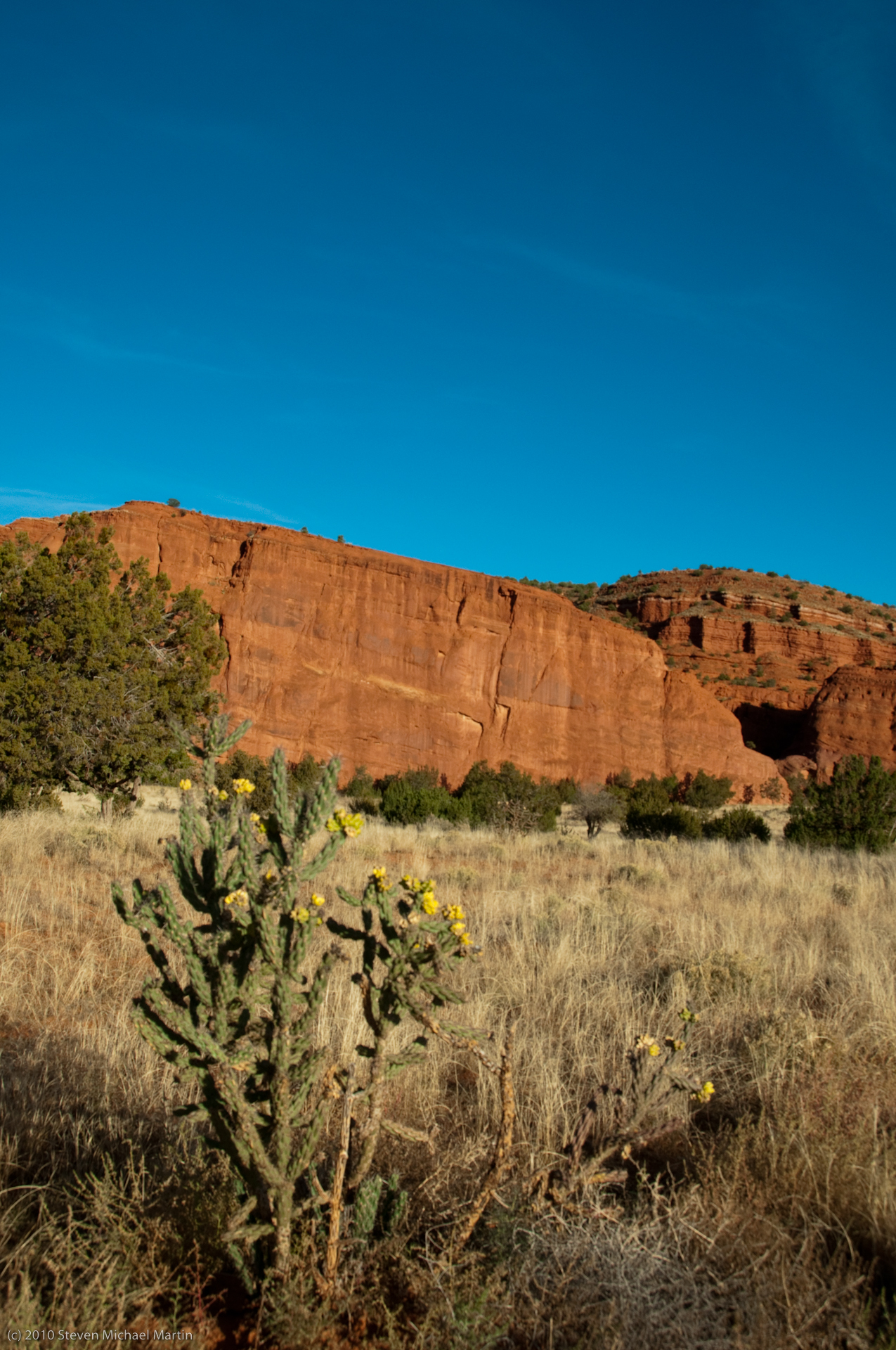
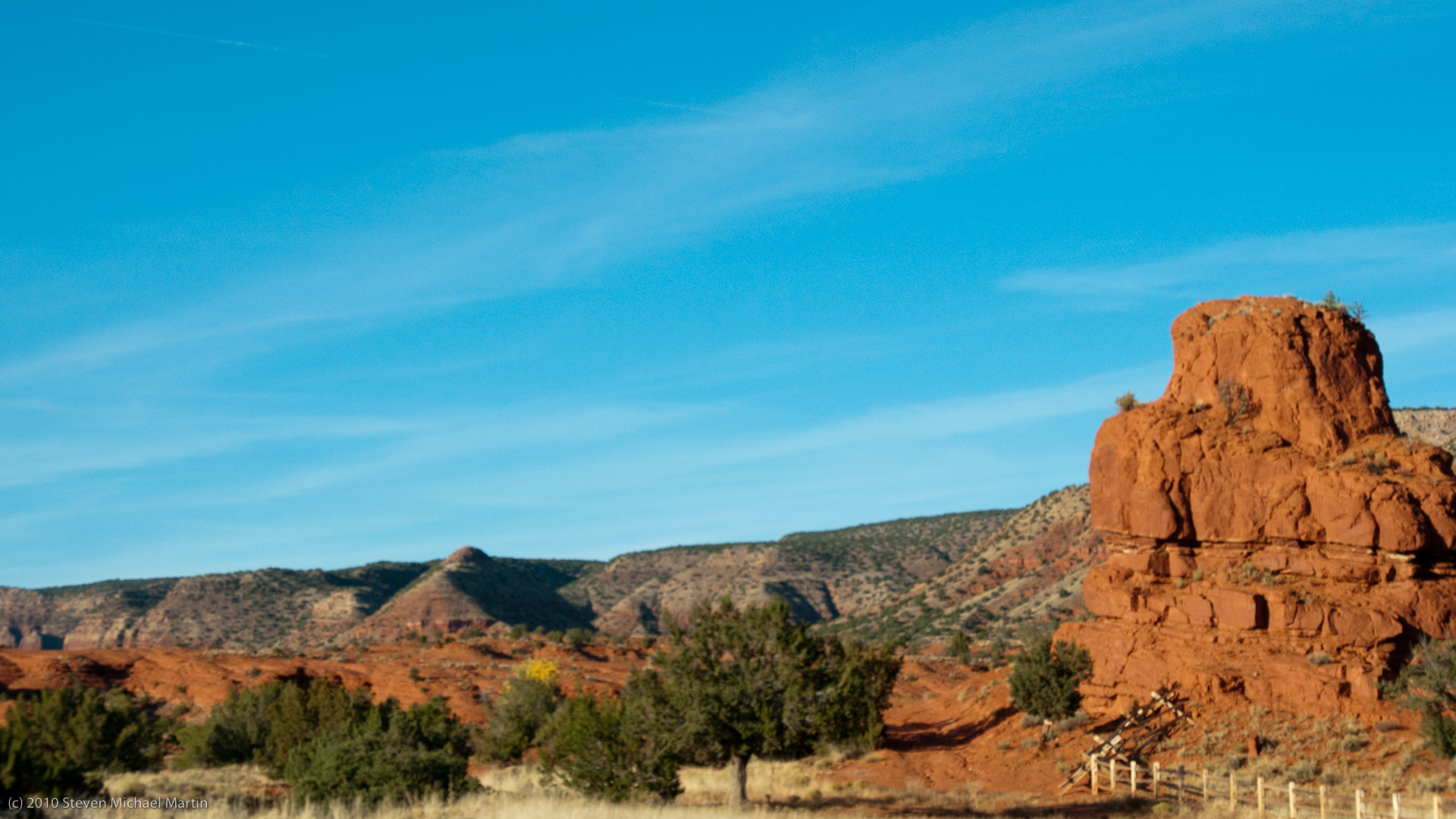
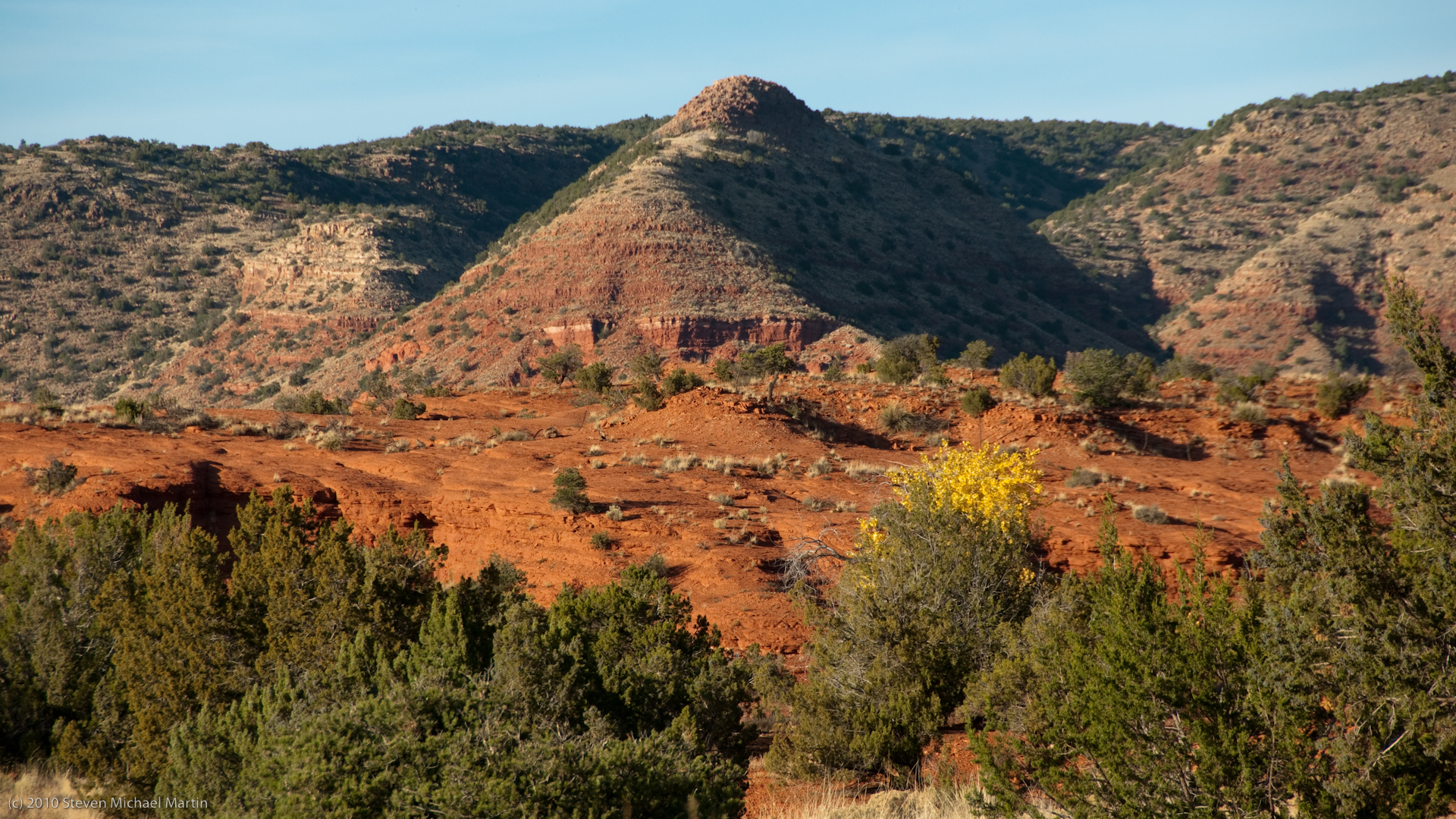
- Side lighting enhances texture of cliff dwellings
- Wide views show relationship to canyon landscape
- Look for patterns in carved openings
- Combine architectural detail with environmental context