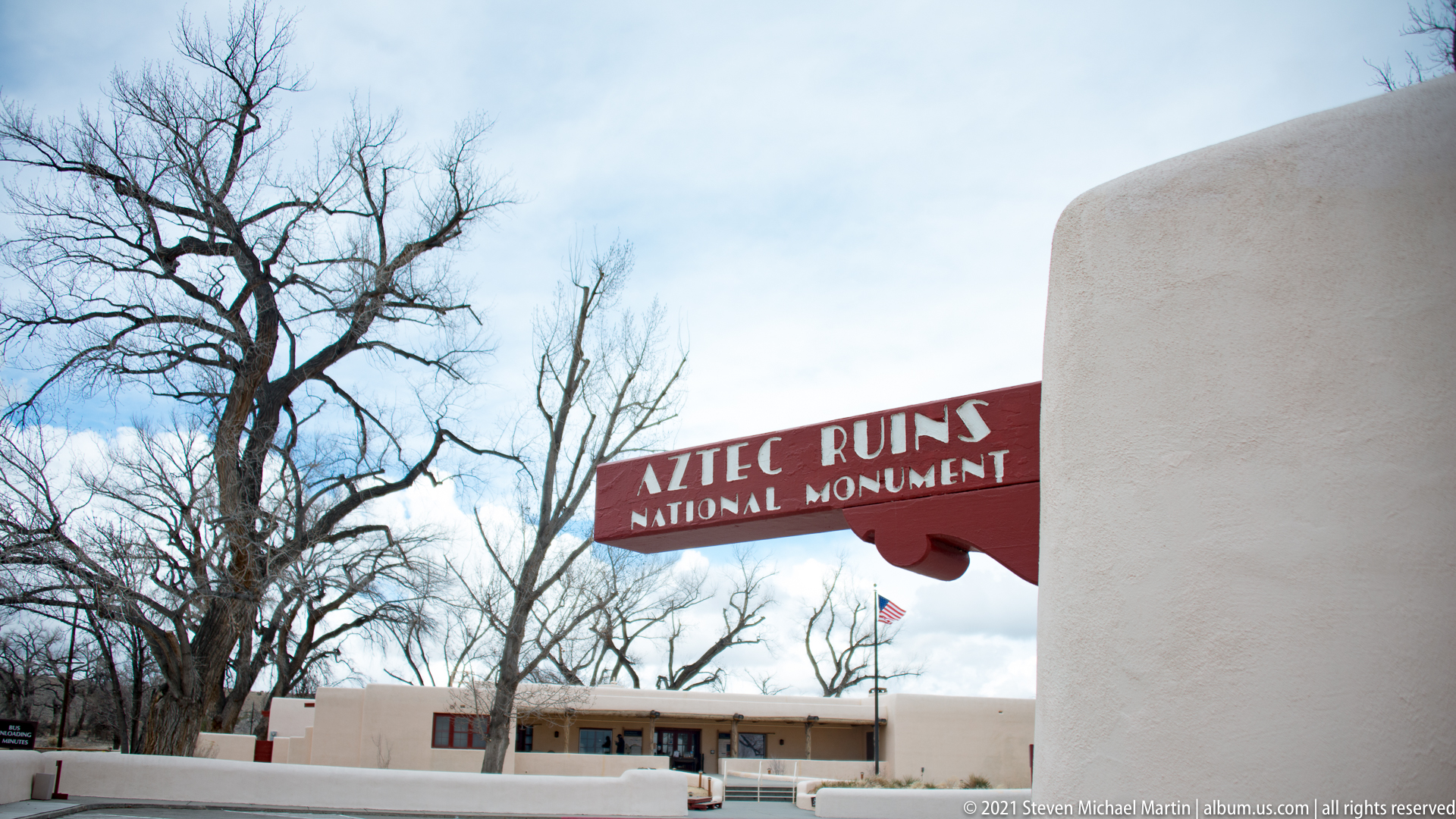
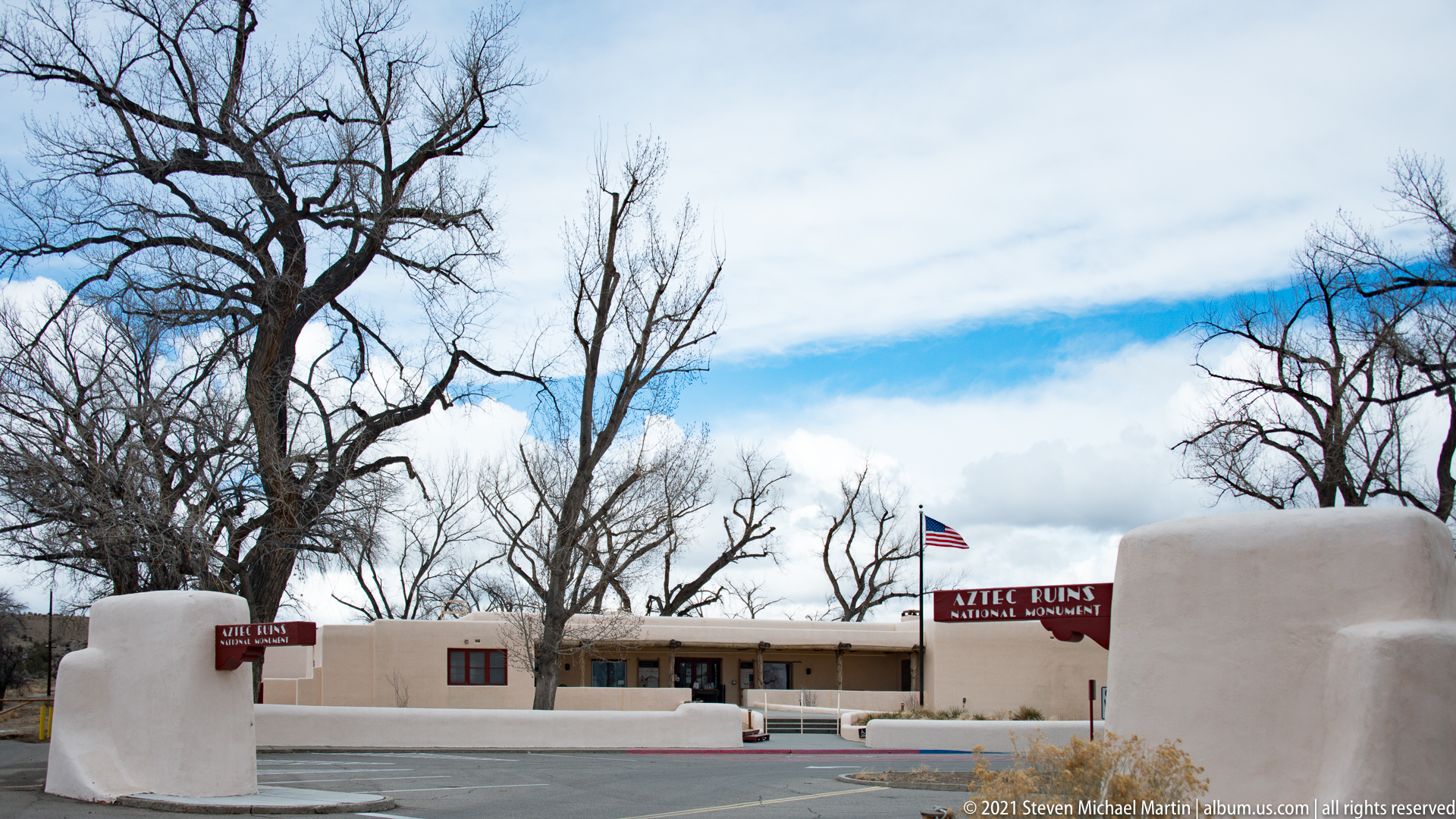
Aztec Ruins National Monument
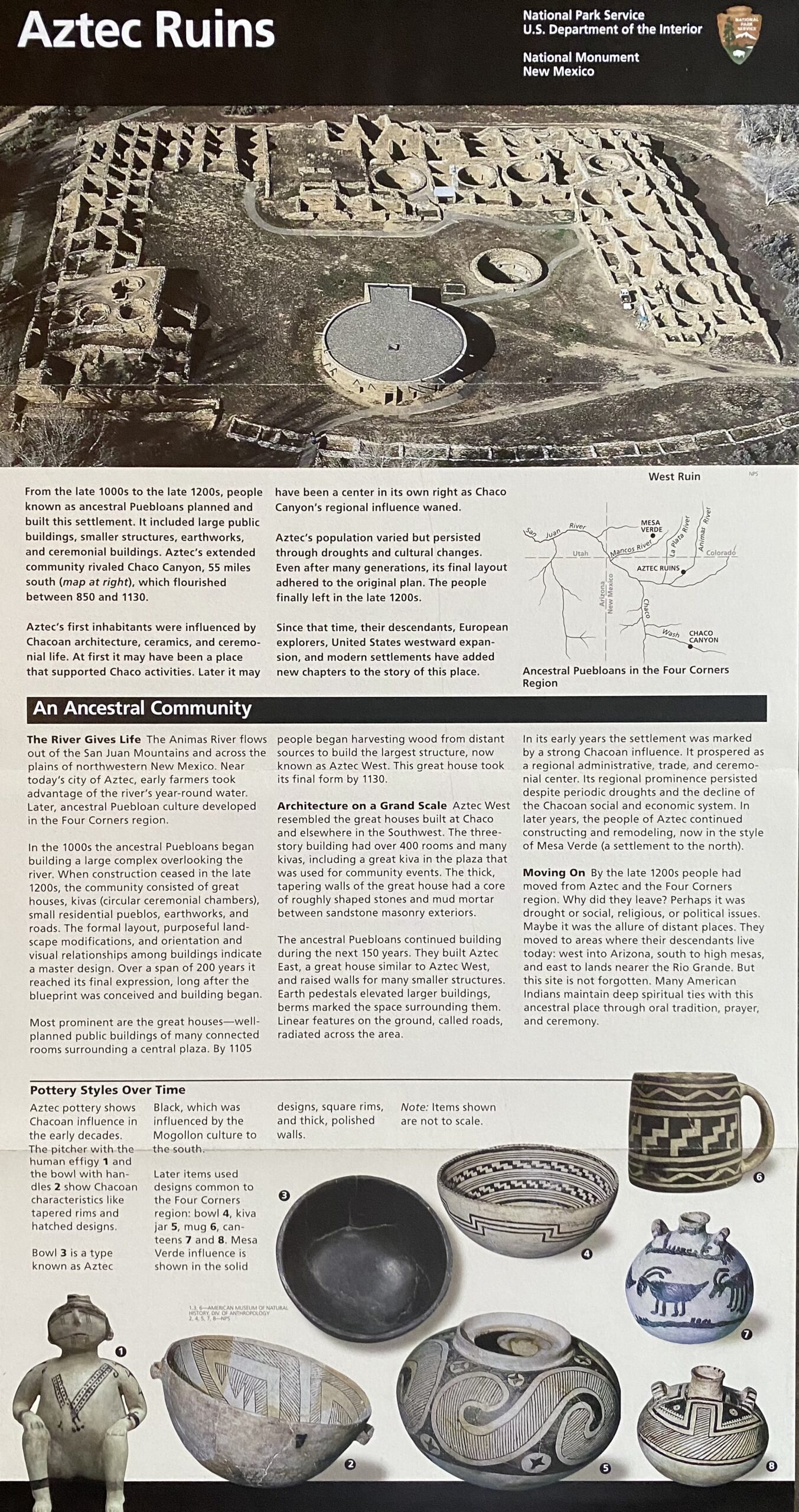
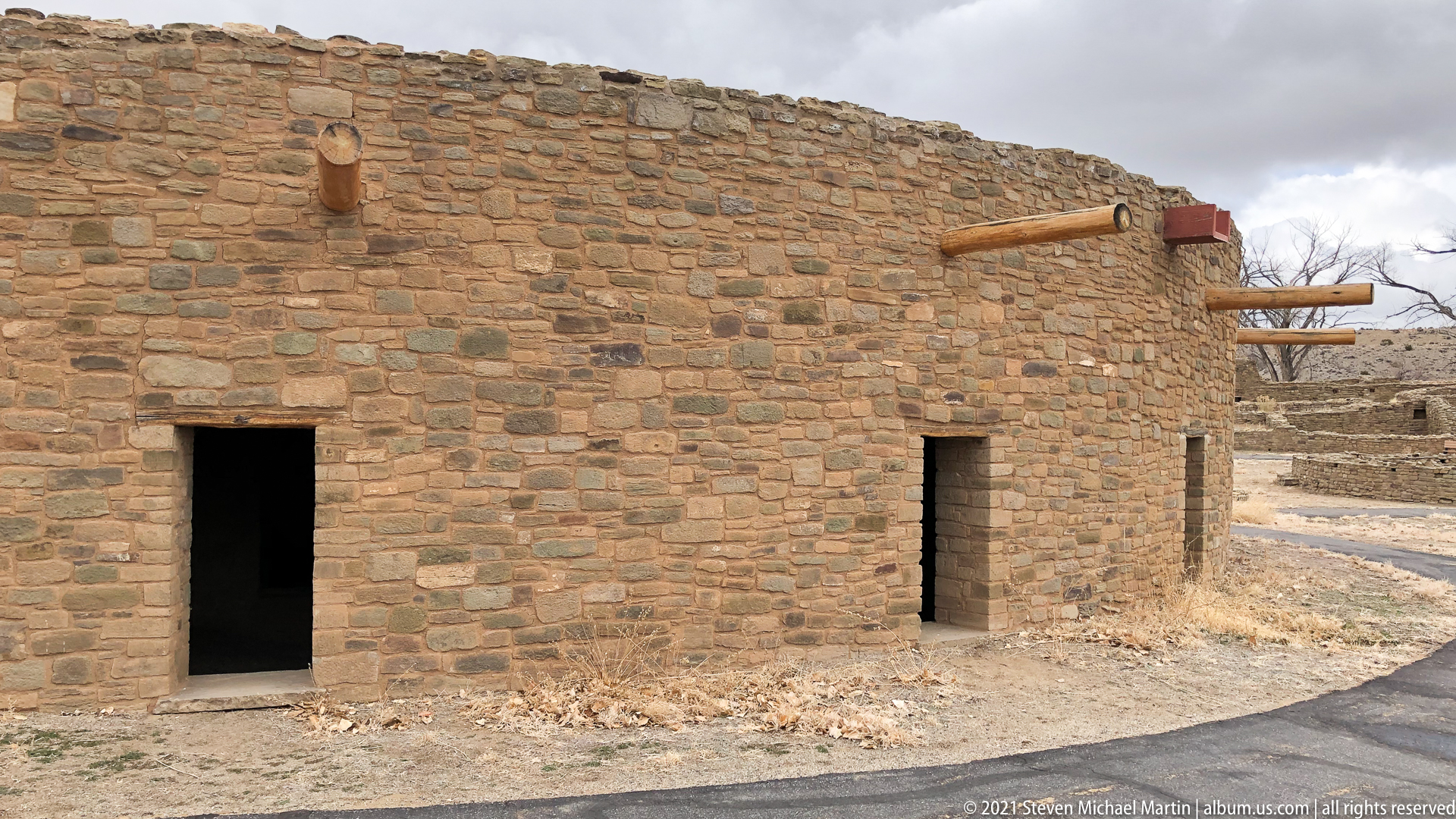
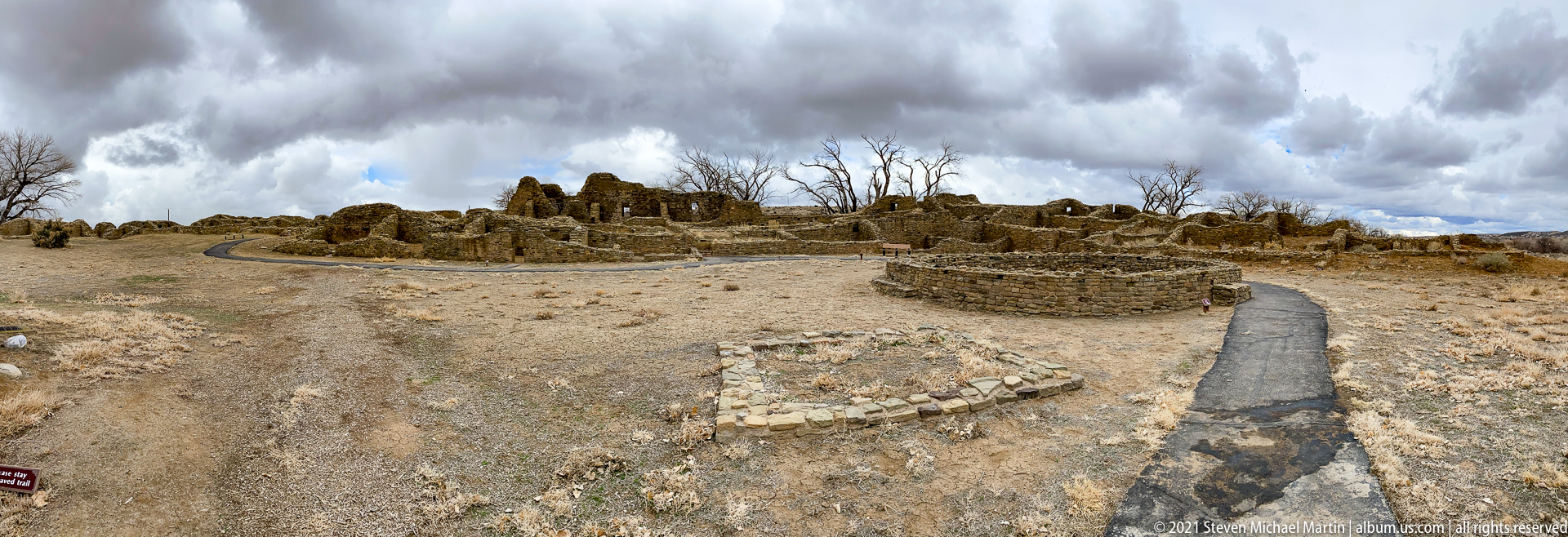
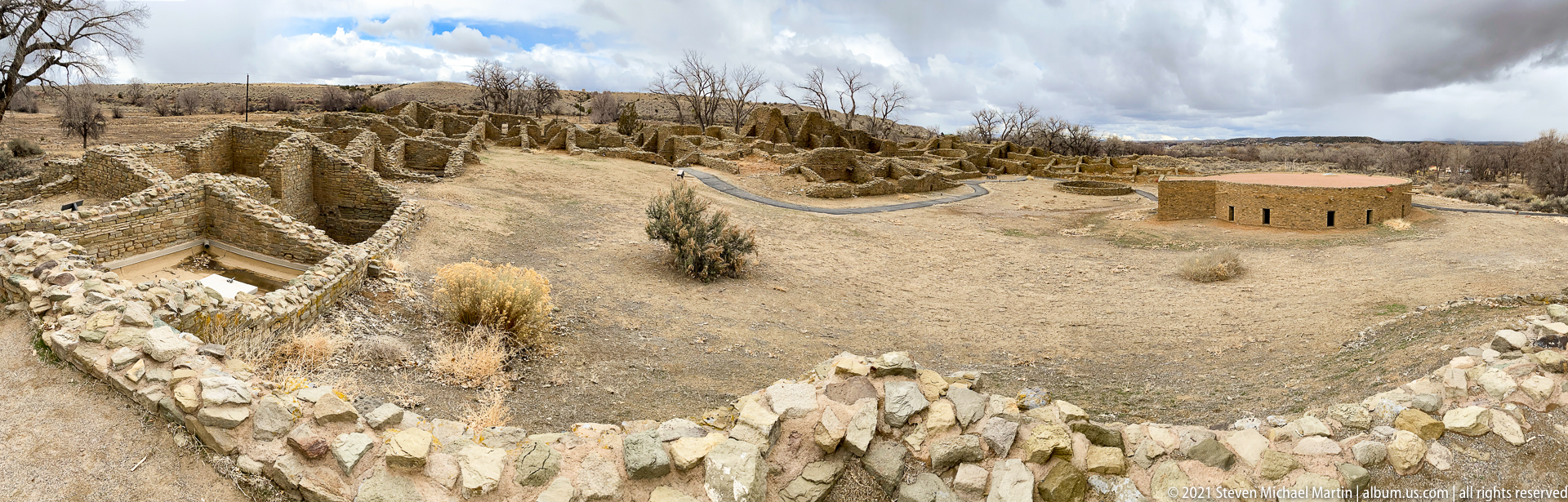
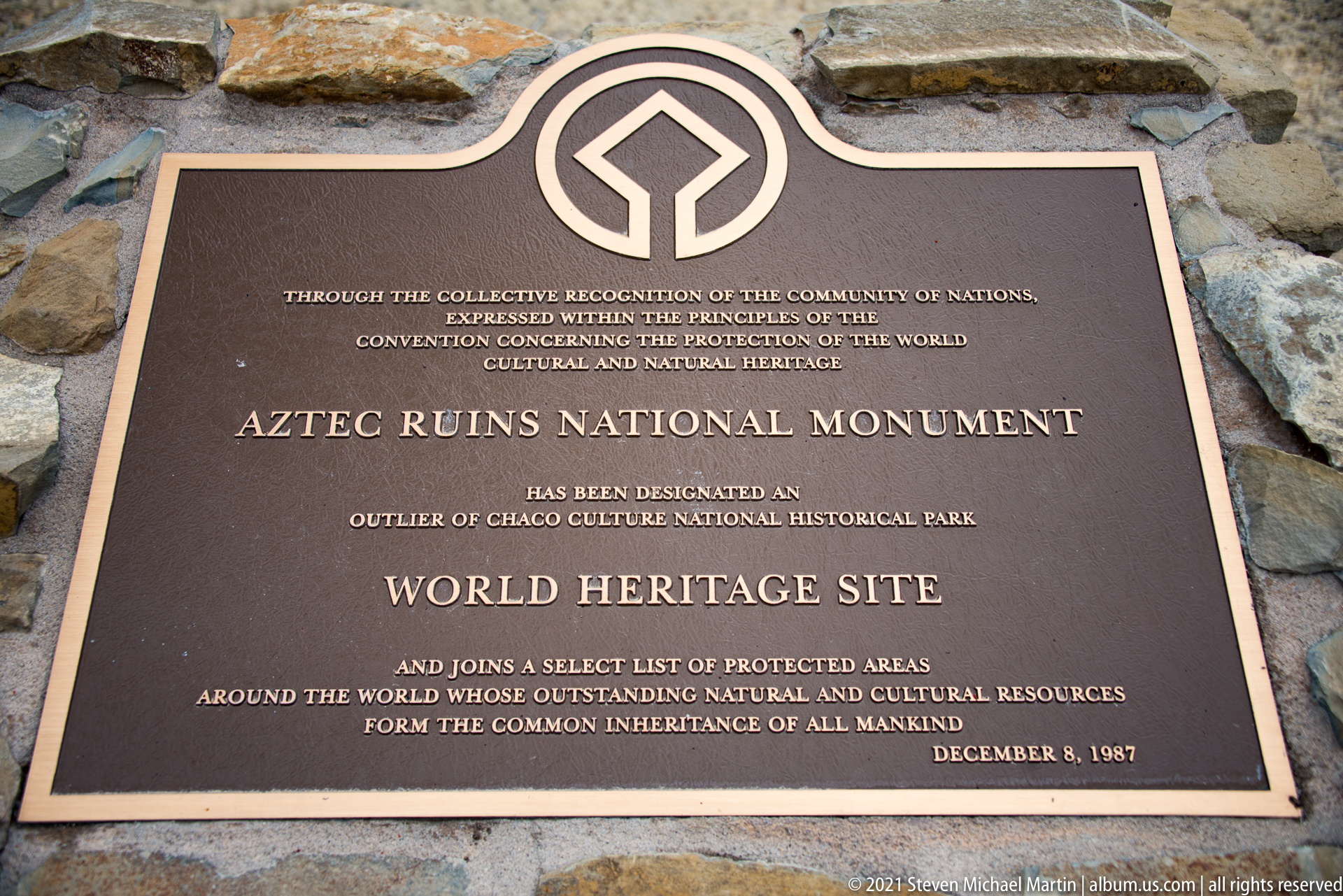
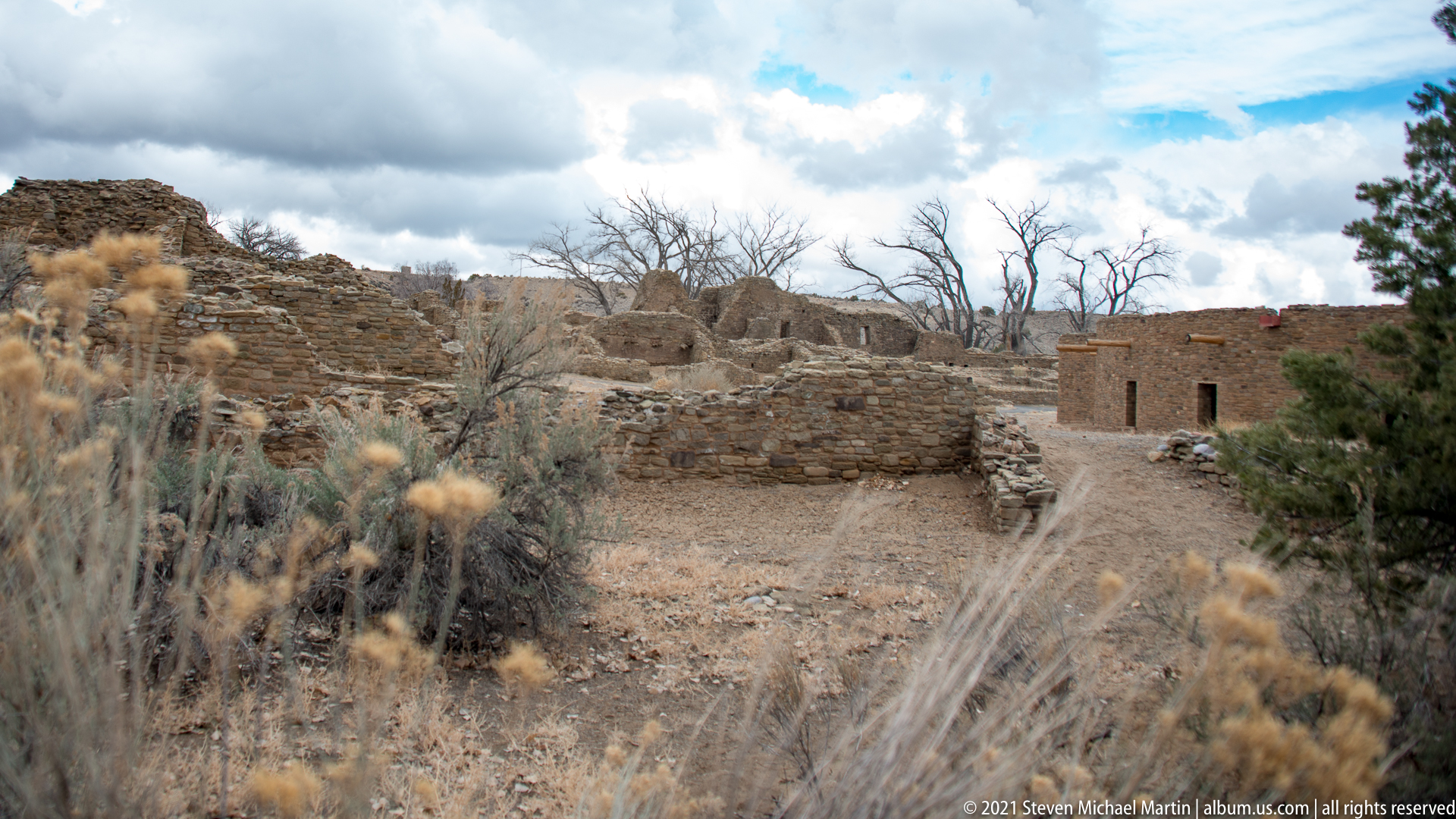
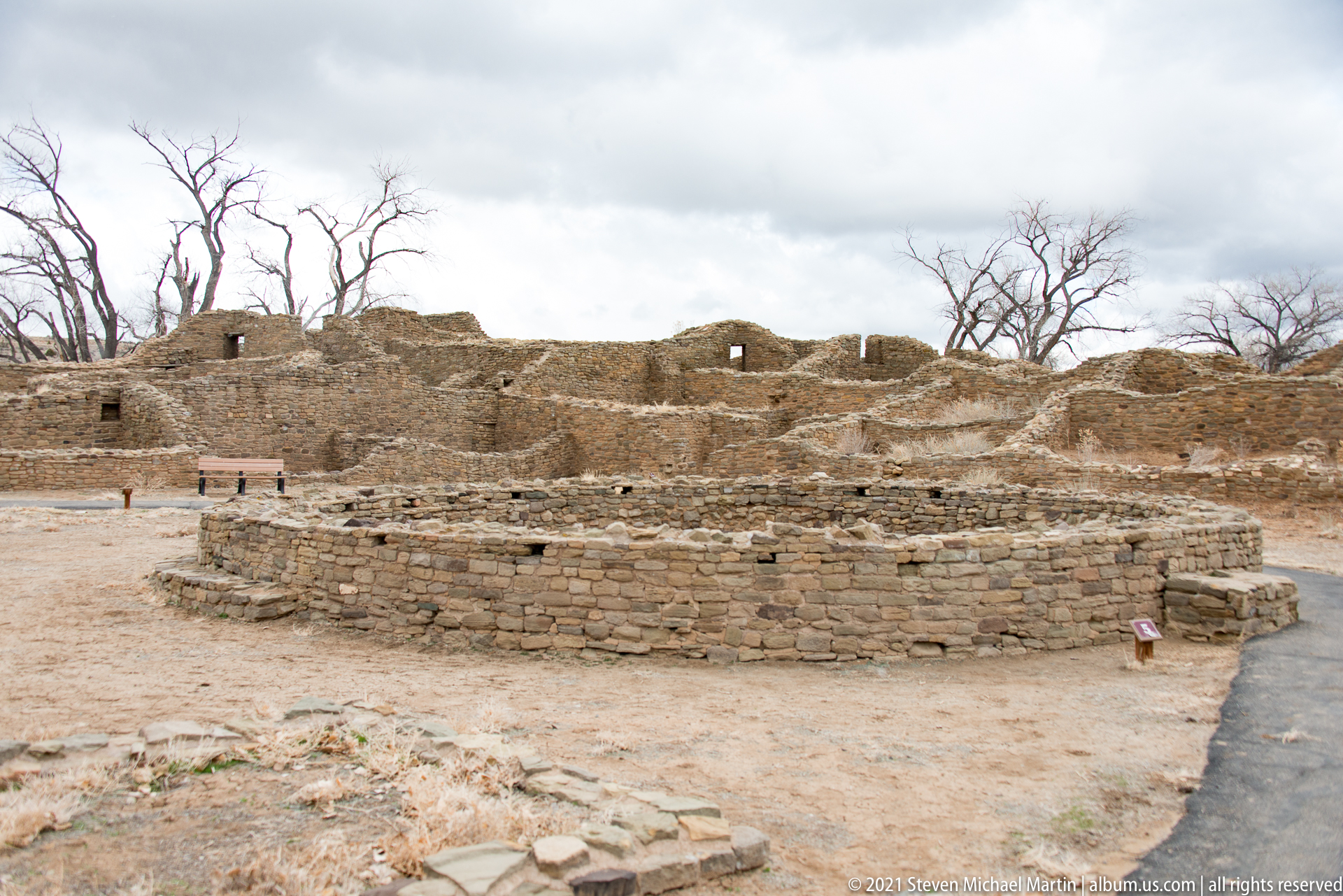
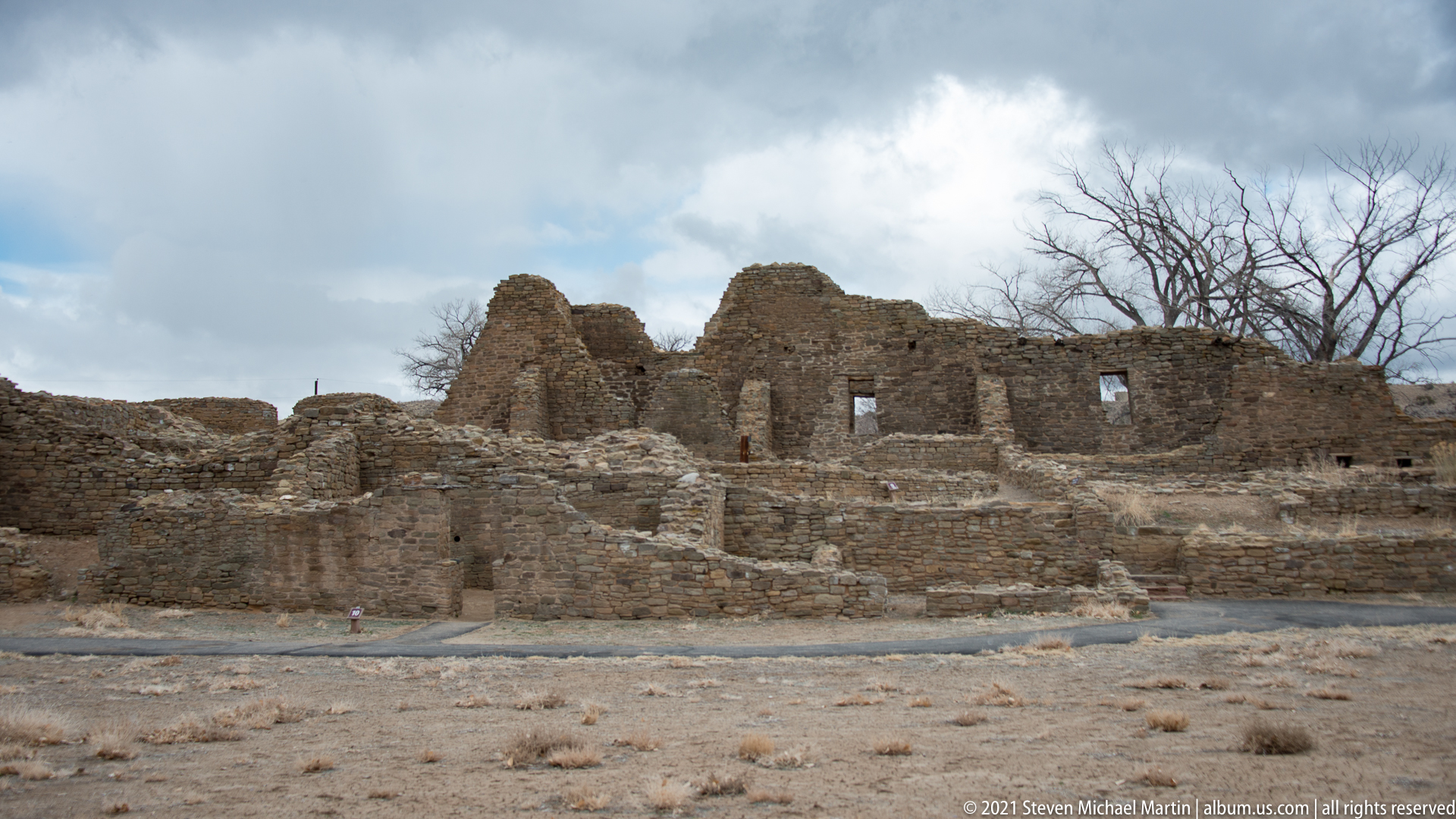
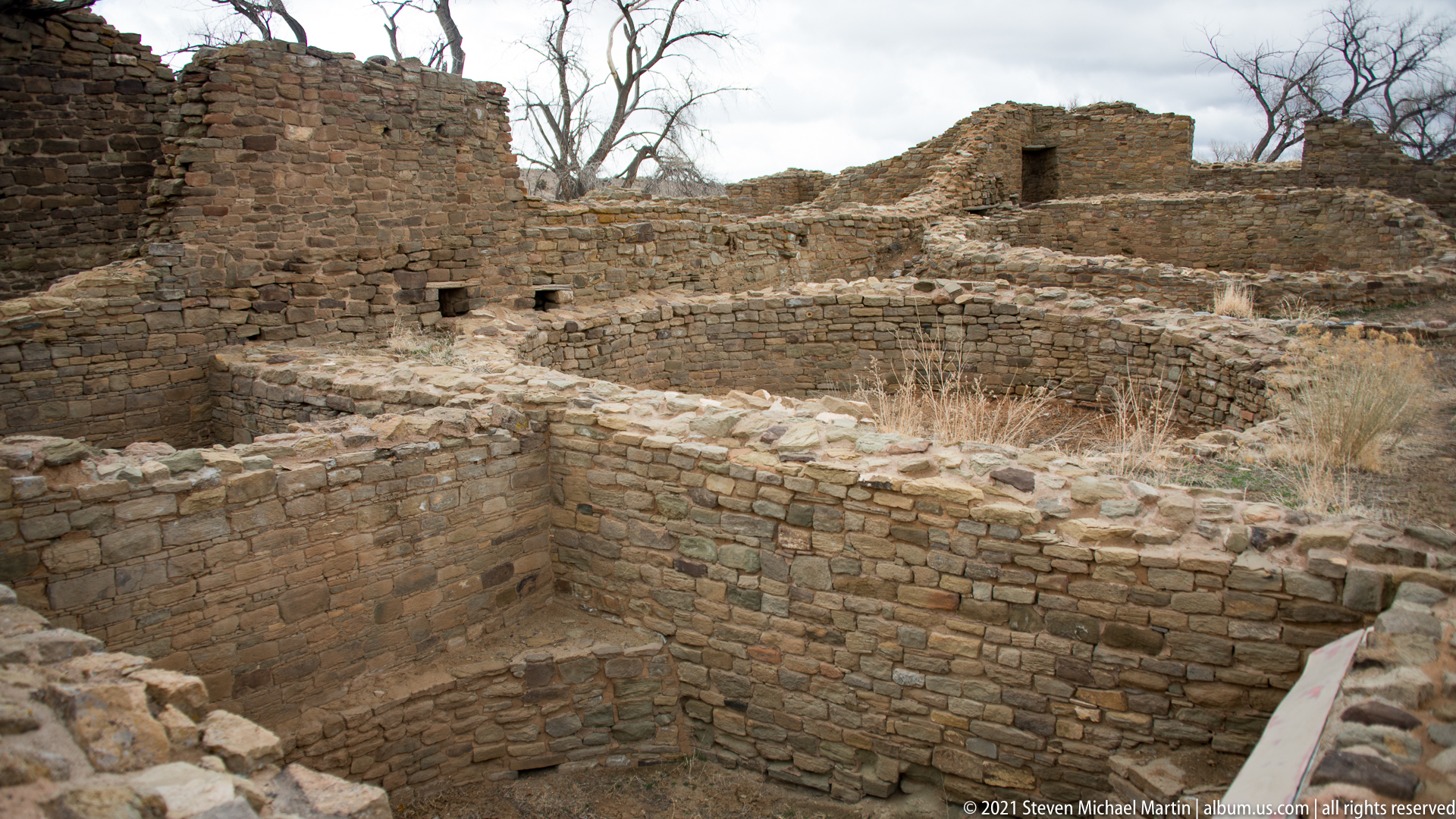
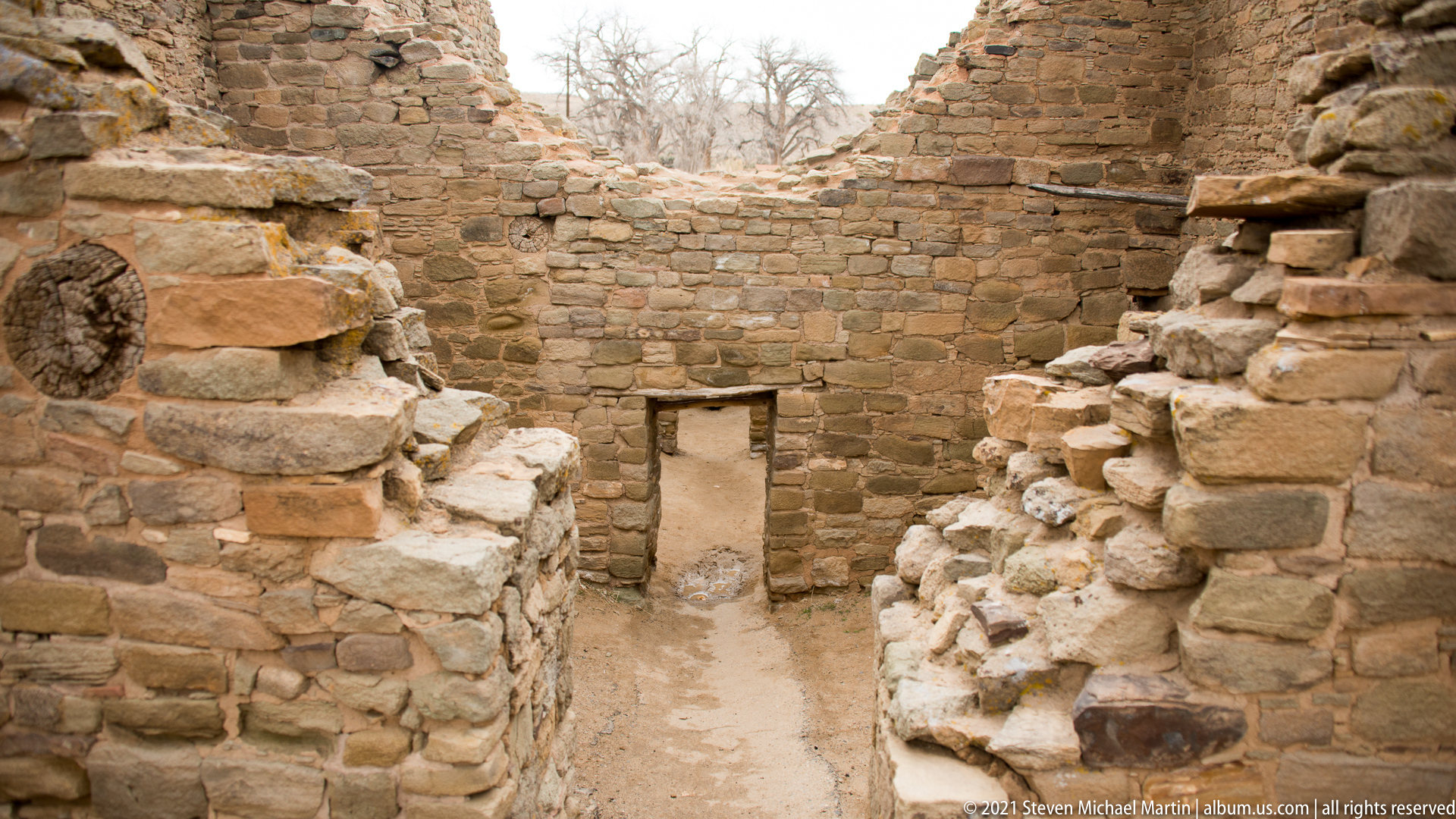
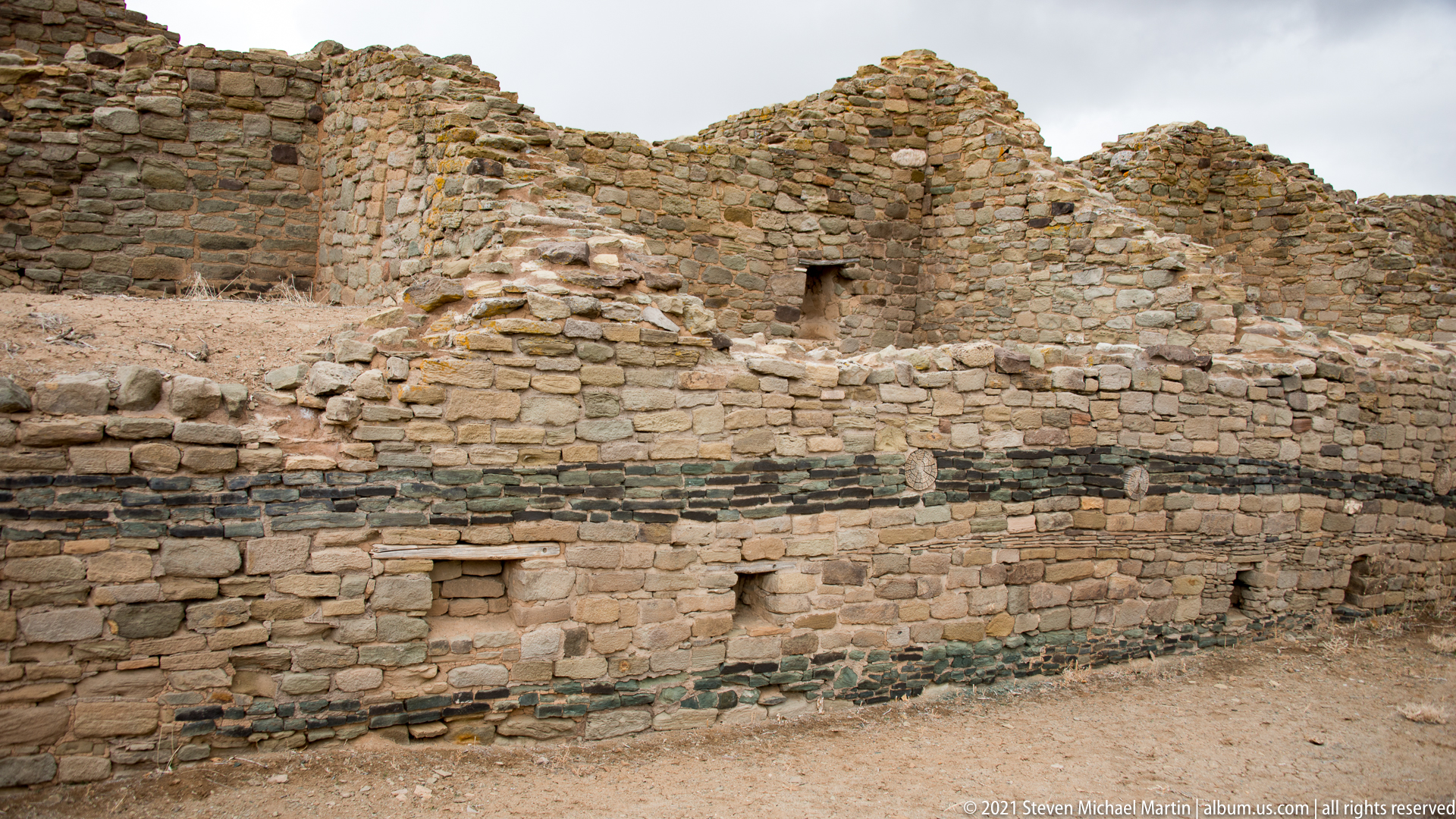
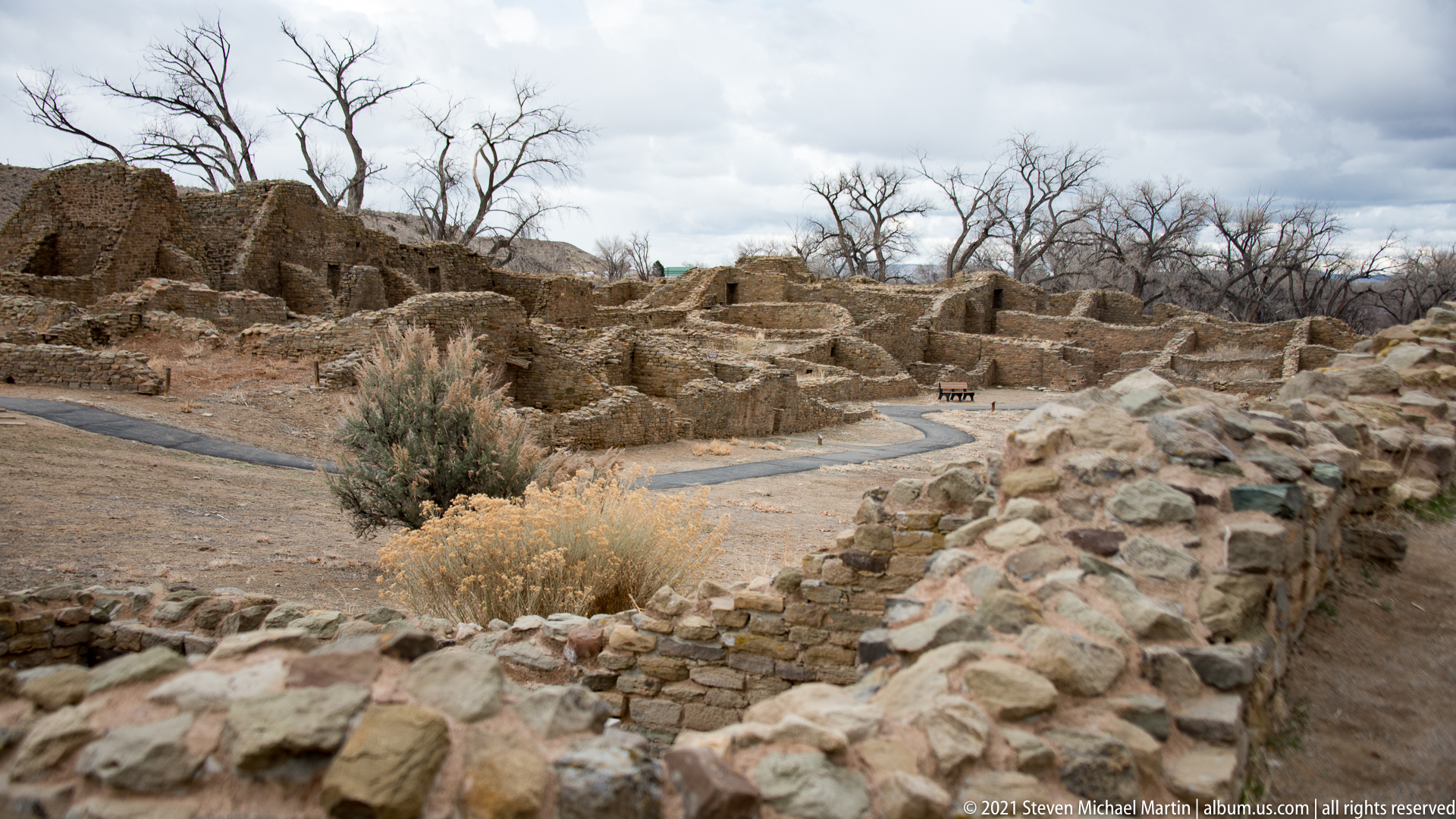
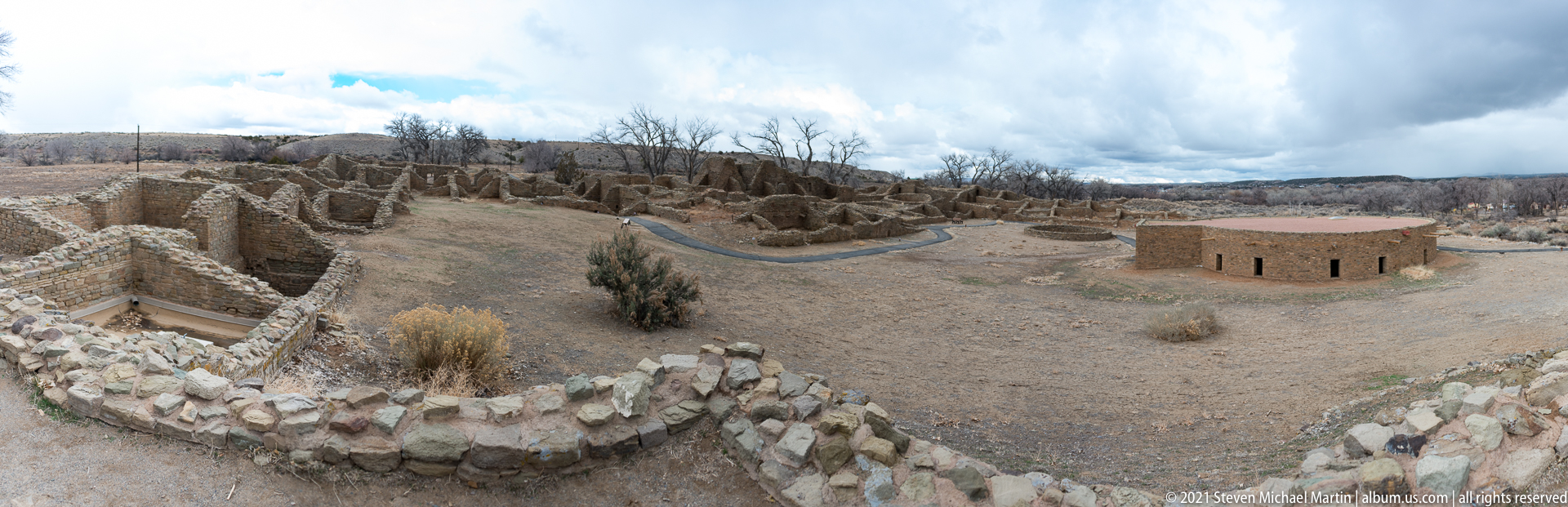
Aztec Ruins National Monument preserves ancestral Puebloan structures constructed during the twelfth century that demonstrate continuity with the cultural traditions associated with Chaco Canyon. The site includes multi-room masonry buildings organized around central plazas, illustrating architectural techniques adapted to the environmental conditions of the northern Southwest. The preserved structures provide insight into community life during a period of regional transition.
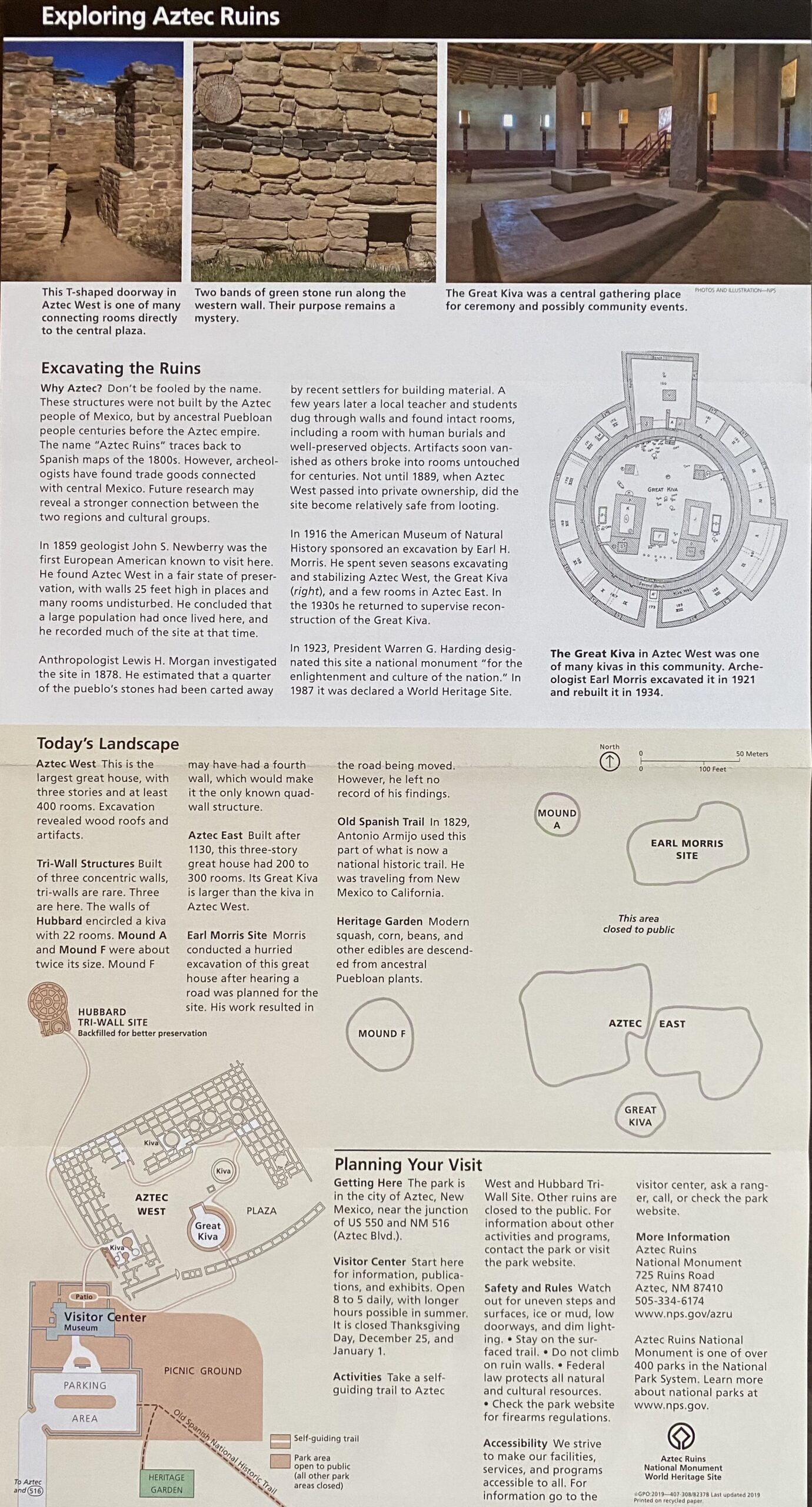
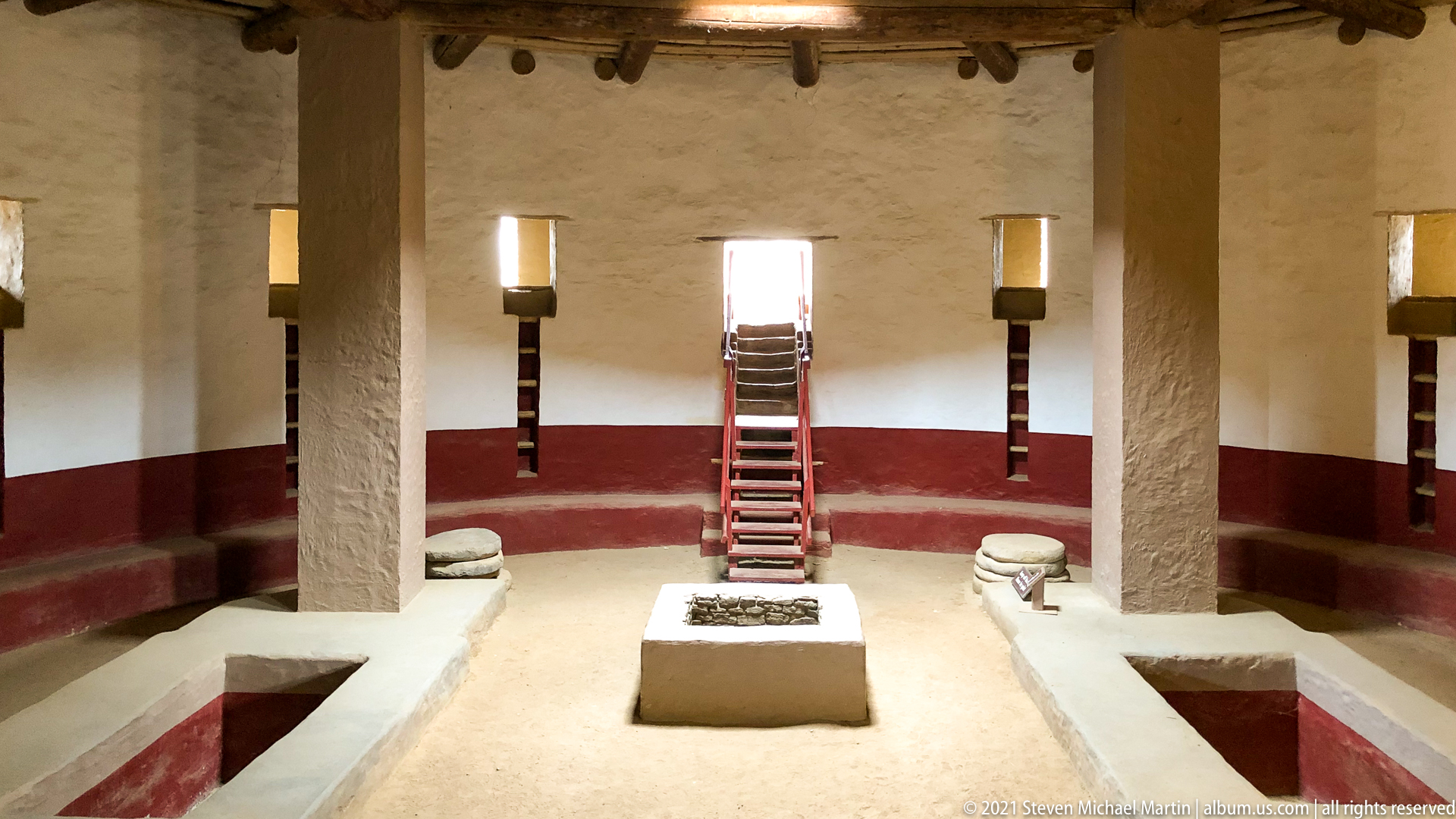
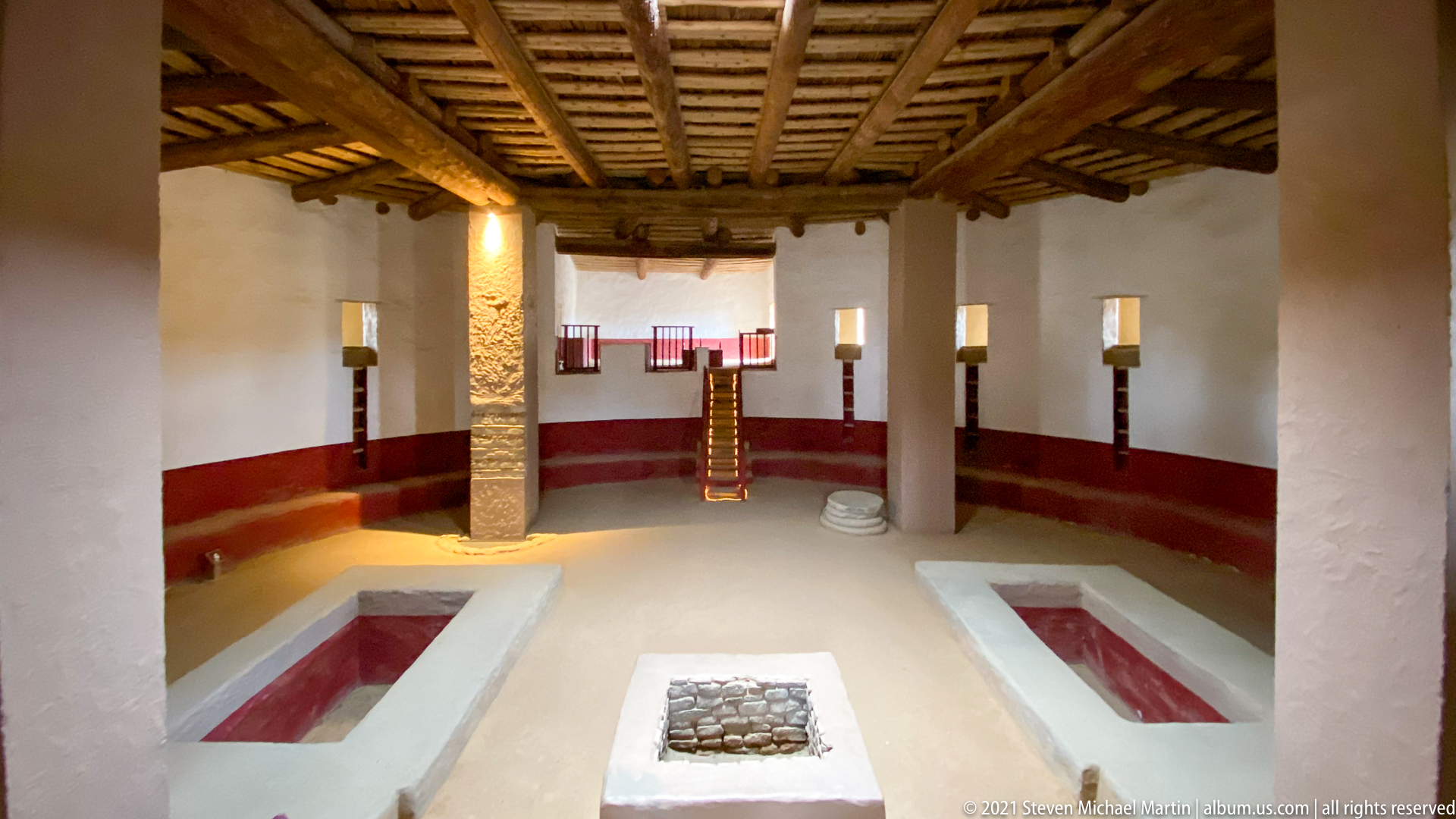
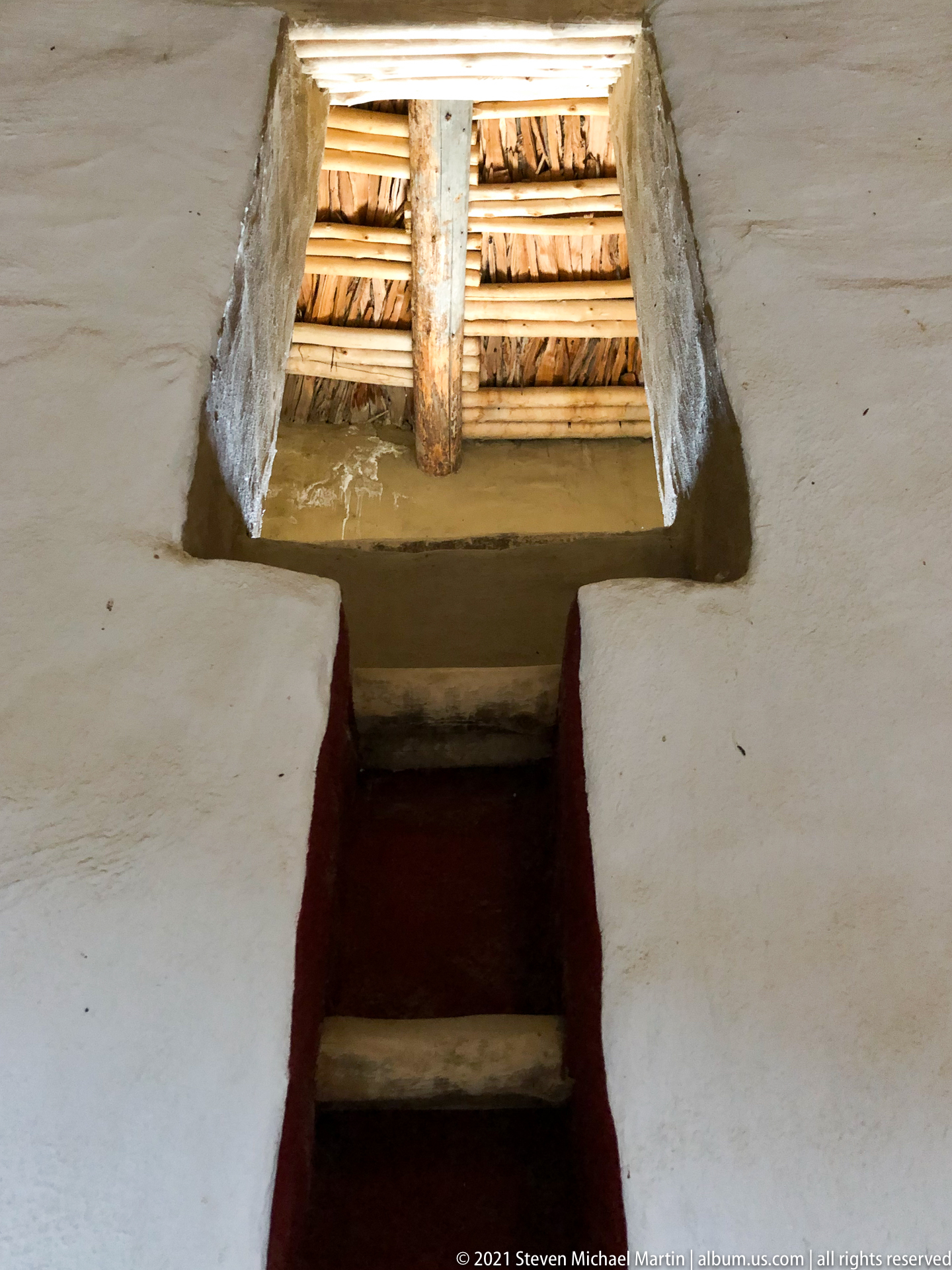
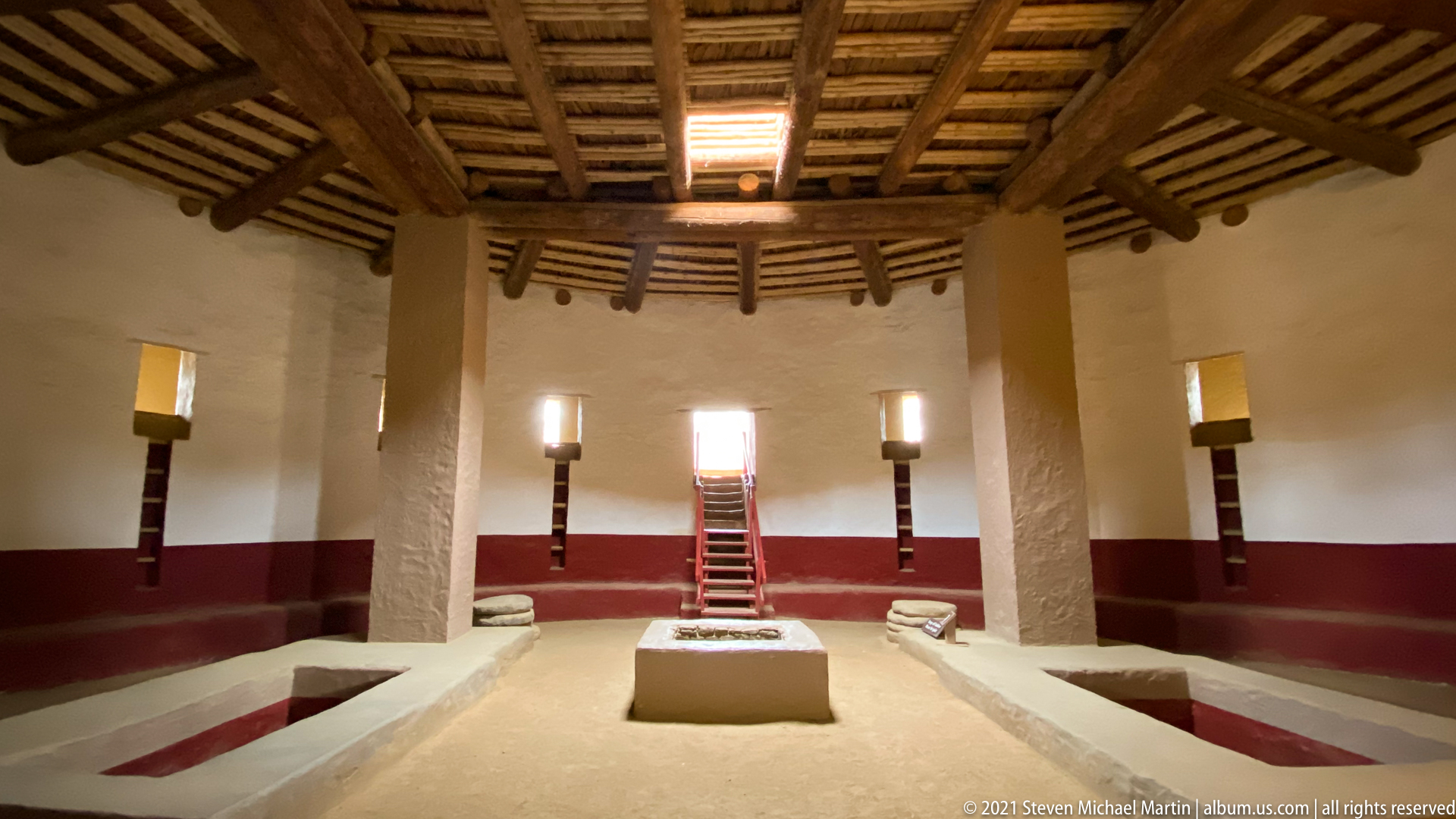
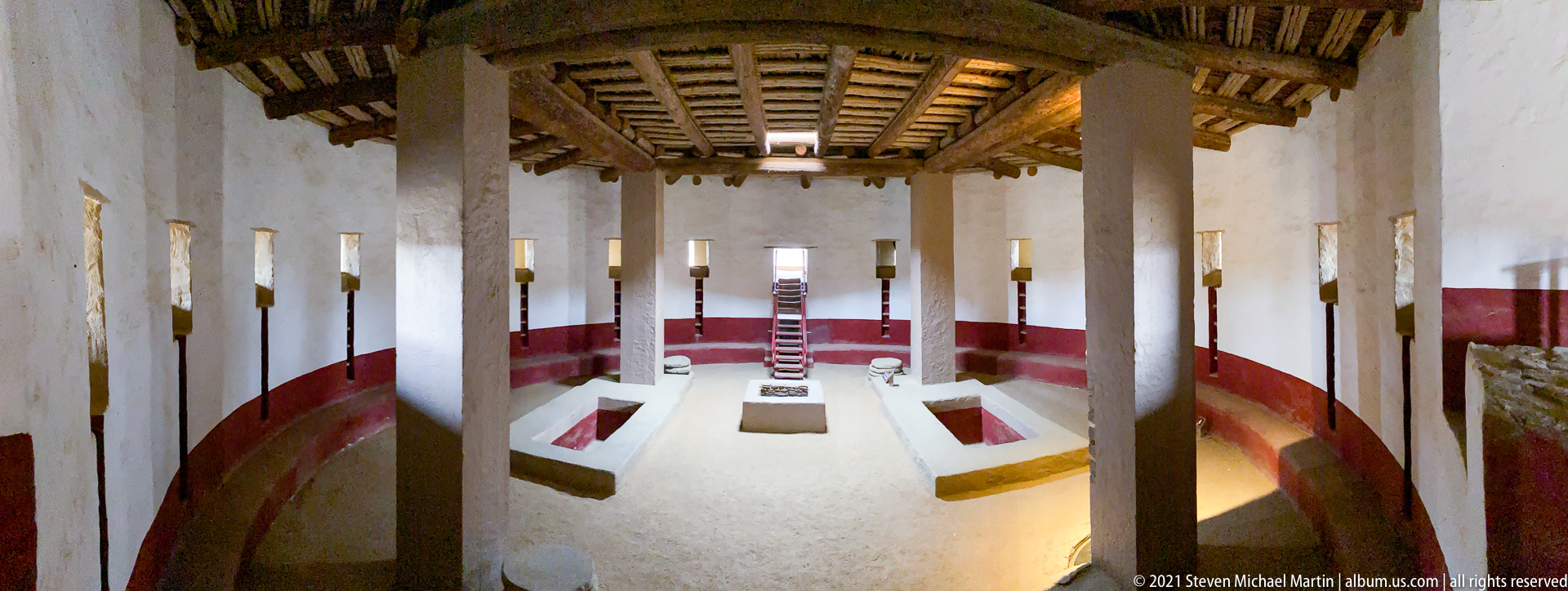
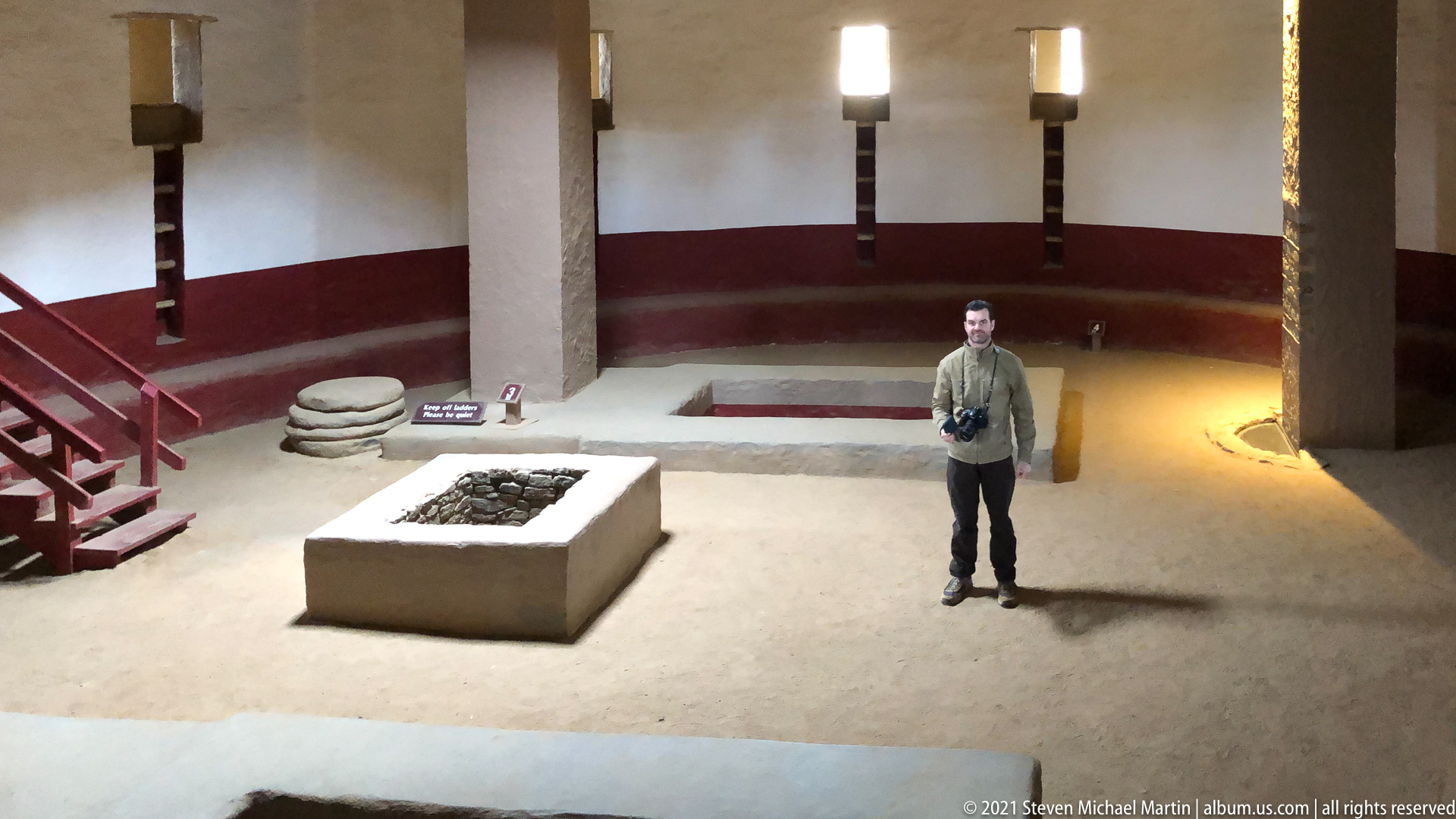
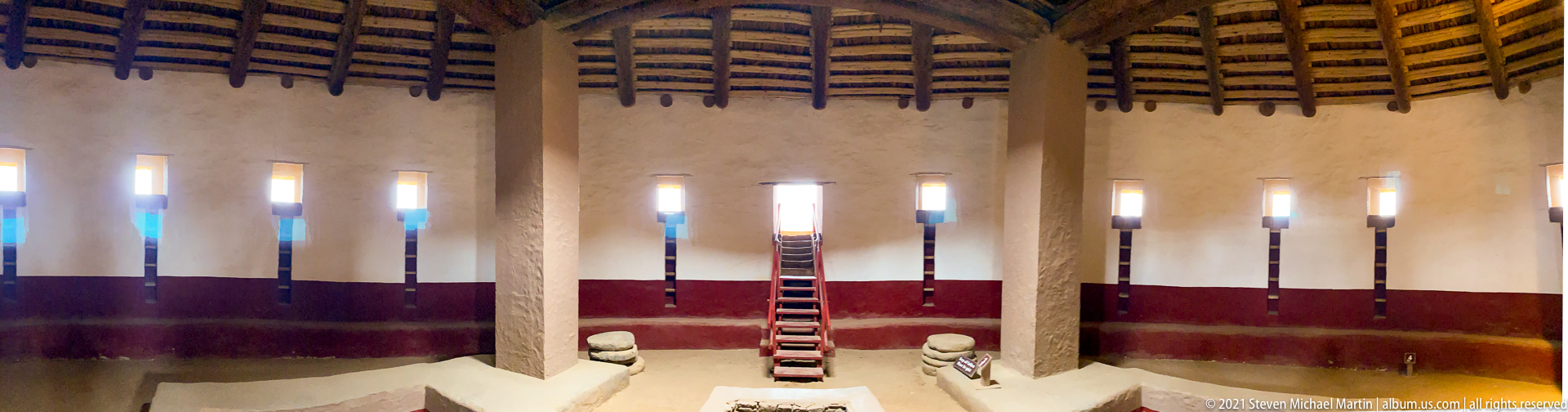
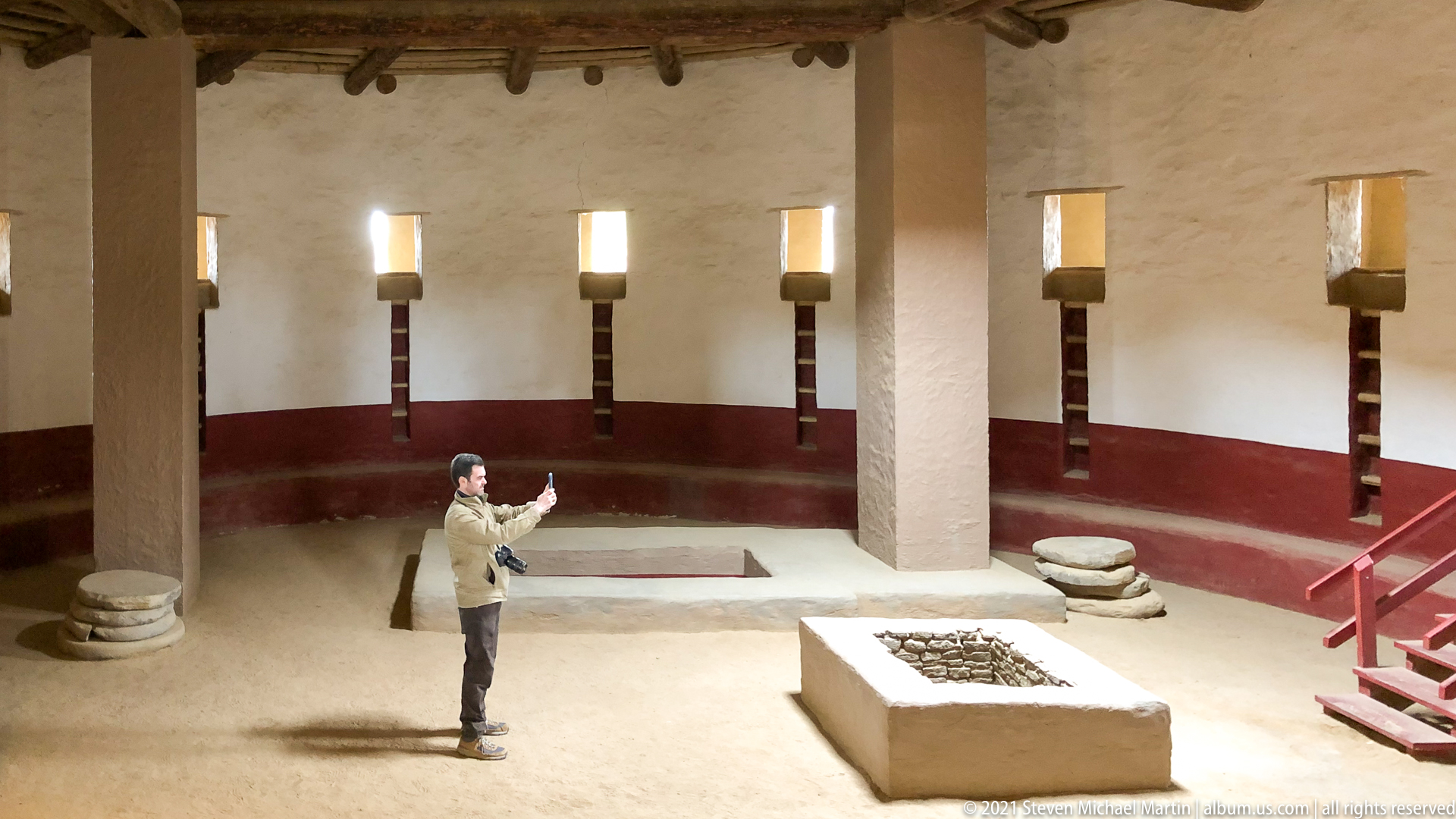
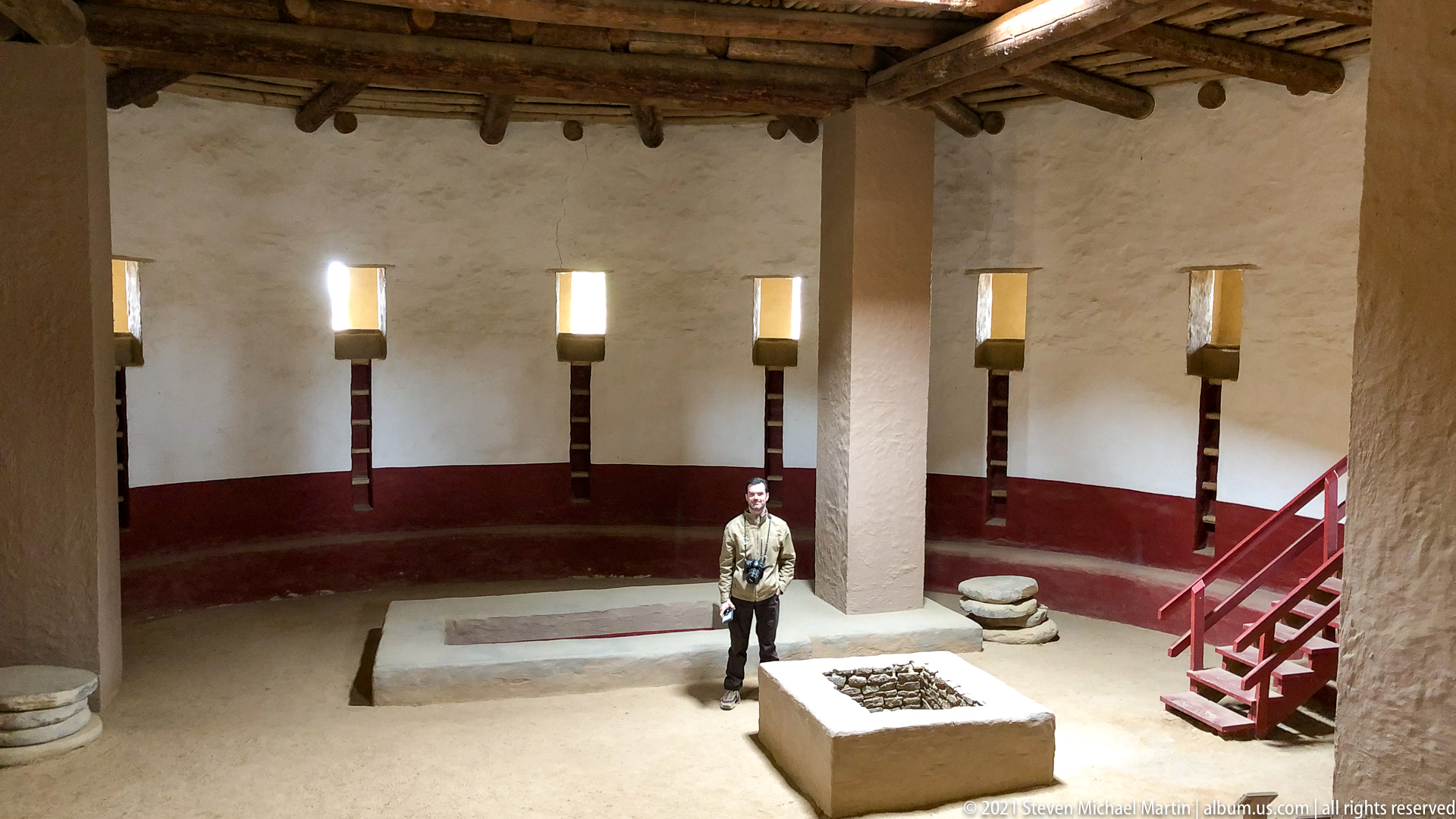
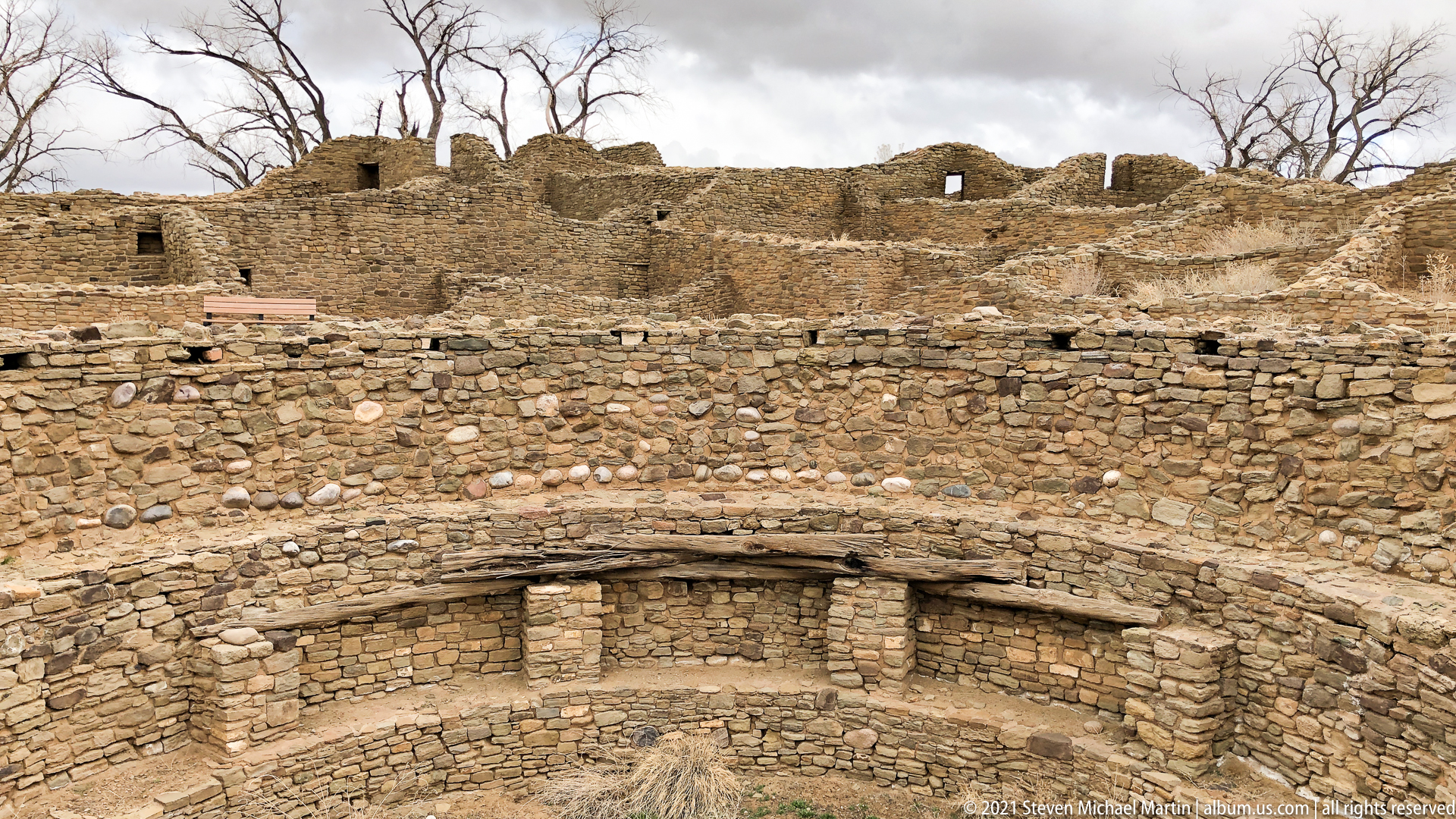
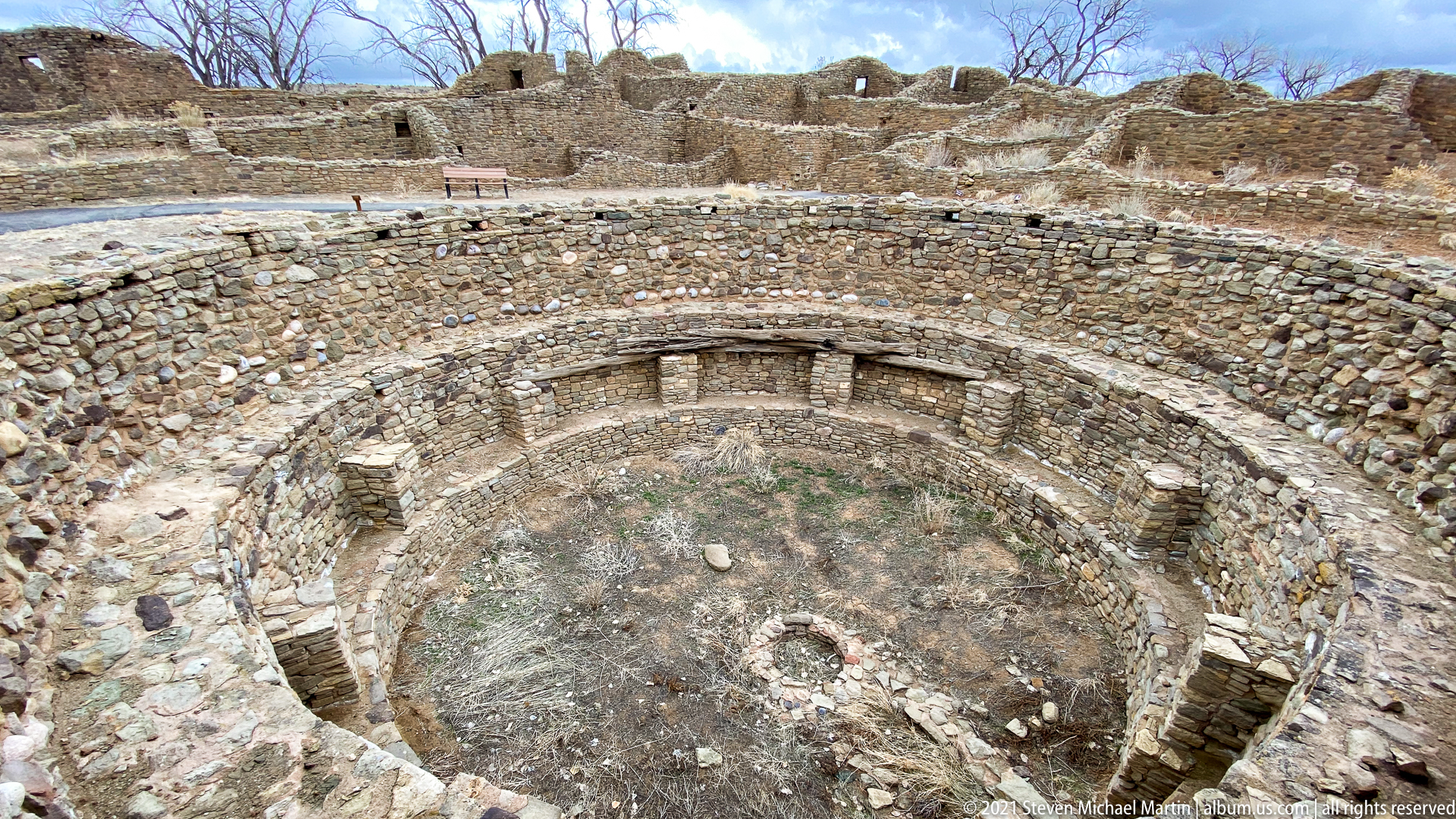
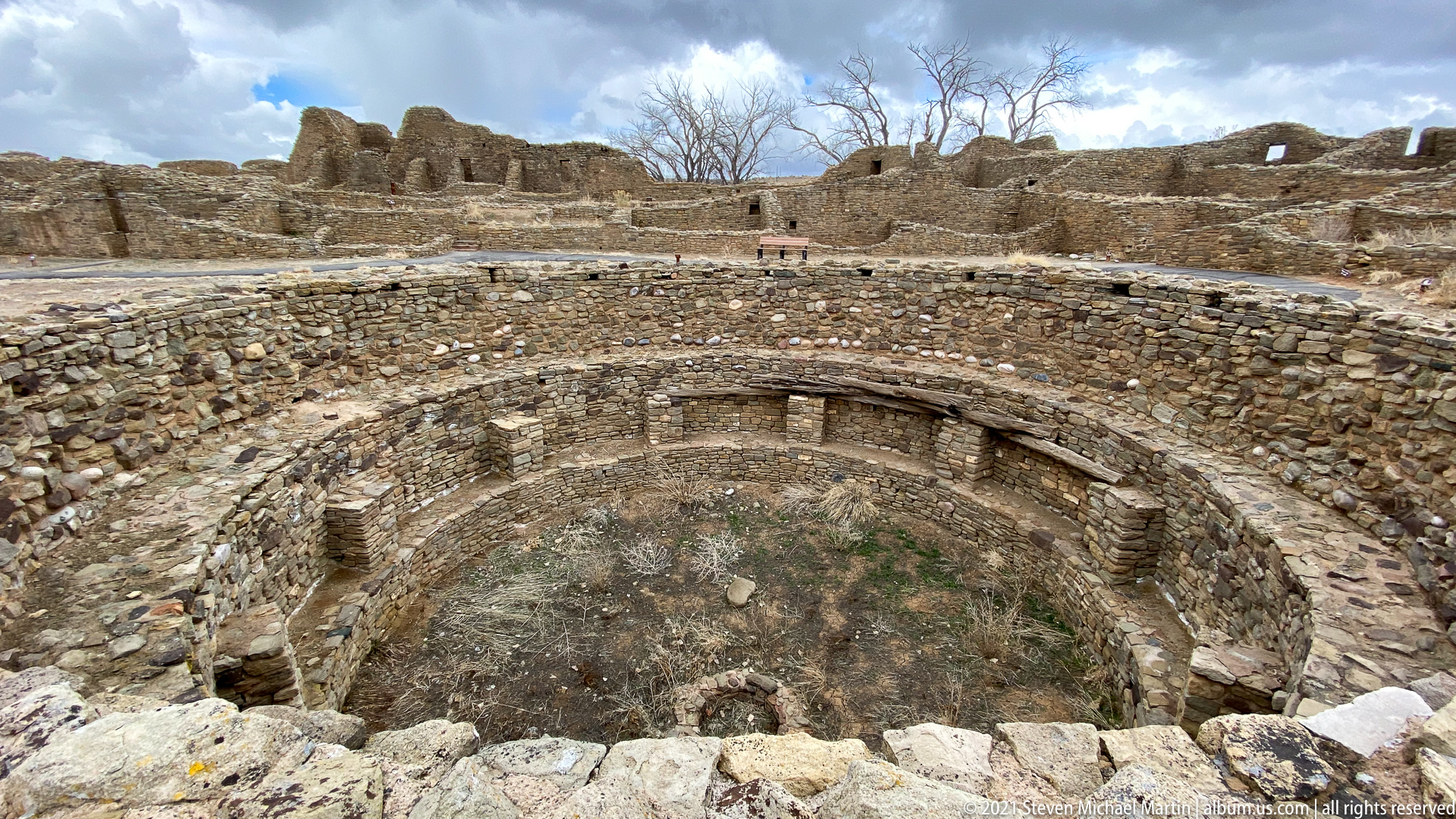
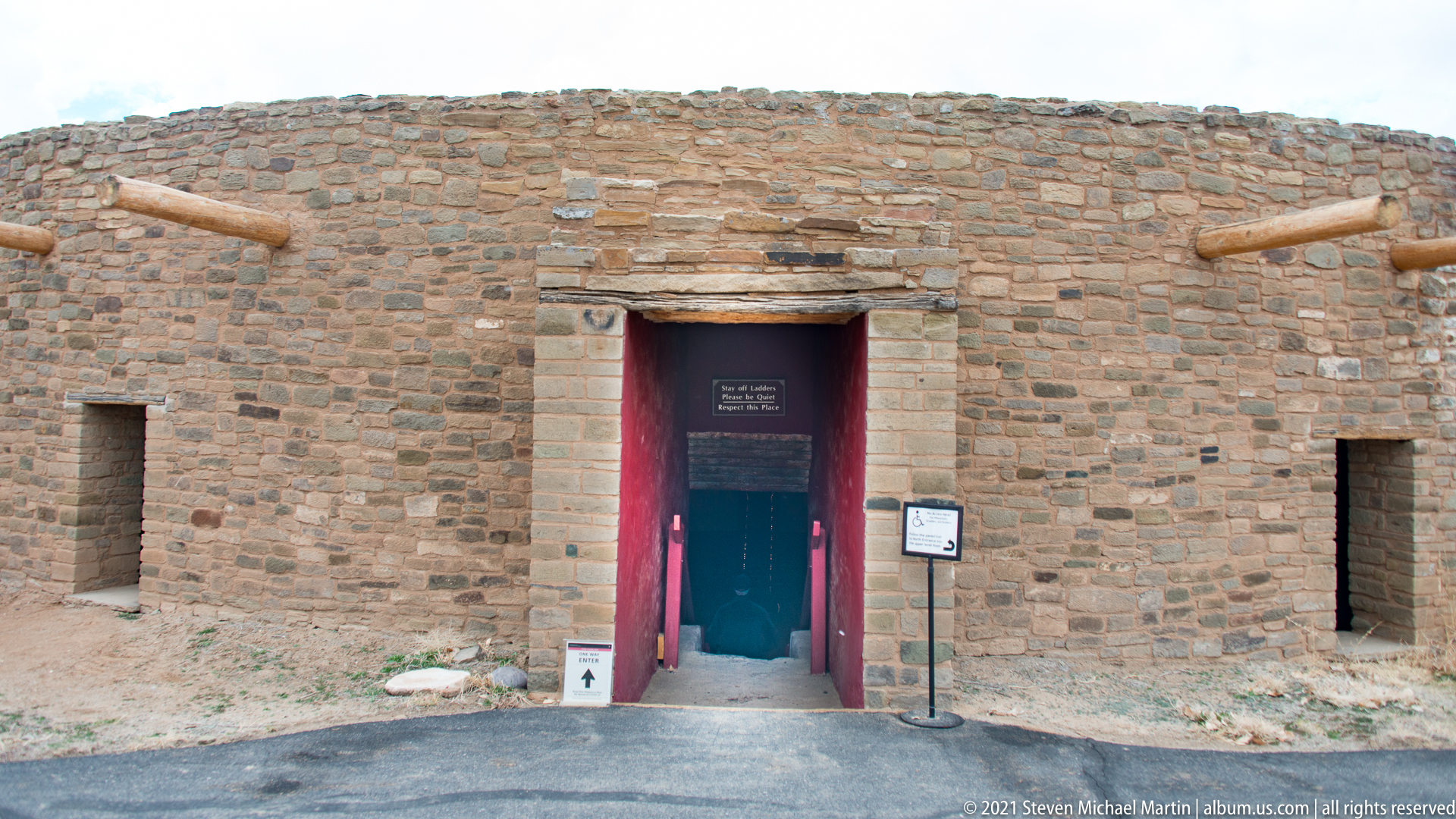
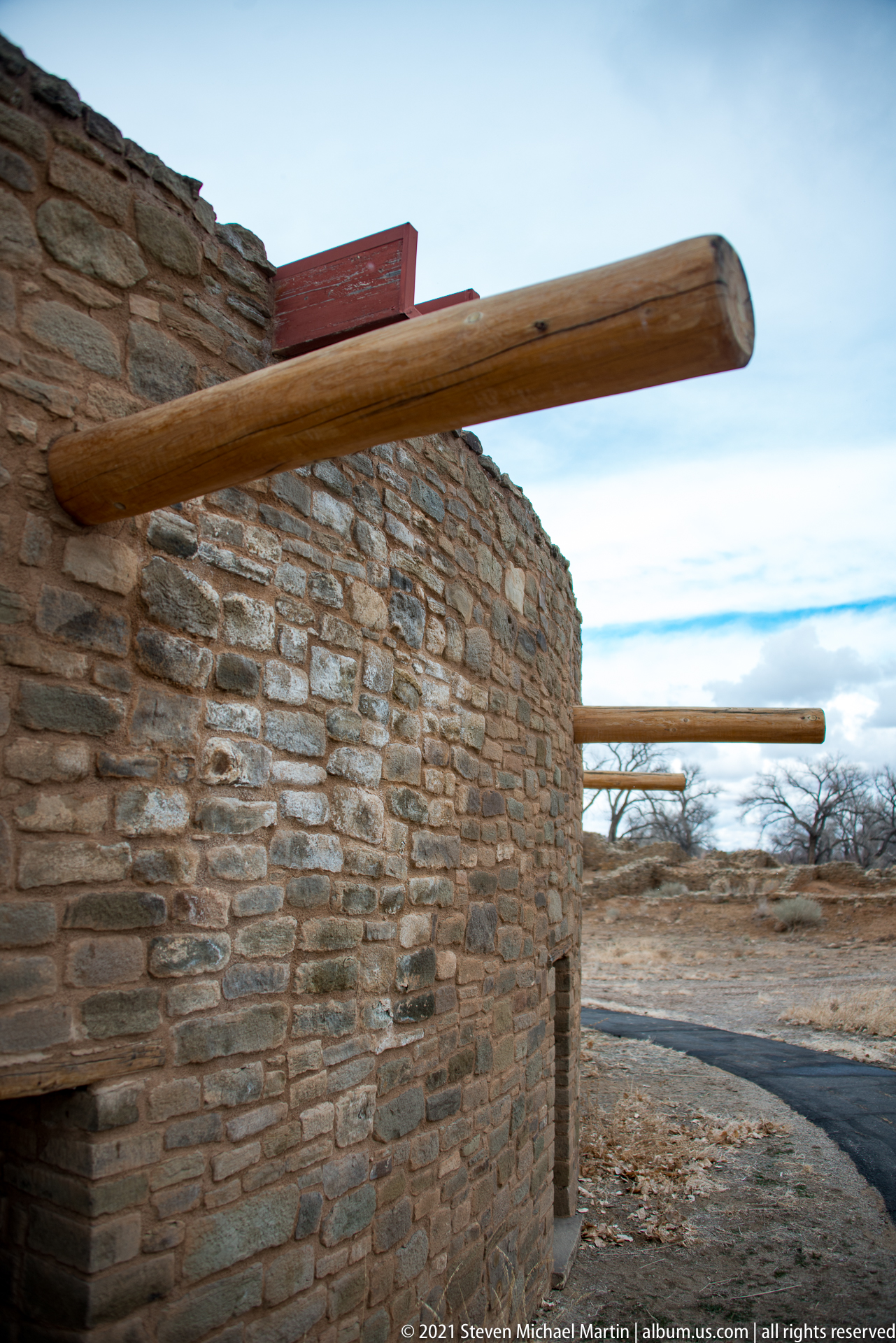
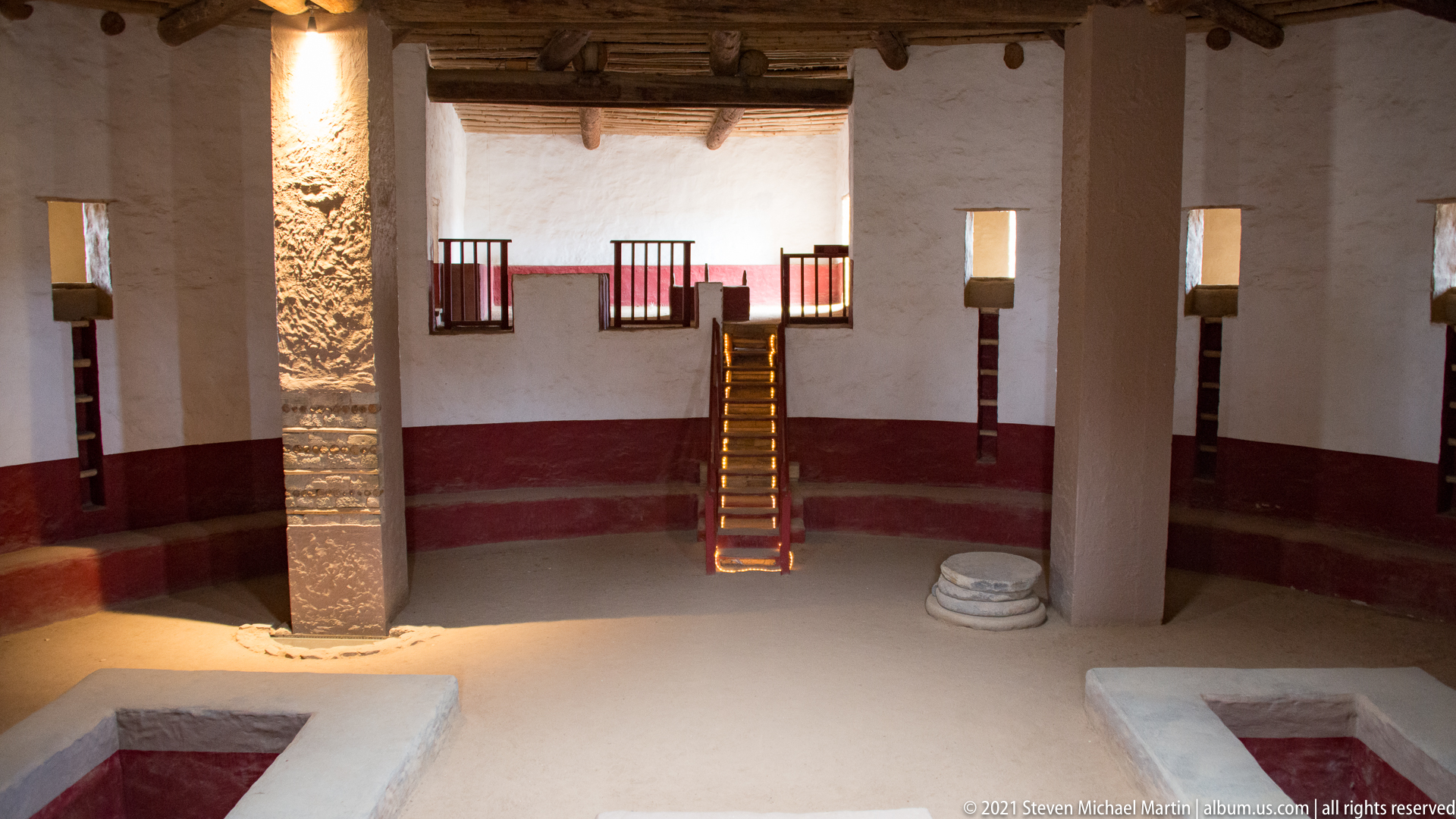
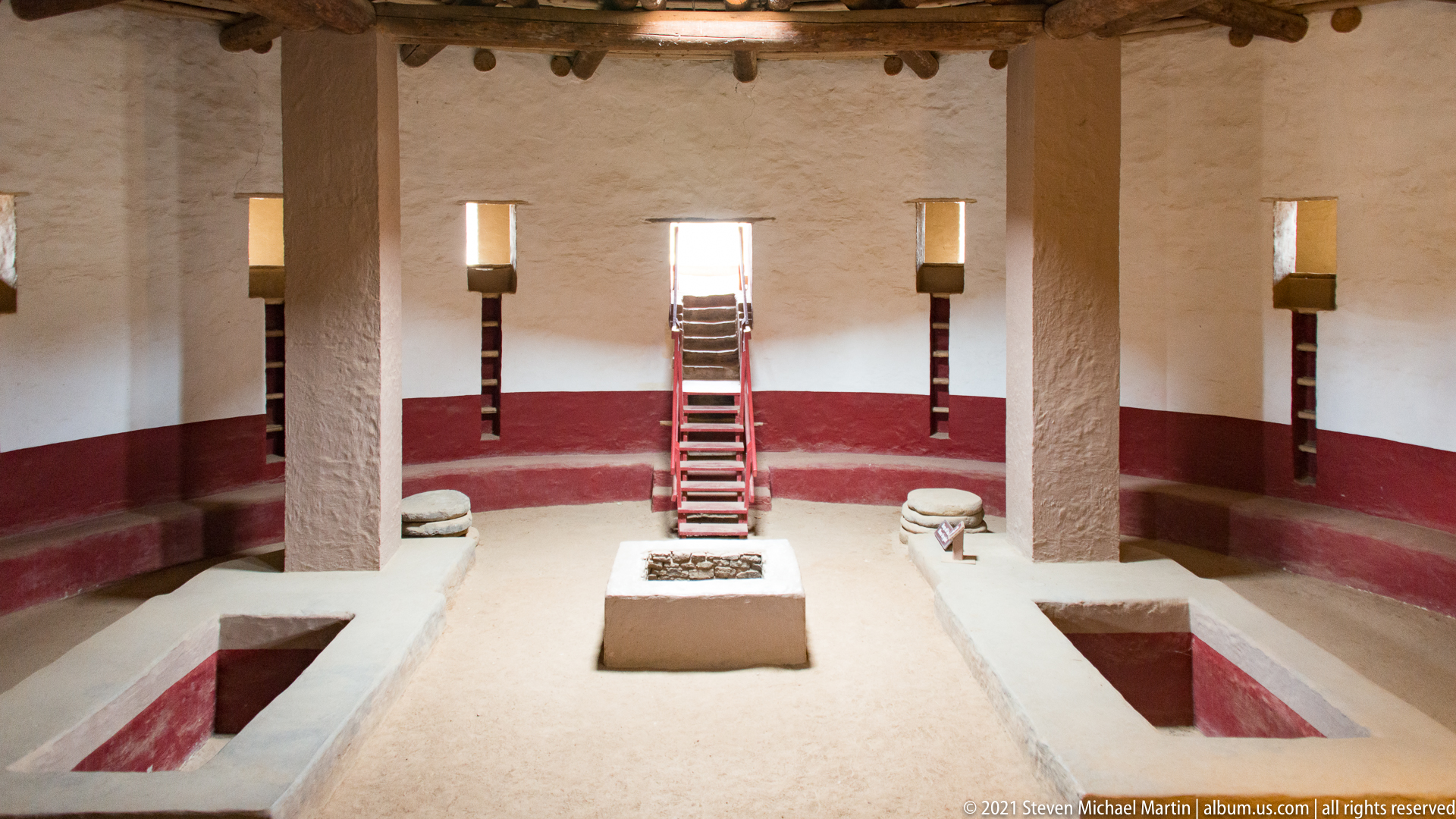
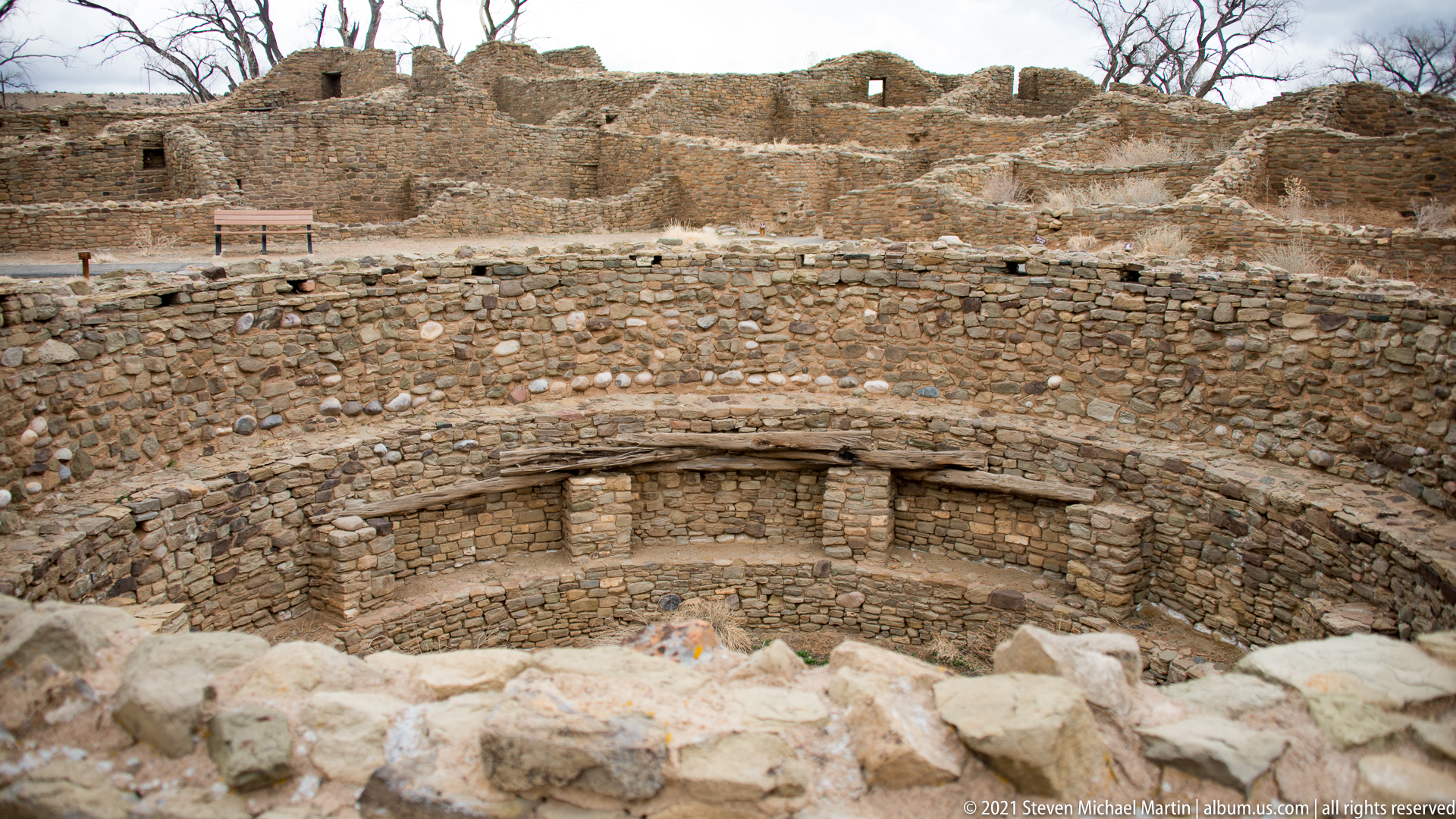
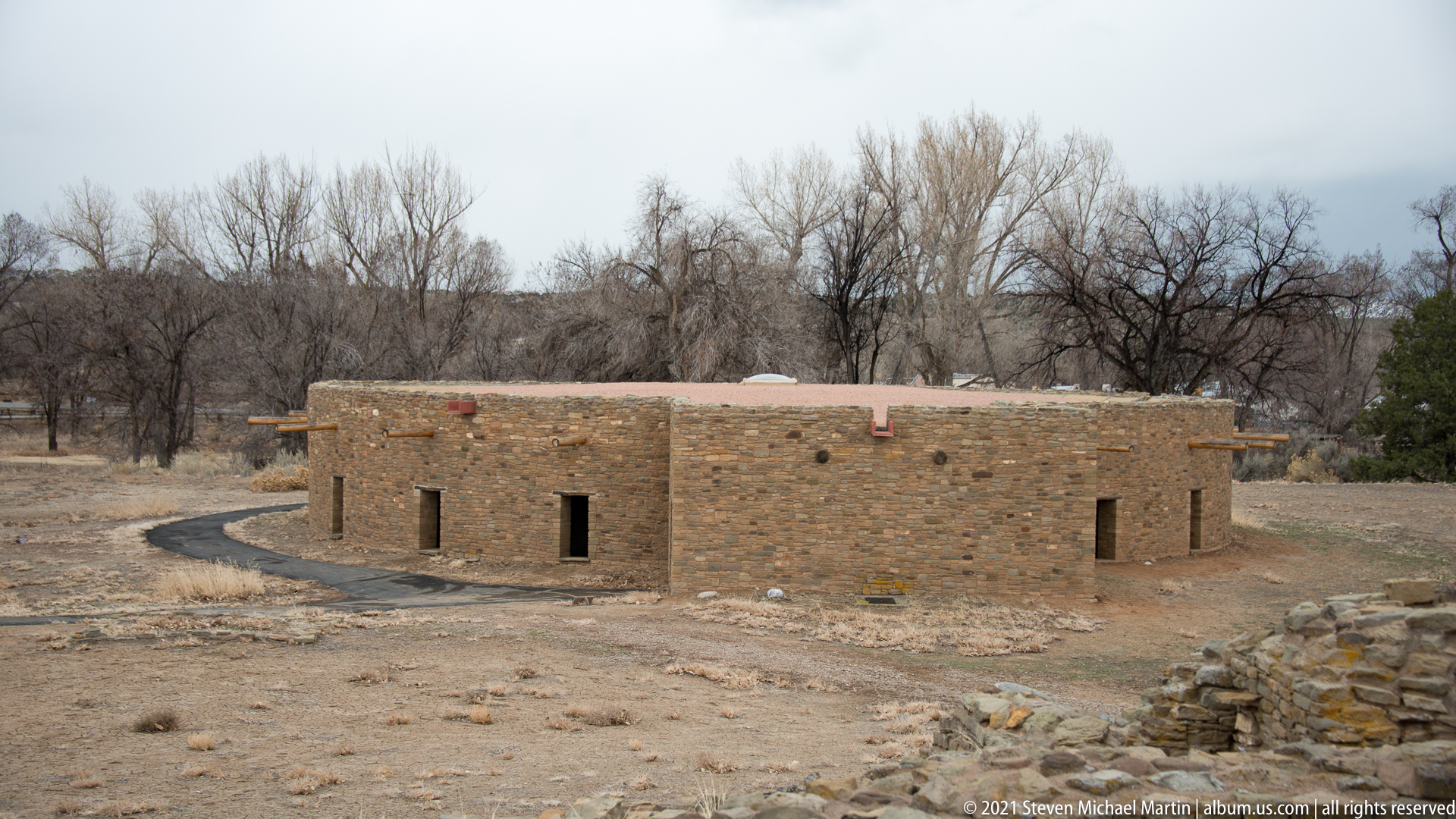
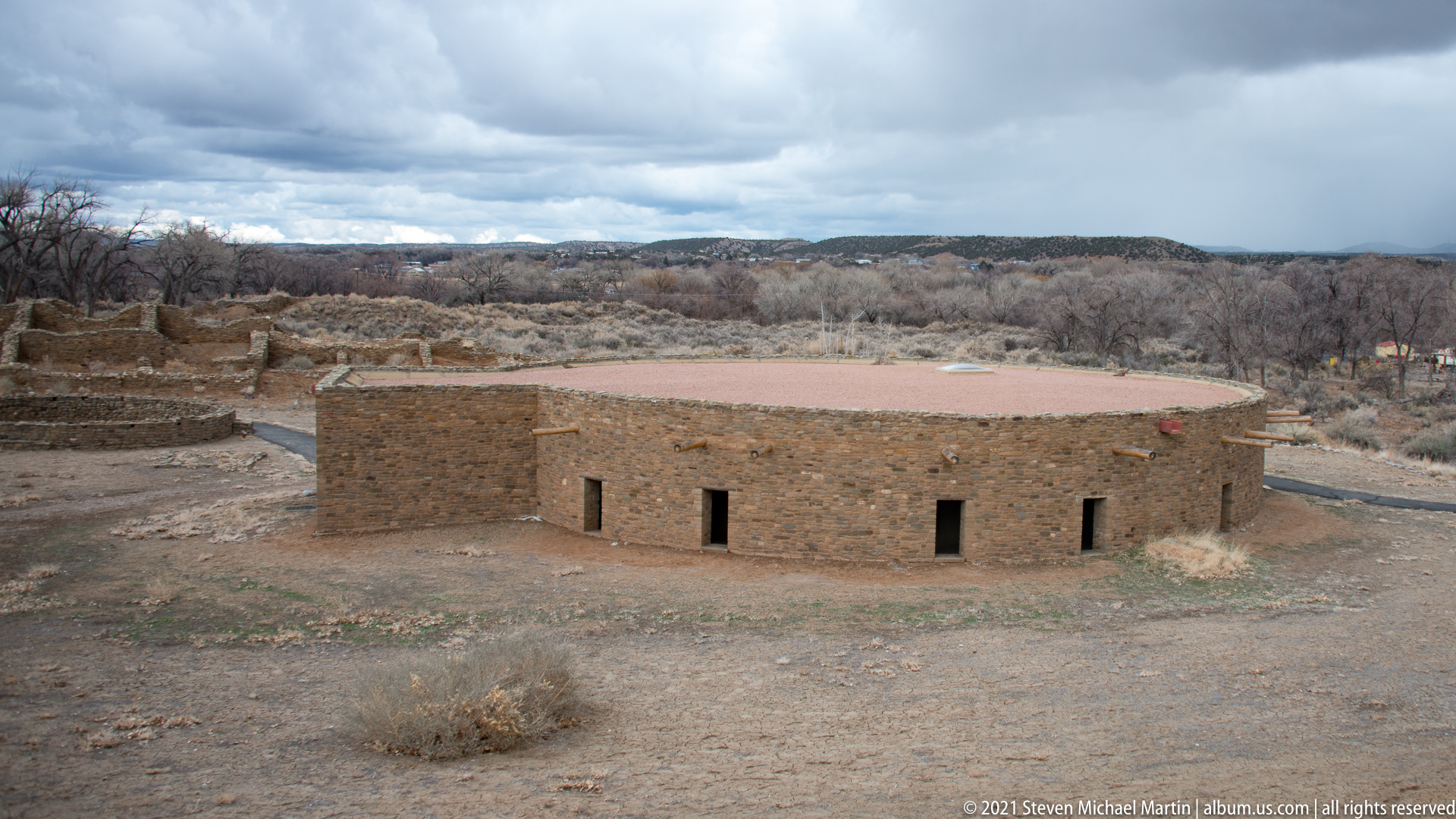
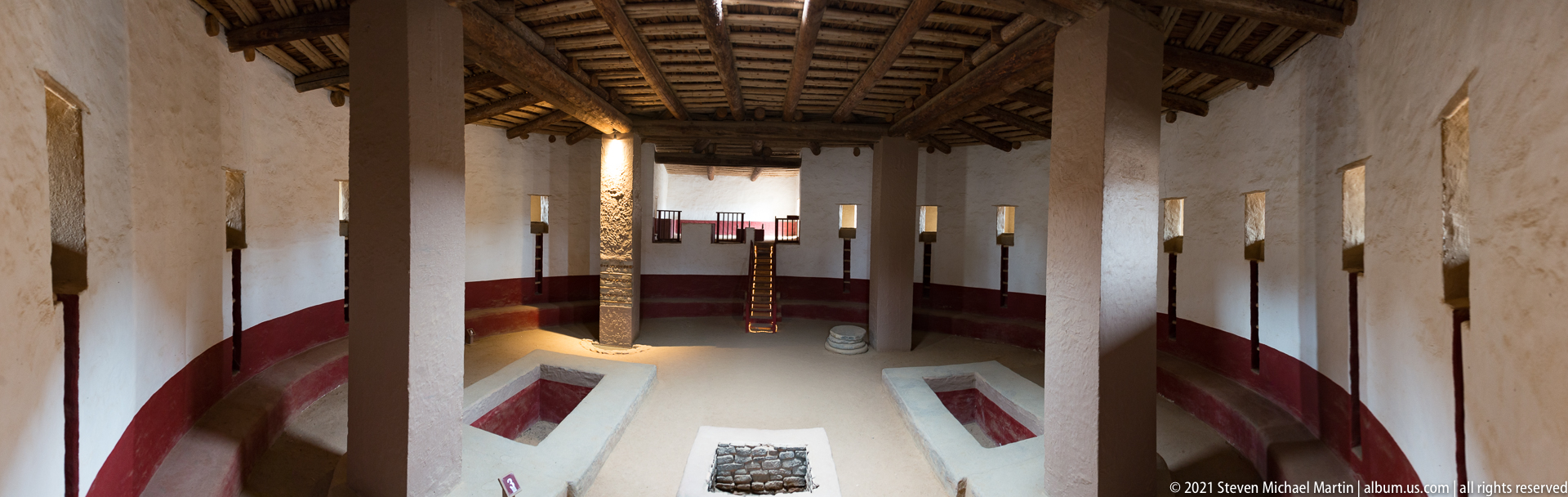
The reconstructed Great Kiva reflects ceremonial practices that played an important role in community organization and cultural expression. Architectural similarities with Chaco Canyon suggest connections between regional population centers and shared construction traditions. The site illustrates the movement of cultural ideas across a landscape shaped by trade and migration.
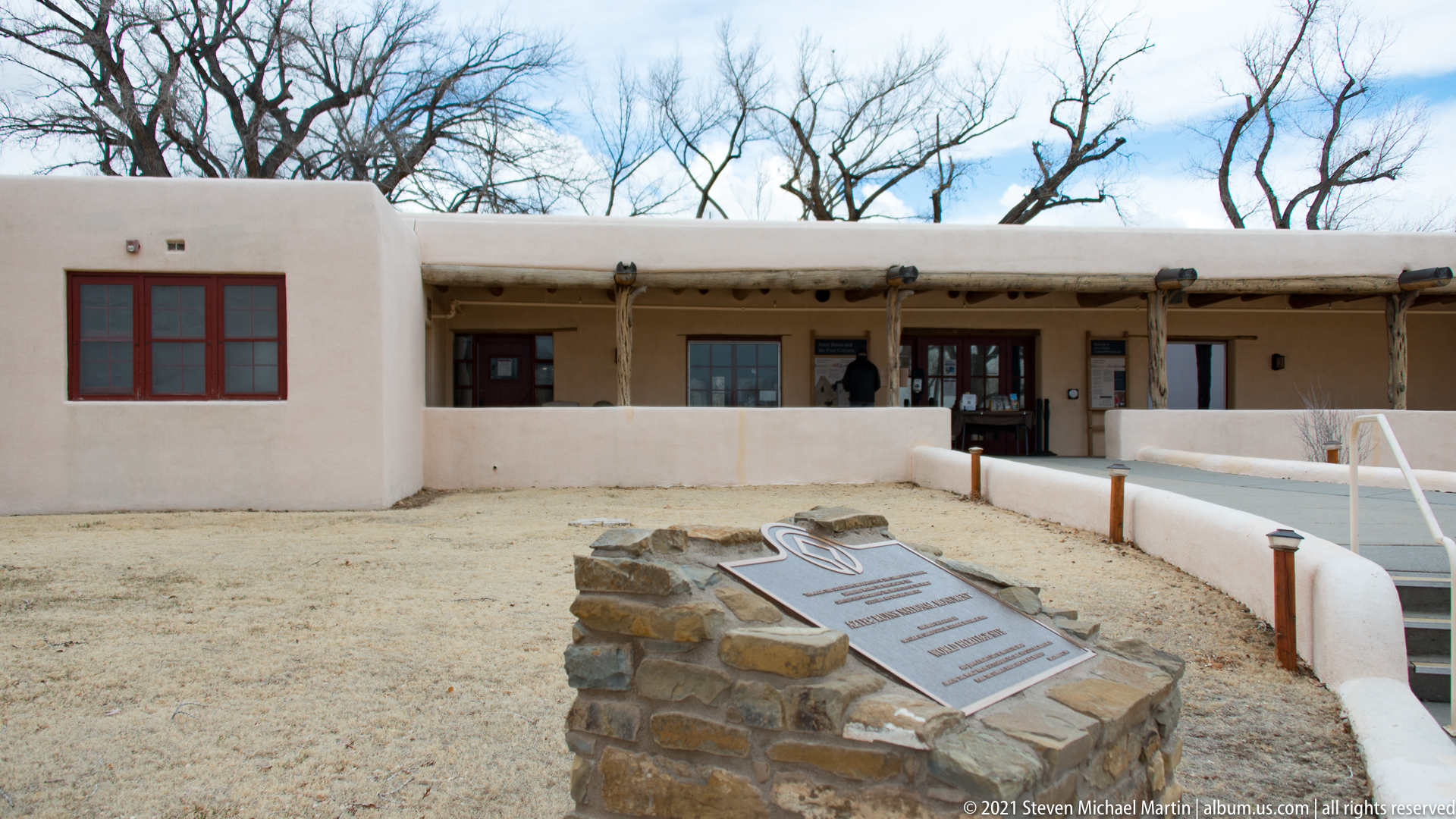
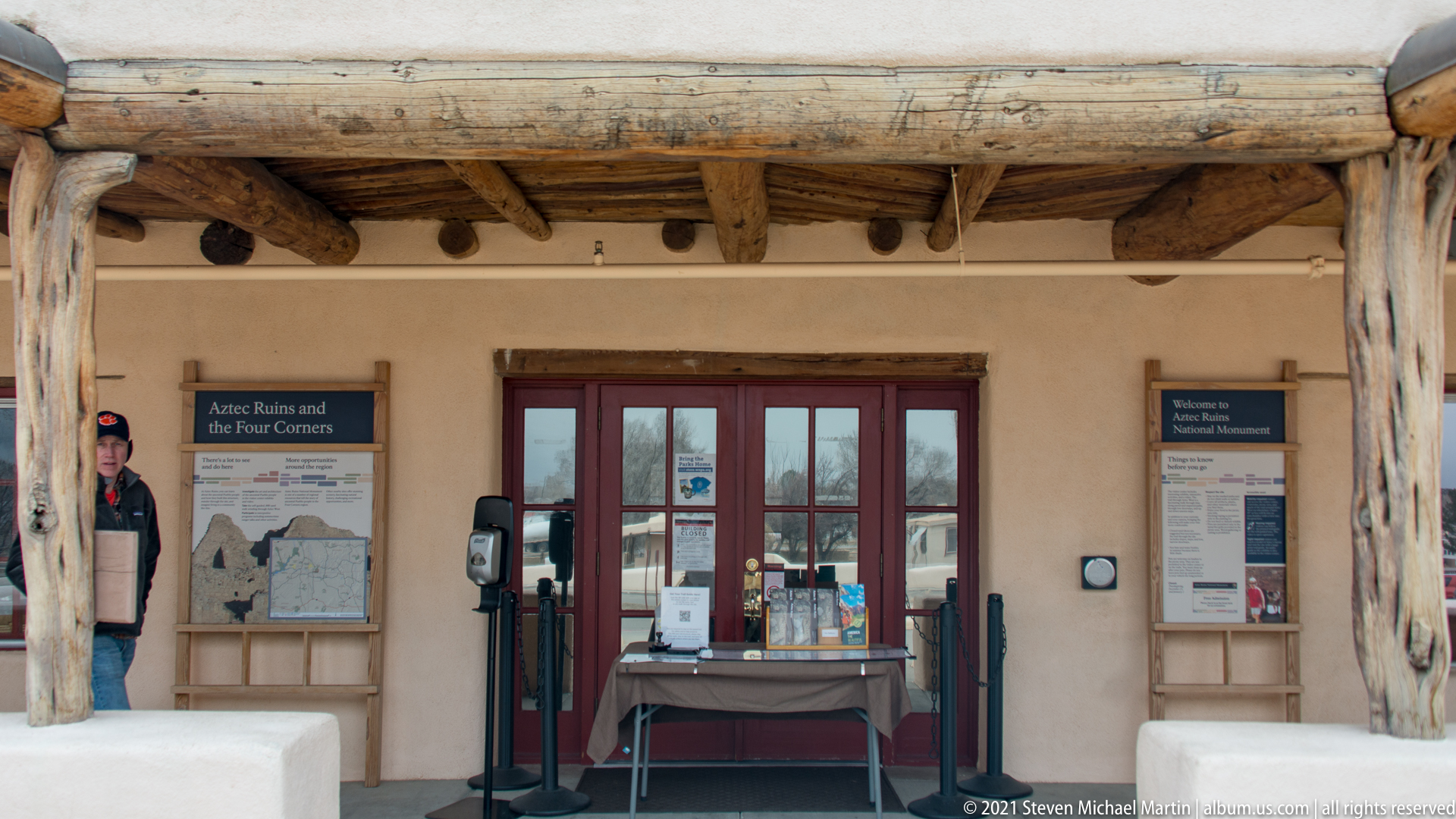
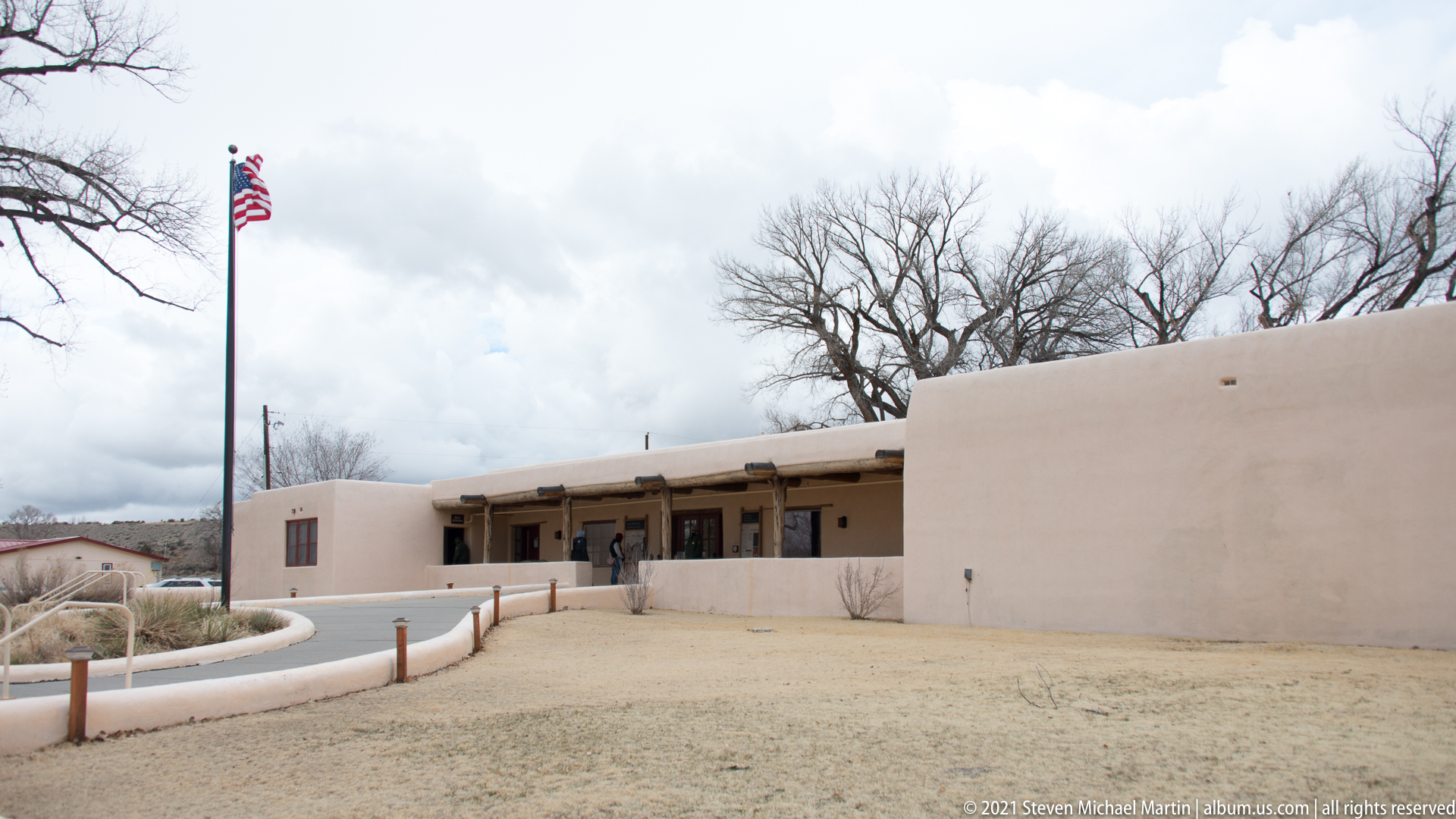
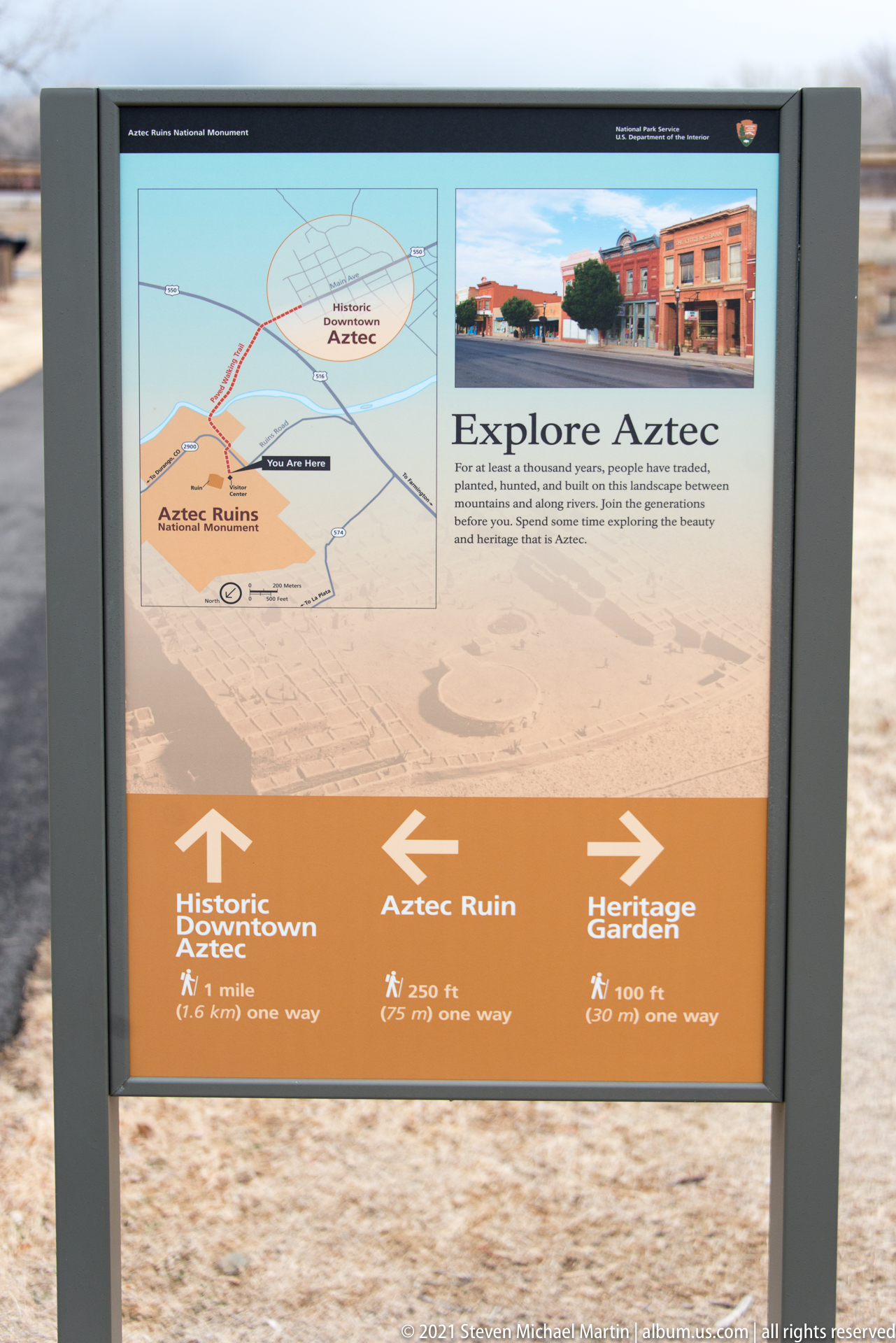
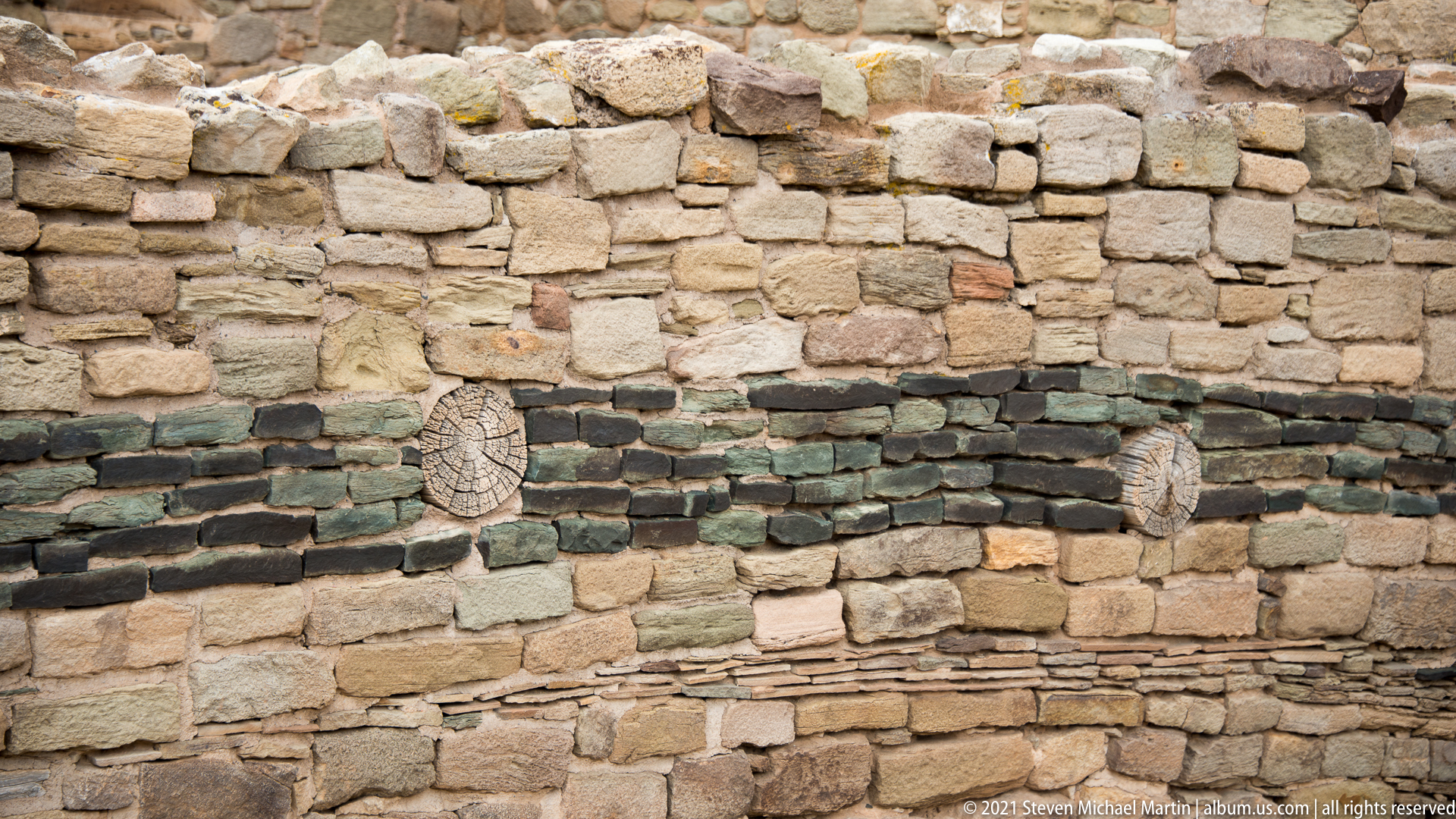
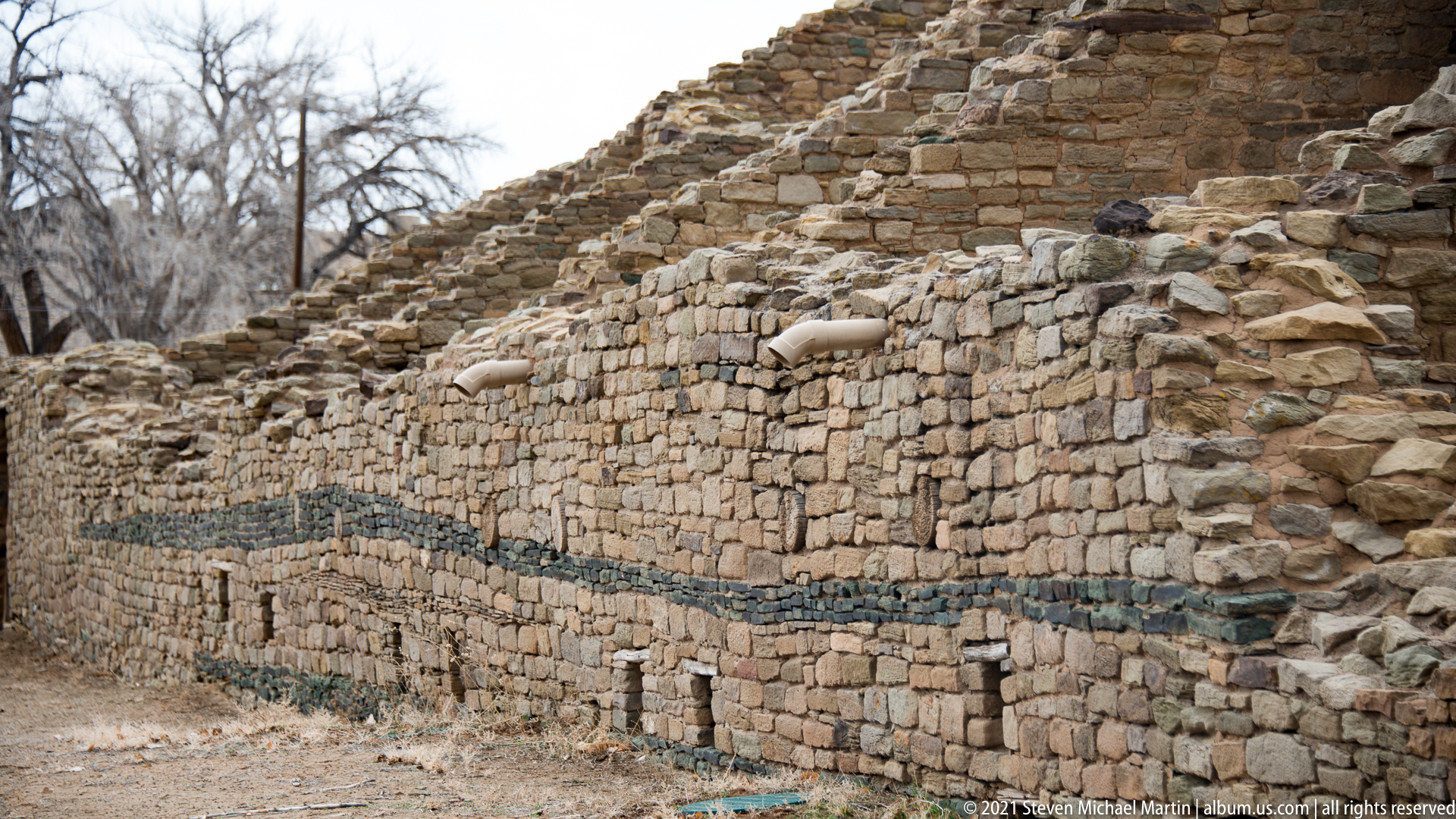
Visitors experience a compact archaeological site that provides a detailed view of masonry techniques and spatial organization associated with ancestral Puebloan communities. The preserved structures contribute to understanding the broader cultural landscape of the Four Corners region.






Aztec Ruins National Monument — Field Guide
National Monument Field Guide
📍 Overview
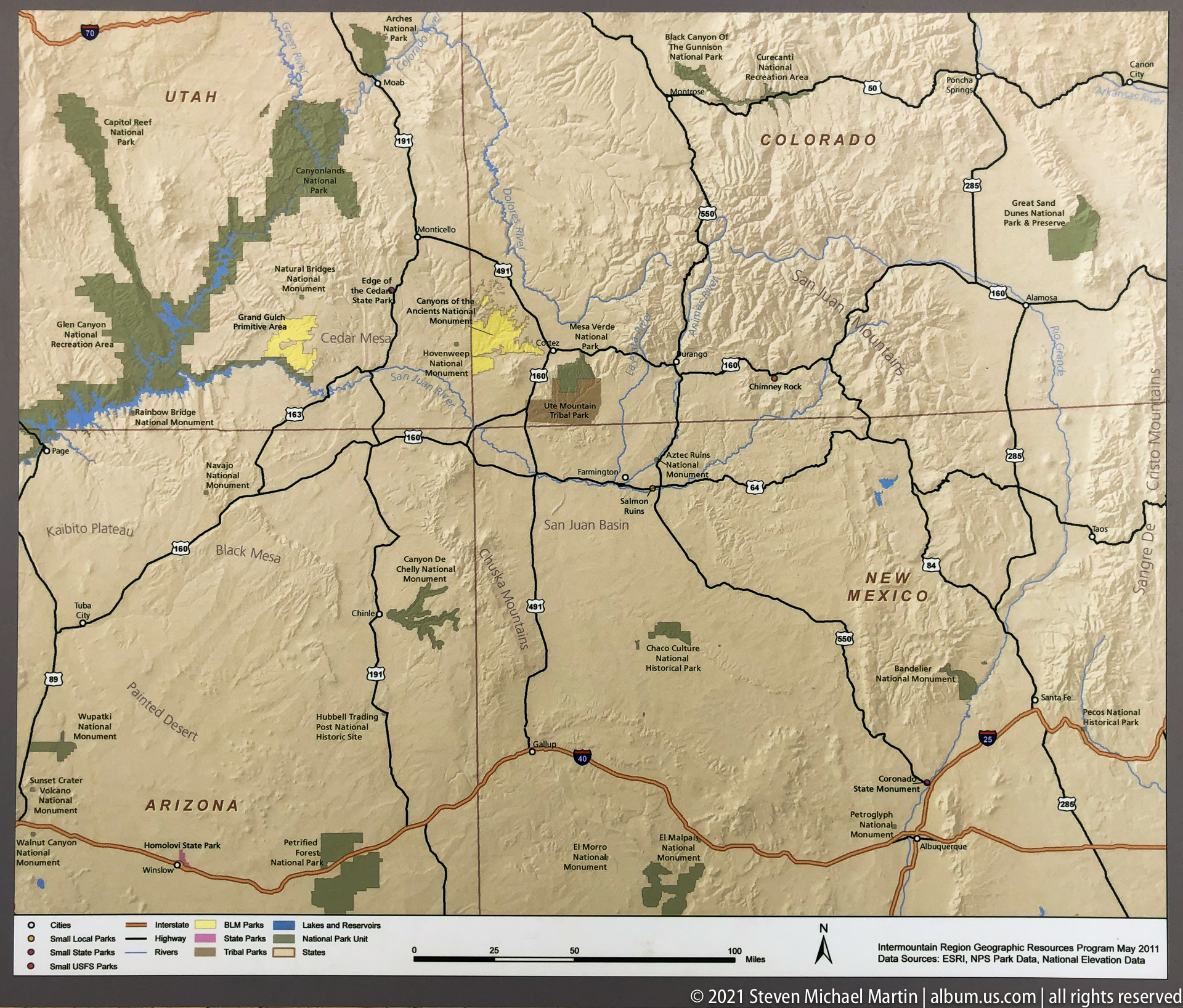
Aztec Ruins National Monument preserves ancestral Puebloan architecture demonstrating continuity with cultural traditions associated with Chaco Canyon. Multi-room masonry structures arranged around central plazas illustrate construction techniques adapted to desert environments. The site contributes to understanding regional settlement patterns across the Four Corners area.
The reconstructed Great Kiva reflects ceremonial practices associated with community organization and cultural identity. Architectural similarities with Chaco Canyon demonstrate shared building traditions and connections between population centers. The site provides insight into cultural adaptation within arid landscapes.
⭐ Highlights
- Preserved ancestral Puebloan masonry structures
- Reconstructed Great Kiva ceremonial structure
- Architectural continuity with Chaco Canyon traditions
- Compact archaeological site with accessible layout
- Interpretation of regional cultural development
🔎 Key Features
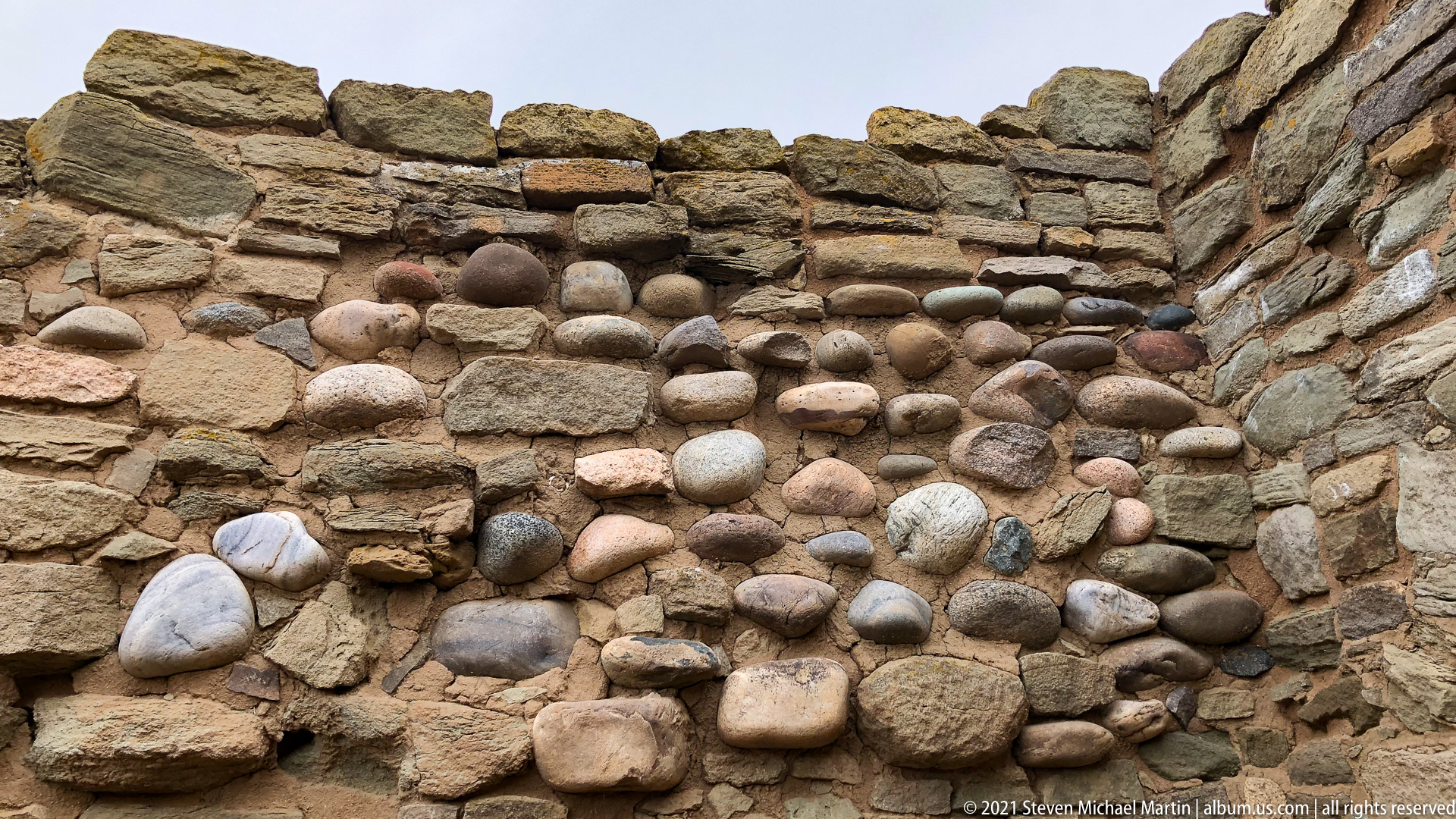
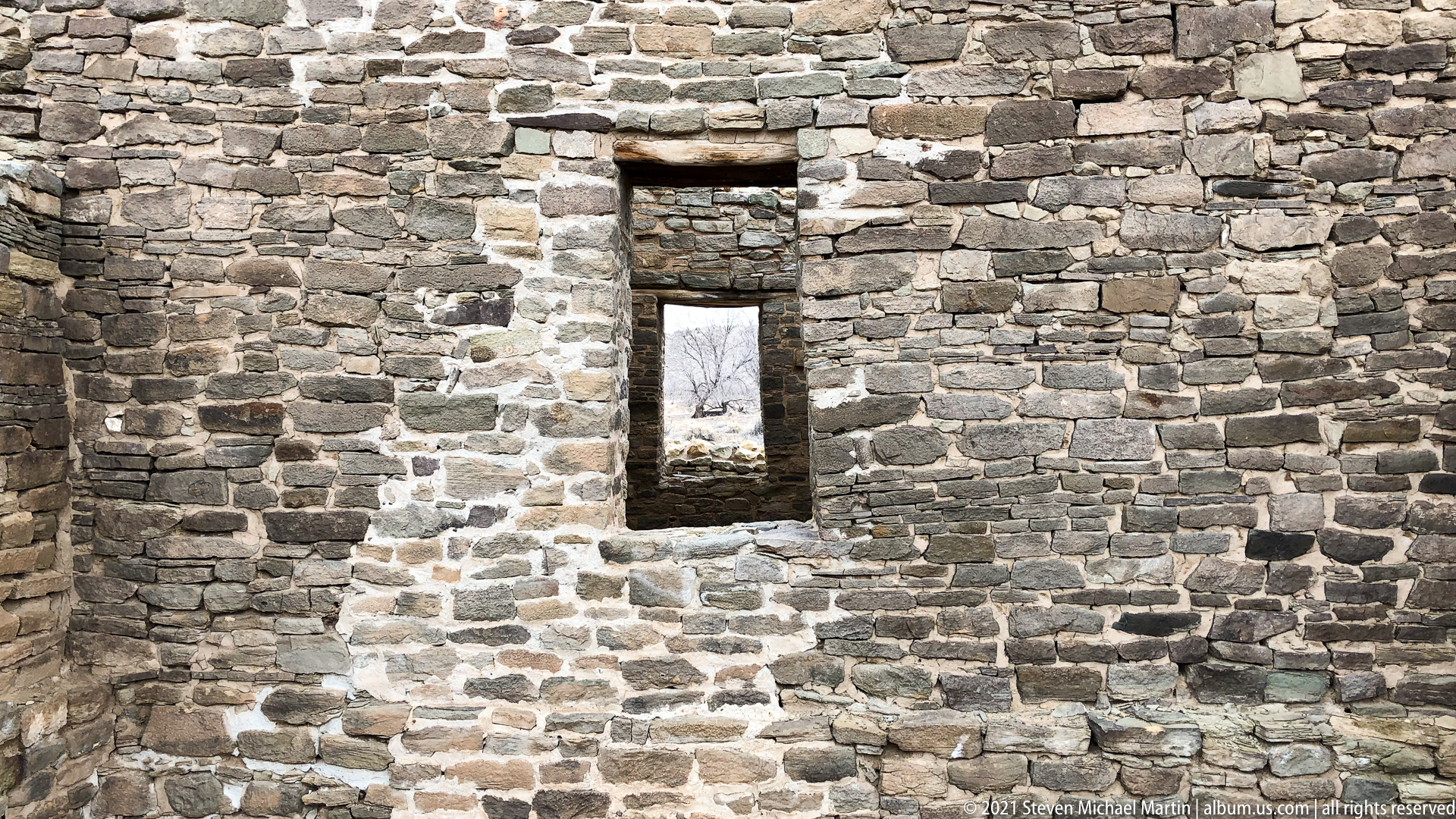
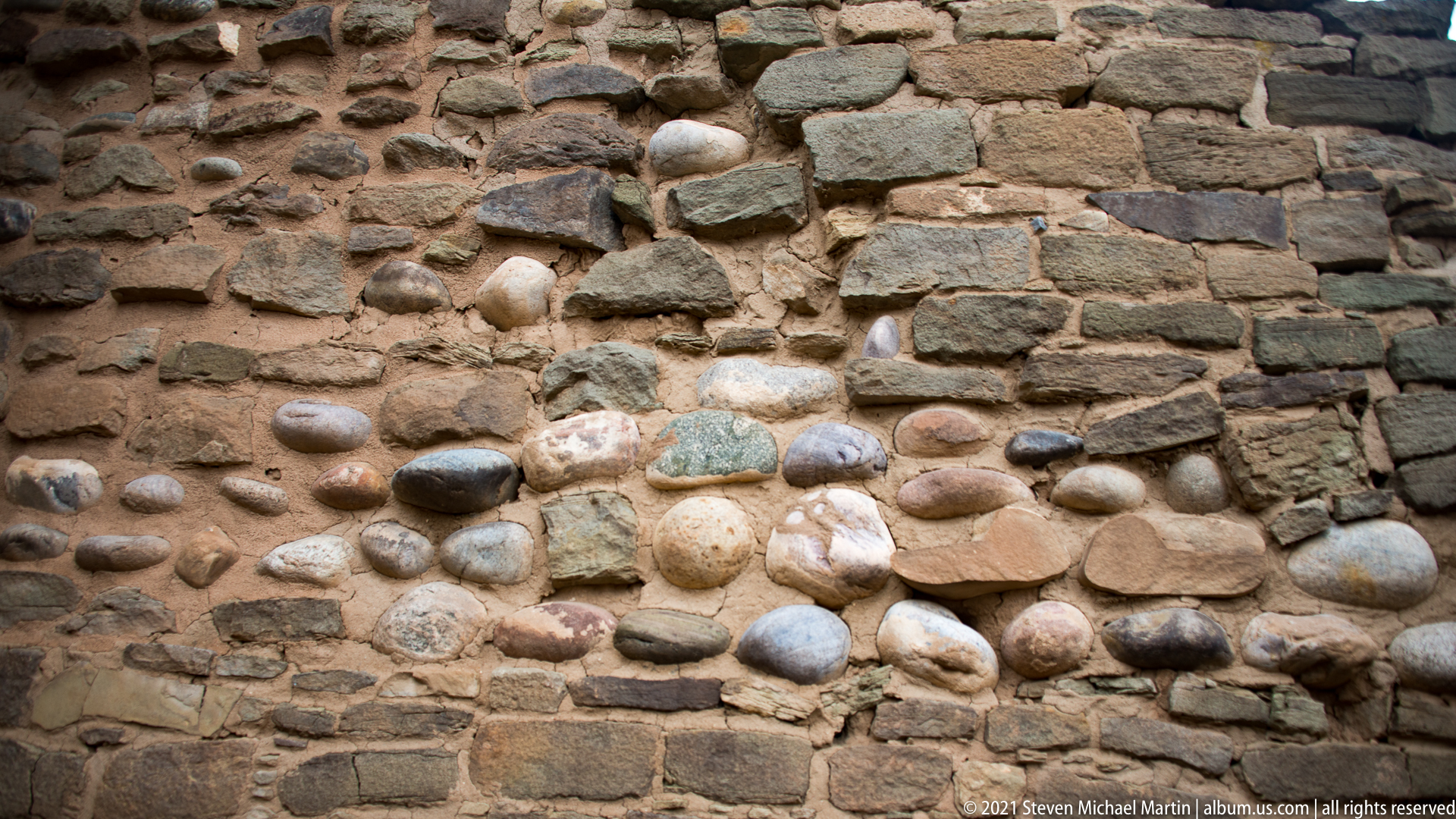
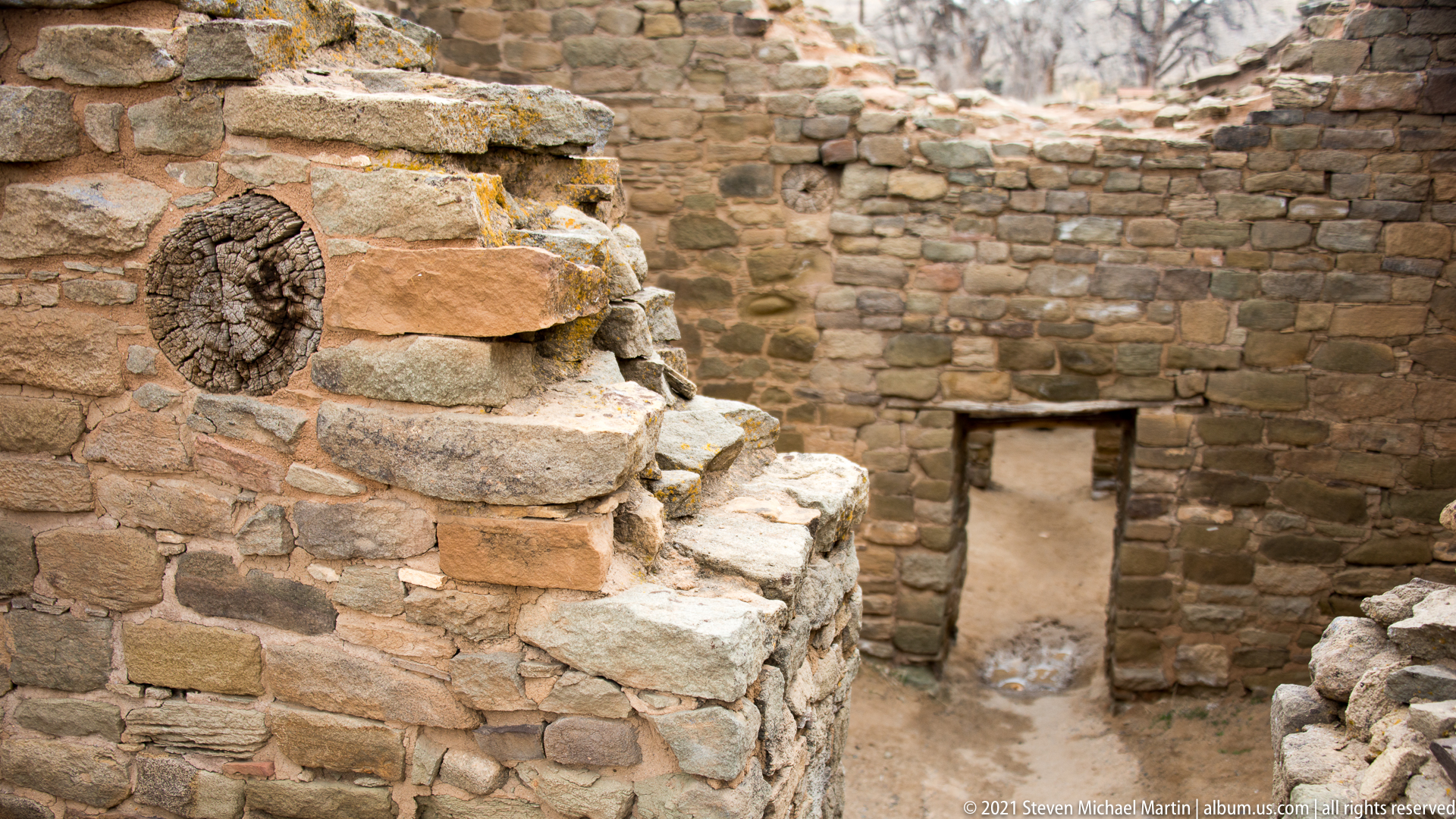
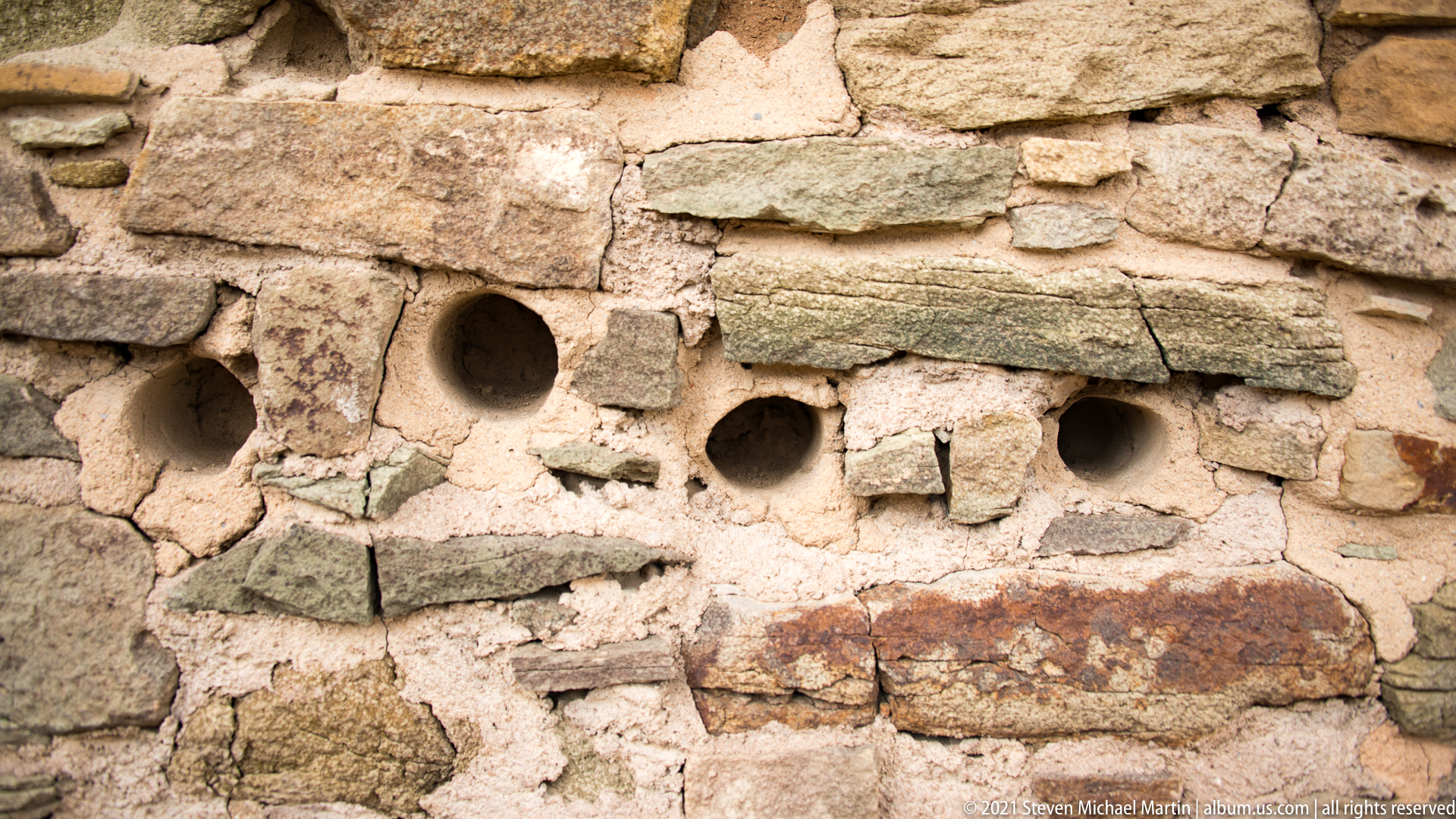
- Stone masonry construction techniques
- Central plaza spatial organization
- Ceremonial architecture associated with Great Kiva
- Cultural connections across Four Corners region
- Preserved archaeological landscape
📷 Photography Notes
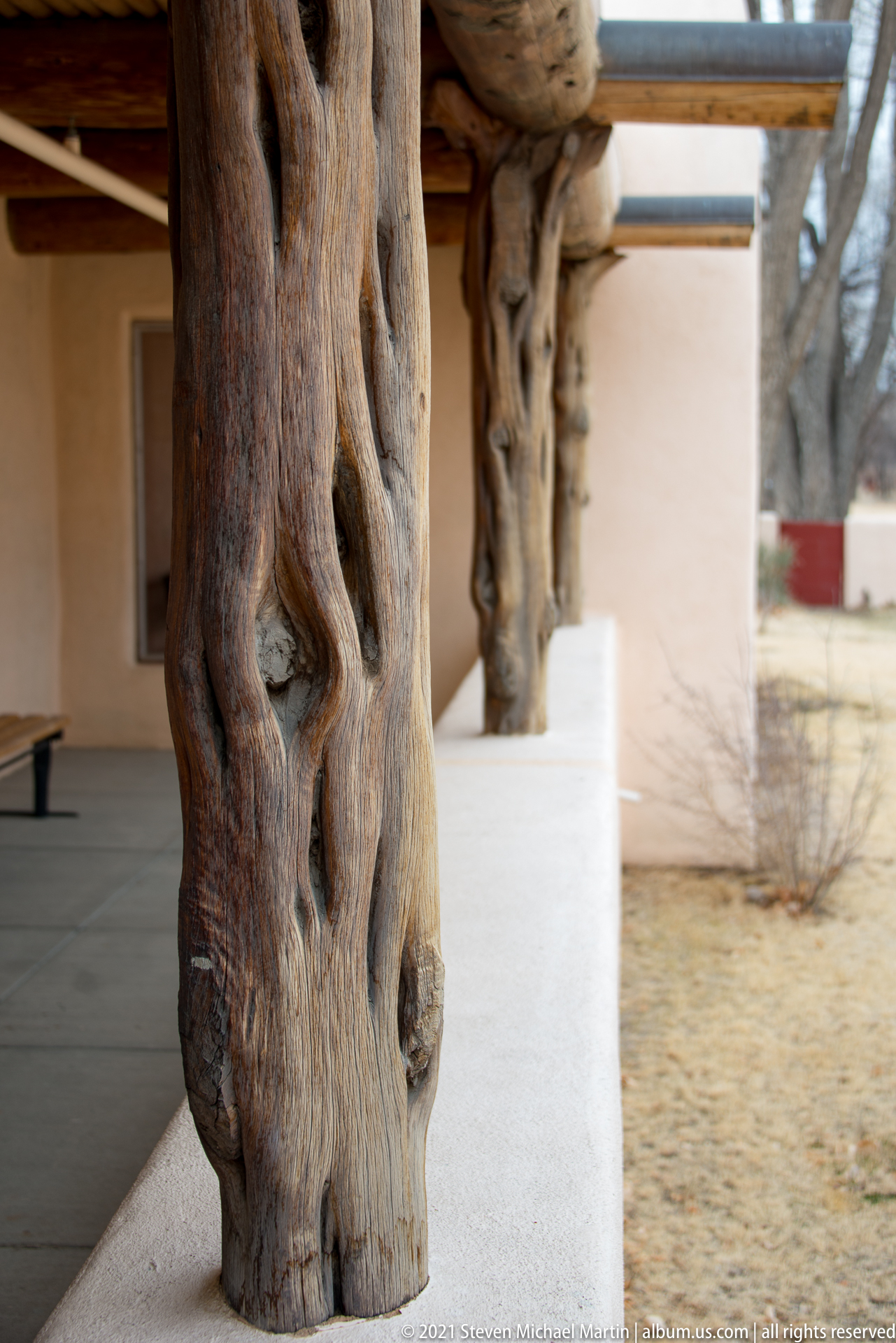
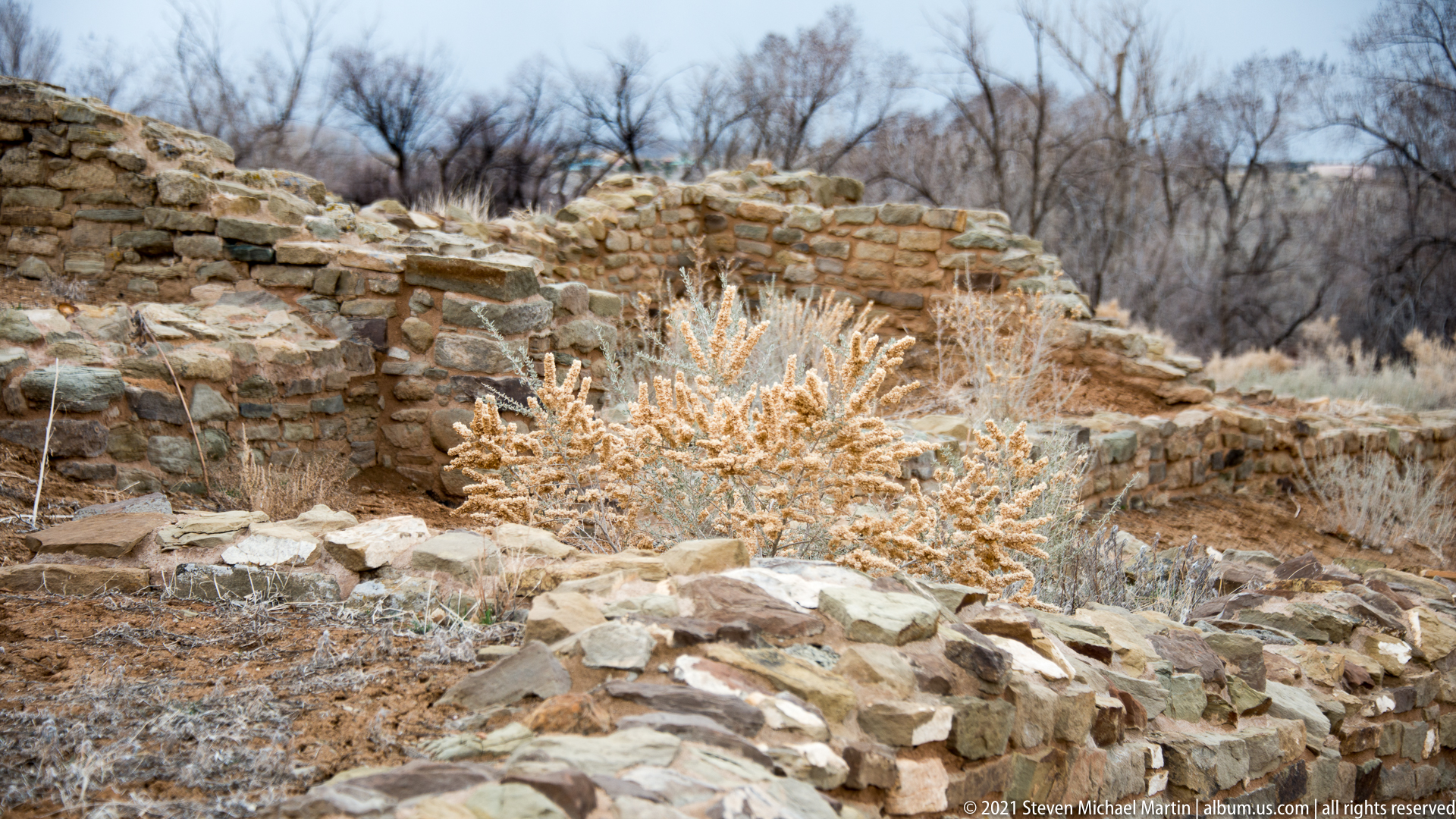
- Low-angle light highlights stone texture
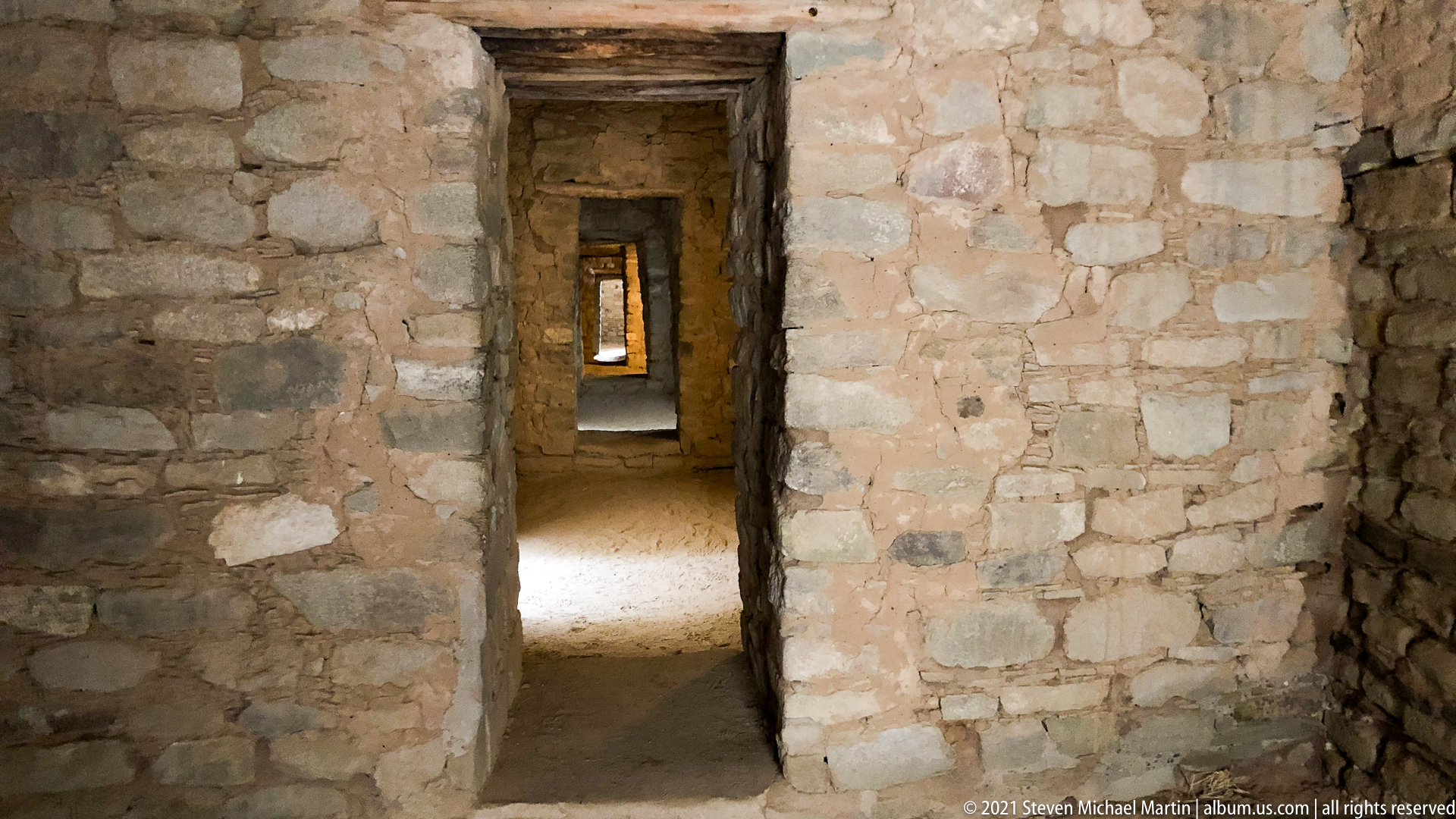
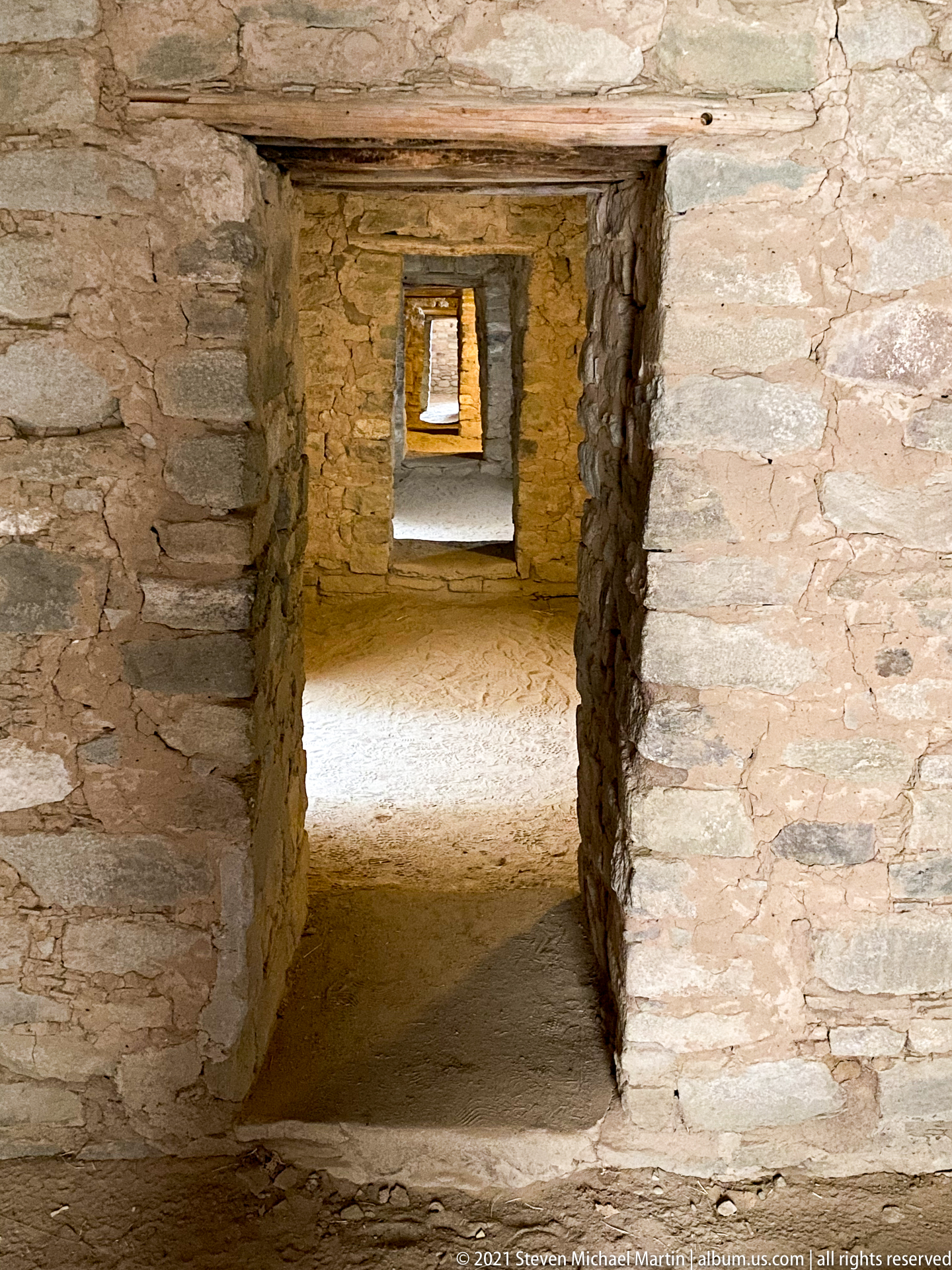
- Geometric patterns create strong compositions
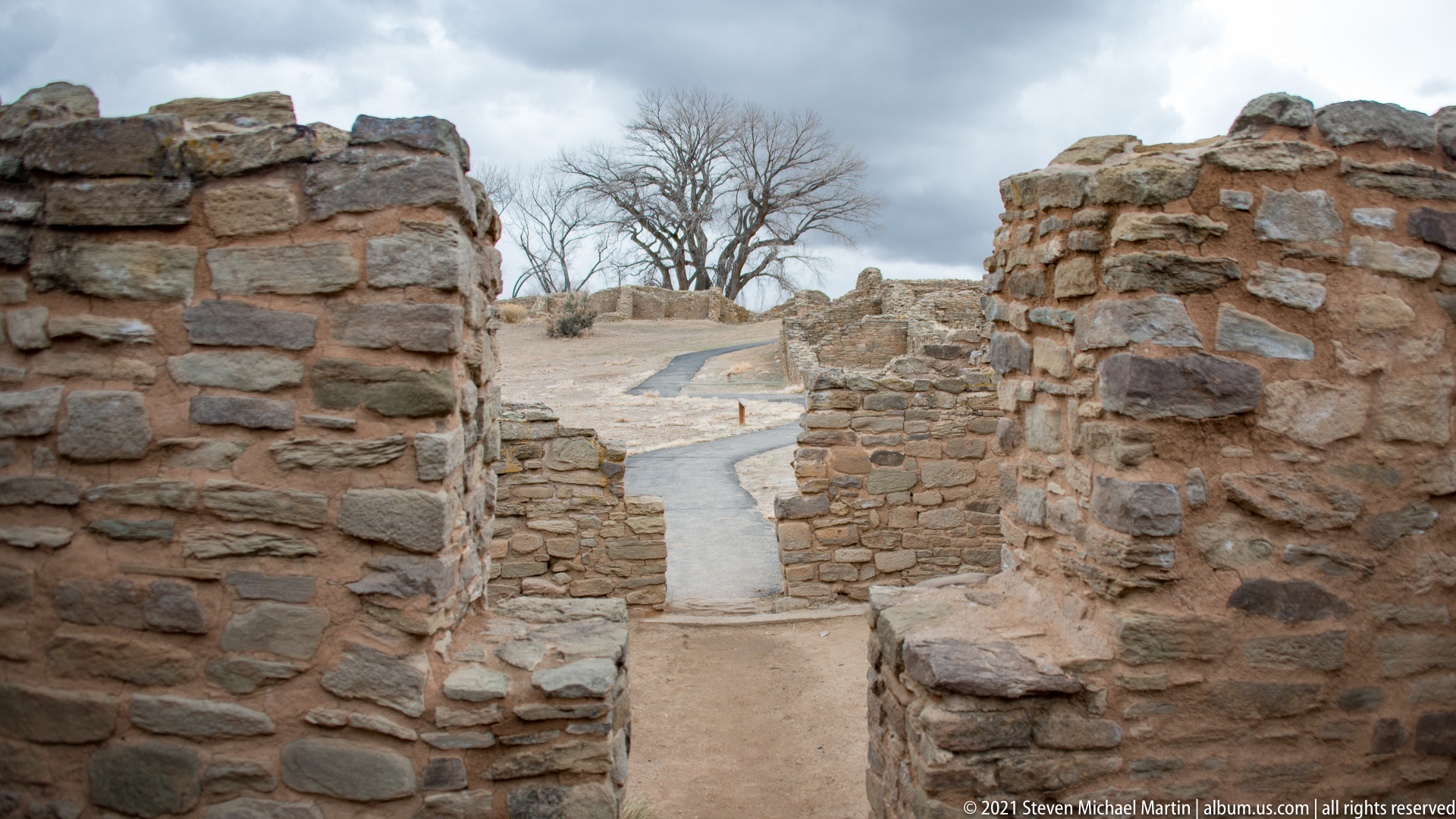
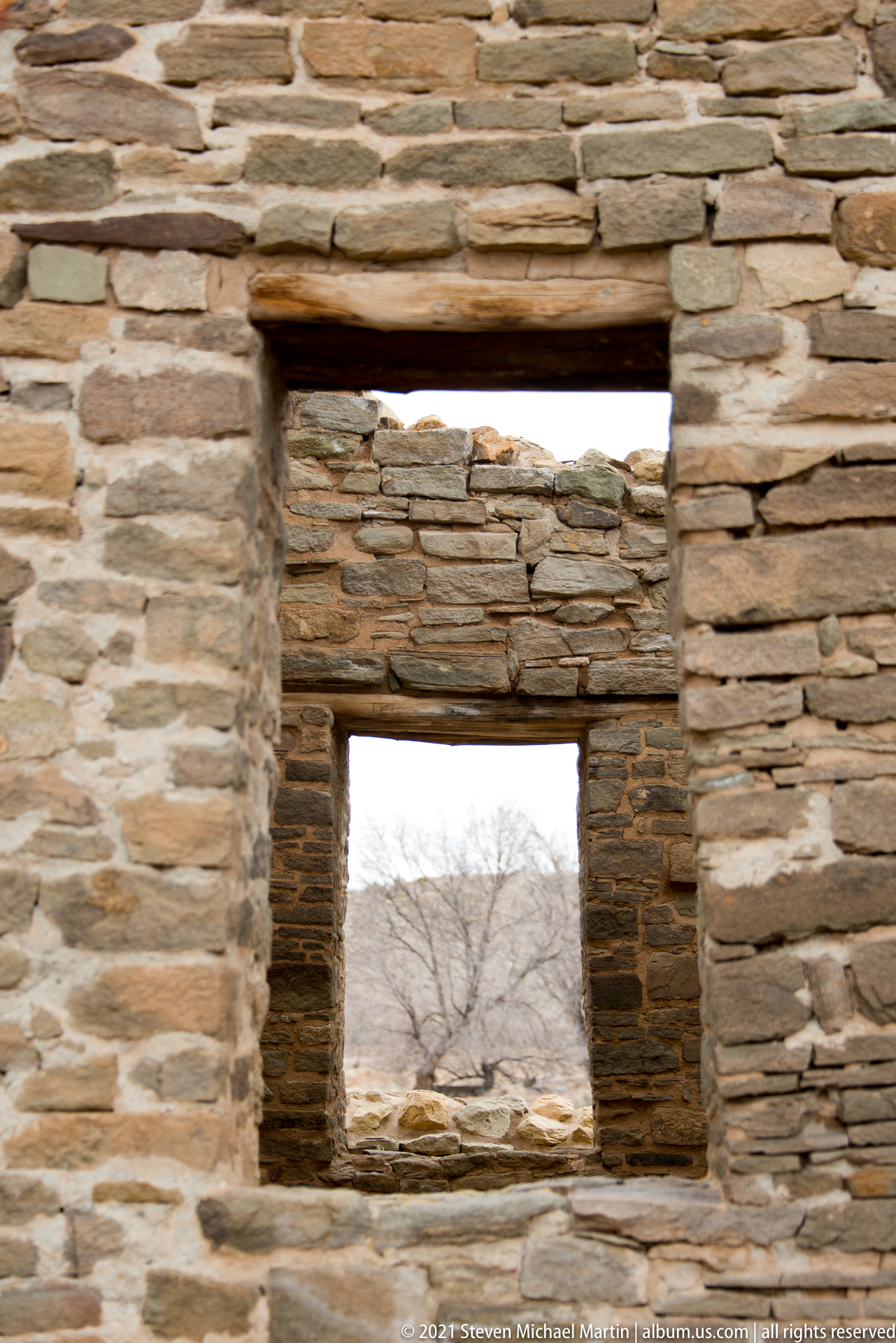
- Doorways and walls provide framing opportunities
- Wide views show spatial layout of the site
- Morning light produces warm sandstone tones
- Simple compositions emphasize architectural form