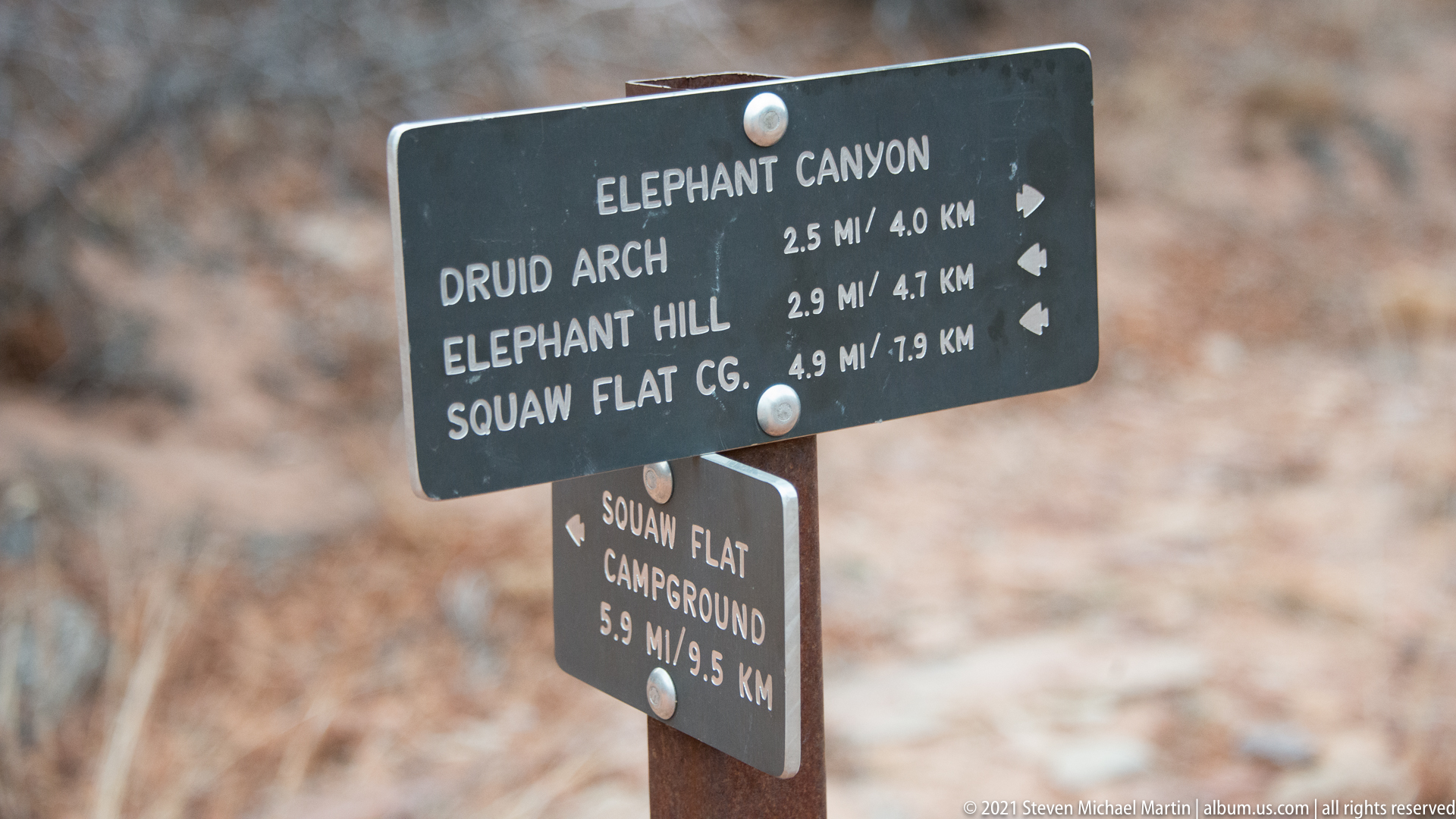
Elephant Canyon – Canyonlands National Park
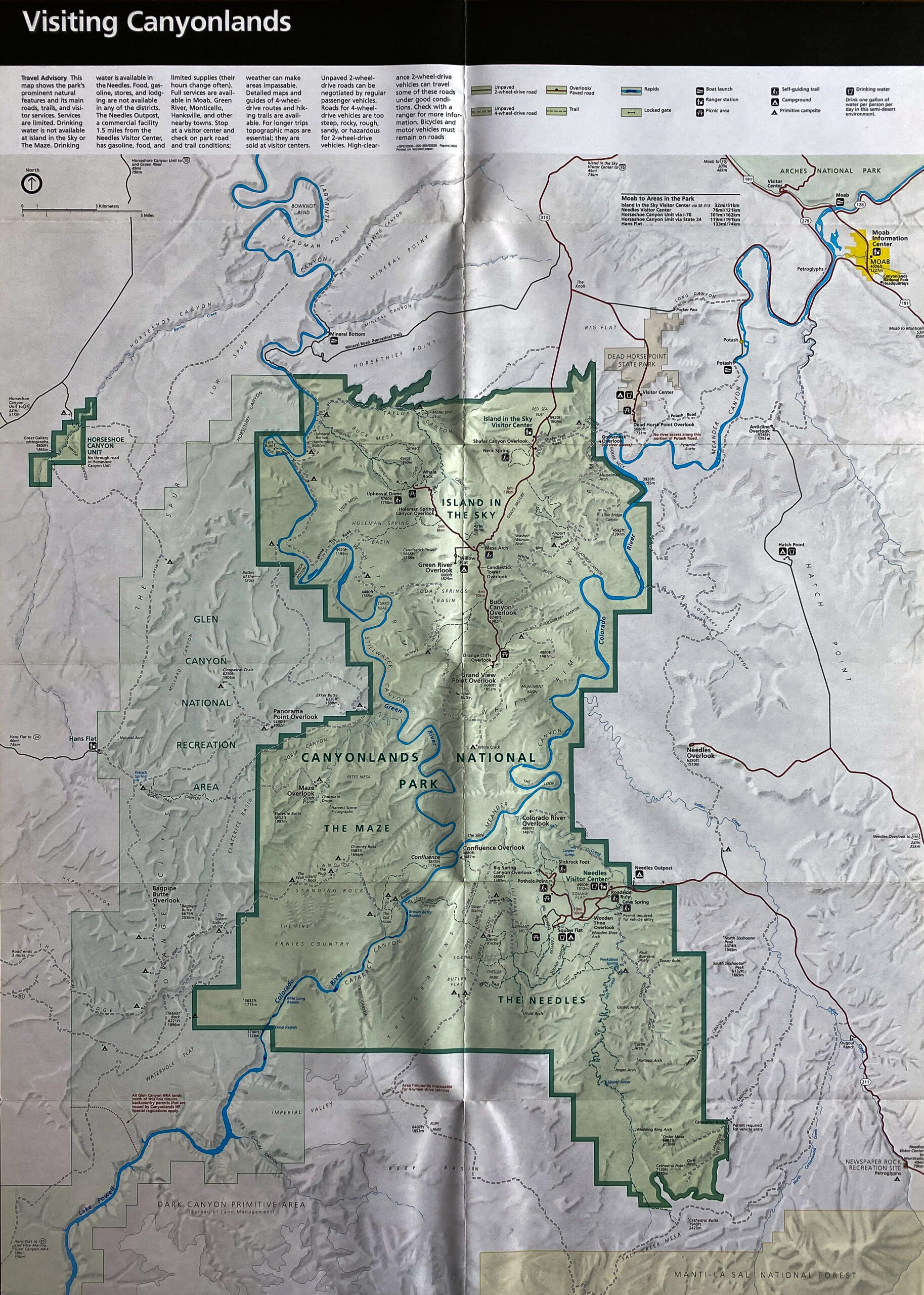
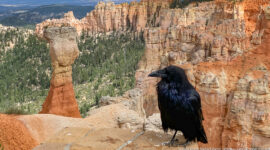
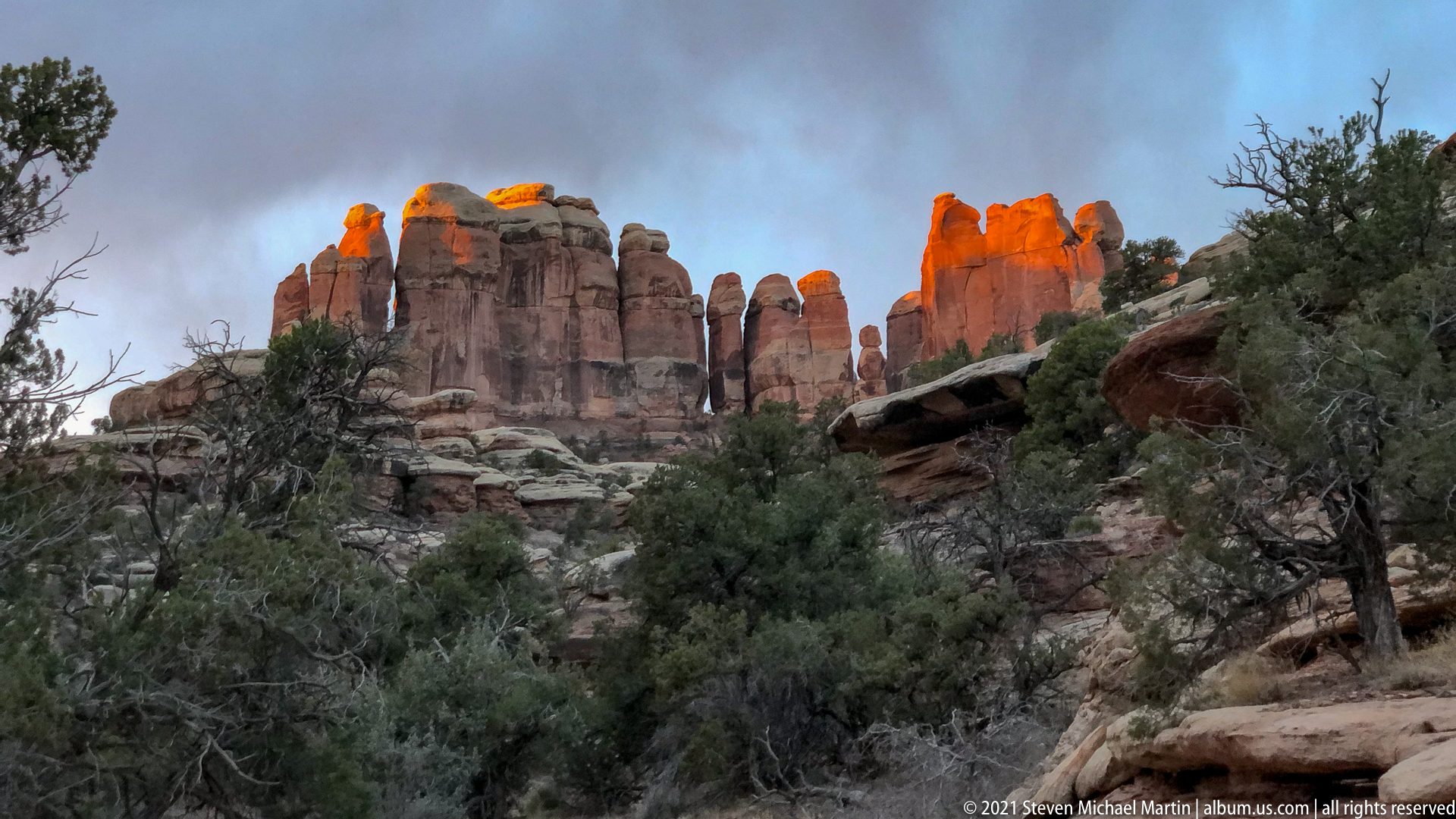
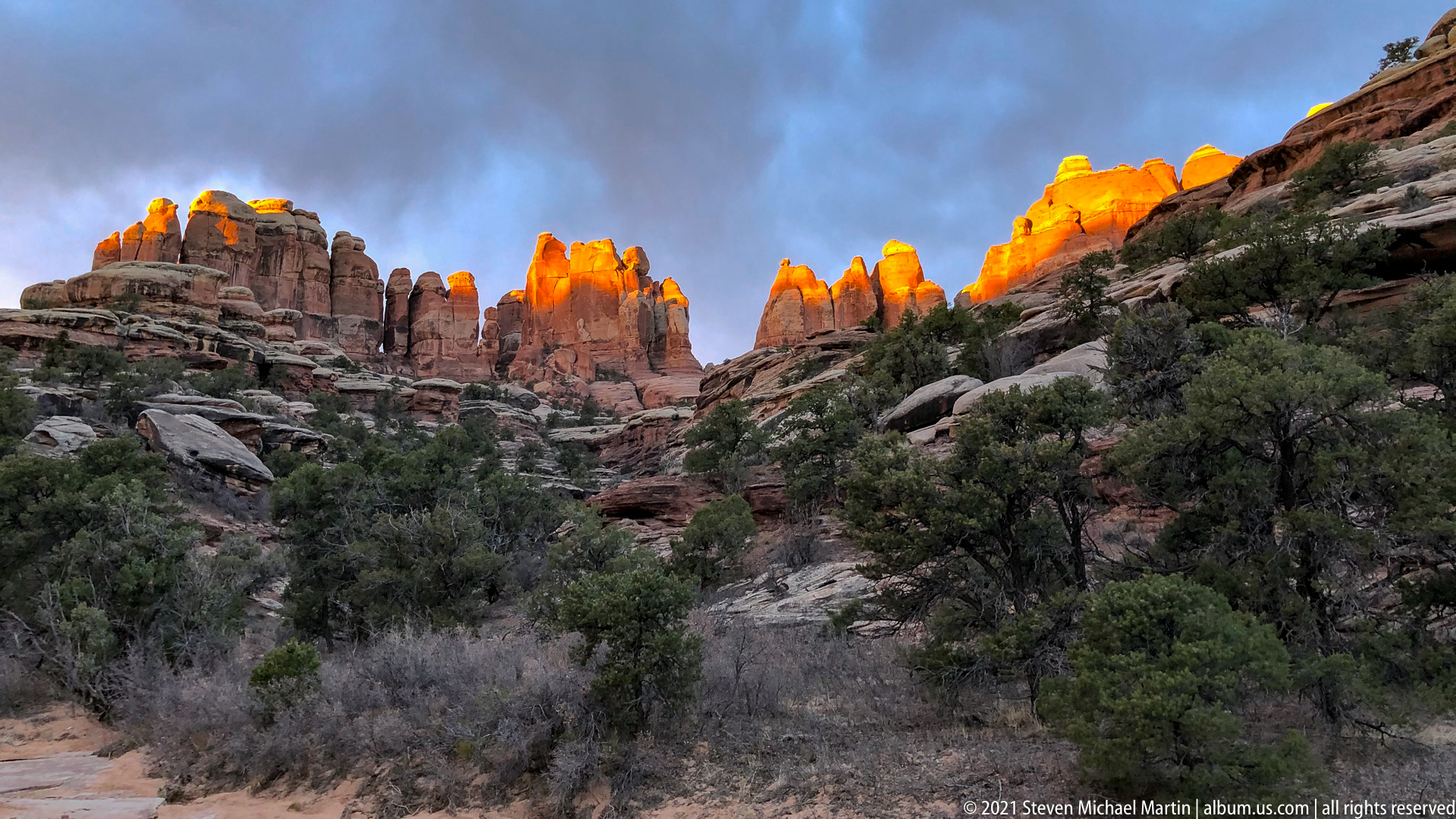
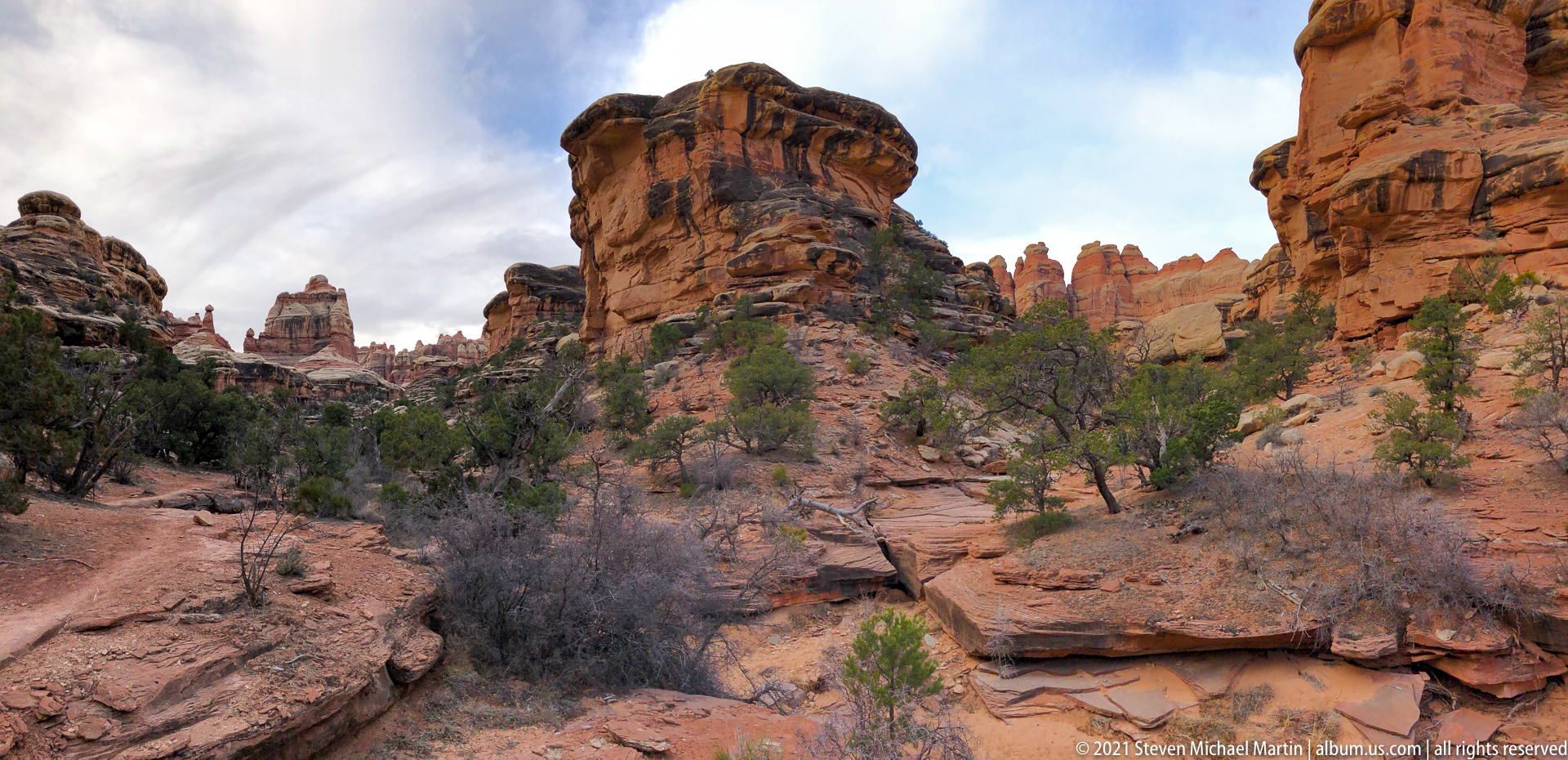
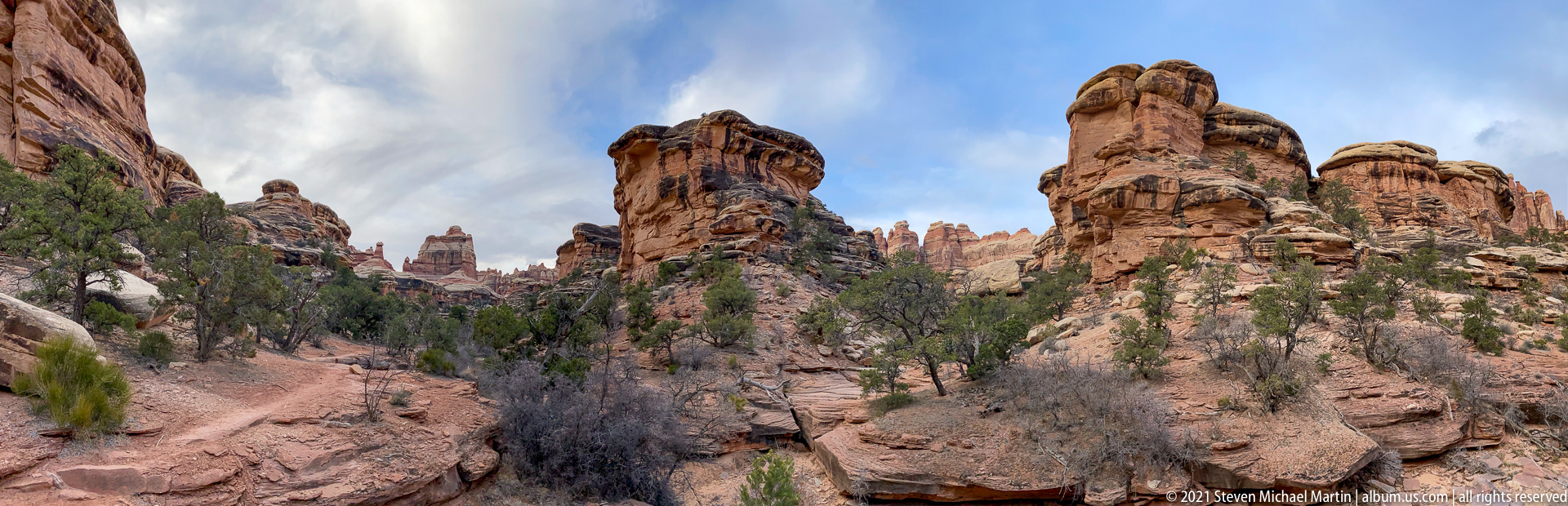
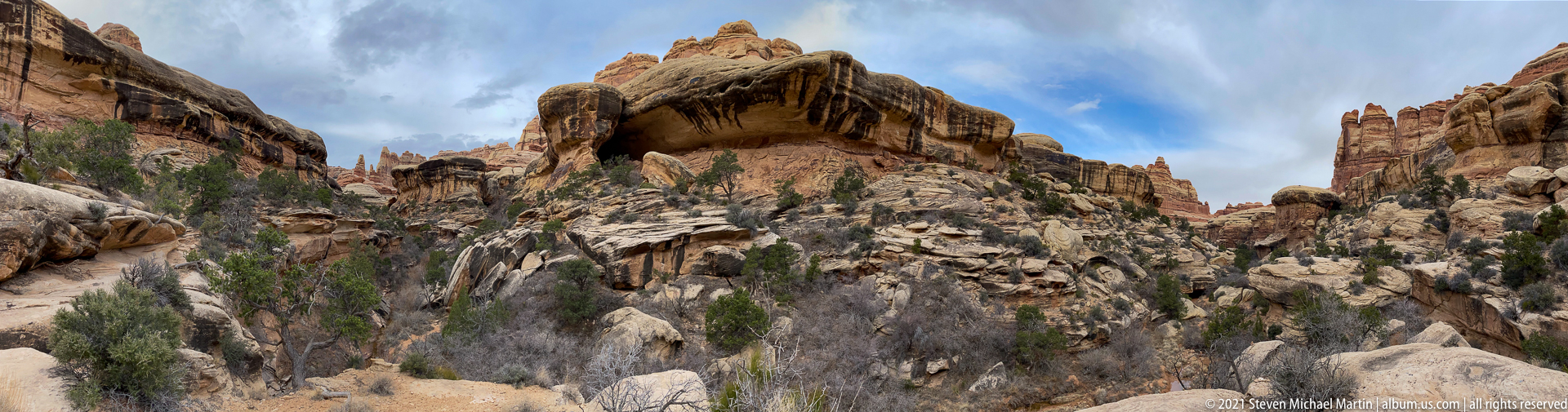
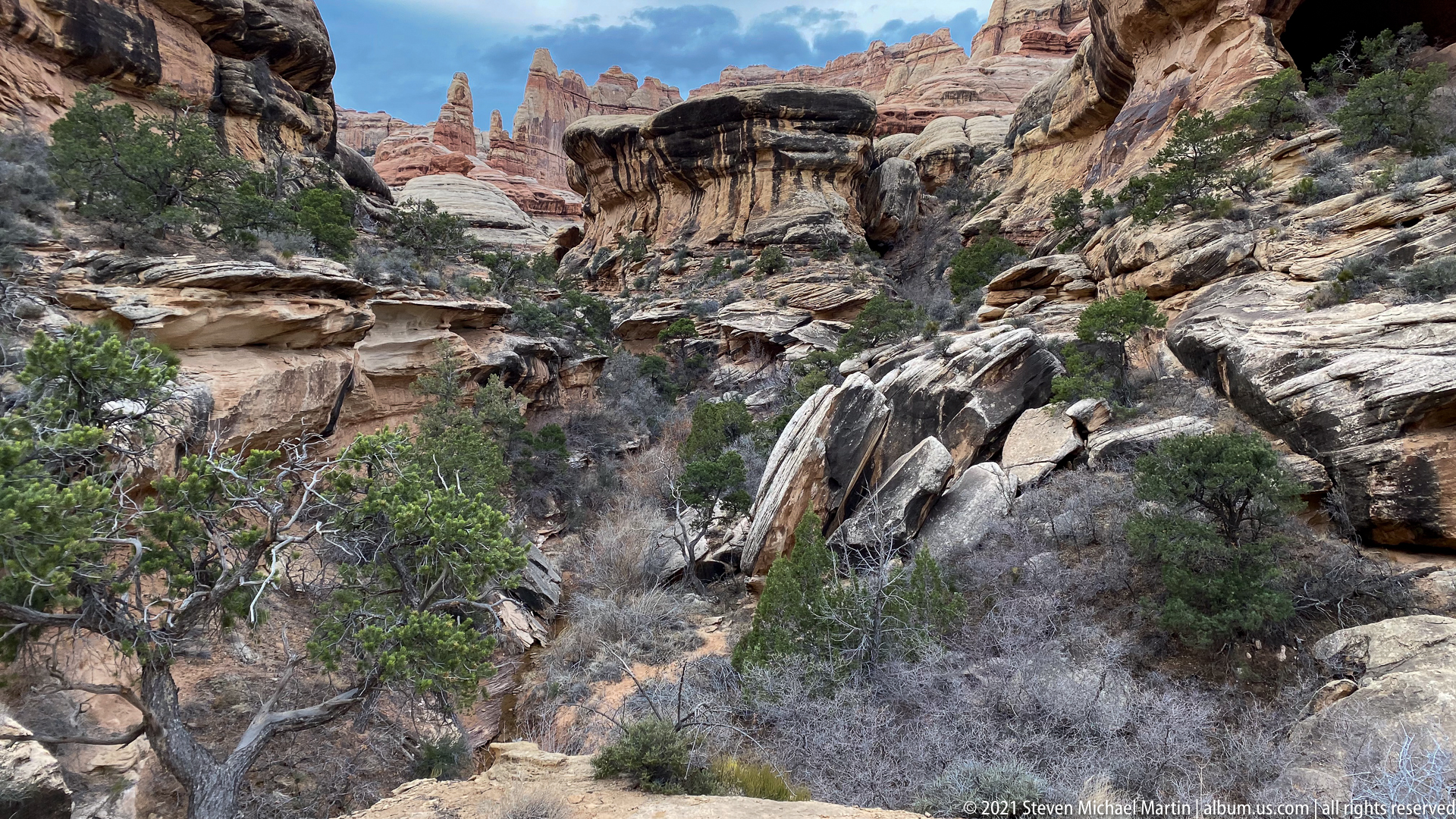
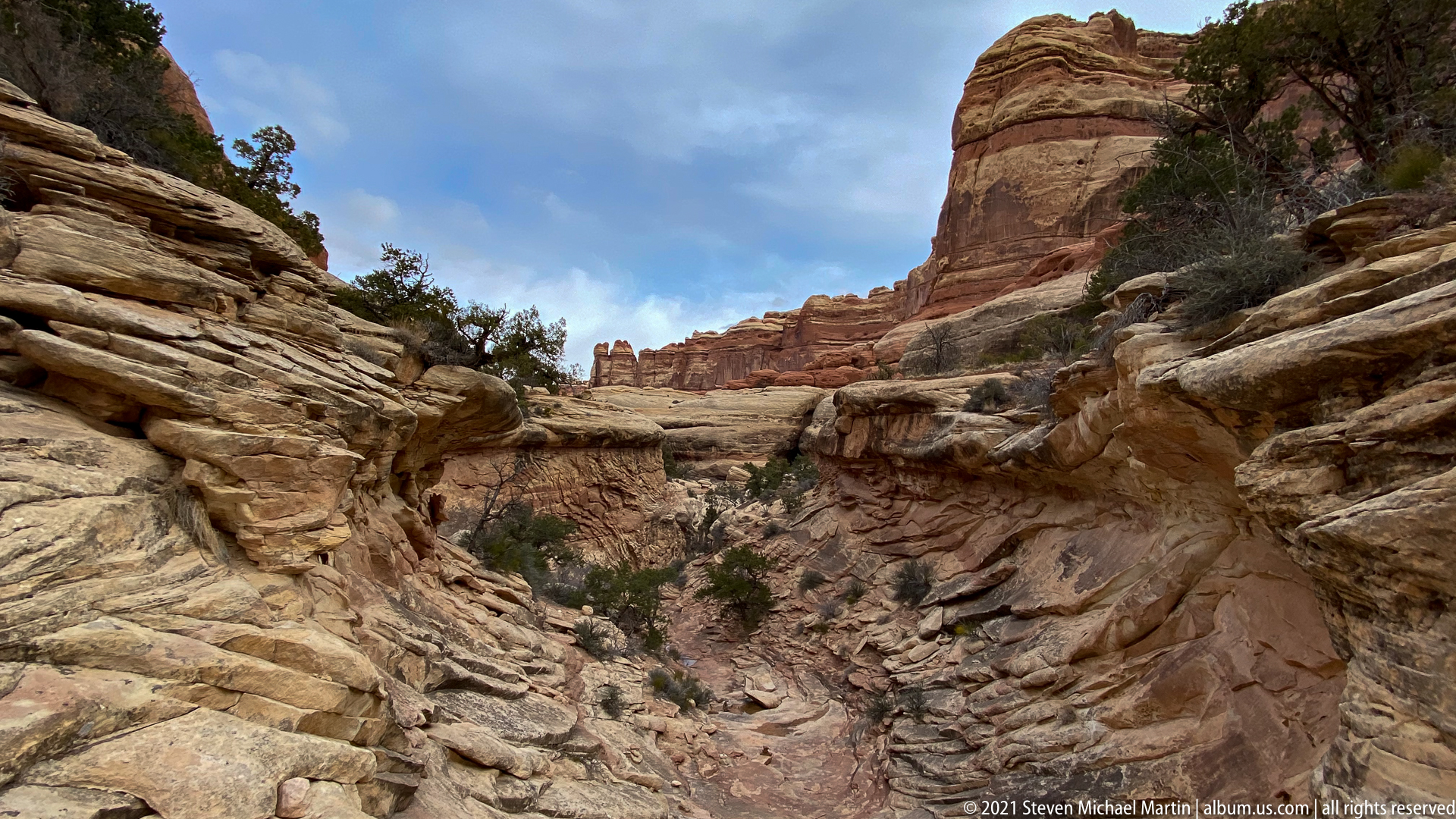
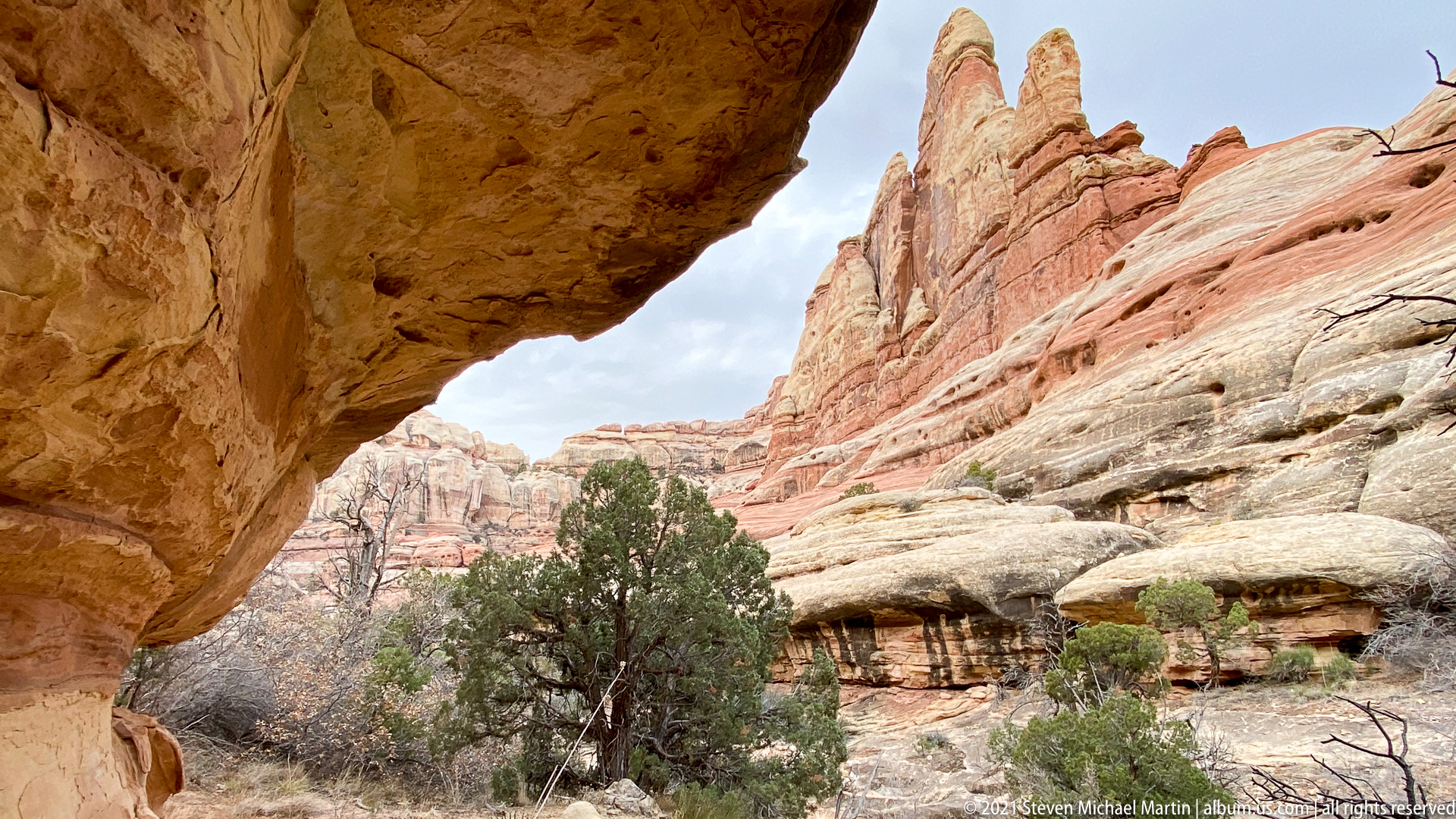
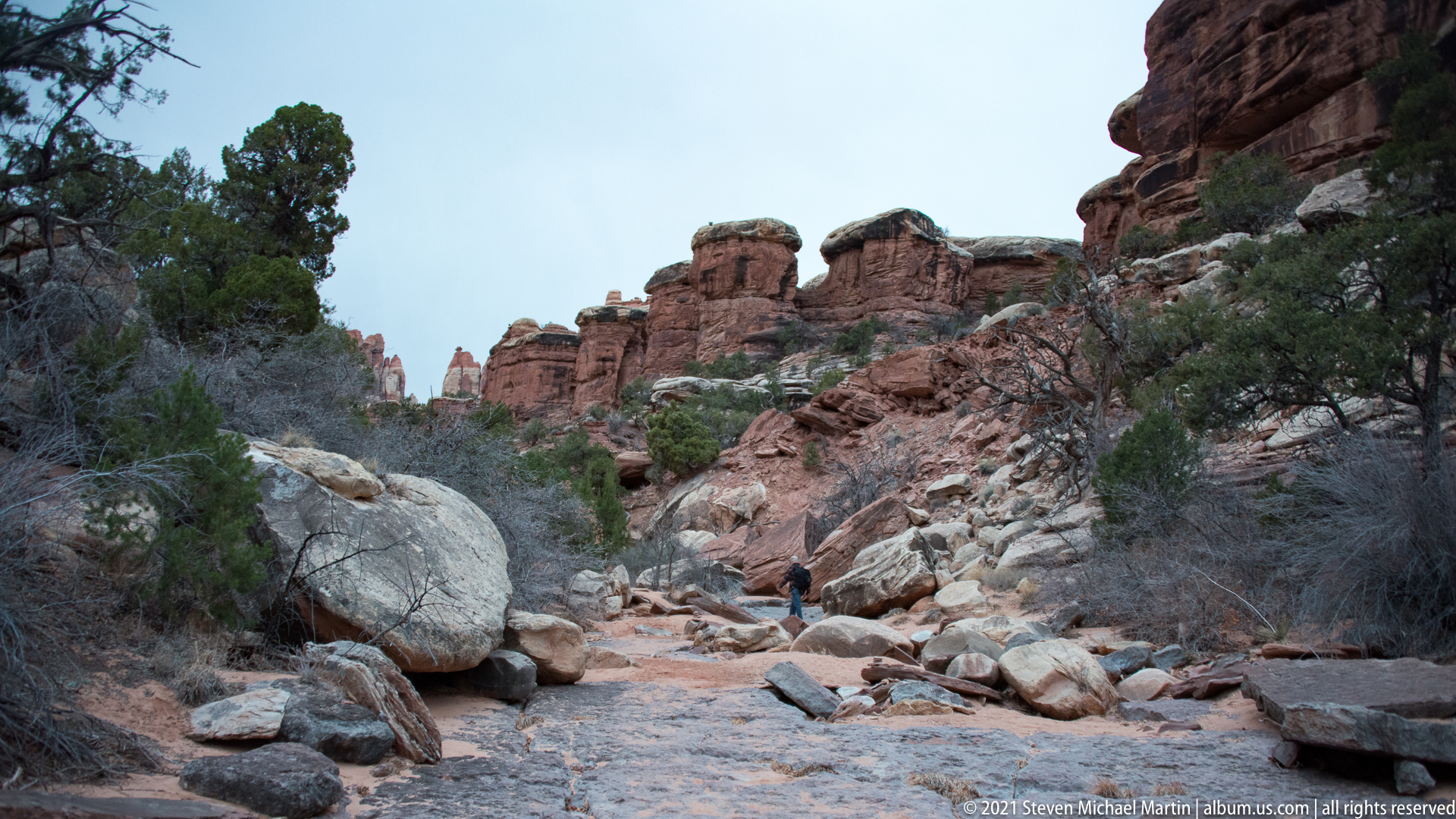
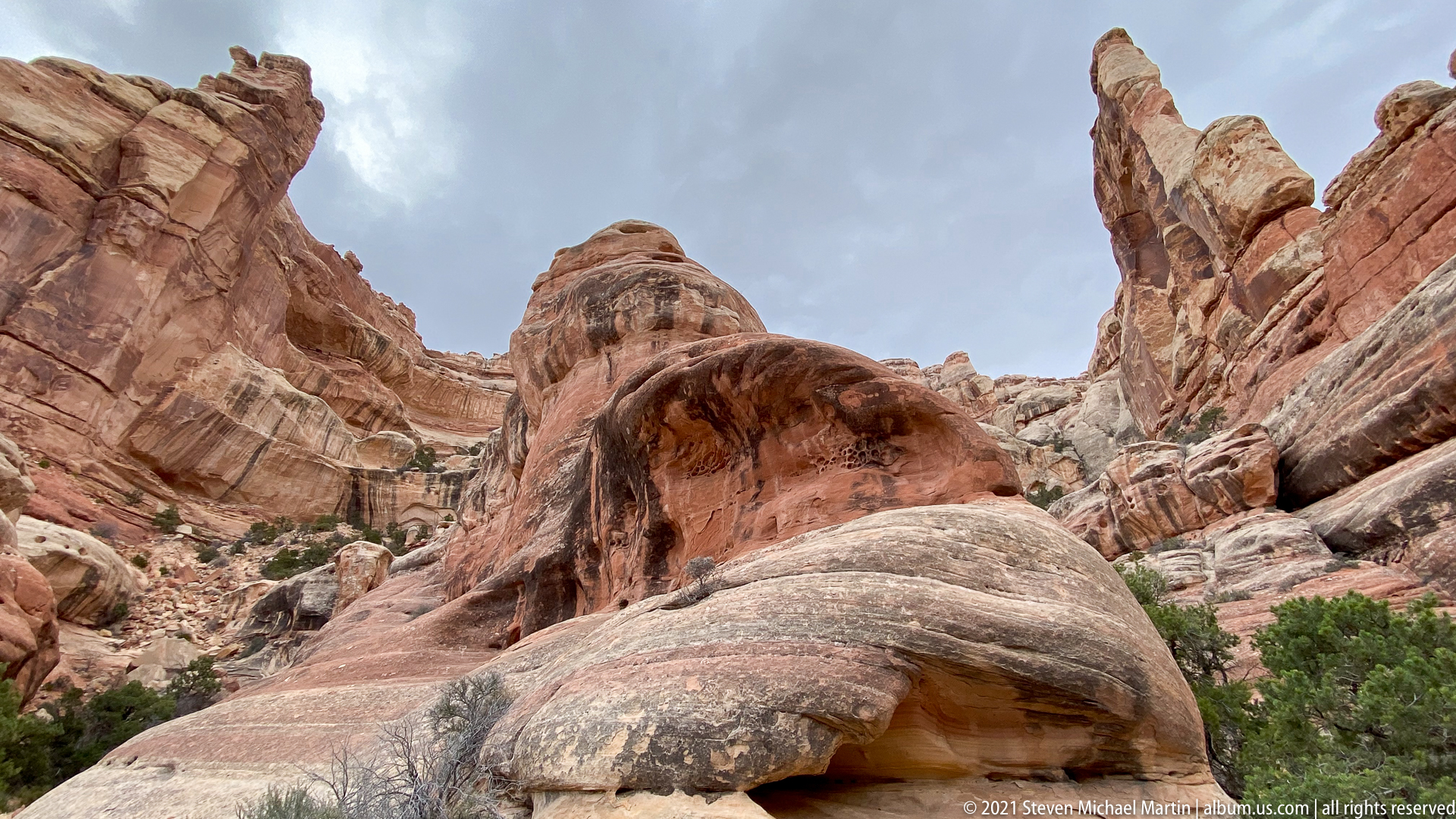
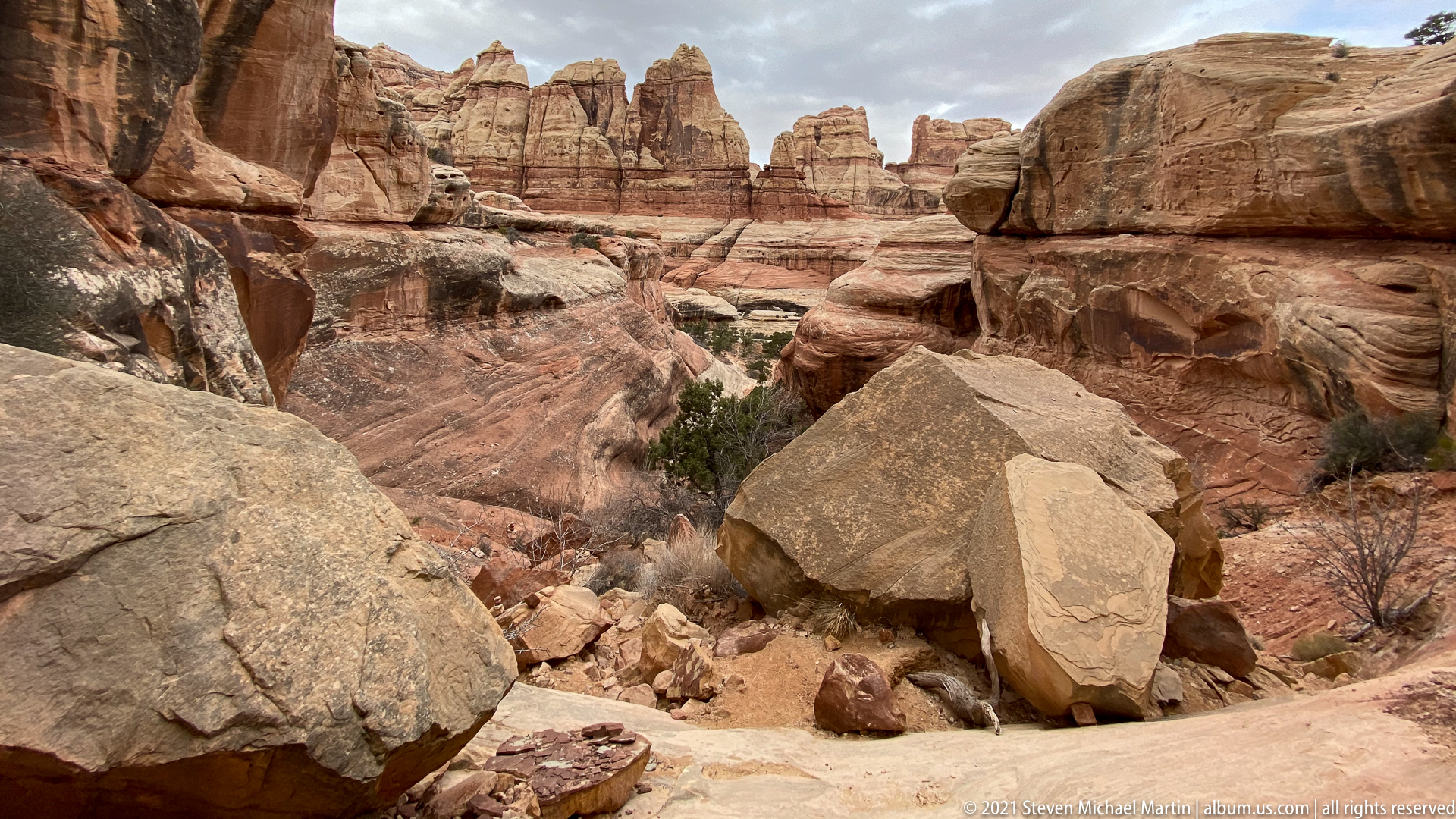
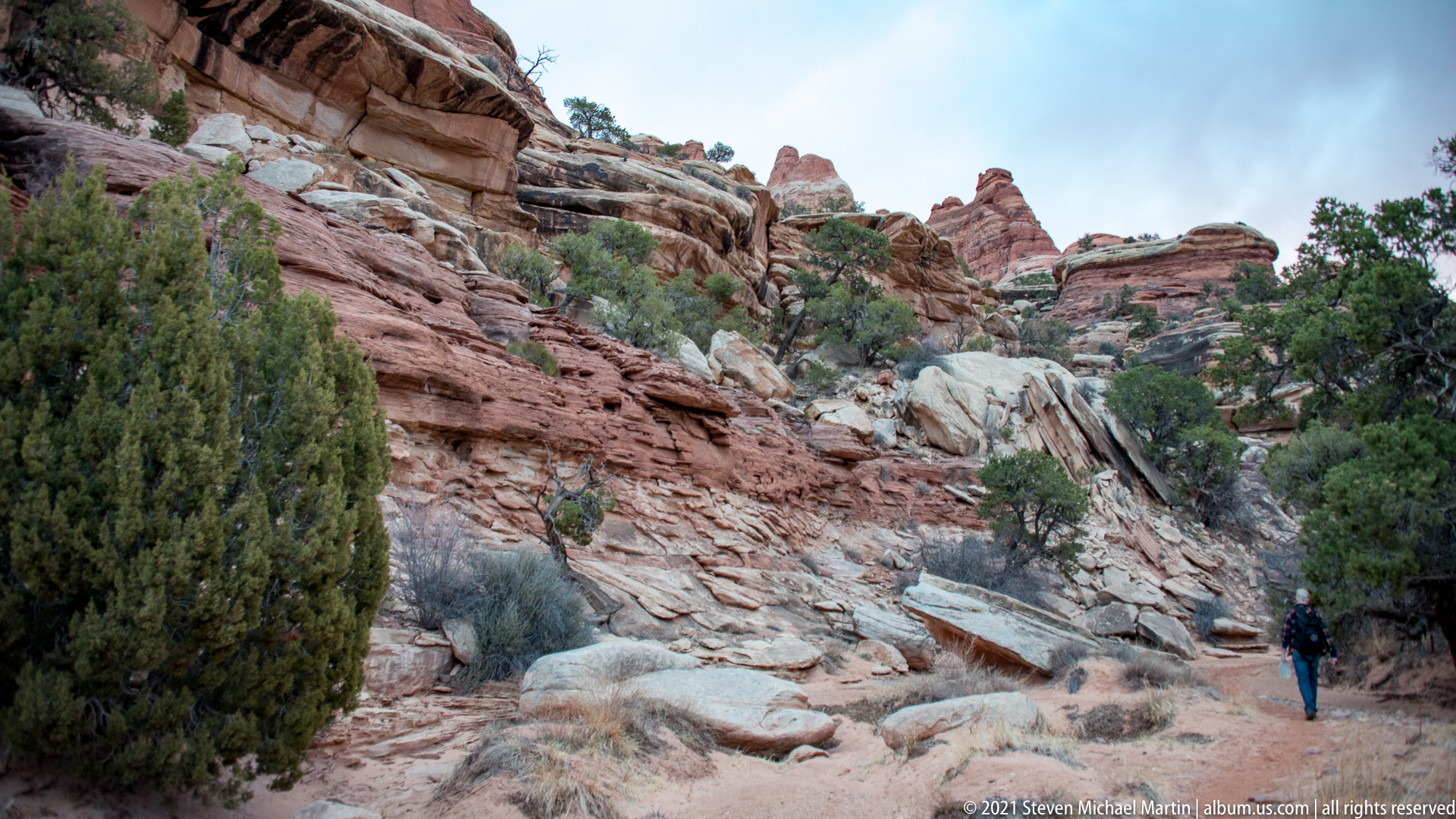
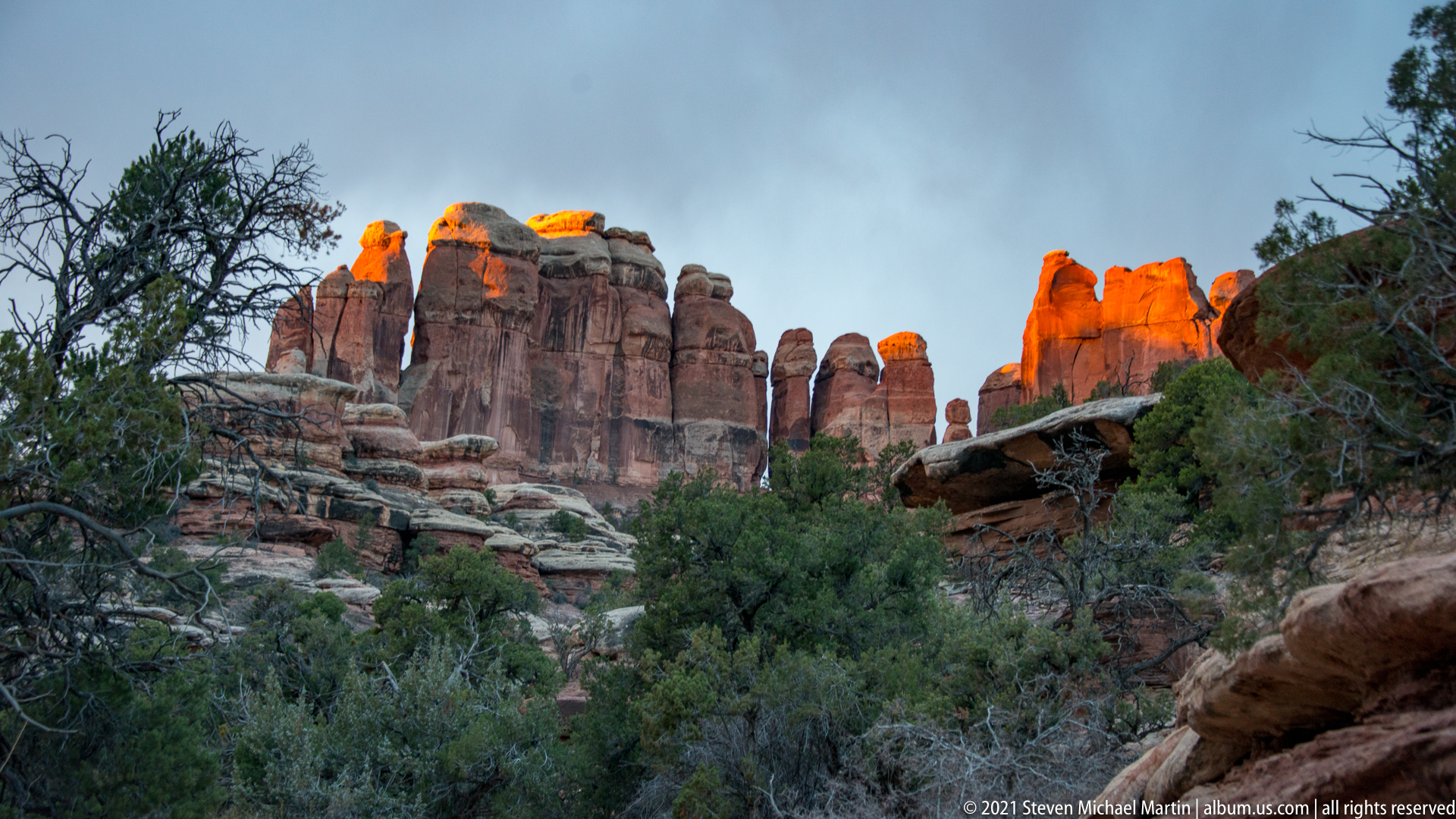
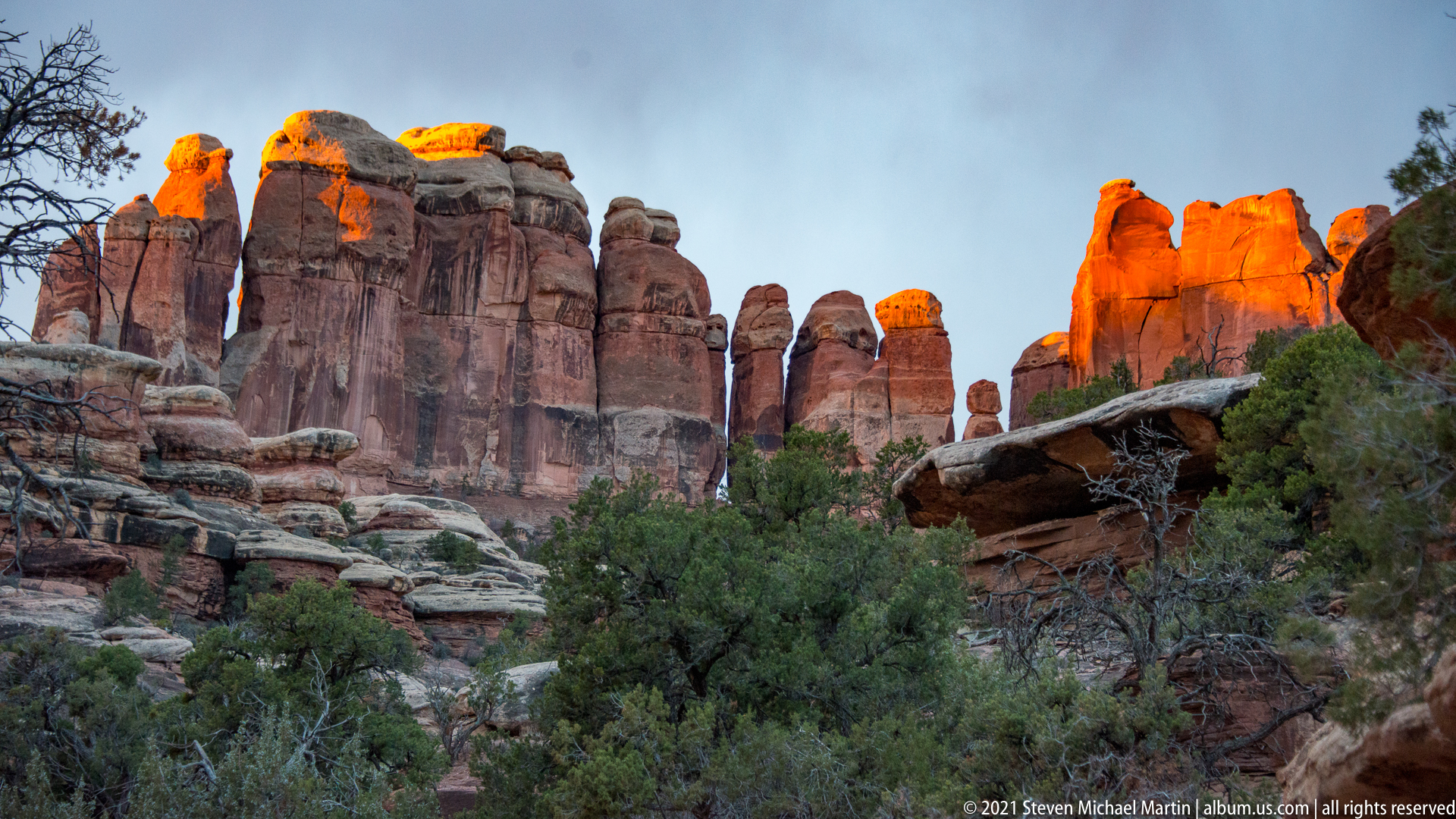
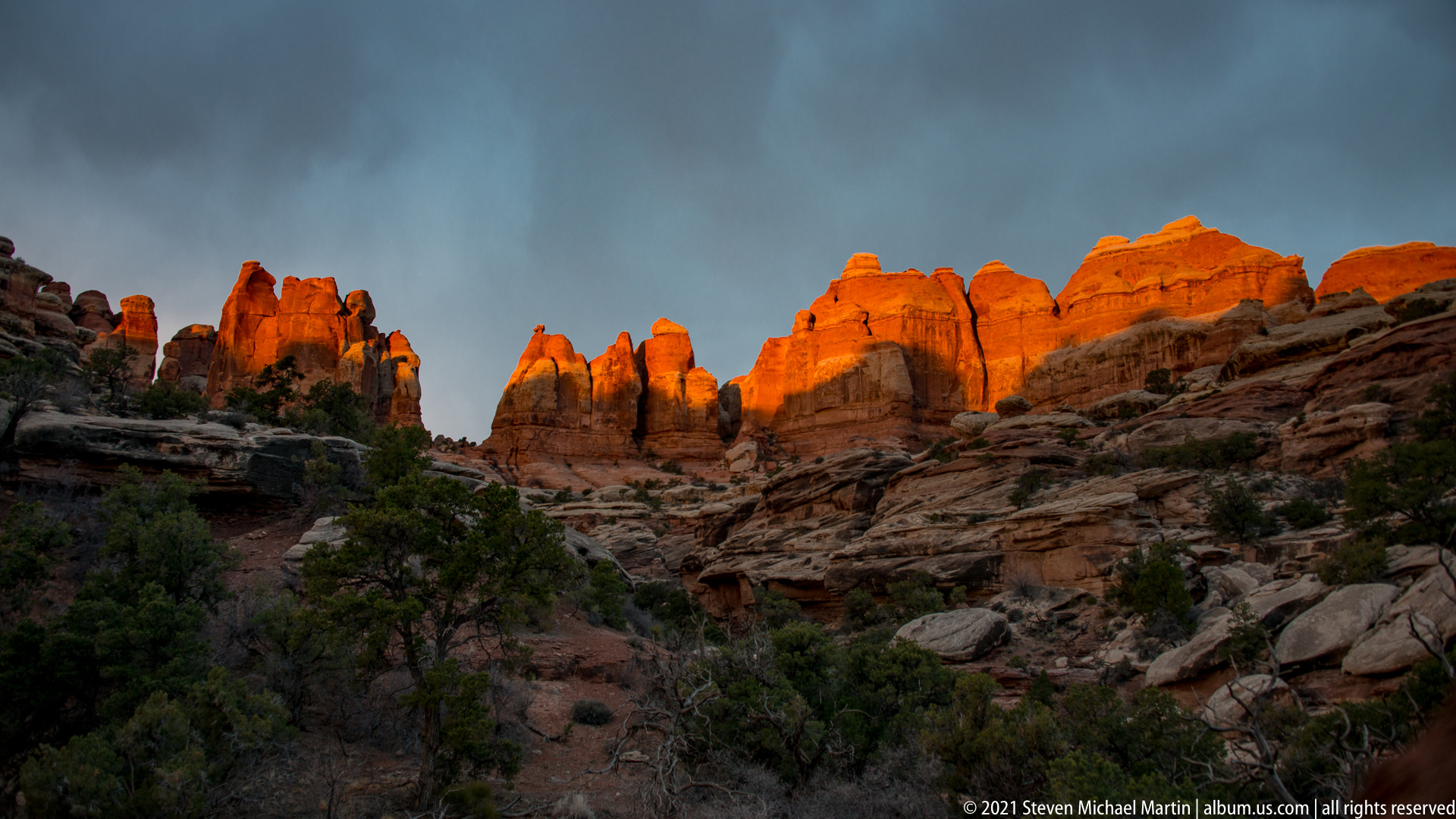
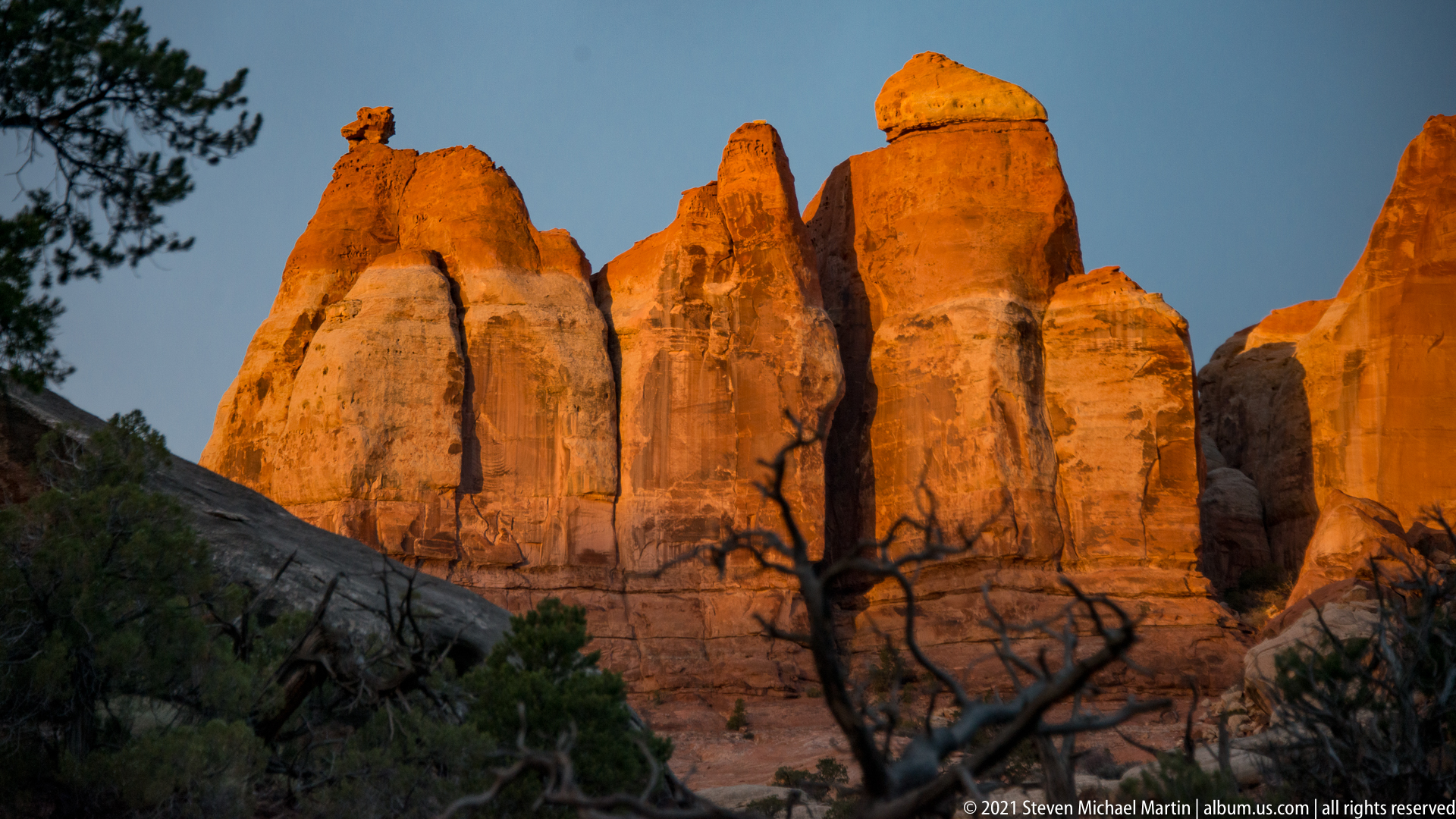
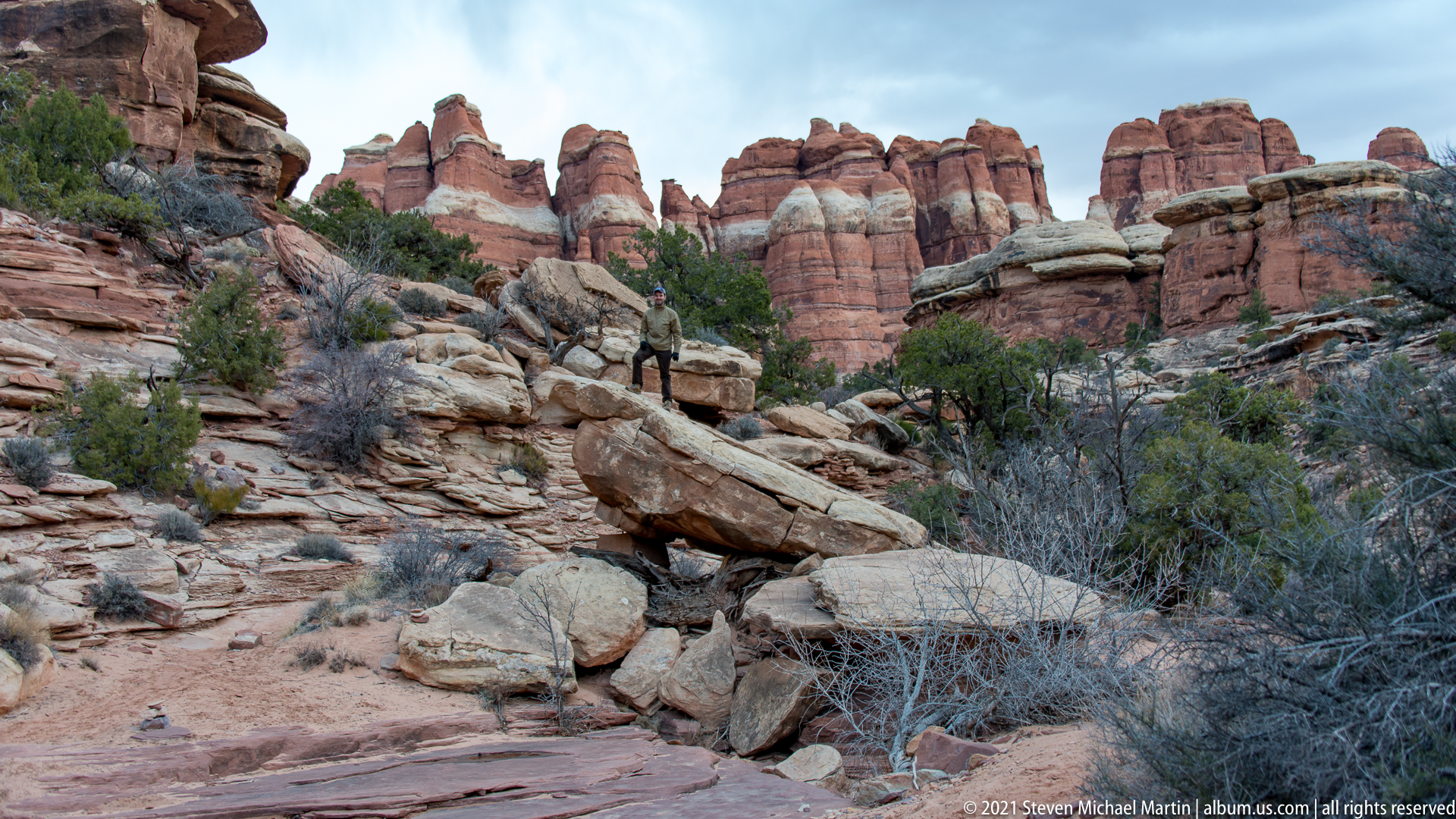
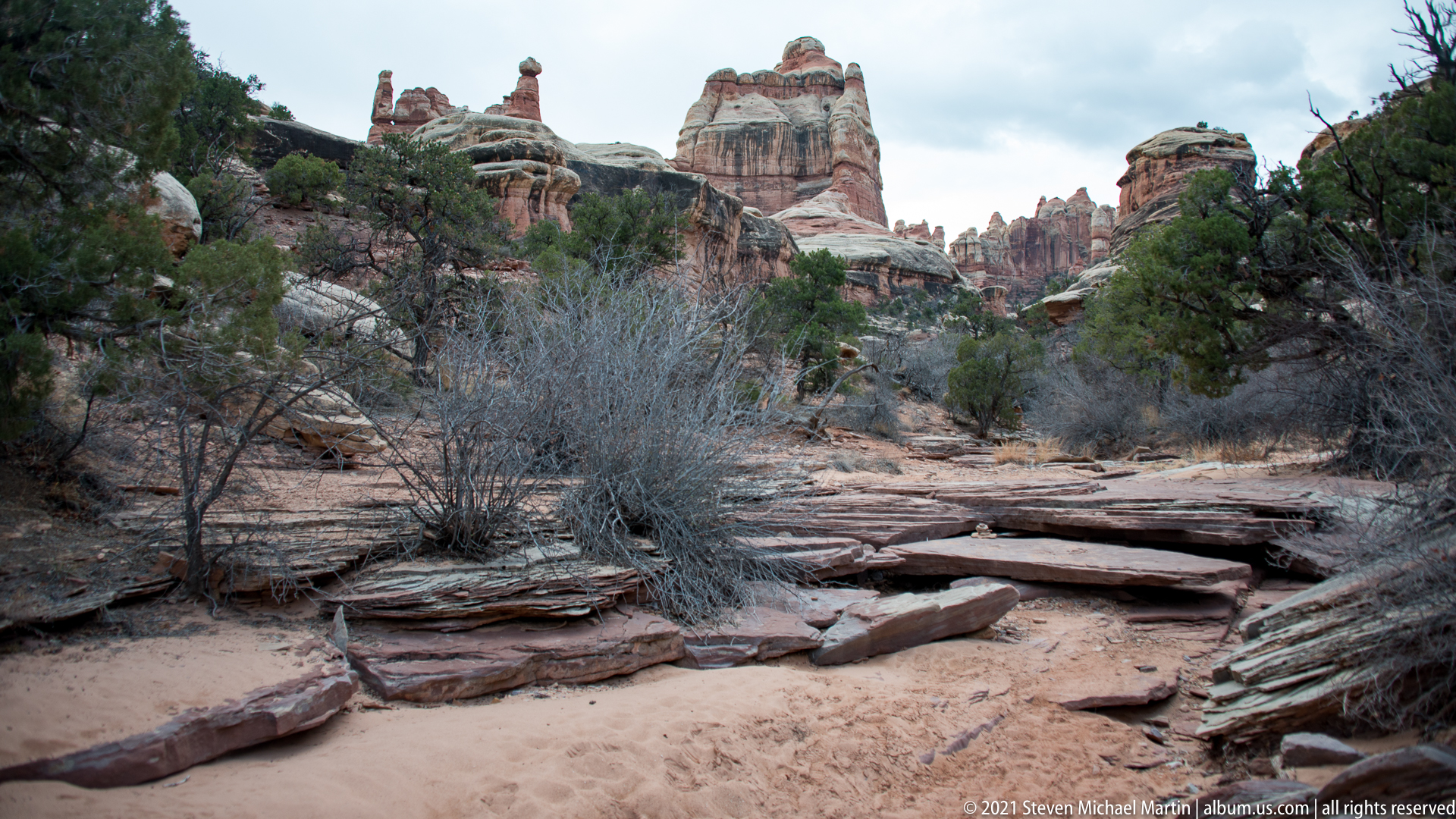
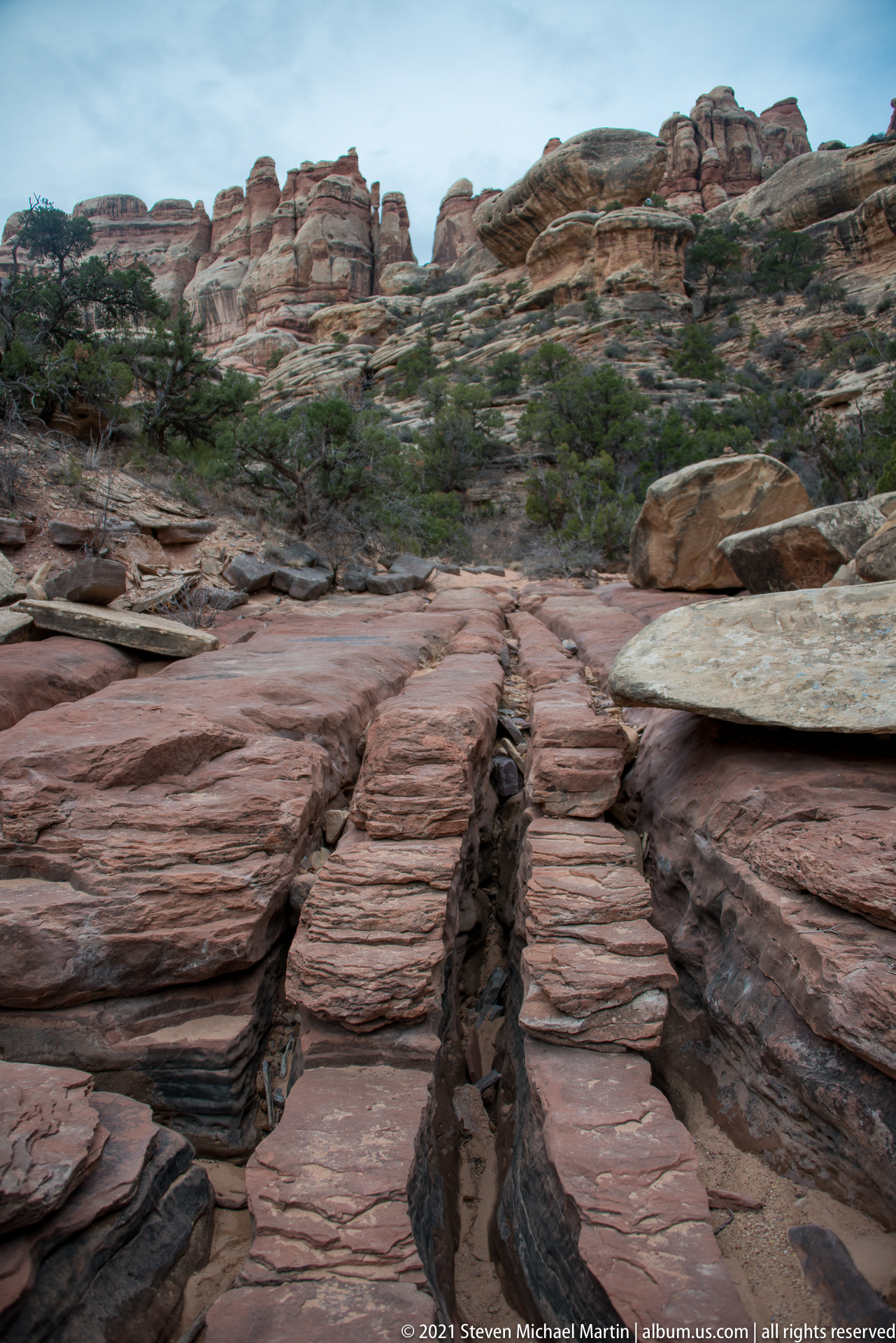
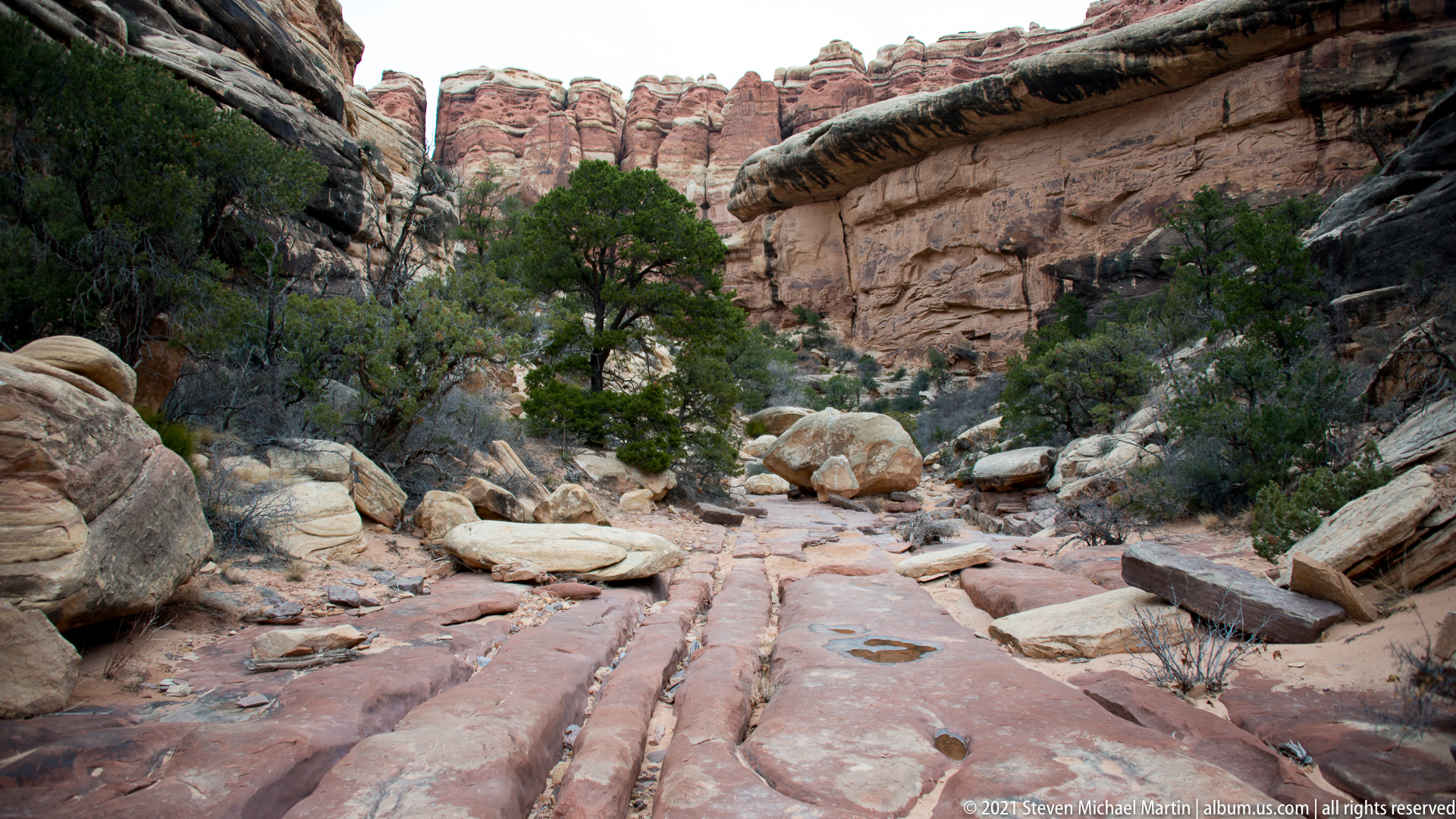
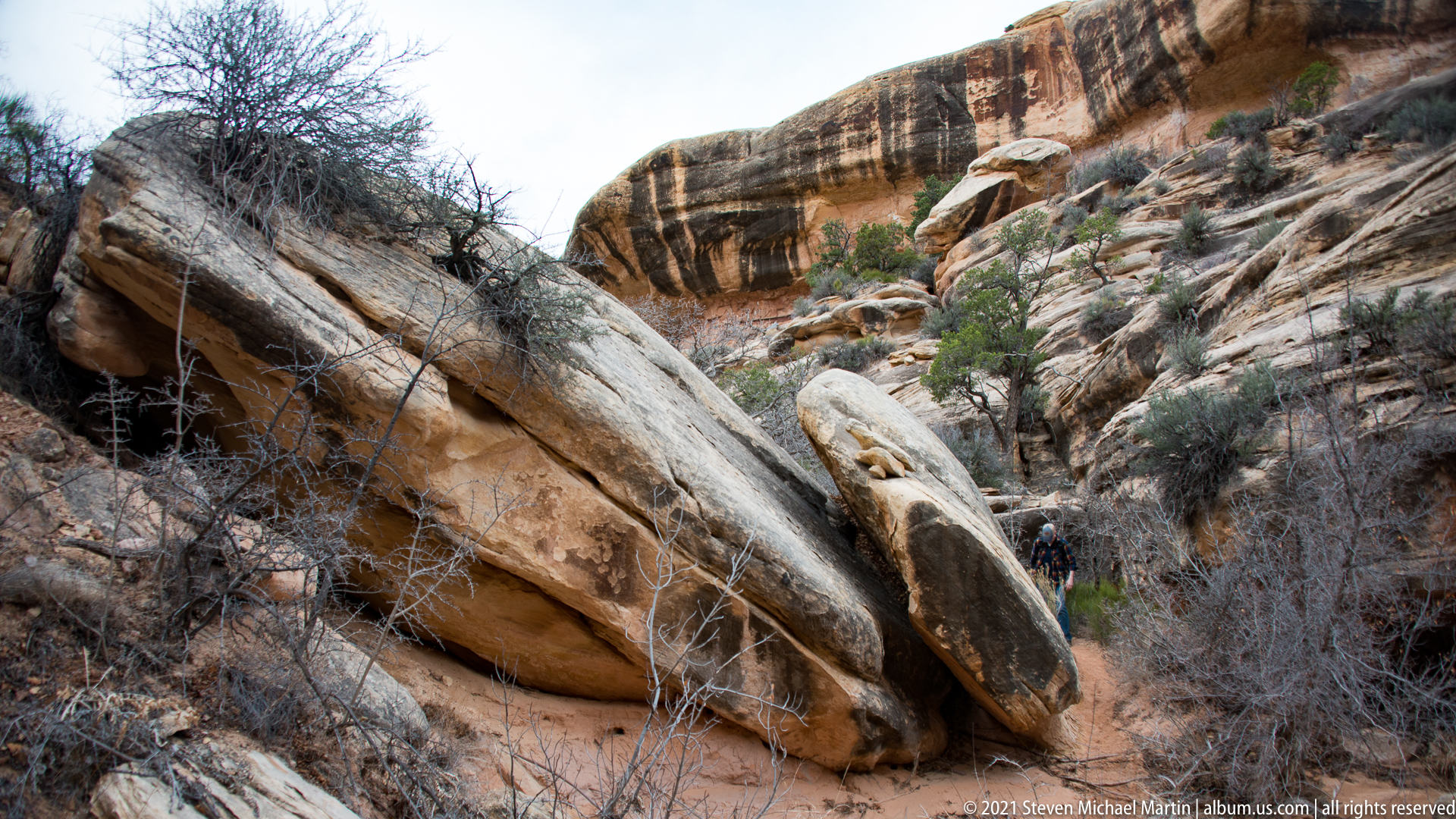
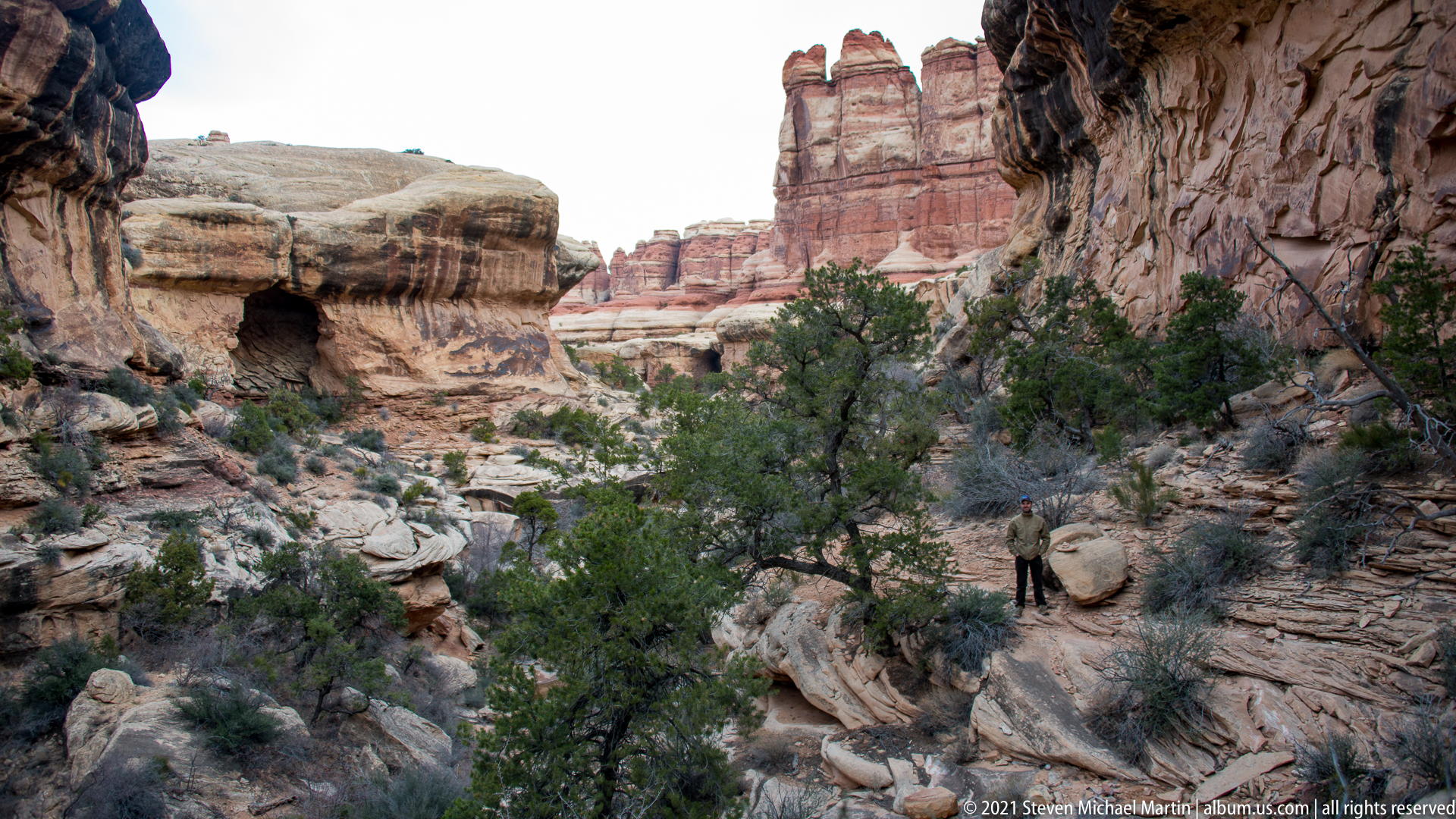
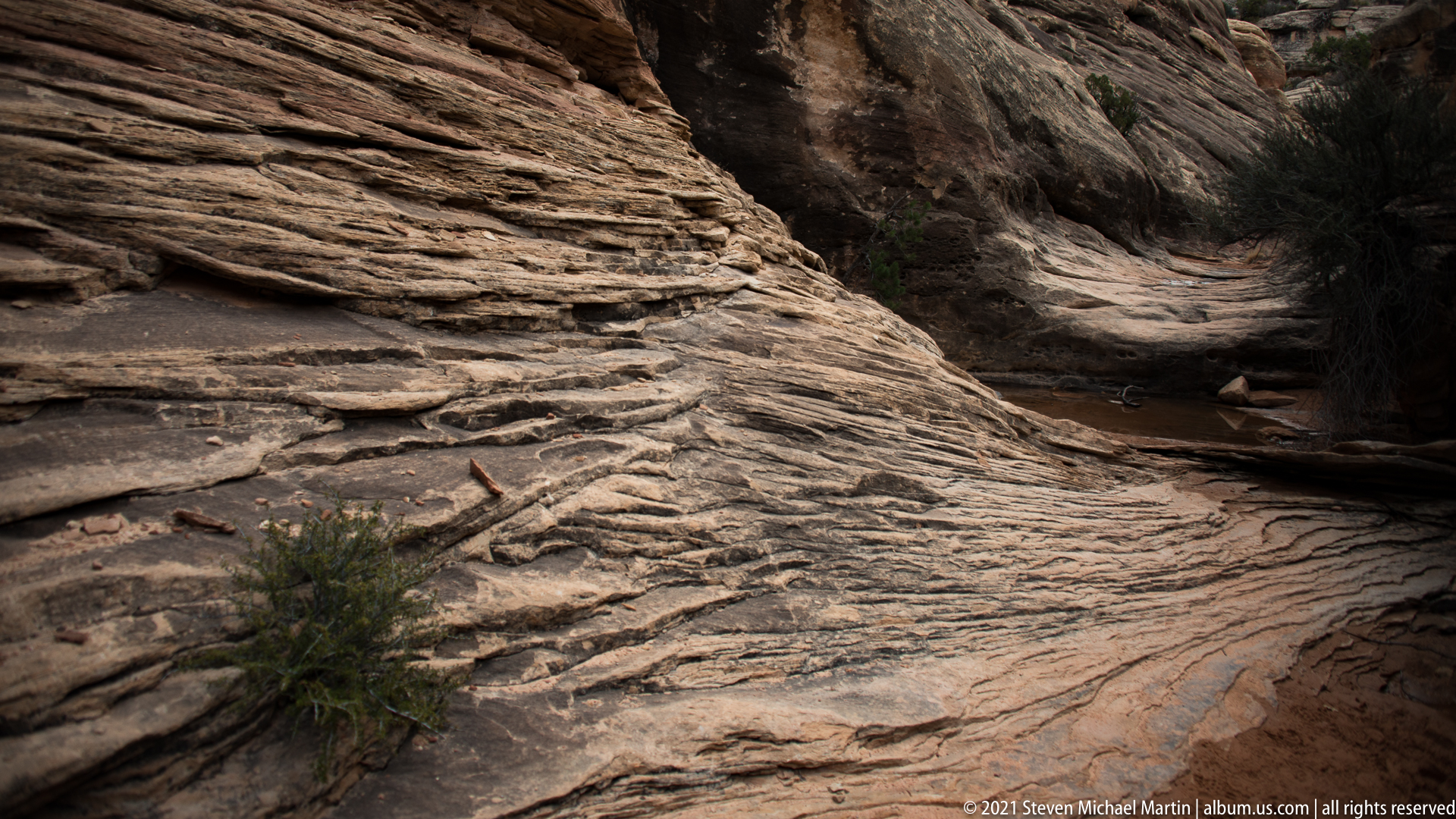
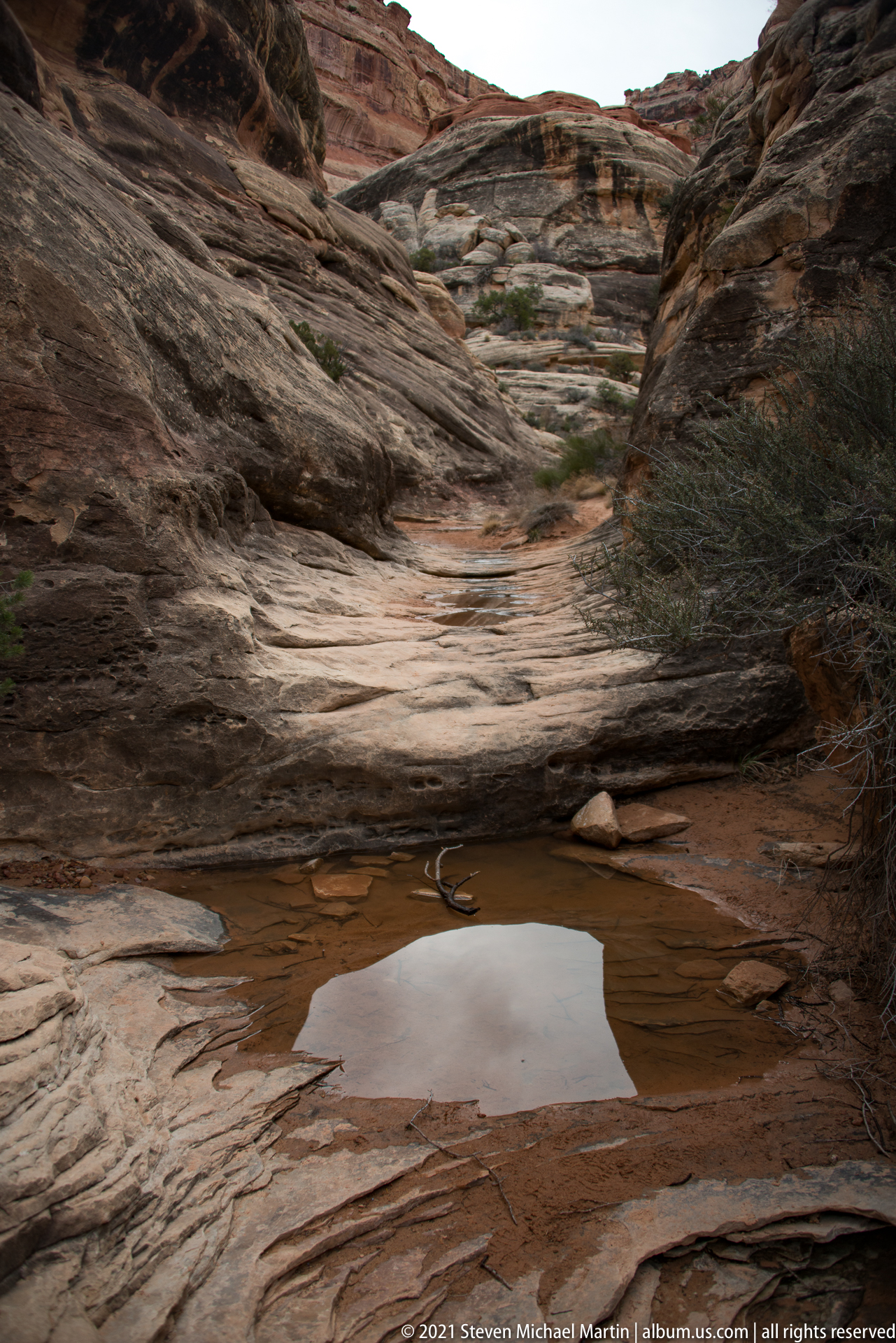
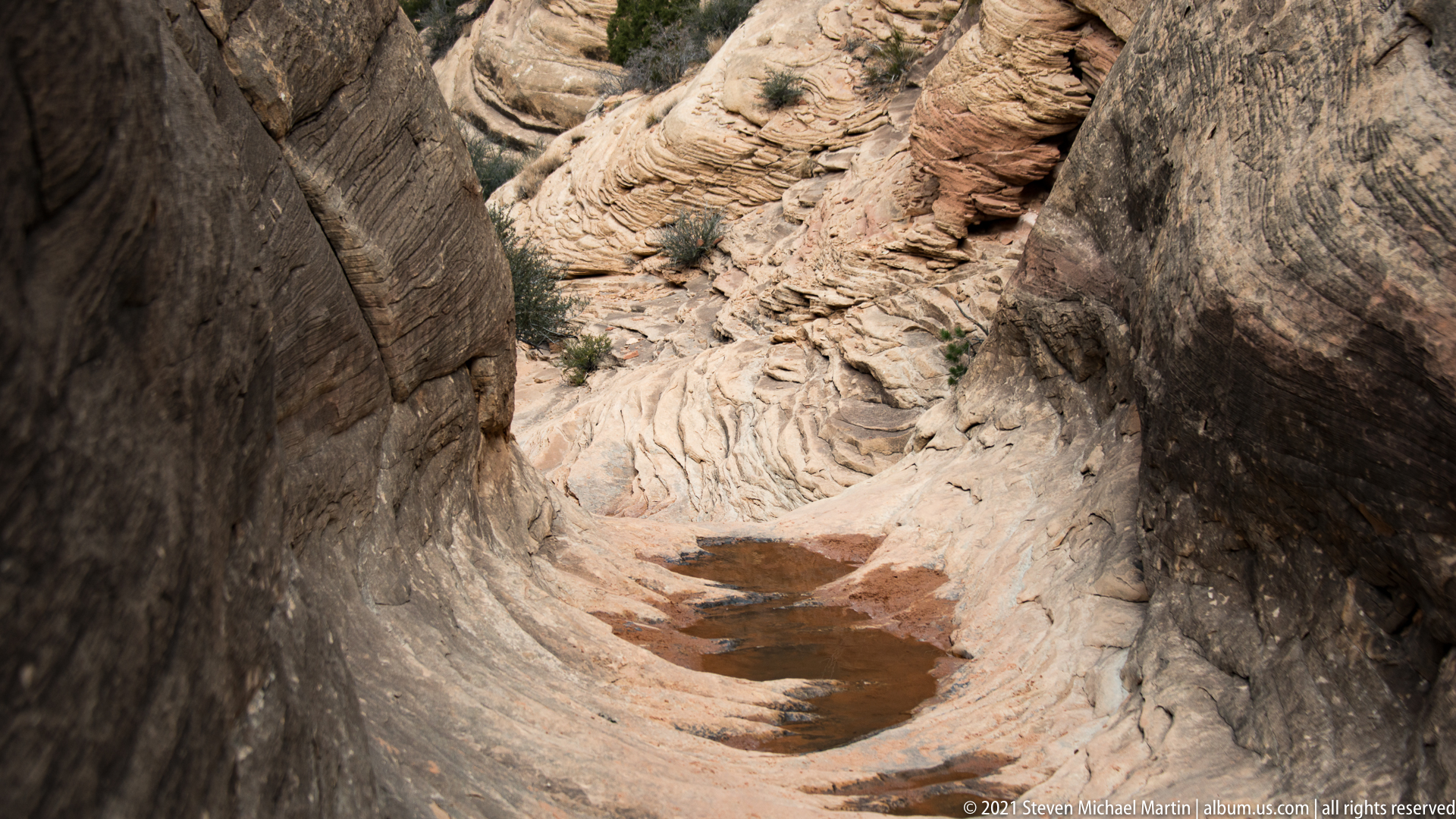
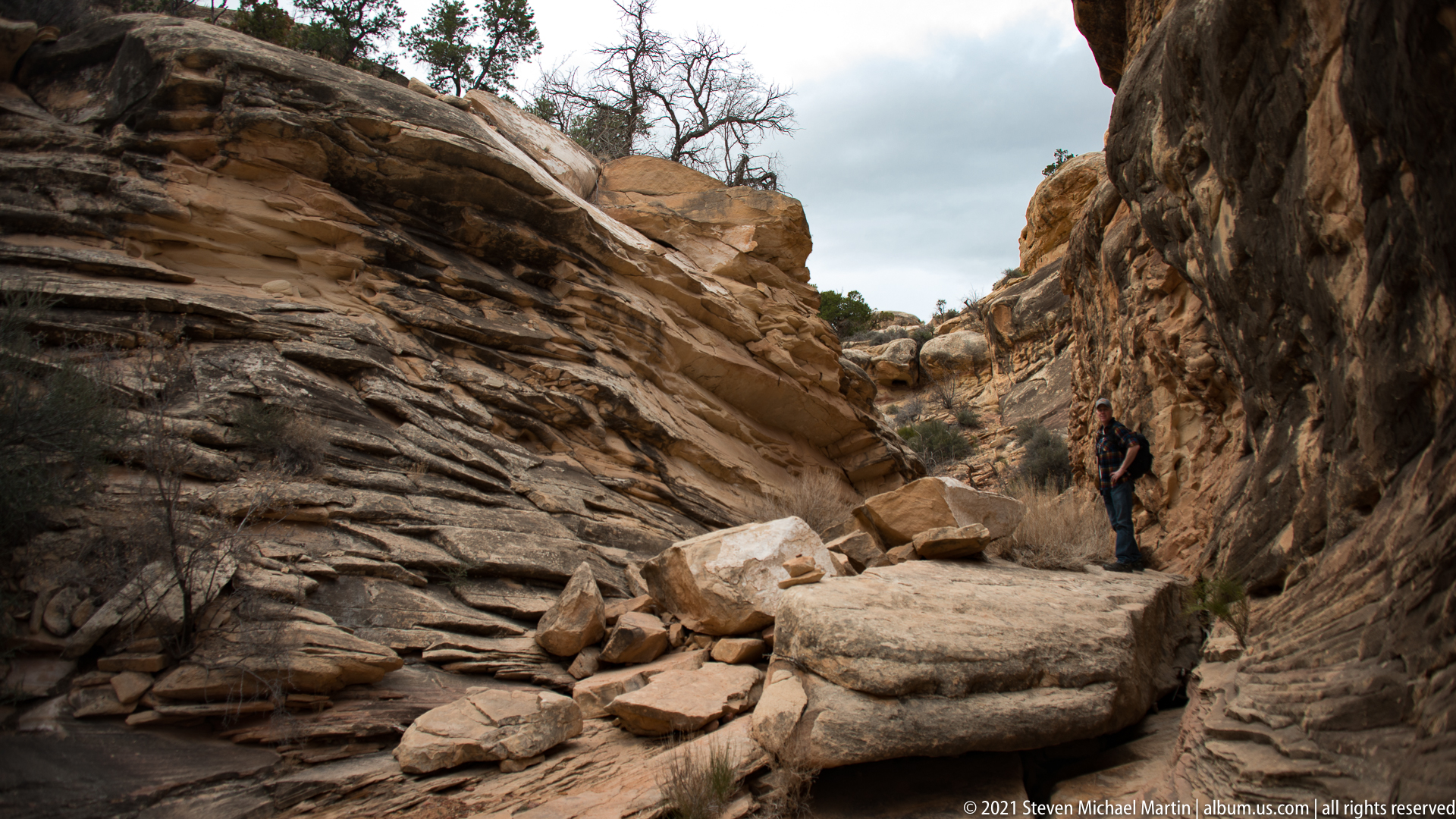
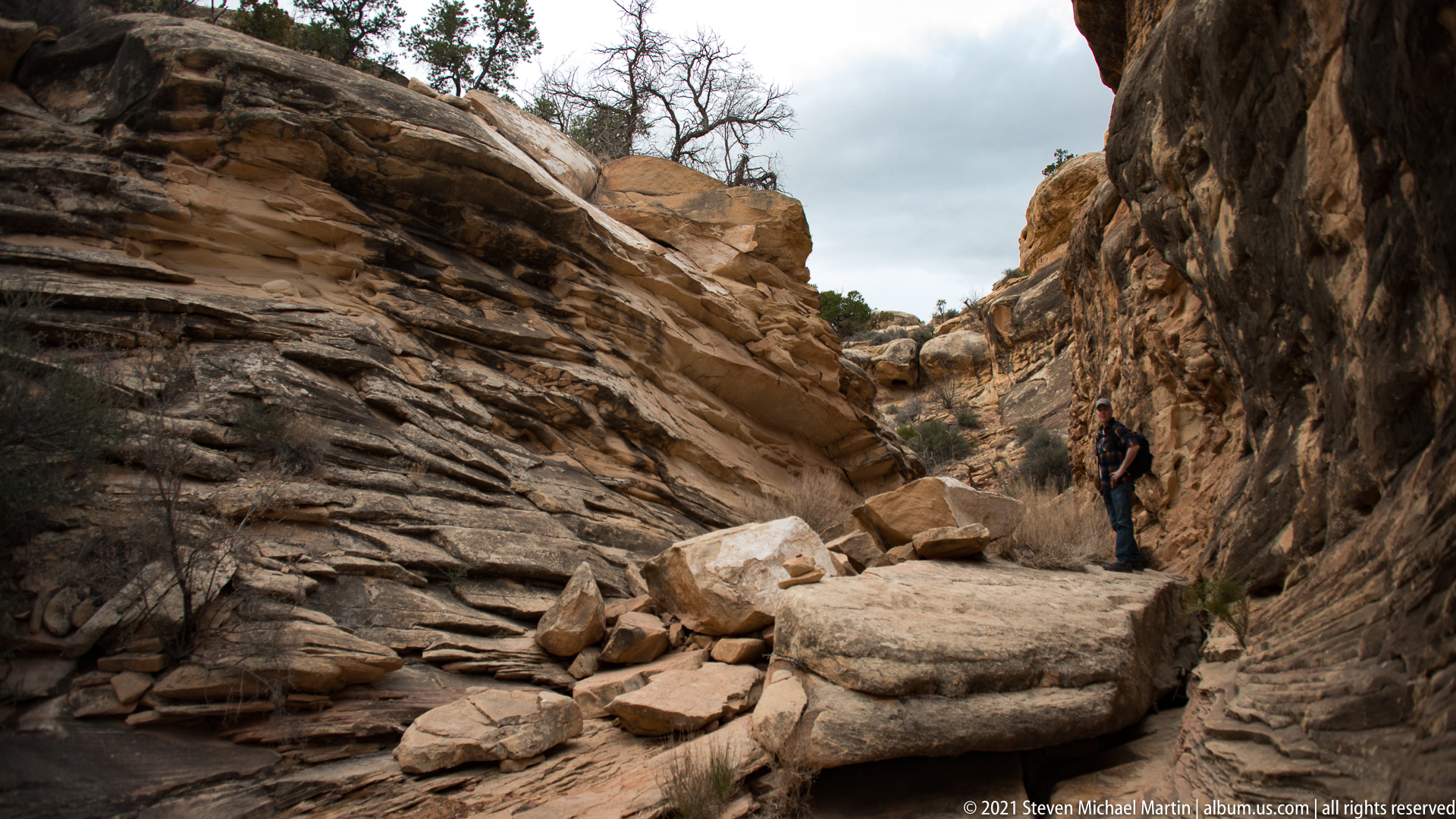
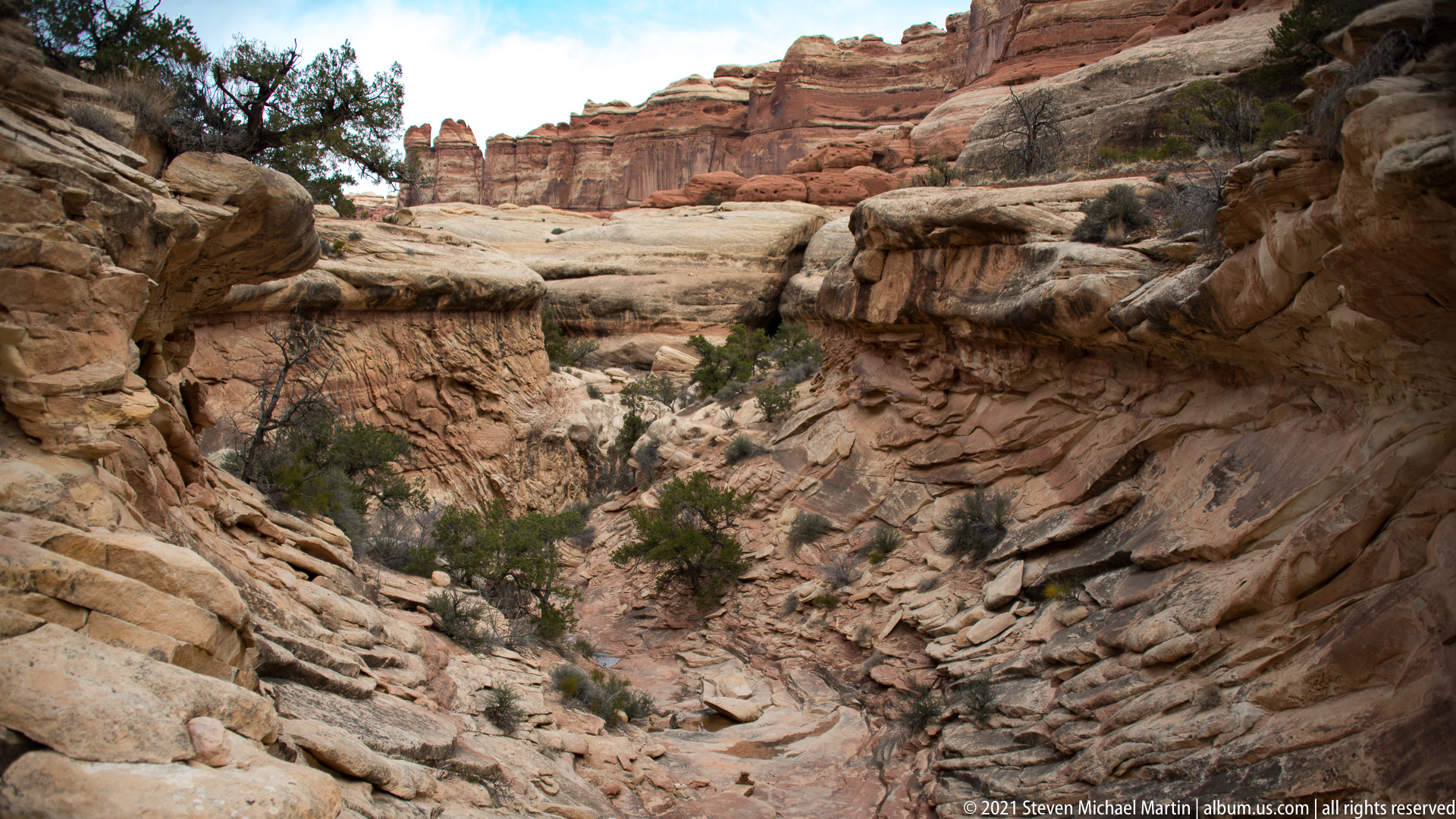
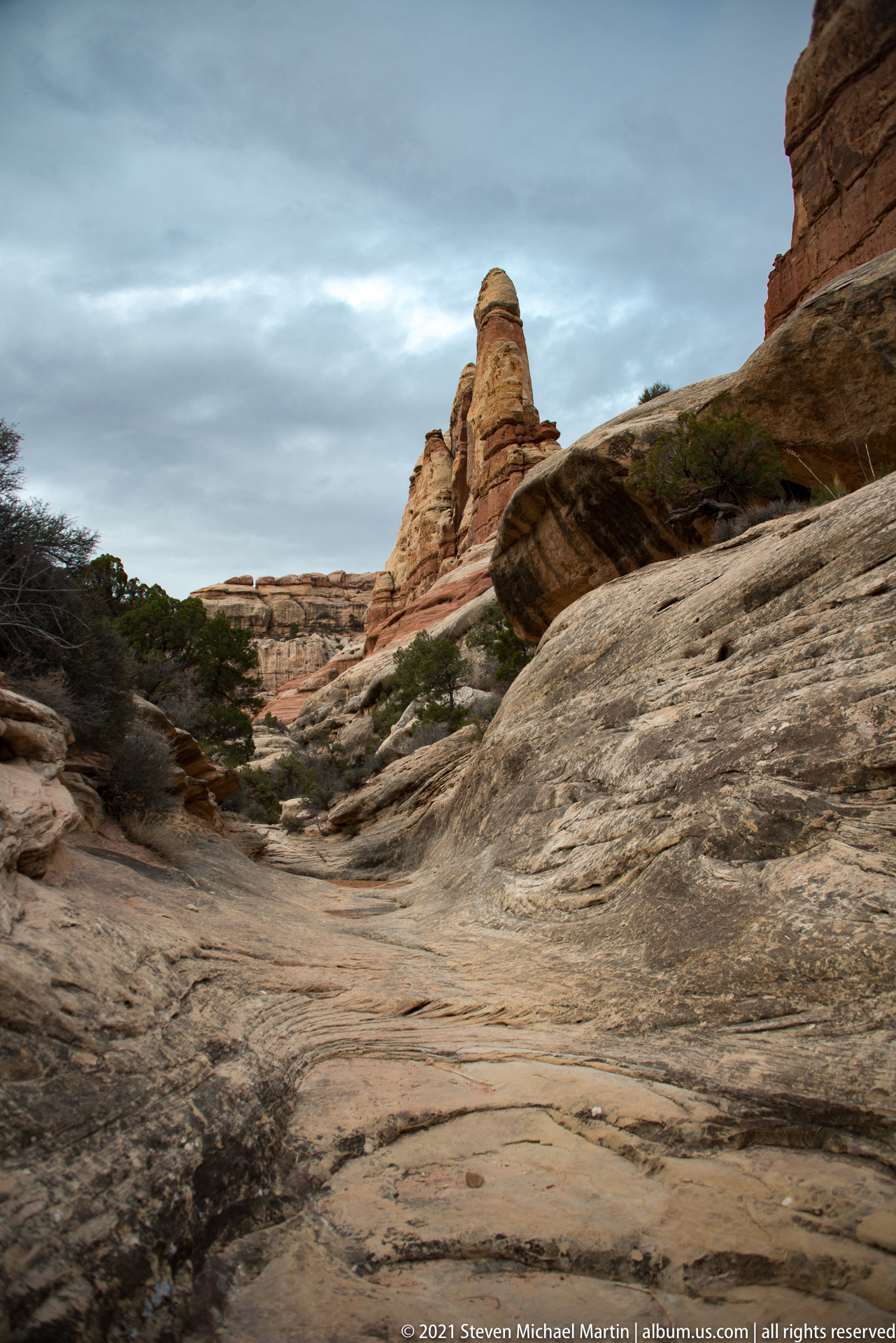
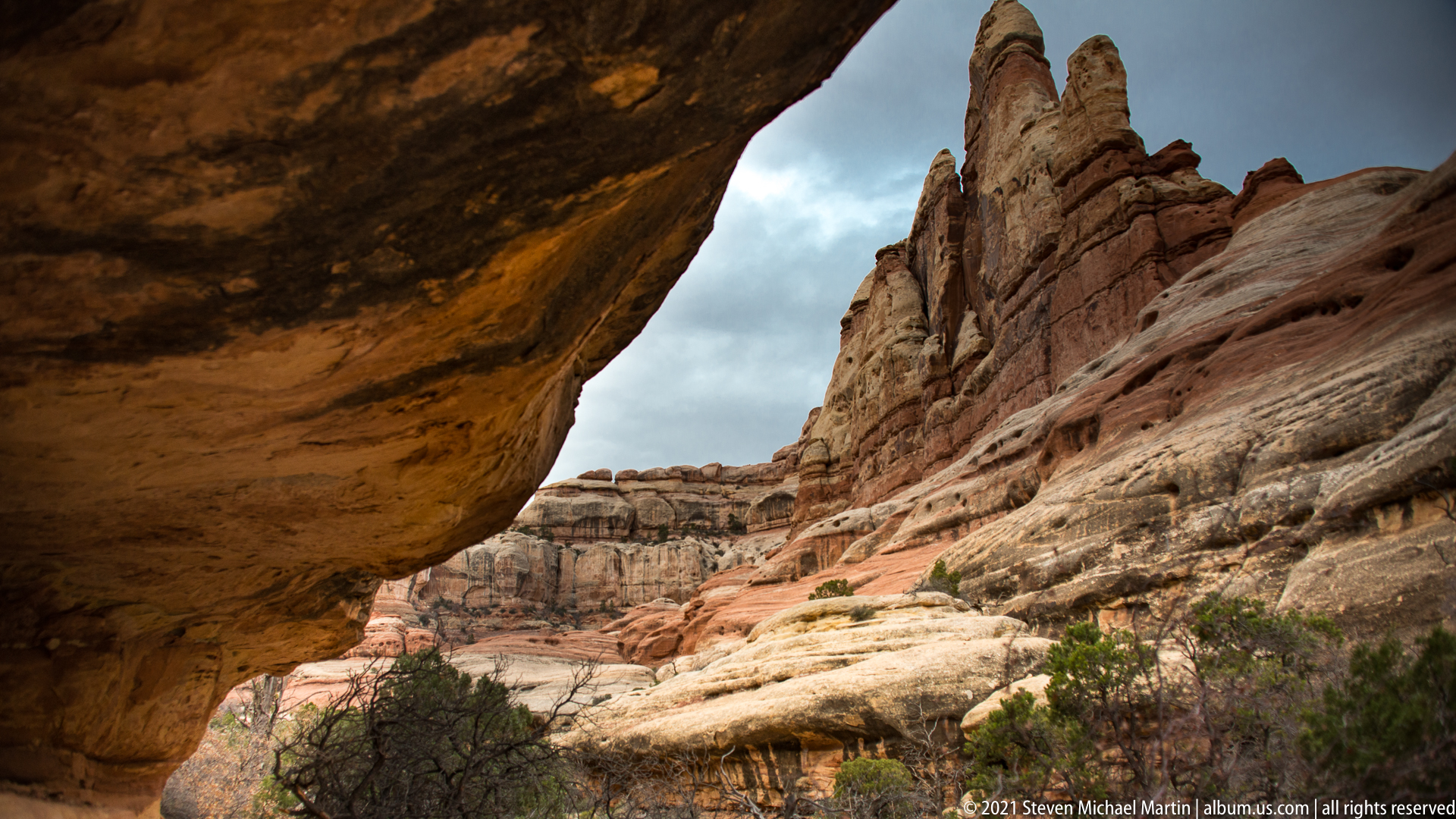
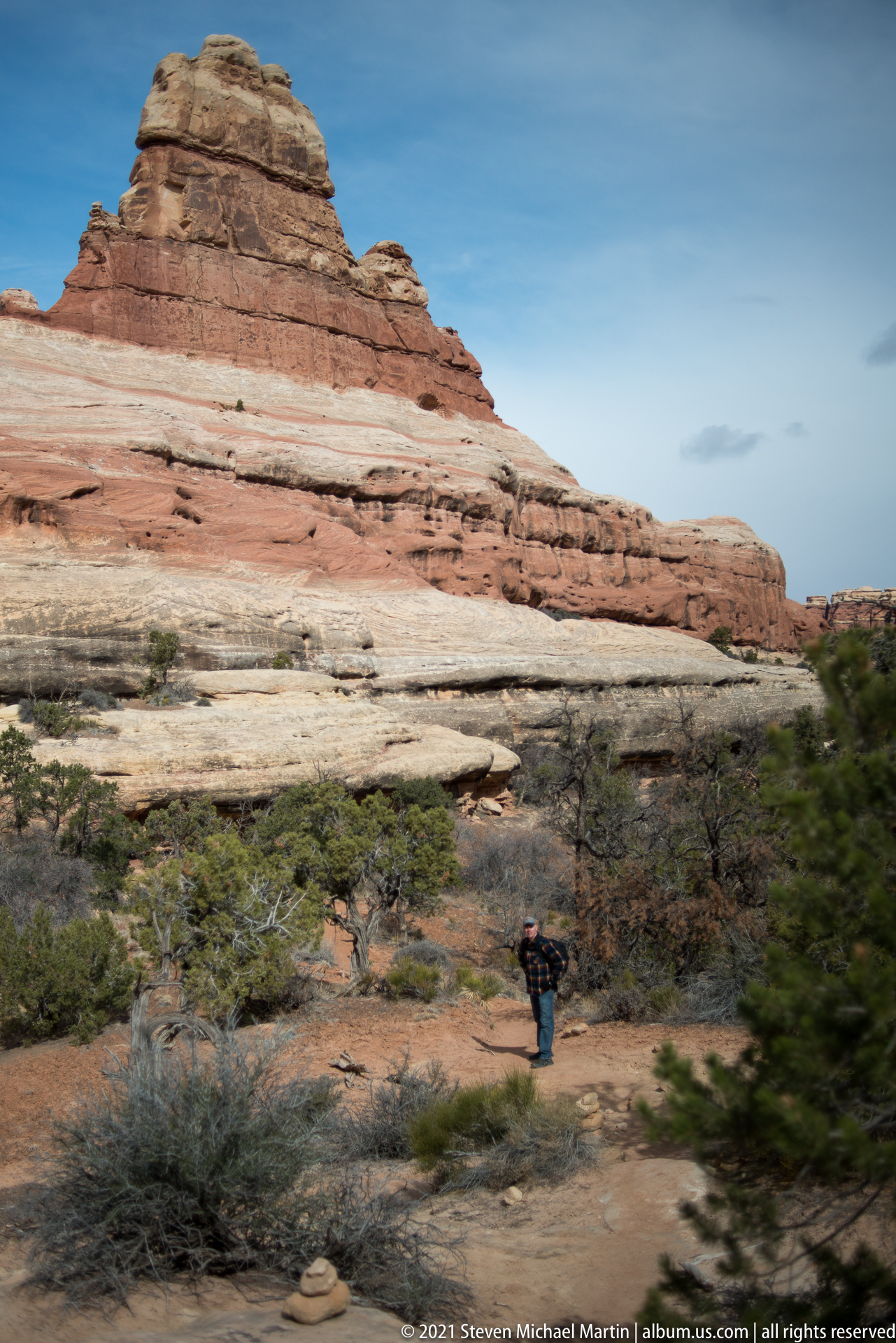
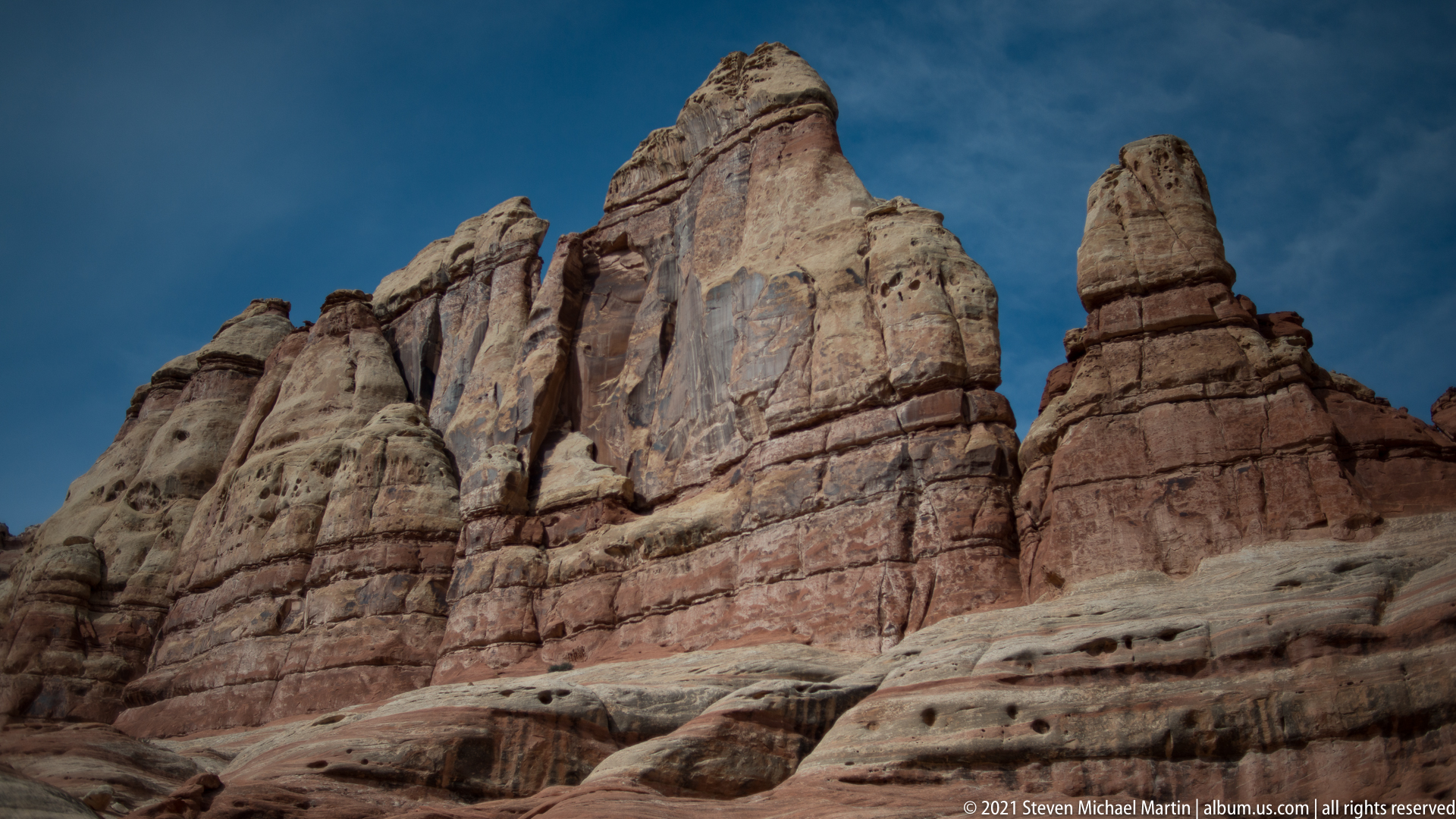
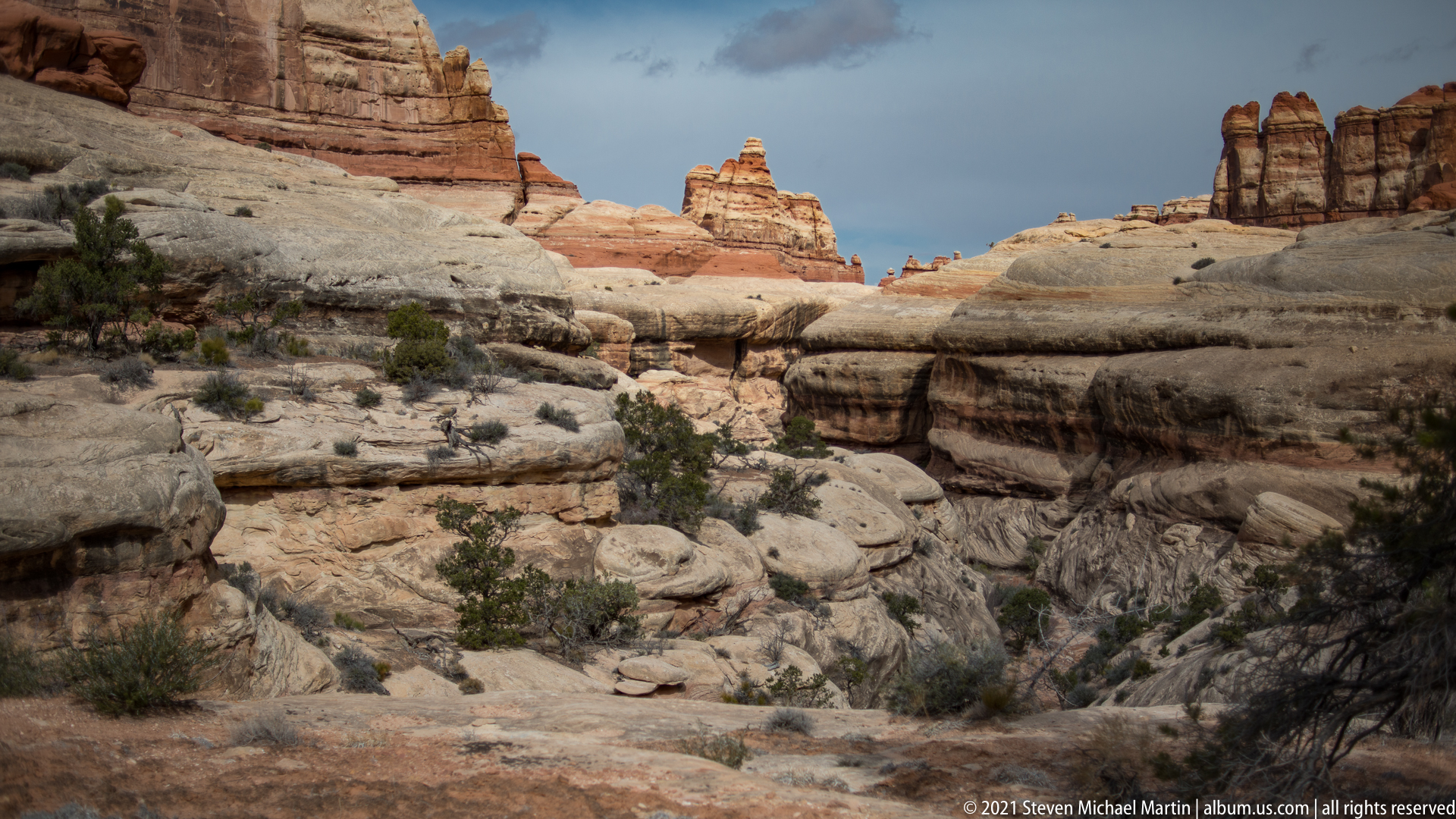
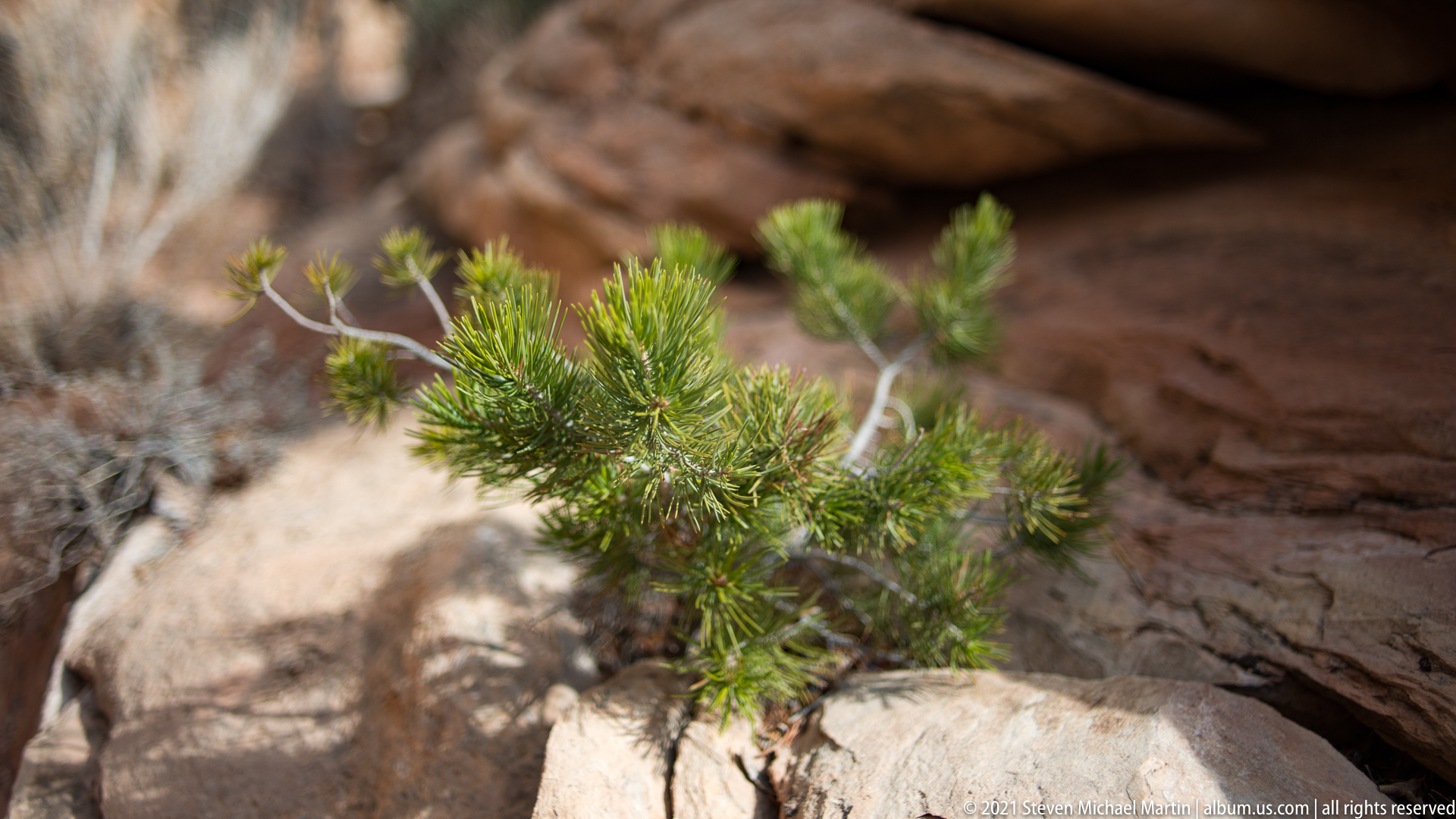
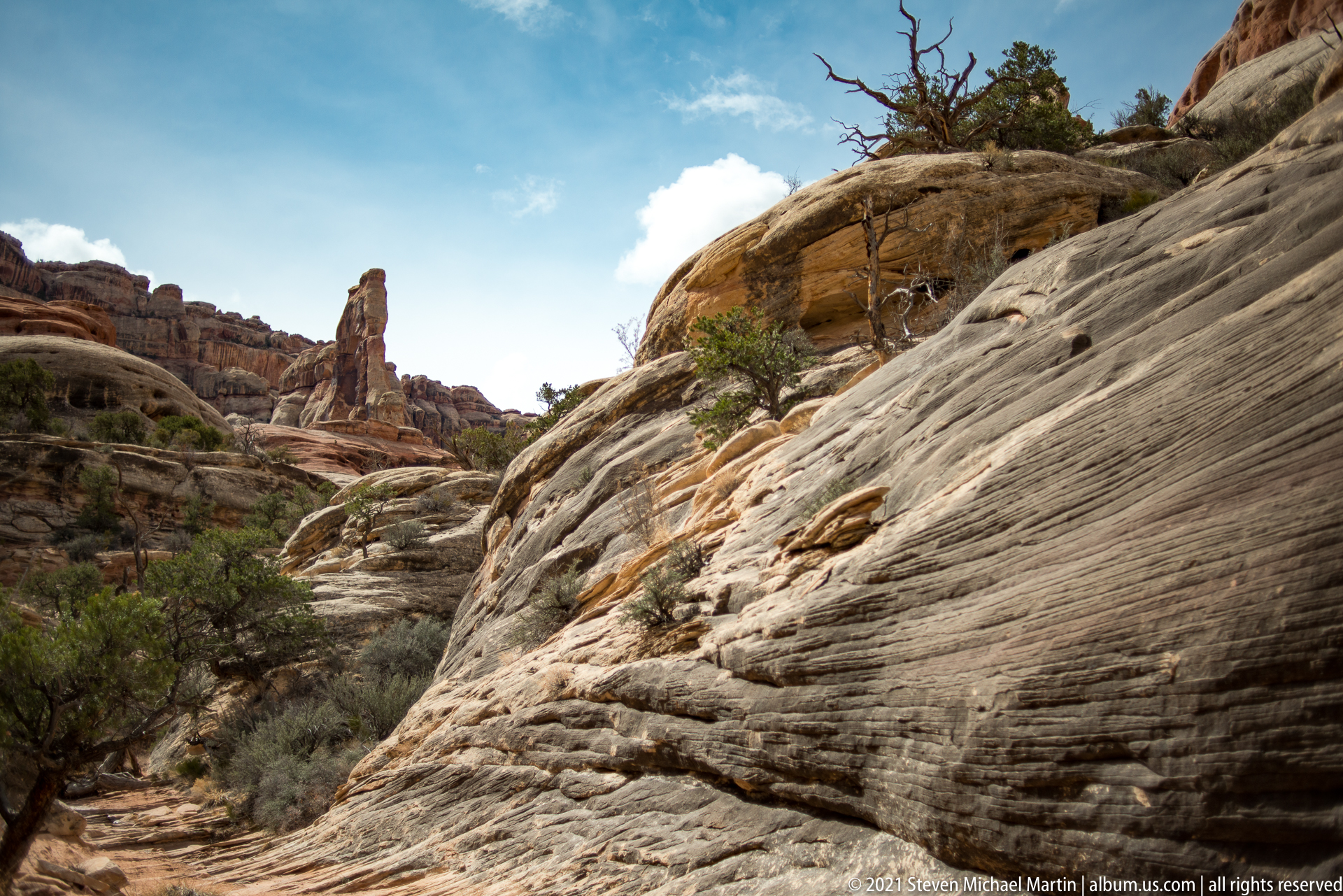
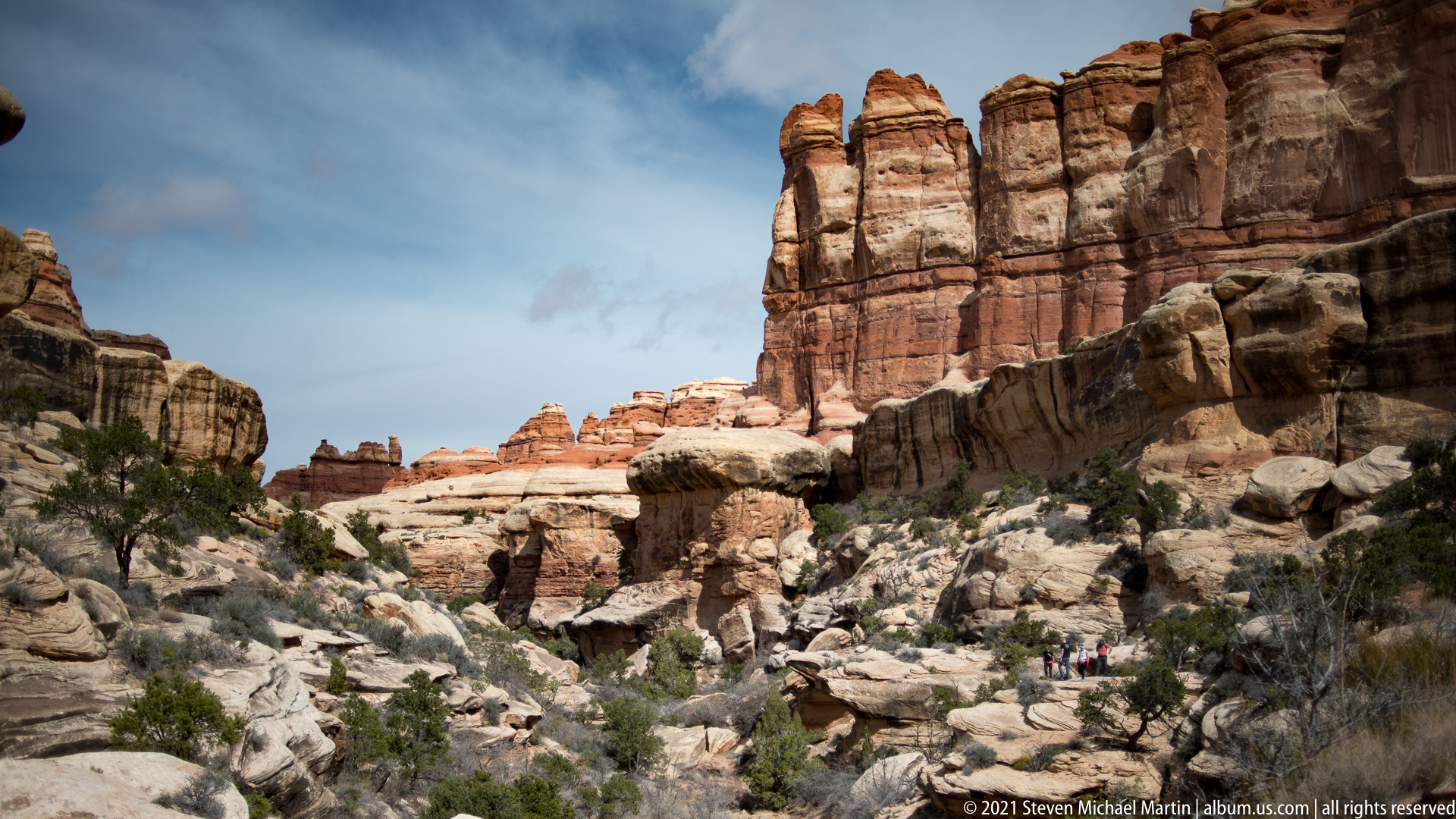
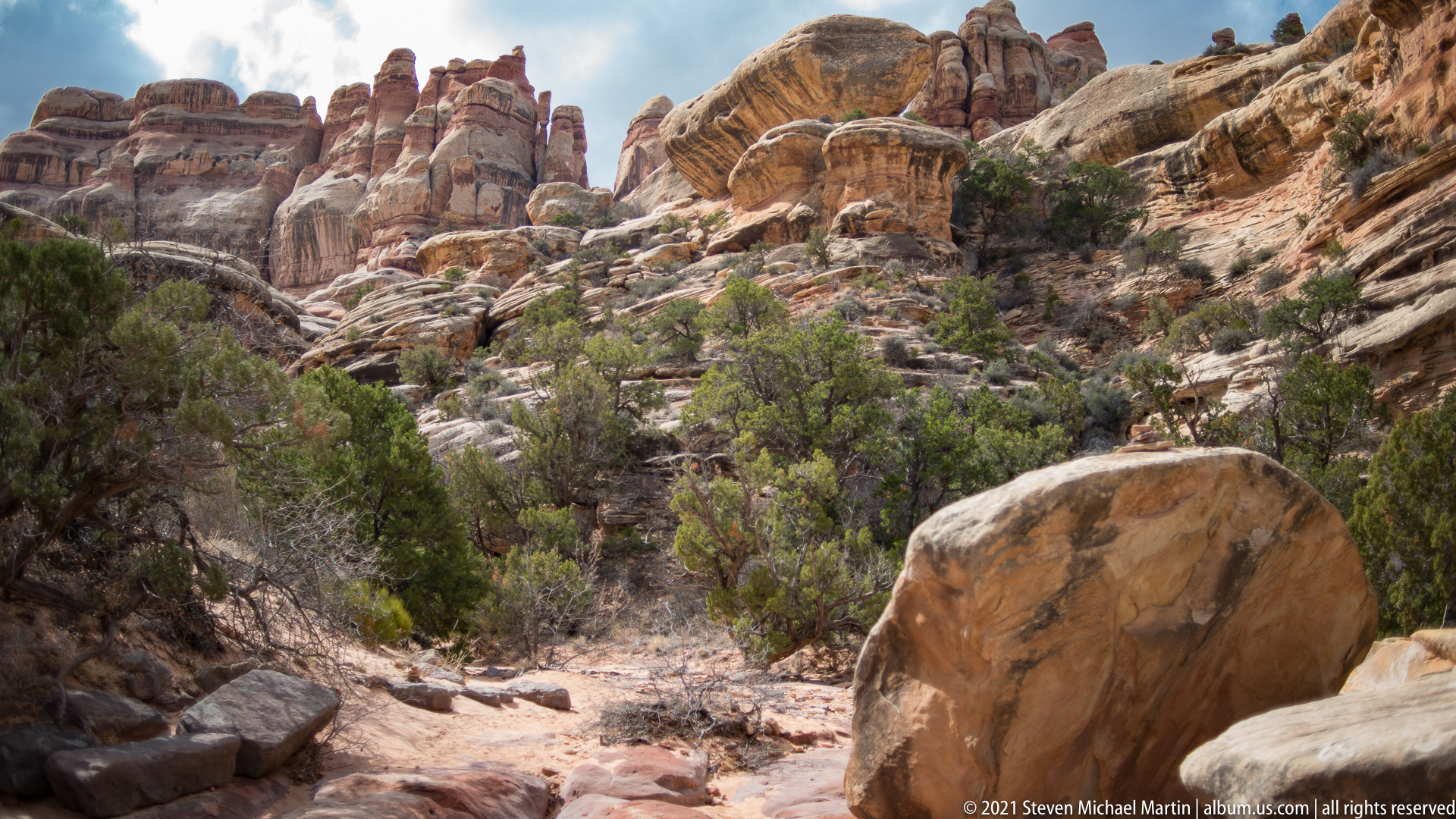
Elephant Canyon preserves a remote desert landscape within Canyonlands National Park characterized by eroded sandstone formations and narrow canyon corridors shaped by long-term geological processes. The canyon lies within the Needles District, an area known for colorful rock formations and complex erosional features. The surrounding terrain reflects the influence of tectonic uplift and water erosion across the Colorado Plateau.
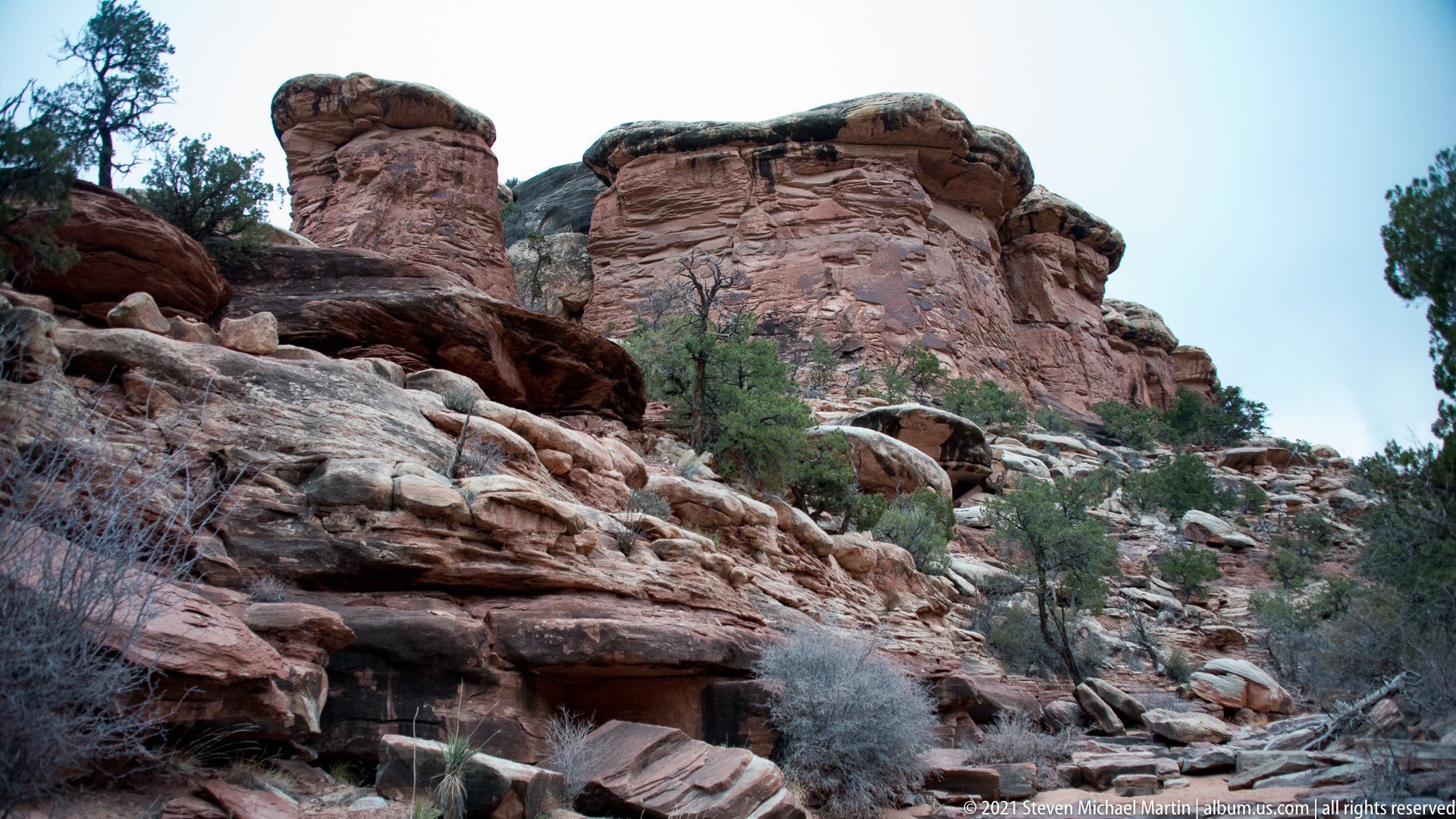
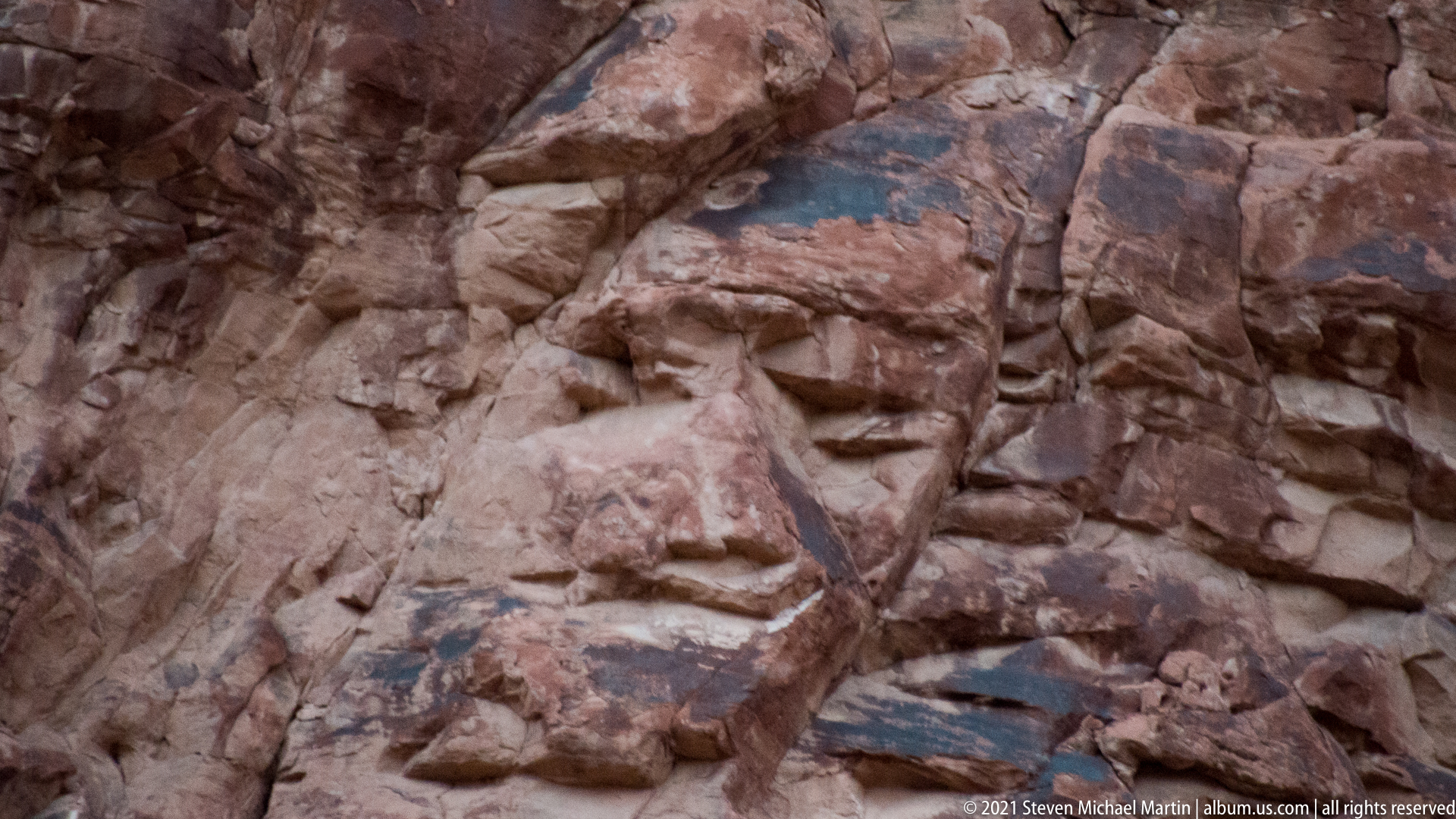
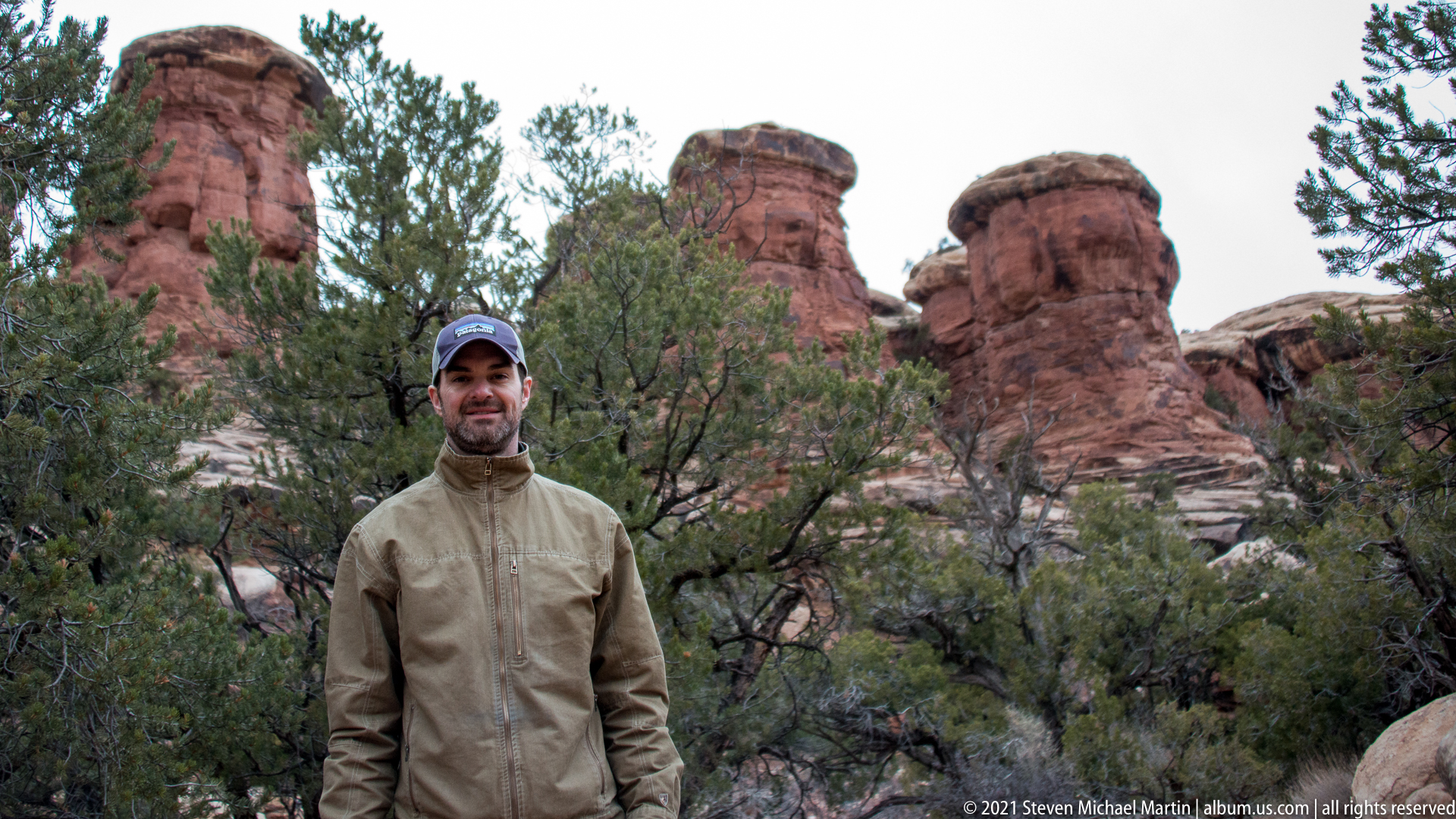
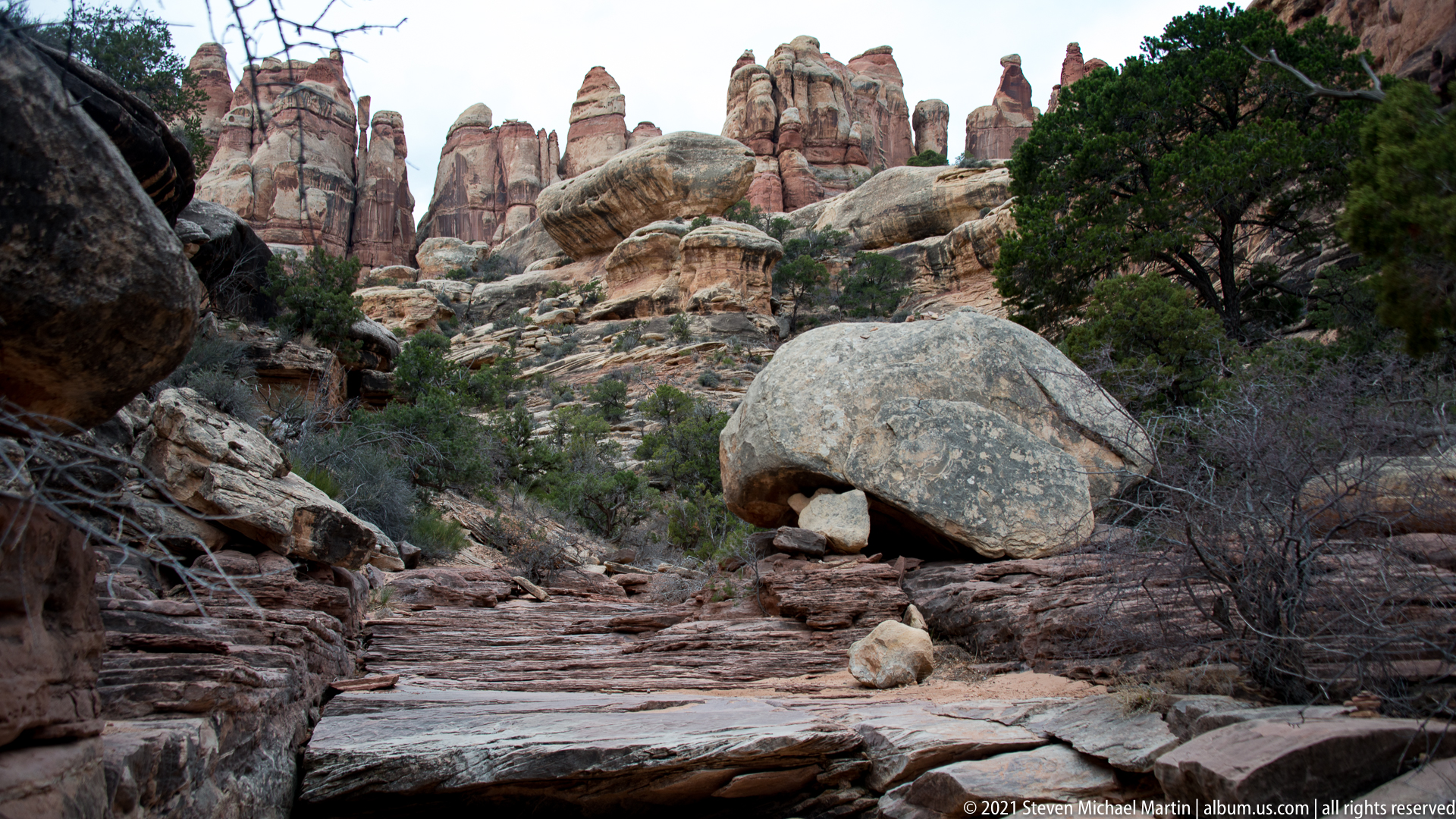
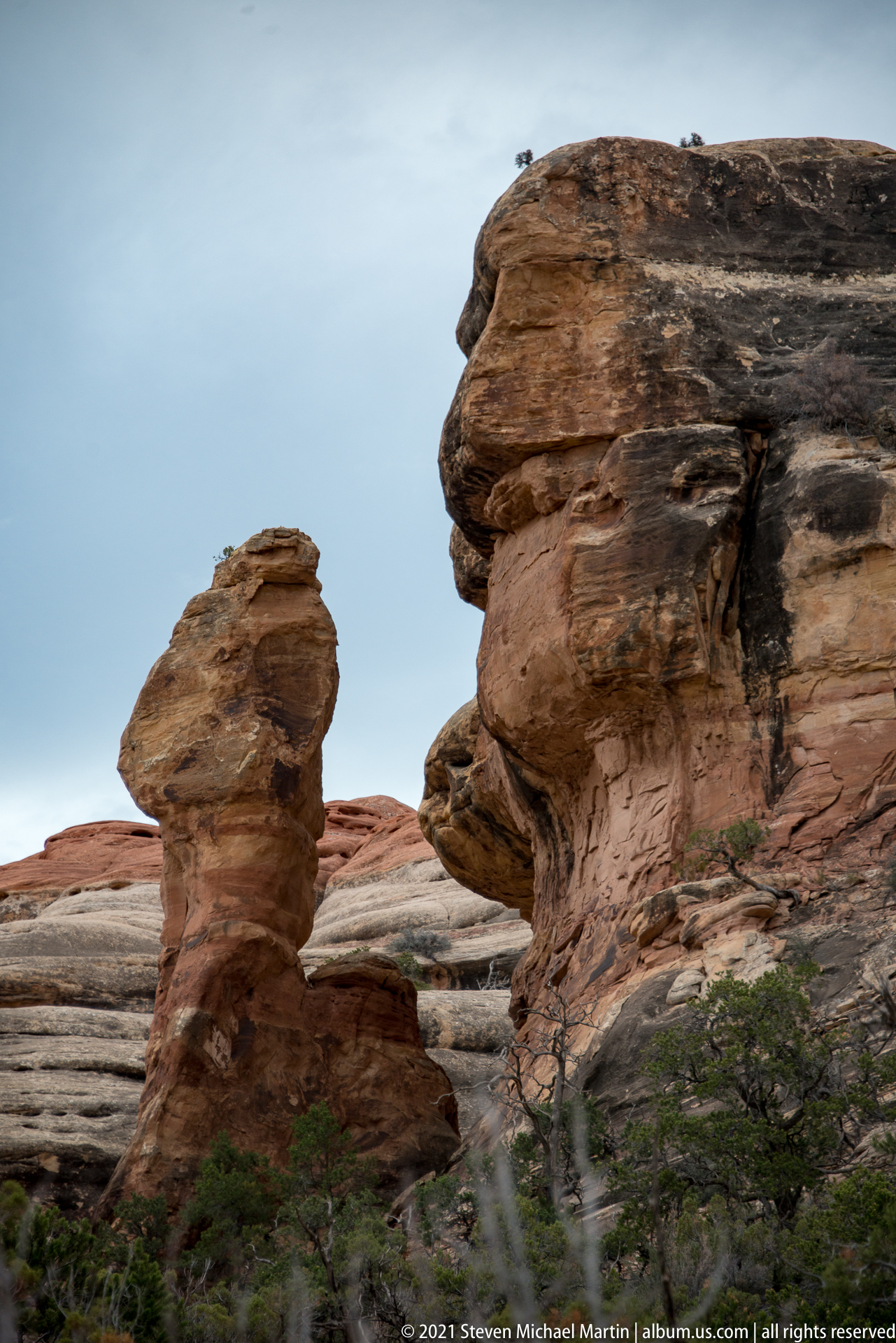
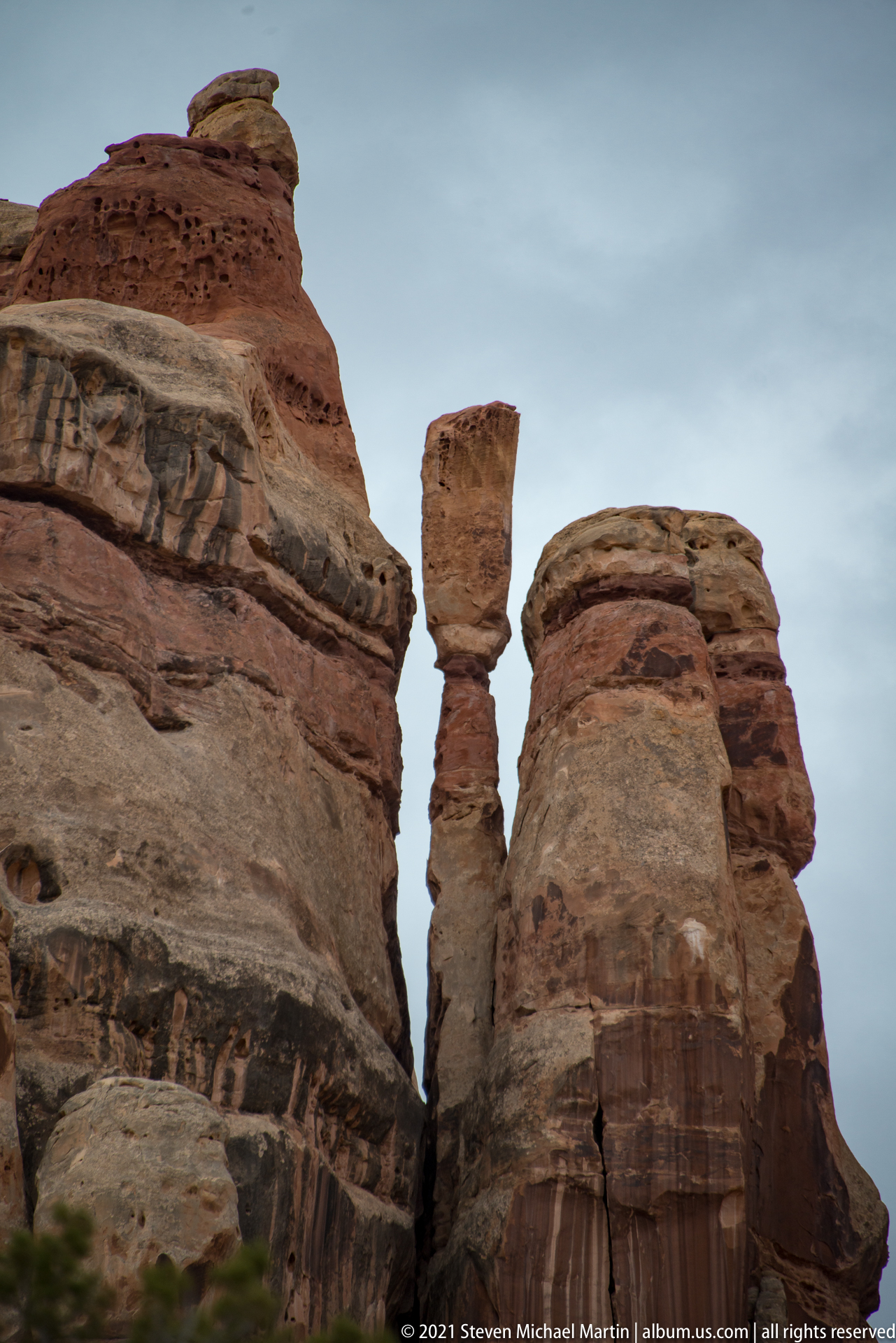
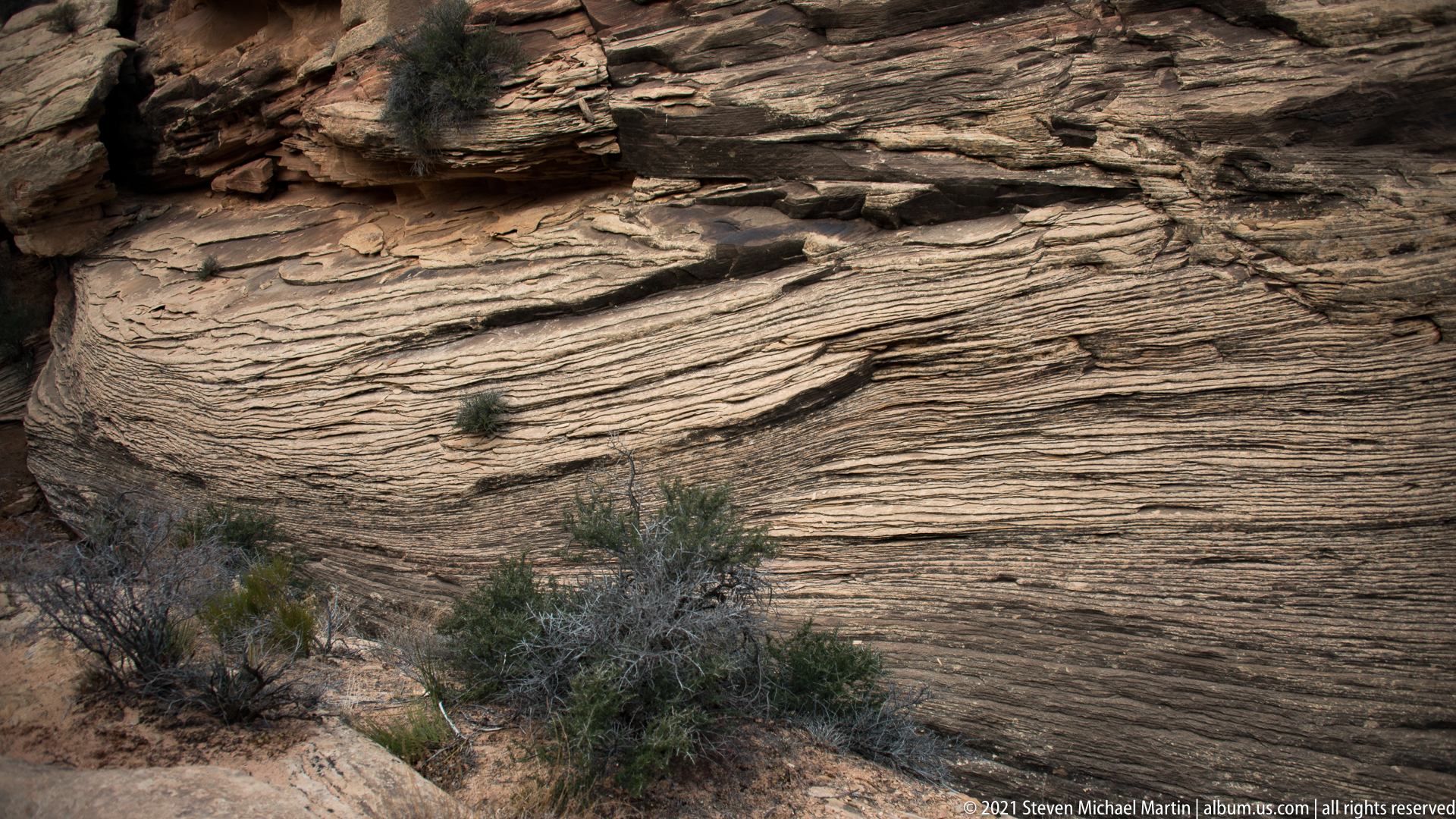
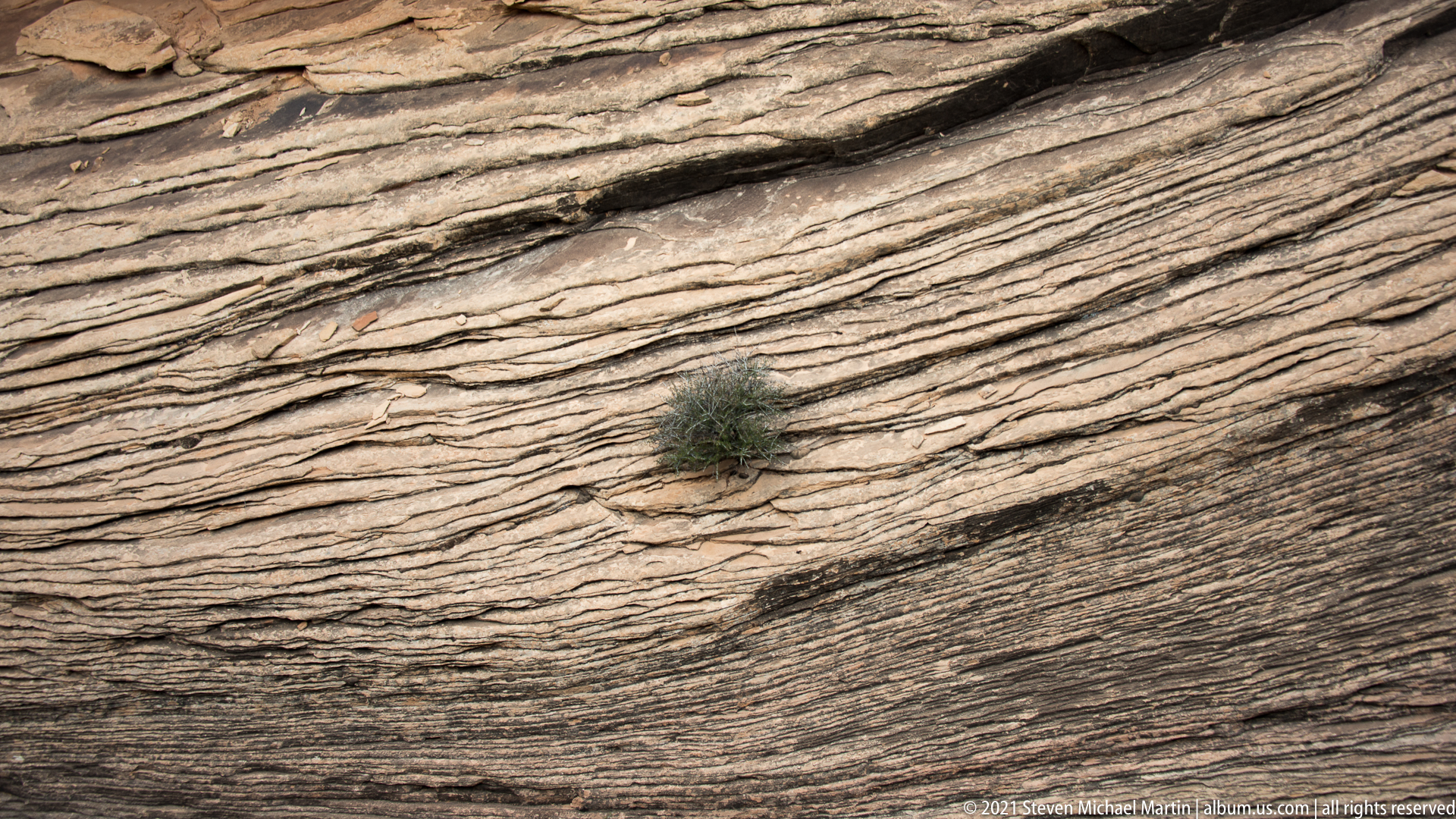
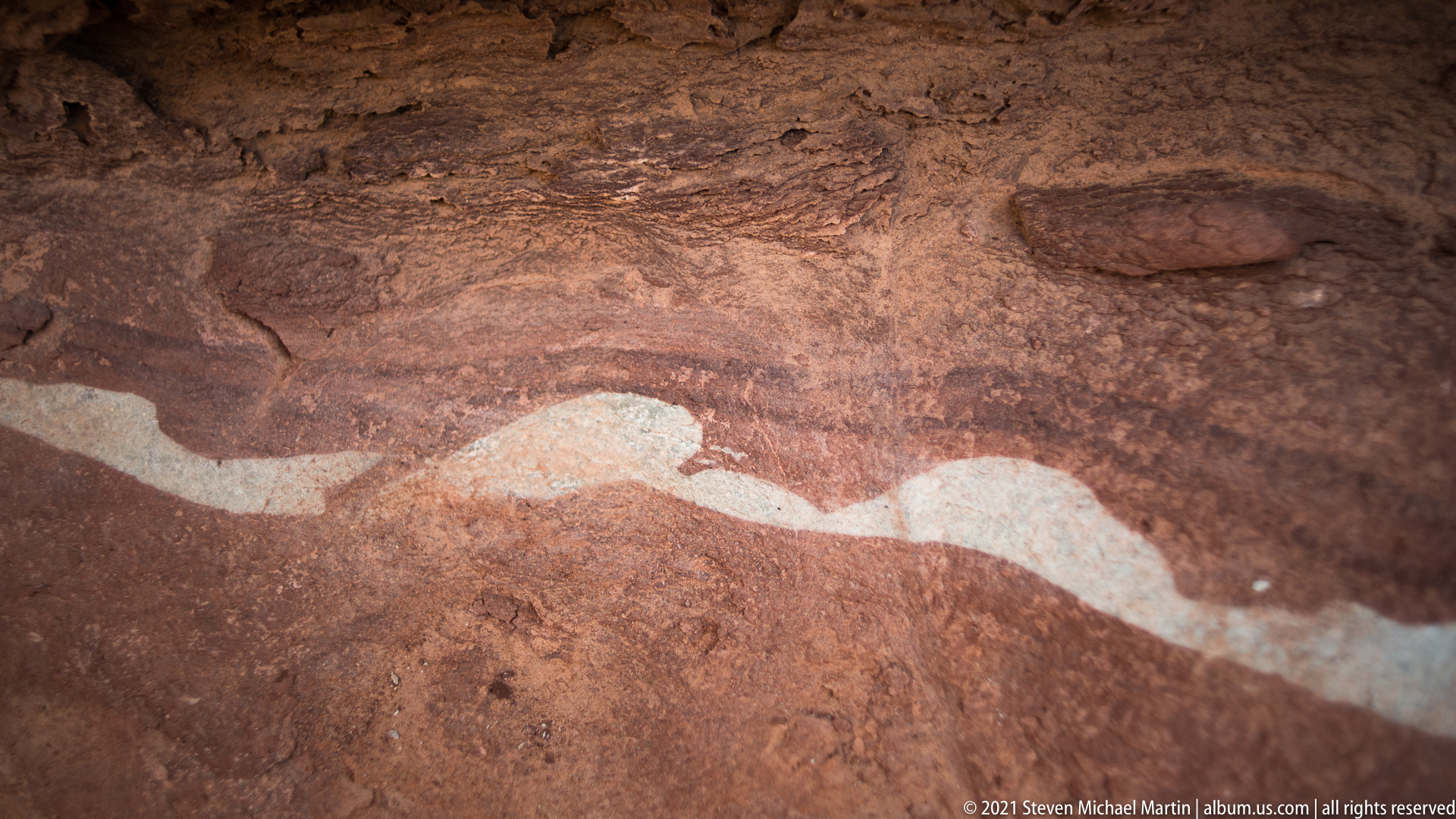
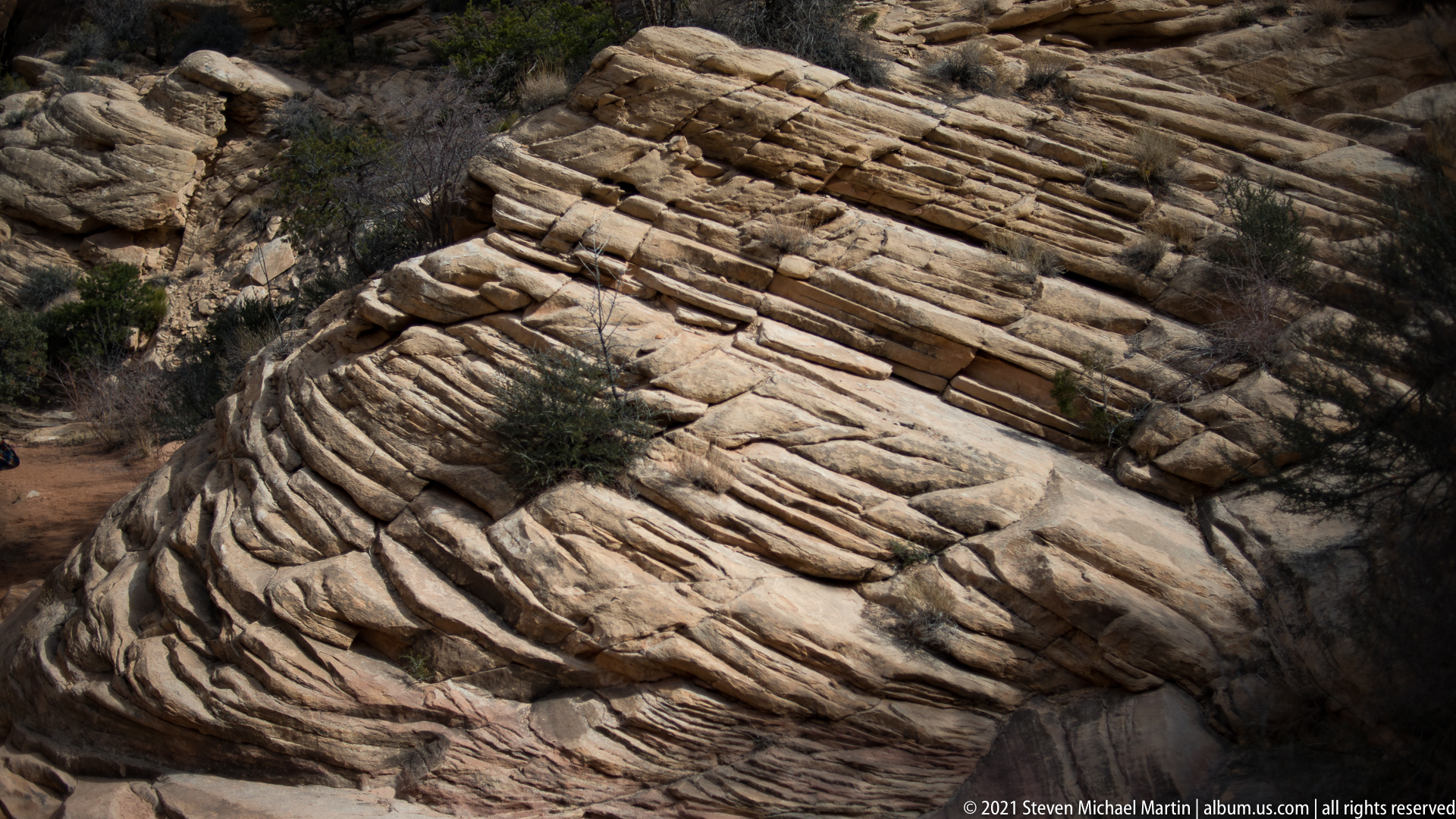
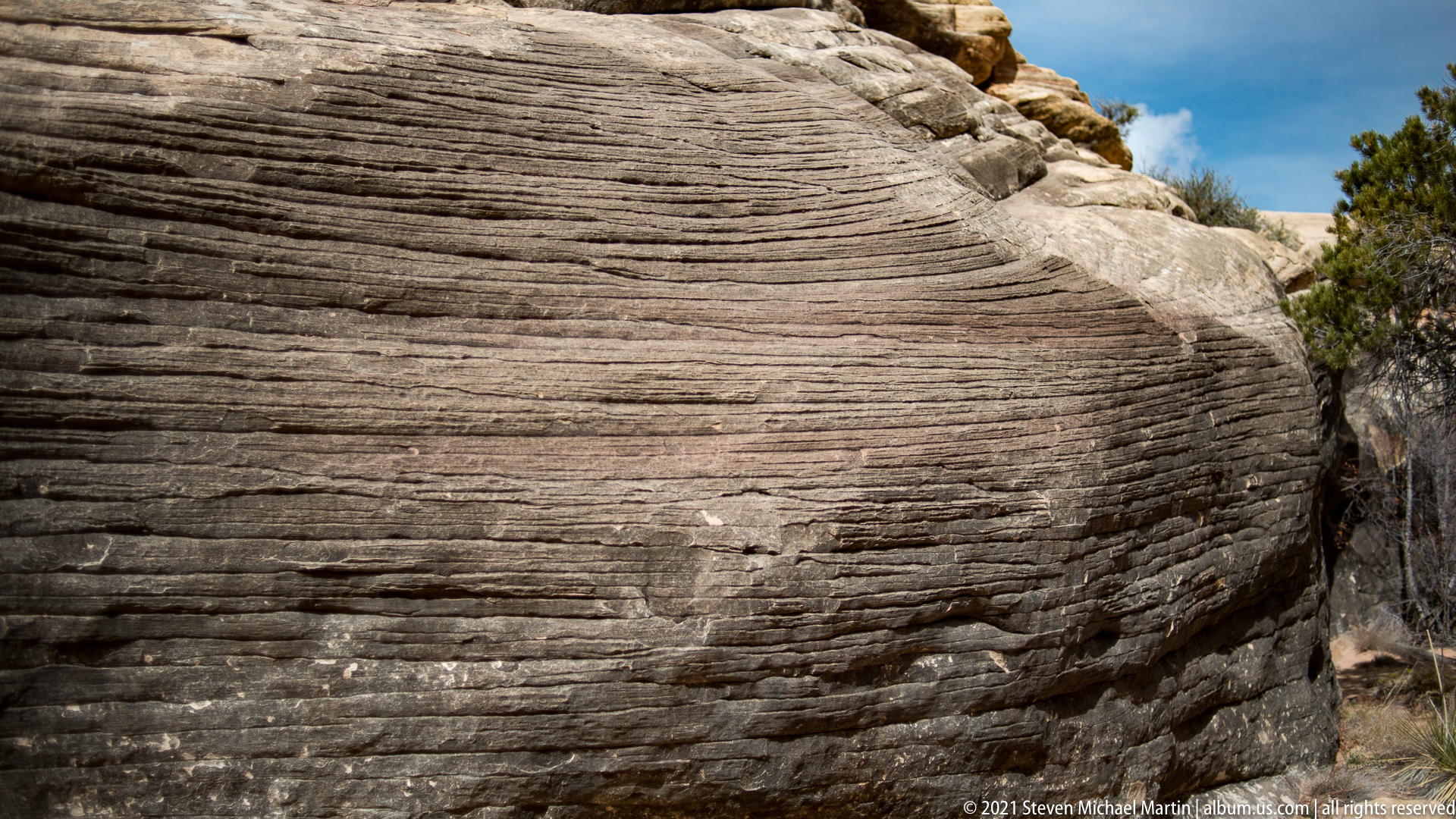
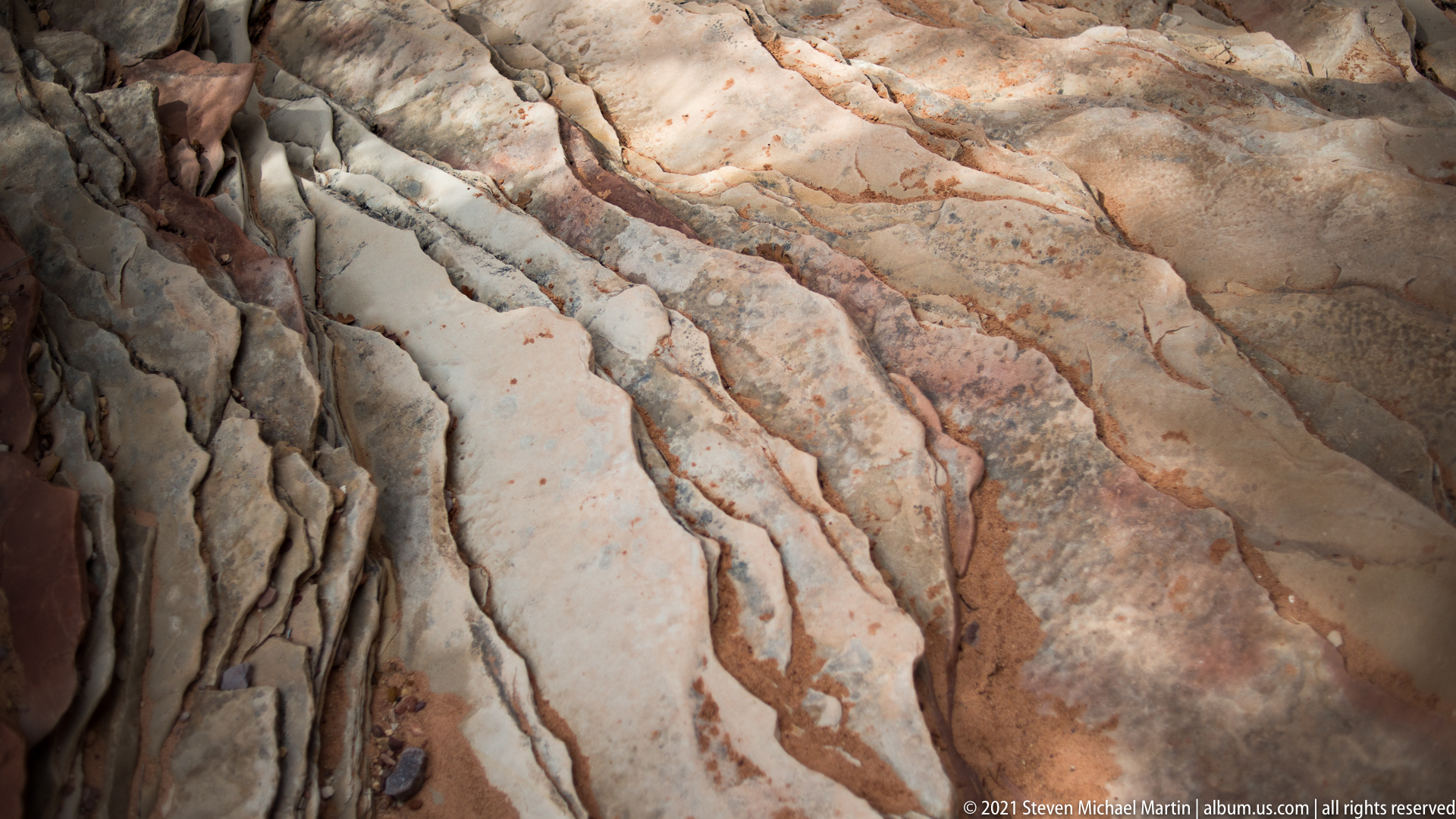
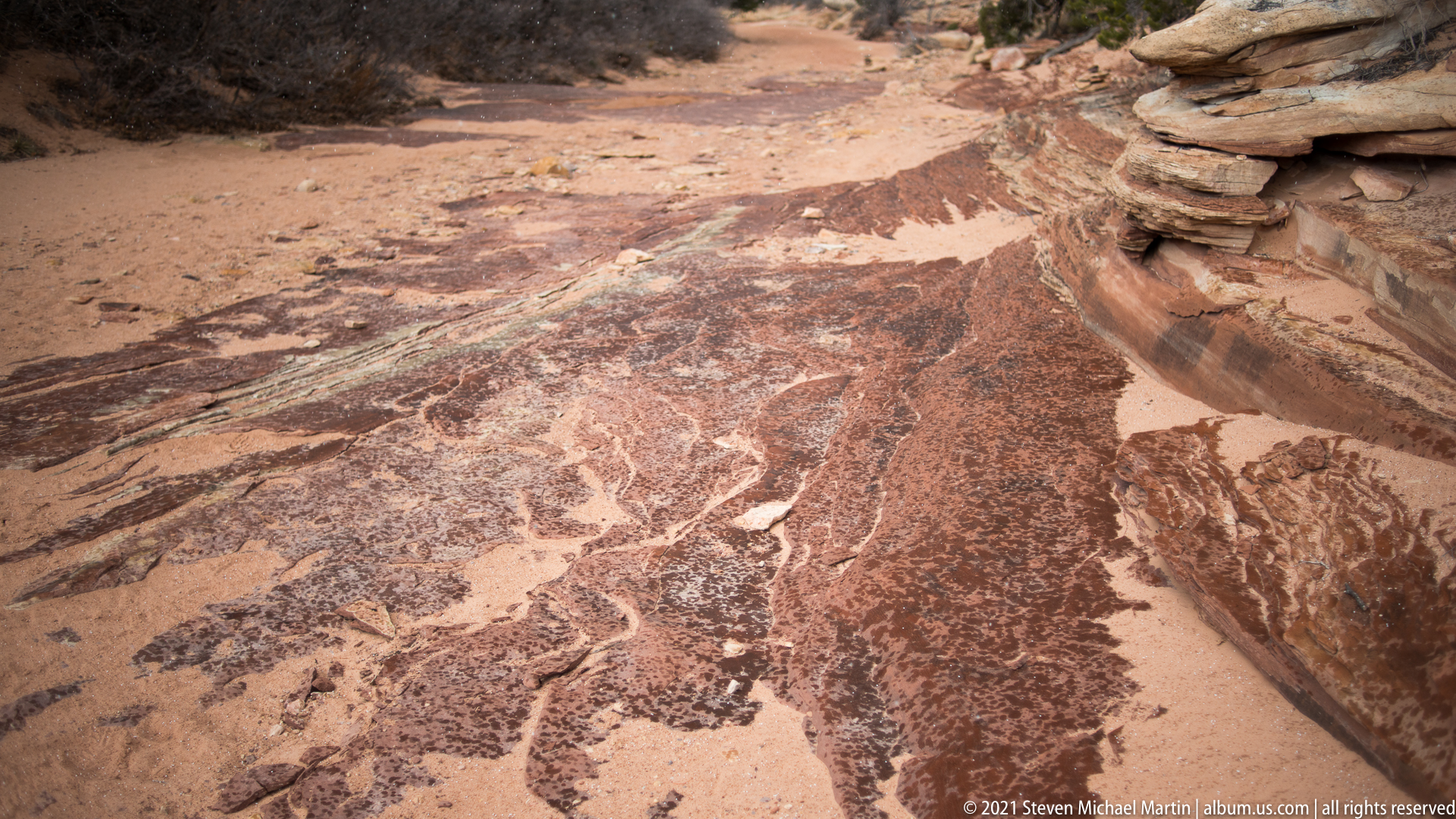
Layered sedimentary rock surfaces display variations in color resulting from mineral composition and weathering patterns. The canyon’s name reflects rock formations whose shapes resemble the forms of large animals, illustrating how erosion creates distinctive natural sculptures. The relatively undeveloped setting emphasizes the natural forces that shaped the landscape over extended geological time.
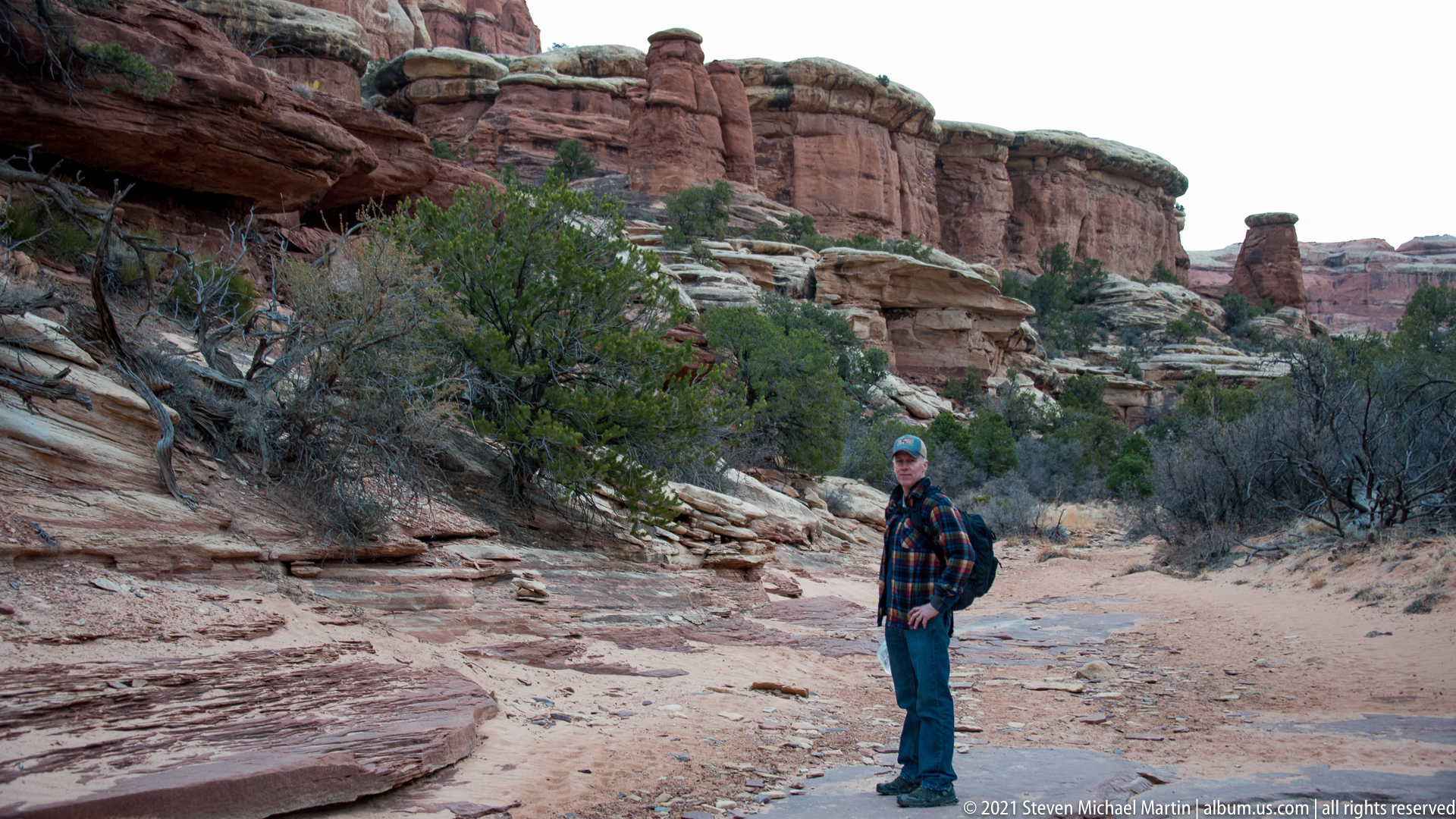
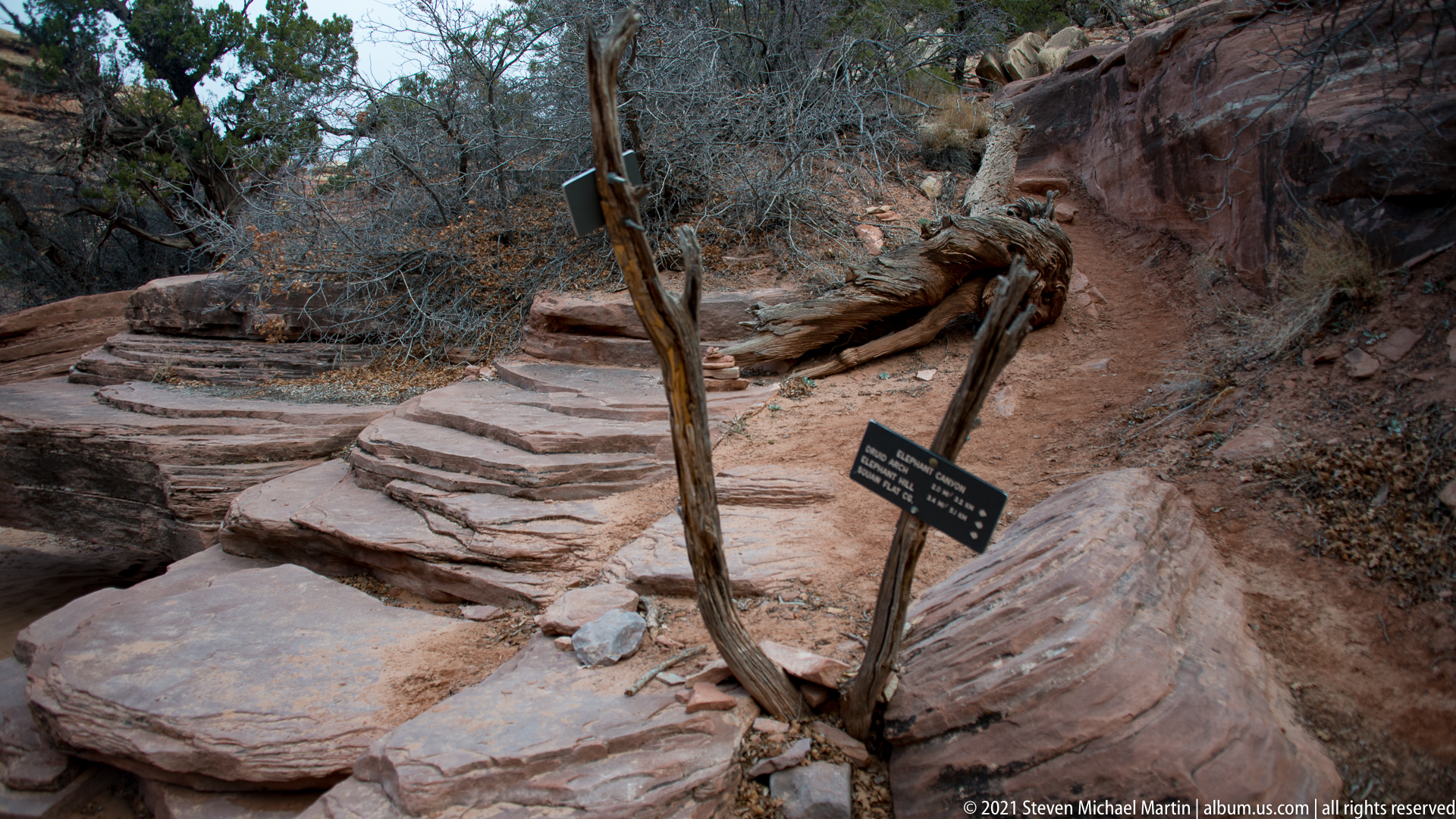
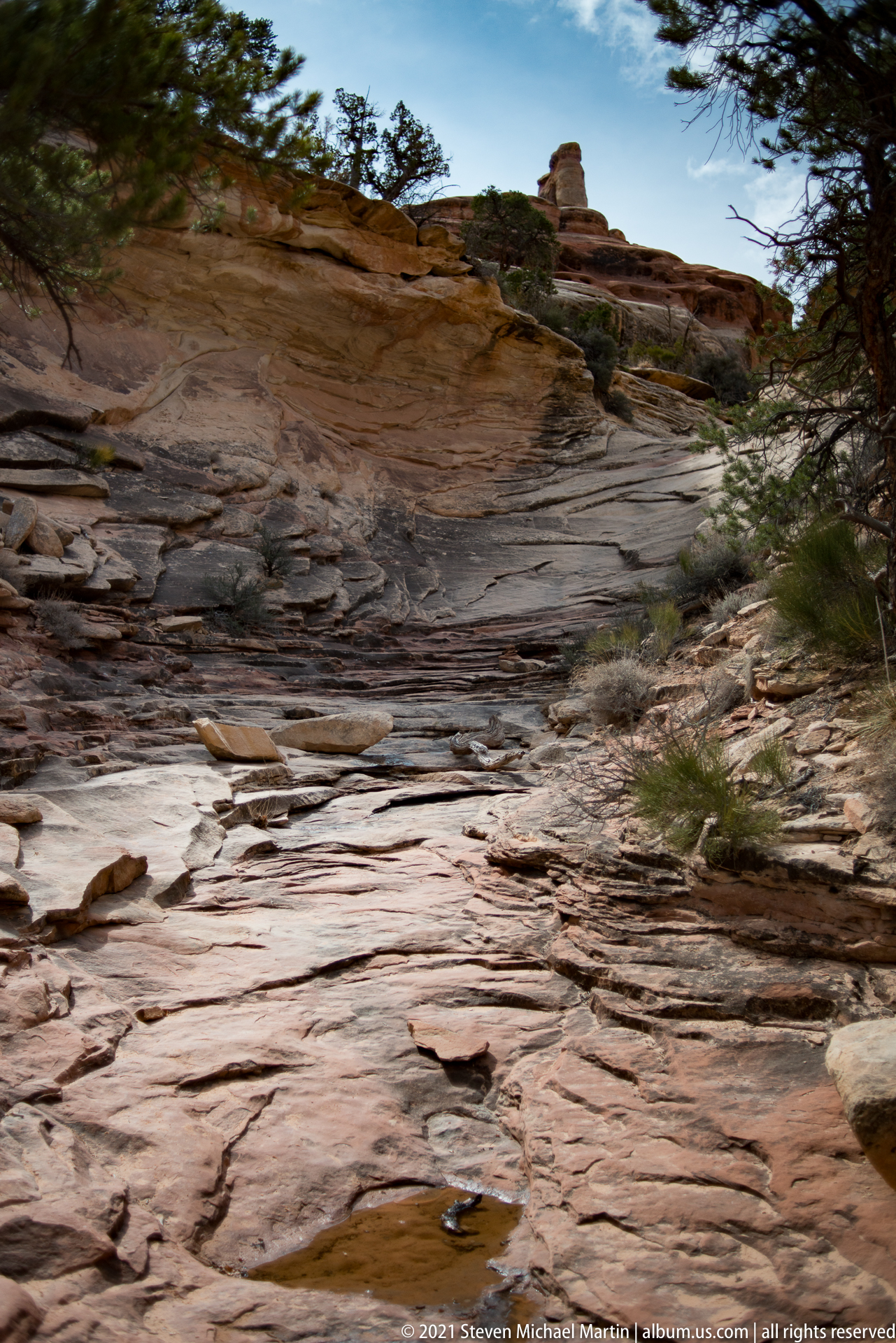
Visitors encounter winding canyon passages and open desert terrain that illustrate the diversity of landforms preserved within Canyonlands National Park. The environment highlights the interaction between rock structure, erosion, and climate conditions that continue to influence the evolving landscape.





















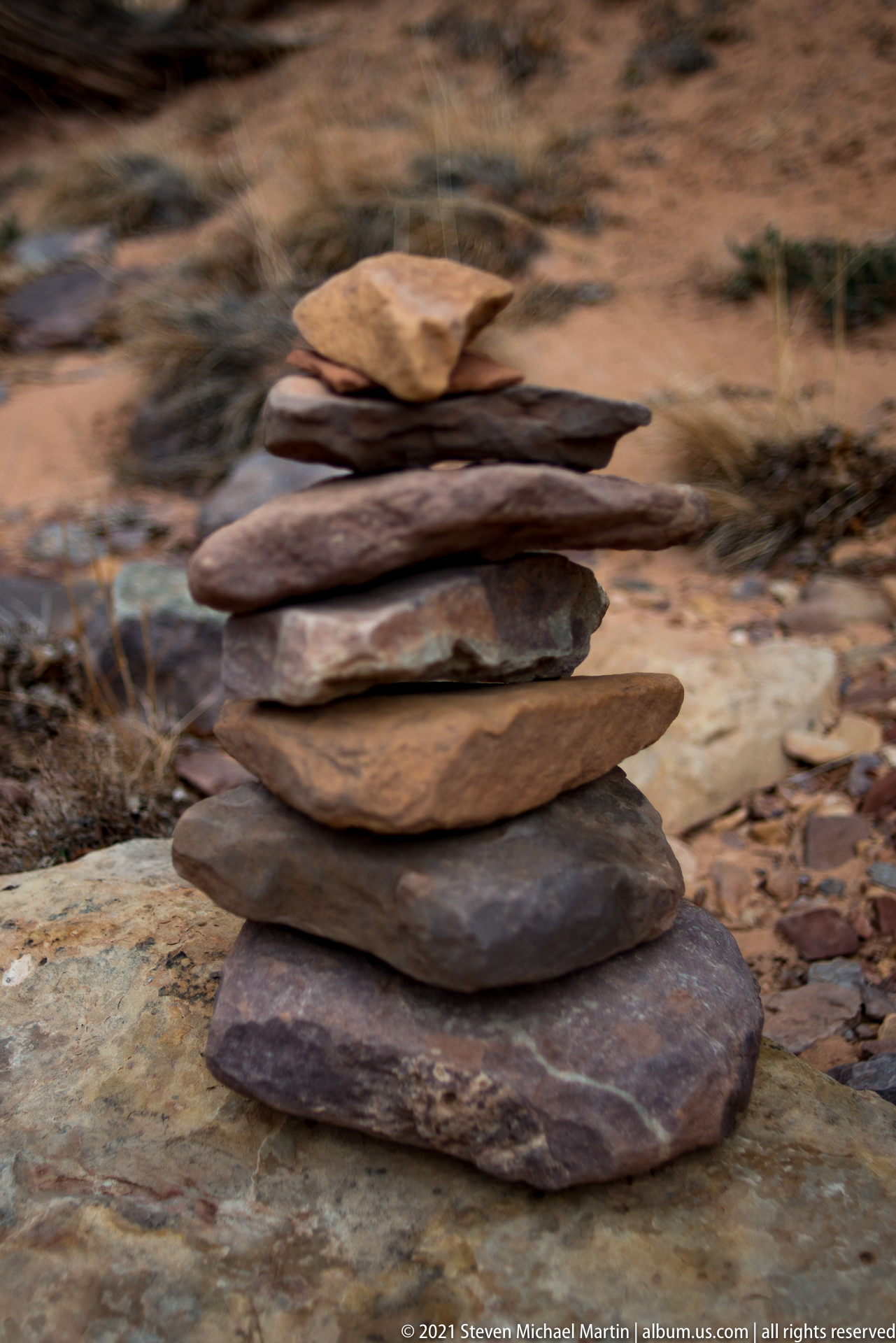
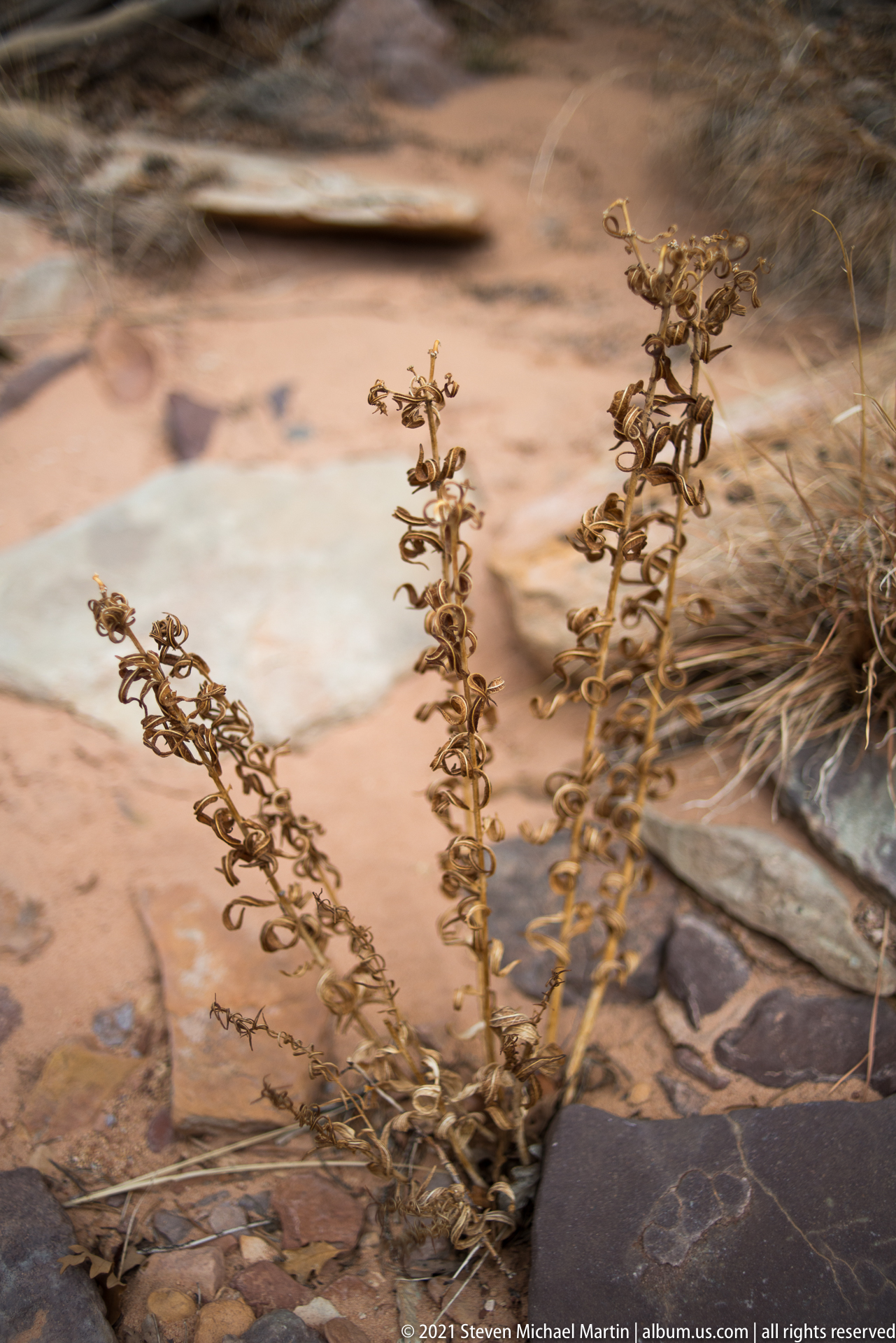

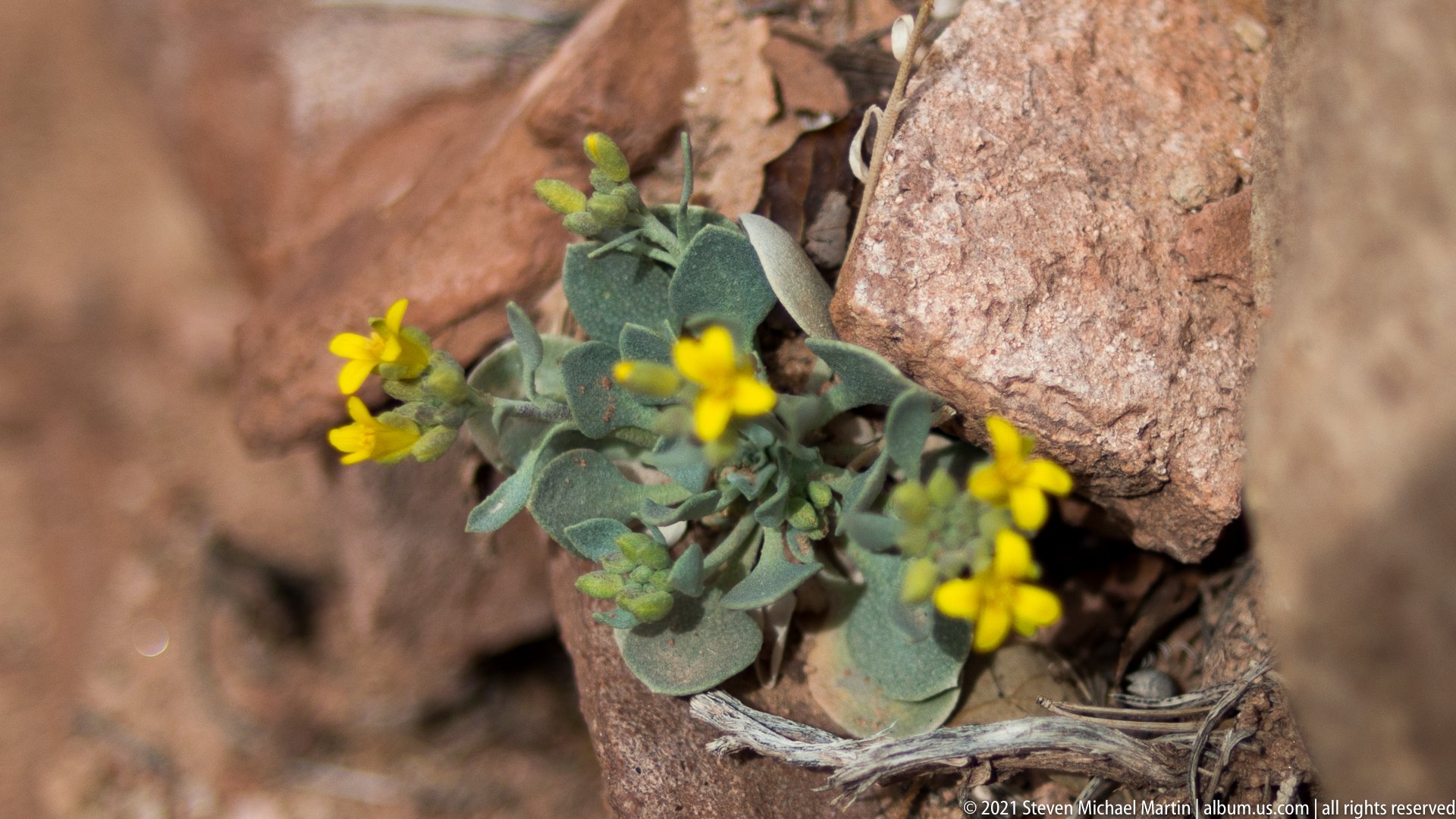



Canyonlands National Park — Field Guide
National Park Field Guide
📍 Overview
Canyonlands National Park preserves an extensive landscape of deeply eroded canyons, mesas, and buttes shaped by the Colorado and Green Rivers. Located within the Colorado Plateau, the park illustrates the long-term effects of tectonic uplift followed by gradual erosion that carved complex canyon systems through layered sedimentary rock. The scale of the landscape reflects geological processes operating over millions of years.
The park is divided into several districts, including Island in the Sky, The Needles, and The Maze, each presenting distinctive geological features formed through variations in erosion and rock composition. Exposed strata reveal changes in environmental conditions across prehistoric eras, while river systems continue to shape canyon depth and form. The landscape provides insight into the interaction between uplift, weathering, and water erosion.
⭐ Highlights
- Colorado and Green River canyon systems
- Island in the Sky mesa landscapes
- The Needles sandstone formations
- Layered sedimentary rock exposures
- Expansive Colorado Plateau desert scenery
🔎 Key Features
- Deeply incised canyon networks shaped by river erosion
- Sandstone formations formed through sediment deposition
- Mesas and buttes created by differential erosion
- Rock layers illustrating geological time sequences
- Large-scale desert landscape with minimal development
📷 Photography Notes
- Early and late light enhances canyon depth and texture
- Wide compositions help convey the scale of mesas and canyons
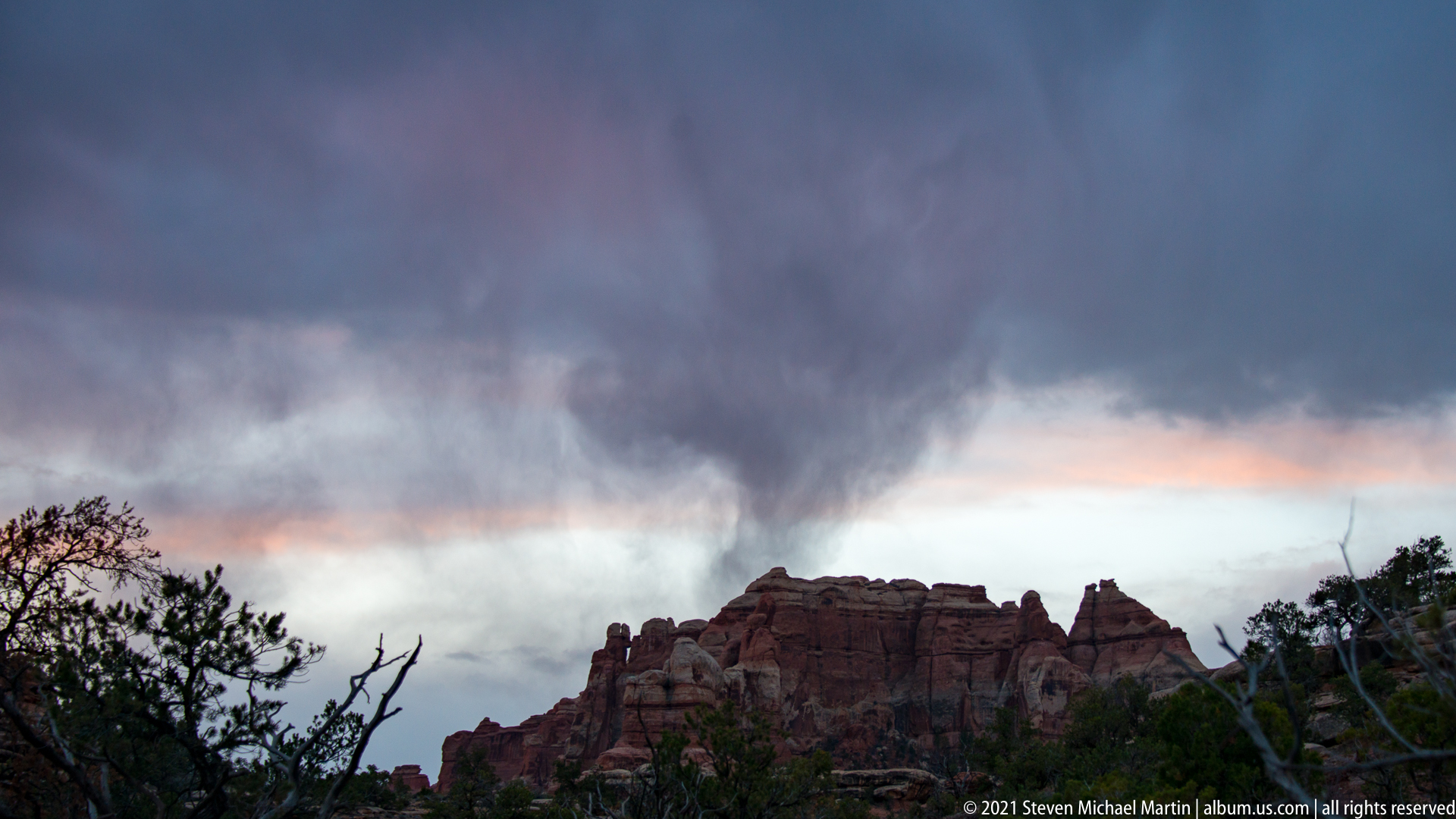
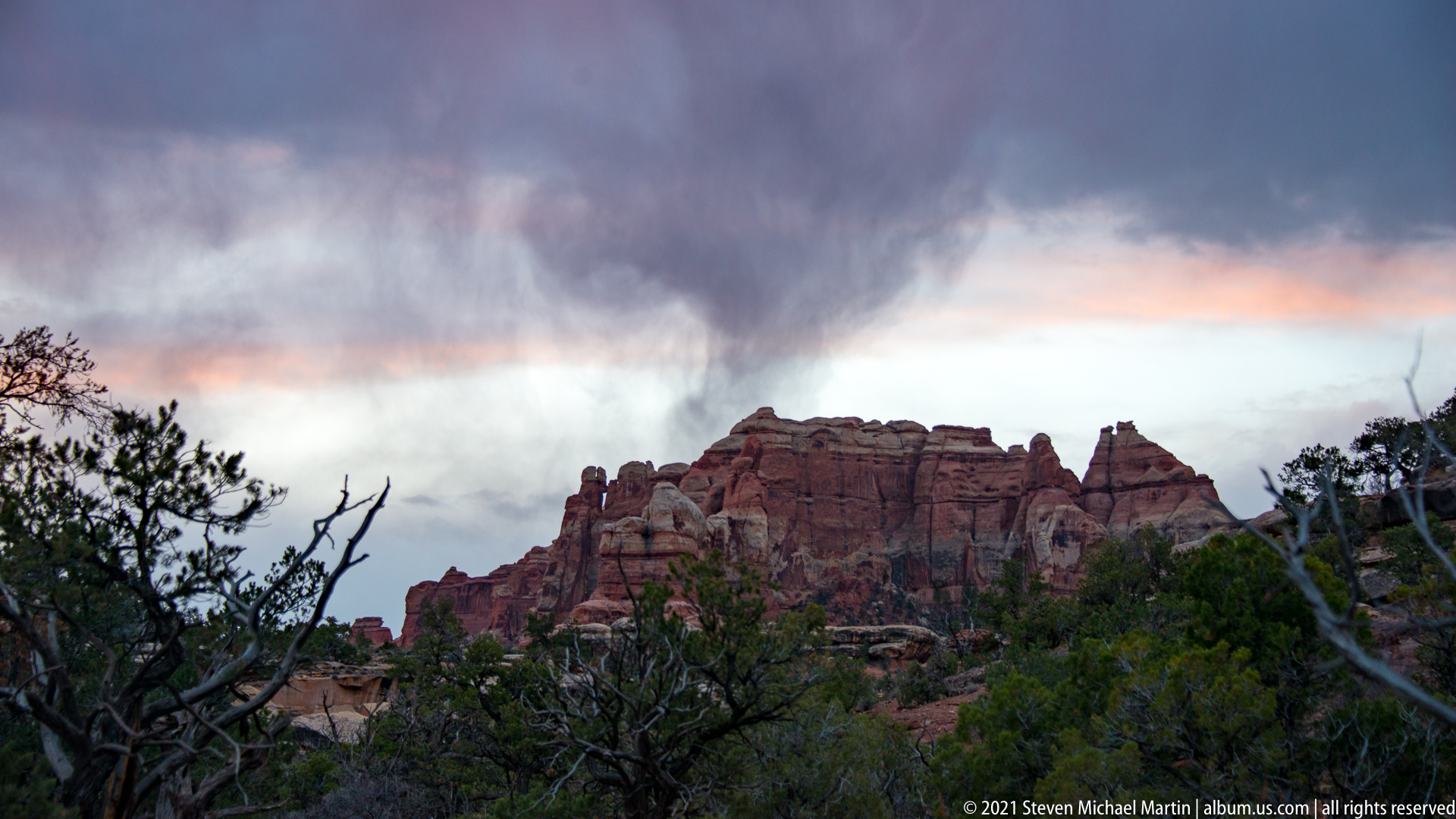
- Cloud shadows can add visual dimension to the landscape
- Layered rock patterns create natural compositional lines
- Foreground rock formations help provide depth
- Look for viewpoints that show river-carved canyon systems