Steven Michael Martin

Anchorage

Anchorage Anchorage serves as the primary transportation gateway to Alaska’s remote northern and western regions. Located between the waters of Cook Inlet and the Chugach Mountains, the city provides access to air routes that connect travelers to communities throughout the Arctic and subarctic landscape. Anchorage reflects the intersection of modern infrastructure and expansive wilderness environments […]


Explore Portfolio

Mepkin Abbey

Mepkin Abbey Mepkin Abbey is located along the Cooper River northwest of Charleston within the South Carolina Lowcountry, where tidal waterways and fertile floodplain soils supported plantation agriculture during the colonial period. The property originated as Mepkin Plantation, associated with rice cultivation typical of the coastal region shaped by river hydrology and Atlantic trade networks. […]

Explore Portfolio

Harper’s Ferry NHP

Harpers Ferry National Historical Park Harpers Ferry National Historical Park preserves the historic town and surrounding landscape at the confluence of the Potomac and Shenandoah Rivers, where transportation routes, industry, and political conflict intersected during the eighteenth and nineteenth centuries. The site developed as an important manufacturing center when the federal government established an armory […]

Explore Portfolio

Shenandoah Skyline Drive

Shenandoah Skyline Drive Skyline Drive follows the crest of the Blue Ridge Mountains through Shenandoah National Park, creating one of the most significant scenic roadways in the eastern United States. Constructed as part of the early development of the park, the route was designed to reveal the mountain landscape gradually through a sequence of overlooks, […]

Explore Portfolio

Luray Caverns

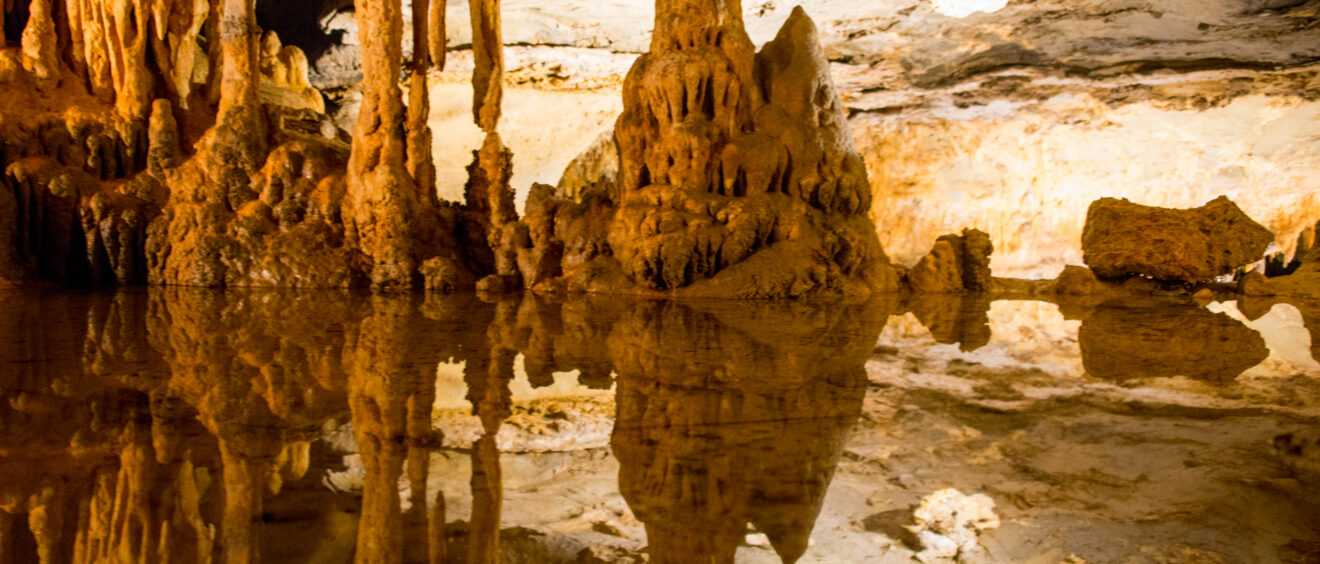
Luray Caverns Luray Caverns preserves one of the most extensive cave systems in the eastern United States, formed through long geological processes within the limestone bedrock of the Shenandoah Valley. Over time, slightly acidic groundwater dissolved underlying rock and created a network of chambers, passages, and mineral formations beneath the valley floor. Stalactites, stalagmites, columns, […]

Explore Portfolio

Shenandoah Apple Blossom Festival

Shenandoah Apple Blossom Festival The Shenandoah Apple Blossom Festival reflects the agricultural history of the Shenandoah Valley, where orchards, fertile limestone soils, and a temperate climate supported the long development of apple cultivation. The valley’s broad agricultural landscape helped shape settlement patterns and regional identity, linking small towns and farming communities through seasonal cycles of […]

Explore Portfolio

Boston Visit

Boston Visit South Boston occupies an important place in the historical and cultural geography of the city, reflecting patterns of immigration, industrial development, and waterfront commerce that shaped Boston’s expansion during the nineteenth and twentieth centuries. The neighborhood developed as a working harbor district closely connected to maritime trade, shipbuilding, and manufacturing activities associated with […]

Explore Portfolio

Greenbrier

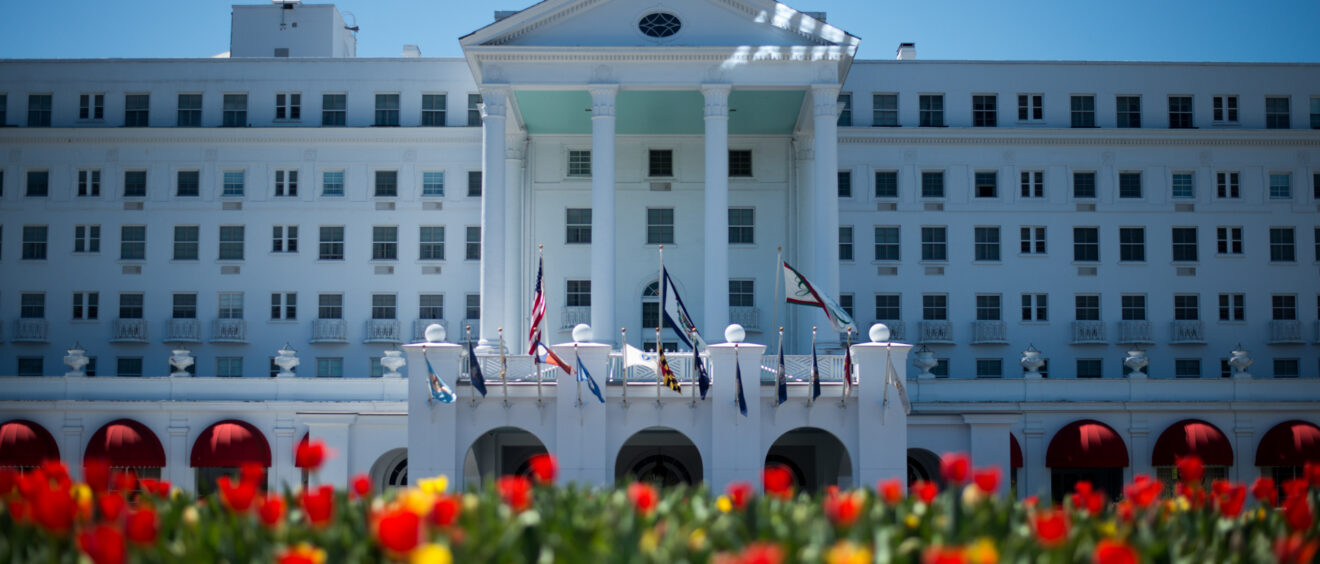
The Greenbrier The Greenbrier developed around natural mineral springs in the Allegheny Mountains, where visitors have traveled since the eighteenth century to experience the perceived therapeutic qualities of sulphur water. The resort landscape reflects longstanding traditions of health tourism in which natural springs influenced patterns of travel and settlement in mountainous regions. Early development of […]

Explore Portfolio

Homestead Resort

The Homestead Resort The Homestead Resort developed in the Allegheny Mountains of western Virginia around a series of natural hot springs that have attracted visitors for centuries. The mineral springs were known to Indigenous communities long before European settlement, and by the late eighteenth century the area had become a destination associated with health, leisure, […]

Explore Portfolio

National Arboretum 2016

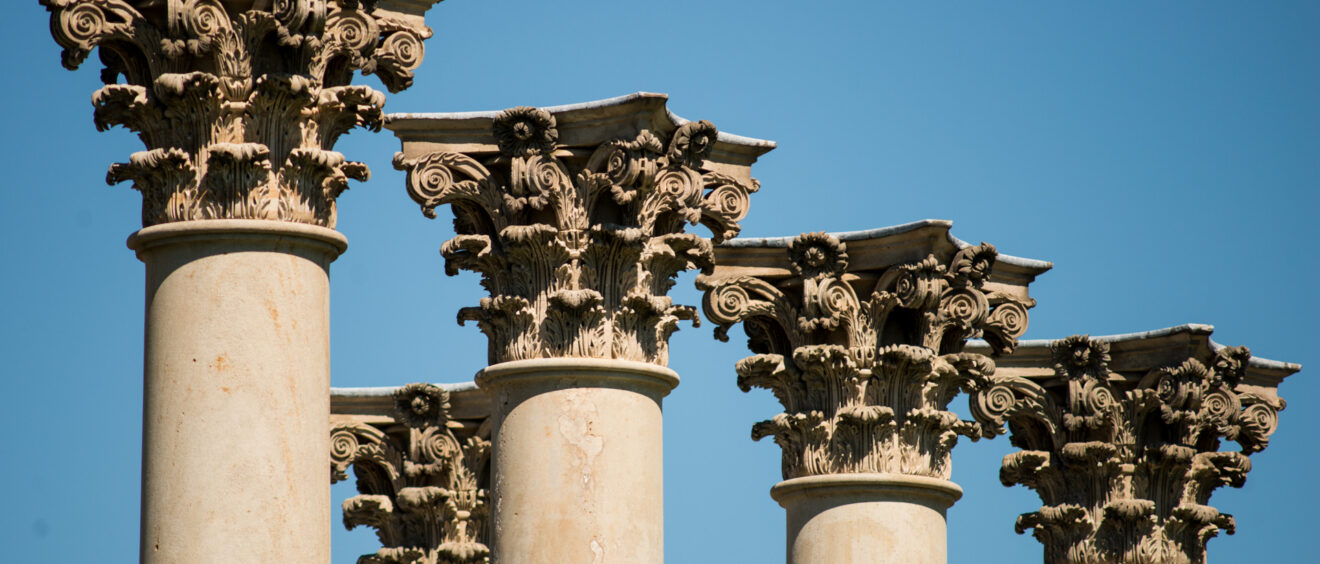
National Capitol Columns The National Capitol Columns stand within the United States National Arboretum as architectural remnants of the east portico of the United States Capitol, originally constructed in 1828 as part of the building’s early expansion. When the Capitol dome and wings were enlarged in the mid-nineteenth century, the original sandstone columns were removed […]

Explore Portfolio