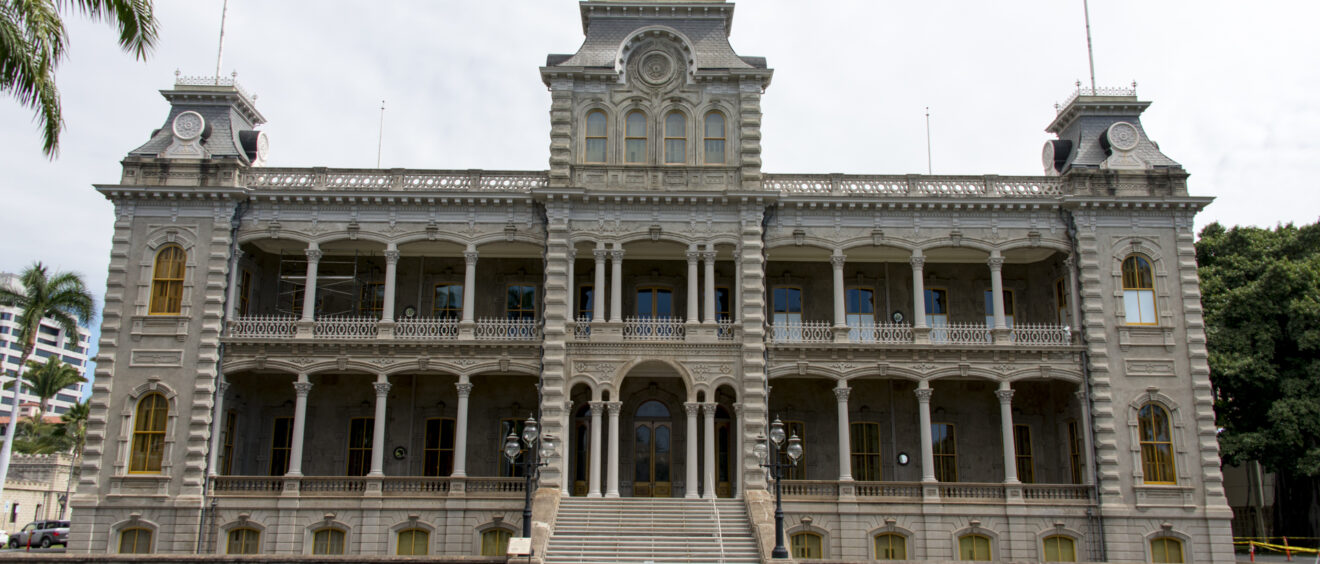
ʻIolani Palace ʻIolani Palace stands as a significant cultural landmark in Honolulu, representing the historical governance of the Hawaiian Kingdom during the nineteenth century. Constructed in a distinctive architectural style influenced by European design traditions, the palace reflects the political and cultural connections that shaped Hawaiʻi during a period of international exchange. The structure occupies […]
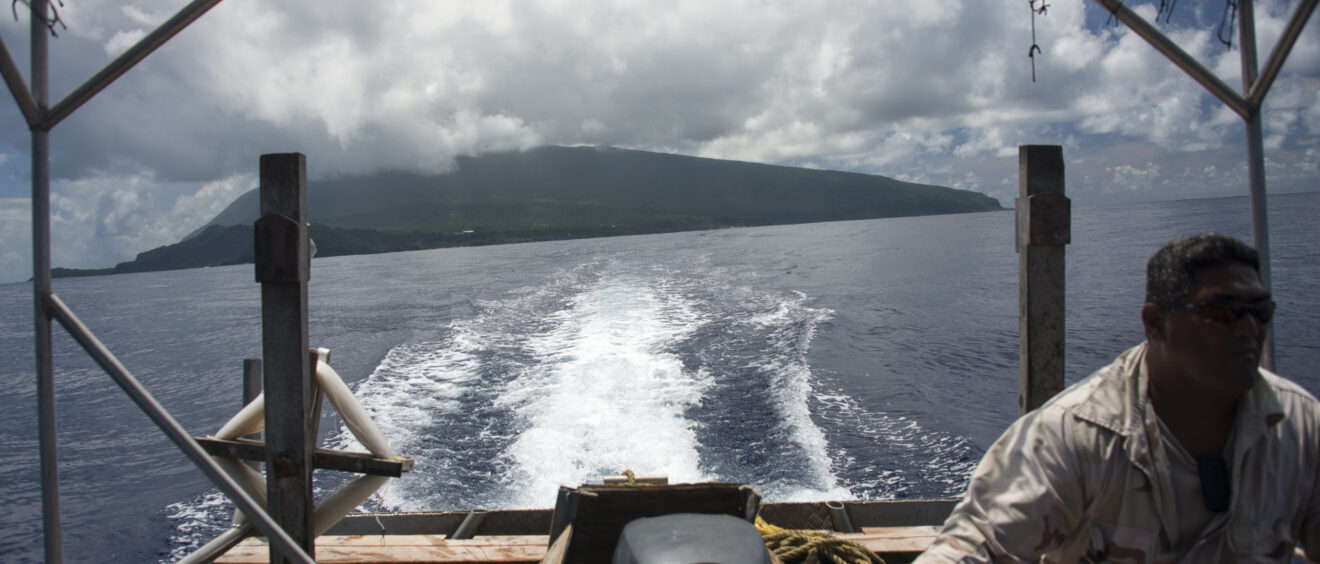
American Samoa NP — Taʻū Island Taʻū Island represents one of the most remote and visually dramatic environments within the National Park of American Samoa. The island rises steeply from the Pacific Ocean, with rugged volcanic cliffs and dense tropical vegetation covering much of the landscape. Limited development preserves the natural character of the island, […]
National Park of American Samoa – Tutuila The Tutuila portion of the National Park of American Samoa preserves tropical island landscapes characterized by steep volcanic slopes, dense vegetation, and coastal environments shaped by the surrounding Pacific Ocean. The terrain reflects the geologic origins of the island, where mountain ridges descend toward shoreline habitats. Tropical forest […]
Honolulu Honolulu occupies a coastal setting where urban development meets tropical landscape, framed by ocean views and distant volcanic ridgelines. The combination of shoreline scenery, city architecture, and changing light creates a visually varied environment shaped by both natural and cultural influences. The city serves as a central hub within the Hawaiian Islands, where historic […]
World War II Valor in the Pacific NHP World War II Valor in the Pacific National Historical Park preserves locations associated with events that shaped the course of the Pacific theater during the Second World War. Situated within Pearl Harbor, the setting combines calm harbor waters with historic structures that reflect the lasting significance of […]
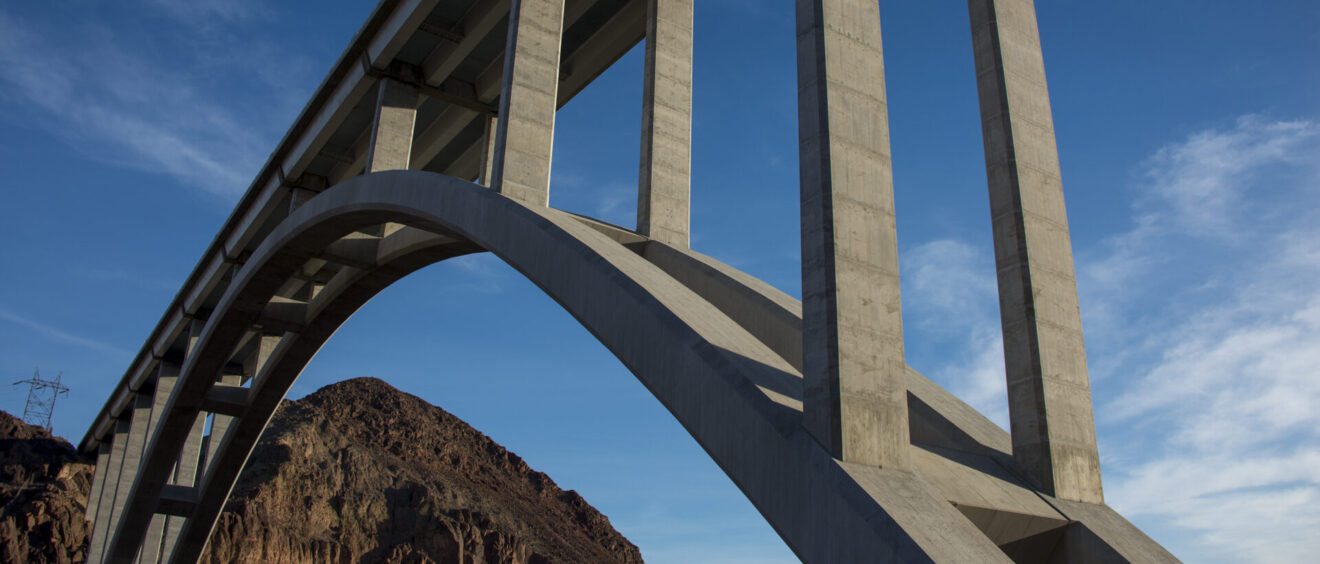
Lake Mead National Recreation Area – Hoover Dam Lake Mead formed following construction of Hoover Dam across the Colorado River in the early twentieth century. The dam created a reservoir that provides water storage and hydroelectric power for communities across the southwestern United States. The project demonstrates how engineering interacts with natural river systems to […]
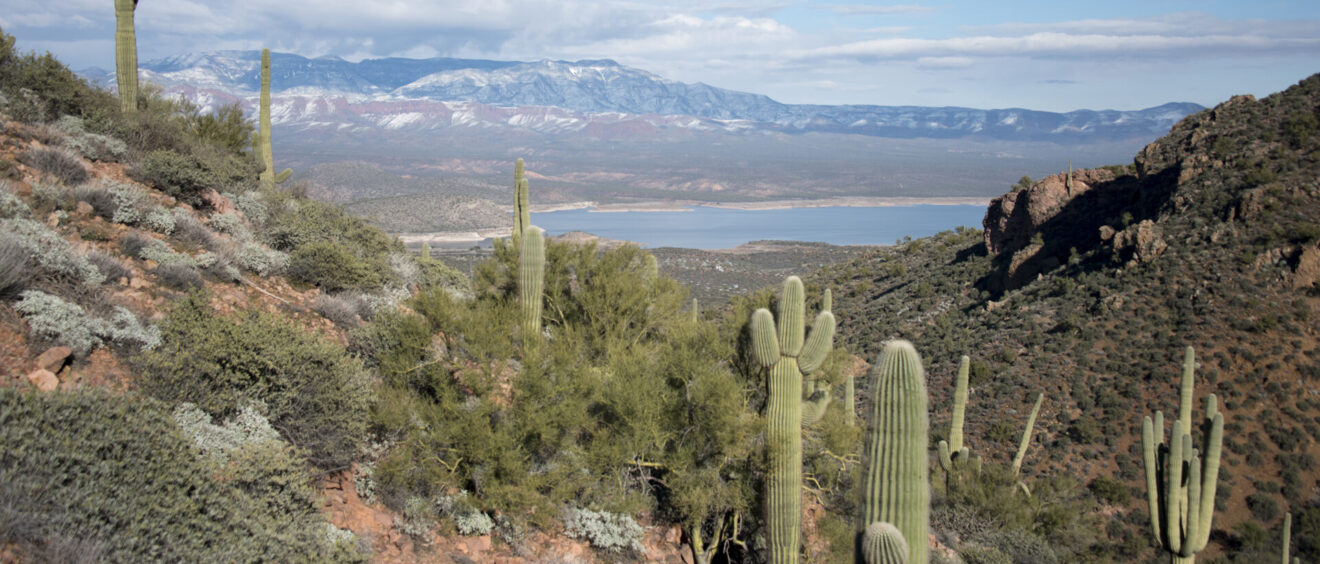
Tonto National Monument Tonto National Monument preserves cliff dwellings constructed by the Salado culture within natural alcoves overlooking desert valleys. The structures were built using stone masonry techniques adapted to the environmental conditions of the Sonoran Desert. Elevated locations provided vantage points and proximity to agricultural areas. The dwellings illustrate how settlement patterns reflected adaptation […]
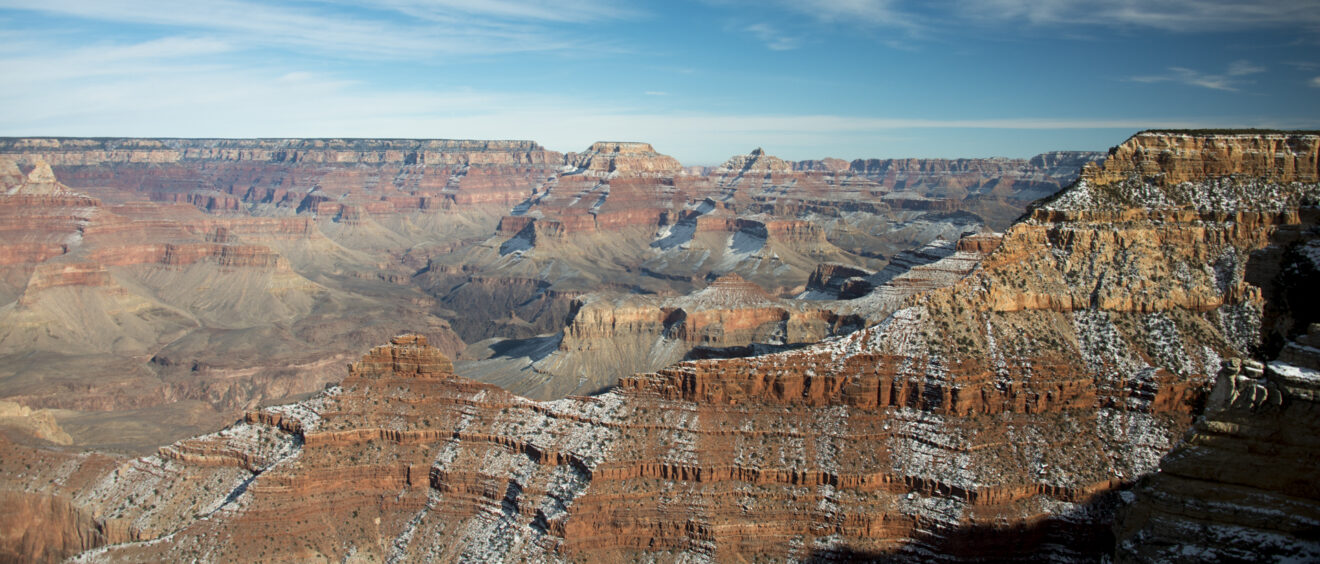
Grand Canyon National Park Grand Canyon National Park preserves one of the most extensive canyon systems in the world, carved by the Colorado River through layered sedimentary rock exposed by uplift of the Colorado Plateau. Over millions of years, flowing water eroded rock layers, revealing geological formations that record environmental conditions extending far into the […]
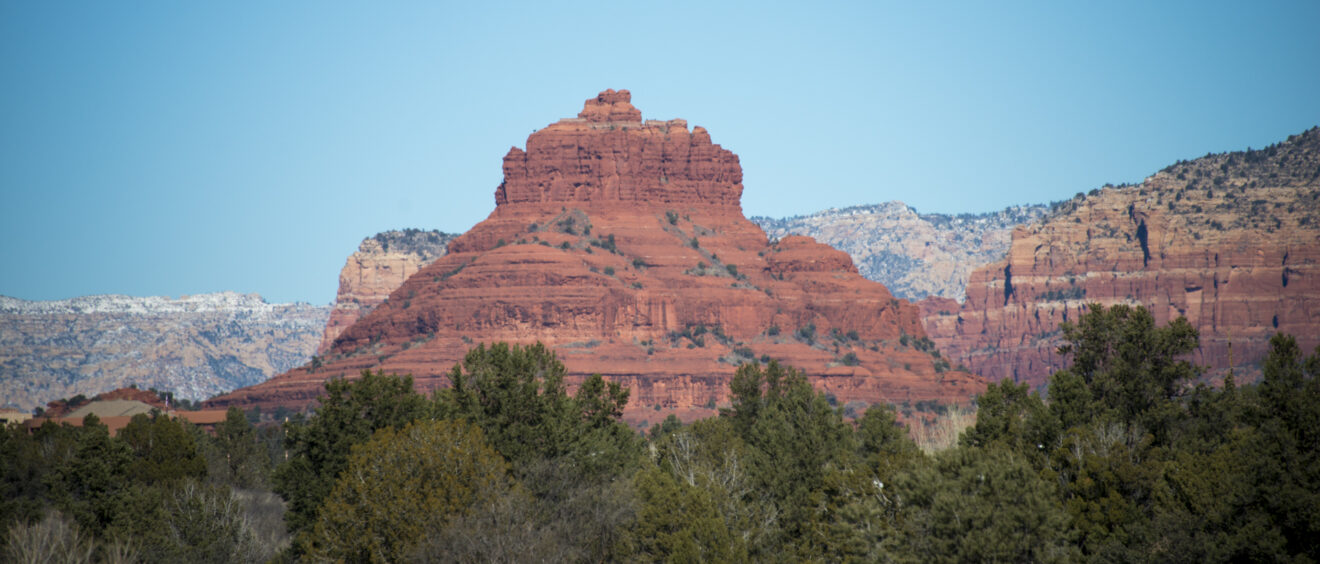
Sedona Sedona preserves red rock formations created from sedimentary layers deposited in ancient desert and marine environments. Iron oxide within the rock contributes to the distinctive red coloration visible across cliffs, mesas, and buttes. Erosion gradually shaped the formations into the landscapes seen today. The surrounding environment reflects a transition between desert and upland ecosystems, […]
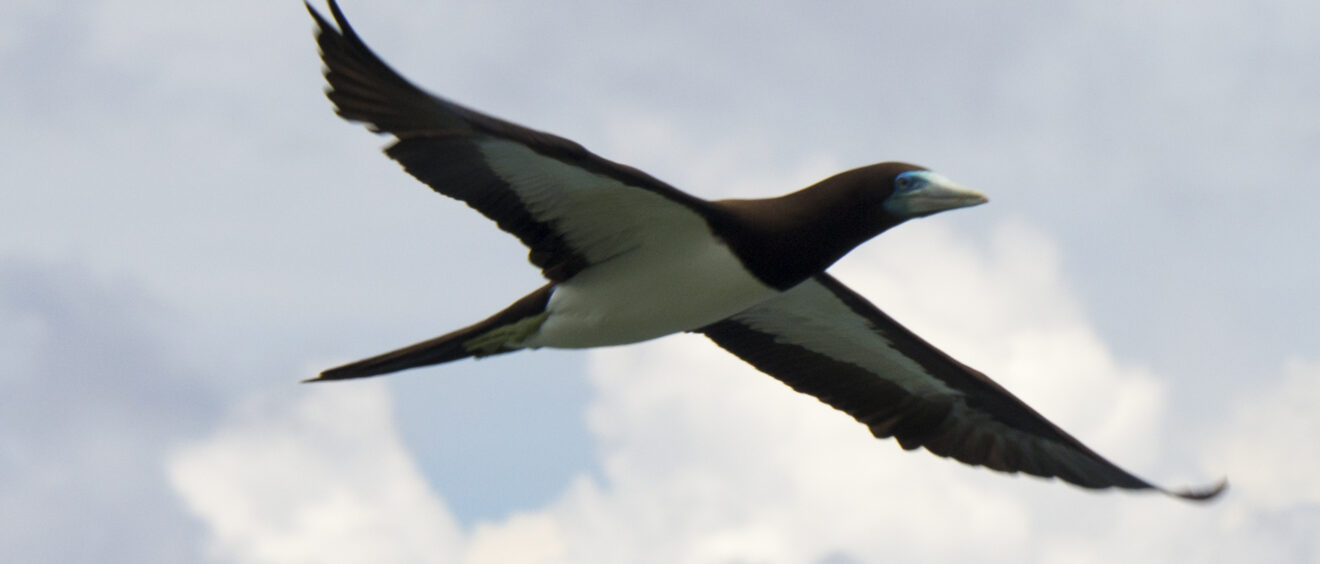
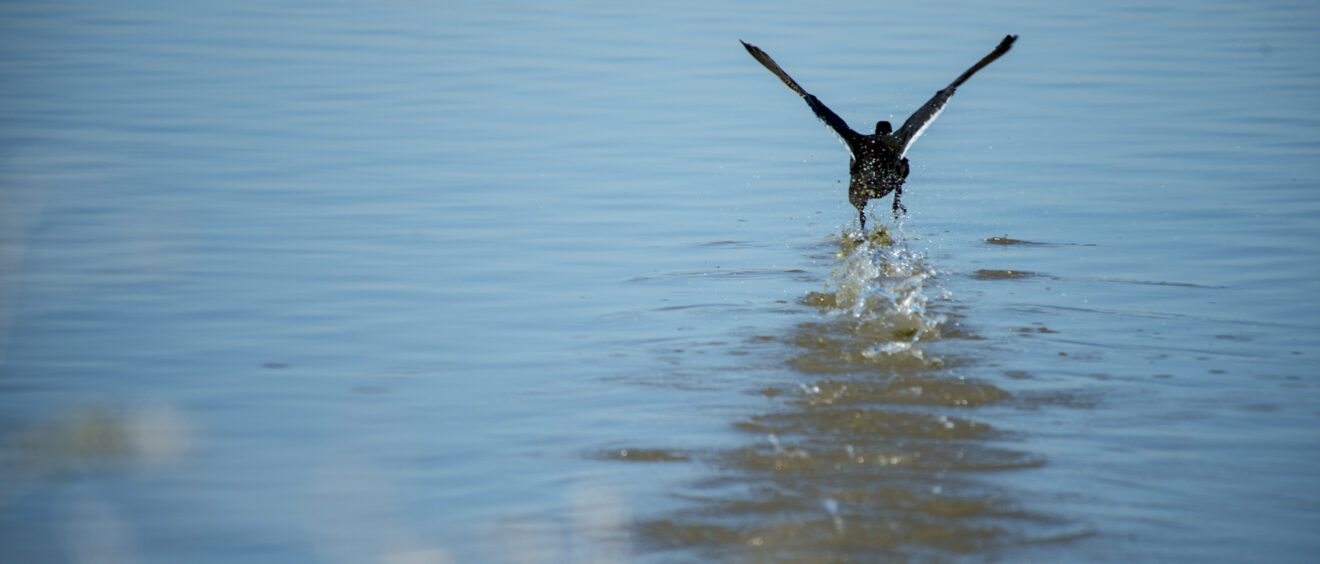
Wister Waterfowl National Wildlife Refuge (Salton Sea) The Wister Unit of the Sonny Bono Salton Sea National Wildlife Refuge is located in the Imperial Valley of southern California along the shoreline of the Salton Sea, a saline inland lake situated within the Colorado Desert. The Salton Sea lies within the Salton Trough, a tectonic basin […]