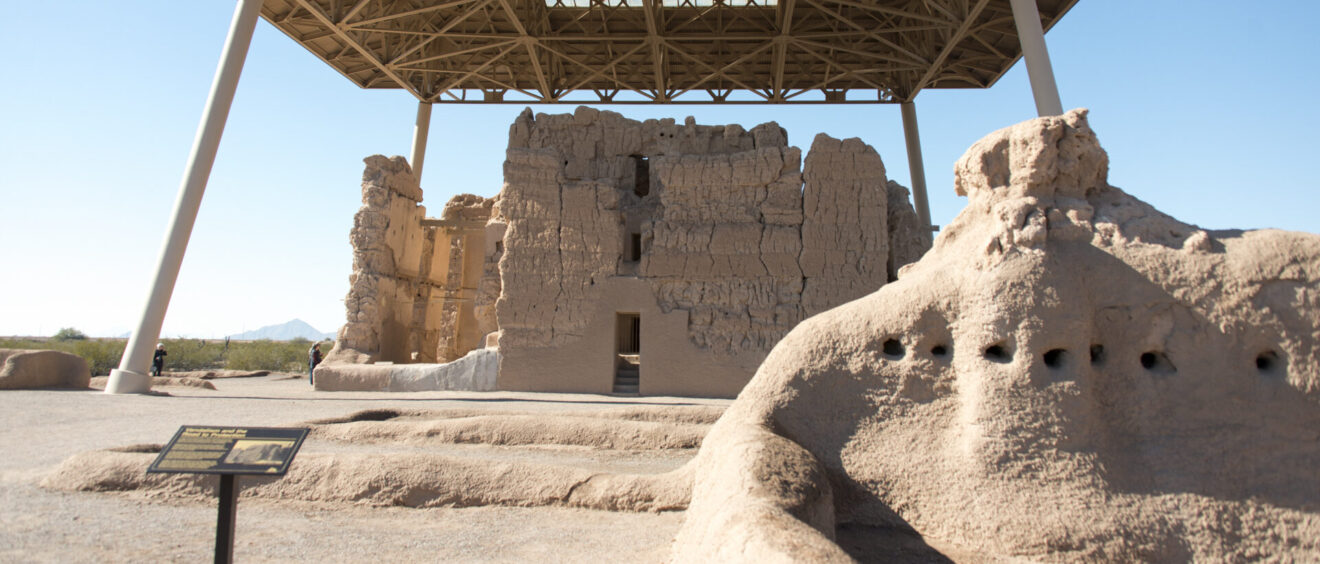
Casa Grande National Monument Casa Grande National Monument preserves a large adobe structure built by the Hohokam people in the Sonoran Desert. Constructed from caliche, a hardened natural soil material, the structure demonstrates engineering techniques adapted to desert environments. The building reflects long-term settlement in a region where water management was essential for agriculture. The […]
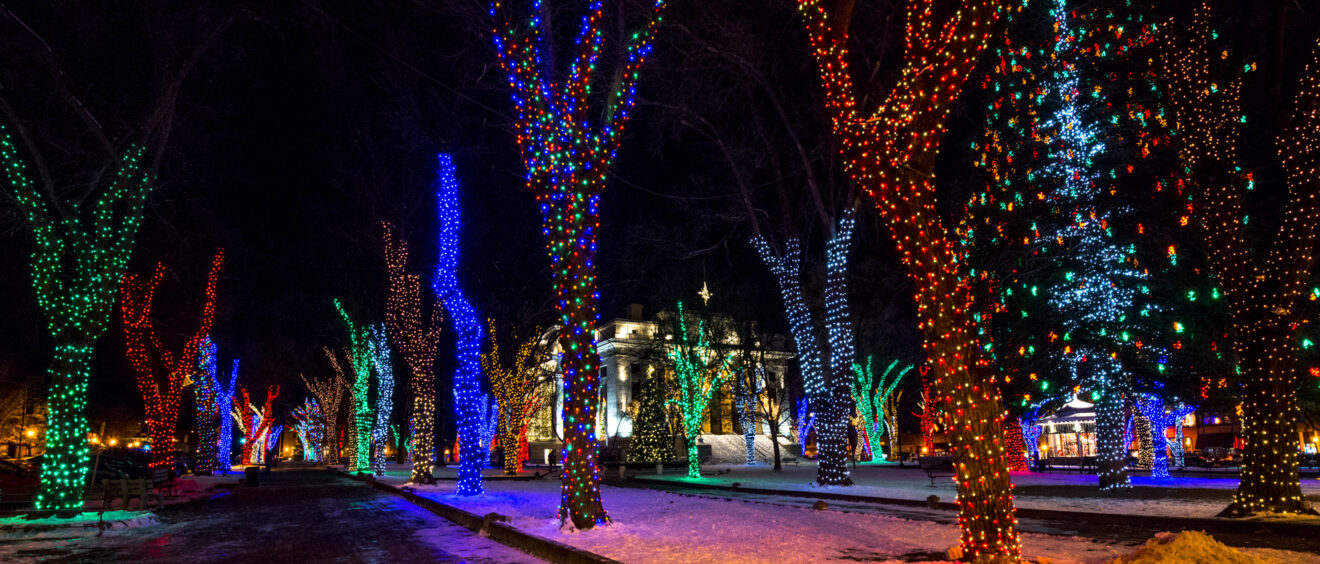
Prescott Lights Prescott reflects settlement patterns developed within upland regions of central Arizona where elevation produces cooler climate conditions than surrounding desert valleys. Seasonal lighting traditions illustrate cultural activities associated with winter celebrations in mountain communities. The surrounding landscape illustrates transition between desert and forest environments influenced by elevation and precipitation differences. Pine forests occur […]
Saguaro National Park Saguaro National Park preserves desert landscapes characterized by the presence of the saguaro cactus, a species adapted to the Sonoran Desert environment. The cactus stores water within internal tissues that allow survival during extended dry periods. The park demonstrates how plant species adapt to limited precipitation and high temperatures. The Sonoran Desert […]
Joshua Tree National Park – New Year’s Eve Joshua Tree National Park preserves desert landscapes shaped by tectonic forces and erosion across the transition zone between the Mojave and Colorado Deserts. Weathering gradually breaks down granite bedrock, producing rounded boulder formations scattered across the terrain. The distinctive Joshua tree species reflects adaptation to arid conditions. […]
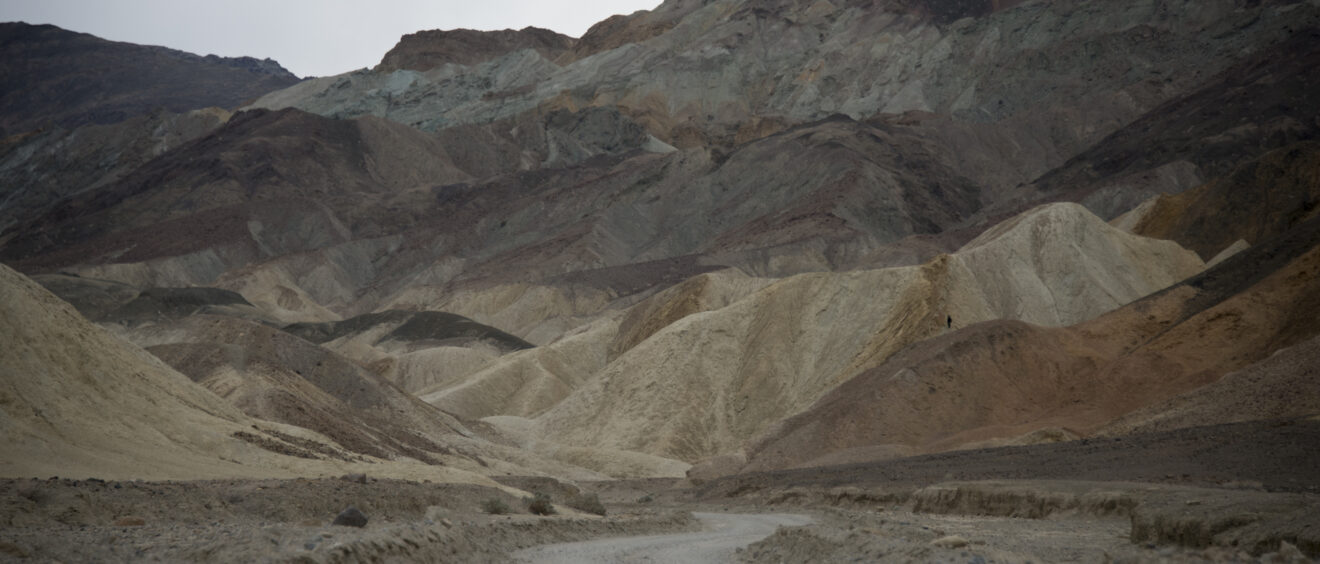
Death Valley National Park Death Valley National Park preserves basin landscapes formed through tectonic extension that created valleys between mountain ranges in the Basin and Range province. Faulting lowered sections of the earth’s crust, producing basins that collect sediment transported from surrounding mountains. The park contains some of the lowest elevations in North America. Limited […]
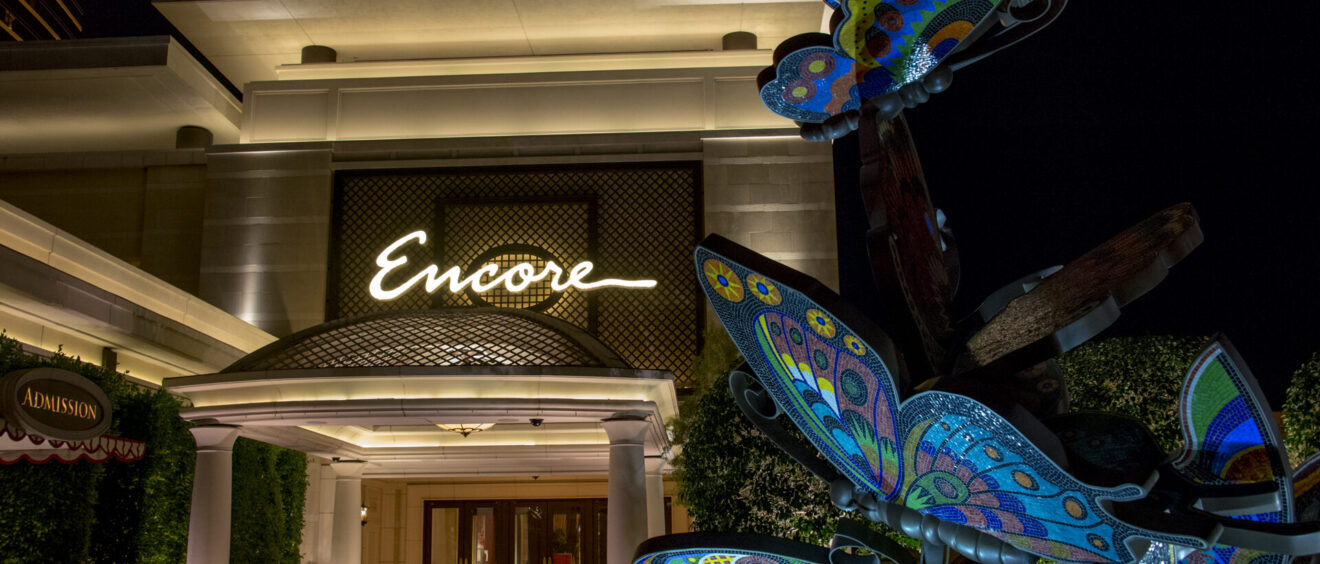
Las Vegas Las Vegas developed within the Mojave Desert as a transportation and entertainment center supported by water resources from the Colorado River system. The city illustrates how modern infrastructure allows large urban environments to exist within arid landscapes where natural water availability is limited. Development patterns reflect the relationship between resource management and settlement […]
Bulls Island Bulls Island is located within the Cape Romain National Wildlife Refuge along the South Carolina coast, where barrier islands, maritime forests, and salt marsh ecosystems illustrate the dynamic environmental conditions of the Atlantic coastal plain. The island’s undeveloped landscape preserves dune systems, freshwater ponds, and maritime vegetation shaped by wind, tides, and long-term […]
Charles Towne Landing Charles Towne Landing preserves the site of the first permanent English settlement in the Carolina colony, established in 1670 along the Ashley River in present-day South Carolina. Located within the coastal low country environment west of modern Charleston, the site reflects early colonial settlement patterns influenced by navigable waterways, tidal marshlands, and […]
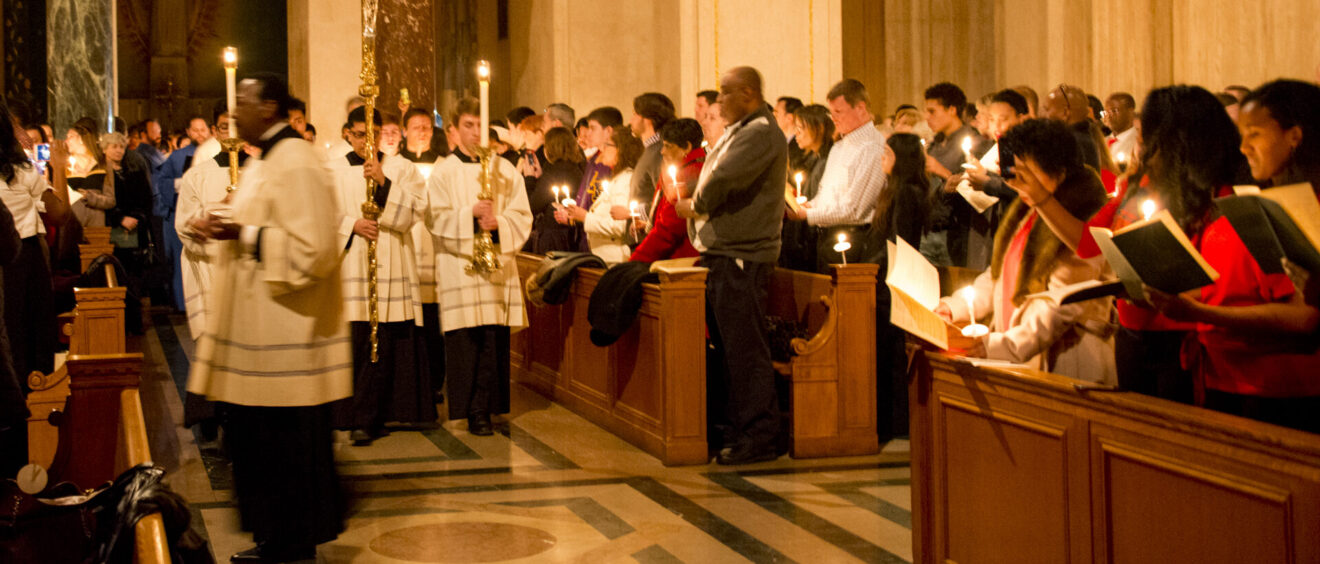
Christmas Midnight Mass at the Basilica The Basilica of the National Shrine of the Immaculate Conception is one of the most significant religious structures in the United States, combining Romanesque and Byzantine architectural influences within a monumental setting in Washington, DC. Constructed in the twentieth century as a national Catholic shrine, the basilica reflects long […]
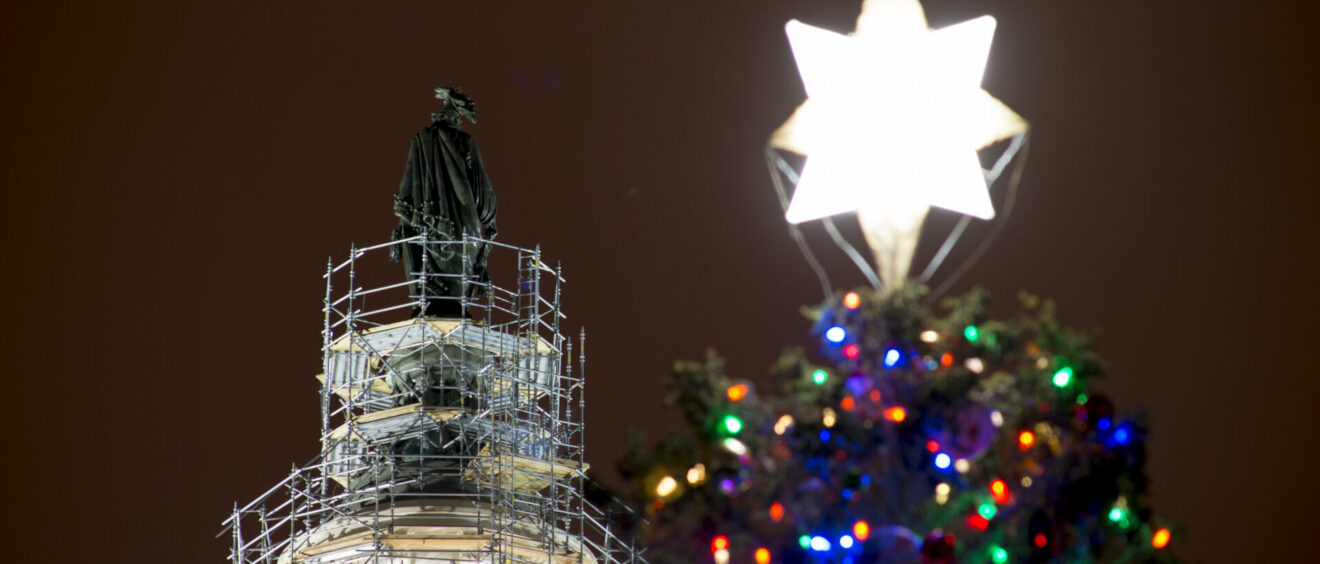
Washington, DC Holiday Season Washington, DC takes on a distinct ceremonial character during the holiday season, when civic spaces, public buildings, and monuments are transformed by seasonal decorations and lighting. The capital’s neoclassical architecture and formal urban plan provide an especially fitting setting for public displays that emphasize tradition, continuity, and shared observance. Decorations placed […]