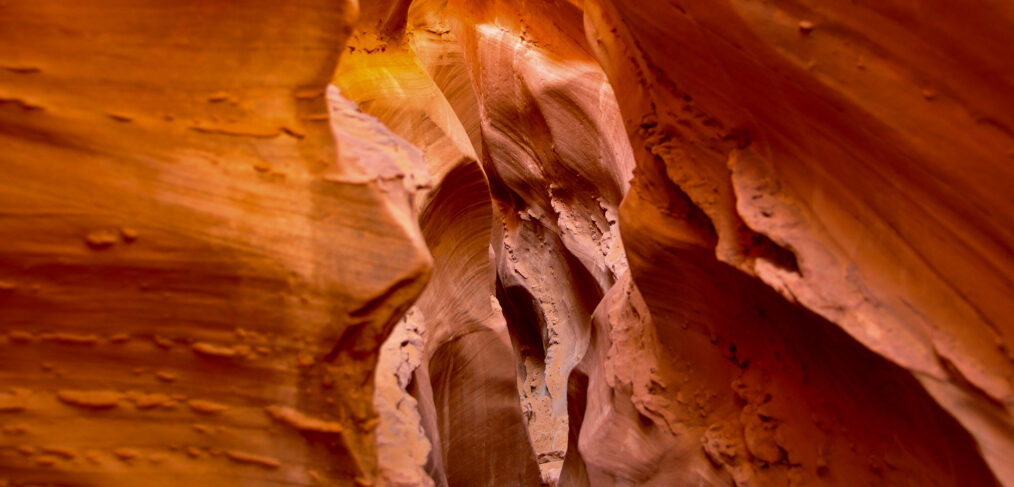
Grand Staircase–Escalante National Monument – Coyote Gulch Coyote Gulch preserves sandstone canyon formations shaped by erosion across the Colorado Plateau. Water flowing through fractures gradually carved narrow passages, arches, and alcoves into the rock layers. The canyon illustrates how erosion gradually deepens channels within uplifted sedimentary formations. Rock layers exposed within the canyon record environmental […]
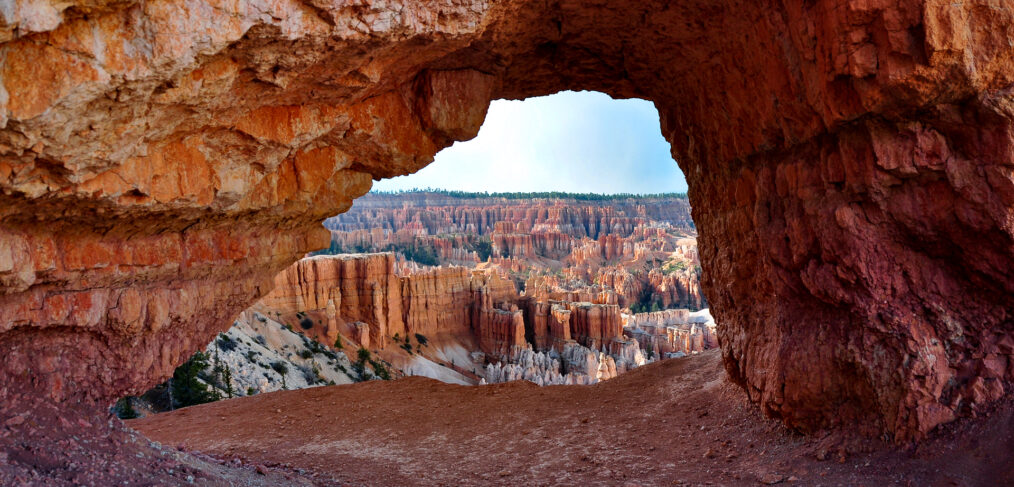
H Bryce Canyon National Park – Navajo Loop Bryce Canyon contains amphitheaters filled with hoodoos formed through frost weathering and erosion of limestone and sedimentary rock. Seasonal temperature fluctuations allow water to freeze within fractures in the rock, gradually widening cracks and separating rock columns from surrounding material. The resulting formations create dense clusters of […]
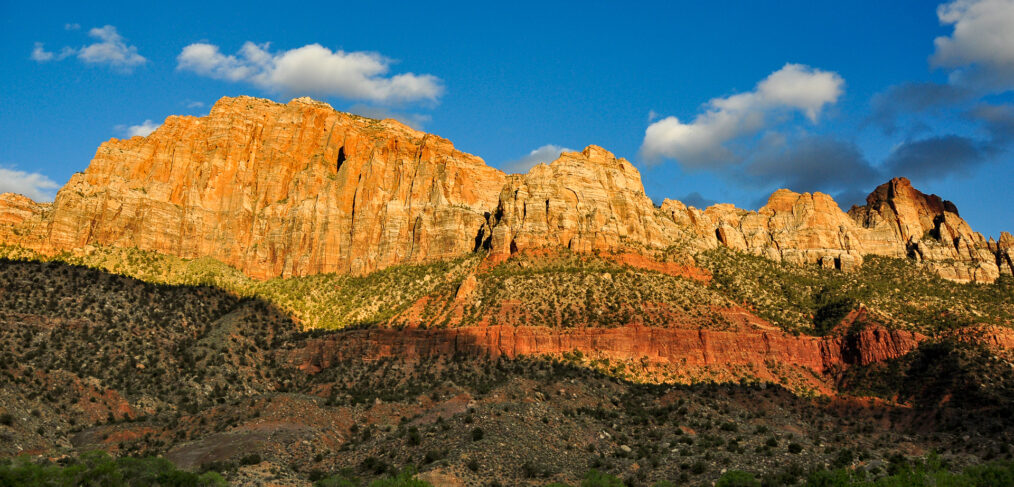
Zion National Park Zion National Park preserves steep sandstone canyon walls formed as the Virgin River gradually eroded rock layers uplifted across the Colorado Plateau. Over millions of years, water carved deep channels through Navajo Sandstone, exposing vertical cliffs that reveal distinct stratification patterns created by ancient desert environments. The canyon illustrates how uplift and […]
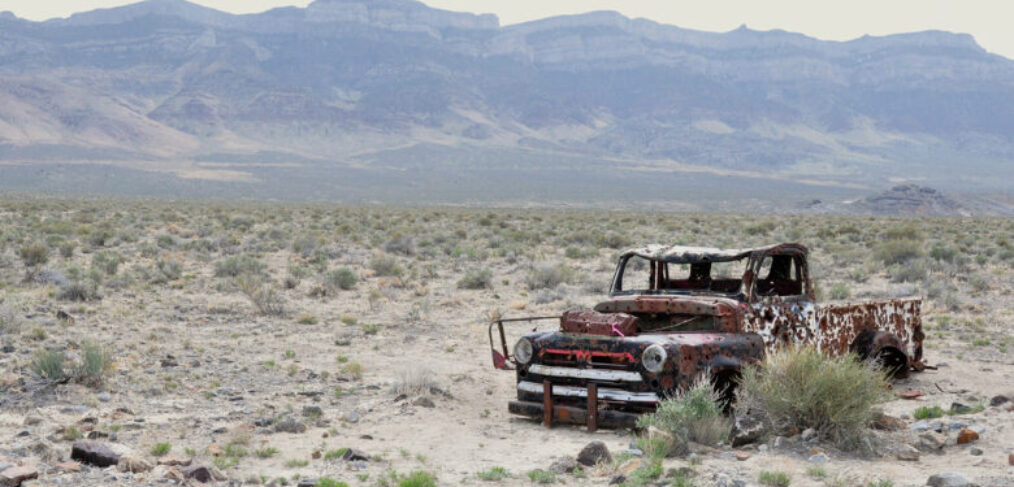
Great Basin National Park Great Basin National Park preserves mountain and desert ecosystems shaped by tectonic uplift within the Basin and Range geological province. Faulting created alternating mountain ranges and valleys across the region, producing varied elevations that influence climate and vegetation patterns. The park demonstrates how geological forces shape environmental diversity across relatively short […]
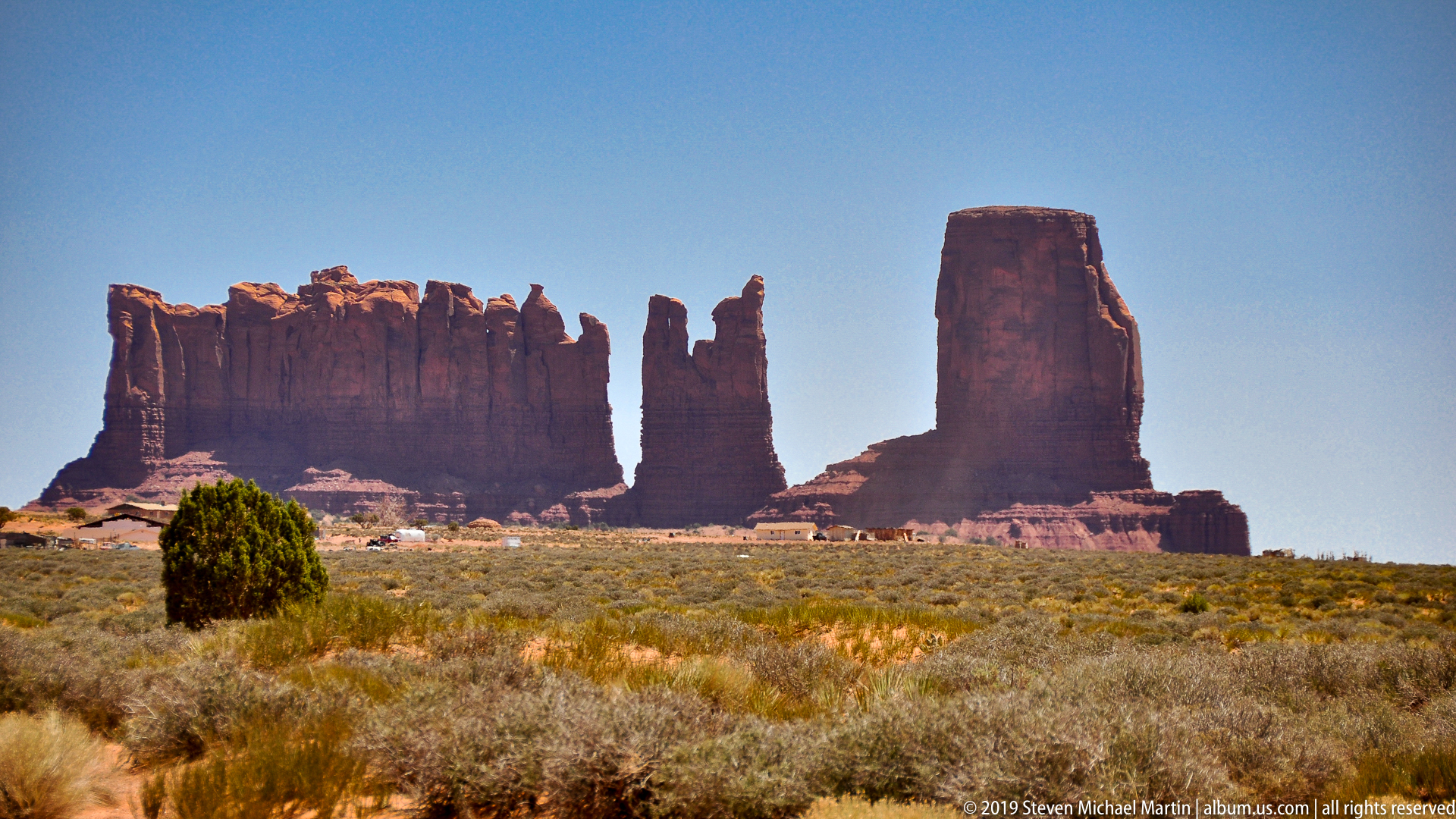
Monument Valley Monument Valley contains sandstone buttes and mesas formed through erosion of layered sedimentary rock across the Colorado Plateau. Wind and water gradually removed softer rock layers, leaving resistant formations rising above the surrounding desert plain. The distinctive shapes illustrate how erosion isolates rock masses over geological time. The landscape holds cultural significance for […]
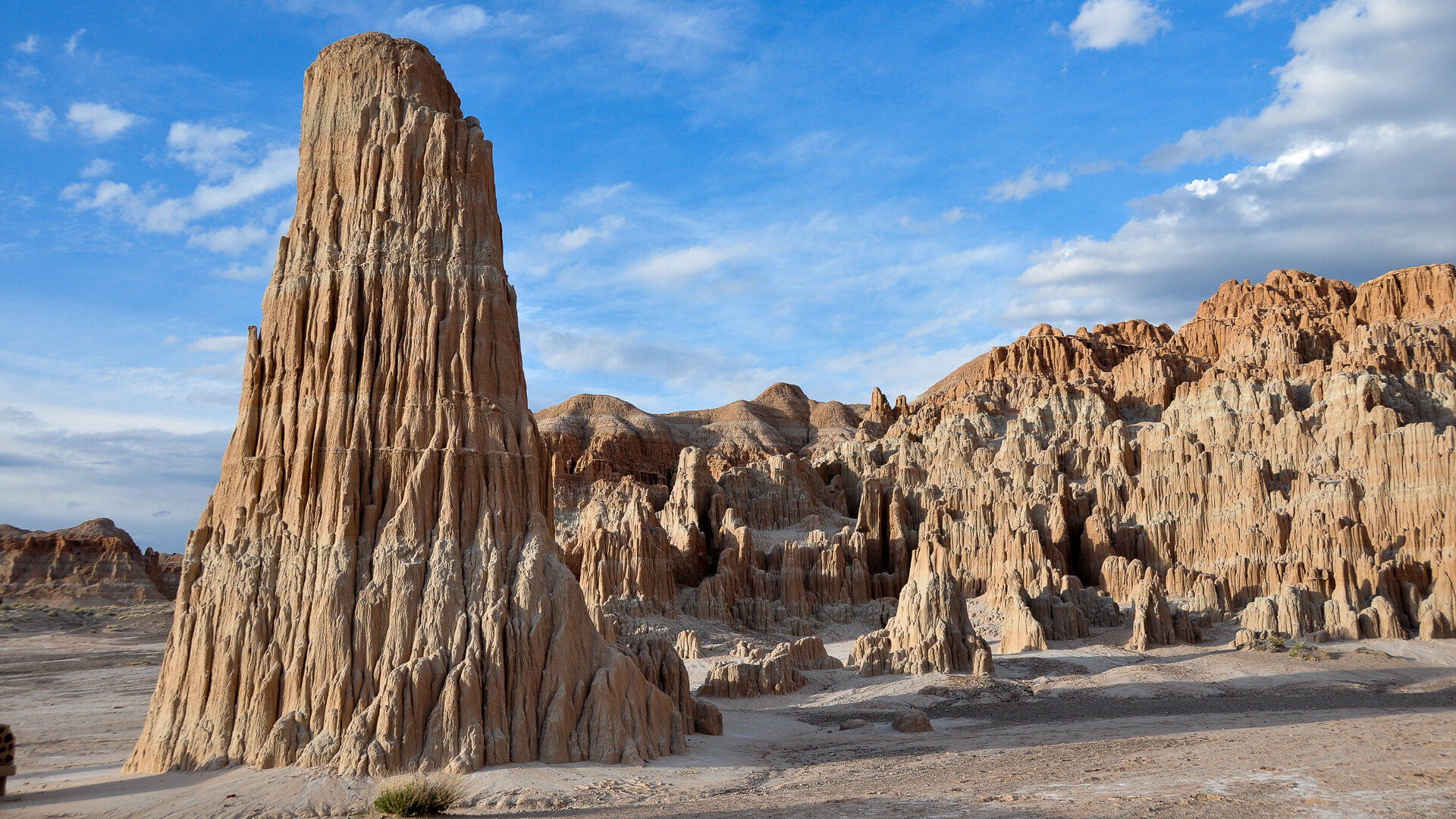
Cathedral Gorge State Park Cathedral Gorge preserves clay formations shaped by erosion within a basin environment where sediment accumulated millions of years ago. Over time, water carved narrow channels and steep ridges into the soft material, producing spire-like formations resembling architectural structures. The terrain demonstrates how erosion can sculpt dramatic shapes in relatively soft sedimentary […]
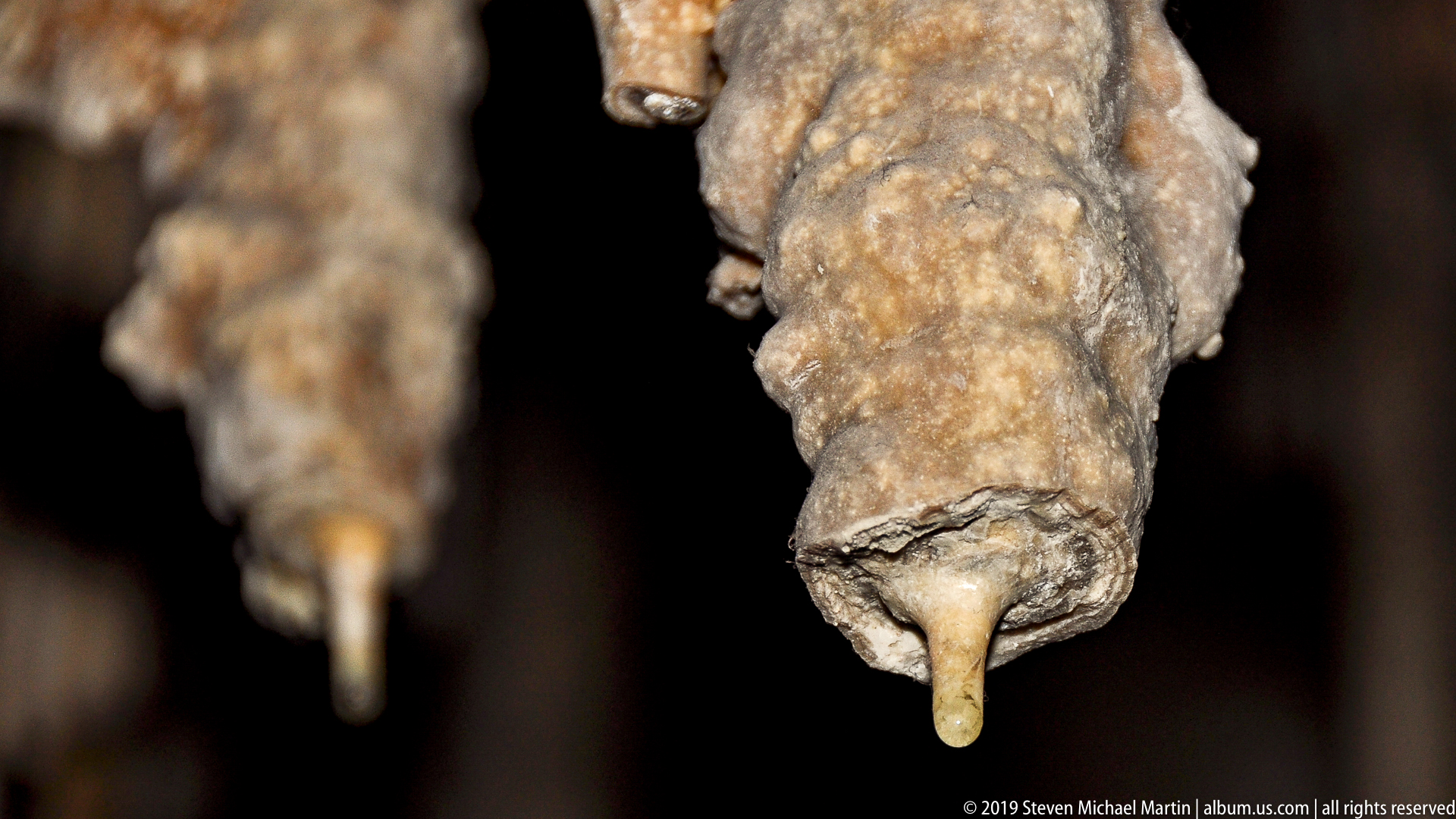
Lehman Caves National Monument Lehman Caves preserves a limestone cave system formed through the gradual dissolution of carbonate rock by slightly acidic groundwater. Over long periods of time, water widened fractures in the rock, creating chambers and passageways beneath the surface. Mineral-rich water dripping through the cave deposited calcite formations such as stalactites, stalagmites, and […]
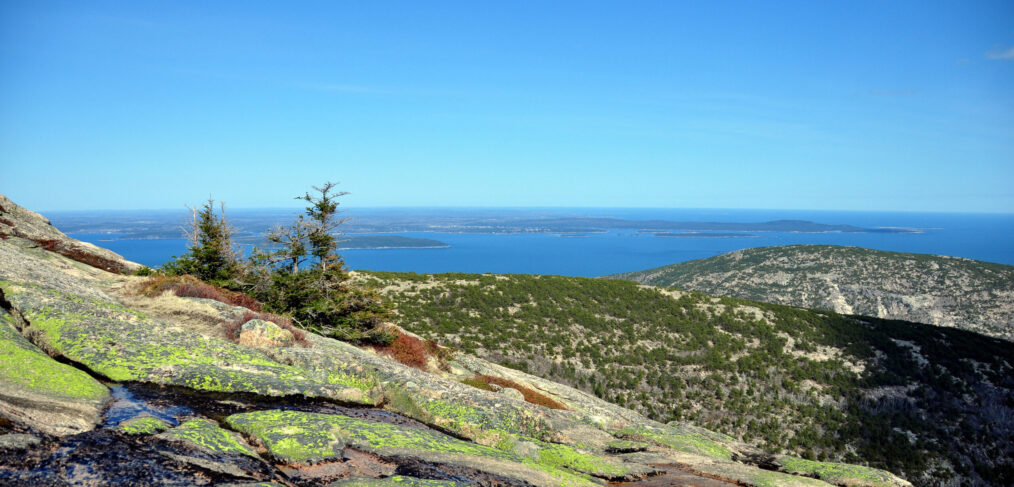
Acadia National Park and Portland Maine’s coastal landscape reflects the interaction between ancient bedrock formations and repeated glaciation that shaped the shoreline of the North Atlantic. The granite mountains and rocky coast preserved in Acadia National Park illustrate the effects of continental ice sheets that carved valleys and exposed resistant stone along Mount Desert Island. […]
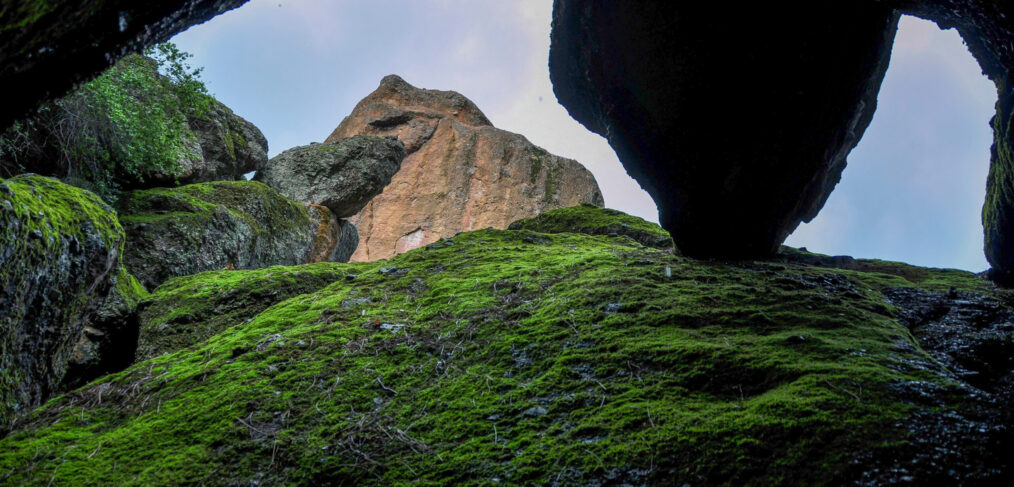
Pinnacles National Park Pinnacles National Park is located in central California where volcanic activity and movement along the San Andreas Fault created a landscape of rock spires, cliffs, and talus caves. The rock formations visible today represent remnants of an ancient volcanic field that has been gradually displaced by tectonic forces over millions of years. […]
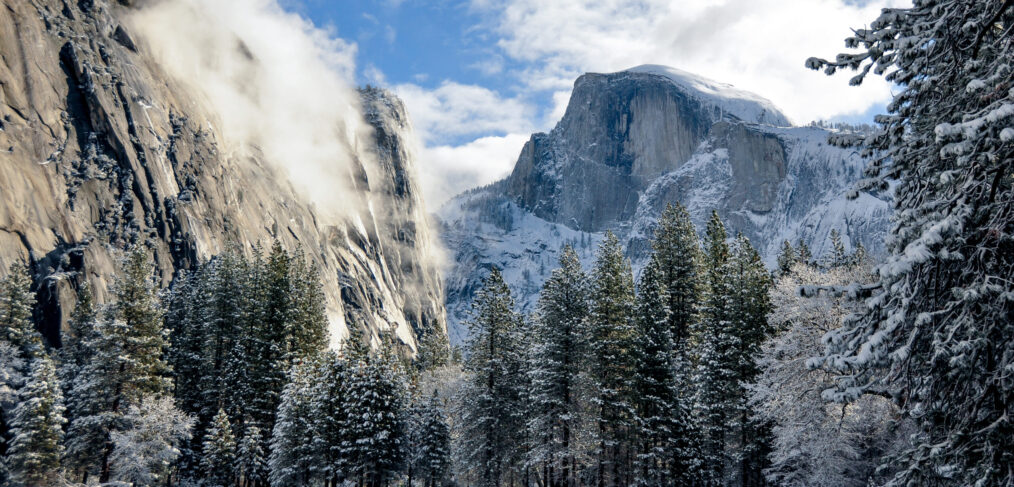
Yosemite National Park Yosemite National Park is located in California’s Sierra Nevada mountains, where glacial processes shaped granite cliffs, waterfalls, and high alpine landscapes. The park’s distinctive geological formations, including sheer rock faces and deep valleys, were formed through uplift and erosion over millions of years. Glacial activity during the last Ice Age carved Yosemite […]