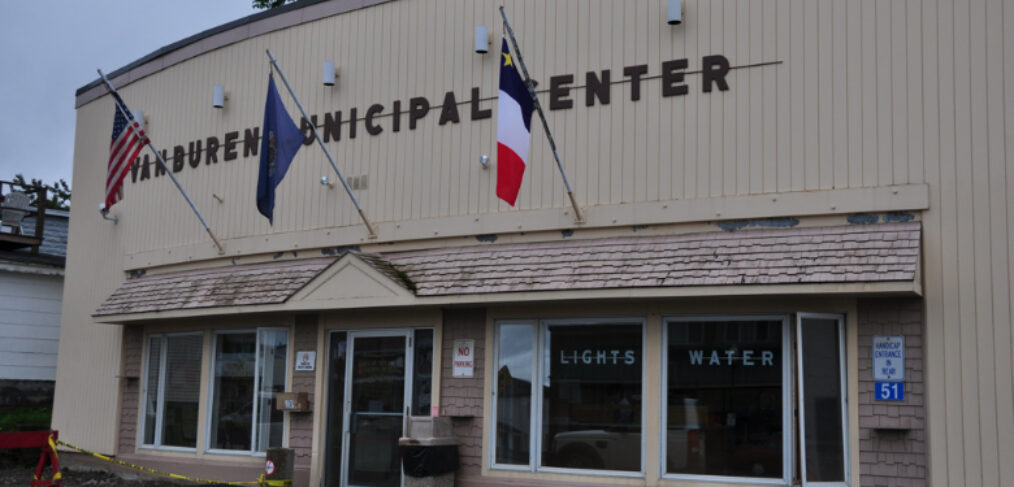
Van Buren Van Buren is located along the Saint John River in northern Maine, where the international boundary between the United States and Canada follows a waterway historically used for transportation and settlement. The surrounding region developed through forestry and agriculture influenced by the river’s role as both a natural resource and a corridor connecting […]
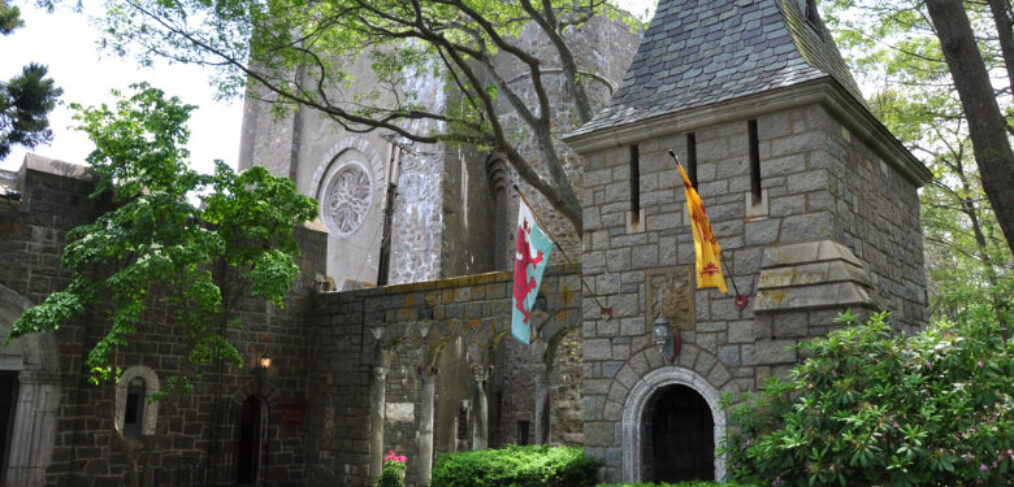
Hammond Castle Hammond Castle stands along the rocky coastline of Gloucester, Massachusetts, where the architectural imagination of inventor John Hays Hammond Jr. combined elements of medieval European design with twentieth-century engineering. Constructed between 1926 and 1929, the structure served both as a residence and laboratory for Hammond, a pioneer in radio control technology whose research […]
Introduction EPCOT explores the intersection of technological innovation and international cultural exchange through a landscape organized around themed pavilions representing countries from around the world. Originally conceived as an experimental vision of future urban planning, the park developed into a setting where architecture, cuisine, and design traditions are presented within a unified environment. The World […]
Memorial Day in Boston Boston’s historic landscape provides an important setting for national remembrance, where monuments, burial grounds, and civic spaces reflect the military history of the United States from the colonial period through the modern era. Memorial Day observances in the city connect contemporary traditions of commemoration with the long historical narrative of sacrifice […]
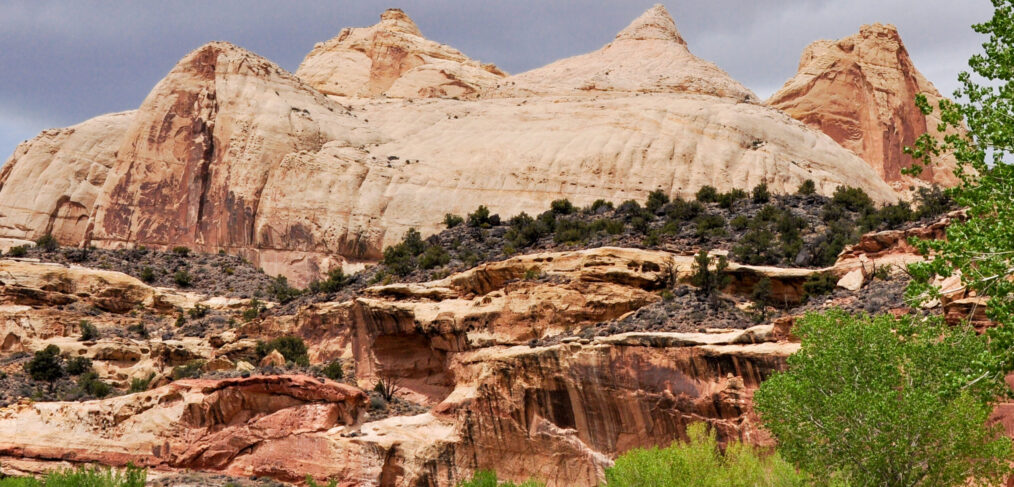
Capitol Reef National Park Capitol Reef National Park preserves a geological feature known as the Waterpocket Fold, a monocline formed when tectonic forces caused rock layers to bend upward rather than fracture. Erosion exposed the folded rock layers, revealing colorful sedimentary strata that record environmental conditions across millions of years. Differences in rock composition contribute […]
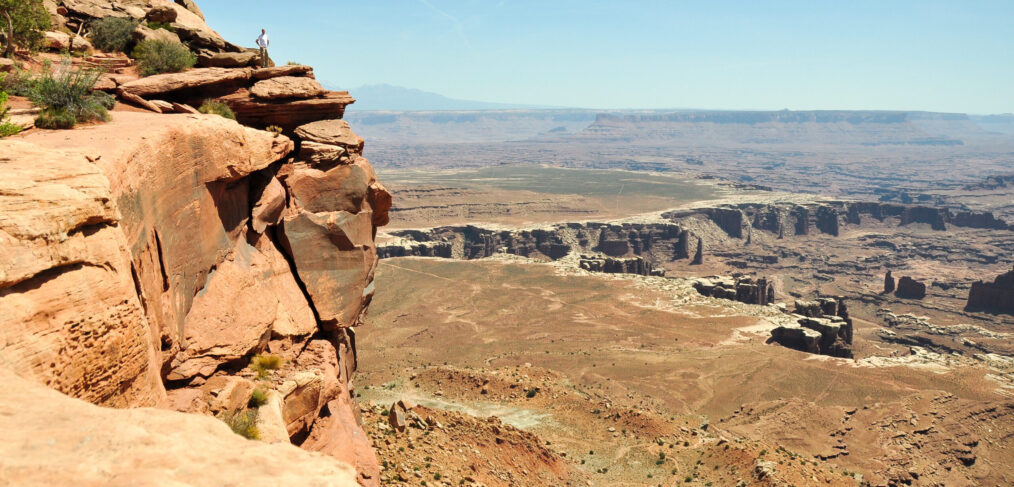
Canyonlands National Park Canyonlands National Park preserves a landscape of mesas, buttes, and deep canyon systems carved by the Colorado and Green Rivers. Over millions of years, flowing water gradually eroded sedimentary rock layers exposed by uplift of the Colorado Plateau. The resulting terrain contains complex networks of canyons that illustrate the long-term effects of […]
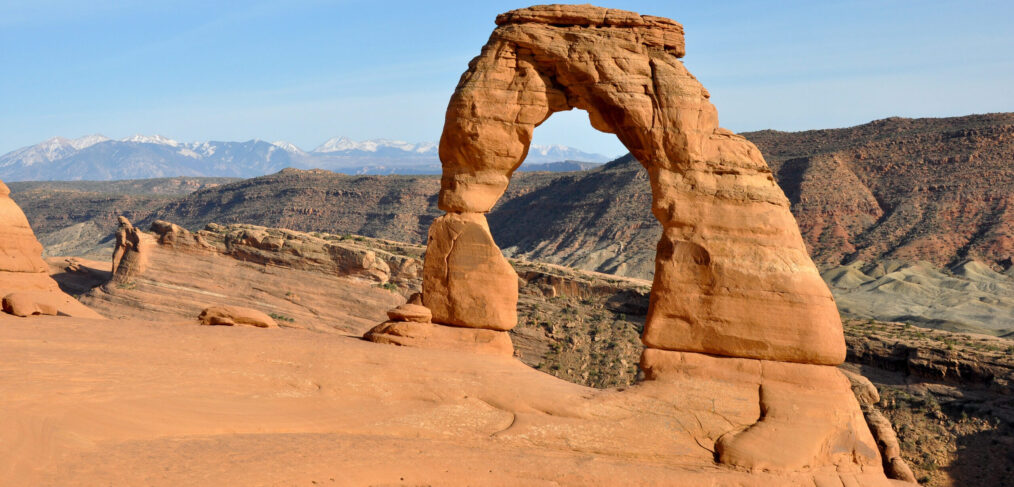
Arches National Park – Devils Garden Arches National Park preserves sandstone formations shaped by erosion across the Colorado Plateau. Devils Garden contains numerous natural arches formed as fractures in the rock gradually widened through weathering and erosion. Differences in rock hardness allowed openings to form where weaker material eroded more quickly than surrounding sandstone. Salt […]
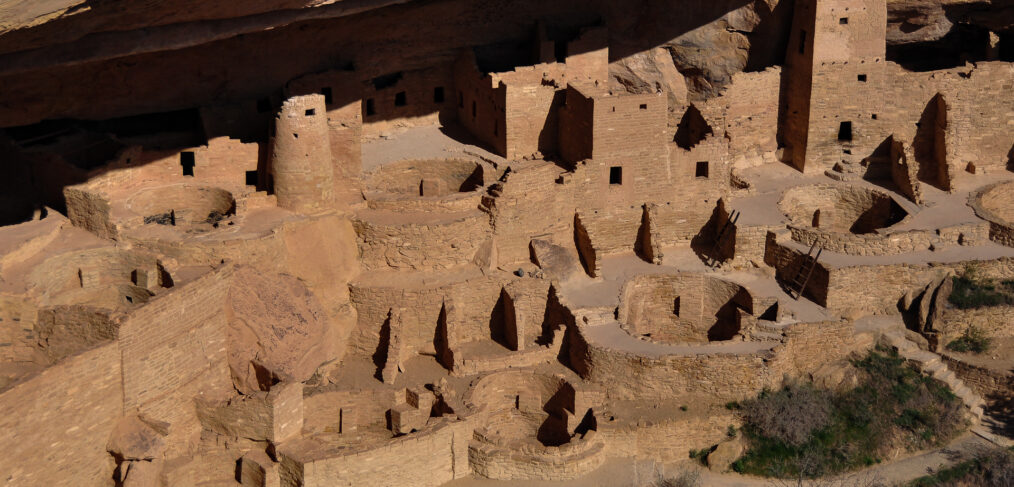
Mesa Verde National Park Mesa Verde National Park preserves cliff dwellings constructed by Ancestral Puebloan communities between the sixth and thirteenth centuries. The structures were built within natural alcoves formed through erosion of sandstone cliff faces. The dwellings demonstrate how architectural design responded to environmental conditions and available materials. Cliff dwellings provided protection from weather […]
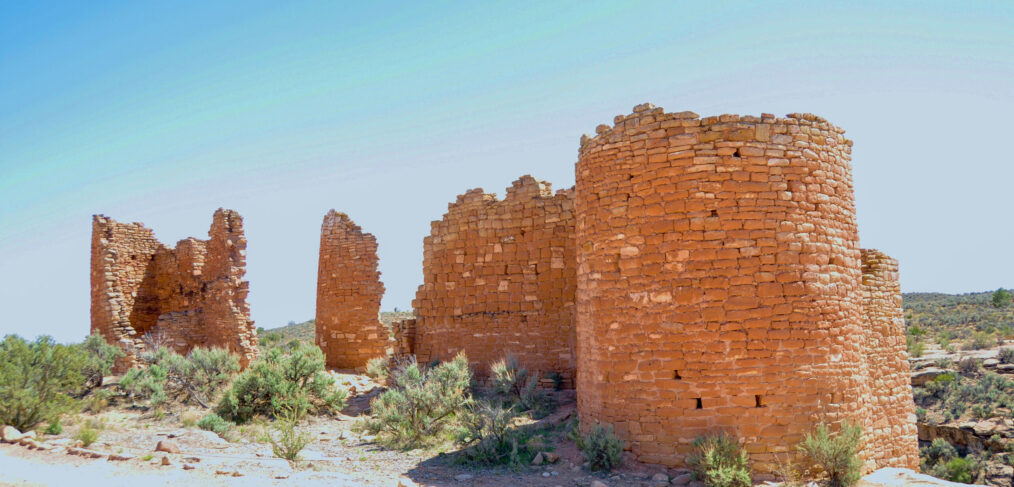
Hovenweep National Monument Hovenweep preserves stone towers and structures constructed by Ancestral Puebloan communities between the twelfth and thirteenth centuries. The buildings were constructed using shaped stone blocks arranged in multi-story forms situated near canyon edges and water sources. The structures demonstrate architectural adaptation to the environmental conditions of the high desert. The surrounding landscape […]
Antelope Canyon and Page Antelope Canyon is a slot canyon formed through erosion of Navajo Sandstone by seasonal flash flooding. Water flowing through narrow fractures gradually deepened and widened passageways, producing smooth, curved rock surfaces. The canyon illustrates how erosion can shape narrow channels within relatively soft sandstone formations across the Colorado Plateau. Light entering […]