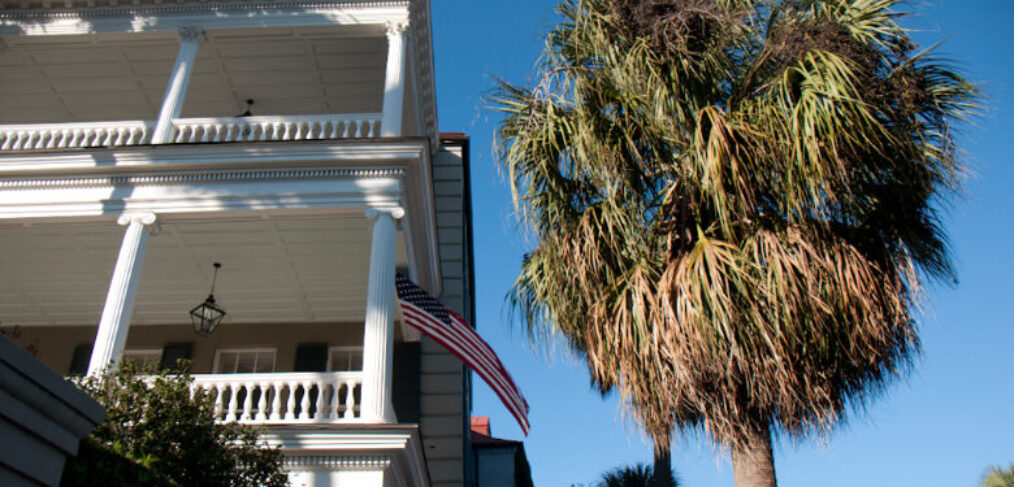
Charleston Seasonal visits to Charleston provide additional perspective on the historic urban landscape shaped by coastal geography and centuries of architectural development. The city’s historic districts reflect a continuity of design traditions associated with port cities of the Atlantic seaboard, where narrow streets, church steeples, and waterfront views illustrate the long-term relationship between maritime trade […]
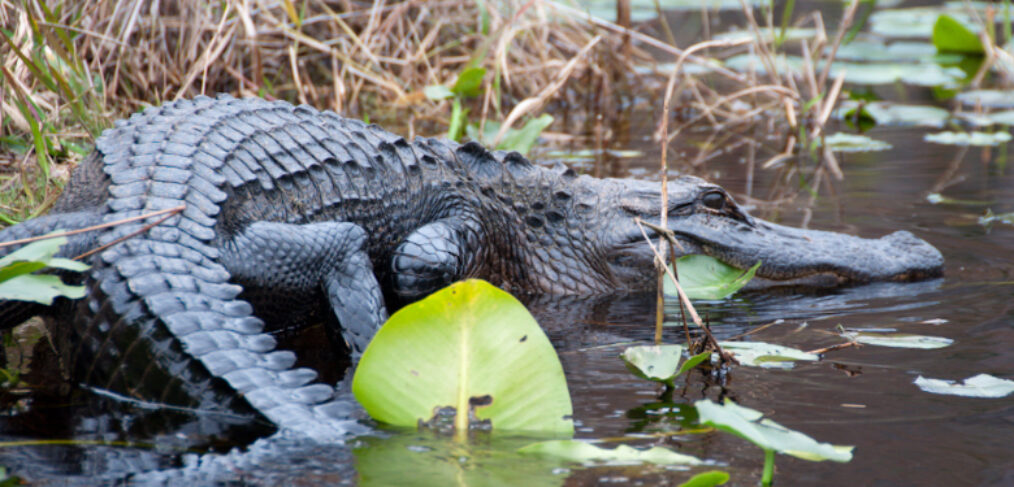
Okefenokee National Wildlife Refuge Okefenokee National Wildlife Refuge preserves one of the largest intact freshwater wetland ecosystems in North America, located along the Georgia–Florida border within a broad, shallow basin formed over thousands of years. The swamp contains peat deposits, cypress forests, open prairies, and slow-moving waterways that create a distinctive landscape shaped by water […]
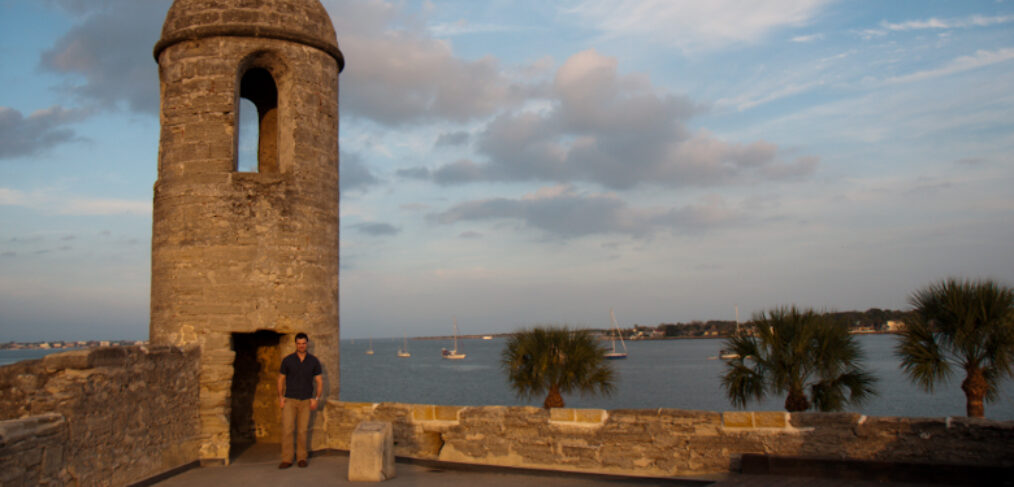
Castillo de San Marcos & Fort Matanzas (St. Augustine) St. Augustine preserves one of the earliest European-established settlements in the continental United States, reflecting the strategic importance of Florida’s Atlantic coastline within Spanish colonial networks. Positioned along protected waterways connecting the Atlantic Ocean to inland environments, the settlement developed as part of a broader system […]
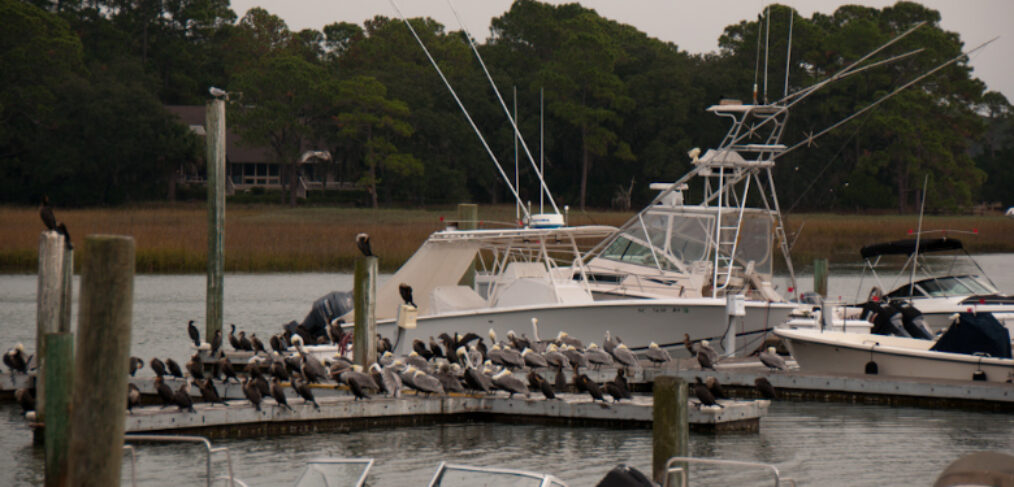
Excursions from Charleston The coastal region surrounding Charleston, South Carolina, contains a network of historic landscapes shaped by maritime geography, tidal rivers, and early colonial settlement patterns. Barrier islands, estuaries, and inland waterways created transportation routes connecting coastal ports with agricultural regions of the southeastern interior. These environments influenced patterns of trade, defense, and cultural […]
Bristol and Hartford Memories The cities of Bristol and Hartford developed within the Connecticut River Valley, a region that became an important center of manufacturing during the nineteenth and early twentieth centuries. Hartford emerged as a hub of precision industry, including firearms, typewriters, and insurance enterprises, reflecting broader patterns of industrial growth in New England. […]
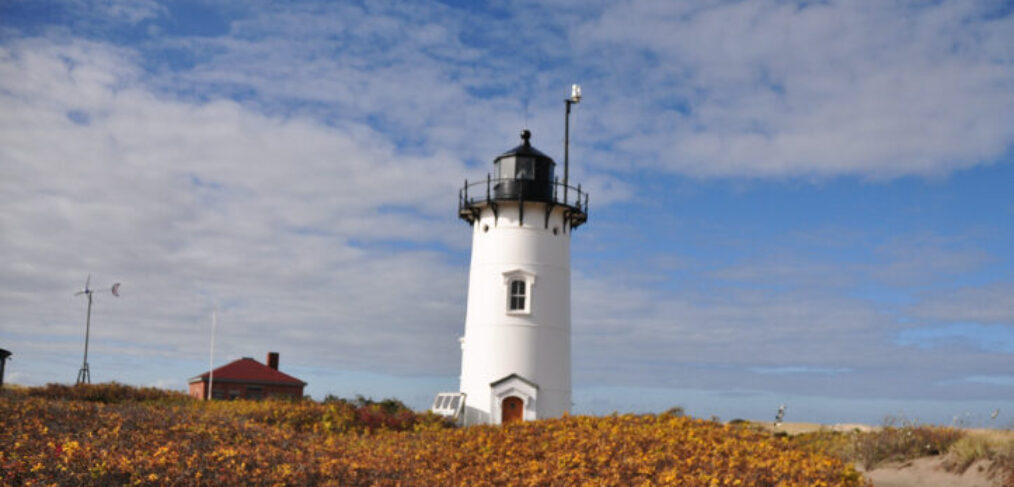
Halloween in Provincetown Provincetown occupies the northern tip of Cape Cod, where a narrow peninsula extends into the Atlantic Ocean and forms one of the most distinctive coastal environments in New England. The town developed historically as a fishing and maritime community, later evolving into an artists’ colony known for its cultural openness and creative […]
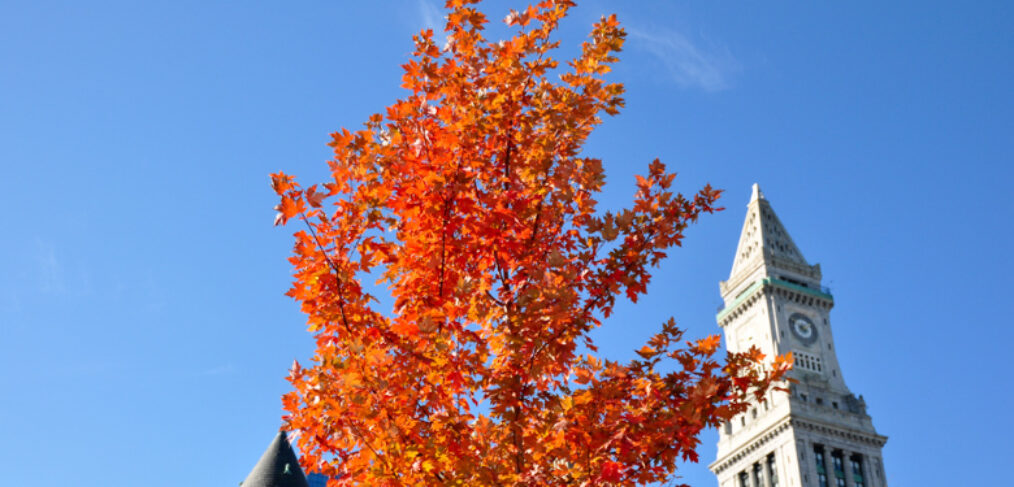
Boston Autumn Autumn in Boston reflects seasonal changes characteristic of the northeastern United States, where deciduous forests produce distinctive color variation as daylight decreases and temperatures decline. The region’s climate supports maple, oak, and beech species whose foliage contributes to the visual identity of New England during the fall season. Seasonal change has long influenced […]
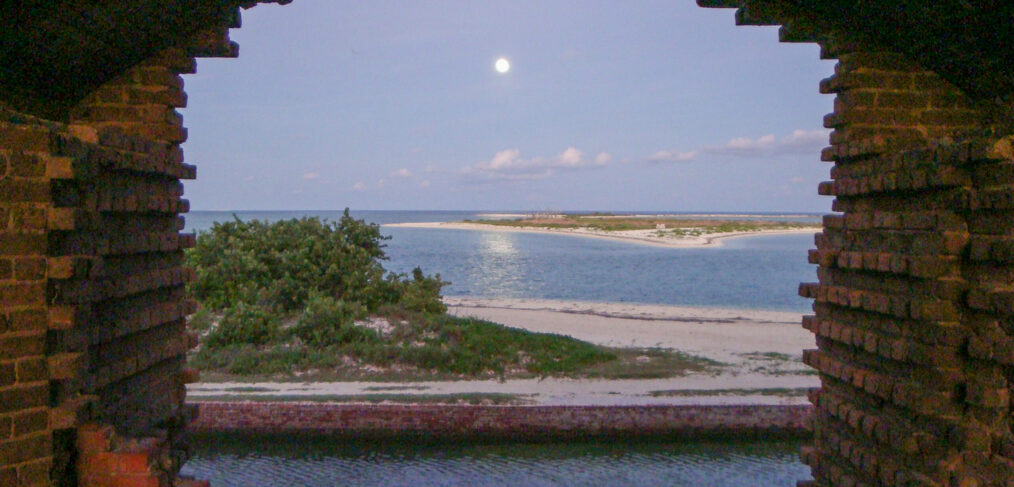
Dry Tortugas National Park Dry Tortugas National Park preserves a remote maritime landscape located at the western edge of the Florida Keys, where open water, coral reefs, and small islands form part of the broader Gulf of Mexico ecosystem. The park’s isolated setting reflects its historical role as both a navigational reference point and a […]
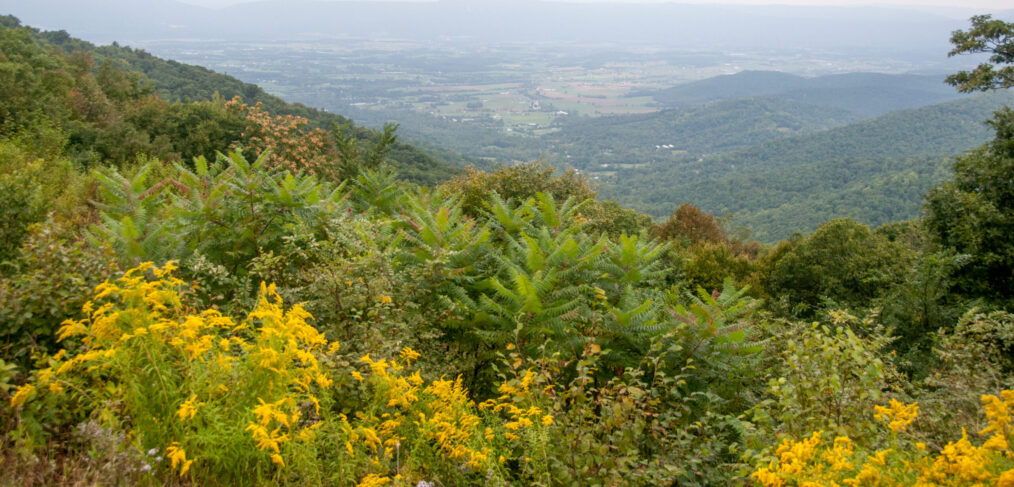
Shenandoah National Park Shenandoah National Park preserves a long, narrow section of the Blue Ridge Mountains where forested ridgelines, waterfalls, and valleys reflect the geological history of one of the oldest mountain systems in the world. Established in 1935, the park protects more than 200,000 acres of Appalachian landscape shaped by erosion over hundreds of […]
Burlington, Vermont Burlington developed along the eastern shore of Lake Champlain, a natural corridor linking the interior of North America with the St. Lawrence River and the Atlantic world. The lake has long served as a geographic boundary and transportation route, first for Indigenous communities including the Abenaki and Mohawk, and later for European explorers […]