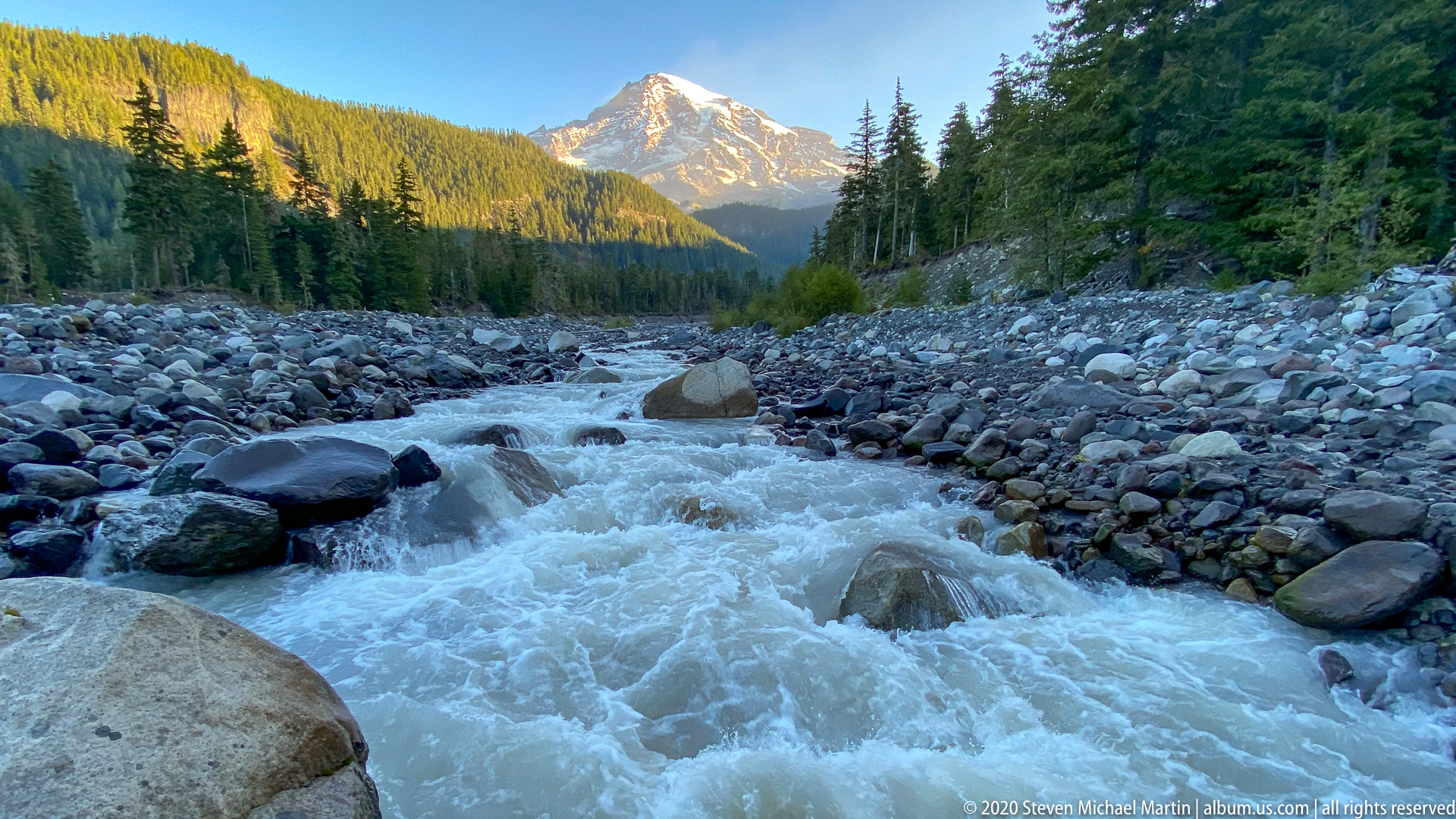
Mount Rainier NP – Carbon River The Carbon River area of Mount Rainier National Park offers a quieter perspective on the park’s landscape, where dense forest, moss-covered trees, and the steady presence of the river create a distinctly temperate rainforest atmosphere. The environment feels lush and enclosed, with filtered light and layered vegetation defining the […]
Olympic National Park — Third Beach Third Beach is characterized by dramatic coastal formations shaped by long-term erosion from waves and weather. Offshore sea stacks rise from the water, representing remnants of rock formations that resisted erosion longer than surrounding material. These features contribute to the distinctive appearance of the Olympic coastline. Large pieces of […]
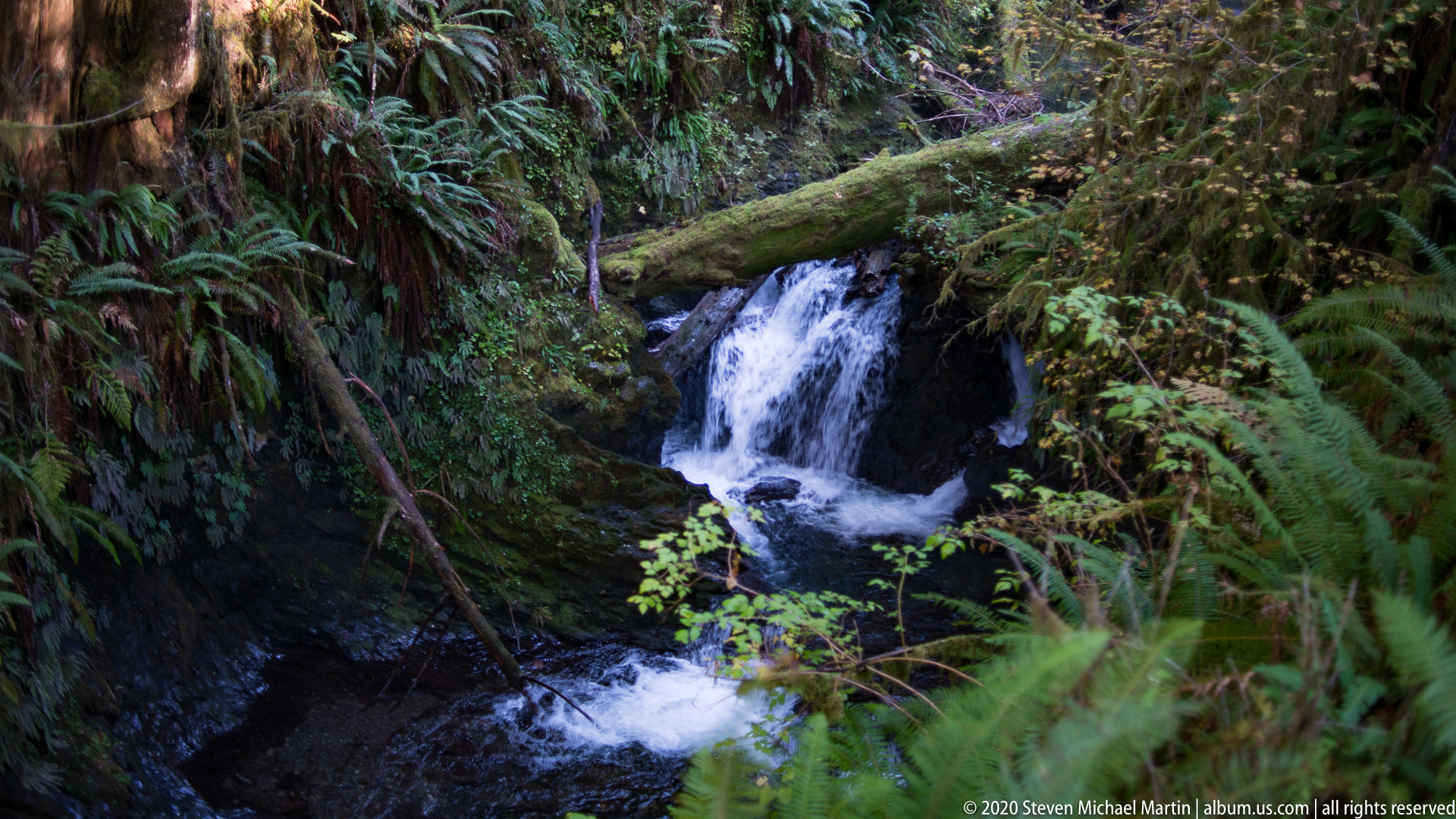
Olympic National Park — Quinault Rain Forest The Quinault Rain Forest represents one of the most recognizable environments of the Olympic Peninsula, where high levels of precipitation support dense plant growth. Large conifer trees dominate the forest canopy, while moss and ferns cover branches and fallen logs. The layered structure of the vegetation reflects the […]
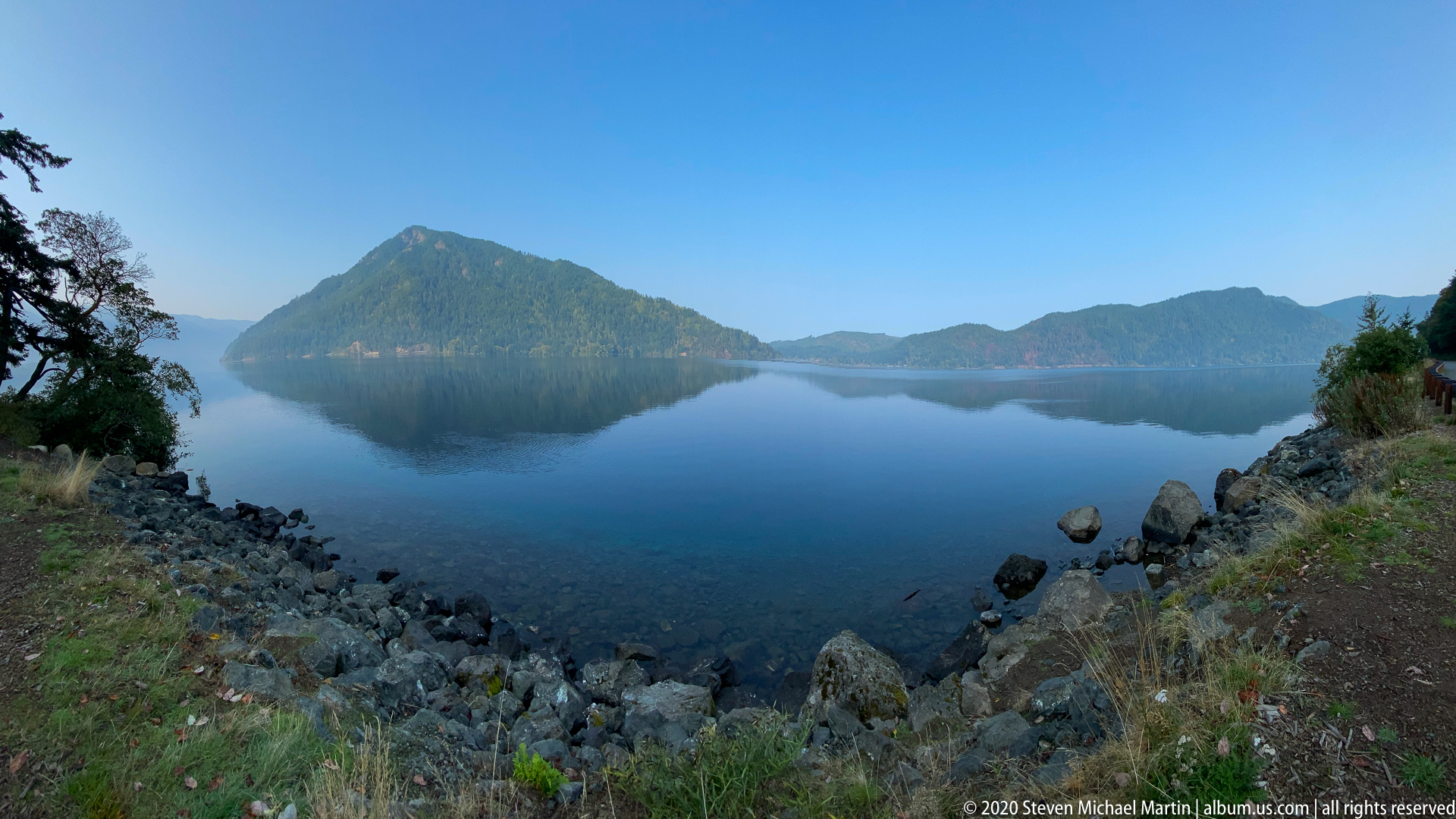
Olympic National Park — Lake Quinault Lake Quinault lies within a temperate rainforest environment characterized by high precipitation and dense vegetation. Moisture supports the growth of moss, ferns, and large conifer trees that create layered forest structure. The lake surface reflects surrounding vegetation, reinforcing the sense of continuity between land and water. Glacial processes contributed […]
Olympic National Park — Totem Poles Totem poles found within the Olympic Peninsula region illustrate the artistic traditions of Indigenous cultures of the Pacific Northwest. Carved cedar poles depict symbolic figures representing lineage, stories, and cultural identity. The placement of these works within forest environments reflects the connection between artistic expression and the surrounding landscape. […]
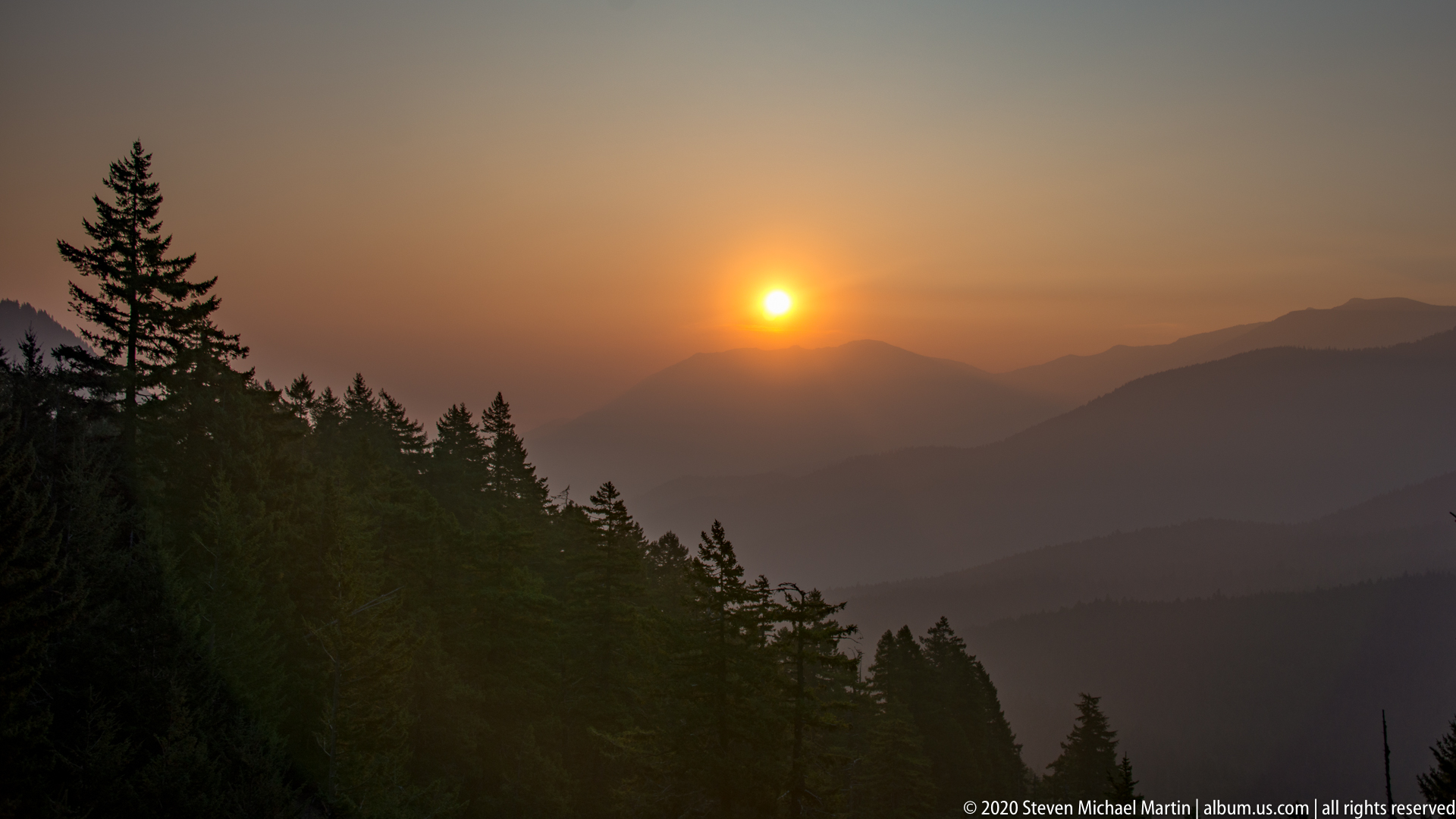
Olympic National Park — Hurricane Ridge Hurricane Ridge offers one of the most accessible high elevation viewpoints within Olympic National Park. The location provides wide views across the Olympic Mountain range, where glacially shaped ridges extend in multiple directions. Changing weather conditions often produce shifting light patterns across the landscape. The surrounding terrain includes alpine […]
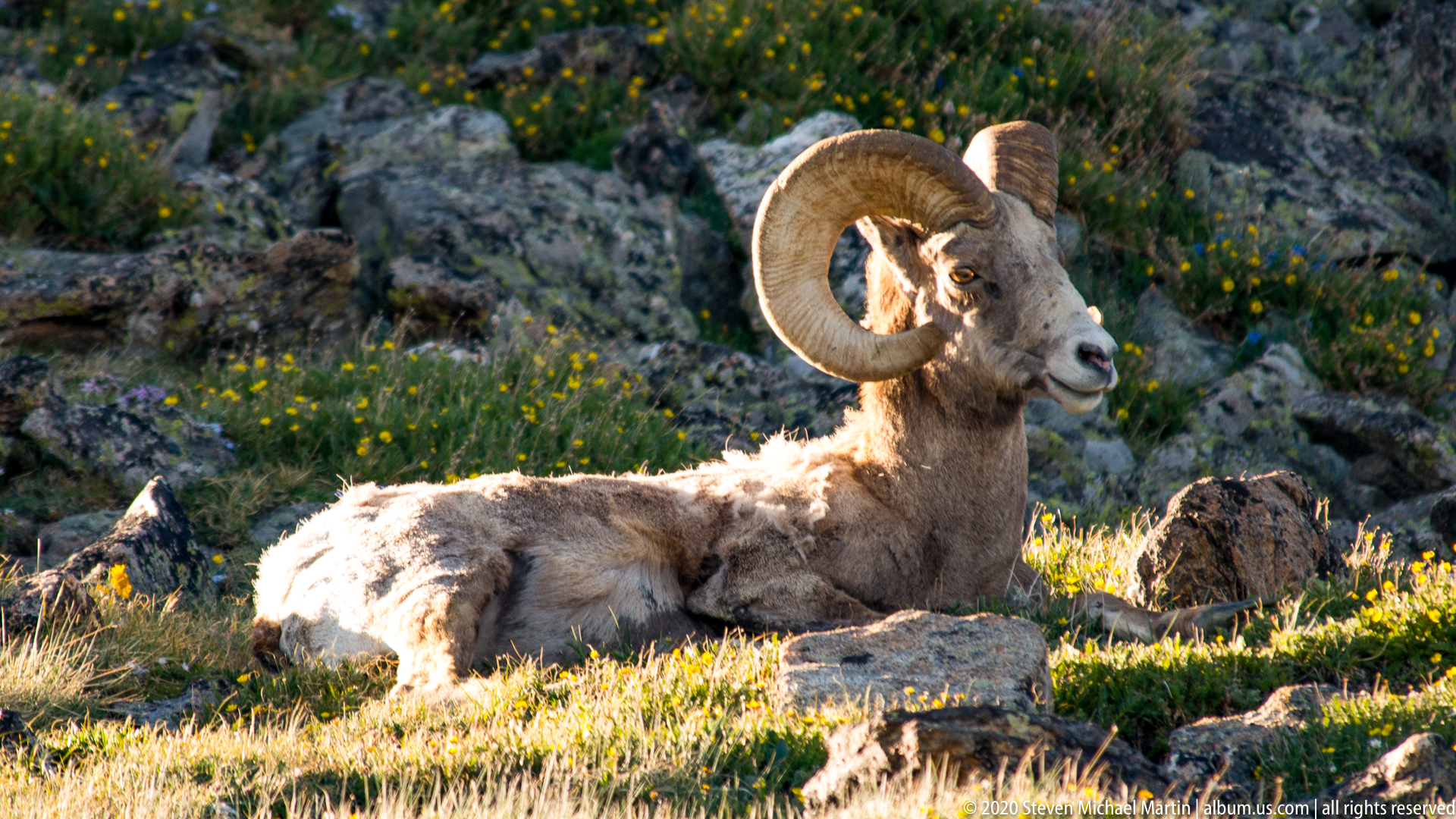
Alpine Meadows – Rocky Mountain National Park Alpine meadows within Rocky Mountain National Park preserve high elevation tundra environments shaped by cold temperatures, strong winds, and short growing seasons. Vegetation in these areas adapts to harsh climatic conditions, producing low-growing plants that can survive exposure to snow and wind. The meadows illustrate the ecological influence […]
Rocky Mountain National Park Rocky Mountain National Park preserves a high elevation landscape defined by rugged peaks, alpine lakes, and glacially shaped valleys. The park contains portions of the Continental Divide and illustrates geological processes associated with mountain uplift and glaciation. The dramatic terrain reflects millions of years of tectonic forces that raised the Rocky […]
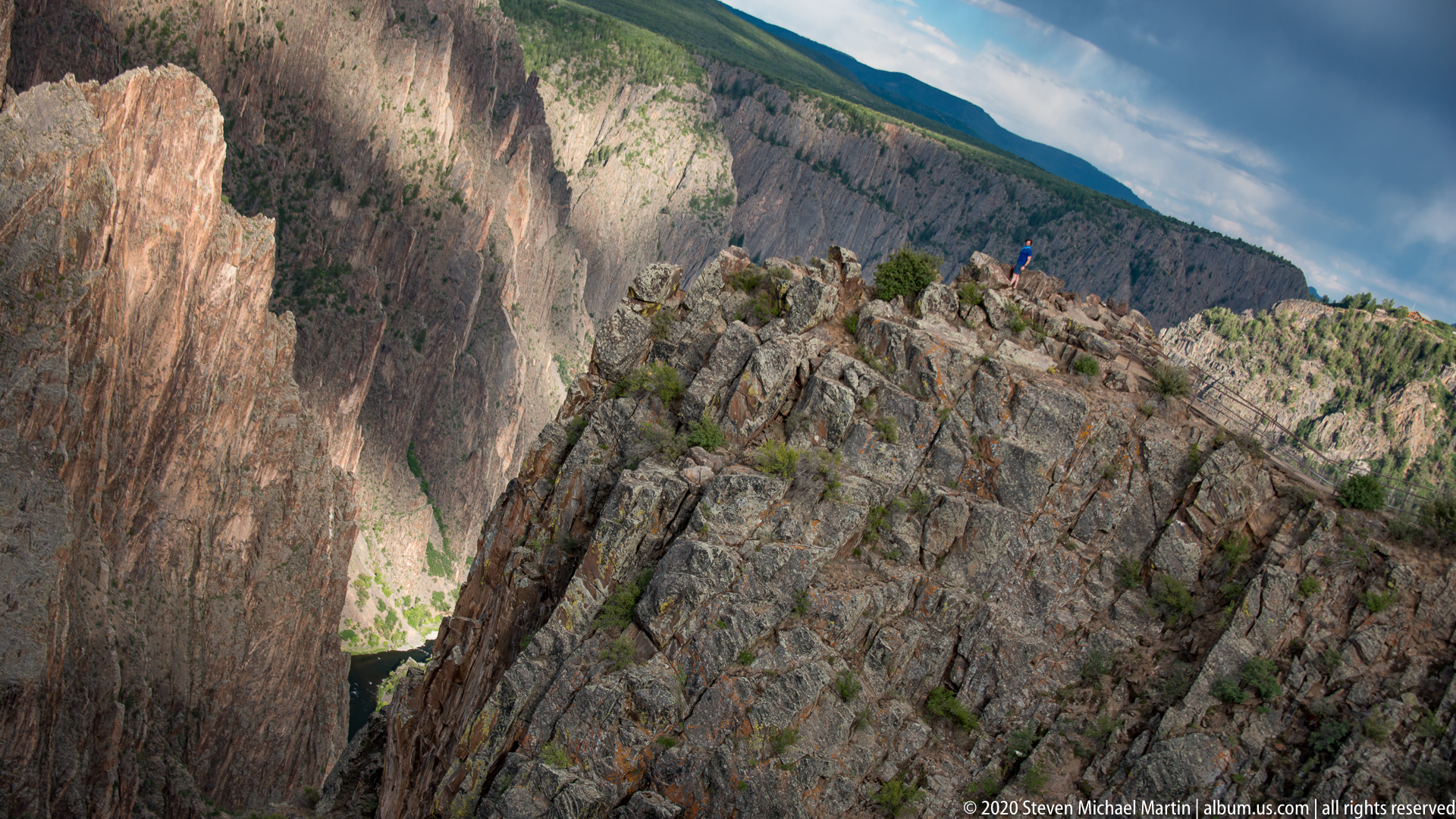
Black Canyon of the Gunnison National Park Black Canyon of the Gunnison National Park preserves one of the steepest and most dramatic canyon landscapes in the American West. The Gunnison River carved this narrow canyon through hard Precambrian rock and younger igneous intrusions, creating sheer walls and remarkable depth within a relatively tight corridor. The […]
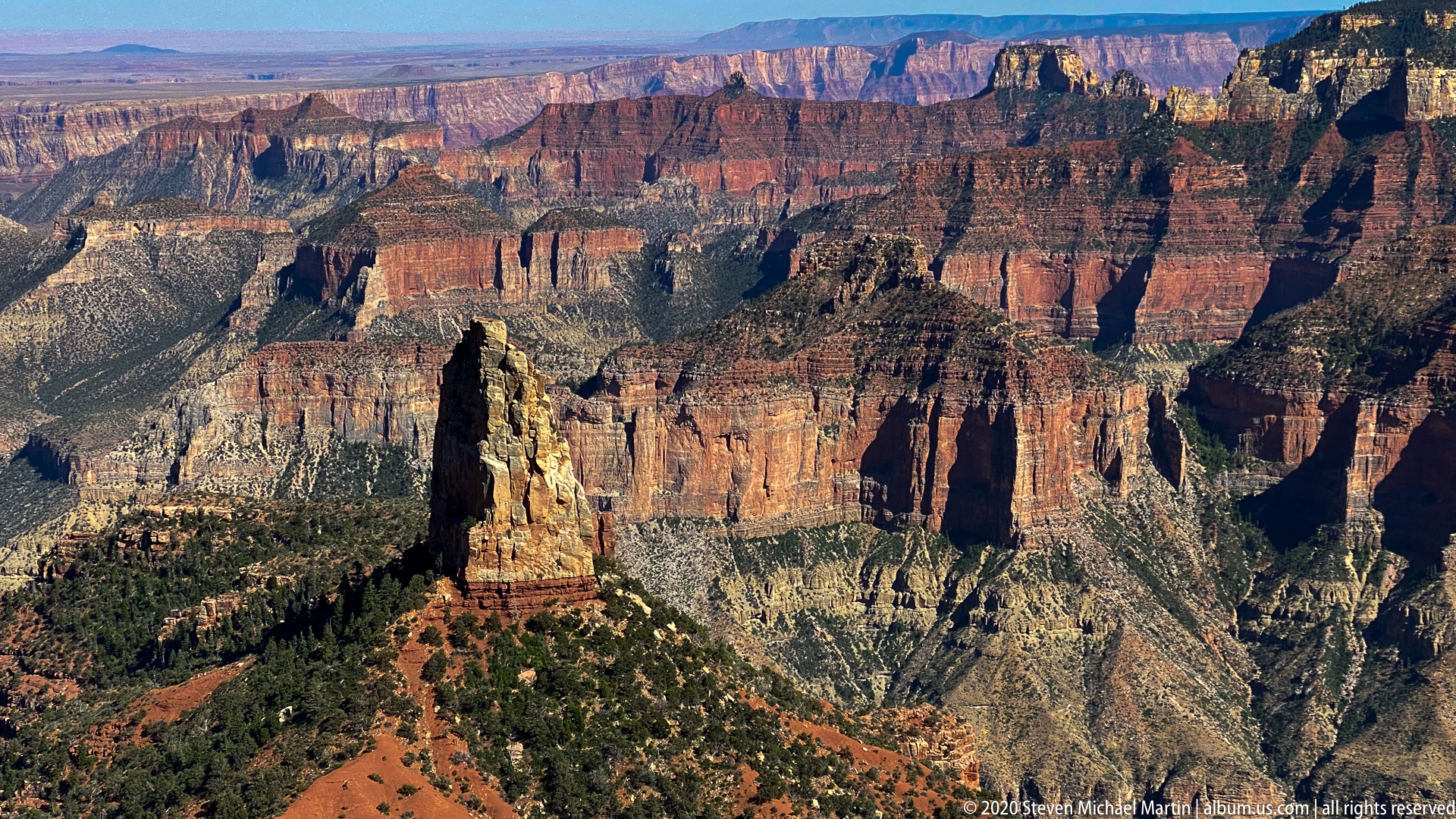
North Rim – Grand Canyon National Park The North Rim of Grand Canyon National Park provides elevated views into one of the most recognizable canyon systems in the world. The canyon was formed by long-term erosion of uplifted sedimentary rock layers by the Colorado River, exposing geological strata that record hundreds of millions of years […]