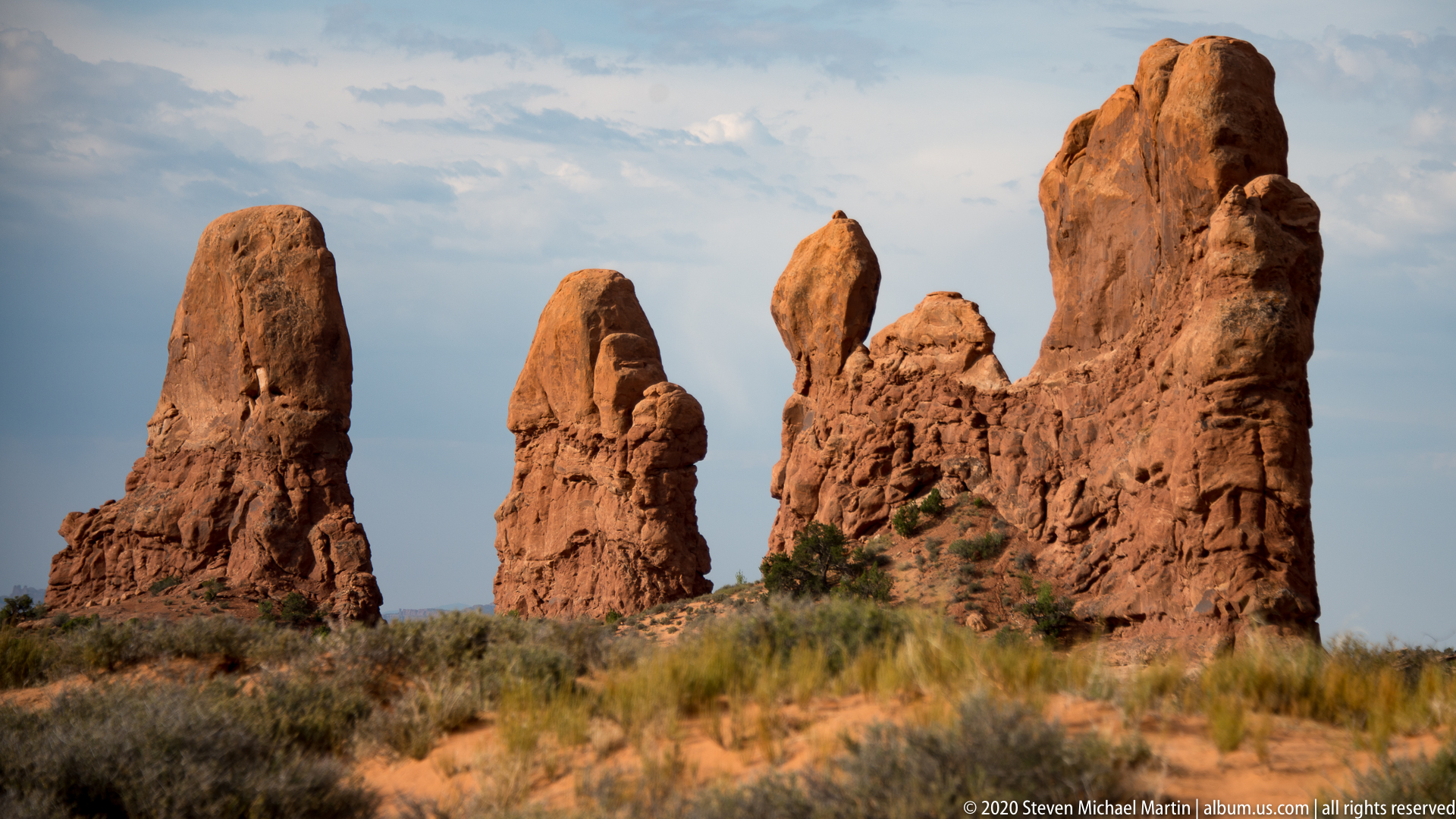
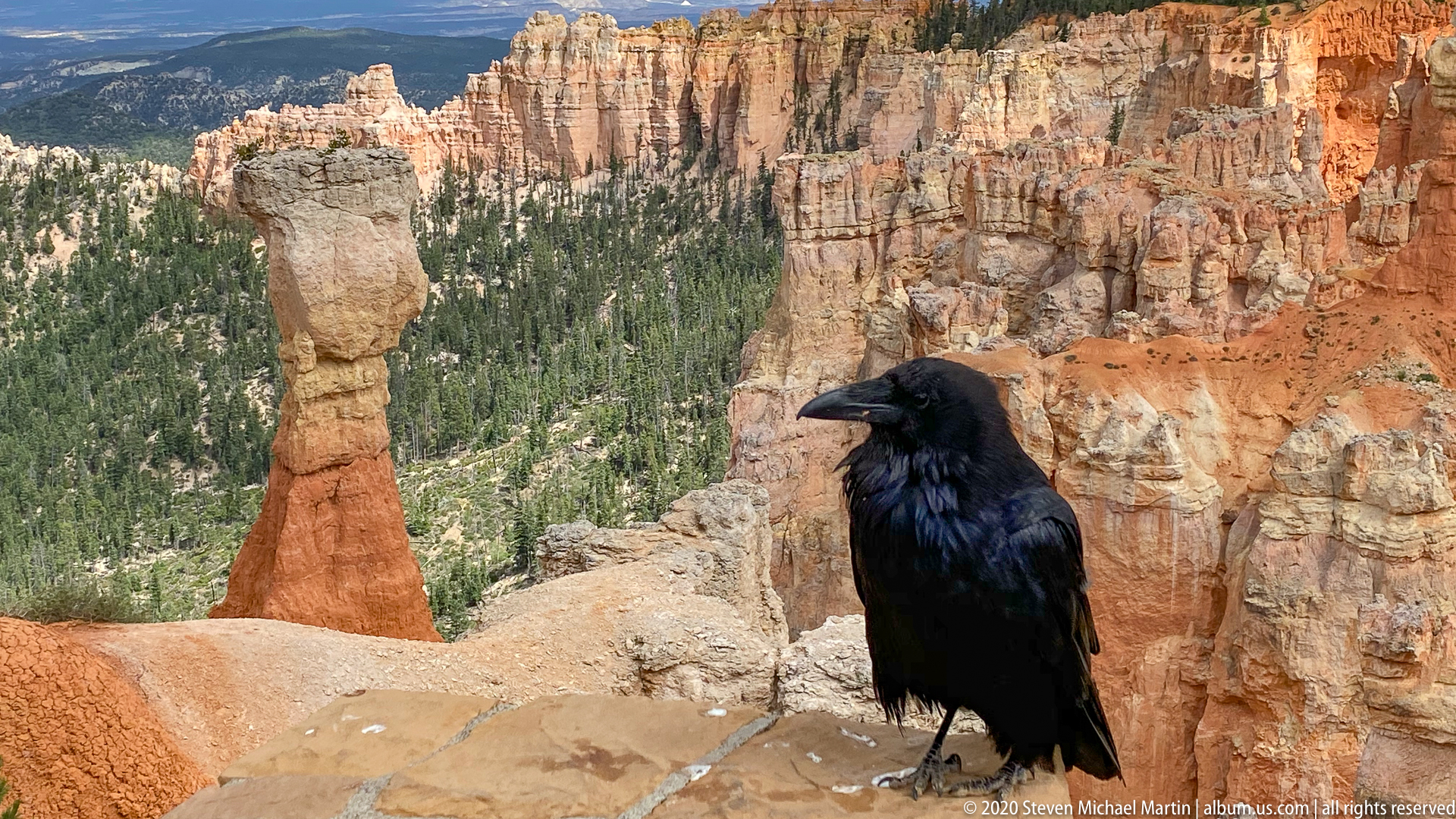
Rainbow Point Trail – Bryce Canyon National Park Rainbow Point Trail provides access to high elevation viewpoints overlooking the amphitheater formations of Bryce Canyon National Park. The landscape is defined by densely clustered hoodoos formed through differential erosion of sedimentary rock layers. Freeze-thaw cycles contribute to the gradual shaping of these vertical rock forms, producing […]
Wheeler Peak – Great Basin National Park Wheeler Peak rises above the surrounding mountain landscape as one of the defining landmarks of Great Basin National Park. The peak is the second-highest summit in Nevada and anchors the park’s high-elevation environment of alpine slopes, exposed ridges, and glacially shaped terrain. Its prominence gives the park a […]
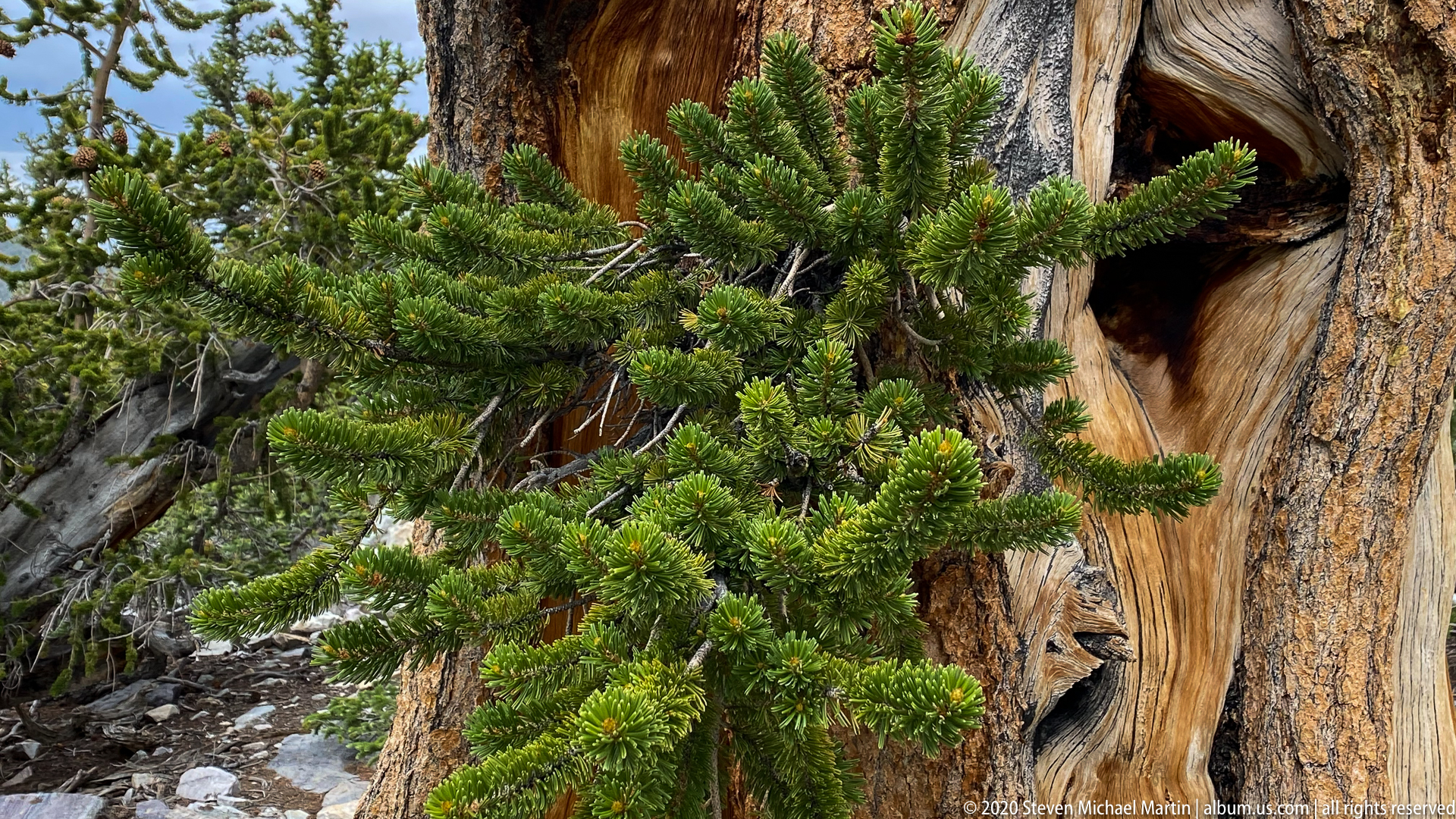
Bristlecone Pines – Great Basin National Park The bristlecone pine groves of Great Basin National Park preserve one of the most remarkable high-elevation landscapes in the American West. Growing just below treeline on exposed limestone ridges, these ancient trees have adapted to severe conditions including freezing temperatures, high winds, and a very short growing season. […]
The Windows – Arches National Park The Windows section of Arches National Park preserves a concentration of large natural sandstone arches formed through erosion acting upon fractured rock layers. The arches developed as weathering gradually removed softer material beneath more resistant sandstone, leaving freestanding openings within the rock. The formations illustrate the structural processes responsible […]
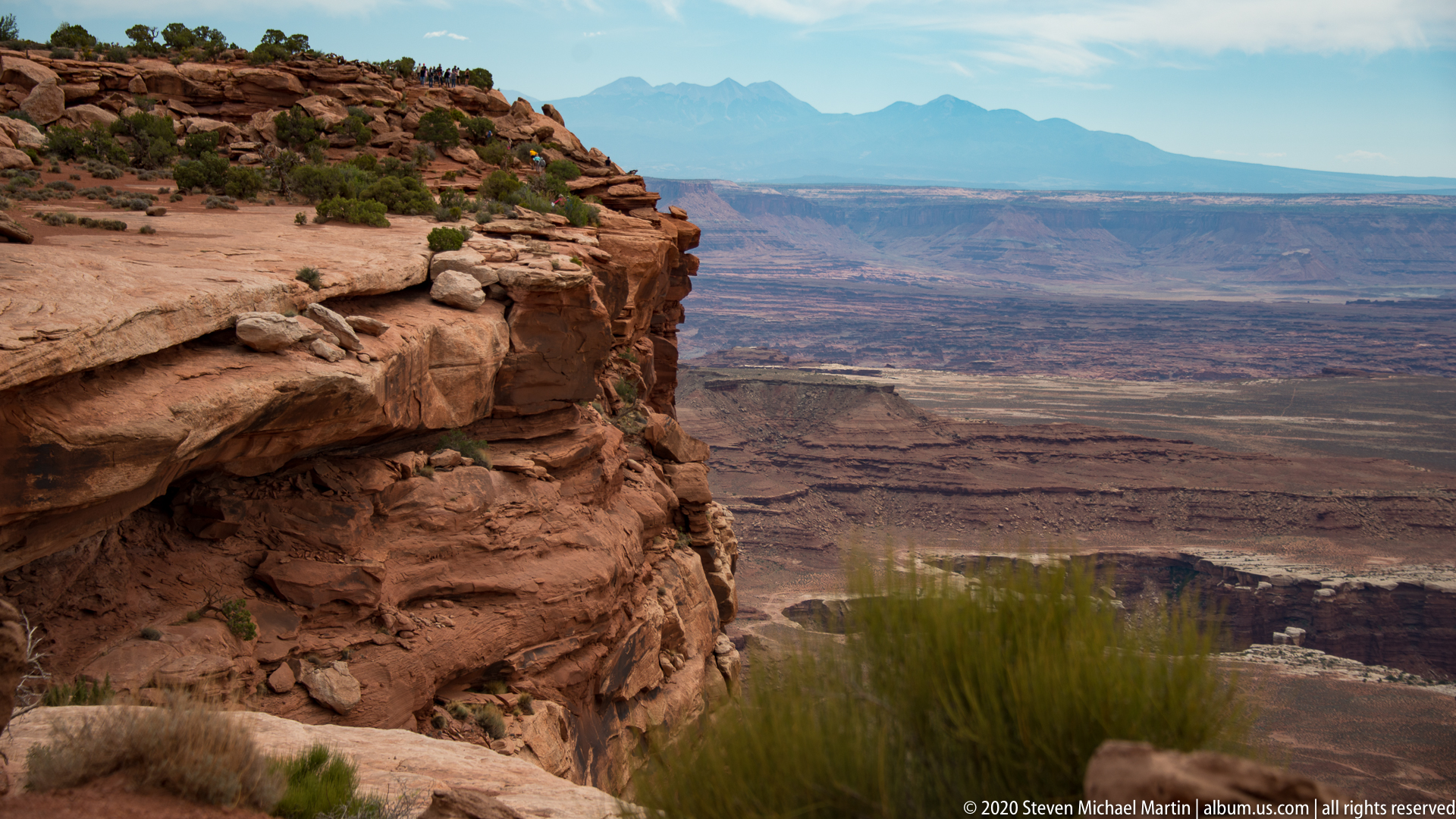
Island in the Sky – Canyonlands National Park Island in the Sky is a high mesa within Canyonlands National Park that provides sweeping views of canyon systems carved by the Colorado and Green Rivers. The elevated plateau is bounded by steep cliffs formed through erosion acting upon uplifted sedimentary rock layers. The landscape illustrates the […]
Horseshoe Canyon – Canyonlands National Park Horseshoe Canyon preserves a remote canyon environment within Canyonlands National Park known for significant rock art panels associated with early Indigenous cultural traditions. The canyon’s curved shape reflects long-term erosion by seasonal water flow acting upon uplifted sedimentary rock layers. The landscape demonstrates the interaction between geological formation and […]
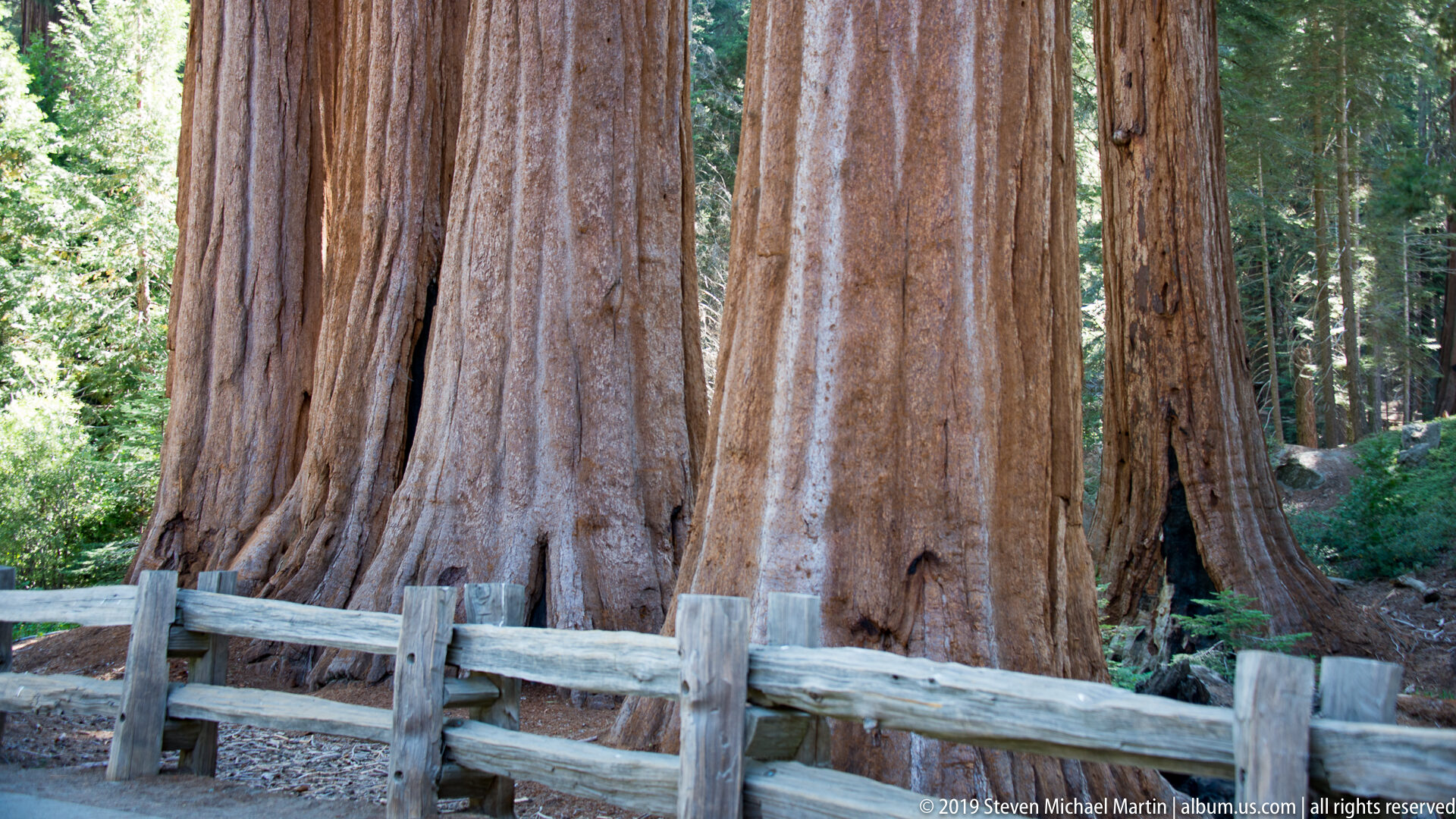
Kings Canyon National Park – Grant Grove Grant Grove is located in the western portion of Kings Canyon National Park in California’s Sierra Nevada, where mixed conifer forests support groves of giant sequoia trees growing at elevations of approximately 6,500 feet. The grove was originally protected in 1890 as General Grant National Park, established to […]
Kings Canyon National Park – Zumwalt Meadow Zumwalt Meadow is located in the Cedar Grove area of Kings Canyon National Park where glacial deposition created one of the most prominent meadows in the Sierra Nevada. The meadow lies along the Kings River within a valley formed by Ice Age glaciers that carved U-shaped canyon walls. […]
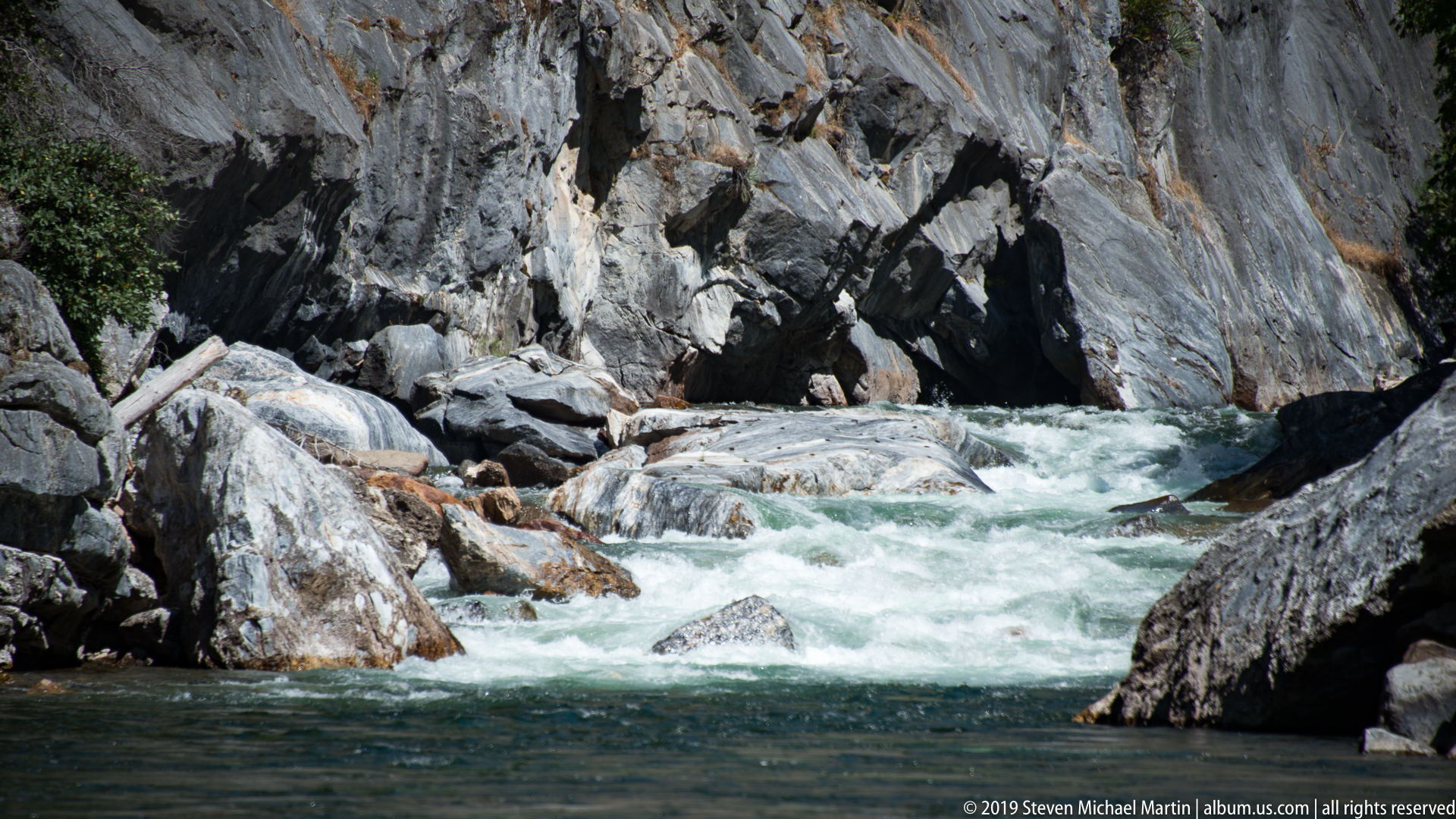
Kings Canyon National Park – Kings River Canyon The Kings River Canyon forms one of the deepest canyon systems in North America, carved by river erosion and glacial activity within the Sierra Nevada mountain range. Granite formations exposed along the canyon walls illustrate the geological processes associated with formation of the Sierra Nevada batholith millions […]
Kings Canyon National Park – Kings River Kings Canyon National Park is located in California’s southern Sierra Nevada where glacial processes carved deep valleys through granitic mountain terrain. The Kings River flows through steep canyon walls that illustrate the combined effects of tectonic uplift and erosion over millions of years. The canyon is one of […]