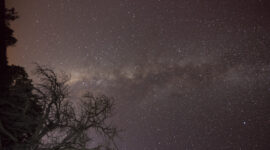
Sequoia National Park
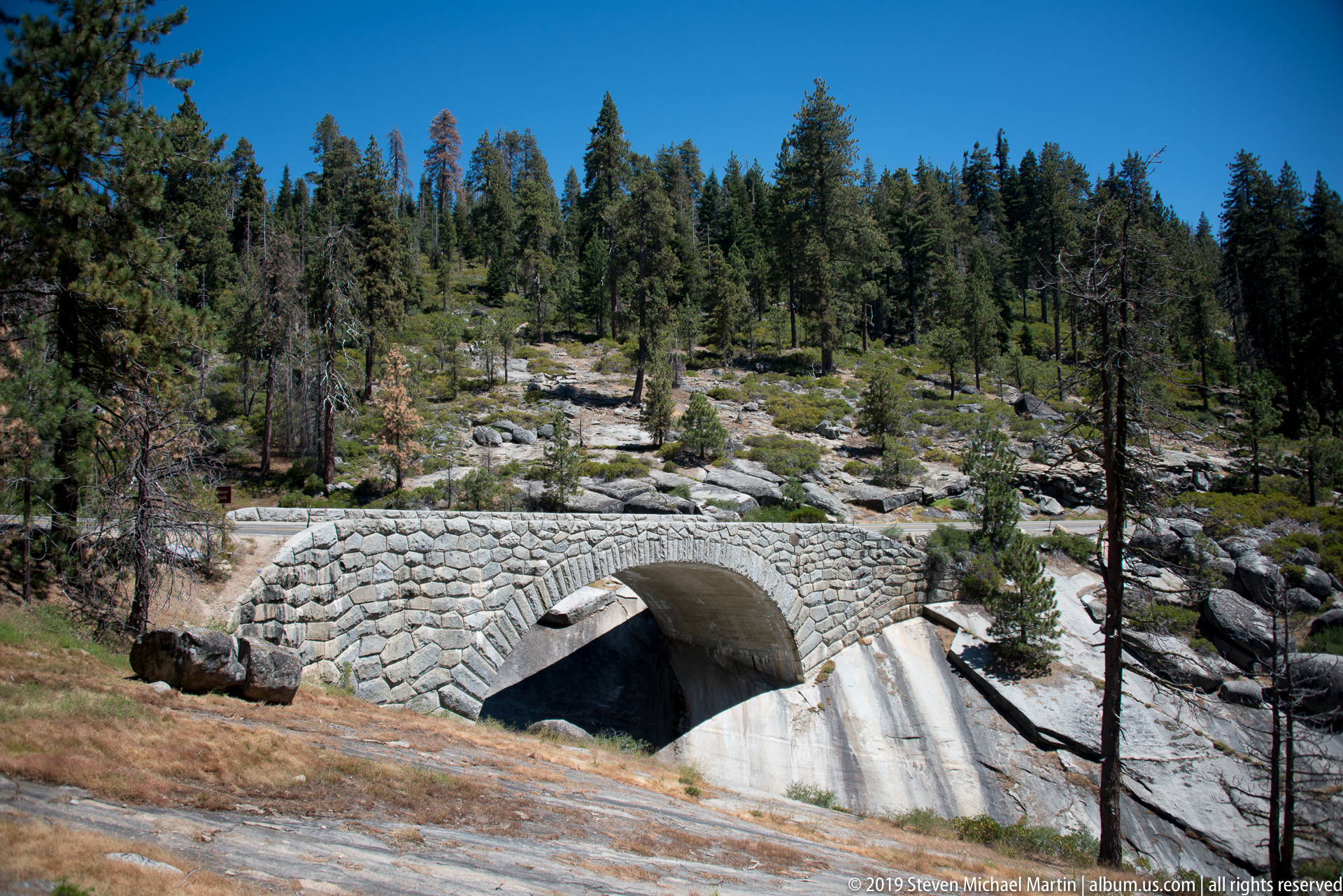
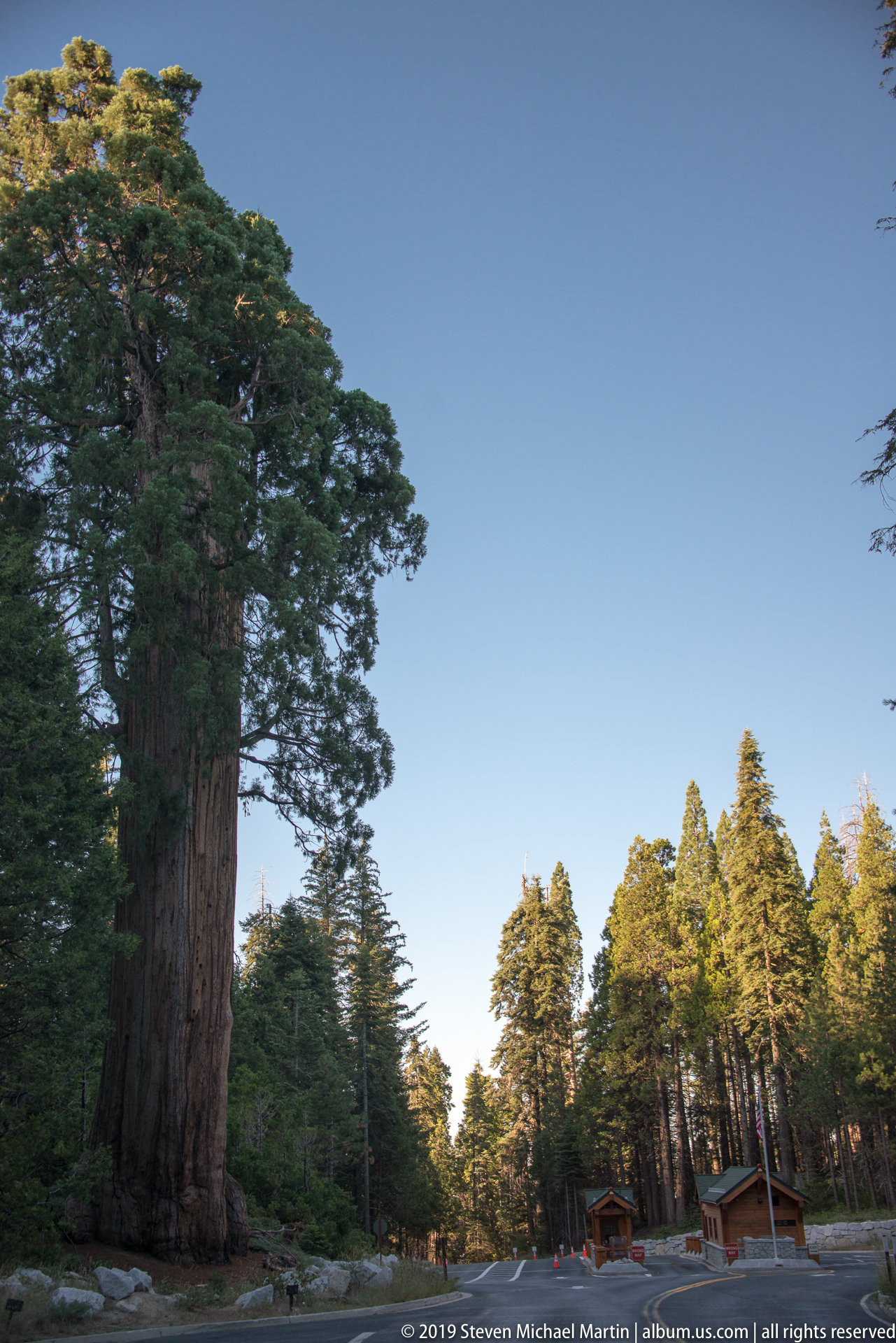
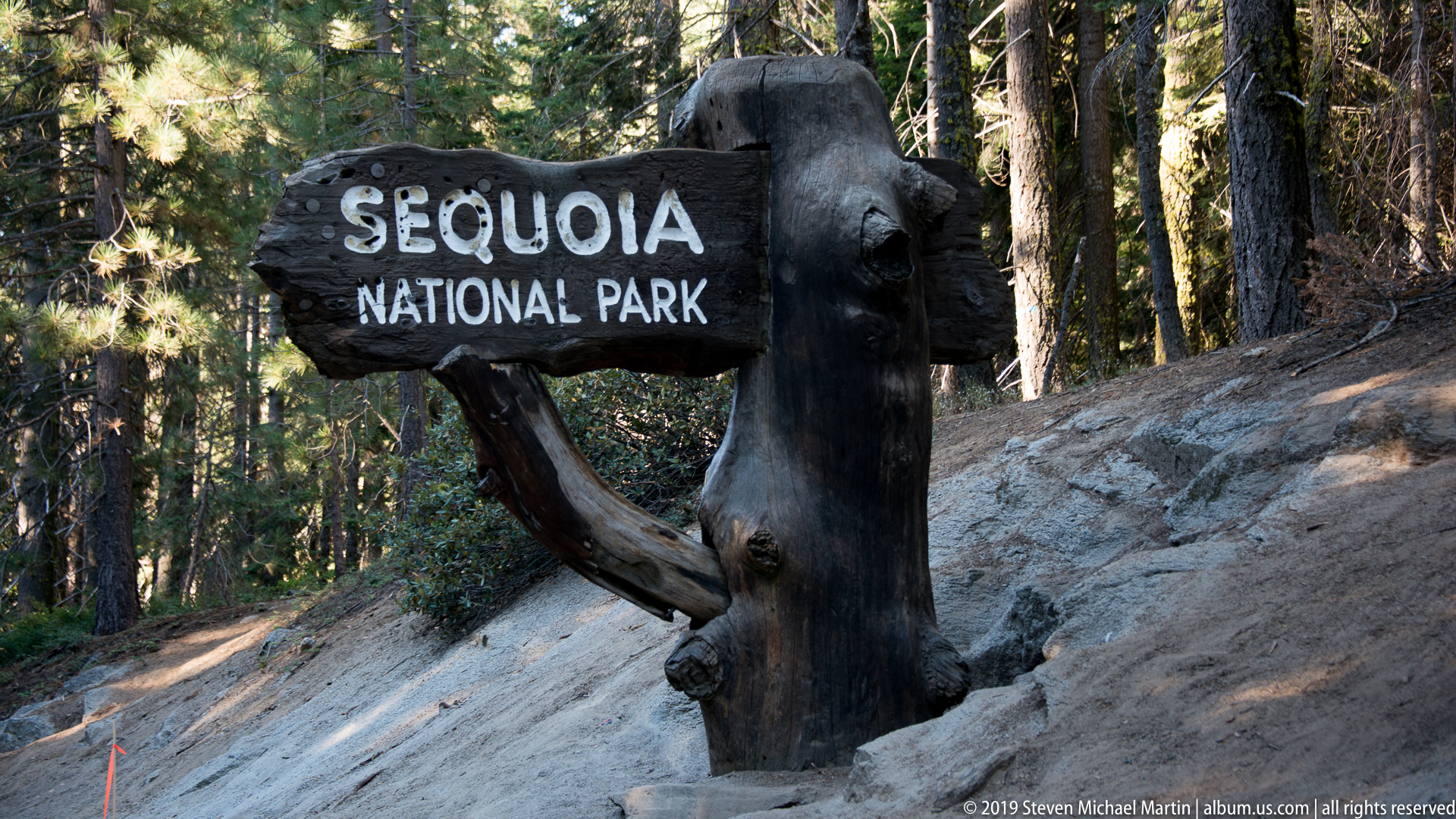
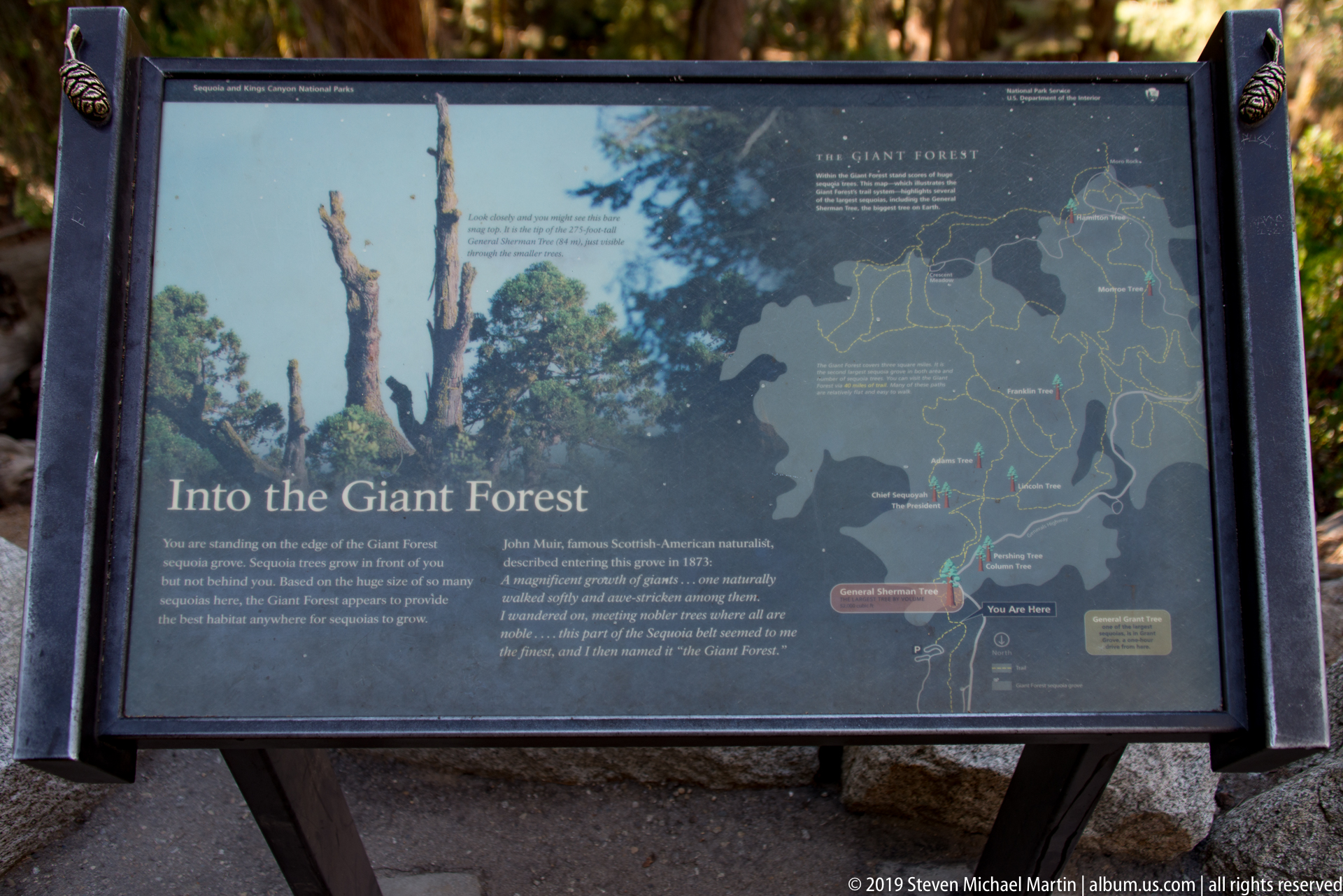
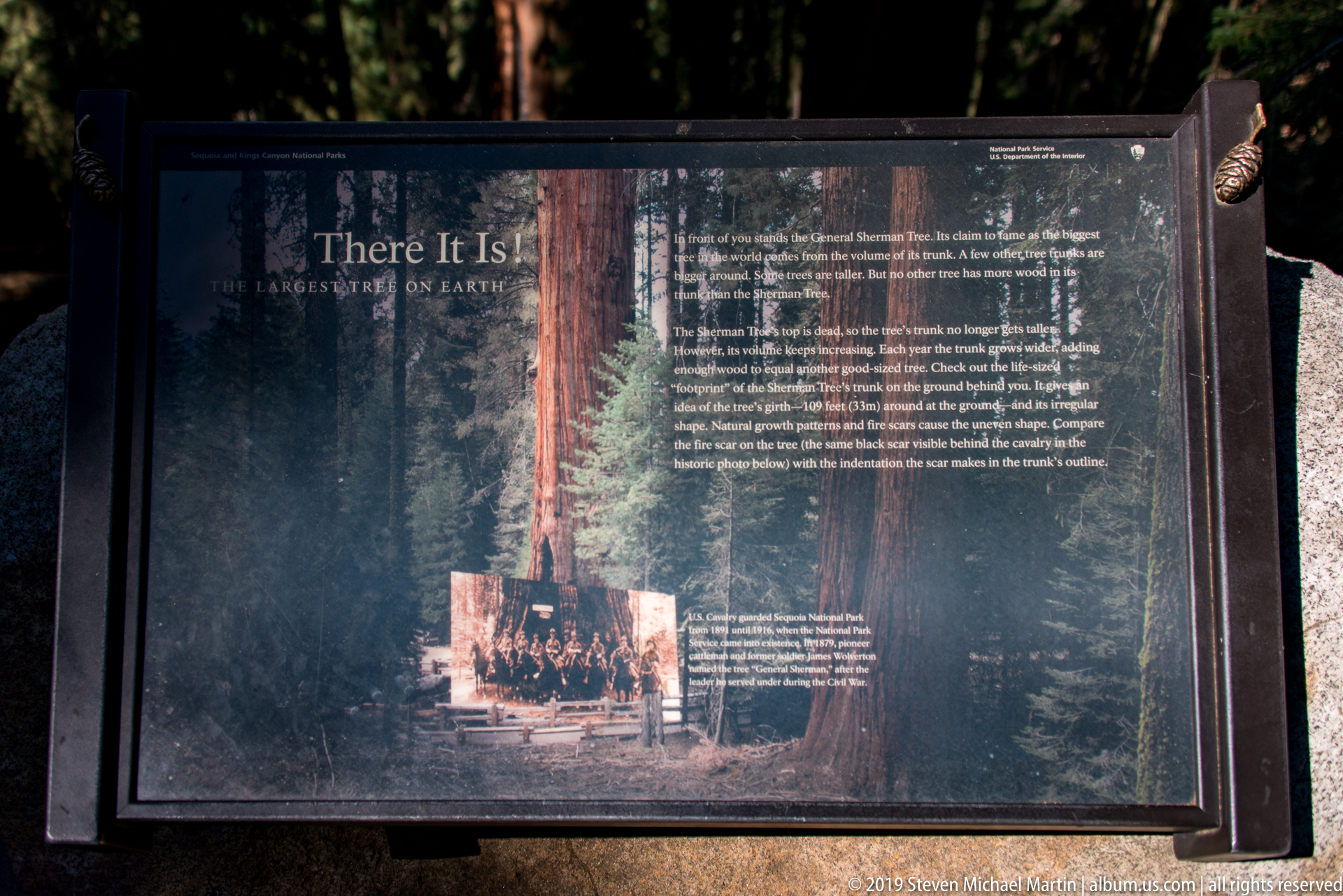
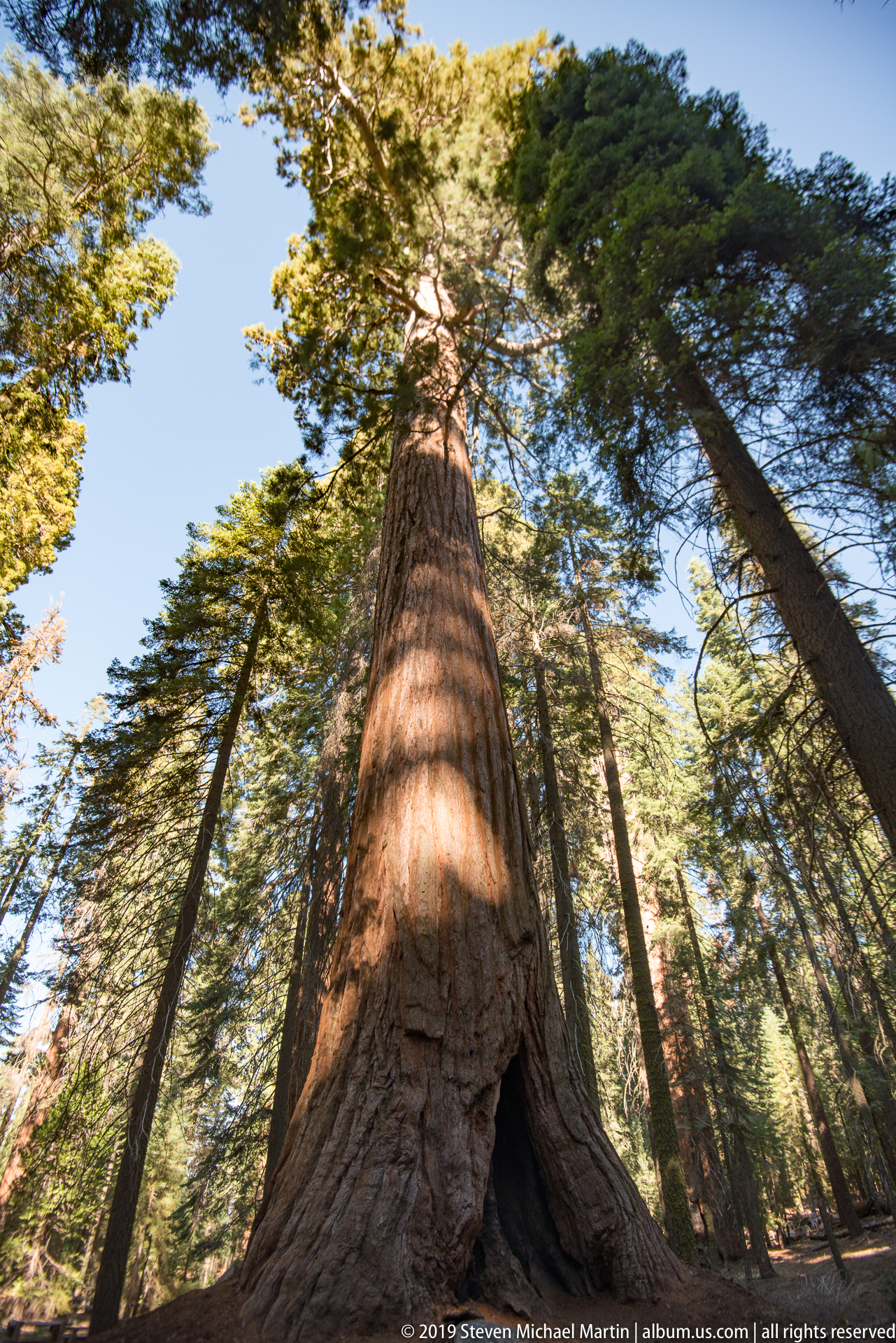
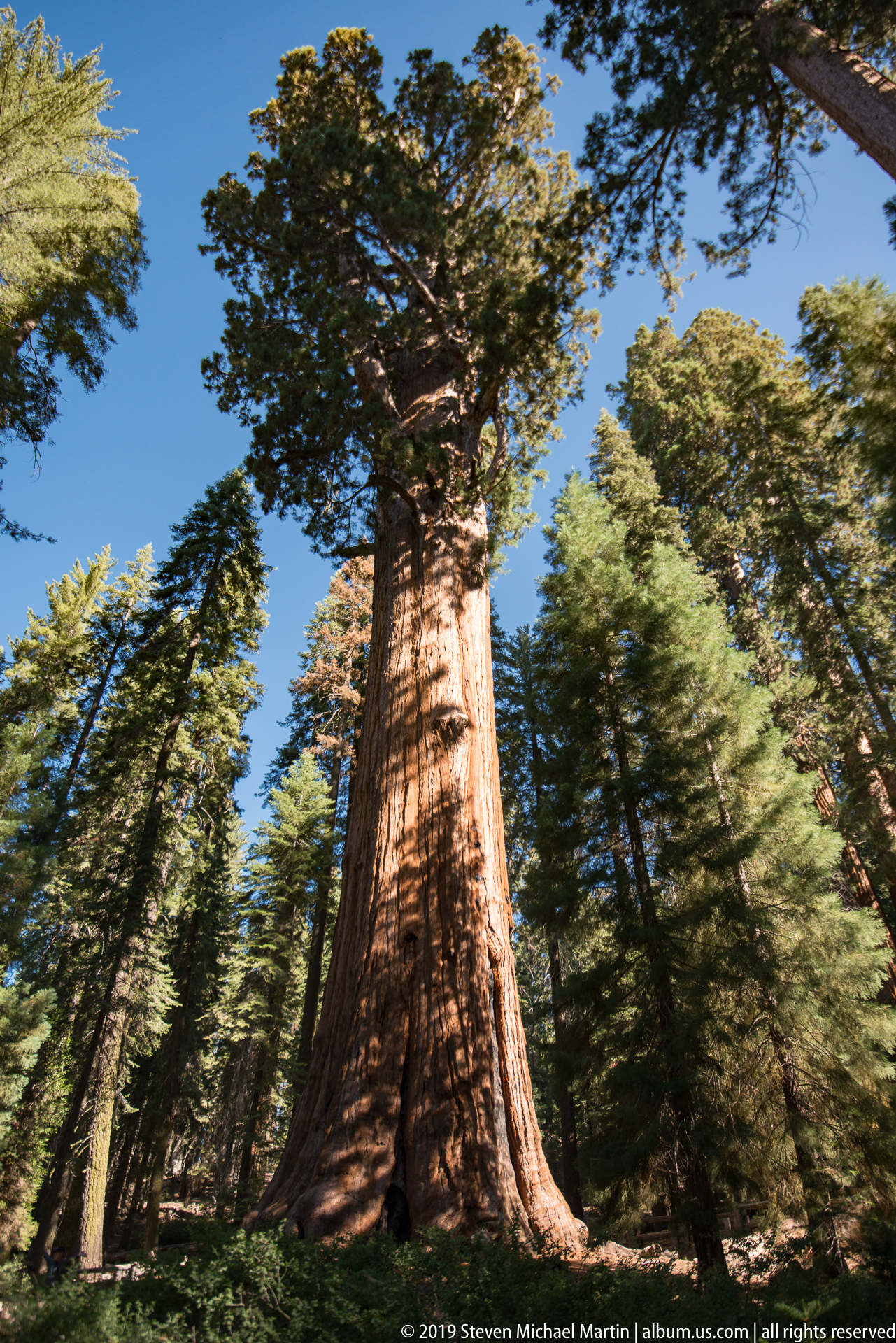
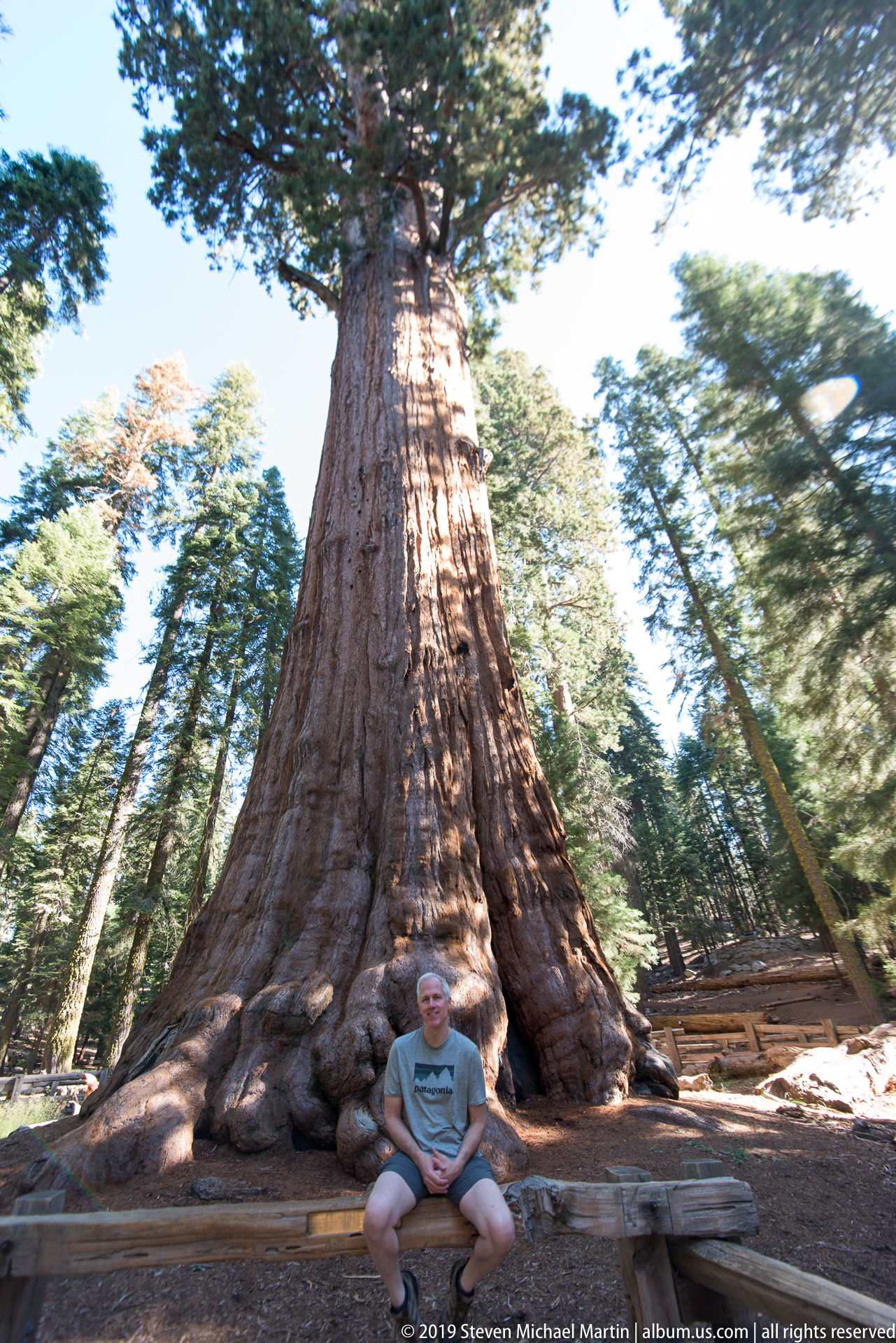
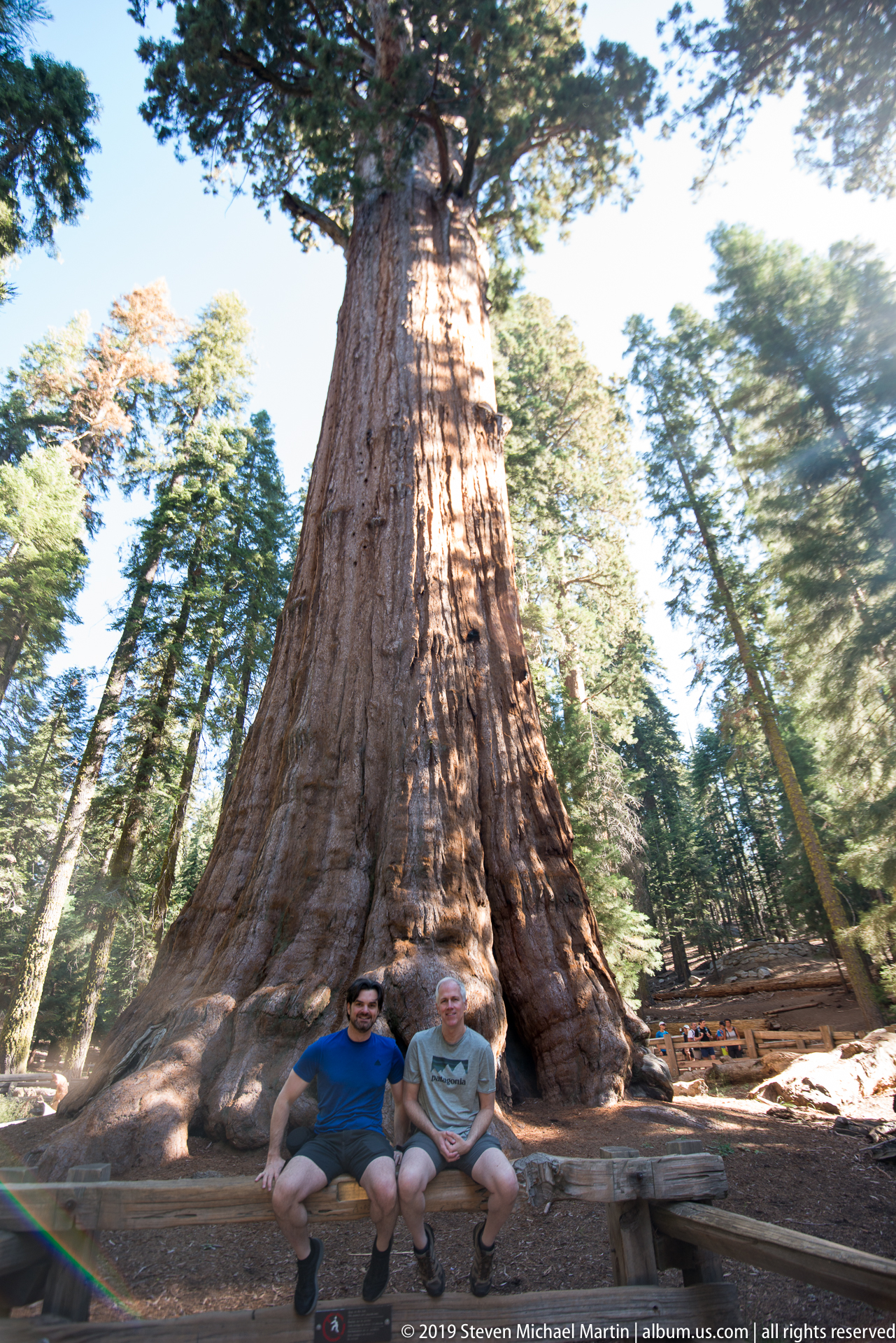
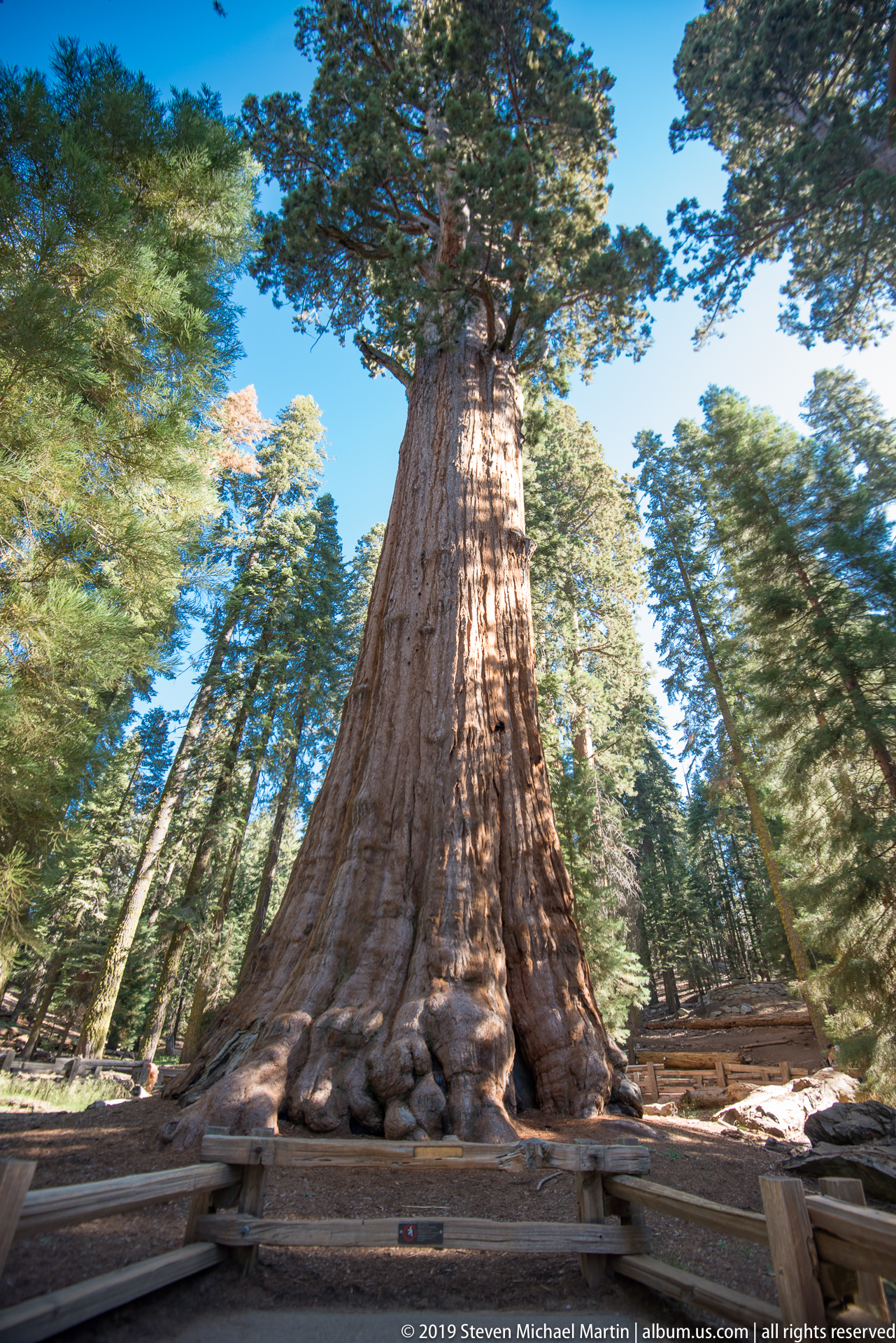
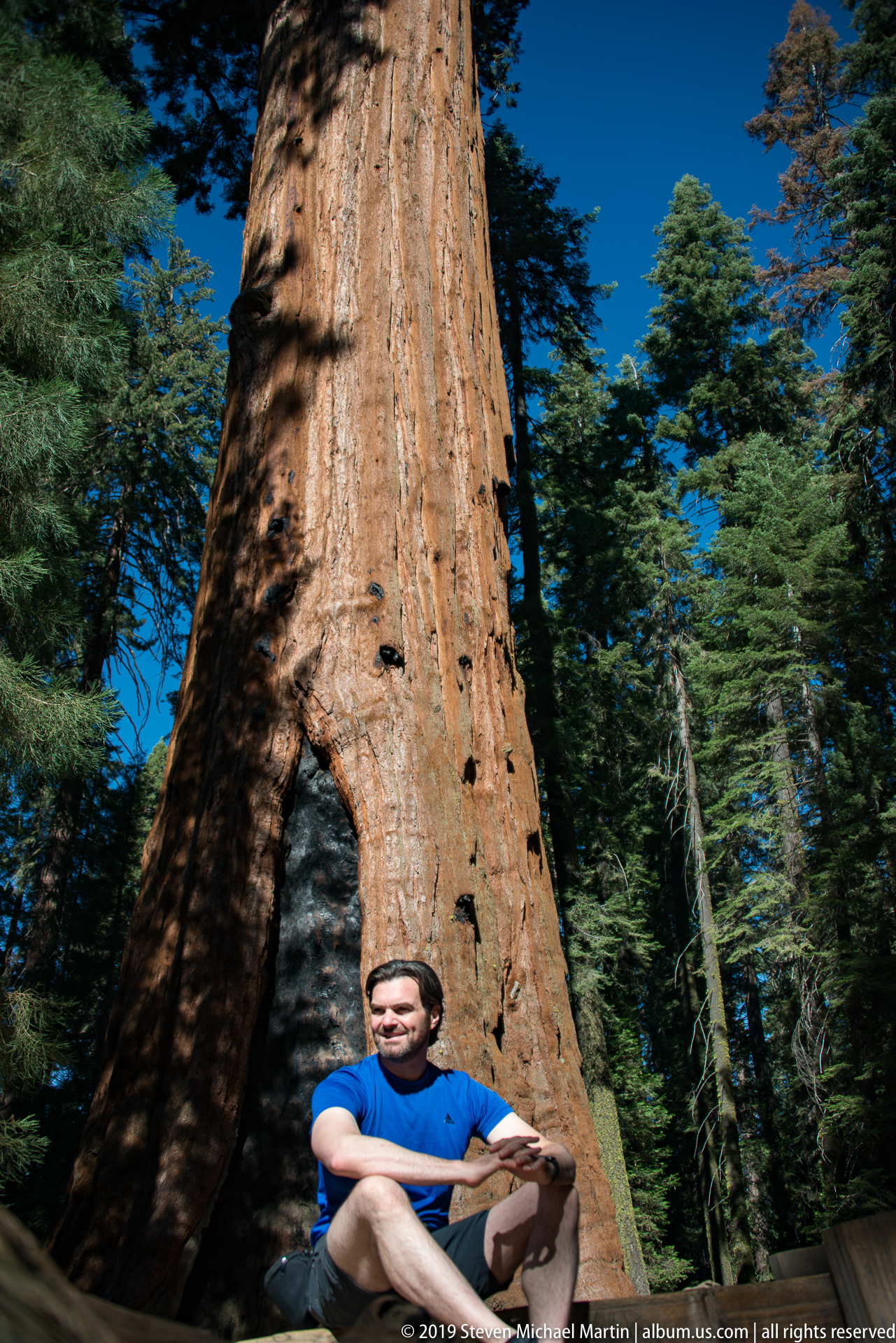
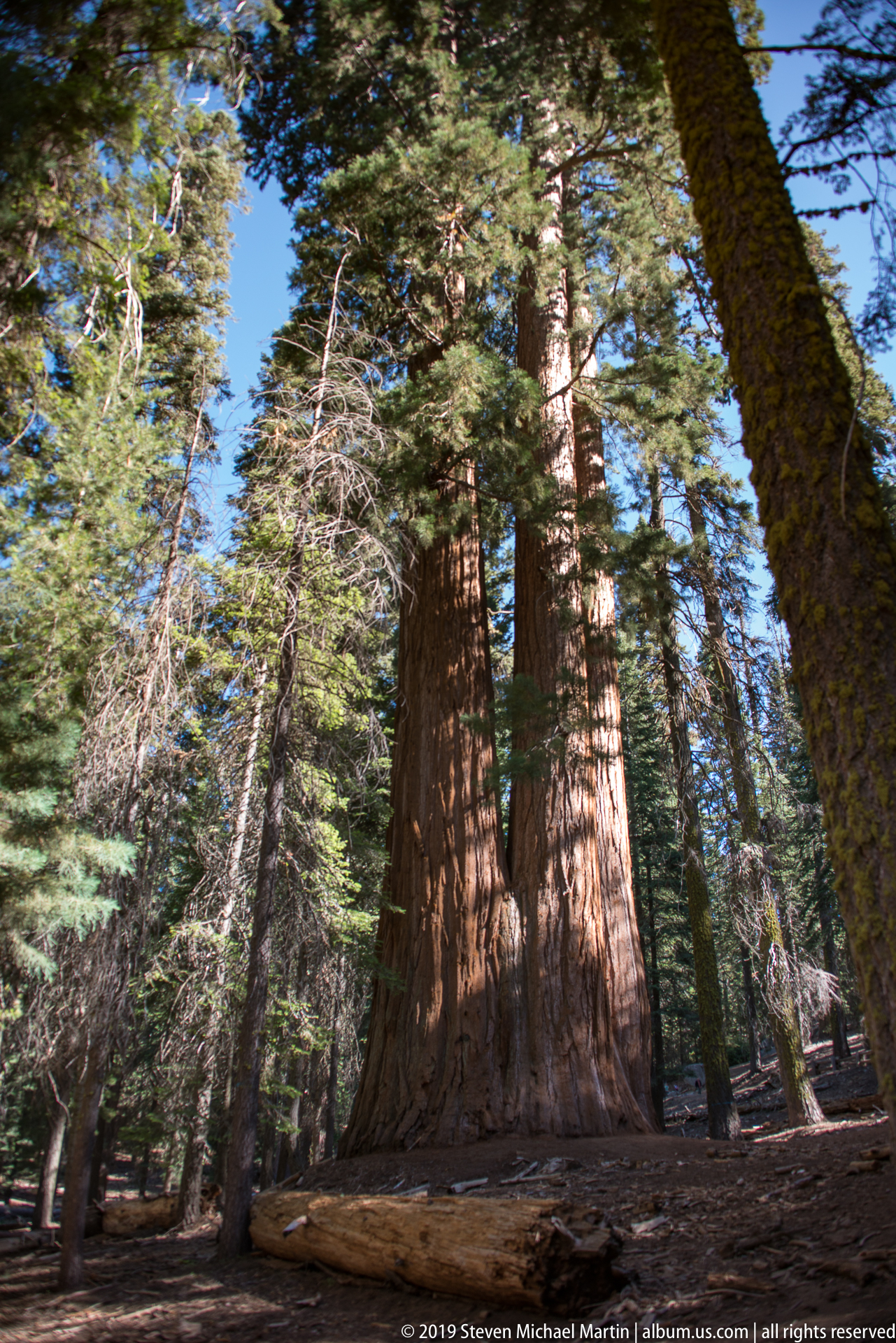
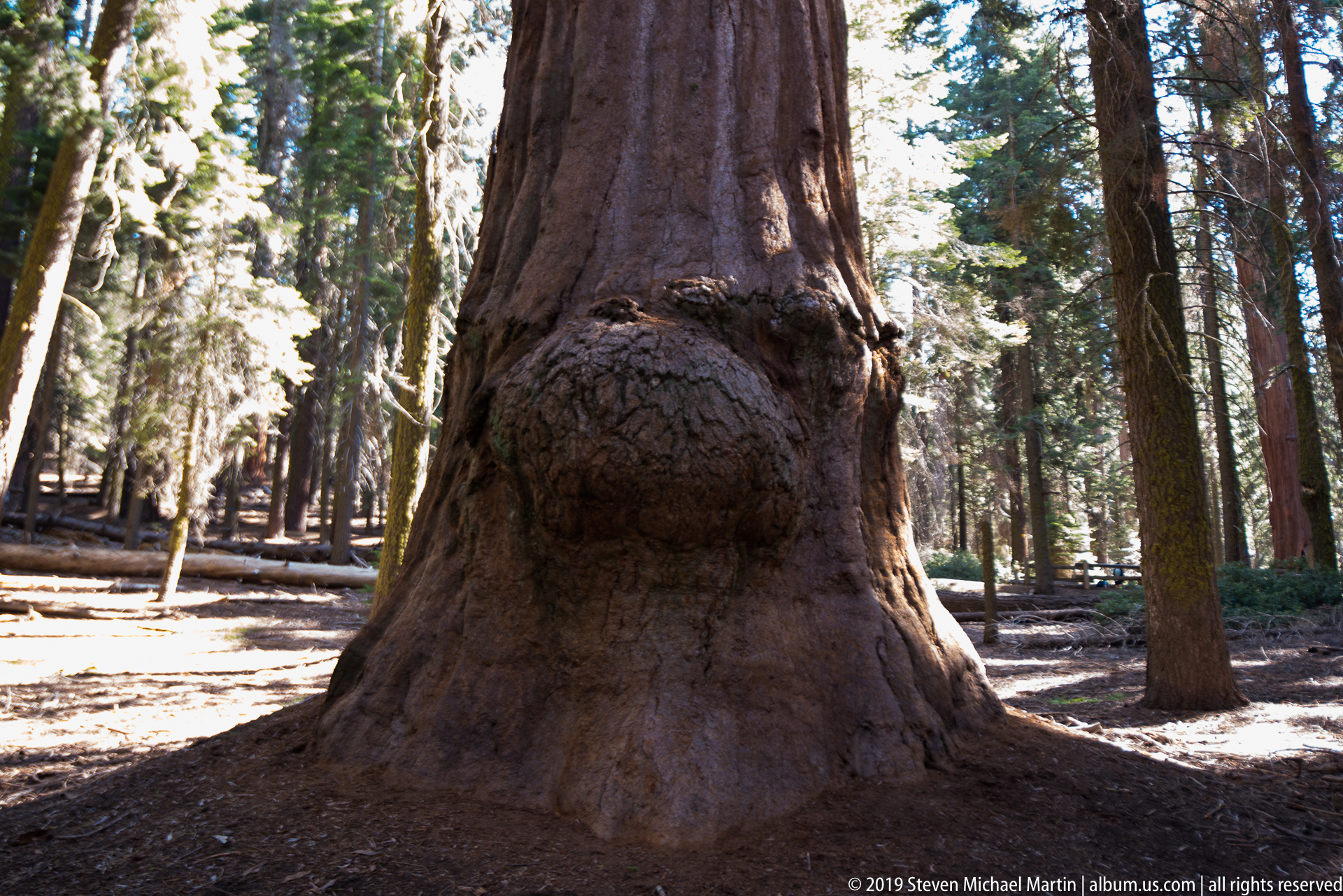
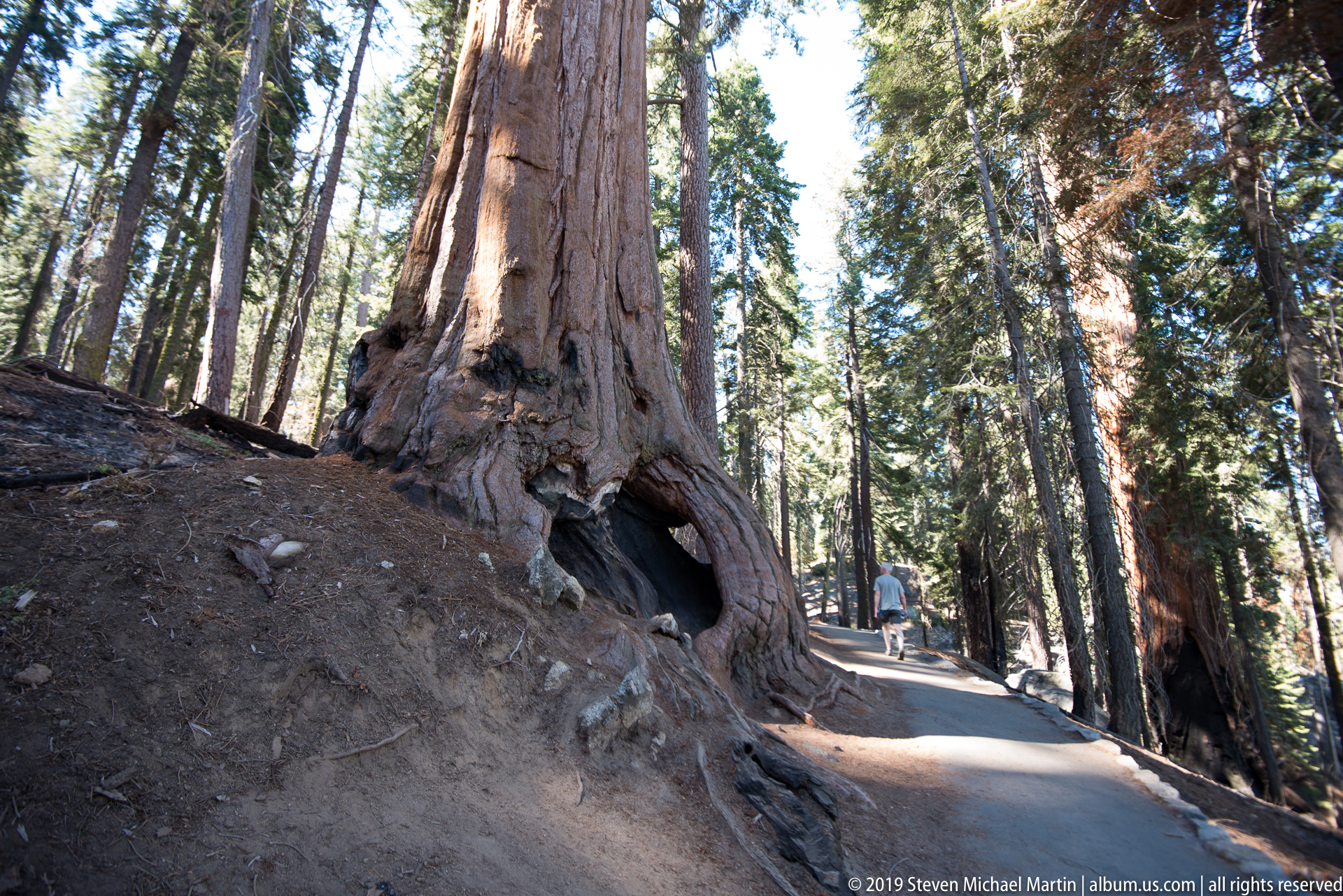
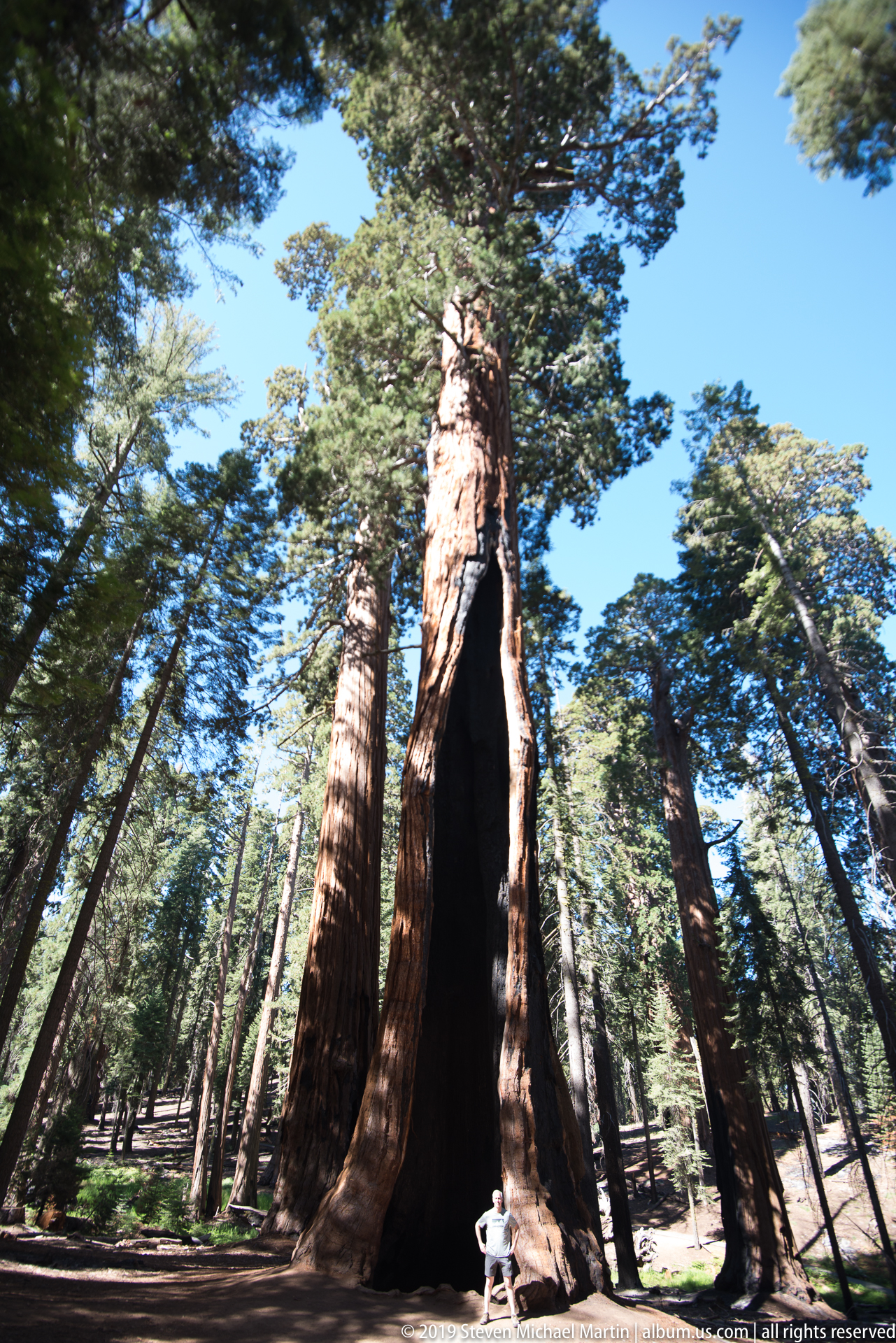
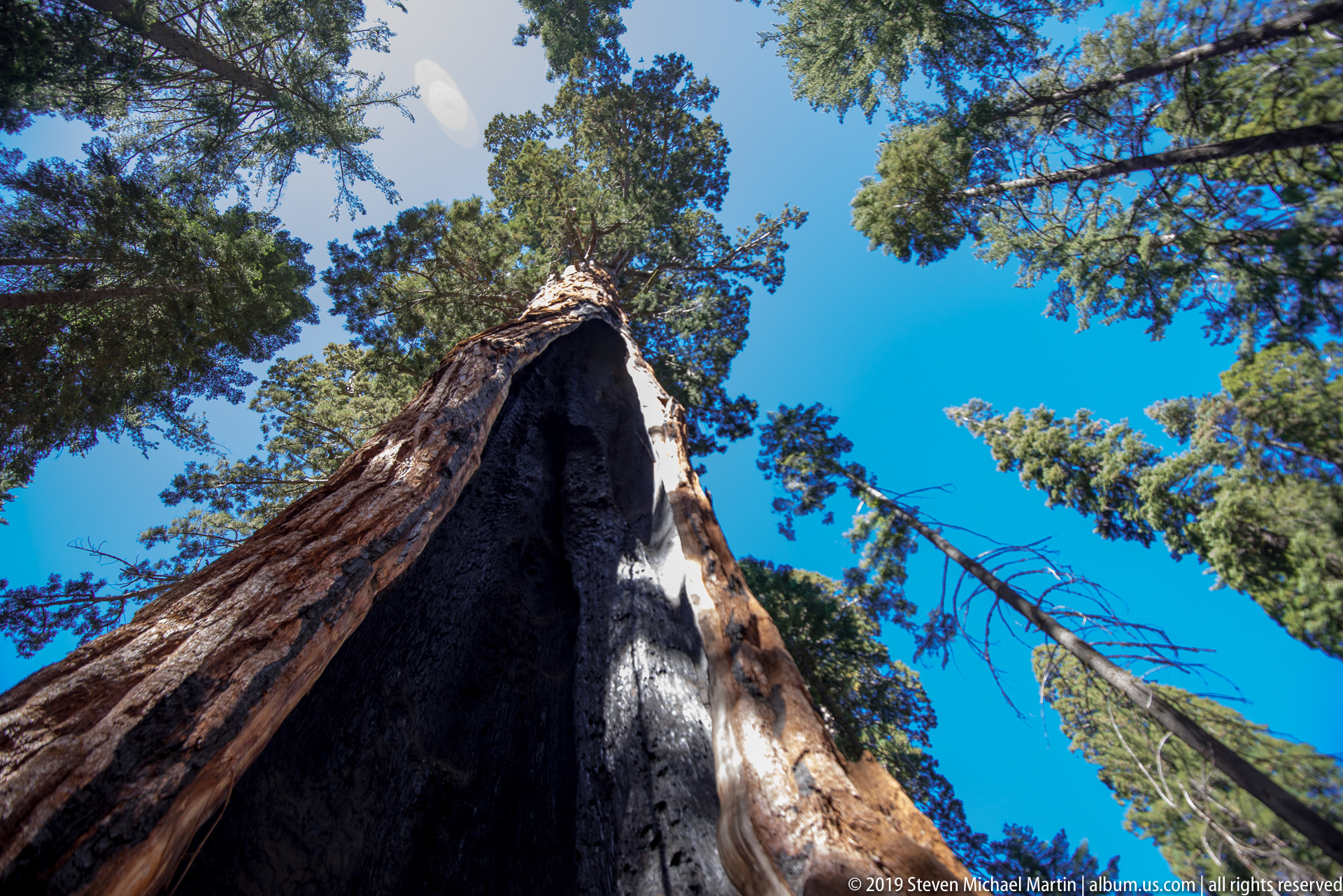
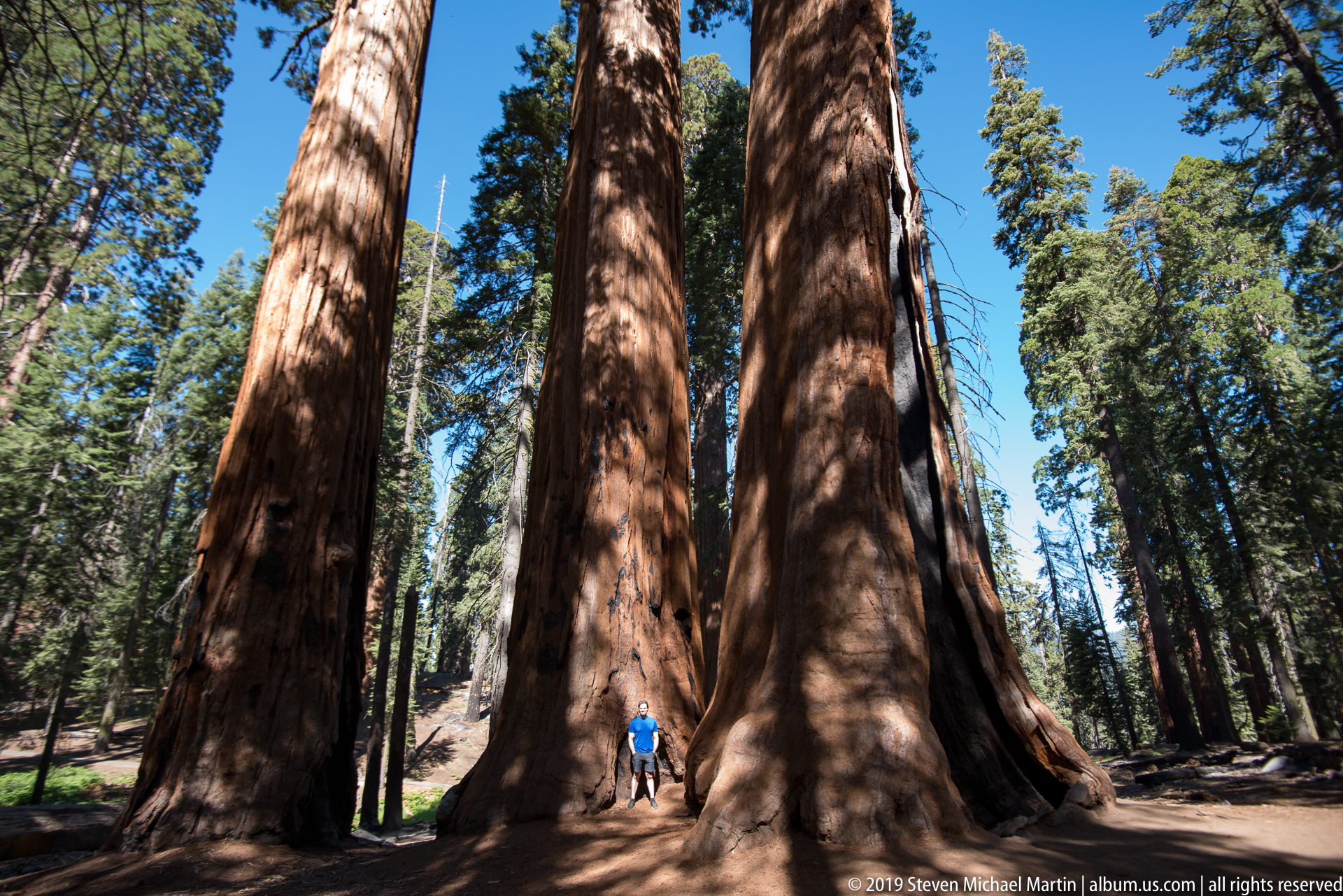
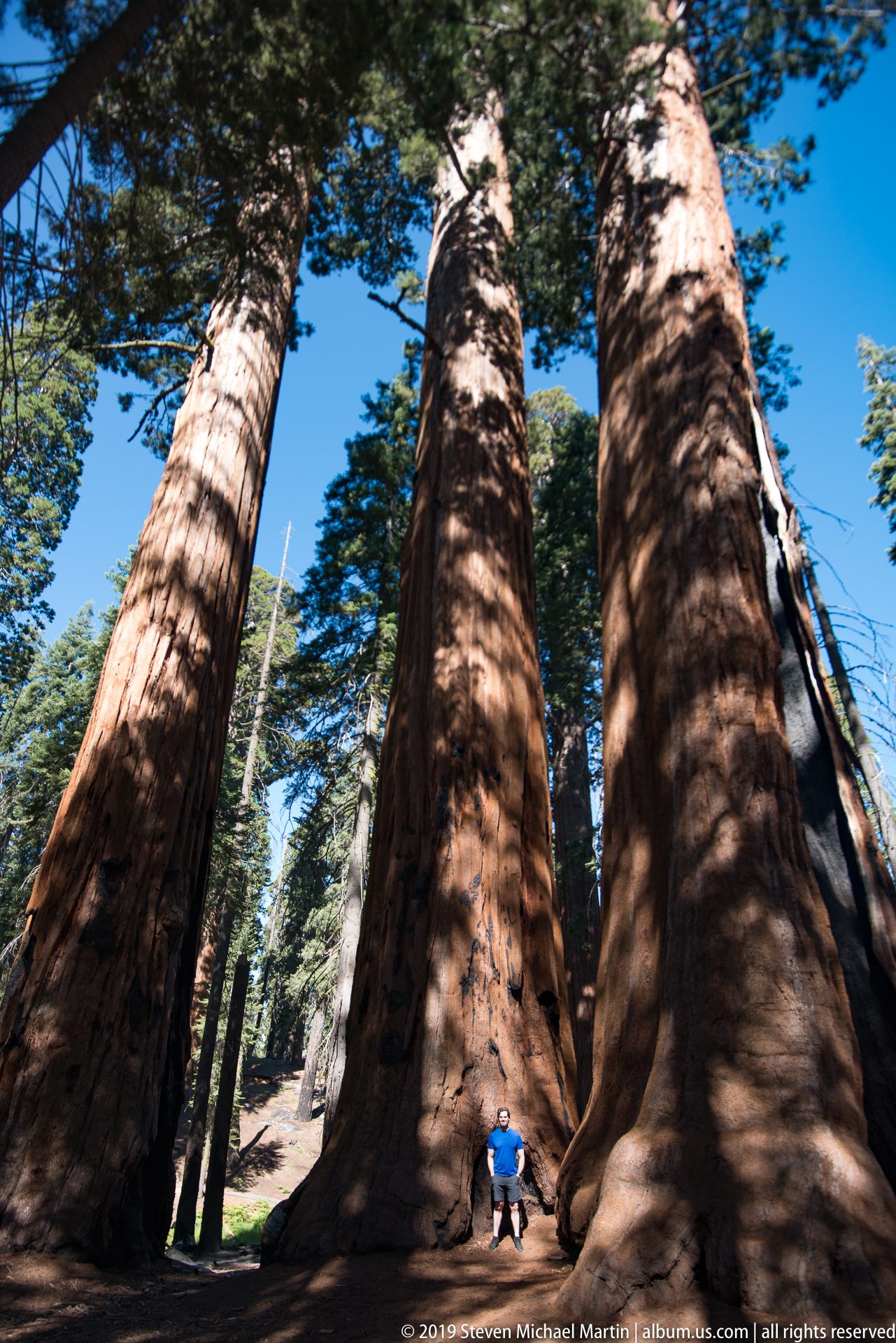
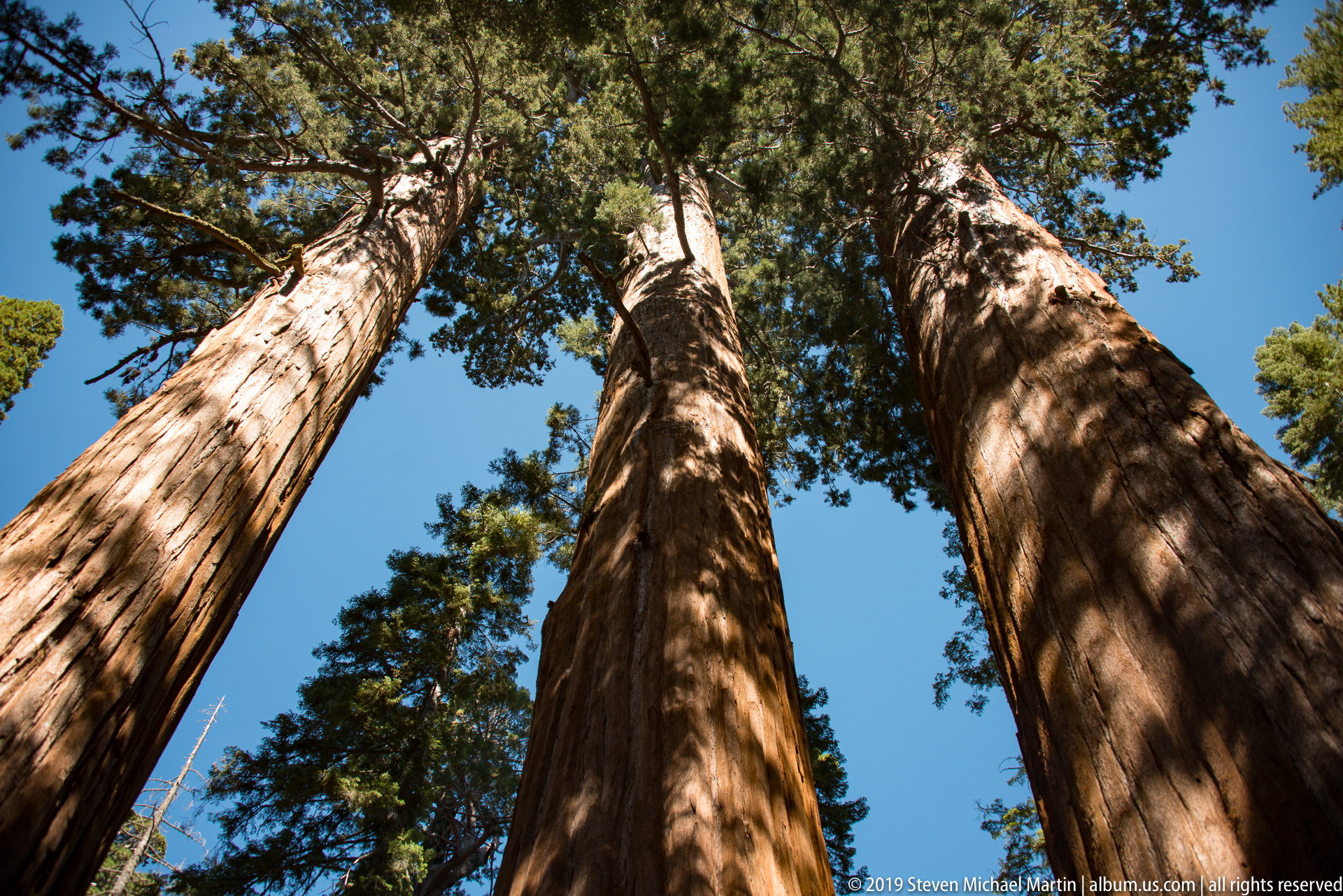
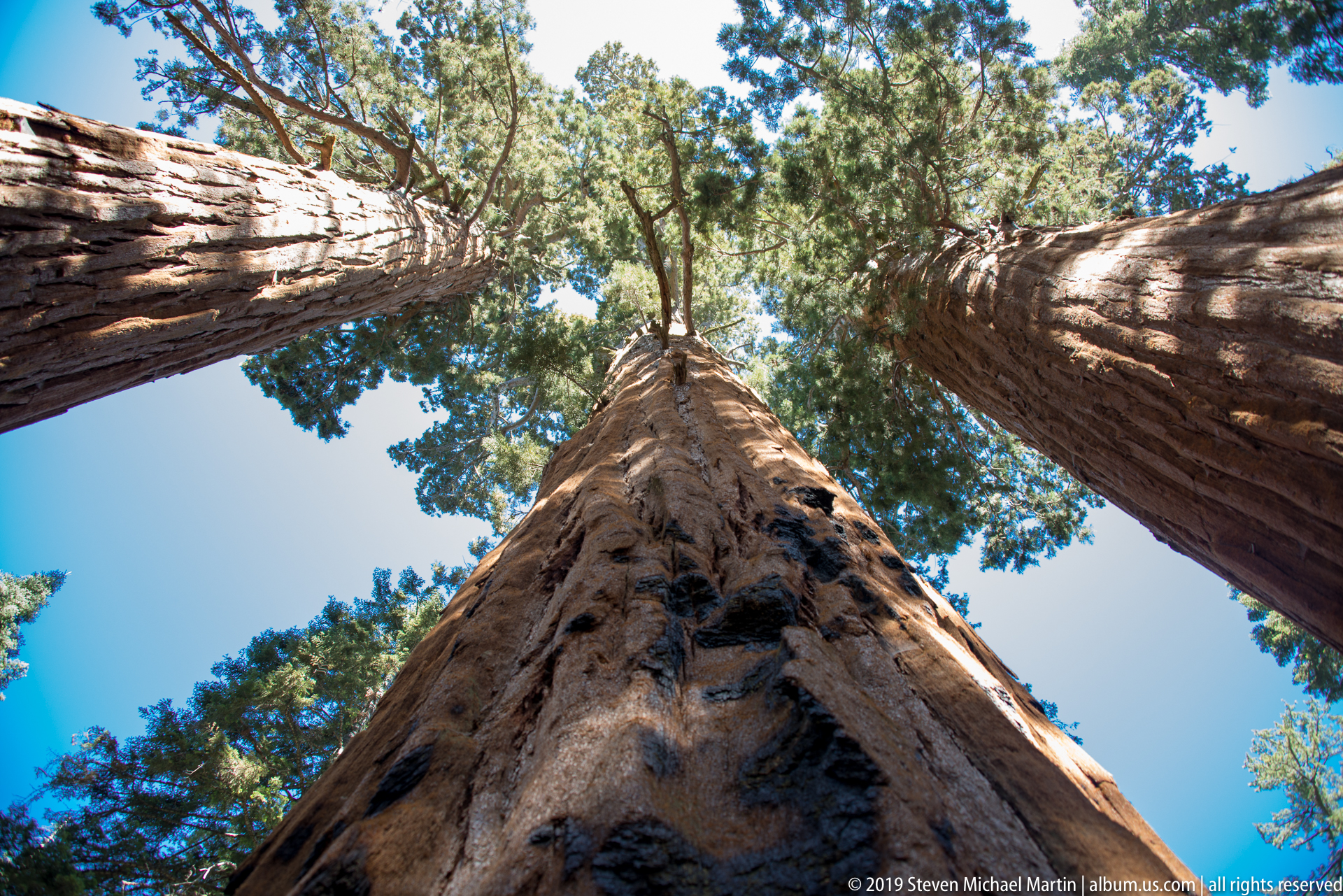
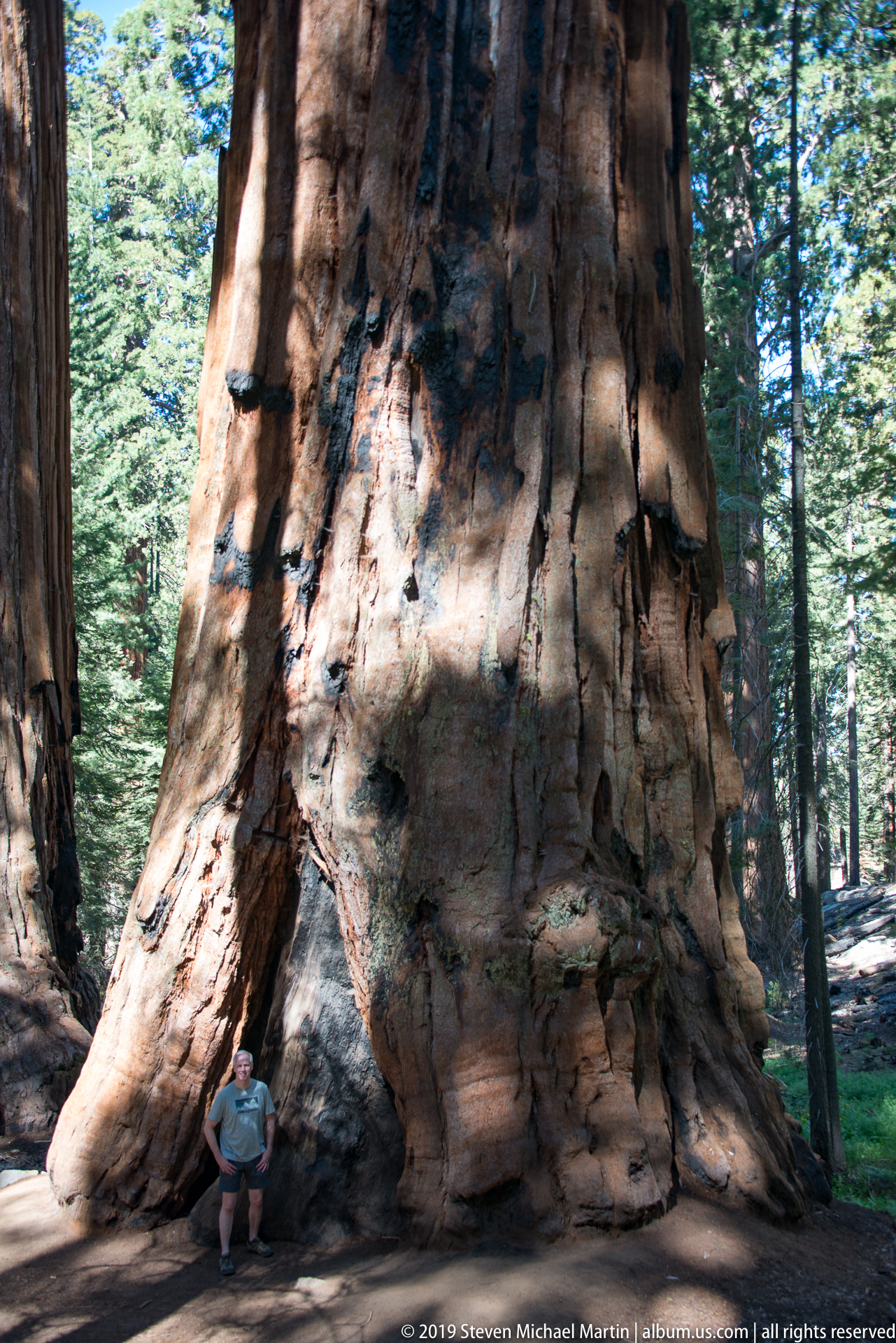
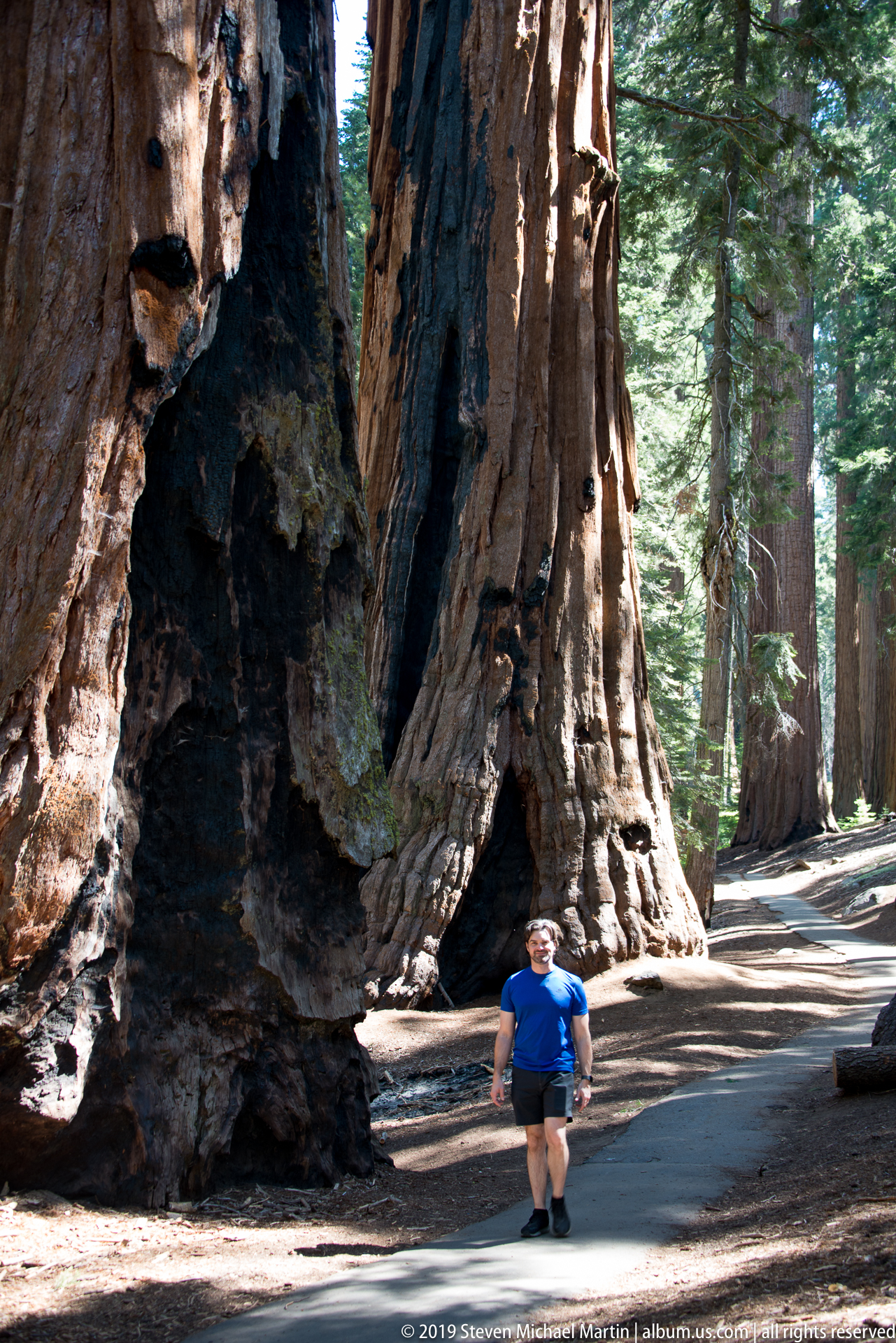
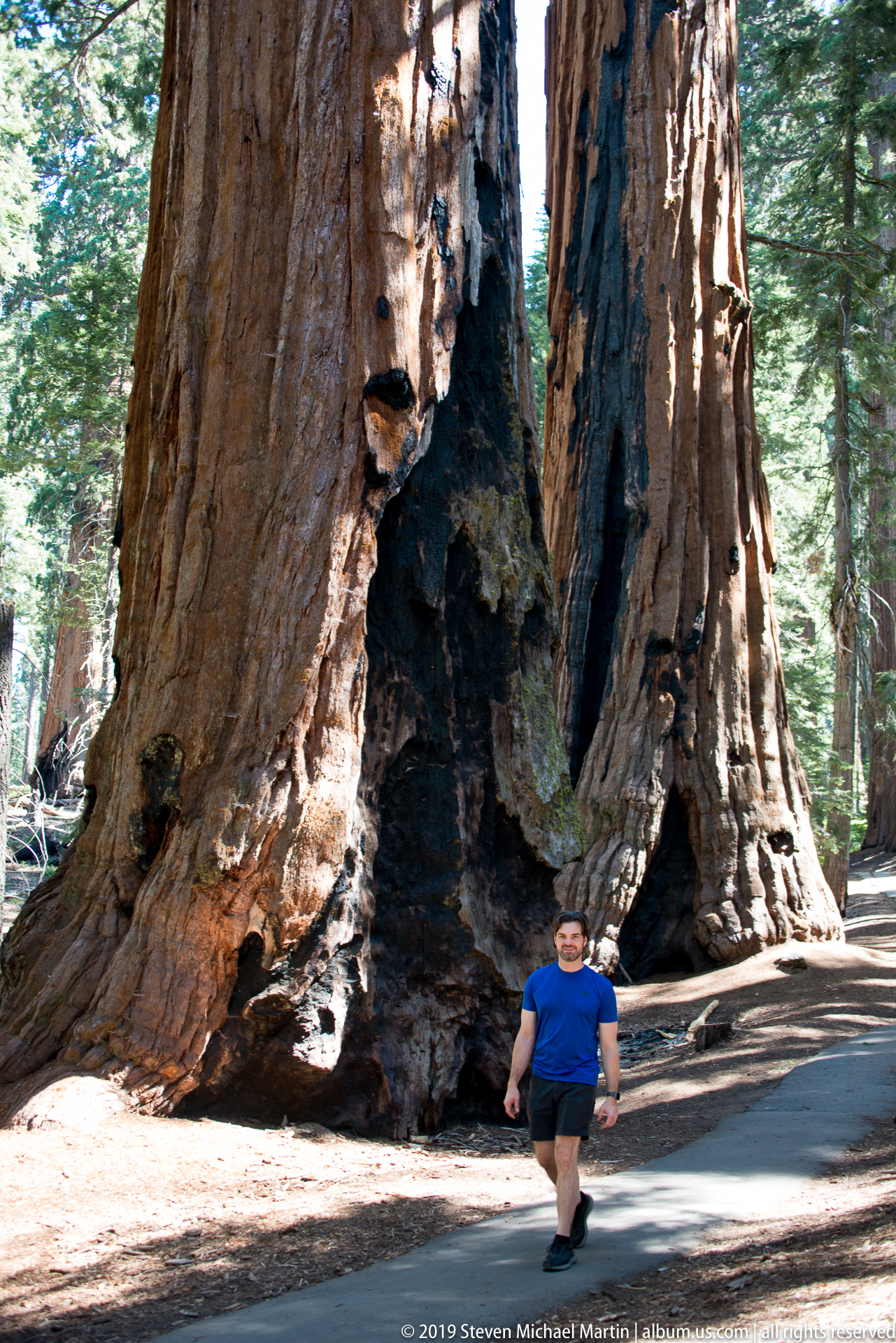
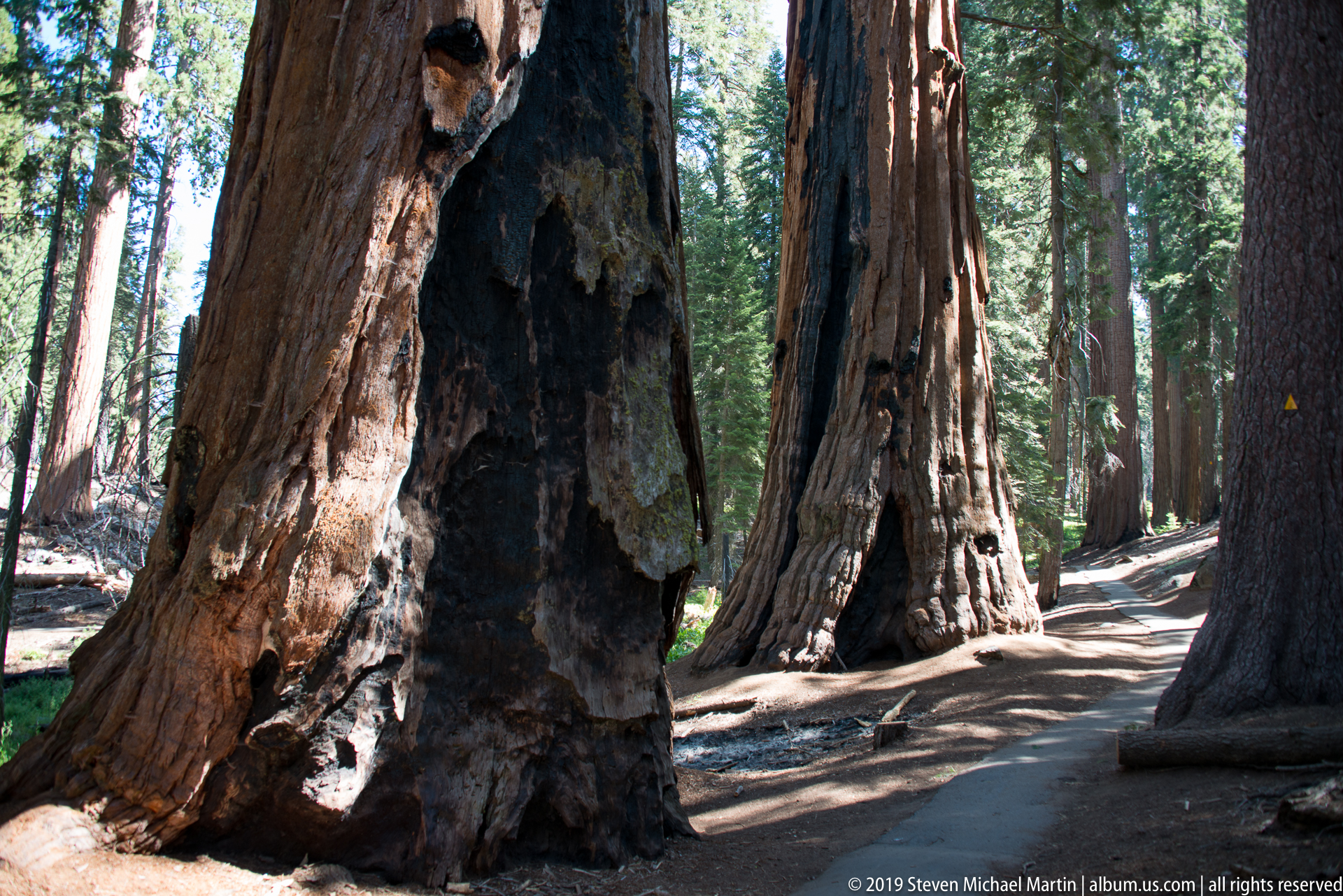
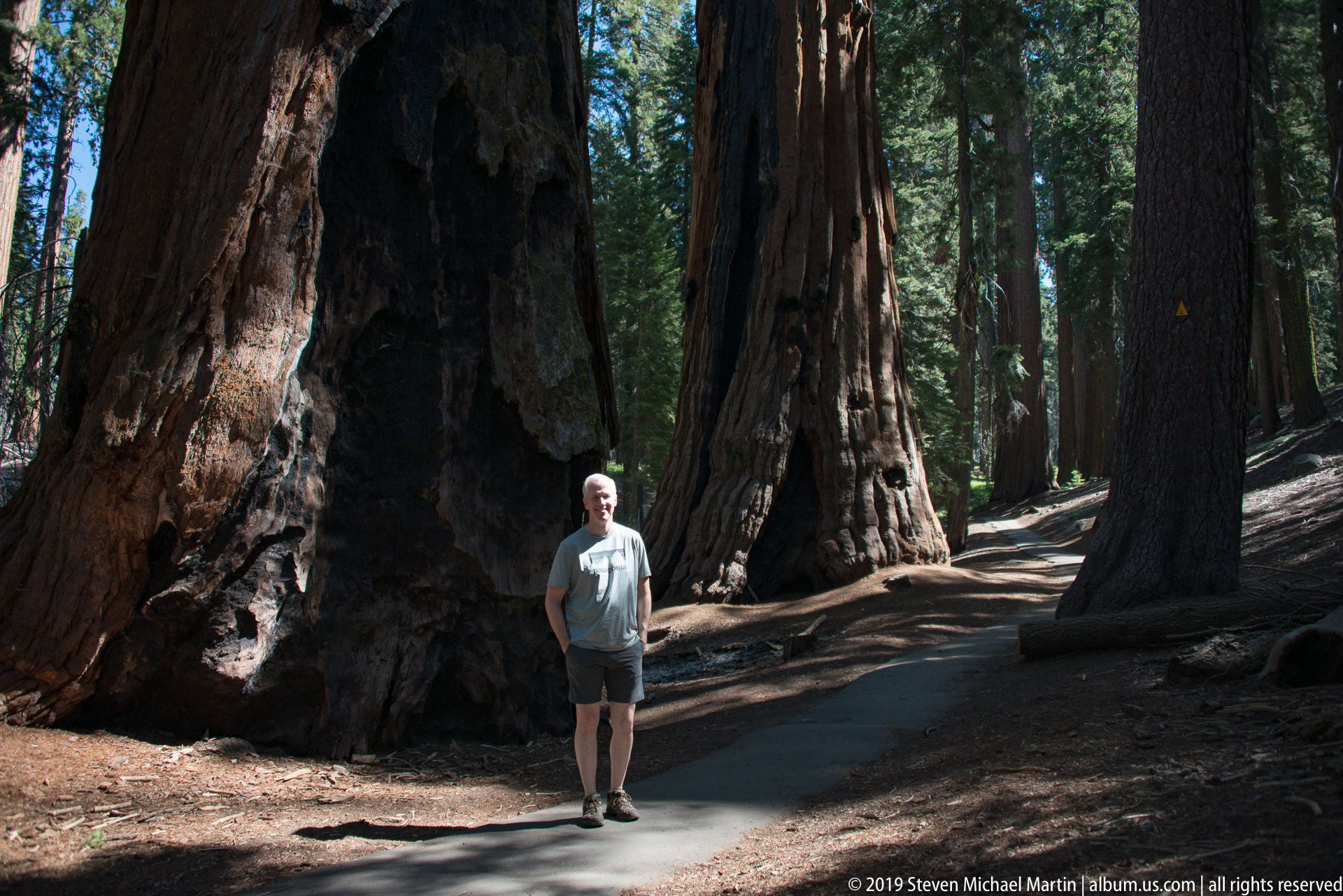
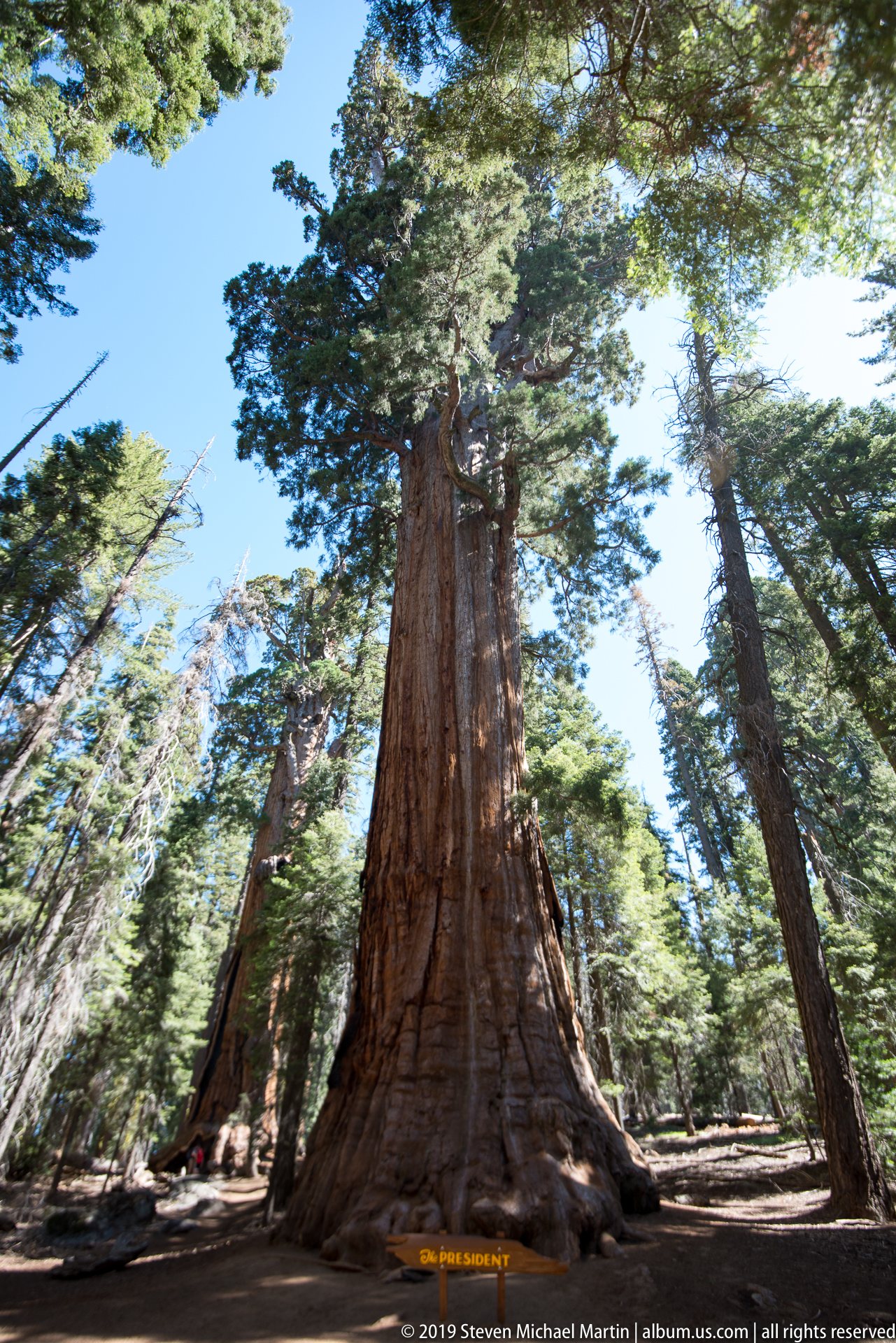
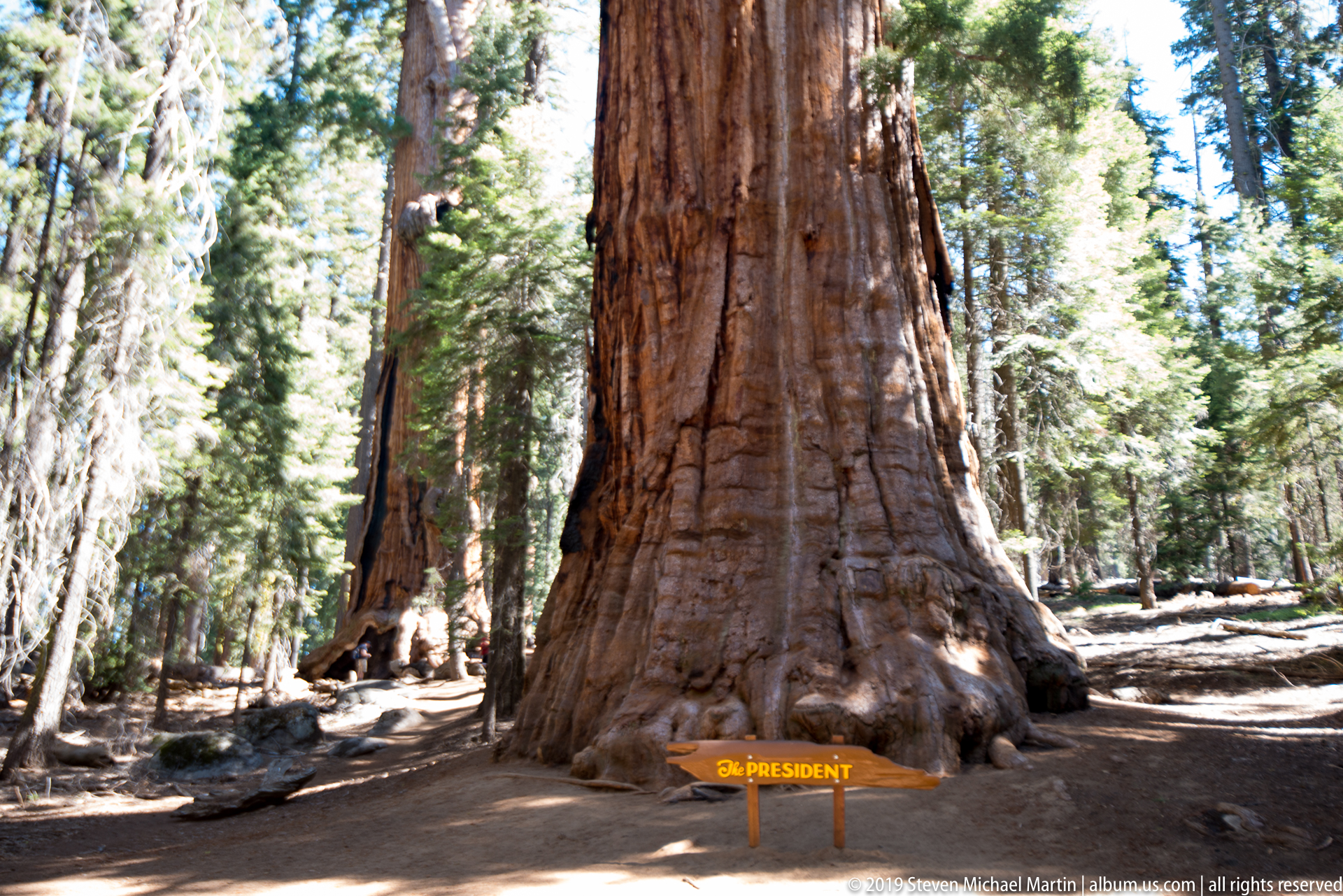
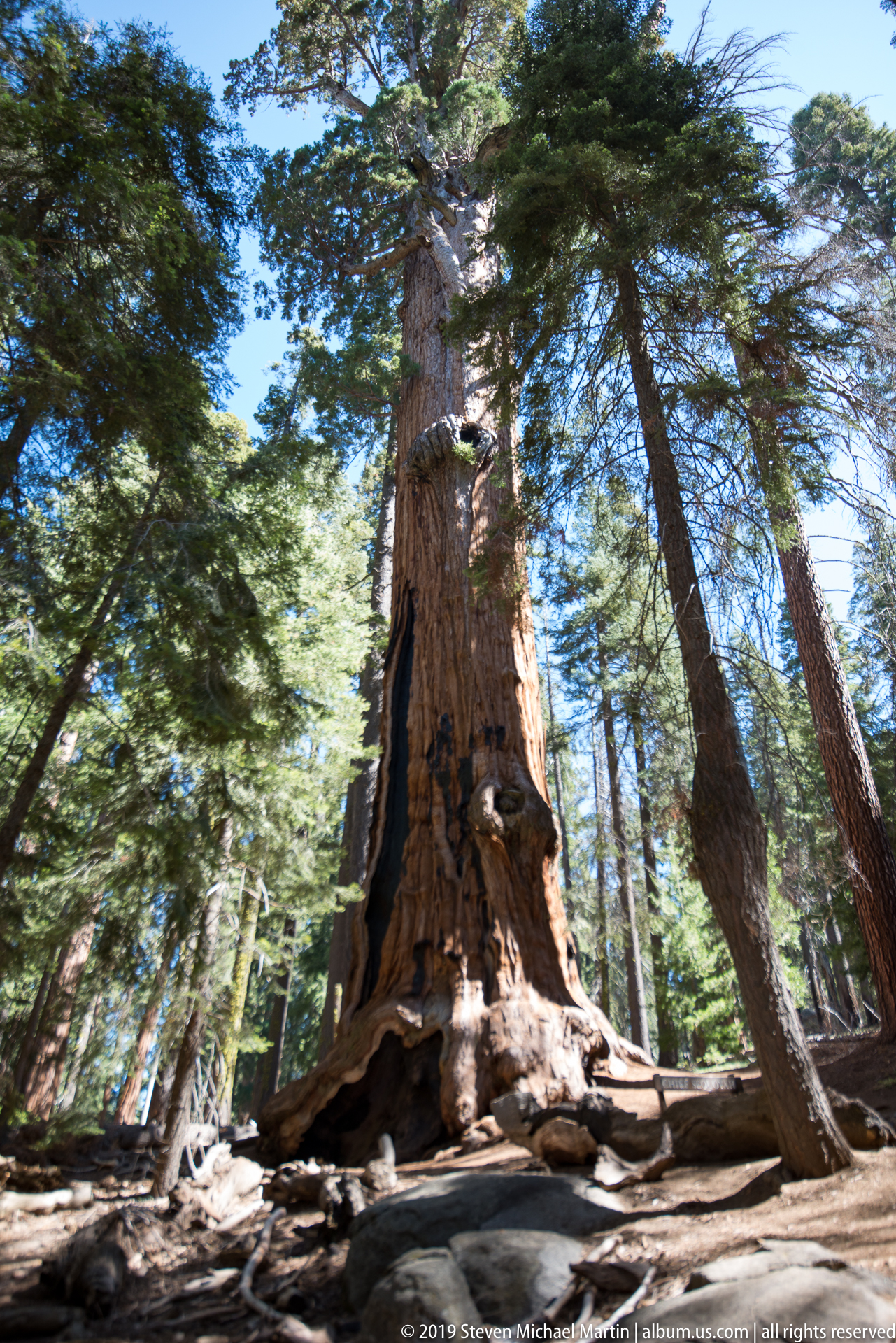
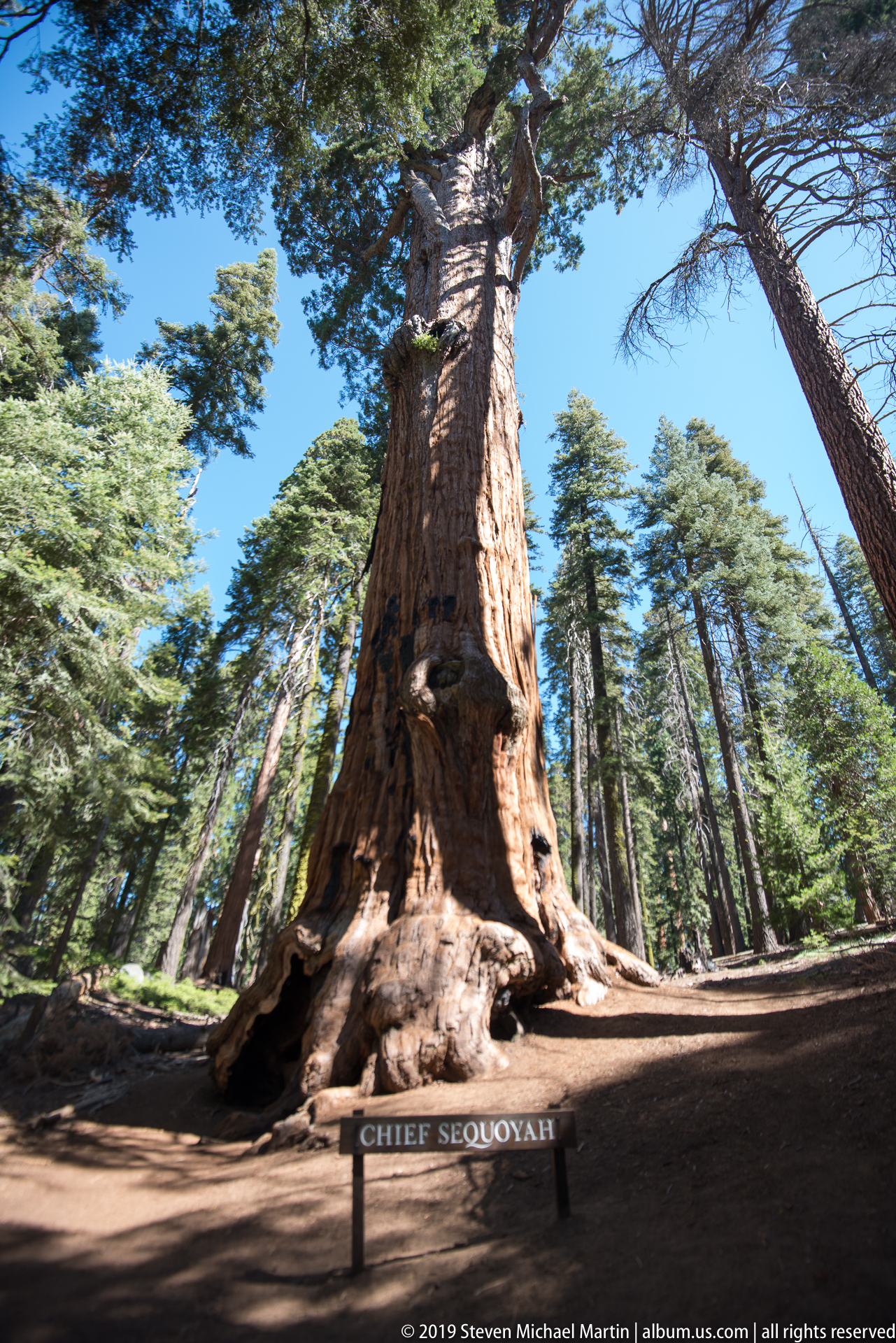
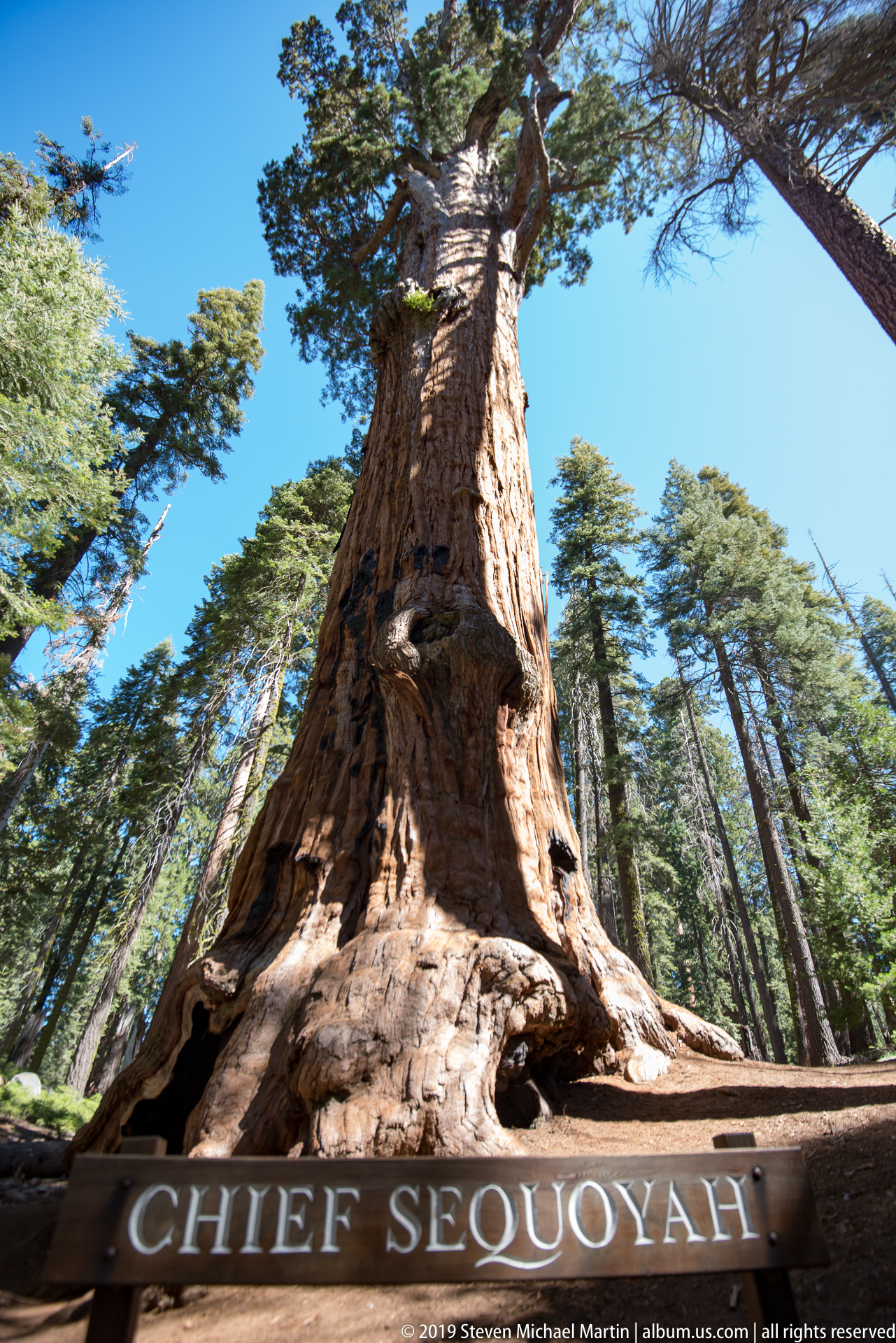
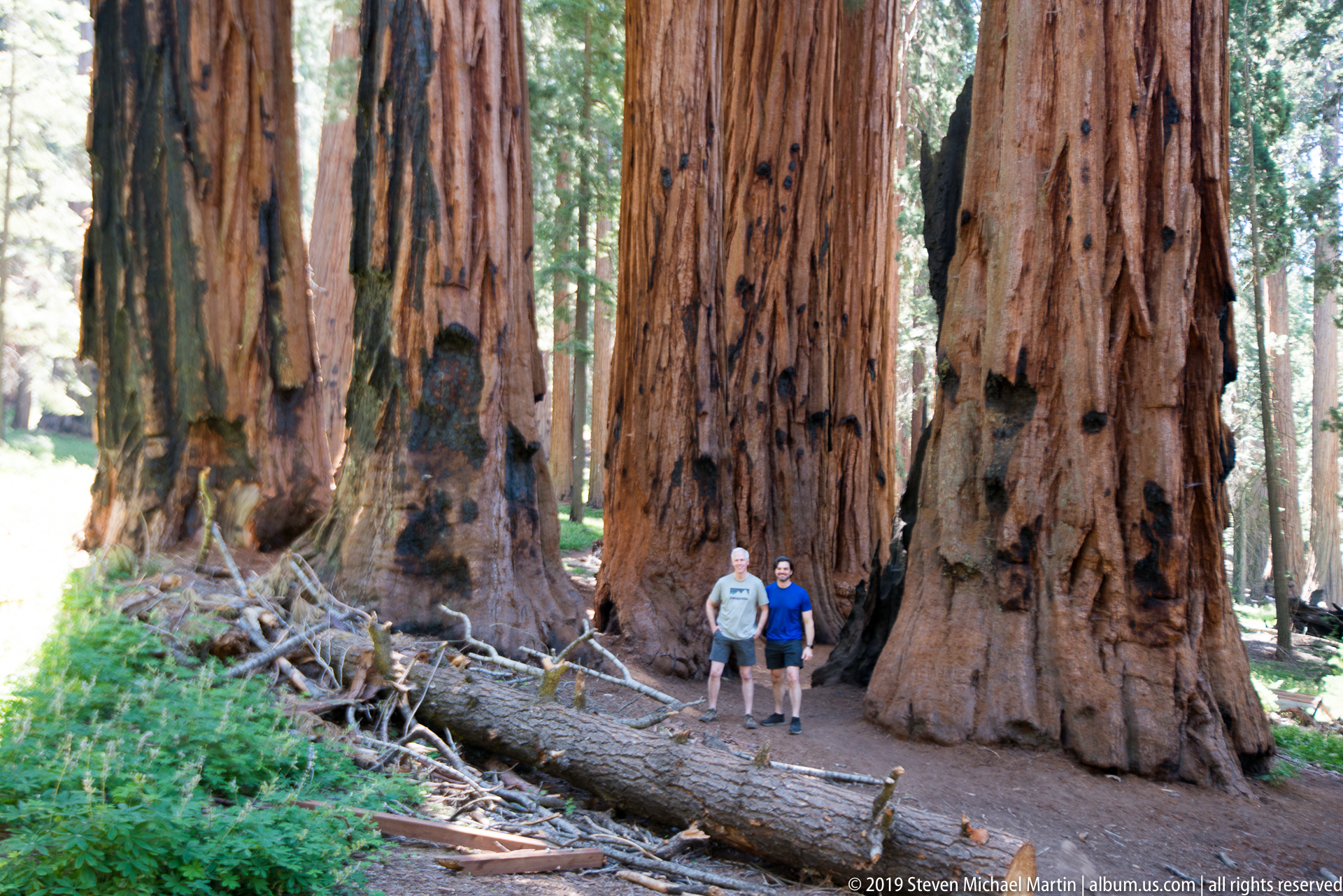
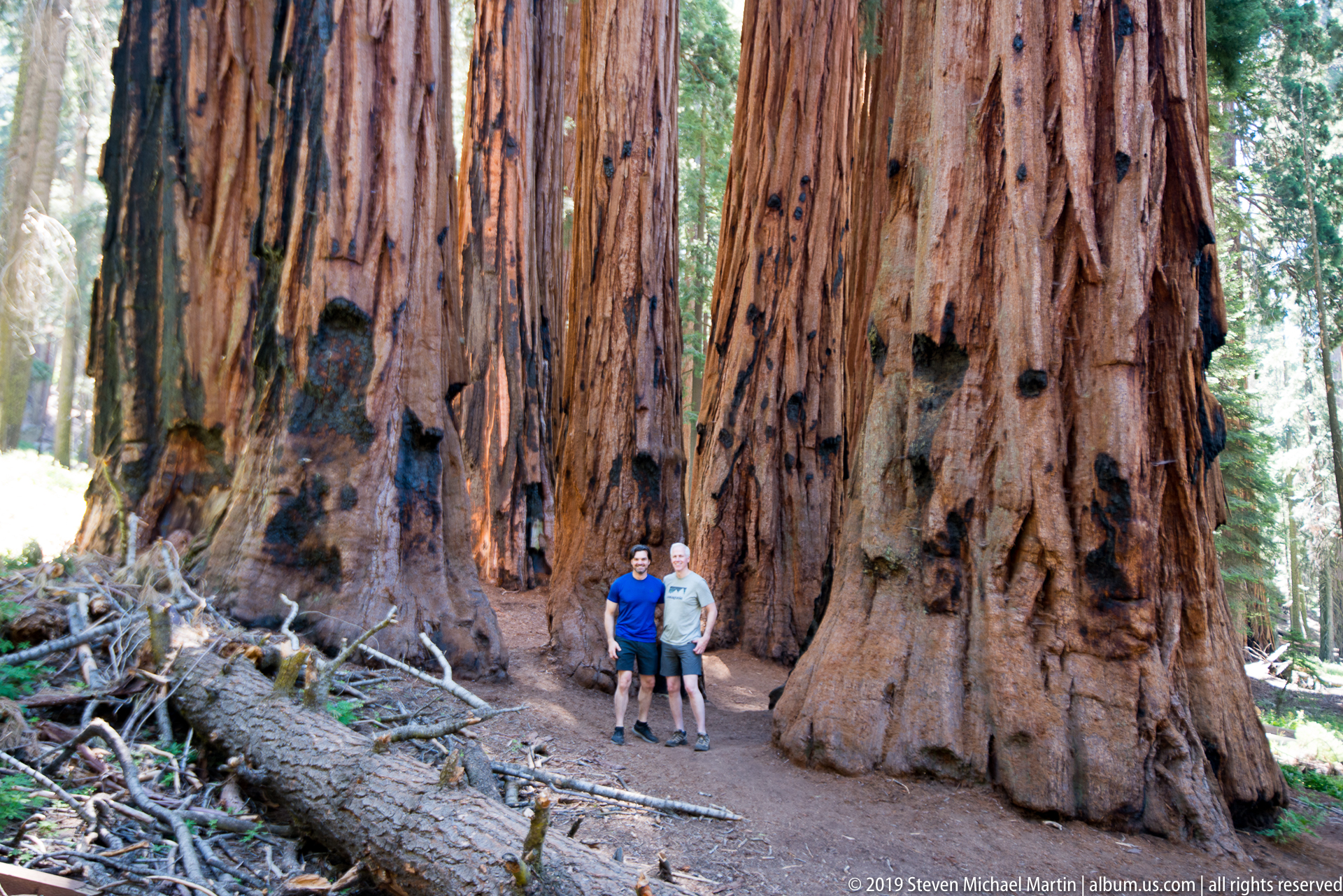
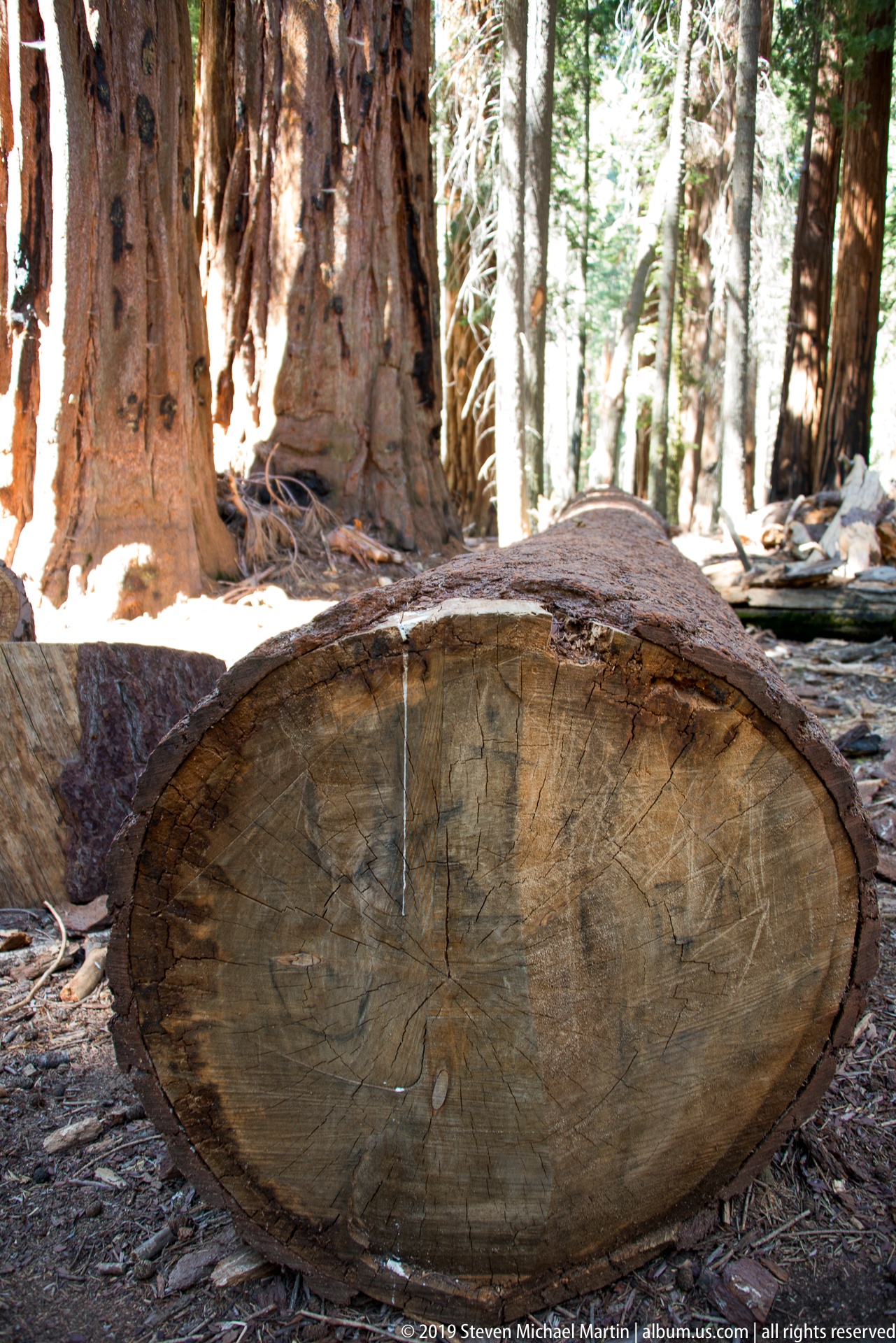
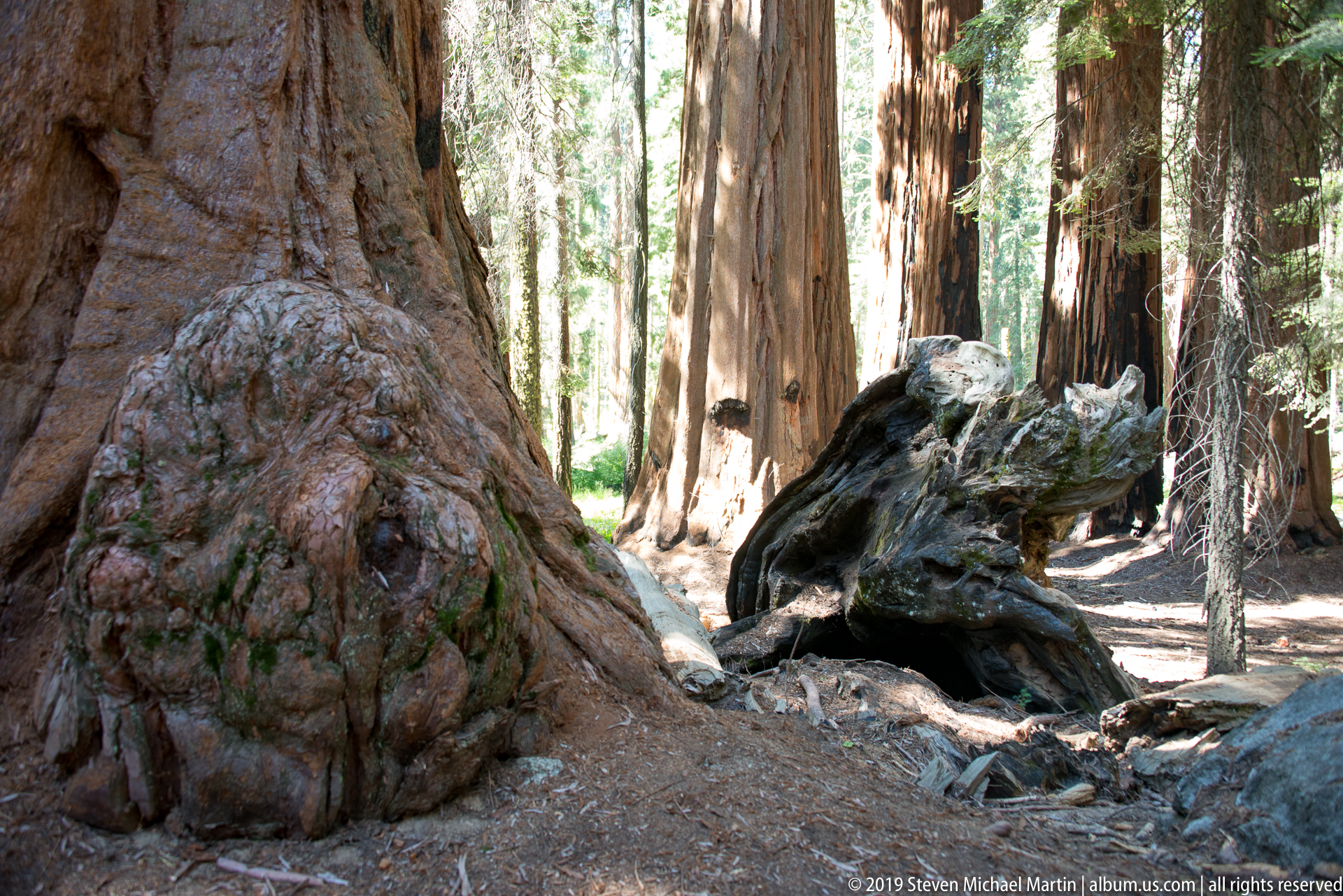
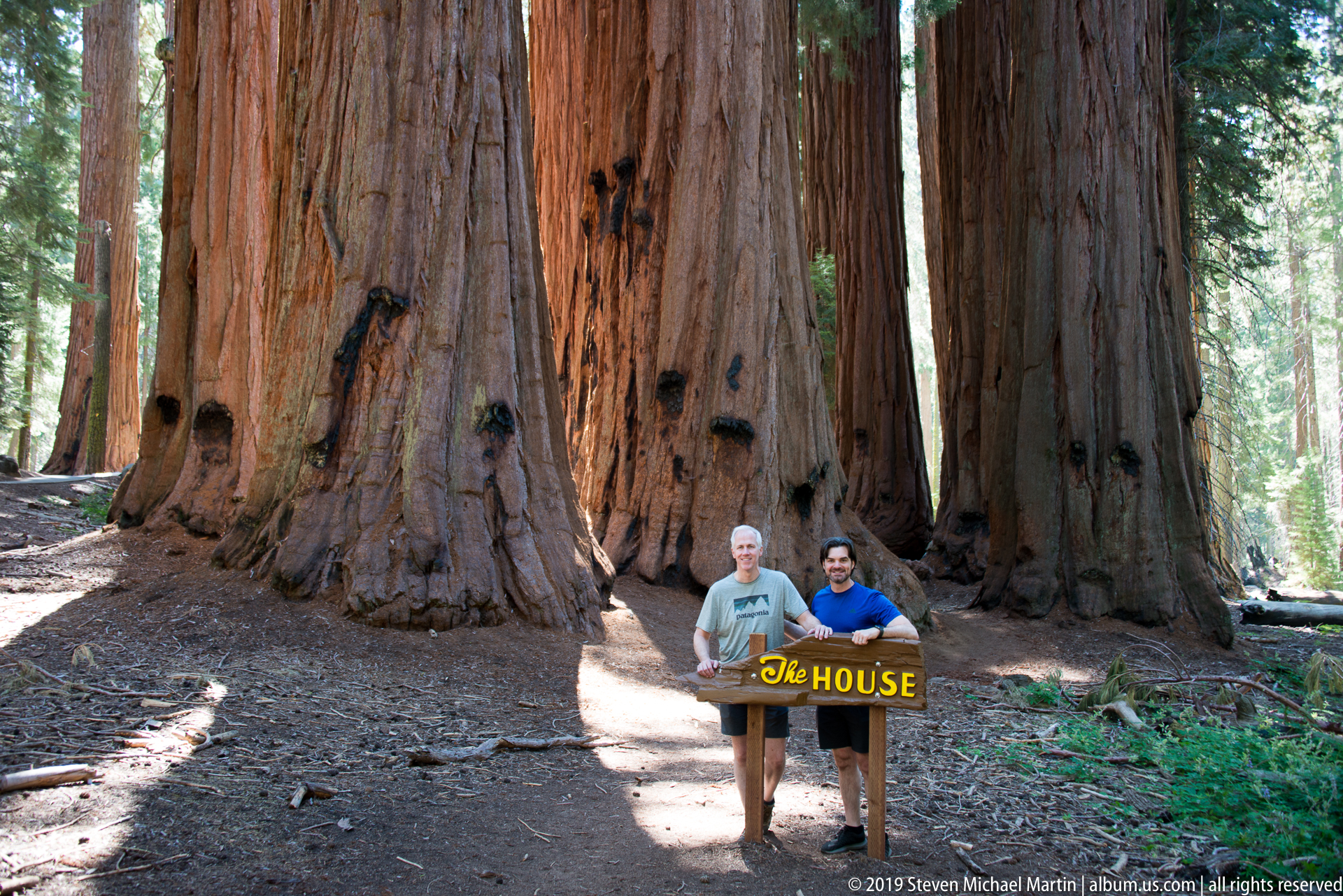
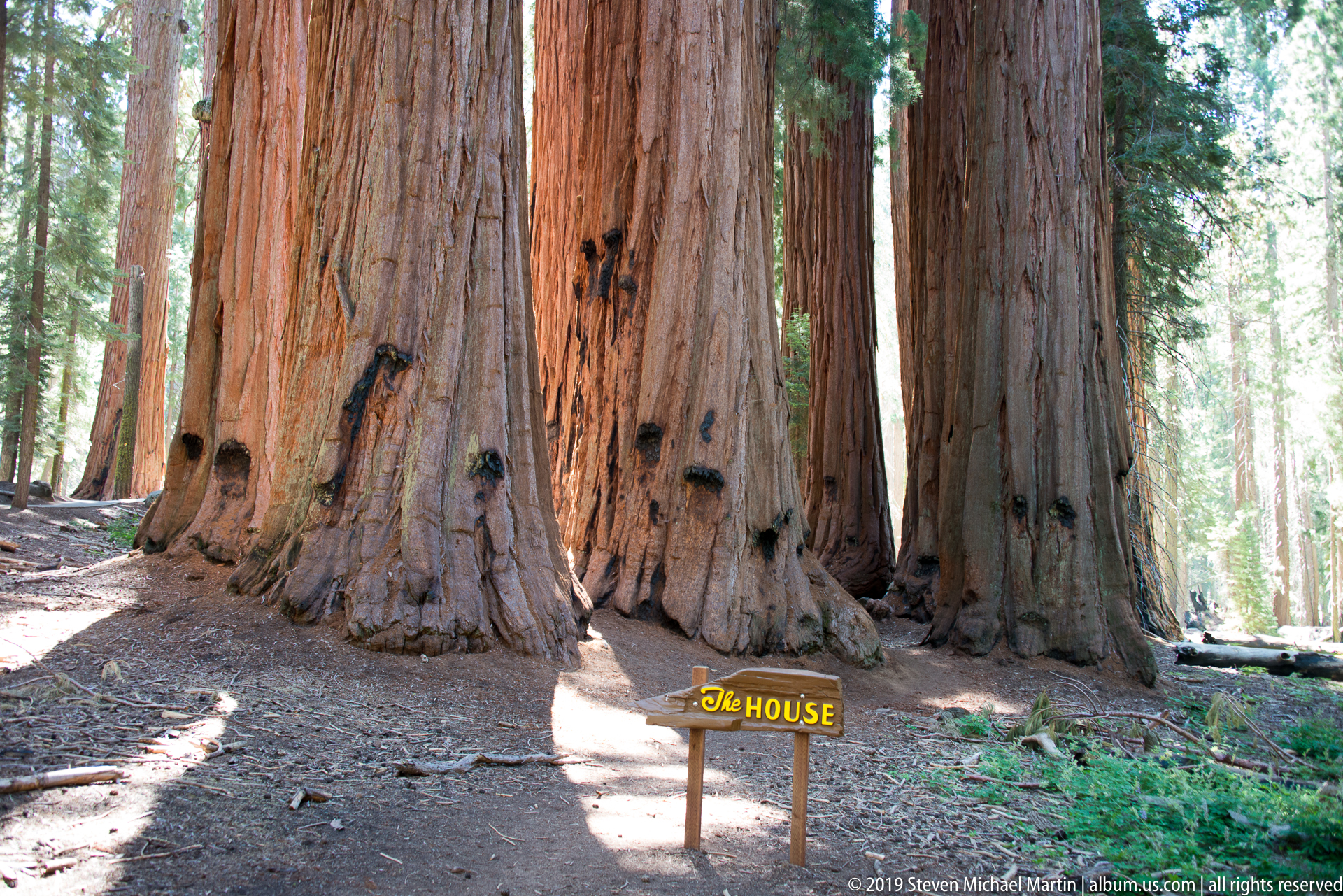
Sequoia National Park is located in California’s southern Sierra Nevada, where tectonic uplift and glacial erosion produced mountain landscapes characterized by deep valleys, granite cliffs, and high elevation forests. The park protects groves of giant sequoia trees, among the largest living organisms on Earth, growing within a narrow elevational range where climate and soil conditions support long-lived conifer ecosystems.
The Sierra Nevada landscape reflects geological processes associated with formation of granitic rock through ancient volcanic activity followed by uplift and erosion over millions of years. Glacial processes shaped many of the park’s valleys and ridges, creating terrain characteristic of high elevation environments across the western United States.
Sequoia National Park illustrates the ecological continuity of Sierra Nevada forest ecosystems and the importance of preservation in protecting long-lived species adapted to mountain climate conditions.





















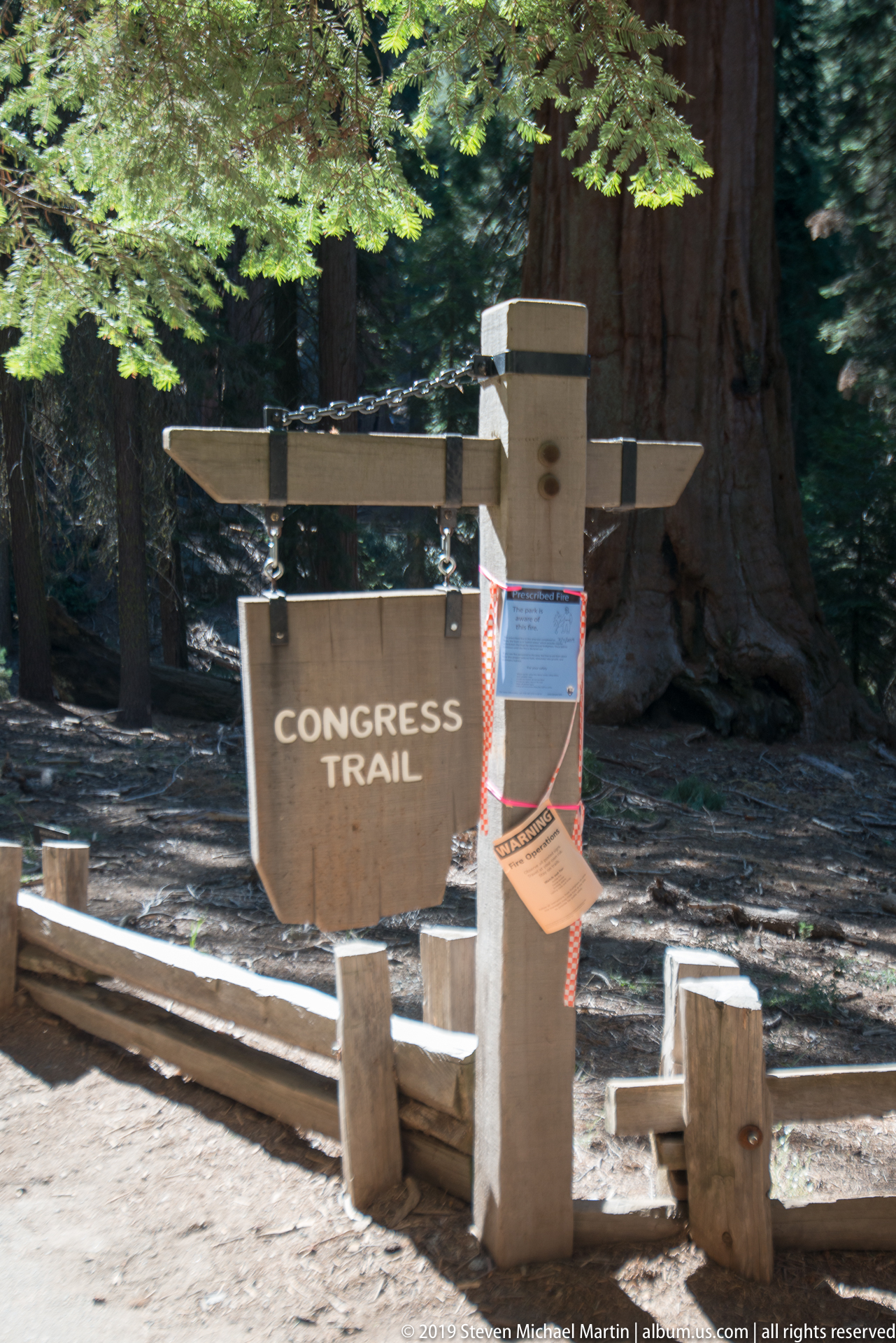











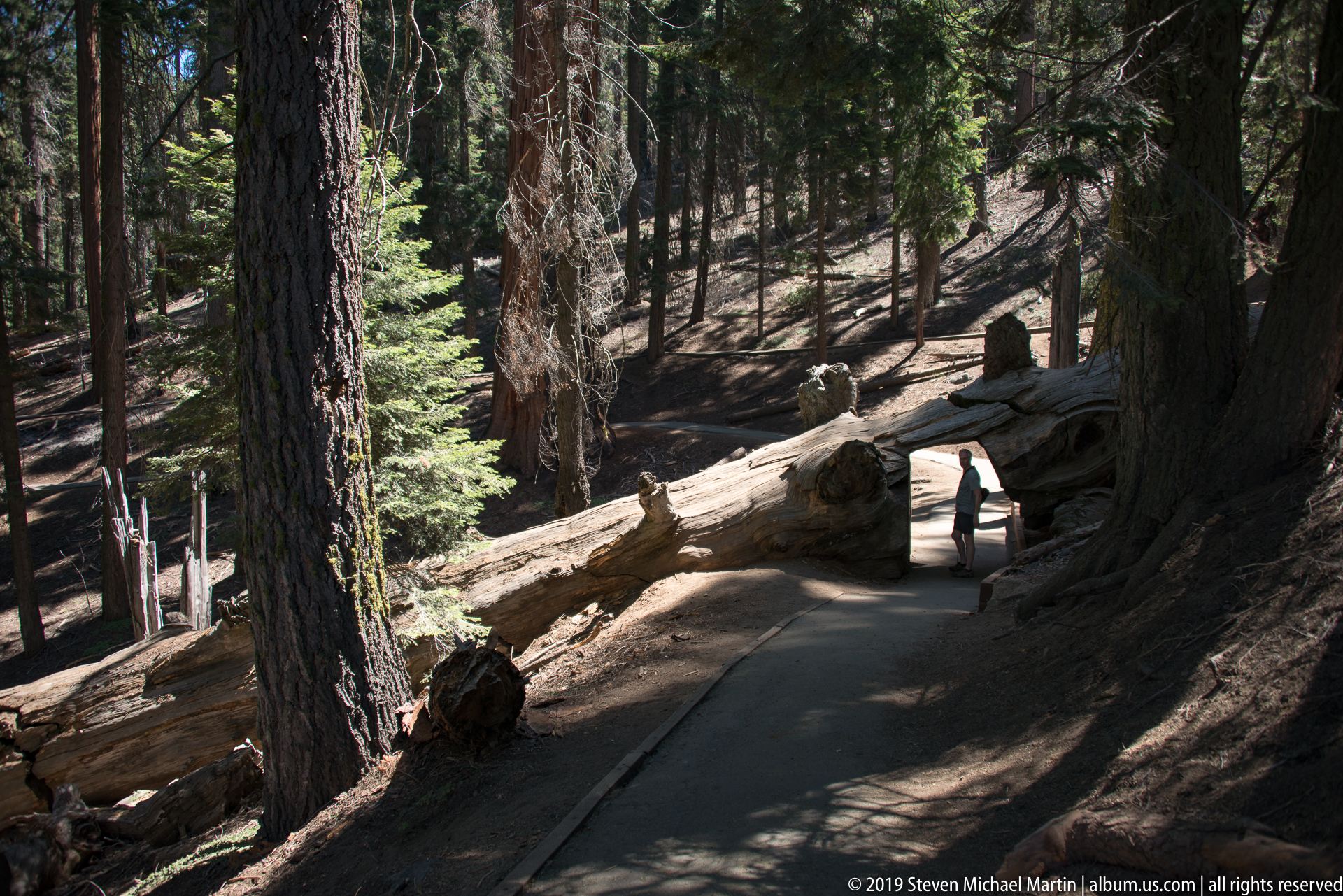

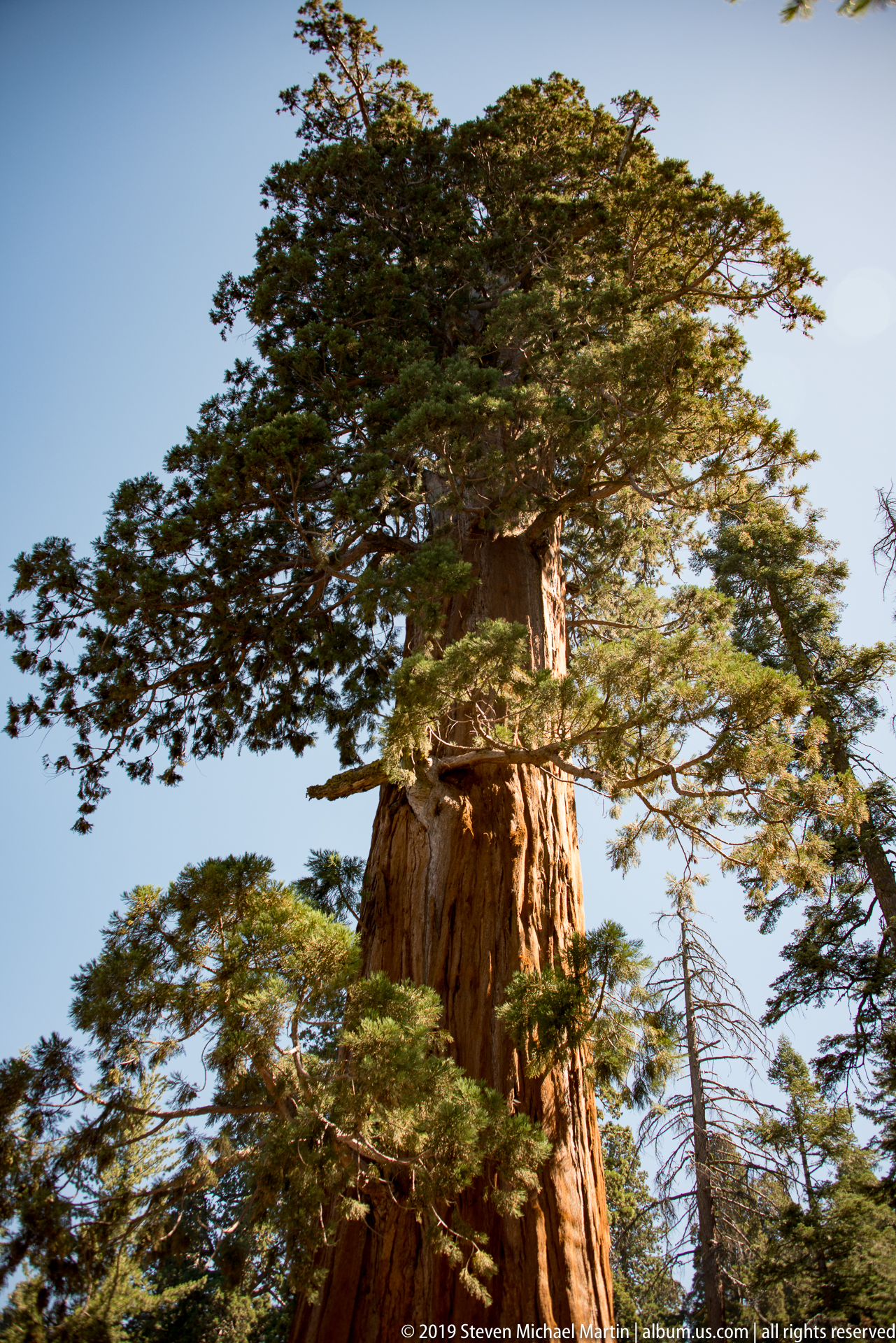
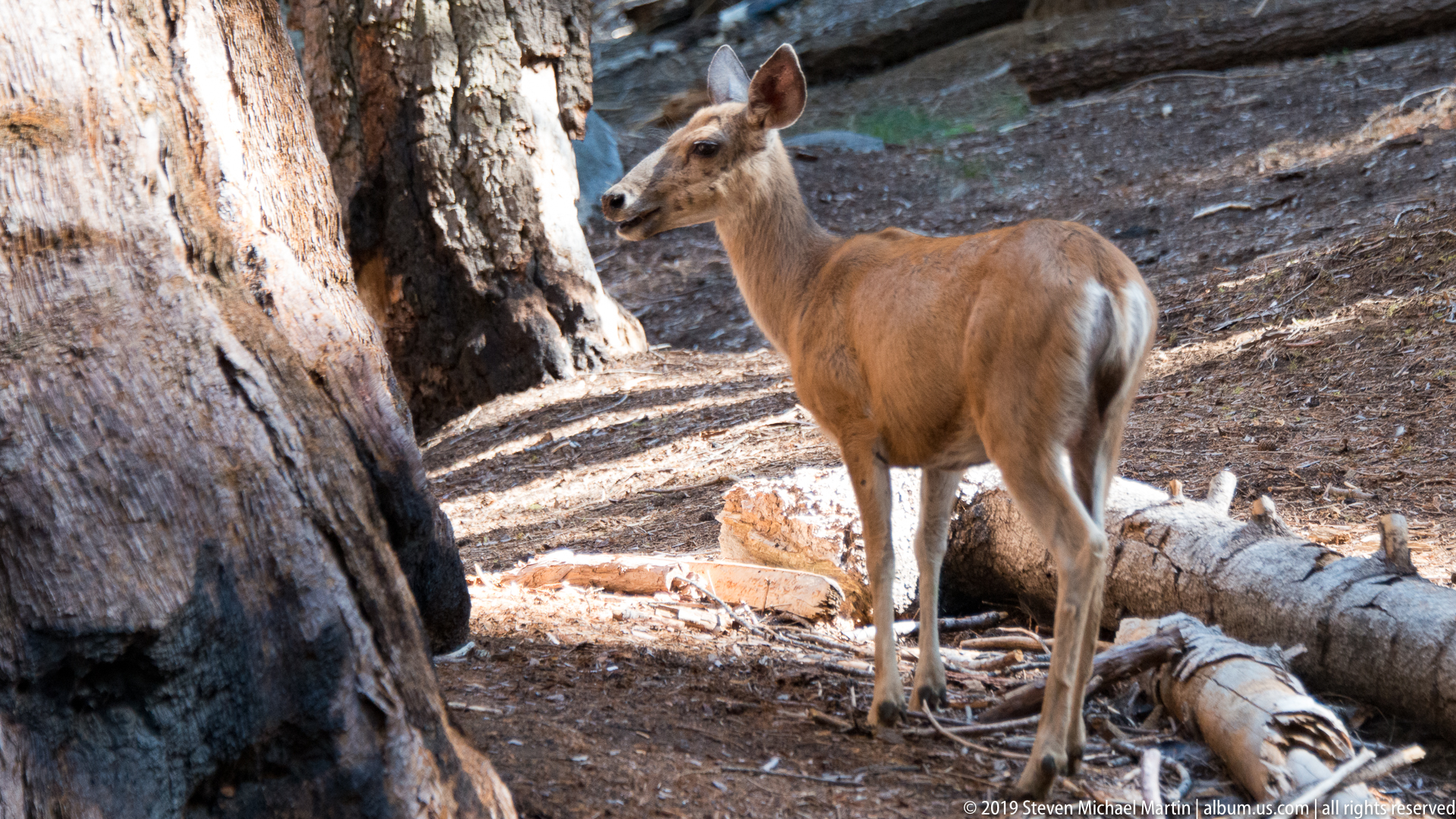
Sequoia National Park Field Guide
📍 Location
Sequoia National Park is located in the Sierra Nevada mountains of California, where high elevation forests support giant sequoia groves within a landscape shaped by tectonic uplift and glacial erosion.
🌲 Landscape
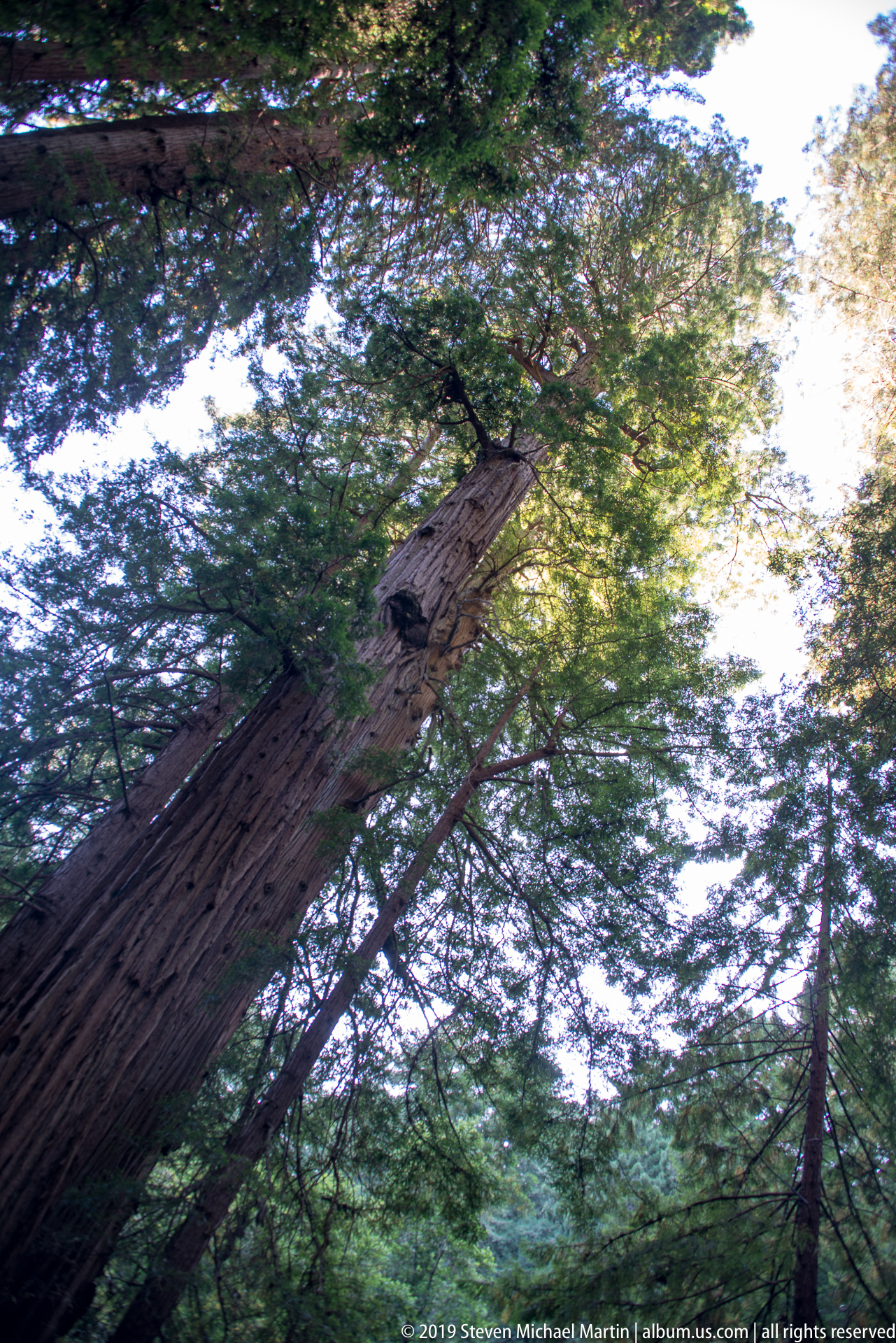
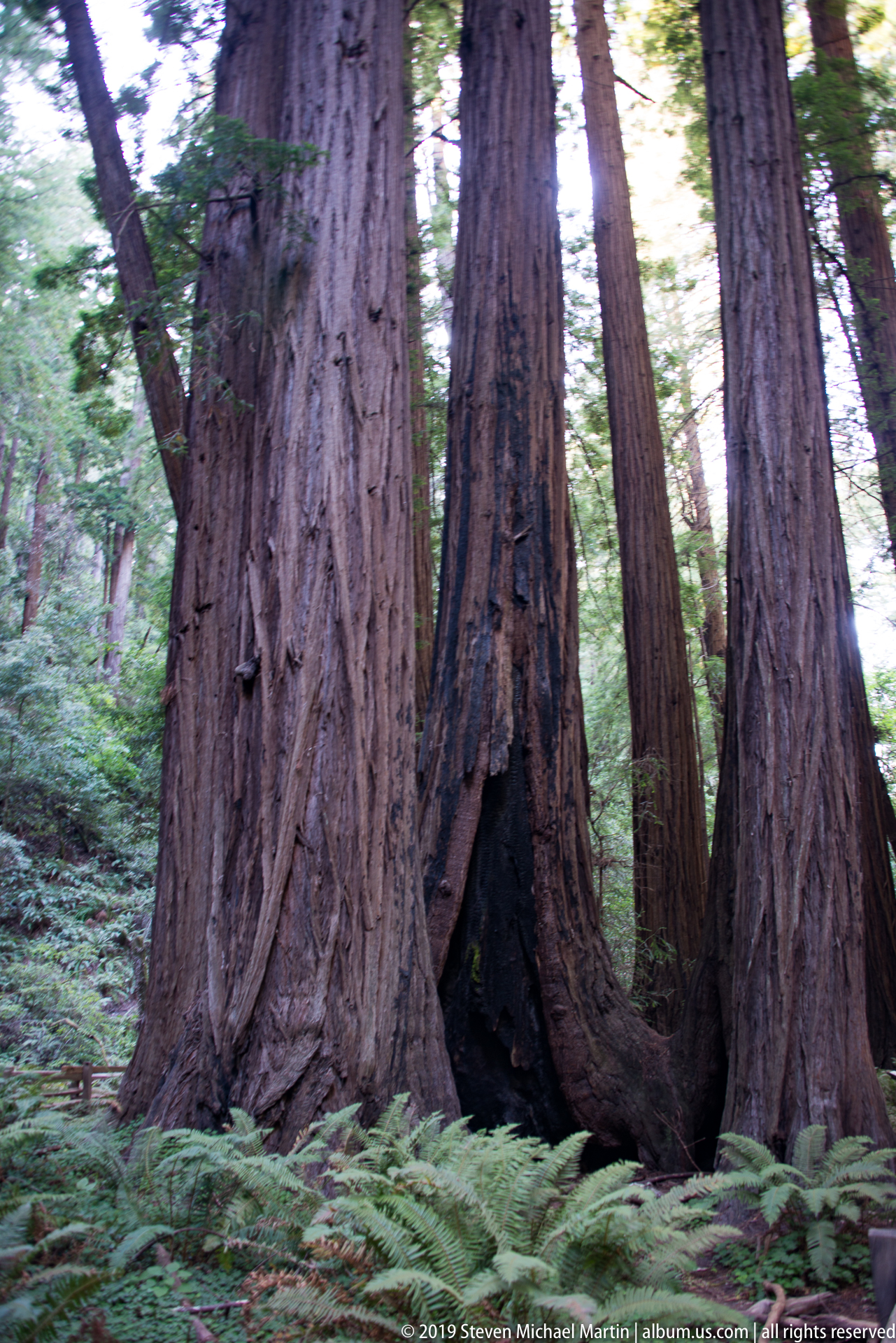
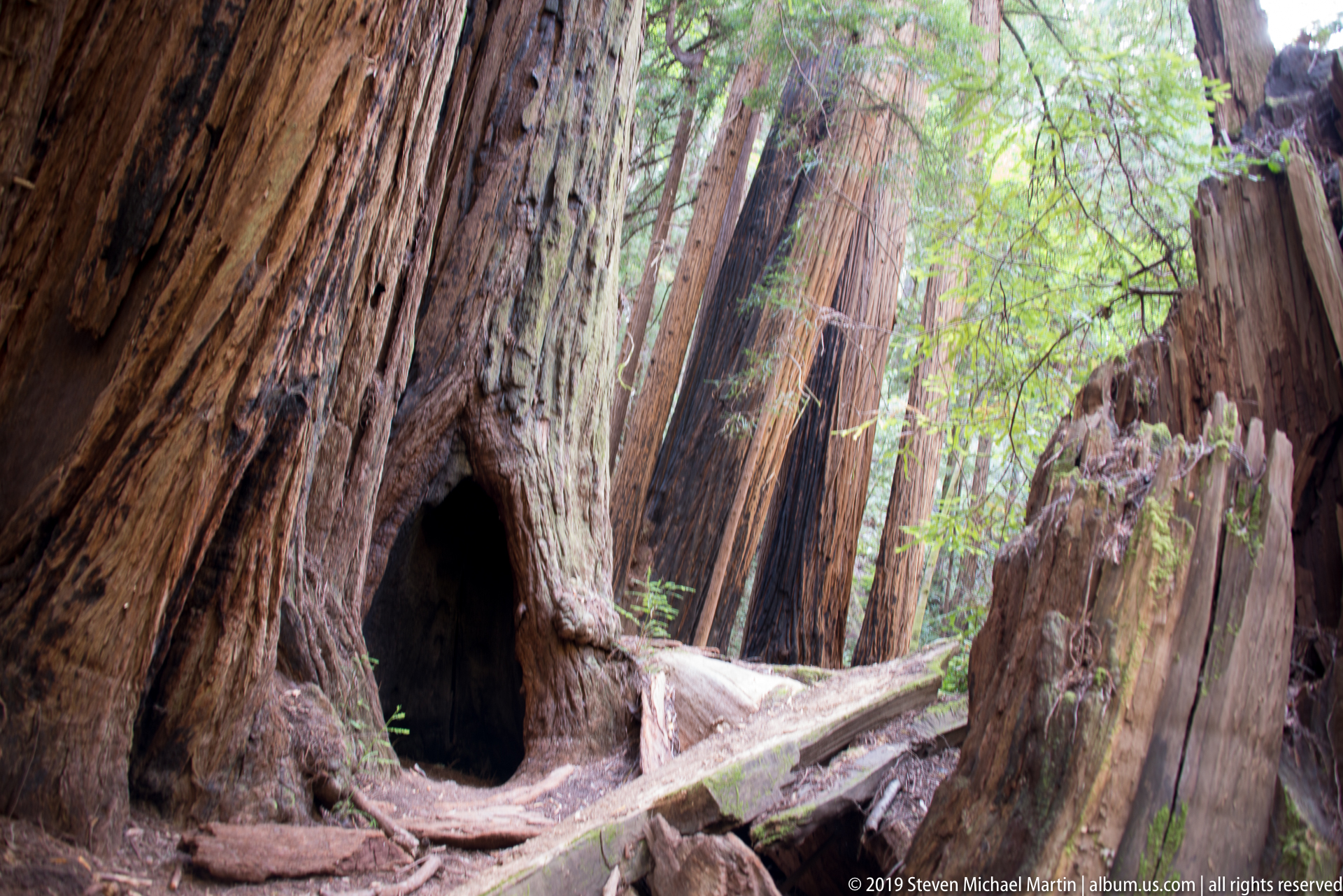
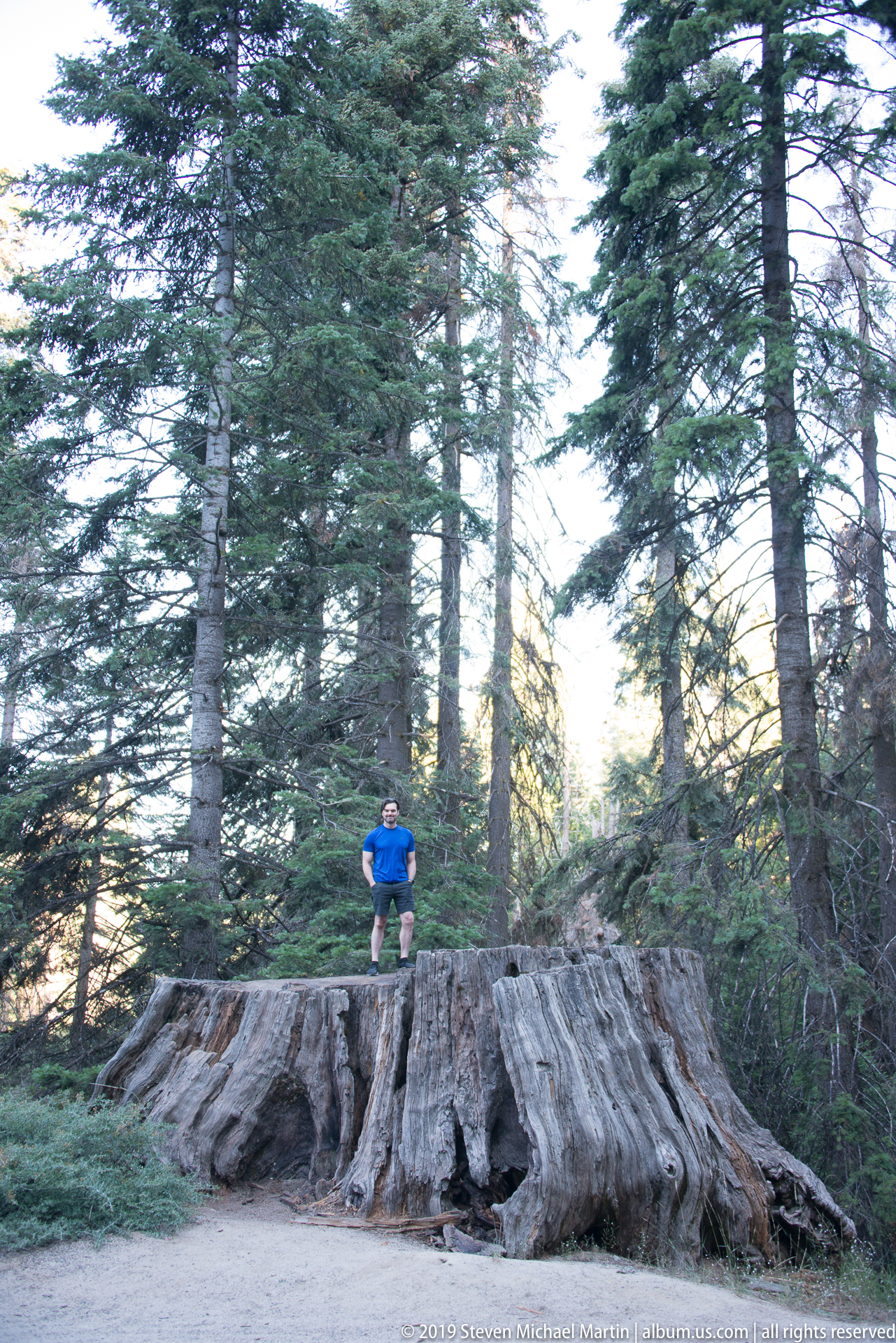
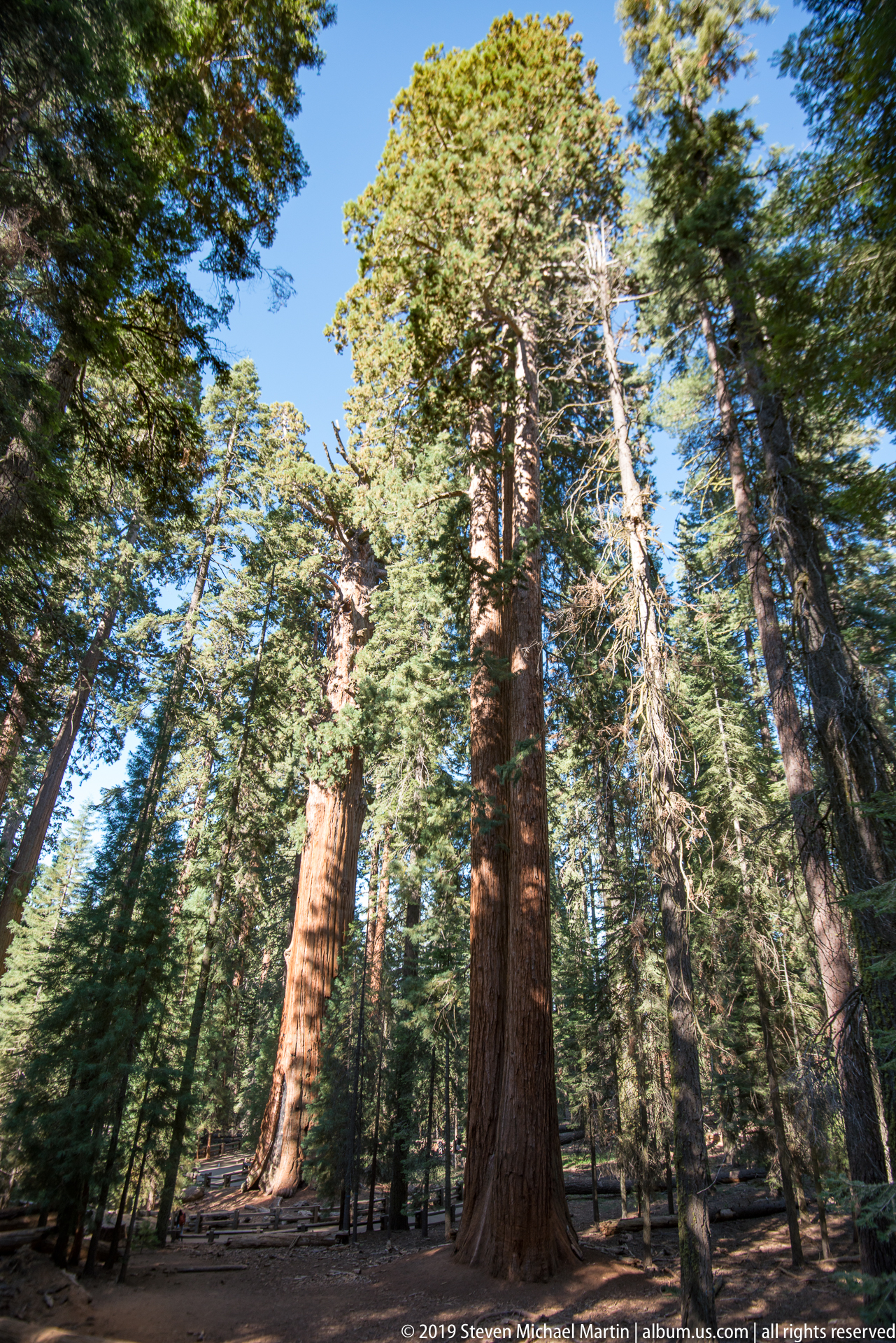
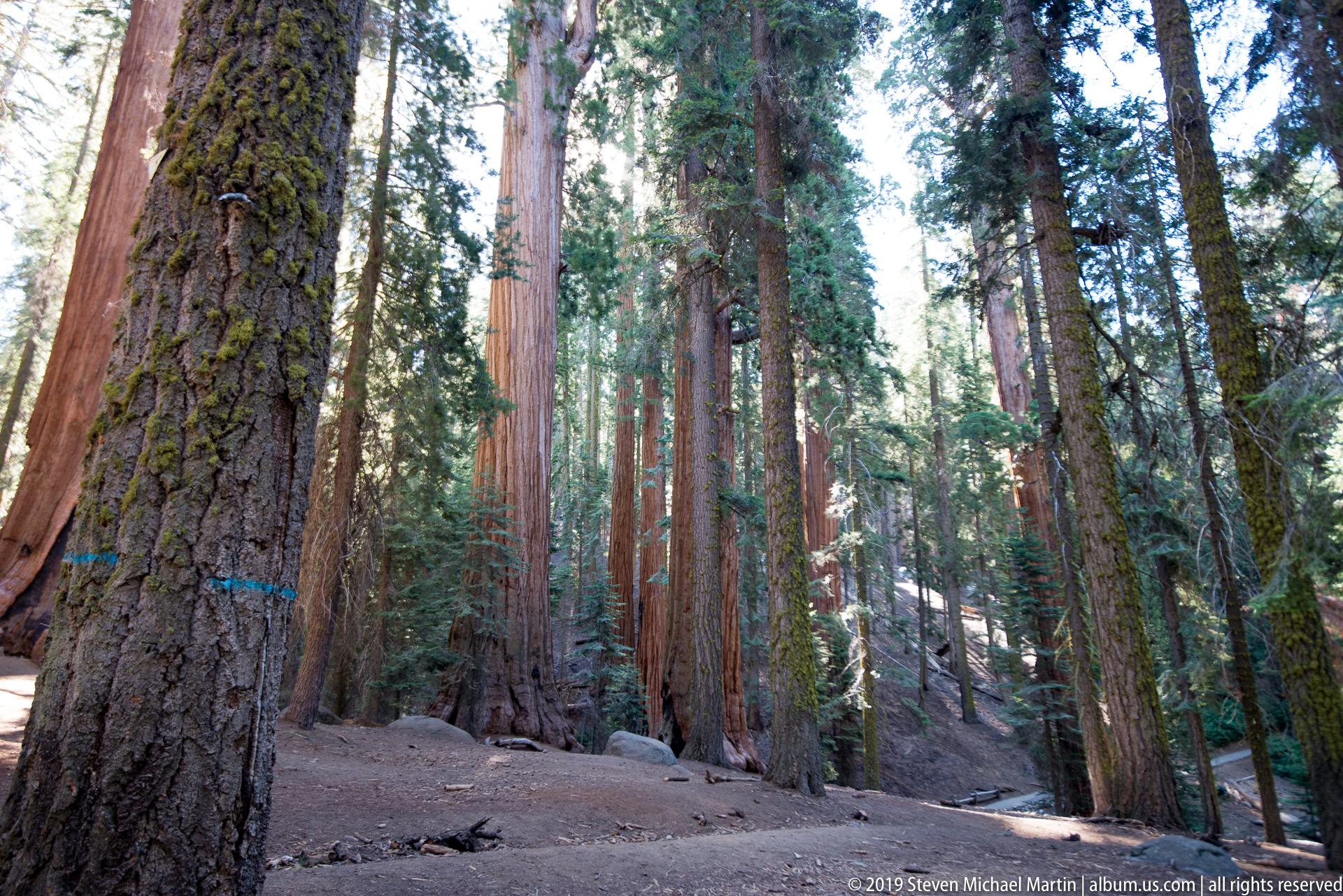
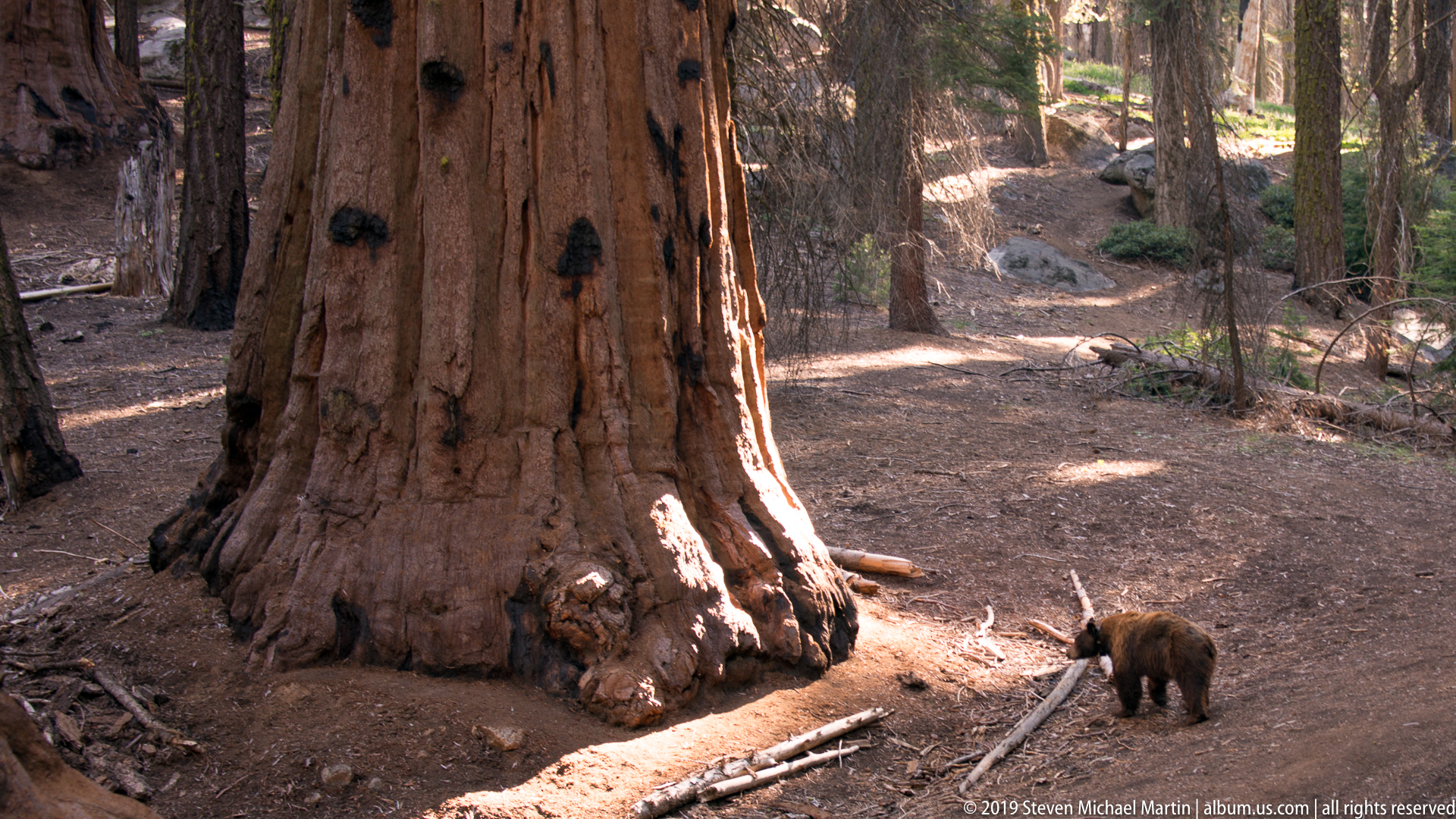
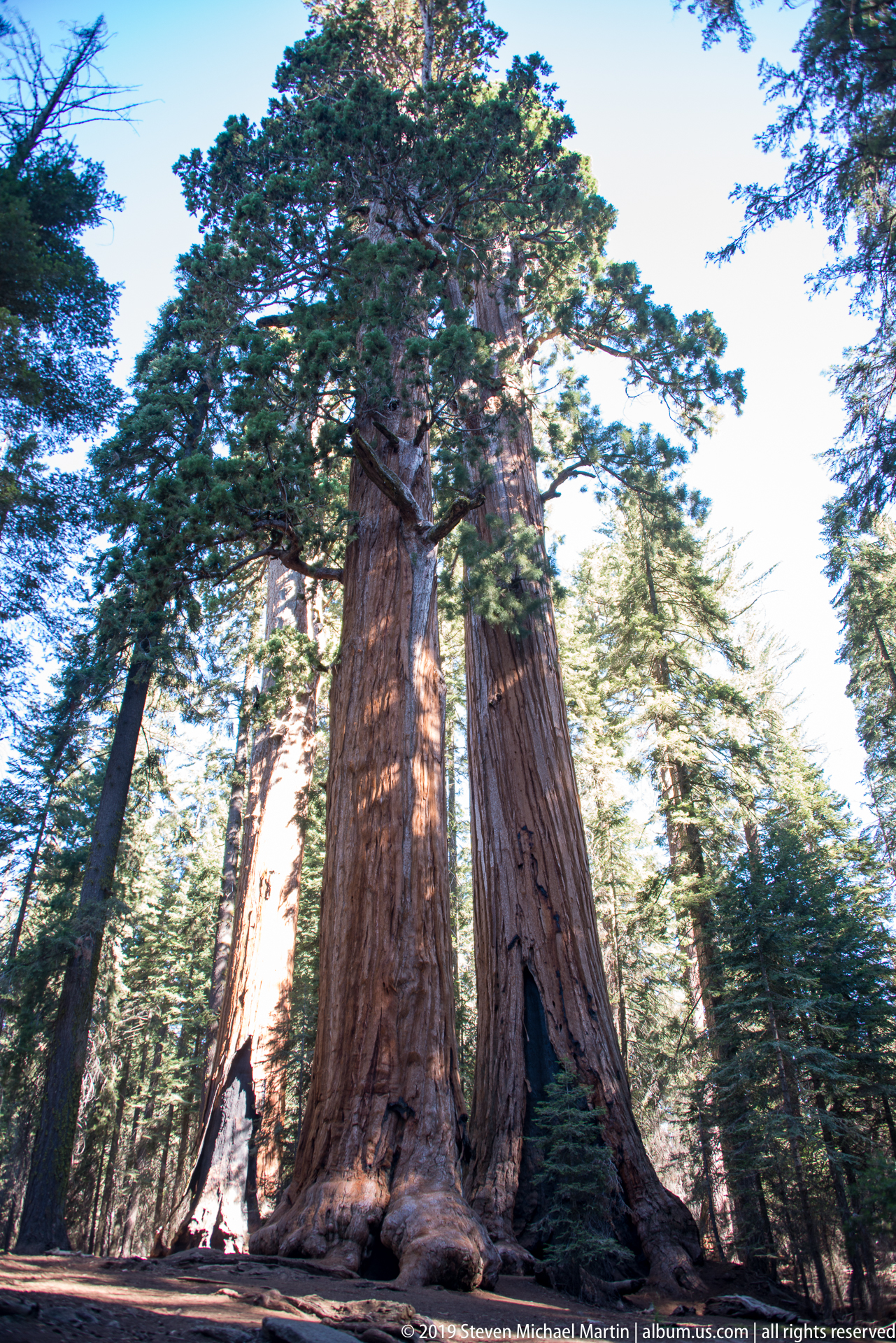
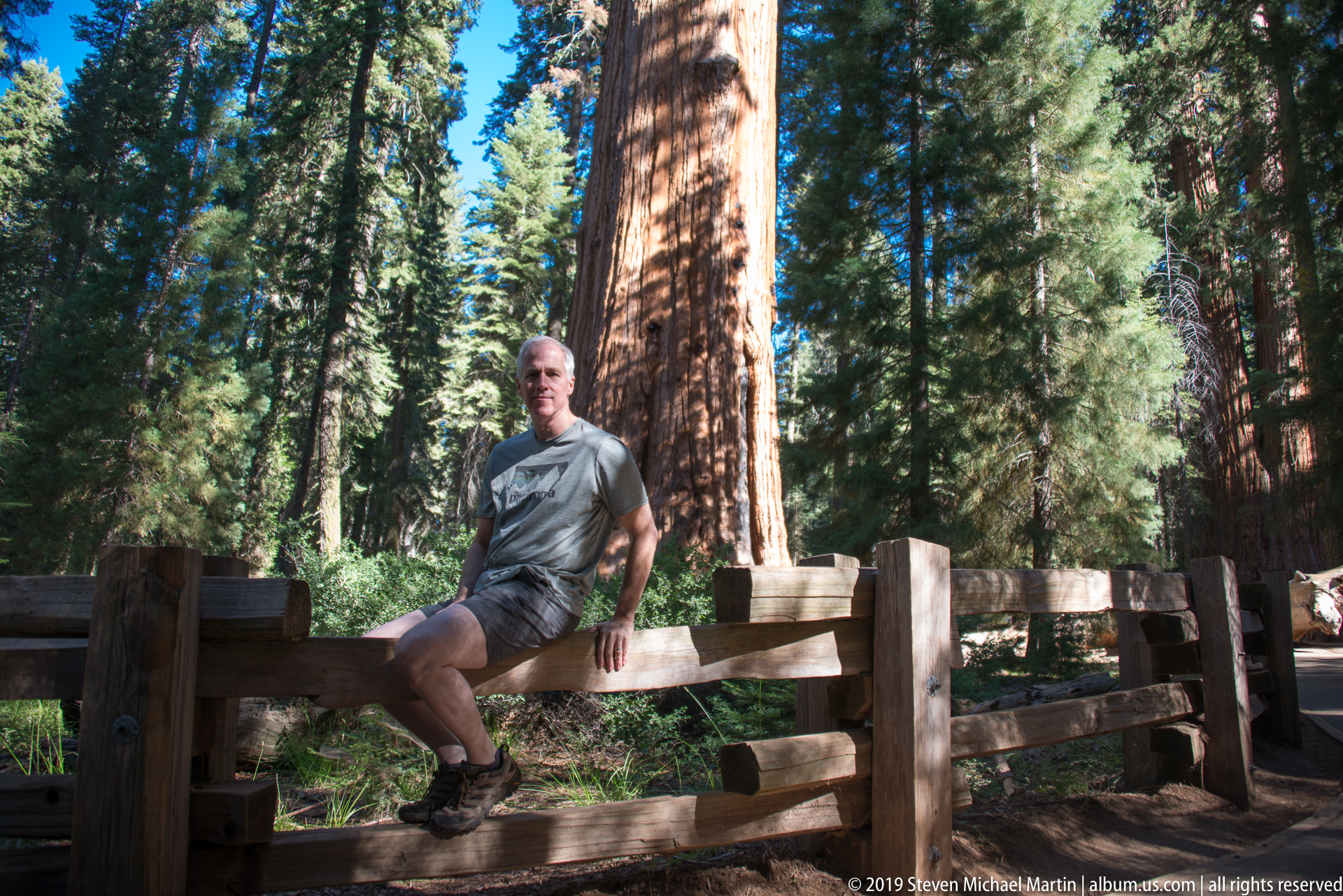
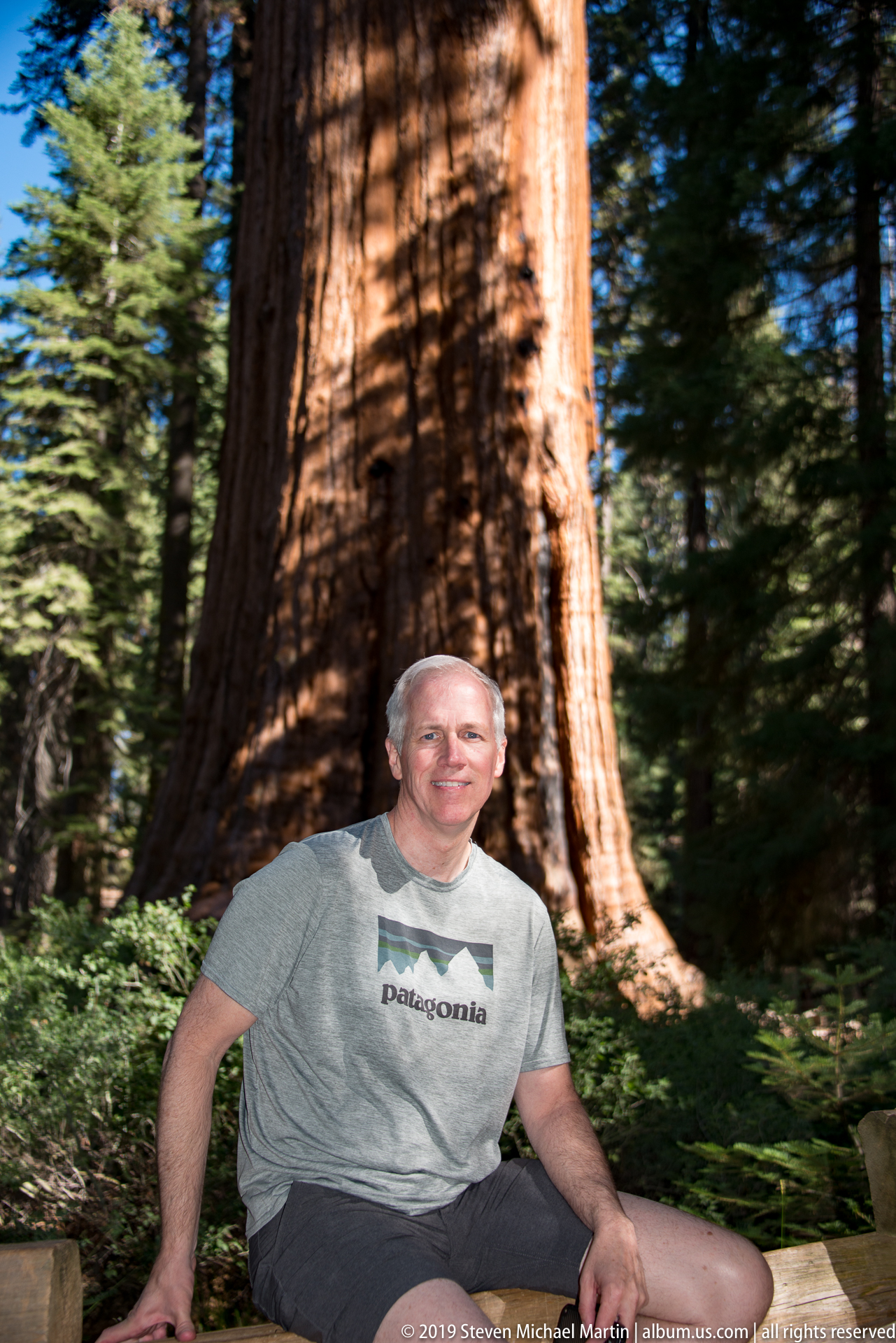
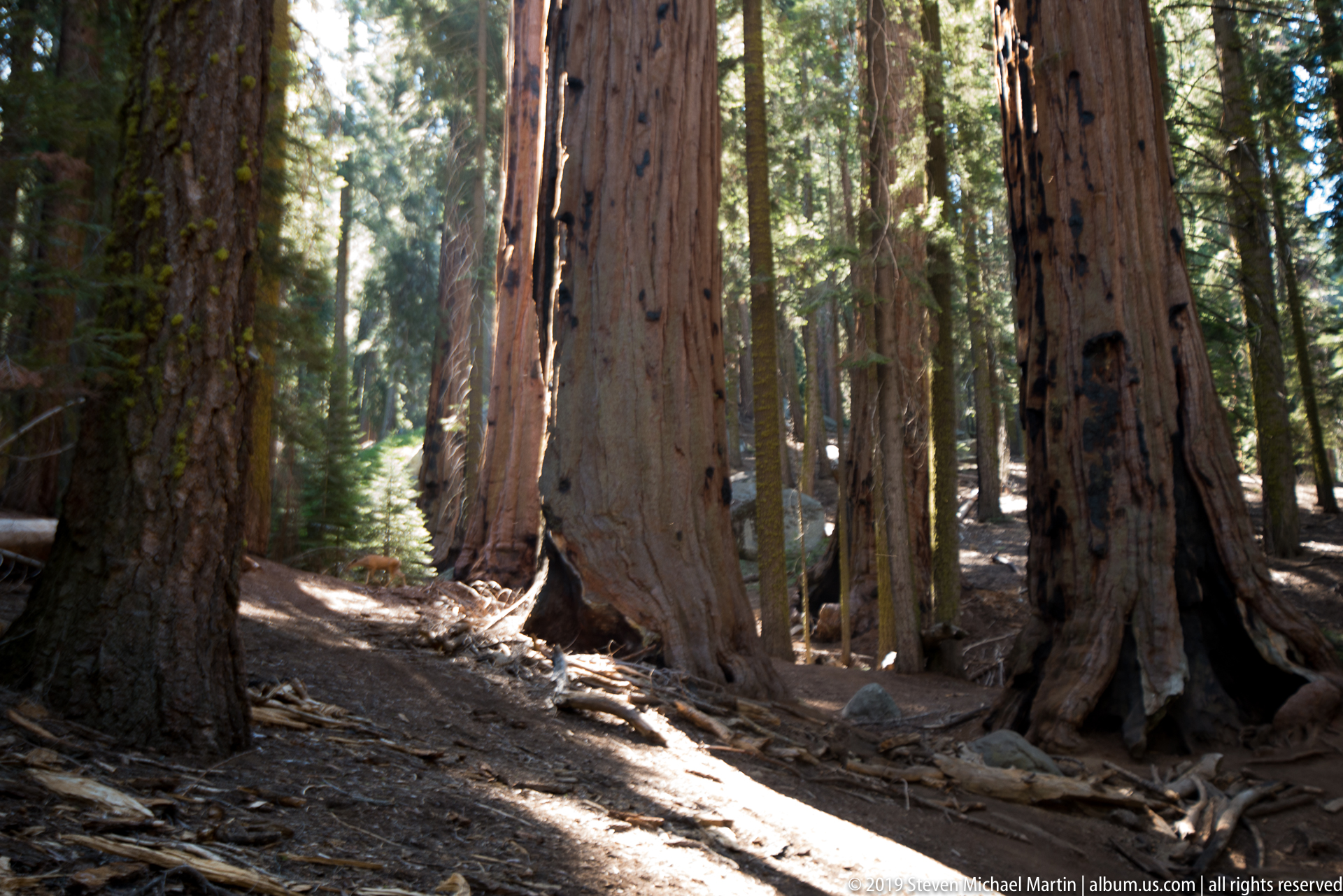
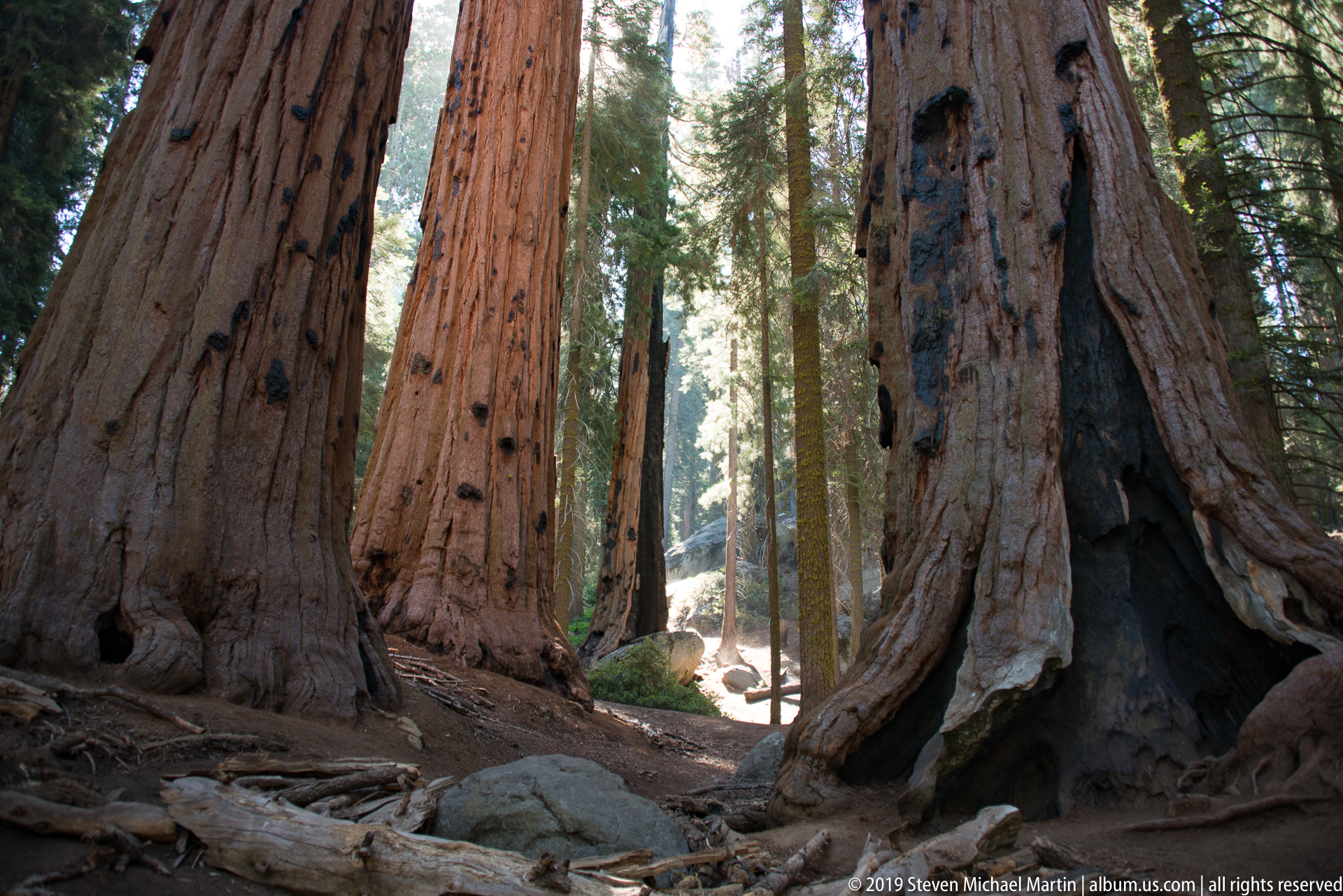
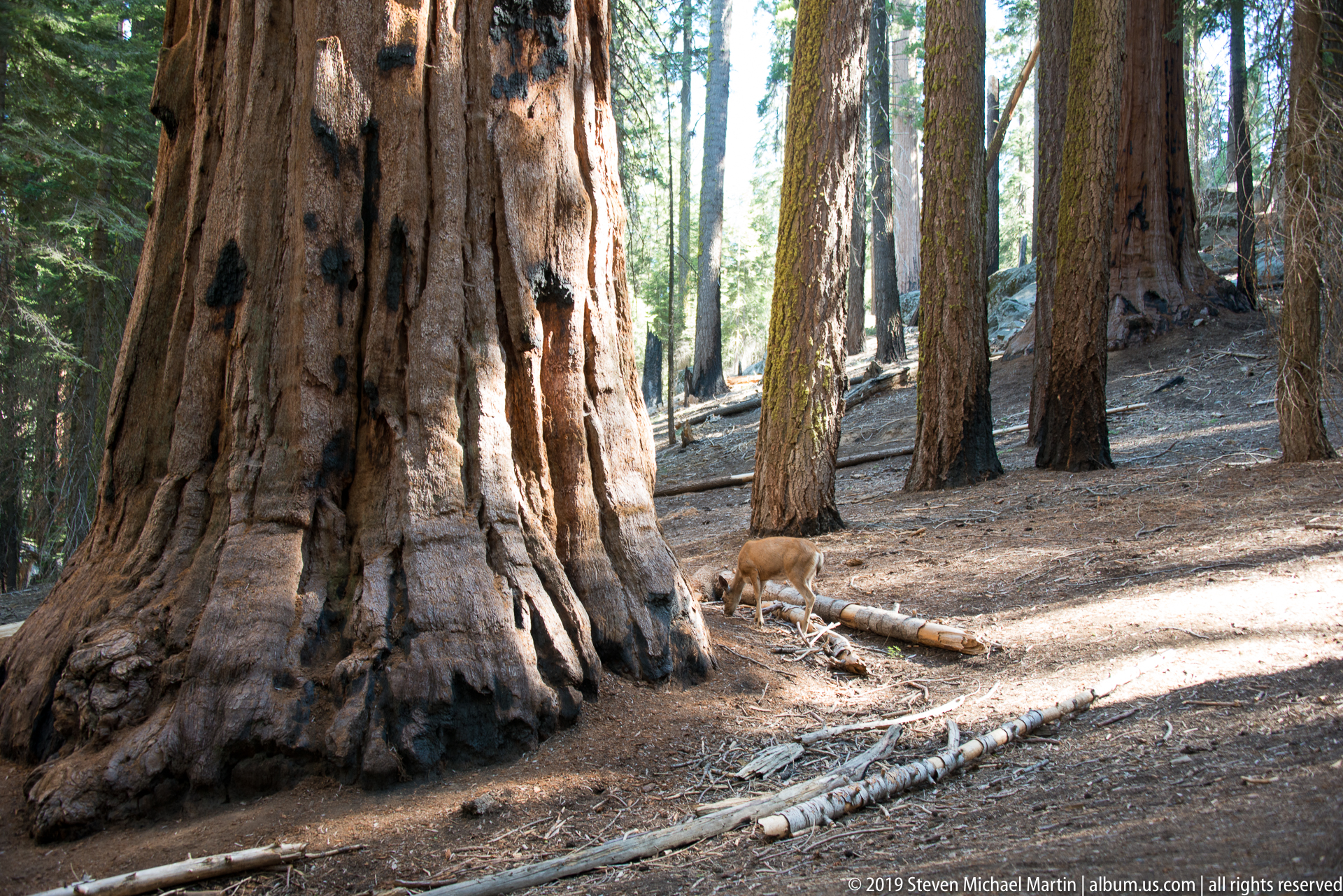
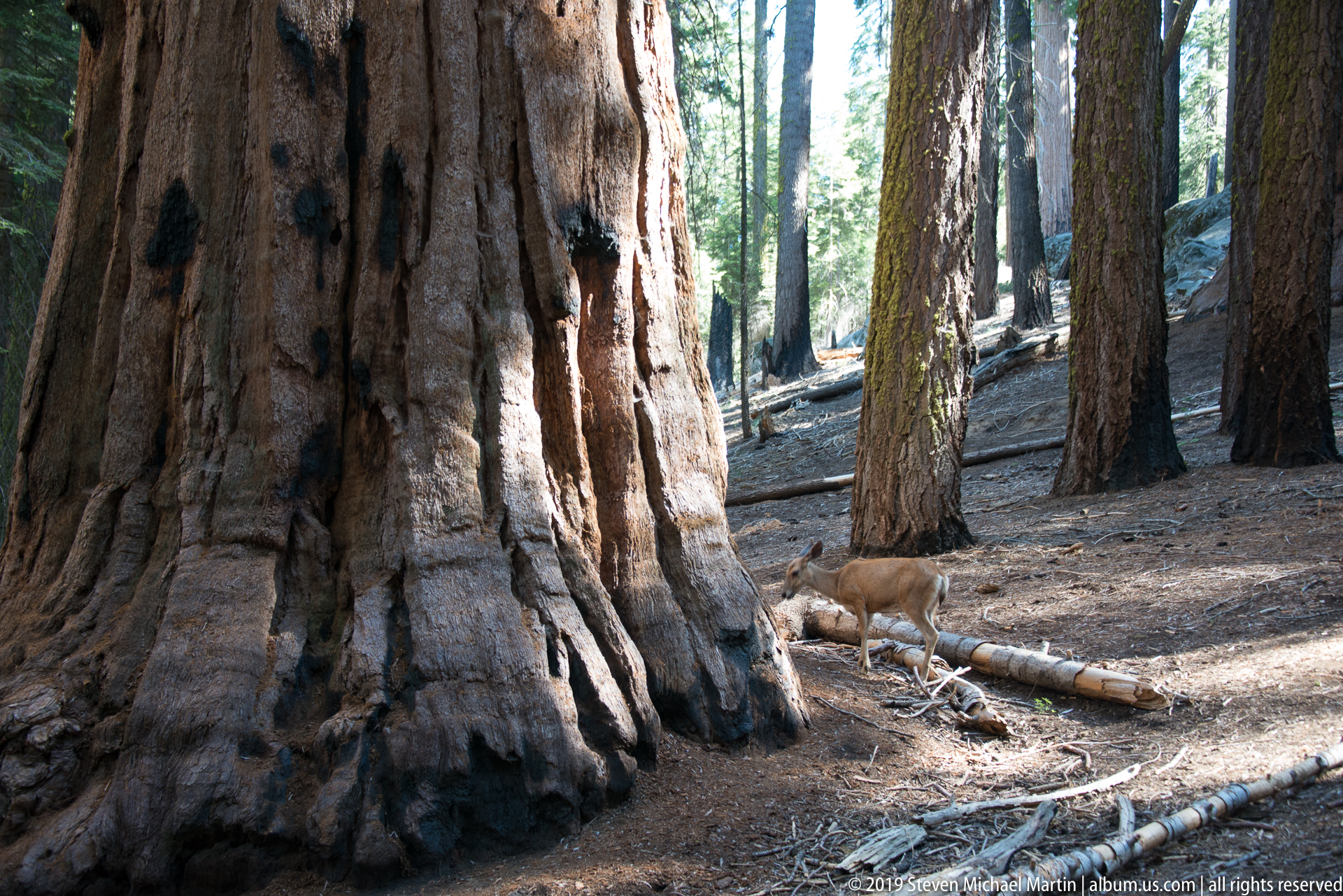
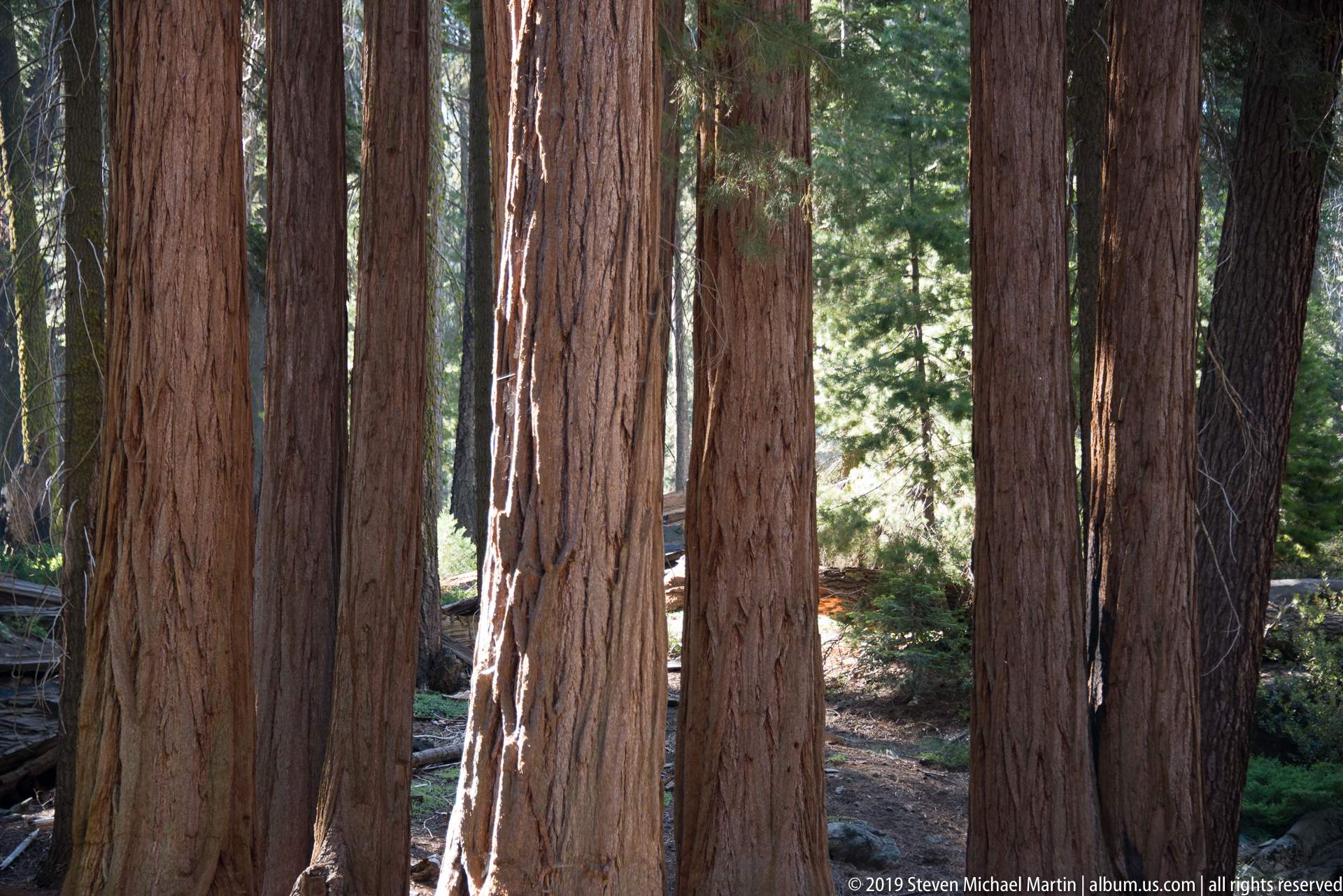
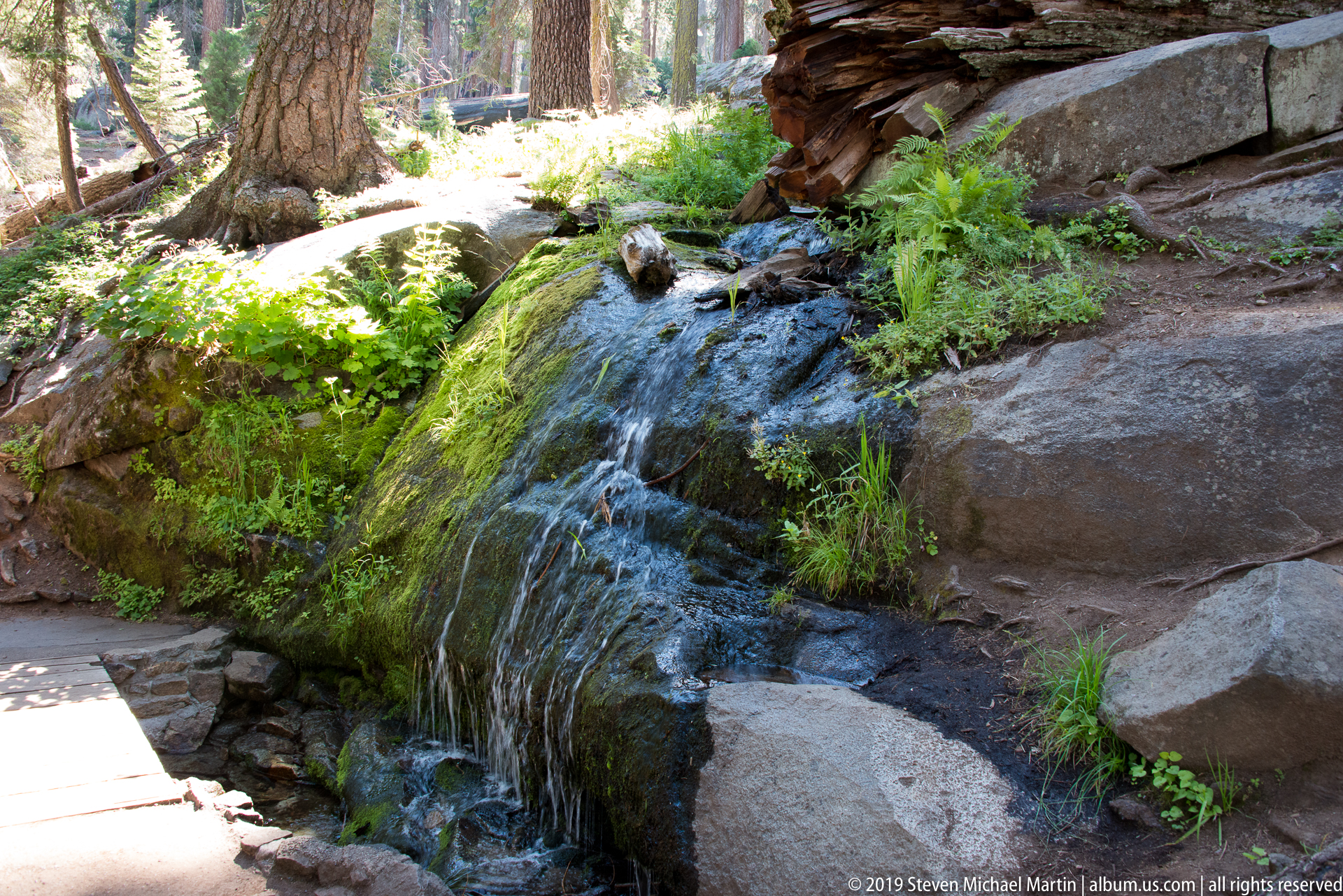
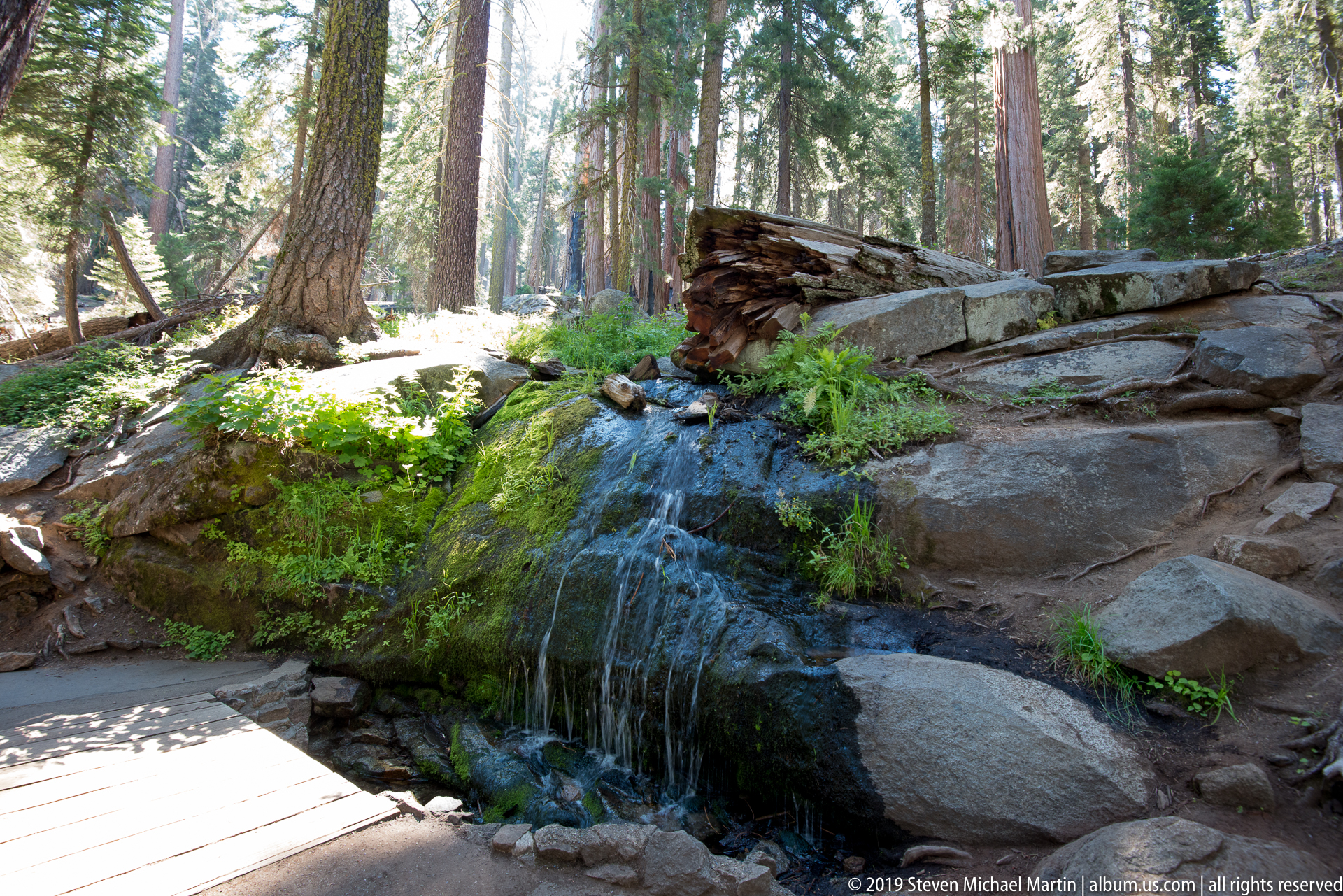
Giant sequoia trees grow in limited elevations where snowpack, soil depth, and seasonal moisture support long-lived forest ecosystems characteristic of the Sierra Nevada. Deep valleys and granite formations illustrate long-term geological processes across the mountain range.
⭐ Highlights
- Giant sequoia groves
- High elevation Sierra Nevada landscapes
- Granite cliffs and glacial valleys
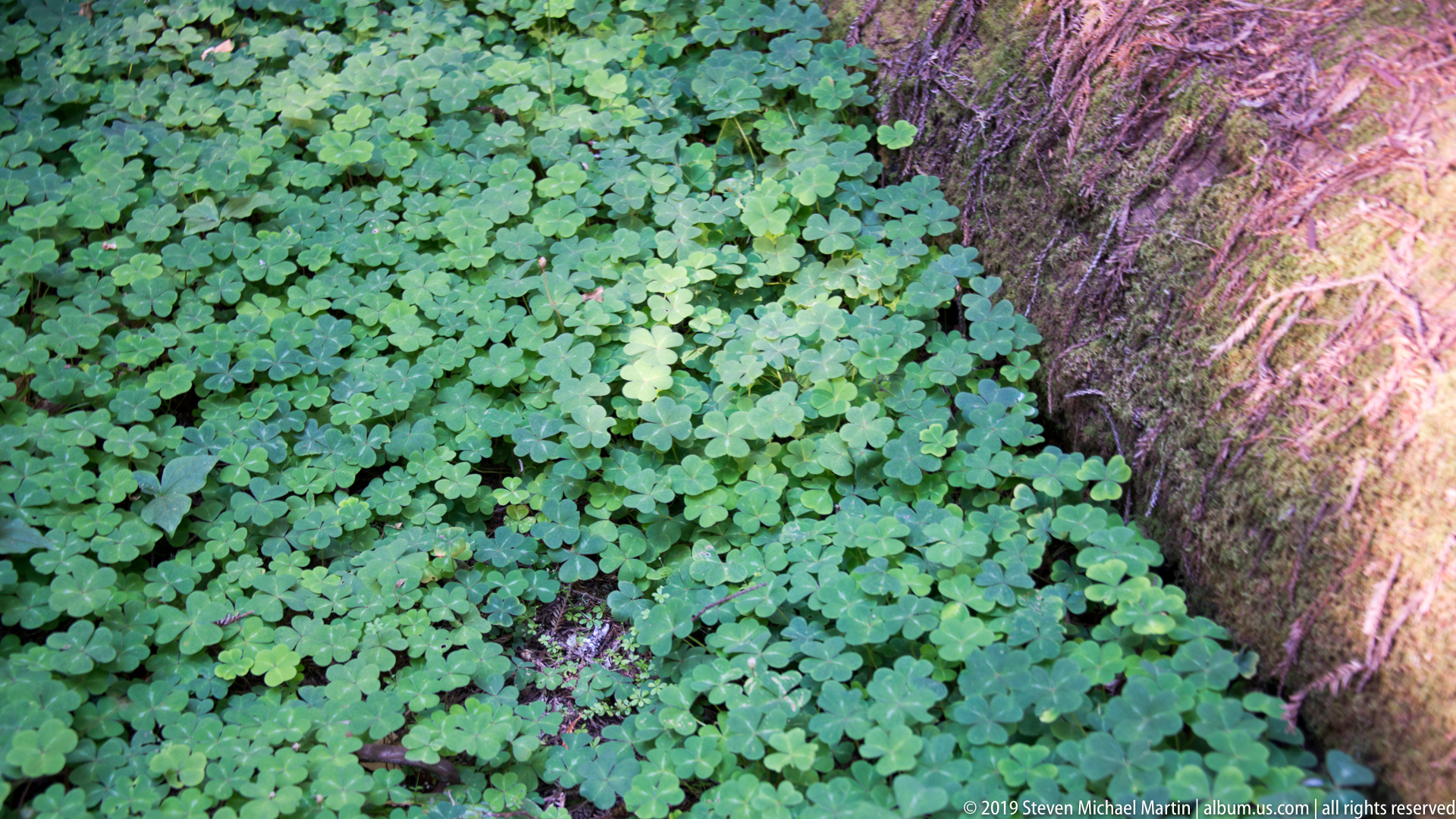
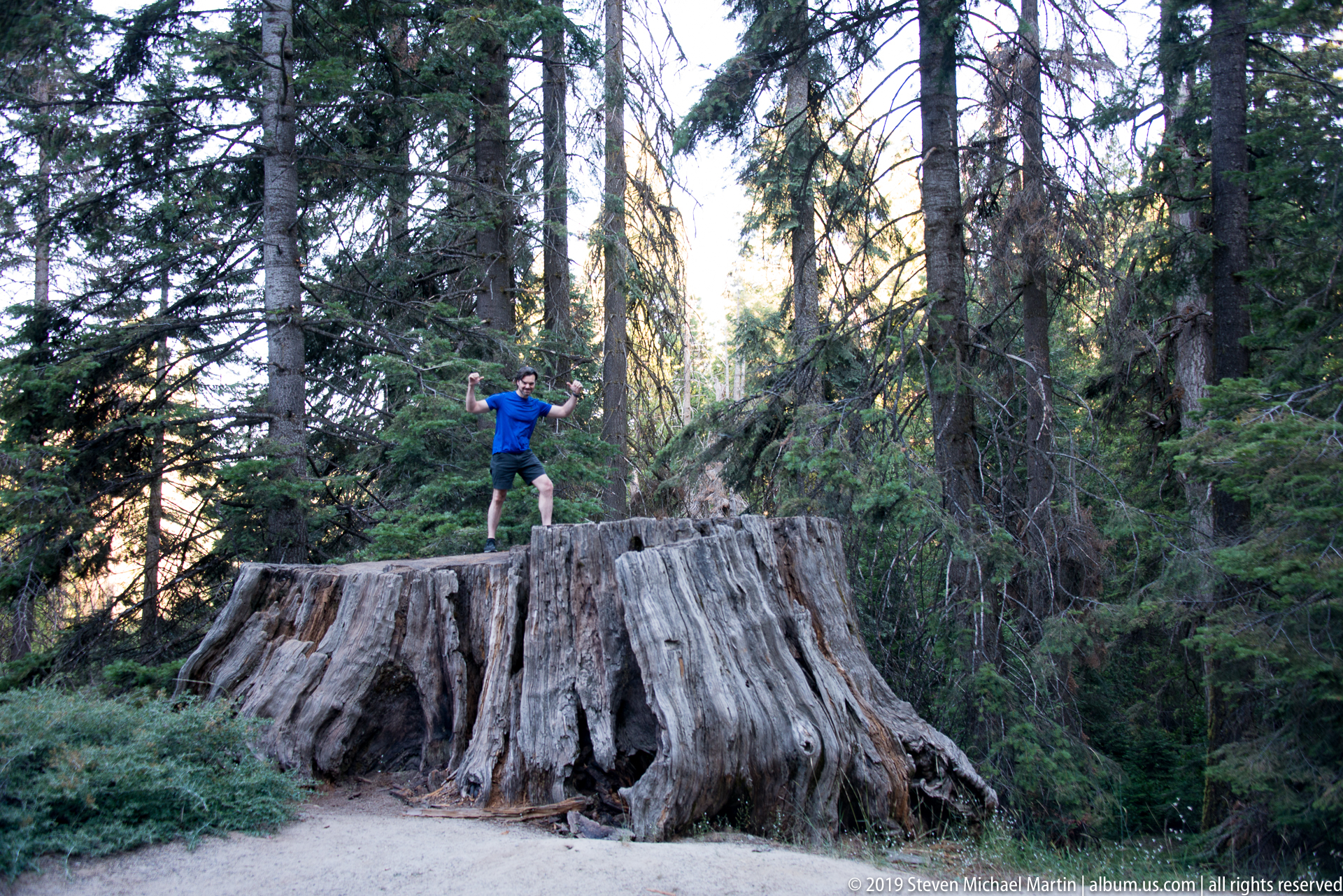
- Old-growth forest ecosystems
🦌 Wildlife Encounter
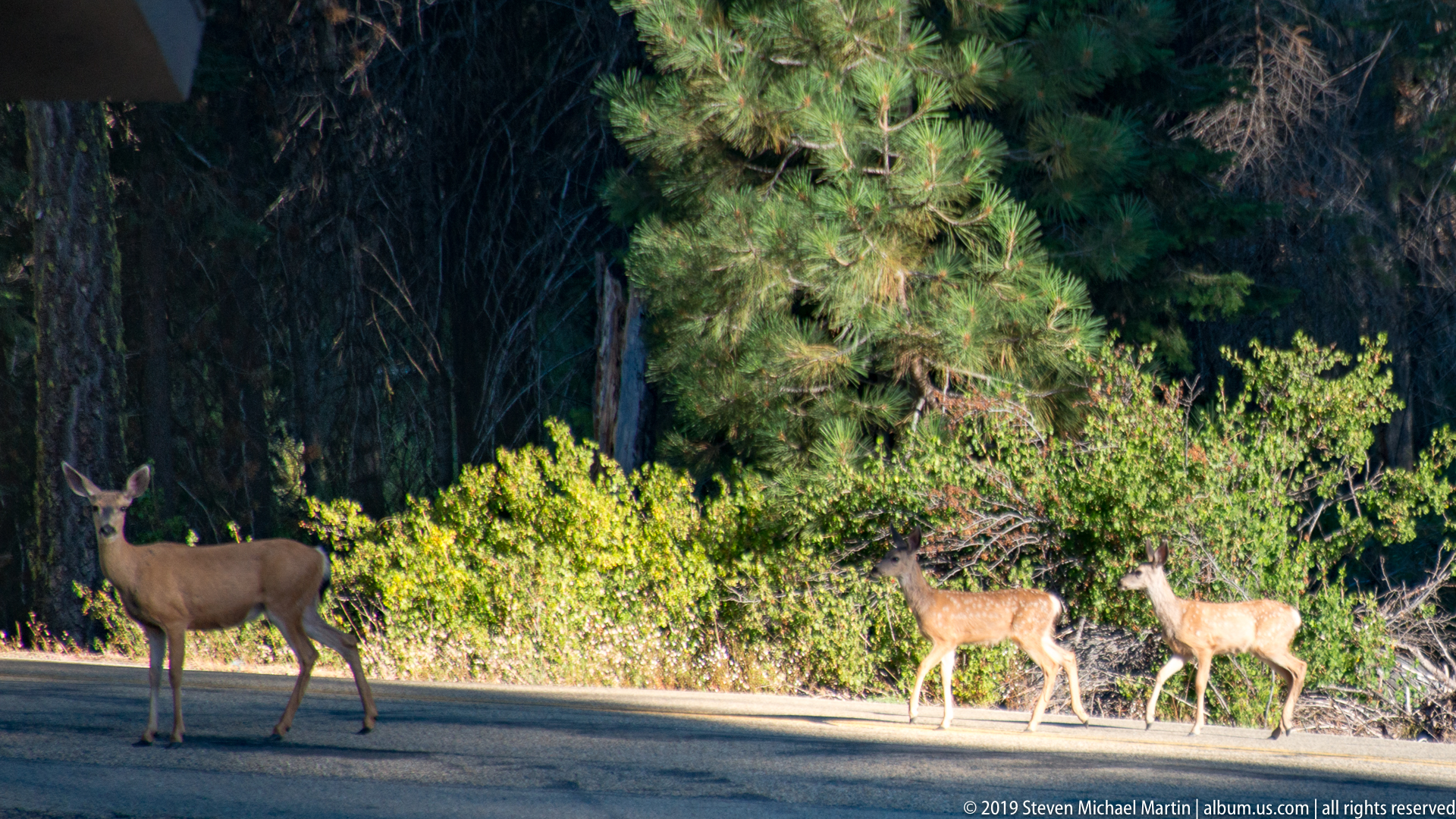
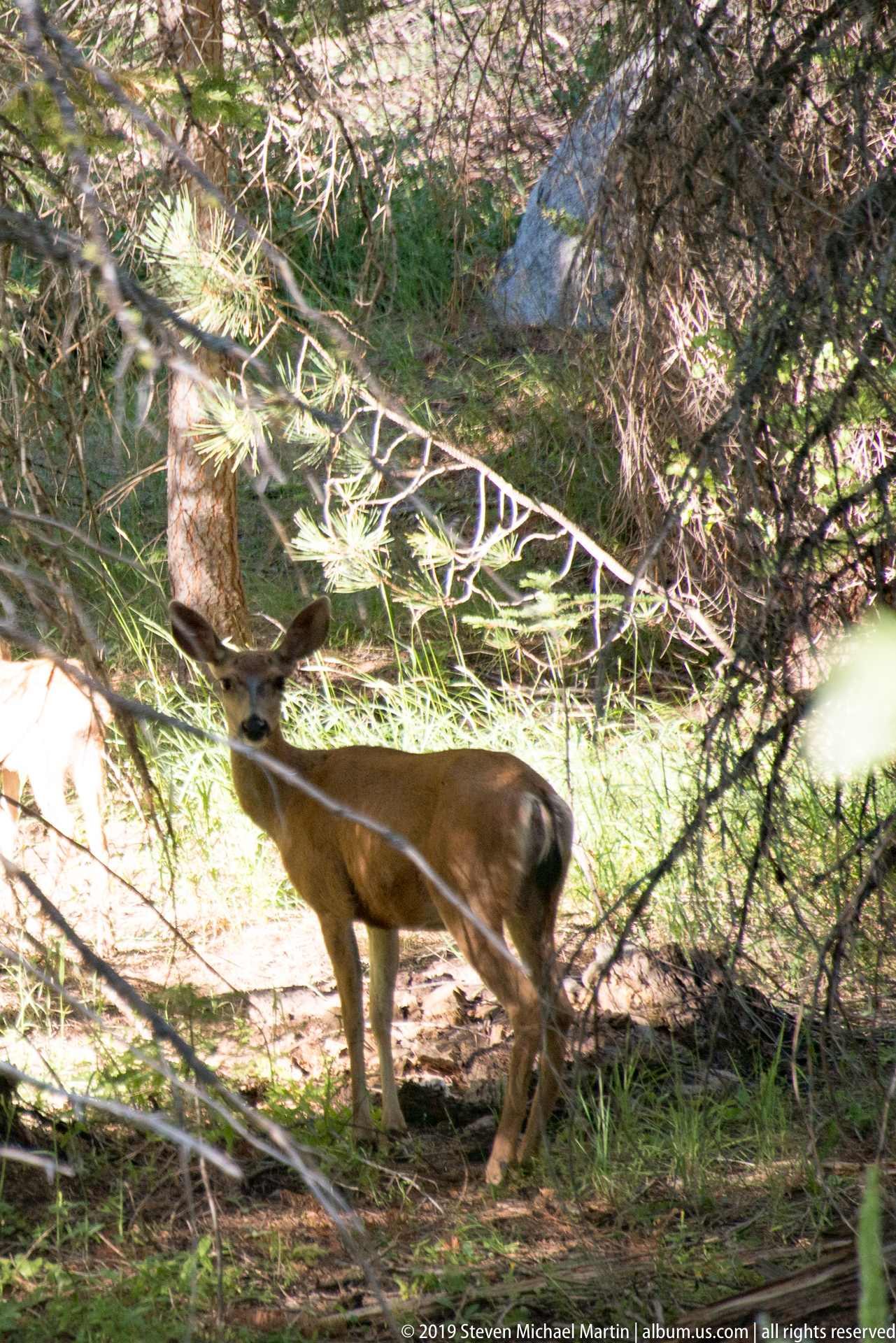
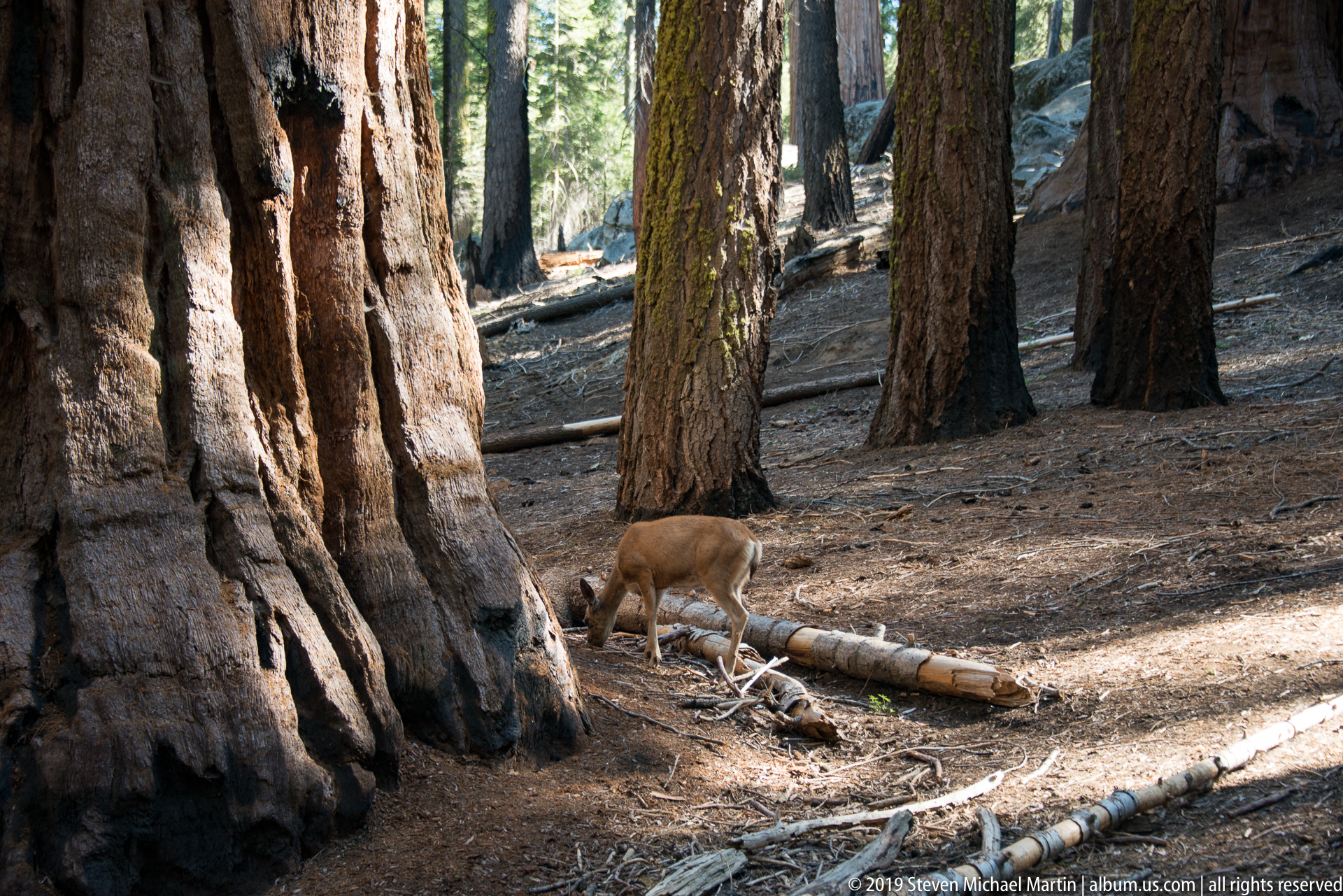
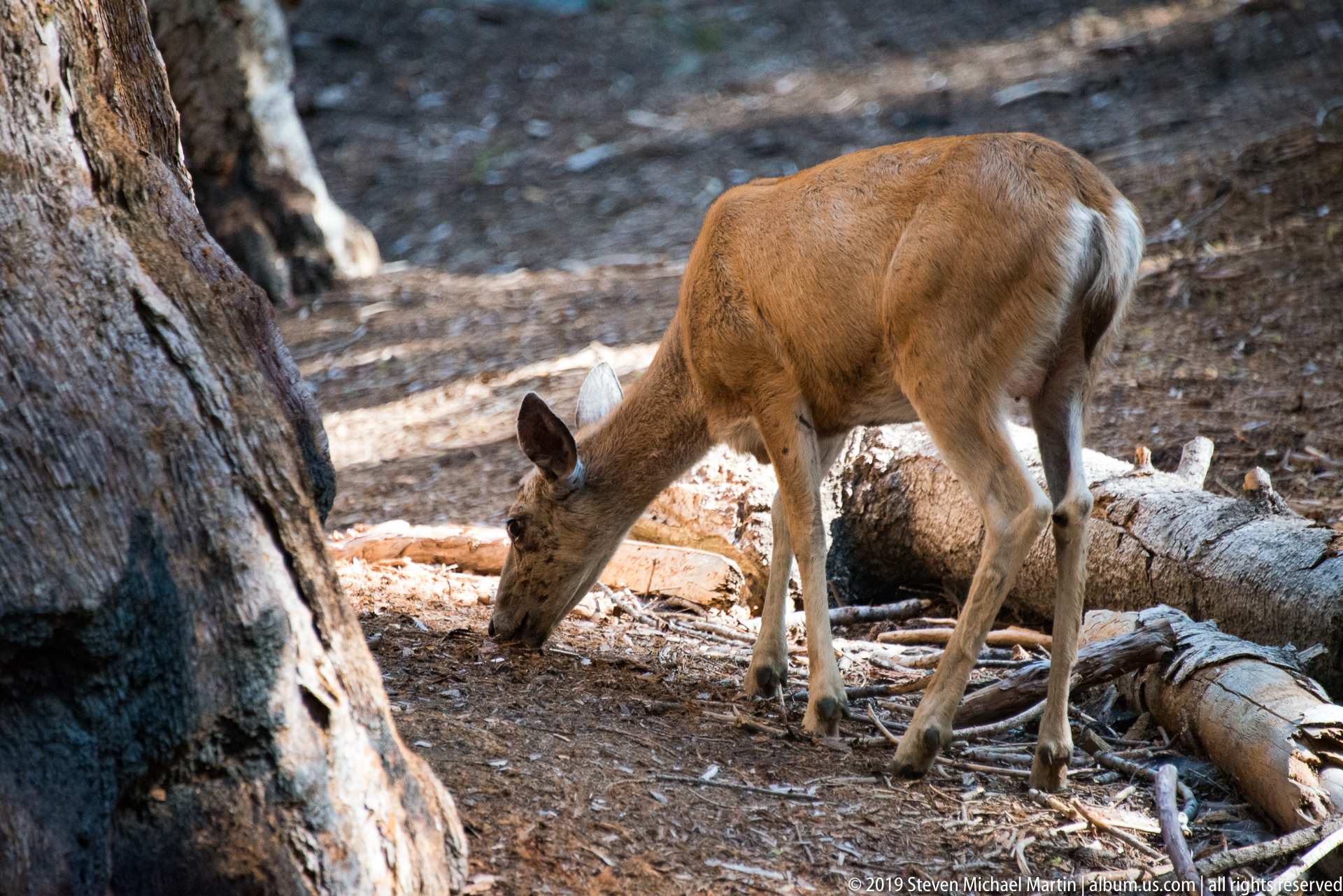
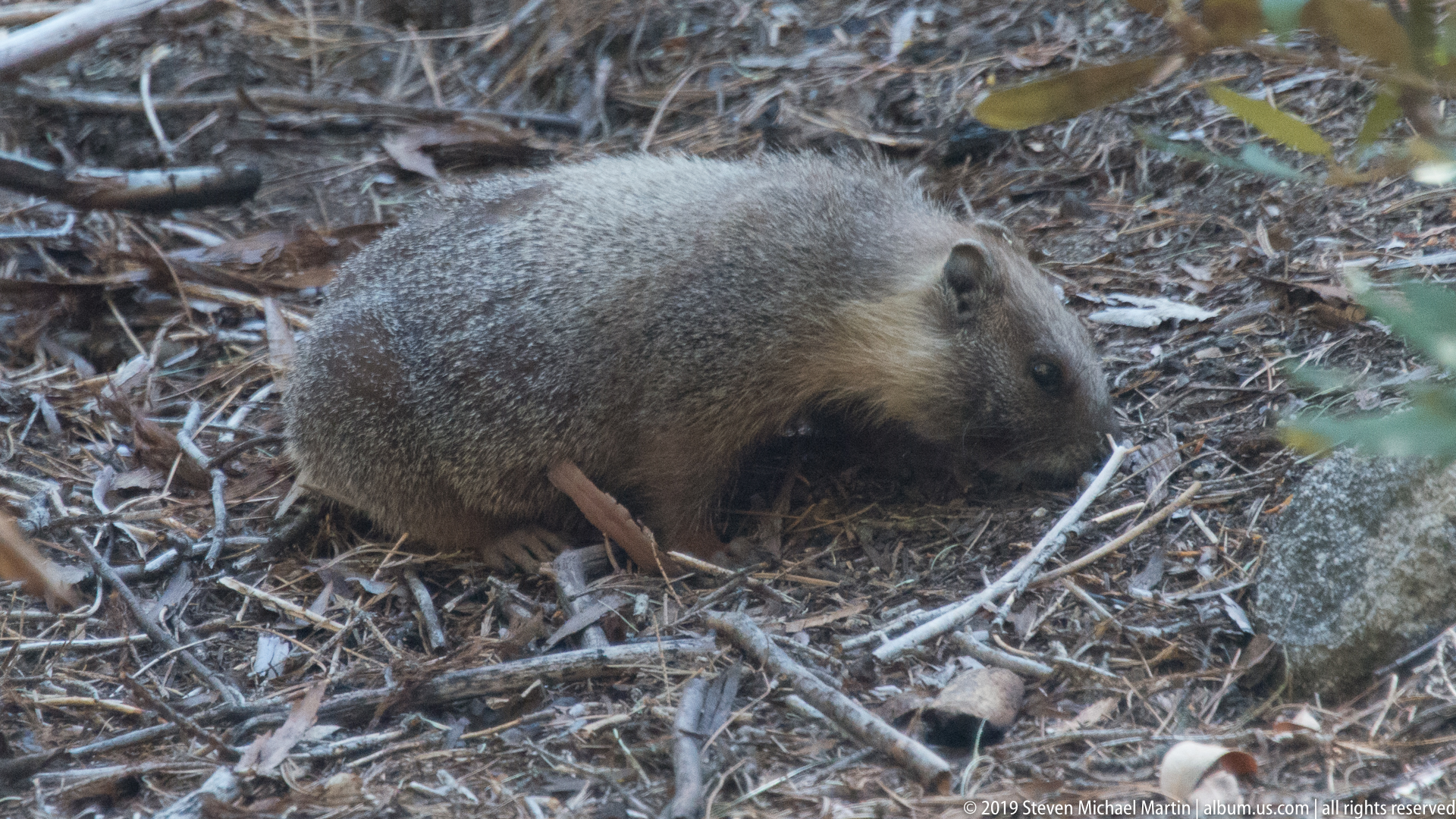
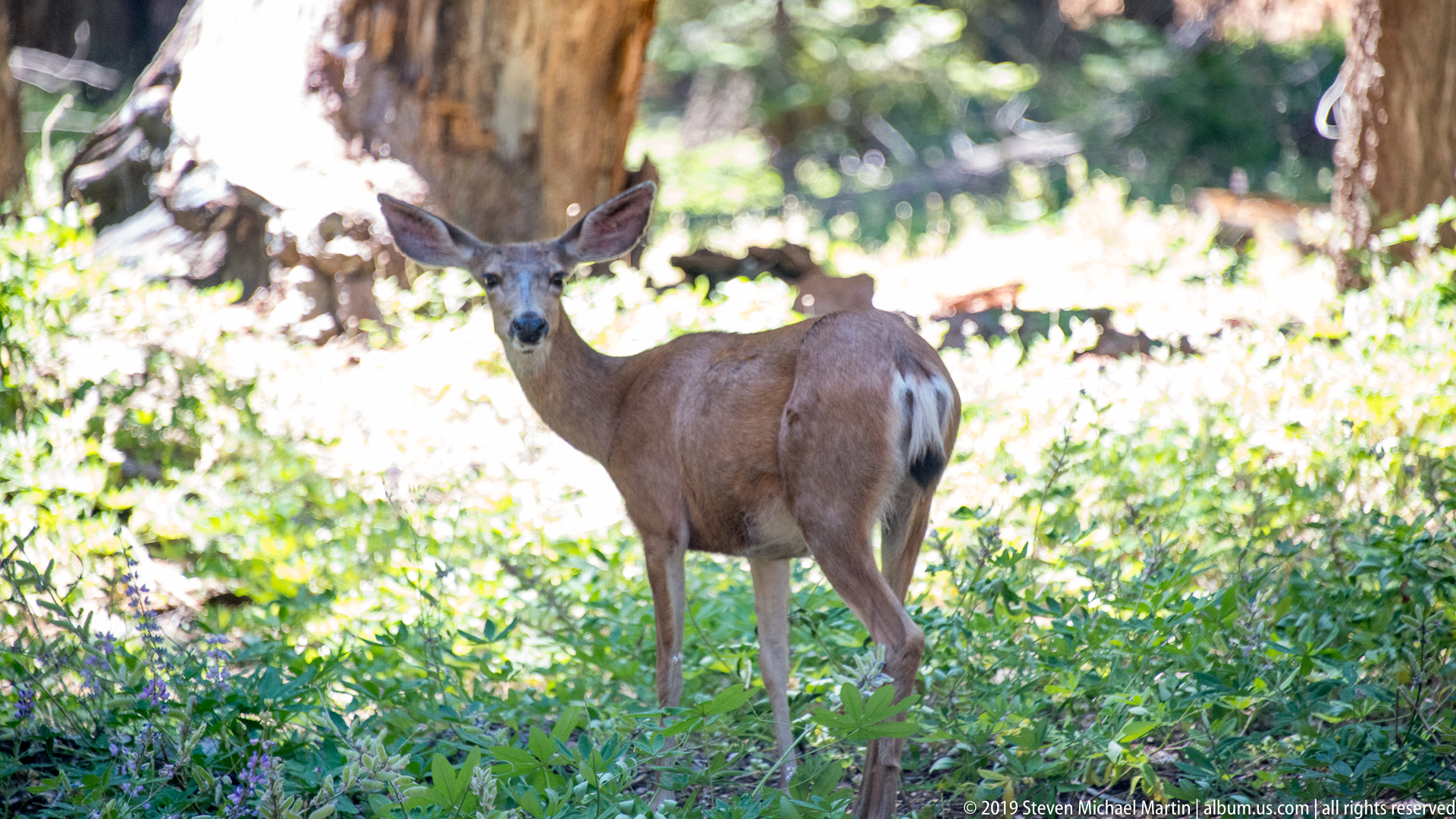
Wildlife sightings in Sequoia National Park often occur quietly and without warning, emerging naturally from the dense forest landscape. Mule deer are among the most frequently observed mammals, moving slowly through meadow edges and shaded understory while browsing on grasses and low vegetation. Their calm presence reflects the relatively undisturbed habitat preserved within the park’s protected boundaries.
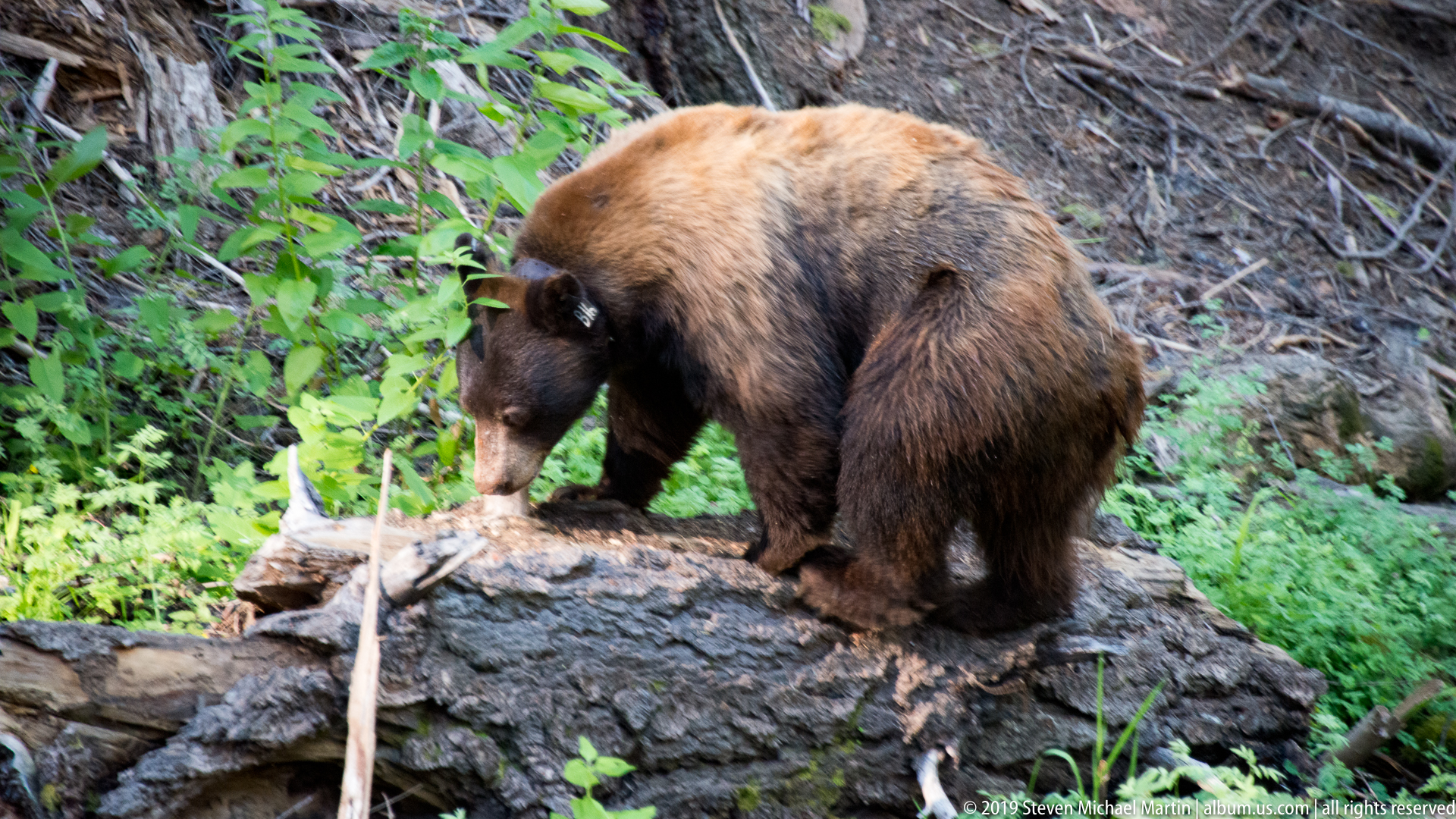
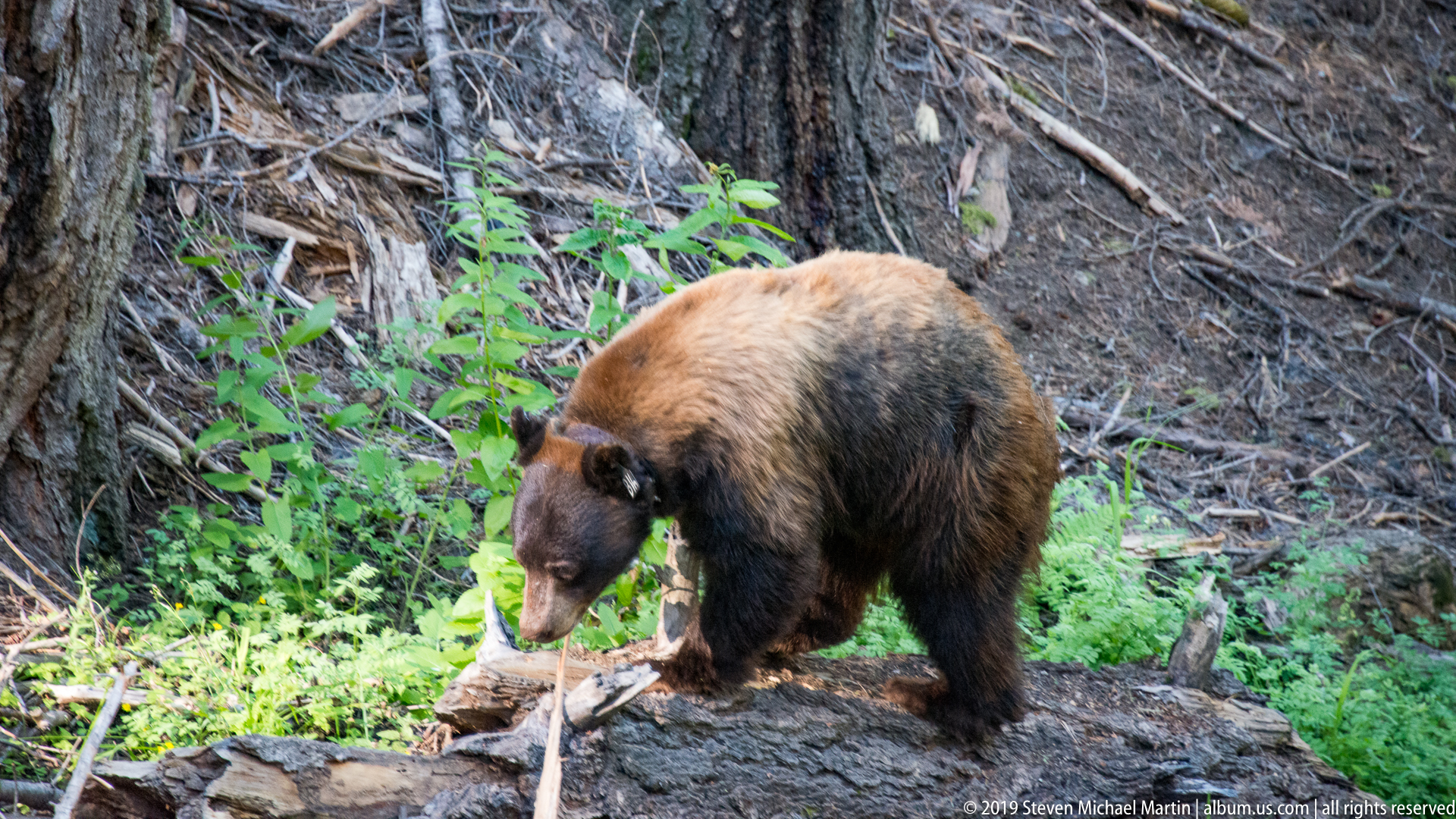
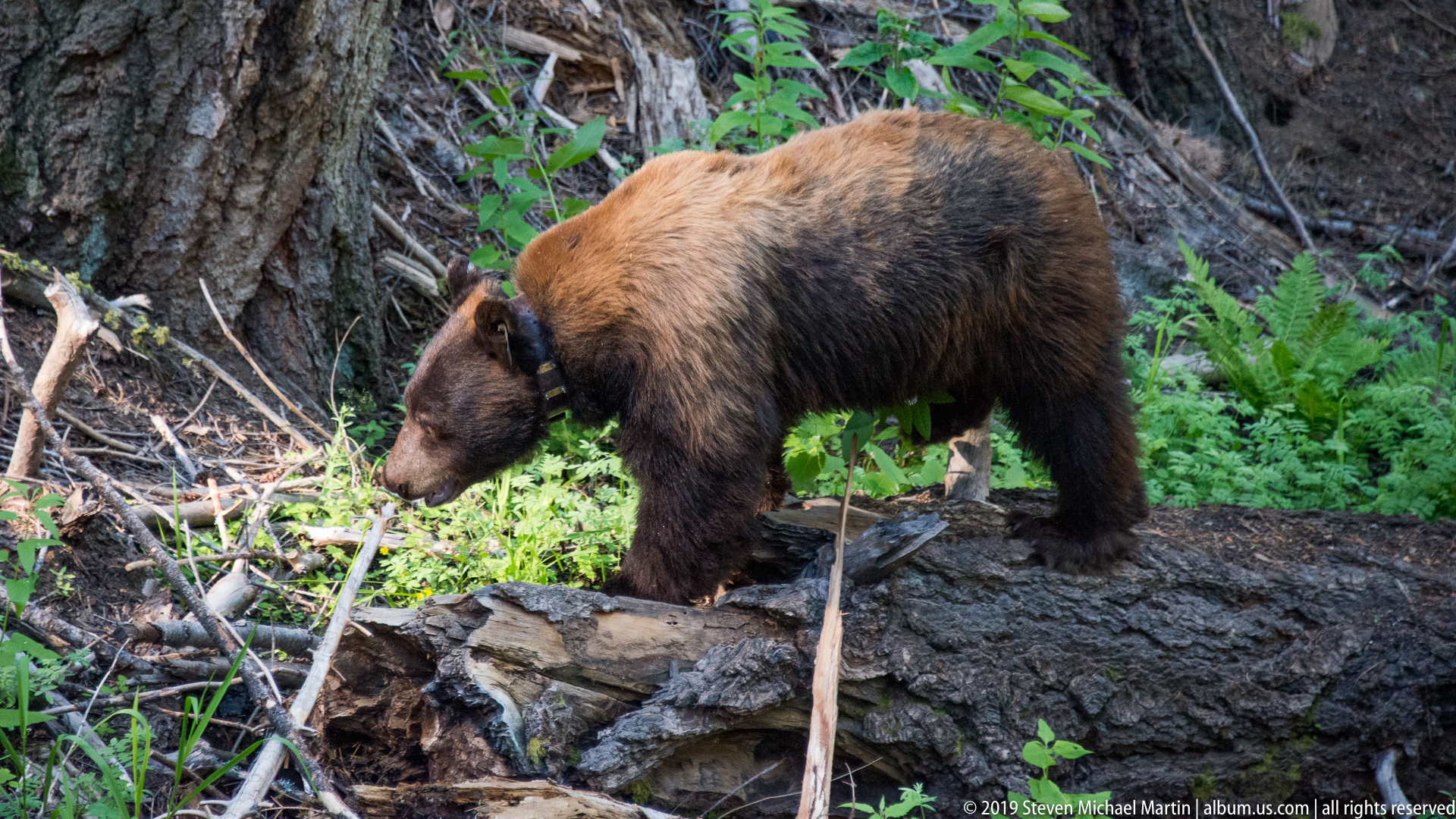
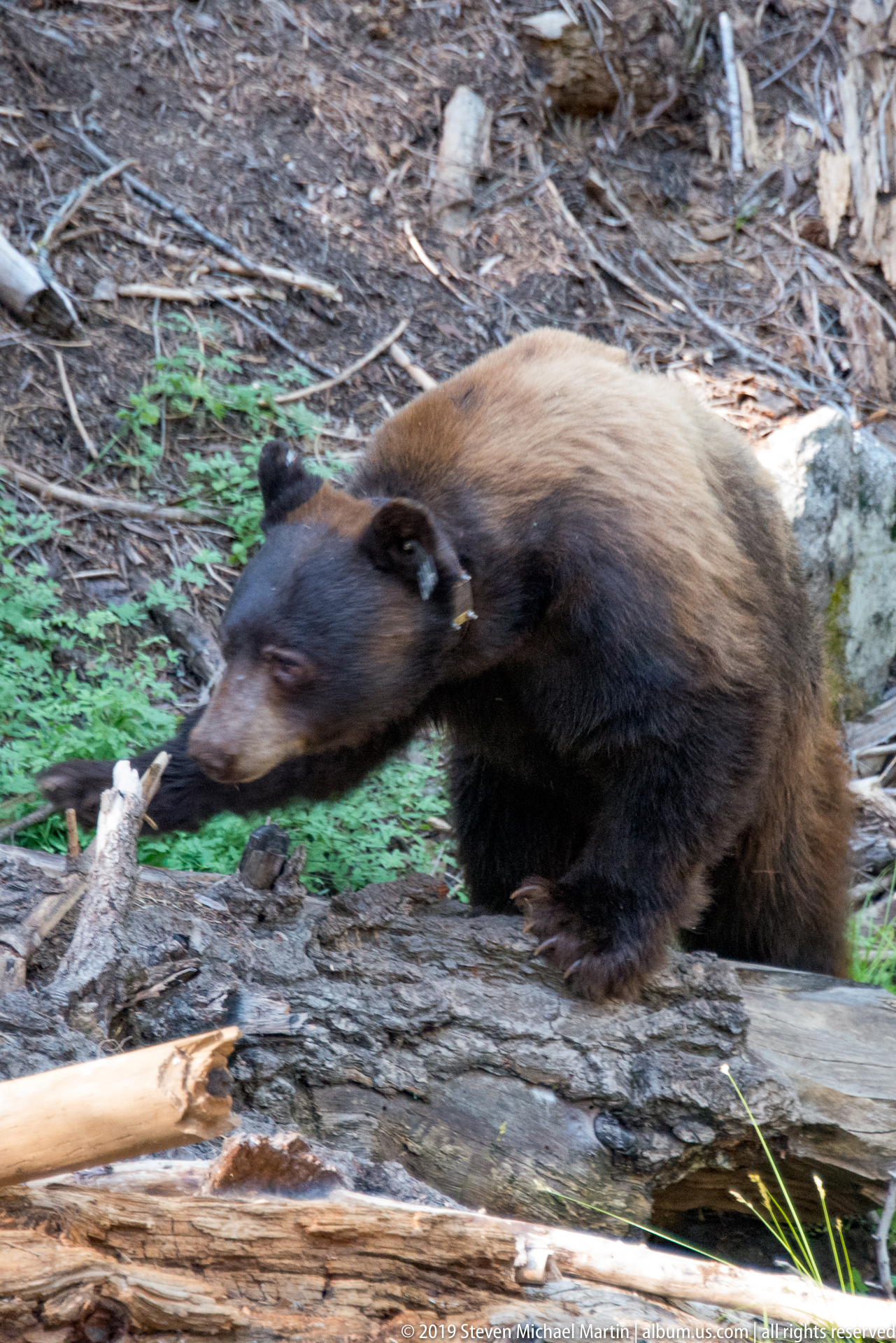
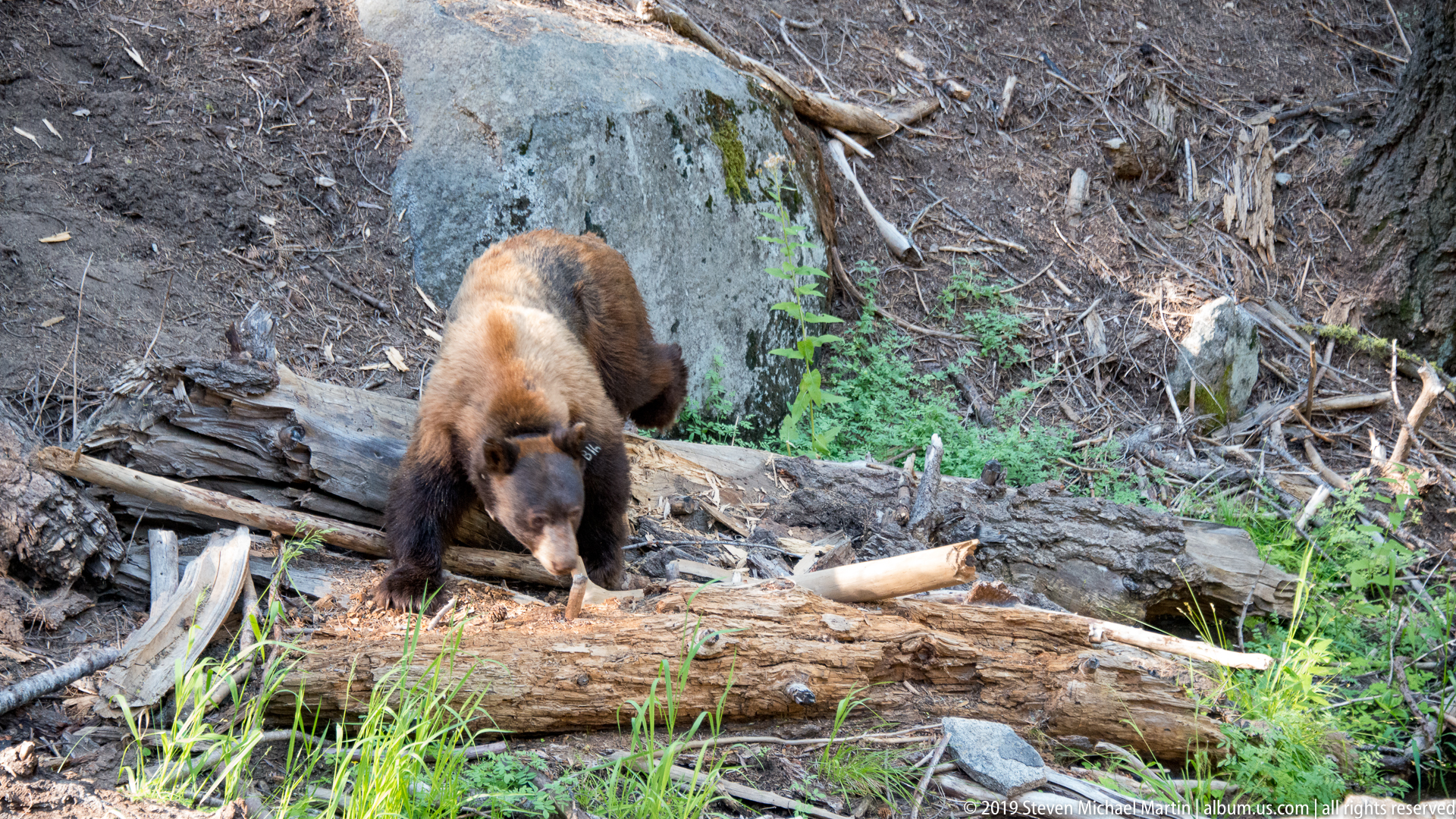
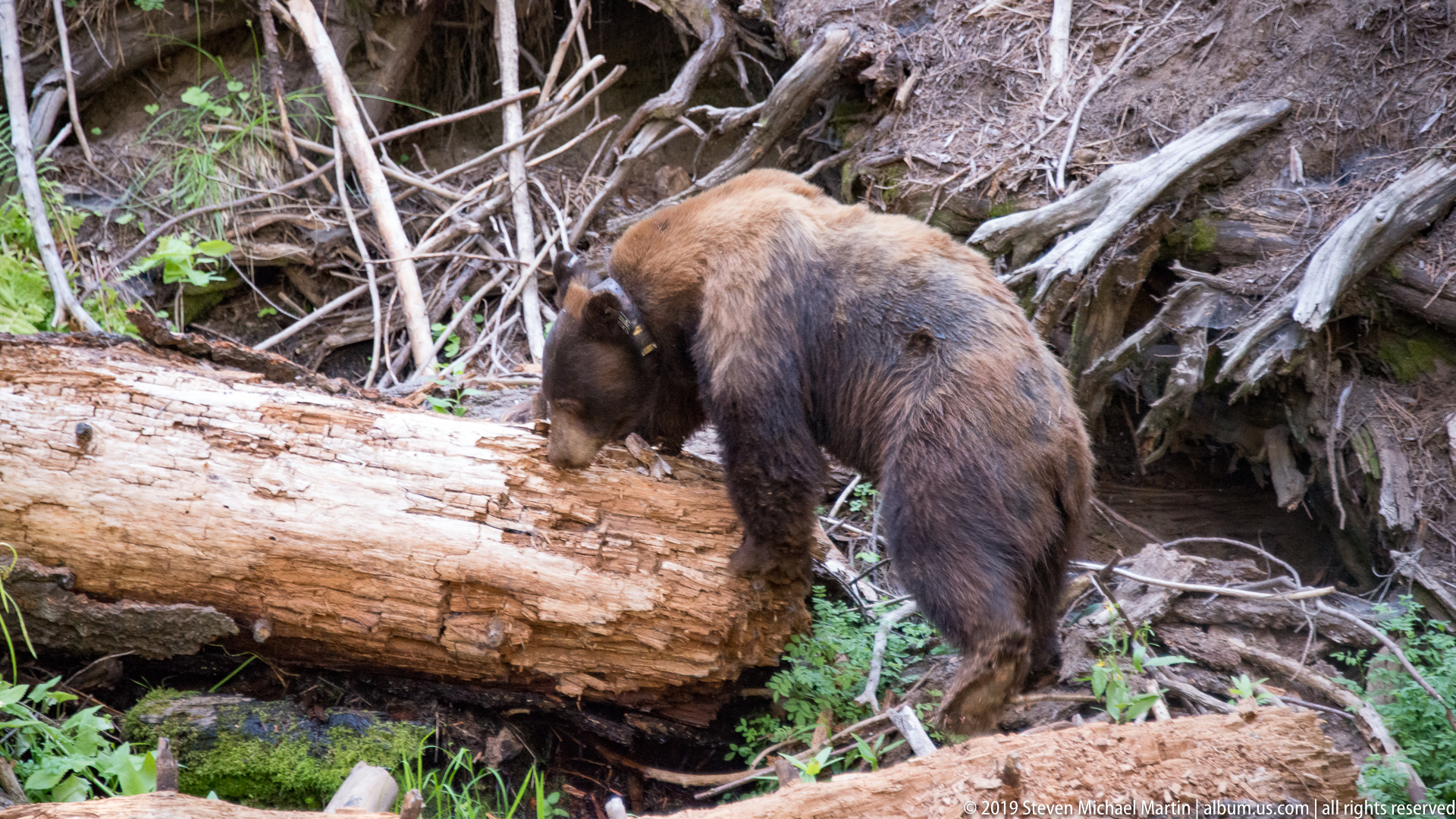
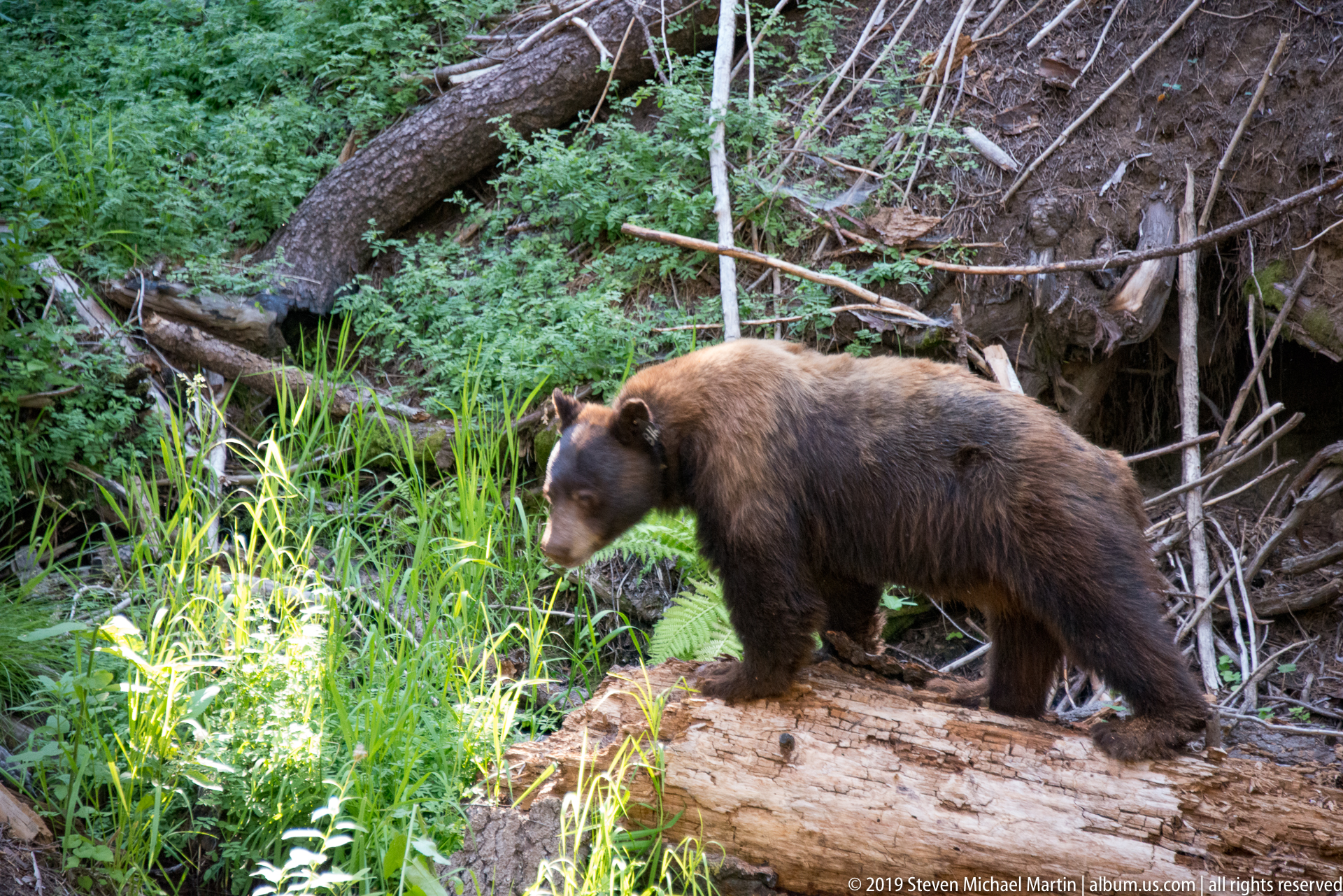
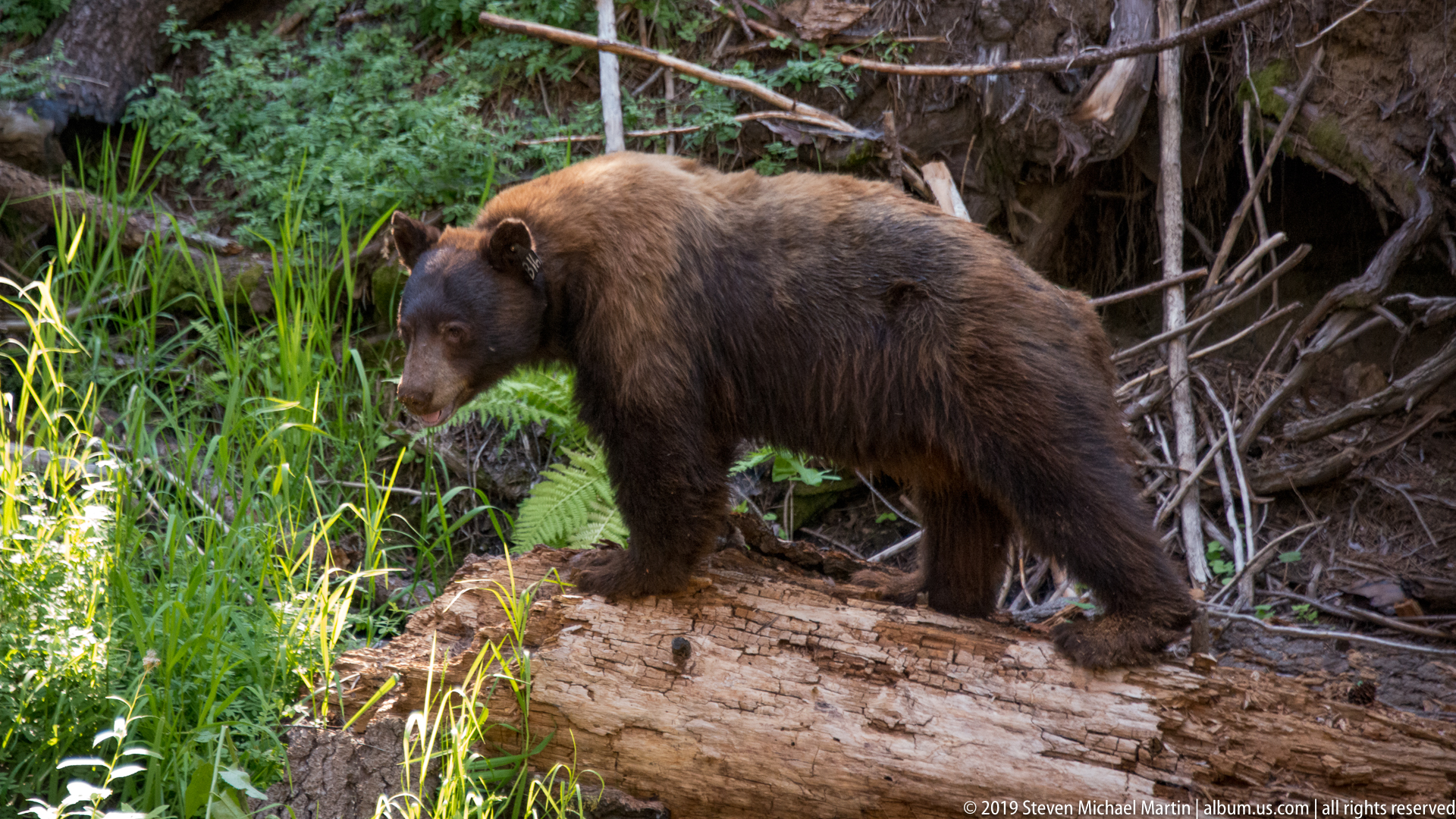
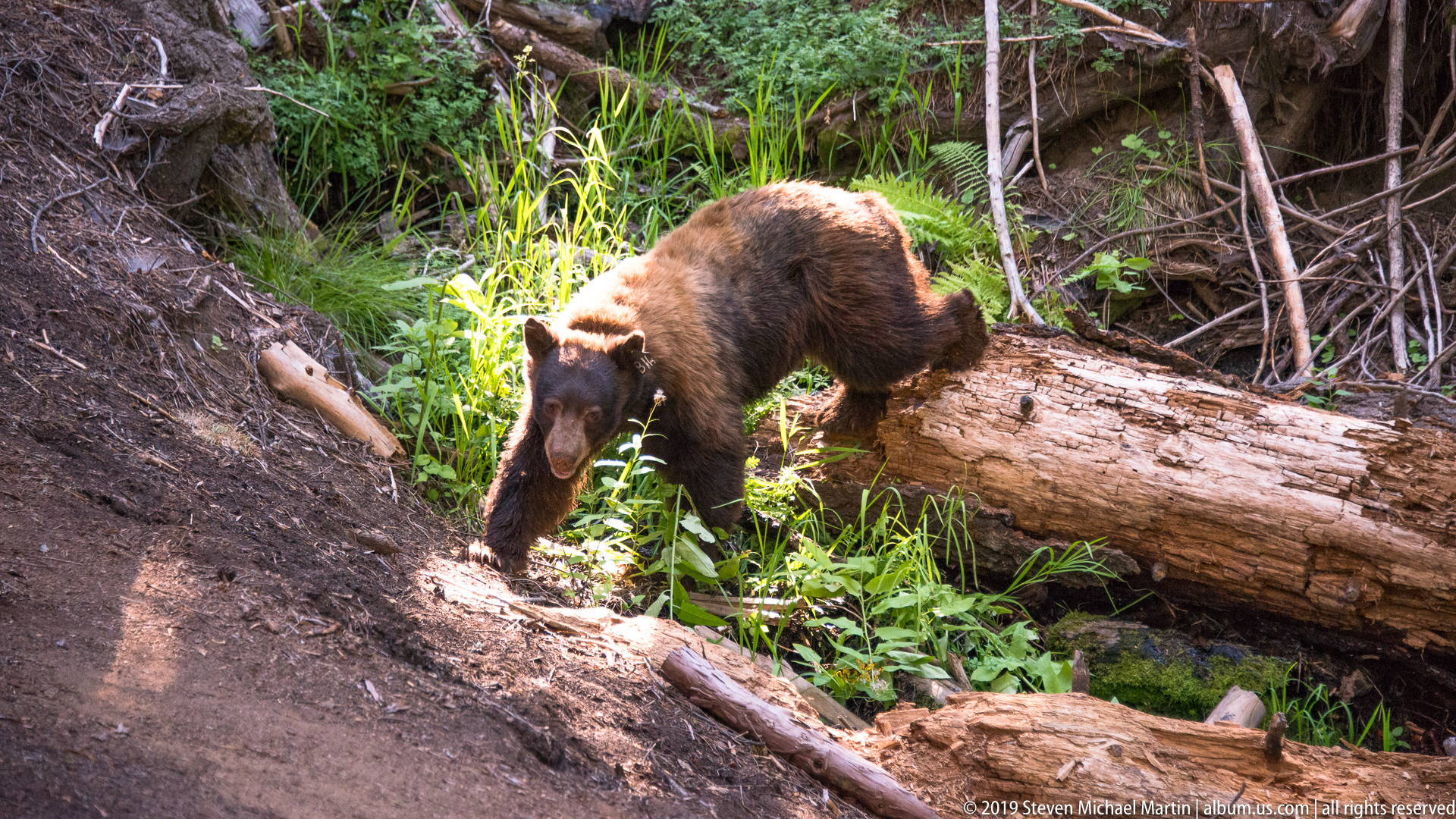
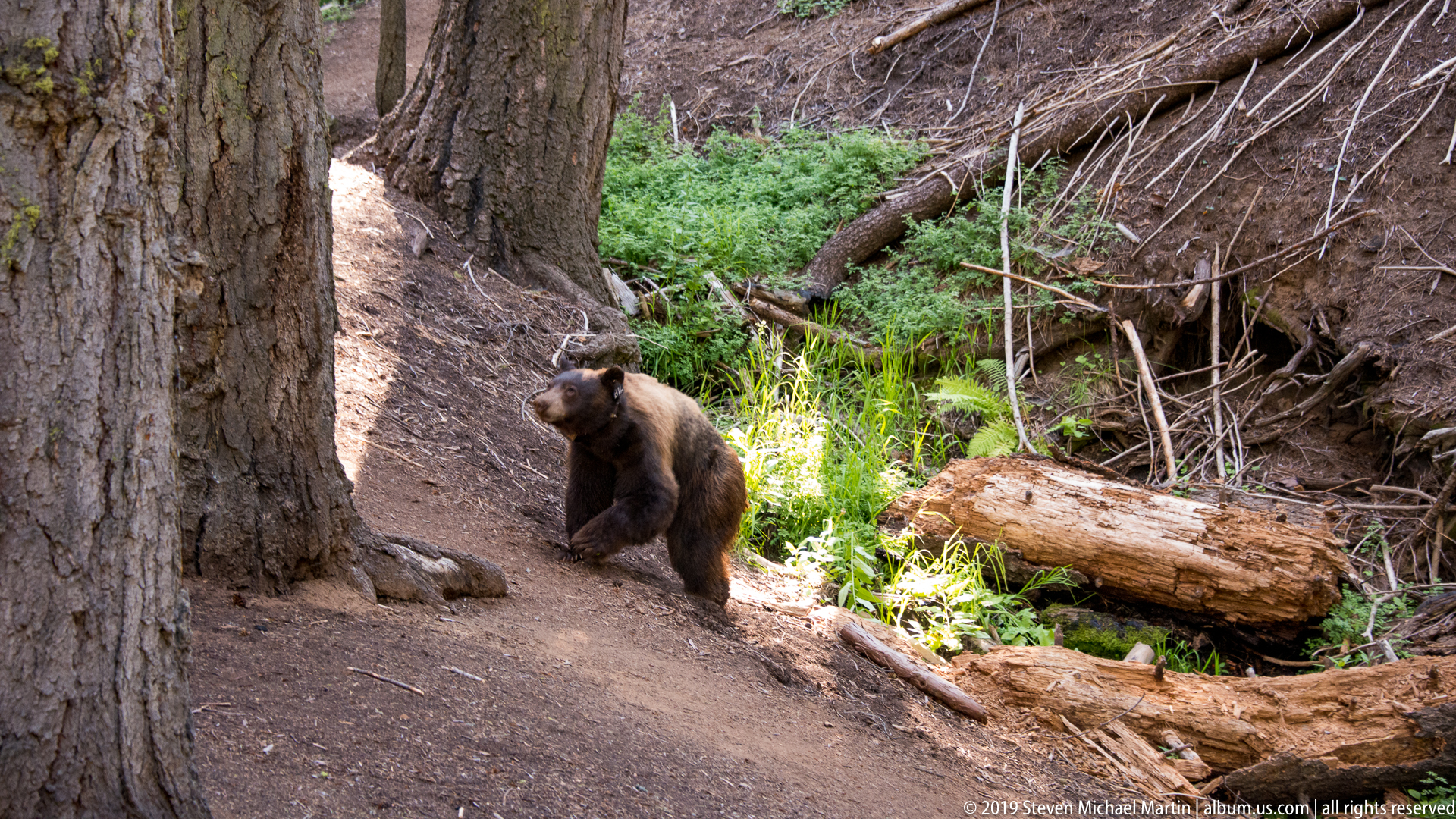
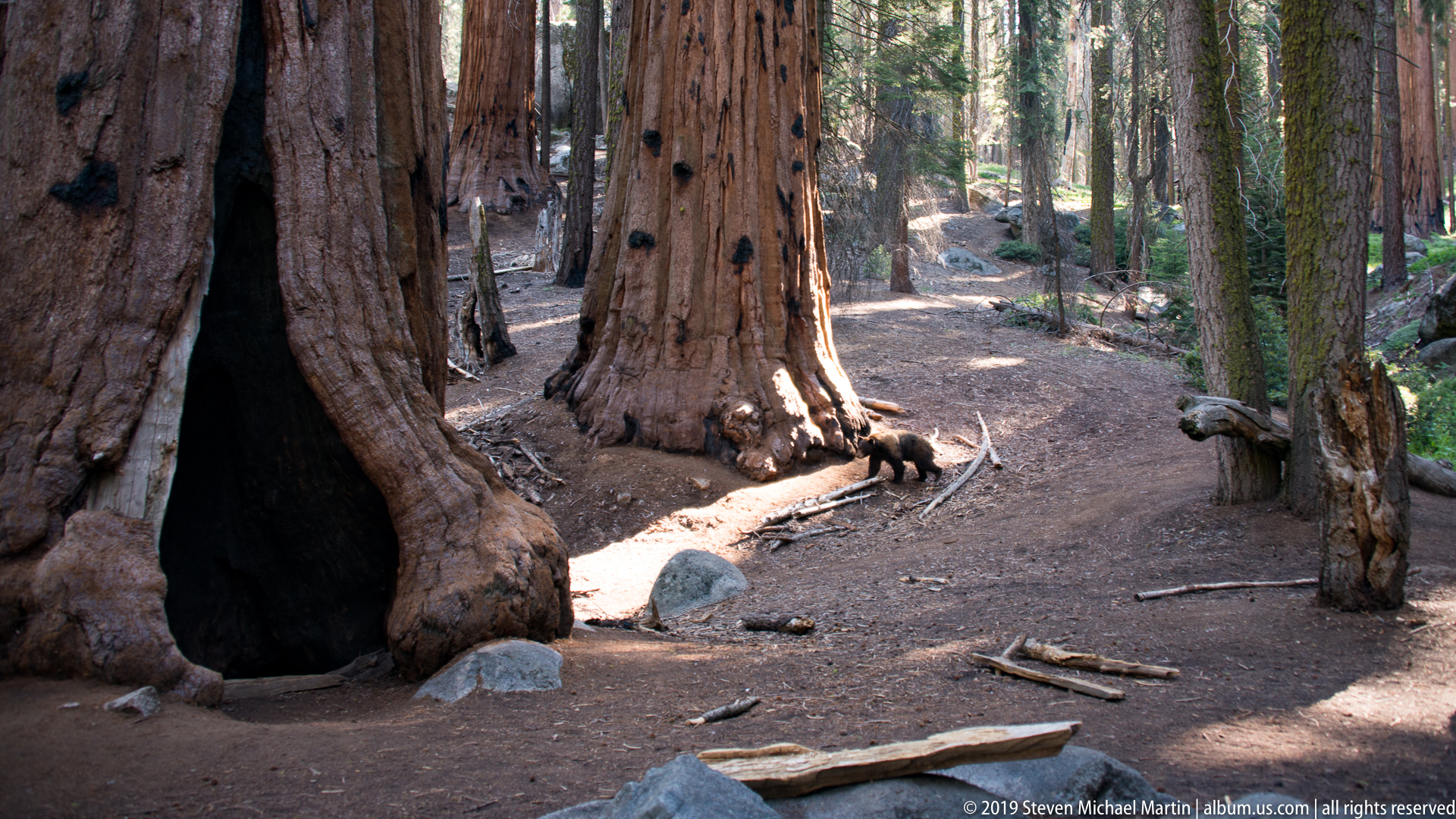
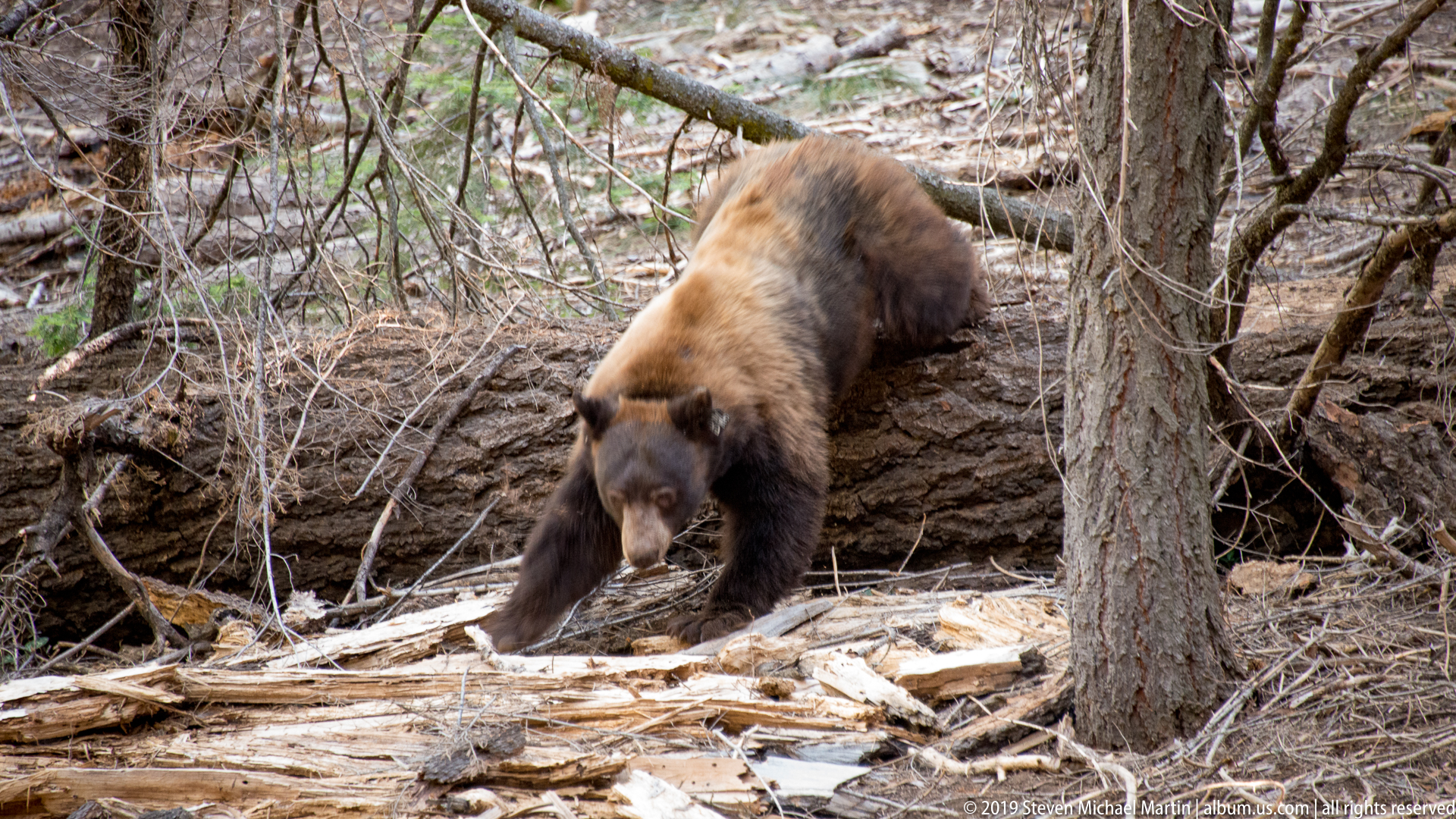
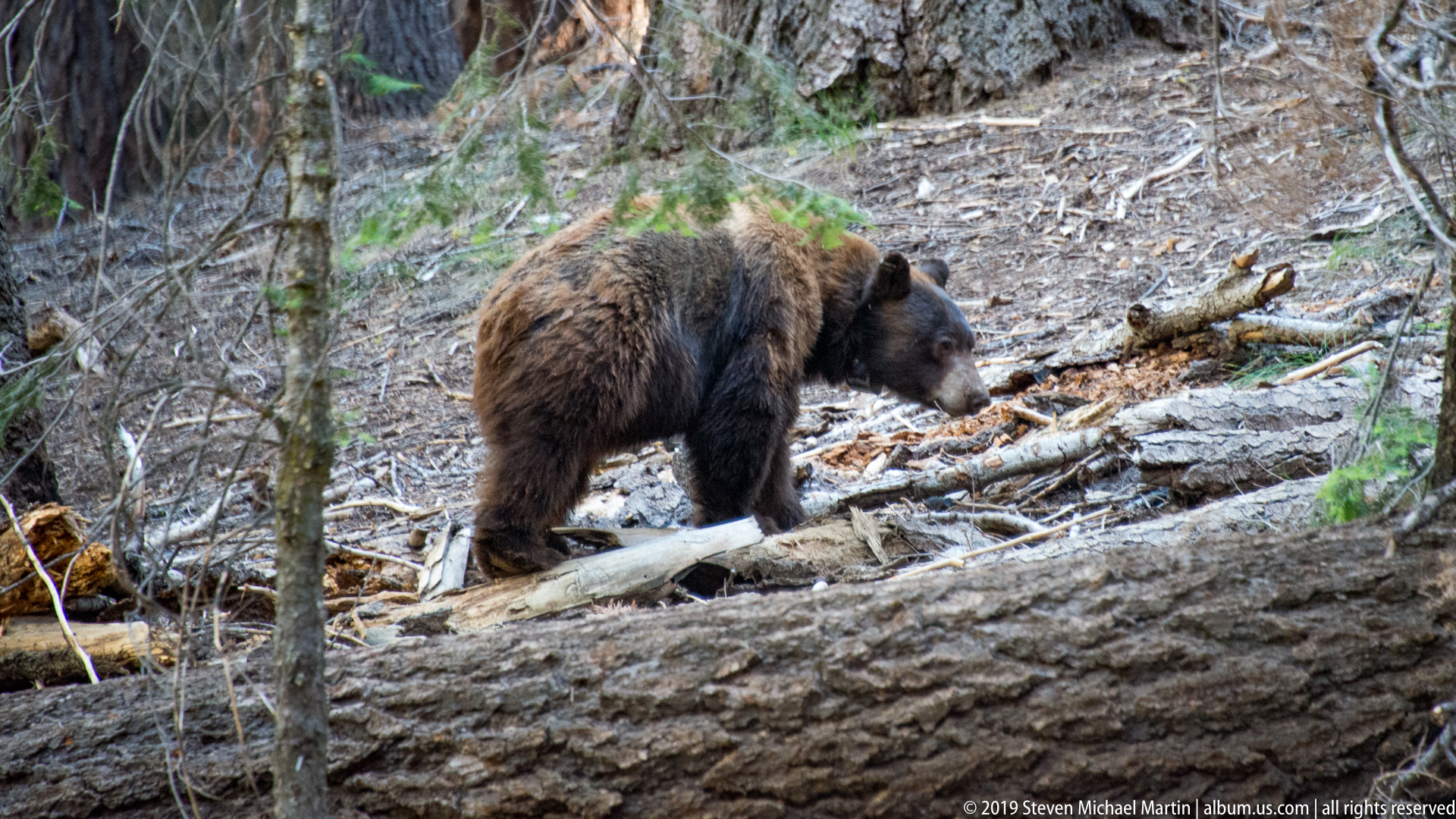
A particularly memorable encounter involved an American black bear moving methodically through fallen logs within a sequoia grove. The bear paused repeatedly to investigate decaying wood, searching for insects and other food sources hidden beneath bark and forest debris. Observing the animal at close range highlighted both the power and deliberate pace characteristic of black bears in woodland environments.
These encounters illustrate the ecological richness of the Sierra Nevada forest ecosystem, where large mammals coexist within landscapes shaped by fire cycles, seasonal water availability, and long-lived conifer species. Wildlife observation in Sequoia often rewards patience, as animals appear briefly and then disappear again into the layered forest terrain.
📷 Photography Notes
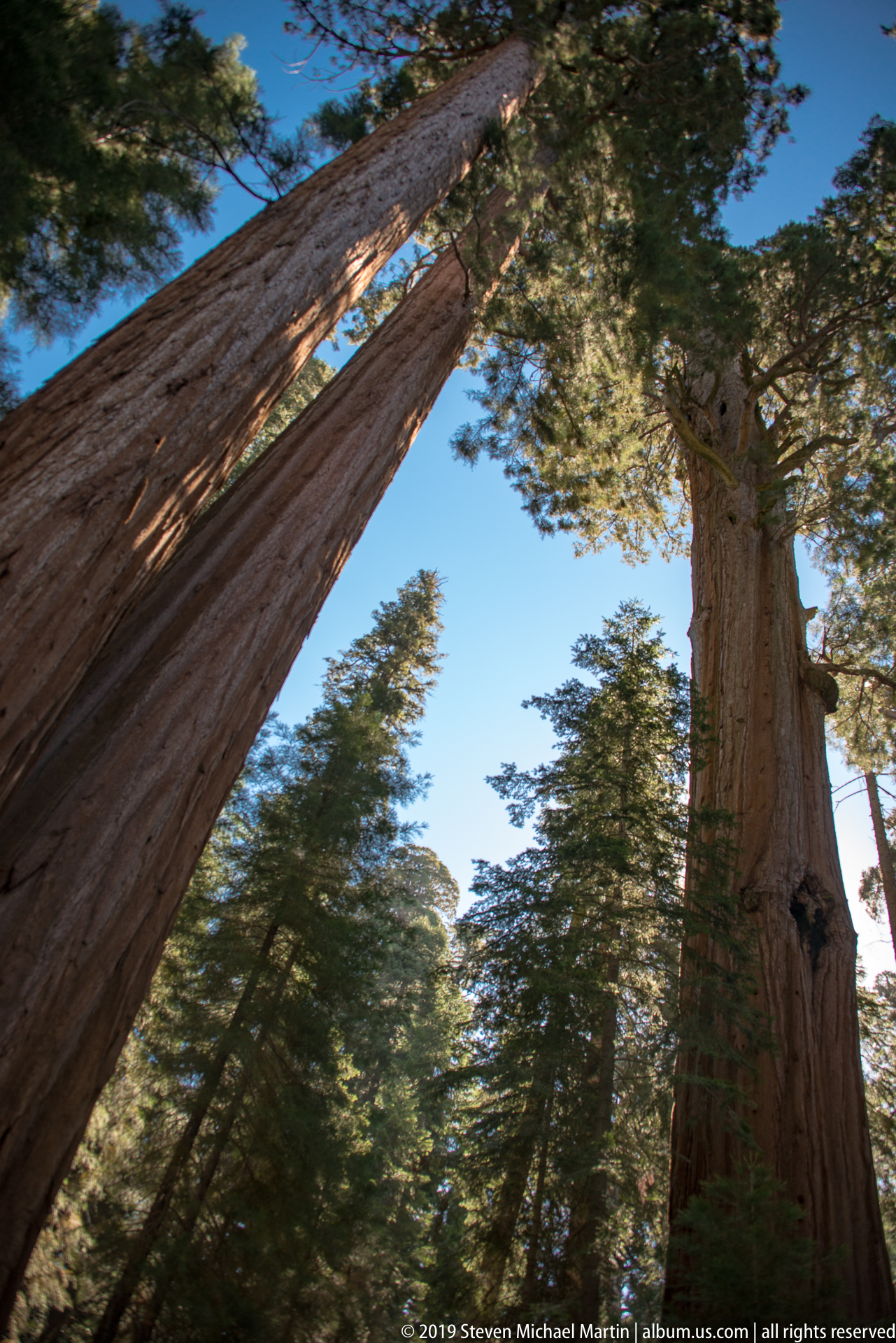
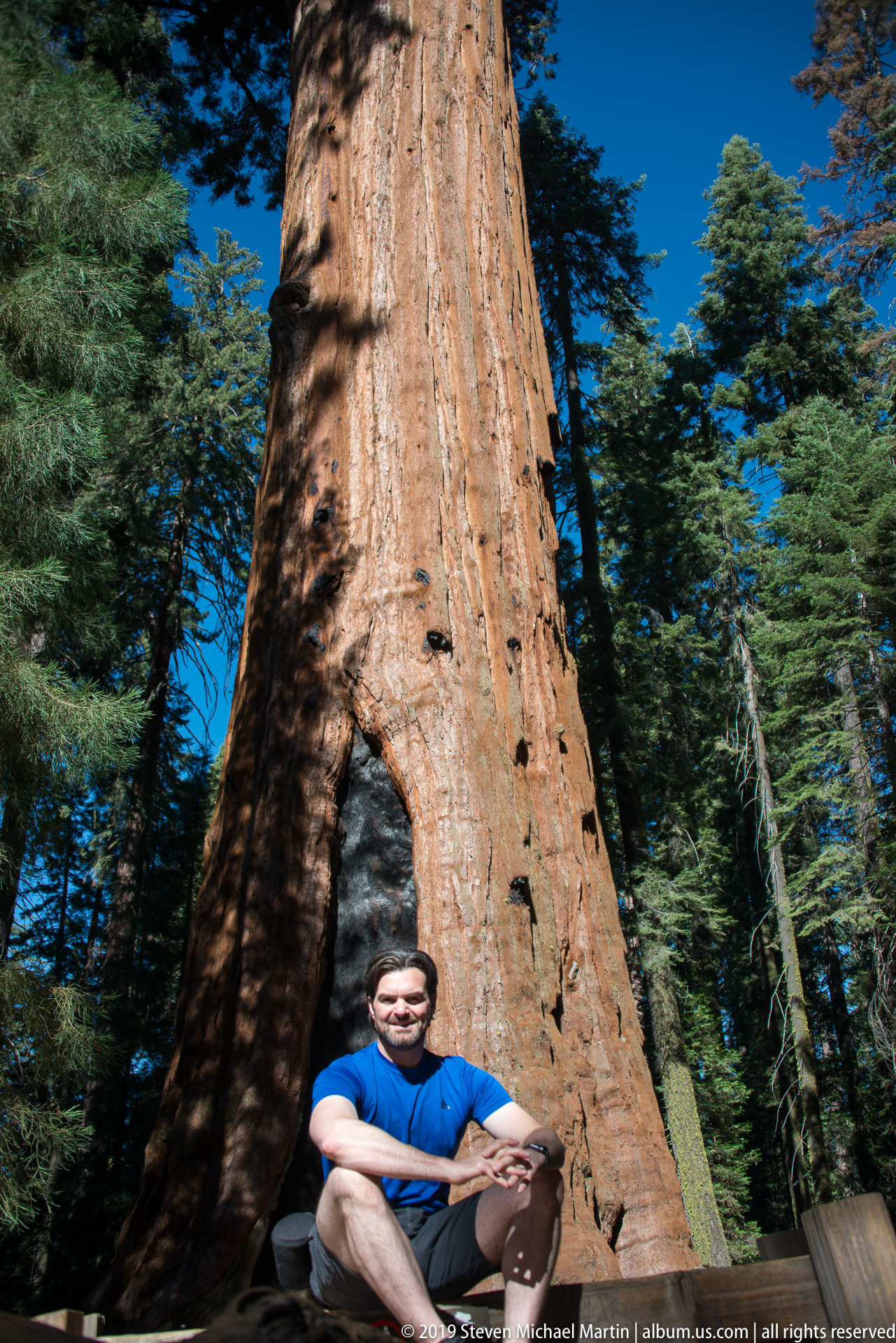
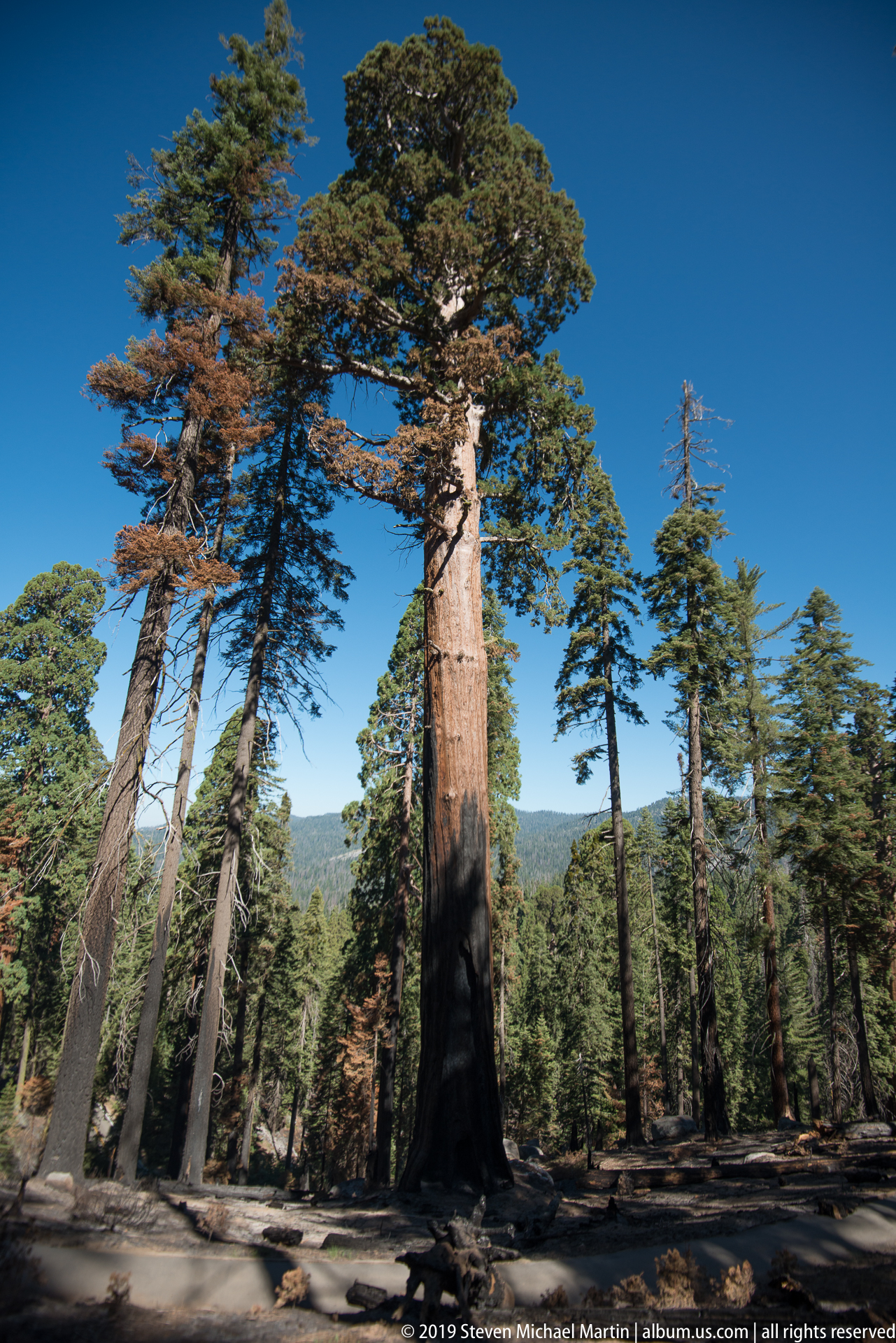
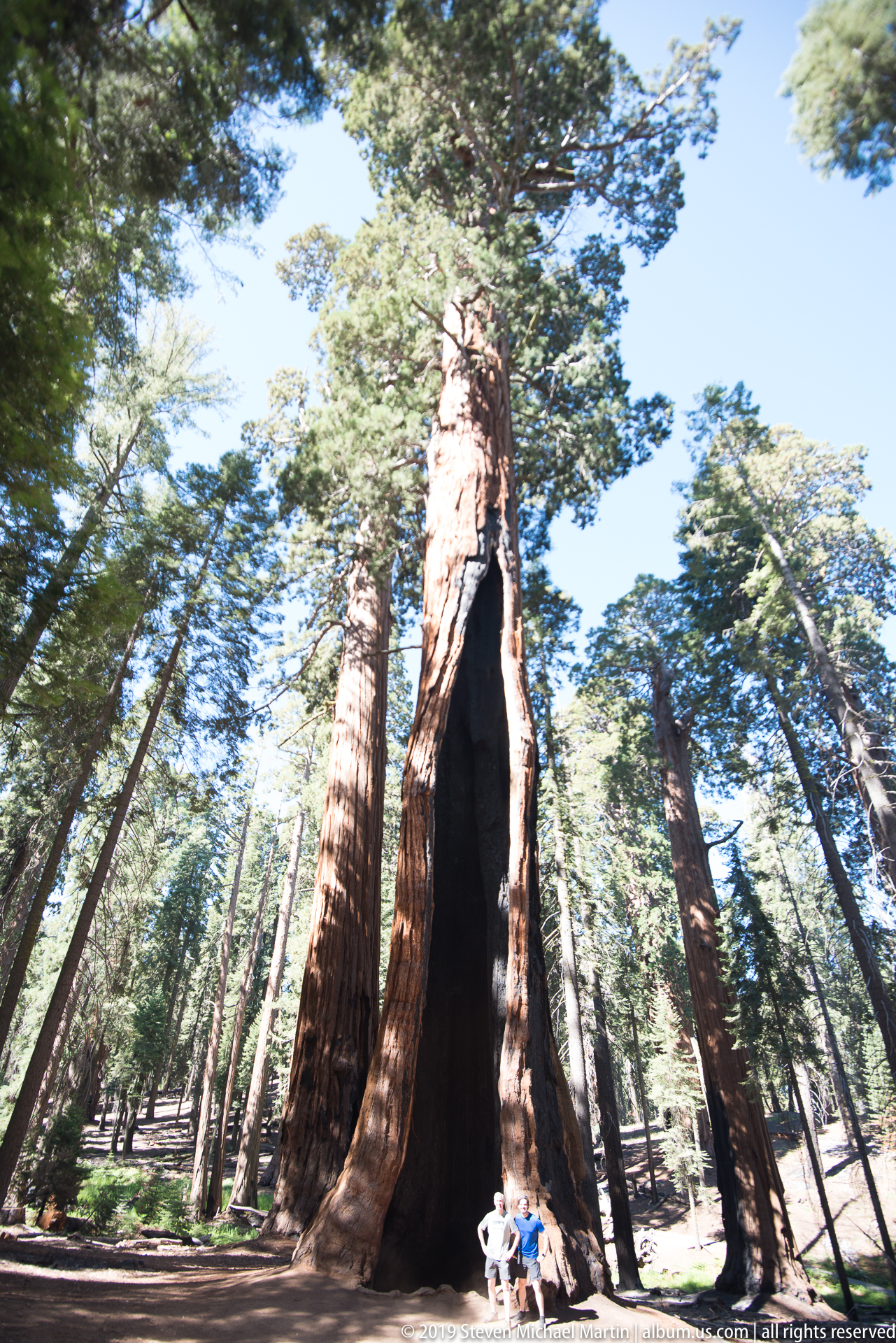
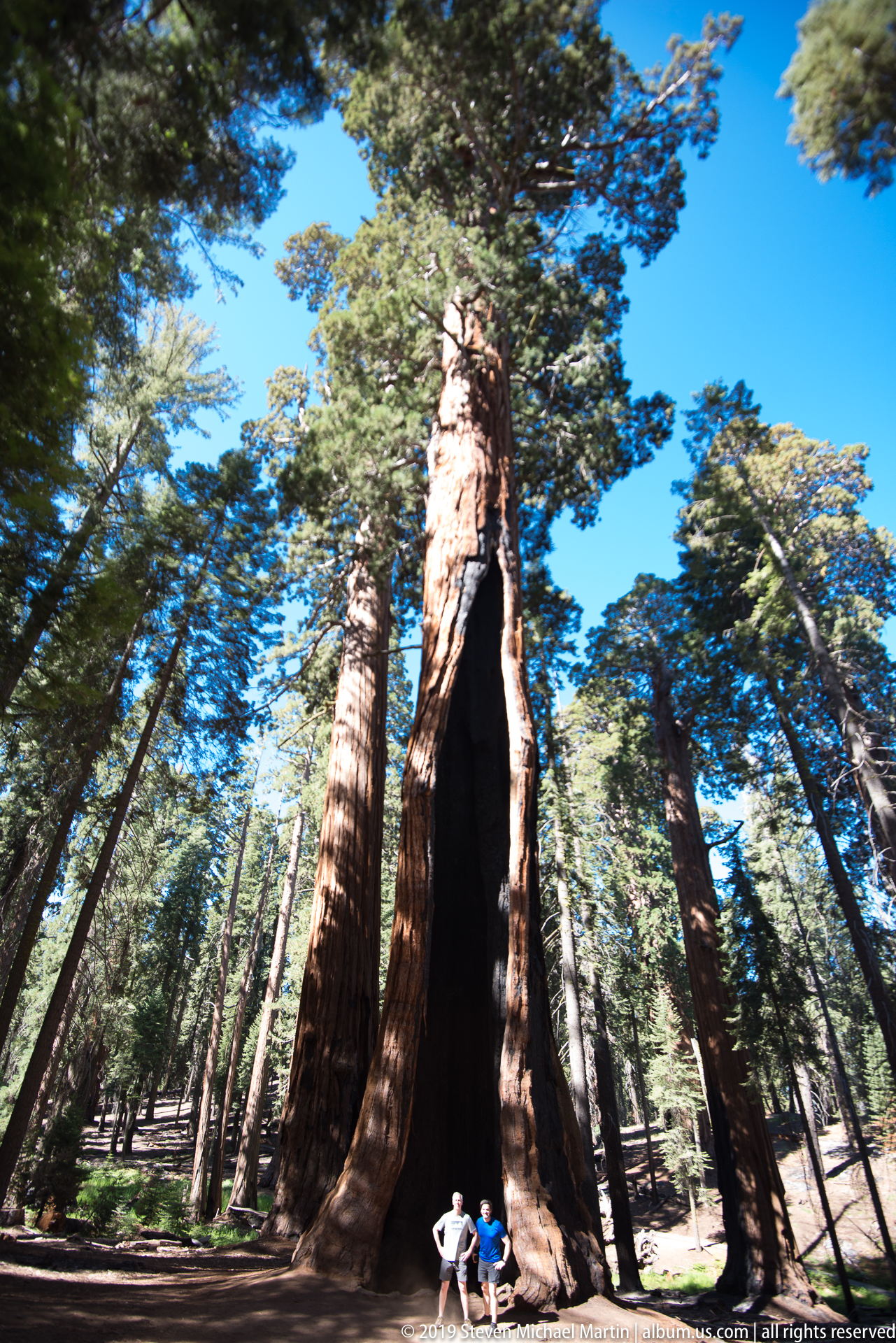
- Vertical compositions emphasize tree scale
- Morning light highlights bark texture
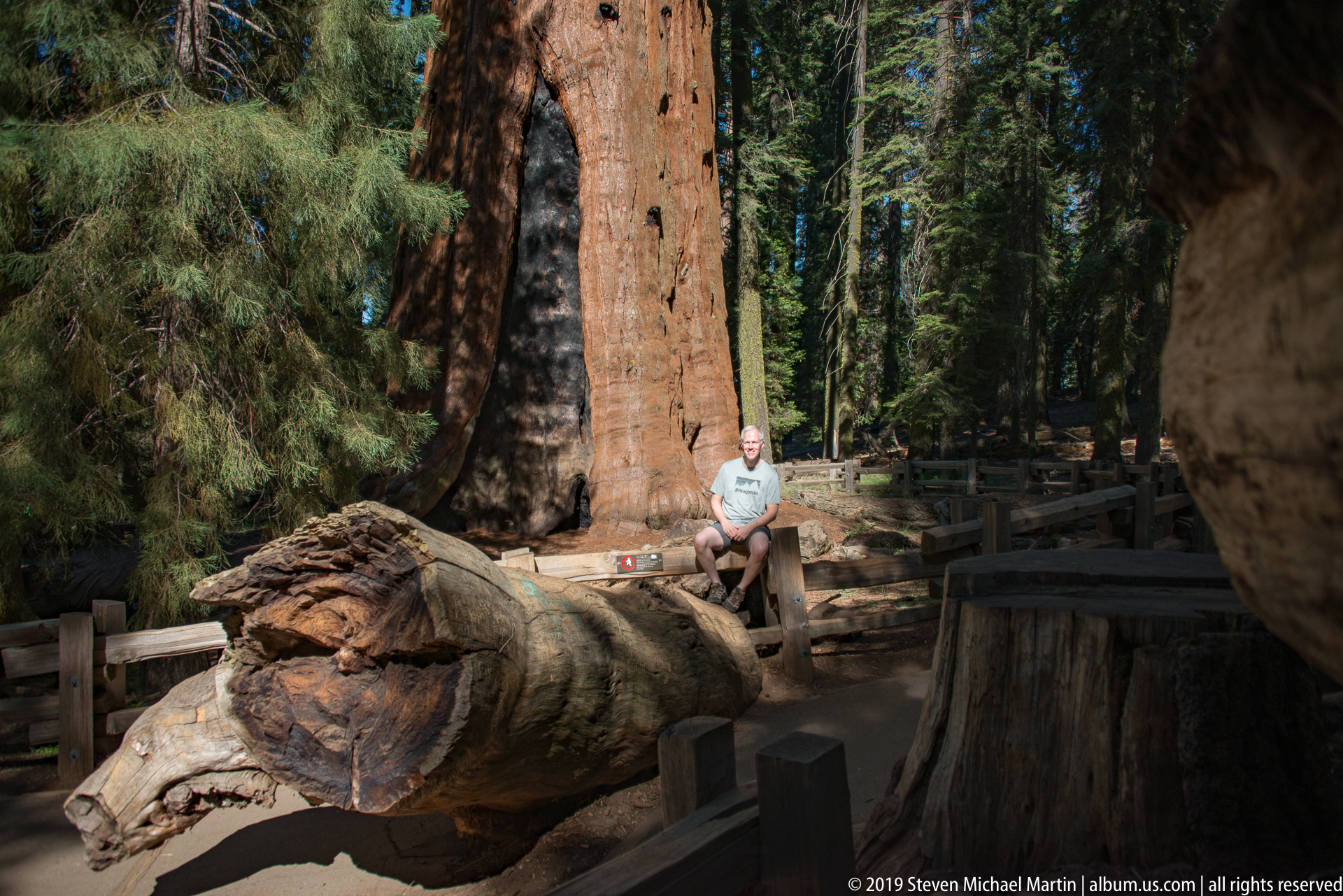
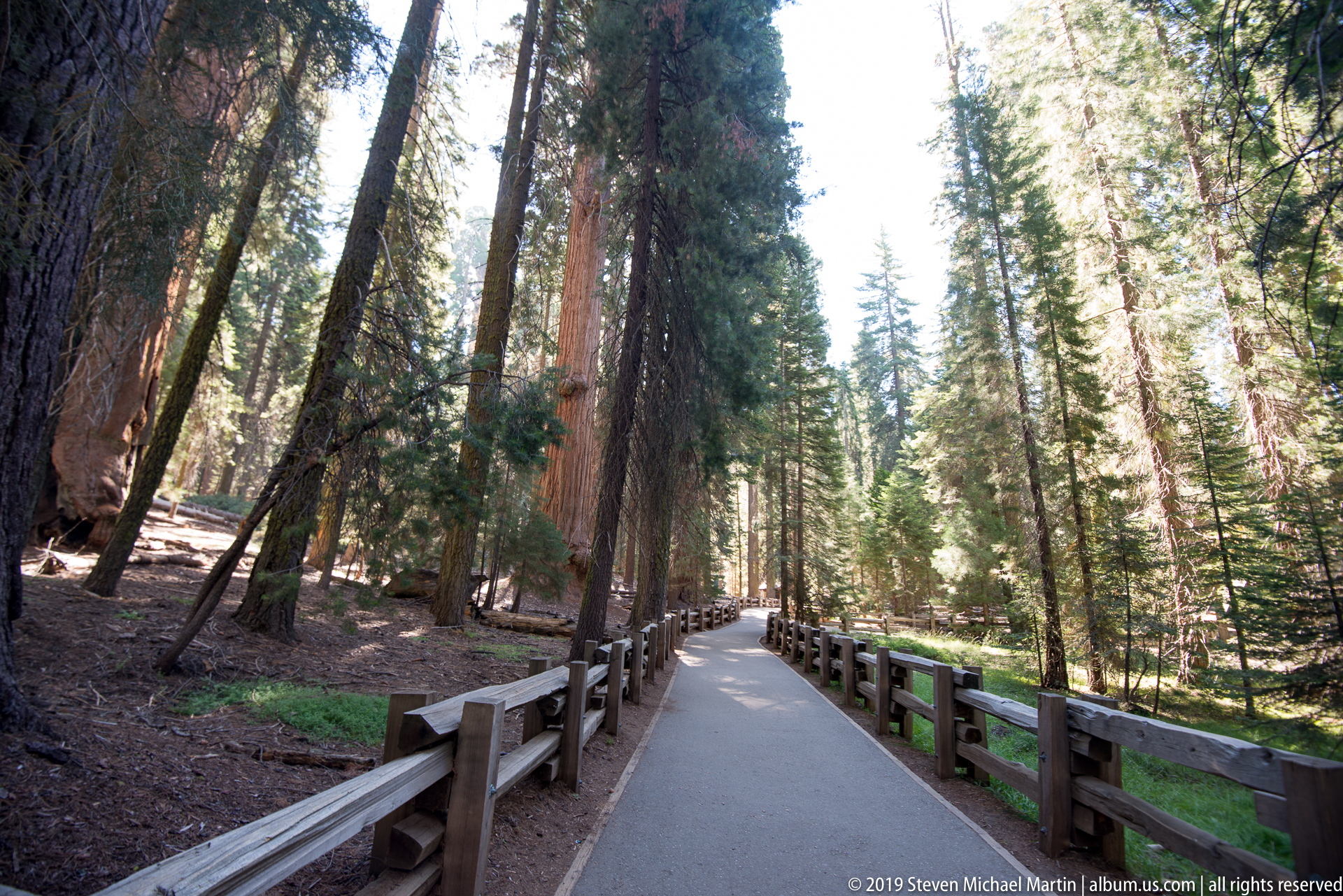
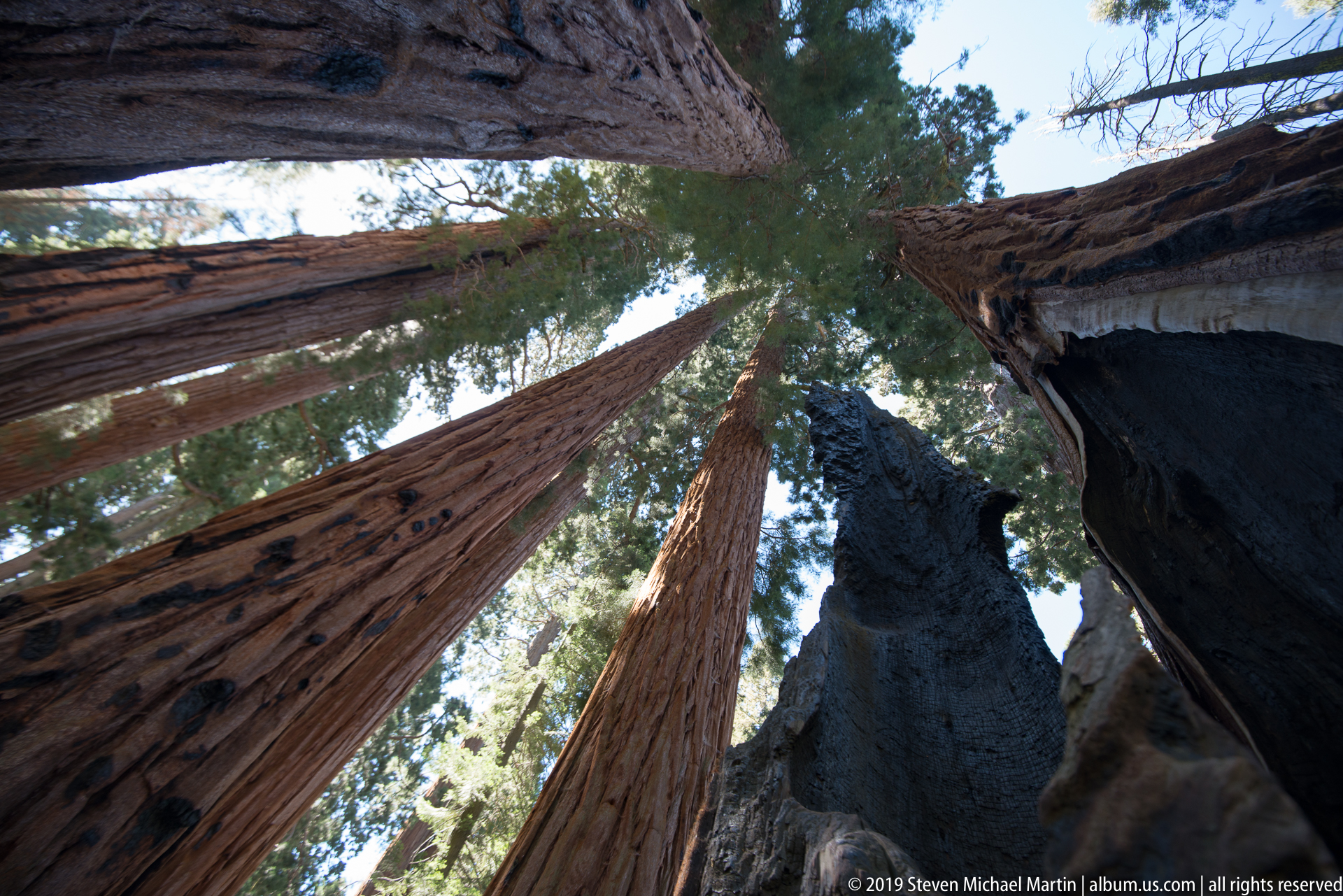
- Wide-angle lenses capture grove density
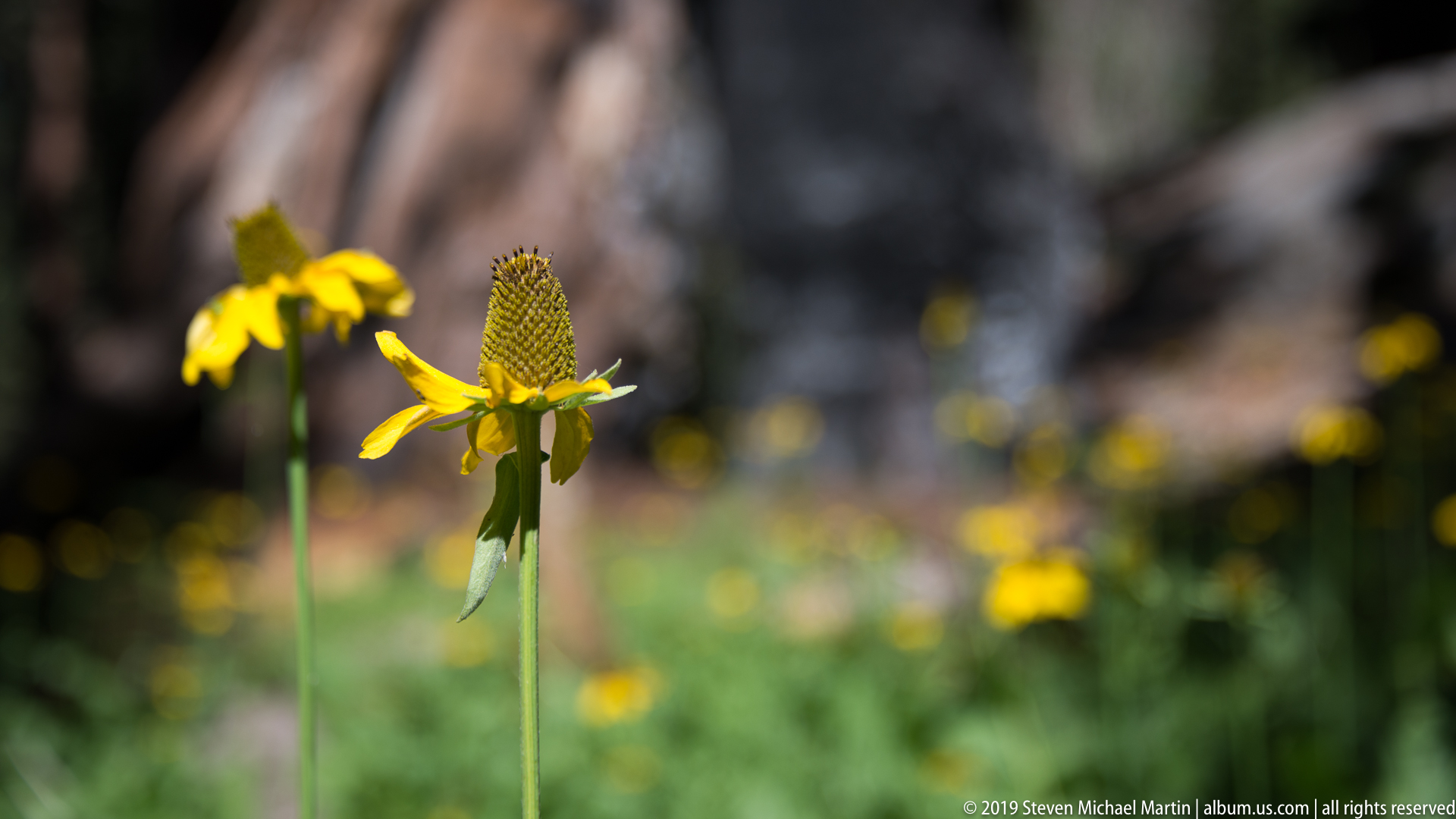
- Forest shade produces soft contrast
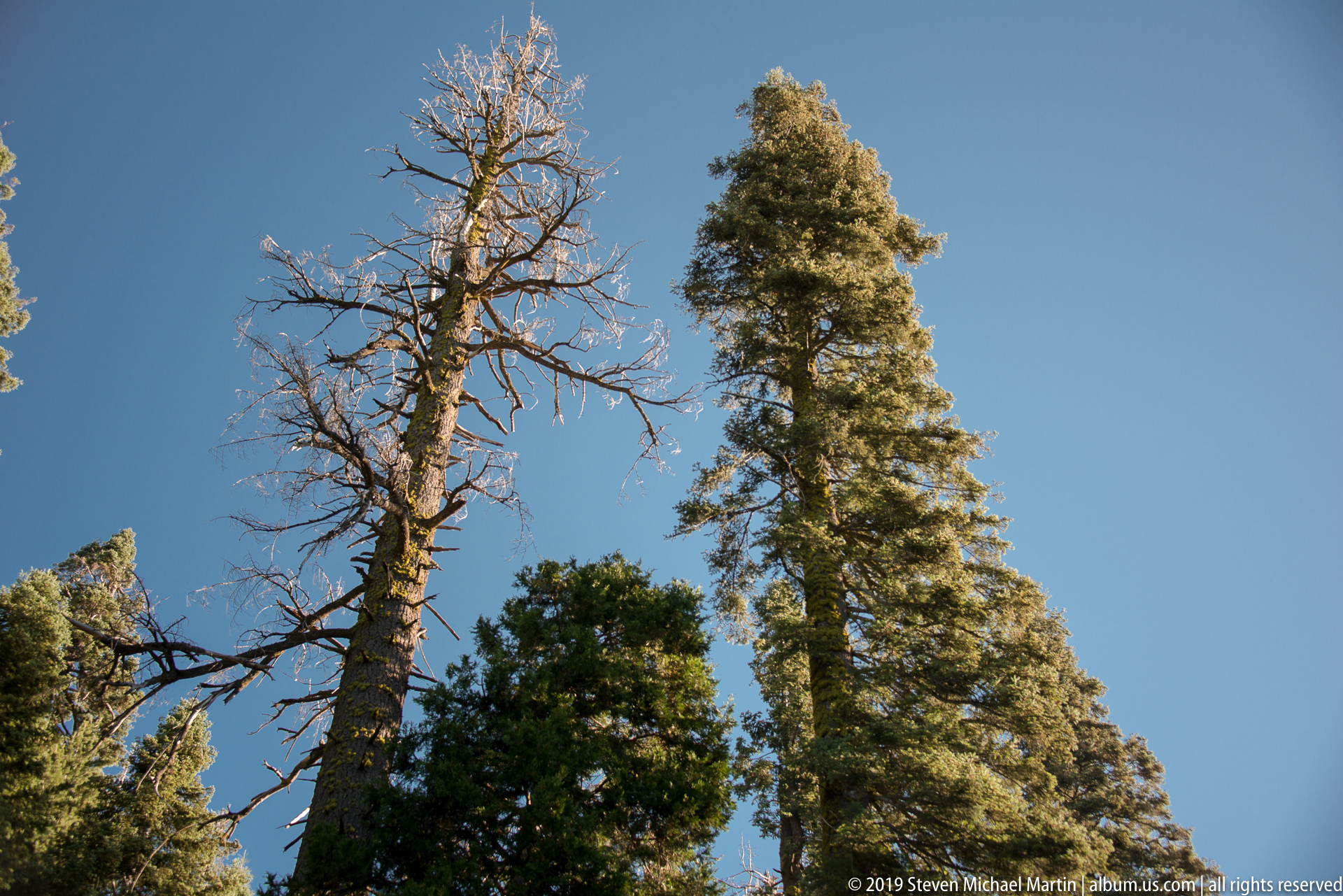
- Low-angle perspectives emphasize height
📚 Summary
Sequoia preserves one of the most distinctive forest ecosystems in North America, illustrating the relationship between elevation, climate, and long-lived tree species.