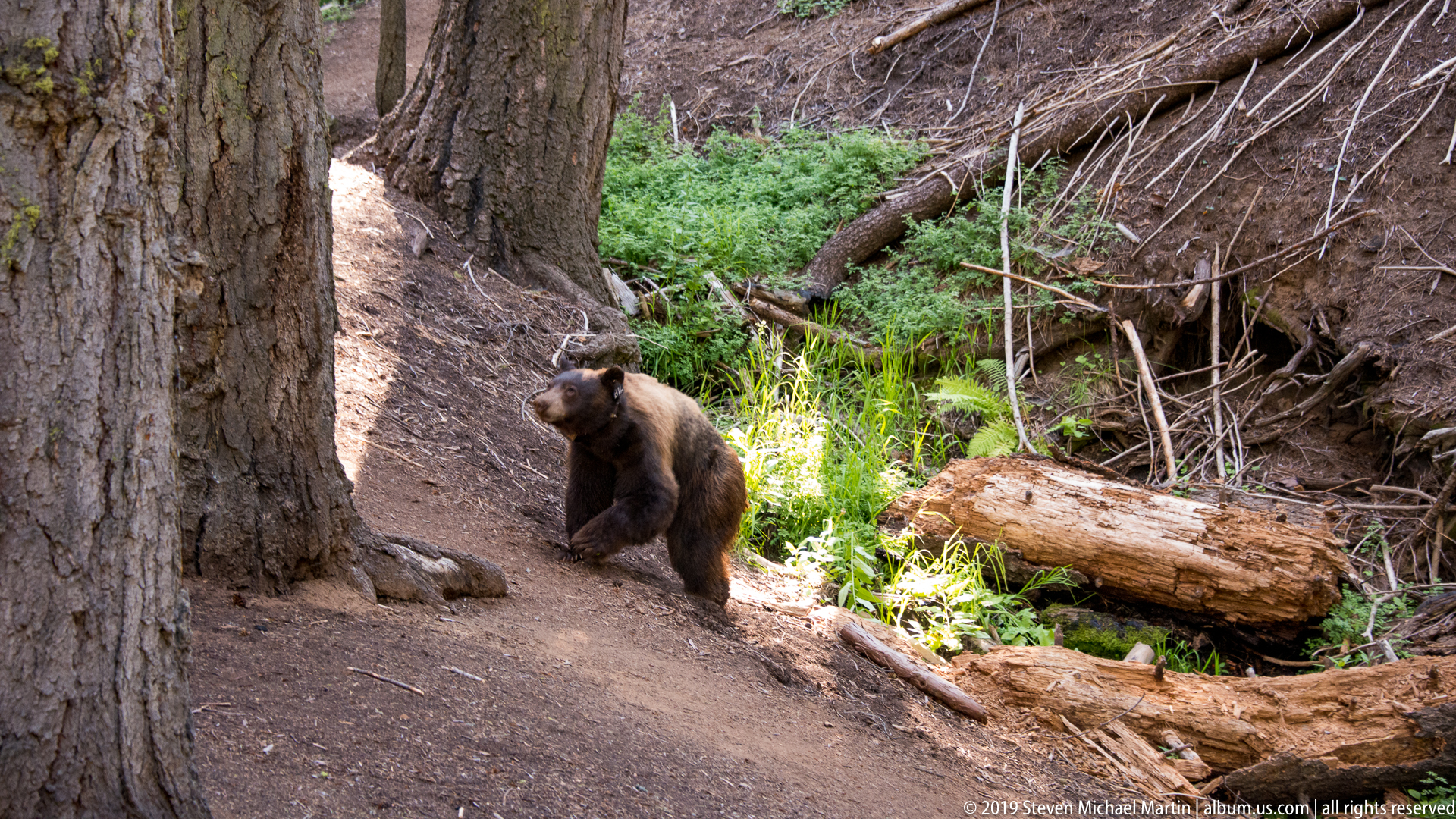
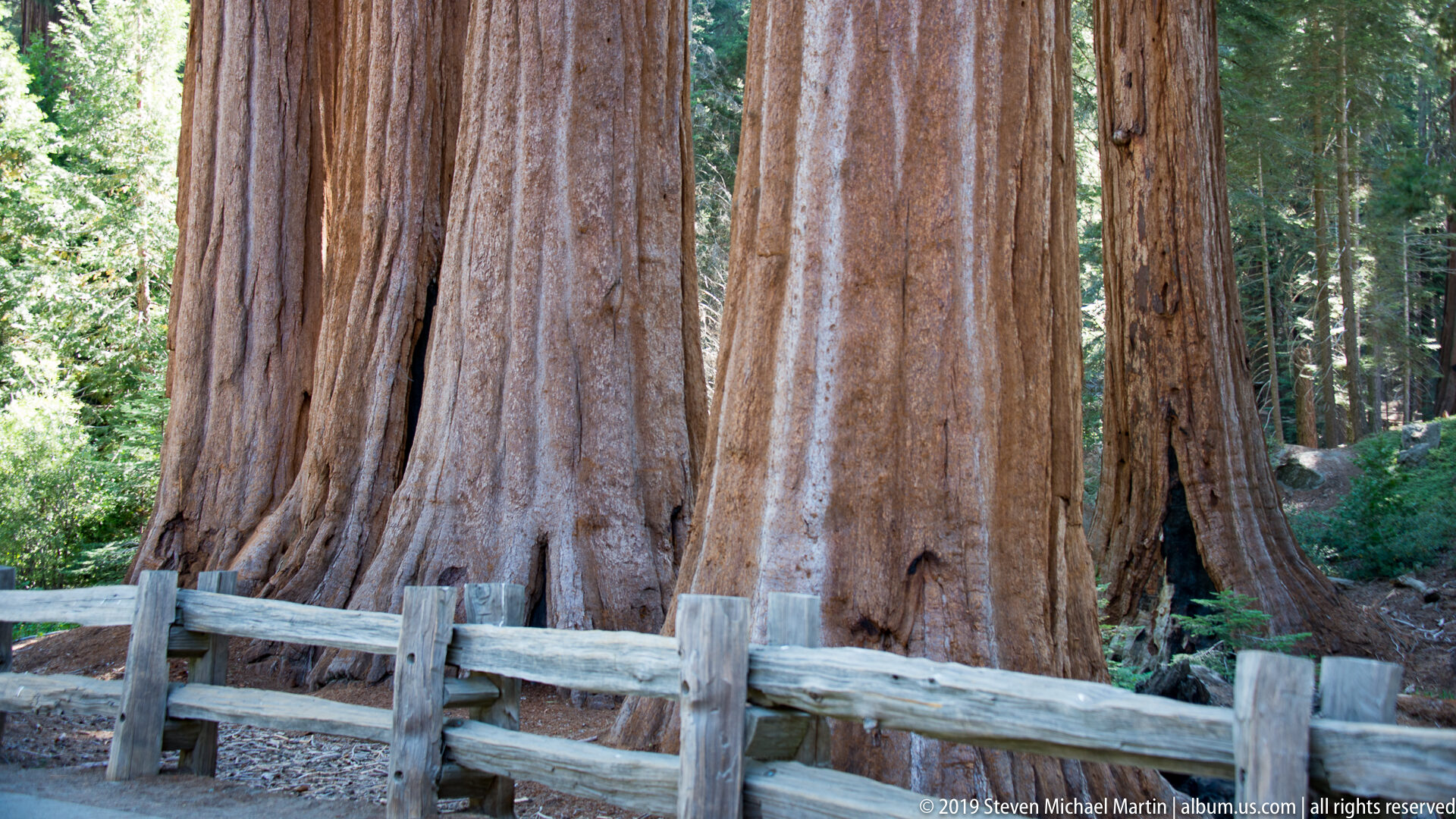
Kings Canyon National Park – Grant Grove Grant Grove is located in the western portion of Kings Canyon National Park in California’s Sierra Nevada, where mixed conifer forests support groves of giant sequoia trees growing at elevations of approximately 6,500 feet. The grove was originally protected in 1890 as General Grant National Park, established to […]
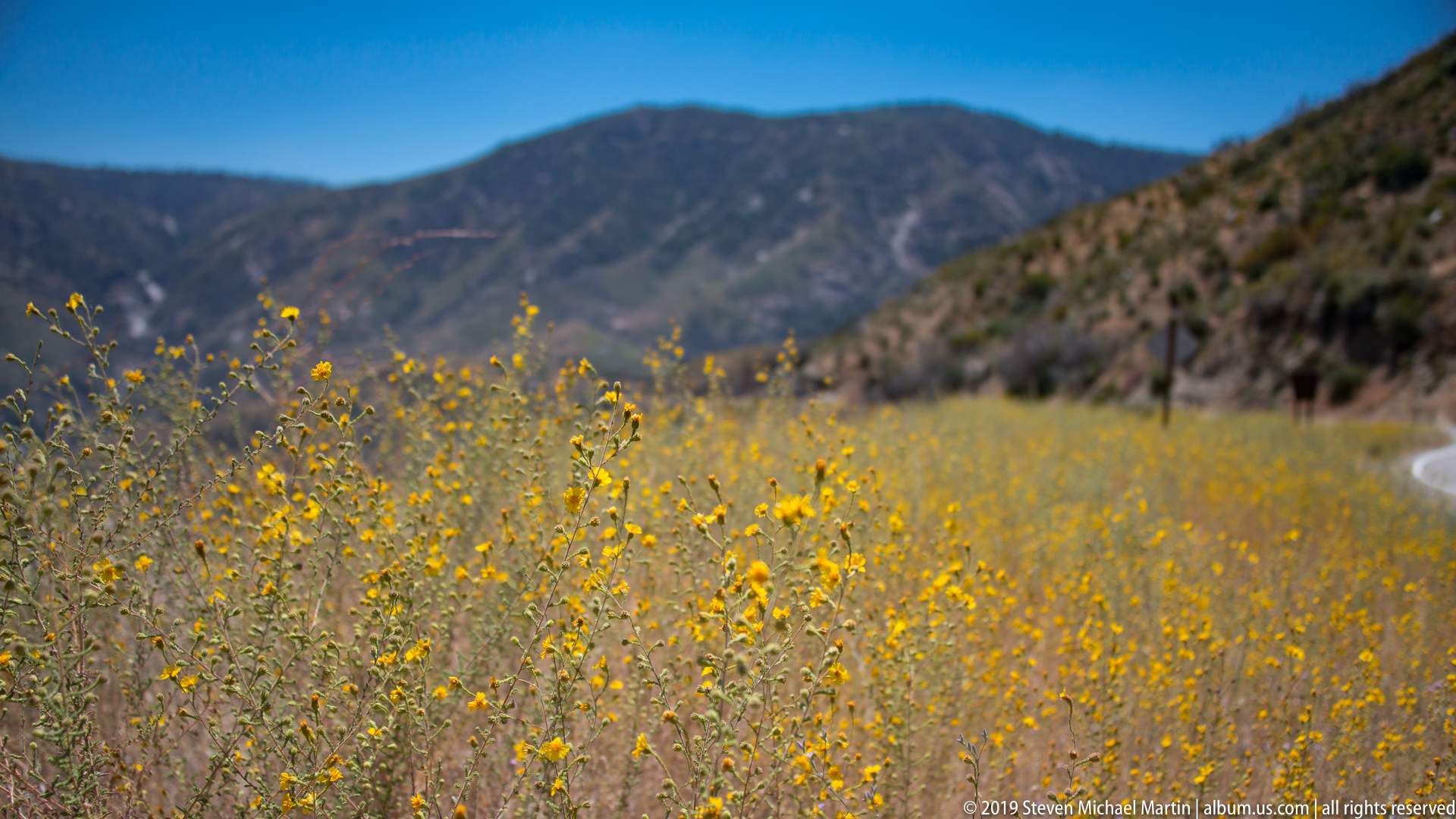
Kings Canyon National Park – Zumwalt Meadow Zumwalt Meadow is located in the Cedar Grove area of Kings Canyon National Park where glacial deposition created one of the most prominent meadows in the Sierra Nevada. The meadow lies along the Kings River within a valley formed by Ice Age glaciers that carved U-shaped canyon walls. […]
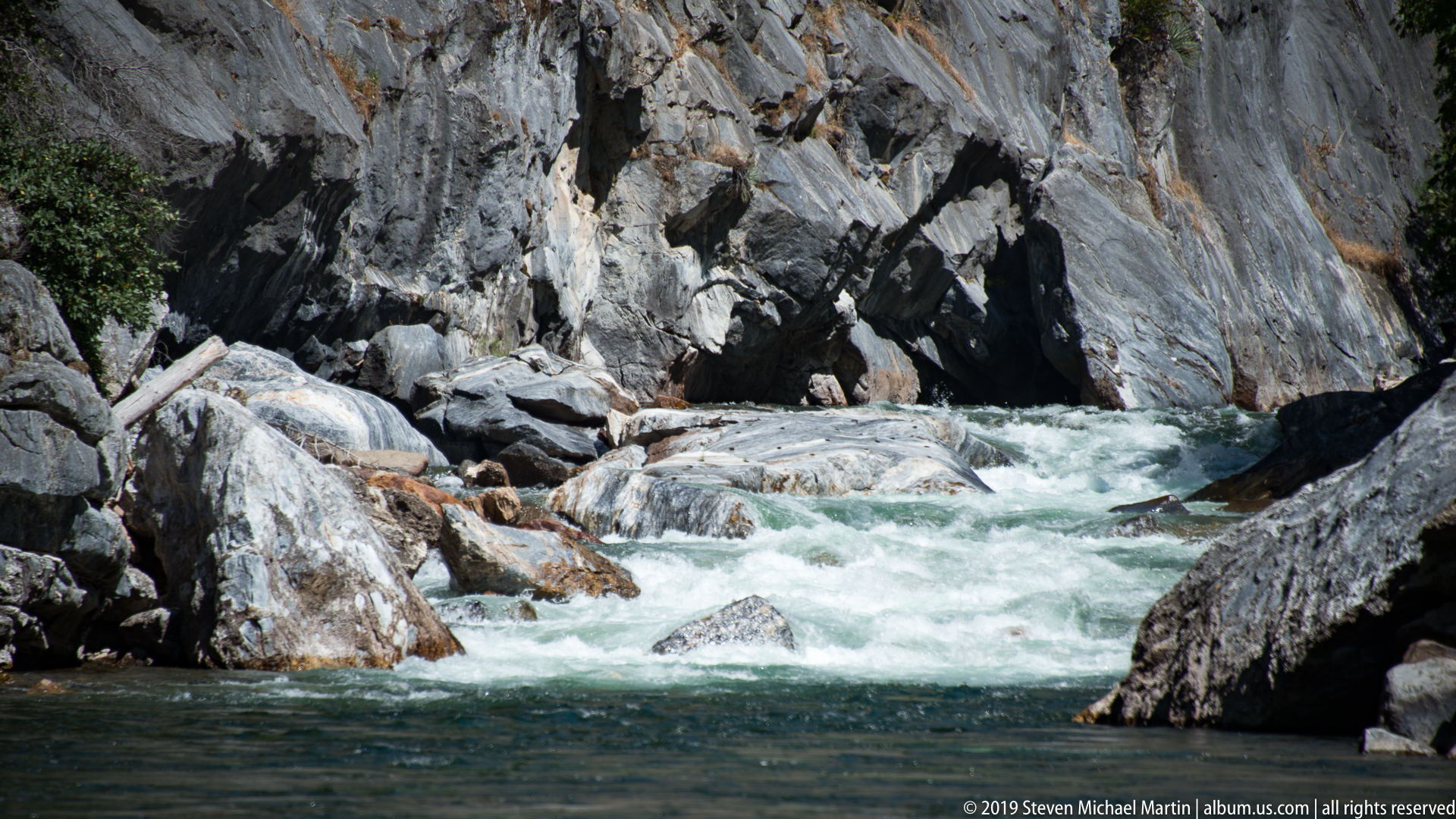
Kings Canyon National Park – Kings River Canyon The Kings River Canyon forms one of the deepest canyon systems in North America, carved by river erosion and glacial activity within the Sierra Nevada mountain range. Granite formations exposed along the canyon walls illustrate the geological processes associated with formation of the Sierra Nevada batholith millions […]
Kings Canyon National Park – Kings River Kings Canyon National Park is located in California’s southern Sierra Nevada where glacial processes carved deep valleys through granitic mountain terrain. The Kings River flows through steep canyon walls that illustrate the combined effects of tectonic uplift and erosion over millions of years. The canyon is one of […]
Sequoia National Park Sequoia National Park is located in California’s southern Sierra Nevada, where tectonic uplift and glacial erosion produced mountain landscapes characterized by deep valleys, granite cliffs, and high elevation forests. The park protects groves of giant sequoia trees, among the largest living organisms on Earth, growing within a narrow elevational range where climate […]
Saturn V Rocket Projection on the Washington Monument The Washington Monument forms the central vertical axis of the National Mall, designed as an obelisk to commemorate George Washington and the founding of the United States. Rising 555 feet above the surrounding landscape, the monument reflects nineteenth-century architectural traditions that associated classical form with permanence and […]
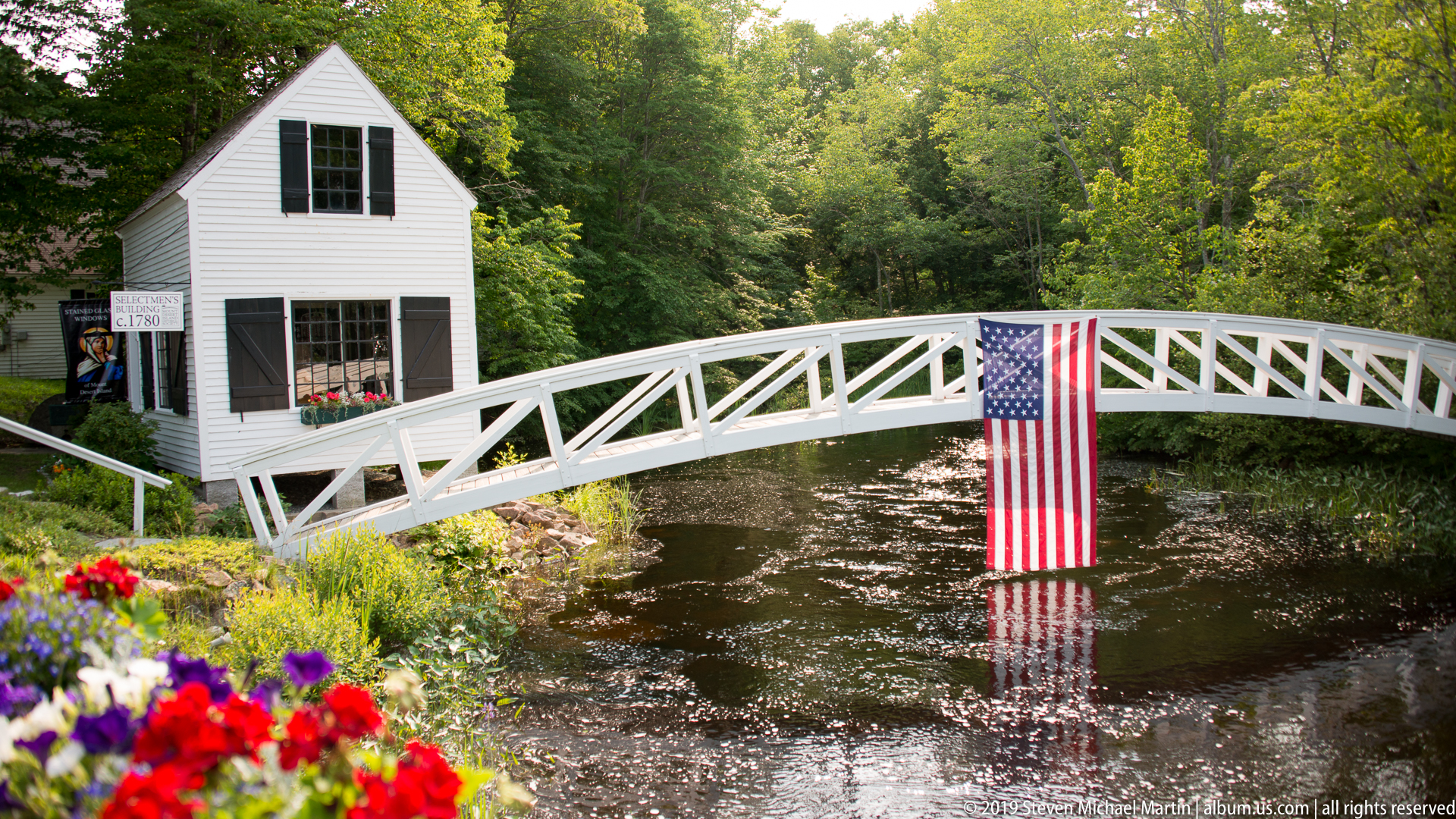
Mount Desert Island Mount Desert Island forms the geographic center of Acadia National Park, where granite mountains rise above the Atlantic shoreline as part of the northern extension of the Appalachian mountain system. The island’s landscape reflects the effects of continental glaciation that carved valleys, exposed resistant bedrock, and shaped the irregular coastline characteristic of […]
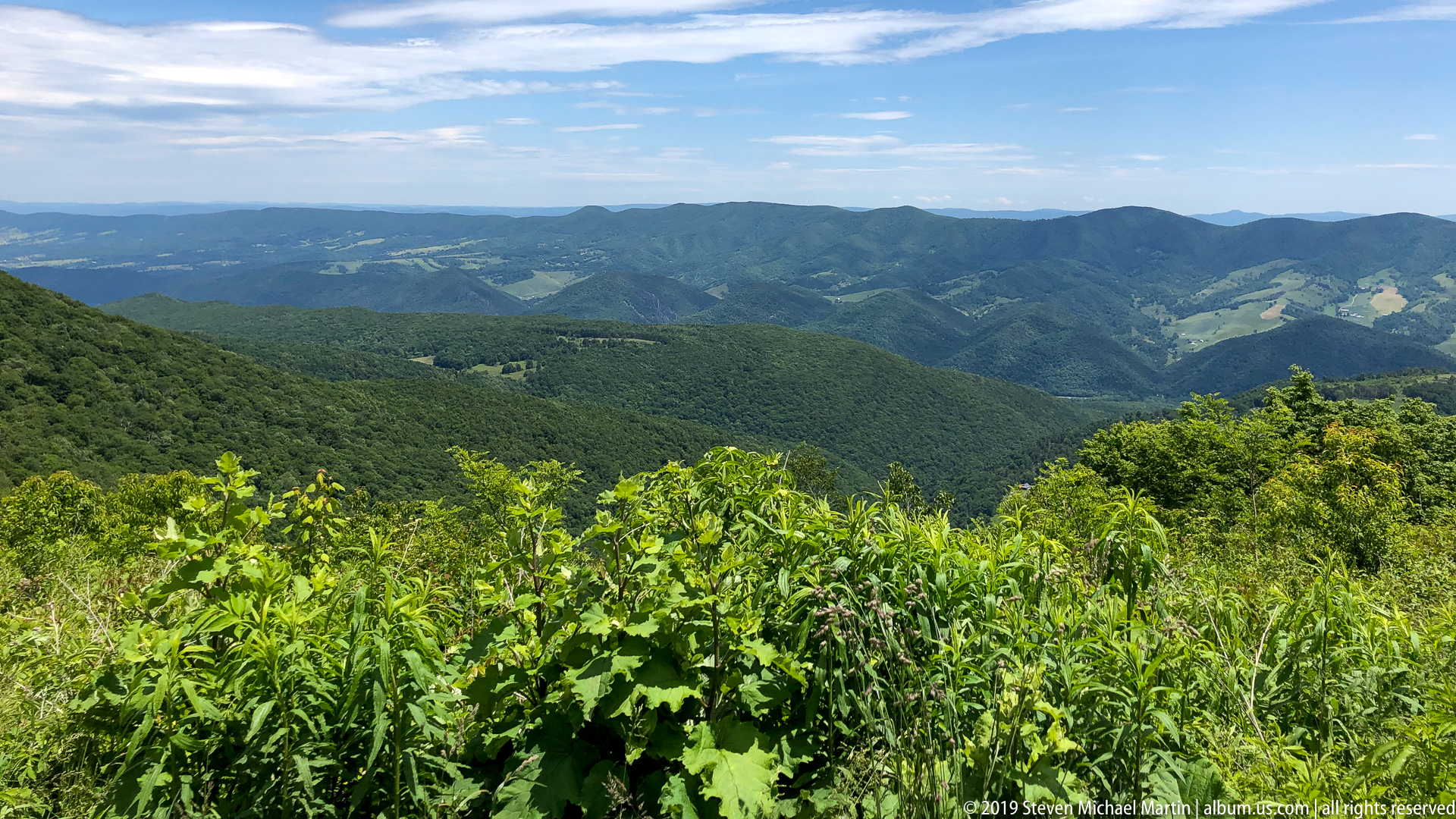
Spruce Knob Spruce Knob forms the highest point in West Virginia, rising above the surrounding Allegheny Mountains within the Monongahela National Forest. The summit reaches an elevation of over 4,800 feet, reflecting the geological processes that shaped the Appalachian Plateau through uplift and erosion over millions of years. The high elevation supports ecosystems influenced by […]
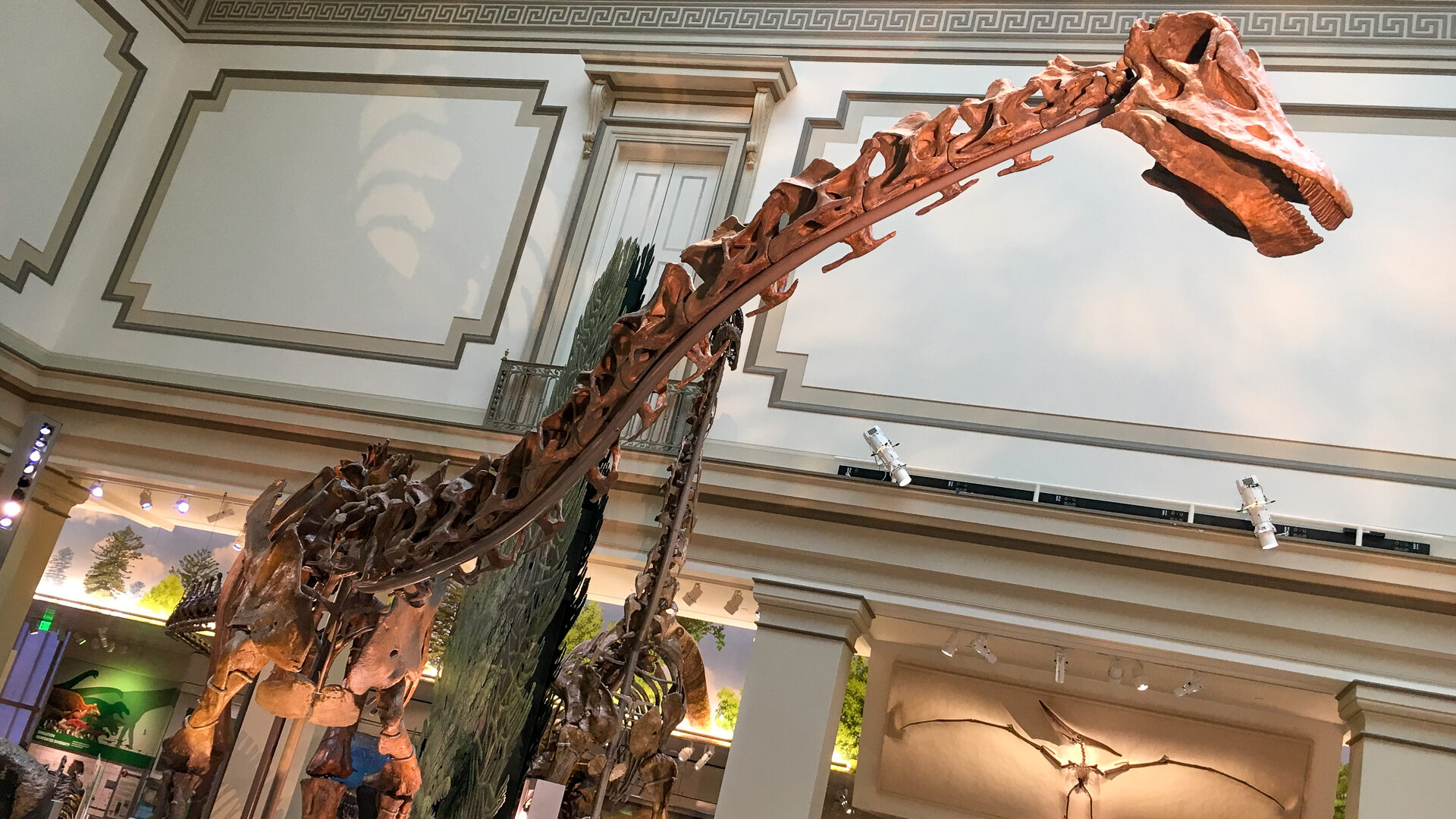
Dinosaurs at the National Museum of Natural History The National Museum of Natural History occupies a prominent position on the National Mall as part of the Smithsonian Institution’s research and educational mission dedicated to understanding the natural world. Opened in 1910, the museum reflects early twentieth-century efforts to expand scientific knowledge through public exhibition and […]